

Routine maintenance often separates satisfying car ownership from frustrating ownership, and few maintenance tasks represent this better than the basic engine oil change.
While oil changes are considered one of the simplest mechanical jobs, the actual experience can vary dramatically depending on how the vehicle is engineered. Some cars are designed with service access in mind, allowing quick and straightforward oil changes, while others seem to make even this basic job unnecessarily complicated.
For many owners, especially those who prefer maintaining their own vehicles, oil change accessibility can make a huge difference in long term ownership satisfaction.
A simple drain bolt location, an easy to reach oil filter, and adequate underbody clearance can turn a routine oil change into a predictable and stress free task. These cars often reflect engineering teams that considered real world ownership rather than just assembly line efficiency.
At the opposite end are vehicles that unintentionally discourage do it yourself maintenance. Some require removing multiple panels, dealing with awkward filter placements, or navigating tightly packed engine bays.
In certain cases, the oil filter may even be positioned in areas that risk spills onto suspension components or require special tools. These designs can make a simple maintenance job feel like a complex mechanical project.
This topic deserves attention because ownership costs are not only about fuel economy or reliability ratings. Serviceability plays a major role in how much time, effort, and money an owner will invest throughout the life of a vehicle.
A car that makes basic maintenance easy often builds long term loyalty among owners who appreciate practical engineering.
Looking at both ends of the spectrum also reveals how different manufacturers approach maintenance philosophy. Some brands clearly design with technicians and owners in mind, while others focus more on packaging efficiency or performance without considering service convenience.
By comparing cars with simple oil change procedures against those that present real challenges for do it yourself maintenance, this article highlights an often ignored but highly practical aspect of automotive design.
For buyers who value mechanical accessibility, this comparison may matter just as much as horsepower or interior technology.
Also Read: 5 Brands Offering Lifetime Tech Support vs 5 That Lock Features Behind Paywalls
5 Cars With Simple Oil Change Procedures
Not every car turns maintenance into a complicated experience. Some vehicles stand out because they respect the idea that routine servicing should be straightforward, predictable, and accessible even for owners with basic mechanical knowledge. These cars often develop strong reputations among enthusiasts and practical owners alike.
One reason these vehicles deserve recognition is because they demonstrate thoughtful engineering beyond performance and styling.
When a manufacturer positions the oil filter where it can be reached without removing multiple components, it shows awareness of ownership realities. These are the kinds of details that may not appear in brochures but matter deeply over time.
Another reason this topic matters is because easier maintenance often encourages better maintenance habits. When an oil change can be completed without frustration, owners are less likely to delay service. This can directly influence long term engine durability and reliability.
The following vehicles were selected because they show different ways manufacturers can simplify this process. Some achieve it through spacious engine bays, others through clever filter placement, and some through overall mechanical simplicity. Each one reflects a different philosophy of practical design.
I am writing about these cars because service friendly engineering rarely receives the attention it deserves. While advanced technology often dominates automotive discussions, the ability to easily perform basic maintenance remains one of the most honest measures of good engineering.
1. Toyota Corolla
The Toyota Corolla deserves recognition because it represents one of the clearest examples of maintenance friendly design in a modern passenger car. Toyota has built a reputation not only on reliability but also on making routine service tasks straightforward for both technicians and owners.
One of the most appreciated aspects of the Corolla is the logical placement of its oil filter and drain plug. In many model years, both components are positioned in ways that allow access without removing excessive underbody protection. This reduces the time needed for a routine oil change and lowers the chances of accidental spills.
There is also something worth noting about how Toyota approaches engine bay layout. Instead of packing components tightly for visual presentation, the Corolla typically maintains enough spacing to allow hands and basic tools to reach service points. This reflects a practical philosophy that values usability over cosmetic complexity.
I am including this car because it represents the everyday ownership experience of millions of drivers. Not everyone owns performance vehicles or luxury cars. Many people simply want transportation that does not punish them during routine maintenance. The Corolla fits that description extremely well.
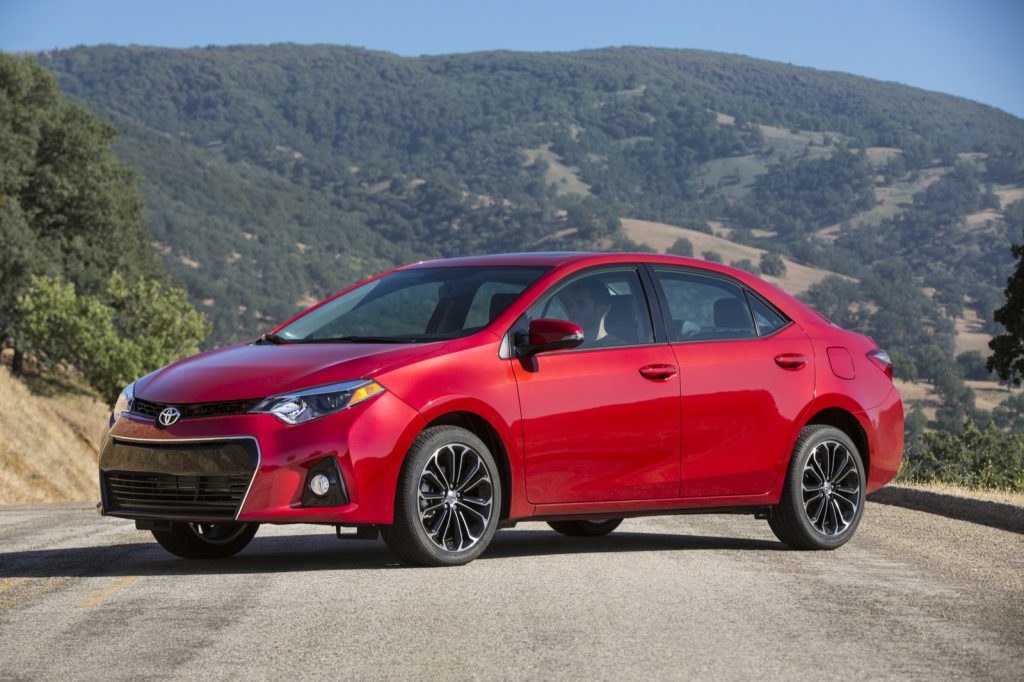
Another reason to discuss this car is its global presence. Because it is sold in many markets, Toyota tends to design it with service simplicity in mind to support varied service environments. This makes it a strong example of how global engineering can also improve individual ownership experiences.
This vehicle demonstrates that making a car easy to maintain is not complicated. It simply requires manufacturers to consider how real people interact with their vehicles beyond the showroom.
2. Honda Civic
The Honda Civic earns its place in this discussion because it demonstrates how thoughtful mechanical layout can simplify even the most routine tasks. Honda has historically designed engines with accessibility in mind, and the Civic continues that tradition in many of its generations.
One of the standout advantages is how predictable the service layout tends to be. Owners familiar with one Civic generation often find the next generation similarly easy to work on. This consistency helps build confidence among DIY owners who prefer doing their own maintenance rather than visiting service centers.
Another reason this car stands out is because of how Honda positions the oil filter to minimize mess. In many Civic models, the filter is placed where oil runoff can be managed easily, which reduces cleanup time and makes the job feel more controlled. This may sound like a small detail, but it significantly improves the experience.
This car is included because it reflects how engineering discipline can improve ownership satisfaction. The Civic has always balanced efficiency, performance, and usability. Making oil changes manageable is part of that balanced approach.
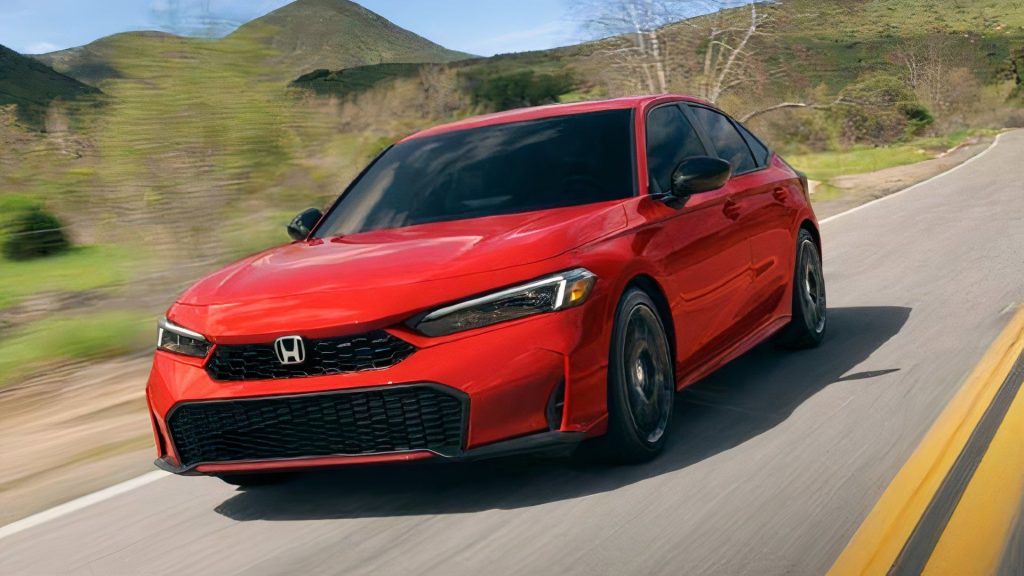
It also deserves mention because of its popularity among first time car owners and students learning basic maintenance skills. A vehicle that makes simple tasks approachable can help new enthusiasts build confidence in mechanical work.
I chose to write about the Civic because it shows that ease of maintenance is often the result of consistent engineering priorities rather than isolated design decisions. It proves that simplicity can still exist even as cars become more technologically advanced.
3. Mazda MX-5 Miata
The Mazda MX-5 Miata offers a completely different reason for being included among cars with simple oil change procedures. Unlike practical commuter cars, the Miata is a lightweight sports car, yet it still manages to provide impressive service accessibility. This shows that performance oriented vehicles do not always have to sacrifice maintainability.
A major factor that makes the Miata stand out is its compact but intelligently arranged engine bay. While the car itself is small, Mazda avoided unnecessary clutter around the engine. The oil filter is generally positioned in a way that allows direct access from underneath without dealing with excessive shielding or complex obstructions.
Another interesting aspect worth discussing is how the Miata attracts owners who enjoy working on their own cars. Because this vehicle has a strong enthusiast following, Mazda understands that many owners will perform their own maintenance.
Making the oil change process simple supports this community and reinforces the car’s reputation as a driver focused machine.
I am including the Miata because it demonstrates that simplicity often comes from intentional restraint. Instead of filling the engine compartment with decorative covers or excessive packaging complexity, the car focuses on mechanical clarity. This makes basic service tasks feel refreshingly honest compared to more complicated vehicles.

This vehicle also deserves mention because it reflects a different ownership culture. Many Miata owners treat maintenance as part of the enjoyment rather than an obligation. A simple oil change process helps support that relationship between driver and machine.
I chose this car because it proves that accessibility is not limited to economy vehicles. Even a purpose built sports car can remain friendly to basic maintenance if engineers choose to value service access during development.
4. Ford F-150 (5.0 V8)
The Ford F-150 with the 5.0 liter V8 engine earns recognition for a completely different reason than the previous vehicles. Its advantage comes not from compact efficiency or minimalist design, but from sheer physical space. Full size trucks often provide generous room around the engine, which naturally makes maintenance easier.
One of the biggest advantages worth discussing is how the truck’s ground clearance reduces the need for lifting equipment during an oil change. Many owners can perform the service without using ramps or jacks, which immediately makes the process more approachable compared to low passenger cars.
Another important detail is the straightforward placement of the oil filter and drain bolt. Ford designed this engine with service intervals in mind because these trucks are often used in demanding environments where regular maintenance is critical. Easy access helps reduce downtime for both personal and commercial owners.
I am writing about this truck because it highlights how work vehicles often prioritize serviceability out of necessity. Trucks that are difficult to maintain would quickly lose favor among fleet operators and contractors. The F-150 shows how practical requirements can lead to smart engineering decisions.
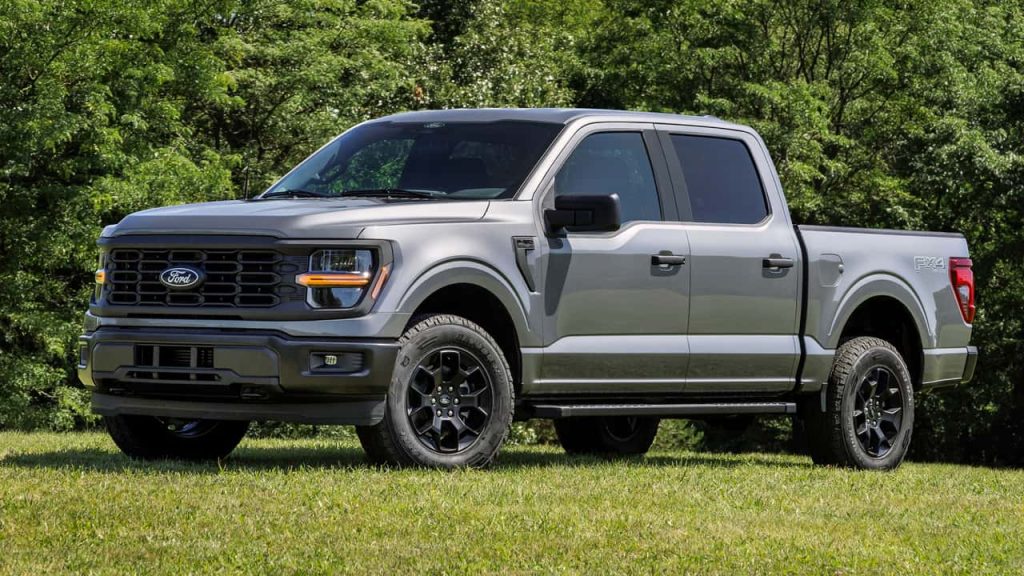
This vehicle also represents a different ownership mindset. Many truck owners prefer handling maintenance themselves, especially in rural or work settings. Making oil changes simple supports that independent ownership style.
The F-150 deserves its place because it shows how designing for durability often results in designing for accessibility. When a vehicle is expected to handle hard work, it also needs to be easy to maintain. That philosophy makes this truck a strong example of service friendly engineering.
5. Hyundai Elantra
The Hyundai Elantra deserves attention because it shows how modern compact sedans can still maintain maintenance simplicity even as they become more design focused and technology heavy. Hyundai has steadily improved its engineering discipline, and this is visible not only in reliability but also in how routine servicing is handled.
One of the reasons this car stands out is because of its straightforward underbody access. Many Elantra models use simple splash guards that can be removed quickly without complicated fastener systems.
This makes reaching the drain bolt and filter relatively manageable compared to vehicles that hide everything behind complex panels.
Another interesting reason to include this vehicle is Hyundai’s focus on ownership value. The company understands that many buyers in this segment are cost conscious and may prefer handling simple maintenance themselves. Designing service points to be reachable supports that value focused ownership experience.
I am writing about the Elantra because it shows how newer manufacturers have learned from the reputations built by Japanese brands in the past. Ease of maintenance is now part of how Hyundai competes for long term customer loyalty. Making routine service less frustrating is one way to achieve that.
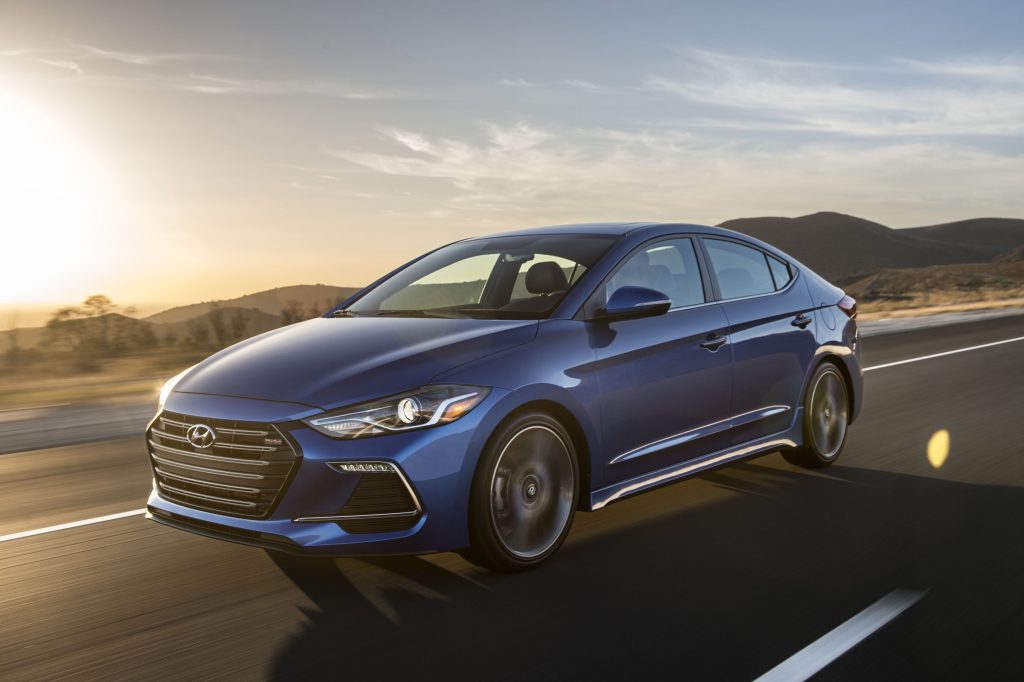
This car also represents how modern vehicles can still respect mechanical accessibility even while incorporating advanced electronics and safety systems. It demonstrates that increasing technological complexity does not automatically require making routine maintenance more difficult.
The Elantra earns its place because it reflects a quiet but important improvement in the industry. Manufacturers that once focused mainly on features are now also thinking about long term ownership experience. This makes it a meaningful example of how the industry continues to mature.
5 That Are DIY Nightmares
While some vehicles make routine maintenance straightforward, others unintentionally create frustration for owners attempting even basic service tasks. Oil changes should be simple, but certain engineering decisions can turn them into time consuming projects requiring patience, special tools, or even partial disassembly.
One of the biggest reasons this happens is packaging efficiency. Modern vehicles often place engines, turbochargers, cooling systems, and emissions equipment into very tight spaces. While this improves performance, efficiency, and crash safety, it can also make routine access points much harder to reach.
Another factor is the increasing use of aerodynamic underbody panels. While these improve fuel economy and reduce noise, they sometimes require removing numerous fasteners just to reach the oil drain. For DIY owners, this can turn a thirty minute job into something much longer.
This section is important because many buyers do not think about service access until after purchase. Marketing materials rarely mention how difficult routine maintenance might be. By the time owners discover the complexity, they may already be committed to the vehicle.
I am writing about these vehicles because they highlight the tradeoffs that come with modern automotive design. Performance, emissions compliance, and styling sometimes take priority over service simplicity. While these vehicles may be excellent in many areas, they demonstrate how basic maintenance can become surprisingly complicated.
1. BMW 7 Series
The BMW 7 Series represents how luxury engineering can sometimes complicate routine maintenance in the pursuit of refinement and performance. While this flagship sedan delivers impressive technology and comfort, its tightly packaged engine bay often makes simple tasks more challenging than expected.
One reason this car deserves inclusion is the extensive use of protective covers and insulation materials. These components help reduce noise and improve refinement, but they can also make it harder to quickly access service points. Removing these layers adds extra steps to what should be a routine process.
Another important factor is the complexity of BMW’s engine layouts. With turbocharging systems, advanced cooling setups, and dense electronics, the available working space becomes limited. This often requires careful maneuvering just to reach the oil filter housing.
I included this car because it demonstrates how luxury priorities can reshape maintenance experiences. Buyers in this segment often rely on dealership service, so manufacturers may not prioritize DIY friendliness. This makes it an important example of how ownership expectations influence engineering decisions.

This vehicle also shows how advanced engineering sometimes creates unintended ownership challenges. While the performance and smoothness may be impressive, they come with a level of complexity that can discourage independent maintenance.
The BMW 7 Series earns its place because it highlights how sophistication can sometimes conflict with simplicity. It reminds buyers that high end engineering often brings both benefits and tradeoffs.
2. Audi A4 (2.0T)
The Audi A4 with the 2.0 liter turbocharged engine earns recognition for a different kind of maintenance challenge. Rather than luxury complexity alone, this car demonstrates how tight packaging in compact performance sedans can make routine service less convenient than expected.
One of the main reasons this vehicle stands out is the placement of its oil filter in relation to other engine components. Depending on the model year, access may require working around intake plumbing or engine covers that are not designed for quick removal.
Another reason worth discussing is how German engineering often prioritizes compact integration. Audi designs tend to maximize space efficiency, but this can leave little room for hands or tools. The result is a maintenance experience that may feel more technical than the vehicle’s size suggests.
I am writing about this car because it represents a situation many buyers face. Compact luxury sedans often appear practical on the surface, but their engineering complexity can surprise owners who expect simple maintenance similar to mainstream sedans.
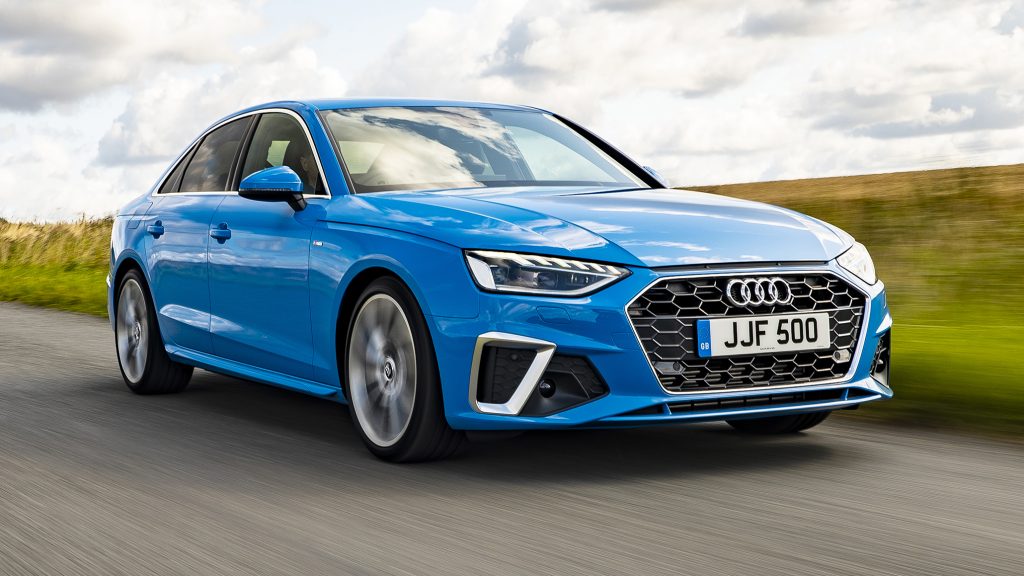
This vehicle also highlights how turbocharged engines can complicate routine service. Additional plumbing and heat shielding often limit access paths, making simple tasks more time consuming.
The Audi A4 deserves inclusion because it shows how modern performance efficiency can sometimes come at the cost of maintenance convenience. It serves as a useful reminder that engineering priorities always involve compromises.
3. Mini Cooper (Turbo Models)
The Mini Cooper, particularly the turbocharged variants, presents a very different kind of DIY frustration compared to the larger luxury sedans already discussed.
Its challenge does not come from excessive luxury layering but from extreme compact packaging. Trying to fit performance hardware into a very small engine bay often leaves almost no extra working room.
One of the main reasons this car qualifies as a difficult oil change platform is the cramped engine compartment. Mechanics often describe the layout as densely stacked, meaning components are layered closely together rather than spread out.
This may help the car maintain its small footprint, but it also makes access points harder to reach without patience.
Another detail that makes this vehicle worth mentioning is how the oil filter location can vary in accessibility depending on generation.
Some versions require navigating around hoses or reaching into tight spaces that increase the chance of oil dripping onto surrounding components. This turns a normally clean process into something that requires careful preparation.
I am including this car because it reflects how design character can sometimes create ownership compromises. The Mini is built around personality and driving enjoyment. Maintenance convenience clearly was not the primary focus, and this shows in the service experience.

This vehicle also deserves discussion because it demonstrates how smaller cars are not always easier to maintain. Many people assume compact cars automatically mean simple servicing, but the Mini proves that packaging density matters more than exterior size.
The Mini Cooper earns its place because it shows how engineering creativity sometimes prioritizes driving feel and design identity over service accessibility. It is an example of how a fun car can still require extra patience when it comes time for basic maintenance.
4. Subaru Outback (Boxer Engine Models)
The Subaru Outback presents a unique maintenance challenge due to its horizontally opposed boxer engine layout. Unlike conventional inline or V shaped engines, the boxer configuration spreads components sideways. While this improves balance and lowers the center of gravity, it can complicate service access.
One reason this vehicle stands out is the unusual placement of the oil filter in certain model years. Earlier designs placed the filter in positions that could lead to oil spilling onto engine components or crossmembers during removal. Later improvements addressed some of these concerns, but the reputation remains among DIY communities.
Another factor worth discussing is how the engine layout limits vertical access. Because the engine sits low and wide, reaching certain areas from above can be difficult. This sometimes forces owners to approach maintenance from underneath, adding extra preparation compared to more conventional engine designs.
I chose to include this vehicle because it shows how unique engineering solutions can create unexpected maintenance realities. Subaru’s boxer engine provides real performance and stability benefits, but it also introduces service quirks that owners must understand.

This SUV also deserves mention because it highlights how brand identity influences mechanical design. Subaru remains committed to the boxer layout because of its driving advantages. Accepting slightly more complicated maintenance is part of that engineering choice.
The Outback is included because it represents how innovation always comes with tradeoffs. While the driving dynamics benefit from this engine design, routine maintenance can require more planning compared to traditional layouts.
5. Land Rover Range Rover (Supercharged Models)
The Land Rover Range Rover with supercharged engines stands as a strong example of how high end engineering and extreme packaging complexity can turn even the most routine maintenance tasks into demanding projects.
This is not because the vehicle lacks quality, but because it was designed with performance, luxury isolation, and off road capability as the primary goals rather than home maintenance convenience.
One of the most frustrating aspects worth discussing is the amount of shielding and structural layering around the engine.
These vehicles often use extensive underbody protection and aerodynamic panels that must be carefully removed before even reaching the oil drain location. This adds significant preparation time compared to simpler vehicles.
Another important reason this SUV belongs here is the placement of the oil filter deep within the engine bay. In some configurations, reaching the filter may require navigating around intake hardware or electronic components. This makes the process feel less like routine service and more like careful mechanical work requiring experience.
I am writing about this vehicle because it highlights how ownership expectations shape engineering priorities. Range Rover buyers often expect dealership servicing and premium maintenance programs. Because of this, DIY friendliness is rarely a primary development concern.
This SUV also represents how high performance luxury SUVs often combine multiple layers of engineering complexity. Supercharging systems, advanced cooling networks, and off road durability requirements all compete for space. This leaves very little room for easy hand access.
The Range Rover deserves inclusion because it shows how the most capable and luxurious vehicles can also demand the most patience when it comes to basic service. It demonstrates that engineering excellence in one area can sometimes make other areas more demanding.

Oil changes may seem like a small detail in the larger picture of car ownership, but they reveal a great deal about how a vehicle is engineered. Cars that make this process simple usually reflect manufacturers that understand long term ownership realities.
Vehicles that complicate the process often reveal different priorities such as performance packaging, luxury refinement, or unique mechanical layouts.
The first group of vehicles showed how practical engineering can make routine maintenance approachable. The Toyota Corolla and Honda Civic demonstrated how mainstream cars can remain service friendly through logical design.
The Mazda MX-5 Miata showed that even sports cars can remain accessible. The Ford F-150 proved that space can be a major advantage, while the Hyundai Elantra reflected how newer competitors are improving service accessibility.
The second group revealed the opposite side of the story. The BMW 7 Series showed how luxury layering can add complexity. The Audi A4 demonstrated how compact performance engineering can tighten access.
The Mini Cooper highlighted how small packaging can create unexpected challenges. The Subaru Outback showed how unique engine layouts change maintenance realities. The Range Rover illustrated how high end engineering can make basic service more demanding.
The goal of this comparison is not to criticize any of these vehicles. Many of the more complex cars deliver outstanding performance, comfort, or character. Instead, this comparison highlights the importance of understanding maintenance accessibility before purchase.
For buyers who enjoy working on their own vehicles, service simplicity can be just as important as reliability. A well engineered car should not only drive well but also respect the time and effort required to keep it running properly.
Also Read: 5 Trucks With the Best Turning Radii for Cities vs 5 That Are Hard to Park
