
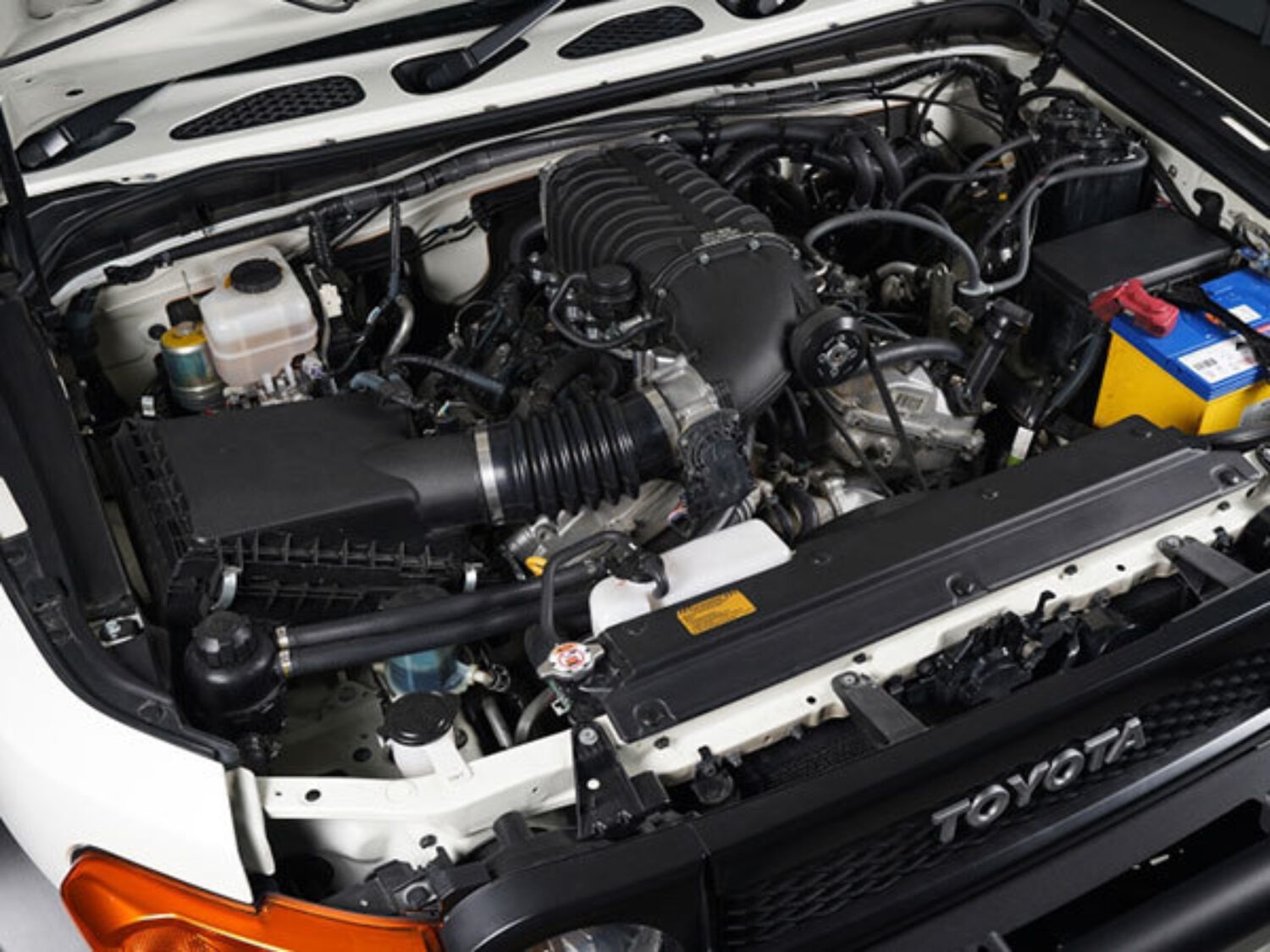
Engine cooling systems rarely receive as much attention as horsepower figures or fuel economy ratings, yet they are absolutely critical to long term reliability.
Among the many components involved in keeping an engine operating at proper temperature, the water pump plays one of the most essential roles.
This small but vital part is responsible for circulating coolant through the engine block, radiator, and heater core, ensuring that heat is properly managed under all driving conditions.
When a water pump is well designed, it can last for many years without drawing attention. Drivers may never think about it because it simply does its job quietly in the background.
However, when a water pump is poorly positioned, internally driven, or built with weak seals, it can become a major failure point that leads to overheating, coolant contamination, or even internal engine damage.
Some manufacturers have developed engines with extremely durable cooling systems where water pumps are easy to access and built with long service life in mind.
These engines often become known for dependable operation because the cooling system rarely introduces unexpected problems. Strong bearing design, external mounting, and smart coolant routing all contribute to this reliability.
On the opposite side are engines where water pump design has caused repeated ownership concerns. Some use internal pump placements that can leak coolant directly into the engine oil if seals fail.
Others place the pump in difficult locations that make replacement costly and time consuming. These designs may work well when new but can create serious ownership issues as mileage increases.
This topic deserves attention because cooling system design can influence the entire ownership experience.
An engine with a dependable water pump often builds a reputation for reliability even if the component itself rarely gets credit. Meanwhile, engines known for cooling system problems may develop reputations that affect resale value and buyer confidence.
By examining engines known for robust water pump designs alongside those known for internal leaks or failure risks, this comparison highlights how one component can significantly affect long term durability. It also shows how engineering decisions that seem minor during development can have major consequences years later.
Also Read: 10 Best Used Luxury Cars Featuring Reliable V6 Engine Designs
5 Engines With Robust Water Pumps
Some engines earn reputations for durability not because of dramatic engineering breakthroughs but because of consistent attention to fundamental mechanical details. Cooling system design often separates engines that age gracefully from those that develop costly problems. A well designed water pump is often part of that success.
One reason these engines deserve recognition is because they demonstrate the value of traditional engineering discipline.
External water pump placement, durable impeller construction, and straightforward replacement procedures all contribute to their strong reputations. These features may not attract headlines, but they matter deeply over years of ownership.
Another important factor is how these engines reflect different philosophies toward reliability. Some manufacturers prefer proven mechanical layouts rather than experimental packaging. This often results in cooling systems that remain dependable even under heavy use or high mileage conditions.
The following engines were selected because they represent different approaches to durability.
Some come from trucks designed for heavy work, others from passenger cars known for longevity, and some from performance applications where cooling reliability is critical. Each demonstrates how thoughtful design can prevent one small component from becoming a major weakness.
I am writing about these engines because reliability often comes down to details that rarely receive recognition. A strong water pump design does not make advertising headlines, but it can determine whether an engine remains dependable after years of service.
1. Toyota 2UZ-FE V8
The Toyota 2UZ-FE V8 earns its place here because it reflects Toyota’s long standing philosophy of building engines that prioritize durability over complexity. Used in trucks and large SUVs, this engine was designed to handle demanding conditions, and its cooling system reflects that mission.
One of the main reasons this engine stands out is the straightforward external water pump design. By keeping the pump accessible and separate from internal engine components, Toyota reduced the risk of catastrophic internal leaks.
If replacement becomes necessary, the job remains relatively predictable compared to engines with hidden pump placements.
Another reason this engine deserves attention is the heavy duty construction of its cooling components. Designed for vehicles that often tow or operate in harsh environments, the water pump and cooling passages were engineered with longevity in mind rather than minimum production cost.
I chose to include this engine because it demonstrates how designing for trucks often leads to reliability benefits in general use. Engines built to survive difficult conditions often perform even better in normal driving situations. This makes the 2UZ-FE a strong example of durability through overengineering.
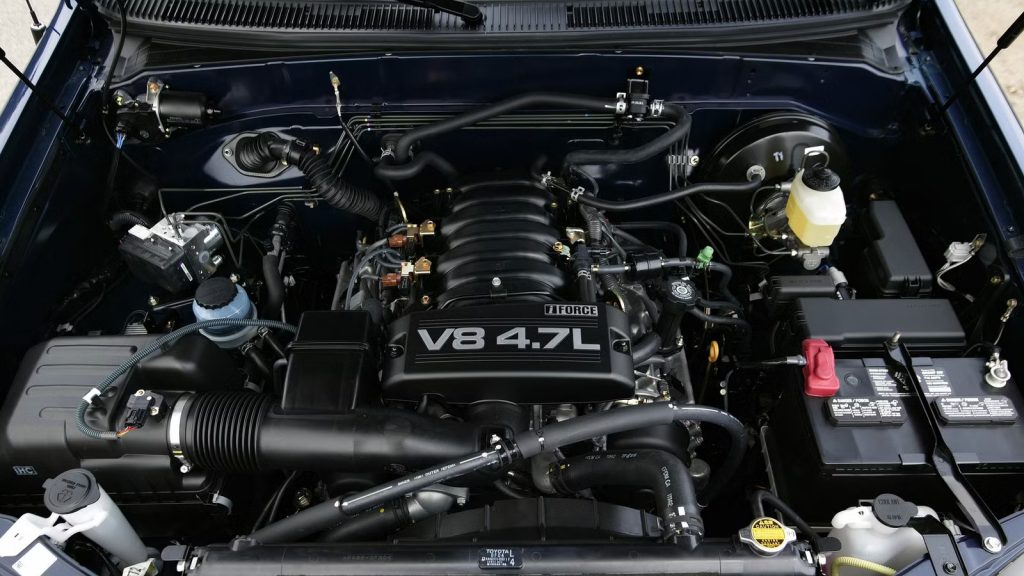
This engine also shows how simplicity often contributes to reliability. Instead of complicated internal pump systems, Toyota relied on proven external designs that mechanics have trusted for decades.
It earns recognition because it shows how cooling system strength can quietly support an engine’s legendary reliability reputation without most owners ever realizing why.
2. Honda K24 Inline Four
The Honda K24 engine deserves recognition because it shows how a well balanced passenger car engine can still maintain excellent cooling system durability. Known for its use in sedans and compact SUVs, this engine became respected for combining efficiency with mechanical strength.
One reason this engine is worth highlighting is its traditional water pump configuration driven by the accessory system. This layout allows easier monitoring and replacement compared to engines that hide the pump internally. It also reduces the chance of coolant mixing with engine oil if a failure occurs.
Another factor that makes the K24 notable is Honda’s attention to material quality. The pump housings, seals, and supporting cooling components were built with long term use in mind. This contributes to the engine’s reputation for reaching high mileage without major cooling related failures.
I am writing about this engine because it represents how disciplined engineering can deliver long term benefits even in affordable vehicles. Honda did not need exotic solutions to achieve reliability. Instead, the company focused on proven mechanical layouts and careful refinement.
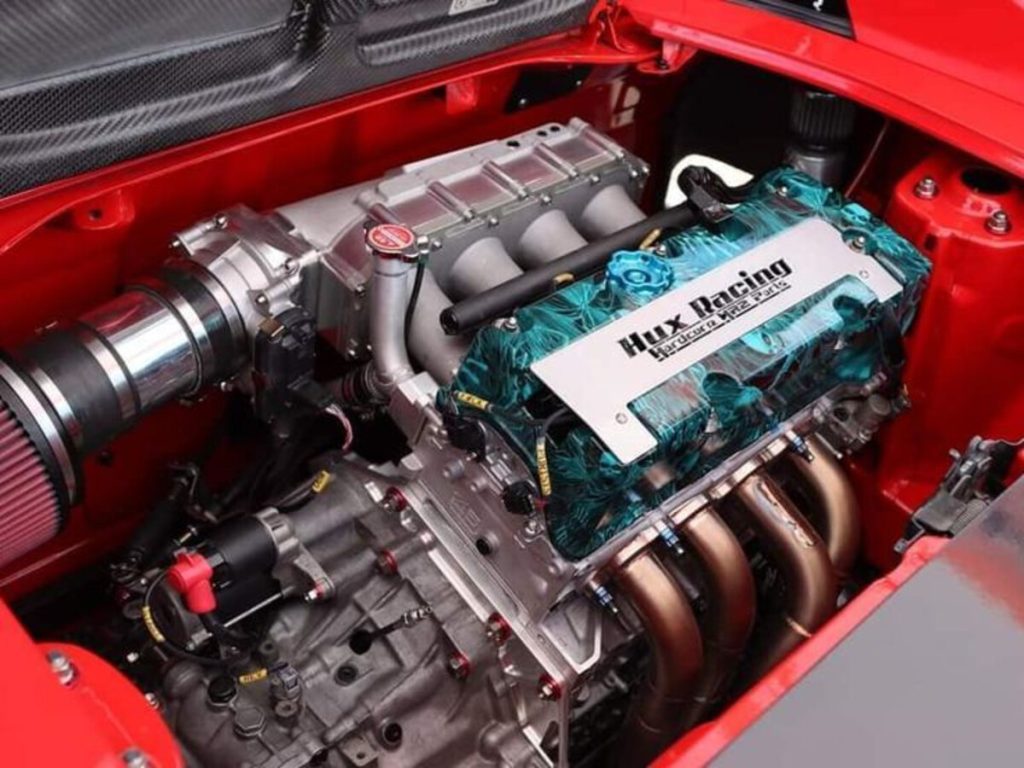
This engine also highlights how balanced design contributes to durability. Because it was not pushed to extreme performance limits, cooling demands remained manageable, allowing the water pump to operate under less stress.
The K24 belongs in this discussion because it demonstrates how good engineering habits can create engines that remain dependable long after their competitors begin developing age related problems.
3. General Motors LS3 V8
The General Motors LS3 V8 belongs in this group because it represents a philosophy that values mechanical accessibility and proven architecture. This engine became widely respected not only for its performance potential but also for how straightforward its supporting systems remained, including the cooling system.
One of the main reasons this engine deserves recognition is the simplicity of its belt driven external water pump. This traditional layout makes inspection, replacement, and preventative maintenance far easier than on engines where the pump is buried inside the timing system. Owners and mechanics often appreciate this kind of straightforward service design.
Another reason this engine stands out is its use across both performance cars and heavy duty applications. Because it needed to perform reliably in multiple environments, GM engineered the cooling system with durability margins that often exceed what typical daily driving demands. This results in water pumps that rarely become early failure points.
I chose to include the LS3 because it reflects how performance does not always require complexity. While it delivers strong horsepower, the engine maintains a pushrod layout and relatively simple accessory systems. This balance helps explain why the LS engine family is often praised for long term durability.
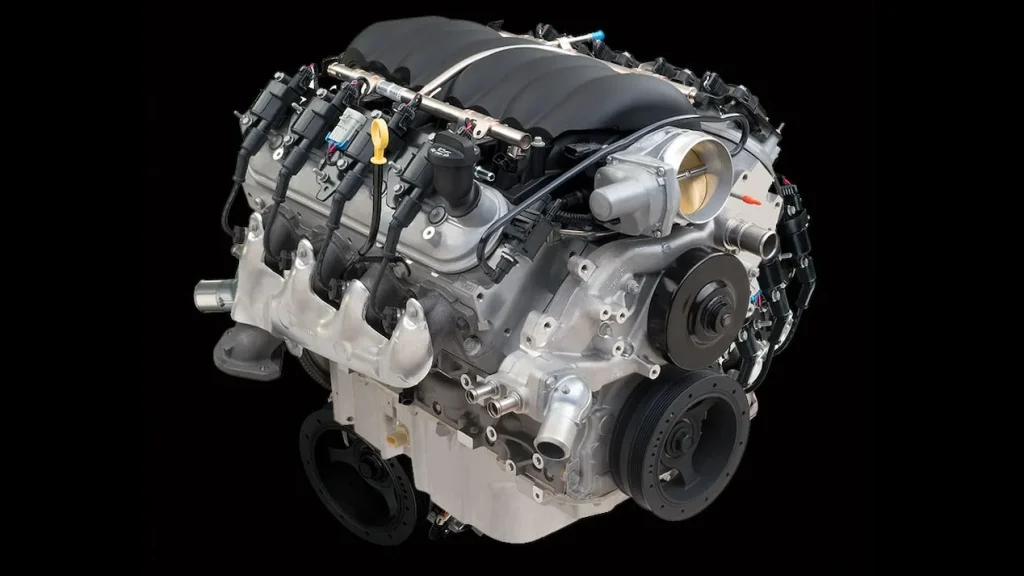
This engine also deserves mention because of its strong aftermarket and enthusiast support. Because the design is easy to understand and service, replacement parts and upgrades remain widely available. This indirectly supports cooling system longevity because maintenance tends to be performed more consistently.
The LS3 earns its place because it shows how traditional engineering can still deliver outstanding results. Its cooling system reflects a philosophy that values reliability through clarity rather than complexity.
4. Cummins 6.7L Inline Six Diesel
The Cummins 6.7 liter inline six diesel deserves inclusion for a completely different reason. Unlike passenger car engines, this diesel was engineered with commercial durability expectations. That mindset heavily influenced the cooling system design, including the water pump.
One of the most important reasons this engine stands out is the heavy duty nature of its cooling hardware. Designed for trucks expected to tow heavy loads, the water pump was built with strong bearings and robust impeller construction. These components were intended to handle continuous stress rather than occasional use.
Another factor that makes this engine notable is the straightforward service approach taken by Cummins. Because these engines are often used in work environments where downtime costs money, accessibility was considered during design. Water pump replacement, while not trivial, follows predictable service procedures.
I am including this engine because it demonstrates how commercial expectations can improve consumer reliability. Engines built for work applications often end up exceeding the durability needs of private owners. This makes the Cummins a clear example of engineering built around endurance.
This engine also shows how cooling system strength becomes critical in diesel applications. Higher compression ratios and sustained load conditions place greater demands on temperature control. Cummins responded by designing a cooling system capable of managing these stresses consistently.
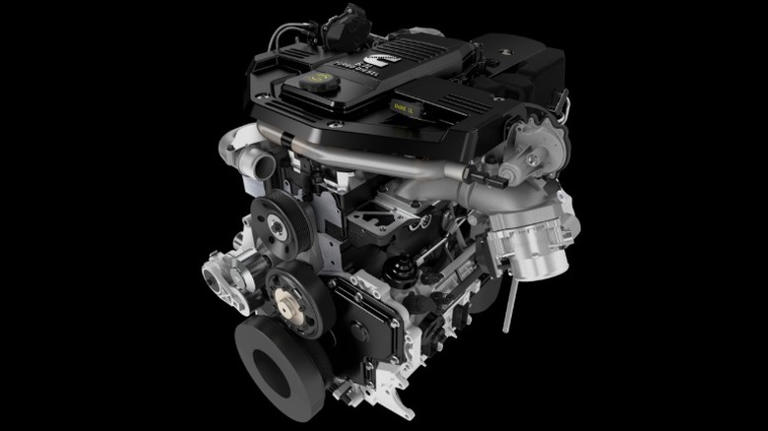
It earns recognition because it demonstrates how designing for the harshest use cases can produce engines that rarely suffer cooling related failures in normal use.
5. Toyota 1GR-FE V6
The Toyota 1GR-FE V6 completes this group because it reflects how Toyota applies durability thinking not only to V8 truck engines but also to widely used V6 platforms. Found in vehicles designed for both daily transportation and off road use, this engine had to deliver consistent performance in a wide range of environments.
One of the most important reasons this engine deserves attention is its conventional external water pump setup combined with a very predictable cooling layout.
This makes servicing straightforward and prevents the type of hidden failures that sometimes affect engines with internal pump designs. When maintenance is needed, it is usually routine rather than catastrophic.
Another interesting strength is how this engine was designed with thermal stability in mind. Vehicles using this engine often operate in hot climates or under heavy loads, which forced Toyota to prioritize reliable coolant circulation. This resulted in a water pump design that rarely becomes a headline reliability concern.
I chose to include this engine because it demonstrates how reliability often comes from consistency rather than innovation. Toyota did not attempt to reinvent cooling system design here. Instead, it relied on proven architecture, quality materials, and conservative engineering margins.
This engine also represents how multipurpose design encourages durability. An engine expected to handle commuting, towing, and off road driving must have a cooling system capable of handling all three without becoming a weak link.
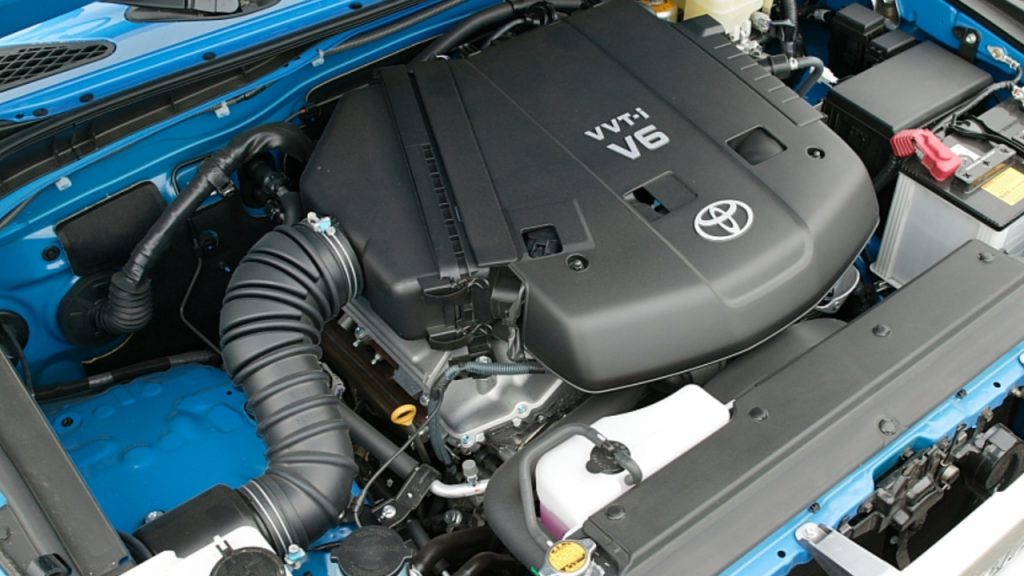
It earns a place in this discussion because it shows how a properly engineered cooling system can quietly support an engine’s reputation for long term dependability without attracting attention to itself.
5 Known for Internal Leaks and Failure
While some engines benefit from conservative and durable cooling system designs, others have developed reputations for water pump related problems due to packaging decisions or design tradeoffs. In many cases, these problems do not appear immediately but emerge as mileage increases and seals begin to wear.
One of the most controversial design choices in modern engines is the internal water pump. Some manufacturers place the pump inside the timing cover to save space or improve packaging efficiency.
While this can reduce external complexity, it also introduces the possibility of coolant leaking directly into the engine oil if internal seals fail.
Another factor contributing to cooling related failures is the push toward compact engine design. As manufacturers attempt to reduce engine size while maintaining performance, components are often packed more tightly together. This can make cooling system parts harder to access and more expensive to replace.
This section is important because many buyers are unaware of these design characteristics before purchase. Marketing rarely mentions how cooling systems are packaged, yet these decisions can significantly affect long term maintenance costs and engine survival.
I am writing about these engines because they highlight how engineering tradeoffs can shape ownership experiences. These engines may deliver strong performance or efficiency, but they also demonstrate how certain design decisions can create maintenance risks.
Understanding which engines have experienced these challenges helps buyers and owners plan maintenance more carefully. Awareness alone can sometimes prevent major failures if preventative service is performed at the right time.
1. Ford 3.5L Cyclone V6 (Internal Water Pump Version)
The Ford 3.5 liter Cyclone V6 is one of the most frequently discussed examples when talking about internal water pump concerns. While this engine delivered strong performance and smooth operation in many vehicles, its internal pump placement created a potential risk that owners needed to understand.
One of the main reasons this engine belongs here is the location of the water pump inside the timing cover. If the pump seal begins to fail, coolant can leak internally rather than externally. This can allow coolant to mix with engine oil, creating a situation that may lead to serious internal damage if not caught early.
Another reason this design receives attention is the labor involved in replacement. Because the pump is located within the engine structure, replacing it often requires significant disassembly. This makes preventative replacement more expensive compared to traditional external pumps.
I am including this engine because it demonstrates how packaging decisions can have long term consequences. The design may have helped with engine layout efficiency, but it also introduced a failure mode that is more severe than typical external leaks.
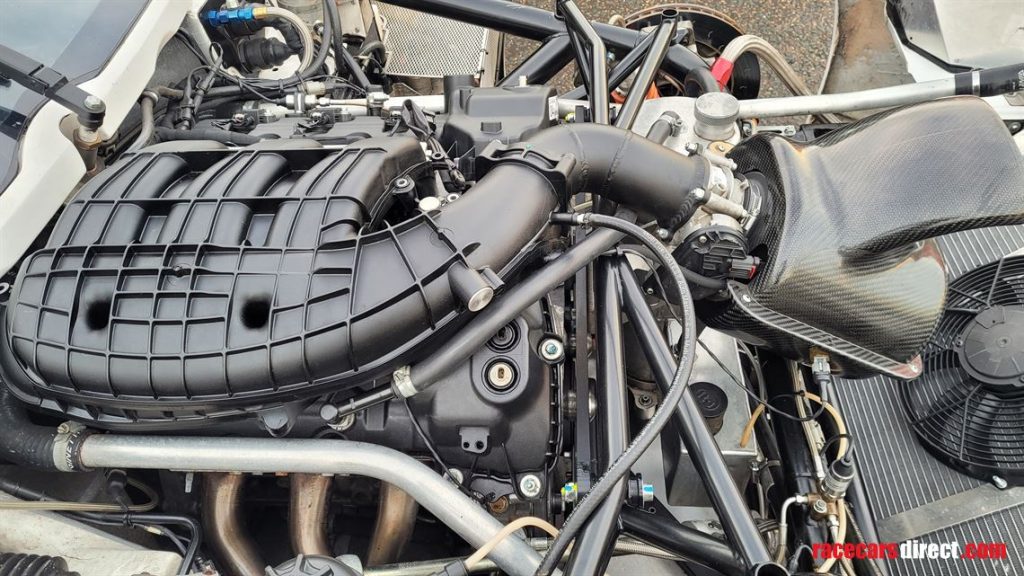
This engine also highlights how awareness can make a difference. Owners who monitor coolant levels and perform preventative maintenance often avoid major damage. Those unaware of the design sometimes discover the issue only after contamination occurs.
It earns inclusion because it represents how one engineering decision can significantly influence ownership risk even when the rest of the engine performs well.
2. BMW N54 Inline Six
The BMW N54 turbocharged inline six represents a different type of cooling system concern. Rather than internal coolant contamination, this engine became known for water pump failures related to its electric pump design and the heat produced by its twin turbo configuration.
One reason this engine stands out is the use of an electric water pump instead of a traditional mechanical design. While this allowed more precise temperature management and efficiency benefits, early versions sometimes experienced premature failure compared to simpler mechanical pumps.
Another factor is the thermal stress created by turbocharging. Higher operating temperatures place greater demands on cooling components, and the water pump becomes a critical part of maintaining stability. When failures occur, they often require immediate attention to prevent overheating.
I chose to include this engine because it shows how advanced technology can introduce new types of maintenance needs. Electric pumps offer advantages but also require owners to understand different failure patterns compared to traditional designs.
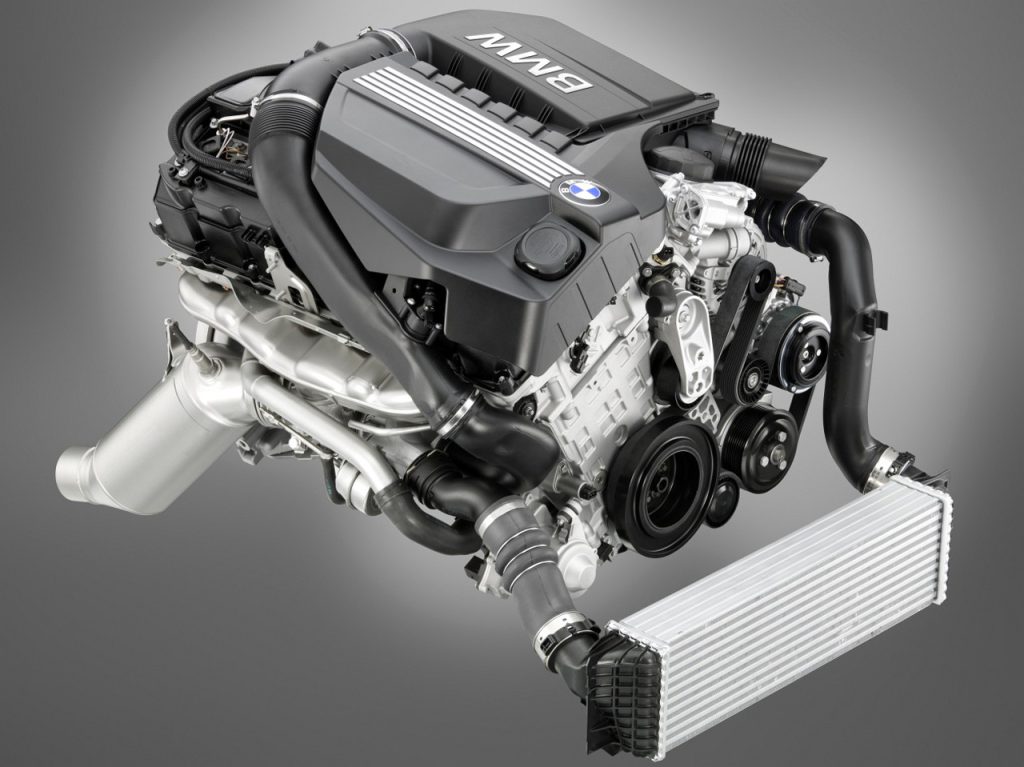
This engine also represents how performance innovation can sometimes move faster than long term durability testing. As a result, early adopters occasionally face challenges that later designs improve upon.
The N54 belongs here because it demonstrates how innovation can sometimes introduce new reliability questions even while delivering impressive performance gains.
3. Volkswagen 2.0T EA888 (Early Generations)
The Volkswagen EA888 2.0 liter turbocharged engine in its earlier generations deserves mention because it shows how integrated cooling modules can sometimes introduce reliability concerns as vehicles age.
This engine family delivered strong efficiency and performance, but early cooling system designs created known maintenance talking points among owners and technicians.
One of the main reasons this engine belongs in this section is the combined thermostat housing and water pump module made largely from composite materials.
While this helped reduce weight and improve manufacturing efficiency, some early versions experienced housing cracks or seal failures over time. These failures often began as small coolant leaks that required careful monitoring.
Another reason this engine is worth discussing is how its compact packaging made access slightly more involved than traditional layouts. While not impossible to service, the integration of multiple cooling components into one module increased parts cost and replacement complexity compared to simpler designs.
I am including this engine because it represents a broader industry trend toward modular component design. Combining multiple parts into one assembly can improve efficiency when new, but it may also increase ownership costs if one part of the module fails.
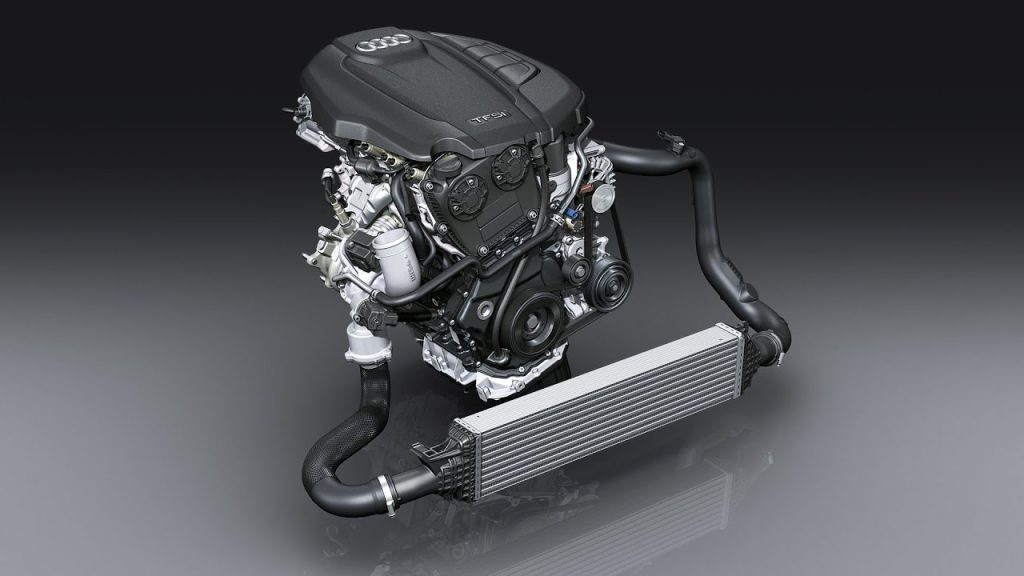
This engine also highlights how manufacturers often improve designs over time. Later revisions addressed many of the early cooling system concerns, showing how engineering evolves through real world experience.
It earns its place because it demonstrates how modern integration can sometimes create early reliability discussions even when the overall engine remains strong in other areas.
4. Chrysler 2.7L V6
The Chrysler 2.7 liter V6 enters this discussion for very different reasons. Unlike engines affected by advanced packaging or modern materials, this engine became known for cooling related concerns tied to internal design decisions and maintenance sensitivity.
One of the key reasons this engine deserves inclusion is the relationship between cooling system health and internal sludge formation. If coolant circulation or maintenance schedules were neglected, the engine could develop internal contamination that affected multiple systems, including water pump performance and sealing surfaces.
Another important factor is how the water pump design and internal coolant passages required careful maintenance discipline.
Owners who followed strict service intervals often avoided major problems, but those who delayed maintenance sometimes experienced cascading issues that made the engine more difficult to keep in good condition.
I am writing about this engine because it shows how maintenance expectations can sometimes be less forgiving in certain designs. While many engines tolerate delayed service to some degree, this one required more consistent care to avoid developing larger issues.
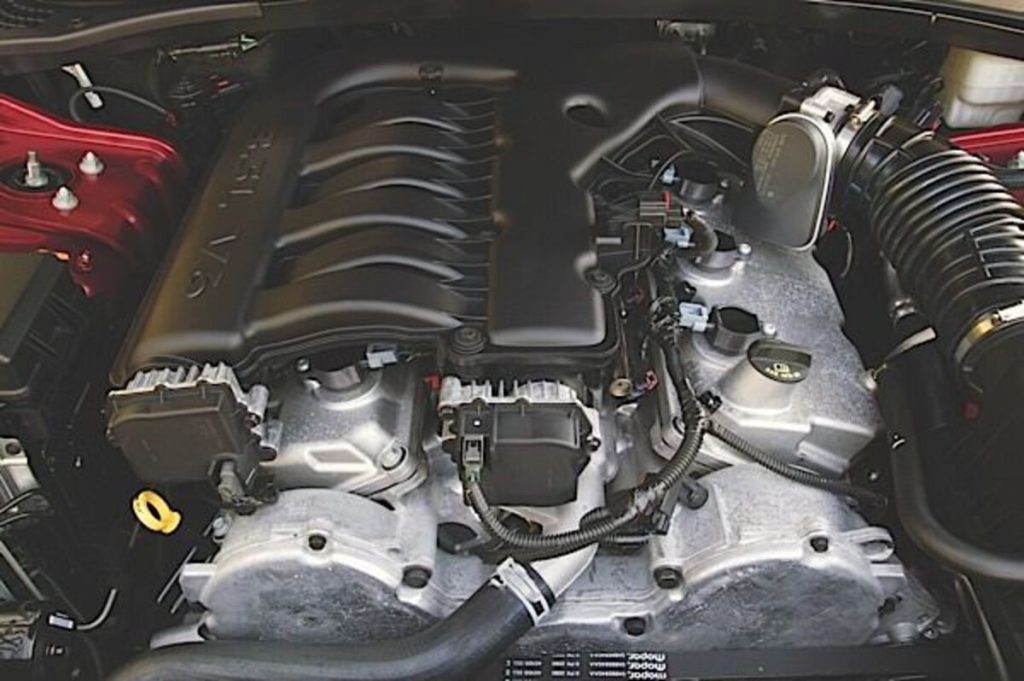
This engine also represents how reputation can be shaped by ownership patterns as much as engineering. Vehicles that receive inconsistent maintenance often develop problems that might have been preventable with strict service habits.
The Chrysler 2.7 belongs here because it highlights how cooling system sensitivity can influence long term durability and why preventative maintenance awareness matters as much as design quality.
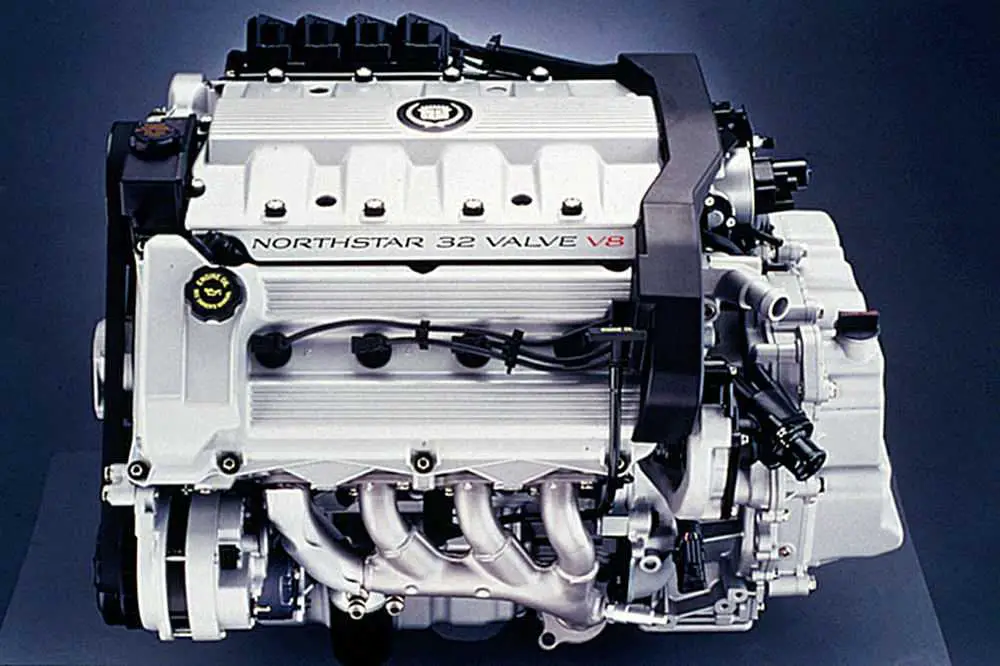
5. Cadillac Northstar V8 (Early Generations)
The Cadillac Northstar V8 is included in this discussion because it represents one of the most well known examples of how ambitious engineering can sometimes introduce long term cooling system challenges.
When introduced, this engine was considered highly advanced, featuring dual overhead cams and strong performance for its time. However, long term ownership revealed certain weaknesses related to sealing and cooling system behavior.
One of the main reasons this engine belongs in this category is the way cooling system pressure and head gasket sealing interacted over time.
In some early versions, gasket sealing problems could allow coolant seepage that eventually led to overheating concerns. While not strictly a water pump defect, the cooling system as a whole became part of the engine’s reliability discussion.
Another factor that makes this engine notable is how difficult major cooling related repairs could become once problems developed. Addressing head gasket sealing often required significant mechanical work, which made preventative cooling system maintenance extremely important for owners hoping to avoid major repairs.
I am including this engine because it demonstrates how pushing technology forward can sometimes create unexpected ownership realities. Cadillac aimed to compete with European luxury performance engines, and while the Northstar achieved impressive performance, its complexity required careful long term care.
This engine also highlights how reputation can evolve over time. Later revisions improved durability, but early experiences shaped public perception. This shows how early reliability concerns can follow an engine design for years even after improvements are made.
The Northstar earns its place because it illustrates how cooling system design, sealing technology, and maintenance expectations must all work together. When one area becomes vulnerable, the entire engine’s reputation can be affected.
Cooling systems rarely receive the attention given to power output or fuel efficiency, yet they remain one of the most important factors in long term engine durability.
The water pump in particular plays a central role in protecting the engine from temperature related damage. When it is well designed and properly placed, it quietly supports reliability. When it is poorly integrated, it can become a major ownership concern.
The engines known for robust water pump design demonstrate how traditional engineering approaches often lead to strong results. The Toyota 2UZ-FE showed how truck durability thinking improves reliability. The Honda K24 highlighted the value of proven layouts.
The GM LS3 demonstrated how simplicity can coexist with performance. The Cummins diesel showed how commercial durability standards benefit private owners. The Toyota 1GR-FE proved how consistency supports long term dependability.
The engines known for cooling related concerns show the other side of engineering tradeoffs. The Ford Cyclone V6 demonstrated how internal pump placement can increase risk. The BMW N54 showed how advanced electric cooling systems introduce new maintenance patterns.
The Volkswagen EA888 illustrated the risks of modular integration. The Chrysler 2.7 highlighted maintenance sensitivity. The Cadillac Northstar demonstrated how advanced engineering sometimes needs further refinement.
The goal of this comparison is not to suggest avoiding innovation. Many of the more complex engines delivered strong performance and efficiency gains. Instead, the purpose is to show how engineering decisions affect ownership beyond the first years of operation.
For buyers and enthusiasts, understanding cooling system design can provide valuable insight into long term reliability expectations. Sometimes the most dependable engines are not the most advanced, but the ones built with careful attention to the fundamentals that keep them running year after year.
Also Read: 5 Hybrid Systems With Proven Longevity vs 5 Still in the Testing Phase
