
Towing heavy loads places a very different type of stress on an engine compared to normal commuting. Instead of short bursts of acceleration or light cruising, towing forces engines to operate under sustained load, often at higher temperatures and pressure levels.
This is where engines with hardened internal components separate themselves from standard powertrains. They are built not just for power, but for endurance under continuous mechanical strain.
Hardened crankshafts, reinforced connecting rods, upgraded pistons, heavy duty bearings, and strengthened engine blocks all play a major role in towing durability.
These components are specifically engineered to resist metal fatigue, reduce deformation under pressure, and maintain structural integrity even after years of demanding use. In many heavy duty applications, these upgrades are the difference between an engine that survives long term towing and one that slowly develops internal wear.
Another overlooked factor is thermal management. Engines built for towing often include sodium filled valves, piston cooling oil jets, and high capacity cooling systems.
These features help control internal temperatures when pulling trailers uphill or across long highway distances. Excess heat is one of the biggest threats to engine life, and manufacturers that design for towing typically invest heavily in managing it.
Material science also plays an important role. Many of these engines use forged steel internals instead of cast parts. Forged components are denser and more resistant to cracking under repeated load cycles. This makes them especially valuable for truck owners who regularly tow construction equipment, campers, or work trailers.
What makes these engines particularly respected among truck owners is their ability to handle stress without constant repair needs. When routine maintenance is followed, these engines often maintain compression, oil pressure stability, and structural strength well past the mileage where lighter duty engines begin showing fatigue.
The following engines stand out for their hardened internal construction, heavy duty engineering decisions, and proven ability to tolerate serious towing demands while maintaining long term mechanical reliability.
Also Read: 5 Used Compacts With Thick Cabin Glass vs 5 With Thin and Noisy Windows
1. Ford 6.7L Power Stroke V8 Diesel (Ford Super Duty)
When Ford developed the 6.7L Power Stroke, the primary objective was simple. Build an engine that could tolerate commercial level towing stress without compromising long term durability. The result was a diesel engine filled with structural reinforcements that allow it to survive workloads that would quickly overwhelm lighter designs.
The block itself shows this philosophy immediately. Ford used a compacted graphite iron block rather than conventional cast iron. This material provides higher strength while maintaining rigidity under extreme combustion pressure.
Reduced flex inside the block helps maintain bearing alignment, which becomes critical when towing heavy loads for extended periods.
The crankshaft is another example of overbuilt engineering. Made from forged steel, it was designed to withstand massive torque output without developing stress fractures. When combined with heavy duty main bearings, the rotating assembly is capable of maintaining stability even under maximum rated towing capacity.
Ford also incorporated piston cooling oil jets, which spray oil on the underside of the pistons. This helps control piston temperature during sustained towing climbs. Keeping piston temperatures stable prevents ring fatigue and reduces the chance of long term cylinder scoring.
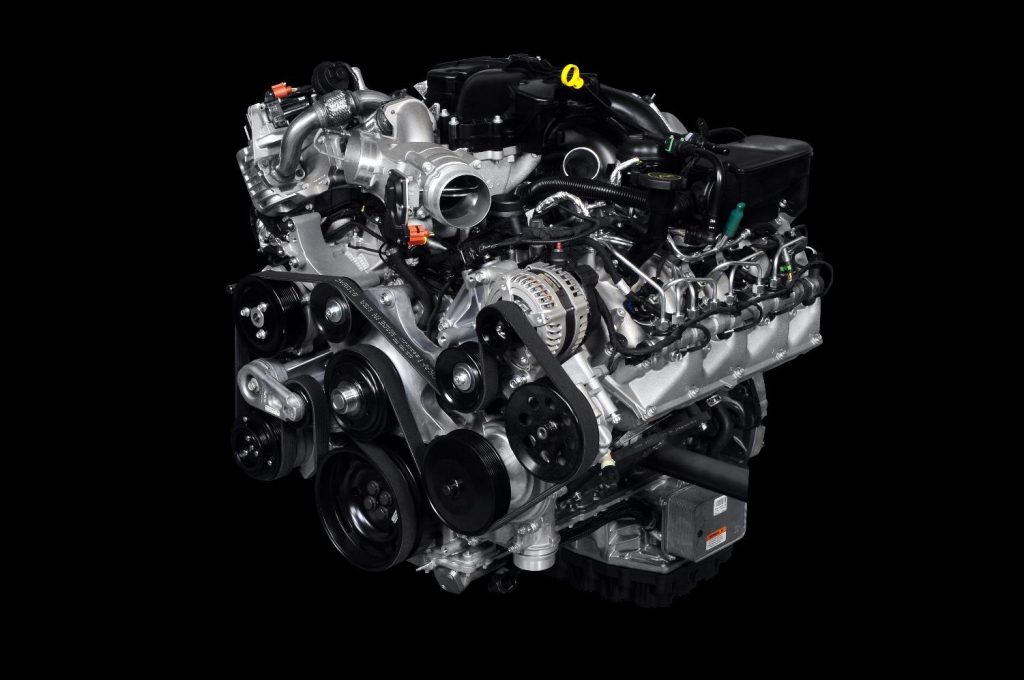
Instead of relying purely on strength, Ford also improved airflow. A sophisticated turbocharging system allows the engine to produce torque efficiently rather than through excessive fueling. Efficient combustion reduces soot formation and helps preserve internal cleanliness.
Owners who regularly tow often develop maintenance routines that reflect the engine’s purpose. Frequent fuel filter replacement, attention to coolant quality, and transmission servicing often go hand in hand with engine care.
Fleet operators often report something interesting. These engines tend to age gradually rather than suddenly failing. Gradual wear patterns usually indicate strong internal engineering margins.
Because of these hardened components and thermal protection strategies, the Power Stroke remains one of the most respected engines among those who demand serious towing reliability.
2. Chevrolet Duramax 6.6L L5P Diesel V8 (Chevrolet Silverado HD)
General Motors approached the L5P Duramax with a focus on strengthening already proven architecture. Instead of radical redesign, engineers reinforced critical stress areas to make the engine more resistant to extreme towing conditions while maintaining reliability consistency.
The cylinder heads were redesigned using stronger casting techniques to better handle combustion pressure. Improved valve seat materials also help prevent long term wear caused by sustained exhaust heat during towing operations.
A key strength of this engine lies in its rotating assembly. The forged steel crankshaft and high strength connecting rods are specifically chosen to handle extreme torque output. These components allow the engine to maintain structural accuracy even after years of heavy trailer hauling.
Fuel injection pressure is extremely high, but GM engineered the system to maintain precise atomization. Cleaner combustion reduces internal deposits and helps maintain piston crown condition. When combustion remains efficient, engines often maintain their performance characteristics much longer.
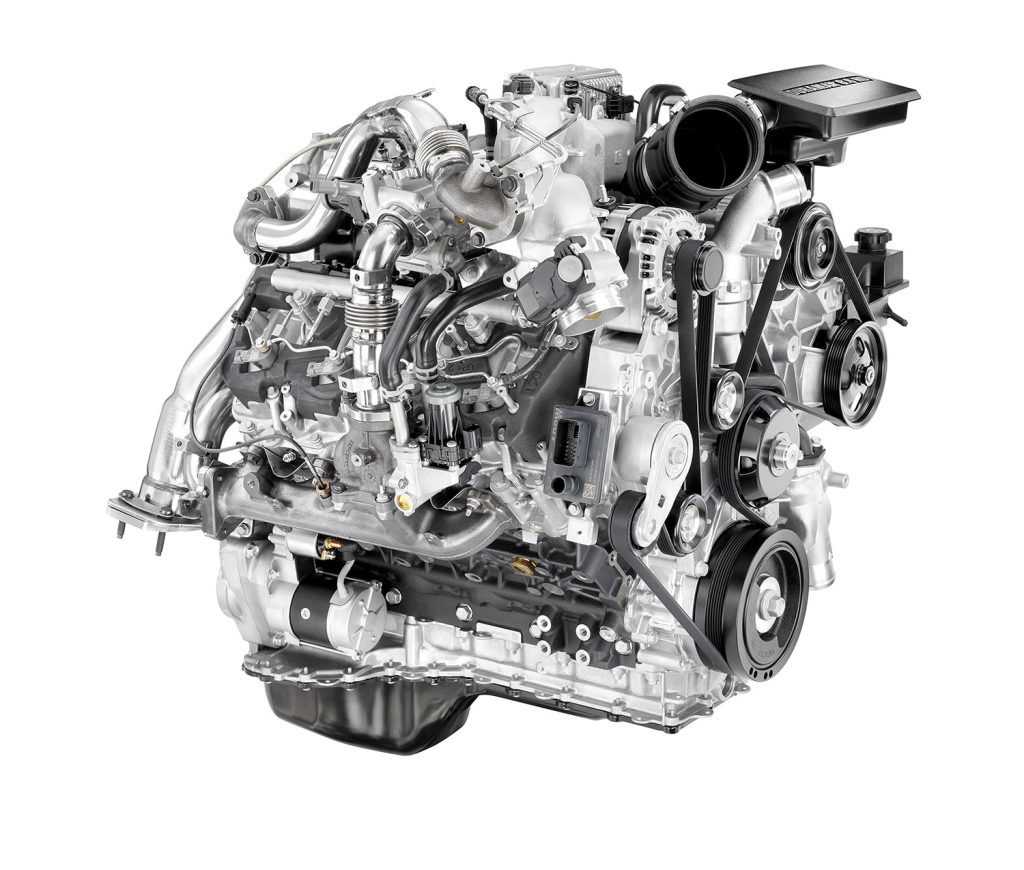
Another durability feature comes from the cooling system. A high capacity radiator and improved coolant routing help maintain stable operating temperatures even in hot climates or mountainous terrain. Stable thermal conditions help prevent metal expansion related wear.
Owners who depend on this engine for work often emphasize preventative service habits. Monitoring exhaust gas temperatures, replacing air filters frequently, and maintaining intercooler cleanliness all help reduce strain on internal parts.
Technicians often observe that engines used for steady towing sometimes show less wear than those used for short trips. Consistent operating temperature allows lubricants to function properly and prevents moisture buildup inside the engine.
Rather than relying on marketing claims, the Duramax built its reputation through real world heavy duty use. Its hardened internal parts and strong thermal control systems continue to make it a trusted choice among serious towing operators.
3. Ram 6.7L Cummins Turbo Diesel Inline Six (Ram 3500)
Some engines earn their reputation not through advertising but through decades of real world punishment. The 6.7L Cummins inline six falls into that category. Known for its industrial roots, this engine carries design traits commonly seen in medium duty commercial equipment rather than ordinary consumer trucks.
One of the first things engineers prioritized was block strength. The deep skirt cast iron block provides exceptional rigidity. This matters during towing because high torque loads can cause slight block distortion in weaker engines. Preventing that movement helps maintain precise internal clearances over years of heavy use.
The inline six layout also contributes to durability in a way many people overlook. With fewer cylinder heads and a naturally balanced firing order, the engine produces less vibration compared to some V type layouts. Lower vibration reduces fatigue on bearings, seals, and fasteners over extended towing cycles.
Cummins also focused heavily on piston strength. The pistons are built to tolerate high cylinder pressure while maintaining dimensional stability. Combined with hardened wrist pins and robust connecting rods, the engine is designed to operate under continuous load without internal distortion.
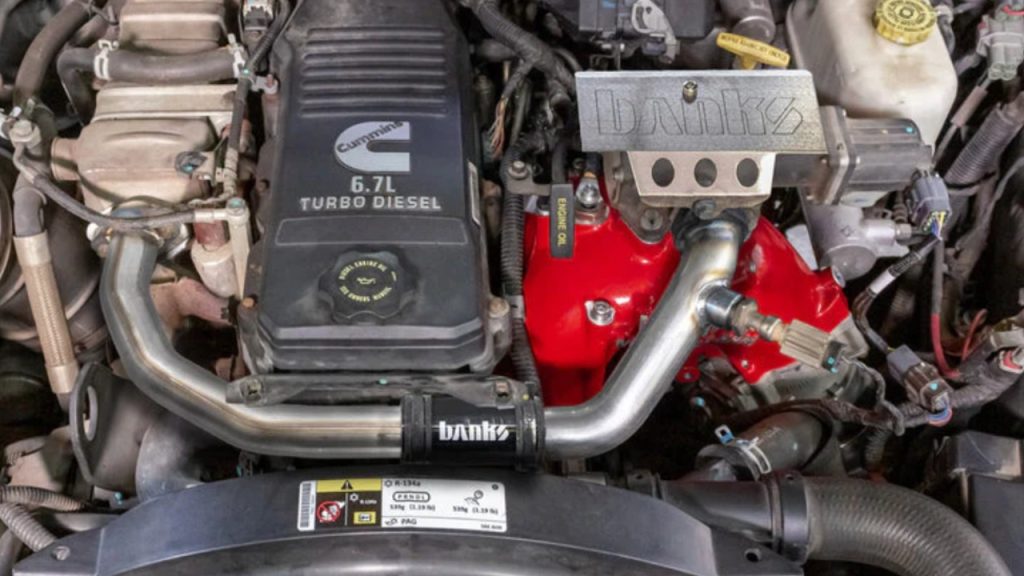
The turbocharger system is built around torque delivery rather than peak performance numbers. Producing torque at lower RPM helps the engine avoid excessive rotational stress while still delivering strong pulling capability. Engines that do not need to rev high under load often experience slower wear progression.
Another factor often mentioned by experienced owners is fuel quality discipline. Clean diesel fuel and timely filter changes protect the high pressure injection system, which in turn protects combustion quality and internal cleanliness.
Long term users frequently mention that these engines often outlast the trucks they are installed in. That reputation comes from conservative engineering margins rather than chasing maximum output.
For drivers who regularly tow large fifth wheel trailers or equipment loads, this engine continues to represent a design philosophy centered on endurance rather than trends.
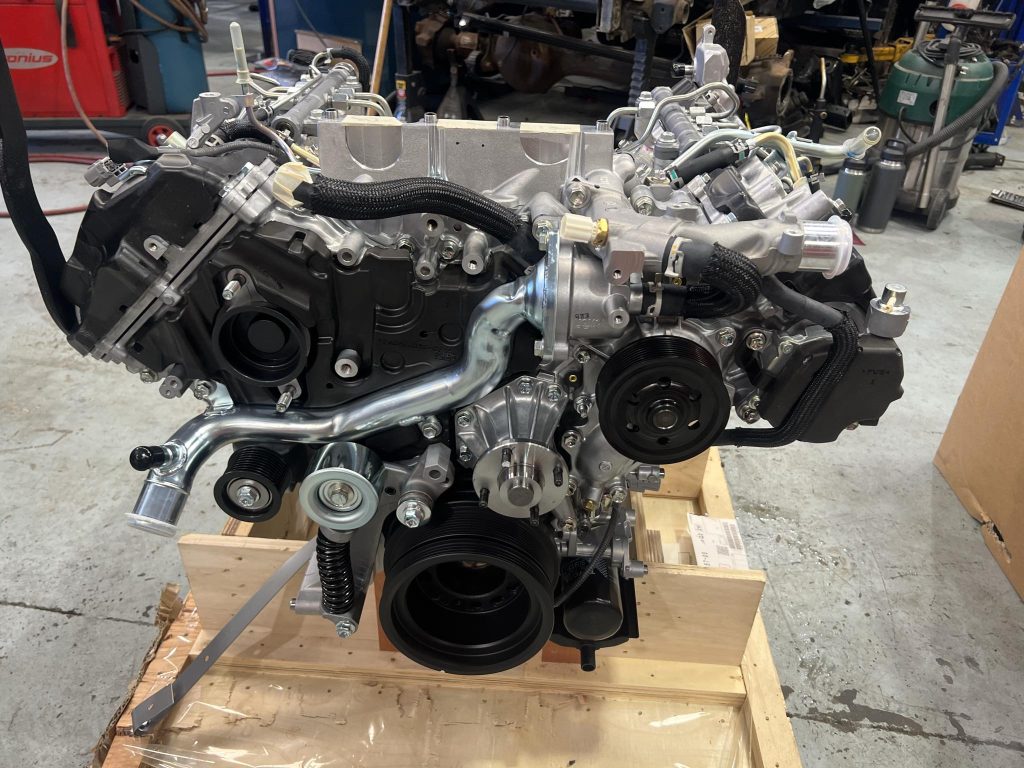
4. Toyota 3.3L F33A-FTV Twin Turbo Diesel V6 (Toyota Land Cruiser 300)
Toyota developed the F33A-FTV diesel V6 to replace a legendary V8, which meant expectations for durability were extremely high. To meet those expectations, Toyota used reinforced internal construction and advanced thermal control features aimed at ensuring the engine could handle global heavy duty use.
One of the standout engineering decisions was the use of high strength alloy pistons designed to withstand elevated combustion pressure produced by the twin turbo system. These pistons are shaped to distribute stress evenly, reducing the risk of fatigue cracks during prolonged towing.
The crankshaft is machined from high durability steel and balanced to reduce rotational vibration. Precision balancing helps prevent uneven bearing wear, which is particularly important in engines expected to handle long distance towing in remote environments.
Toyota also invested heavily in cooling efficiency. Separate cooling channels help maintain consistent cylinder temperatures, while improved oil flow ensures turbochargers receive adequate lubrication even after extended high load operation.
Another interesting feature is how Toyota tuned the turbochargers for response rather than aggressive boost spikes. Smooth torque delivery reduces sudden pressure shocks inside the combustion chamber, which can extend the life of head gaskets and piston rings.
Owners in harsh environments often emphasize basic reliability practices rather than complex modifications. Keeping the air intake system sealed from dust, performing regular oil analysis, and avoiding overloaded towing situations all help preserve the engine’s design advantages.
Early long term ownership reports suggest the engine maintains stable oil consumption patterns when properly serviced. Stable oil usage usually indicates that piston rings and cylinder walls are wearing evenly.
Toyota designed this engine for remote expeditions and demanding terrain as much as towing. That dual purpose durability focus explains why its hardened internal structure is expected to support very long operational life.
5. Ford 7.3L Godzilla V8 Gas Engine (Ford Super Duty)
Ford introduced the 7.3L Godzilla V8 with a very different mindset compared to smaller turbocharged engines. Instead of relying on complexity, the goal was to create a large displacement gasoline engine with commercial grade toughness. This philosophy resulted in an engine that focuses on strength, simplicity, and resistance to long term towing fatigue.
The block construction immediately reflects this intention. Built from cast iron rather than aluminum, the engine is designed to maintain cylinder stability during continuous load. Iron blocks expand more predictably under heat, which helps preserve piston ring sealing during heavy towing conditions.
Ford also selected a forged steel crankshaft to handle high torque demands. This is not just about strength under peak load. It is about surviving hundreds of thousands of load cycles without microscopic stress fractures developing. Long term durability often comes from how well parts tolerate repetition rather than maximum output.
Unlike many modern engines that rely heavily on turbocharging, this V8 produces torque through displacement. That means less boost pressure, fewer extreme combustion spikes, and more predictable internal pressure patterns. Predictability is often a hidden advantage in engines expected to tow frequently.
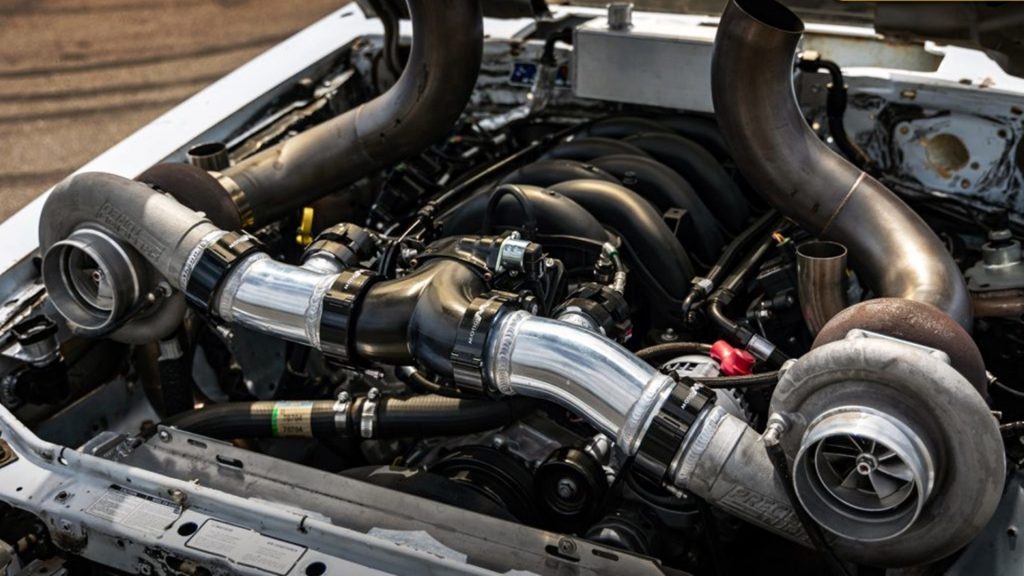
The pushrod valvetrain layout also contributes to its reliability profile. With fewer moving parts compared to dual overhead cam systems, there are fewer wear surfaces that require long term synchronization. Simplicity often becomes a strength when engines accumulate serious mileage.
Many commercial fleet buyers chose this engine specifically because of its maintenance accessibility. Routine service tasks are straightforward, which encourages consistent upkeep rather than delayed repairs.
Another observation from high mileage users is that engines used regularly for towing sometimes maintain better sealing than lightly used engines. Consistent operation helps prevent seal drying and keeps lubrication pathways active.
This engine represents a return to traditional heavy duty gasoline design. Its hardened rotating assembly and conservative engineering approach make it a strong candidate for owners who want a towing engine built for long term mechanical survival.
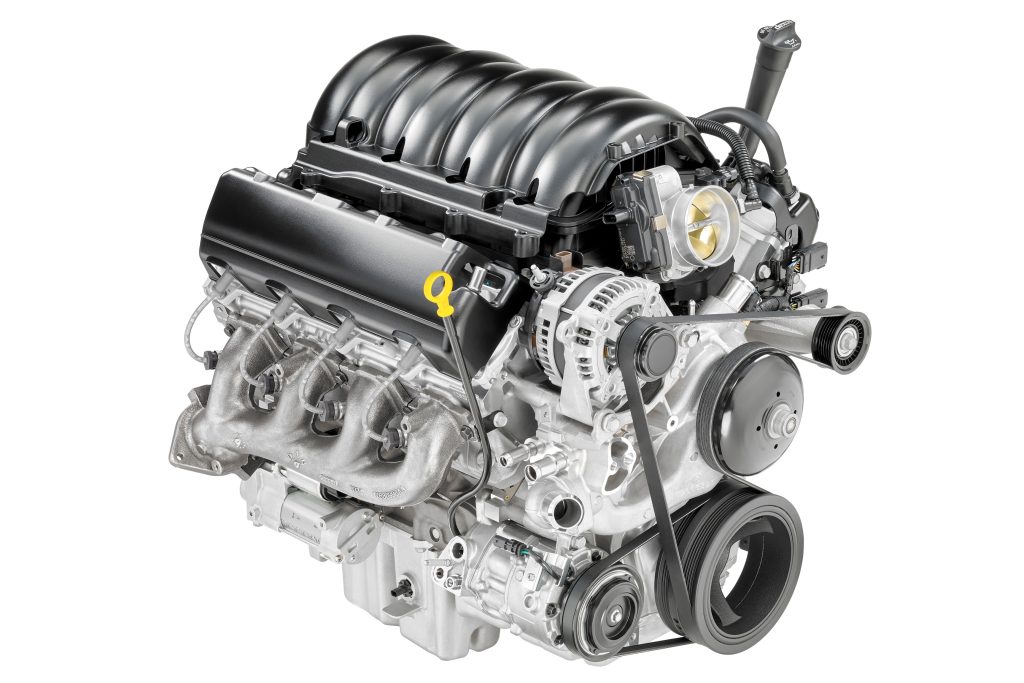
6. GMC 6.6L L8T Gas V8 (GMC Sierra HD)
Not every towing engine needs to be a diesel to be taken seriously. The GMC 6.6L L8T gasoline V8 proves that properly reinforced gas engines can also handle demanding workloads. Designed primarily for heavy duty truck use, this engine focuses on structural strength and predictable operation under sustained load.
General Motors gave this engine a forged steel crankshaft and strengthened connecting rods to handle the stress associated with heavy hauling. These internal upgrades allow the engine to manage repeated torque demand without developing premature bearing wear.
The engine also uses a large displacement strategy similar to traditional heavy duty designs. By producing torque without needing extremely high RPM, the engine avoids the accelerated wear often associated with high speed operation. Lower average engine speed usually means fewer friction cycles over time.
Cooling performance was another major priority. Engineers equipped the engine with high capacity cooling passages and piston oil squirters. These features help control combustion heat when towing uphill or operating in high temperature environments.
Operators who use these trucks for equipment transport often stress the importance of transmission temperature monitoring. Keeping the entire drivetrain within safe temperature ranges helps reduce the load transferred back to the engine.
A different ownership pattern also appears with these engines. Many buyers choose them specifically to avoid diesel complexity while still getting towing durability. That often leads to very consistent maintenance habits, which further improves engine lifespan.
Service technicians sometimes point out how well these engines maintain oil pressure consistency even after extensive use. Consistent oil pressure is usually a strong indicator of bearing health and oil pump durability.
Instead of relying on advanced complexity, the L8T relies on hardened fundamentals. Strong internals, stable cooling, and conservative tuning combine to create a gasoline towing engine capable of surviving demanding work cycles.
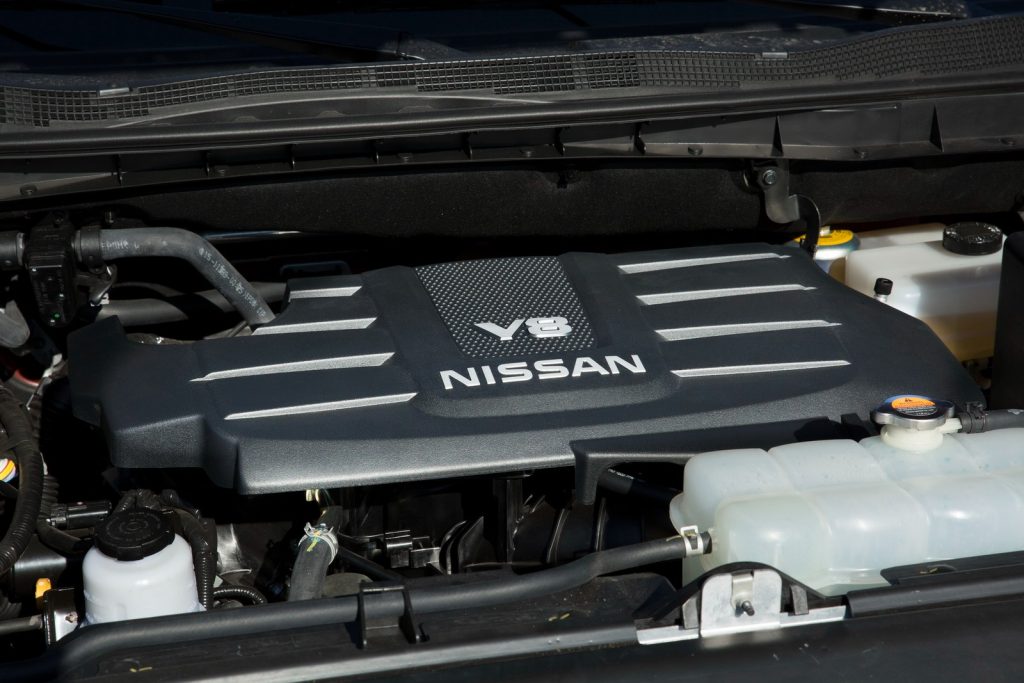
7. Nissan 5.6L Endurance V8 (Nissan Titan XD)
Nissan engineered the 5.6L Endurance V8 with a focus on mechanical resilience rather than chasing extreme horsepower numbers.
This engine was designed to operate under steady heavy loads, especially in the Titan XD where towing stability was a core requirement. Its internal strengthening reflects a philosophy centered on durability through controlled stress rather than aggressive tuning.
Deep inside the engine, the rotating assembly shows clear evidence of this thinking. Nissan equipped the engine with a forged steel crankshaft and reinforced connecting rods designed to tolerate sustained torque output. These are not just performance upgrades but durability enhancements meant to prevent fatigue under repeated towing cycles.
The cylinder block structure also plays a major role in its reliability profile. With additional reinforcement around high stress areas, the block is designed to resist flex when pulling heavy trailers. Structural rigidity helps maintain consistent internal alignment, which protects bearings and piston movement over extended mileage.
Nissan also paid attention to thermal stability. The engine uses sodium filled exhaust valves that help dissipate heat more effectively. By pulling heat away from the combustion chamber, these valves help prevent valve seat wear and reduce long term thermal damage.
Unlike some competitors that rely on turbocharging, this naturally aspirated V8 generates torque through displacement. This approach avoids the pressure spikes associated with forced induction and creates more stable combustion patterns, something that benefits engines expected to work hard regularly.
Owners who use this engine for towing boats or work trailers often report that consistent oil monitoring is key. Heavy load operation can accelerate oil degradation, so maintaining proper oil quality becomes a major factor in long term durability.
Another observation from technicians is that engines used regularly for towing often maintain better gasket sealing than trucks that sit unused for long periods. Regular operation helps keep seals flexible and lubrication pathways active.
This engine may not always dominate headlines, but its hardened internal design and balanced engineering approach make it a serious contender among gasoline engines capable of handling demanding towing responsibilities.
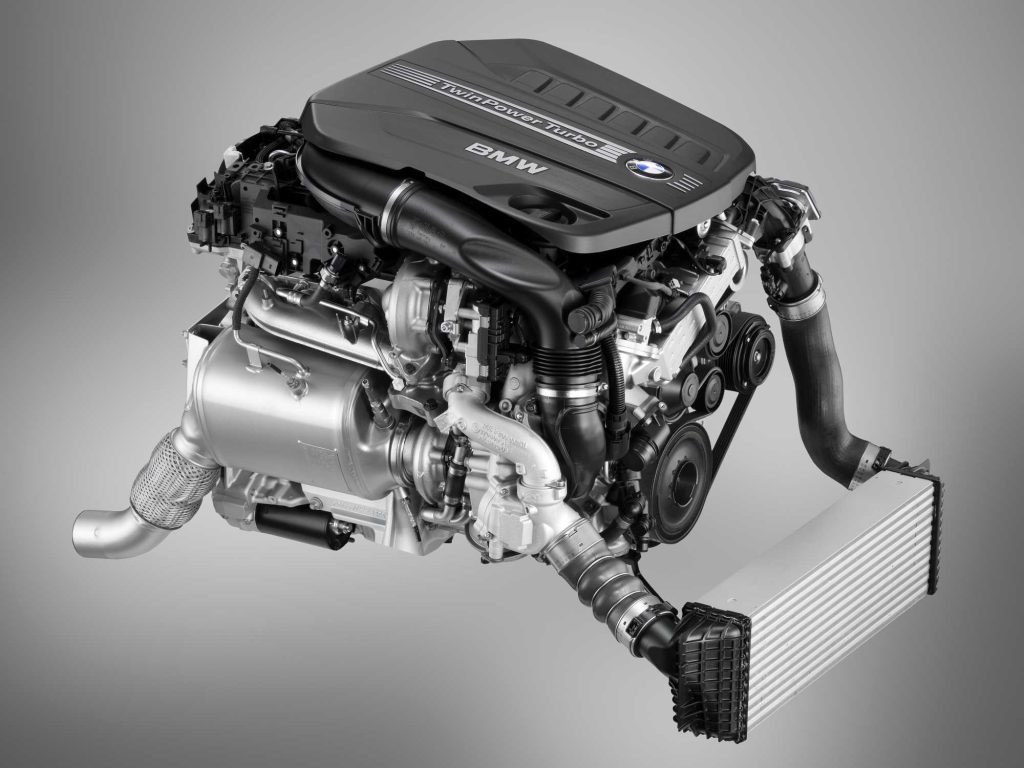
8. BMW 3.0L B57 Turbo Diesel Inline Six (BMW X5 xDrive40d)
BMW approached the B57 diesel engine from a precision engineering perspective. Rather than relying solely on brute strength, the company focused on combining hardened internals with extremely accurate machining tolerances. This results in an engine that can handle towing duties while maintaining the refinement expected from a luxury manufacturer.
The internal construction reflects this dual purpose goal. The engine uses a forged crankshaft and fracture split connecting rods, both selected for their ability to maintain structural strength under high cylinder pressure. Precision manufacturing helps ensure even stress distribution across these parts, which improves long term durability.
BMW also focused heavily on piston design. The pistons are built with reinforced crowns to tolerate the heat and pressure generated by turbo diesel combustion. Combined with advanced cooling galleries, this helps maintain piston integrity during extended towing drives.
Another area where this engine stands out is fuel delivery precision. The high pressure common rail injection system allows extremely accurate fuel metering. Precise combustion reduces soot formation and helps maintain internal cleanliness, which plays a significant role in engine longevity.
Drivers who tow with diesel SUVs often emphasize the importance of gradual throttle application. Smooth torque delivery reduces sudden drivetrain shock and helps preserve both engine mounts and internal components.
BMW also integrated an advanced oil management system that maintains pressure stability even during steep inclines. Consistent oil pressure is essential when engines operate under continuous load because it prevents temporary lubrication starvation.
A unique observation from long term diesel owners is that engines that regularly reach full operating temperature often show less internal deposit formation. Proper temperature allows moisture and contaminants to evaporate from the oil system.
The B57 shows that towing durability does not always require a traditional truck platform. With hardened internals and advanced thermal management, even a luxury diesel engine can demonstrate the structural strength needed for demanding towing applications.
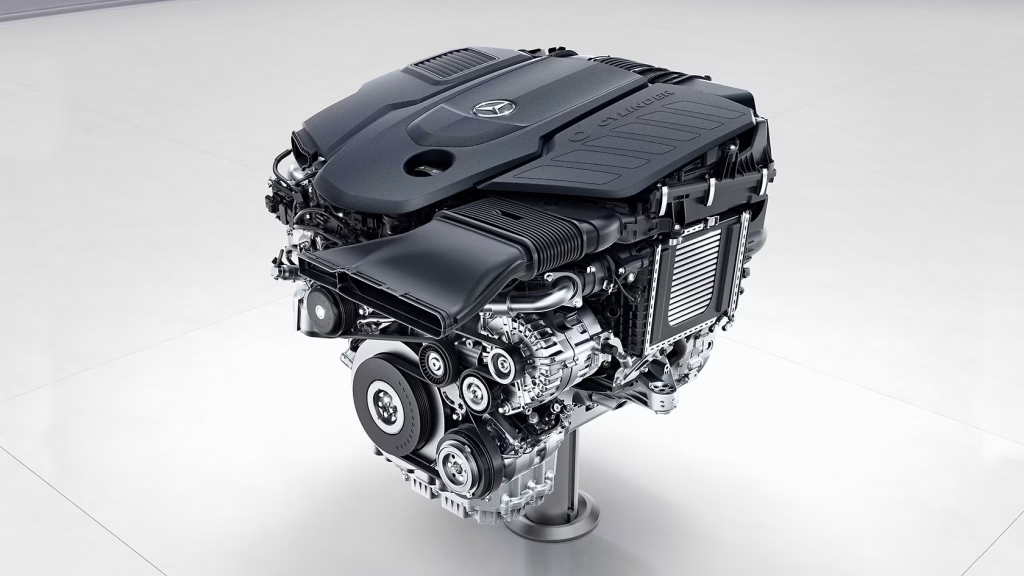
9. Mercedes Benz 3.0L OM656 Turbo Diesel Inline Six (Mercedes Benz GLE 350d)
Mercedes Benz developed the OM656 diesel engine with a strong focus on material strength and internal efficiency.
While it is often recognized for refinement, the deeper story lies in the hardened internal architecture designed to tolerate high torque output over extended periods. This engine reflects a philosophy where durability comes from precision metallurgy and intelligent stress distribution.
At the center of its durability strategy is the use of a strengthened aluminum block combined with advanced cylinder wall coating technology. Instead of traditional liners, Mercedes uses a special low friction coating that improves heat transfer while reducing internal resistance. Lower friction directly translates into slower wear rates across long operational life.
The pistons are made from high strength steel rather than aluminum, which is unusual for passenger vehicle engines. Steel pistons expand less under heat and maintain tighter clearances. Stable clearances help maintain compression and reduce blow by during prolonged heavy load operation.
Engineers also reinforced the crankshaft support structure to handle the high torque characteristics of diesel combustion. Strong main bearing supports help maintain crank alignment, which is essential for engines expected to operate under towing load for extended durations.
Thermal management plays a major role as well. Mercedes designed a stepped combustion bowl inside the piston to improve fuel burn efficiency. Efficient combustion produces more controlled pressure curves, which reduces peak stress on internal components.
Owners who rely on diesel SUVs for trailer hauling often mention careful fuel system maintenance as a priority. Using high quality diesel and replacing filters on time helps maintain injector precision, which protects the combustion process.
Another interesting point often observed by European service specialists is how well these engines maintain smooth operation even after extensive mileage. Smoothness usually suggests even cylinder wear and consistent internal lubrication.
The OM656 demonstrates that hardened components do not always mean heavier construction. Sometimes durability comes from smarter materials, better coatings, and engineering decisions that reduce stress instead of simply resisting it.
10. Toyota 5.7L 3UR-FE V8 (Toyota Tundra)
Toyota built the 5.7L 3UR-FE V8 with long term truck ownership in mind. Although introduced before many modern downsizing trends, its design focused heavily on internal strength and predictable performance under heavy towing situations. This engine earned respect largely because of how conservatively it was engineered.
The rotating assembly reflects Toyota’s traditional durability approach. A forged crankshaft and strong connecting rods provide the backbone needed to tolerate repeated heavy hauling. These components are not just sized for peak torque but for long term fatigue resistance across thousands of towing cycles.
Another strength lies in the piston design. Toyota used durable aluminum alloy pistons with protective coatings that help reduce friction against cylinder walls. Lower friction helps maintain cylinder wall condition and preserves oil control as mileage increases.
Unlike smaller turbocharged engines that must constantly manage boost pressure, this naturally aspirated V8 operates with very predictable combustion characteristics. Consistency in combustion pressure helps prevent long term gasket stress and promotes even internal wear patterns.
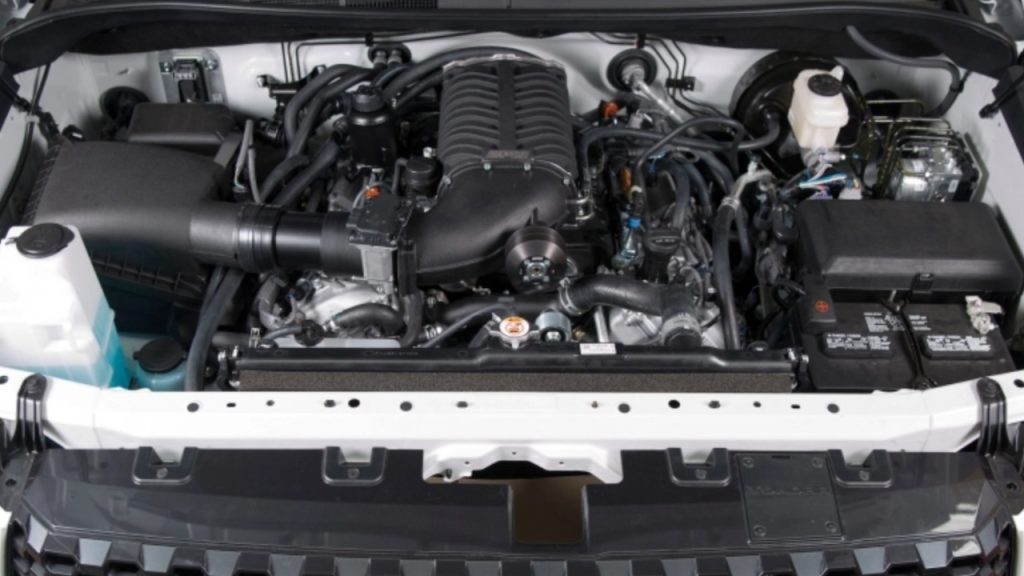
Cooling capacity was also a priority. The engine includes a large cooling system designed to maintain temperature stability even when towing in hot climates. Stable operating temperature helps prevent oil thinning and protects internal bearing surfaces.
Many long term owners emphasize a simple ownership philosophy. Consistent oil changes, quality coolant, and respecting towing limits often result in extremely long service life. This engine tends to reward discipline rather than aggressive modification.
Technicians frequently note that these engines rarely develop internal mechanical failures when maintained correctly. Most repairs tend to involve external components rather than the hardened internal structure.
The 3UR-FE represents an older but proven philosophy. Build the engine strong, avoid unnecessary stress, and allow conservative tuning to support long term reliability. That approach continues to make it one of the most trusted gasoline V8 engines for heavy towing duties.
Also Read: 12 Best Diesel Engines Ever Featured in an American Pickup Truck
