
As grid reliability concerns grow across the United States, driven by extreme weather, aging infrastructure, and rising electricity demand, home energy resilience is becoming a priority rather than a luxury.
While standby generators remain common, electric vehicles equipped with Vehicle-to-Home (V2H) technology are emerging as a more flexible and efficient alternative.
V2H allows a compatible EV, paired with a bidirectional charger and a home integration system, to supply electricity back into a house during outages or peak pricing periods.
This effectively turns the vehicle into a large-scale battery backup, often with significantly greater capacity than dedicated home storage systems.
However, not all EVs support bidirectional energy flow. In fact, as of 2026, only a limited but growing number of vehicles either fully support V2H or are confirmed to integrate with U.S.-ready bidirectional systems.
The vehicles below are selected based on real-world capability, confirmed hardware readiness, or credible manufacturer-backed deployment plans, not speculation.
Ford F-150 Lightning
The Ford F-150 Lightning remains the most complete V2H solution currently available to U.S. consumers. Through the Ford Intelligent Backup Power system, developed in partnership with Sunrun, the truck can deliver up to 9.6 kW of continuous power to a home.
The Ford F-150 Lightning stands out as one of the most practical and fully realized implementations of vehicle-to-home (V2H) technology available in 2026. Built on the foundation of America’s best-selling pickup, this all-electric variant does more than eliminate fuel costs, it transforms into a reliable backup power source capable of sustaining an entire household during outages.
At the core of its V2H capability is Ford’s Intelligent Backup Power system, which integrates directly with a home through the Ford Charge Station Pro and a compatible home integration system.
When paired correctly, the Lightning can automatically detect a power outage and begin supplying electricity to the home within seconds. With the extended-range battery, which offers up to 131 kWh of usable capacity, the truck can power an average household for approximately three days, and even longer with careful energy management.
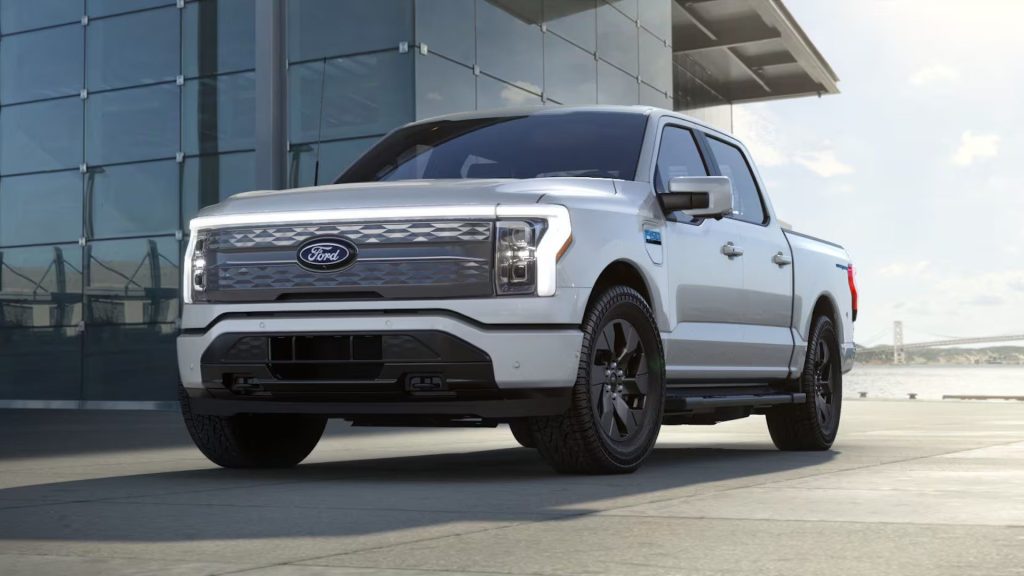
Unlike smaller EVs that provide limited power output, the F-150 Lightning delivers up to 9.6 kW of continuous power, making it capable of running high-demand appliances such as refrigerators, HVAC systems, lighting, and even well pumps.
This makes it particularly valuable in regions prone to severe weather or unreliable grid infrastructure. The system is also bidirectional, meaning energy flows seamlessly between the vehicle and the home without requiring manual intervention.
Ford’s approach emphasizes usability and integration. The system is designed to work automatically, minimizing the need for technical oversight. Through the FordPass app, users can monitor energy usage, battery levels, and power distribution in real time. This level of control ensures that homeowners can prioritize essential loads and extend backup duration when necessary.
Beyond emergency scenarios, the Lightning’s V2H capability also opens the door for more strategic energy use. Owners can charge the truck during off-peak hours and use stored energy during peak pricing periods, effectively reducing electricity costs over time. This aligns well with the growing adoption of time-of-use utility pricing and home energy optimization strategies.
In terms of practicality, the Lightning retains the utility expected from a full-size pickup. It offers substantial towing capacity, a spacious cabin, and the innovative “Mega Power Frunk,” which adds additional powered storage. However, its ability to function as a mobile power station is what truly differentiates it in this category.
For homeowners seeking a dependable, high-capacity V2H solution, the Ford F-150 Lightning represents a mature and well-integrated option. It bridges the gap between transportation and home energy resilience in a way few other vehicles currently achieve.
Chevrolet Silverado EV (RST / Work Truck)
The Chevrolet Silverado EV positions itself as a strong contender in the V2H landscape for 2026, combining GM’s Ultium battery platform with bidirectional charging capability that is increasingly central to modern home energy strategies.
Designed as a ground-up electric truck rather than a converted ICE model, it leverages a large battery pack and high-output electrical architecture to function as both a work vehicle and a mobile energy reserve.
At the center of its V2H functionality is GM Energy’s ecosystem, which includes the Ultium Home integration system. When paired with compatible hardware such as a bidirectional charger and home energy management system, the Silverado EV can supply power directly to a residence during outages.
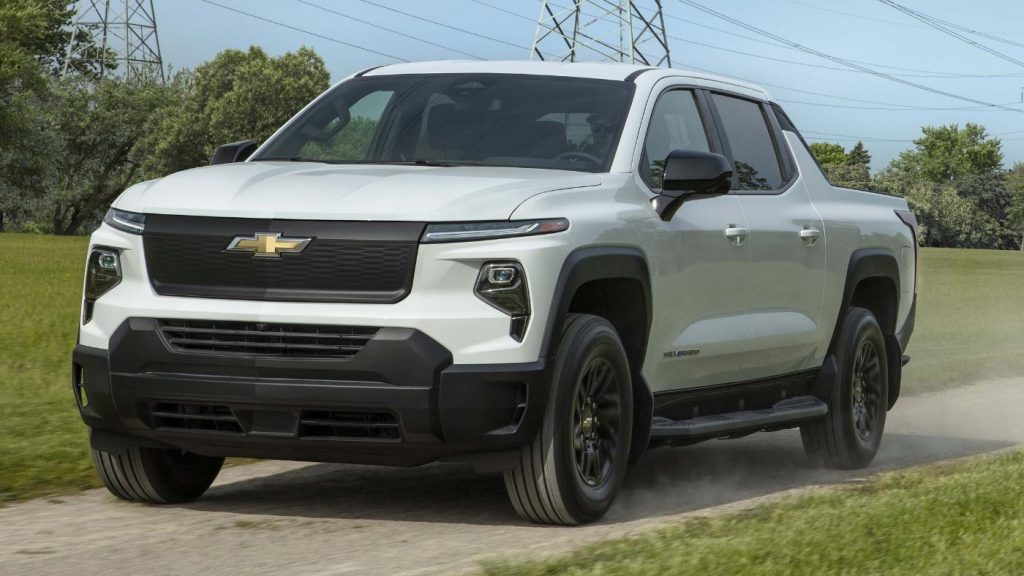
Its battery capacity, expected to exceed 200 kWh in higher trims, gives it a significant advantage in sustained backup scenarios. In practical terms, this allows the truck to power essential household systems for multiple days, depending on consumption patterns.
The Silverado EV is engineered to deliver substantial power output, making it capable of supporting not just basic loads like lighting and refrigeration, but also more energy-intensive systems such as central air conditioning or electric heating.
This positions it as a viable solution for larger homes or users with higher baseline energy demands. The system is designed for seamless transition during outages, automatically switching from grid supply to vehicle power without requiring manual intervention.
With battery capacities exceeding 200 kWh in certain trims, it offers one of the highest potential backup durations of any EV. GM’s system is also designed to integrate with solar and stationary storage, positioning it as part of a broader home energy strategy rather than a standalone feature.
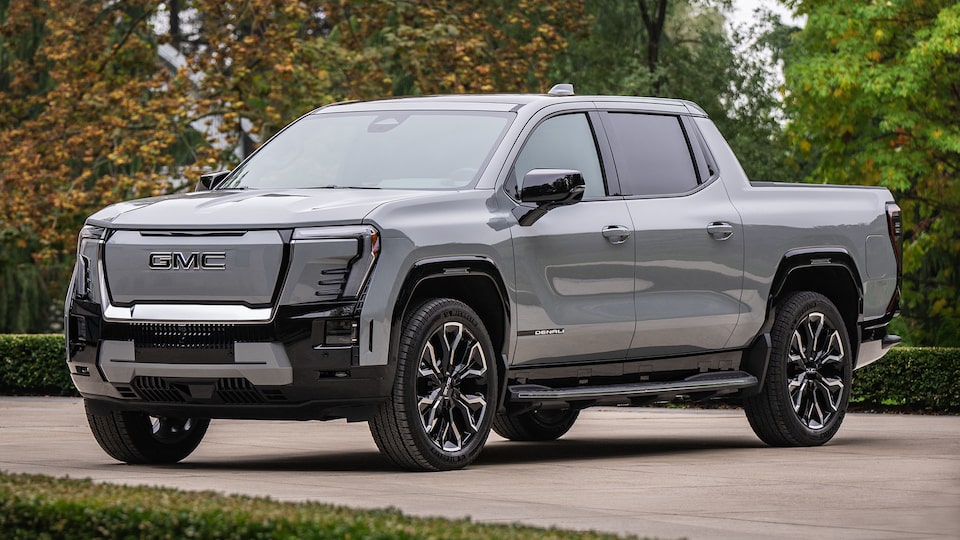
GMC Sierra EV Denali
Mechanically similar to the Silverado EV but positioned as a premium offering, the GMC Sierra EV Denali also supports GM Energy’s bidirectional charging system. It combines luxury features with the same high-capacity Ultium battery platform.
The GMC Sierra EV Denali represents one of the most advanced integrations of vehicle-to-home (V2H) technology in the premium electric truck segment for 2026.
Built on General Motors’ dedicated Ultium platform, it combines high-capacity battery storage with bidirectional charging capability, positioning it as both a luxury vehicle and a long-duration backup power solution for residential use.
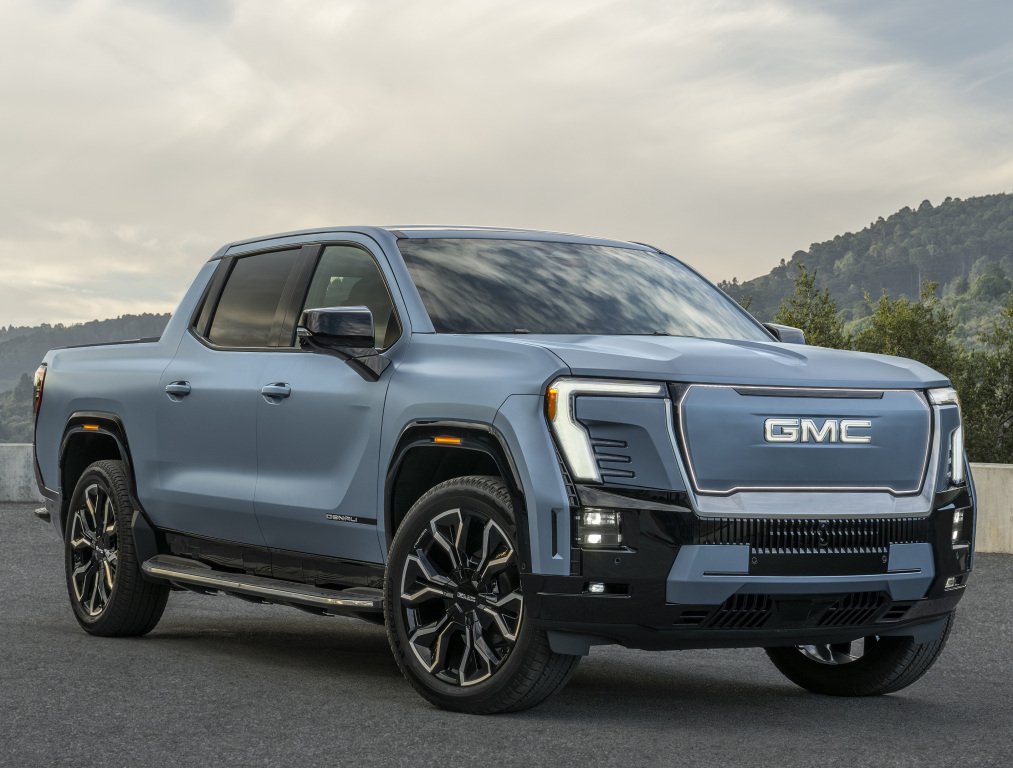
At the core of its V2H functionality is GM Energy’s bidirectional ecosystem, which enables energy to flow from the vehicle back into a properly equipped home.
Using the GM Energy PowerShift Charger and V2H Enablement Kit, the Sierra EV Denali can automatically supply electricity during a grid outage, effectively replacing a traditional standby generator. This setup allows seamless transition when power is lost, ensuring minimal disruption to essential household systems.
What differentiates the Sierra EV Denali in this category is its potential backup duration. Under optimized conditions with reduced daily energy consumption, the truck can power a home for up to 21 days, a figure that significantly exceeds most competitors in the V2H space.
This is largely due to its substantial battery capacity and efficient energy management systems, making it particularly valuable in extended outage scenarios or regions with unstable grid infrastructure.
Nissan Leaf (CHAdeMO Models)
The Nissan Leaf remains one of the most established and accessible entries in the vehicle-to-home (V2H) ecosystem for 2026, largely due to its early adoption of bidirectional charging technology.
While newer EVs are only beginning to integrate V2H at scale, the Leaf has quietly built a reputation as a practical, grid-interactive energy asset that extends beyond basic transportation.
A defining advantage of the Leaf is its compatibility with both V2H and V2G (vehicle-to-grid) systems. When paired with a compatible bidirectional charger such as Wallbox Quasar or similar systems, the vehicle can discharge stored energy back into a home or even the electrical grid.
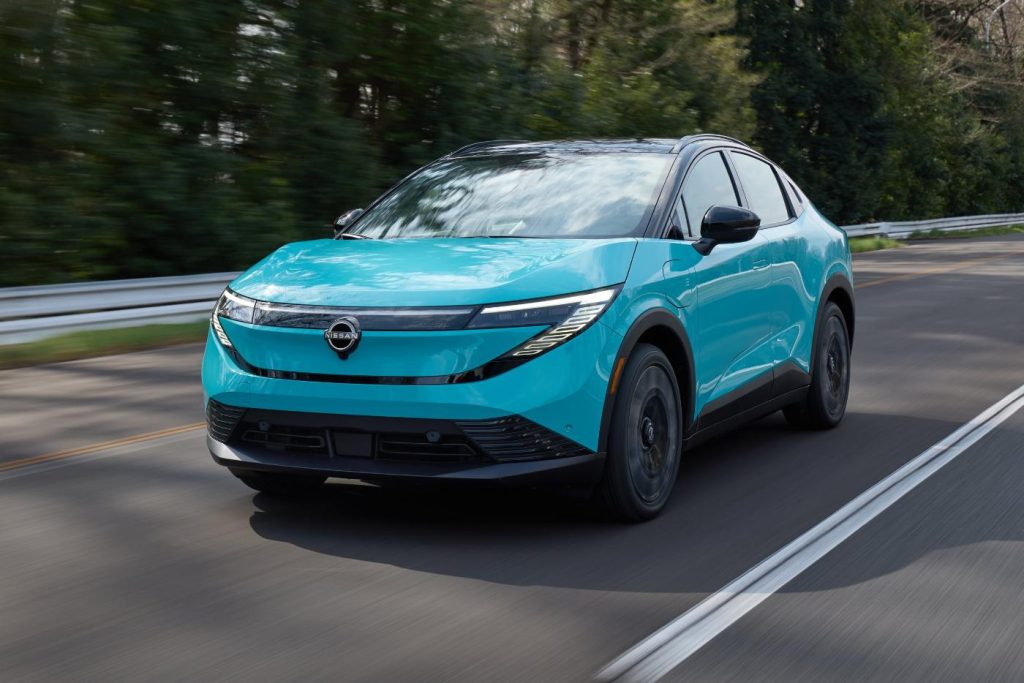
This effectively allows the Leaf to function like a stationary home battery, storing energy when supply is abundant and releasing it during outages or peak demand periods.
In terms of output, the Leaf typically supports up to around 7 kW of bidirectional power under optimal setups, which is sufficient to run essential household systems such as lighting, refrigeration, internet equipment, and select appliances.
While this is lower than full-size electric trucks, it aligns well with the needs of smaller homes or users prioritizing critical loads rather than whole-home backup.
While its battery capacity is modest compared to newer EVs, it remains one of the most accessible entry points into true V2H functionality.
Nissan Ariya (Future V2H Enablement)
The Nissan Ariya occupies an interesting position in the 2026 V2H discussion. Unlike the Nissan Leaf, which already supports bidirectional energy flow in certain configurations, the Ariya represents Nissan’s newer EV architecture that is still transitioning toward full vehicle-to-home capability. As a result, it is better understood as a future-ready platform rather than a fully mature V2H solution at present.
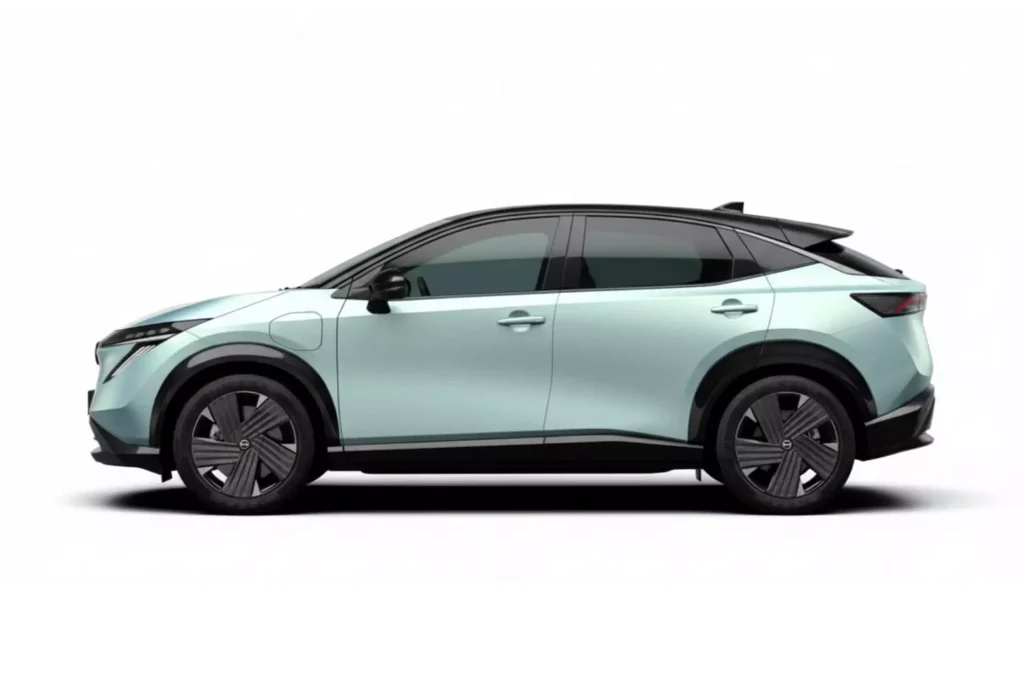
From a hardware standpoint, the Ariya is well-equipped for energy storage. Depending on the variant, it offers battery capacities up to 87 kWh, providing a substantial energy reserve that, in theory, could support home backup for extended periods. This places it in a competitive position relative to mid-size EVs, especially for households that do not require the extreme capacity of electric trucks.
However, current production models of the Ariya do not natively support V2H, V2G, or V2L functionality. This is the key limitation that prevents it from functioning as a direct home backup power source today.
Unlike CHAdeMO-based systems used in the Leaf, the Ariya relies on CCS charging standards, where bidirectional implementation is still being rolled out across manufacturers and regions.
Hyundai Ioniq 5 (Limited V2H via V2L + Pilot Programs)
The Hyundai Ioniq 5 represents a transitional but highly practical option in the 2026 V2H landscape, blending strong portable power capabilities with emerging bidirectional potential.
While it does not yet offer fully standardized, panel-integrated V2H functionality in most markets, it remains one of the most versatile EVs for landscape, blending strong portable power capabilities with emerging bidirectional potential.
While it does not yet offer fully standardized, panel-integrated V2H functionality in most markets, it remains one of the most versatile EVs for partial home backup and energy flexibility.
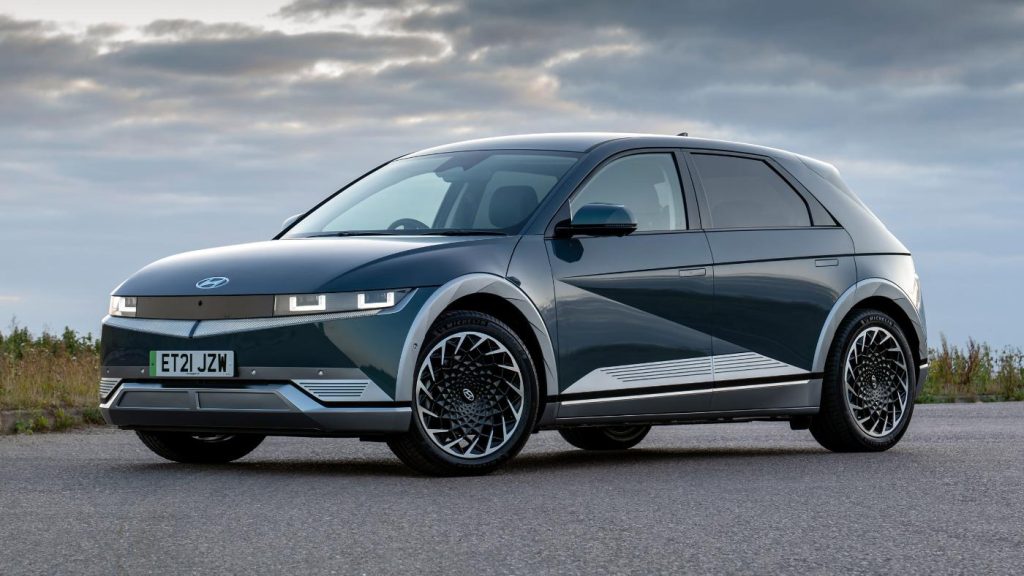
At the center of its energy capabilities is Hyundai’s Vehicle-to-Load (V2L) system. This feature allows the Ioniq 5 to supply power directly from its battery to external devices, effectively turning the vehicle into a mobile generator.
With a maximum output of approximately 3.6 kW, the system can run appliances such as refrigerators, lighting, small HVAC units, and electronics during outages. This makes it particularly useful for maintaining critical loads, even if it cannot yet power an entire home panel like full V2H systems.
Kia EV6 (Bidirectional Ready Platform)
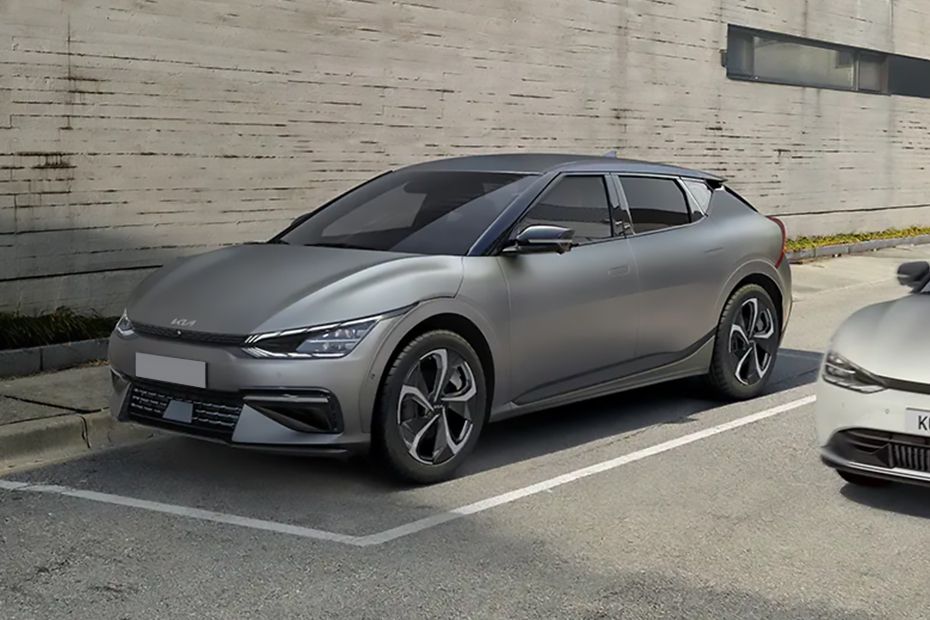
The Kia EV6 occupies a middle ground in the 2026 V2H space, offering meaningful bidirectional potential but stopping short of full, seamless home integration in its current form.
At its core, the EV6 is equipped with Vehicle-to-Load (V2L) functionality, which allows it to supply power directly from its battery to external devices. With a maximum output of approximately 3.6 kW, it can run essential appliances such as refrigerators, lighting, and electronics during outages.
This effectively turns the vehicle into a mobile power source, comparable to a silent, emissions-free generator. The system draws from a battery pack that can reach around 77.4 kWh, providing a substantial energy reserve for short-term backup scenarios.
However, unlike dedicated V2H-enabled vehicles such as electric trucks, the EV6 does not yet offer native support for direct home panel integration. Current specifications indicate that V2H and V2G functionality are not officially supported out of the box. This means users cannot seamlessly power an entire household through an automatic switchover system.
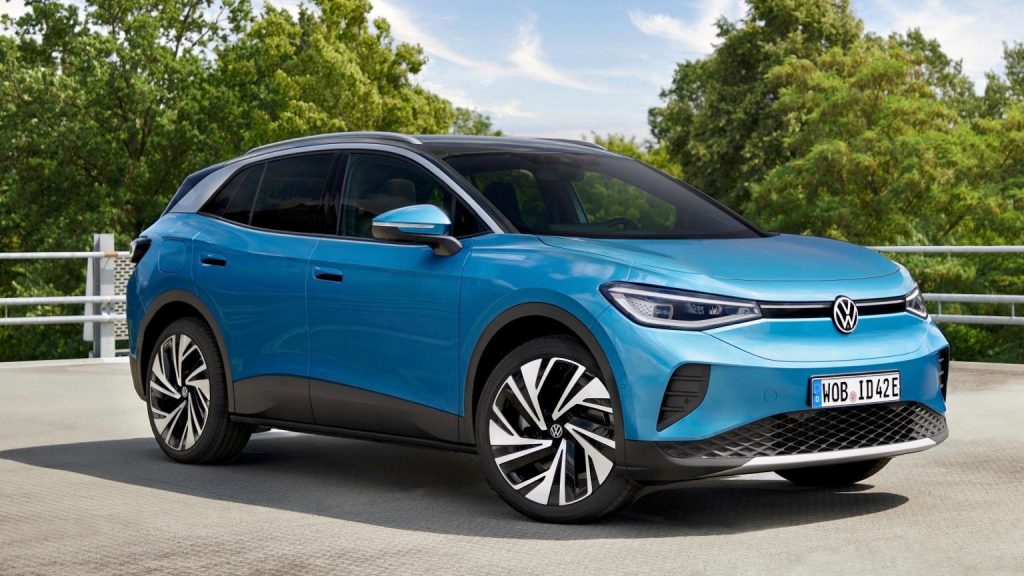
Volkswagen ID.4 (Bidirectional Rollout in Progress)
The Volkswagen ID.4 stands out as one of the most practical and scalable electric SUVs for integrating vehicle-to-home (V2H) technology in 2026. Built on Volkswagen’s dedicated MEB electric platform, the ID.4 combines everyday usability with emerging bidirectional charging capabilities, positioning it as a viable home energy asset rather than just a commuter vehicle.
A key factor that makes the ID.4 relevant for V2H applications is its large battery capacity, particularly in variants equipped with the 77 kWh usable pack. This battery effectively functions as a mobile energy storage unit, capable of storing excess electricity from the grid or solar panels and redistributing it when needed.
In practical terms, this allows homeowners to maintain essential appliances during outages or reduce reliance on peak electricity pricing. Volkswagen has confirmed that ID-family vehicles with this battery configuration and updated software (version 3.5 or higher) can support bidirectional energy flow, enabling direct integration with home energy systems.
Unlike some competitors that emphasize simple vehicle-to-load (V2L) functionality, the ID.4 focuses on deeper energy integration through DC-based bidirectional charging.
This means it typically requires a compatible wallbox or energy management system to convert stored DC energy into usable AC power for the home. While this adds infrastructure requirements, it also enables more stable and scalable whole-home backup solutions compared to basic plug-out systems.
Tesla Cybertruck (Energy Ecosystem Integration Expected)
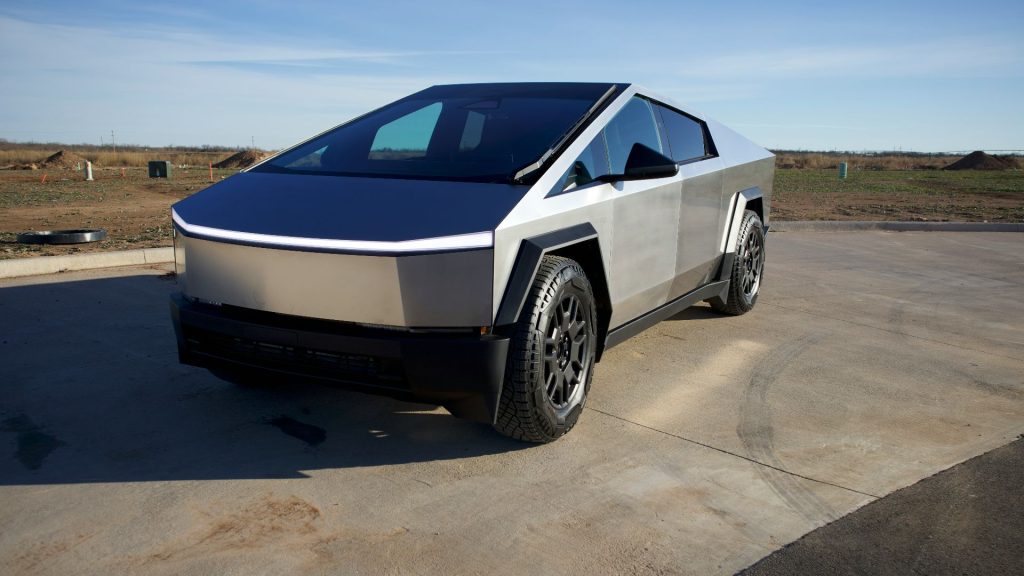
The Tesla Cybertruck represents one of the most advanced implementations of vehicle-to-home (V2H) technology in 2026, positioning it as both a high-performance electric truck and a fully integrated home energy solution.
Unlike many EVs that treat bidirectional charging as an add-on feature, Tesla has built the Cybertruck around its “Powershare” ecosystem, enabling seamless energy flow between the vehicle, the home, and potentially even the grid.
At the core of the Cybertruck’s V2H capability is its large battery pack, which can exceed 120 kWh depending on configuration. This effectively turns the vehicle into a high-capacity mobile energy storage system.
When paired with Tesla’s home infrastructure, including the Wall Connector and Gateway or Powerwall, the Cybertruck can deliver up to 11.5 kW of continuous power directly to a home. This output is sufficient to run most essential household systems, including HVAC, refrigeration, lighting, and electronics, making it comparable to a full-home backup generator but without fuel or emissions.
One of the Cybertruck’s defining advantages is its ability to provide extended backup duration. Tesla indicates that the vehicle can power an average home for up to three days on a full charge, and even longer when integrated with solar energy systems.
This makes it particularly valuable in regions prone to outages or for homeowners looking to reduce dependence on grid reliability. The system is also automated, capable of detecting outages and switching to backup power within minutes.
Beyond V2H, the Cybertruck also supports vehicle-to-load (V2L) functionality, offering multiple onboard outlets and up to 9.6 kW of direct AC output for tools or appliances. This dual capability enhances its flexibility, allowing it to function as both a residential backup system and a portable power source for work sites or outdoor use.
Tesla is also pushing the Cybertruck further into the energy ecosystem with early vehicle-to-grid (V2G) initiatives. Pilot programs launched in 2026 demonstrate the truck’s ability to send energy back to the grid during peak demand, potentially allowing owners to offset electricity costs or even generate revenue.
While broader rollout depends on regulatory approval and infrastructure, this positions the Cybertruck as a forward-looking energy asset rather than a static backup solution.
Rivian R1S / R1T (Planned Bidirectional Expansion)
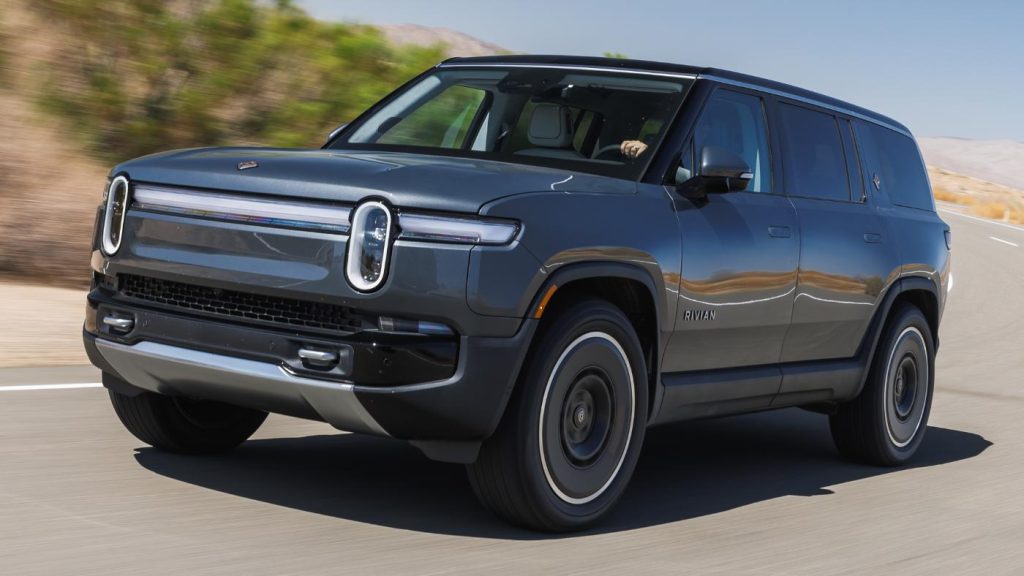
The Rivian R1S is a premium electric SUV that is uniquely positioned to bridge the gap between adventure-focused performance and advanced home energy integration. While its vehicle-to-home (V2H) functionality is still evolving in 2026, the underlying hardware and battery architecture make it one of the most promising platforms for bidirectional energy use.
A defining strength of the R1S in a V2H context is its large battery capacity. Depending on configuration, the SUV offers packs ranging from roughly 92.5 kWh to as high as 140 kWh in Max variants, with real-world figures around 141 kWh in some models.
This places it among the highest-capacity EVs currently available, effectively allowing it to function as a substantial mobile energy reserve. For homeowners, this translates into the ability to power essential loads such as lighting, refrigeration, and communication systems for extended periods during outages.
Rivian has confirmed that the R1 platform, which includes the R1S, is designed with bidirectional charging capability at the hardware level. However, unlike competitors that have already deployed fully integrated V2H ecosystems, Rivian’s approach is more modular and still in rollout.
The company has announced a dedicated bidirectional wall charger capable of delivering up to 24 kW of power to a home, which is significantly higher than most AC-based systems. This level of output positions the R1S as a potential whole-home backup solution rather than just a partial load provider.
The system relies on DC-based bidirectional charging, meaning it requires specialized external hardware to convert and manage energy flow between the vehicle and the home.
While this adds complexity and cost, it also enables higher efficiency and greater power delivery compared to simpler AC-based V2H setups. Once fully deployed, this architecture could allow the R1S to support not just emergency backup, but also energy optimization scenarios such as peak shaving and solar energy storage.
The presence of a large battery alone does not guarantee V2H capability. For U.S. homeowners evaluating EVs for backup power, several technical factors determine real-world usability:
- Bidirectional charger compatibility (CCS vs CHAdeMO vs NACS transition)
- Home integration systems (transfer switches, load management)
- Export power rating (kW output)
- Utility and regulatory approval in your state
- Software enablement by the automaker
In practical terms, only a few vehicles, most notably the Ford F-150 Lightning and GM’s Ultium trucks, offer turnkey, fully supported V2H solutions in the U.S. today. Others are in various stages of readiness, from pilot programs to hardware-capable but software-limited platforms.
Vehicle-to-Home technology is no longer theoretical, but it is not yet universal. In 2026, buyers must distinguish between true, deployable V2H systems and future-ready platforms that may require additional infrastructure or updates.
For immediate, reliable home backup, options like the F-150 Lightning and GM’s electric trucks lead the market. For those willing to invest in future capability, models like the Hyundai Ioniq 5, Volkswagen ID.4, and Tesla Cybertruck represent the next wave of energy-integrated vehicles.
As standards converge, particularly around NACS and bidirectional charging protocols, V2H is likely to become a mainstream feature. For now, choosing the right vehicle requires a clear understanding of both current capability and near-term roadmap.
