
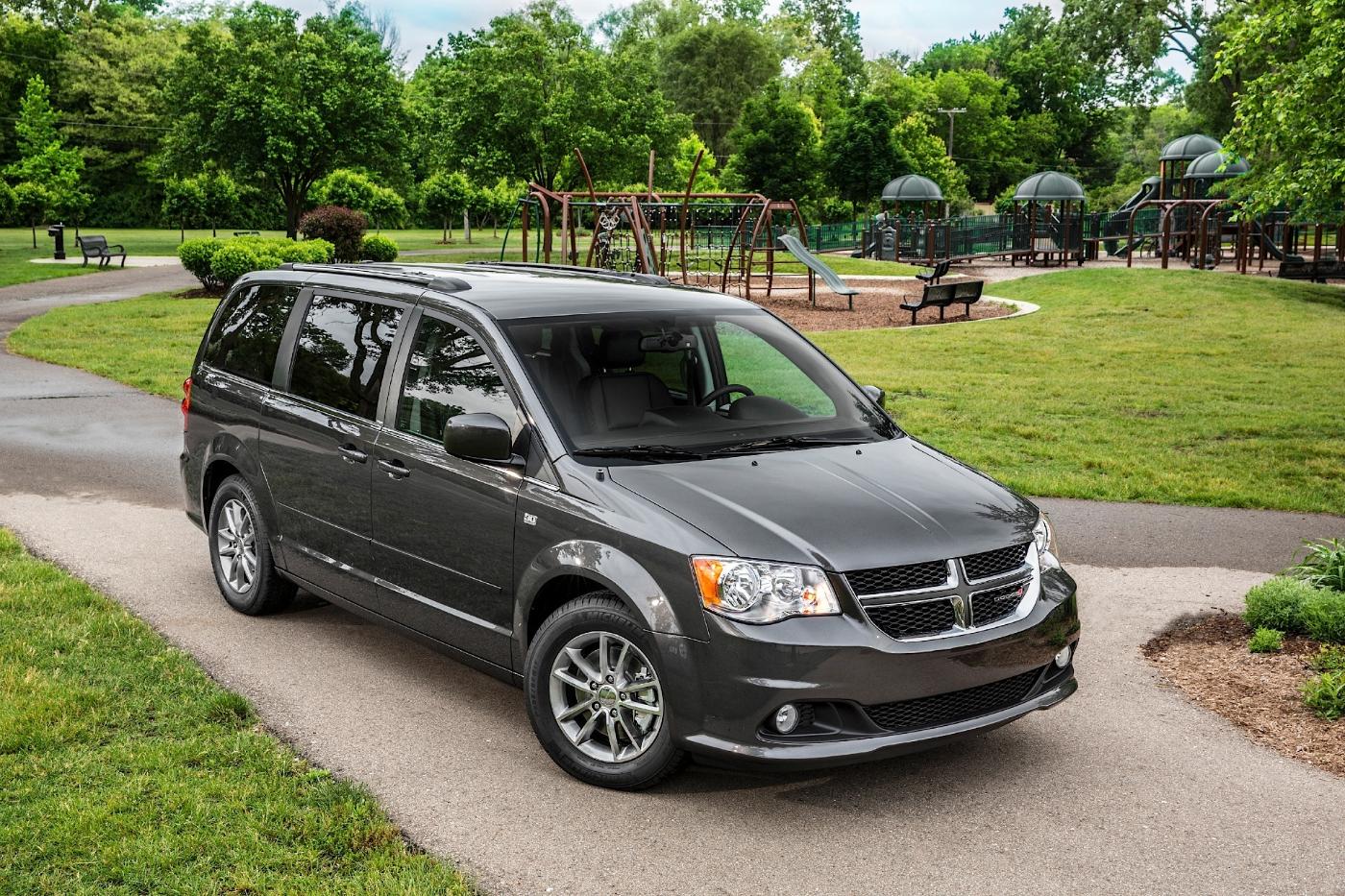
Local travel, school drop-offs, grocery runs, commuting within suburbs, has quietly evolved alongside automotive design in the United States.
While highways and road trips often get the spotlight, it’s everyday usability that has shaped what families actually need from a vehicle: easy access, flexible space, predictable running costs, and low-effort driving.
Over time, certain vehicles didn’t just sell well, they introduced ideas that permanently altered expectations. Whether it was sliding doors, hybrid efficiency, or the shift to crossovers, these cars influenced how American families organize daily movement.
Below are 12 vehicles that materially changed local family travel, focusing on functionality, packaging, and real-world usability rather than popularity alone.
1. Willys Jeep Wagon
The Willys Jeep Wagon stands as one of the earliest vehicles to redefine how American families approached everyday travel, blending utility, durability, and passenger comfort in a way that had not been widely available before its introduction.
Launched in 1946 by Willys-Overland, the Jeep Wagon was among the first mass-produced all-steel station wagons, marking a significant shift away from the wood-bodied “woodies” that dominated the pre-war era.
At its core, the Willys Jeep Wagon was designed to bring the rugged capability of the military-derived Willys MB into a civilian-friendly format. It retained the brand’s reputation for toughness while adding an enclosed cabin that could comfortably carry families, cargo, and equipment.
This combination made it especially appealing to post-war American households seeking a versatile vehicle that could handle both daily errands and weekend excursions.
One of the most transformative aspects of the Jeep Wagon was its available four-wheel-drive system, introduced in 1949. At a time when most family vehicles were strictly rear-wheel drive and limited to paved roads, this feature allowed families to travel confidently across rough terrain, rural landscapes, and unpaved routes.
It effectively expanded the geographic boundaries of local travel, making outdoor recreation, camping trips, and countryside visits far more accessible.
The vehicle’s all-steel construction also played a crucial role in its long-term impact. Unlike wooden-bodied wagons that required frequent maintenance and were prone to wear, the Jeep Wagon offered improved durability and lower upkeep. This made it a more practical choice for families who relied on a single vehicle for multiple purposes, from commuting to hauling supplies.
Inside, the Jeep Wagon emphasized straightforward functionality. Seating configurations could accommodate several passengers, and the spacious rear cargo area made it easy to transport groceries, tools, or luggage. While it lacked the luxury features of later family vehicles, its design prioritized reliability and adaptability, qualities that resonated strongly with mid-century buyers.

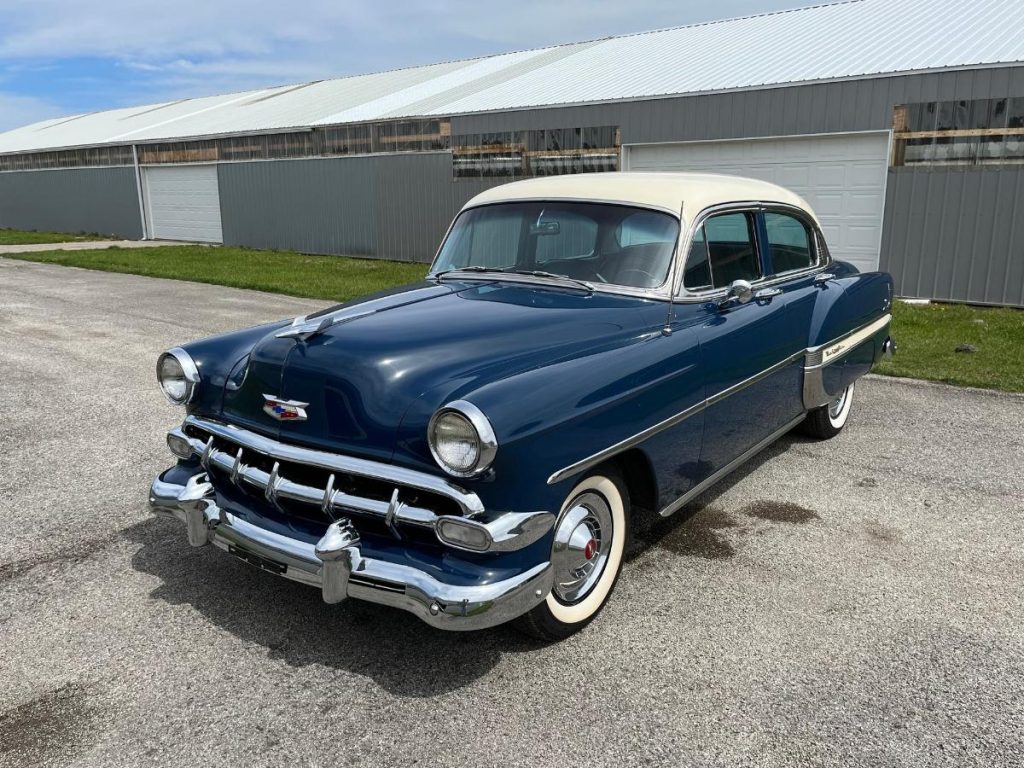
2. Chevrolet Bel Air
The Chevrolet Bel Air represents a defining moment in the evolution of American family transportation, transforming not just how people traveled locally, but how they experienced the journey itself. Introduced in the early 1950s by Chevrolet, the Bel Air quickly became a cultural and automotive icon, setting new standards for style, comfort, and accessibility in mass-market vehicles.
What made the Bel Air so influential was its ability to bring previously upscale features into the reach of middle-class families. At a time when many vehicles were still utilitarian in design, the Bel Air emphasized aesthetics with its sleek lines, chrome detailing, and distinctive two-tone paint schemes.
This shift signaled that family transportation no longer had to be purely functional. It could also be aspirational, reflecting personal identity and social mobility.
Beyond styling, the Bel Air played a critical role in improving ride comfort and everyday usability. It featured more refined suspension systems and smoother handling compared to many of its predecessors, making local driving less physically demanding and more enjoyable.
Combined with increasingly powerful and reliable inline-six and V8 engines, the car offered a balanced mix of performance and practicality that suited both city commutes and suburban travel.
Interior design was another area where the Bel Air reshaped expectations. Spacious bench seating allowed families to travel together comfortably, while improved materials and cabin layouts enhanced the driving experience. Features such as push-button radios, better climate control options, and more intuitive dashboards contributed to a sense of modern convenience that became increasingly important in postwar America.
The Bel Air also arrived at a time when suburban expansion was accelerating across the United States. As families moved farther from city centers, the need for dependable and comfortable local transportation grew significantly.
3. AMC Eagle
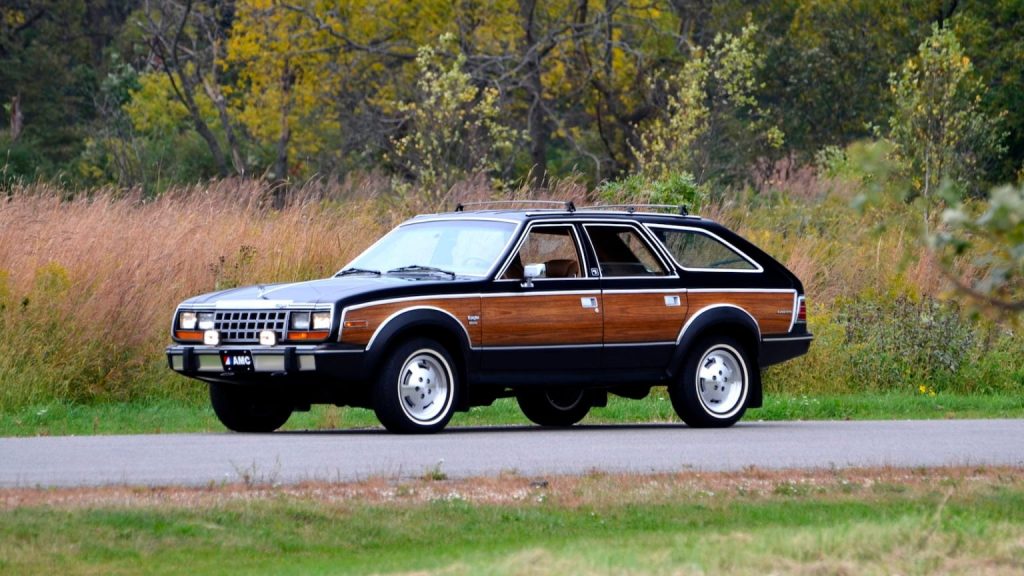
The AMC Eagle occupies a unique and often underappreciated place in automotive history, fundamentally reshaping how American families approached local travel by introducing the concept of a passenger car with genuine all-weather capability.
Launched in 1979 by American Motors Corporation, the Eagle is widely regarded as one of the first true crossovers, blending the comfort of a sedan or wagon with the traction benefits of four-wheel drive.
At a time when four-wheel drive was largely confined to trucks and off-road vehicles, the Eagle brought this technology into a format that felt familiar and accessible to everyday drivers.
Families no longer had to choose between a rugged utility vehicle and a comfortable commuter car. The Eagle delivered both, offering a smoother ride and more car-like handling than traditional 4×4s while still providing the confidence to go through snow, mud, and poorly maintained roads.
This capability had a direct impact on how families traveled locally, particularly in regions with harsh winters or rural infrastructure. The Eagle’s full-time four-wheel-drive system operated automatically, requiring no input from the driver.
This removed much of the complexity associated with traditional 4×4 systems and made all-weather driving more approachable for the average household. As a result, daily commutes, school runs, and grocery trips became more reliable regardless of road conditions.
4. Dodge Caravan
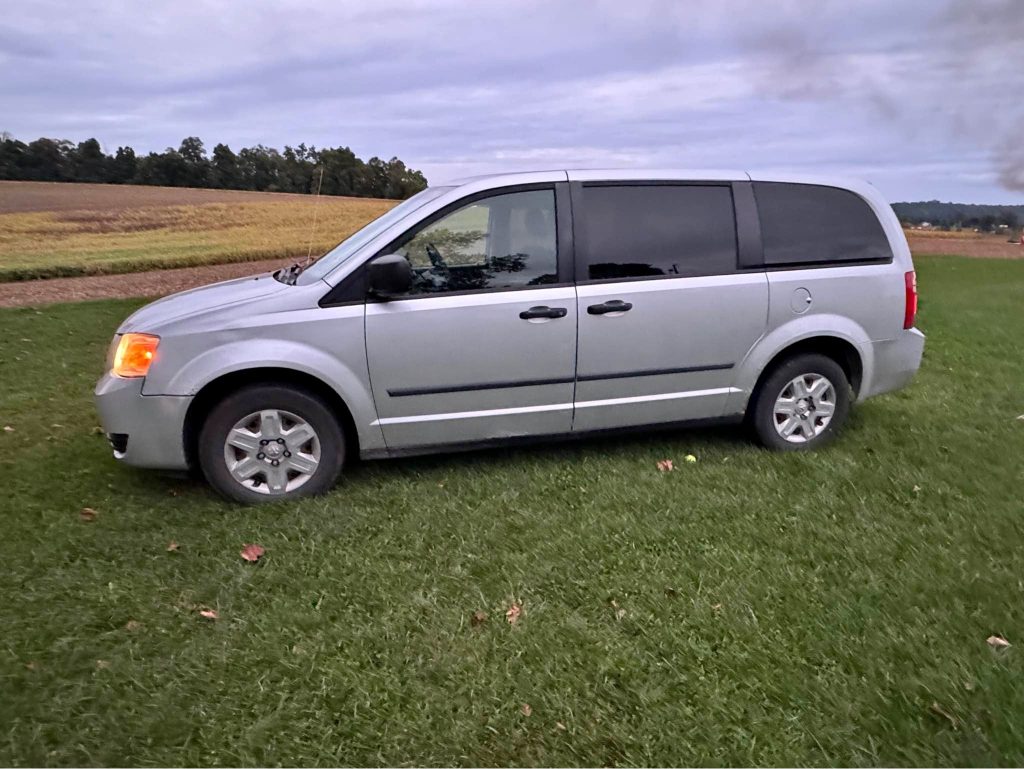
The Dodge Caravan stands as one of the most influential family vehicles in American automotive history, fundamentally redefining local travel by introducing a practical, space-efficient alternative to both station wagons and full-size vans.
Debuting in 1984 under Dodge, the Caravan helped pioneer the modern minivan segment, a category specifically engineered around the needs of families rather than adapted from commercial or passenger car platforms.
What set the Caravan apart was its front-wheel-drive architecture, which allowed for a lower floor height and easier entry compared to traditional vans. This seemingly simple design decision had a major impact on usability.
Families could load children, groceries, and cargo with far less effort, making everyday errands and school runs significantly more convenient. The lower step-in height also improved accessibility for elderly passengers, broadening its appeal across multiple generations within a household.
Interior flexibility became the Caravan’s defining strength. Early models already offered three-row seating, but it was later innovations like removable seats and, eventually, the “Stow ‘n Go” system that truly transformed how families used their vehicles.
These features allowed owners to quickly reconfigure the cabin from passenger transport to cargo hauling without needing separate tools or storage space. This adaptability made the Caravan ideal for a wide range of local travel scenarios, from carpooling and family outings to moving furniture or sports equipment.
5. Saturn S-Series
The Saturn S-Series played a pivotal role in reshaping how American families approached affordable, reliable local transportation during the 1990s. Introduced in 1990 by Saturn Corporation, the S-Series was designed from the ground up to challenge both domestic and import competitors by prioritizing efficiency, durability, and customer-focused ownership.
What made the S-Series fundamentally different was its clean-sheet engineering and unconventional philosophy. Unlike many compact cars of the time that were derived from older platforms, the S-Series was purpose-built to meet the needs of cost-conscious families without sacrificing quality.
It featured lightweight polymer body panels mounted on a steel spaceframe, a design that resisted dents and corrosion far better than traditional steel bodies. For families navigating tight parking lots, school zones, and urban environments, this translated into lower maintenance costs and fewer cosmetic concerns over time.
The S-Series was offered in multiple body styles, including sedan, coupe, and wagon, allowing families to choose a configuration that best suited their daily routines.
The wagon variant, in particular, provided added cargo flexibility for groceries, school supplies, and weekend errands, reinforcing its role as a practical household vehicle. Despite its compact footprint, the interior was designed to maximize usable space, making it suitable for small families or first-time car owners.
Fuel efficiency was another defining advantage. At a time when rising fuel costs were becoming a growing concern, the S-Series delivered strong mileage without requiring hybrid or diesel technology. This made it an economical choice for commuting, errands, and other forms of local travel, helping families manage transportation expenses more effectively.

6. Toyota Prius
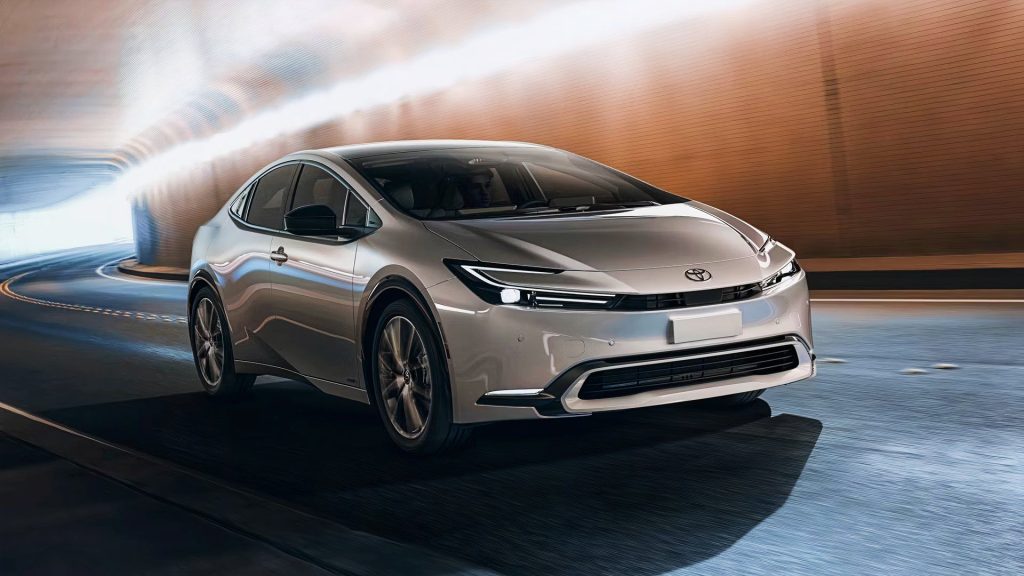
The Toyota Prius fundamentally altered how American families approached local travel by introducing hybrid technology as a practical, everyday solution rather than a niche experiment. First launched globally in the late 1990s and brought to the U.S. market in 2000 by Toyota, the Prius became the first mass-produced hybrid vehicle to achieve widespread adoption, setting a new benchmark for fuel efficiency and environmental responsibility.
At the heart of the Prius’s impact was its hybrid powertrain, which combined a gasoline engine with an electric motor to optimize efficiency in real-world driving conditions. This system was particularly effective in stop-and-go urban environments, where the vehicle could operate on electric power at low speeds and seamlessly switch to gasoline when needed.
For families handling daily commutes, school runs, and errands, this translated into significantly reduced fuel consumption and lower operating costs compared to traditional internal combustion vehicles.
The Prius also introduced regenerative braking to a broad audience, capturing energy typically lost during braking and storing it in the battery for later use. This innovation further improved efficiency while reinforcing the idea that everyday driving could be smarter and more resource-conscious.
Over time, the Prius became synonymous with high mileage, often achieving fuel economy figures that were previously unattainable in conventional cars without sacrificing practicality.
7. Scion xB
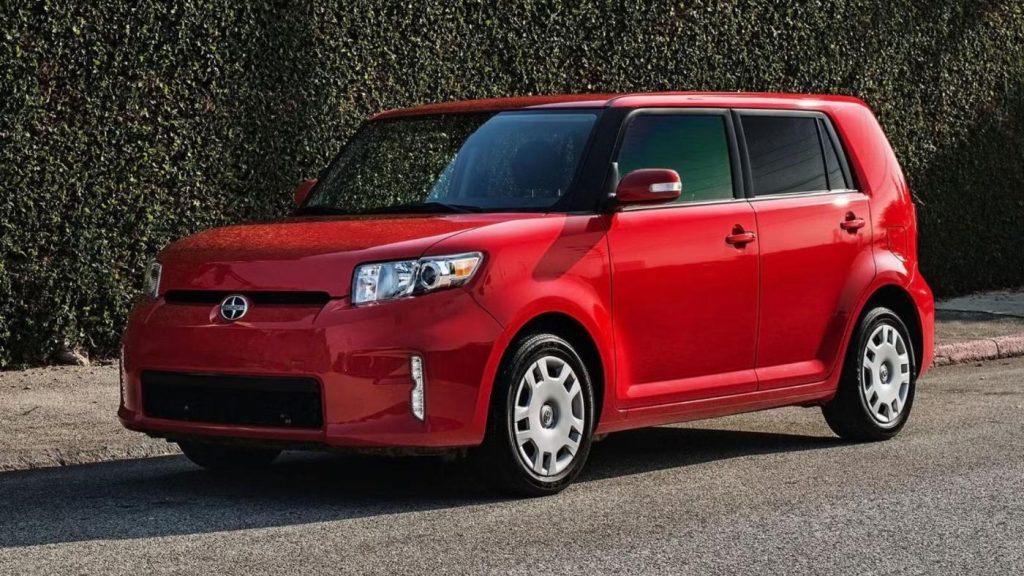
The Scion xB redefined how younger families and urban households approached local travel by prioritizing space efficiency, affordability, and distinctive design in a compact footprint. Introduced in the early 2000s under Scion, the xB was part of a broader strategy to attract first-time buyers, but its practical advantages quickly made it a compelling choice for small families as well.
At first glance, the xB’s boxy, unconventional styling set it apart from nearly every other vehicle on the road. However, this design was not merely aesthetic. The tall roofline and squared-off dimensions maximized interior volume, creating a cabin that felt significantly larger than its exterior size suggested.
This allowed families to comfortably seat multiple passengers while still retaining ample cargo space for groceries, school bags, or weekend gear. In dense urban environments where parking space is limited, this balance between compact size and interior usability proved especially valuable.
The xB’s layout also emphasized ease of use. Its upright seating position provided excellent visibility, making it easier for drivers to navigate crowded streets and tight parking situations.
Wide-opening doors and a low step-in height simplified entry and exit, which was particularly helpful for families with children. These ergonomic advantages contributed to a stress-free daily driving experience, aligning well with the demands of local travel.
Affordability was another key factor in the xB’s influence. Scion adopted a no-haggle pricing model similar to Saturn’s earlier approach, offering well-equipped vehicles at a fixed price point.
This transparency appealed to younger buyers and families seeking predictable costs without complex negotiations. Additionally, the xB’s fuel-efficient four-cylinder engine kept running expenses low, reinforcing its role as a budget-conscious transportation solution.
8. Honda CR-V
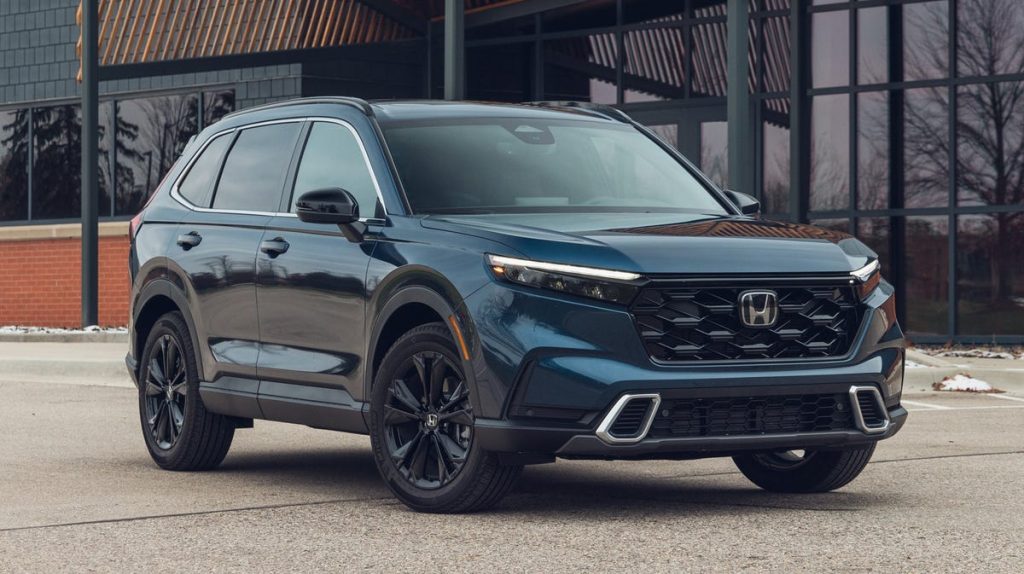
The Honda CR-V played a central role in transforming how American families approached local travel by helping define the modern compact SUV segment. Introduced to the U.S. market in the late 1990s by Honda, the CR-V offered a compelling alternative to both traditional sedans and larger, truck-based SUVs, combining practicality, efficiency, and everyday usability in a single package.
What set the CR-V apart was its car-based platform, which delivered a smoother ride and more predictable handling compared to body-on-frame SUVs of the time.
This made it far more suitable for daily driving, particularly in urban and suburban environments where comfort and maneuverability were essential. Families could enjoy the elevated driving position and available all-wheel-drive capability of an SUV without sacrificing the ease of use associated with a passenger car.
Interior design was a major factor in the CR-V’s success. Honda focused heavily on maximizing usable space within a compact footprint, resulting in a cabin that felt open and adaptable.
Early models featured clever solutions such as fold-flat rear seats and a flat load floor, making it easy to transition between passenger and cargo duties. This flexibility allowed families to handle everything from grocery runs to sports equipment and weekend errands without needing a larger vehicle.
9. Mazda5
The Mazda5 occupies a distinctive niche in the evolution of American family transportation, offering a compact, efficient alternative to traditional minivans without sacrificing practicality.
Introduced to the U.S. market in the mid-2000s by Mazda, the Mazda5 effectively blended the maneuverability of a compact car with the flexibility of a three-row people mover, reshaping expectations for local family travel.
What made the Mazda5 particularly influential was its size and packaging. At a time when most minivans were growing larger and more cumbersome, the Mazda5 delivered a scaled-down solution that was easier to drive and park in urban and suburban environments.
Its compact footprint allowed families to navigate tight streets, crowded parking lots, and daily commutes with far less effort than full-size vans, while still accommodating up to six passengers across three rows.
A defining feature of the Mazda5 was its dual sliding rear doors, a rarity in a vehicle of its size. These doors significantly improved accessibility, especially in confined parking spaces where traditional hinged doors could be impractical. For families with children, this translated into easier loading and unloading, reinforcing its suitability for everyday errands, school drop-offs, and short-distance travel.
Inside, the Mazda5 emphasized versatility. The second and third rows could be folded or reconfigured to prioritize either passenger seating or cargo space, making it adaptable for a wide range of needs.
Whether transporting groceries, sports equipment, or multiple passengers, the vehicle could quickly adjust to suit the situation. Despite its smaller dimensions, thoughtful interior design ensured that space was used efficiently.
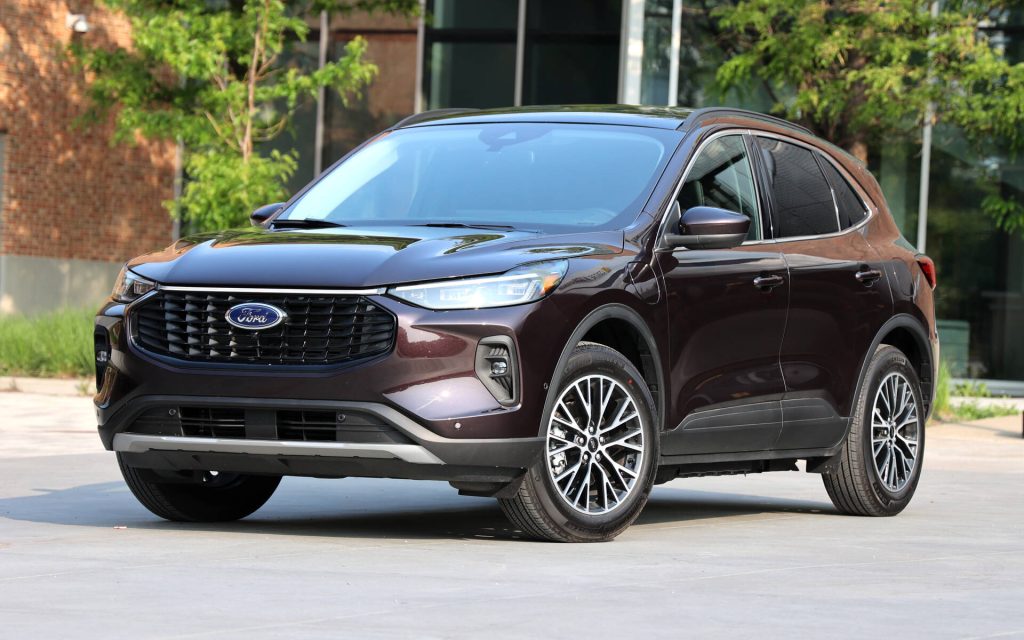
10. Ford Escape Hybrid
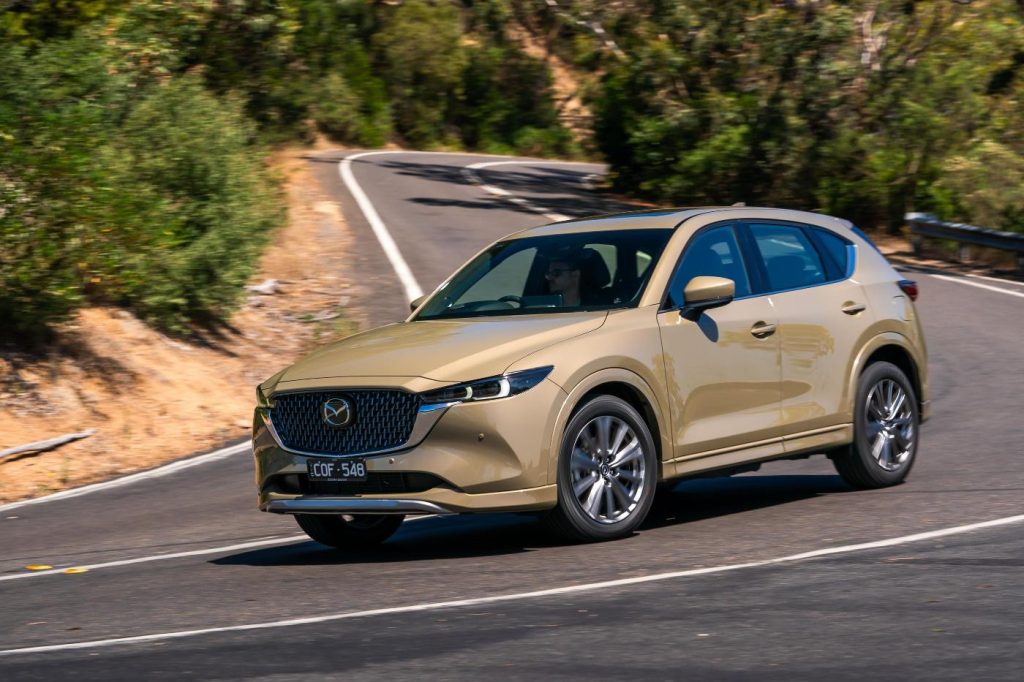
The Ford Escape Hybrid marked a significant shift in how American families approached everyday transportation by combining the practicality of a compact SUV with the efficiency of hybrid technology. Introduced in the mid-2000s by Ford, it was one of the first hybrid SUVs on the market, bringing fuel-saving innovation into a vehicle format already favored by families.
At a time when rising fuel costs and environmental concerns were becoming more prominent, the Escape Hybrid offered a compelling alternative to traditional gasoline-powered SUVs.
Its hybrid system paired a four-cylinder engine with an electric motor, allowing the vehicle to operate more efficiently in stop-and-go traffic, which is typical of local driving. This made it particularly well-suited for daily commutes, school runs, and errands, where fuel consumption tends to be highest in conventional vehicles.
One of the key advantages of the Escape Hybrid was that it delivered improved efficiency without compromising the versatility families expected from an SUV.
It retained a spacious interior, flexible cargo area, and available all-wheel drive, ensuring it could handle a wide range of everyday tasks. Families could carry passengers, groceries, and gear while benefiting from reduced fuel costs and fewer trips to the gas station.
11. Chevrolet Bolt EV
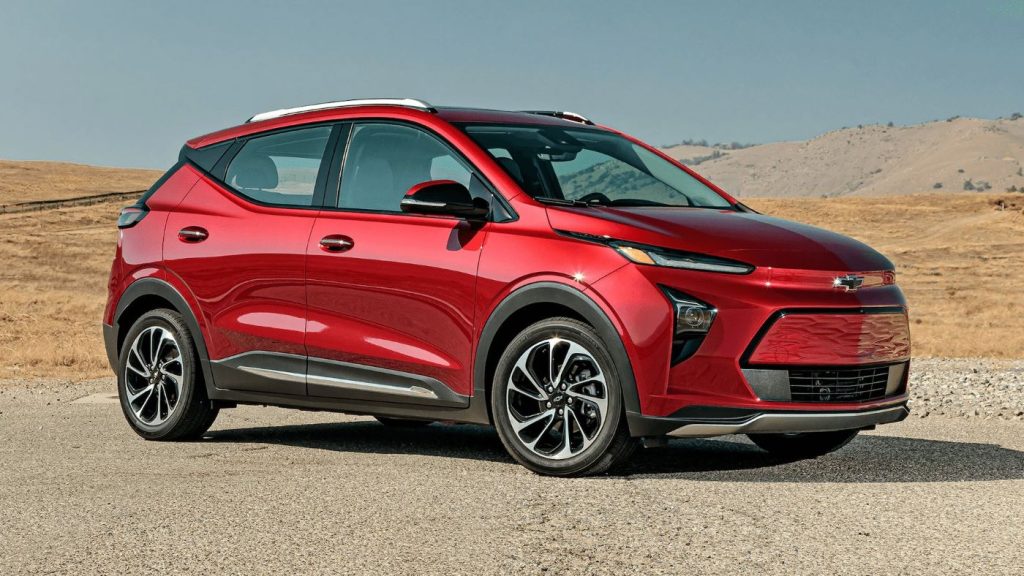
The Chevrolet Bolt EV represents a major turning point in how American families approach local travel, bringing fully electric driving into the mainstream at an accessible price point. Introduced in 2016 by Chevrolet, the Bolt EV was one of the first affordable electric vehicles to offer a practical driving range suitable for everyday use, helping shift EVs from niche products to viable household transportation.
What made the Bolt EV fundamentally transformative was its combination of range and cost. With an EPA-estimated range exceeding 250 miles on a single charge, it eliminated much of the “range anxiety” that had previously limited electric vehicle adoption.
For families handling daily commutes, school drop-offs, and errands, this meant they could rely entirely on electric power without needing a gasoline backup. Local travel, in particular, became simpler and more predictable, with most charging conveniently done at home.
The Bolt EV’s compact hatchback design also played a crucial role in its practicality. Despite its small exterior footprint, the interior was engineered to maximize passenger and cargo space, offering a surprisingly roomy cabin.
This made it well-suited for urban and suburban environments, where maneuverability and parking ease are essential. Families could navigate tight streets and crowded lots while still accommodating groceries, backpacks, and other daily necessities.
12. Kia Telluride
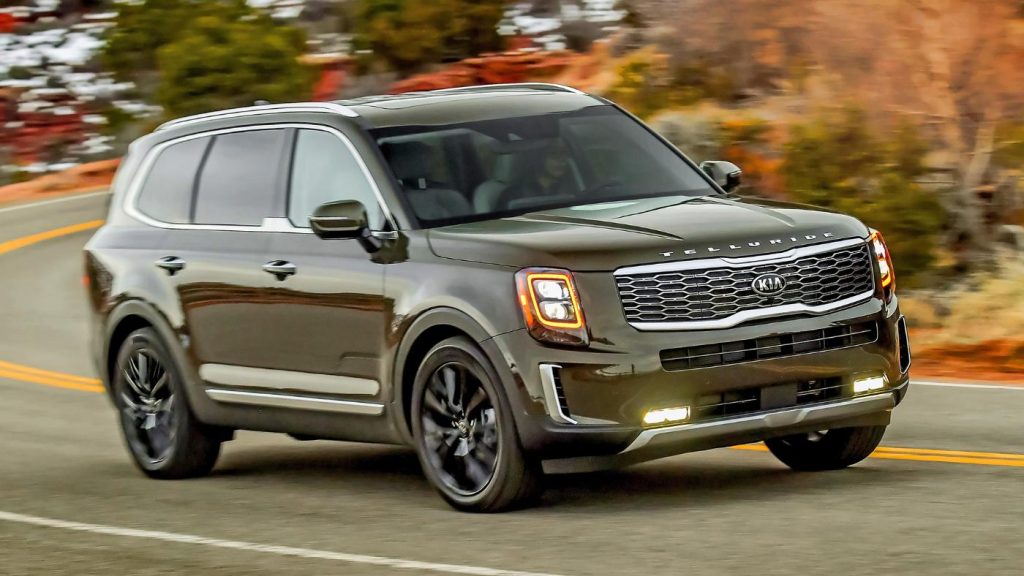
The Kia Telluride represents a modern benchmark for how American families approach local travel, combining space, comfort, and value in a way that redefined expectations for midsize SUVs.
Introduced for the 2020 model year by Kia, the Telluride quickly established itself as a segment leader by delivering near-luxury features at a mainstream price point, making high-end family transportation more accessible.
One of the Telluride’s most significant contributions is how it elevated comfort and refinement in everyday driving. With three rows of seating and generous legroom in all positions, it accommodates larger families without the compromises often associated with cramped third rows.
This makes routine activities like school runs, grocery trips, and carpooling more comfortable, particularly for households that regularly carry multiple passengers.
Interior quality is a defining strength. The Telluride offers upscale materials, intuitive controls, and a clean cabin layout that prioritizes usability.
Features such as large infotainment displays, advanced driver assistance systems, and available premium audio create an environment that feels more aligned with luxury vehicles than traditional family SUVs. This shift has influenced consumer expectations, pushing competitors to improve their own offerings in terms of design and technology.
From a practical standpoint, the Telluride excels in versatility. Fold-flat seating configurations allow for quick transitions between passenger transport and cargo hauling, making it easy to adapt to changing daily needs. Whether transporting sports equipment, luggage, or bulk groceries, the vehicle provides ample storage without requiring a larger or more expensive platform.
These vehicles illustrate a clear trajectory. Early innovations focused on access and capacity. Later developments emphasized efficiency, flexibility, and ease of use. Today, electrification and software integration are beginning to redefine daily mobility once again.
What remains consistent is the core requirement: vehicles must adapt to the routines of family life. Whether through sliding doors, hybrid systems, or compact-yet-spacious designs, each of these cars introduced a practical solution to a real-world problem.
As American families continue to balance cost, convenience, and sustainability, the next generation of vehicles will likely build on these same principles, just with more advanced technology underlying them.
