
Modern compact SUVs often prioritize styling, crash structure, and aerodynamics over visibility, resulting in thicker pillars and smaller windows. Independent testing has confirmed that blind spots have increased in newer SUVs, making outward visibility a real differentiator rather than a given.
For drivers who prefer clear sightlines instead of relying heavily on cameras, the key is selecting vehicles designed with upright proportions, larger glass areas, and thinner pillars. These structural choices directly reduce blind zones and improve real-world awareness.
The following list focuses on less repetitive, more distinctive picks, including some overlooked models that deliver strong visibility through design rather than just technology.
1. Subaru Forester
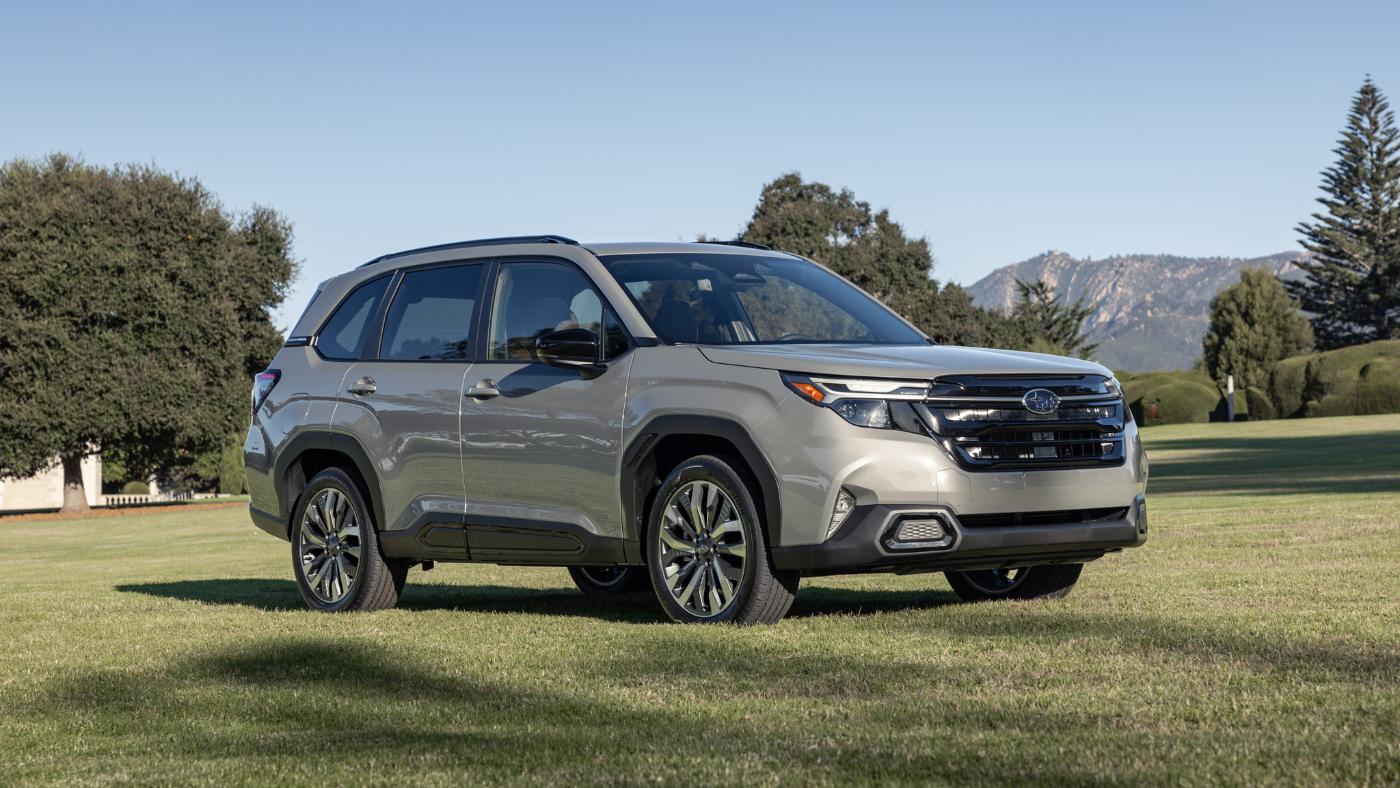
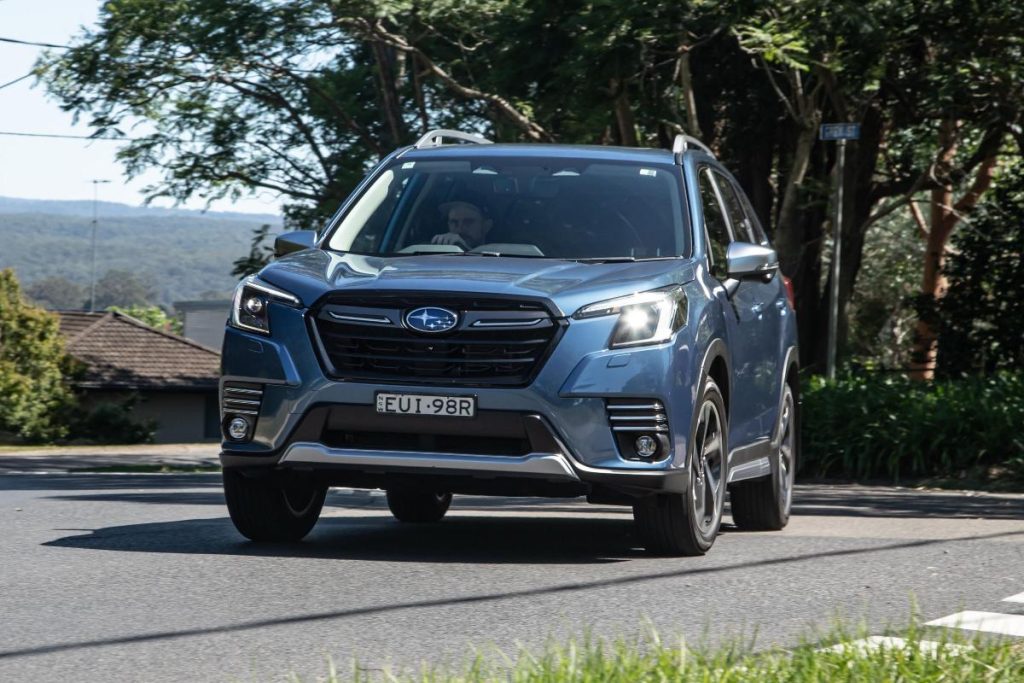
The Subaru Forester is widely recognized as one of the best compact SUVs for drivers who prioritize visibility, thanks to its design philosophy that emphasizes clear sightlines and minimal interior blind spots. Built by Subaru, the Forester has consistently stood out in its segment for offering a driving experience that feels open, confident, and easy to manage in everyday conditions.
A defining feature of the Forester is its expansive glass area. Large windows, a relatively upright windshield, and slim roof pillars work together to create a panoramic field of view that is rare among modern SUVs.
In an era where many vehicles sacrifice visibility for styling or structural bulk, the Forester maintains a more traditional, boxy shape that directly benefits driver awareness. This design allows drivers to clearly see surrounding traffic, pedestrians, and obstacles without relying heavily on electronic assistance systems.
The Forester’s seating position further enhances visibility. Its slightly elevated ride height provides a commanding view of the road, while the upright cabin layout ensures that drivers are not buried deep within the dashboard.
This combination makes it easier to judge distances, navigate tight urban spaces, and handle complex driving situations such as merging or parking. For drivers who value confidence behind the wheel, especially in crowded environments, this clarity can significantly reduce stress.
Another important element is the careful placement of structural components. Subaru has engineered the Forester’s A-pillars and rear pillars to minimize obstruction without compromising safety.
The result is fewer blind spots when checking intersections or changing lanes, an area where many compact SUVs struggle due to thicker pillars and sloping rooflines. Rear visibility is also strong, aided by a large rear window and well-proportioned tailgate design.
2. Volkswagen Taos
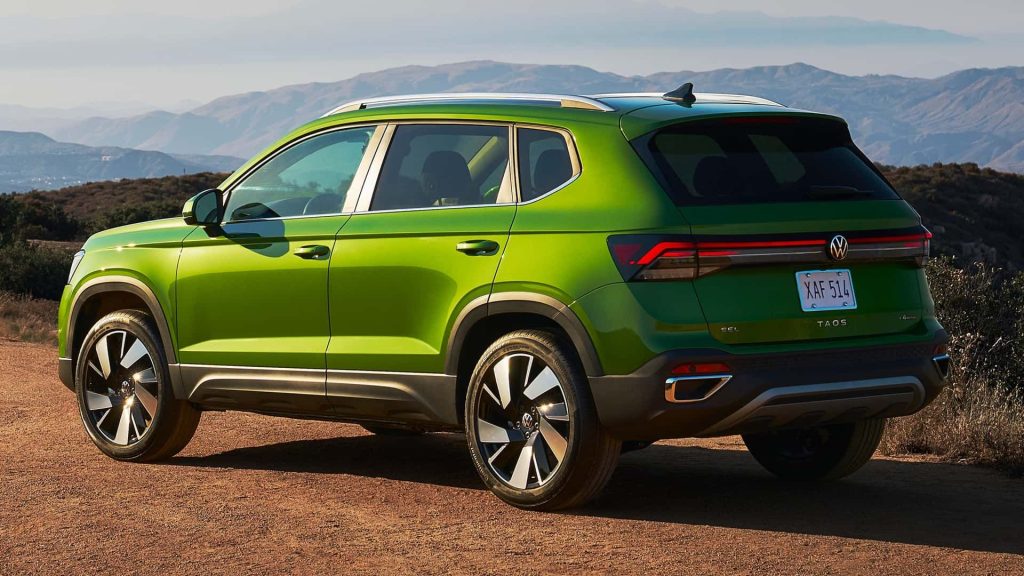
The Volkswagen Taos is a strong contender in the compact SUV segment for drivers who prioritize outward visibility and minimal blind spots, offering a design that balances modern styling with practical sightlines. Positioned below the Tiguan in Volkswagen’s lineup, the Taos is built with everyday usability in mind, and that extends directly to how well drivers can see their surroundings.
One of the Taos’s key strengths is its upright stance and tall glass area. Unlike many compact SUVs that lean toward coupe-like styling with sloping rooflines and smaller windows, the Taos maintains a more traditional SUV shape. This results in better outward visibility, particularly through the front and side windows.
The seating position also plays an important role. Drivers sit slightly higher than in a sedan, which improves line-of-sight over the hood and enhances awareness in urban environments.
This makes everyday tasks like navigating intersections, merging, and parking less stressful. Combined with large side mirrors that provide a broad field of view, the Taos reduces reliance on guesswork when checking adjacent lanes.
Structurally, the Taos benefits from a relatively boxy profile, which helps minimize blind spots compared to more aggressively styled rivals. Its proportions allow for better over-the-shoulder visibility, and the rear design avoids excessive narrowing that can obstruct the driver’s view. Consumer-focused evaluations note that outward visibility is a clear strength of the vehicle, aided by its shape and overall layout.
3. Honda Element
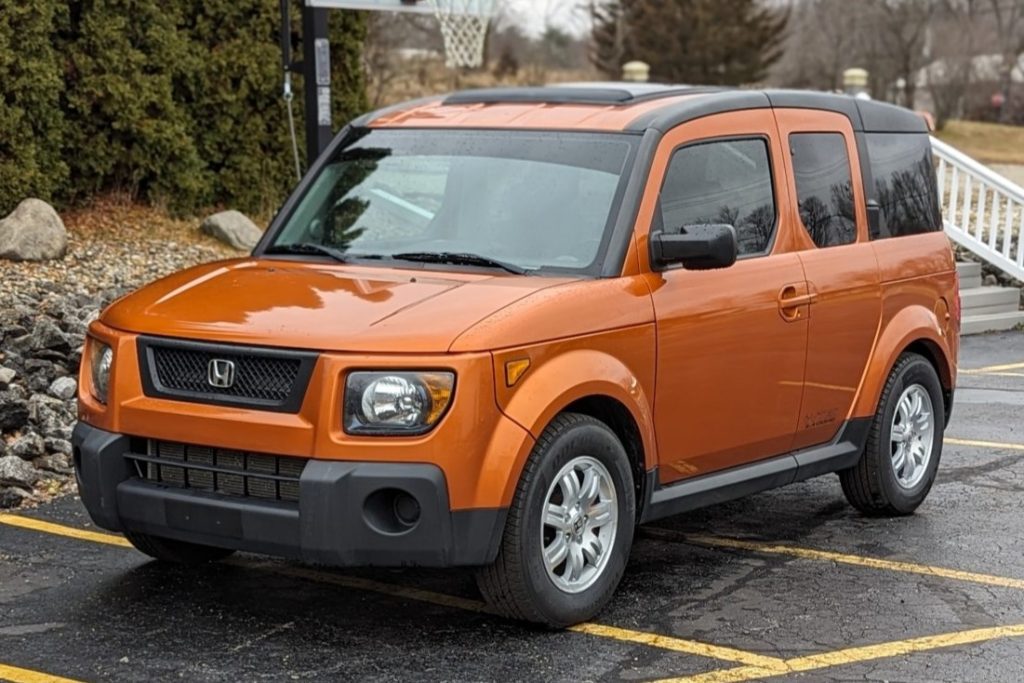
The Honda Element remains an unconventional but highly effective choice for drivers who value outward visibility and minimal interior blind spots. Although it is no longer in production, its boxy design and utilitarian philosophy make it one of the most visibility-friendly compact SUVs ever built.
At the core of the Element’s appeal is its upright, almost geometric shape. Unlike modern crossovers that prioritize sloping rooflines and aggressive styling, the Element embraces straight lines and large glass panels.
The result is exceptional all-around visibility. The tall windows and nearly vertical windshield provide a wide forward view, while the expansive side glass ensures that drivers can easily monitor adjacent lanes without relying heavily on blind-spot detection systems.
One of the Element’s most distinctive features is its pillar design. The A-pillars are relatively slim, reducing obstruction at intersections, and the rear section includes additional glass panels that help eliminate the typical blind zones found in the rear three-quarter area.
This layout significantly improves spatial awareness, especially in urban driving conditions where pedestrians, cyclists, and tight corners demand constant visibility.
The seating position further enhances the driving experience. The Element offers a high, upright seating posture that gives drivers a commanding view of the road without feeling disconnected from it.
This height, combined with the vehicle’s flat hood and squared-off proportions, makes it easier to judge distances when parking or maneuvering in confined spaces. Drivers can clearly see the edges of the vehicle, which reduces guesswork and builds confidence.
4. Jeep Renegade
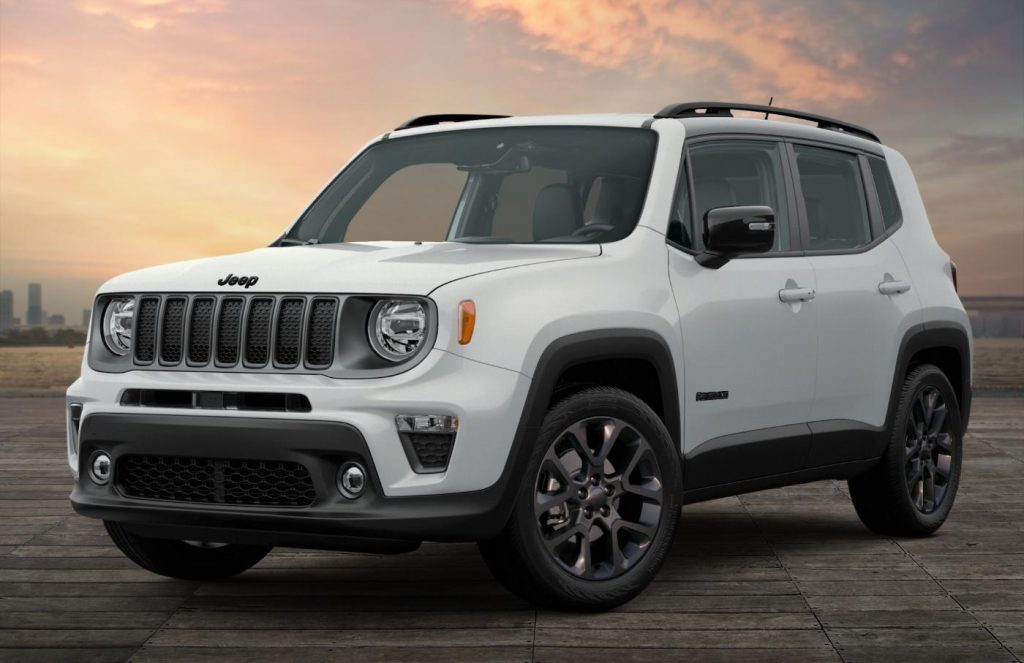
The Jeep Renegade presents a mixed case in a list focused on compact SUVs with minimal interior blind spots. While its rugged, upright styling suggests strong outward visibility at first glance, the reality is more nuanced, with both clear advantages and notable compromises.
On the positive side, the Renegade’s boxy proportions and upright windshield contribute to solid forward visibility. The high driving position gives drivers a commanding view of the road, which can be especially useful in urban environments and off-road scenarios.
Large windows and a relatively flat hood also help drivers better judge the vehicle’s placement when parking or going through tight spaces. Some owners and reviewers even highlight its ease of maneuvering and decent outward sightlines in everyday driving.
However, the Renegade’s biggest drawback in this category comes from its structural design. Thick roof pillars, particularly the A-pillars, significantly obstruct visibility at certain angles.
Multiple reviews point out that these pillars can create substantial blind spots, especially at intersections or when cornering. In fact, some critics describe the blind spots as among the most noticeable in the segment, requiring drivers to consciously adjust their viewing angles.
Rear visibility is another area where the Renegade falls short. The combination of a relatively small rear window and chunky rear pillars can limit visibility when checking over the shoulder or reversing.
While the SUV’s upright design helps somewhat, it does not fully compensate for these structural obstructions. As a result, drivers may find themselves relying more on mirrors and driver-assistance systems than they would in more visibility-focused rivals.
To address these limitations, Jeep equips the Renegade with modern safety technologies. Features like blind-spot monitoring and rear cross-traffic alert are widely available and, in many trims, standard. These systems provide an essential safety net by detecting vehicles that fall outside the driver’s line of sight, helping to offset the physical visibility constraints.
5. Ford Bronco Sport
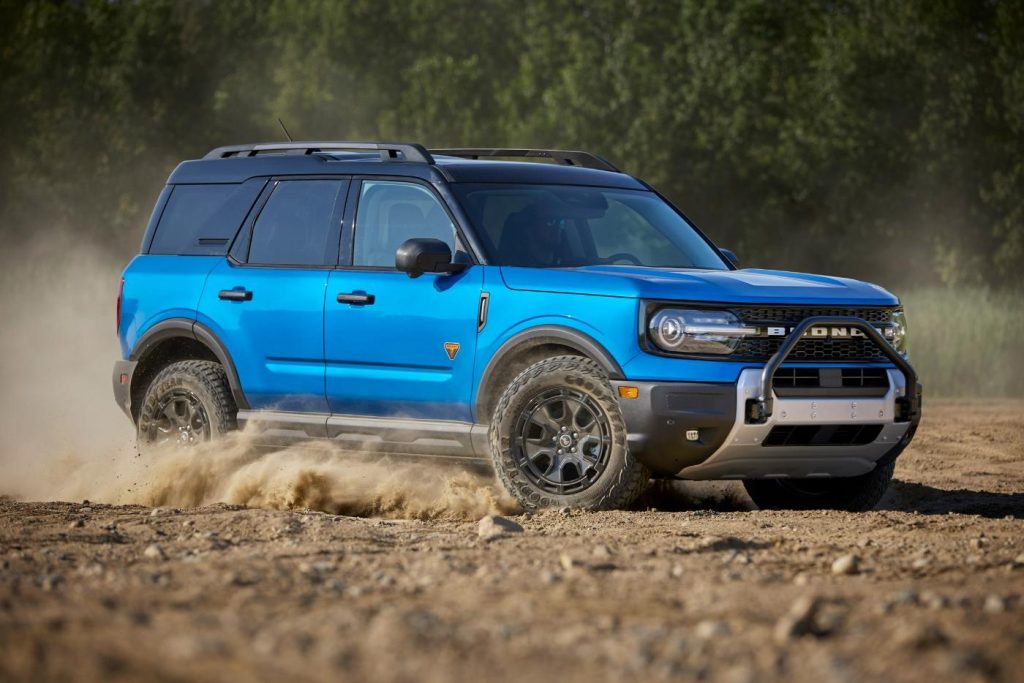
The Ford Bronco Sport occupies an interesting position in the compact SUV segment when it comes to visibility and blind spots. Its design clearly prioritizes ruggedness and off-road identity, but that approach creates both strengths and trade-offs for drivers who value clear sightlines.
On the positive side, the Bronco Sport benefits from a relatively upright stance and tall ride height. This gives drivers a commanding forward view of the road, which is particularly useful in city driving and light off-road conditions.
The boxy silhouette and flat hood make it easier to judge the vehicle’s front corners, improving confidence when navigating tight spaces or uneven terrain.
However, the Bronco Sport does not rank among the best in this category due to structural limitations that affect outward visibility. One of the most commonly cited issues is the presence of thick rear pillars and a high beltline.
These design elements, while contributing to the SUV’s rugged look and structural integrity, create noticeable blind spots in the rear three-quarter areas. According to evaluations, the high hood and thick C-pillars “hinder outward visibility somewhat,” which directly impacts situational awareness.
Side visibility is also somewhat restricted compared to more visibility-focused competitors. The window area, while not excessively small, is less expansive than what you would find in vehicles designed with a more open greenhouse layout.
Some drivers report that the rear quarter window design and pillar placement block portions of the side view, requiring more deliberate head movement when checking blind spots.
6. Toyota Corolla Cross
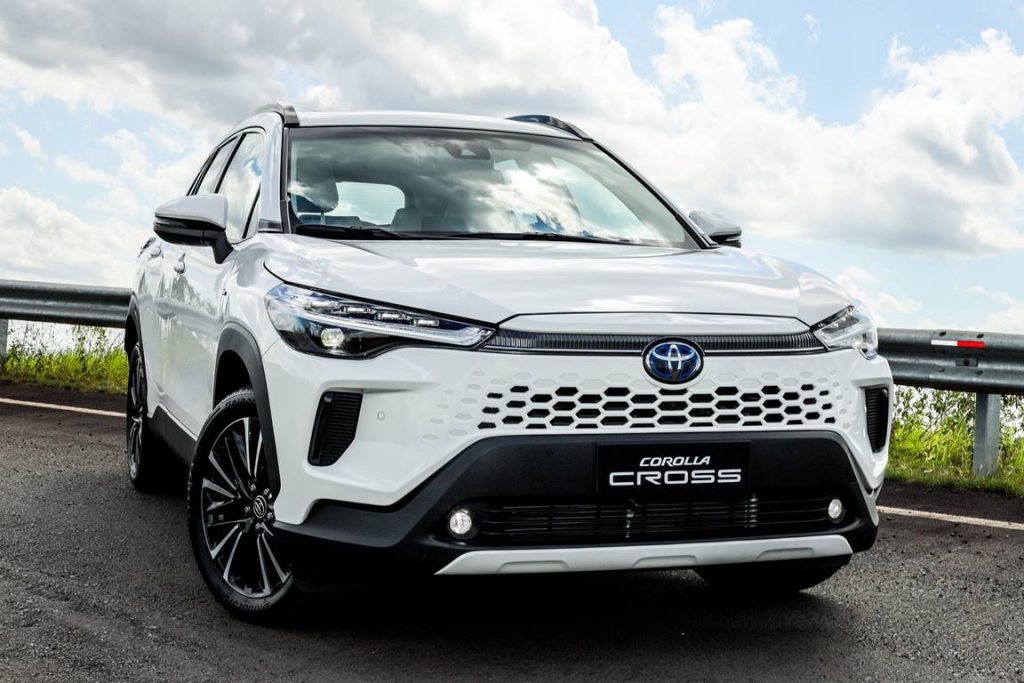
The Toyota Corolla Cross fits comfortably into this list as a visibility-focused compact SUV, though it stops short of being class-leading due to a few structural compromises. Its design prioritizes practicality and ease of use, which directly translates into generally strong outward sightlines for everyday driving.
One of the Corolla Cross’s biggest strengths is its open, functional cabin layout. Toyota designed the interior with large side windows and a relatively high driving position, creating a light, airy feel that improves driver awareness.
Thisseating position allows drivers to see over traffic more effectively than in a sedan, while still maintaining a natural sense of control. In real-world driving, this contributes to a confident and predictable experience, particularly in city environments.
Forward and side visibility are especially solid. The windshield angle and window proportions provide a wide field of view, and the vehicle’s modest size makes it easy to maneuver in tight spaces.
However, the Corolla Cross is not without its drawbacks. The most notable limitation comes from the rear design. The rear window is relatively narrow, often described as resembling a “letterbox slot,” which restricts rearward visibility compared to more glass-heavy competitors.
7. Hyundai Kona (2024+)
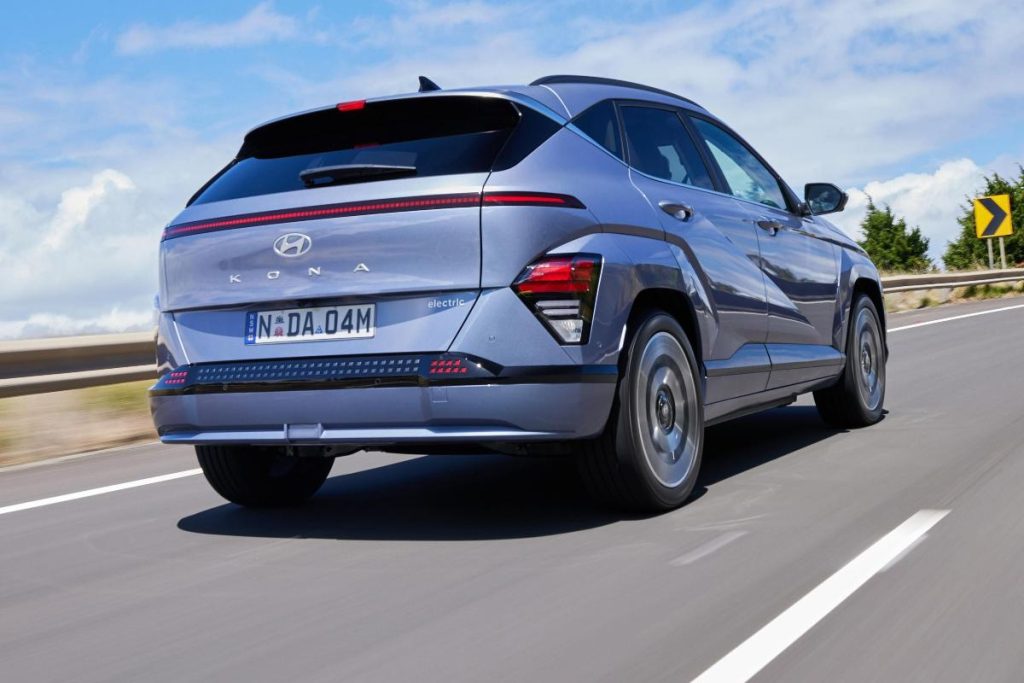
The Hyundai Kona (2024 and newer) represents a noticeable step forward in this segment, particularly in how it balances modern styling with improved visibility. It is not the absolute best for minimizing blind spots, but it performs better than many style-focused rivals and benefits heavily from advanced visibility technology.
One of the biggest improvements in the redesigned Kona is its larger footprint. Hyundai increased the vehicle’s size, which allowed for a more spacious cabin and slightly better window proportions.
This translates into improved outward visibility compared to the previous generation. Drivers benefit from a more open front view, aided by a relatively upright windshield and a clean dashboard layout that doesn’t obstruct sightlines.
Side visibility is generally solid for the class. The Kona’s window design and seating position provide a good view of adjacent lanes, and many drivers report that overall outward visibility is “excellent” in daily driving conditions. The elevated driving position further enhances awareness, giving drivers a clear perspective in both urban and highway environments.
However, like most modern compact SUVs, the Kona is not without compromises. Rear visibility is the main weak point. The sloping rear design, combined with thicker rear pillars and headrest placement, can obstruct the driver’s view when checking over the shoulder.
Some evaluations specifically note that “outward vision to the rear isn’t great,” which is a common issue in this segment. While it is not worse than competitors, it does prevent the Kona from being a top-tier choice purely on glass visibility alone.
Where the 2024+ Kona distinguishes itself is in its technology-driven approach to blind spot reduction. Hyundai includes an available Blind-Spot View Monitor that displays a live camera feed of the vehicle’s blind spot directly in the instrument cluster when signaling.
This is a significant advantage over traditional blind-spot warning systems, as it provides visual confirmation rather than just alerts. In addition, features like blind-spot collision-avoidance assist, rear cross-traffic alert, and a surround-view camera system further enhance driver awareness.
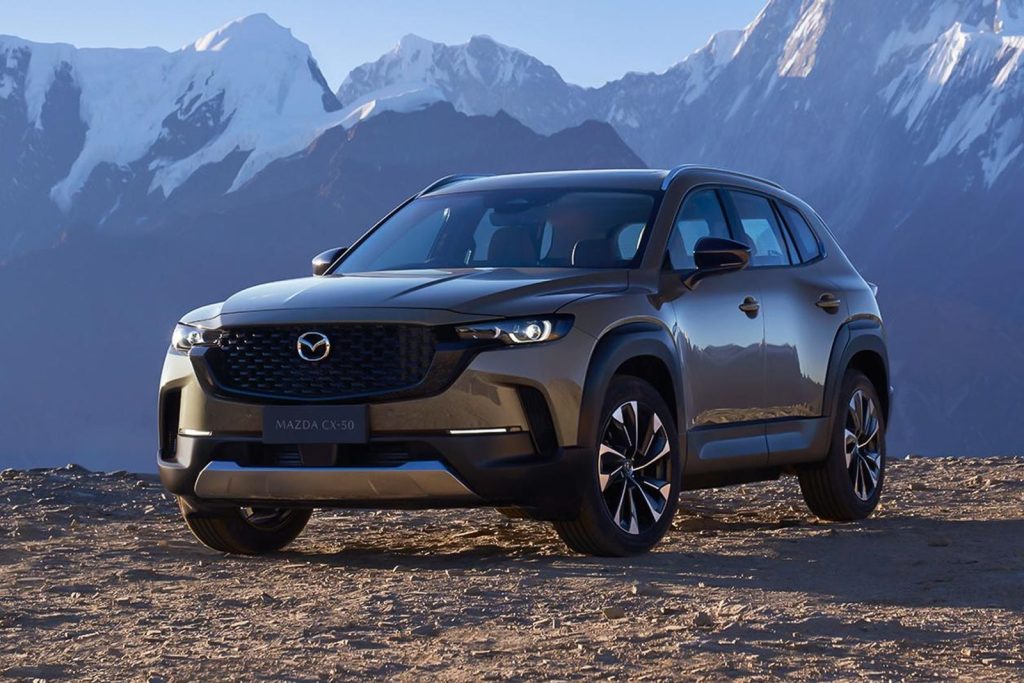
8. Mazda CX-50
The Mazda CX-50 takes a different approach compared to many compact SUVs in this category. It prioritizes a sporty, low-slung design and rugged styling, which results in a more driver-focused experience but also introduces some trade-offs in outward visibility and blind spot management.
One of the CX-50’s strengths is its driving position. While it sits higher than a sedan, it is lower than many traditional SUVs, creating a more “connected” feel behind the wheel. The seating position is well-balanced and highly adjustable, allowing drivers to find a comfortable vantage point with good forward control.
This contributes to solid forward visibility, especially when combined with the wide stance and clearly defined hood edges that help with spatial awareness.
However, the CX-50’s design philosophy directly impacts its visibility. The long hood and relatively low roofline, while visually appealing and performance-oriented, reduce the sense of openness found in more upright competitors.
Side windows are not as tall, and the cabin can feel slightly more enclosed. Some drivers note that visibility is “good” but not as expansive as alternatives like the CX-5, which has a more glass-heavy design.
The most notable drawback is rear and over-the-shoulder visibility. The CX-50 features thicker rear pillars and a more tapered rear design, which can create blind spots in the rear three-quarter areas
Owner impressions and discussions frequently point out that rear visibility can feel restricted, especially when checking blind spots during lane changes or reversing. Additionally, some feedback highlights limited visibility at certain angles during turns, suggesting that pillar placement can occasionally obstruct sightlines.
9. Kia Soul
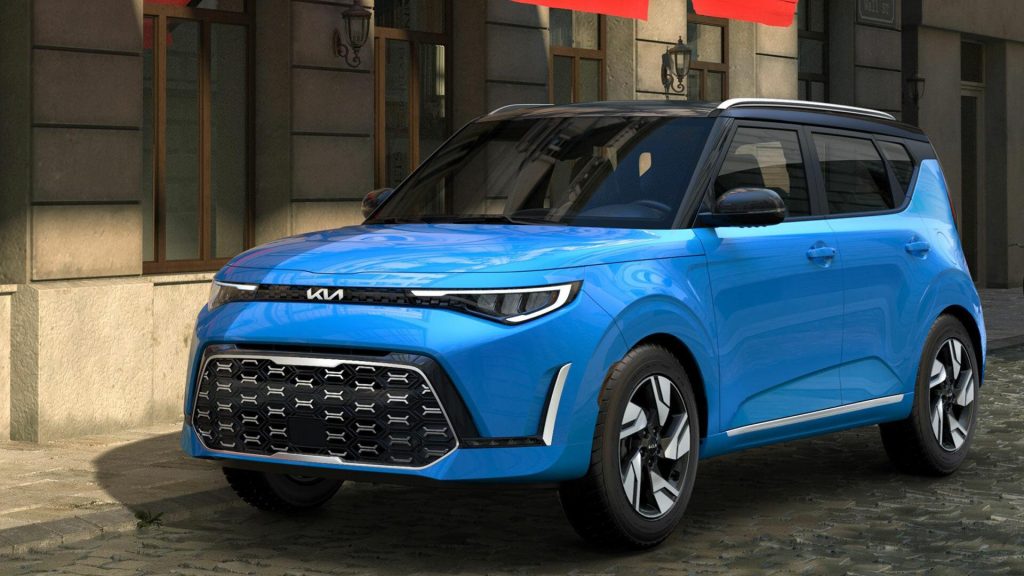
The Kia Soul stands out as one of the most visibility-friendly compact SUVs, largely because it resists the design trends that typically create blind spots. Its boxy proportions and function-first layout make it particularly well-suited for drivers who prioritize clear sightlines over aggressive styling.
One of the Soul’s biggest strengths is its upright, almost vertical design. Unlike many modern crossovers with sloping rooflines and narrow windows, the Soul features large, tall glass areas on all sides.
The seating position further enhances this advantage. The Soul offers a high, upright driving posture that provides a commanding view without feeling disconnected from the road.
Combined with its relatively short length and squared-off shape, this makes it easy to judge distances when parking or maneuvering in tight spaces. The design also improves awareness at intersections, where thick pillars in other SUVs often obstruct views.
Another key benefit is the relatively minimal blind spots compared to competitors. The Soul’s pillar structure is less intrusive than many modern SUVs, and the large side mirrors provide a wide field of view. Some owner feedback even suggests there are “almost no blind spots” in typical driving conditions, especially when mirrors are properly adjusted.
However, the Soul is not entirely without compromise. Rear three-quarter visibility can be slightly restricted due to thicker rear pillars, a common issue even in boxy designs.
Additionally, the rear window is somewhat small and can feel more limiting in low-light conditions, particularly when combined with darker tinting. These factors do not severely impact daily usability, but they prevent the Soul from being completely flawless in this category.
10. Subaru Crosstrek
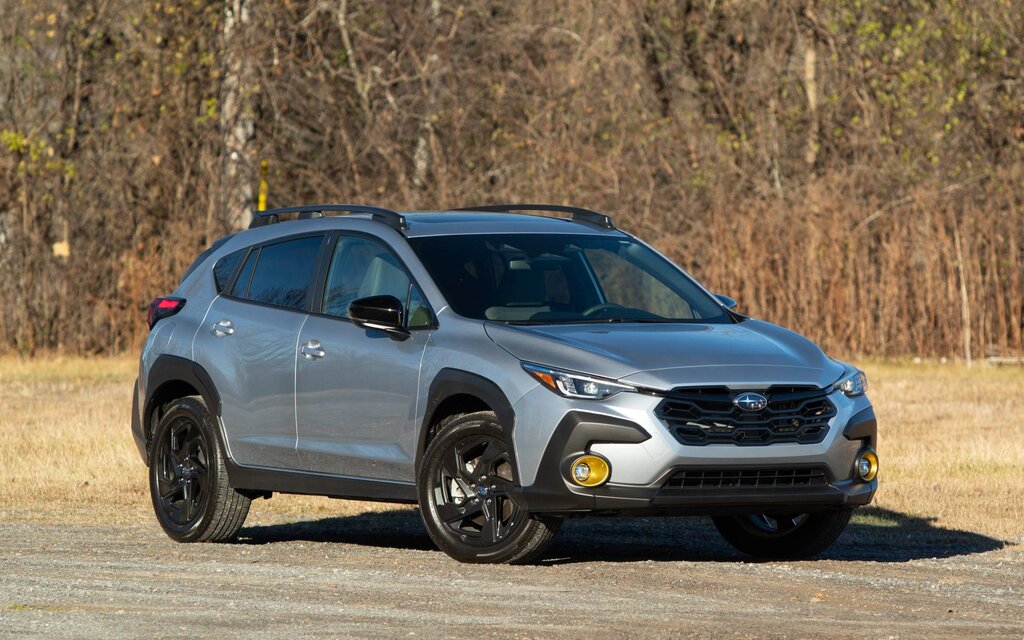
The Subaru Crosstrek is one of the more visibility-friendly options in the compact SUV segment, making it a strong fit for drivers who want minimal blind spots without sacrificing everyday practicality. Subaru’s design philosophy consistently emphasizes outward visibility, and the Crosstrek reflects that approach well.
A key strength is the Crosstrek’s overall cabin layout. It features a relatively upright windshield, large glass areas, and thoughtfully positioned pillars, all of which contribute to clear sightlines. The front windshield is wide, and the angle of the A-pillars is designed to reduce obstruction, helping drivers maintain better awareness at intersections and during turns.
The driving position further enhances visibility. The Crosstrek sits higher than a typical hatchback, giving drivers a more commanding view of the road while still feeling controlled and natural.
This elevated seating position improves forward and side visibility, allowing drivers to better track surrounding vehicles and road conditions. Multiple reviews highlight that you “sit up high” with “great visibility out the expansive windscreen,” reinforcing its strengths in everyday driving.
Side and rear visibility are also above average for the class. The Crosstrek benefits from relatively large rear windows and smart pillar cutouts that improve over-the-shoulder visibility.
Some evaluations specifically note that these design elements make parking and lane changes easier, with fewer blind spots compared to many modern SUVs. This is particularly important in a segment where thick pillars and small windows often compromise visibility.
However, it is not completely without drawbacks. Like most newer vehicles, the Crosstrek has slightly thicker rear pillars than older designs, and the rising beltline can limit rearward visibility to some extent. While these blind spots are not severe, they do exist and are comparable to other modern compact SUVs rather than class-leading in absolute terms.
Subaru offsets these limitations with a comprehensive safety suite. Blind-spot detection, lane change assist, and rear cross-traffic alert are widely available and actively monitor areas that may fall outside the driver’s natural line of sight. These systems provide alerts when vehicles are detected in hard-to-see zones, adding an extra layer of confidence during lane changes and reversing.
The Subaru Crosstrek delivers a well-balanced visibility profile. It combines strong forward and side sightlines with above-average rear visibility, supported by effective driver-assistance technology.
11. Chevrolet Trailblazer
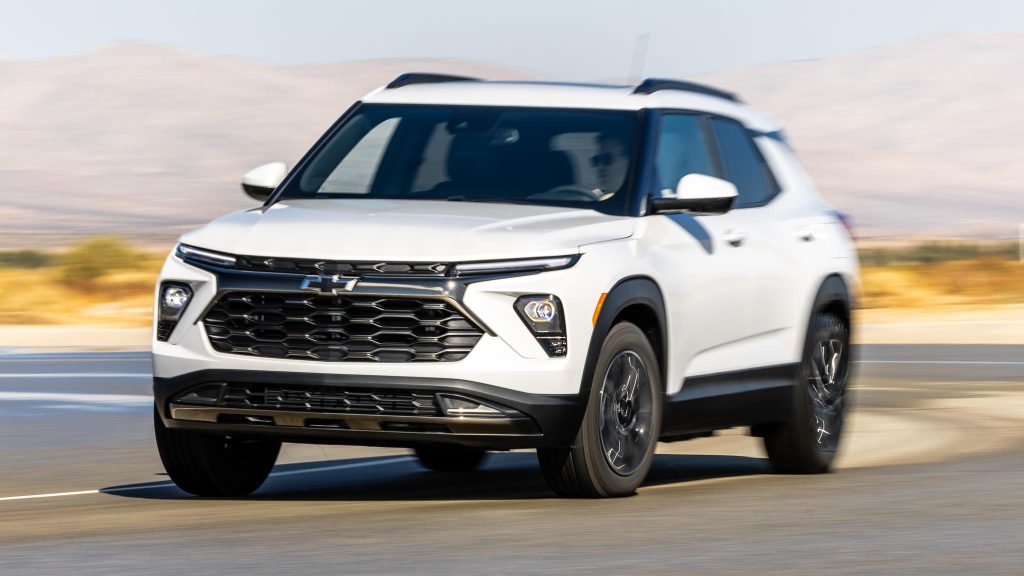
The Trailblazer offers a relatively upright cabin compared to some rivals. While its rear pillars are thicker than ideal, forward and side visibility remain strong, making it easier to drive daily.
It’s a practical middle ground between modern styling and usable sightlines.
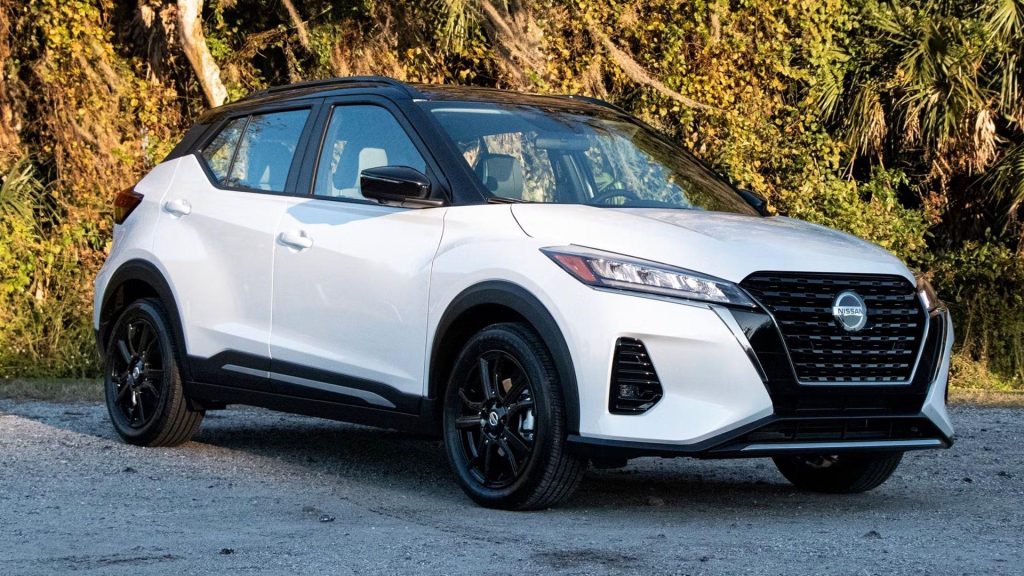
12. Nissan Kicks
The Nissan Kicks is designed for urban environments, and its visibility reflects that. A tall seating position and large windshield make forward awareness easy, while compact dimensions reduce overall blind zones.
It’s particularly effective for drivers prioritizing ease of maneuvering over performance.
Compact SUVs have trended toward reduced visibility, but not all models follow that path. Vehicles like the Subaru Forester and Volkswagen Taos show that clear sightlines are still achievable with intentional design.
For drivers who value awareness, confidence, and reduced reliance on driver-assist systems, choosing the right SUV matters more than ever. The best options are not always the most stylish, they are the ones that let you see clearly in every direction.
