For tall drivers, comfort is not guaranteed just because a vehicle is large. Many modern cars sacrifice usable space with sloping rooflines, thick center consoles, and limited seat travel. The result is a cabin that looks spacious on paper but feels restrictive in real use.
What actually matters is seat travel range, head clearance without compromising posture, steering wheel adjustability, and pedal positioning.
Vehicles that get these fundamentals right allow taller drivers to sit naturally, without bending knees excessively or lowering the seat to the point of poor visibility.
The following vehicles stand out for real-world comfort, not just spec-sheet measurements, and include a mix of overlooked sedans, SUVs, and trucks that genuinely accommodate taller drivers.
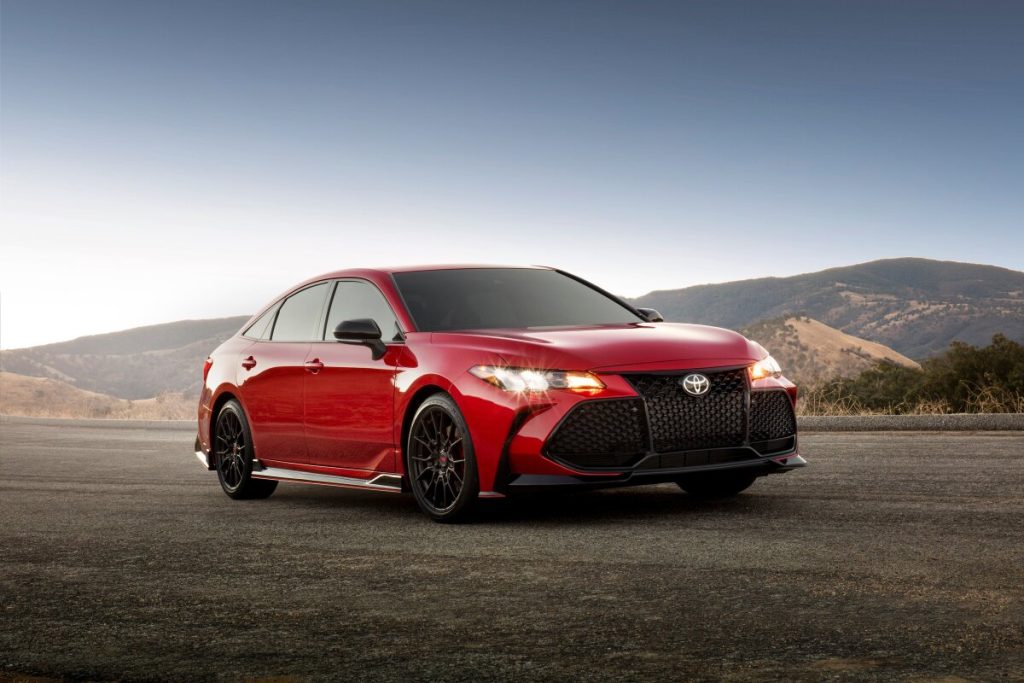
1. Toyota Avalon
The Toyota Avalon stands out as one of the most accommodating sedans for tall drivers, largely due to its full-size proportions and interior packaging strategy. Unlike compact and midsize alternatives that often compromise on legroom or head clearance, the Avalon is engineered with cabin space as a priority, making it a practical choice for drivers well over six feet tall.
Front-seat comfort is where the Avalon delivers most convincingly. It offers generous legroom that allows taller drivers to fully extend their legs without feeling constrained by the dashboard or pedals.
The seating position is also highly adjustable, with a wide range of power controls that make it easier to fine-tune reach, height, and tilt. This level of adjustability is critical for taller individuals who often struggle to achieve a balanced driving posture in smaller vehicles.
Headroom is another strong point. Even with models equipped with a moonroof, the Avalon maintains sufficient vertical clearance for taller occupants.
The roofline is designed to avoid the sloping, coupe-like profiles that reduce usable space in many modern sedans. As a result, drivers do not need to tilt their head or compromise their seating position to maintain comfort during longer journeys.
Visibility and cabin layout further enhance usability. The Avalon’s relatively upright seating position, combined with a well-positioned steering wheel and large windshield, provides a commanding forward view.
For taller drivers, this reduces the need to hunch or adjust awkwardly to see over the dashboard. The spacing between the seat, steering wheel, and center console is also well-balanced, minimizing knee interference and allowing for a more natural driving posture.
2. Genesis G90
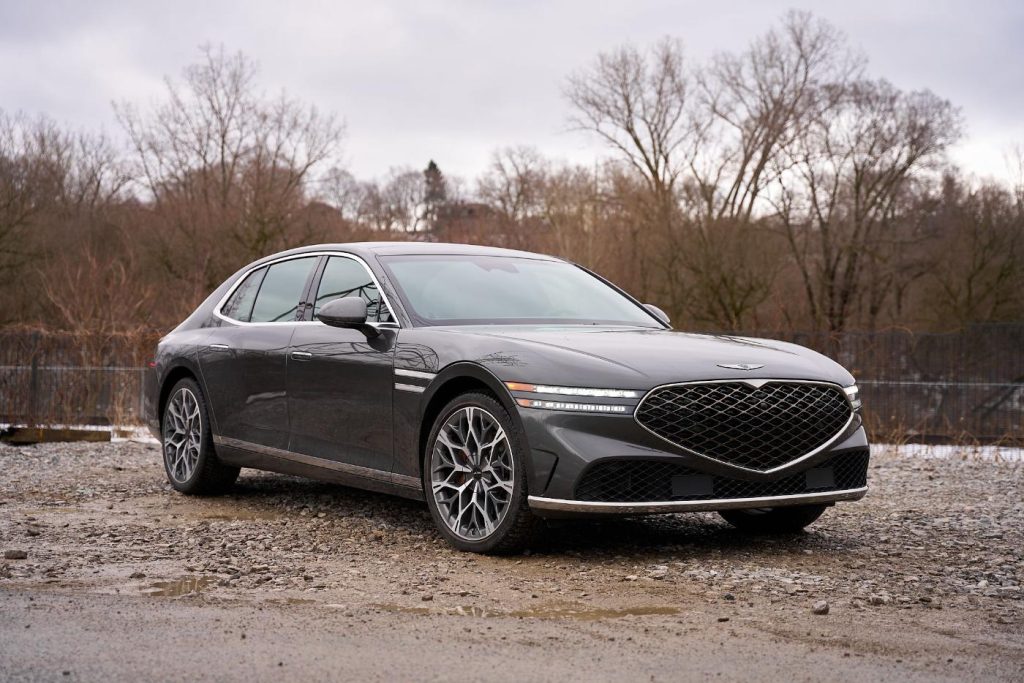
The Genesis G90 represents one of the most accommodating luxury sedans for tall drivers, combining generous interior dimensions with advanced ergonomic engineering. As the flagship model of Genesis, the G90 is designed with a clear emphasis on space, comfort, and long-distance usability, all of which directly benefit taller occupants.
Front-seat space is the defining advantage. The G90 offers approximately 42.3 inches of legroom and 39.4 inches of headroom in current models, figures that place it among the more spacious options in the full-size luxury segment.
While some earlier versions of the G90 delivered even greater legroom, the current generation still provides ample stretch-out space, allowing taller drivers to maintain a natural driving posture without feeling restricted by the dashboard or center console.
Seat adjustability further enhances comfort. The G90 comes equipped with multi-way power-adjustable front seats, including height adjustment, lumbar support, and extendable thigh cushions.
These features are particularly important for tall drivers, as they help distribute weight more evenly across the seat and reduce fatigue during long drives. Genesis also integrates posture-focused technologies, such as seat adjustments that subtly correct driver positioning over time, improving ergonomics.
Cabin layout plays a significant role as well. The G90’s wide body and long wheelbase translate into a spacious cockpit where the steering wheel, pedals, and seat alignment feel proportionate rather than cramped.
Taller drivers benefit from the extra knee and shoulder room, minimizing contact with the center console or door panels. The upright seating position and large windshield also contribute to excellent forward visibility, reducing the need for awkward posture adjustments.
3. Ford Ranger
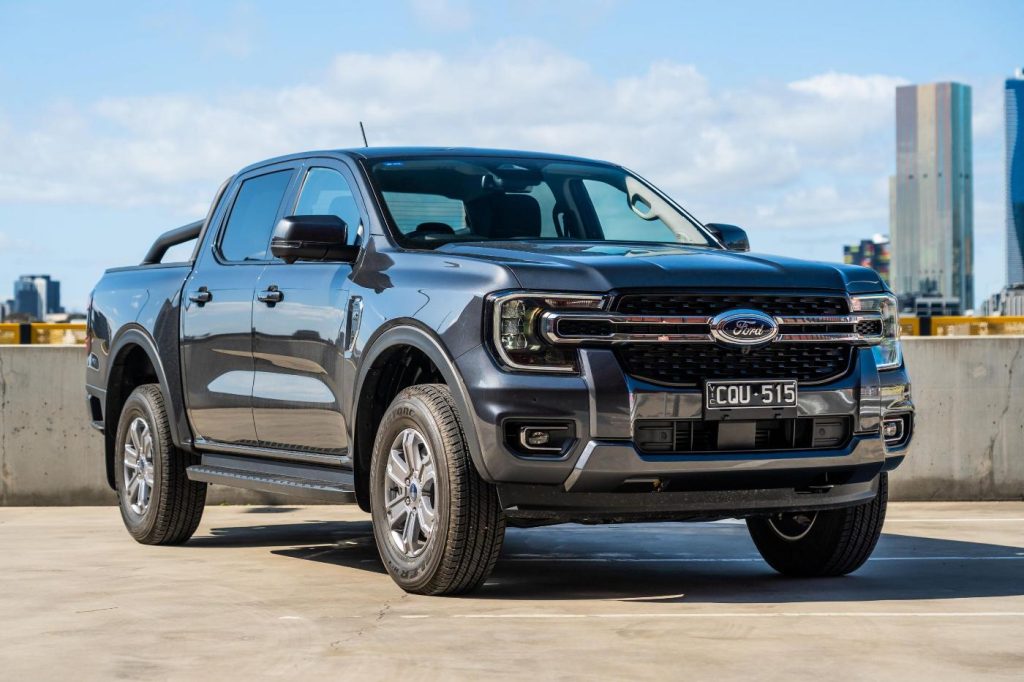
The Ford Ranger offers a surprisingly accommodating cabin for tall drivers, especially considering its positioning as a midsize truck rather than a full-size model. While pickups are often associated with rugged utility, the Ranger’s interior design prioritizes usable space and driving ergonomics, making it a practical option for taller individuals who want both comfort and capability.
Front-seat space is the Ranger’s strongest advantage. With around 43 inches of legroom and approximately 41 inches of headroom in modern models, it provides enough stretch-out space for drivers well over six feet tall.
This level of legroom is competitive even with some larger trucks, allowing taller drivers to sit without their knees crowding the dashboard. The wide footwell and well-positioned pedals further contribute to a natural driving posture, which is critical for long-distance comfort.
Seating position and adjustability also play a key role. The Ranger features supportive front seats with multiple adjustment options, enabling drivers to fine-tune height, reach, and lumbar support.
This flexibility helps taller drivers achieve proper alignment between the seat, steering wheel, and pedals, reducing fatigue during extended drives. Higher trims improve the experience further with power adjustments and upgraded materials, but even base configurations maintain solid ergonomic fundamentals.
Headroom remains sufficient despite the truck’s upright design. Unlike some modern vehicles that sacrifice vertical space for styling, the Ranger retains a more traditional pickup profile, ensuring that taller occupants can sit upright without brushing the headliner. This becomes especially important on longer trips, where even minor compromises in posture can lead to discomfort.
Cabin width is another contributing factor. With over 57 inches of shoulder room in the front row, the Ranger provides adequate lateral space, preventing the cramped feeling that can occur in narrower vehicles. The center console and door panels are positioned in a way that minimizes interference with knees and elbows, which is a common issue for taller drivers in smaller trucks.
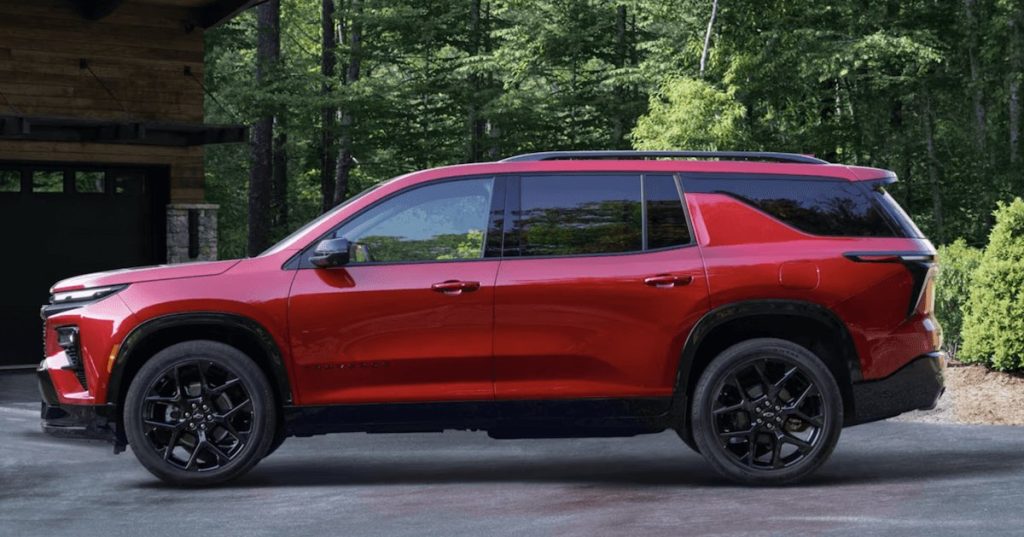
4. Chevrolet Traverse
The Chevrolet Traverse is one of the most practical choices for tall drivers who need maximum interior space without stepping up to a full-size SUV. Its design prioritizes passenger volume across all three rows, making it particularly well-suited for drivers over six feet tall who often struggle with legroom and head clearance in smaller crossovers.
Front-seat space is where the Traverse clearly excels. With approximately 44.3 inches of legroom and up to 42.6 inches of headroom, it provides a level of stretch-out comfort that rivals larger vehicles.
This allows taller drivers to maintain a natural seating position without having to bend their knees excessively or sit too close to the steering wheel. The wide footwell and well-spaced pedals further enhance comfort, especially during long highway drives.
Seat adjustability adds another layer of usability. The Traverse offers multiple power adjustments, including height and lumbar support, making it easier to dial in an ergonomic driving position.
This is particularly important for tall drivers, as proper alignment between the seat, steering wheel, and pedals reduces fatigue over extended trips. The upright SUV seating position also contributes to better posture compared to lower sedans.
Headroom remains generous despite the vehicle’s modern styling. Unlike many SUVs that adopt sloping rooflines, the Traverse maintains a more squared-off profile, preserving vertical space. Even with features like a panoramic roof, taller drivers can sit upright comfortably without brushing the headliner, which is a common issue in more design-focused vehicles.
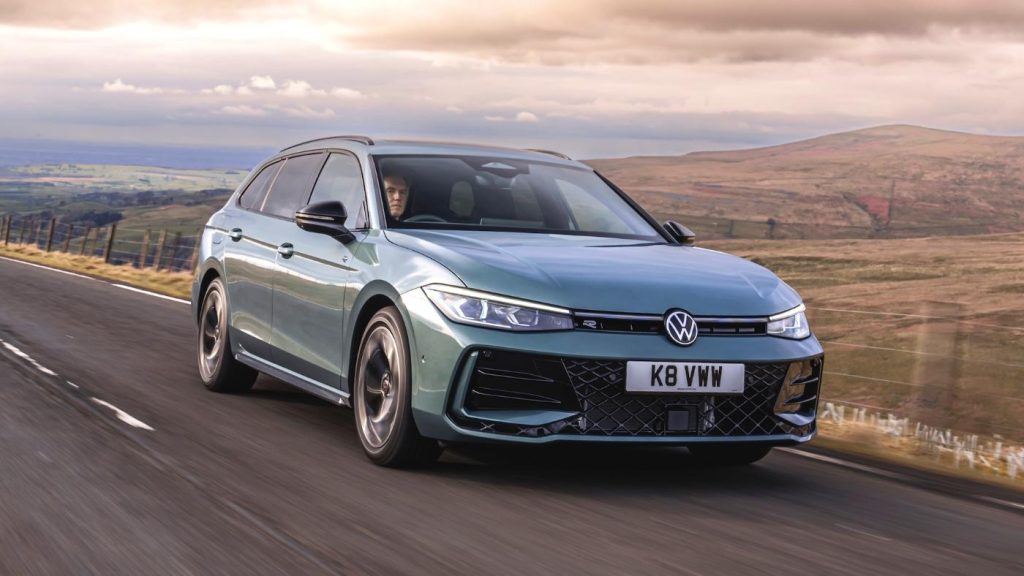
5. Volkswagen Passat
The Volkswagen Passat has long been recognized for delivering one of the most spacious interiors in the midsize sedan segment, making it a strong choice for tall drivers who prioritize comfort without moving into a full-size vehicle. Its design emphasizes efficient cabin packaging, allowing it to offer interior dimensions that rival or even exceed some larger competitors.
Front-seat space is a key highlight. The Passat provides approximately 42.4 inches of legroom, which is among the best figures in its class. This allows taller drivers to extend their legs naturally without feeling cramped by the dashboard or pedals.
The seating position is also well-balanced, with ample distance between the seat and steering wheel, enabling a more ergonomic driving posture that reduces fatigue during long journeys.
Headroom, while slightly more conservative than some larger sedans, remains sufficient for most tall drivers. With around 37.4 inches of front headroom, the Passat avoids the overly sloped rooflines that can limit vertical space in modern sedans. Even in models equipped with a sunroof, most drivers over six feet can sit comfortably without adjusting their posture.
One of the Passat’s most practical advantages is its rear-seat space. Offering about 39.1 inches of rear legroom, it stands out as one of the most accommodating vehicles for passengers in its segment. This is particularly useful for tall drivers who frequently carry equally tall passengers, as it ensures consistent comfort throughout the cabin rather than prioritizing only the front row.
Seat design and adjustability further enhance usability. The Passat typically includes power-adjustable front seats with lumbar support, allowing drivers to fine-tune their seating position. This is especially important for taller individuals, as proper lumbar support and seat height adjustment help maintain a neutral spine position and reduce strain during extended drives.
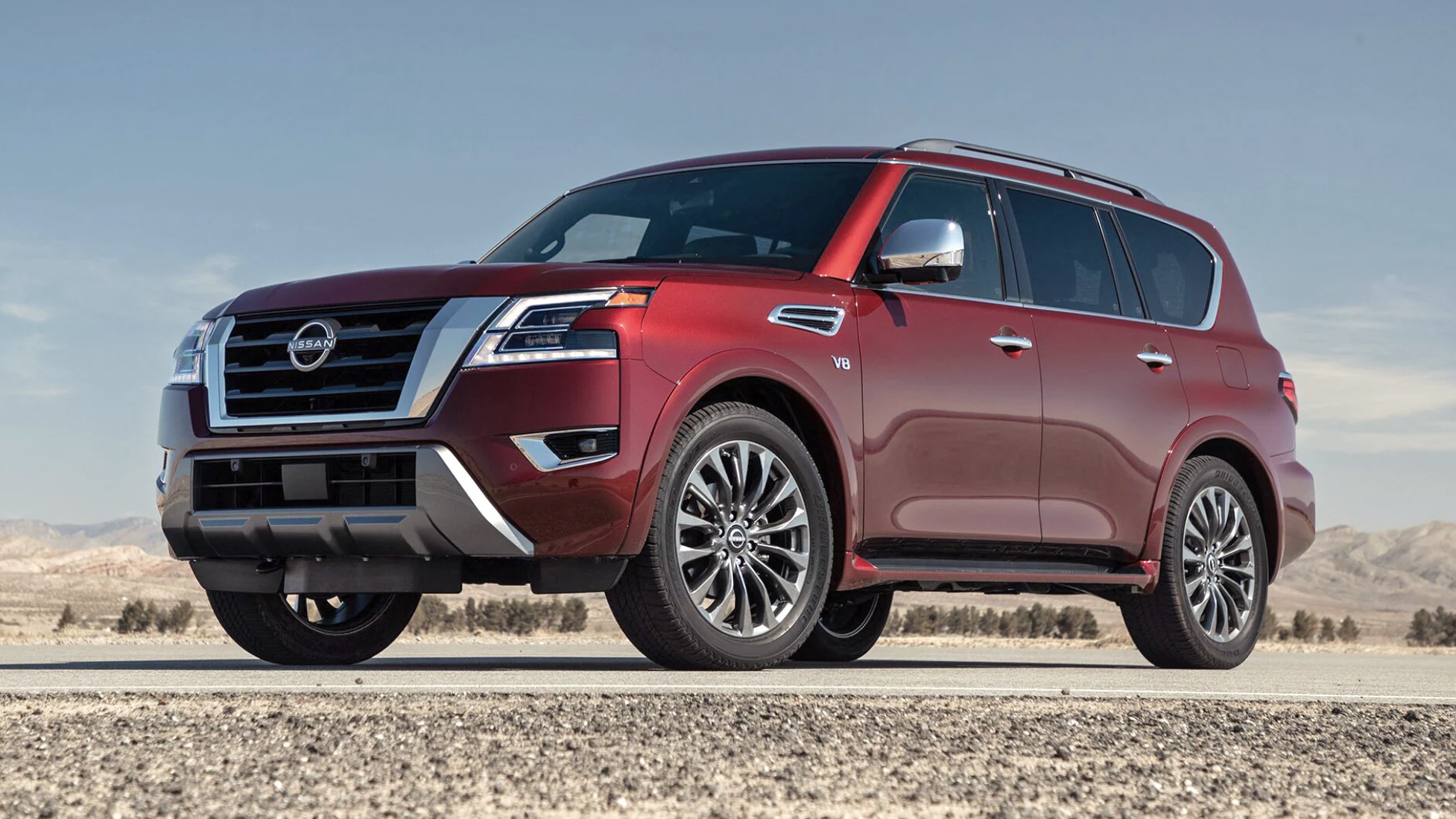
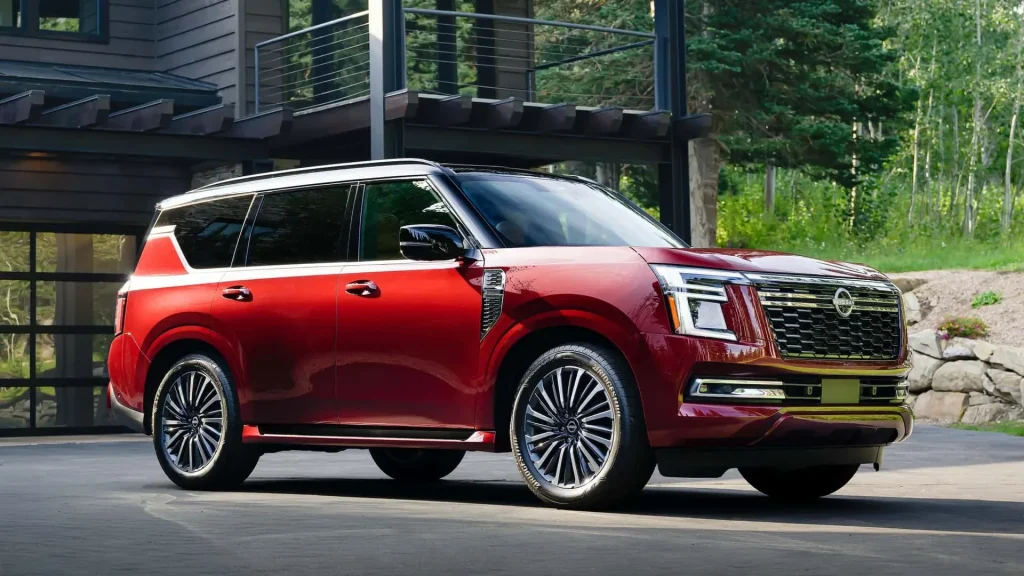
6. Nissan Armada
The Nissan Armada is one of the most accommodating vehicles for tall drivers, primarily due to its full-size SUV architecture and focus on maximizing interior space across all three rows.
Unlike midsize crossovers that often compromise on legroom or head clearance, the Armada is engineered with generous dimensions that allow taller occupants to sit naturally without adjustment compromises.
Front-seat space is where the Armada excels most. With approximately 43.8 inches of legroom and up to 41.6 inches of headroom, it provides ample room for drivers well over six feet tall to stretch out comfortably.
This level of space ensures that knees do not press against the dashboard and that drivers can maintain a proper distance from the steering wheel. The wide cabin also contributes to comfort, offering over 64 inches of shoulder room, which prevents the cramped feeling often experienced in narrower vehicles.
Seat adjustability further enhances its suitability for tall drivers. The Armada typically includes power-adjustable front seats with lumbar support and height adjustment, allowing drivers to fine-tune their seating position. This is critical for achieving proper ergonomic alignment, especially during long drives where poor posture can lead to fatigue.
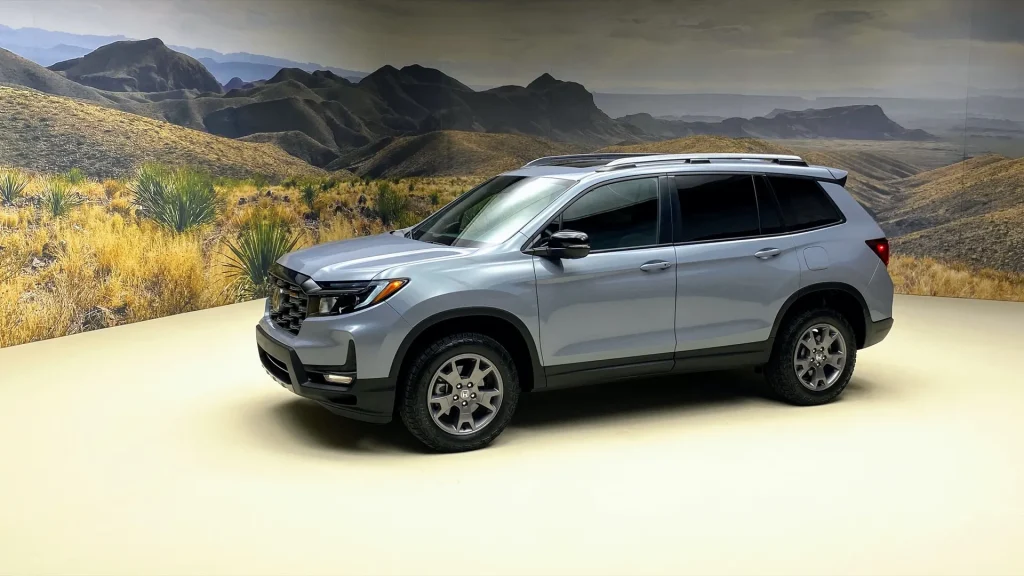
7. Honda Passport
The Honda Passport is one of the most practical two-row SUVs for tall drivers, offering a well-balanced combination of interior space, upright seating, and thoughtful ergonomics. Unlike many midsize crossovers that prioritize styling over usability, the Passport is engineered with a boxier design and a wide cabin, both of which directly benefit taller occupants.
Front-seat space is a major strength. The Passport provides about 41.1 inches of legroom and up to 40.5 inches of headroom, giving taller drivers enough space to stretch out without feeling restricted.
This allows for a natural driving position where knees are not pressed against the dashboard and the steering wheel can be positioned comfortably at arm’s length. The wide footwell and well-spaced pedals further enhance long-distance comfort, reducing fatigue over extended drives.
Seat adjustability plays a crucial role in its usability. The Passport includes power-adjustable front seats with height and lumbar controls, making it easier to fine-tune posture.
For tall drivers, this is essential for achieving proper alignment between the seat, steering wheel, and pedals. The SUV’s higher ride height also contributes to a more upright seating position, which is generally more comfortable than the lower, legs-out posture found in sedans.
8. BMW X5
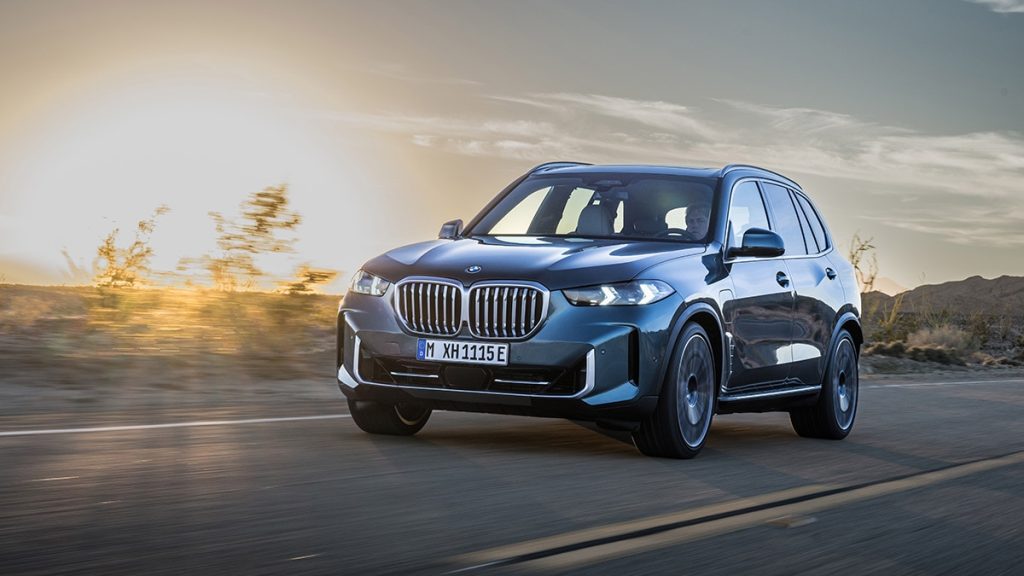
The BMW X5 stands out as one of the more refined options for tall drivers, combining solid interior dimensions with premium ergonomics and a driver-focused layout. While it is not the largest SUV in its class, the X5 is engineered to balance performance with comfort, and that translates into a cabin that accommodates taller occupants without major compromises.
Front-seat space is the foundation of its usability. The X5 offers around 39.8 inches of legroom and roughly 40.7 to 40.8 inches of headroom, which provides enough space for drivers over six feet to sit comfortably without feeling restricted.
The legroom is not class-leading, but it is well-utilized, with a thoughtfully designed footwell and optimal pedal placement that allow for a natural driving posture. Taller drivers can extend their legs adequately without crowding the dashboard.
Seat adjustability is where the X5 differentiates itself. BMW integrates multi-way power seats with extensive range in height, tilt, and lumbar support, making it easier to achieve precise ergonomic alignment. This level of adjustability is particularly valuable for taller drivers, as it allows fine-tuning of seating position relative to the steering wheel and pedals, reducing strain during long drives.
Headroom remains consistently strong despite the X5’s sleek, premium styling. Unlike some luxury SUVs that sacrifice vertical space for a coupe-like roofline, the X5 maintains a more traditional profile, preserving usable head clearance. Even models equipped with panoramic roofs still offer sufficient space for taller occupants to sit upright comfortably without brushing the headliner.
Cabin width further enhances comfort. With about 60 inches of shoulder room in the front row, the X5 provides ample lateral space, preventing the cramped feeling that can occur in narrower luxury vehicles. The center console is positioned to avoid excessive knee interference, allowing for a relaxed and natural seating position.
9. Toyota Sequoia
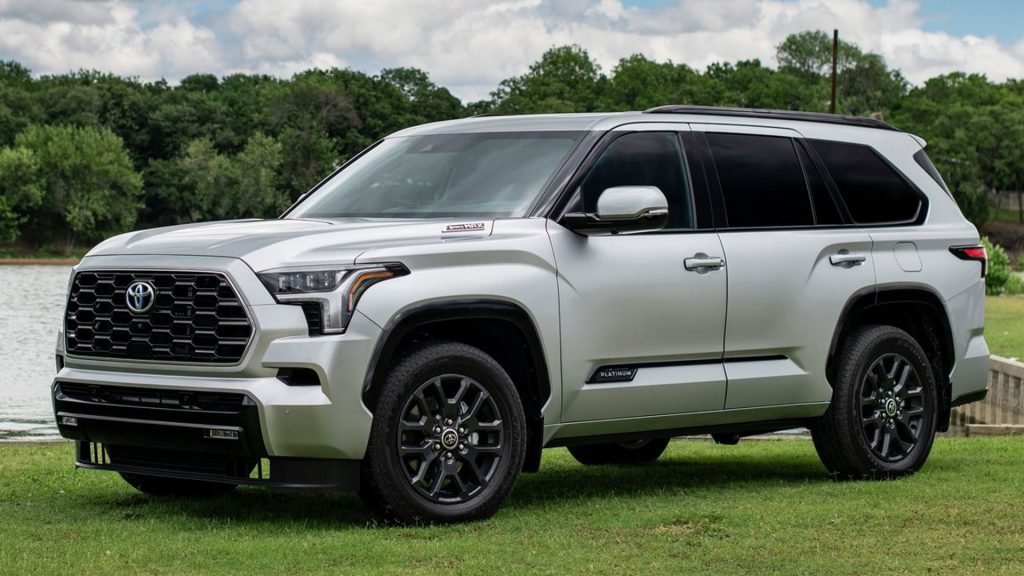
The Toyota Sequoia is one of the most capable and spacious options for tall drivers, built on a full-size truck-based platform that prioritizes interior volume and long-distance comfort. Unlike smaller crossovers, the Sequoia is engineered to maximize usable space across all three rows, making it especially suitable for drivers who need both headroom and legroom without compromise.
Front-seat space is a clear highlight. The Sequoia offers about 41.2 inches of legroom and roughly 39.2 inches of headroom, providing ample room for drivers well over six feet tall to stretch out comfortably. This allows for a natural driving posture, where knees are not forced into the dashboard and the steering wheel can be positioned at a proper distance. The wide cabin, with around 65 inches of shoulder room, further enhances comfort by eliminating the cramped feeling often found in narrower vehicles.
Seat adjustability is another strength. The Sequoia comes with multi-way power-adjustable front seats, including height and lumbar controls, allowing taller drivers to fine-tune their seating position.
This is particularly important for maintaining ergonomic alignment on long drives. The elevated ride height also contributes to a more upright seating posture, which is generally more comfortable for taller individuals compared to lower sedans.
Headroom remains consistent across configurations. Even models equipped with a panoramic roof retain enough vertical clearance for taller drivers to sit upright without brushing the headliner. The SUV’s boxy design avoids the sloping rooflines that often reduce usable space in more style-focused vehicles.
One of the Sequoia’s defining advantages is its three-row usability. The second row offers around 39.2 inches of legroom, which is generous enough for tall passengers, while the third row provides adjustable legroom ranging from about 28 to 33.7 inches. While the third row is not as spacious as the front, it remains usable for adults, especially compared to many competitors in the segment.
However, there are some trade-offs. The Sequoia’s high floor design can slightly reduce perceived legroom in the rear rows, and headroom in the second and third rows may feel tighter when equipped with a panoramic roof. Despite this, the front seating area, where tall drivers spend most of their time, remains highly accommodating.
10. Volvo V90
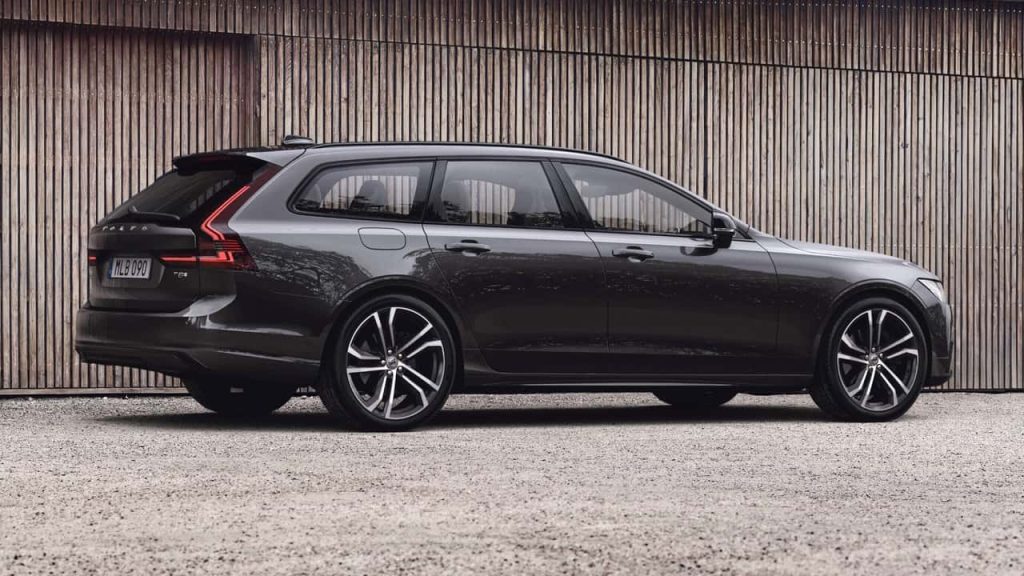
The Volvo V90 stands out as a highly underrated option for tall drivers, particularly for those who want a balance between sedan-like driving dynamics and SUV-level practicality. As a long-roof luxury wagon, the V90 benefits from an extended wheelbase and intelligently designed cabin, resulting in a spacious and ergonomically refined interior.
Front-seat space is one of its strongest attributes. The V90 offers around 42.2 inches of legroom and roughly 37.8 to 38.7 inches of headroom, depending on configuration.
This provides enough room for taller drivers to stretch out comfortably without feeling constrained by the dashboard or steering column. The seating position is also well-calibrated, allowing for a natural posture where the legs, arms, and back remain properly aligned during long drives.
Seat design plays a major role in its appeal. Volvo is known for its orthopedic-inspired seating, and the V90 continues that tradition with highly supportive front seats that include multiple power adjustments, lumbar support, and extendable thigh cushions. These features are particularly beneficial for taller drivers, as they help distribute weight more evenly and reduce fatigue on extended journeys.
Headroom remains sufficient despite the wagon’s sleek, premium styling. Unlike many modern sedans that sacrifice vertical space for a sloping roofline, the V90 maintains a relatively flat roof structure, preserving usable head clearance. Even models equipped with a panoramic roof still offer enough space for most drivers over six feet to sit upright comfortably.
Cabin width and layout further enhance usability. With over 57 inches of shoulder room in the front row, the V90 provides adequate lateral space, ensuring that taller drivers do not feel cramped against the center console or door panels. The minimalist dashboard design also contributes to a more open feel, reducing visual and physical clutter around the driver.
Rear-seat space is another notable strength. The V90 offers about 35.9 inches of rear legroom, which is respectable for a wagon and sufficient for adult passengers, including taller individuals on shorter to medium-length trips. This makes it a practical option for drivers who frequently travel with similarly tall passengers.
Visibility is also well-executed. The V90’s low beltline, large windows, and relatively upright seating position provide a clear view of the road, minimizing the need for awkward posture adjustments. For taller drivers, this contributes to a more relaxed and confident driving experience.
Across these vehicles, a few engineering choices consistently improve usability:
- Extended seat travel for proper leg extension
- High rooflines that preserve headroom without lowering the seat
- Adjustable steering columns (tilt and telescoping range)
- Lower dashboard and center console height to reduce knee interference
- Upright seating geometry instead of reclined, sport-focused layouts
Vehicles that prioritize styling, especially coupe-like SUVs and low-roof sedans, often compromise these fundamentals.
For tall drivers, comfort is determined by usable interior geometry, not just vehicle size or category. Models like the Toyota Avalon and Volkswagen Passat prove that sedans can still deliver excellent space, while SUVs like the Chevrolet Traverse and Honda Passport offer even greater flexibility.
Choosing the right vehicle means focusing on how the space is designed and used, not just how much of it exists. When those factors align, the difference in comfort is immediate and significant, especially over long drives.