

Modern vehicles are marvels of engineering, balancing efficiency, emissions control, and high performance. However, maintaining peak power requires precise coordination between numerous components, from air intake to fuel delivery and ignition. Any disruption in this system can result in noticeable power loss, sluggish acceleration, and reduced engine responsiveness.
Factors such as a clogged air filter, malfunctioning airflow sensors, restricted fuel filters, or dirty fuel injectors can limit the engine’s ability to breathe or receive the correct fuel mixture. Similarly, worn spark plugs, failing ignition coils, a clogged catalytic converter, a malfunctioning turbocharger, or low engine compression can compromise combustion efficiency.
Modern engines are particularly sensitive because they rely heavily on sensor input, precise fuel injection, and forced induction systems. Understanding the common causes of power loss helps vehicle owners identify issues early, avoid further damage, and maintain optimal performance. Proper maintenance of these systems ensures that a vehicle remains reliable, responsive, and fuel-efficient under all driving conditions.
1. Clogged Air Filter
The air filter protects the engine by preventing dirt, dust, and debris from entering the combustion chamber. Modern engines act like large air pumps that need a steady flow of clean air to mix accurately with fuel. Over time, usually between 15,000 and 30,000 miles, the filter becomes saturated with particles.
This reduces the airflow to the intake manifold and disrupts the precise air-fuel balance required for efficient combustion. A clogged filter forces the engine to work harder to draw in air, which can lower power output, increase fuel consumption, and raise engine temperature.
Restricted airflow also affects engine sensors. The Mass Air Flow sensor detects the drop in air intake and signals the Engine Control Unit to reduce fuel delivery to prevent a rich mixture. This leads to decreased horsepower and torque, particularly during heavy acceleration or climbing hills.
Insufficient oxygen in the combustion process can cause incomplete burning of fuel, which results in carbon buildup on spark plugs and can stress the catalytic converter. The combination of these effects makes the engine less responsive and less efficient if the air filter is not replaced in time.
A clogged air filter can also cause mechanical problems. Excess fuel that does not burn properly produces soot that fouls spark plugs and can cause engine misfires. The catalytic converter may overheat from unburned fuel, further limiting exhaust flow and reducing performance.
Signs of a dirty air filter include sluggish acceleration, rough idling, vibrations when stopped, black smoke from the exhaust, and an illuminated check engine light. Regular inspection and timely replacement of the air filter keep the engine breathing properly, maintain the correct air-fuel ratio, and help the vehicle run smoothly.
2. Malfunctioning Airflow Sensors and Engine Power Loss
Modern engines depend on precise sensor data to manage the air-fuel ratio, with the Mass Air Flow (MAF) sensor and Oxygen (O2) sensor being among the most critical. The MAF sensor, located in the intake, measures the volume and density of incoming air. If it becomes contaminated with dirt, oil, or debris, it can underreport or overreport airflow.
Underreporting causes the ECU to supply too little fuel, creating a lean mixture that leads to hesitation, stumbling, and reduced power. Overreporting results in a rich mixture, producing sluggish performance, black exhaust smoke, and carbon buildup that further hampers efficiency. Faulty MAF sensors often cause jerking during acceleration and inconsistent engine response.
The Oxygen sensor, positioned in the exhaust, monitors unburned oxygen to gauge combustion efficiency. A failing O2 sensor can mislead the ECU into thinking the engine is running lean, prompting excess fuel injection. This rich condition slows combustion, increases fuel consumption, and may trigger misfires.
Continuous incorrect readings prevent the ECU from fine-tuning fuel delivery in real time, leading to sluggish acceleration, rough idling, and stalling. Excess fuel can also overheat the catalytic converter, restricting exhaust flow and causing additional power loss.
Modern vehicles are especially vulnerable because their engines rely heavily on sensor input for fuel efficiency, emissions control, and performance. Erratic or faulty sensor data can force the ECU into default values or limp mode, intentionally reducing engine power to prevent damage. A malfunctioning MAF sensor may also affect transmission shift logic, amplifying the feeling of lost power.
Common symptoms of failing MAF or O2 sensors include sluggish acceleration, rough idling, stalling, black smoke from the exhaust, higher fuel consumption, and an illuminated check engine light with error codes such as P0100-P0104 for MAF and P0130-P0167 for O2 sensors.
Prompt inspection and replacement of these sensors are essential to restore smooth engine operation, maintain proper air-fuel balance, and prevent further mechanical damage.
3. Restricted Fuel Filter
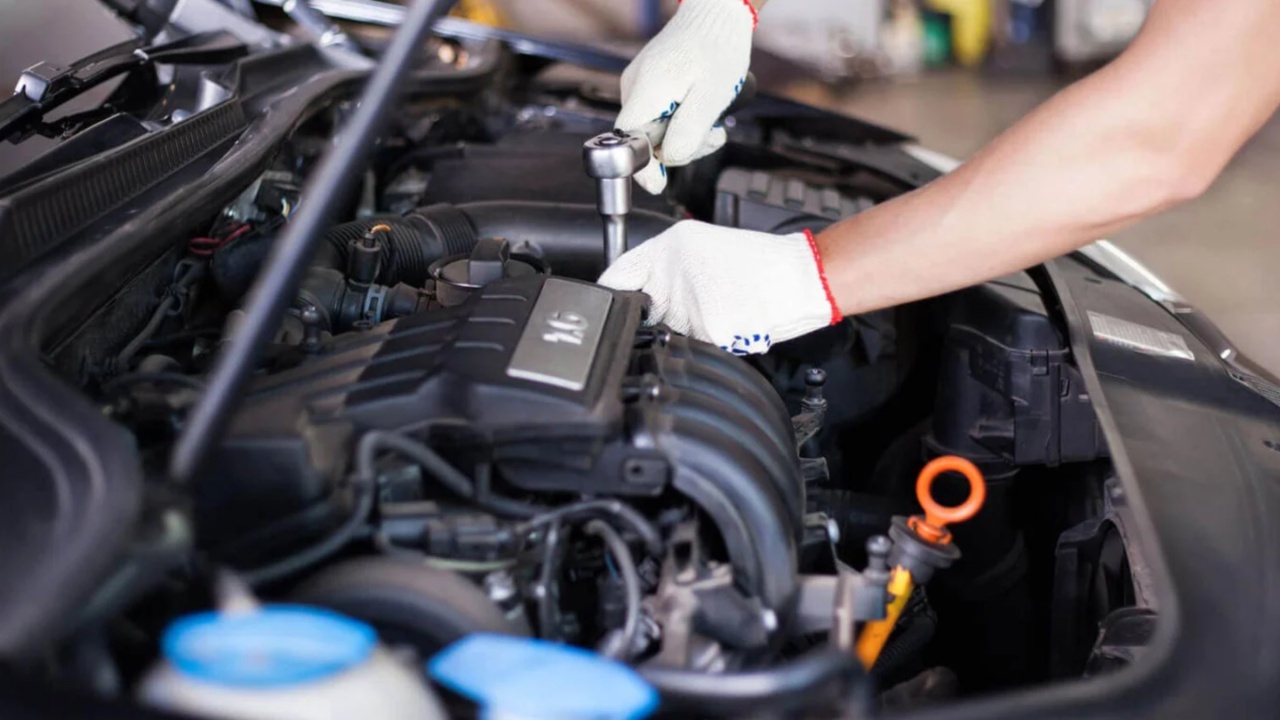
The fuel filter serves as a critical barrier between the gas tank and the engine’s fuel injectors, trapping dirt, rust, and other contaminants before they can enter the high-precision fuel system. While a partially clogged filter may allow the engine to idle normally, problems become pronounced under high-demand situations such as acceleration, merging, or climbing hills.
During these moments, the engine requires a high-volume surge of fuel. A restricted filter creates a bottleneck that prevents the fuel pump from delivering enough gasoline, leading to fuel starvation. Drivers may experience hesitation, sputtering, or a complete loss of power even when the gas pedal is fully pressed.
Modern engines are particularly sensitive to fuel flow because fuel-injected systems operate at high pressures and require precise delivery for efficient combustion. When a filter restricts flow, the Powertrain Control Module detects low fuel pressure and may trigger protective measures such as limp mode to prevent damage from a lean condition.
The restricted flow can also overwork the fuel pump, causing it to overheat and fail prematurely. In addition, modern fuels containing ethanol can loosen sediment in the tank, accelerating the clogging process and further reducing fuel delivery.
Symptoms of a restricted fuel filter include sluggish acceleration, hesitation, engine misfires, rough idling, frequent stalling, difficulty starting, and the illumination of the check engine light with error code P0087 for low fuel rail pressure.
Timely inspection and replacement of the fuel filter are essential to maintain smooth engine operation, prevent power loss, and protect the fuel pump from premature failure. Regular maintenance ensures that the engine receives the precise volume of fuel it requires for optimal performance under all driving conditions.
4. Dirty or Faulty Fuel Injectors
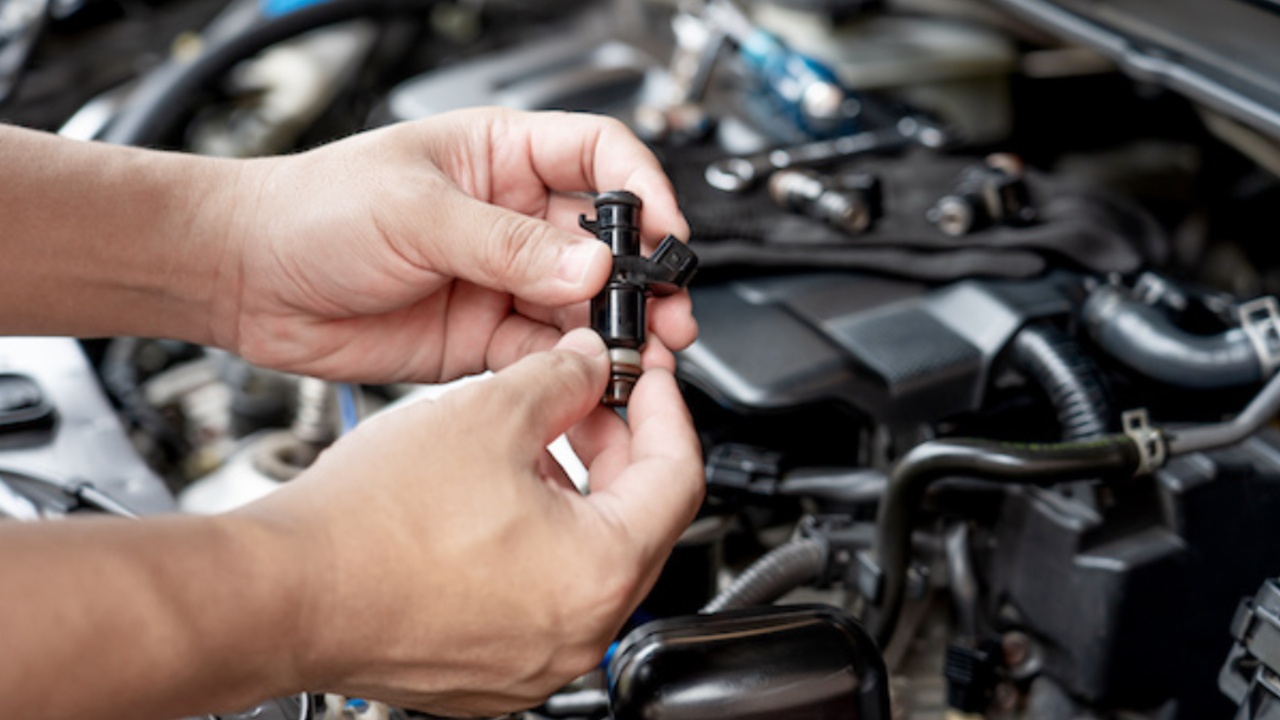
Fuel injectors are precision components that deliver fuel as a fine, atomized mist into the combustion chamber for efficient burning. Over time, heat and lower-quality fuel can cause carbon and varnish deposits to form on injector tips, a process called fouling. This disrupts the spray pattern, causing fuel to enter the engine as a solid stream rather than a mist.
The result is incomplete combustion, reduced engine efficiency, and noticeable drops in power. In severe cases, injectors can become mechanically stuck or fail electrically. When a cylinder loses its injector function, the engine loses the output of that cylinder entirely, leading to rough idling, intense vibrations, and shaking during acceleration. Unburned fuel can also damage the catalytic converter, increasing repair costs.
Fuel injector issues create imbalances in the air-fuel mixture, leading to lean or rich conditions. Clogged injectors spray too little fuel, causing lean mixtures that make the engine hesitate or misfire. Leaking injectors overdeliver fuel, creating rich mixtures that bog down the engine and produce unburned fuel in the exhaust.
Poor atomization reduces combustion efficiency, causing power loss, rough idling, engine knocking, and higher stress on the fuel pump.
Modern engines, especially those with Gasoline Direct Injection or high-pressure diesel systems, are extremely sensitive to injector performance. Injector nozzles are micron-level in size, and even tiny particles can block them. Heat soak after engine shutdown can harden deposits, worsening clogging.
Faulty injectors can trigger a cascade of problems in the engine. Misfires make the vehicle feel unresponsive, leaking fuel can overheat and damage the catalytic converter, and clogged injectors force the fuel pump to work harder, risking premature failure. If misfires or incorrect air-fuel ratios persist, the Engine Control Unit may activate limp mode, intentionally restricting power to protect the engine.
Common symptoms of failing injectors include hesitation when pressing the accelerator, rough idle, poor acceleration, and a flashing check engine light. Regular maintenance and injector cleaning or replacement are critical to restore fuel atomization, maintain proper combustion, and ensure smooth, reliable engine performance.
Also read: 10 Reasons Why Your Timing Belt Replacement Cannot Be Delayed Another Day
5. Worn Spark Plugs and Ignition Coils
The ignition system is central to engine performance, delivering the precise spark needed to ignite the air-fuel mixture in each cylinder. Spark plugs generate a high-voltage arc at the exact moment required for combustion. Over time, the metal electrodes wear down, widening the gap and making it harder for the spark to jump.
If the voltage required exceeds what the ignition coil can provide, misfires occur, immediately reducing engine power. In modern engines, individual ignition coils sit directly atop each spark plug. Heat and age can cause coil insulation to break down, preventing it from delivering a strong enough spark under load.
The result is an engine that may run normally at low speeds but vibrates or “chokes” during acceleration. Replacing spark plugs and coils on schedule is a cost-effective way to maintain factory-rated power.
Worn spark plugs and faulty coils disrupt the core combustion process, causing incomplete or misfired combustion. A misfiring cylinder produces less power, leading to sluggish acceleration, rough idling, and engine stuttering.
Weak sparks increase the workload on ignition components, accelerating wear and creating carbon buildup that further reduces spark efficiency. In modern vehicles, the Engine Control Module often compensates for misfires by injecting more fuel, which can worsen performance, reduce fuel economy, and create hesitation during acceleration.
Faulty ignition components can also trigger protective measures in the vehicle’s computer. Severe misfires may cause the engine to enter limp mode to protect the catalytic converter from damage caused by unburned fuel. Common symptoms of worn spark plugs or coils include weak acceleration, rough or vibrating idling, engine stuttering or jerking, and a flashing check engine light.
Timely inspection and replacement of spark plugs and ignition coils ensure consistent combustion, maintain proper power delivery, and prevent further mechanical damage to the engine and exhaust system.
6. Clogged Catalytic Converter and Exhaust
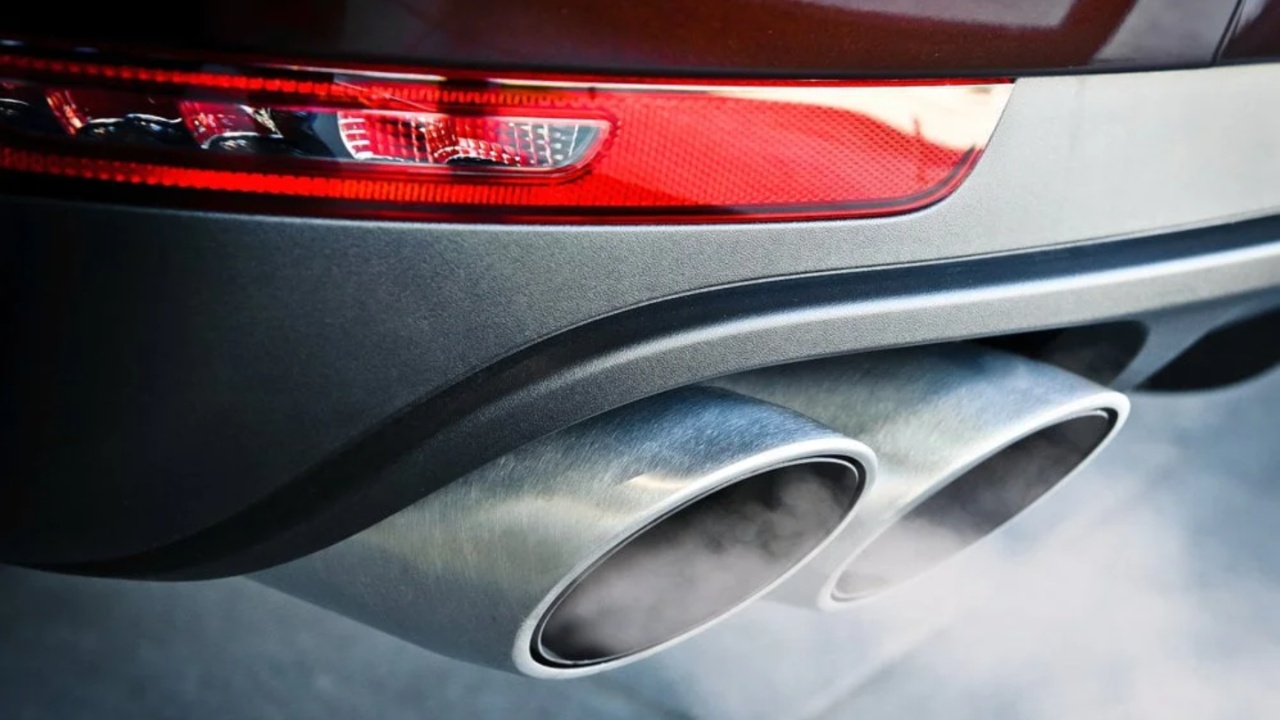
The catalytic converter and exhaust system are essential for allowing an engine to “exhale” spent gases efficiently. The catalytic converter contains a dense honeycomb of precious metals designed to clean exhaust gases, but prolonged running with rich fuel mixtures, burning oil, or frequent short trips can coat the honeycomb with soot or even melt it.
This creates a physical blockage, preventing exhaust gases from exiting the engine properly. When gases cannot escape, backpressure builds, reducing the engine’s ability to draw in fresh air and fuel. Drivers often describe the sensation as if the vehicle is “towing a heavy anchor,” with sluggish acceleration and difficulty gaining speed, particularly at higher RPMs or on inclines.
Excessive backpressure disrupts the combustion cycle. Residual gases left in the cylinders reduce the volume of fresh air and fuel that can enter for the next combustion stroke, resulting in weaker explosions, poor fuel efficiency, and significant loss of acceleration.
Turbocharged engines are particularly affected because they rely on a fast-moving exhaust stream to spin the turbine. A clogged converter prevents the turbocharger from reaching proper boost levels, drastically reducing power under load. Modern engines may respond to severe restriction by activating limp mode, intentionally limiting power to protect the engine from overheating or internal damage.
Other consequences include extreme heat buildup inside the catalytic converter, often exceeding 2,000 degrees, which can cause engine misfires, stalls, or further overheating. Common causes of clogs include unburned fuel from misfires, leaking oil or coolant entering the exhaust, and repeated short trips that prevent the converter from reaching the high temperatures needed to burn off carbon deposits.
Symptoms of a clogged exhaust system include sluggish acceleration, a sulfur or rotten egg smell, rattling noises beneath the car, and a check engine light, often with codes P0420 or P0430. Regular maintenance and addressing upstream engine issues are essential to prevent exhaust restrictions and preserve engine performance.
7. Failing Turbocharger
Turbochargers are critical components in many modern engines, enabling smaller, fuel-efficient engines to deliver high power. They use hot exhaust gases to spin a turbine, which compresses air and forces it into the engine, increasing combustion and performance.
When a turbo fails, the engine loses this boost, resulting in sluggish acceleration, reduced responsiveness, and difficulty maintaining speed. Common causes of turbo failure include oil contamination or starvation, worn bearings, and leaks in the intercooler or boost hoses.
Even minor damage can prevent compressed air from reaching the engine, making it feel weak and underpowered. Drivers may notice a high-pitched whistling or whining sound under load.
Modern engines, especially smaller turbocharged models, rely heavily on forced induction for power. Without a functioning turbo, the engine cannot generate sufficient acceleration or climb hills effectively. Turbo problems can also trigger limp mode, a safety feature that limits engine power to prevent further damage.
Issues such as stuck variable turbine geometry vanes, broken compressor blades, or worn bearings reduce boost pressure, which disrupts combustion efficiency and lowers performance. Most turbo failures are related to oil, because the high-speed components operate under extreme heat and require consistent lubrication to function properly.
Symptoms of a failing turbocharger include sluggish acceleration, black or blue smoke from the exhaust, delayed or uneven throttle response, and high-pitched whistling or whining noises. Boost leaks or blockages in the turbo system make the problem worse by forcing the turbo to work harder.
Since modern engines depend on turbochargers to achieve their rated power, a failing turbo is a central cause of significant performance loss. Regular maintenance, including timely oil changes, inspection of boost hoses, and checking the turbo for wear or damage, is essential to maintain engine power, prevent costly damage, and ensure efficient operation.
8. Low Engine Compression
Engine compression is the process of squeezing the air-fuel mixture inside the cylinder before ignition. This pressure is essential for producing strong combustion and generating torque and horsepower. The engine relies on piston rings, intake and exhaust valves, and the head gasket to maintain a sealed environment.
When these components wear out due to high mileage, overheating, or mechanical stress, compressed air leaks during the stroke. This leakage prevents the engine from fully extracting energy from the fuel, causing a permanent reduction in power. Unlike replaceable sensors or filters, low compression is a sign of internal mechanical wear and often requires an engine rebuild to restore full performance.
Low compression disrupts the combustion cycle, weakening the power stroke and causing misfires, rough idling, and hesitation during acceleration. Common causes include worn piston rings or cylinder walls that allow air-fuel to escape, burnt or bent valves that fail to seal, blown head gaskets that leak pressure between cylinders or into the cooling system, and timing issues that prevent proper valve operation.
Even a single weak cylinder in a four-cylinder engine can reduce total engine power by roughly 25 percent. The engine’s computer may attempt to compensate for low compression by injecting extra fuel, which decreases fuel efficiency and can lead to additional strain on internal components.
The effects of low compression extend beyond immediate power loss. Sluggish acceleration, difficulty climbing hills, and hard starting are common, particularly in high-compression gasoline or diesel engines. Unburned fuel can enter the exhaust system, overheating and damaging the catalytic converter.
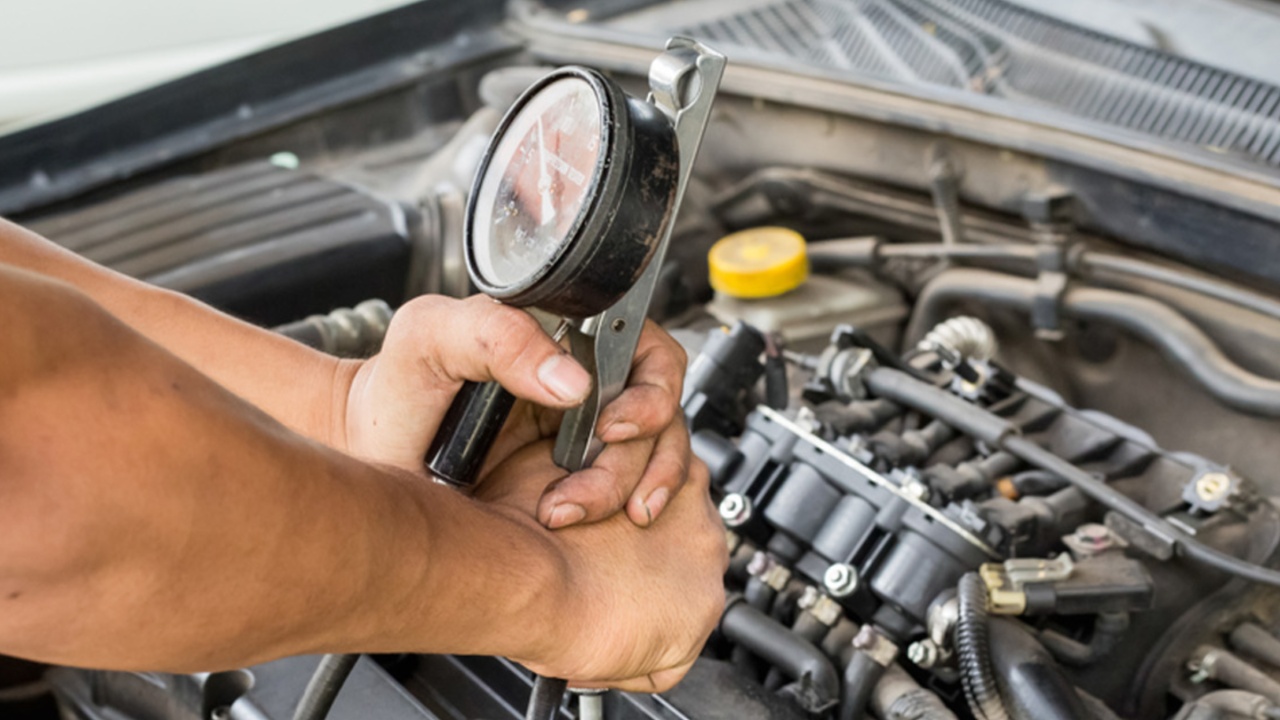
Continued driving with low compression can accelerate wear on pistons, valves, and other engine components, often turning a minor issue into the need for a major engine rebuild. Regular compression testing and prompt attention to internal engine wear are essential to maintain performance and prevent further damage to modern engines.
Power loss in modern vehicles is rarely caused by a single issue; it often stems from the interaction of multiple systems that must work together flawlessly. Components such as air filters, sensors, fuel systems, ignition parts, exhaust systems, turbos, and engine internals all play critical roles in maintaining optimal combustion and power delivery.
Neglecting routine maintenance or ignoring early warning signs can accelerate wear, reduce fuel efficiency, and even damage expensive components like the catalytic converter or turbocharger. Regular inspections, timely replacement of filters and spark plugs, sensor checks, and monitoring fuel and turbo systems are essential to preserve engine performance.
By understanding how each of these eight factors contributes to reduced power, vehicle owners can take proactive steps to restore engine efficiency, ensure smooth acceleration, and extend the lifespan of their engine. Addressing these issues promptly keeps modern vehicles performing at their full potential.
Also read: 5 Reasons Why Sealed Transmissions Are Leading to Premature Failures in US SUVs
