The development of stop start technology has become one of the key innovations in modern automotive engineering, aimed at improving fuel efficiency and reducing emissions.
This system automatically shuts down a vehicle’s engine when it comes to a stop, such as at a traffic light, and restarts it instantly when the accelerator is pressed.
While this technology provides clear environmental benefits, its implementation varies widely across different manufacturers. Some car brands have refined their stop start systems to function reliably without compromising battery life, engine performance, or driver comfort.
These vehicles tend to pair their stop start technology with advanced batteries and intelligent energy management systems, ensuring the system operates seamlessly under various driving conditions.
Drivers of these brands often report that the system is nearly imperceptible during daily commutes, reflecting meticulous calibration of engine restart timing and minimal wear on the starter motor and battery.
On the other hand, some car brands have struggled with stop start technology, often causing premature battery wear, starter motor strain, or inconsistent performance.
In these cases, the integration between the system and the vehicle’s electrical architecture is not optimized, leading to early replacements of batteries or other components.
Stop start systems that lack sufficient battery capacity or rely on standard lead-acid batteries instead of enhanced AGM or EFB types tend to drain quickly under repeated start-stop cycles.
This has become a common complaint among drivers of certain mid-range vehicles, where the cost savings from fuel efficiency are offset by frequent maintenance and battery replacement.
Understanding which brands have mastered this technology and which ones have not is crucial for consumers who want the benefits of fuel-saving innovation without unexpected repair costs.
Automakers that succeed in stop start technology often invest in advanced engineering solutions such as regenerative charging, high-quality battery chemistry, and starter motor designs built for thousands of cycles.
These vehicles are typically tested rigorously under real-world traffic conditions to ensure the system works reliably in cold weather, stop-and-go traffic, and high-load scenarios.
In contrast, vehicles with weaker implementations can leave drivers frustrated, particularly if battery replacement is required within two years. In this article, we will examine five car brands known for perfecting stop start technology and five that have a reputation for causing batteries to wear out early.
Each example will highlight how engineering, battery choice, and system integration influence the longevity and reliability of stop start systems, helping drivers make informed choices when considering fuel-efficient vehicles.
5 Car Brands That Perfected Stop Start Technology
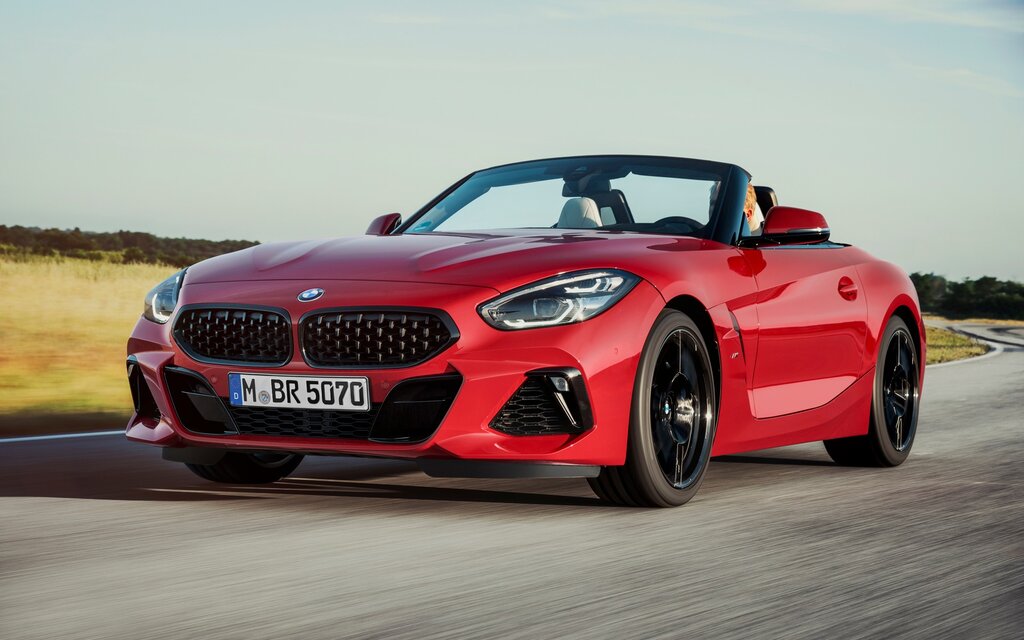
1. BMW
BMW has long been recognized for its engineering excellence, and stop start technology is no exception. The brand integrates intelligent energy management systems that work in harmony with the engine, transmission, and battery.
These systems monitor driving conditions to determine when to shut off the engine and when to restart it without delay.
BMW models often come with high-capacity batteries designed to handle frequent start-stop cycles. The result is minimal wear on battery and starter components, even after years of urban driving. Drivers consistently report a smooth, almost imperceptible engine restart, which enhances driving comfort.
BMW also equips many models with regenerative braking systems that recharge the battery during deceleration. This ensures that the stop start system has sufficient power reserves for multiple stops, even in heavy traffic.
Batteries used are usually of the AGM type, which is more resistant to repeated deep discharges compared to conventional lead-acid batteries.
The brand’s engineers also focus on starter motor durability, ensuring the component can handle thousands of cycles without overheating. BMW’s attention to these details makes the stop start feature reliable over the long term.
Additionally, BMW optimizes software algorithms to adapt to driver behavior. If the car detects frequent acceleration or heavy engine loads, it may delay the engine shutdown to prevent strain.
Also Read: 10 Reasons Why Your EV Battery Range Drops Suddenly in Winter
Conversely, during normal city driving, the system operates seamlessly, conserving fuel while maintaining battery health.
BMW vehicles also integrate warning indicators that monitor battery health, alerting the driver to potential issues before they affect performance. This proactive approach reduces the risk of unexpected battery failure.
Many reviews and owner reports highlight the brand’s ability to balance efficiency with reliability. BMW stop start systems are generally considered some of the most refined in the market.
Even after several years of ownership, batteries and starter motors typically last longer than expected. This reduces maintenance costs while still providing the environmental and fuel-saving benefits of the technology.
Finally, BMW’s reputation is reinforced by consistent testing across multiple vehicle lines. From the compact 1 Series to larger SUVs, the brand applies the same engineering rigor.
Stop start systems are tailored to engine size, power output, and driving conditions, making BMW a leader in technology that works as intended without prematurely wearing out critical components.

2. Mercedes-Benz
Mercedes-Benz has consistently invested in advanced stop start systems that prioritize battery longevity. Their vehicles often use EFB or AGM batteries that are specifically designed for frequent engine restarts.
These batteries offer higher charge acceptance and greater durability under stop start conditions. The system monitors battery health and adjusts engine shutdown frequency accordingly. This reduces the likelihood of over-stressing the battery and ensures consistent performance over the life of the car.
Mercedes models are also equipped with sophisticated alternators that provide additional charging during engine operation. These smart alternators work with the stop start system to maintain battery capacity.
The design ensures that even in cold weather, where battery performance can drop, the system operates reliably. Drivers experience smooth transitions between stopping and restarting the engine, avoiding the jerks or delays found in less refined systems.
Software integration plays a key role in Mercedes-Benz vehicles. The stop start feature is linked with the transmission, climate control, and infotainment systems to avoid unexpected engine shutdowns.
For example, the engine may remain running during heavy electrical load situations, such as operating air conditioning or powering multiple devices. This prevents rapid battery depletion, extending the lifespan of the system.
Mercedes also emphasizes the durability of starter motors. Their designs are optimized to handle thousands of cycles without excessive wear or overheating.
Regular maintenance intervals are typically longer, as the combination of battery technology and starter motor design minimizes stress on components. These engineering choices reflect the brand’s commitment to quality and reliability.
Customer satisfaction reports frequently highlight the smooth, nearly invisible operation of the stop start system.
Drivers rarely notice engine shutdowns at traffic lights, and the systems are designed to work seamlessly with different driving styles. The combination of advanced batteries, intelligent software, and robust hardware positions Mercedes-Benz as one of the top brands for stop start technology.
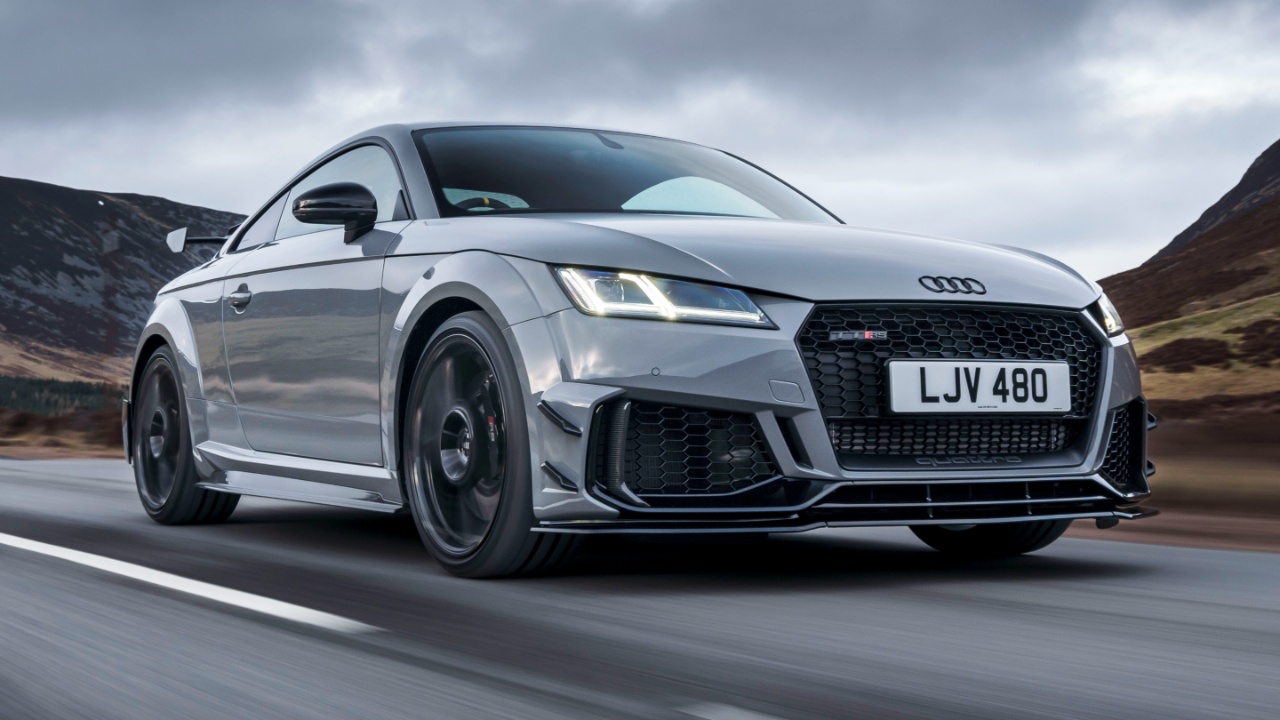
3. Audi
Audi has developed stop start systems that are particularly efficient in city driving environments. The company pairs its engines with AGM batteries capable of handling frequent restarts. In addition to battery quality, Audi vehicles use starter motors rated for high-cycle durability.
This allows the system to operate thousands of times without significant wear. The integration ensures that the technology provides real fuel savings without compromising vehicle reliability or driver comfort.
The brand also incorporates regenerative braking in many models to supplement battery charge. When the car slows down, energy is captured and stored, providing additional power for the stop start system.
This reduces the strain on the battery during repeated stops, especially in congested urban traffic. Audi’s engineers have focused on optimizing both electrical and mechanical components to prevent premature failures.
Also Read: 10 Performance Engines Famous for Running Efficiently on 87 Octane
Software intelligence is another key factor. The system monitors driver inputs, road conditions, and engine load before initiating engine shutdown.
If a high load is detected, the engine continues to run until conditions are safe. This careful control prevents unnecessary stress on the starter motor and avoids situations where the battery could be overworked.
Audi also provides clear indicators for drivers regarding battery health and system operation. This proactive feedback helps maintain performance and ensures drivers are aware of potential issues before they become serious. Maintenance is straightforward, with components designed for longevity.
In owner surveys, Audi consistently receives high marks for the reliability of its stop start technology. Drivers often note that even after years of heavy urban commuting, batteries and starter motors continue to perform without issues. This combination of engineering, software, and battery technology makes Audi a standout brand in this area.
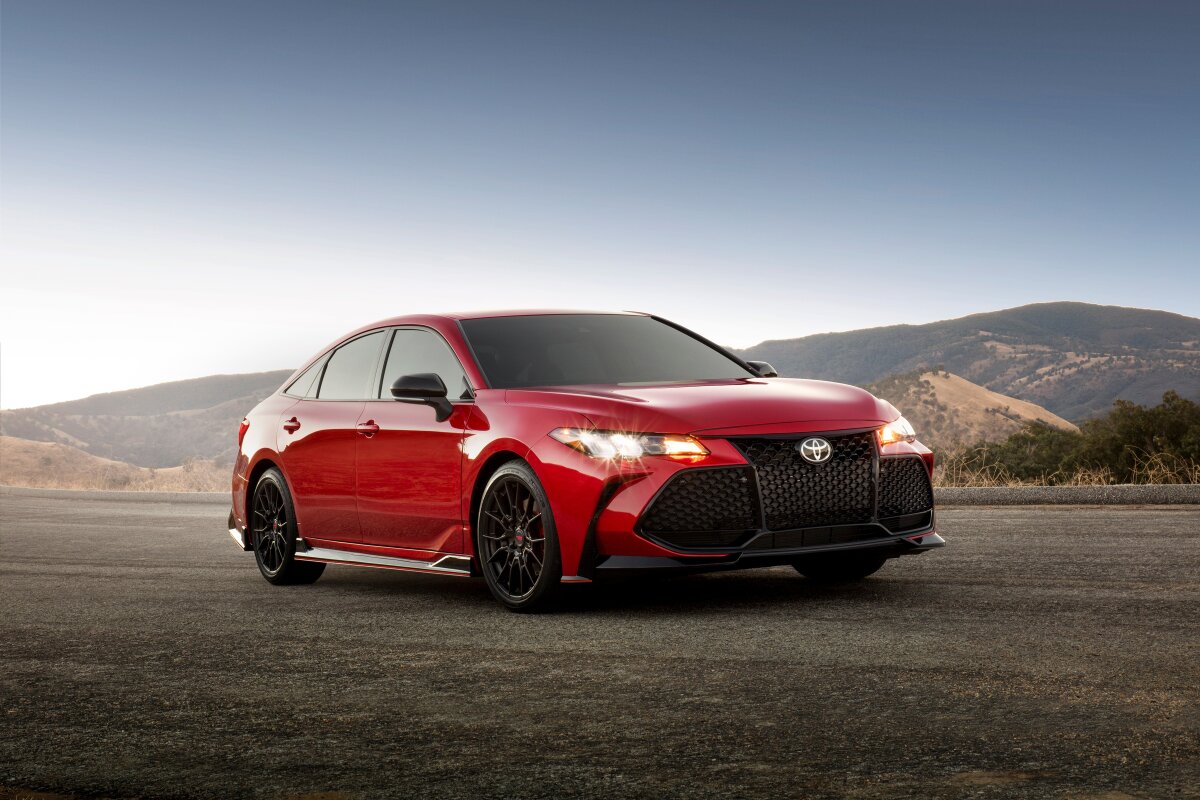
4. Toyota
Toyota has been a pioneer in hybrid technology, and their stop start systems benefit from decades of experience. The brand uses robust battery technologies, often integrating hybrid systems that naturally support frequent engine restarts.
Even in non-hybrid models, Toyota equips vehicles with EFB or AGM batteries optimized for stop start operations. The system is designed to operate reliably in a wide range of climates and driving conditions.
Toyota models also employ intelligent energy management that tracks battery charge, engine load, and driving patterns. By adjusting the frequency and timing of engine shutdowns, the system minimizes wear on both battery and starter motor.
This results in long-lasting components and fewer maintenance concerns. Drivers notice smooth transitions and minimal vibration during restarts, which enhances comfort.
The brand also emphasizes simplicity and reliability in design. Toyota stop start systems avoid unnecessary complexity, focusing instead on durable components and precise calibration. Starter motors are built to handle repeated cycles without overheating, and batteries are oversized to handle repeated discharge.
In addition, Toyota provides clear maintenance schedules and monitoring systems to alert drivers if battery capacity drops. This proactive approach extends the lifespan of the system and ensures consistent performance. Customer reports indicate high satisfaction with the durability of stop start technology in Toyota vehicles.
Toyota’s reputation for reliability extends across multiple vehicle segments. From compact sedans to SUVs and hybrids, stop start systems are engineered to meet the demands of both city and highway driving. This careful integration of battery, starter, and software makes Toyota one of the leaders in long-lasting stop start technology.
5. Volkswagen
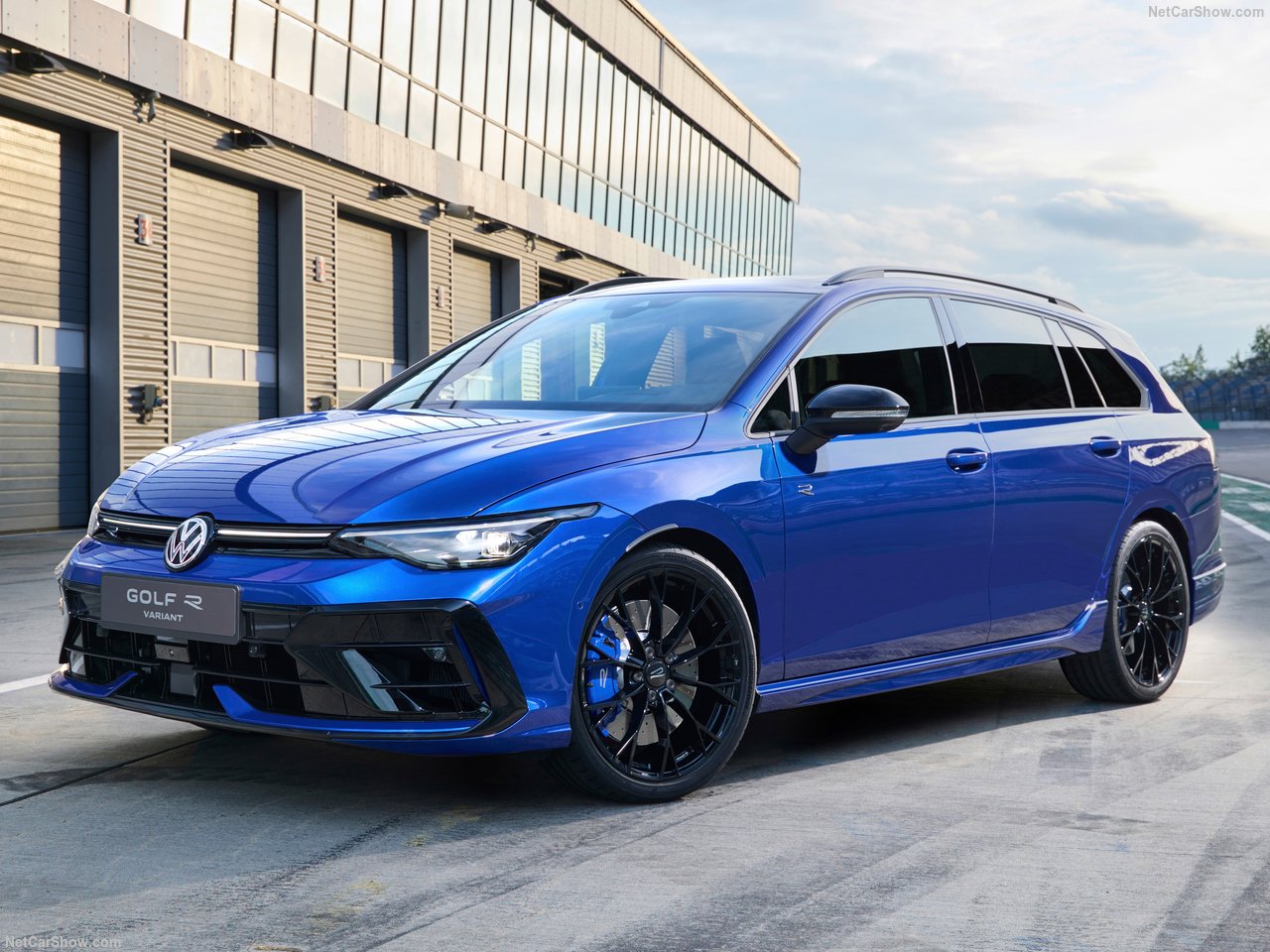
Volkswagen has developed stop start systems that are particularly effective in European traffic conditions, where frequent stops are common. The company pairs engines with high-quality AGM batteries and durable starter motors.
This allows the system to handle thousands of stop-start cycles without causing battery degradation or mechanical issues. Drivers benefit from noticeable fuel savings without compromise in reliability.
The brand also uses energy recovery techniques to maintain battery levels. Regenerative braking and optimized alternators ensure the battery remains charged even during heavy stop-and-go traffic. This reduces wear on electrical components and ensures smooth system operation.
Software plays a central role in Volkswagen’s system. The stop start feature is integrated with the engine, transmission, and electrical system to prevent unnecessary engine shutdowns. It also adapts to driving patterns, maintaining optimal battery health and system longevity.
Volkswagen vehicles feature user-friendly indicators that notify drivers about battery and system status. This helps prevent unexpected failures and ensures maintenance can be scheduled in advance. Starter motors and batteries are engineered for long-term durability.
Finally, Volkswagen stop start systems have consistently received positive feedback from owners. Drivers report minimal interruptions during engine restarts, reliable battery performance, and a reduction in fuel consumption.
This combination of engineering, energy management, and software design has established Volkswagen as a brand that handles stop start technology effectively.
5 Car Brands That Wear Out Batteries Early
1. Mini
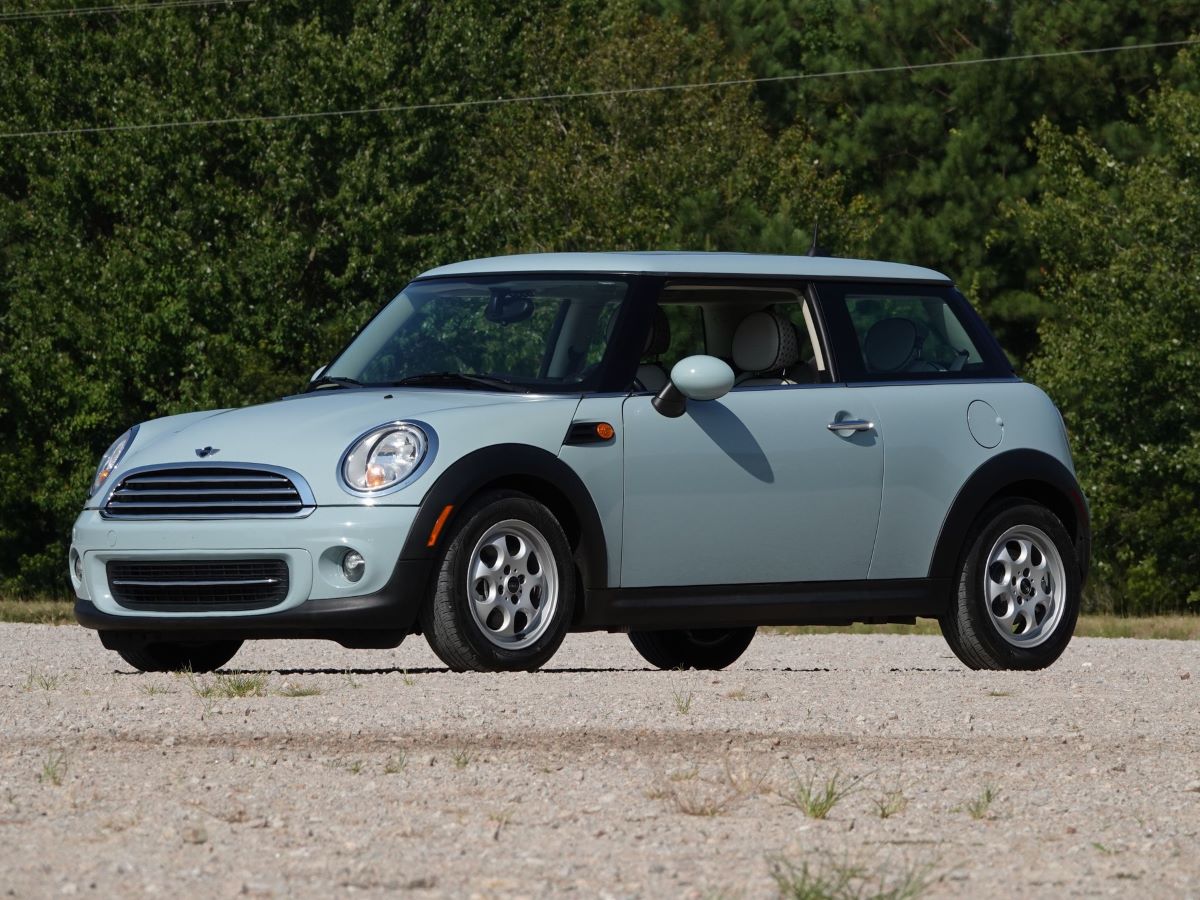
Mini vehicles are well-known for their compact size and sporty design, but their stop start technology has sometimes been a source of frustration for drivers. While the system functions as intended, it can place excessive stress on the battery in urban driving conditions.
Many early Mini models used standard lead-acid batteries rather than AGM or EFB types, which are better suited for repeated start-stop cycles. As a result, drivers frequently report battery failures within two years of use.
The stop start system in Mini cars also interacts closely with electrical components such as air conditioning, lights, and infotainment systems.
In congested city traffic, this creates additional demand on the battery, causing faster depletion and reduced lifespan.
Even with routine maintenance, the system can become unpredictable, sometimes failing to restart smoothly. Starter motors may also experience accelerated wear due to repeated engagement under high electrical load.
Software calibration in Mini vehicles is less adaptive compared to some luxury brands. The system does not always account for driver habits or engine load in real time, which can lead to frequent unnecessary engine shutdowns.
This increases stress on the battery and starter motor over time. Drivers often notice that the engine may hesitate during restart, especially in colder climates where battery efficiency naturally drops.
While Mini has improved the system in newer models, earlier versions highlight the risks of inadequate battery and software integration. Replacing batteries in these vehicles can be costly, particularly if the original battery type is not upgraded. Owners who primarily drive in heavy traffic or make frequent short trips may experience the most rapid wear.
The Mini stop start experience demonstrates how a vehicle can offer fuel-saving technology but fail in durability. Without high-cycle batteries and careful energy management, the system may save fuel but shorten component life.
Prospective buyers should consider battery type and warranty coverage when choosing models with this system to avoid frequent replacements and unexpected maintenance costs.
2. Ford
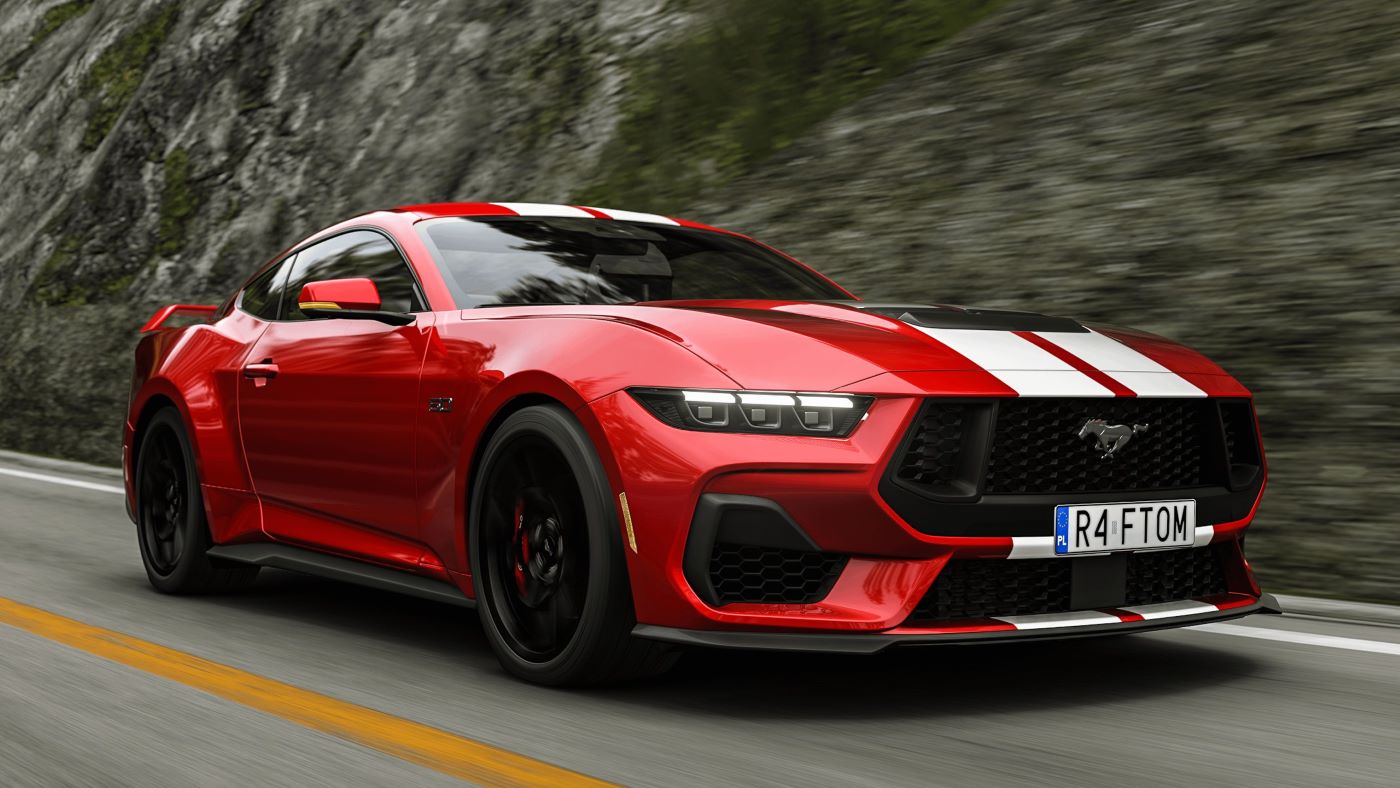
Ford vehicles with stop start technology have faced criticism for battery longevity issues, particularly in mid-range sedans and SUVs.
Many models are equipped with standard lead-acid batteries rather than AGM or EFB types, which are better suited for repeated engine restarts. Under heavy city driving conditions, the system can cause rapid battery degradation, often requiring replacement sooner than anticipated.
The stop start system in Ford cars can also place strain on the starter motor. Repeated high-frequency restarts without sufficient battery reserve can lead to overheating or mechanical wear.
Drivers often report engine hesitation or inconsistent system performance in stop-and-go traffic. Over time, this increases maintenance costs and may offset fuel-saving benefits.
Software integration in some Ford models is also less sophisticated. The system may fail to properly account for engine load, electrical demand, or driving patterns, causing unnecessary shutdowns.
In extreme cases, the engine may struggle to restart in cold weather, which can be a safety concern during winter months. These limitations highlight the importance of aligning hardware and software design in stop start systems.
Ford has introduced improvements in newer models, but older vehicles remain prone to early battery wear. High-cycle batteries are not standard in every trim, leaving some drivers vulnerable to repeated replacements. This issue is particularly pronounced in vehicles that spend most of their time in urban environments with frequent stops.
Ford’s experience with stop start technology demonstrates that insufficient battery design and system calibration can lead to premature component failure. Consumers should verify the type of battery used and consider upgrading to AGM or EFB batteries to ensure the system performs reliably over the long term.
3. Vauxhall
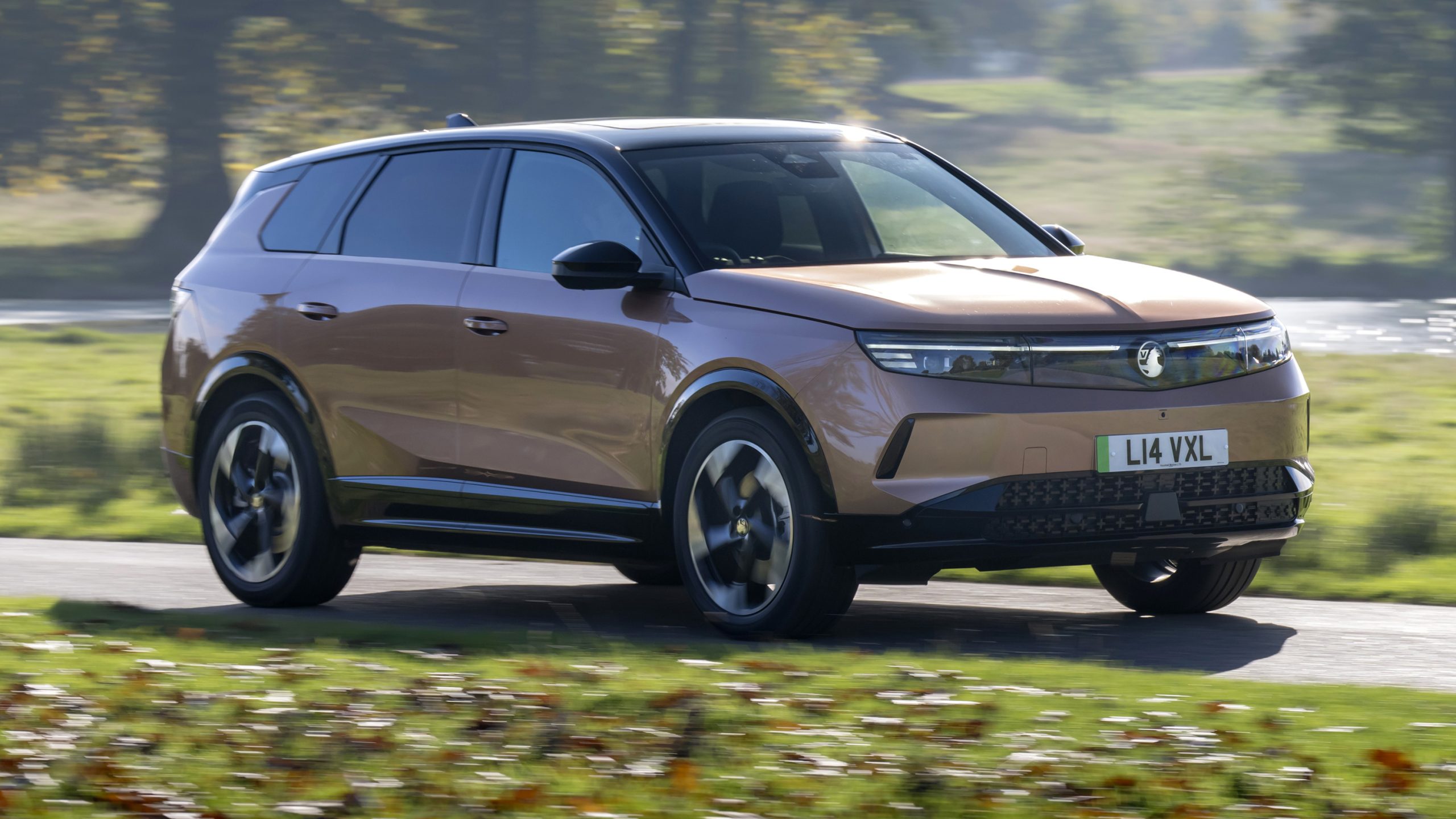
Vauxhall vehicles, particularly compact hatchbacks, have been noted for stop start systems that stress batteries excessively. The combination of frequent urban driving and moderate battery capacity often results in early battery degradation.
Standard lead-acid batteries cannot withstand the repeated cycles as effectively as EFB or AGM types, causing shorter service intervals and unexpected failures.
The system’s interaction with electrical accessories, such as air conditioning and audio systems, can further increase battery load.
When the engine shuts down at a stop, the remaining electrical demands are drawn from the battery, accelerating wear. Drivers report that lights may dim slightly or the infotainment system may reset during frequent stop-start events, indicating additional strain.
Starter motor durability is another concern in Vauxhall models. Repeated rapid restarts without sufficient battery charge can accelerate mechanical wear and lead to starter failure.
This adds to the maintenance cost of vehicles equipped with stop start technology. Early replacement is often necessary, which diminishes the financial advantage gained from improved fuel efficiency.
Software calibration in Vauxhall cars is also limited in adaptability. The system may not delay shutdown during heavy electrical load, leading to excessive cycling and reduced battery lifespan. In colder conditions, engine restart may become sluggish, further highlighting the weaknesses of early battery designs.
Vauxhall’s stop start challenges illustrate the need for careful engineering when integrating fuel-saving systems. Without appropriate battery technology, advanced starter motors, and adaptive software, vehicles may struggle with reliability.
Owners should be aware of potential issues and consider preventive maintenance strategies to avoid unexpected battery failures.
4. Fiat
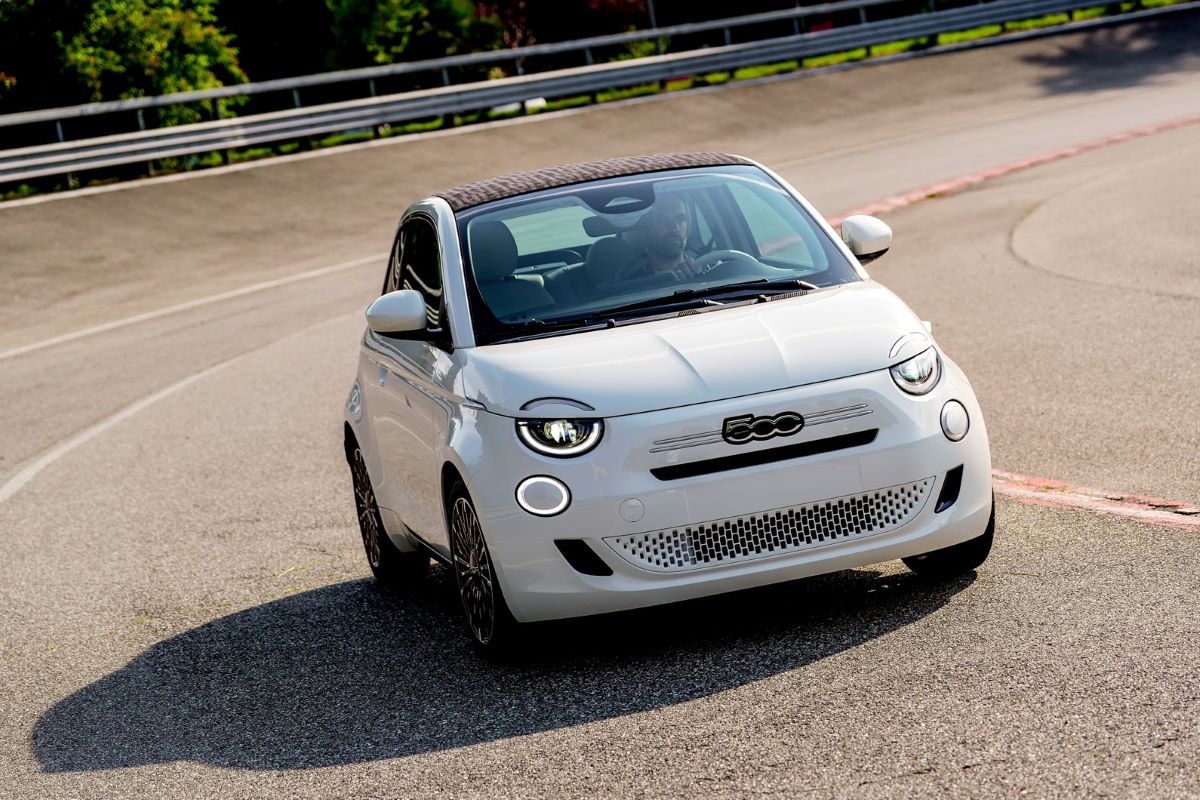
Fiat vehicles have introduced stop start technology in many city-focused models, but the implementation has often resulted in early battery wear.
Many vehicles use conventional lead-acid batteries instead of the high-cycle AGM or EFB types necessary for frequent engine restarts. This limits the system’s durability, particularly in stop-and-go traffic common in urban environments.
Electrical demand during engine-off periods can also exacerbate battery degradation. Lights, climate control, and infotainment systems draw power directly from the battery, increasing wear over time.
Starter motors are subjected to repeated high-frequency engagement, which can shorten lifespan and lead to additional repair costs.
Software algorithms in Fiat vehicles do not always account for driver behavior or electrical load conditions, which may trigger unnecessary engine shutdowns.
This can result in noticeable hesitation during restart, particularly during cold weather or when battery charge is slightly low. Over time, this inconsistency reduces driver confidence in the system.
Owner reports highlight that batteries often need replacement within two to three years of regular urban use. While the fuel savings from stop start technology are significant, the associated maintenance costs can diminish long-term value. Fiat drivers are advised to consider high-cycle battery upgrades for improved reliability.
Fiat’s experience underscores the importance of battery quality and system calibration. Without robust engineering, stop start technology can lead to faster wear and higher maintenance costs than expected.
Consumers seeking long-term reliability should research battery types and consider vehicles with advanced energy management systems.
5. Peugeot
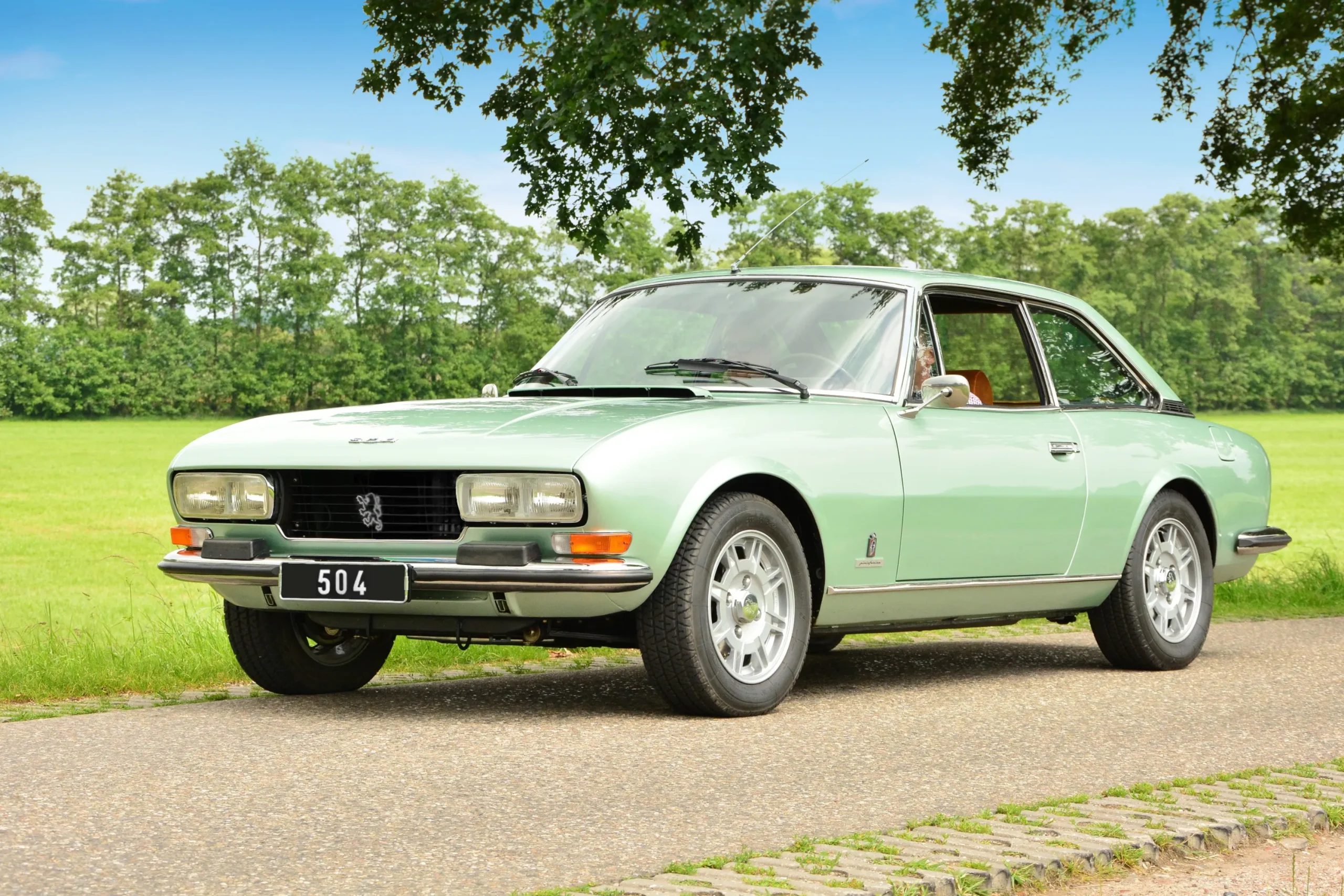
Peugeot vehicles equipped with stop start technology have occasionally struggled with battery longevity. Many models use standard lead-acid batteries, which are less suited for frequent engine restarts.
Drivers report early battery failures, especially in vehicles used for city commuting with frequent stops. Starter motors may also wear faster under repeated cycles, leading to additional maintenance costs.
The system in Peugeot cars can place high demand on electrical components during engine-off periods. Air conditioning, infotainment, and lighting draw power directly from the battery, accelerating wear.
Inconsistent software calibration can also trigger unnecessary shutdowns, increasing strain on both battery and starter motor.
Cold weather further exacerbates battery issues, as reduced charge capacity makes frequent restarts more stressful.
Owners report delayed engine restarts and occasional system warnings, indicating reduced reliability. Without high-cycle battery technology, the fuel-saving benefits may be outweighed by maintenance expenses.
Peugeot has improved stop start systems in newer vehicles, but older models remain vulnerable. Replacement batteries are often needed sooner than in brands with advanced energy management, and starter motor wear is a common concern. Regular maintenance and battery monitoring are essential to ensure continued system reliability.
The Peugeot case highlights the importance of combining proper battery technology with adaptive software and robust starter components.
Without these measures, vehicles equipped with stop start technology may face early battery wear and higher ownership costs. Consumers should carefully consider battery type and system design when purchasing vehicles with this feature.