Pickup trucks are critical tools for millions of drivers, whether used for work, recreation, or daily driving. One of the most discussed aspects of a truck is its cargo bed, the flat open area behind the cab where tools, equipment, supplies, or gear are carried.
Beds made of different materials affect performance in real ways. Many long‑time truck buyers value steel beds for durability and long life, especially when hauling heavy loads or dealing with rough environments.
Other buyers appreciate lighter materials like aluminum for better fuel efficiency and resistance to rust.
This article compares trucks with classic steel beds against those that use aluminum beds that can be more prone to dents.
It explains how each material performs and highlights strengths and limitations. Cargo bed materials influence weight, strength, durability, resale value, and how the truck feels to operate.
Prospective buyers may not always know exactly what material a truck bed is made of, which can lead to surprises down the road. Knowing which mainstream trucks use tough steel beds helps guide a decision if resisting dents and wear is a top priority.
On the other hand, understanding which models have aluminum beds and why they might show dents under certain conditions is equally important. Making this comparison helps shoppers understand how engineering choices affect real‑world use.
Throughout this article, the focus remains on mainstream full‑size trucks and their typical cargo bed performance.
The goal is to give clear, well‑structured insight without hype or unnecessary phrases, so readers can weigh the practical differences. With decades of pickup truck history behind it, this topic matters for both seasoned owners and first‑time buyers.
In today’s market, trucks must balance strength with efficiency, and the bed material is one clear example of that balance. This article aims to provide useful guidance that can lead to better buying decisions and avoid regrets after purchase.
Trucks With Durable Steel Beds
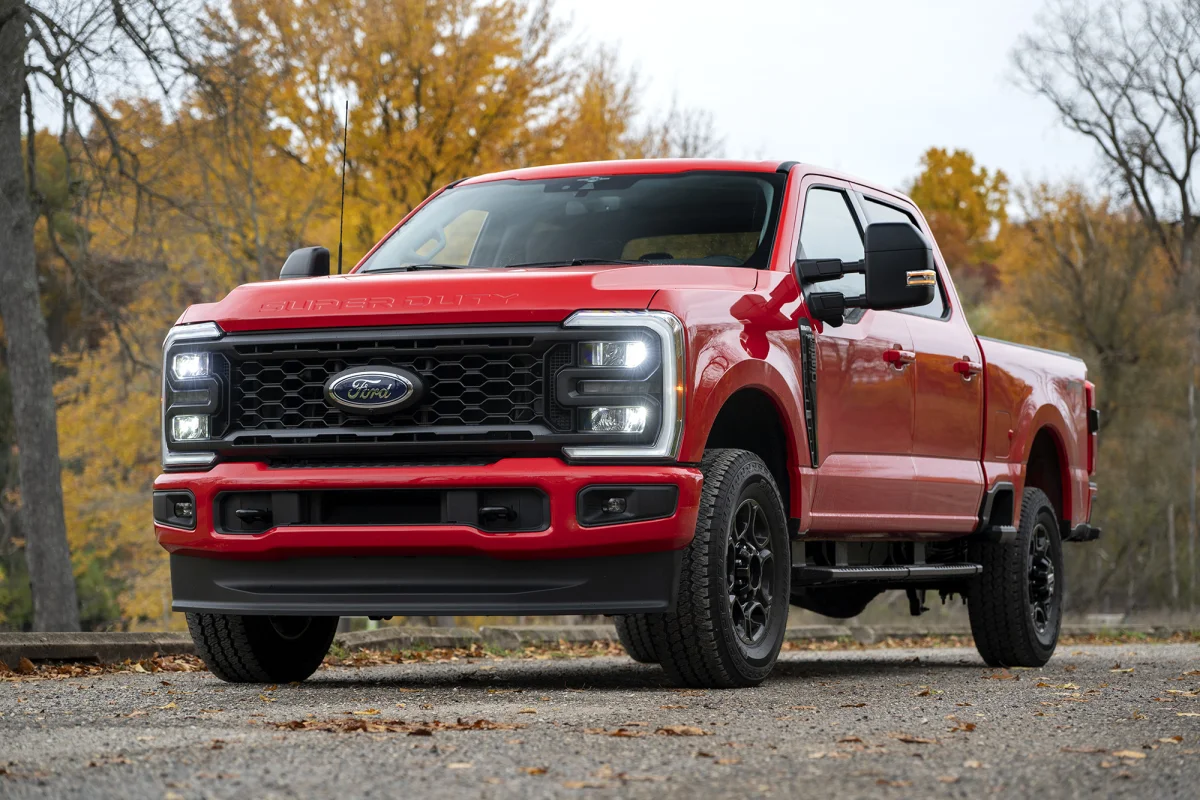
Ford F‑250 Super Duty
The Ford F‑250 Super Duty has long been a favorite among drivers who need a dependable work truck. Its steel cargo bed gives it an edge when moving heavy equipment often found on construction sites or farms.
A thick steel bed resists punctures and abrasions that occur from loading and unloading metal tools or machinery.
Drivers who prioritize ruggedness often choose this model because it stands up to repeated use over many years. In environments where bumps and scratches are the norm, a steel bed tends to hold up well.
This truck’s reputation for durability is linked to how Ford engineered its frame and bed to work together. The steel bed is formed from high‑strength alloys that help prevent bending under load.
Professional builders and livestock haulers appreciate the peace of mind gained from a steel bed that shows fewer signs of structural fatigue.
While steel adds weight, the extra pounds contribute to toughness and stability when towing. Fleet owners, in particular, note reduced long‑term repair costs compared to lighter‑bed competitors.
Maintenance on the F‑250’s steel bed is straightforward, with rust‑preventive coatings applied at the factory. These help protect the surface in wet or salty conditions often encountered in colder climates.
The bed can also be fitted with aftermarket liners or bed mats to further protect against dents and scratches. Drivers loading metal toolboxes benefit from the resistance that steel provides against sharp edges and impacts. Over time, this added resilience helps the F‑250 retain value.
Versatility is a hallmark of the F‑250 lineup, with multiple bed lengths offered depending on hauling needs. Whether carrying lumber for a build site or towing a large trailer, the steel bed enhances confidence in performance.
Owners who trade off some fuel economy for strength often consider this a worthwhile choice. The truck’s configuration options allow for customization that supports heavy‑duty tasks. In many high‑use scenarios, the steel bed outlasts alternatives.
The F‑250 Super Duty with its steel cargo bed appeals to buyers who demand lasting durability. The material choice supports heavy loads, resists dents and impact damage, and reduces long‑term upkeep concerns.
For drivers who use their trucks as daily workhorses, this model represents a solid investment. Its combination of strength and reliability keeps it competitive in its class year after year.
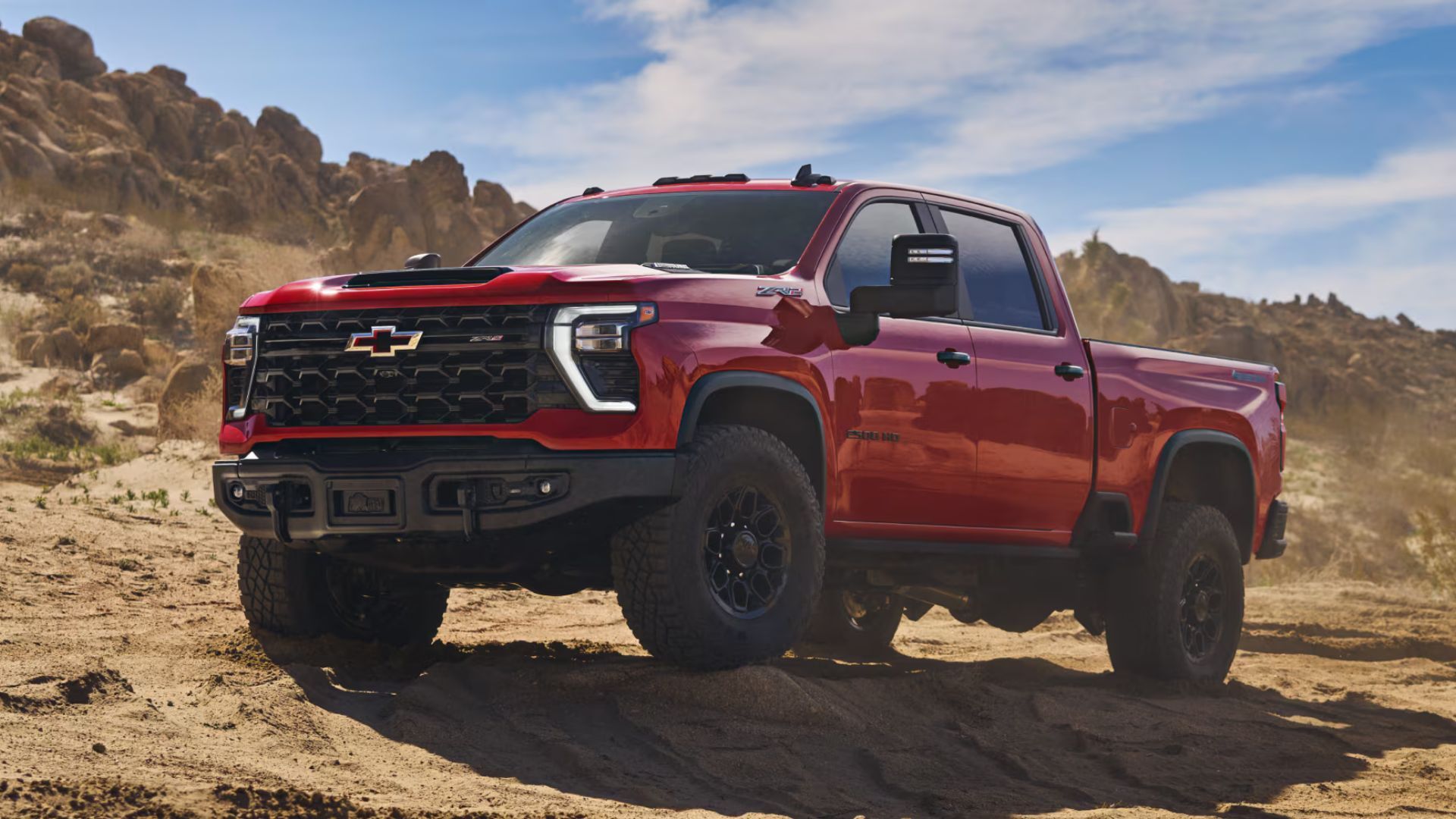
Chevrolet Silverado 2500HD
The Chevrolet Silverado 2500HD is known for its robust build and strong work performance. Its steel bed option adds serious resilience for those who frequently carry heavy, irregular, or sharp‑edged cargo.
This bed material handles tough use without deforming easily, which is crucial for construction crews or ranch owners. Chevrolet engineers designed the bed to complement the truck’s heavy‑duty suspension and frame. Together they deliver confidence when hauling challenging payloads or equipment.
Many Silverado 2500HD owners report that the steel bed remains largely unscathed after years of demanding use.
Scratches and marks from tools can be minimized with protective coatings, but the underlying strength of the steel prevents deeper dents. This is especially useful for trucks used in regions with rugged terrain or variable weather. The additional weight of steel also contributes to steadier handling when towing trailers or livestock.
The bed’s durability benefits extend to resale value, as buyers often prefer a truck that shows fewer signs of wear. Chevy also offers integrated tie‑downs and optional accessories that help secure cargo without over‑loading any one area.
Manufacturers apply corrosion‑resistant treatments to the steel to reduce rust risk over time. For owners who want a truck that lasts through years of hard use, this model frequently gets high marks.
Routine upkeep on the Silverado’s bed consists of washing and periodic inspection for surface rust. Protective sprays or liners add another layer against scratches from tools or equipment.
Steel beds also tolerate aftermarket modifications like stake pocket mounts or ladder racks without losing structural strength. Fleet managers appreciate this adaptability when customizing trucks for specialized tasks.
The Silverado 2500HD with a steel bed suits buyers who value lasting toughness above all. Its bed resists denting better than lighter alternatives under regular hauling and work conditions.
Combined with its towing and engine options, this truck serves as a reliable foundation for heavy‑duty work. For many owners, the investment in steel pays off through years of dependable service.
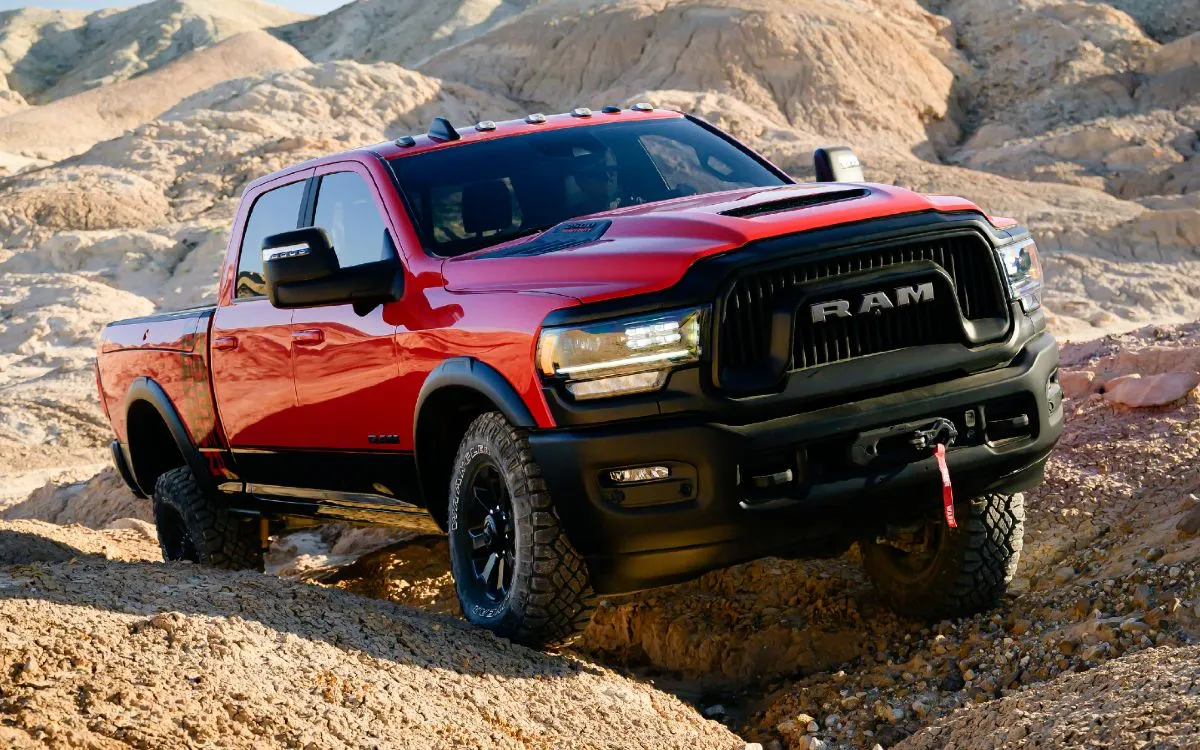
Ram 3500
The Ram 3500 is widely chosen for demanding towing and hauling tasks, and its steel cargo bed plays a central role in its rugged performance. Built to take repeated use from heavy tools, machinery, and rough cargo, this bed material offers strength that lighter beds sometimes lack.
Ram engineers balance weight and durability to support frequent loading without compromising structural integrity. Drivers hauling appliances, lumber, or equipment find the steel bed maintains its form over time.
In professional settings like construction sites and farms, a strong bed material means fewer worries about accidents or damage during daily use. The steel bed works well with the truck’s heavy‑duty frame and suspension to handle weight efficiently.
Ram’s approach emphasizes strength where it matters most, especially in the bed area that sees most of the wear. The result is a pickup that feels rugged even after long days of service.
Routine maintenance for the Ram 3500’s bed is straightforward, often involving cleaning and rust protection. Many owners opt for spray‑in liners to shield the surface from scratches and environmental exposure.
These liners also aid in protecting steel from corrosive elements, extending the life of the truck. This combination of factory design and aftermarket options provides a tailored level of protection.
Ram’s reputation for comfort and capability is complemented by the bed design, which supports heavy loads while maintaining ride quality.
For drivers who regularly tow trailers, campers, or work trailers, the steel bed adds confidence. The truck’s high payload capacity benefits from the structural reinforcement that steel provides under stress. Over time, owners notice less wear in the bed compared with lighter materials.
For buyers seeking a long‑lasting pickup that stays strong under rough use, the Ram 3500 stands out. Its steel bed helps preserve structural integrity through years of demanding service.
This makes it an appealing choice for both professionals and owners who push their trucks to work hard. The emphasis on strength contributes to lasting value.
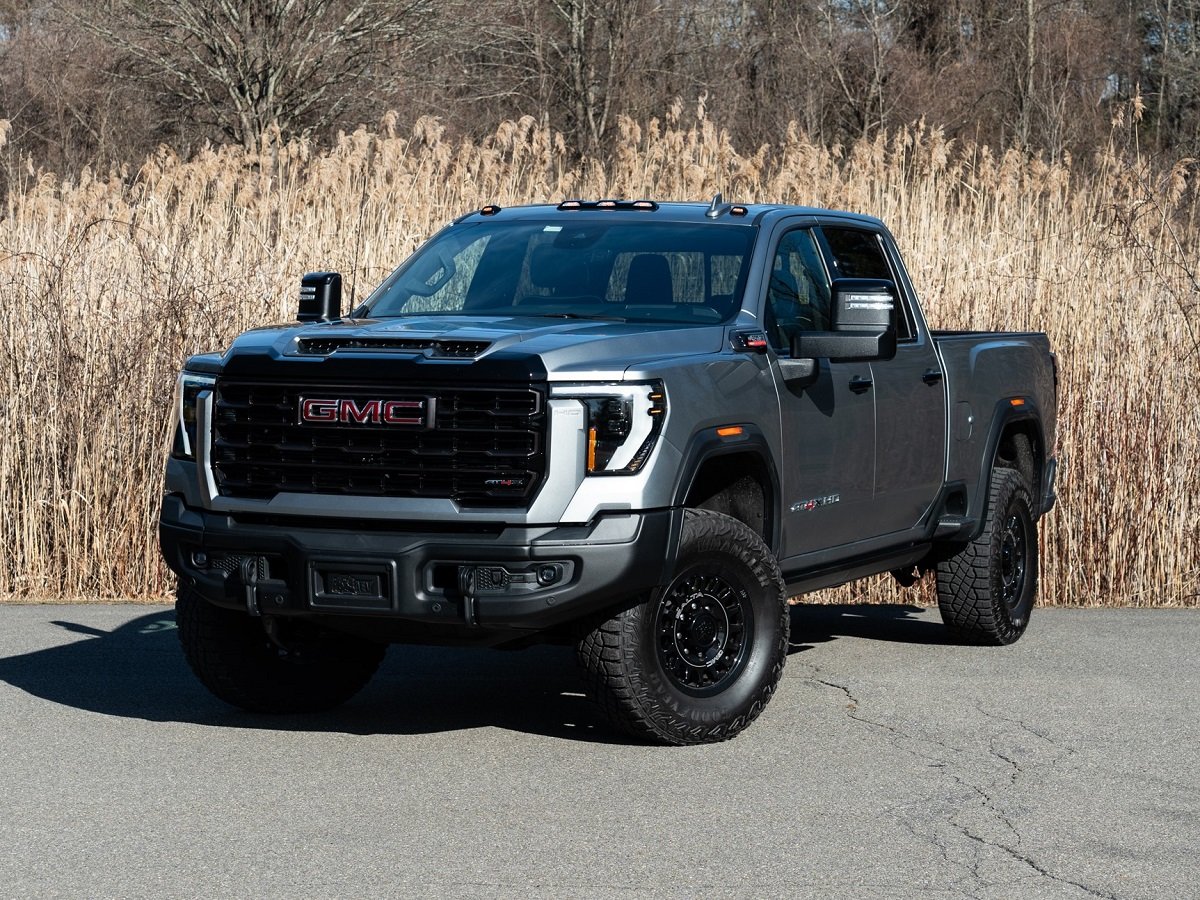
GMC Sierra 2500HD
The GMC Sierra 2500HD is closely related to its Chevrolet sibling but often offered with premium touches and capability. Its steel bed shares the same benefits of strength and durability that heavy‑duty truck buyers expect.
The bed resists dents from tools, pallets, and heavy cargo that might deform lighter beds. This makes it a popular choice among those who require a work truck that also provides comfort and refinement.
In environments where trucks are loaded and unloaded several times each day, the steel bed proves its worth. It tolerates repeated impact without giving way to deeper dents or warping.
GMC engineers focus on reinforcing key structural points that bear the most force during hauling. This attention to engineering detail helps the truck remain useful over many years of service.
Owners often pair the Sierra’s steel bed with protective liners that guard against scratching and surface rust. These liners come in many forms and provide added peace of mind for drivers in wet or winter conditions.
The steel’s inherent strength gives a solid foundation for accessories like bed extenders, racks, and tool boxes. This adaptability enhances the truck’s utility for a variety of tasks.
Fleet and business owners frequently select this model because of its reliability and low downtime. Trucks with rigid beds have fewer repair needs caused by denting or damage to the structure.
The Sierra’s bed material supports secure tie‑downs and anchoring points that help stabilize cargo on long hauls. This contributes to safer and more efficient operations.
The GMC Sierra 2500HD with a steel bed remains a strong candidate for those who need long‑lasting performance. Its resistance to substantial dents and structural fatigue stands out in heavy‑use settings. For drivers who value both capability and durability, this truck strikes an effective balance.
Toyota Tundra
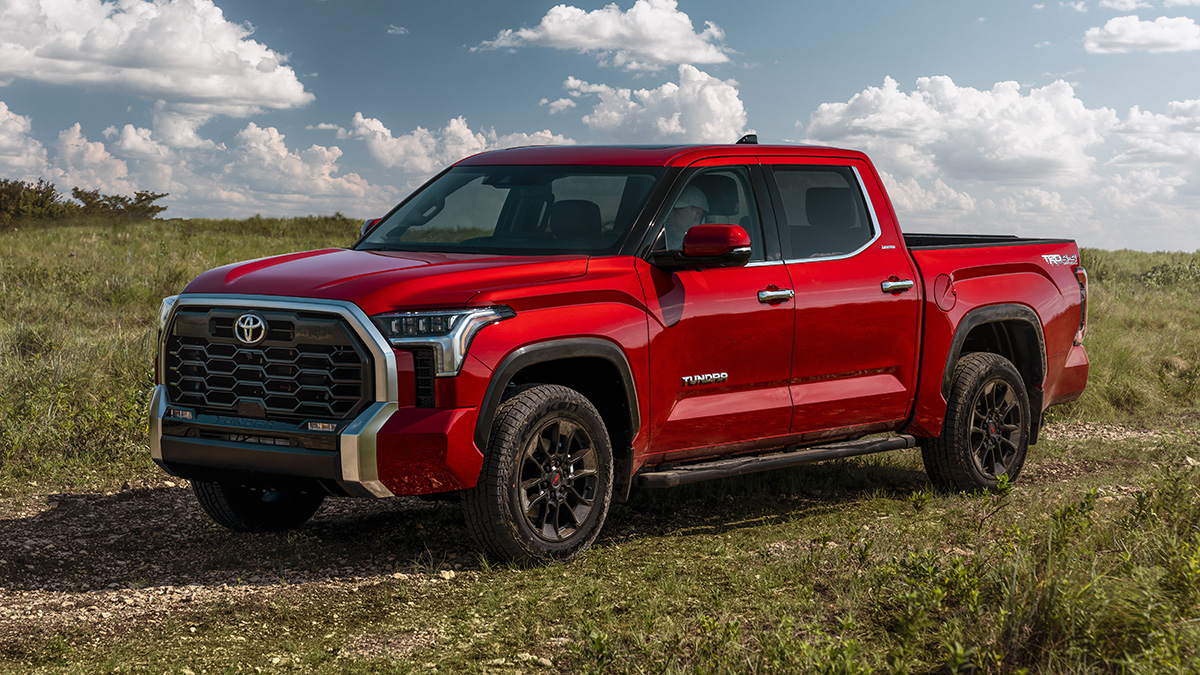
Although many full‑size trucks are moving toward lighter materials, certain configurations of the Toyota Tundra still feature a strong steel cargo bed. This design choice appeals to owners who prioritize toughness and longevity over slight weight savings.
The steel bed handles regular loading of gear, tools, and cargo without flexing or denting easily. Toyota’s engineering emphasizes structural strength to match the truck’s reliable performance reputation.
The Tundra’s bed supports both work and recreational uses, from hauling camping equipment to moving furniture. Steel provides a foundation that resists major impacts and holds up under repeated stress.
This makes the truck dependable across many miles and years. The bed’s construction also factors into the Tundra’s rugged image, even as other components evolve.
Routine upkeep involves washing, inspecting, and occasionally applying protective coatings where scratches appear. Many owners choose bed mats or liners to add protection against scratches and surface blemishes.
The inherent toughness of steel means these additional products work with a strong base rather than trying to compensate for a weak one. This helps the truck remain useful without requiring costly repairs.
Toyota dealers often recommend corrosion‑resistant treatments in regions with harsh winters and salted roads. Steel beds respond well to this protection, maintaining structural integrity and resisting rot.
Tie‑down anchors and bed accessories integrate easily into the steel framework, enhancing functionality. Drivers who make frequent use of these features appreciate the responsiveness of this design.
The steel bed in certain Toyota Tundra models contributes to a truck that stands up to regular use. Its resistance to dents and deformation makes it attractive for buyers who value strength and reliability.
While many competitors move toward lighter bed materials, the steel option remains a solid choice for heavy use.
Trucks With Aluminum Beds Prone to Dents
Ford F‑150
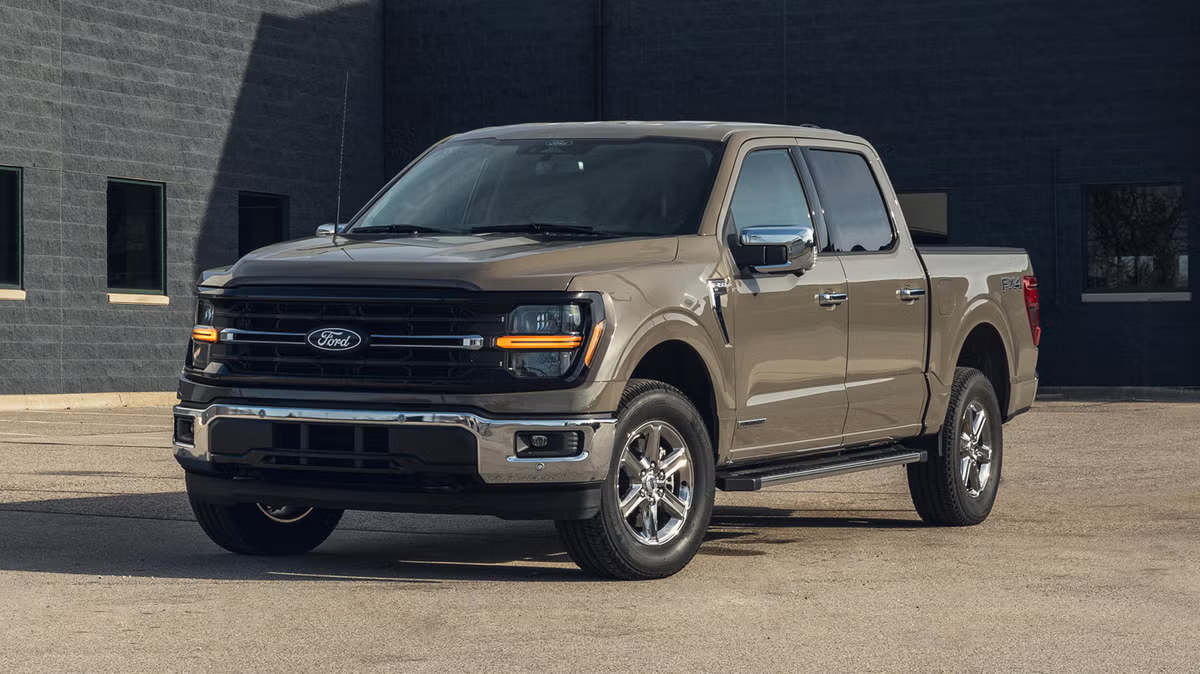
The Ford F‑150 popularized aluminum cargo beds in its full‑size class, prioritizing reduced weight and improved fuel efficiency. While aluminum provides corrosion resistance and reduces truck mass, it typically dents more easily than steel under impact from heavy or sharp cargo.
Drivers familiar with hauling rough equipment often notice small indentations over time. Aluminum’s softer characteristics make it more susceptible to surface damage.
Despite this, the F‑150’s use of aluminum offers real benefits in everyday driving and towing. Lighter weight helps the truck accelerate better and achieve higher payload and towing ratings in many trims.
For buyers focused on fuel economy and responsive handling, this trade‑off can be appealing. However, those who load frequent heavy or unruly cargo should understand the trade‑offs involved.
Many owners choose protective liners or bed mats to shield the aluminum surface from direct impact. These accessories absorb force and help prevent dents when loading tools or materials.
Nevertheless, even with protection, repeated loading of heavy objects can eventually leave marks. Aluminum beds require more careful handling in high‑impact scenarios than steel.
Ford’s aluminum bed also resists rust better than traditional steel in wet conditions. For owners in coastal or snowy regions, this resistance to corrosion extends long‑term bed life.
However, corrosion resistance does not prevent physical denting. Buyers seeking a balance between durability and daily usability should plan for wearing the aluminum bed.
The F‑150’s aluminum bed suits those who prioritize efficiency and corrosion resistance but accept a higher chance of cosmetic dents.
This configuration excels for light to moderate hauling and daily use. Prospective buyers should weigh these factors when choosing between bed materials.
Ram 1500
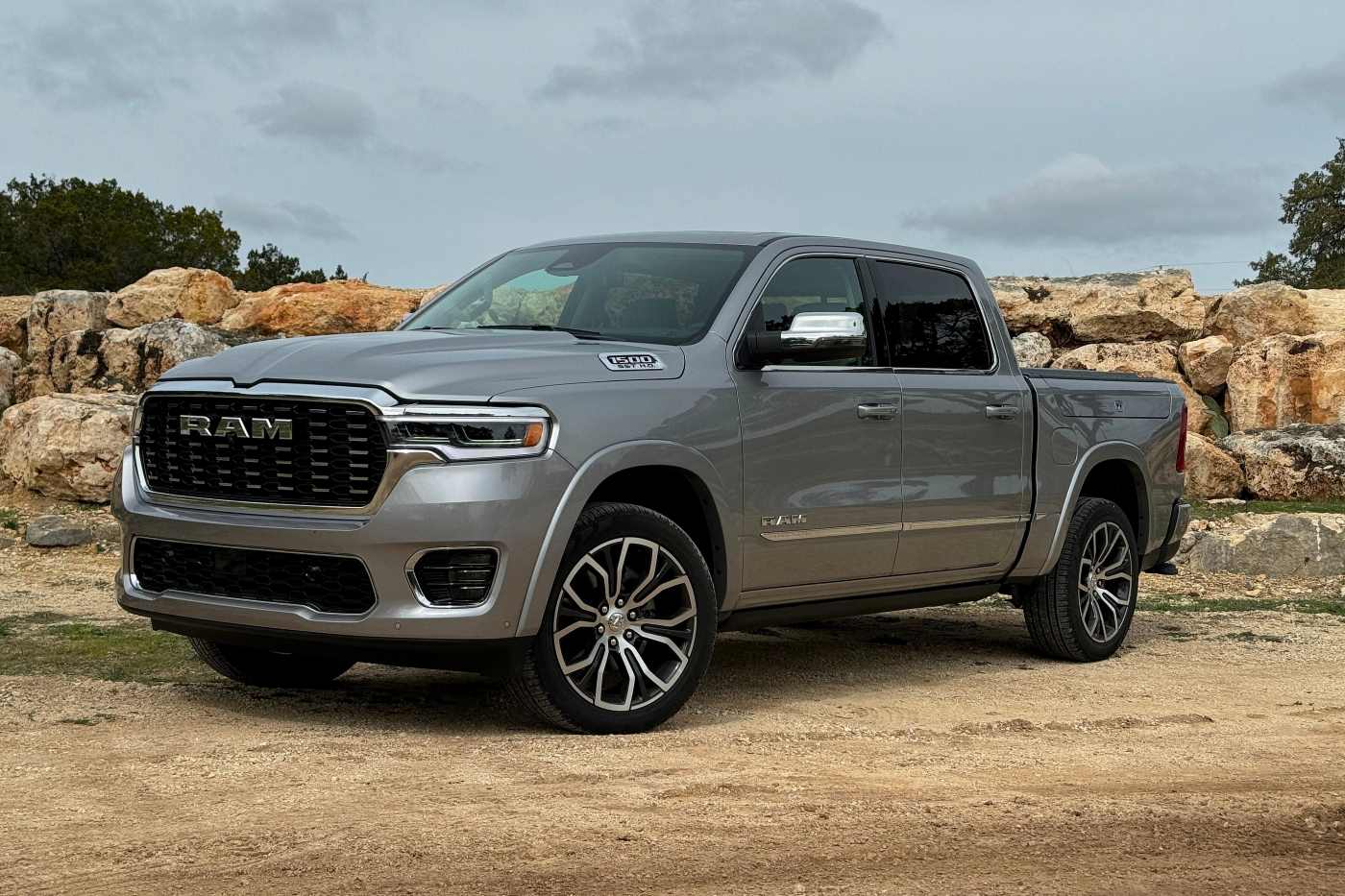
The Ram 1500 features an aluminum cargo bed across most of its trim range to reduce weight and enhance performance. This approach contributes to smoother ride quality, better acceleration, and more competitive fuel economy figures.
However, aluminum’s lower strength against punctures and impacts means it can show dents more easily than steel when carrying heavy or sharp items. Users who consistently load tools or bulky cargo often notice these dents over time.
Owners often protect the aluminum bed with spray‑in liners or rubber mats to limit direct contact with the bare metal. These protective measures help reduce superficial damage but cannot eliminate all dent risks.
Aluminum is simply softer than steel, which makes it more likely to bend under hard impacts. This trait is an important consideration for buyers using their truck for demanding hauling tasks.
Despite the dent susceptibility, the aluminum bed helps keep the Ram 1500 competitive in payload and towing capabilities for its class.
Light‑weight construction also supports nimble handling and more responsive braking. For buyers focused on daily driving comfort combined with reasonable cargo capability, this trade‑off is acceptable.
The truck also benefits from aluminum’s corrosion resistance, reducing concerns about rust in climates with frequent rain or snow.
Long‑term exposure to moisture has less impact on aluminum than untreated steel, which can help preserve the bed’s appearance. Still, resistance to rust does not prevent the cosmetic effects of dents.
For buyers willing to accept some surface blemishes for better performance and efficiency, the Ram 1500’s aluminum bed delivers an appealing package. Understanding the trade‑off between dent susceptibility and weight savings is key when comparing bed materials.
Chevrolet Silverado 1500
The Chevrolet Silverado 1500 utilizes an aluminum cargo bed to support lighter truck weight and respectable fuel economy. Lighter beds contribute to reduced gross vehicle weight, allowing more payload capacity without compromising performance ratings.
However, aluminum’s natural characteristics make it more vulnerable to dents when subjected to hard impacts or loading heavy equipment. Drivers who haul rough tools or large gear frequently may see evidence of this over time.
To mitigate this, many owners install protective liners or mats that buffer the aluminum surface. These accessories help absorb shocks and reduce direct contact with the bed metal. Still, even with protection, aluminum can show indentation more easily than steel. Buyers should recognize that cosmetic wear can occur under tough hauling conditions.
The advantage of aluminum extends to resisting rust and corrosion in wet environments. This can be especially valuable in areas with salted roads or humid climates that accelerate corrosion in steel beds. For daily use and moderate hauling, an aluminum bed strikes a balance between resilience and weight savings.
Silverado 1500 models often pair this bed material with advanced cargo management systems, tie‑down points, and rails that help secure loads.
These features minimize movement and the chance of cargo hitting the bed walls directly. Careful loading practices also help reduce dent risks over time. For many buyers, these systems make aluminum a manageable choice.
The Silverado 1500’s aluminum bed serves well for drivers focused on weight savings and everyday usability. Those who need frequent heavy hauling should plan for protective measures. Understanding how aluminum responds to impacts helps owners maintain the bed’s condition.
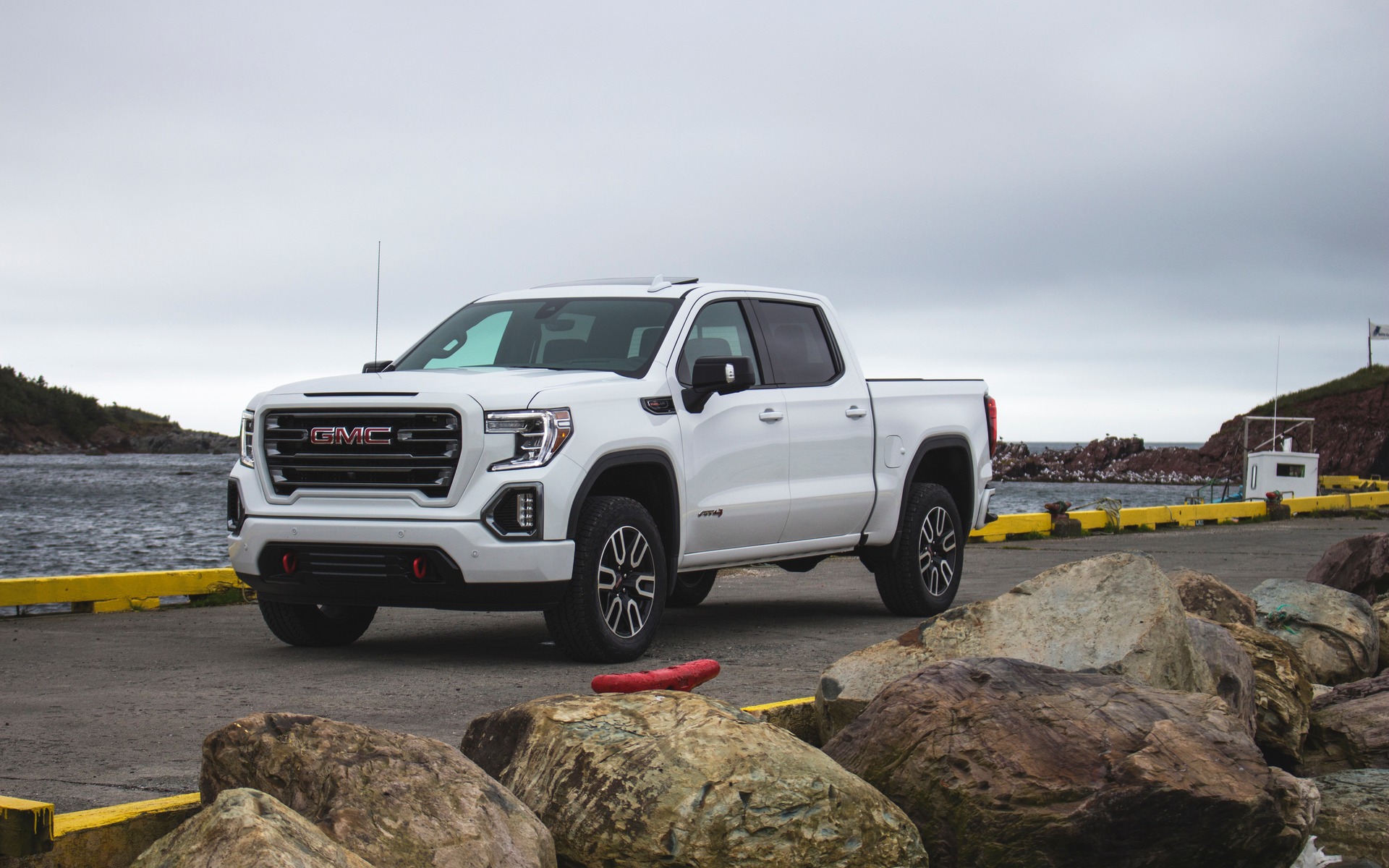
GMC Sierra 1500
The GMC Sierra 1500 uses an aluminum cargo bed similar to its Chevrolet counterpart to reduce truck weight and support efficiency. Aluminum’s lighter weight enhances performance characteristics like acceleration, handling, and fuel consumption.
However, this material is more prone to dents and dings compared with traditional steel when subjected to repeated heavy loading. Owners who haul rugged equipment regularly may notice this tendency over time.
Protective bed liners and mats are common upgrades that help reduce the frequency of dents. These additions cushion the bed surface and absorb force from shifting cargo. Despite this, aluminum remains softer than steel, which means it can show marks more easily under hard impacts. Buyers should weigh this factor when choosing their bed material.
One real advantage of aluminum is its corrosion resistance, which benefits drivers in wet or winter climates. Reduced rust formation helps preserve the bed over many years, even if surface blemishes appear. This trait helps maintain resale value and reduces long‑term maintenance concerns.
GMC also equips the Sierra 1500 with cargo‑management features designed to secure loads and minimize movement. Reducing cargo movement decreases the likelihood of direct impact on the bed sides, which helps mitigate denting. Still, careful loading remains advisable.
For buyers seeking a blend of performance and practicality, the Sierra 1500’s aluminum bed delivers a capable choice. Those needing frequent heavy hauling should consider protective accessories to help preserve the bed’s appearance.
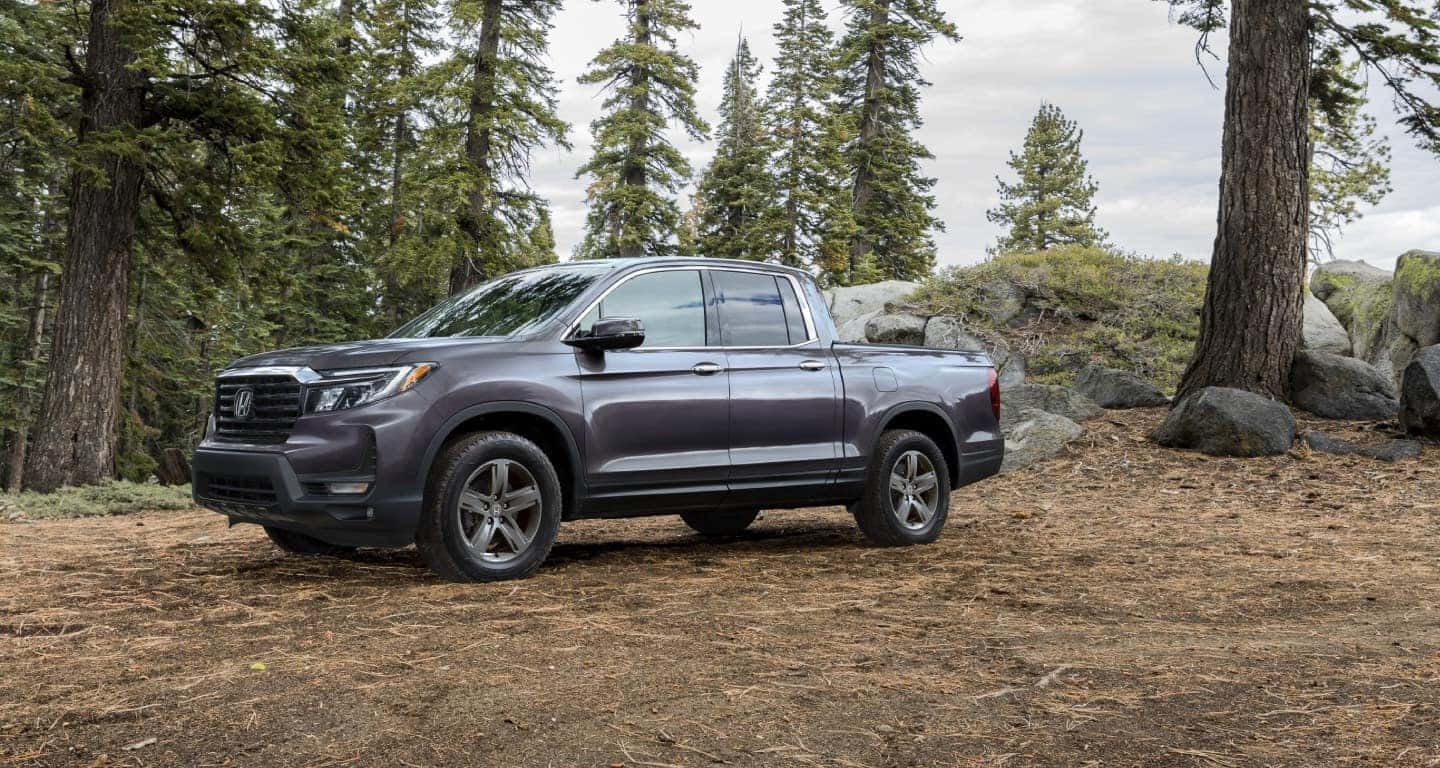
Honda Ridgeline
The Honda Ridgeline approaches truck design differently from traditional pickups, combining a unibody frame with a versatile cargo bed. While not fully aluminum, this bed incorporates lighter materials that behave similarly to aluminum surfaces.
This results in a bed that can show dents more noticeably under hard impacts than conventional steel. The Ridgeline’s design emphasizes comfort and practicality over rugged, heavy‑duty hauling.
The bed’s lighter construction supports decent payload capacity for everyday tasks but is not intended for extreme heavy loads.
Owners who frequently haul rough tools or bulky equipment may observe cosmetic marks sooner. Protective liners and soft bed mats help reduce direct impact damage and preserve appearance over time.
Despite these traits, the Ridgeline’s cargo bed remains functional for a wide range of lifestyle uses, from moving boxes to carrying outdoor gear.
The truck’s unique in‑bed trunk and tie‑down system improve utility without adding weight. These features help secure loads and reduce movement that could cause dents.
Also, the lighter material contributes to the Ridgeline’s smooth ride and balanced handling. This trade‑off benefits drivers who prioritize everyday comfort and versatility. Corrosion resistance is another advantage compared with some steel beds.
For buyers who value comfort, innovation, and moderate hauling ability, the Ridgeline’s bed performs well. Recognizing its material limitations regarding denting under heavy impact ensures more realistic usage expectations.