
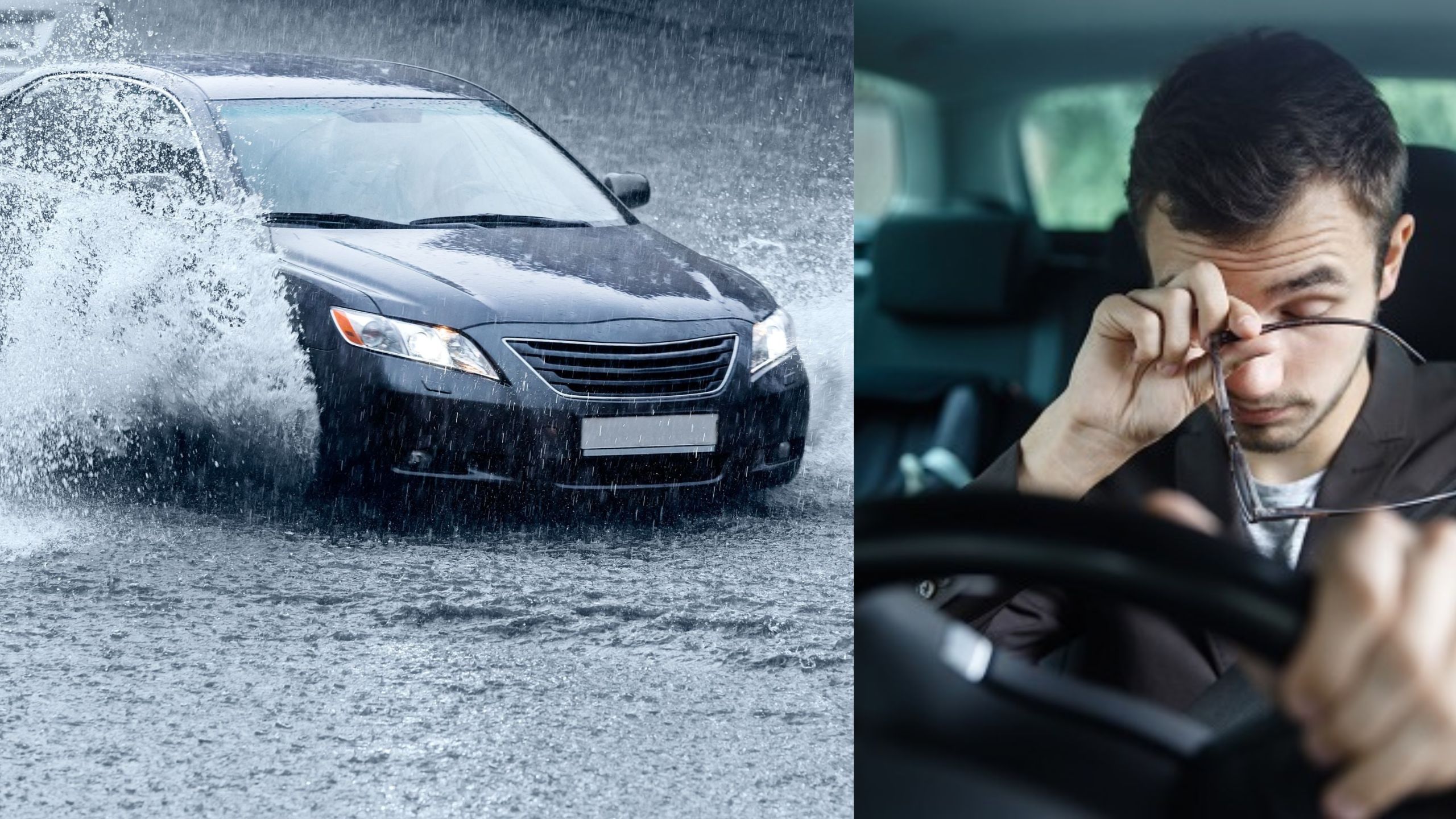
Every single day, thousands of vehicles travel on highways across the world at high speeds. These roads are engineered for efficiency, but they are also among the most dangerous places a driver can be. The margin for error on a highway is razor-thin. One small mistake can turn a normal commute into a life-altering tragedy within seconds.
What is most alarming is that the majority of highway accidents are not caused by mechanical failures or poor road conditions. They are caused by human error. Drivers make small, seemingly harmless decisions behind the wheel that snowball into devastating crashes. These errors happen repeatedly, every single day, on highways all over the world.
Understanding what these errors are is the first step toward eliminating them. Whether you are a new driver or someone with decades of experience, complacency is dangerous. Familiarity with the road can breed carelessness. Even the most experienced drivers fall into bad habits without realizing it.
This article breaks down eight of the most common driving errors that cause highway accidents daily. Each one is preventable. Each one costs lives. By recognizing these mistakes, you can make smarter, safer choices every time you get behind the wheel and protect not just yourself, but everyone sharing the road with you.
1. Speeding and Driving Above the Posted Limit
Speeding is one of the oldest and most persistent causes of highway accidents. It is also one of the most misunderstood. Many drivers believe that going a little over the speed limit is harmless. They think that modern cars and highways are built to handle high speeds safely.
Speed directly affects how much time a driver has to react to a hazard. At 60 miles per hour, a car travels about 88 feet every single second. At 80 miles per hour, that number jumps dramatically. When a deer runs across the road or a car suddenly brakes ahead, those extra feet mean everything.
Braking distance increases exponentially with speed. It does not just increase a little. It multiplies significantly the faster a vehicle is moving. A car traveling at 80 mph needs nearly twice the stopping distance of one going 55 mph.
Modern cars are incredibly well-engineered. They have advanced braking systems, stability control, and lane-keeping technology. This makes drivers feel invincible at high speeds. That false confidence is one of the most dangerous things on a highway.
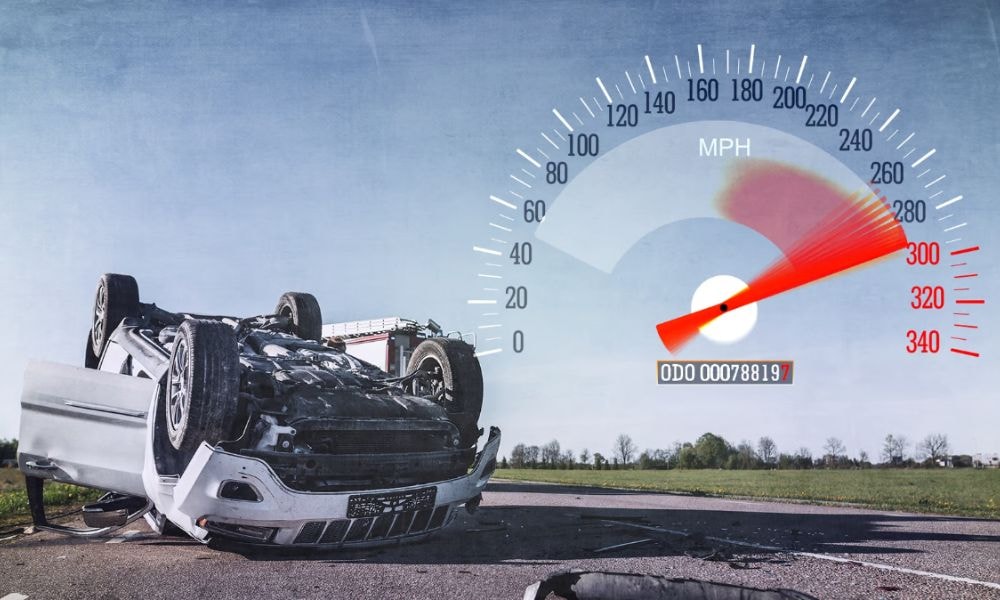
A car can handle high speeds in perfect conditions. But highways are never perfectly predictable. A patch of oil, a sudden rain shower, or a blown tire changes everything instantly. At high speed, a driver simply does not have enough time to respond safely.
Highway driving creates a phenomenon known as speed normalization. When everyone around you is driving fast, your brain begins to perceive that speed as normal. You naturally accelerate to match the flow of traffic. Before you know it, you are driving 20 miles over the limit without even noticing.
This is particularly dangerous late at night or during early morning hours. Traffic is lighter. Roads feel empty. Drivers unconsciously push their speed higher and higher. Fatigue combines with speed, creating an extremely hazardous situation.
In a collision, kinetic energy determines the severity of impact. Kinetic energy increases with the square of speed. This means doubling your speed does not double the crash force. It quadruples it.
That is a staggering difference. A crash at 70 mph is not just a little worse than a crash at 35 mph. It is catastrophically more destructive. The human body simply cannot absorb that level of force, regardless of how good the airbags are.
Always respect posted speed limits on highways. These limits are calculated based on road geometry, traffic patterns, and safety research. They are not arbitrary numbers. Leave home earlier so you do not feel pressured to speed. Use cruise control on long stretches to maintain consistent, safe speeds. Check your speedometer regularly, especially when traffic is light.
2. Distracted Driving Behind the Wheel
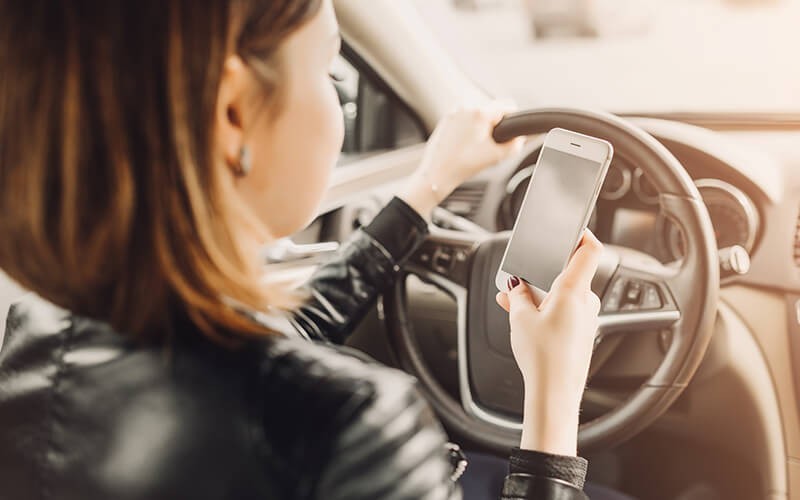
Distracted driving has exploded into one of the leading causes of highway accidents in the modern era. The rise of smartphones has made this problem dramatically worse. Drivers today face more in-cabin distractions than any previous generation. A moment of distraction at highway speeds can be fatal.
Studies show that glancing at a phone for just five seconds while driving 55 mph is equivalent to driving the length of a football field with your eyes completely closed. That is an extraordinary risk. Yet millions of drivers check their phones every single day while driving on highways.
Texting is the worst offender. It requires visual, manual, and cognitive attention simultaneously. All three types of distraction hit the driver at once. The brain is essentially taken completely offline from the task of driving.
Distracted driving extends far beyond smartphone use. Eating while driving removes one hand from the wheel. It forces visual attention away from the road. Even a few seconds of looking down to grab a snack can result in disaster.
Adjusting the radio or GPS while moving is equally dangerous. Many drivers reprogram navigation systems while traveling at full highway speed. This is an extremely high-risk behavior that far too many people normalize.
Conversations with passengers, especially emotional or heated ones, pull cognitive attention away from driving. Parents driving with young children in the back seat face a constant battle with distraction. A child crying or fighting can draw a parent’s eyes and attention completely away from the road.
Even seemingly minor social interactions inside the vehicle reduce reaction time. The brain cannot fully multitask, no matter what drivers believe about themselves.
Most distracted drivers believe they are still driving safely. They think they can handle a quick glance at a notification. They believe their reflexes are sharp enough to compensate. This overconfidence is precisely what makes distracted driving so dangerous.
No one plans to cause an accident. The crash happens in the gap between the distraction and the realization that something has gone wrong. By then, it is already too late to correct.
Put your phone on Do Not Disturb mode before starting the engine. Use a phone mount and voice commands if you need navigation. Pull over to a safe location if you need to make a call or send a message. Program your destination before you begin driving. Treat your phone as if it does not exist while the car is in motion.
3. Tailgating and Following Too Closely
Tailgating is one of the most aggressive and dangerous behaviors seen on highways daily. It is the practice of following another vehicle far too closely. Many drivers do it out of impatience. Others do it without even realizing their following distance is dangerously short. At highway speeds, tailgating leaves almost no margin for error.
The general rule of thumb is the three-second rule. Pick a fixed point on the road. When the car ahead passes it, count three seconds. Your car should not pass that same point before three seconds have elapsed. At high speeds or in bad weather, this gap should increase to four or even five seconds.
Most tailgaters follow at a fraction of a second. That is not a following distance. That is a guarantee of collision if the lead vehicle brakes suddenly.
Impatience is the most common reason. Drivers believe that following closely will pressure the car ahead to speed up or move over. It rarely works. Instead, it creates tension, provokes aggressive responses, and dramatically increases accident risk for everyone involved.
Some drivers tailgate because they have lost awareness of their actual speed. Highway driving numbs the perception of speed. What feels like a comfortable distance at 40 mph is dangerously close at 70 mph.
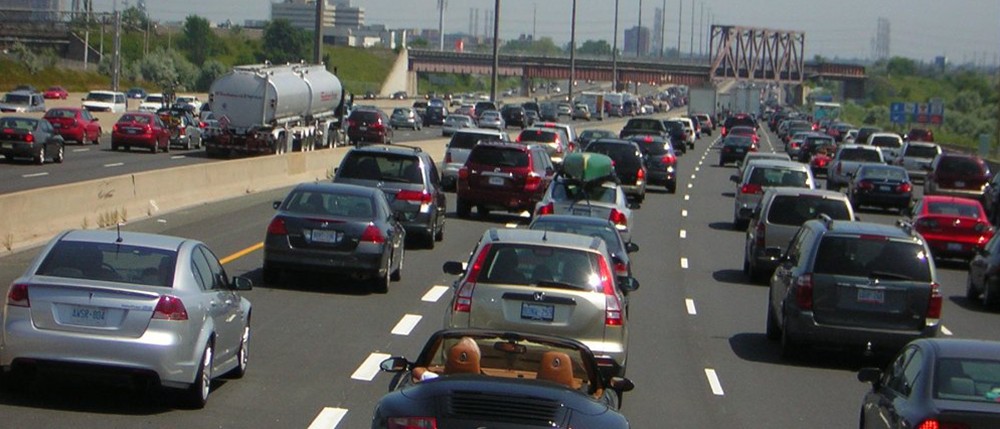
Tailgating does not just endanger two vehicles. It creates a chain reaction risk for every car behind. When a tailgater rear-ends the car ahead, they often stop suddenly themselves. The car behind them then collides. Multi-vehicle pileups on highways frequently begin with a single tailgating incident.
These chain collisions are particularly catastrophic in fog, rain, or smoke conditions where visibility is already reduced. Drivers have even less time to react when they cannot see far ahead.
Many people underestimate the severity of rear-end collisions. They assume low-speed or moderate-speed rear impacts are minor fender-benders. In reality, even moderate highway rear-end crashes cause severe whiplash, spinal injuries, and traumatic brain injuries. At higher speeds, rear-end collisions are frequently fatal. The vehicle ahead can be pushed into other lanes, other vehicles, or highway barriers.
Always maintain at least three seconds of following distance. Increase this gap in rain, fog, or nighttime conditions. Never use tailgating as a means to signal frustration. If a slower driver is ahead, wait patiently for a safe opportunity to pass. Your life is worth far more than saving thirty seconds on your commute.
4. Improper Lane Changing and Merging
Lane changes and merges are routine maneuvers on every highway. They are also among the most frequently botched. Improper lane changes cause thousands of side-swipe collisions, spin-outs, and multi-vehicle accidents every year. A bad lane change happens in less than two seconds. The consequences can last a lifetime.
Every vehicle has blind spots. These are areas beside and slightly behind the vehicle that mirrors do not fully cover. Many drivers rely exclusively on their mirrors when changing lanes. They forget to physically turn and check the blind spot before moving.
A motorcycle or smaller vehicle hiding in a blind spot can be completely invisible in the mirrors. Moving into that lane without checking is a near-guaranteed collision.
Turn signals exist for one reason. They communicate your intentions to other drivers. Failing to use them is not just illegal in most places. It is genuinely dangerous. Other drivers have no warning that your vehicle is about to move into their lane.
Many drivers signal at the same time they begin moving. That is too late. The signal should be activated three to five seconds before the lane change begins. This gives surrounding drivers time to adjust.
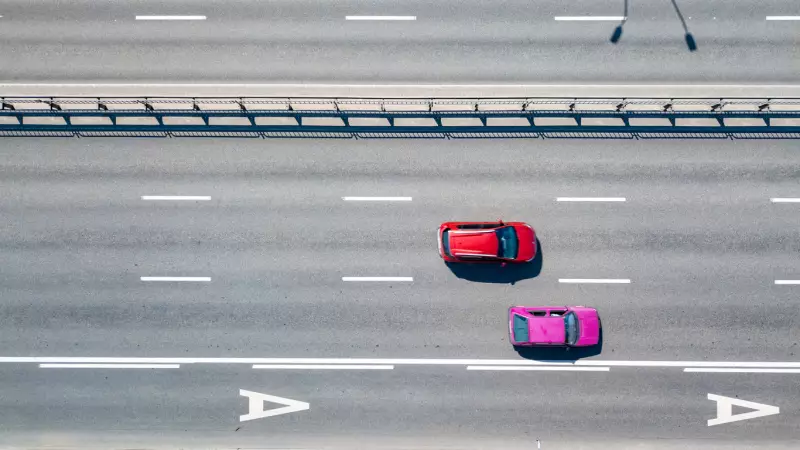
Cutting off another driver means merging into a gap that is too small. The vehicle behind must brake hard to avoid a collision. At highway speeds, this sudden braking is extremely dangerous. It can cause the following driver to lose control or trigger a chain reaction behind them.
Drivers who cut off others often misjudge speed differentials. The car in the target lane may be approaching faster than it appears. The gap that looked adequate disappears in an instant.
Merge zones at on-ramps are another major accident hotspot. Drivers entering a highway must match the speed of existing traffic before merging. Many drivers either merge too slowly or force their way in without adequate space. Both behaviors create serious collision risks.
Existing highway drivers also bear responsibility. Safely allowing merging vehicles to enter reduces congestion and prevents aggressive merge situations.
Always check mirrors and physically check your blind spot before changing lanes. Signal well in advance of every lane change. Make sure the gap is large enough before moving. Never change multiple lanes at once. Match highway speed before merging from an on-ramp.
Also Read: 7 Best Ways to Clean an Engine Bay Without Damaging Electronics
5. Driving Under the Influence of Alcohol or Drugs
Impaired driving remains one of the deadliest and most preventable causes of highway fatalities. Despite decades of public awareness campaigns, strict laws, and severe penalties, impaired driving continues to claim enormous numbers of lives every single day. No amount of alcohol or drugs is safe when combined with highway driving.
Alcohol affects nearly every skill required for safe driving. It reduces reaction time significantly. It impairs judgment and decision-making. It diminishes coordination and makes it harder to control the vehicle precisely.
It also creates a false sense of confidence, making impaired drivers believe they are driving perfectly when they are not. Even a blood alcohol level below the legal limit impairs driving ability. There is no truly safe threshold for alcohol behind the wheel.
Many drivers incorrectly believe that only alcohol creates impairment. Prescription medications, marijuana, sedatives, and stimulants all impair driving in different ways. Some slow reaction time dramatically. Others cause visual disturbances. Some create overconfidence or impaired spatial awareness.
A driver who is legally prescribed medication can still be dangerously impaired behind the wheel. The chemical effect on the brain does not care whether the drug was prescribed or not.
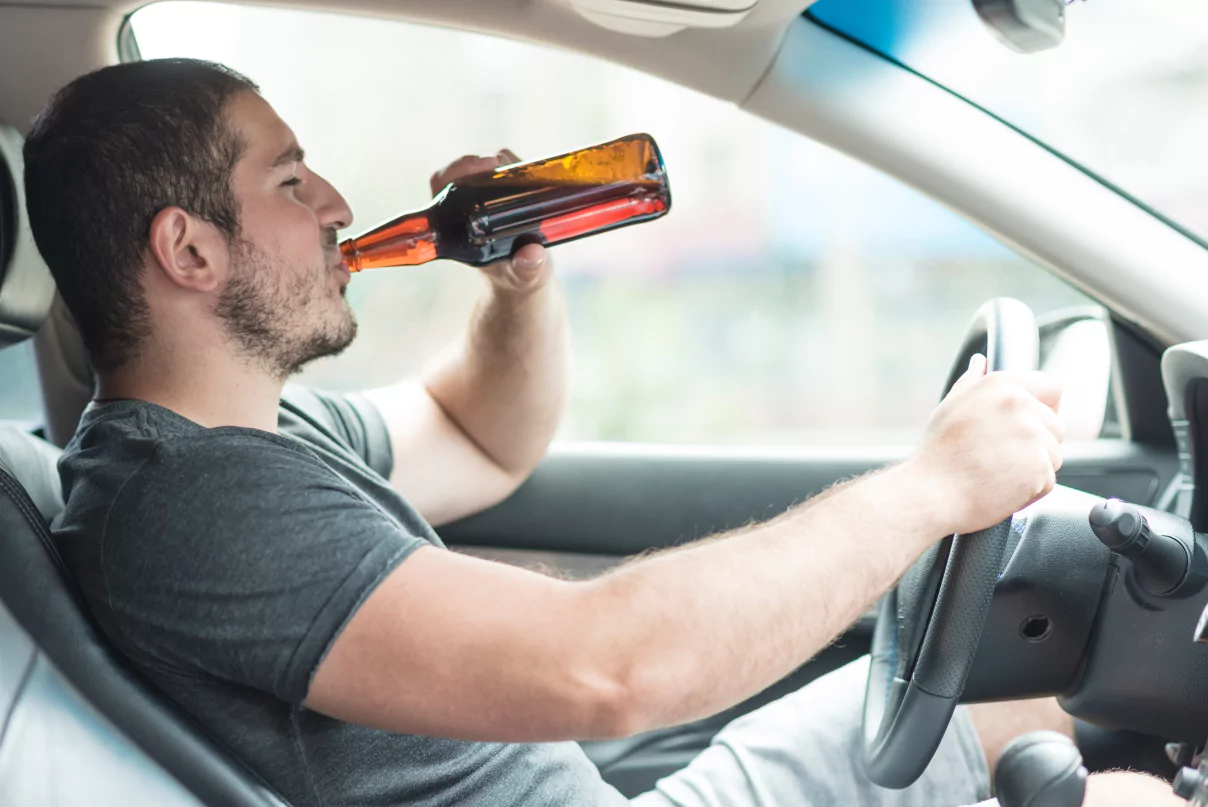
Impaired driving spikes dramatically during nighttime and early morning hours. Alcohol-related highway fatalities are far more common between midnight and 4 AM. Highways are darker. Traffic is lighter. Impaired drivers feel more emboldened. The combination is catastrophically dangerous.
Weekend nights see the highest concentration of impaired highway drivers. Other motorists sharing the road face enormous risk from drivers they never see coming.
Impaired driving does not just endanger the impaired driver. Innocent drivers, passengers, cyclists, and pedestrians die because of someone else’s reckless choice. Families are destroyed.
Children lose parents. These are not statistics. These are real human lives ended or permanently altered. The grief and legal consequences that follow an impaired driving accident are devastating and permanent. No destination is worth that price.
Never drive after consuming any amount of alcohol or drugs. Plan ahead by designating a sober driver or arranging a ride service. If you are unexpectedly impaired, call someone. Sleep in your car if necessary. Speak up if someone else is about to drive impaired. A difficult conversation today can prevent a funeral tomorrow.
6. Driver Fatigue and Drowsy Driving
Drowsy driving is one of the most underreported and underestimated dangers on modern highways. Fatigue impairs the brain in ways that are remarkably similar to alcohol intoxication. Yet most people would never dream of driving drunk but think nothing of driving on three hours of sleep. Falling asleep behind the wheel for even two seconds at highway speed can be fatal.
Sleep deprivation slows reaction time dramatically. It reduces the ability to process information quickly. It causes microsleep episodes, which are brief, involuntary bursts of sleep lasting one to several seconds. The driver has no awareness that a microsleep has occurred. The car, however, continues moving at full speed.
A two-second microsleep at 65 mph means the car travels nearly 200 feet with no driver input. On a highway, that is more than enough distance to drift into another lane or off the road entirely.
Commercial truck drivers face an especially high fatigue risk due to long hours and irregular sleep schedules. Shift workers who drive home after overnight shifts are also extremely vulnerable. Young drivers, who naturally stay up later and sleep less, are disproportionately involved in drowsy driving accidents.
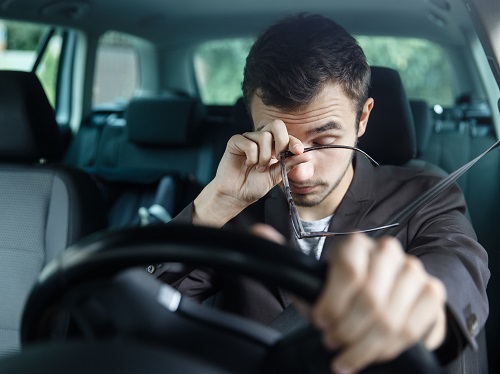
Long-distance holiday travelers who push through the night to reach their destination also face enormous fatigue risk. The desire to arrive faster can cost them their lives.
Frequent yawning is an early warning sign. Difficulty keeping eyes open or focused is another. Drifting between lanes or hitting rumble strips indicates the driver is already dangerously impaired. Missing highway exits or forgetting recent miles driven are serious red flags that require immediate action.
Many drowsy drivers ignore these signs and push forward. They believe they can fight through the fatigue. The brain does not cooperate with that plan.
Many drivers rely on coffee, energy drinks, or caffeine pills to stay awake on highways. These provide a temporary boost that fades quickly. Caffeine cannot replace sleep. It cannot eliminate microsleep episodes. It cannot restore the full cognitive function that sleep deprivation has stripped away.
The only real solution to drowsy driving is actual sleep. A 20-minute nap in a rest area is genuinely effective. It is also infinitely safer than pushing through fatigue.
Get a full night of sleep before any long highway journey. Plan rest stops every two hours on extended trips. Share driving duties with a passenger when possible. Pull over immediately when fatigue warning signs appear. Never trust caffeine alone to keep you safe on a long highway drive.
7. Ignoring Weather Conditions and Driving Too Fast for Conditions
Highway speed limits are set for ideal conditions. Dry pavement, good visibility, normal traffic. When conditions change, the posted speed limit may become dangerously inappropriate. Millions of drivers fail to adjust their speed and behavior when the weather deteriorates. Weather-related highway accidents are almost entirely preventable.
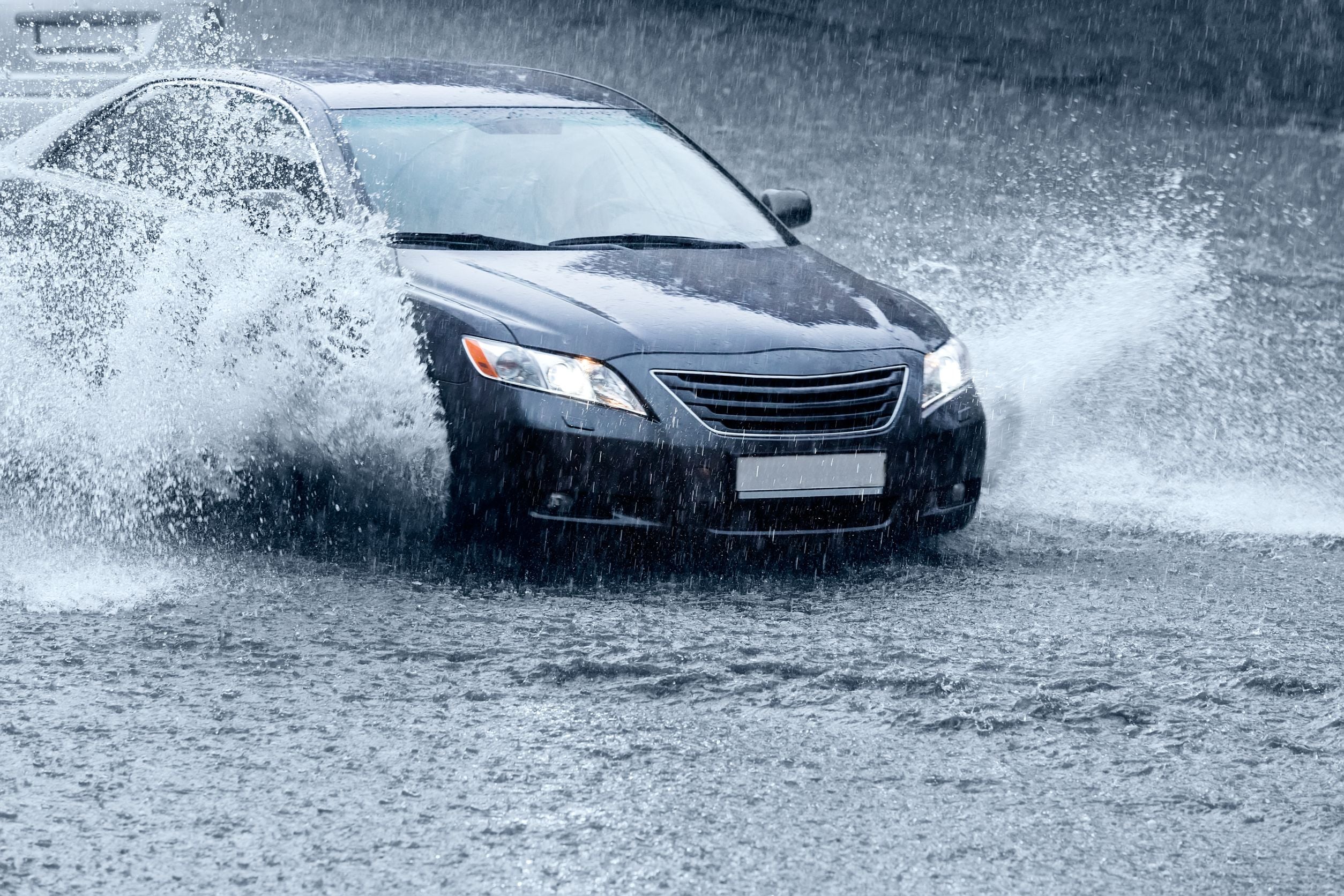
Rain is deceptively dangerous. Light rain actually makes roads more slippery initially because it mixes with oil residue on the surface. Drivers who maintain full highway speed in rain dramatically reduce their tire grip and increase their stopping distance.
Hydroplaning is another serious rain hazard. When water builds up under tires faster than it can be displaced, the tires lose contact with the road entirely. The vehicle essentially floats on a thin layer of water. Steering and braking become completely ineffective until contact is restored.
Fog is one of the most dangerous highway weather conditions because it is unpredictable. Visibility can drop from clear to near-zero within seconds as a driver enters a fog bank. Drivers who do not slow down adequately enter these zones far too fast.
Multi-vehicle pileups in fog are some of the most deadly highway accidents on record. Dozens of vehicles can be involved in seconds. The initial collision draws other drivers into the crash zone before they can react.
Icy highways demand extreme speed reductions and dramatically increased following distances. Black ice is particularly treacherous because it is completely invisible to drivers. Roads that appear merely wet can actually be coated in a thin, frictionless layer of ice.
Even all-wheel drive vehicles offer very limited protection on icy highways. AWD helps with acceleration but does not significantly improve braking or cornering on ice. Overconfident AWD drivers are frequently involved in winter highway accidents.
Strong crosswinds are especially dangerous for tall vehicles like trucks, SUVs, and vans. A sudden gust can push a vehicle significantly out of its lane. Drivers traveling at high speed have almost no time to correct before drifting into adjacent lanes or off the road.
Bridge sections are particularly prone to sudden, powerful crosswinds. Highway drivers should slow down on bridges during windy conditions and maintain a firm grip on the steering wheel.
Reduce speed significantly in rain, fog, snow, or ice. Increase following distance to at least five to six seconds in poor conditions. Turn headlights on in rain and fog. Avoid sudden braking or sharp steering inputs on slippery roads. If conditions are severe, pull over safely and wait them out. No arrival time is worth a fatal crash.
8. Aggressive Driving and Road Rage
Aggressive driving and road rage are behavioral problems that transform highways into conflict zones. They escalate minor frustrations into dangerous confrontations. They cause drivers to make irrational, high-risk decisions that endanger everyone on the road. Anger and high-speed driving are a lethal combination.
Aggressive driving encompasses a wide range of behaviors. Excessive speeding, tailgating, cutting off other vehicles, weaving through traffic, and refusing to yield are all forms of aggression behind the wheel. These behaviors are not just rude. They are genuinely dangerous and frequently illegal.
Many aggressive drivers do not think of themselves as aggressive. They believe they are simply driving assertively. They justify their behavior as a response to other bad drivers. That justification does not make the behavior any safer.
Road rage is aggressive driving escalated to the level of deliberate hostility. It includes gestures, yelling, deliberately brake-checking another vehicle, following a driver to confront them, or using the vehicle itself as a weapon. Road rage incidents on highways have resulted in shootings, beatings, and fatal crashes.
The trigger for road rage is almost always trivial. A perceived slight, a lane change, a horn beep. The disproportionate response can end multiple lives in moments.
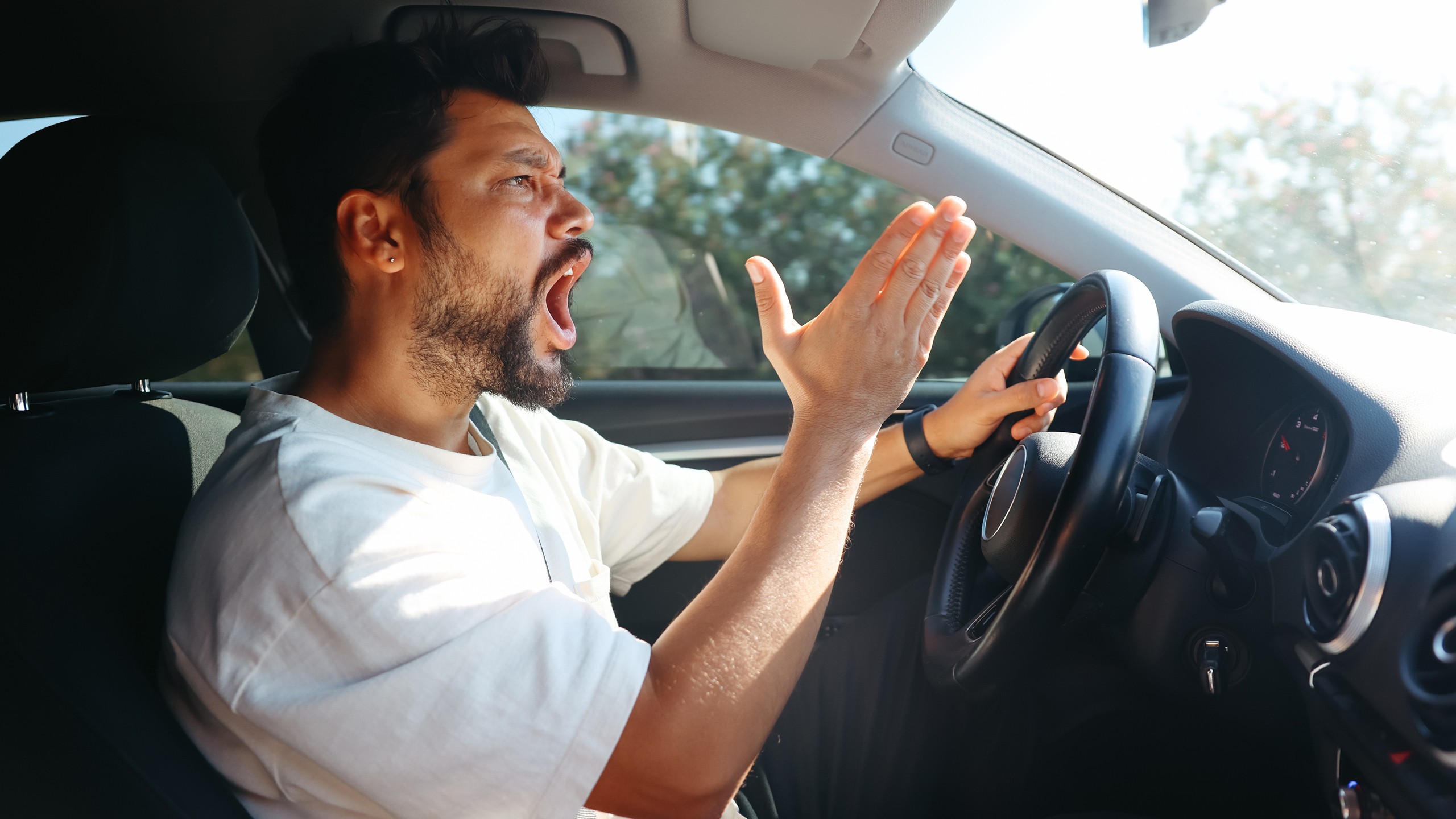
Highway driving creates conditions that amplify frustration. Heavy traffic, slow-moving congestion, long travel times, and the general anonymity of being inside a vehicle all contribute. Drivers feel insulated from consequences. The car becomes a psychological shield that lowers inhibition and raises aggression.
Time pressure also plays a major role. Drivers who are running late feel that every second matters. Any perceived obstacle becomes a target for frustration. This mindset is incompatible with safe driving.
Road rage incidents escalate rapidly. What begins as one driver cutting off another can become a back-and-forth confrontation. Both drivers become increasingly focused on the conflict and progressively less focused on driving. Speeds climb.
Risks multiply. Bystander vehicles get drawn into the situation through no fault of their own. The moment a driver decides to “teach a lesson” to another driver on a highway, everyone on that road becomes a potential victim.
Do not respond to aggressive drivers with counter-aggression. Avoid eye contact with road rage drivers. Do not make gestures. Create distance between yourself and an aggressive driver immediately. If you feel yourself becoming angry, take deep breaths and remind yourself that the goal is to arrive safely. No argument won on a highway is worth the cost of a crash.
Also Read: 10 Strategies for Keeping a Vehicle in New Condition for Two Decades
