
A solo 12-hour road trip can be one of the most liberating experiences of your life. There is something incredibly freeing about hitting the open road with no one but yourself for company. However, driving alone for such a long stretch comes with serious risks. Fatigue is one of the leading causes of road accidents worldwide, and solo drivers are especially vulnerable.
When you drive alone, there is no co-pilot to keep you awake or take over the wheel. Everything depends entirely on your own alertness and self-discipline.
Many drivers underestimate how quickly exhaustion can creep in during a long journey. What starts as a pleasant drive can quickly turn dangerous after the fifth or sixth hour.
Staying alert on a 12-hour solo road trip is not just about willpower. It requires smart planning, physical preparation, and the right strategies. Your safety and the safety of everyone else on the road depends on your mental sharpness.
This guide covers the 10 best, most practical, and proven ways to keep yourself awake, focused, and fully in control throughout your entire journey. These tips can genuinely save your life.
1. Get a Full Night’s Sleep Before You Drive
The single most powerful thing you can do before a long solo road trip is sleep well. No amount of coffee or energy drinks can replace genuine, restorative sleep. Most adults need between seven and nine hours of quality sleep each night. Skipping this step is like starting a marathon with a broken leg.
Many drivers make the mistake of staying up late packing or preparing the night before. They tell themselves they will power through the fatigue once they hit the road. This kind of thinking is extremely dangerous and leads to thousands of accidents every year. Your brain simply cannot perform at full capacity without proper sleep.
Sleep deprivation affects your reaction time, decision-making, and focus. Studies show that being awake for 18 hours impairs your driving as much as a blood alcohol level of 0.05. After 24 hours without sleep, that impairment equals a blood alcohol level of 0.10. These are sobering statistics that every solo driver must take seriously.
When you are well-rested, your mind is sharp and your reflexes are quick. You process road hazards faster and make better decisions behind the wheel. A rested brain also handles the monotony of long highway driving much more effectively. Boredom and fatigue hit much harder when you are already running on low sleep.
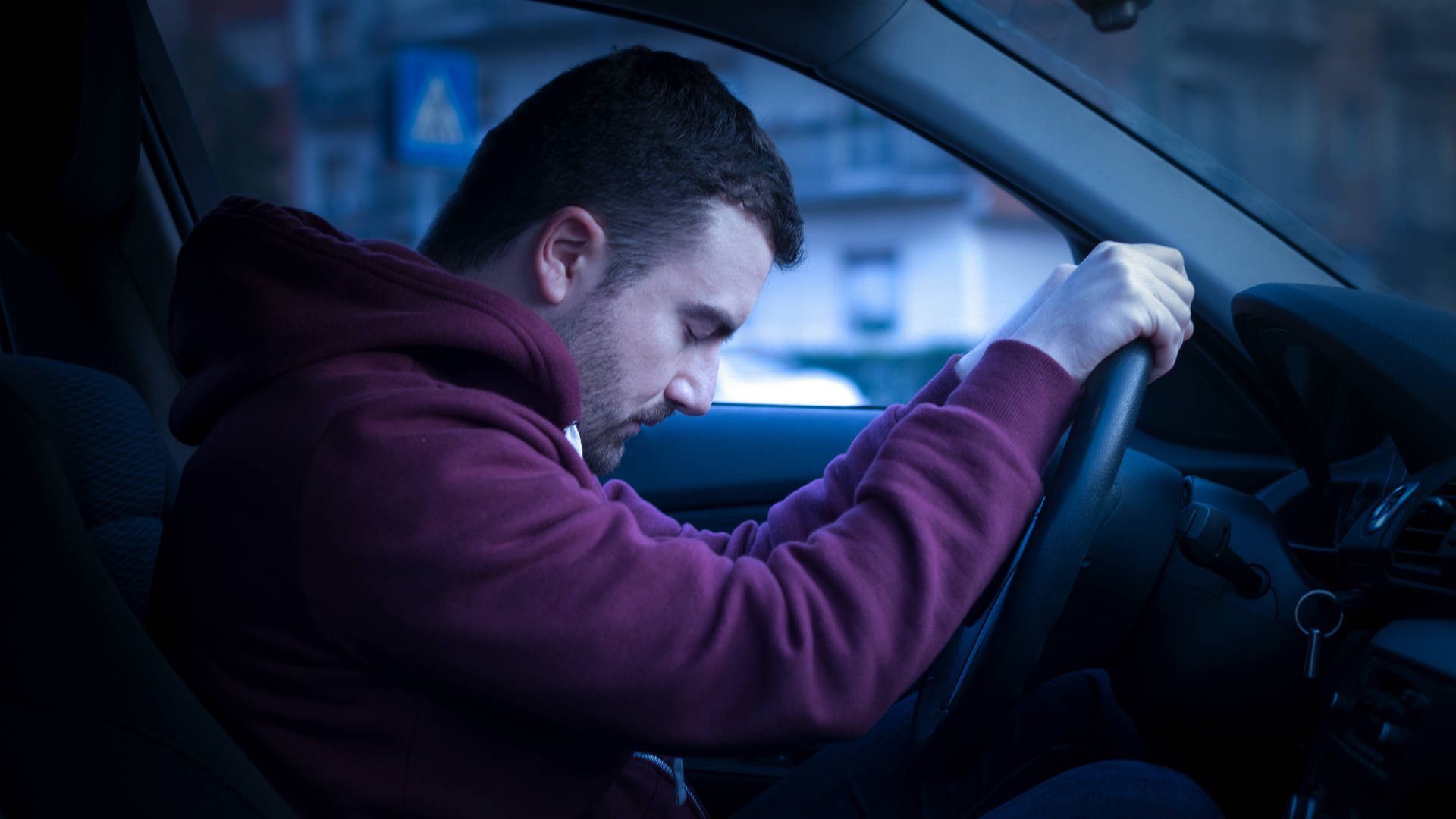
Plan your trip so that your departure follows a proper night’s rest. If possible, avoid scheduling an early morning departure that forces you to wake at 3 or 4 AM. An unrested driver heading out in the dark is a recipe for disaster. Give your body the full sleep cycle it needs before you put the key in the ignition.
If you know you tend to struggle with sleep before a big trip, try adjusting your bedtime a few days in advance. Keep your sleeping environment cool, dark, and quiet the night before. Avoid screens and heavy meals in the hours leading up to bedtime. Your pre-trip sleep routine is just as important as everything you do on the road.
Even a short nap of 20 to 30 minutes the afternoon before a night departure can make a difference. Naps help top up your alertness reserves without causing grogginess if kept short. However, they should never be used as a substitute for full nighttime sleep. Think of a pre-trip nap as a bonus boost, not a replacement strategy.
The bottom line is simple. You cannot cheat sleep and expect to drive safely for 12 hours. Respecting your body’s need for rest is the foundation of everything else on this list. Start your trip fully charged, and every other alertness strategy will work far more effectively.
2. Plan Strategic Rest Stops Every Two Hours
Driving for hours without a break is one of the biggest mistakes solo road trippers make. Your body and mind were not designed to sit still and focus intensely for 12 straight hours. Breaking up the journey with planned rest stops is essential for maintaining alertness. Think of rest stops as fuel for your brain, not just an inconvenience.
The general rule recommended by road safety experts is to stop every two hours. This is not a soft suggestion it is a scientifically backed guideline. After two hours of continuous driving, your concentration begins to noticeably decline. Your eyes start to glaze over, your reactions slow, and your awareness of your surroundings decreases.
When you stop, do not just sit in your car and scroll through your phone. Get out of the vehicle and physically move your body. Walk around the parking lot, do some light stretching, or jog in place for a few minutes. Physical movement increases blood flow to your brain and dramatically boosts alertness.
Stretching is especially important during long drives. Sitting in a fixed position for hours causes muscle tension and reduced circulation. This physical discomfort adds to your fatigue and makes it harder to stay focused. A few minutes of stretching your legs, back, and neck can make you feel completely refreshed.
Use your rest stops to eat a light snack, hydrate, and use the restroom. Dehydration is a surprisingly common cause of fatigue while driving. Even mild dehydration causes headaches, sluggishness, and reduced concentration. Drinking water at every stop keeps your body and brain functioning properly.
Plan your stops in advance using a map or navigation app. Identify rest areas, gas stations, and roadside parks along your route. Knowing exactly where you will stop removes the temptation to push through when you are tired. Having a clear plan creates a sense of structure that makes the long drive feel more manageable.
Do not skip your planned stops just because you feel fine at the moment. Fatigue often sneaks up on you without warning. You can go from feeling perfectly alert to dangerously drowsy in a very short time. Sticking to your rest schedule is a form of preventive safety, not a reaction to exhaustion.
Rest stops also serve a psychological purpose. Breaking the trip into two-hour segments makes the journey feel less overwhelming. Instead of thinking about the full 12 hours ahead, you focus on the next two-hour block. This mental approach keeps motivation and alertness much higher throughout the trip.
3. Use Engaging Audio to Keep Your Mind Active
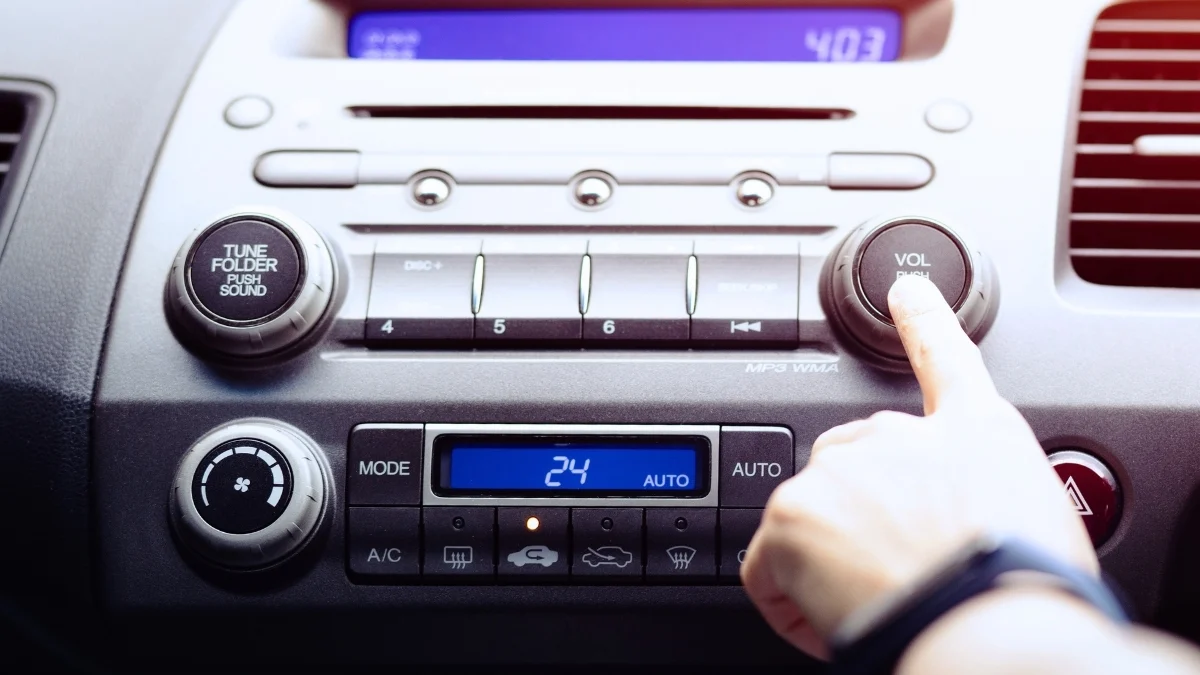
Silence is your enemy on a long solo road trip. A quiet car with monotonous road noise is one of the fastest ways to drift toward drowsiness. Filling your ears with engaging, stimulating audio is a powerful tool for staying awake. The right sounds can keep your brain alert, entertained, and mentally engaged for hours.
Music is the most obvious choice, but not all music is equally effective. Slow, soft, or deeply familiar songs can actually make you more drowsy. Upbeat, fast-paced music with a strong rhythm keeps your energy higher. Create a driving playlist filled with songs that naturally make you want to move and sing along.
Podcasts are another excellent option for long drives. Choose topics that genuinely interest you and require active listening. A fascinating true crime podcast, a gripping documentary series, or a thought-provoking debate keeps your mind working. When your brain is engaged in following a story or argument, it stays much more alert.
Audiobooks are particularly powerful because they demand sustained mental attention. Following a complex story or learning new information requires your brain to stay active. Choose a book you have been genuinely curious about rather than something dull or overly familiar. The desire to find out what happens next is a surprisingly effective alertness tool.
Comedy shows and stand-up specials are worth considering as well. Laughter is physically stimulating and instantly boosts your mood and energy. A funny podcast or stand-up routine can pull you out of a mental slump very quickly. It is hard to feel drowsy when you are laughing out loud alone in your car.
Language learning audio programs are another creative option. Apps like language courses or conversational programs require active participation and response. The mental effort of learning new words and phrases keeps your brain fully occupied. You might even arrive at your destination having learned a useful skill.
Avoid music or audio that you know so well you can listen to it passively. Passive listening does not stimulate the brain enough to fight fatigue. You need content that makes you think, react, or feel something strongly. The goal is to keep your mind engaged, not just fill the background silence.
Keep a varied queue of different audio content ready before you leave. Switching between music, podcasts, and audiobooks prevents any single format from becoming monotonous. Variety itself is stimulating to the brain. A well-curated audio library is one of your best co-pilots on a solo road trip.
4. Stay Hydrated and Avoid Heavy Meals
What you eat and drink before and during your road trip has a massive impact on your alertness levels. Many drivers focus on caffeinated beverages and ignore the critical role of hydration. Dehydration sets in faster than most people realize, especially in a warm car or during summer months. Even a small drop in hydration levels causes measurable fatigue and reduced concentration.
Water should be your primary drink throughout the trip. Keep a large water bottle within easy reach so you can sip consistently. Do not wait until you feel thirsty, because thirst is actually a sign that dehydration has already begun. Regular, small sips throughout the drive maintain steady hydration and mental clarity.
Herbal teas and electrolyte drinks are also excellent hydration options. They provide variety and some herbal teas have mildly energizing properties. Coconut water is another great choice because it replenishes electrolytes lost through sweat. Keeping a cooler with a variety of hydrating drinks makes staying on top of your fluid intake much easier.
Heavy meals are one of the worst things you can eat before or during a long drive. High-fat, calorie-dense foods trigger a physiological response that promotes drowsiness. Your body diverts blood flow to your digestive system, leaving less oxygen available for your brain. This post-meal fatigue is commonly known as a food coma, and it is extremely dangerous while driving.

Instead, choose light, protein-rich snacks to maintain steady energy levels. Nuts, seeds, hard-boiled eggs, and cheese provide sustained energy without the crash. Fresh fruits like apples, oranges, and grapes are refreshing, hydrating, and naturally energizing. Vegetables like carrot sticks and celery are great snacking options that keep your hands busy and your energy up.
Avoid sugary snacks and energy bars that cause blood sugar spikes followed by crashes. The temporary boost they provide quickly gives way to deeper fatigue than before. These crashes can happen suddenly while you are on a remote stretch of highway. Stable, slow-burning energy sources are always a safer choice for long drives.
Avoid alcohol entirely, even the night before your trip. Alcohol severely disrupts your sleep quality, even if it helps you fall asleep initially. The resulting sleep is not restorative, and you will wake feeling more tired than if you had slept without it. A long drive is not the occasion to test your tolerance for a hangover.
Think of food and water as fuel for your alertness, just as important as the fuel in your tank. Planning your nutritional strategy before you leave makes it much easier to eat smart on the road. Pack your snacks and drinks the night before so they are ready to grab and go. A well-nourished, well-hydrated driver is a safe and alert driver.
Also Read: 12 Methods for Eliminating Squeaks and Rattles on Rough Roads
5. Use Caffeine Wisely and Strategically
Caffeine is the world’s most widely consumed psychoactive substance, and for good reason. When used correctly, it is one of the most effective tools for maintaining alertness on a long drive. However, most drivers use caffeine poorly, drinking too much too early or relying on it as a crutch. Strategic caffeine use can be a game-changer for a 12-hour solo road trip.
Coffee is the most popular source of caffeine and works well for most people. A standard cup of coffee contains between 80 and 100 milligrams of caffeine. This amount is sufficient to boost alertness and improve reaction time for most adults. Drinking your first cup one to two hours into the drive, rather than immediately upon waking, is more effective.
This is because caffeine is most powerful when adenosine the chemical that makes you feel sleepy has already begun to build up. Blocking adenosine when it is already accumulating produces a stronger alertness effect. Drinking coffee too early in the morning, before adenosine builds, wastes much of its power. Timing your caffeine intake strategically maximizes its effectiveness throughout the day.

Tea is another excellent caffeine source that many drivers overlook. Green tea in particular contains a compound called L-theanine that promotes calm, focused alertness. Unlike coffee, green tea tends to produce a smoother, more sustained boost without the jittery side effects. Packing a thermos of green tea is a great option for those sensitive to strong coffee.
Energy drinks are popular but should be used with caution. Many contain very high levels of caffeine combined with sugar, which sets up a cycle of spikes and crashes. If you use energy drinks, choose low-sugar or sugar-free varieties and limit yourself to one. Be aware of how much total caffeine you are consuming from all sources combined.
Caffeine tablets or chews are another discreet and convenient option for road trips. They provide precise dosing without requiring you to drink a large beverage. However, they should only be used by those already familiar with their effects. Never try a new caffeine product for the first time during a critical long drive.
One of the most underrated techniques is the caffeine nap. This involves drinking a cup of coffee and then immediately taking a 20-minute nap. The caffeine takes about 20 to 30 minutes to be absorbed into your bloodstream. By the time you wake from your nap, the caffeine kicks in at the same moment your natural sleep inertia fades, producing exceptional alertness.
Importantly, do not exceed 400 milligrams of caffeine per day, which is the widely recommended upper limit for healthy adults. More caffeine does not equal more alertness it just produces anxiety, a racing heart, and poor concentration. Spread your intake across the day in moderate amounts for the best results. Caffeine is a tool, not a solution, and works best alongside all the other strategies on this list.
6. Keep the Car Environment Stimulating
The environment inside your car has a profound effect on your alertness during a long solo drive. A warm, stuffy, quiet, and dark car is essentially a sensory deprivation chamber designed to put you to sleep. Actively managing your car’s environment is a simple but powerful way to stay mentally sharp. Small adjustments can make a significant difference over the course of 12 hours.
Temperature is one of the most important variables to control. A warm car naturally promotes sleepiness because warmth signals the body that it is safe and comfortable. Keep your car slightly cool not cold enough to be uncomfortable, but cool enough to stay stimulating. Cracking a window or running the air conditioning on a mild setting works very effectively.
Fresh air is particularly powerful for combating fatigue. The influx of outside air with its varying temperatures, smells, and sensations stimulates your senses. Open your window slightly whenever conditions allow, especially during the night or early morning hours. The sensation of cool air on your face is an immediate and natural alertness booster.
Good lighting inside the car matters, especially during night driving. A dim, dark cabin promotes drowsiness, while some ambient light helps keep you alert. Consider using a subtle interior light or making sure your dashboard is well-lit. However, avoid overly bright lights that could impair your night vision or create glare.
Vary your seating position periodically throughout the drive. Physical discomfort from prolonged static sitting contributes to fatigue. Adjusting your seat angle, lumbar support, or steering wheel position gives your body a fresh sensation. This small physical change sends a new signal to your brain and temporarily resets your alertness.
Some drivers find that chewing gum helps them stay awake. The physical act of chewing increases blood flow to the brain and keeps your jaw muscles active. Mint-flavored gum has the added benefit of being naturally stimulating due to the menthol. Keep a pack of strong mint gum within easy reach throughout the trip.
Strong scents can also be used to boost alertness. Peppermint and citrus essential oils are particularly well known for their energizing properties. A small diffuser in your car or a few drops on a tissue near your vents can create a stimulating olfactory environment. These natural aromas gently stimulate your nervous system and promote wakefulness.
Avoid using heavy perfumes or air fresheners with warm, musky, or floral scents. These types of aromas tend to be calming and sedative rather than stimulating. Stick to sharp, fresh, or mentholated scents for maximum alertness. Your car’s environment should feel alive, not like a comfortable bedroom.
7. Engage in Mental Stimulation Techniques
Your brain is just like a muscle it needs active engagement to stay sharp. Passive driving on a long, straight highway is mentally under-stimulating and quickly leads to a trance-like state.
Deliberately giving your brain mental tasks keeps it working and alert. There are many creative techniques you can use while keeping your eyes safely on the road.
One classic method is to engage in mental math or number games while driving. Count license plates from a specific state, add up the numbers on passing road signs, or mentally calculate how far you have traveled.
These small cognitive exercises force your brain to stay active. They are simple enough not to distract from driving but complex enough to fight boredom.
Play verbal word games with yourself. Try naming as many countries as you can that start with each letter of the alphabet. Or think of 10 songs, movies, or books for each category you choose.
These games are mentally engaging and can consume stretches of time productively. They turn the drive into a stimulating mental workout rather than a monotonous task.
Use the drive as an opportunity for deep thinking and mental planning. Think through goals, problems you are working on, or decisions you need to make. Run through upcoming conversations in your mind or plan projects in detail. Active, purposeful thinking keeps your brain in a high-engagement state that is incompatible with drowsiness.
Narrate your surroundings out loud as you drive. Describe the world, the other drivers, the weather, and the road conditions. Talking out loud is an active rather than passive brain function. It forces your brain to observe, process, and produce language simultaneously, which is significantly more stimulating.
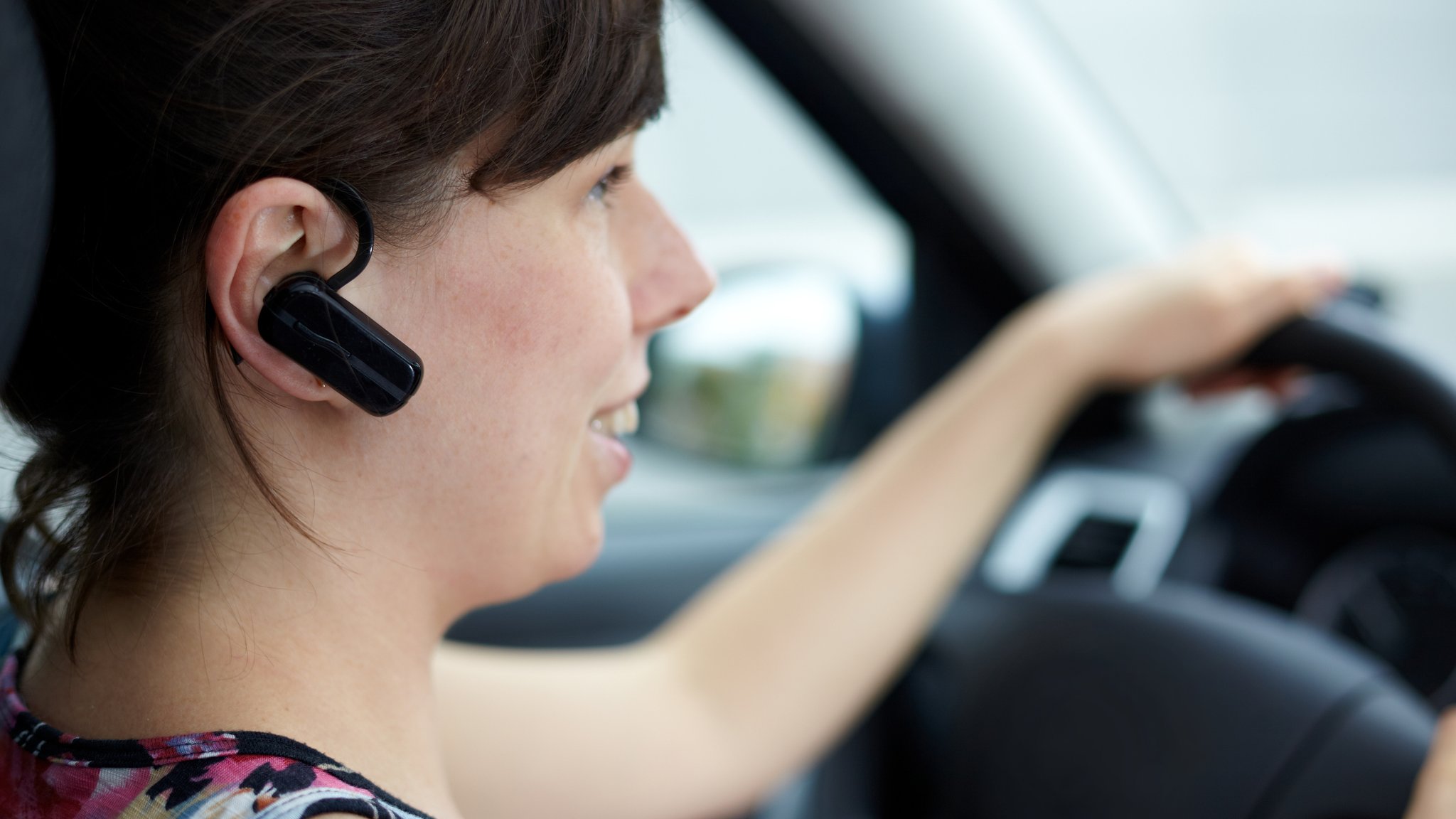
Call a friend or family member using a hands-free system. A real conversation with another person is one of the most powerful alertness tools available. The social engagement, humor, and unpredictability of a live conversation keeps your brain working on multiple levels. Make sure you use a Bluetooth system or speakerphone and keep calls hands-free to stay safe.
Sing along to your music as loudly and enthusiastically as you want. No one can judge you when you are alone in the car. Singing engages your breathing, your vocal cords, and your emotional brain all at once. It is physically and mentally stimulating in a way that passive listening simply cannot match.
Set small, incremental goals for your drive. Challenge yourself to reach the next town, the next rest area, or the next hour mark. This gives your brain a series of mini-goals to work toward rather than one overwhelming 12-hour target. A goal-oriented mindset naturally promotes alertness and focus.
8. Take a Power Nap When Necessary
There comes a point in every long solo drive when no amount of coffee, music, or fresh air is enough. Your body is sending you a clear and urgent signal that it needs rest. Ignoring this signal is one of the most dangerous decisions a driver can make. Pulling over for a strategic power nap can quite literally save your life.
A power nap of just 10 to 20 minutes is enough to significantly restore alertness. Research has shown that even a brief nap dramatically improves reaction time, mood, and cognitive function. Many drivers resist the idea of stopping to sleep because they fear losing time. But those 20 minutes could be the difference between arriving safely and never arriving at all.
Find a safe, well-lit location before you stop to nap. Highway rest areas, gas station parking lots, and truck stops are ideal choices. Never nap on the side of a highway or in an unsafe area. Safety should always be your first priority when choosing where to stop.
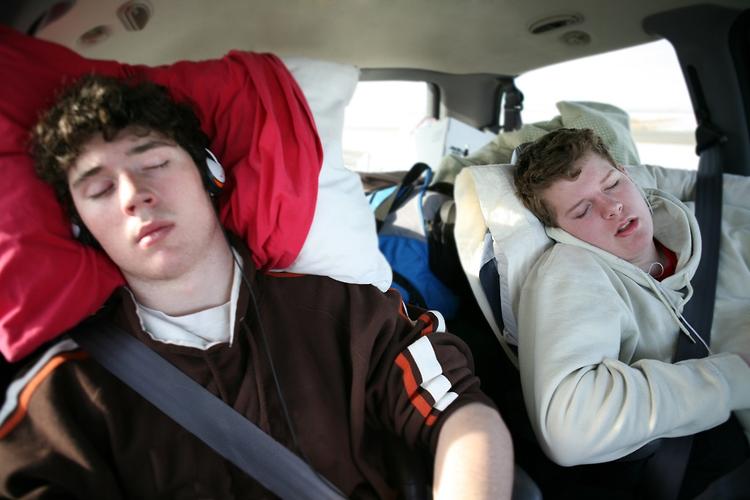
Recline your seat slightly rather than lying fully flat. A slight recline makes it easier to fall asleep quickly while still being easy to return to a driving position. Set a phone alarm for 20 to 25 minutes to prevent oversleeping. Sleeping longer can result in sleep inertia the groggy, disoriented feeling of waking from deep sleep.
The caffeine nap technique mentioned earlier is especially useful here. Drink a cup of coffee or a caffeinated drink immediately before your nap. Set your timer for 20 minutes and close your eyes. When you wake, the caffeine will have kicked in, and you will feel dramatically more alert than with either the nap or the caffeine alone.
Do not feel embarrassed or weak for needing a nap during a long drive. Fatigue is a physiological reality, not a character flaw. Elite athletes nap strategically. Military pilots are trained in nap management. Professional truck drivers build rest requirements into their schedules by law. Treating rest as a performance tool rather than a sign of weakness changes your entire relationship with it.
Recognize the warning signs that a nap is becoming necessary. If you are yawning repeatedly, struggling to keep your eyes open, or missing exits and signs, your body is telling you something critical. If you catch yourself drifting across lane markers or your reaction times feel slow, do not delay pull over immediately. No destination is worth your life.
After your nap, take a few minutes to walk around and fully wake up before continuing. Splash some cold water on your face and do some light stretching. Have a sip of water or a light snack. Re-engage with your audio content and reset your alertness plan for the next segment of the drive.
9. Plan Your Drive During Your Peak Alertness Hours
Not all hours of the day are equally safe for driving. Your body operates on a natural internal clock called the circadian rhythm, which determines when you are most and least alert. Driving during your body’s natural low points dramatically increases the risk of fatigue-related accidents. Planning your 12-hour trip around your circadian rhythm is a smart and underused safety strategy.
For most people, alertness is highest in the mid-morning and early afternoon. The hours between 10 AM and 2 PM represent a peak alertness window for the majority of adults. Scheduling your drive to begin in this window gives you several hours of high-function driving before fatigue begins to set in. Starting strong sets a positive rhythm for the entire trip.
The most dangerous time to drive is between 2 AM and 6 AM. During these hours, your circadian rhythm is at its absolute lowest point. Even people who have slept well experience a natural dip in alertness during this window. Solo drivers are especially vulnerable because there is no one else in the car to help compensate.
The early afternoon, between 1 PM and 3 PM, is another well-documented low-alertness period. Many people experience a natural post-lunch dip in energy during this window. If your trip takes you through these hours, plan a rest stop during this time rather than pushing through. A 20-minute nap during this window is particularly restorative.
If you must drive through the night, consider starting your trip in the late afternoon. This allows you to cover several daylight hours before the fatigue of night driving sets in. By the time you reach the most dangerous nighttime hours, your total drive time will already be significantly reduced. A shorter night-driving stretch is always safer than a longer one.
Consider breaking a 12-hour drive into two separate days if flexibility allows. Driving six hours each day, with a comfortable overnight stop in between, is significantly safer than a single 12-hour push. A hotel room or a friend’s house halfway through breaks the physical and mental burden in half. Many drivers find this approach far more enjoyable as well as safer.
Share your route plan and timing with someone you trust before you leave. Tell them when you expect to arrive and check in at regular intervals. Knowing someone is tracking your progress creates a mild but effective sense of accountability. This social commitment can be a surprising motivator to stay on your planned schedule.
Use your navigation app to identify exactly when you will pass through different time zones and alertness windows. Plan your rest stops to coincide with your predicted low-alertness periods. A proactive approach to your circadian biology is far more effective than a reactive one. Work with your body’s natural rhythms rather than against them.
10. Prepare Your Vehicle and Emergency Kit
Your vehicle’s condition and what you carry inside it play a bigger role in your alertness than most drivers realize. A car that is uncomfortable, noisy, or mechanically unreliable adds stress and distraction that accelerates fatigue. A well-prepared vehicle reduces anxiety, increases comfort, and allows you to focus entirely on driving. Thorough pre-trip preparation is an essential part of your alertness strategy.
Begin with a full vehicle inspection before departure. Check your tire pressure, oil level, coolant, and windshield washer fluid. Ensure all your lights are functioning properly, including your headlights, taillights, and indicators. A mechanical failure on a remote highway is not just inconvenient it is genuinely dangerous and deeply fatiguing.
Make sure your windshield is completely clean inside and out. A dirty windshield creates glare, particularly during dawn, dusk, and night driving. This glare forces your eyes to work harder and accelerates eye strain and fatigue. A clean, clear windshield is a simple but surprisingly powerful alertness aid.
Adjust your seat, steering wheel, and mirrors before you begin driving. A comfortable, ergonomic driving position reduces physical fatigue significantly over 12 hours. Your arms should be slightly bent when holding the wheel, and your lower back should be properly supported. Improper posture creates muscle tension and pain that drains your energy faster than almost anything else.
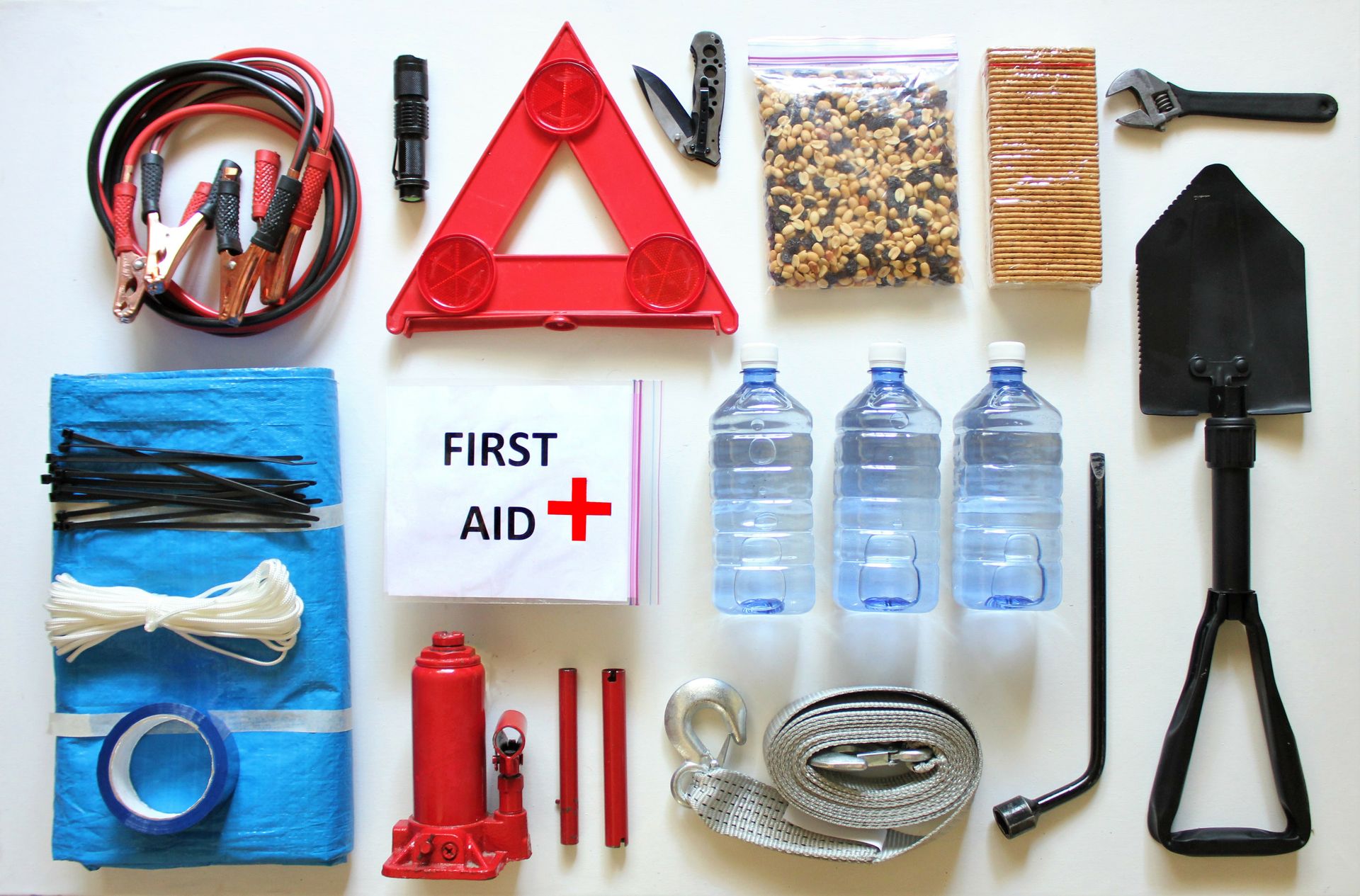
Pack an emergency kit that includes a first-aid kit, a flashlight, a reflective triangle, and a basic toolkit. Knowing you are prepared for roadside emergencies removes a layer of background anxiety from your mind. This mental peace contributes to a calmer, more focused driving state. Anxiety and worry are surprisingly draining, even when kept at a low level.
Keep all your essentials phone, charger, snacks, water, and audio devices organized and within easy reach. Fumbling around your car while driving is a major distraction and a significant safety hazard. A well-organized car interior allows you to access what you need without taking your attention off the road. Preparation and organization are forms of safety.
Ensure your phone is fully charged before you leave and bring a car charger as backup. A dying phone battery creates anxiety that steals your mental energy. Your navigation app, emergency contacts, and entertainment systems all depend on a working phone. Staying connected and powered up is part of staying alert.
A clean, clutter-free car interior also contributes to mental clarity. A messy, chaotic environment has been shown to increase stress and reduce focus. Take five minutes before you leave to tidy your car and arrange everything logically. A calm environment promotes a calm, alert mind, and a calm, alert mind is the safest thing you can bring on a 12-hour solo road trip.
Also Read: 10 Best Items to Keep in Your Car Emergency Kit for 2026
