
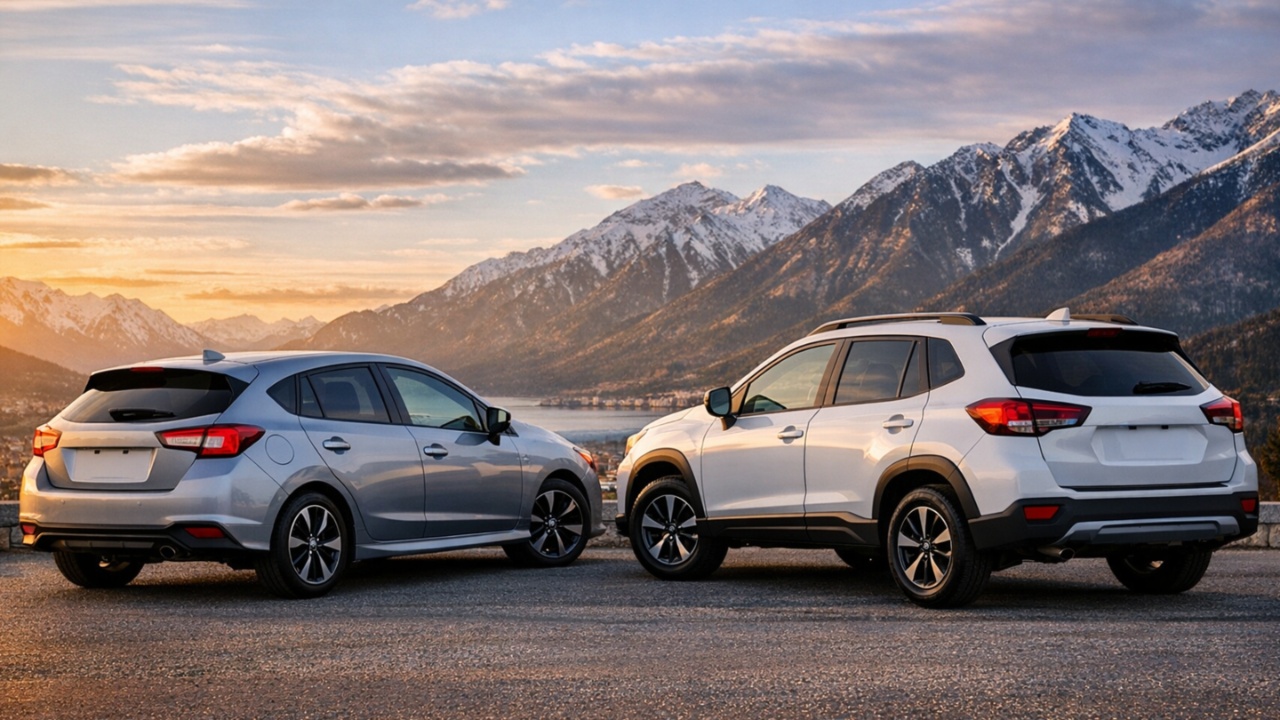
Choosing the right vehicle requires balancing cost, practicality, and style. For urban commuters and budget-conscious buyers, hatchbacks present a compelling alternative to small compact SUVs. With significantly lower purchase prices, reduced insurance premiums, and lower maintenance costs, hatchbacks offer substantial savings while maintaining essential functionality.
Their lightweight construction, superior fuel efficiency, and compact size make them ideal for city driving and daily commuting. Hatchbacks also excel in handling, maneuverability, and parking, providing a smoother and more agile driving experience in tight streets and congested areas.
Features such as flexible cargo space, easier loading, and excellent rear visibility enhance convenience, while their sporty, streamlined design appeals to style-conscious drivers. For those who prioritize efficiency, affordability, and ease of use, hatchbacks often outperform small SUVs by offering a practical and enjoyable vehicle experience without the higher costs and bulkier design of compact crossovers.
1. Significantly Lower Purchase Price
Hatchbacks are widely known for their affordability, offering a much lower purchase price than compact SUVs. In many markets, entry-level models like the Toyota Wigo and Suzuki S-Presso are typically priced under $12,500, making them highly accessible to first-time buyers and those on a tight budget.
In comparison, compact SUVs such as the Changan CS15 usually start at around $15,000 or more, creating a clear and meaningful price gap. This difference allows buyers to either spend less or choose a higher-trim hatchback with more advanced features for the same price as a base-model SUV.
This affordability translates into better value for money. With a limited budget, buyers can often get a fully equipped hatchback that includes modern infotainment systems, enhanced safety features, and improved interior comfort. Meanwhile, the same budget may only secure an entry-level SUV with fewer amenities due to its higher base cost.
Hatchbacks also come with lower ownership costs beyond the initial purchase. Their lighter build and smaller engines contribute to better fuel efficiency, while maintenance, insurance, and other recurring expenses are generally more affordable. These savings make them a practical option for daily use.
In urban environments, hatchbacks are especially convenient due to their compact size, tighter turning radius, and ease of movement in crowded streets and parking spaces, making them well-suited for city driving while keeping expenses low.
2. Superior Fuel Efficiency
Hatchbacks are widely recognized for their superior fuel efficiency, making them an excellent choice for budget-conscious drivers. Their lightweight construction, often around 1,000 kg, and streamlined design allow them to consume less fuel than compact SUVs.
For example, efficient crossovers like the Nissan Kicks average about 7.4 L/100 km, while smaller hatchbacks typically deliver better fuel economy, especially in stop-and-go city traffic.
One major factor behind this efficiency is their smaller size and reduced weight. Hatchbacks require less energy to accelerate and maintain speed, which leads to lower fuel consumption in daily driving conditions. Their lighter structure also improves responsiveness, making them well-suited for frequent stopping and starting in busy urban areas.
Aerodynamics further enhances their efficiency. Hatchbacks feature a lower and more compact shape compared to the taller and boxier form of SUVs. This reduces air resistance and helps the vehicle move more smoothly, especially at higher speeds.
Engine design also plays an important role. Hatchbacks are commonly equipped with smaller engines that are optimized for fuel savings rather than heavy performance. These engines are designed to support everyday commuting while keeping fuel usage low.
These combined advantages result in lower running costs. Hatchbacks are cheaper to refuel and maintain, and many models achieve high efficiency ratings in real-world city driving. For drivers who want to reduce fuel expenses and improve daily efficiency, hatchbacks offer a more economical and practical option than compact SUVs.

3. Lower Maintenance Costs
Hatchbacks are known for their lower maintenance costs, making them a practical and budget-friendly option for long-term ownership. Their simpler engineering, smaller components, and lighter weight reduce the strain on key parts, leading to fewer repairs and less frequent servicing.
Unlike many compact SUVs, hatchbacks typically do not include complex systems such as all-wheel drive, which helps keep maintenance straightforward and more affordable.
A major advantage lies in reduced wear and tear. Hatchbacks use smaller, standard-sized tires that are significantly cheaper to replace than the larger tires found on SUVs. In addition, their lighter structure puts less pressure on brake pads, rotors, and suspension systems, allowing these components to last longer and require fewer replacements.
Servicing is also more affordable due to simpler engine designs. Hatchbacks often come with smaller engines that are easier to maintain and less expensive to repair. Many models avoid turbocharged systems, which can require more specialized and costly maintenance. This results in fewer complications and lower service expenses throughout the vehicle’s lifespan.
Insurance costs further contribute to the savings. Hatchbacks are generally cheaper to insure because of their smaller size and lower risk profile. Along with better fuel efficiency, this helps reduce everyday driving expenses.
Although compact SUVs may provide benefits such as higher ground clearance and a more elevated seating position, they typically demand higher maintenance and ownership costs. Hatchbacks remain a smart choice for drivers prioritizing affordability and ease of upkeep.
4. Better Handling and Maneuverability
Hatchbacks deliver better handling and maneuverability than compact SUVs, making them highly suitable for urban driving. Their lower center of gravity allows for greater stability, especially when taking corners or performing sudden maneuvers.
Unlike taller vehicles, hatchbacks experience less body roll, helping them stay firmly planted on the road. This creates a more controlled and confident driving experience. Vehicles like the Honda City Hatchback are well known for their responsive steering and agile performance.
Their lighter weight and compact dimensions further improve responsiveness. Hatchbacks can accelerate more easily and change direction quickly, which is especially useful in stop-and-go traffic. This agility enhances driving comfort and control, particularly in busy city conditions or on winding roads.
Another key advantage is ease of maneuvering in tight spaces. Hatchbacks typically have a smaller turning radius, allowing drivers to make sharp turns, U-turns, and quick adjustments with minimal effort. Their compact size also makes parking more convenient, as they can fit into smaller spaces that may be challenging for larger vehicles.
In comparison, compact SUVs often feel bulkier due to their size and higher ride height. This can make them less responsive in tight situations and more difficult to handle in confined areas. The elevated design also contributes to increased body movement during turns, which can reduce stability.
For drivers who value precision, agility, and convenience in daily driving, hatchbacks provide a strong advantage in handling and maneuverability.
5. Effortless Urban Parking
Hatchbacks excel in urban environments thanks to their compact dimensions, making parking and tight maneuvering far easier than with small compact SUVs.
Their shorter length, narrower width, and absence of an extended trunk allow them to fit into smaller parallel parking spaces and utilize leftover gaps in crowded parking garages that SUVs cannot reach. This makes daily city driving less stressful and more efficient for urban commuters.
The smaller turning radius of hatchbacks enhances their agility in tight streets, narrow alleys, and multi-level parking areas. Drivers can perform U-turns or weave through congested traffic with minimal effort. The reduced overhang and streamlined design also lower the risk of collisions with surrounding vehicles or obstacles, while the typically excellent visibility of hatchbacks helps drivers place the car precisely where it is needed.
These features translate into faster parking times and reduced stress. A hatchback’s compact footprint makes it easier to park without multiple adjustments, saving valuable time compared to larger SUVs. Additionally, their smaller size increases the clearance between vehicles in parking spaces, reducing the likelihood of door dings, scratches, or other minor damage.
While compact SUVs offer higher ground clearance and a commanding view of the road, their larger and bulkier bodies can make parking in dense urban areas more challenging and time-consuming.
For city dwellers who regularly face tight streets, limited parking, and heavy traffic, hatchbacks provide superior spatial flexibility, nimble navigation, and faster, safer parking. Their design is optimized for urban life, making them a practical and stress-free choice for those who prioritize convenience in congested city settings.
Also read: 10 Cars Featuring the Most Aggressive Stock Factory Engine Exhaust Notes
6. Reduced Insurance Premiums
Hatchbacks are generally associated with lower insurance costs, making them a financially smart choice compared to compact SUVs. Insurance providers often consider hatchbacks lower-risk vehicles because of their smaller size, lighter weight, and simpler construction.
Their lower purchase price also means that repair or replacement costs in the event of an accident are significantly reduced, which directly translates to lower annual premiums.
One key factor is the lower Insured Declared Value (IDV) of hatchbacks. Since these vehicles cost less to buy, the amount insurers must cover is smaller, resulting in reduced insurance fees.
Hatchbacks are also cheaper to repair because they have fewer complex parts and widely available, affordable replacement components. Their lighter weight further lowers premiums, as insurers often view heavier vehicles as having a higher potential for damage during collisions.
Hatchbacks also carry a lower performance risk. Smaller, less powerful engines are generally considered less likely to be involved in high-speed accidents, which can reduce insurance costs compared to more powerful SUV models. In some regions, additional factors such as vehicle weight and engine size also affect road taxes, with SUVs typically incurring higher fees.
While compact SUVs may offer advantages like higher ground clearance and an elevated seating position, these benefits come with higher costs in purchase, maintenance, and insurance. For drivers seeking an economical option, hatchbacks provide substantial savings over time.
Their combination of lower purchase price, reduced repair costs, lighter construction, and lower risk profile makes them a more cost-effective and budget-friendly choice for city and daily driving.

7. Superior Rear Visibility
Hatchbacks offer superior rear visibility compared to compact SUVs, providing a clear advantage in city driving and tight parking scenarios.
Unlike SUVs, which have taller bodies, thicker pillars, and smaller rear windows that create significant blind spots, hatchbacks feature larger rear glass panels and a lower distance between the driver and the back bumper. This allows drivers to see obstacles, pedestrians, or other vehicles more easily when reversing.
The design of a hatchback contributes to better rearward sightlines. Their rear windows are often steeply raked and expansive, with thinner pillars that reduce blind spots. The absence of a trunk extension or bulky rear bumper helps drivers judge the car’s rear limits accurately, making parallel parking simpler and safer.
Many hatchbacks also include rear wipers, which maintain visibility in rain or adverse weather conditions, a feature that is less effective or missing in some SUVs.
Hatchbacks enhance urban maneuvering by allowing drivers to navigate narrow streets, crowded garages, and tight parking spaces with confidence. Natural visibility reduces reliance on electronic aids, such as backup cameras, which can be limited by angles or glare.
Studies from the Insurance Institute for Highway Safety (IIHS) indicate that SUVs are more prone to rear-end collisions and reverse accidents because their higher, obstructed rear design prevents drivers from spotting low-level objects like children, pets, or bollards.
While compact SUVs provide a commanding forward view, hatchbacks deliver better spatial awareness behind the vehicle. Their lower rear deck, larger glass-to-metal ratio, and standard rear wipers make them safer and easier to maneuver in congested urban environments. For city-focused driving, superior rear visibility makes hatchbacks a practical and safer choice over small SUVs.
8. Sportier Aesthetic Appeal
Hatchbacks are often praised for their sportier and more dynamic appearance compared to compact SUVs, making them especially appealing to younger or style-conscious buyers. Modern hatchbacks feature sleek rooflines, compact proportions, and aggressive design elements that give them a “hot hatch” look.
Vehicles like the Mazda 2 and Honda Brio exemplify this trend, offering a low-slung, aerodynamic profile that feels more integrated and modern than the bulkier, rugged styling of small SUVs.
The lower stance of hatchbacks contributes not only to their visual appeal but also to better driving dynamics. A lower center of gravity reduces body roll in corners, providing sportier handling and a more engaging driving experience. This combination of aesthetics and performance gives hatchbacks a more agile, nimble character compared to the upright, commanding look of compact SUVs.
Aerodynamic design further enhances their visual and functional appeal. Sloping rooflines, sharp lines, and compact proportions make hatchbacks look sleek and modern, which suits urban environments where a stylish, proportionate vehicle is often preferred over a taller, boxier SUV.
Even non-performance hatchbacks benefit from “hot hatch” styling cues, giving the impression of speed and athleticism without requiring high-performance modifications.
While compact SUVs offer advantages like higher ground clearance and a commanding seating position, they often appear bulkier and less streamlined. For buyers who prioritize a sporty, stylish aesthetic combined with agile handling and urban practicality, hatchbacks provide a visually appealing and fun-to-drive option.
9. Flexible Cargo Versatility
Hatchbacks offer impressive cargo flexibility despite their smaller footprint, making them highly practical for urban use and everyday tasks.
Unlike sedans with shallow trunks or some small SUVs with styling-limited cargo areas, hatchbacks feature a vertical rear hatch that allows easy loading of tall or bulky items, such as bicycles, small furniture, or sports equipment. This design enhances accessibility and usability, especially in tight city parking or narrow garages.
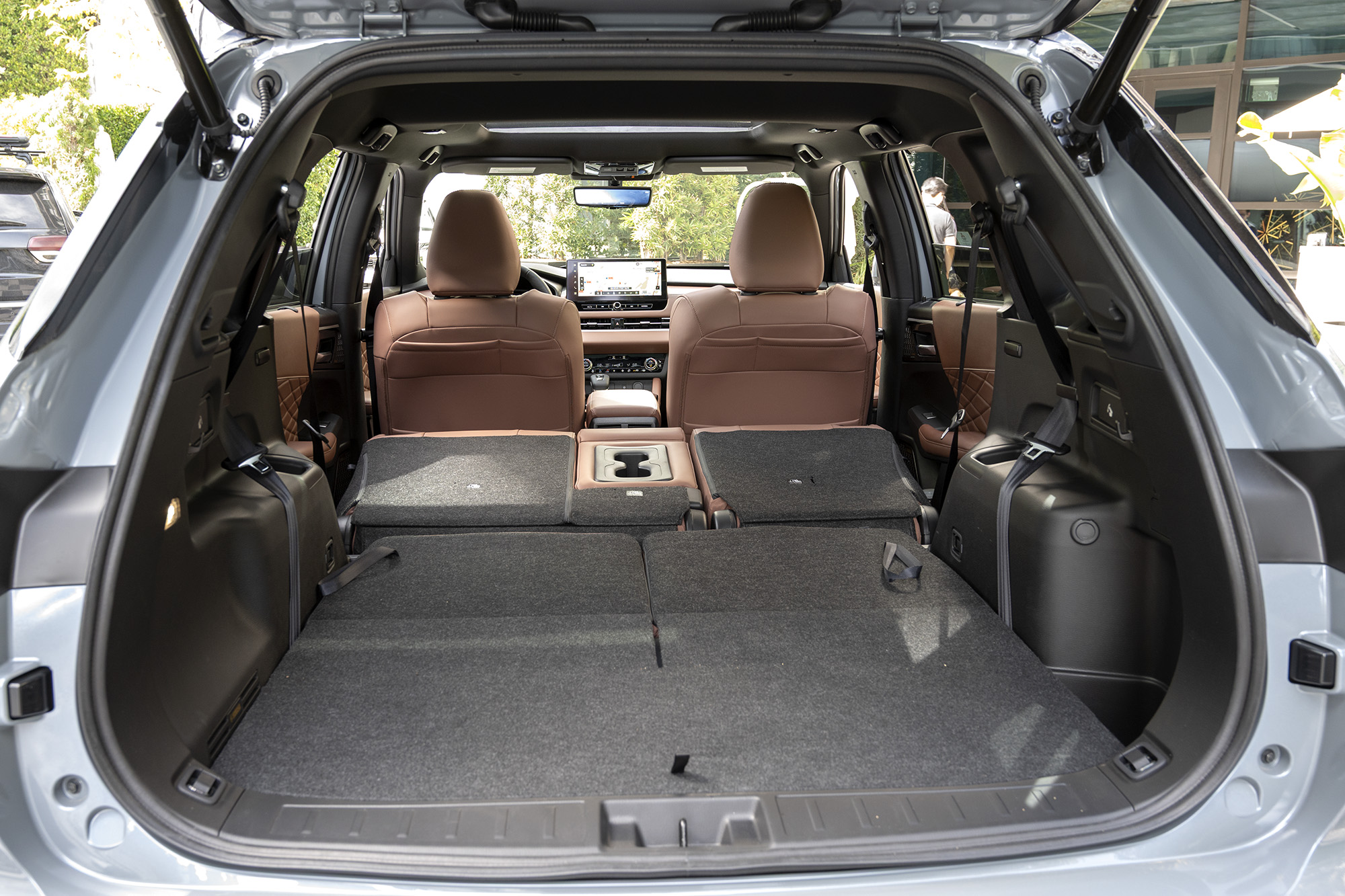
The rear seats of hatchbacks can typically be folded down to create a flat, continuous cargo floor. This transforms the space into a surprisingly large storage area that rivals many small crossovers, allowing hatchbacks to handle diverse hauling needs. The low cargo floor height also reduces the effort required to lift heavy or awkward items compared to the higher load-in point of an SUV.
Wide, accessible rear openings further improve convenience. Hatchbacks often feature a larger aperture for loading wide objects, making them easier to manage in everyday situations. Many models also include a tonneau or cargo cover that sits flush over the trunk, providing secure storage for valuables while maintaining usable space on top for light items.
While compact SUVs are often marketed for their vertical cargo capacity, their rear spaces can be restricted by design choices such as sloped floors or angled walls. In contrast, hatchbacks use a clever, low-profile layout to maximize usable space efficiently.
For solo drivers, small families, or city dwellers who need practical and versatile storage, hatchbacks offer a perfect balance of accessibility, flexibility, and surprisingly large cargo capacity, often matching or surpassing compact SUVs in daily utility.
10. Easier Loading and Access
Hatchbacks provide superior convenience when it comes to loading and accessing cargo, making them ideal for daily urban use. Their lower ride height and reduced lift-over distance mean that heavy groceries, luggage, or pet crates can be loaded with minimal effort compared to compact SUVs.
This lower cargo floor also makes entry easier for children, elderly passengers, or anyone who may struggle with higher cabin heights typical of SUVs.
The rear hatch design further enhances accessibility. Hatchbacks generally feature a wider, top-hinged opening, allowing larger items such as boxes, sports equipment, or small furniture to fit more easily. The cargo area is directly connected to the passenger compartment, so reaching stored items from the rear seats is straightforward and effortless.
Flexible seating adds another advantage. Folding down the rear seats in a hatchback creates a flat, continuous cargo floor, providing seamless space for larger items. Some models even allow the seats to fold upward, creating extra vertical clearance for taller objects, a feature that many compact SUVs cannot match due to sloping rooflines or higher thresholds.
While small SUVs may offer more total volume, hatchbacks often provide more usable cargo space for everyday tasks. Their lower, more accessible design reduces strain when lifting heavy items and simplifies the loading process, making them practical for grocery runs, transporting bicycles, or moving household items.
For drivers who prioritize convenience, ease of use, and efficient daily utility, hatchbacks combine the accessibility of a car with the functionality of a larger vehicle, offering an experience that is both practical and user-friendly in ways that small SUVs often cannot match.
Hatchbacks combine cost savings, efficiency, and practical design in ways that small compact SUVs often cannot match. Their lower purchase price, excellent fuel economy, and reduced maintenance make them budget-friendly, while agile handling, effortless parking, and superior rear visibility enhance everyday usability.
Flexible cargo space and easy loading further support daily convenience, and their stylish, sporty design adds visual appeal. For drivers seeking an economical, city-ready, and enjoyable vehicle, hatchbacks provide the perfect balance of practicality, affordability, and performance, establishing themselves as a smarter choice over small compact SUVs for urban and suburban lifestyles.
Also read: 10 Reasons Why Your Transmission Fluid Change Is More Critical for Modern 8 Speed Units
