
Owning an SUV means balancing comfort, capability, and everyday usability. One of the most important aspects of an SUV is ground clearance. Ground clearance is the distance between the lowest part of the vehicle and the surface of the road. Higher ground clearance allows a vehicle to pass over obstacles without hitting the underside.
For people who travel on rough paths, unpaved roads, or trails, more ground clearance is beneficial for preventing damage and improving off road performance. On the flip side, many popular SUVs designed for city use have lower ground clearance to improve handling.
Lower ride height helps reduce body roll during cornering, enhances fuel economy, and provides an easy step up for passengers. However, these lower SUVs may scrape bumpers or undersides when encountering steep driveways, speed bumps, or uneven parking lots.
When choosing an SUV, buyers must decide what conditions their vehicle will face most often. If the plan involves hauling gear into rugged countryside, traversing dirt tracks, or crossing small streams, selecting an SUV with strong underbody protection and tall stance will reduce the risk of damage.
A higher stance also improves visibility on the road, giving the driver a better view of traffic and terrain ahead. Manufacturers often pair increased clearance with robust suspension systems and skid plates to handle rough terrain. Some off road focused models even allow drivers to adjust clearance further through air suspension systems.
In contrast, drivers who spend most of their time in urban or suburban areas may prefer a more street‑oriented SUV. Lower clearance can make entry and exit easier for elderly passengers or families with children.
Vehicles with lower ride heights generally have a lower center of gravity, which contributes to more responsive handling during highway drives or tight turns. City driving rarely requires the ability to clear large rocks or deep ruts, so many SUVs target everyday comfort and on‑road agility instead of rugged durability.
As a result, not all SUVs are created equal when it comes to ground clearance. Some models are engineered with serious off road intent, while others are designed for smooth pavement and urban streets. Understanding the differences can help potential buyers match a vehicle to their lifestyle.
In this article, we look at five SUVs that offer higher ground clearance and are well suited to off road paths. After that, we highlight five SUVs more likely to scrape on speed bumps or steep entrance ramps due to their lower stance. By comparing these vehicles, readers can make an informed choice based on their driving needs and priorities.
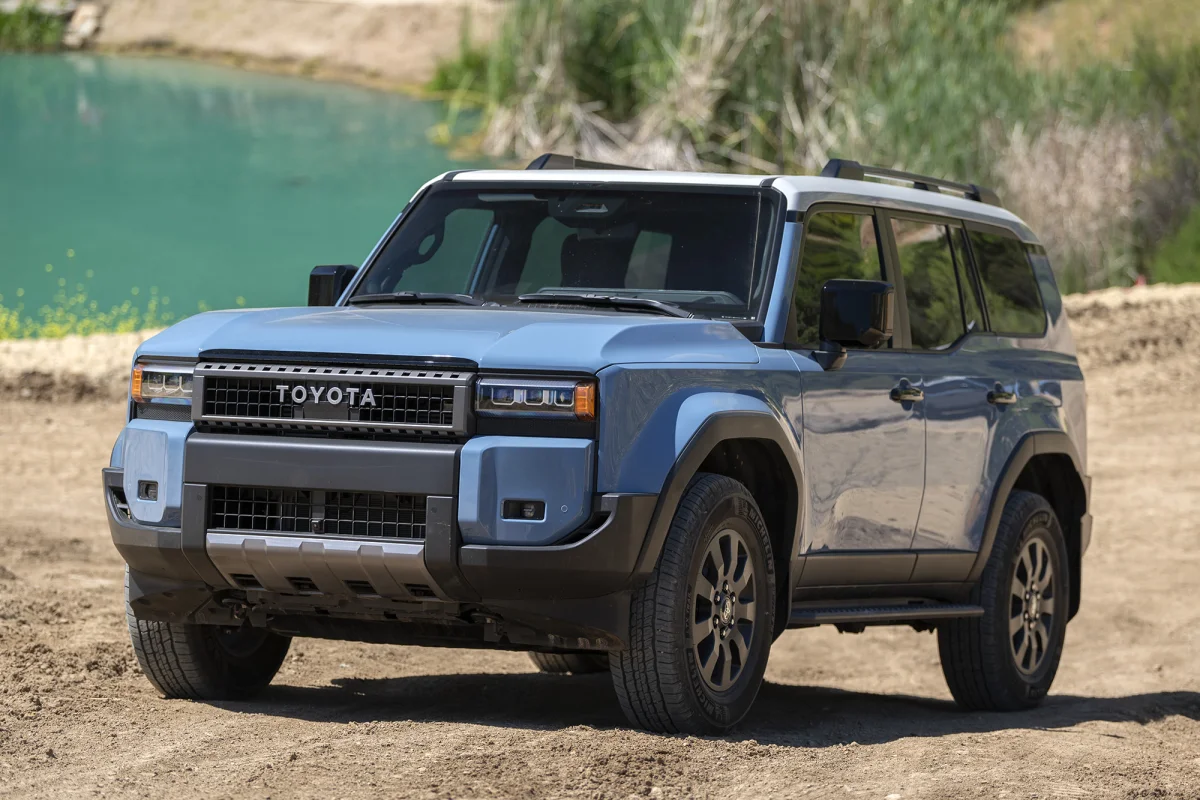
1. Toyota Land Cruiser
The Toyota Land Cruiser has built a reputation for extreme durability and off road capability. With a high ground clearance, this SUV easily manages uneven rocky tracks and deep ruts.
Its suspension system is designed to absorb impacts while maintaining stability on unpredictable surfaces. Drivers planning long overland journeys frequently choose this model because of its track record of reliability.
Inside, the Land Cruiser balances ruggedness with comfort. Leather seats, advanced infotainment, and multiple safety features ensure long drives remain pleasant. Even with its substantial size, the steering remains predictable. For off road use, its full time four wheel drive system helps maintain traction across varied terrain.
Skid plates and robust underbody components protect vital parts from damage when crossing stony ground. This makes the Land Cruiser ideal for remote campsites or mountain passes. Drivers can maintain a steady pace over large obstacles without fear of scraping the undercarriage.
Maintenance and service support for the Land Cruiser tend to be widely available. Toyota’s global presence means parts are often easier to find and technicians familiar with the model. This reduces downtime and keeps vehicles on the trail. Long term owners often report high satisfaction with durability.
With its combination of clearance, suspension, and engineering experience, the Land Cruiser stands as a benchmark in capable SUVs. It consistently scores high in both consumer and professional tests for off road performance and everyday usability. When terrain becomes challenging, this model rarely hesitates.
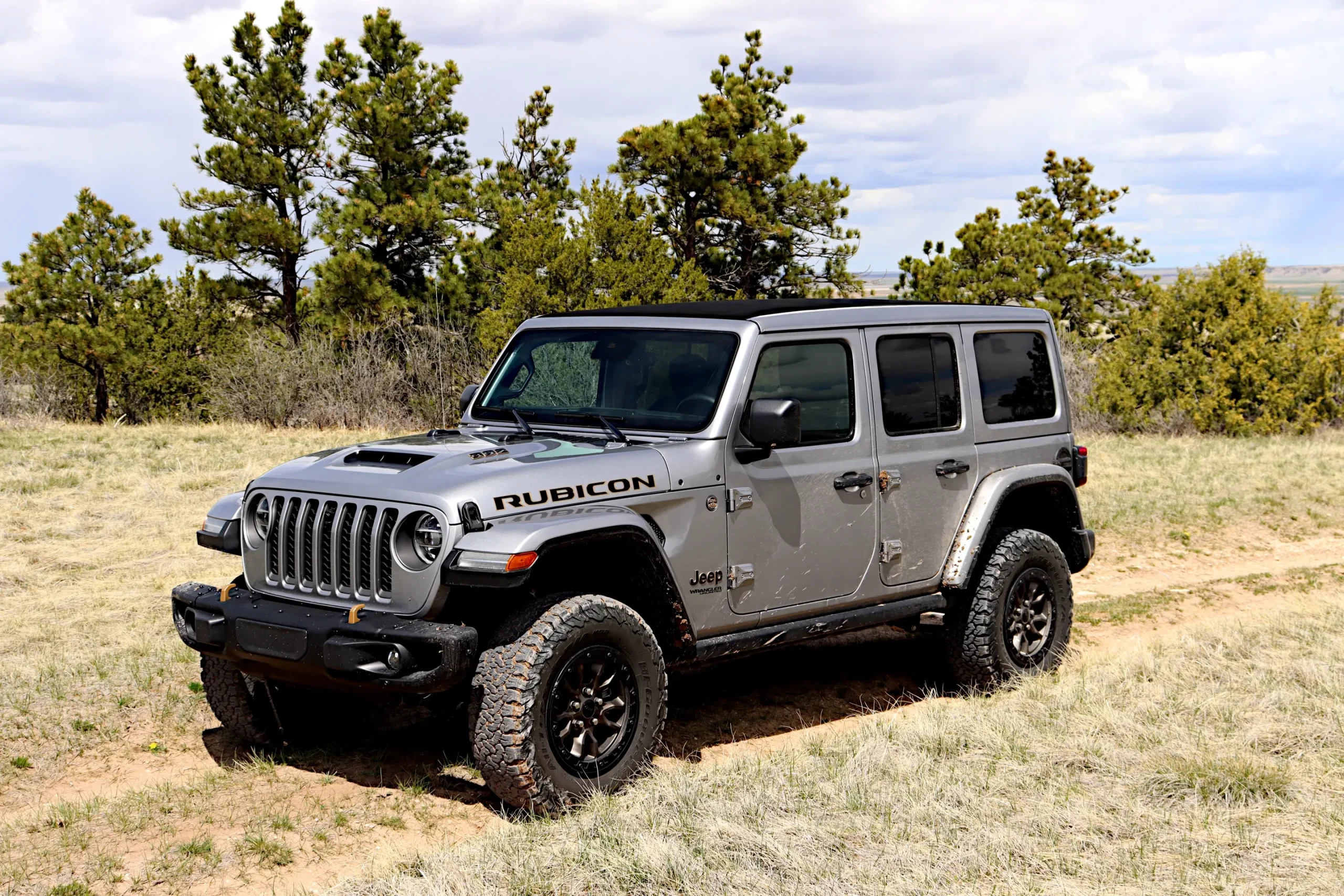
2. Jeep Wrangler Rubicon
The Jeep Wrangler Rubicon is a favorite among off road enthusiasts for its balance of toughness and agility. It features one of the highest ground clearances in its class, allowing it to climb over rocks and logs that would halt lesser SUVs. The solid front and rear axles give the Wrangler strong articulation, helping wheels stay in contact with uneven ground. This SUV excels on trails that demand precise control and resilience.
Jeep equips the Rubicon with heavy duty tires and locking differentials. These features improve traction when mud, sand, or snow challenge forward motion. Drivers can engage advanced four wheel drive settings to match conditions, giving confidence on tricky surfaces. The rugged design also includes protective plates beneath the engine and fuel tank.
Inside, the Wrangler marries basic functionality with modern convenience. While not as plush as luxury SUVs, its interior is durable and easy to clean after dusty excursions. The removable roof and doors add flexibility for outdoor environments. Visibility remains strong, helping drivers spot obstacles early.
The Wrangler’s suspension allows for significant wheel travel. This reduces the likelihood of bottoming out on steep dips or large bumps. When adjusting tire pressures for trail conditions, the Jeep manages uneven paths with resilience. Such adaptability makes it popular for weekend adventurers and serious off roaders alike.
Enthusiasts often modify these SUVs with lift kits or reinforced bumpers to suit specific terrain needs. Even in stock form, it maintains impressive capability compared to many competitors. For drivers who prioritize trail readiness, the Rubicon remains a top choice.
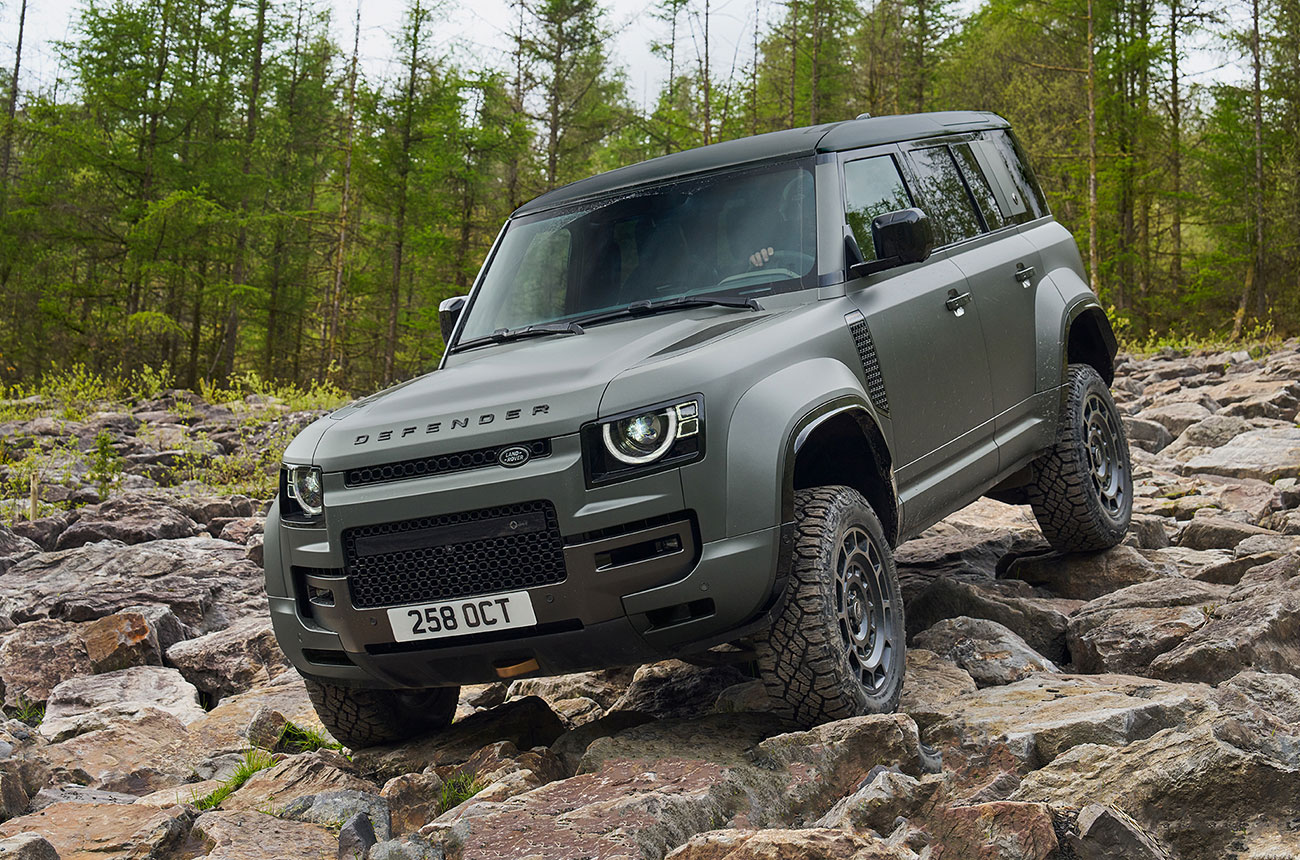
3. Land Rover Defender
The Land Rover Defender combines traditional off road ability with modern refinement. This SUV has strong ground clearance and can tackle steep trail obstacles with minimal fuss. Its chassis design and suspension tuning allow it to adjust ride height for different driving conditions. On rough surfaces, this helps maintain traction and comfort.
The Defender also comes with advanced terrain response systems. Drivers select settings that match surface type, and the SUV adapts engine, brakes, and differential behavior accordingly. This technology assists with slippery slopes, gravel, and uneven lanes. Confidence grows as the vehicle responds to conditions intelligently.
Interior comfort is a focus for the Defender. Seating is supportive for long drives, and infotainment systems keep occupants connected. Practical storage and robust materials reflect the vehicle’s dual role as both daily transporter and capable adventurer. Drivers do not feel compromised when commuting or heading off grid.
Underbody protection and tough bumpers help shield critical components from impact. High clearance pairs with protective design to reduce the chance of damage when passing over rocks or roots. Trail feedback remains positive as the SUV navigates complex terrain.
Land Rover offers a range of wheel and tire packages that can further enhance clearance or on road manners. Owners value the Defender for its adaptability, reliability, and blend of technology and off road prowess. For those wanting a premium SUV that also performs well off pavement, this model delivers.
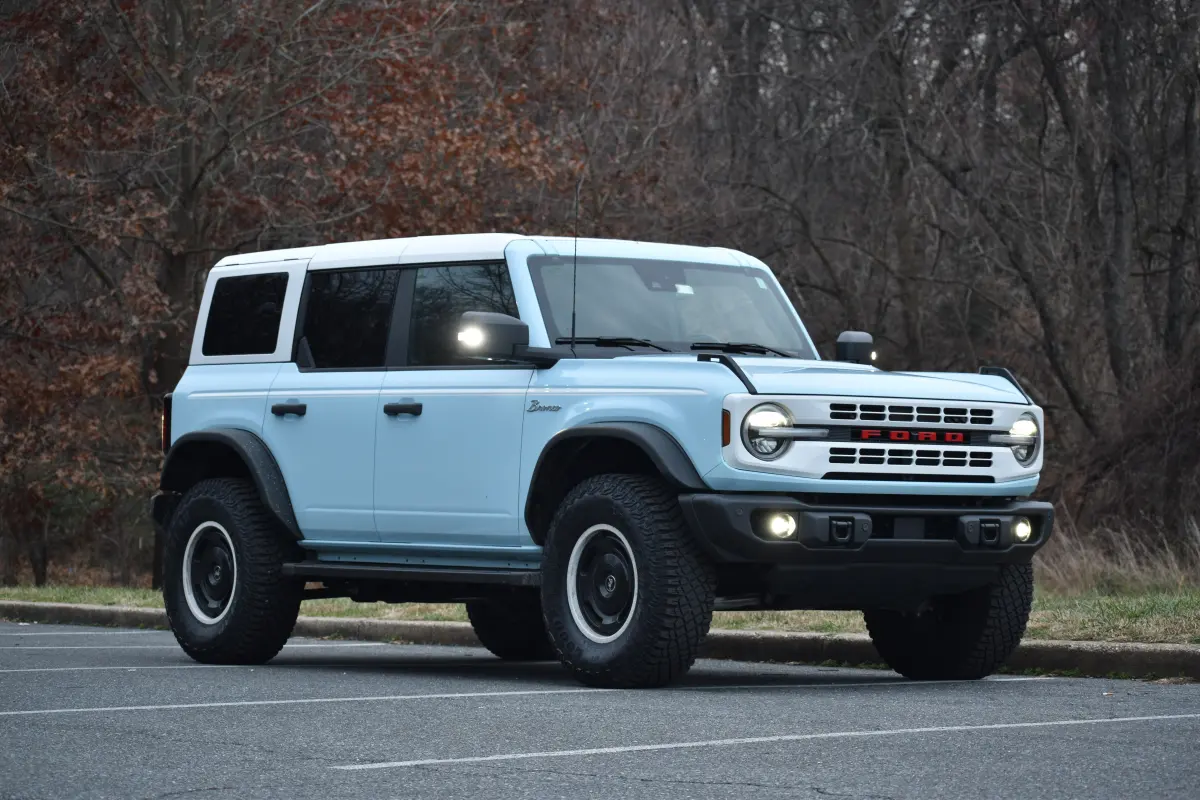
4. Ford Bronco Wildtrak
The Ford Bronco Wildtrak is engineered with rough terrain in mind. It offers high ground clearance and tough suspension components that help it overcome trail challenges. Bronco’s design allows for significant wheel articulation, keeping momentum across uneven ground. The SUV’s rugged frame helps absorb shocks without undue stress on occupants.
Four wheel drive systems in the Bronco include advanced modes for dirt, sand, and rocks. These settings alter throttle response and traction control to suit conditions. Drivers appreciate the simple interface and quick responsiveness when changing terrain types. The SUV feels composed on slopes and undulating tracks.
Inside the Wildtrak, functionality aligns with outdoor adventure. Seats are designed for long trail days, and materials resist wear from dust or wet gear. The dashboard layout places controls within easy reach. A modern infotainment suite integrates navigation and vehicle feedback.
Bronco’s underbody structure includes protective plates and reinforced elements to guard the engine and transmission from impacts. Tires come sized for off road use, helping resist punctures and improve grip. Drivers can confidently tackle narrow forest paths or rocky inclines without hesitation.
Owners often praise the Bronco for its blend of capability and daily usability. It performs well on highways while retaining toughness needed for weekend explorations. Whether crossing shallow streams or maneuvering steep approaches, its ground clearance plays a key role in performance.
5. Mercedes‑Benz G‑Class
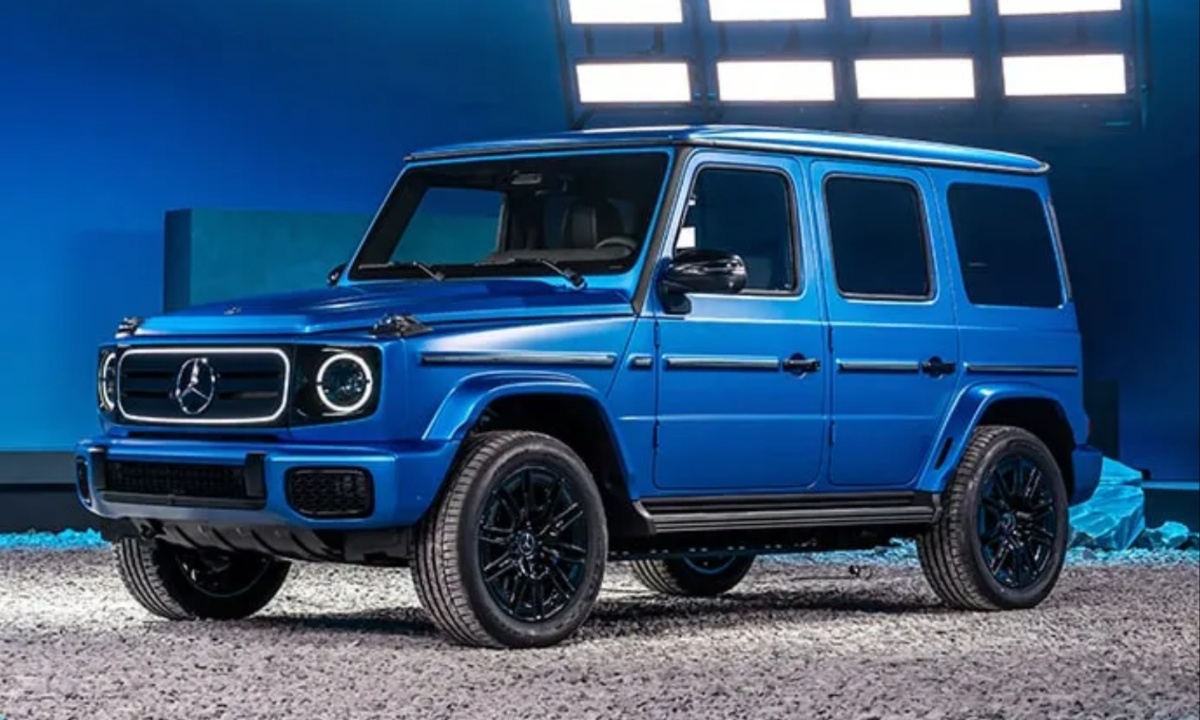
The Mercedes‑Benz G‑Class is a luxury option with serious off road capability. Its high ground clearance pairs with a strong body on frame design. Each wheel gets power through a sophisticated four wheel drive system. This equips the SUV to handle rough, loose, or uneven terrain with confidence.
The G‑Class includes locking differentials and robust axles. These help maintain motion when one or more wheels lose traction. In challenging conditions, drivers can rely on its mechanical systems to keep moving. Suspension travel and clearance help navigate large rocks and deep ruts without bottoming.
Inside, the G‑Class offers premium materials, advanced infotainment, and refined ride comfort. Luxury does not compromise ruggedness, and occupants enjoy quiet cabins even on bumpy paths. Comfort and capability exist together without trade offs.
Protective elements under the vehicle help preserve vital components. The sturdy construction reduces the effects of impact forces from trail obstacles. Durable bumpers, skid plates, and tough tires all contribute to resilience. Drivers feel secure on difficult terrain.
6. Honda CR‑V
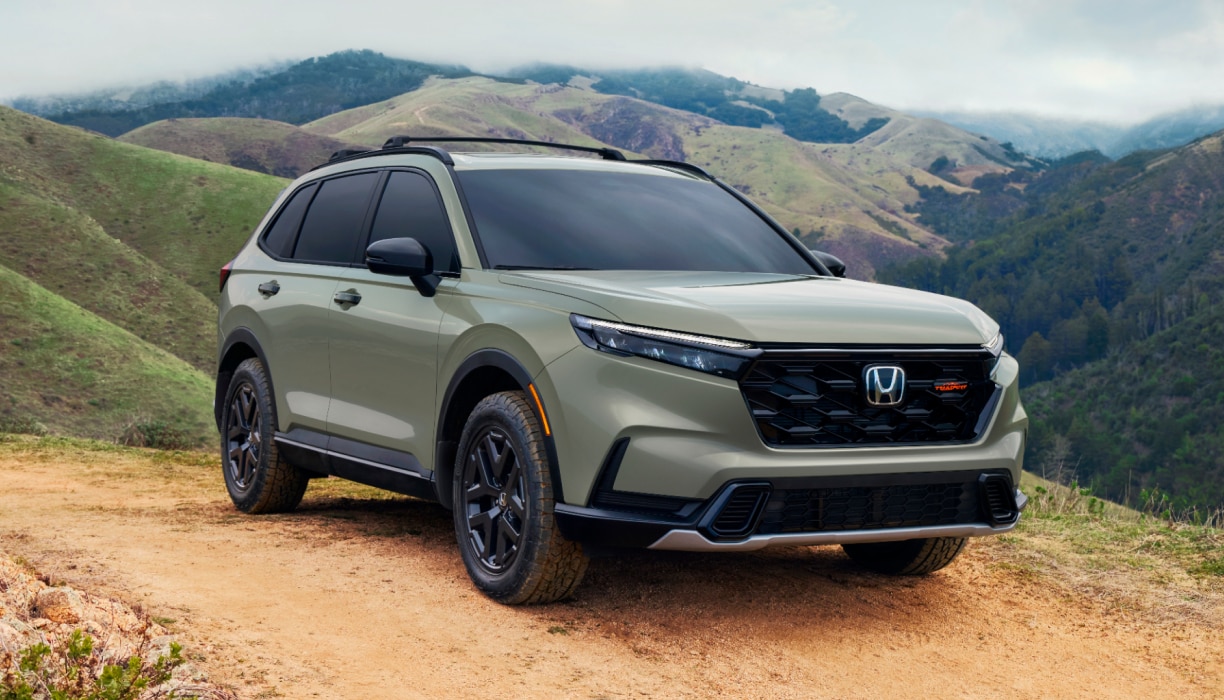
The Honda CR‑V is known for comfortable rides and efficient use of space. Its ground clearance is tuned for everyday streets and light gravel paths. On steep ramps or sharp driveways, this SUV may scrape its underbody or front spoiler. Such events are more likely when urban parking lots and inclined neighborhoods intersect.
CR‑V’s suspension prioritizes smooth pavement handling rather than trail toughness. While it manages potholes and speed bumps adequately, aggressive obstacles can challenge its lower stance. Owners often notice scuffs or contact when navigating abrupt angles.
Inside, the CR‑V impresses with generous passenger space and user‑friendly controls. Families appreciate comfort and fuel economy. However, these city‑oriented strengths come at a cost to tactile off road resilience. Urban drivers may accept this trade off easily.
Ground clearance for the CR‑V generally sits lower than dedicated off road SUVs. This improves aerodynamics and stability at highway speeds. Yet these benefits contribute to greater risk of scraping the undercarriage in uneven parking situations.
For buyers focused on suburban driving and highway comfort, the CR‑V remains a solid choice. But those who encounter rough paths or challenges involving steep surfaces should consider higher clearance options first.
7. Hyundai Tucson
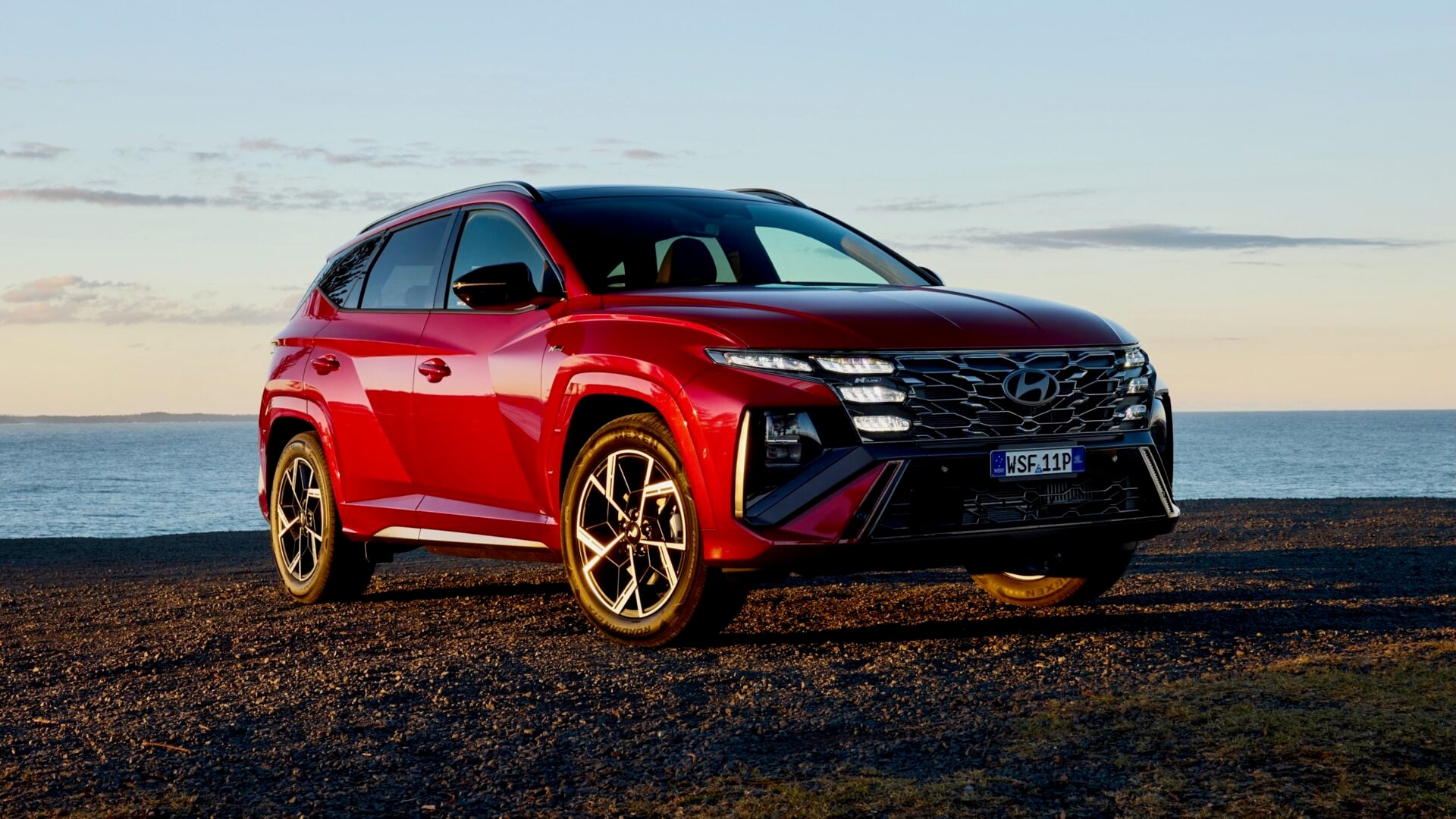
The Hyundai Tucson emphasizes style and on road comfort. Its ground clearance suits paved roads and mild gravel, but it is less prepared for steep bumps or abrupt changes in elevation. When driving into garages with steep entries or over tall animals on the road, contact with the underside is more likely.
Tucson’s suspension tuning enhances ride smoothness over minor imperfections. Cornering remains composed thanks to a lower center of gravity. While this improves everyday driving, it can lead to struggle when encountering obstacles above standard road height.
Inside, the cabin delivers quality materials and intuitive technology. Passengers enjoy a smooth, quiet experience. Yet this focus on road comfort comes alongside reduced resilience to uneven terrain. Drivers must slow significantly for major changes in pavement height.
The lower ride height benefits fuel economy and accessibility. Stepping into the vehicle remains easy for all passengers. This accessibility can be crucial for buyers who value convenience over ruggedness. However, scraping remains a concern in non urban environments.
If most driving occurs on city streets and highways, the Tucson fulfills expectations. For those needing more robustness in rough areas, a model with greater clearance would be preferable and help avoid damage.
8. Mazda CX‑5
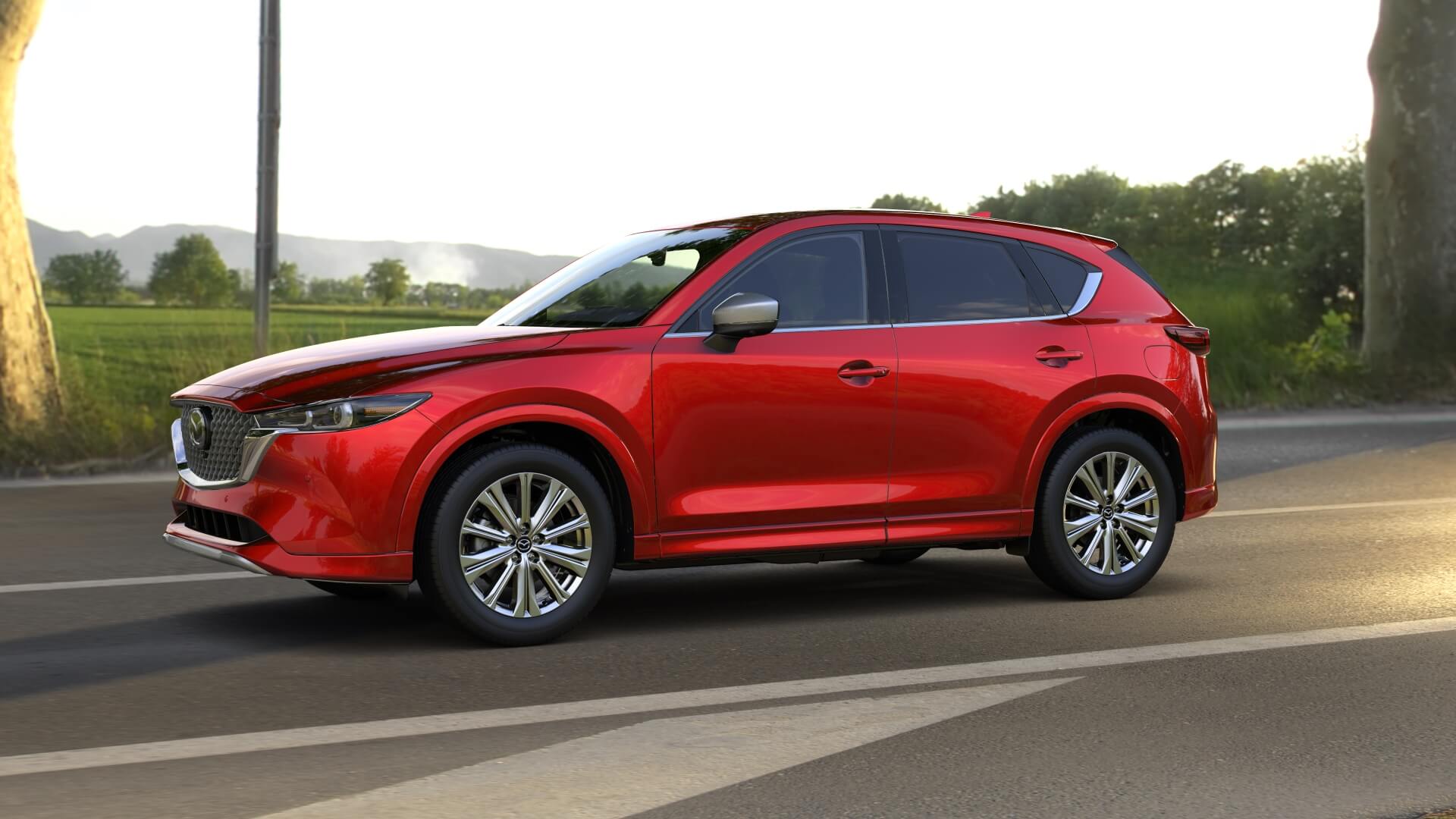
The Mazda CX‑5 offers a pleasing driving feel and elegant design. Its ground clearance suits everyday environments, but it does not excel when paths become rough. In situations with sharp driveway transitions or deep speed bumps, contact with the underside can occur frequently.
CX‑5’s suspension delivers refined handling on smooth surfaces. It absorbs minor road irregularities and maintains composure during turns. On more unpredictable surfaces, its lower stance limits flexibility. Drivers often need to slow and carefully choose lines.
Inside, quality materials and ergonomic controls create an enjoyable cabin. Comfort ranks high for long drives. However, practicality in rougher environments is less robust. While minor gravel roads may be manageable, steeper obstacles present challenges.
The CX‑5 prioritizes driving refinement over rugged capability. Buyers seeking a balance between style and comfort may find it appealing. Yet this balance comes with trade offs in terrain versatility and ground clearance.
For urban dwellers or highway commuters, the CX‑5 remains a compelling option. Those expecting regular encounters with uneven roads should weigh the likelihood of scraping when choosing this SUV.
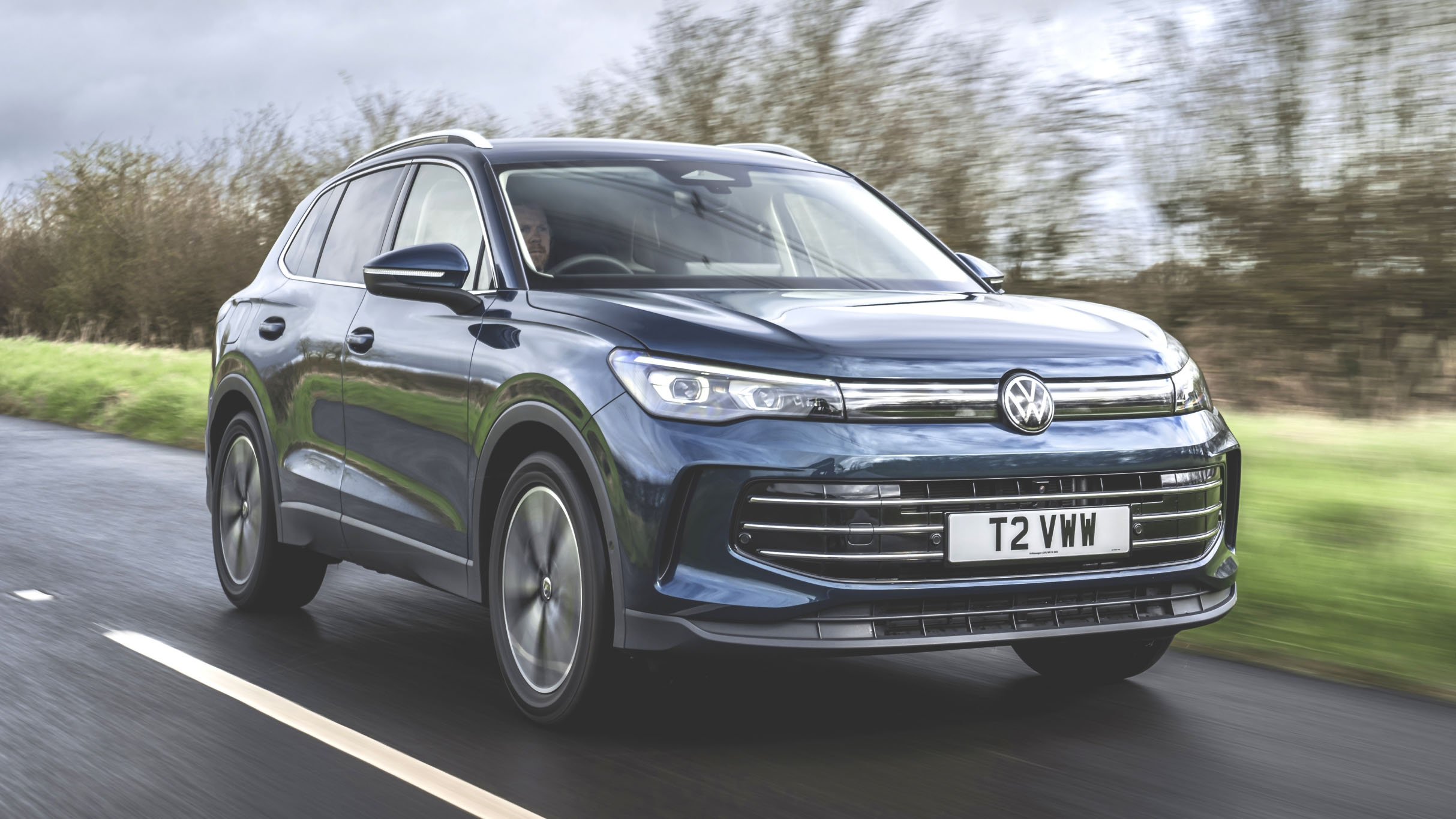
9. Volkswagen Tiguan
The Volkswagen Tiguan delivers European styling and balanced handling. Ground clearance favors street performance over overcoming obstacles. It handles daily roads well, but taller bumps and steep entrances can lead to contact with the underside due to its lower stance.
Tiguan’s suspension is engineered for predictable dynamics and smooth highway driving. Minor road imperfections become largely unnoticed. Yet when facing substantial elevation changes or abrupt protrusions, the SUV’s clearance proves insufficient.
Inside, the Tiguan offers practical seating and tech features. Infotainment and safety systems cater to modern expectations. Still, the vehicle’s design intent remains road oriented. Drivers who require higher clearance for uneven terrain may find limitations.
The lower stance supports reduced wind resistance and better fuel economy. Urban driving remains stress free for most road conditions. Yet scraping under the vehicle at sharper transitions becomes a real concern.
If use is primarily urban or suburban, the Tiguan performs admirably. Those planning to test rough roads should consider a model with higher clearance and off road readiness.
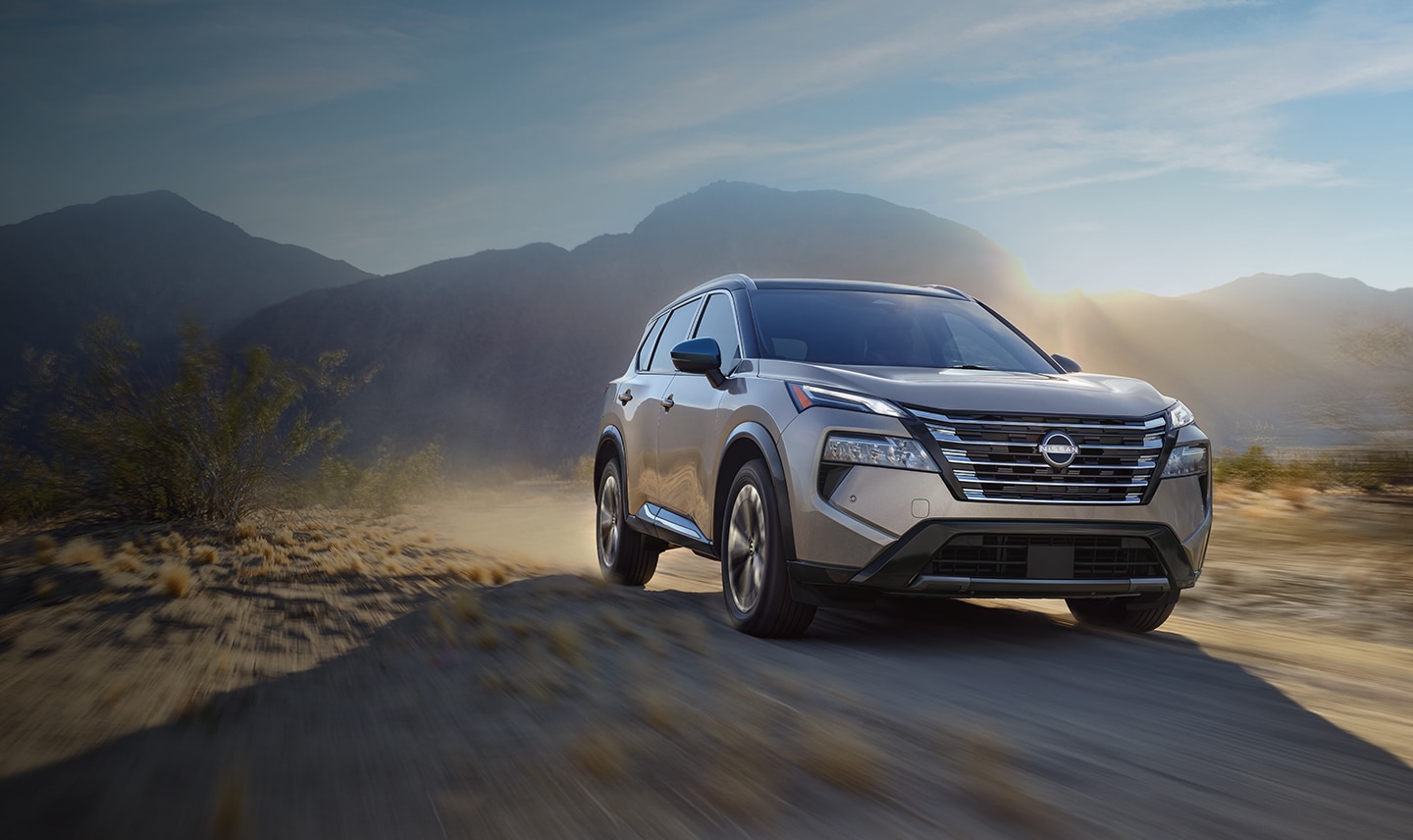
10. Nissan Rogue
The Nissan Rogue is a popular compact SUV with a focus on comfort and practicality. Its ground clearance is typical for its class, favoring smooth drives and easy access. When meeting sharp obstacles or significantly uneven surfaces, this SUV can contact the underside and bumpers.
Rogue’s suspension smooths daily road irregularities well. City and highway rides remain calm and composed. However, such tuning means reduced ability to accommodate dramatic changes in surface height. Speed bumps or abrupt driveways can test its limits.
The interior prioritizes passenger comfort, cargo space, and technology. These features make it attractive for daily tasks and family trips. Riders benefit from a cushioned feel, though traction and clearance for rough paths remain modest.
Lower ground clearance enhances fuel economy and stability at speed. Yet this advantage comes with increased odds of scraping. Drivers who frequently face steep pavement changes may find this a consistent concern.
When driven mostly on paved surfaces, the Rogue satisfies expectations. For environments that present uneven obstacles, picking a vehicle with larger clearance will improve confidence and reduce potential damage.