
Choosing a used sedan requires careful consideration of reliability, comfort, and maintenance costs. One of the most critical components for a smooth driving experience is the power steering system. A robust power steering setup ensures easy maneuvering, consistent control, and reduced driver fatigue during long commutes.
Sedans with durable power steering systems are particularly valuable in the used car market because they require less frequent repairs and maintain driving confidence over time. Drivers often look for models with proven track records, especially when considering vehicles that are several years old or have higher mileage.
Manufacturers that prioritize engineering precision, quality components, and rigorous testing usually produce sedans with dependable steering systems that remain functional even under challenging conditions.
Conversely, some sedans have a reputation for expensive steering rack failures. These failures can lead to costly repairs that significantly affect the total cost of ownership. Power steering racks are complex assemblies with multiple moving parts and high-pressure hydraulics in some designs.
Over time, wear and tear, manufacturing defects, or insufficient maintenance can result in leaks, uneven steering response, or complete rack failure. Such issues are not only expensive but can compromise safety if not addressed promptly.
Understanding which models are prone to these problems allows buyers to make informed choices, avoiding vehicles that might lead to surprise repair bills. Reliability in steering systems often becomes a deciding factor for commuters, families, and anyone who drives regularly in urban or suburban environments.
Beyond repair costs, power steering performance affects the driving experience. Vehicles with well-engineered racks offer precise control at all speeds, allowing smooth turns and stable handling during sudden maneuvers.
In contrast, models with weak or aging steering racks may develop play in the wheel, inconsistent feedback, or resistance when turning, which can frustrate drivers and reduce confidence on the road.
Prospective buyers must consider both the cost of repairs and the level of comfort and control offered by the steering system. Cars with robust systems tend to retain resale value better because buyers recognize their durability and lower likelihood of costly issues.
Another factor influencing the durability of power steering systems is the quality of hydraulic fluid or, in newer models, the condition of the electric power steering components. Proper maintenance, including timely fluid changes and inspections, extends the lifespan of the steering rack.
Some manufacturers design systems with more resilient seals, stronger housing, and smoother gear meshing to resist wear. Models that consistently perform well in independent reliability surveys typically feature these design choices.
By contrast, vehicles with recurring steering rack issues often show patterns of weak seals, premature wear, or inadequate component design. Evaluating these elements helps potential buyers identify sedans that offer long-term reliability.
Finally, when comparing used sedans, the distinction between models with strong power steering and those prone to expensive failures is clear. Robust systems provide predictable control, lower maintenance costs, and greater peace of mind.
Cars with known steering rack issues require vigilance, additional investment, and sometimes significant repairs. Understanding this difference can guide buyers toward smarter purchases, saving both money and stress over the life of the vehicle.
By focusing on models with proven durability, drivers can enjoy a safe, comfortable, and reliable driving experience without unexpected mechanical setbacks.
5 Used Sedans With Robust Power Steering
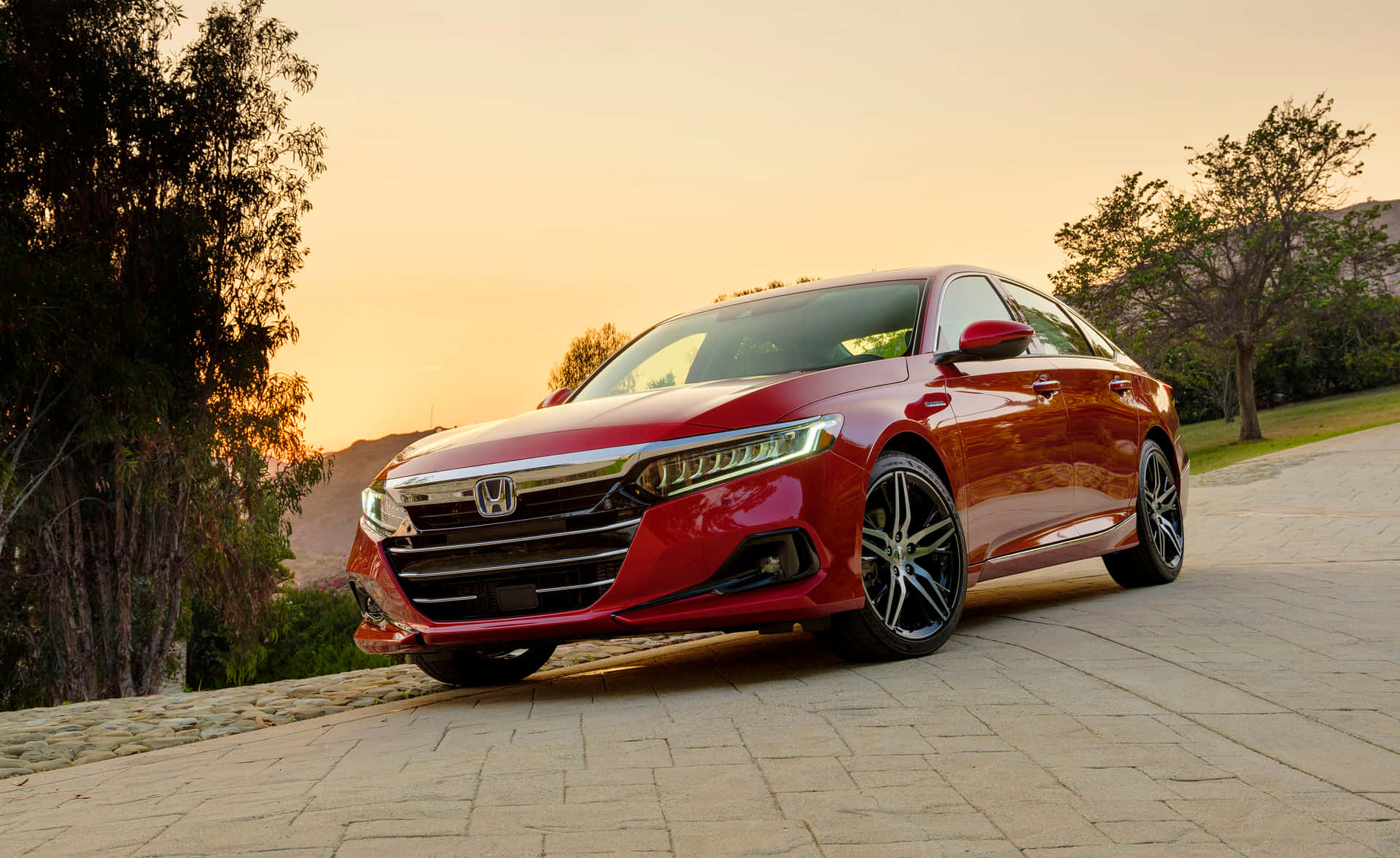
1. Honda Accord
The Honda Accord has long been recognized for its engineering quality and reliability. Its power steering system provides smooth and responsive feedback at both low and high speeds.
Even older models with higher mileage maintain consistent steering performance, reducing the risk of unexpected repairs. Many Accord owners report that the steering feels natural and predictable, which contributes to confidence during city and highway driving.
Honda uses durable components and precise manufacturing tolerances for the steering rack. Hydraulic and later electric power steering models are both known to last well beyond 150,000 miles with proper maintenance.
Regular fluid changes and inspections are usually sufficient to maintain optimal performance. This reliability explains why Accords are among the most sought-after used sedans on the market.
In addition to durability, the Accord offers a comfortable and controlled driving experience. The steering responds to subtle inputs, allowing precise maneuvering in tight spaces.
This is particularly important for urban drivers who frequently navigate crowded streets and parking areas. The combination of smoothness and responsiveness sets the Accord apart from many competitors.
Owners also praise the affordability of any necessary repairs. When issues do occur, replacement parts are widely available and relatively inexpensive compared to luxury brands.
This reduces the long-term cost of ownership while maintaining a dependable steering system. The Accord balances performance, reliability, and affordability in the used car market.
The resale value of a well-maintained Accord is strong because buyers recognize its durable steering system. Used models from recent decades consistently rank high in reliability surveys. The reputation for longevity and dependable steering makes it a top recommendation for drivers seeking a used sedan with robust power steering.
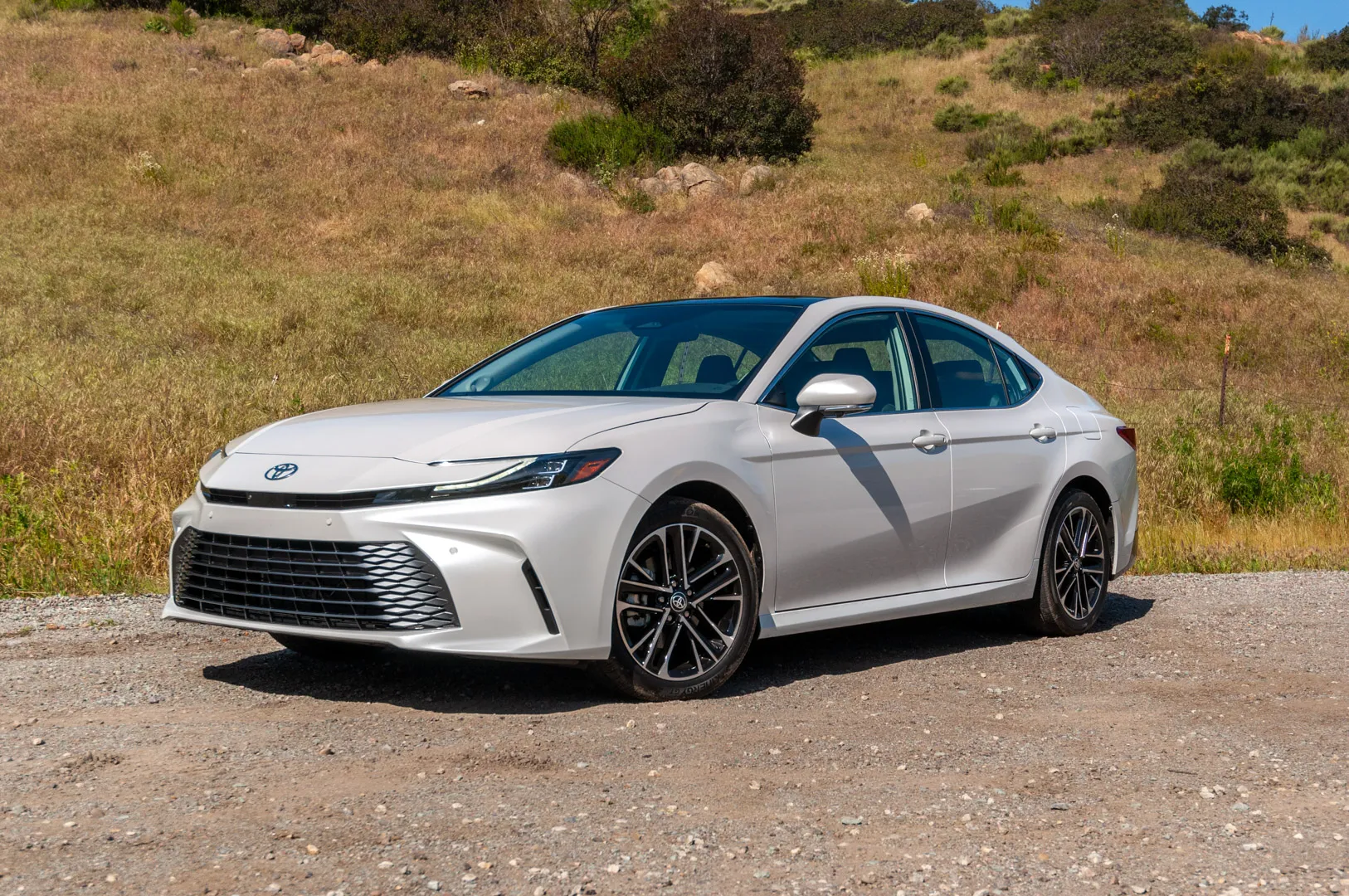
2. Toyota Camry
The Toyota Camry is another sedan known for dependable steering performance. Its rack-and-pinion system provides smooth handling and precise control even after years of use.
Camry owners frequently highlight the effortless maneuvering at low speeds and stability at highway speeds. Reliability in the steering system contributes to its strong reputation among used car buyers.
Toyota engineers focus on quality materials for steering components, reducing the likelihood of leaks and wear. Many Camry models exceed 200,000 miles without major steering issues. Routine maintenance, such as fluid replacement and inspection of the rack, ensures continued performance. This reliability makes it a preferred choice for commuters and long-distance drivers.
The balance of feedback and ease of steering enhances comfort during daily driving. The Camry offers predictable response during sharp turns, allowing drivers to maintain control under various conditions. This consistent performance is particularly valued in older models where wear might affect other mechanical components.
Repair costs for the Camry’s steering system are moderate, thanks to the availability of parts and straightforward design. Even when rack replacement is required, the expense is generally lower than that of European competitors. This combination of durability and affordability appeals to budget-conscious used car buyers.
Camry’s reputation for long-lasting performance extends to its resale value. Models with well-maintained steering systems often retain higher market prices. For drivers seeking a used sedan with a robust and reliable power steering system, the Camry remains a top contender.
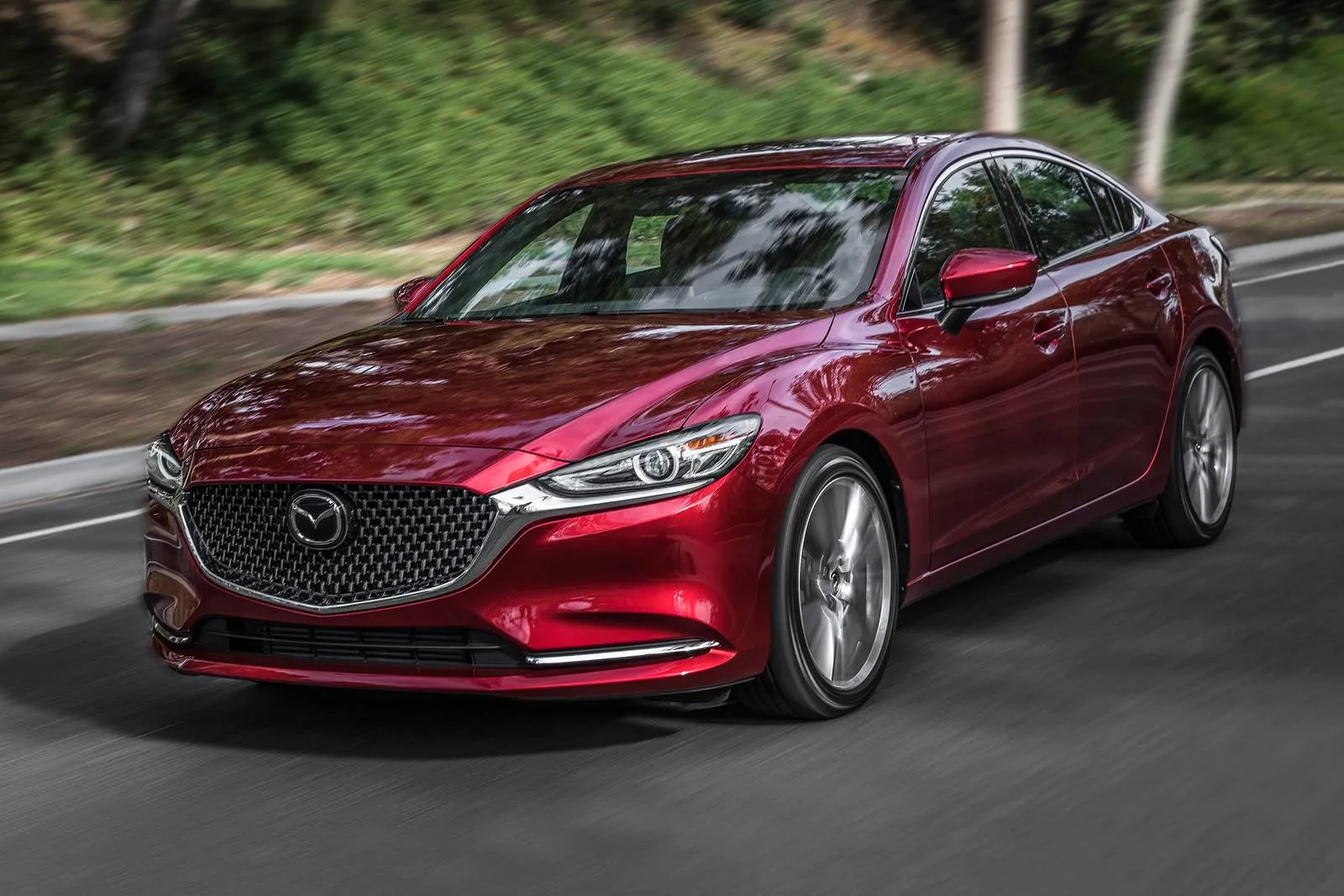
3. Mazda6
The Mazda6 stands out for its sporty yet reliable steering feel. Its rack-and-pinion system delivers precise feedback, making it enjoyable to drive while remaining durable over time. Mazda’s engineering focuses on a balance between responsiveness and low maintenance requirements. Used models continue to offer smooth and consistent steering performance.
The Mazda6 uses high-quality materials in its steering assembly, which resists premature wear. Hydraulic and electric power-assisted systems are both engineered for longevity. Proper maintenance, including periodic fluid checks, helps preserve the integrity of the rack and other components. Many owners report minimal issues even at higher mileage.
Mazda emphasizes driver engagement, resulting in a steering system that feels connected and controlled. Cornering and highway stability benefit from precise feedback, enhancing safety and comfort. Older models retain this responsiveness, making the Mazda6 a reliable choice in the used car market.
Repair and maintenance are manageable thanks to widespread parts availability and straightforward design. While more performance-oriented than some competitors, the Mazda6 does not compromise durability. This combination of sportiness and reliability appeals to buyers seeking both enjoyment and dependability.
The resale value of the Mazda6 benefits from its reputation for steering reliability. Drivers looking for a used sedan that offers both control and long-term durability often prioritize Mazda models. Its strong balance of performance and dependability makes it one of the better options in its class.

4. Subaru Legacy
The Subaru Legacy is known for its all-wheel-drive capability and reliable mechanical systems. Its power steering system provides smooth and predictable control, supporting safe handling in various driving conditions. Legacy owners consistently report satisfaction with steering responsiveness and comfort. The rack maintains performance even under heavy usage, adding to its reliability.
Subaru employs durable materials and precise tolerances in the steering assembly. Both hydraulic and electric assist models are engineered to minimize leaks and wear. Routine inspections and fluid maintenance are typically sufficient to ensure long-term performance. This makes the Legacy a strong option for used car buyers.
The combination of responsive steering and all-wheel-drive stability enhances safety in wet or snowy conditions. Drivers can trust the Legacy to deliver consistent handling on highways and winding roads. The longevity of the steering system contributes to vehicle confidence.
Repair costs remain reasonable due to widespread parts availability and a relatively straightforward design. Unlike some European brands, major steering repairs are uncommon, reducing ownership expenses. This contributes to the Legacy’s reputation as a durable sedan.
Subaru’s emphasis on reliability extends to its used market performance. Legacy models maintain value and performance well into high mileage ranges. Drivers seeking a used sedan with a robust steering system will find the Legacy offers both durability and peace of mind.
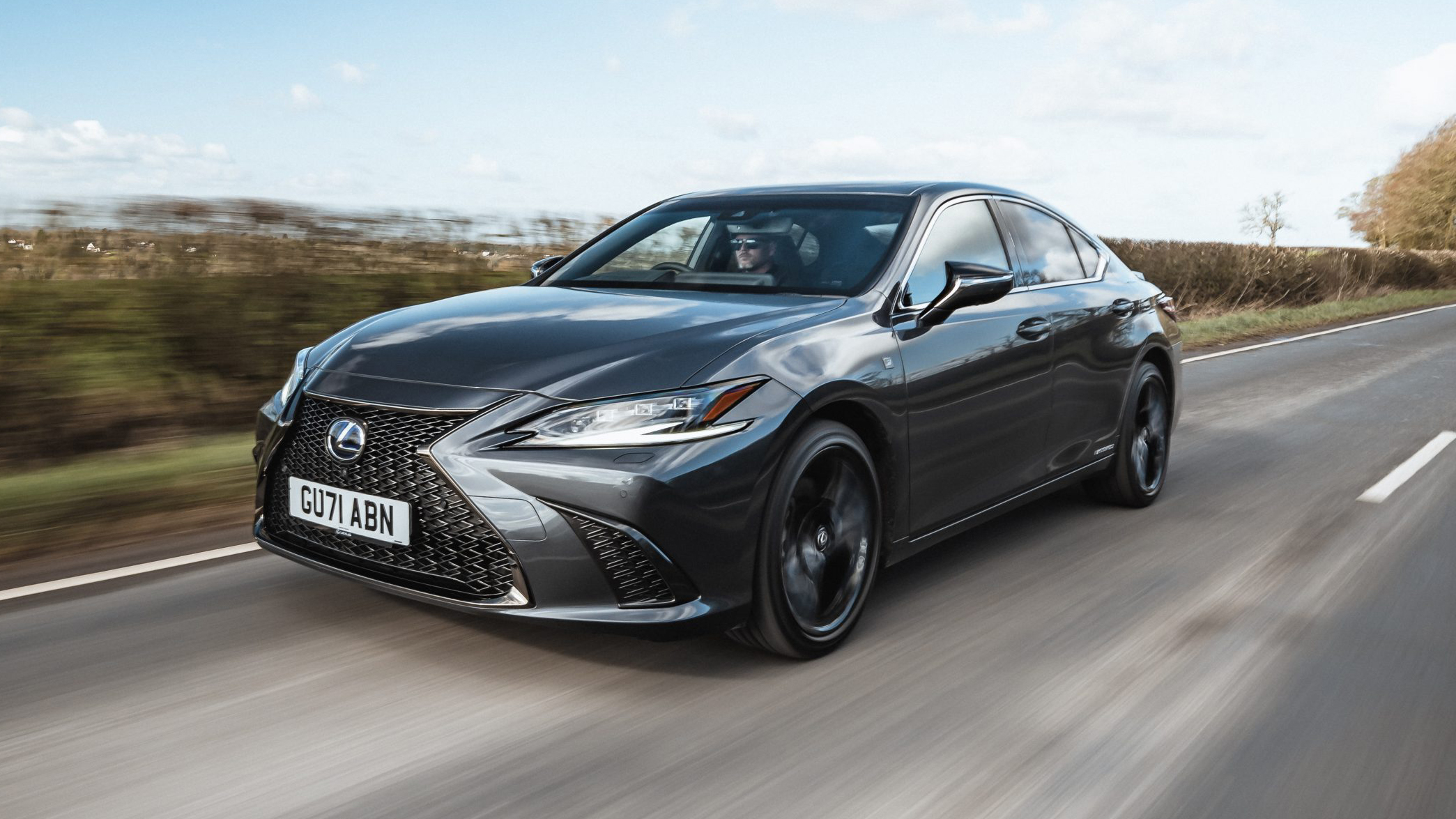
5. Lexus ES
The Lexus ES combines luxury comfort with reliable mechanical engineering. Its power steering system is smooth, precise, and engineered for long-term durability. Owners often highlight effortless maneuverability in city driving and responsive feedback at highway speeds. The ES demonstrates that luxury sedans can maintain robust steering systems over many years.
Lexus uses high-quality components and meticulous assembly processes to ensure long-lasting performance. Hydraulic-assisted systems in older models are particularly resilient. Regular maintenance, including fluid checks, helps prevent leaks and keeps the rack functioning smoothly. This contributes to low failure rates.
The steering system offers a comfortable yet controlled experience, ideal for long commutes or extended drives. Predictable feedback enhances driver confidence and supports safe handling in a variety of conditions. This combination of luxury and reliability is a hallmark of the ES.
Repair costs for the Lexus ES are reasonable considering its premium status. Replacement parts are widely available, and failures are relatively rare. The durable steering system reduces the likelihood of expensive interventions, which can be a concern with other luxury models.
The ES maintains strong resale value due to its reputation for reliability. Used buyers often prioritize sedans with proven steering systems, making the ES a sought-after option. Its combination of comfort, performance, and durability secures its place among sedans with robust power steering.
5 Sedans Known for Expensive Rack Failures
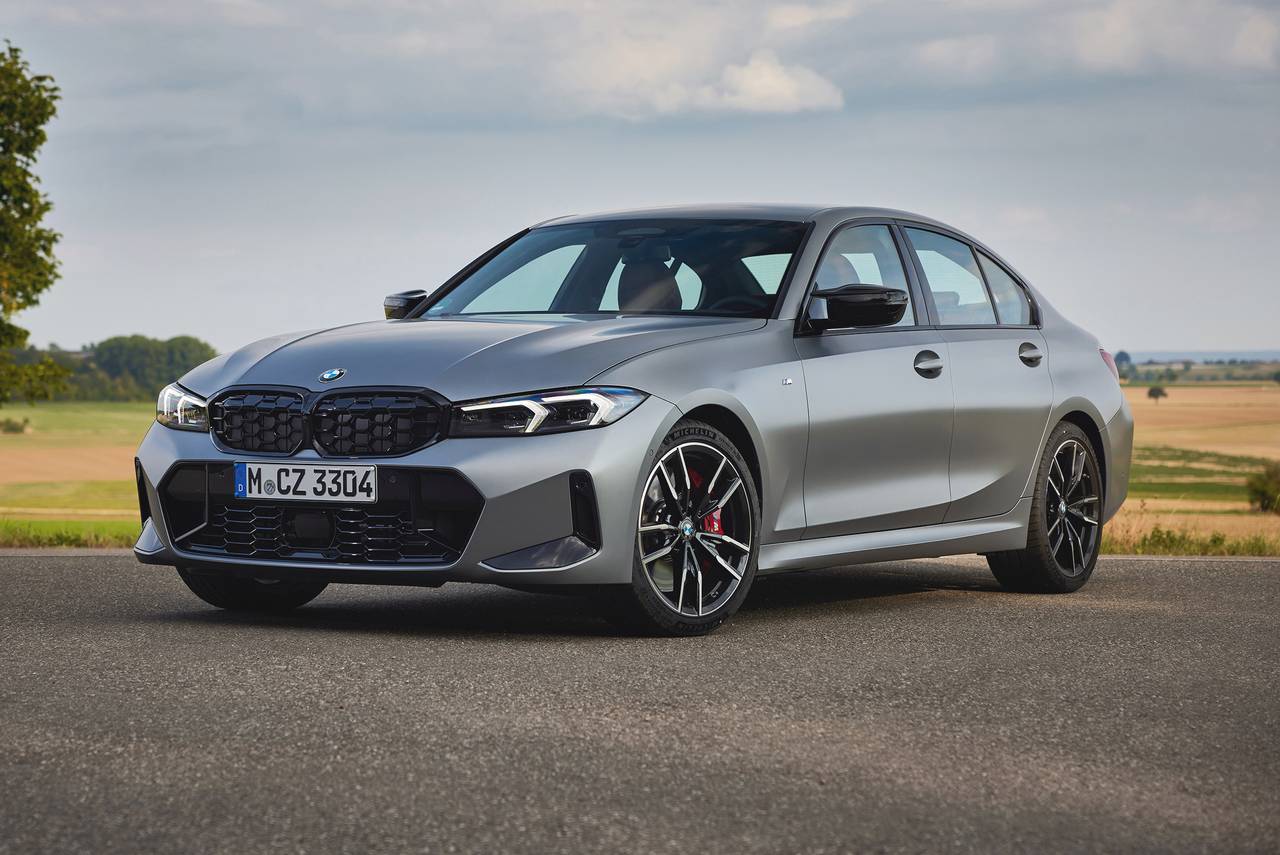
1. BMW 3 Series
The BMW 3 Series is celebrated for performance, handling, and driving precision, yet some model years are notorious for steering rack issues. Hydraulic racks in older generations, especially around 2006–2011, have been reported to develop leaks and internal wear, leading to uneven steering and expensive repairs.
Owners often notice a whining noise when turning or difficulty maintaining alignment. These issues typically require complete rack replacement rather than simple repair, significantly increasing costs.
Manufacturers designed the BMW steering system for high performance, but tight tolerances can accelerate wear if maintenance is neglected. Fluid contamination, high mileage, or extreme driving conditions often contribute to premature failure.
While BMW offers genuine replacement parts, labor costs are high, making rack failures a costly problem. The combination of precision engineering and complex design means even minor faults can result in significant expenses.
The steering problems in some 3 Series models affect more than just comfort. Uneven or sticky steering can reduce confidence in high-speed maneuvers, especially during emergency handling or on wet roads. This increases the importance of proactive maintenance, including timely fluid checks, periodic inspections, and addressing any unusual noises immediately. Ignoring early signs often leads to full rack replacement.
Even though these vehicles are popular in the used car market, potential buyers are warned to research specific model years and known issues. Some 3 Series owners have faced repair costs exceeding $1,500 for steering racks alone, making these sedans less appealing for cost-conscious buyers. Choosing a model with documented maintenance history can mitigate risks but does not eliminate them entirely.
Despite their reputation for driving dynamics, 3 Series sedans with failing steering racks demonstrate how performance engineering sometimes comes at the cost of long-term reliability.
Prospective buyers seeking a used luxury sedan with minimal repair expenses may find that alternative models offer better value in the power steering department. Understanding the balance between performance and potential repair costs is crucial when evaluating these vehicles.
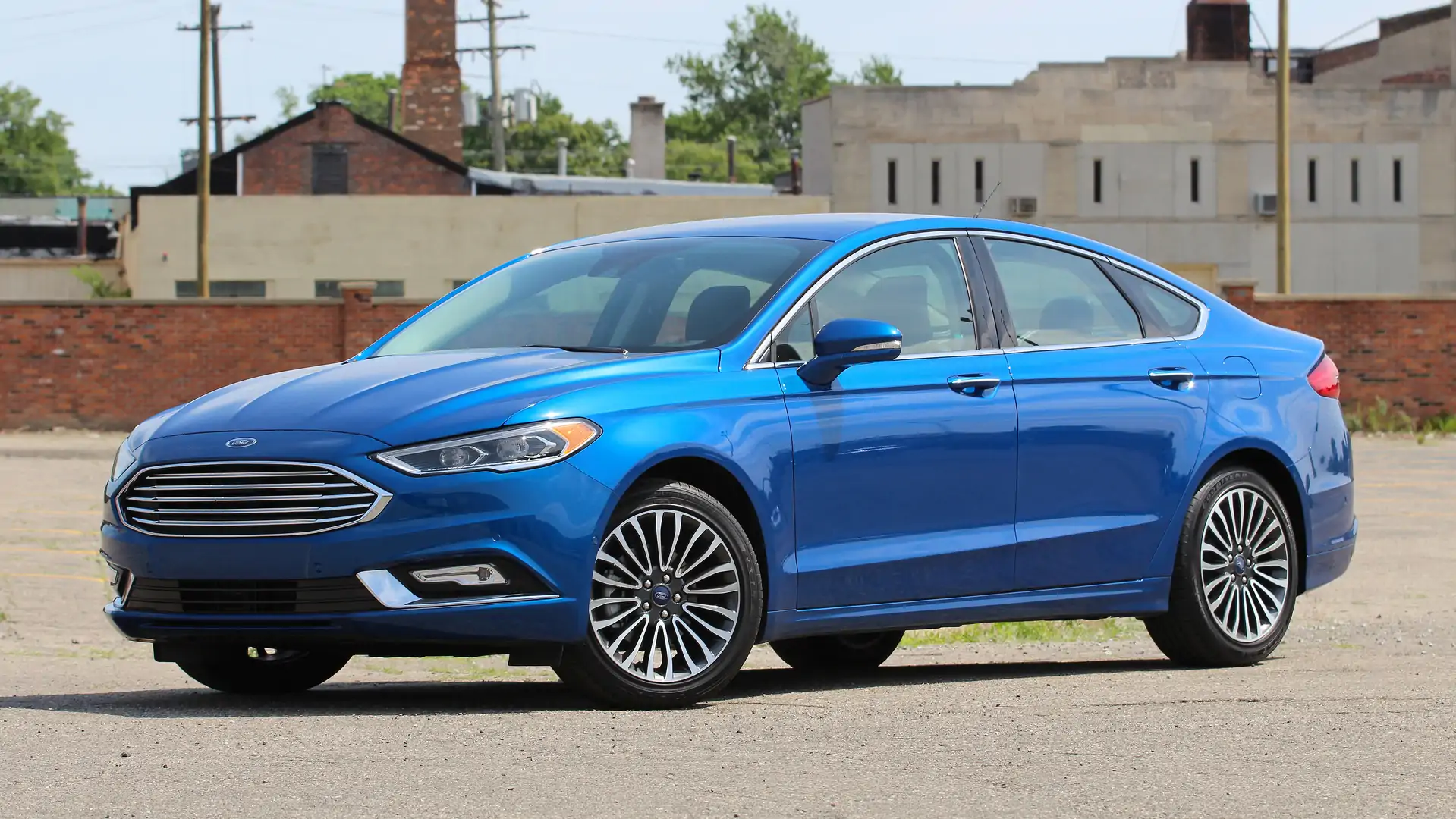
2. Ford Fusion
The Ford Fusion, particularly models from 2010 to 2012, has been reported to experience steering rack failures under certain conditions. Hydraulic-assisted racks can leak, develop play, or fail entirely, leading to costly replacement.
Drivers may notice increased effort required to turn the wheel, inconsistent steering feel, or sudden clunking noises when maneuvering. These symptoms often indicate the need for an expensive rack replacement.
Ford’s design choices in this generation included compact hydraulic components that sometimes wear unevenly over time. Factors such as climate, driving habits, and infrequent fluid changes accelerate wear.
Unlike some sedans where minor repairs can extend rack life, Fusion owners often require complete assembly replacement when failures occur. Labor-intensive installation adds significantly to repair costs.
Steering issues can impact more than comfort and control. Inconsistent feedback or a loose steering feel increases risk during emergency maneuvers, particularly in urban traffic or on highways. While Fusion models are generally reliable in other areas, the steering rack remains a critical vulnerability. Awareness of this issue is essential for potential used car buyers.
The cost of replacing a steering rack on a Fusion often ranges from $1,000 to $1,500, including parts and labor. For used car buyers seeking budget-friendly ownership, this potential expense can offset the appeal of an otherwise affordable sedan. Many owners opt for aftermarket parts to reduce costs, though quality and longevity may vary.
Despite these concerns, the Ford Fusion remains popular due to its comfort, style, and fuel efficiency. Buyers must weigh the risk of steering rack failure against other benefits, including interior space and technology features. Knowledge of the issue allows informed decisions, ensuring that future expenses are anticipated and minimized.
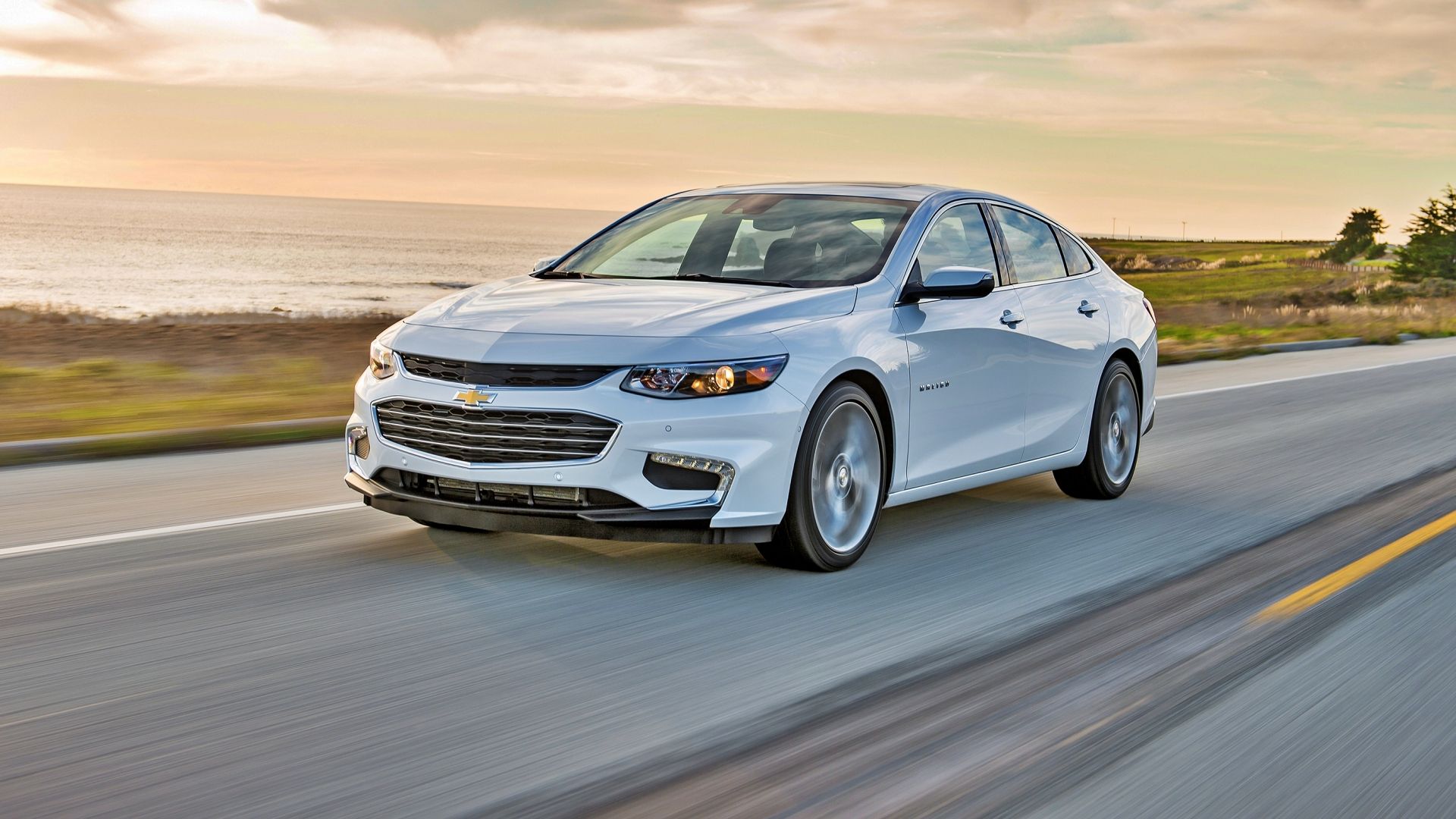
3. Chevrolet Malibu
The Chevrolet Malibu, particularly in models from 2008 to 2013, has been known for steering rack vulnerabilities. Hydraulic racks can develop leaks and lose responsiveness over time. Drivers often notice uneven steering effort or resistance when turning, which indicates internal wear or fluid loss. Addressing these issues is expensive because a complete replacement is typically required.
Malibu’s steering system uses tightly packaged components, which are prone to accelerated wear if regular maintenance is skipped. Leaking seals and worn gear teeth contribute to premature failure, especially in higher-mileage vehicles.
The combination of complex design and hard-to-access components increases labor costs during repair. Maintaining fluid levels and inspecting for leaks can help, but cannot guarantee avoidance of major failures.
Steering rack issues in the Malibu can compromise both comfort and safety. Loss of smoothness or feedback reduces control during sharp turns or emergency maneuvers. This is particularly concerning in city traffic or adverse weather conditions, where steering precision is essential. Buyers should check service records to verify whether preventive maintenance was performed.
Repairing the Malibu’s steering rack often involves replacing the entire assembly, with costs ranging between $1,200 and $1,600. While parts are available, the installation process requires specialized tools and expertise, further increasing expense. Ignoring minor symptoms typically results in a larger financial burden down the road.
Although the Malibu is praised for its fuel efficiency and comfortable ride, steering rack reliability remains a significant concern. Buyers seeking a used sedan with minimal maintenance costs may find alternative models with more durable steering assemblies preferable. Awareness of this issue allows informed decisions when evaluating mid-sized sedans in the used market.
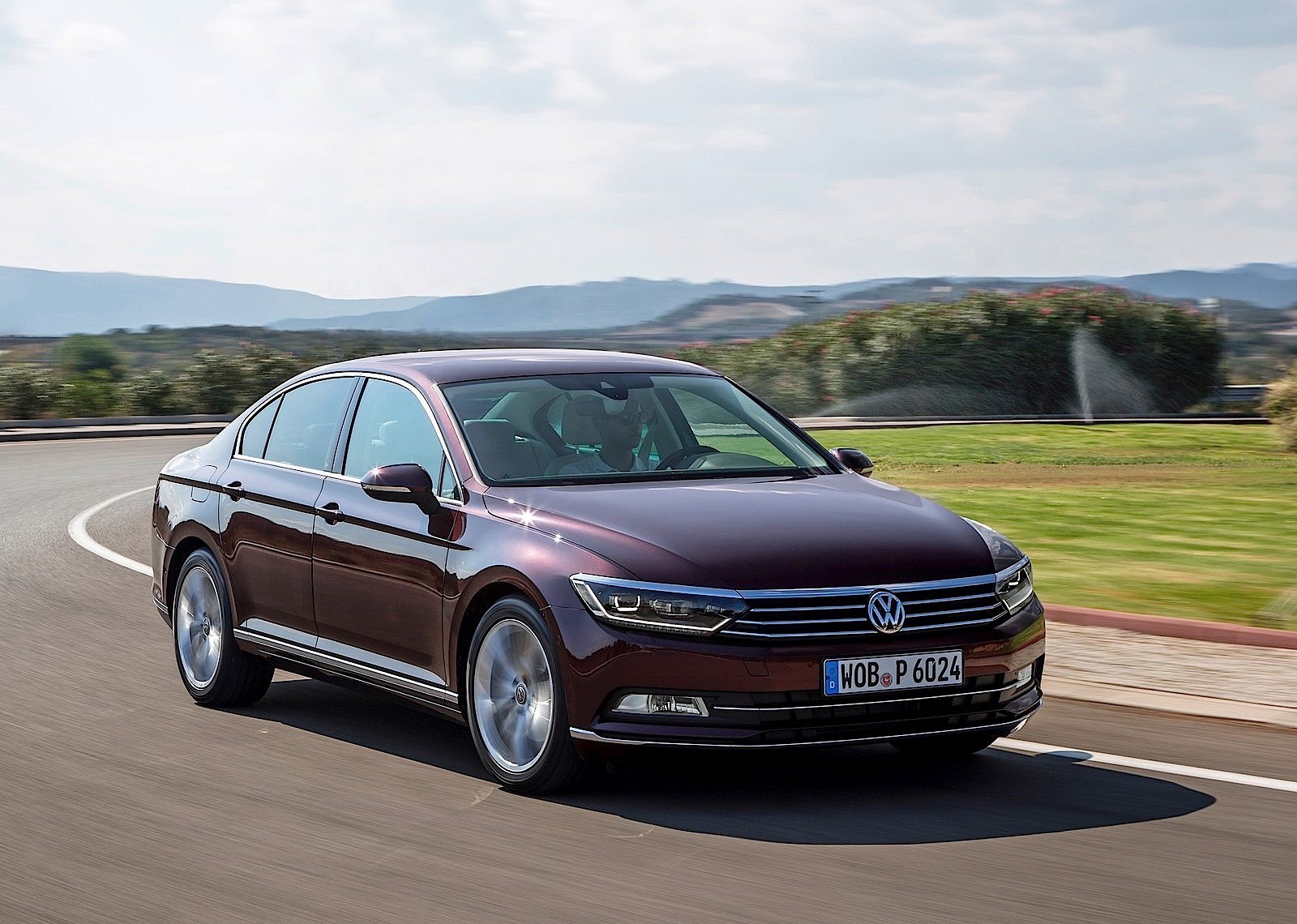
4. Volkswagen Passat
The Volkswagen Passat has a reputation for precise handling but comes with potential high-cost steering rack issues. Model years from 2010 to 2015 have been reported to experience hydraulic rack leaks and premature wear, resulting in stiff or uneven steering. Drivers may detect fluid drips under the car, clunking noises, or reduced steering responsiveness, signaling the need for immediate repair.
VW uses high-quality materials, but the steering rack design is sensitive to maintenance lapses. Inadequate fluid changes, contaminated hydraulic oil, or harsh driving conditions accelerate deterioration. When failure occurs, replacement is typically necessary, as partial repairs rarely restore full performance. This contributes to high ownership costs in affected vehicles.
Steering issues on the Passat affect not only comfort but also driving confidence. Inconsistent feedback and effort make tight turns more challenging and can increase risk during rapid lane changes or sudden stops. Prospective owners should perform thorough inspections and verify service history before purchasing a used Passat.
Replacing a steering rack on a Passat can cost between $1,500 and $2,000, depending on labor rates and whether genuine parts are used. European sedan repair costs are generally higher than comparable domestic sedans, and the Passat is no exception. This expense underscores the importance of choosing models with documented reliability.
Despite these challenges, the Passat remains a desirable sedan due to its styling, interior comfort, and technology features. However, buyers must factor in potential steering rack failures when evaluating total cost of ownership. Knowledge of known issues helps prevent surprise expenses and supports informed purchasing decisions.
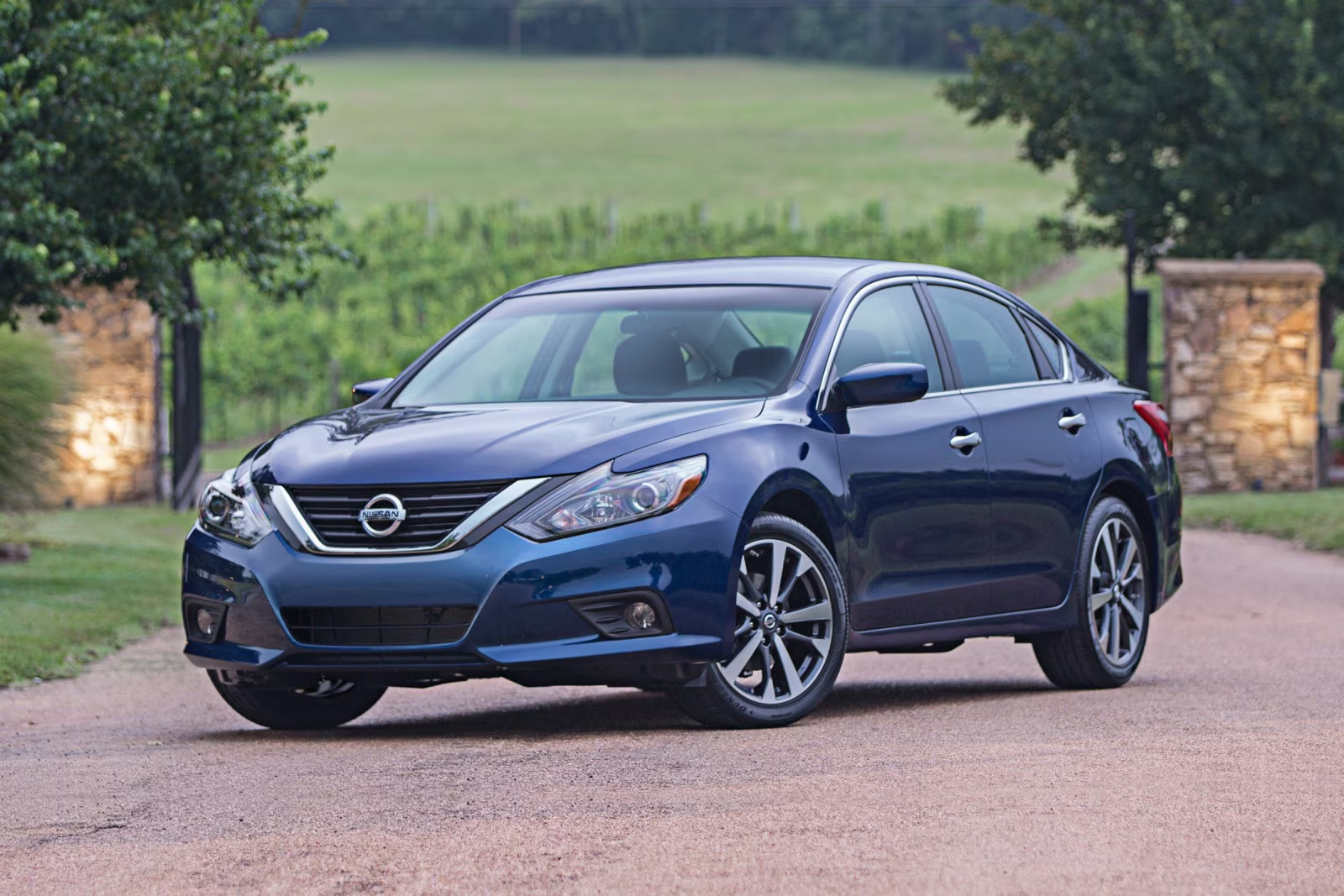
5. Nissan Altima
The Nissan Altima has been reported to have steering rack problems in model years 2007–2012, particularly in vehicles with higher mileage. Hydraulic racks are susceptible to leaks and internal wear, resulting in steering play or increased effort when turning. Drivers may notice uneven steering feedback or vibrations in the wheel, signaling the need for a costly replacement.
The Altima’s steering assembly uses standard hydraulic components but is sensitive to fluid contamination and prolonged stress. Lack of regular maintenance or exposure to extreme driving conditions accelerates wear. When failures occur, partial repairs are uncommon, and full rack replacement is typically required. Labor costs contribute significantly to expense.
Steering rack issues can affect safety and comfort. Reduced responsiveness or uneven steering increases the difficulty of maneuvering in tight spaces or emergency situations. Buyers should verify service records and inspect steering components thoroughly when evaluating used Altima models. This precaution helps mitigate the risk of expensive repairs shortly after purchase.
Repairing the Altima’s steering rack often costs between $1,200 and $1,600, including parts and labor. While aftermarket options are available, quality varies and may impact longevity. Original equipment manufacturer parts ensure performance but increase cost. Awareness of these factors is crucial for prospective buyers seeking reliable ownership.
Despite potential steering rack problems, the Altima is popular for fuel efficiency, comfort, and interior space. Prospective owners should weigh these benefits against the possibility of expensive rack repairs. Choosing models with documented maintenance history and fewer miles improves the likelihood of avoiding costly steering issues.