

Every day, millions of drivers share the highway with large semi trucks. These massive vehicles are essential to the economy, delivering goods across the country. However, driving near them can be intimidating and even dangerous if you are not careful.
Semi trucks can weigh up to 80,000 pounds when fully loaded. Their sheer size and weight make them difficult to maneuver and slow to stop. Understanding how to drive safely around them is a skill every driver must develop.
Accidents involving semi trucks are often fatal for passenger vehicle occupants. According to traffic safety data, large truck crashes claim thousands of lives every year. Most of these accidents are preventable with proper awareness and caution.
Many drivers make dangerous mistakes around semi trucks without even realizing it. They cut off trucks, linger in blind spots, or tailgate without understanding the risks. These behaviors dramatically increase the chances of a serious collision.
This guide is designed to help everyday drivers understand the unique challenges that semi trucks present. Each tip is practical, easy to apply, and potentially life-saving. Whether you are a new driver or a seasoned road veteran, these 12 tips will help you drive more confidently and safely around large semi trucks on the highway.
Tip 1: Understand the Blind Spots of a Semi Truck
One of the most critical things every driver must know is where a semi truck’s blind spots are located. These blind spots are far larger than those of a regular passenger vehicle. Truck drivers call these areas “No-Zones,” and for good reason.
A semi truck has four major blind spots. The first is directly in front of the cab, extending about 20 feet forward. The second is directly behind the trailer, stretching up to 30 feet back.
The third blind spot runs along the left side of the truck, covering roughly one lane. The fourth and largest blind spot is on the right side, spanning two full lanes diagonally. If you cannot see the truck driver’s face in their mirror, they cannot see you.
Many serious highway accidents happen because a driver was sitting invisibly in one of these zones. The truck driver changes lanes or brakes suddenly, not knowing another vehicle is there. The result can be catastrophic and often fatal.
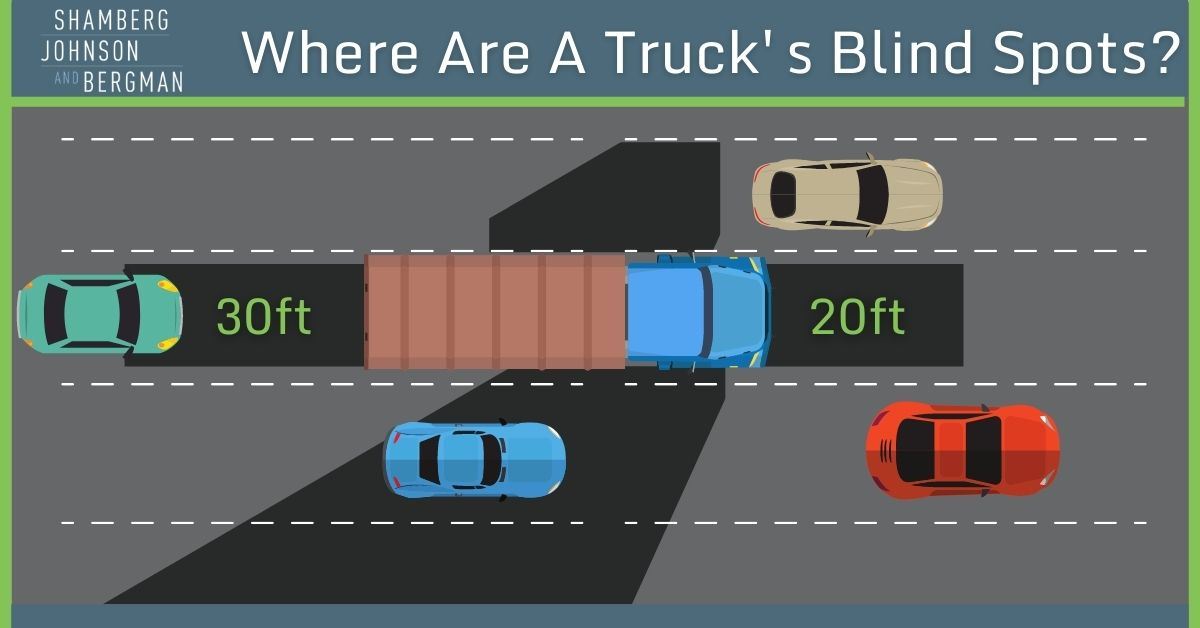
To stay safe, always try to make your vehicle visible to the truck driver. Pass quickly and decisively rather than lingering alongside the truck. Move through blind spots with speed and intention, not hesitation.
New drivers especially tend to cruise comfortably next to a semi without realizing the danger. They feel the truck is far enough away to be safe. But the truck driver may have absolutely no idea they are there.
A simple rule to follow is: if you cannot see the driver, move. Adjust your speed or change lanes to reestablish visibility. This one habit can dramatically reduce your risk of a collision.
Understanding blind spots also helps when a truck is merging or changing lanes. Give trucks extra room when you see their turn signal flashing. Assume they may not have seen you and act defensively.
Parents should teach teenage drivers about truck blind spots early. This knowledge should be a standard part of driver education. It is a simple concept that saves lives every single day on highways across the country.
Tip 2: Never Cut Off a Semi Truck
Cutting off any vehicle on the highway is dangerous. Cutting off a semi truck, however, can be deadly. These massive vehicles require an enormous amount of distance to stop safely.
A fully loaded semi truck traveling at 65 mph can take up to 525 feet to stop completely. That is nearly the length of two football fields. A passenger car in the same conditions stops in about 300 feet.
When you cut off a truck and brake suddenly, the truck driver has very little time to react. Even if they slam on the brakes immediately, physics is not on their side. The truck’s momentum will carry it forward at tremendous force.
Many drivers cut off trucks simply because they misjudge the truck’s speed. Large vehicles appear to be moving slower than they actually are. This optical illusion leads to dangerous and often fatal decisions.
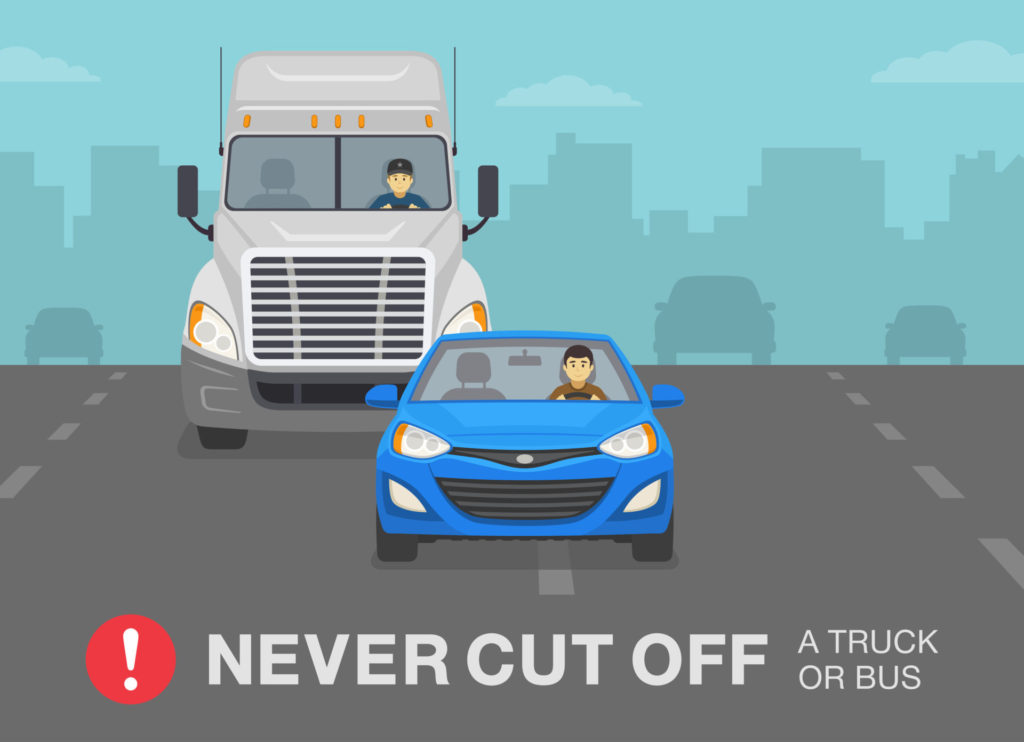
When merging onto a highway, always check your mirrors carefully before pulling in front of a truck. Make sure there is plenty of space between you and the truck. A good rule is to see the entire front of the truck in your rearview mirror before merging.
Some drivers rush to get ahead of a truck to take an exit. This last-minute maneuver is extremely risky. It is far better to miss your exit than to cause a deadly accident.
Truck drivers do their best to drive professionally and safely. But they are limited by the laws of physics. No amount of skill can overcome the stopping limitations of an 80,000-pound vehicle.
If you find yourself needing to merge in front of a truck, signal early. Give the truck driver time to slow down and create space for you. Communication through signals is a simple and effective safety tool.
Always treat the space in front of a semi truck as a safety buffer zone. Do not enter that space unless absolutely necessary. Respecting that buffer could one day save your life.
Tip 3: Always Pass Quickly and on the Left Side
Passing a semi truck requires confidence and speed. You should never slowly drift past a truck over several minutes. The longer you spend alongside a truck, the greater your risk exposure.
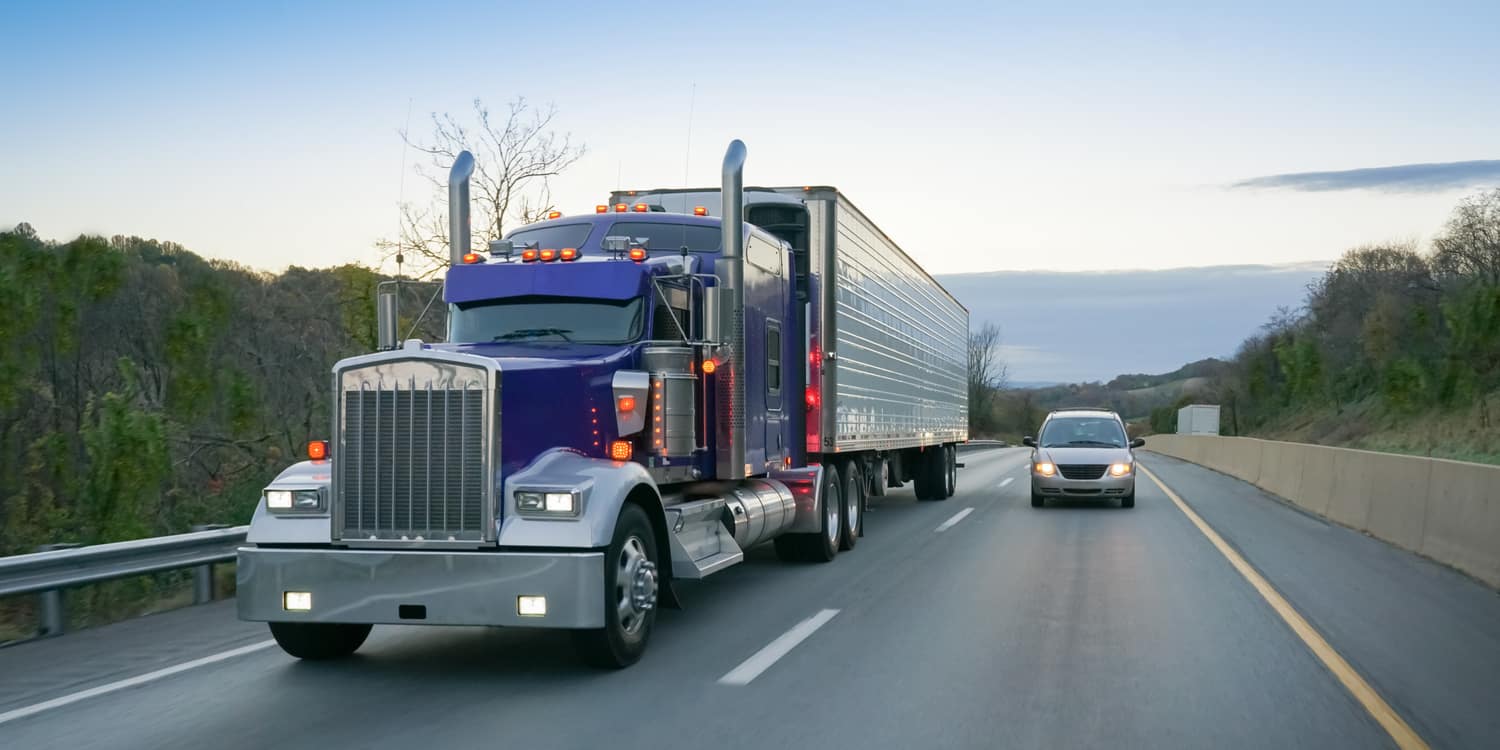
Always pass trucks on the left side whenever possible. The left-side blind spot is smaller than the right-side blind spot. This makes you more visible to the truck driver as you pass.
Before passing, check your mirrors and blind spots thoroughly. Make sure the left lane is clear well ahead of you. Signal your intentions early so the truck driver and other drivers are aware.
Accelerate steadily as you begin to pass the truck. Do not slow down or match the truck’s speed while alongside it. Move past the truck quickly and return to the right lane safely.
Wind turbulence is a major hazard when passing large trucks. As you move alongside the trailer, your vehicle may experience sudden buffeting. Keep a firm grip on the steering wheel and maintain your lane.

After passing the truck, do not immediately cut back in front of it. Maintain your speed and allow distance to grow before returning to the lane. A safe merge requires patience and awareness.
Passing on the right side is especially dangerous. The truck’s largest blind spot runs along the right side. A truck driver making a wide right turn may not see you at all.
In heavy traffic, avoid passing trucks repeatedly or unnecessarily. Each pass is a moment of increased risk. Only pass when it is clearly safe and truly necessary for your travel.
Teach new drivers that passing a semi is not the same as passing a car. It requires more planning, more speed, and more awareness. Treat every pass as a serious maneuver that demands your full attention.
Tip 4: Maintain a Safe Following Distance
Tailgating a semi truck is one of the most dangerous things a driver can do. The truck’s rear creates a massive blind spot that hides you from the driver. You also lose your ability to see the road ahead.
When you follow too closely behind a truck, you eliminate your reaction time. If the truck brakes suddenly, you have nowhere to go. The result is often a deadly underride collision, where your car slides beneath the trailer.
Underride accidents are among the most horrific in highway safety. They often result in decapitation or total vehicle destruction. Even at moderate speeds, the consequences are catastrophic.
The recommended following distance behind a semi truck is at least four seconds. In bad weather, increase that distance to six seconds or more. Count the seconds from when the truck passes a fixed point until your vehicle reaches the same point.
Maintaining distance also gives you a better view of the road ahead. You can see brake lights farther in advance and react accordingly. Good visibility equals more time to respond safely.
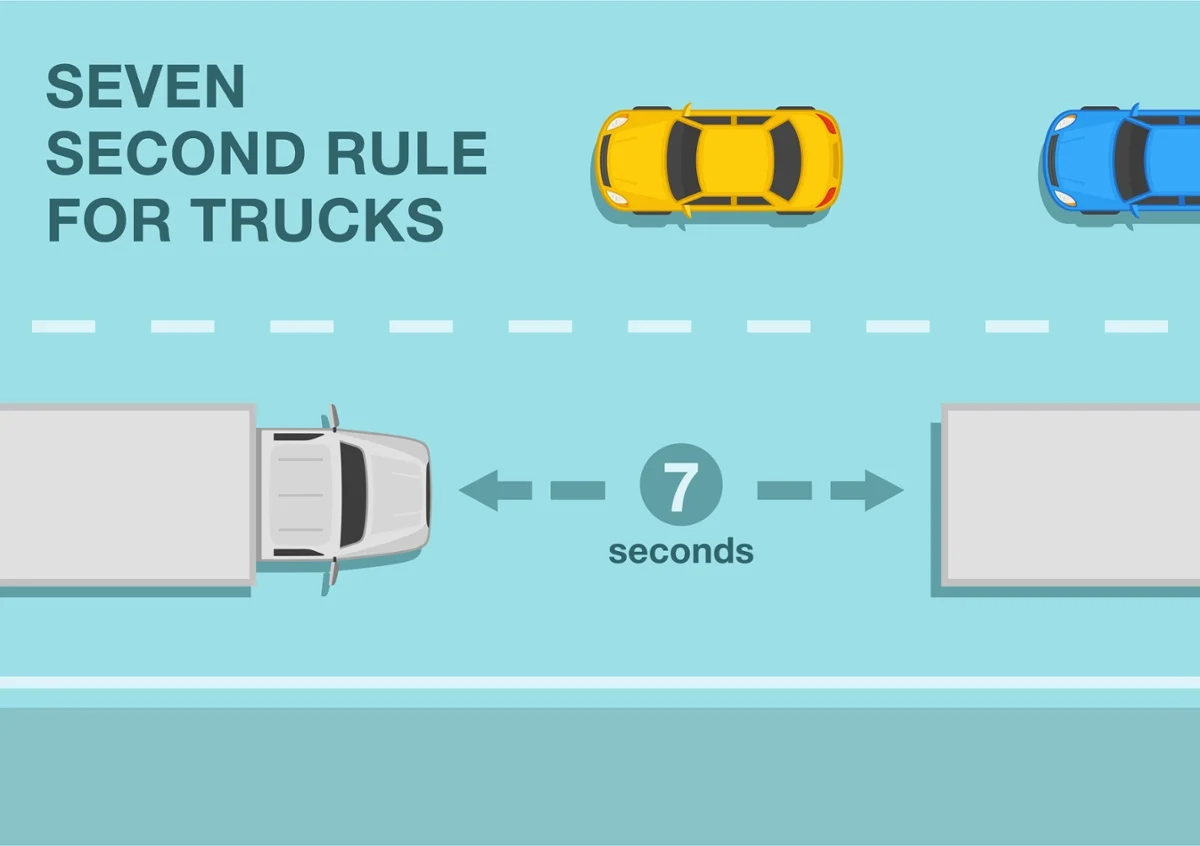
Some drivers follow trucks closely because they believe it saves fuel through drafting. While this technique is used in motorsports, it is extremely dangerous on public highways. The fuel savings are not worth the risk of a fatal accident.
If a truck brakes hard and you are following too closely, there is no safe option. You cannot swerve quickly enough at highway speeds. Distance is the only buffer that can save your life in that moment.
Truck drivers appreciate drivers who give them space. It allows them to manage their speed and braking more effectively. A respectful following distance benefits everyone on the road.
Make it a personal rule to always keep generous space behind every truck you follow. It is a habit that costs nothing and protects everything. Safe following distance is one of the simplest defensive driving techniques available.
Also Read: 12 Ways to Maximize Fuel Efficiency During High Gas Price Seasons
Tip 5: Be Extra Cautious in Bad Weather
Bad weather multiplies the danger of driving near semi trucks. Rain, snow, fog, and ice all dramatically reduce traction and visibility. Trucks become even more difficult to stop and control under these conditions.
In wet weather, a truck’s spray can completely blind nearby drivers. The mist thrown up by 18 wheels is intense and relentless. Keep your wipers on and maintain extra distance to stay clear of the spray.
Snow and ice make truck stopping distances even longer than usual. A truck that normally needs 525 feet to stop may need twice that distance on ice. Give trucks enormous space in winter conditions.
Fog is particularly dangerous around trucks. You may suddenly appear right behind a truck in heavy fog with no warning. Use your headlights, slow down significantly, and increase your following distance dramatically.

High winds can cause trucks to sway or drift into adjacent lanes. This is especially true for empty trailers, which act like sails in crosswinds. Be prepared for sudden lateral movement from trucks in windy conditions.
When driving in bad weather, avoid being next to a truck whenever possible. Fall back behind the truck or accelerate well past it. Remove yourself from the dangerous side-zone as quickly as you safely can.
Truck drivers are skilled professionals, but they cannot fully control an 80,000-pound vehicle on ice. Their expertise only goes so far when physics take over. Respect the conditions and give them the space they need.
If weather becomes severe, the safest option is to pull over and wait. Driving in a dangerous situation near large trucks is never worth the risk. Patience and caution are always the right choices in extreme conditions.
Tip 6: Watch for Wide Turns
Semi trucks require a significant amount of space to make turns. A truck making a right turn may first swing wide to the left. This can catch an unsuspecting driver completely off guard.
When you see a truck with its right turn signal on, do not try to sneak up on the right side. The truck may swing left and then cut sharply right across your lane. Getting caught in that space can crush your vehicle.
Many accidents at intersections happen exactly this way. A driver sees a truck move left and assumes there is room on the right. They accelerate into that space and are then trapped as the truck turns.
Always give trucks extra room at intersections and on-ramps. Watch the truck’s signals carefully before making any moves. Patience at intersections can prevent devastating and completely avoidable collisions.
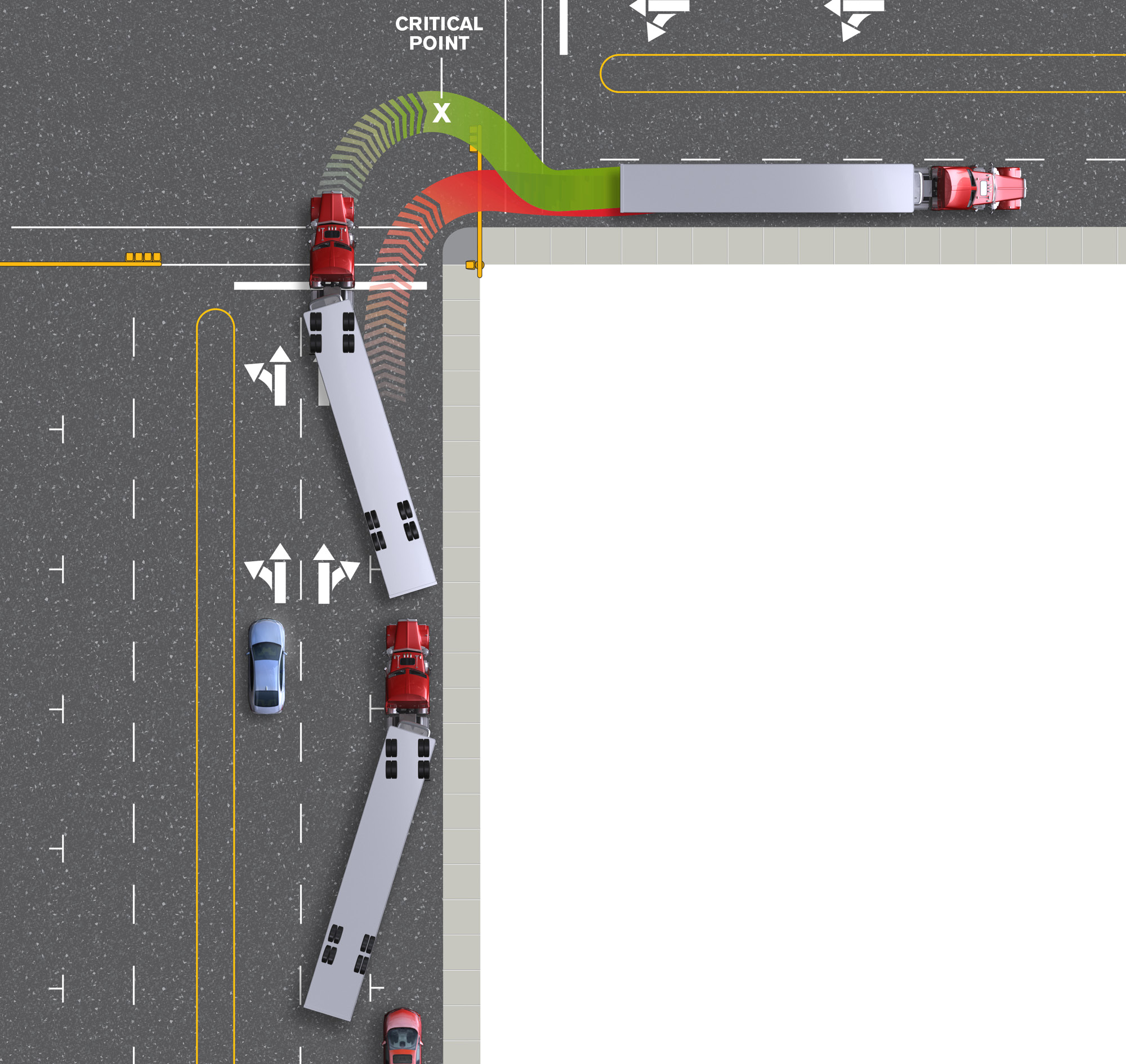
Truck drivers need that extra swing space to complete their turn safely. It is not reckless driving it is a physical necessity. Large vehicles simply cannot turn within a normal lane width.
If you are behind a truck approaching a turn, hang back significantly. Do not rush to get past the truck before it turns. Wait for the truck to complete its turn fully before moving forward.
This tip is especially important in urban areas and at truck stops. Tight spaces and lots of maneuvering make truck turns even more unpredictable. Stay alert and keep your distance in any area where trucks are going through the turns.
Teaching yourself to recognize early signs of a truck turning can save your life. Watch for the initial leftward swing. Treat that movement as a signal to stop and give way immediately.
Tip 7: Never Drive Between Two Semi Trucks
Driving sandwiched between two large semi trucks is extremely dangerous. You lose all visibility ahead and behind your vehicle. You are essentially driving blind in a very vulnerable position.
If either truck brakes suddenly, you have no escape. You cannot stop fast enough to avoid the truck in front. The truck behind you may not stop in time either.
This situation creates what safety experts call a “truck sandwich.” It is one of the deadliest positions a passenger vehicle can occupy on the highway. Avoid it completely and without exception.
If you find yourself between two trucks, accelerate past the front truck safely. Or fall back well behind the rear truck. Do not linger in that middle zone for any longer than absolutely necessary.

Drivers often end up in this situation without realizing it. Traffic slows, trucks close in, and suddenly you are surrounded. Awareness of your surroundings at all times is the key to avoiding this scenario.
Use your mirrors frequently to monitor trucks approaching from behind. If a truck is closing the gap, adjust your speed. Proactive awareness prevents reactive panic.
The noise and visual intimidation of being between two trucks can also cause panic. Drivers may make sudden, irrational moves that lead to accidents. Staying calm and having an escape plan is essential.
Practice maintaining your awareness of all surrounding vehicles, especially trucks. Know where every truck near you is at all times. This constant spatial awareness is a hallmark of truly safe and skilled highway driving.
Tip 8: Be Aware of Truck Tire Blowouts
Truck tire blowouts are violent, sudden, and terrifying events. When a large truck tire explodes at highway speed, the debris can be massive. Chunks of rubber can weigh several pounds and fly at incredible velocity.
These pieces of tire debris are known as “road gators.” They can shatter windshields, puncture tires, and cause drivers to lose control instantly. They are a real and serious hazard on any highway.
If you are driving directly behind a truck when a blowout occurs, you have almost no time to react. The debris launches backward at high speed directly toward your vehicle. Distance and lane position are your best defenses.
Try to avoid driving directly in line with a truck’s rear tires when possible. Position your vehicle slightly to one side to reduce your exposure. This gives debris a lower chance of hitting your car directly.
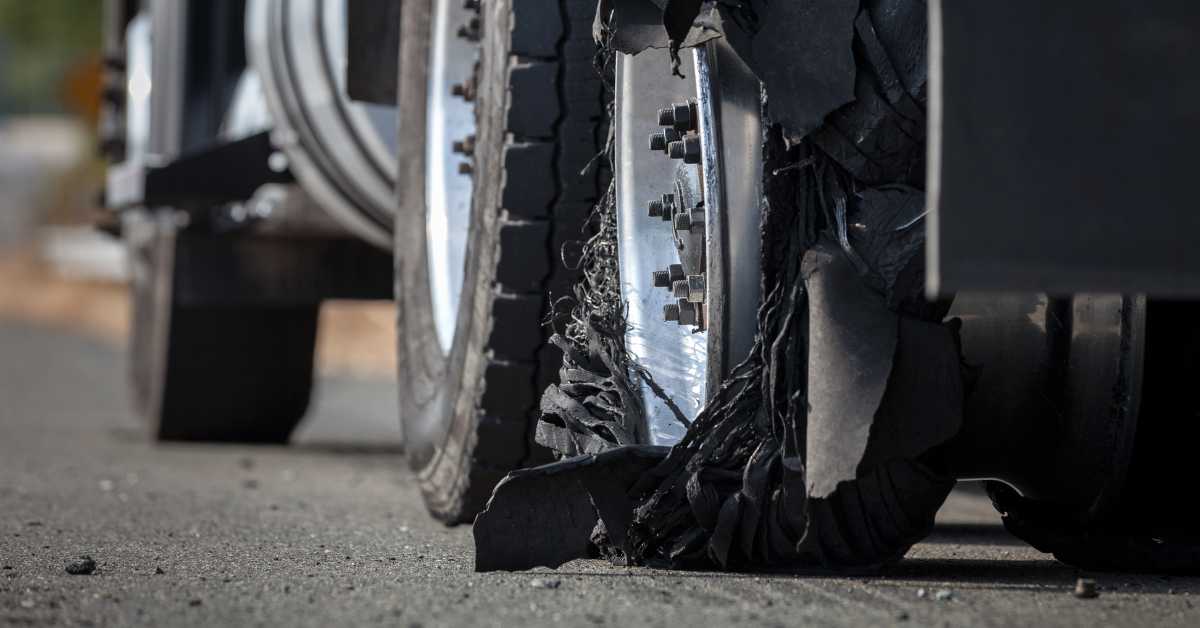
When a truck has a blowout, the truck itself may swerve violently. The driver will struggle to maintain control of the vehicle. Give trucks maximum space so you have room to react if this happens.
If you see a blowout occurring ahead of you, do not panic and swerve suddenly. Grip your wheel firmly and brake gradually. Smooth, controlled reactions are far safer than sudden jerks of the wheel.
Truck tires are under enormous pressure and carry immense weight constantly. Despite regular maintenance, blowouts still happen unexpectedly. There is nothing a driver can do to predict them, only prepare for them.
Maintaining safe following distance is again the most powerful tool here. Space gives you time. Time gives you options. Options keep you alive in sudden and unexpected highway emergencies.
Tip 9: Use Your Signals and Communicate Clearly
Clear communication on the highway is essential when driving near semi trucks. Always signal your intentions early and clearly. Truck drivers need more time to respond than car drivers do.
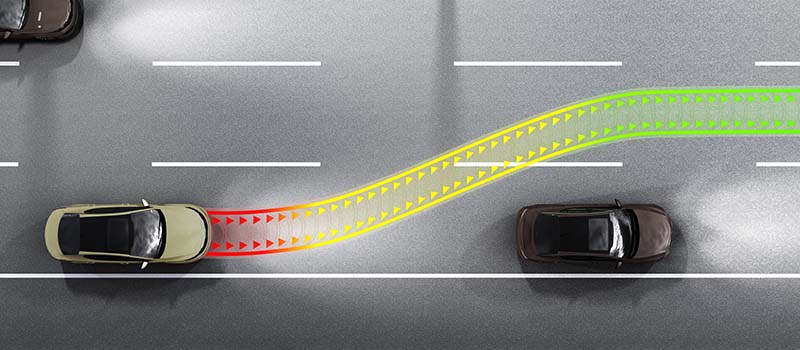
When you signal before changing lanes near a truck, you give the driver time to adjust. They can slow down, speed up, or hold their position to accommodate you. This simple act of communication prevents countless accidents every year.
Never make sudden lane changes near a truck without signaling first. The truck driver may be in the process of their own lane change simultaneously. Unexpected movements near large vehicles are extremely dangerous.
Flashing your headlights is a common way to communicate with truck drivers at night. When you flash once after a truck passes you, you signal that it is safe for the truck to merge back. This is a common highway courtesy that many truck drivers appreciate.
Truck drivers often flash their lights back as a thank-you. This mutual communication creates a safer driving environment for everyone. Simple signals foster teamwork on the highway.
If a truck signals a lane change, give them room immediately. Do not try to race them to the space or hold your position out of stubbornness. A truck changing lanes will complete that change regardless of what you do.
Avoid using your horn aggressively near trucks. It can startle the driver and cause sudden reactions. Use your horn only when truly necessary and as a warning, not an expression of frustration.
Good communication is a sign of a mature, confident, and safe driver. It costs nothing and takes only a second. Make signaling and awareness a non-negotiable part of your highway driving habits.
Tip 10: Avoid Distractions When Near Semi Trucks
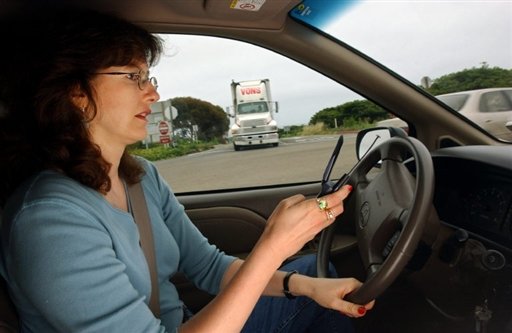
Distracted driving is dangerous in any situation. Near semi trucks, however, it can be instantly fatal. Even a two-second distraction at highway speeds can put you in an extremely dangerous position.
At 65 mph, your vehicle travels about 190 feet every two seconds. In two seconds, you could drift into a truck’s blind spot completely. You could miss brake lights, turn signals, or a tire blowout happening right in front of you.
Put your phone away completely before driving on the highway. Do not text, scroll, or even glance at notifications. No message is worth your life or the lives of others on the road.
Eating, drinking, or adjusting the radio while near trucks adds unnecessary risk. These small distractions break your visual and mental focus. Keep both hands on the wheel and your eyes on the road at all times.
Passengers can also be distracting. Manage conversations in your vehicle so they do not take your attention from driving. Ask passengers to help you watch for trucks if needed.
Fatigue is one of the most dangerous forms of distraction. Driving while tired impairs your reaction time as severely as alcohol. If you are tired, pull over and rest before continuing your journey near heavy truck traffic.
Truck drivers are trained professionals who dedicate their full attention to driving. As a passenger vehicle driver, you owe yourself and others the same level of focus. Treat highway driving as a serious responsibility.
Commit to being a fully present driver every time you get behind the wheel. Especially near semi trucks. Your attention is your most powerful safety tool on any highway.
Tip 11: Respect Truck Driver Space and Professional Expertise
Truck drivers are highly trained, experienced professionals. They spend thousands of hours behind the wheel every year. They understand their vehicles and the road better than most people can imagine.
Respecting their space and expertise makes the highway safer for everyone. Do not challenge trucks, race past them aggressively, or behave rudely around them. Professional drivers respond best to courteous and predictable behavior.
Give trucks the right of way when safe to do so. Merging trucks, turning trucks, and slowing trucks all need cooperative behavior from surrounding drivers. A little patience goes a long way toward preventing accidents.
Truck drivers often know something you do not about road conditions ahead. If a truck slows suddenly without obvious reason, slow down too and stay alert. They may have spotted a hazard that you cannot yet see.

Never tailgate a truck to express frustration with its speed. Trucks often travel at reduced speeds due to weight limits, grades, or safety protocols. Their pace is deliberate and professional, not an obstacle meant to annoy you.
If a truck needs to merge due to a lane closure, let them in. Blocking a merging truck is both dangerous and counterproductive. One vehicle position gained is not worth a life-threatening confrontation with an 80,000-pound vehicle.
Truck drivers deal with aggressive and careless drivers every single day. Showing basic road courtesy creates a more cooperative driving environment. It also signals to the truck driver that you are a safe and aware driver.
The trucking industry keeps the economy running. Show respect for the people doing that work. A respectful attitude on the road is a core component of genuine highway safety.
Tip 12: Stay Calm and Patient Around Semi Trucks
Patience is perhaps the most underrated safety tool on the highway. Rushing, frustration, and aggression are the enemies of safe driving near semi trucks. A calm driver is always a safer driver.
Give yourself extra time when you know you will be traveling on highways with heavy truck traffic. Rushing leads to poor decisions, risky maneuvers, and unnecessary danger. Time pressure is one of the leading causes of aggressive driving behavior.
If a truck is slowing traffic, relax and find a safe opportunity to pass. Do not weave aggressively or tailgate out of frustration. The few minutes you save are never worth the risk you create.
Road rage incidents involving passenger vehicles and trucks almost always end badly for the car. An 80,000-pound truck will win any physical confrontation with a passenger vehicle. Anger has no place on the highway.
Practice deep breathing or calming strategies if you feel yourself becoming tense. A tense driver grips the wheel too hard and overreacts to stimuli. A relaxed driver responds smoothly and intelligently to every situation.
Accept that trucks are a permanent and necessary part of highway travel. Adjust your expectations and driving style to accommodate them. Fighting against their presence only creates danger for you and others.
When you approach a situation involving a truck with calm and patience, you think more clearly. You see more options. You make better decisions. Calm driving is skilled driving.
Teach yourself to view trucks as fellow travelers doing important work. Approach them with respect, patience, and awareness. That mindset shift alone can transform your highway driving experience entirely.
Also Read: 10 Best Products for Successfully Restoring Faded Exterior Trim
