
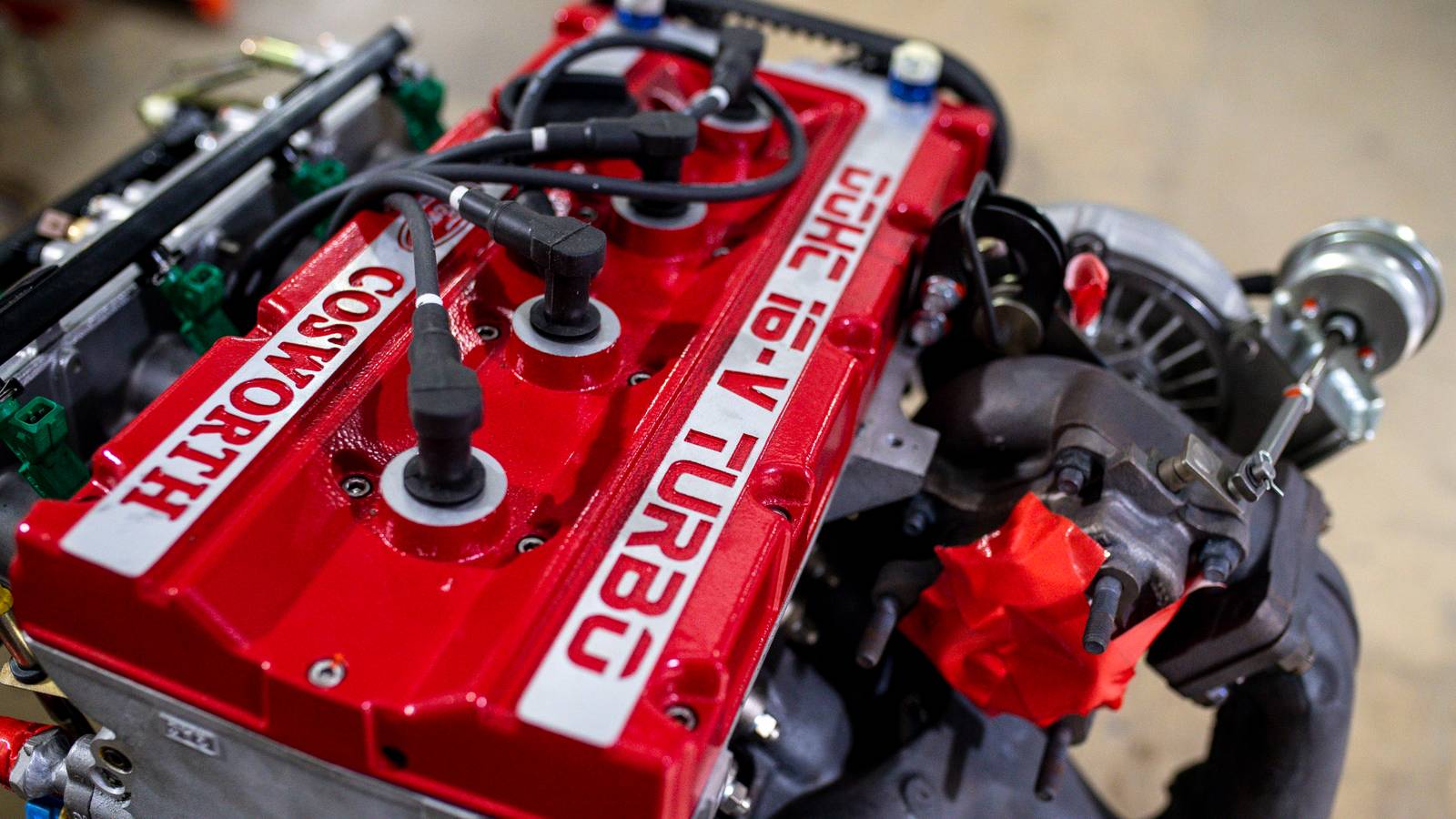
A quiet two-lane road stretching through rolling hills can turn any drive into something memorable, yet the car you choose makes all the difference.
While high-horsepower machines grab attention, smaller performance engines often deliver a more engaging experience where it counts. These engines invite drivers to stay involved, to listen, to feel, and to react rather than simply hang on for raw speed.
Lightweight builds, balanced handling, and engines that thrive on momentum create a rhythm that feels alive on winding pavement. Instead of chasing straight-line dominance, these cars reward precision and timing.
You notice how throttle inputs shape the corner, how each gear change feels deliberate, and how the road itself becomes part of the experience rather than just a surface to conquer.
Backroads across the United States offer countless opportunities for this kind of connection. Tight corners, elevation changes, and varying surfaces encourage cars that can adapt quickly without overwhelming the driver.
Smaller performance engines shine in these situations because they bring out the joy of driving rather than masking it behind excessive power.
For drivers who value control, communication, and pure fun, downsized engines deliver something that big horsepower often misses. The following reasons explain why these machines continue to win hearts where it matters most.
1. Momentum Matters More Than Raw Power
Forget the obsession with massive horsepower for a moment and consider what actually keeps a drive exciting on a twisting road.
Momentum plays a central role, and smaller performance engines thrive in that space. Cars like the Mazda MX-5 Miata Club show exactly how this works. Instead of relying on brute force, they encourage drivers to maintain speed through corners and plan each move carefully.
A smaller engine does not overwhelm the chassis, which means every ounce of performance gets used efficiently. Drivers learn to carry speed through bends, choose the correct line, and maintain smooth inputs. This creates a sense of satisfaction that larger engines often skip because they allow mistakes to be erased with sheer acceleration.
Imagine approaching a series of tight curves. A high-powered car might demand restraint just to stay in control, while a lighter, smaller-engined car invites confidence. You can push closer to the limit without feeling like things might spiral out of control. That confidence transforms the drive into something interactive rather than intimidating.
Shifting becomes part of the fun as well. Engines that need to be worked encourage frequent gear changes, keeping the driver engaged from start to finish. Each move feels earned, and each corner exit becomes an opportunity to build speed naturally.
This type of driving creates a stronger connection between the driver and the machine. Instead of blasting through straight sections and braking hard for corners, the entire road becomes a flowing experience. Momentum-based driving rewards skill and attention, which keeps things interesting even at legal speeds.
Drivers who spend time with cars like the Toyota GR86 Premium often realise that power alone does not define enjoyment. Precision, timing, and rhythm become the real highlights, and those elements shine brightest when the engine encourages involvement rather than dominance.
2. Lightweight Builds Amplify Every Sensation
Step into a car that weighs less, and everything feels sharper. Steering responds quicker, braking feels more immediate, and acceleration becomes more noticeable even with modest power. This is where smaller engines shine because they allow manufacturers to keep weight down without compromising balance.
Cars such as the Alfa Romeo 4C Coupe deliver an experience that feels raw and direct. The lightweight carbon fibre structure paired with a compact engine creates a driving sensation that feels almost telepathic. Every input results in an immediate reaction, and that responsiveness turns ordinary roads into something exciting.
Sound and vibration also play a larger role. A smaller engine in a lighter car allows drivers to hear and feel more of what is happening. You notice the engine revving freely, the tyres gripping through corners, and the subtle changes in road texture. These details create a richer experience that larger, heavier vehicles tend to filter out.
Balance improves as well. Without excessive weight at the front, the car rotates more naturally through corners. This makes it easier to adjust your line mid-corner and maintain control. The result is a driving style that feels fluid rather than forced.
Even braking benefits from reduced mass. Shorter stopping distances and improved pedal feel give drivers more confidence when approaching tight turns. That confidence encourages pushing a little harder, knowing the car will respond predictably.
A car like the Lotus Elise Sport 240 Final Edition proves that weight reduction paired with a modest engine can create one of the most engaging driving experiences available. Every mile feels active, every corner feels alive, and every input matters.
Instead of chasing speed, lightweight cars focus on sensation. They remind drivers that fun comes from interaction, not just numbers on a spec sheet.
Also Read: 8 Tips for Protecting Your Car Electrical System From Desert Rodents
3. Better Control Builds Confidence on Tight Roads
Winding backroads call for a high level of precision, and vehicles equipped with smaller performance engines tend to provide this advantage with remarkable clarity.
Rather than placing the driver in a constant struggle to restrain excessive power, such cars allow for deliberate positioning on the road. This results in smoother cornering, improved composure, and a heightened sense of command behind the wheel.
A practical illustration can be found in the Honda Civic Si Sedan, a model widely respected for its balance between spirited performance and everyday usability. Its turbocharged engine produces adequate power to keep the drive engaging, yet it does not overwhelm the front wheels.
This measured output ensures that drivers can approach the vehicle’s limits with confidence, without feeling as though they are contending with unpredictable behaviour. Predictability plays a central role in building driver confidence.
Smaller engines typically deliver power in a more linear and controlled fashion, thereby reducing the likelihood of sudden surges that could unsettle the vehicle during a corner. As acceleration builds progressively, stability is maintained, allowing the driver to remain composed and focused on the road ahead.
Steering input also gains greater importance in such vehicles. With speed kept within manageable bounds, attention can be directed toward achieving the ideal driving line through each bend. This careful placement transforms routine driving into a deliberate and satisfying exercise, where precision becomes a source of enjoyment.
Approaching corners is equally less demanding. Reduced speeds allow for more consistent braking, enabling smoother transitions from deceleration to turning and then to acceleration. This consistency fosters a rhythm that enhances both safety and driving pleasure.
A distinct variation of this experience is offered by the Mini Cooper S Hardtop 2 Door. Its compact design, combined with a responsive engine, gives it a lively character well suited to narrow roads. Rapid directional changes feel intuitive, and the car responds promptly to driver commands, reinforcing a sense of agility and control.
Driving in such conditions advances into a discipline focused on technique rather than sheer force. The emphasis moves toward refining inputs, understanding vehicle behaviour, and achieving balance. Each successfully executed corner contributes to a sense of accomplishment, while every stretch of road presents an opportunity for further improvement.
Smaller engines do not diminish the driving experience. Rather, they enhance it by equipping drivers with the means to remain confident, capable, and fully engaged throughout the journey.
4. You Can Push Harder Without Breaking the Law
Vehicles with very high power outputs often reach unlawful speeds within a short distance, which limits the extent to which their capabilities can be safely enjoyed. Smaller performance engines address this concern by offering a level of performance that remains accessible within legal boundaries, thereby allowing drivers to make fuller use of the car’s potential.
The Volkswagen GTI SE provides a clear example of this principle. Its turbocharged engine delivers strong and responsive performance, yet it remains composed and approachable.
Drivers can accelerate with enthusiasm, change gears smoothly, and appreciate the vehicle’s responsiveness without immediately encountering speeds that demand restraint. This balance creates an environment where performance can be enjoyed more freely.
A calmer driving experience naturally follows. Without the constant need to monitor speed excessively, attention can be directed toward the road itself. This allows for greater immersion in the act of driving, as the focus moves from managing speed limits to appreciating the flow of the journey.
On such roads, corners take precedence over straight-line acceleration. Smaller engines encourage drivers to maintain momentum through bends, which keeps the experience engaging even at moderate speeds. This approach aligns well with the character of backroads, where precision and rhythm matter more than outright speed.
The Hyundai Elantra N Line reflects a similar philosophy. It offers lively and responsive performance while maintaining a level of control that suits everyday driving conditions. Its engine provides sufficient excitement to keep the driver interested, yet it avoids overwhelming the chassis or the driver’s ability to manage it effectively.
Having access to a greater portion of the car’s performance range enhances enjoyment. Drivers can approach the limits with confidence, without the persistent feeling of needing to hold back. This creates a balanced experience where performance feels usable rather than excessive.
Many drivers come to appreciate that true satisfaction lies in fully utilising what a car offers, rather than possessing capabilities that remain largely untapped. Smaller engines make this possible by ensuring that performance remains within reach during normal driving conditions.
When presented with an inviting stretch of road, such vehicles respond with an eagerness that feels appropriate and controlled, delivering an experience that is both engaging and responsible.

5. Engine Character Becomes the Star of the Drive
Sound, response, and personality take centre stage when the engine is not buried under excessive power. Smaller performance engines often deliver a distinct character that drivers can appreciate at any speed, and that character adds depth to every mile.
A car like the Fiat 124 Spider Abarth proves that a modest turbocharged engine can feel lively, expressive, and full of charm without needing massive output figures. Its behaviour encourages attentiveness, rewarding drivers who value engagement rather than raw output.
Pressing the accelerator produces an immediate and eager reaction rather than a force that feels difficult to manage. This responsiveness builds a strong sense of connection, making it easier to align throttle input with changing road conditions.
Drivers soon begin to observe how the engine performs across different gears, how it delivers power through the mid-range, and how it responds to measured inputs. These characteristics combine to form a driving experience that feels intentional and controlled.
Acoustic feedback also contributes meaningfully to this experience. Instead of a distant and overpowering sound that appears only at very high speeds, smaller engines tend to produce tones that can be enjoyed more consistently.
Subtle exhaust notes, the presence of a turbocharger, and the sound of air intake systems work together to create an engaging auditory experience. This layered sound profile adds depth without becoming intrusive, allowing drivers to remain focused.
Another strong example can be seen in the Subaru BRZ Limited, which features a naturally aspirated engine that encourages higher engine speeds.
Drivers often find satisfaction in allowing the engine to reach the upper limits of the tachometer, not out of necessity, but for the enjoyment it provides. This willingness to rev introduces a sense of energy that enhances even short drives.
Engine character also shapes driving decisions. Rather than depending on force, drivers rely on the engine’s behaviour to guide cornering techniques. Careful throttle application helps maintain balance, while thoughtful gear selection supports smoother transitions.
Each journey becomes distinctive because the engine invites continuous interaction. As time goes on, this fosters a strong relationship between driver and vehicle.
The experience becomes active rather than passive, with each input producing a meaningful response. Smaller engines demonstrate clearly that personality can define enjoyment just as much as performance figures.
6. Lower Costs Encourage More Frequent Driving
Owning a performance car should not feel like a rare occasion reserved for special days. Smaller engines help change that by reducing fuel consumption, maintenance expenses, and general wear, which encourages drivers to get behind the wheel more often. Cars such as the Ford Fiesta ST deliver thrilling performance while remaining affordable to run.
Fuel efficiency plays a major role. A smaller engine uses less fuel during spirited driving, allowing longer trips without constant concern about cost. Drivers can take extended backroad routes without feeling like every mile adds unnecessary expense.
Maintenance tends to be more manageable as well. Components are often less stressed compared to high-output engines, which can lead to lower repair costs. This makes ownership less intimidating and more accessible for those who want to enjoy their car regularly.
Tires and brakes also benefit. With less weight and more manageable power, wear rates can be reduced. This allows drivers to push the car without worrying about frequent replacements. That freedom adds to the enjoyment because it removes some of the hesitation that comes with higher running costs.
Another great example is the Kia Forte GT, which blends everyday usability with spirited performance. It offers enough power to stay exciting while keeping ownership costs within reach. This balance encourages drivers to take the long way home more often.
Driving frequently builds familiarity with the car. That familiarity leads to greater confidence and a stronger connection with how the vehicle behaves. Each drive becomes an opportunity to refine skills and enjoy the road without worrying about high costs.
Smaller performance engines make driving feel accessible rather than restrictive. When the financial side stays reasonable, the car becomes part of daily life rather than something reserved for occasional use.
7. Smaller Cars Fit Backroads Like a Glove
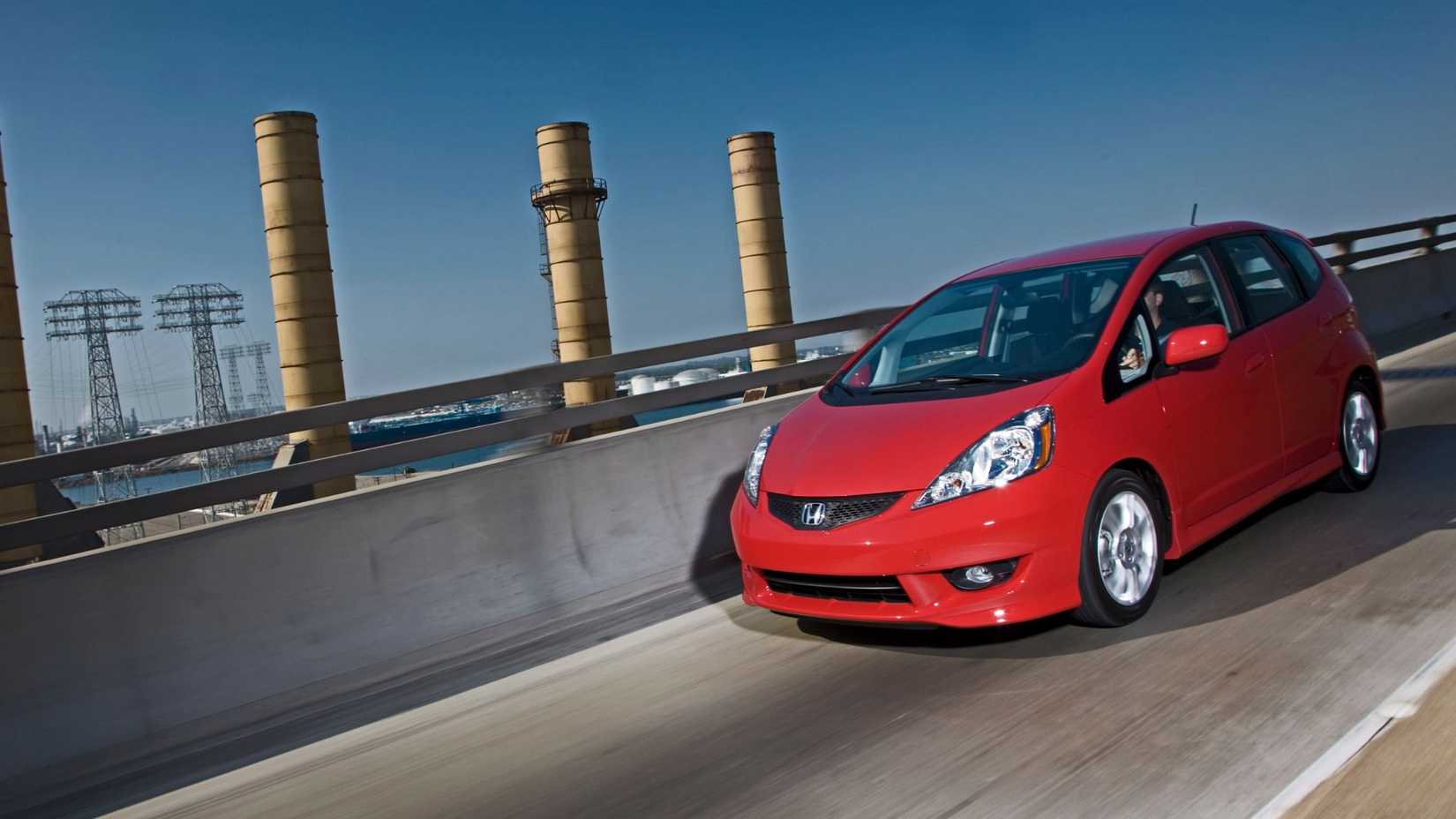
Narrow roads with frequent bends and limited visibility require a vehicle that aligns closely with the dimensions and demands of the route.
Cars powered by smaller performance engines are often designed with compact proportions, and this attribute provides a clear advantage in such conditions. The Toyota GR Corolla Core serves as a fitting illustration of how a well-sized vehicle, supported by a responsive engine, can enhance the quality of a drive on challenging roads.
A compact vehicle is easier to position accurately within a lane. Drivers can guide the car with confidence, free from concerns about excessive width or unnecessary bulk.
This level of precision allows for smoother cornering and more effective use of the available road space. Each movement feels deliberate, and the driver can maintain a consistent path without unnecessary correction.
Improved visibility is another benefit associated with smaller vehicles. Reduced dimensions make it easier to assess the road ahead and respond promptly to changing conditions.
Whether approaching a sharp bend or encountering an uneven surface, the driver gains valuable time to make appropriate adjustments. This heightened awareness contributes to a safer and more controlled driving experience.
Agility stands out as a defining quality. Quick changes in direction occur with minimal effort, and the vehicle responds immediately to steering input.
This responsiveness creates a sense of continuity as the car moves through successive corners. Larger vehicles often struggle to achieve this level of fluidity, as their size can limit responsiveness and increase the effort required for directional changes.
The Mazda3 Hatchback Turbo Premium Plus provides another strong example. It combines compact proportions with a refined driving character, allowing it to handle tight roads with confidence. At the same time, it maintains a level of comfort suitable for longer journeys, making it a practical choice for varied driving needs.
Ease of parking and general manoeuvrability also contribute to the appeal of smaller cars. While these factors may appear secondary, they enhance the ownership experience by reducing everyday inconvenience. Drivers can transition from spirited driving to routine tasks without difficulty.
Compact vehicles encourage a closer relationship between driver and road. Each corner can be approached with assurance, and each straight section feels purposeful. The car responds faithfully to input, creating a sense of harmony that enhances the journey.
When a vehicle fits the road with such precision, the driving experience becomes smoother, more controlled, and more engaging from start to finish.
Also Read: 8 Tips for Extending the Life of Your Hybrid Battery Without Specialized Tools
8. Skill Development Becomes Part of the Fun
The process of improving driving ability introduces an additional layer of satisfaction that extends beyond simple mobility. Vehicles equipped with smaller performance engines create favourable conditions for this development. By emphasizing technique rather than sheer power, they encourage drivers to refine their skills in a meaningful way.
The Hyundai Veloster N presents an excellent platform for such growth. Its responsive engine and carefully tuned chassis provide a balanced foundation that rewards deliberate inputs. Drivers are encouraged to test different approaches to cornering, braking, and throttle application, with each attempt offering valuable insight into vehicle behaviour.
Errors are easier to manage in this setting. With power levels kept within reasonable limits, minor misjudgments do not result in a loss of control. Instead, they serve as learning opportunities, allowing drivers to adjust their approach and improve gradually. This environment fosters confidence, as individuals can practise without excessive risk.
Clear feedback is another advantage. Smaller engines allow the driver to feel how the vehicle reacts to every input. Steering communicates road conditions effectively, braking delivers predictable responses, and acceleration builds in a controlled manner. These signals help drivers understand the relationship between their actions and the car’s behaviour.
The Acura Integra A-Spec Tech Package offers a refined interpretation of this concept. It combines performance capability with a comfortable interior, enabling drivers to focus on skill development without sacrificing daily usability. Its balanced design supports both learning and enjoyment in equal measure.
Driving in such vehicles becomes an ongoing process of refinement. Each journey presents new scenarios that require attention and adaptation. As drivers gain experience, their movements become smoother, and their decisions more precise. This continuous improvement adds depth to the driving experience.
An increased understanding of the vehicle also develops as time goes on. Drivers begin to appreciate how various components work together to produce a cohesive response. This awareness strengthens the connection between driver and machine.
Smaller performance engines transform driving into an active and rewarding pursuit. Rather than serving merely as a means of transport, the vehicle becomes a tool for learning, improvement, and sustained enjoyment on every journey.
