
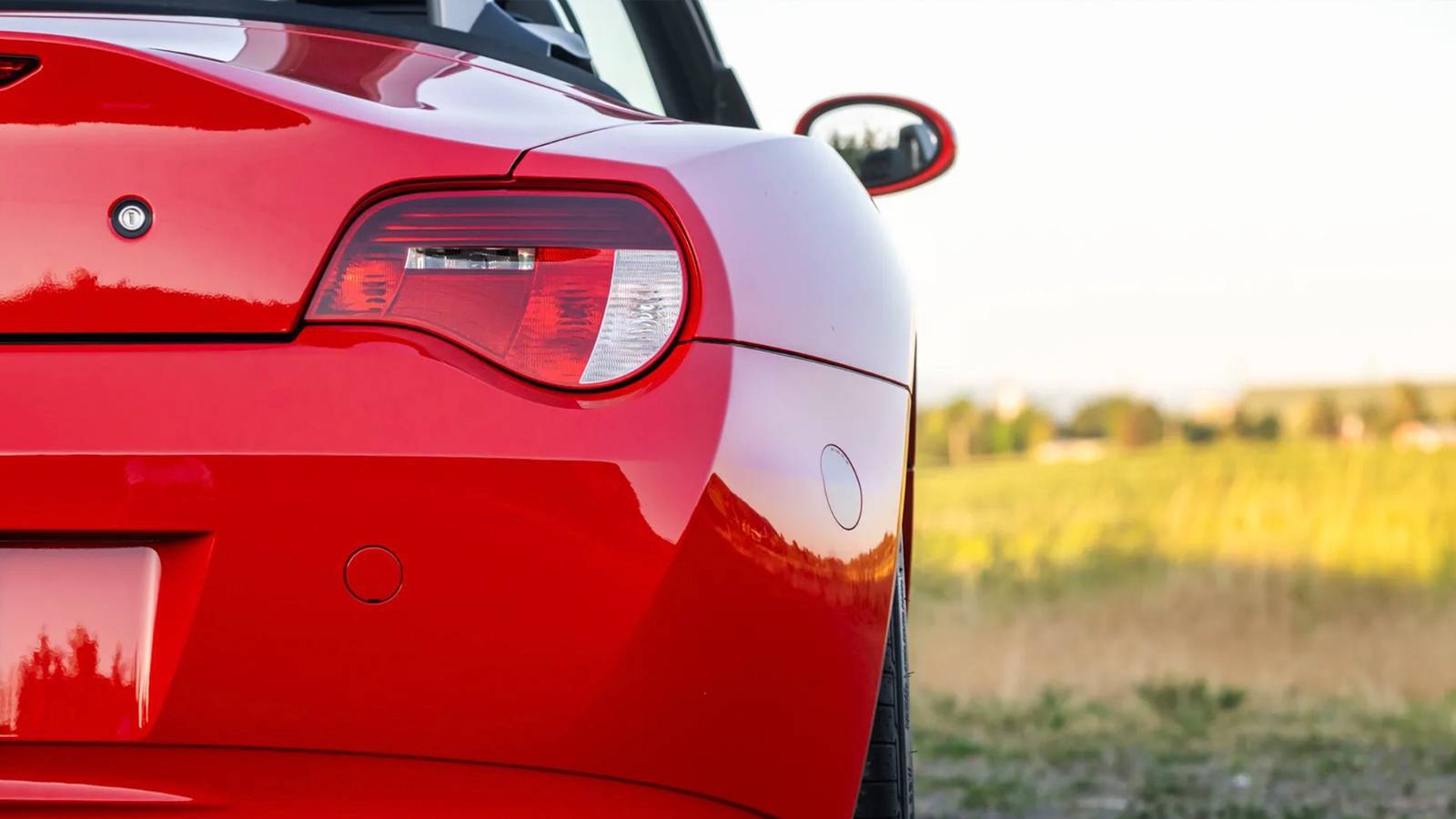
Car culture has entered an interesting phase where the gap between new technology and emotional driving keeps widening. Electrification, automation, and strict regulations are rewriting how vehicles are designed, sold, and experienced. At the same time, a specific group of modern cars has quietly positioned itself as tomorrow’s collectibles.
These are not distant classics from the 1960s or 1970s. They are machines that many people still see on the road, built with modern safety, performance, and reliability, yet shaped by design and engineering choices that are unlikely to return.
What separates a modern classic from an ordinary used car is not age alone. Rarity, driver involvement, engineering ambition, and timing all play roles.
Cars produced during transitional periods tend to age well, especially when they represent the final version of something meaningful. Manual transmissions nearing extinction, naturally aspirated engines disappearing from showrooms, and bold design decisions that manufacturers no longer repeat all contribute to long-term desirability.
Value growth rarely comes from hype alone. It comes from scarcity meeting sustained demand. Buyers in the next decade will look back at the 2010s and early 2020s as the final chapter of an era where internal combustion still ruled without heavy digital filters. That memory carries weight, and weight drives demand.
The vehicles listed here were chosen for clear reasons tied to production limits, driving experience, brand history, and cultural relevance. None relies on nostalgia alone. Each one stands on solid fundamentals that support long-term appreciation.
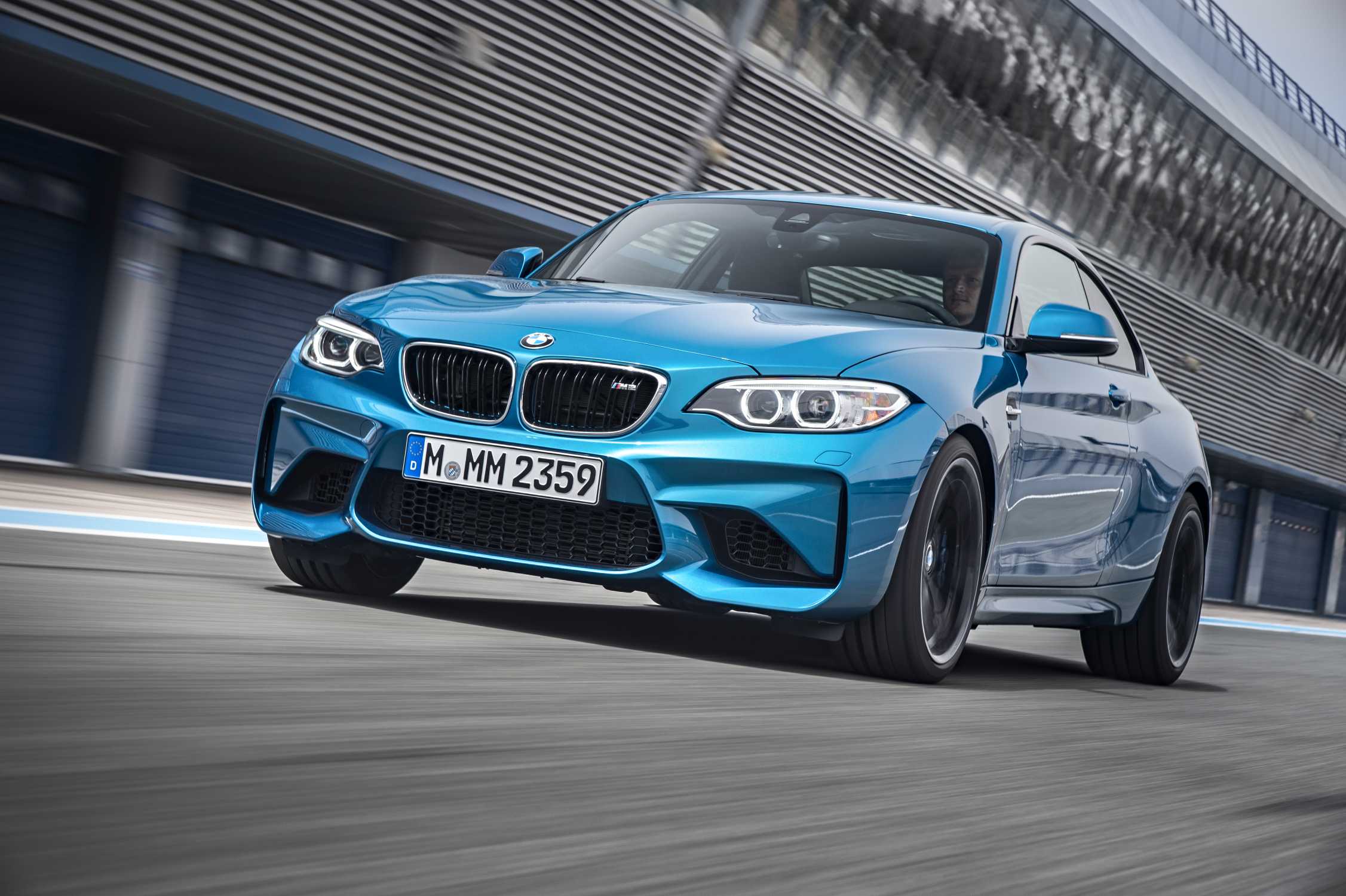
1. BMW M2 Coupe F87 (2016 to 2021)
Estimated Price: $45,000 – $65,000
Aggressive proportions and compact dimensions gave the BMW M2 Coupe F87 an identity that felt instantly deliberate. Unlike larger M cars that grew heavier with each generation, this model leaned into simplicity and muscle.
Short overhangs, wide fenders, and a stance that looked planted even at rest made it visually honest. Nothing about the design tried to appear subtle, and that honesty has aged well.
Driving feel became the real calling card. Hydraulic steering was gone, yet BMW tuned the electric system with enough feedback to keep enthusiasts engaged. Throttle response felt immediate, especially in the earlier versions before the added filters arrived.
Manual transmission availability strengthened its appeal, offering a level of involvement that newer performance cars often avoid. Clutch weight, gear spacing, and engine character worked together without feeling artificially enhanced.
Production numbers were reasonable but not excessive, striking a balance that collectors value. Enough units exist to support a strong community, while limited variations such as manual Competition models attract focused interest.
Later updates added power and stiffness, yet the original character remained intact across the lineup. That consistency matters when buyers look back for authenticity.
Market behavior already hints at future appreciation. Clean examples with low mileage have stopped depreciating at expected rates.
Modified cars exist in large numbers, which increases the value of untouched ones. Enthusiasts seeking a pure Rear Wheel Drive performance coupe with modern safety features find fewer alternatives each year.
By 2030, the M2 Coupe F87 will represent one of the last compact BMW performance cars built before size and digital complication took control. That positioning alone places it on a strong upward path.
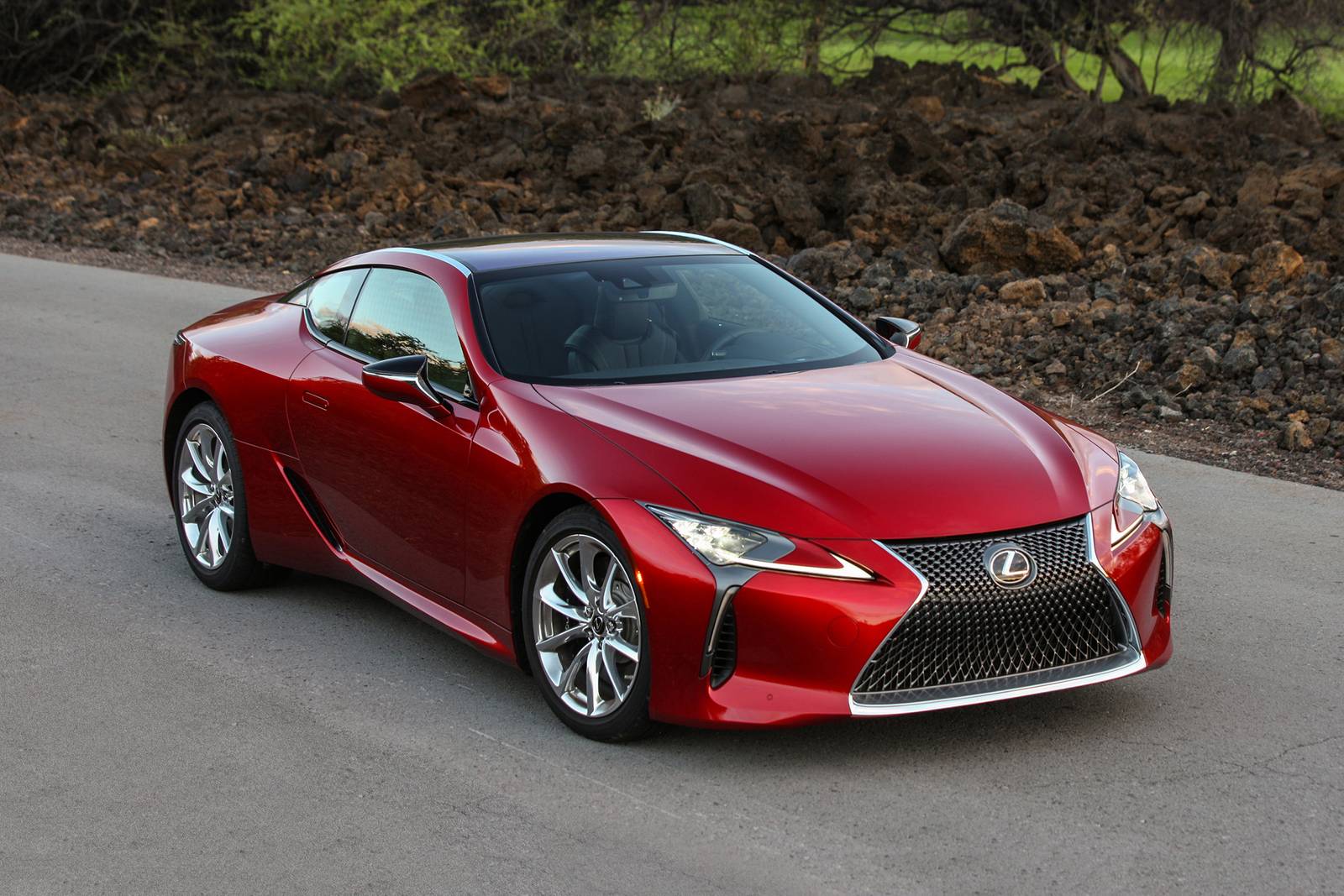
2. Lexus LC 500 Coupe (2018 to 2023)
Estimated Price: $65,000 – $90,000
First impressions shape long-term memory, and the Lexus LC 500 Coupe made a strong one. Design language pulled directly from concept form without dilution.
Long hood, dramatic roofline, and sculpted panels created a presence that turned heads without relying on aggression. Luxury cars often age poorly when trends change, yet this design feels timeless rather than trendy.
Under the hood sits a naturally aspirated V8 that delivers power in a linear, emotional manner. Sound plays a central role, rising with engine speed rather than arriving in artificial bursts.
As turbocharged and hybrid systems dominate the market, this engine stands as a reminder of how performance once felt. Smooth delivery and high revs create an experience that rewards patience rather than instant torque.
Interior craftsmanship supports its future value case. Materials feel intentional, with attention paid to texture, stitching, and layout. While some controls divided opinion, the cabin avoids the flat screen-heavy approach that dates many competitors quickly. Physical elements create a sense of permanence that software-driven interiors struggle to maintain.
Sales volume remained modest due to pricing and positioning. This limited exposure adds to long-term appeal. The LC 500 was never meant to chase volume, and that decision now works in its favor. Buyers searching for understated exclusivity often look past louder alternatives.
As regulations tighten and large displacement engines disappear, this coupe becomes a marker of restraint and artistry. Long-term collectors value moments where manufacturers prioritized character over compromise, and the LC 500 Coupe fits that description cleanly.
Also Read: 10 Best Modern Classics Cars to Rise in Value by 2030
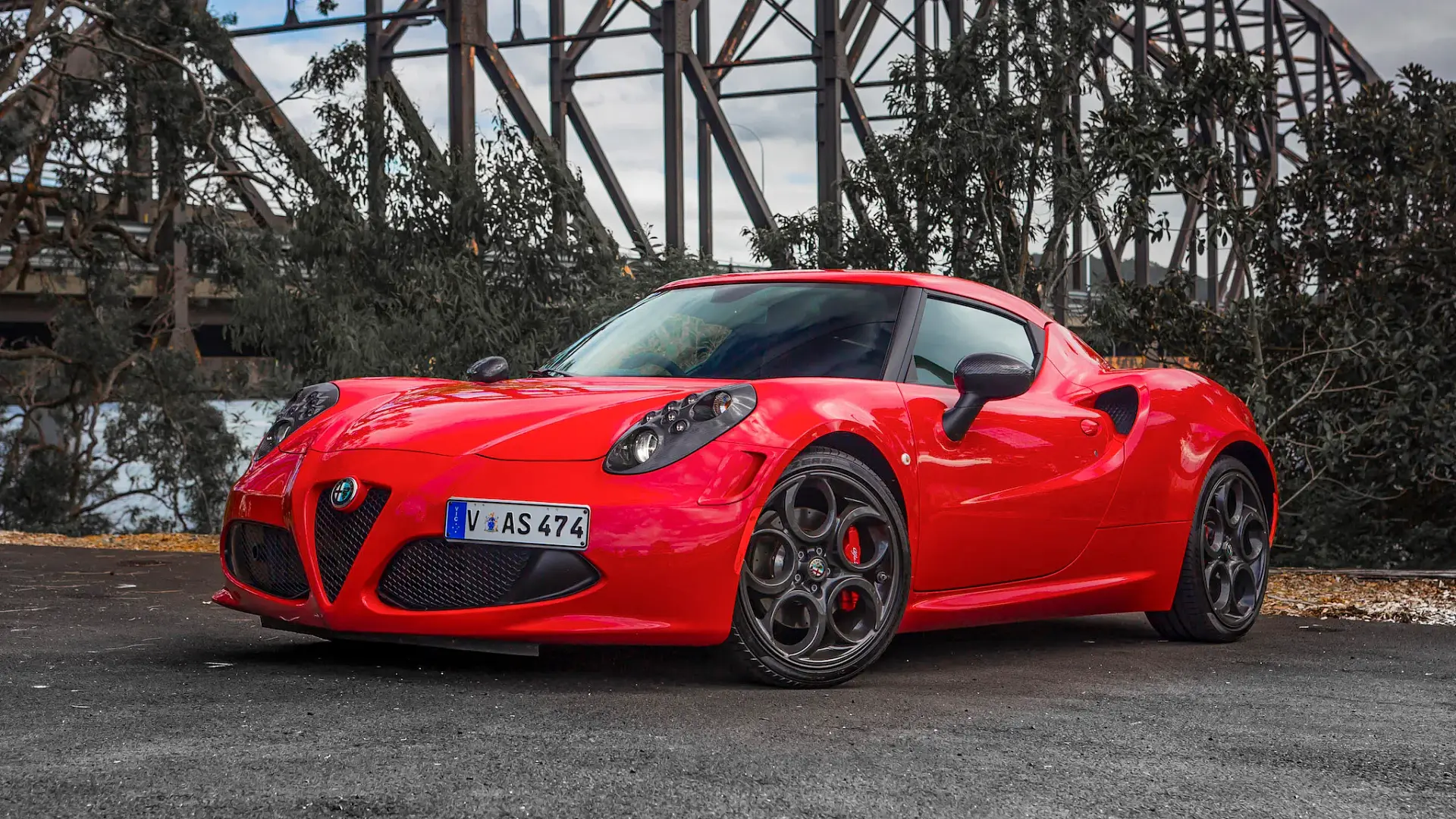
3. Alfa Romeo 4C Coupe (2015 to 2020)
Estimated Price: $55,000 – $75,000
Lightweight defined the Alfa Romeo 4C Coupe from its earliest development stage. Carbon fiber construction, minimal insulation, and a focus on mass reduction gave it a personality that felt closer to a race car than a luxury product. That decision limited its mainstream appeal while strengthening its identity among enthusiasts.
Steering feel stood apart from nearly every modern rival. Unassisted steering delivered raw feedback rarely found in contemporary vehicles.
Road texture, grip limits, and minor corrections are passed directly to the driver’s hands. That experience demands attention, which is precisely why it remains memorable. Comfort took a back seat, and the car never tried to pretend otherwise.
Design followed function closely. Compact proportions and dramatic curves created a shape that feels alive even when parked. The absence of unnecessary ornamentation helps the design age gracefully. Interior simplicity reinforces the car’s purpose, avoiding distractions that could dilute its focus.
Production numbers stayed low, partly due to manufacturing costs and narrow appeal. Carbon tubs are expensive, and Alfa Romeo never intended mass production. This rarity supports long-term desirability, especially as manufacturers move away from costly lightweight materials in favor of scalable platforms.
Collectors often chase cars that represent bold decisions rather than safe ones. The 4C Coupe represents a manufacturer choosing purity over volume during a period when most brands moved in the opposite direction. That bravery tends to gain respect with time, strengthening its position as a future value riser.
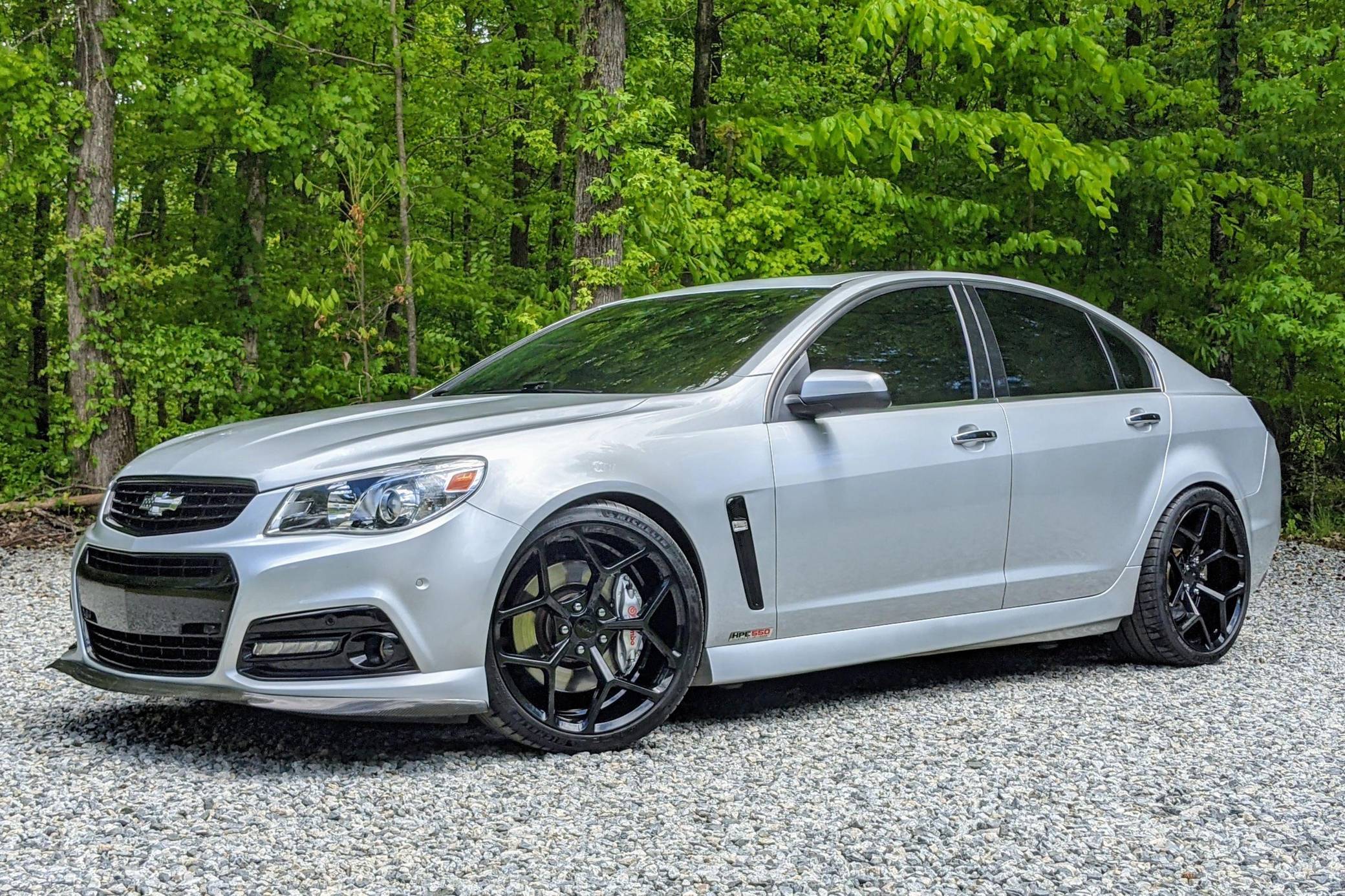
4. Chevrolet SS Sedan Manual (2014 to 2017)
Estimated Price: $40,000 – $60,000
Sleeper appeal often plays a powerful role in shaping long-term value, and the Chevrolet SS Sedan equipped with a manual transmission fits this pattern with quiet confidence. Its exterior design avoided visual drama, allowing it to pass through daily traffic without attracting attention.
That restraint concealed a naturally aspirated V8 engine paired with rear wheel drive and a finely judged chassis built to support balance rather than visual theatre. This combination created a driving experience that rewarded restraint, skill, and appreciation for traditional engineering principles.
Straight line pace felt effortless, supported by strong torque delivery and composed traction. Suspension tuning provided stability during spirited driving while maintaining comfort suitable for routine use. The presence of a manual gearbox elevated engagement, allowing precise control of power flow and encouraging active participation.
Large four door sedans rarely offered this configuration, especially during the mid 2010s, making the SS an exception rather than a trend follower. Its Australian origin added further distinction, as it was based on the Holden Commodore platform.
Sales volume remained low due to restrained promotion and limited public awareness. Many buyers overlooked the model entirely, unaware of its mechanical depth. This lack of exposure softened resale pressure while preserving scarcity.
Vehicles produced during this period already show signs of thinning availability, particularly examples retaining factory specifications and careful ownership records. Clean manual versions now command attention among informed buyers seeking understated performance.
Inside the cabin, priorities leaned toward usability and durability. Materials emphasized longevity, and seating provided firm support suitable for extended driving.
Controls followed a logical layout that reduced distraction. While technology features reflected the era, the absence of excessive screens has helped the interior age with dignity. Simpler designs often maintain relevance longer than trend-driven interfaces that quickly feel dated.
A collector’s interest often favours contradictions. A spacious sedan delivering muscle car output through a manual transmission occupies a rare position in American automotive history. As manufacturers withdraw from large performance sedans and manual gearboxes disappear from showrooms, this model gains attention for what it preserves.
The Chevrolet SS Sedan Manual represents restraint, capability, and purpose. Its future value rests less on visual statement and more on the enduring appeal of mechanical honesty, driver involvement, and scarcity shaped by quiet presence rather than loud promotion.
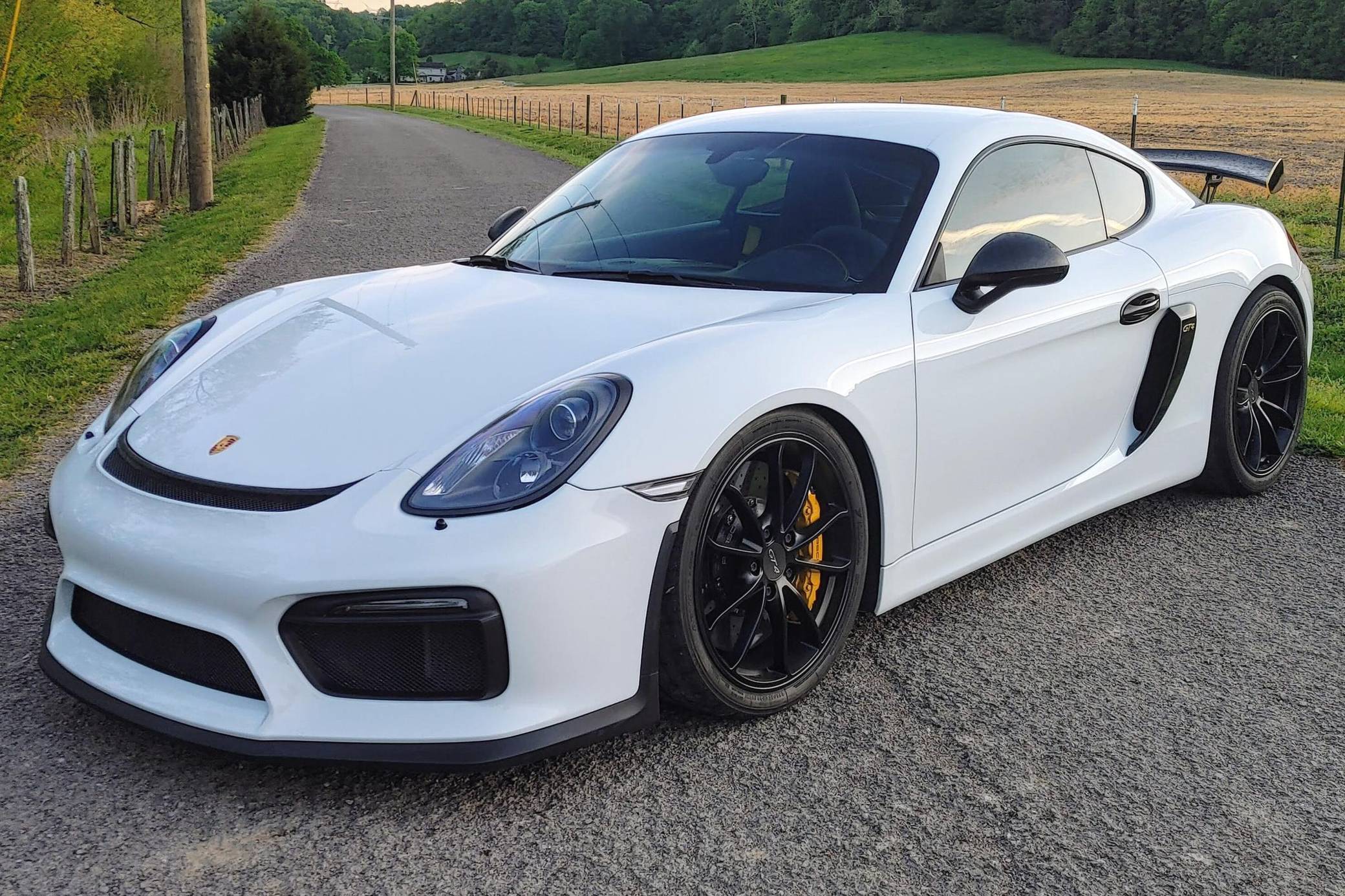
5. Porsche Cayman GT4 981 (2016)
Estimated Price: $85,000 – $120,000
Balance defines the Porsche Cayman GT4 981 through its careful integration of engine placement, suspension design, and weight distribution. Every element worked together to deliver confidence without intimidation.
Instead of chasing headline horsepower figures, Porsche prioritised accuracy, control, and feedback. This philosophy produced a car that rewarded precision and discipline while remaining approachable to skilled drivers. That engineering clarity continues to resonate strongly within performance driving circles.
Naturally aspirated power formed the foundation of its character. Throttle response felt immediate, translating driver input into motion without delay. Power delivery remained linear across the rev range, encouraging smooth progression rather than abrupt surges.
The engine note developed organically as revs increased, reinforcing mechanical authenticity. As turbocharging becomes standard across performance segments, engines of this nature gain emotional weight alongside technical merit. Manual transmission availability reinforced the model’s identity.
Gear engagement felt deliberate and mechanical, aligning with the car’s focused purpose. Debate followed regarding extended gear ratios, yet this design encouraged momentum-based driving and thoughtful input. Production volume struck a careful balance. Supply remained limited enough to sustain demand without making ownership inaccessible during its initial market life.
This allowed the car to build a reputation shaped by active use rather than static storage. Many examples accumulated mileage through track days and spirited road driving, strengthening the model’s credibility. As years pass, lower-mileage cars begin to stand apart, influencing pricing patterns.
By 2030, the Cayman GT4 981 will symbolise a period when Porsche delivered a focused driver’s car with minimal digital filtering. Steering feedback, chassis response, and mechanical connection formed the centre of the experience.
That clarity of intention supports lasting desirability. Its value trajectory relies not on trends but on discipline, balance, and an unwavering commitment to driver engagement that remains increasingly rare within modern performance design.
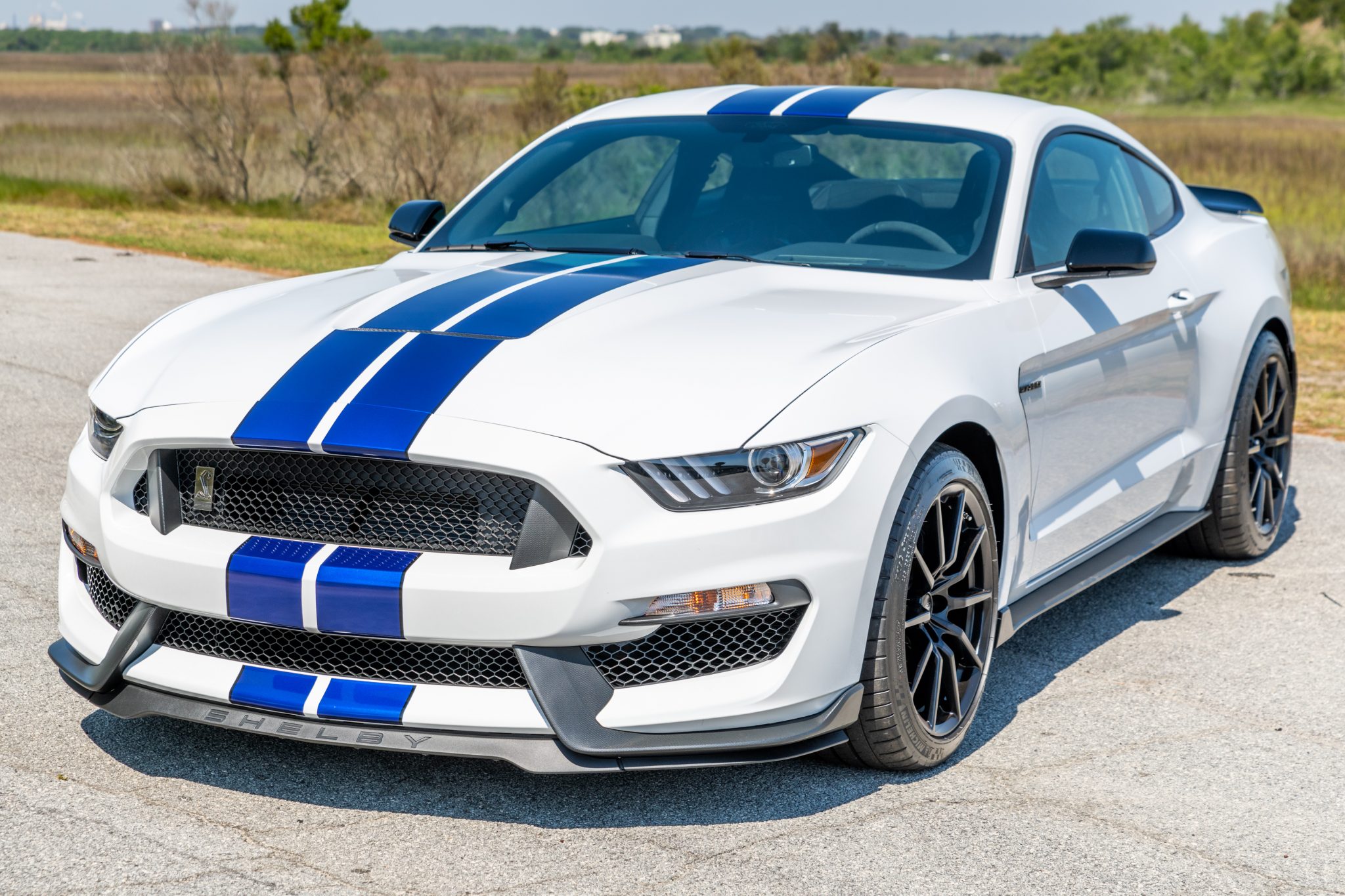
6. Ford Shelby GT350 (2015 to 2020)
Estimated Price: $50,000 – $75,000
High-revving engines have become rare, and that scarcity gives the Ford Shelby GT350 a lasting advantage. Built with a specific purpose rather than broad appeal, this model delivered an experience that felt mechanical, emotional, and unapologetically focused.
The centerpiece was the flat plane crank V8, an engine layout more commonly associated with exotic European brands than American muscle. Its sound, power delivery, and willingness to rev created an identity that separated the GT350 from every other Mustang before or since.
Power figures told only part of the story. Balance mattered more. Chassis tuning emphasized control and feedback, allowing drivers to use every bit of available grip without fear. Steering weight felt deliberate, while suspension calibration supported aggressive driving without turning daily use into a burden.
Engineers resisted the urge to soften the car for mass appeal, which explains why it still feels special years after production ended.
Manual transmission exclusivity added to its appeal. Each move required intention, reinforcing the sense of involvement that modern performance cars often dilute.
Clutch engagement and pedal placement encouraged precise driving, rewarding practice and patience. This mechanical honesty resonates strongly with buyers who value engagement more than outright speed.
Production numbers remained limited compared to standard Mustangs, yet availability was wide enough to build a loyal ownership base. Special versions such as the GT350R increased desirability, though standard models carry equal long-term promise due to shared fundamentals. Many cars were driven hard, which raises the value of preserved examples moving forward.
By the end of the decade, this Shelby will stand as one of the final naturally aspirated American performance coupes built without forced induction or heavy digital mediation. That position gives it a clear path toward appreciation as buyers seek machines that feel alive rather than filtered.
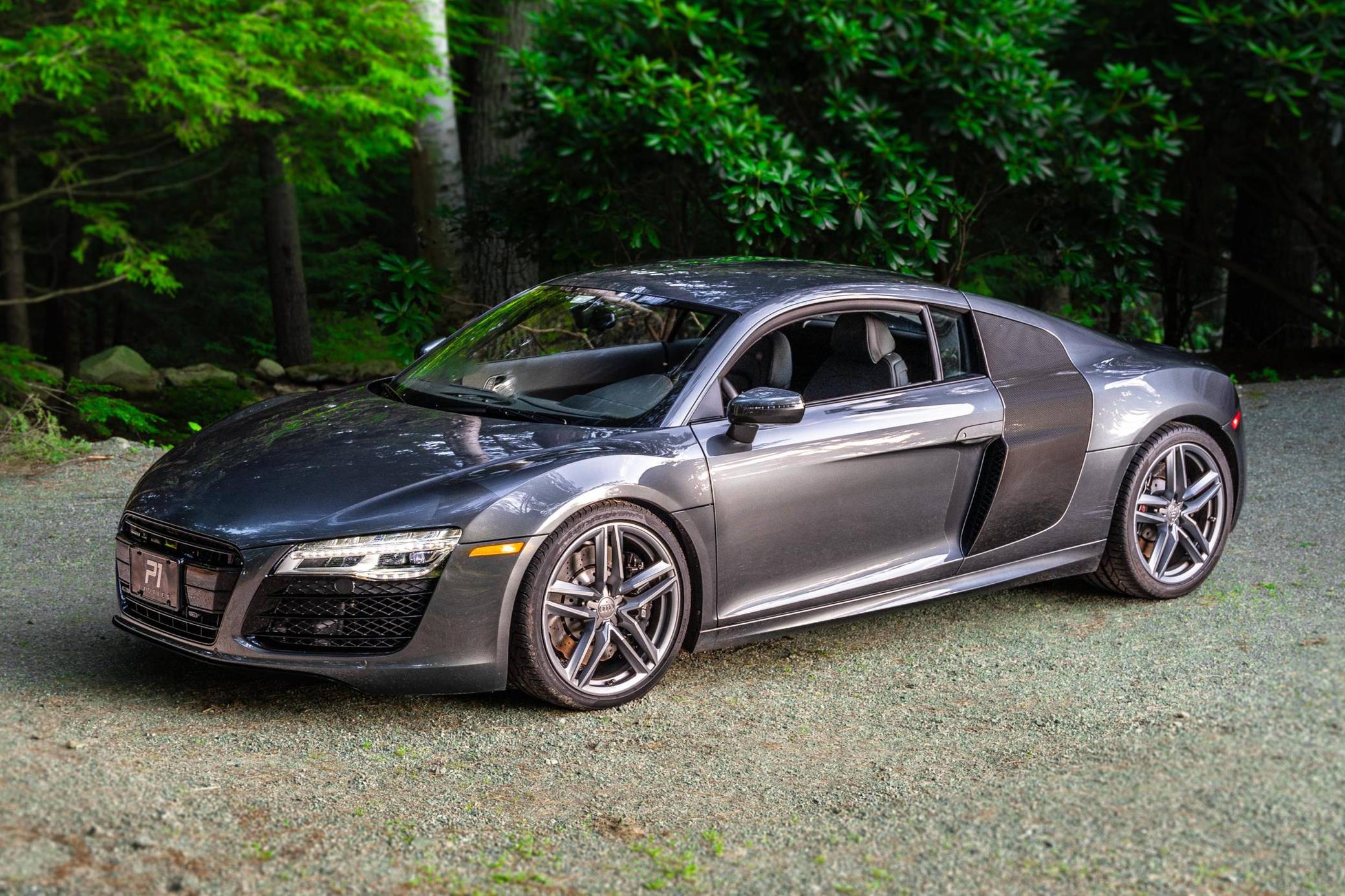
7. Audi R8 V10 Manual Coupe (2014 to 2015)
Estimated Price: $140,000 – $200,000
Short production runs often tell powerful stories, and the Audi R8 V10 Manual Coupe represents one of the briefest chapters in modern performance history. Offered for a limited time before automated gearboxes became the standard, this version combined supercar performance with driver-controlled engagement that now feels almost extinct.
Engine placement behind the cabin delivered balance and traction without removing approachability. The naturally aspirated V10 provided smooth power delivery paired with an unmistakable sound that rose cleanly through the rev range. No artificial enhancement was needed. Each acceleration felt purposeful and dramatic without relying on excess.
Design language has aged gracefully. Sharp lines and restrained aggression avoided styling traps that date quickly. Interior quality matched exterior presence, blending durability with refinement. Physical controls and clear instrumentation create a cockpit that still feels modern without leaning heavily on screens.
Market behavior already reflects growing interest. Manual V10 coupes trade at higher values than similar automated versions, signaling buyer awareness. As newer supercars rely almost entirely on dual clutch systems and hybrid assistance, this R8 stands apart as a reminder of direct control.
By 2030, collectors will view the Audi R8 V10 Manual Coupe as a rare intersection of usability, performance, and involvement. Few cars combine these traits so cleanly, giving it strong long-term value potential.
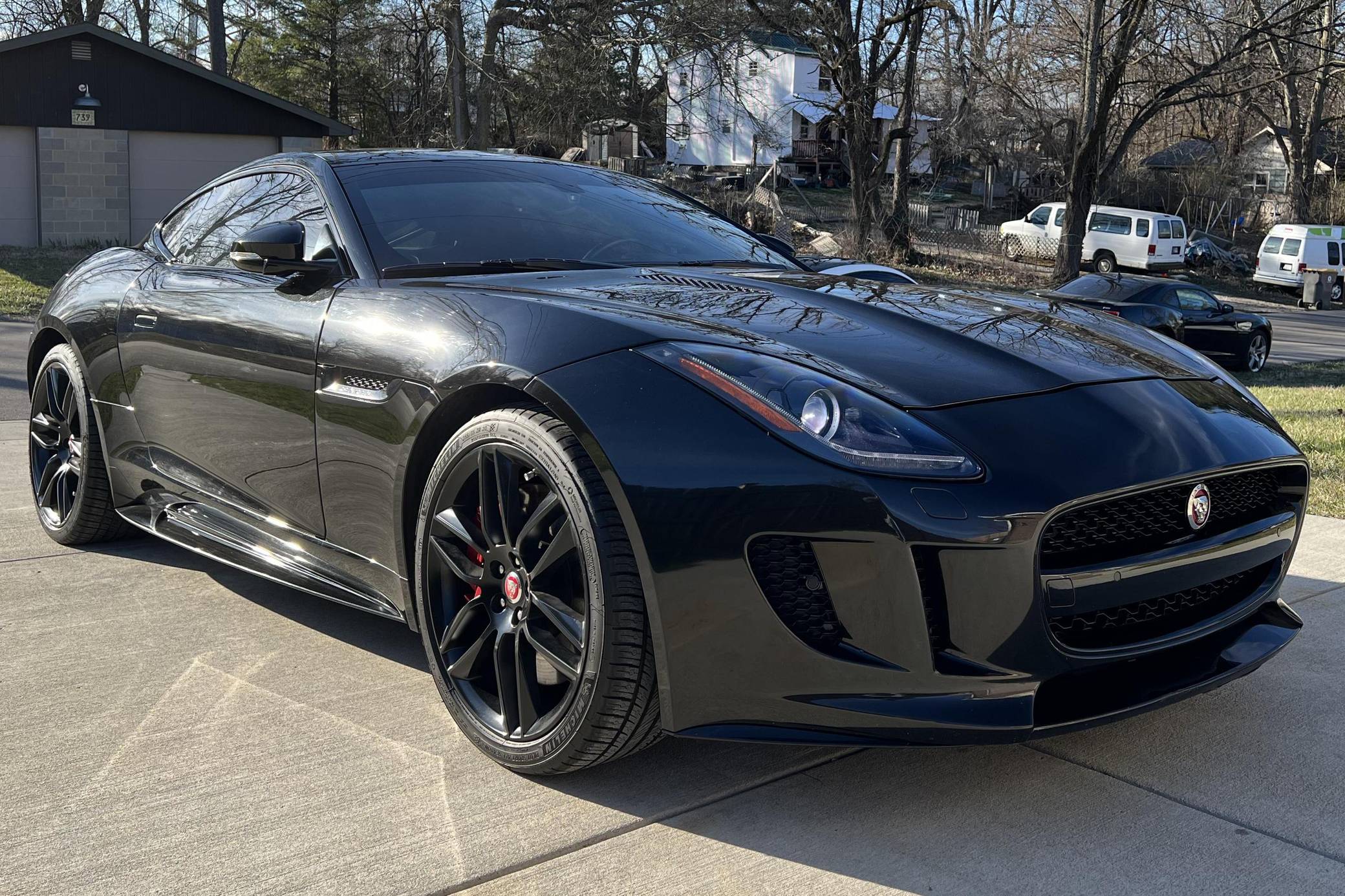
8. Jaguar F-Type V8 Manual Coupe (2016 to 2017)
Estimated Price: $55,000 – $80,000
Design plays a decisive role in shaping emotional attachment long before performance figures receive attention, and the Jaguar F Type V8 Manual Coupe delivers immediate visual authority. Its long bonnet, wide stance, and flowing surfaces combine to produce a form that feels deliberate and refined.
Proportions appear carefully judged, giving the car a presence that communicates intent without exaggeration. This visual discipline positions it well for collectors who value enduring aesthetics rather than short-lived styling themes. Mechanical substance supports the appearance. A supercharged V8 engine sits beneath the sculpted bodywork, providing strong torque delivery that arrives smoothly and consistently.
Acceleration feels forceful yet manageable, encouraging confident use rather than caution. Engine sound adds emotional depth, producing a deep mechanical voice that aligns with traditional grand touring expectations. Each input receives a clear response, reinforcing trust between driver and machine.
Manual transmission availability defines the model’s desirability. Jaguar offered this configuration briefly, making it a rarity within the production cycle. As buyer preferences leaned toward automatic gearboxes, the manual option disappeared quickly. That short availability window now strengthens long-term appeal. Gear changes feel deliberate and involving, encouraging engagement that automated systems cannot replicate. This quality appeals strongly to drivers who value participation over convenience.
Interior execution reflects careful restraint. Materials feel solid and well assembled, with leather and metal dominating contact points. Seating offers comfort without sacrificing support, suitable for both relaxed cruising and enthusiastic driving.
Controls remain intuitive, reducing reliance on layered menus. Technology exists, but does not overwhelm the cabin. This balance helps the interior remain relevant as software-heavy designs age poorly.
Market behaviour shows early signs of price stability, particularly for manual V8 coupes retaining original specifications. As mileage accumulates on widely driven examples, well-preserved cars gain increased attention. Jaguar’s gradual movement toward electrified offerings places additional emphasis on this model as a reference for the brand’s performance era driven by combustion engines.
Future buyers seeking beauty, power, and driver involvement within a single package will encounter diminishing choices. Few modern cars deliver these attributes together without dilution. That reduction in availability supports steady appreciation prospects through the coming decade.
The Jaguar F Type V8 Manual Coupe stands as a carefully balanced blend of design discipline, mechanical strength, and driver connection that continues to gain respect as automotive priorities change.
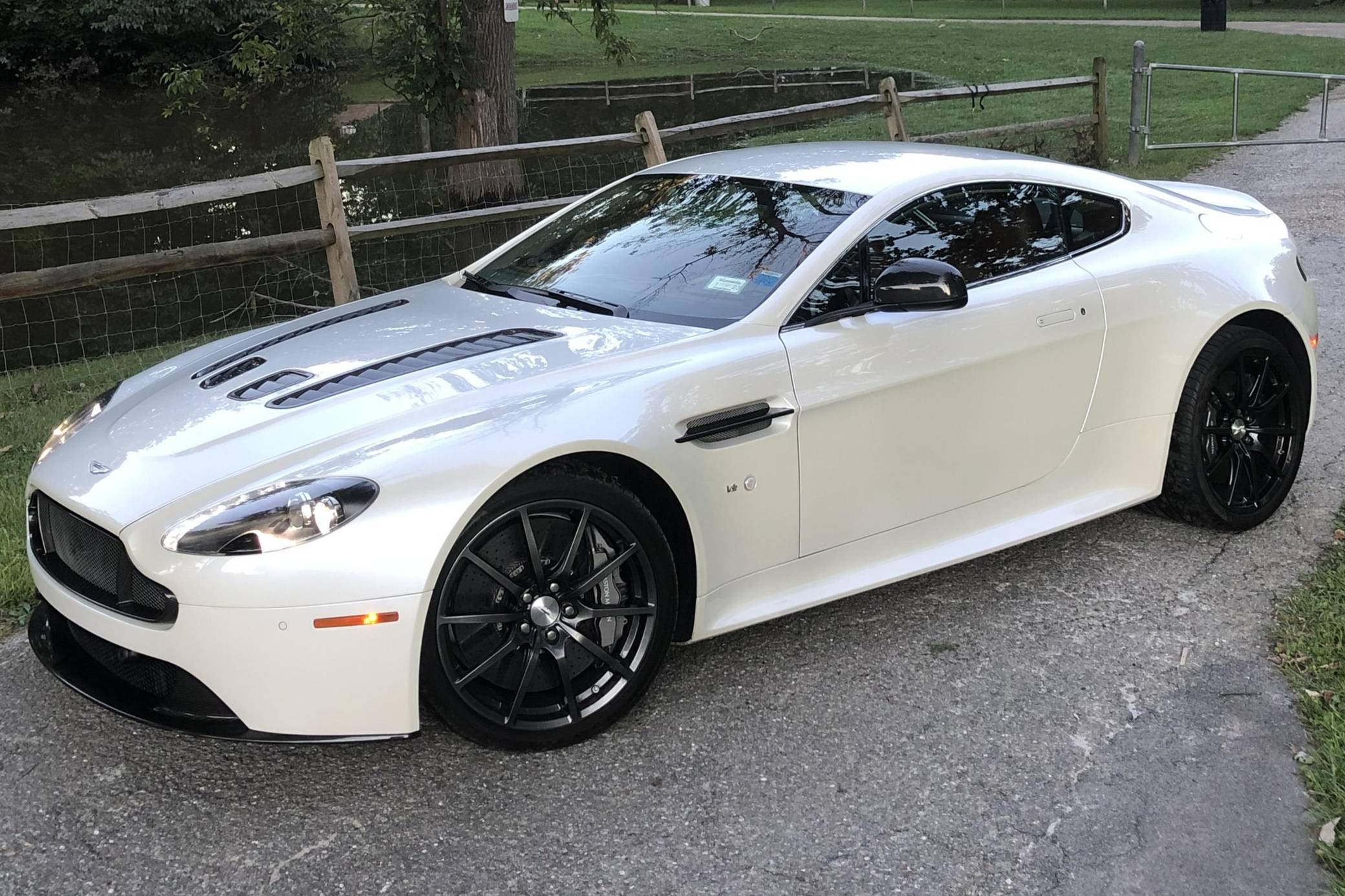
9. Aston Martin V12 Vantage S Manual (2015 to 2017)
Estimated Price: $160,000 – $250,000
The Aston Martin V12 Vantage S Manual communicates purpose with immediate clarity. Compact exterior dimensions combined with a large displacement engine create an experience defined by intensity and focus. This model avoided any attempt to soften its character. Instead, it presented itself as a performance coupe shaped by confidence and excess, delivered with refinement rather than restraint.
At the heart of the car sits a naturally aspirated V12 engine that provides power through a smooth and continuous surge. Throttle response feels immediate, translating driver input into motion without delay. Engine sound carries a refined aggression that reflects the marque’s heritage.
Manual transmission availability deepens engagement, allowing the driver to shape each moment through precise gear selection. Every journey feels deliberate, reinforcing the sense of occasion. Production volume remained intentionally limited.
High cost and exclusivity placed the model beyond mass market reach, and manual versions represented only a small portion of total output.
This scarcity strengthens collector interest, particularly as twelve-cylinder engines disappear from contemporary production. Vehicles retaining factory condition and documented history already attract increased scrutiny within specialist markets.
Chassis calibration complements the engine’s character. Steering delivers substantial weight and clear feedback, supporting confidence during spirited driving.
Suspension remains firm yet controlled, prioritising stability and precision. Braking performance inspires trust through consistent response.
No effort was made to dilute the driving experience for comfort-focused buyers. This honesty contributes strongly to long-term desirability among enthusiasts who value mechanical clarity.
Exterior design remains a defining asset. The proportions feel timeless, avoiding fashionable details that date quickly. Interior craftsmanship follows a similar philosophy.
Leather, metal, and tactile surfaces dominate the cabin, creating an environment grounded in material quality rather than screen-driven novelty. Controls remain purposeful and accessible, supporting ease of use without distraction.
By 2030, the V12 Vantage S Manual will stand as one of the final examples of a manual twelve-cylinder performance coupe from a traditional British manufacturer.
That historical position alone supports a strong appreciation outlook. Combined with rarity, design integrity, and mechanical involvement, this model occupies a respected place within modern performance car history.
Also Read: 10 Best Modern Classics Under 20000 Dollars for Weekend Cruising
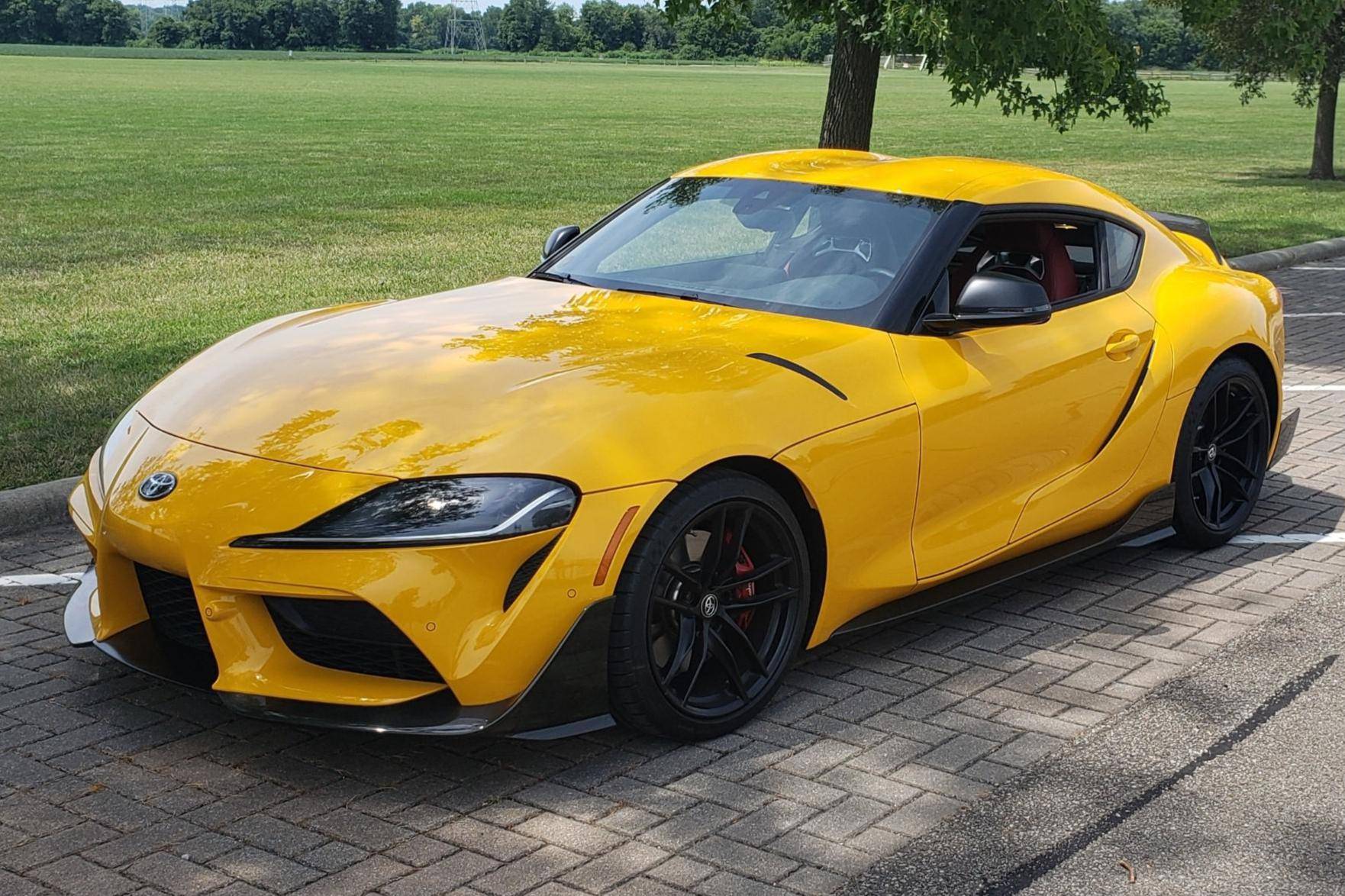
10. Toyota GR Supra A91 Edition Manual (2022)
Estimated Price: $55,000 – $75,000
Final chapters often carry more weight than opening acts, and the Toyota GR Supra A91 Edition Manual represents a closing statement rooted in driver engagement. While earlier versions focused on performance metrics, this edition placed renewed emphasis on interaction by pairing the turbocharged inline six with a manual gearbox.
Engineering focused on balance rather than raw speed. Suspension tuning encouraged confidence, allowing drivers to use available power without hesitation. Steering calibration supported precision, while chassis rigidity provided a stable foundation for spirited driving. These traits combine to create an experience that rewards skill rather than shortcuts.
Manual transmission availability arrived later in the model’s life, which limited production numbers. Buyers who wanted that setup had a narrow window, increasing future scarcity. As a result, the A91 Edition Manual already holds a special position within the Supra lineup.
Design carries a strong heritage influence without copying past models directly. Long hood proportions and muscular rear haunches reference earlier Supras while maintaining a modern identity. Interior layout supports driving focus, with controls placed logically rather than hidden within menus.
Market interest continues to rise as buyers recognize the importance of timing. This Supra arrived during a transitional period when manual sports cars began disappearing rapidly. That context matters for future valuation.
By the end of the decade, the GR Supra A91 Edition Manual will serve as a reminder of Toyota’s commitment to enthusiast-focused engineering during a changing era. That reminder carries weight, and weight supports value growth.
