
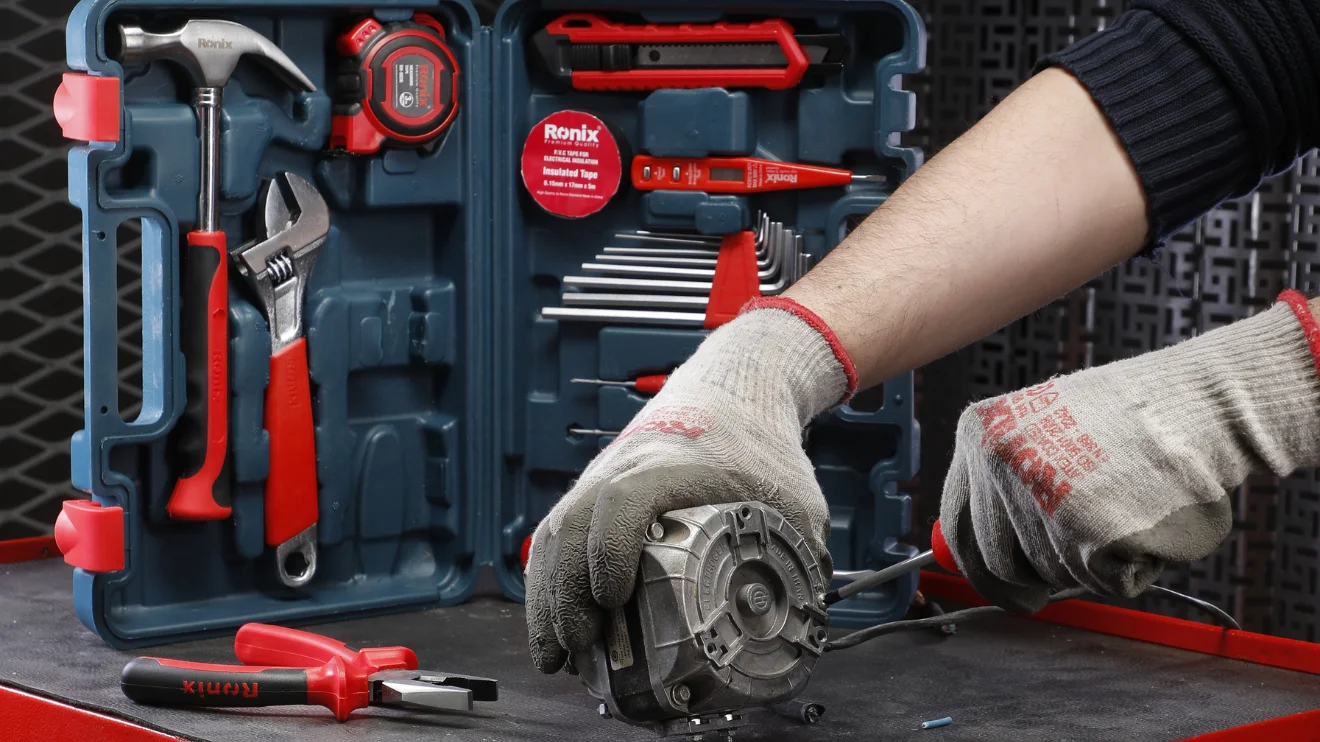
Taking care of your own car used to be something almost every driver did out of necessity. You bought a service manual, kept a set of wrenches in the garage, and figured things out as they came up.
Somewhere along the way, that culture of personal vehicle maintenance faded, partly because cars became more technically demanding and partly because the industry convinced drivers that professional service was the only responsible option.
Here is what the service industry does not rush to tell you: a large portion of modern car maintenance is still completely manageable at home with the right tools and a reasonable amount of patience.
Oil changes, brake service, air filter replacement, battery maintenance, spark plug replacement, and basic diagnostic work are all within reach for any owner willing to invest in the correct equipment and spend time learning their specific vehicle’s requirements.
Doing your own service delivers returns that go beyond the money saved on labor costs, though that saving is real and often substantial. Owners who service their own vehicles develop a familiarity with those vehicles that paying someone else for the same work does not provide.
You notice things during a routine oil change that you would never notice from the driver’s seat: a cracked hose, a leaking gasket, a brake rotor wearing unevenly, a suspension bushing that is starting to show its age. That early awareness converts potential roadside problems into scheduled repairs, which is always the better situation.
This guide covers ten specific tools that belong in any home garage equipped for modern car service. Each tool was selected based on practical value, genuine capability, and relevance to the service tasks that most owners actually need to perform.
These are not aspirational workshop items. These are tools that earn their place by making real work faster, safer, and more accurate. Work through the full list before making any purchasing decisions. Some of these tools work better together than they do alone.
1. A Quality OBD-II Bluetooth Scanner With Live Data Capability
Before any mechanical work begins, obtaining accurate diagnostic information from a vehicle’s onboard system provides a solid foundation for effective maintenance.
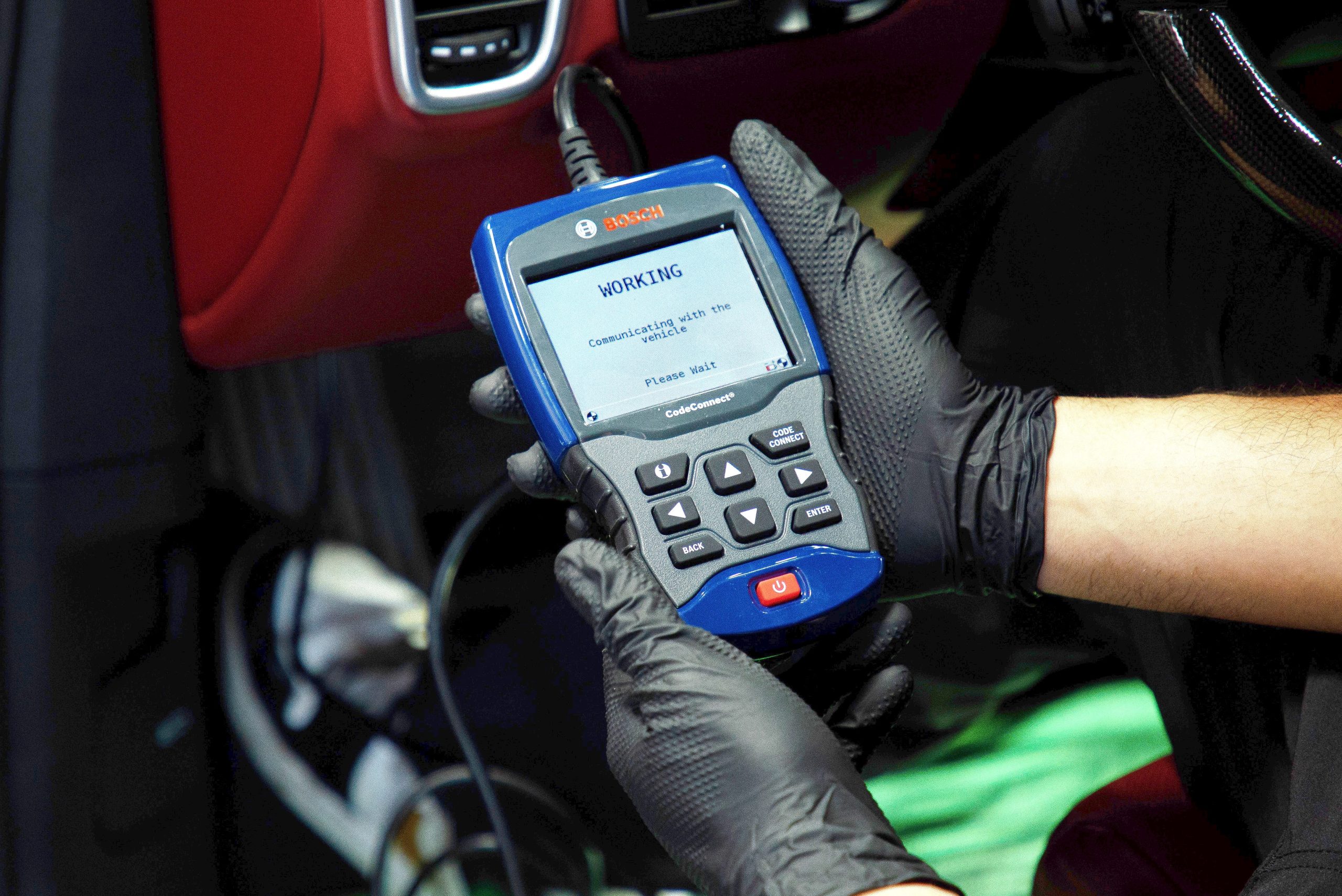
An OBD-II Bluetooth scanner that connects to a smartphone application and delivers live engine data is an essential tool for modern vehicle servicing. It enables users to approach repairs with clarity and confidence rather than relying on assumptions or trial-and-error methods.
Since 1996, vehicles produced for the United States market have been equipped with the OBD-II diagnostic interface, which serves as a standard communication link between the vehicle’s electronic control units and external diagnostic tools.
Through this interface, fault codes stored by the system can be accessed. A reliable Bluetooth scanner retrieves these codes, explains them in clear terms, and allows them to be cleared after repairs are completed. This function alone can reduce dependence on external diagnostic services, as many workshops charge fees that exceed the cost of owning such a device.
The advantage of live data capability extends the usefulness of the scanner beyond basic code reading. Real-time monitoring of parameters such as oxygen sensor activity, fuel trim levels, engine temperature, airflow measurements, throttle response, and ignition timing provides valuable insight into the vehicle’s condition.
These readings help identify developing faults before they trigger warning indicators. For example, consistently elevated fuel trim values may indicate an imbalance in the air-fuel mixture, while irregular sensor readings may point to component failure.
Modern vehicles incorporate multiple control systems, including those for transmission, braking, and climate functions. A capable scanner can access these systems, providing a broader diagnostic perspective. This expanded access allows for more thorough analysis and ensures that potential issues are not overlooked due to limited tool capability.
2. A Floor Jack and Jack Stand Set Rated for Your Vehicle’s Weight
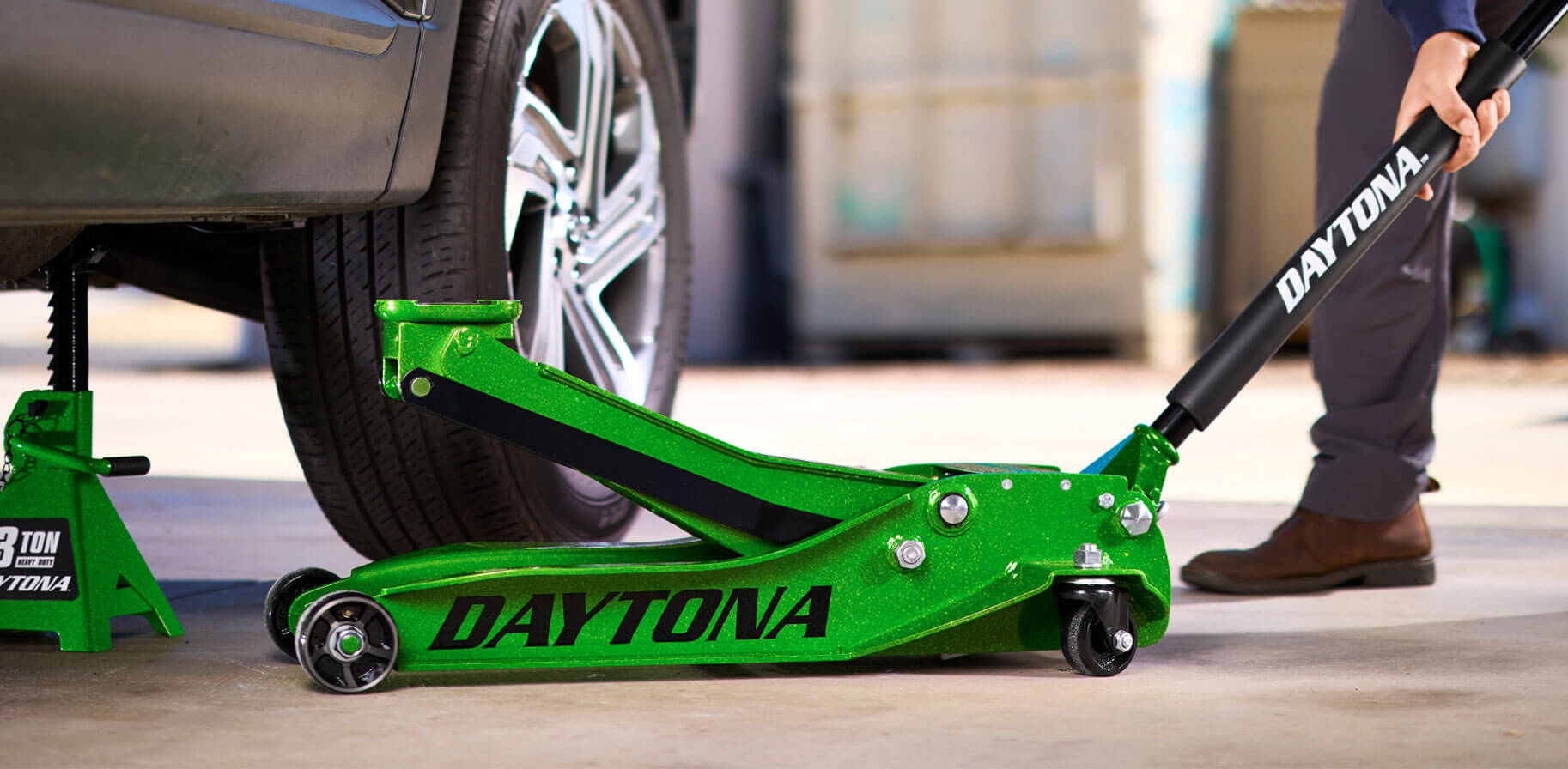
Safe vehicle lifting requires careful attention to equipment quality and proper usage. A floor jack combined with appropriately rated jack stands forms the foundation of safe maintenance practices.
Selecting equipment that matches the weight of the vehicle ensures stability during servicing and reduces the risk of accidents. This category of tools demands strict adherence to safety standards, as improper lifting equipment can lead to severe consequences.
Floor jacks are designed with specific weight capacities, and selecting the correct rating is essential. Passenger vehicles generally require a minimum capacity of two tons, while larger vehicles such as trucks and sport utility vehicles require at least three tons.
Choosing a jack with a higher capacity than the vehicle’s weight provides an added margin of safety. Quick-lift designs offer practical advantages by reducing the effort required to raise the vehicle, making routine tasks more efficient without compromising safety.
Jack stands serve a different but equally important purpose. Once the vehicle is raised, the stands support its weight while work is carried out beneath. It is important to match the stand’s rated capacity to the vehicle’s weight and to use it at the lowest height necessary for the task.
Stability improves when stands are not extended to their maximum height, and this practice enhances safety during prolonged maintenance work. Reviewing manufacturer specifications before purchase ensures that the selected equipment meets the required standards.
Correct placement of lifting equipment is also essential. Each vehicle has designated jacking points identified in the owner’s manual. Using these points prevents damage to structural components and ensures that the vehicle remains stable when lifted. Incorrect placement can result in deformation of body panels or damage to underbody systems, leading to costly repairs.
Also Read: 8 Tips for Finding Local Classic Car Meets in Your Area
3. A Torque Wrench (Both Click-Type and Digital) for Accurate Fastener Tightening
Automotive fasteners have specific torque requirements for a reason, and that reason matters more on modern vehicles than it did on older ones.
Aluminum engine components, plastic intake manifolds, composite body panels, and precisely calculated fastener clamping loads for modern sealing systems all depend on fasteners being tightened to specification rather than to the mechanic’s intuitive assessment of “tight enough.”
A torque wrench is the tool that replaces guesswork with measurement, and its value is realized in every service task involving fastener removal and reinstallation.
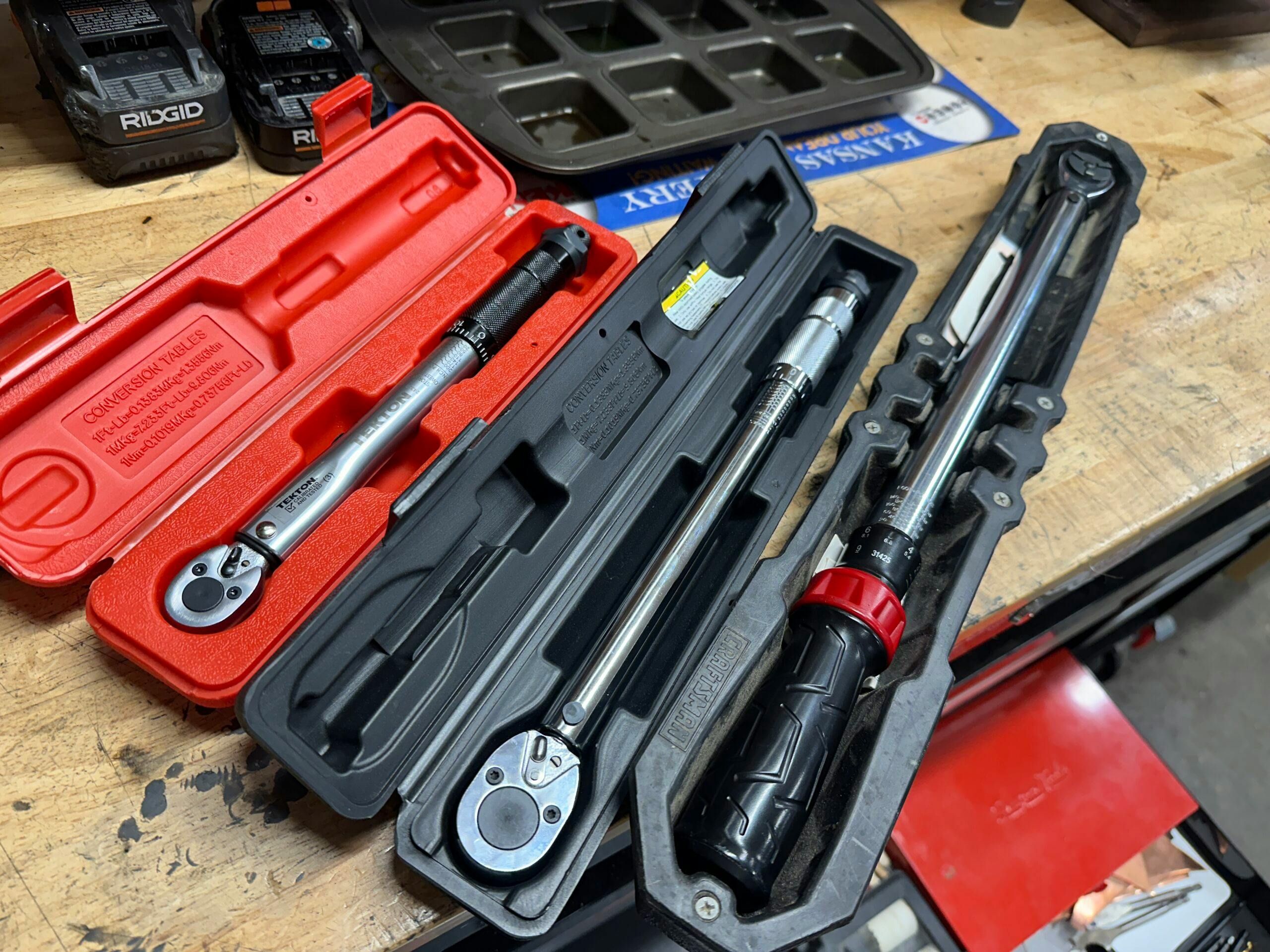
Click-type torque wrenches are the most practical choice for general DIY garage use because they provide a clear tactile indication when the set torque value is reached, eliminating the risk of over-tightening that accompanies work done with standard ratchets and no torque reference.
Setting the desired torque value, installing the fastener by hand, then slowly applying torque with the click wrench until the mechanism releases, produces repeatable, accurate results without requiring the mechanic to maintain continuous attention to a dial or digital display.
Torque range selection matters as much as overall accuracy. A single torque wrench covering 10 to 150 foot-pounds handles the majority of automotive fastener torque specifications encountered in typical service, including lug nuts, brake caliper bolts, engine drain plugs, and cylinder head bolts.
Tasks requiring smaller torque values, such as oxygen sensor installation, spark plug installation in aluminum heads, and sensor fasteners, benefit from a smaller range wrench calibrated for 10 to 80 inch-pounds, where the larger wrench’s accuracy at low values is insufficient for reliable results.
Digital torque wrenches provide angle measurement capability in addition to torque measurement, which is necessary for fastener installation procedures that specify torque-plus-angle sequences.
Torque-plus-angle installation is increasingly common on modern engines for critical fasteners, including head bolts and main bearing caps, where achieving proper clamp load requires both an initial torque value and a specified additional rotation angle.
4. A Battery Maintainer and Load Tester for Modern Vehicle Electrical Health
Modern vehicles depend on battery health to a degree that older vehicles did not, because electronic control systems, adaptive memory functions, and active safety features all operate from the main battery and are affected by voltage drops that older, simpler vehicles would have tolerated without consequence.
Maintaining battery health in a modern car is not optional equipment care. It is essential system maintenance that directly affects how every electronic system in the vehicle performs.
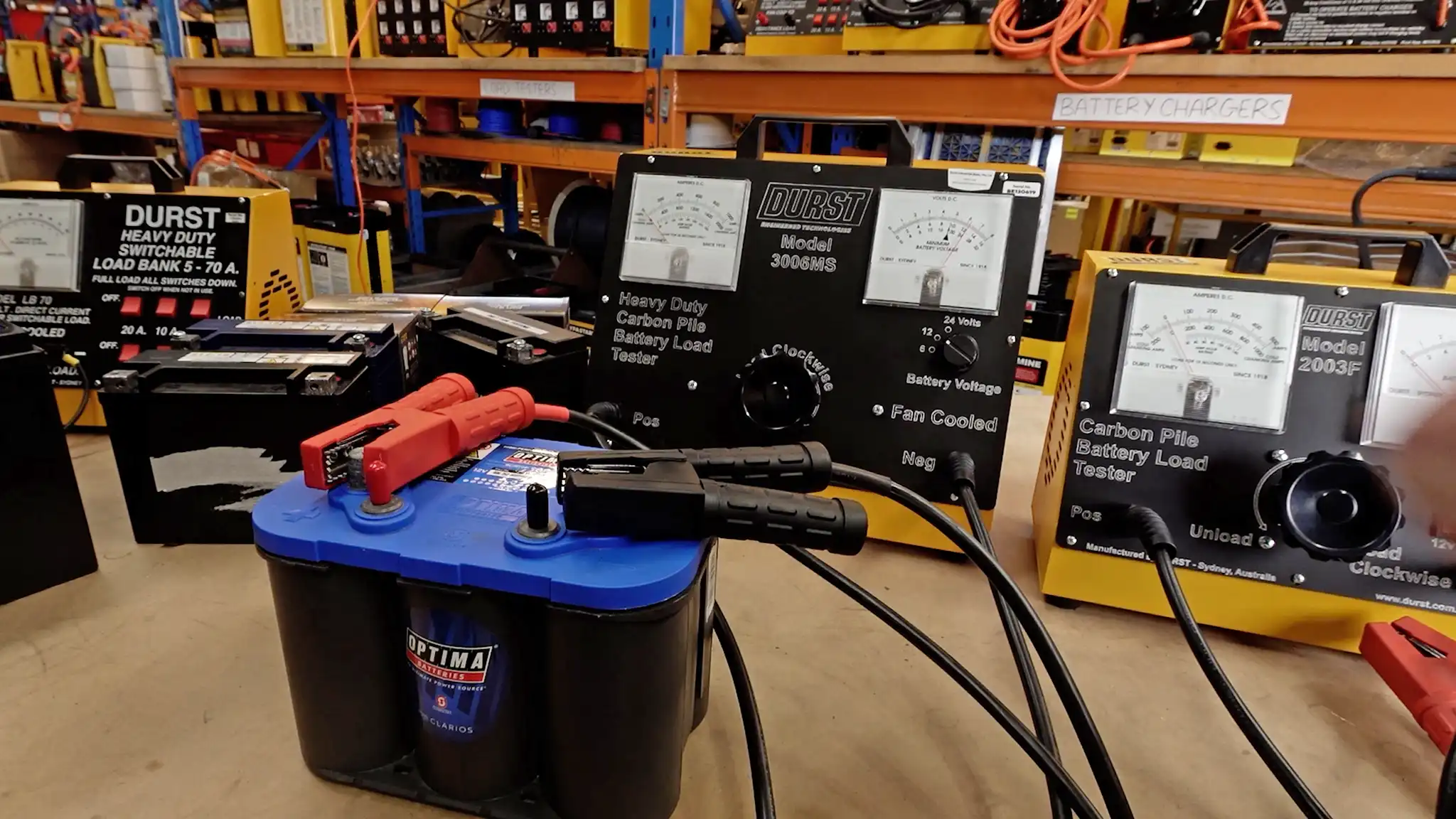
Battery maintainers, distinct from simple battery chargers in that they supply a controlled maintenance current that prevents self-discharge without overcharging, are particularly valuable for vehicles that sit unused for extended periods.
Sports cars used primarily on weekends, second vehicles, and vehicles stored during winter seasons all benefit from battery maintainers that keep the battery at full charge without the voltage spikes and current surges that basic chargers produce. Trickle-charged batteries in good condition last significantly longer than batteries that repeatedly cycle through deep discharge from storage and rapid recharge from driving.
Load testers measure battery capacity under simulated discharge conditions that reveal whether a battery can supply adequate current for engine starting. A battery can read 12.6 volts on a simple voltmeter while failing to supply starting current, because voltage at rest does not measure the battery’s ability to maintain voltage under the high current draw of engine cranking.
A load tester applies a controlled current draw while measuring voltage drop, identifying batteries that are close to failure before they strand their owner.
Owners of vehicles like the 2023 Kia Telluride SX-P 3.8L V6 and the 2022 Hyundai Sonata Hybrid Blue benefit particularly from battery health monitoring because these vehicles use stop-start systems and hybrid energy management that cycle the battery more frequently than conventional vehicles, accelerating the capacity degradation that eventually causes battery failure.
Knowing the battery’s actual condition before failure rather than discovering failure during a difficult starting situation is the practical value that a load tester provides.
5. A Quality Brake Bleeder Kit for Safe and Effective Brake System Service
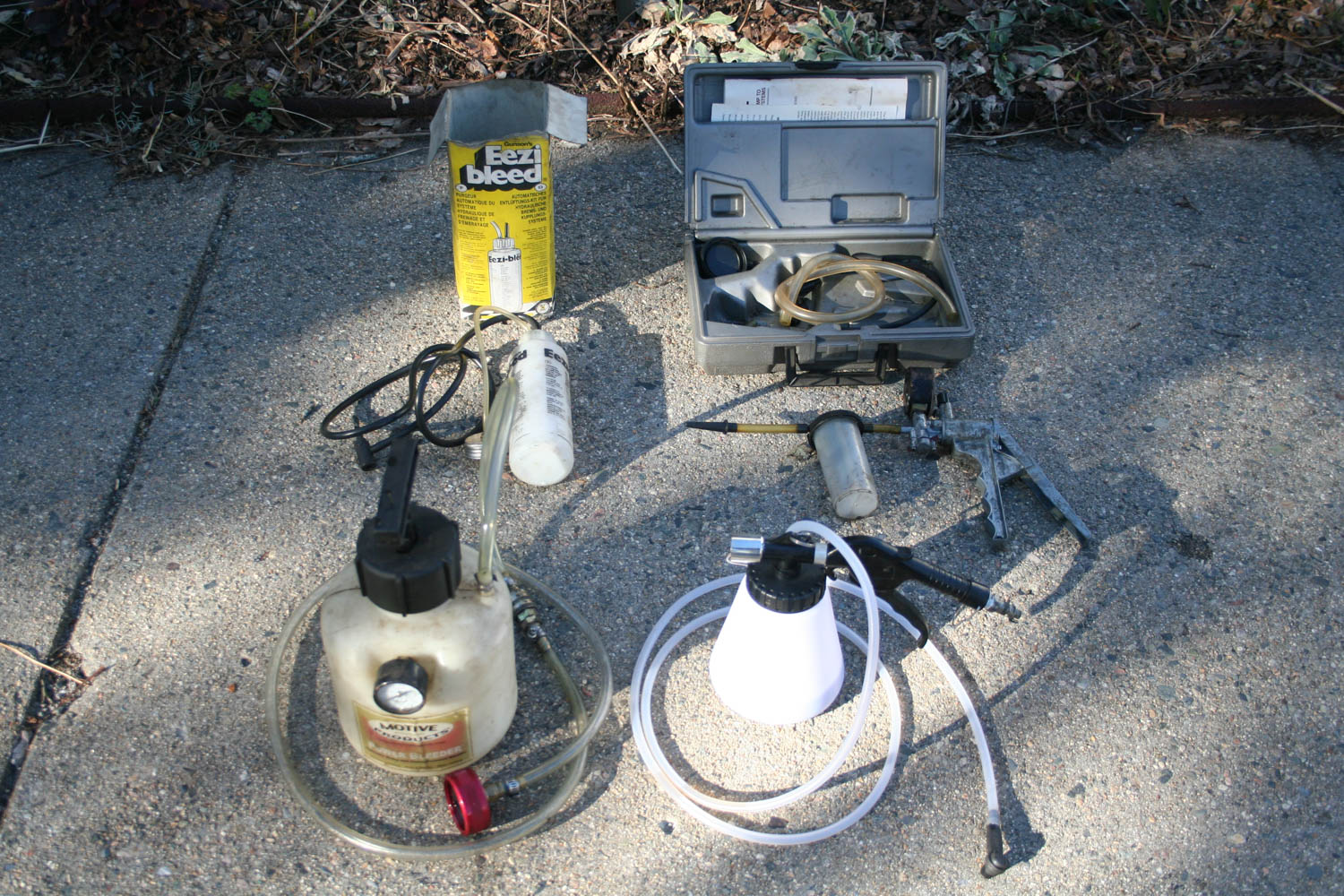
Brake system maintenance remains one of the most important responsibilities for any vehicle owner, as it directly affects safety and control. Performing this task correctly requires proper equipment that preserves system cleanliness, prevents the introduction of air, and allows the process to be completed efficiently by a single individual.
A well-designed brake bleeder kit provides these capabilities, enabling accurate servicing that meets professional standards when handled with care and attention.
Brake fluid naturally absorbs moisture from the atmosphere through rubber seals and hoses within the hydraulic system. As the water content increases, the fluid’s boiling point reduces, which can lead to reduced braking performance during demanding conditions.
When brake fluid reaches a high temperature, the presence of moisture may cause it to form vapour, resulting in a soft or sinking brake pedal. Regular replacement of brake fluid prevents this condition and ensures consistent braking performance. Using a vacuum or pressure bleeder simplifies the process and allows the system to be serviced without requiring assistance.
Vacuum bleeder kits operate by attaching to the bleed valve located on each brake caliper or wheel cylinder. The tool applies suction, drawing fluid through the system while replacing it with fresh fluid from the reservoir. This method is practical for individuals working alone, as it eliminates the need for repeated pedal operation.
Pressure bleeders function differently by applying controlled pressure to the fluid reservoir, pushing fluid through the brake lines like normal braking. Some technicians prefer this method because it maintains a consistent flow throughout the system.
Regular brake fluid service carried out with the appropriate tools supports long-term reliability and safety. Investing in a dependable brake bleeder kit allows vehicle owners to perform this essential maintenance with confidence and precision.
6. A Digital Multimeter for Diagnosing Electrical Issues Without Guessing
Electrical faults in modern vehicles often present challenges due to their hidden nature and inconsistent symptoms. Identifying the exact cause without proper tools can lead to unnecessary part replacement and wasted effort.
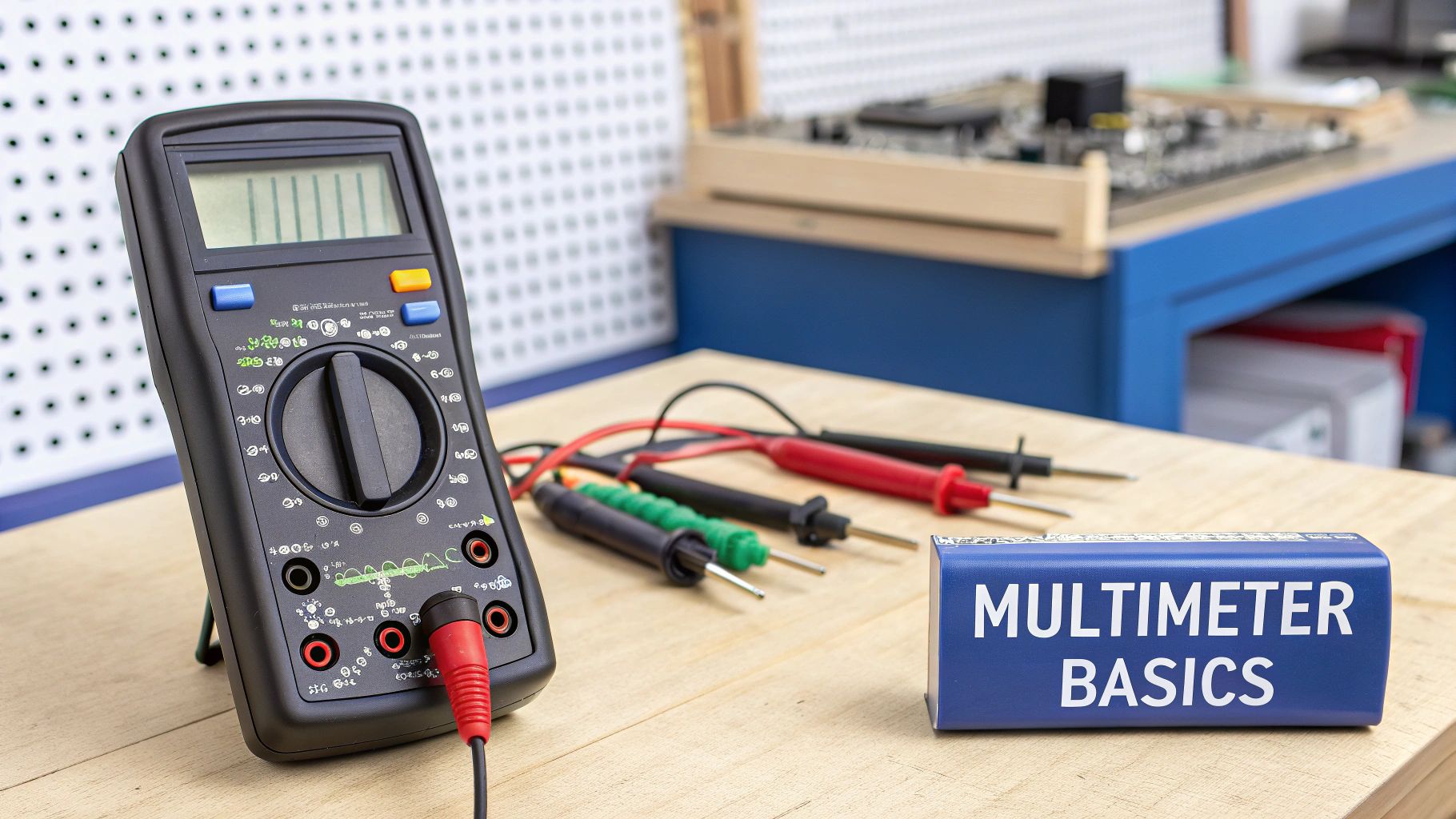
A digital multimeter provides a reliable solution by enabling accurate measurement of voltage, resistance, and current within a circuit. This capability transforms electrical diagnosis into a structured process guided by measurable data rather than assumptions.
Voltage measurement remains the most frequently used function of a multimeter in automotive work. By testing voltage at different points within a circuit, such as the battery, fuse box, connectors, and individual components, it becomes possible to determine where power is present and where it is absent.
This method allows faults such as broken wires, poor connections, or defective switches to be identified with precision. A circuit that appears intact may still fail to deliver voltage, and systematic testing helps isolate the exact location of the issue.
Resistance testing offers another valuable diagnostic approach, particularly when the circuit is not powered. Measuring resistance across switches, sensors, or wiring helps detect faults such as internal damage or corrosion.
Many automotive sensors operate within specific resistance ranges that correspond to temperature or position. By comparing measured values with manufacturer specifications, a technician can confirm whether a component is functioning correctly or requires replacement.
Current measurement is less commonly used but remains important for identifying battery drain issues. When a vehicle continues to draw power after being switched off, the battery may gradually discharge.
By placing the multimeter in line with the battery circuit and monitoring current flow, it is possible to detect abnormal consumption. Removing fuses one at a time helps identify the circuit responsible for the unwanted draw.
7. A Quality Oil Drain Pan, Funnel Set, and Fluid Transfer Equipment for Clean Service
Oil changes are the most frequently performed maintenance task on any vehicle, and performing them cleanly, completely, and without creating hazardous spills requires equipment that many first-time DIY mechanics underestimate in importance.
A quality oil drain pan, an appropriate funnel set, and fluid transfer equipment are the tools that separate professional-quality oil service from the kind of messy, oil-on-driveway experience that discourages people from attempting DIY service again.
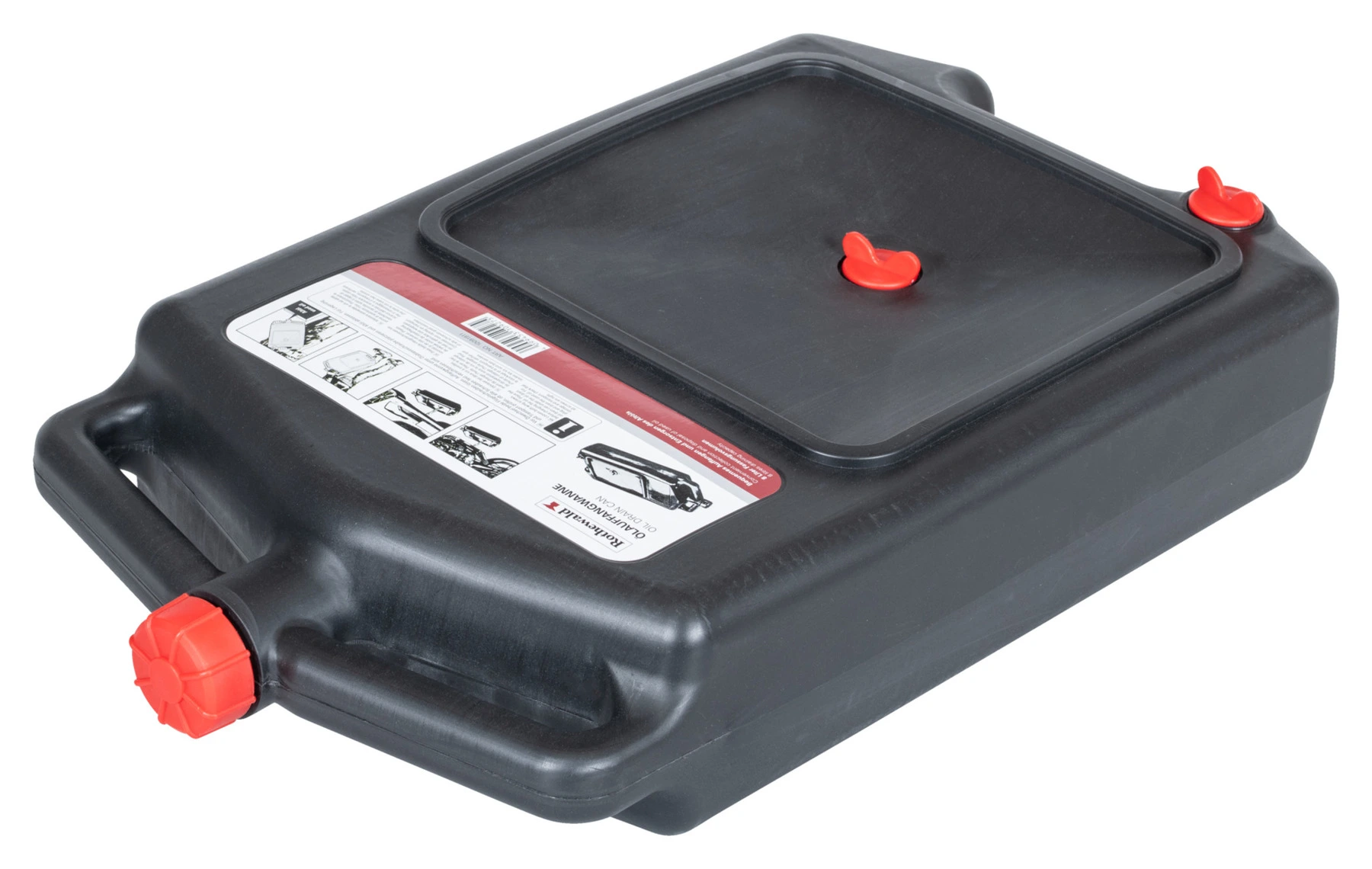
Oil drain pan selection should consider the volume of oil used by the specific vehicle, because insufficiently sized drain pans overflow during draining and create exactly the type of spill that the equipment is intended to prevent.
Most passenger car engines require five to six quarts of oil, while many turbocharged four-cylinder engines and V8 engines use seven or more quarts. Selecting a drain pan rated for at least two gallons provides adequate capacity for all passenger car applications, and four-gallon pans accommodate large truck and diesel engine drain volumes without risk of overflow.
Sealed drain pans with pour spouts and handles are more practical than simple basin-style pans because they allow used oil to be transported to a recycling location without transferring it to a separate container, reducing the risk of spills between draining and disposal.
Many auto parts retailers accept used motor oil for recycling at no charge, and properly containing the oil in a sealable drain pan makes this recycling process clean and straightforward. Vehicles like the 2022 Subaru Forester Sport 2.5L and the 2021 Mazda CX-5 Turbo Premium Plus benefit from careful oil service because their horizontally opposed and turbocharged engines, respectively, have oil drain plug locations and filler neck positions that require appropriate funnel orientation and drain pan placement to achieve clean service without spills on underbody components or surrounding surfaces.
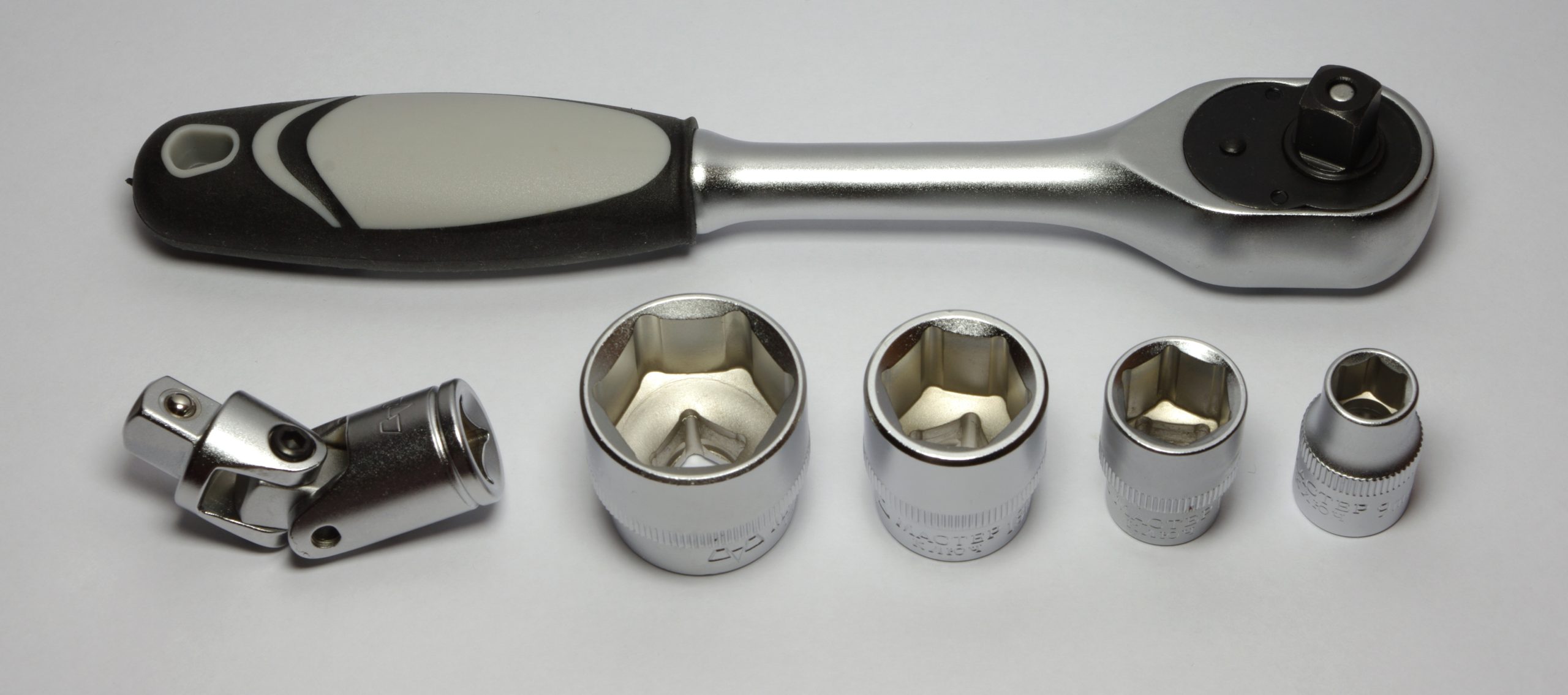
8. A Ratchet and Socket Set in Both Metric and SAE With Extension Bars
Every service task on every vehicle at some point requires a ratchet and socket combination, and the quality and completeness of this fundamental tool set determines whether work proceeds smoothly or whether progress stops repeatedly because the correct size or configuration is unavailable.
Investing in a quality ratchet and socket set rather than an inexpensive budget set is one of the most cost-effective equipment decisions a DIY mechanic makes, because quality tools perform reliably, fit fasteners accurately, and last through years of regular use.
Metric fasteners dominate on Japanese, Korean, European, and most modern American vehicles, but SAE sizes appear on older American vehicles and on some fasteners in mixed-manufacturer supply chain applications. A complete set covering both systems ensures that uncommon fastener sizes, which appear frequently enough to cause problems when they are absent, do not stop a service session at a critical point.
Socket depth matters beyond the basic shallow-socket standard. Deep sockets reach fasteners that are recessed in bores or that have thread protrusion requiring clearance beyond what shallow sockets provide.
Spark plug installation and removal, for example, requires deep spark plug sockets on virtually every modern engine, and attempting spark plug service with a shallow socket that cannot engage the plug body properly risks damage to the plug or the socket during removal.
Extension bars of multiple lengths, including 3-inch, 6-inch, and 12-inch sizes, allow socket positioning in locations where direct ratchet access is unavailable.
Universal joint adapters and swivel adapters extend this reach capability to fasteners that are not accessible in a straight line from above, and these adapter pieces represent a small additional investment that prevents the frustration of an inaccessible fastener stopping work that would otherwise proceed without difficulty.
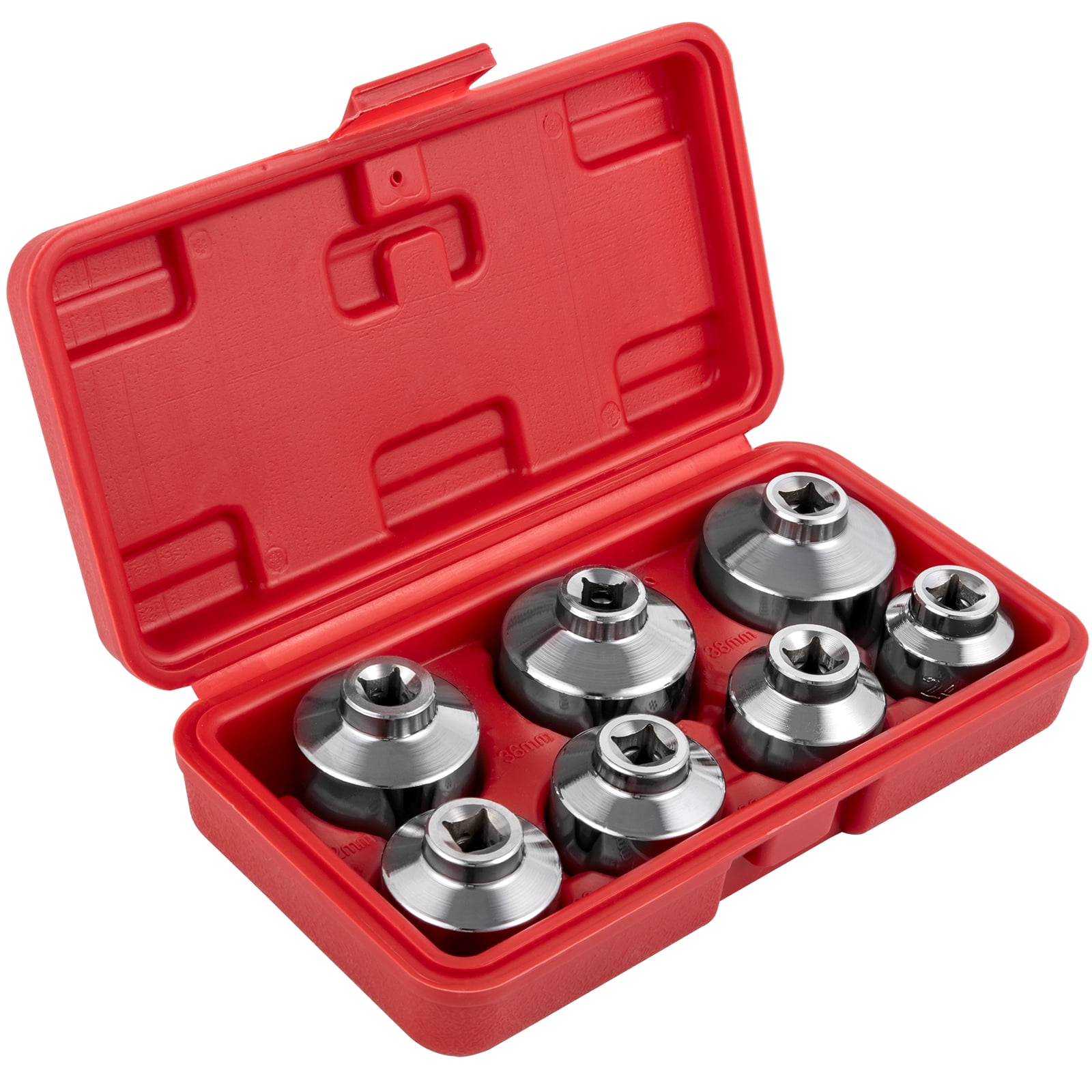
9. An Oil Filter Wrench Set That Fits Properly Without Causing Damage
An oil filter wrench set remains an essential tool for effective vehicle maintenance, particularly during routine oil changes. Many individuals encounter difficulty when removing oil filters, largely due to the use of inappropriate tools that do not correspond with the filter type or available space.
A properly selected oil filter wrench set, containing band wrenches, cup wrenches of varying sizes, and swivel-handle options, ensures that removal can be carried out without damaging the filter housing or surrounding components. This approach supports efficient servicing and prevents unnecessary complications.
Oil filter systems are generally divided into two main categories. The first category includes traditional spin-on filters, which consist of a sealed metal or composite body. The second category involves canister-style filters, where the filtering element is housed within a separate casing made from plastic or aluminium.
Each type requires a distinct removal method. Spin-on filters can be removed using band or cup wrenches that match the filter’s diameter. In comparison, canister-style systems require a precisely sized cup wrench that fits securely onto the housing cap, ensuring a firm grip without slippage.
Modern vehicles increasingly adopt canister-style filter systems due to their efficiency and reduced material waste. These systems allow the replacement of only the internal filter element, rather than the entire housing, which can lower service costs and promote environmental responsibility. However, this design requires accuracy when selecting tools.
Using an incorrect wrench size can damage the housing cap, making future maintenance difficult and potentially leading to costly repairs. Careful attention to manufacturer specifications is therefore essential. A comprehensive oil filter wrench set provides flexibility for different vehicle designs and ensures that maintenance tasks can be performed safely and effectively.
It reduces the risk of damage, saves time, and supports consistent servicing practices. For individuals who regularly carry out oil changes, investing in a well-equipped wrench set remains a practical and valuable decision.
Also Read: 8 Tips for Teaching Your Teen to Drive in a High Tech Car
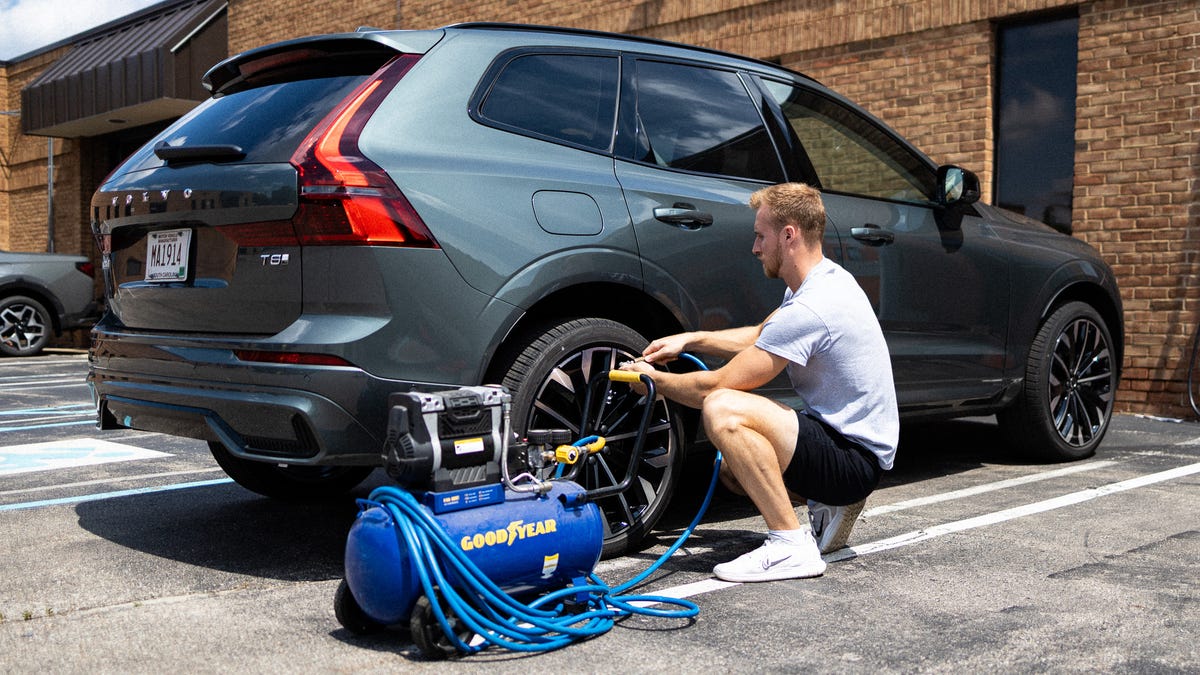
10. An Air Compressor With Tire Inflator and Impact Wrench Capability
An air compressor serves as a versatile and highly practical addition to any home garage, providing capabilities that extend far beyond simple inflation tasks. When paired with tools such as a tire inflator, an impact wrench, and an air blow gun, it becomes a central component in efficient vehicle maintenance.
This equipment allows tasks such as tire servicing, wheel removal, and cleaning to be completed with greater speed and precision than manual methods alone can provide. Maintaining correct tire pressure plays an important role in vehicle performance and safety. Properly inflated tires support fuel efficiency, even wear, and stable handling.
A digital tire inflator connected to a reliable air compressor enables precise pressure adjustments, ensuring that each tire meets the manufacturer’s recommended specifications.
This level of accuracy helps prevent issues associated with underinflation or overinflation, including uneven tire wear and reduced control. It also supports the proper functioning of tire pressure monitoring systems, which rely on accurate readings to provide alerts.
The inclusion of an air impact wrench introduces another level of efficiency to maintenance work. Removing lug nuts using manual tools can be time-consuming, especially when dealing with components that have been tightened excessively or affected by corrosion.
An impact wrench applies controlled bursts of torque, allowing stubborn fasteners to be loosened quickly. This capability is particularly useful during tire rotation and brake servicing. However, proper care must be taken during installation, as final tightening should always be confirmed with a torque wrench to ensure safety and prevent damage.
Compressed air also enhances cleaning processes within the garage environment. An air blow gun can be used to remove debris from engine compartments, filter housings, and brake assemblies.
This method reaches areas that are difficult to access with cloths or brushes, ensuring a thorough cleaning process. Keeping components free from dust and residue supports proper operation and contributes to a safer working environment.
