
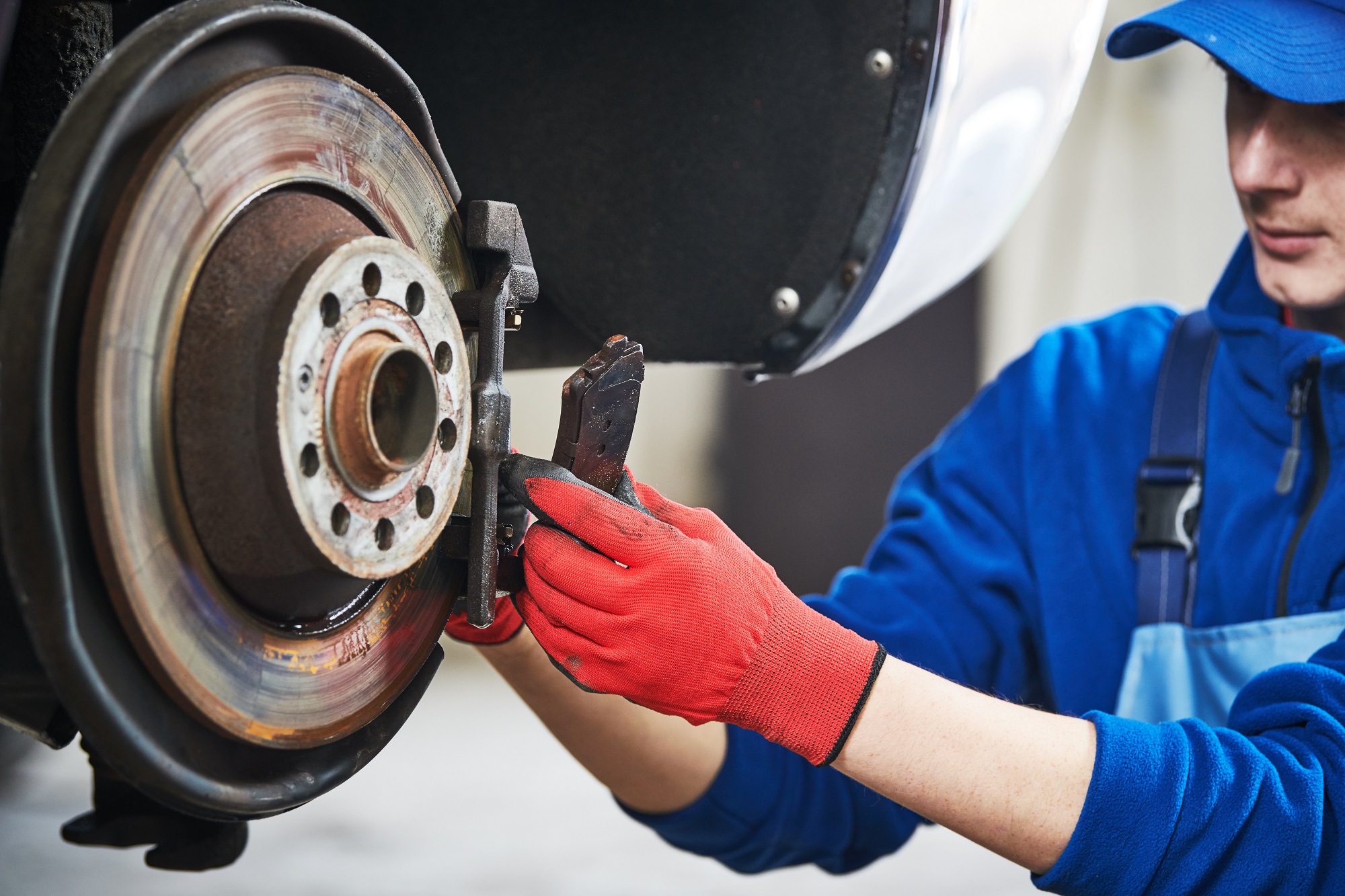
Brake pads are supposed to last. Depending on the vehicle, the driving environment, and the pad compound, a reasonable service life runs anywhere from 30,000 to 70,000 miles on front pads and even longer on rears.
So when a mechanic tells you that your pads need replacing at 10,000 miles, and this has happened more than once, something is clearly wrong. Either with how the car is being driven, how the brake system is functioning, or both.
Abnormally fast brake pad wear is not just an inconvenience. It is expensive and often a symptom of an underlying problem that will not fix itself and will likely get worse.
Replacing pads every 10,000 miles costs three to five times what a normal brake service schedule costs, and that math gets even worse once accelerated rotor wear from contact with worn pads enters the picture. At that point, you are not just buying pads more frequently. You are buying rotors, too.
What makes rapid pad wear frustrating is that the cause is not always obvious. Sometimes it is a driving habit that has become so ingrained that the driver does not even recognize it as aggressive. Sometimes it is a stuck caliper that appears to be working but is dragging constantly against the rotor.
Sometimes it is a pad compound that was installed without regard to whether it matched the vehicle’s weight, usage pattern, or rotor material. And sometimes it is a combination of factors that no single repair addresses completely.
This page covers eight specific causes of abnormally rapid brake pad wear, each explained with enough mechanical detail to help you understand what is happening and enough practical guidance to help you address it. Work through all eight before your next pad replacement visit so you understand why the problem is happening, not just that it is.
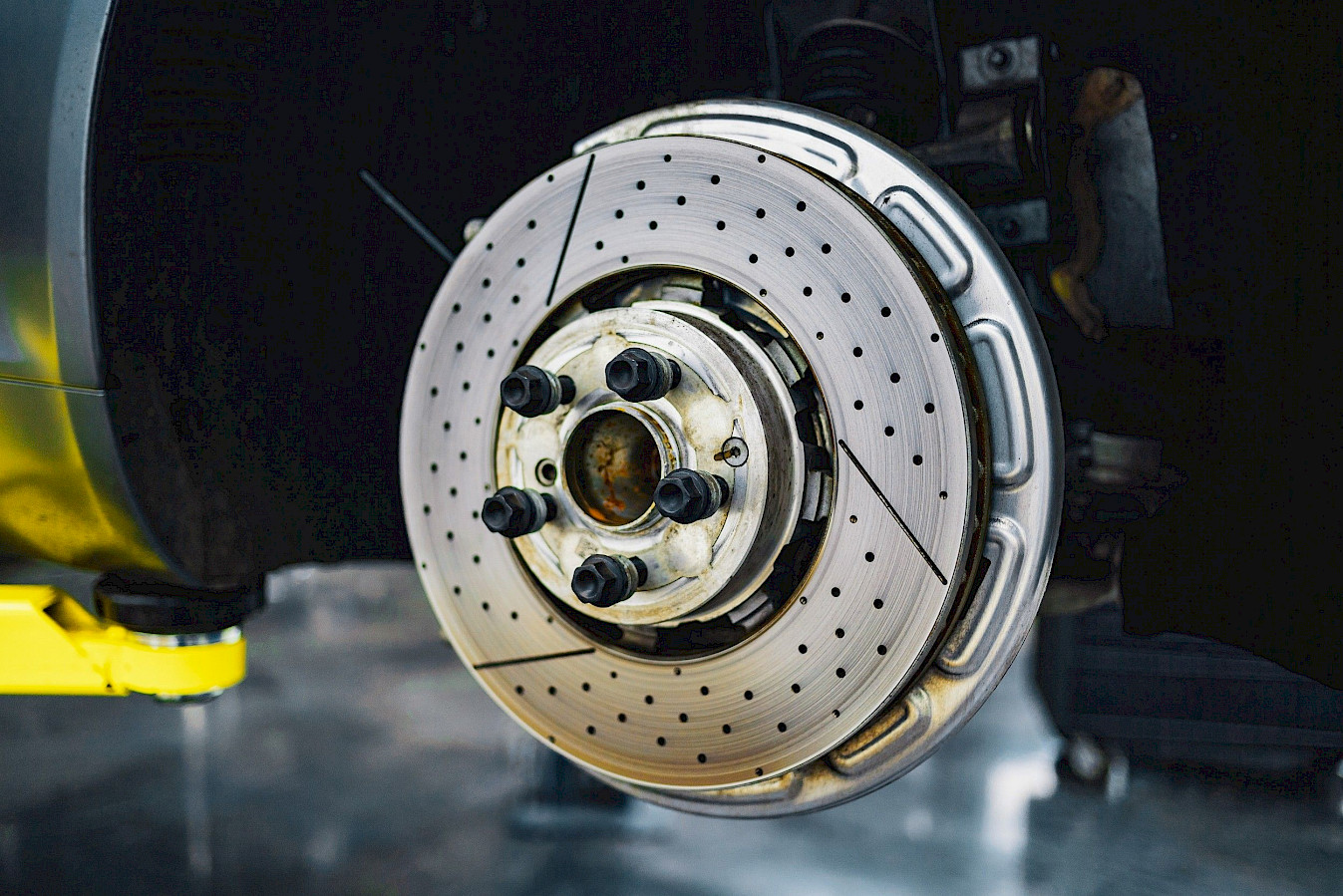
1. Stuck or Seized Brake Calipers: When Your Brakes Are Always Partially On
A stuck caliper is one of the most common causes of abnormally rapid brake pad wear, and it is also one of the most frequently overlooked because a partially seized caliper does not always announce itself through dramatic symptoms like smoke, burning smells, or obvious pulling to one side during normal braking.
In many cases, a caliper that is applying constant light pressure to the rotor creates pad wear that accumulates quietly over thousands of miles before the owner notices that something is wrong. Caliper slides, the metal pins on which the caliper body moves to apply and release pressure evenly across the pad and rotor, are a second failure point.
These slides are lubricated with a high-temperature grease that dries, hardens, and eventually ceases to allow smooth caliper movement.
Sticky slides cause uneven pad contact with the rotor, often producing a situation where one side of the pad wears faster than the other, which mechanics see clearly when they remove a pad and find a tapered wear pattern rather than even wear across the full pad face.
Heat generation from a dragging caliper creates a feedback cycle that accelerates its own degradation. A caliper that drags heats the brake fluid in that corner of the system, which further degrades the seals, which causes more consistent piston retention failure, which generates more drag and more heat.
Owners sometimes first notice a stuck caliper through a wheel that is noticeably hotter than the others after a normal drive, which is detectable by carefully touching each wheel near the hub area after the vehicle has cooled enough that the risk of burn is eliminated.
For a vehicle like the 2019 Jeep Cherokee Trailhawk 4×4 (KL generation), whose four-wheel disc brake system encounters the combination of off-road dust, water crossings, and urban heat cycles that accelerate caliper seal and slide degradation, caliper inspection should be part of every brake pad replacement service rather than an occasional add-on.
An owner of this vehicle reporting 10,000-mile pad life should ask specifically for caliper piston and slide evaluation before agreeing to a simple pad swap that will produce the same rapid wear rate on the next set.
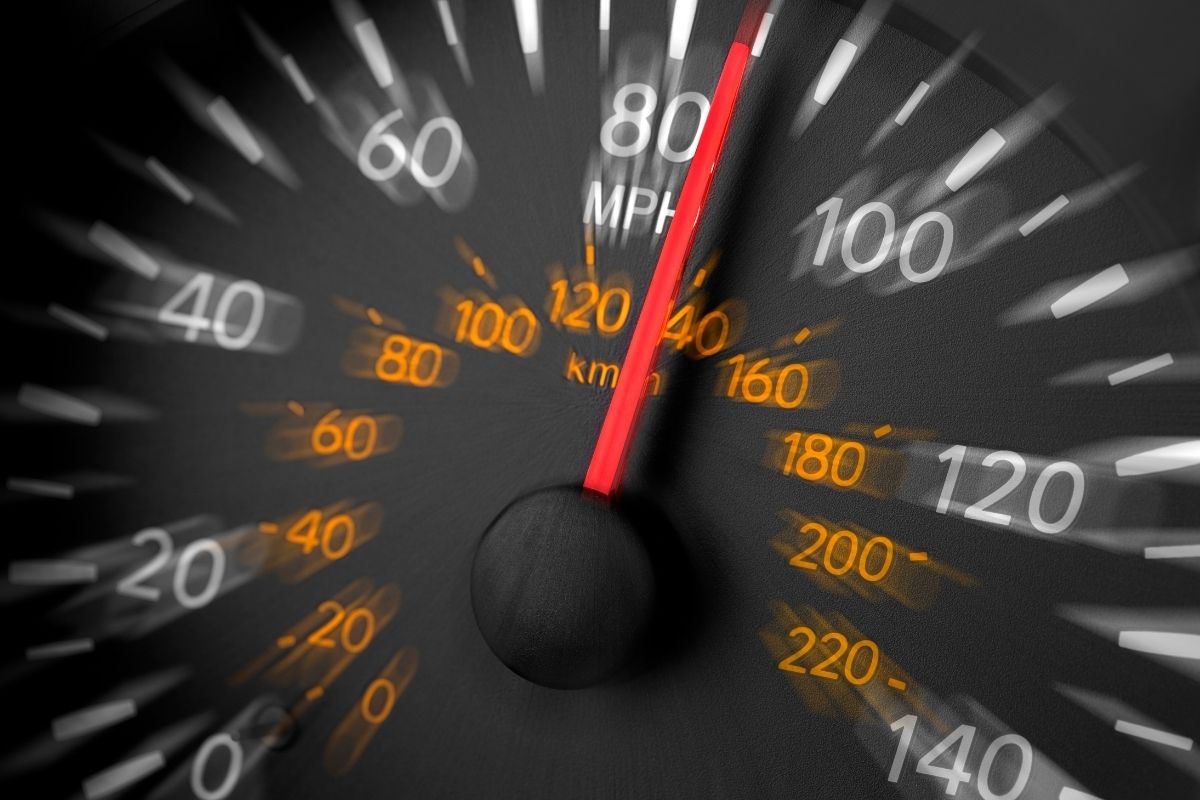
2. Aggressive Driving Habits That Generate More Braking Events Per Mile Than Average
Driving behaviour remains one of the most personal causes of rapid brake pad wear, even though many vehicle owners prefer to blame mechanical parts rather than habits behind the steering wheel. Frequent hard braking consumes friction material faster than any other factor because each braking action converts motion energy directly into heat at the pad and rotor interface.
Drivers who delay braking, apply high pedal pressure, and decelerate sharply from high speeds will experience far shorter pad service life than drivers who brake earlier and more gently, regardless of vehicle type or brake brand.
The physical principles behind this outcome are straightforward. Brake pad wear rises in proportion to the heat created during a stop, and that heat is tied directly to kinetic energy.
Kinetic energy increases with the square of speed, meaning that a stop from sixty miles per hour generates roughly four times the heat produced by a stop from thirty miles per hour. Repeated braking from higher speeds accelerates friction material loss at a rate that exceeds the design limits of standard road pads.
Braking frequency intensifies this effect. A commute involving numerous sharp stops creates cumulative thermal stress because the brakes do not have sufficient cooling time between events.
Pads operating at elevated temperature lose material faster, not only due to friction but also due to thermal degradation of binding agents. This produces wear rates that exceed what would be expected if each stop were considered independently.
Improving pad durability does not require driving slowly or avoiding confident acceleration. It requires anticipation and planning. Increasing following distance allows coasting before braking. Identifying stopping points earlier reduces peak temperature during deceleration.
Applying progressive pedal pressure spreads heat generation across a longer distance. These changes reduce both maximum brake temperature and the number of severe braking events per mile, extending pad service life without reducing travel efficiency.
High-performance vehicles amplify this relationship between driving behaviour and brake wear. Strong acceleration encourages higher approach speeds, which then require stronger deceleration.
When this cycle repeats during daily traffic use, brake components suffer rapid consumption. Owners who reserve aggressive acceleration and braking for controlled environments, where braking zones are predictable and cooling intervals exist, report far better pad durability than those who apply performance driving habits in congested urban settings.
Also Read: 8 Tips for Keeping Your Sensors Clean to Prevent Safety Tech Failure in Rain
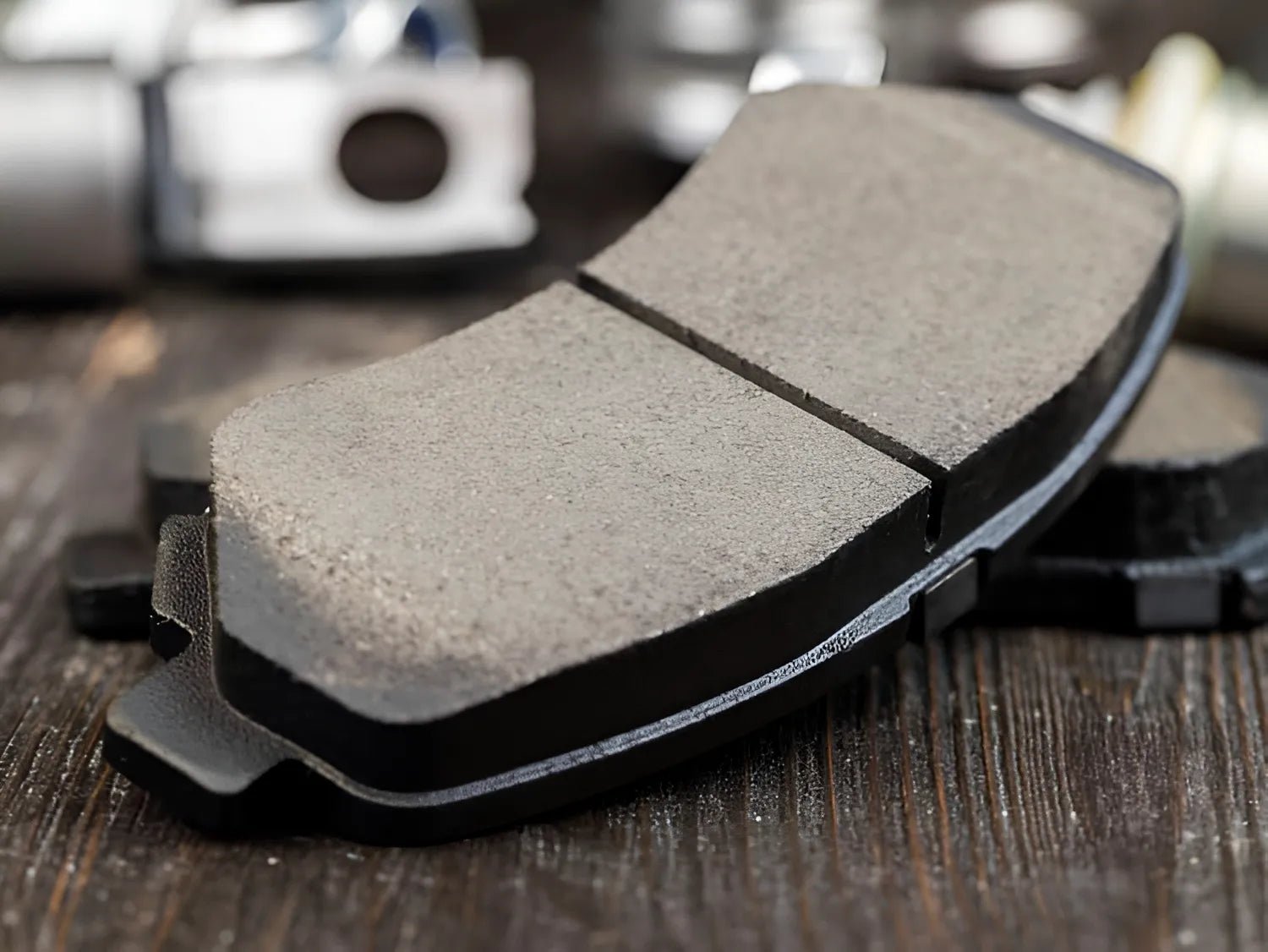
3. Wrong Pad Compound for the Vehicle and Its Use Pattern
Selecting an unsuitable brake pad compound for a vehicle and its operating conditions frequently causes unusually rapid wear, even when all mechanical parts function correctly. Brake pads are engineered for specific temperature ranges, vehicle weights, and braking loads.
A compound that performs well in one application can deteriorate quickly in another because friction behaviour depends on how the pad material interacts with the rotor composition, operating heat, and sustained braking demand.
Organic brake pads use softer binding materials designed to provide quiet operation and smooth pedal feel. These characteristics suit light vehicles driven gently, yet they perform poorly under repeated high-heat conditions. When installed on heavy vehicles or on cars used for frequent load carrying, organic pads exceed their thermal tolerance during normal driving.
This leads to accelerated friction loss and shortened service intervals that surprise owners expecting standard mileage. Performance-oriented pads introduce a different problem. Pads developed for track conditions rely on elevated temperatures to form stable friction layers on the rotor surface.
During regular road use, brake temperatures remain too low for these pads to function as designed. Instead of controlled friction transfer, material is lost through abrasive contact. Owners often install such pads expecting better stopping strength, only to face rapid wear during everyday driving.
Proper pad selection begins with a clear understanding of how the vehicle is used. Vehicles that tow or haul regularly require compounds that maintain stability under sustained heat, such as semi-metallic or heavy-duty ceramic formulations. Luxury saloons driven mainly on highways benefit from premium ceramic pads that balance noise control with long service life.
Performance cars used both on public roads and occasional circuit days need hybrid compounds capable of tolerating varied temperature ranges without excessive wear. Brake pad choice should match weight, duty cycle, and thermal exposure rather than marketing claims.
Workshops sometimes install low-cost pads that meet basic fitment requirements but lack the durability demanded by the vehicle’s operating conditions. This results in repeated replacements that increase ownership costs and inconvenience. When a light-duty truck records extremely short pad life, the installed compound deserves scrutiny before replacing calipers or rotors.
Pads specified for passenger cars cannot endure the heat generated by frequent towing or heavy loading. Selecting a compound intended for light truck use restores predictable service intervals and braking consistency. Correct pad choice protects both rotor surfaces and hydraulic components while delivering braking performance aligned with real driving demands.

4. Riding the Brake Pedal Without Realizing It: A Habit That Destroys Pads Silently
Left-foot braking and brake pedal resting are habits that many drivers developed over years of driving without ever being told that light, constant contact with the brake pedal is one of the most effective ways to destroy brake pads quickly.
Unlike hard braking, which produces noticeable deceleration and audible feedback that reminds drivers they are using their brakes, pedal resting produces no felt deceleration while still maintaining constant low-level contact between the brake pad and rotor surface that generates heat and wears material continuously.
Pedal resting is particularly common in left-foot brakers, drivers who keep their left foot on or near the brake pedal rather than resting it on the dead pedal.
Even a few pounds of pressure on the brake pedal is sufficient to partially apply the brakes in most vehicles, preventing the caliper piston from fully retracting and keeping the pad in light contact with the rotor throughout the drive.
The driver experiences no obvious braking sensation and no pulling, so the habit continues unrecognized for months or years while hundreds of thousands of brake pedal contact events accumulate in the total wear count.
Identifying pedal resting as the cause of rapid wear requires either observing the driver’s foot position directly or noticing the specific wear pattern that resting produces.
Pads worn by pedal resting tend to show even wear across the full pad face, similar to normal wear, but at a dramatically faster rate. Rotor surfaces on vehicles with this problem often show consistent polish and heat discoloration across their full face rather than the occasional hard spots and uneven markings that aggressive, discrete braking events produce.
Automatic transmission drivers who learned to drive in manual transmission vehicles sometimes retain the left-foot clutch position in automatic cars, keeping the left foot near the brake pedal in the location where the clutch pedal would be on a manual.
This habitual foot position produces pedal resting without any conscious intention to apply the brakes, and correcting it requires deliberate repositioning of the left foot to the dead pedal location and maintaining that position as a new habit across every drive.
An owner of a 2020 Toyota Highlander XLE AWD (XU70 generation) who reports rapid front pad wear with no other symptoms of mechanical failure should review their foot position habits during driving before investing in caliper replacement or other mechanical repairs.
Pedal resting on this vehicle’s electrohydraulic brake system, which includes a relatively sensitive pedal response designed for smooth operation, can produce a strong dragging condition with very light foot pressure that would not be recognized as brake application by the driver, but that generates measurable heat and wear at every mile.
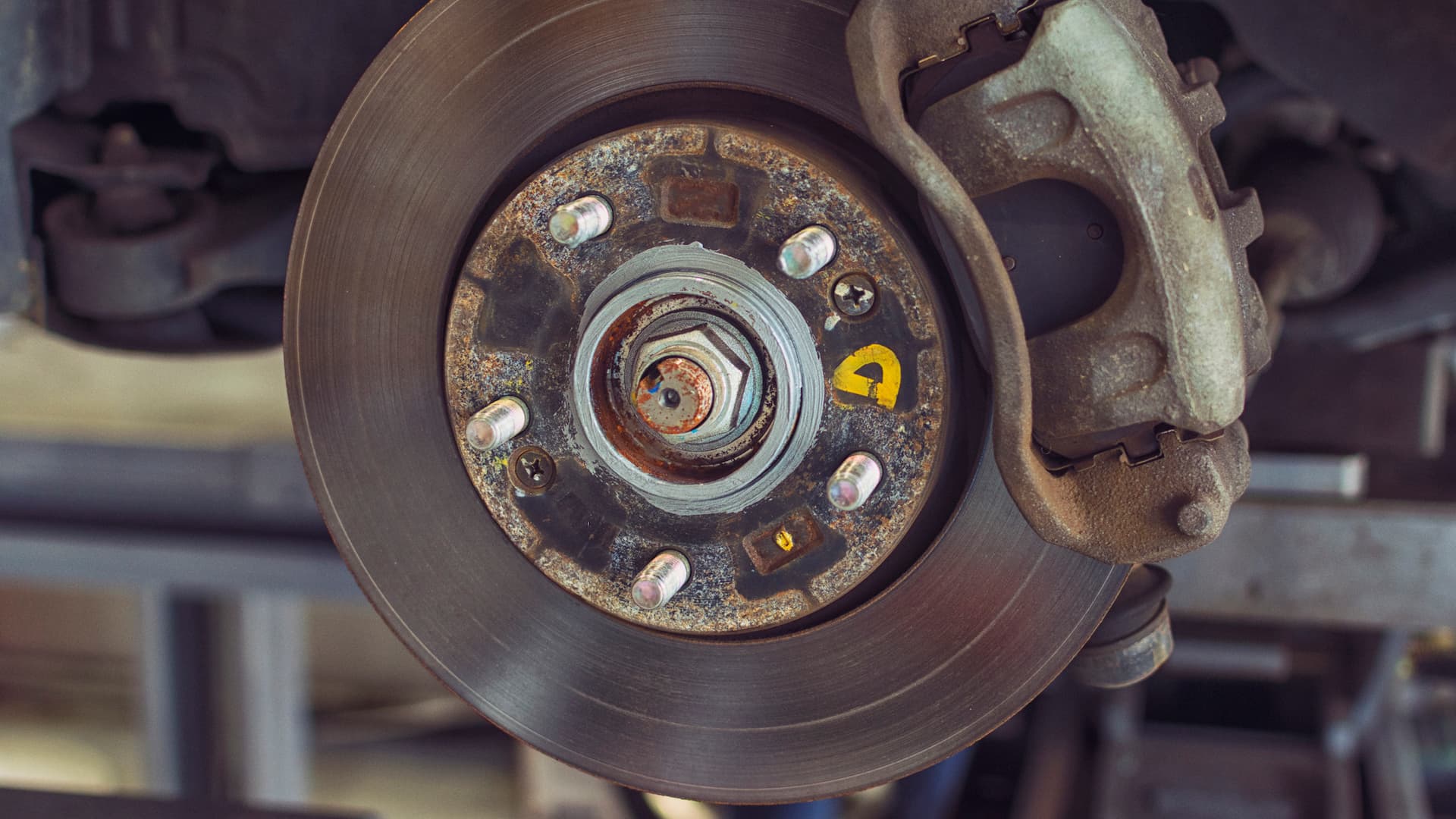
5. Warped or Undersized Rotors That Increase Friction Surface Contact Time
Rotor condition affects brake pad wear in ways that owners rarely consider, because most brake-related discussions treat pads and rotors as separate maintenance items rather than as an integrated system whose components affect each other’s wear rates.
A warped rotor, which has developed thickness variation or is physically undersized for the vehicle’s weight and brake thermal demands, creates conditions that accelerate pad wear through mechanisms that pad replacement alone will never resolve.
Rotor thickness variation, often called warping, though the physical cause is usually uneven surface deposits rather than true metallic warping, creates a contact condition where the pad experiences variable pressure as it passes over high and low spots in the rotor surface with each revolution.
During the contact phase, when the pad rides over a high spot, pressure increases briefly and locally, generating more heat per unit of pad area than even contact would produce. Over thousands of brake applications, these pressure spikes consume pad material unevenly, and at higher rates than flat, even rotors would generate under identical braking conditions.
Undersized rotors for a specific vehicle application create a thermal management problem that leads directly to accelerated pad wear. Brake rotors are sized not just for structural adequacy but for thermal mass, the ability to absorb and store the heat generated during braking events before it reaches temperatures that exceed pad compound ratings.
A rotor that is too small for the vehicle’s weight and use pattern heats more quickly per brake application, reaches higher peak temperatures between cooling periods, and spends more time at temperatures that accelerate pad material breakdown rather than operating within the compound’s designed thermal range.
Budget rotor replacements made from cast iron with lower carbon content than OEM specifications are more susceptible to surface deposit formation and have lower thermal mass per unit of rotor size than OEM-grade rotors.
Installing budget rotors to save money on the rotor portion of a brake service is a common decision that produces faster pad wear on the next pad set, often costing more over a multi-service period than OEM or premium rotor specifications would have required at the initial replacement.
Confirming rotor condition during pad replacement involves measuring rotor thickness at multiple points around the circumference to identify thickness variation beyond 0.001 inches, which is typically the threshold for noticeable brake pulsation and accelerated pad wear.
Rotors within specification on thickness but showing extensive hot spots, hard spots, or surface scoring should be evaluated for resurfacing or replacement based on whether machining to a clean surface leaves adequate remaining thickness above the minimum specification.
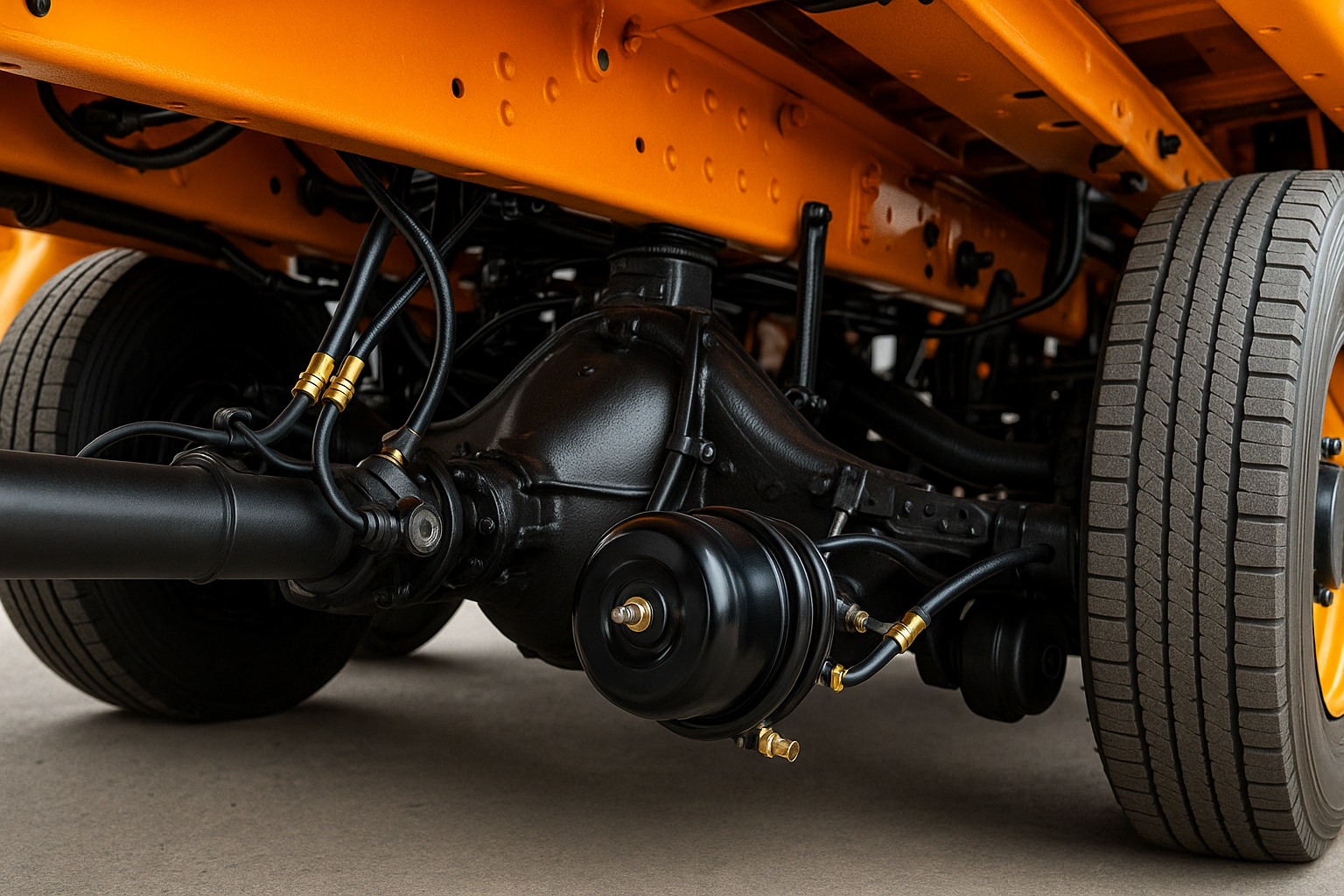
6. Heavy Vehicle Weight Combined With Inadequate Brake System Specification
Vehicle weight directly influences the rate at which brake pads wear because braking systems exist to convert the motion energy of a moving vehicle into heat during deceleration. Each additional unit of mass increases the amount of heat generated during every braking event.
When a vehicle’s braking hardware lacks sufficient thermal capacity or suitable pad material to absorb and dissipate this heat, accelerated wear becomes unavoidable. The brake pads deteriorate faster because the system operates beyond the limits assumed during its original design phase.
Original equipment brake systems fitted to mass market vehicles are designed around cost control, acceptable stopping performance, noise management, and service intervals that suit typical ownership patterns. Engineers rely on statistical assumptions about how the average buyer will drive, load, and maintain the vehicle. When real usage exceeds those assumptions, brake pad durability declines.
Carrying heavier loads than expected, driving frequently on steep roads, towing often, or braking aggressively imposes demands beyond what the factory system was intended to support, leading to pad life far shorter than the mileage suggested in service literature.
Vehicle modifications that add mass without corresponding braking upgrades create a clear engineering imbalance. Larger wheels and tyres, suspension lifts, underbody protection, roof carriers, permanent tool storage, and frequent high-capacity towing all raise the braking workload.
If rotor size, caliper force, and pad heat tolerance remain unchanged, the braking system operates in a condition of continuous overload. The correct response to such use involves selecting components with greater heat absorption capacity, stronger friction materials, and improved cooling characteristics.
Cargo habits also play an important role. A vehicle used lightly on weekdays but heavily loaded on weekends experiences uneven braking stress. Brake pads do not recover from high-temperature exposure simply because later trips are lighter. Thermal damage accumulates within the pad material and rotor surface, meaning wear reflects the heaviest operating condition rather than the most frequent one.
In the case of a full-size sport utility vehicle such as a 2023 Ford Expedition Platinum MAX Four Wheel Drive, heavy towing places substantial heat demand on the braking system. Short pad service intervals recorded during towing periods should not be averaged with lighter usage.
Brake maintenance decisions should be based on operating duty, and pad compounds designed for towing provide improved durability under sustained high heat conditions. Proper assessment requires tracking braking temperatures, load frequency, and stopping patterns instead of relying on mileage alone.
Service advisers should question owners about towing distance, trailer weight, road gradient, and braking frequency. This approach allows brake specification choices to match actual use, reduces repeated replacements, and supports predictable maintenance planning for owners whose vehicles operate under sustained high load conditions. Accurate duty evaluation prevents premature wear and unnecessary repair expense.
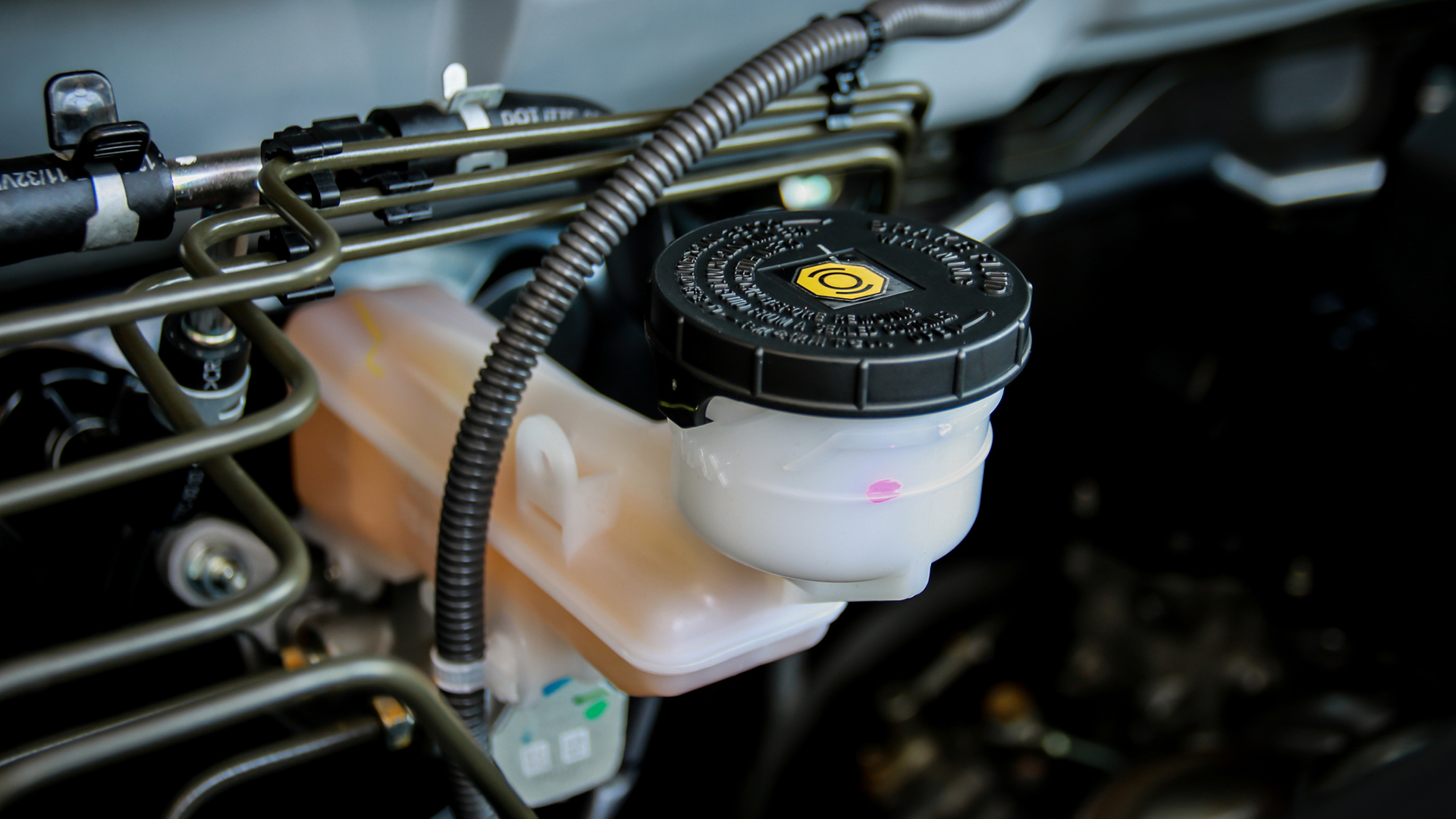
7. Contaminated Brake Fluid Reducing Hydraulic Brake Release Efficiency
Brake fluid quality influences brake pad wear through hydraulic behaviour that many drivers do not consider. When the fluid condition deteriorates, the braking system may fail to release clamping pressure fully after pedal release.
This creates light but continuous contact between the pad and rotor during driving. That constant contact produces heat and friction even when the brakes are not being applied intentionally, leading to accelerated pad wear that resembles mechanical caliper sticking.
New brake fluid maintains stable pressure transmission and allows caliper pistons to retract properly after each braking event. As fluid absorbs moisture during normal service life, its boiling point falls and its compressibility changes.
Under repeated heating, moisture within the fluid forms small vapour pockets that disturb hydraulic response. In certain brake system designs, this altered response prevents full pressure relaxation, leaving residual force acting on the pads between braking events.
Most passenger vehicles use DOT 3 or DOT 4 brake fluid, both of which attract moisture from the surrounding air. This occurs through rubber hoses, seals, and the reservoir vent and cannot be prevented by careful driving or storage.
Because moisture accumulation affects braking performance rather than lubrication, fluid replacement intervals are time-based rather than mileage-based. Manufacturers specify replacement every two or three years to maintain predictable hydraulic behaviour.
Vehicles that have accumulated high mileage without brake fluid replacement frequently show moisture levels above service limits when tested. Elevated moisture content accelerates the deterioration of internal rubber seals within calipers and master cylinders.
This links fluid neglect directly to seal damage and mechanical resistance within the caliper assembly. When poor fluid condition and seal wear exist together, brake pads experience sustained contact pressure that causes rapid wear.
For a 2014 Audi A4 Premium Plus Quattro sedan, the braking system incorporates advanced stability control and anti-lock braking components that depend on precise hydraulic response. Visual inspection of fluid colour does not provide reliable information about moisture content. Proper evaluation requires testing with approved measuring tools.
Audi specifies a two-year replacement interval, and vehicles operating beyond that period on original fluid commonly exhibit the pad wear pattern described here due to reduced hydraulic release efficiency. Maintaining correct fluid condition protects braking hardware and preserves predictable pedal behaviour. Regular replacement reduces internal corrosion risk and supports consistent caliper movement.
Also Read: 8 Tips for Tuning Vintage Carburetors for Better Fuel Economy
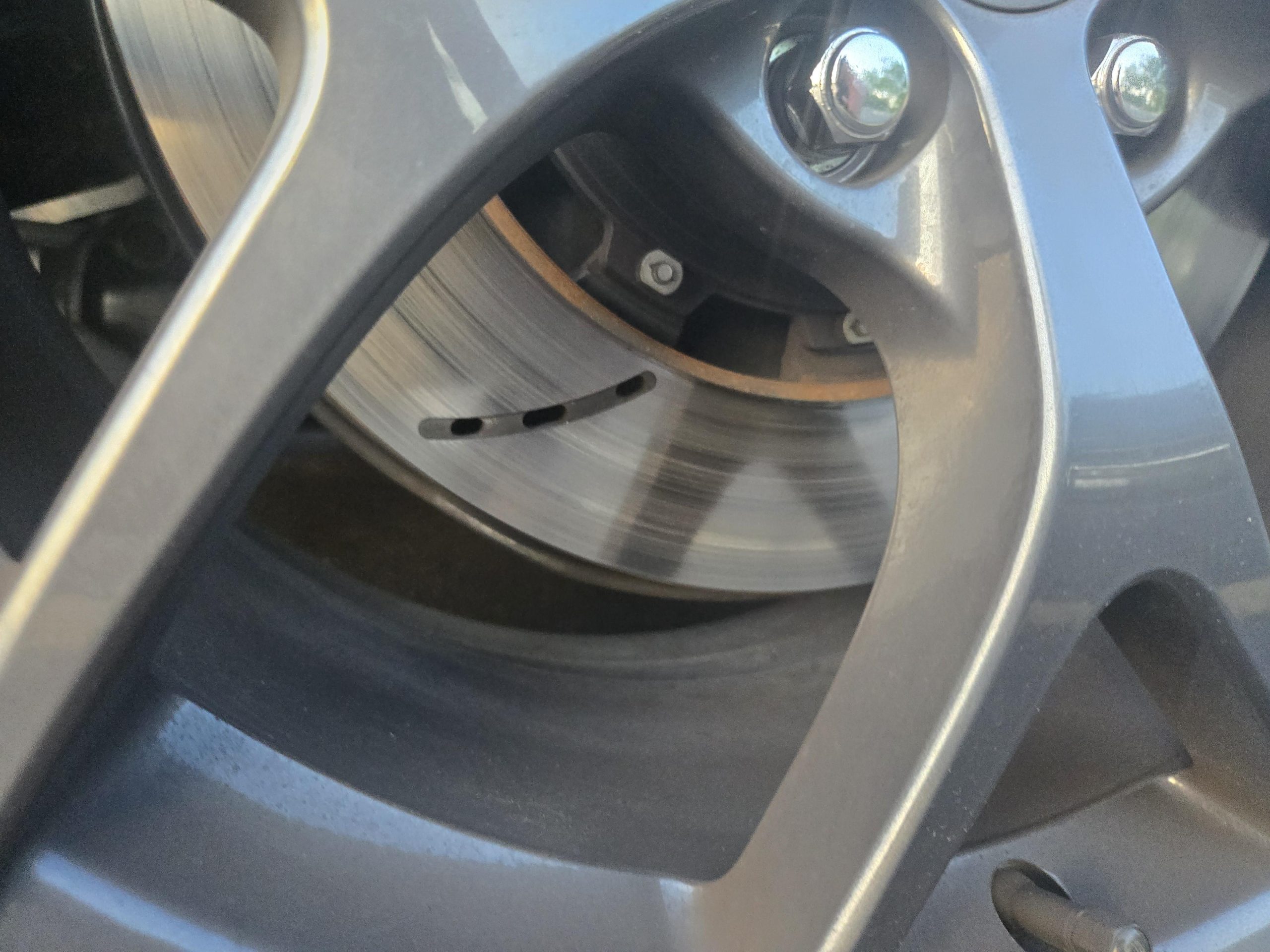
8. Improper Bedding of New Brake Pads After Installation
New brake pad installation is not the final step in getting a brake system to perform and wear correctly. Proper bedding, the process of deliberately transferring a thin, uniform layer of pad friction material onto the rotor surface through a specific series of controlled brake applications, is required for new pads to reach their designed performance and wear rate.
Pads installed without proper bedding often wear at dramatically accelerated rates because the friction film transfer that creates the designed contact geometry between pad and rotor never occurs correctly.
Brake pad bedding works by creating a thin transfer film of pad material on the rotor surface that provides consistent friction chemistry between the pad and rotor throughout the pad’s service life.
Without this transfer film, the bare pad material contacts the bare rotor surface with a contact geometry that is not optimized for the pad’s friction compound, generating higher asperity contact stresses that accelerate pad wear and heat generation. Properly bedded pads create a matched surface condition that reduces both wear rate and operating temperature compared to un-bedded pads on the same vehicle.
Most brake pad manufacturers include bedding instructions with their products, specifying a series of medium-speed stops from progressively higher speeds with cooling periods between them that create the correct transfer film without overheating the new pads during the bedding process.
These instructions are frequently ignored by installation technicians who are unfamiliar with the process, or by owners who do not realize that bedding is required and drive normally immediately after installation.
High-performance pad compounds, particularly semi-metallic and ceramic pads designed for specific thermal operating ranges, are more dependent on proper bedding than organic compounds because their friction chemistry depends more completely on the transfer film for optimal friction coefficient development.
Installing these pads without proper bedding and then immediately driving normally in stop-and-go traffic can create thermal shock conditions in the pad surface that cause glazing, which reduces the friction coefficient and accelerates wear simultaneously.
