

Owning a car can feel like a steady stream of expenses, especially when repair bills show up at the worst possible time. Yet a large portion of those costs can be avoided with simple habits that take only a little time and effort. Small actions done regularly can prevent major breakdowns, extend the life of your vehicle, and keep your wallet in better shape.
Think about it this way: every skipped oil change or ignored warning sign gives small problems the chance to grow into expensive repairs. What could have been a quick fix becomes a costly visit to the shop. That is where smart maintenance comes in. By handling a handful of routine tasks yourself, you stay ahead of trouble and avoid paying for labor that is often overpriced for basic work.
Drivers of all experience levels can benefit from learning these tasks. You do not need a full garage setup or advanced mechanical knowledge. A few tools, a bit of patience, and a willingness to learn can make a big difference. Each task in this guide connects directly to real savings, often adding up to hundreds of dollars per year.
What follows is a practical list of ten maintenance jobs that pay off quickly. Every one of them is simple enough to handle at home and powerful enough to reduce your annual repair costs. Let’s start with the first five.
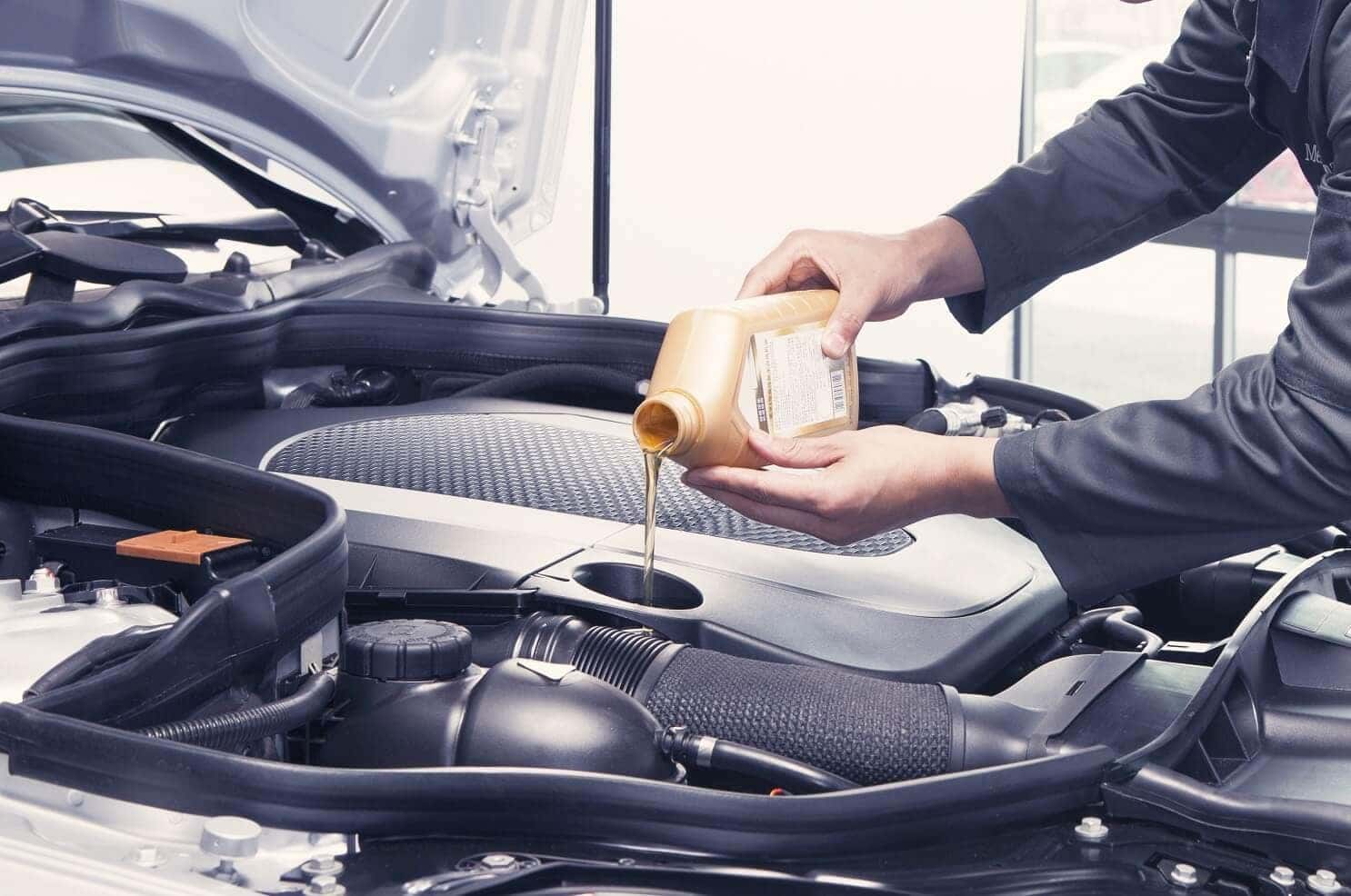
1. Oil Changes Done at Home for the Toyota Camry LE 2.5L
Start with the simplest habit that delivers the biggest payoff. Changing your own engine oil is one of the easiest ways to save money and protect your car’s engine at the same time. Shops often charge a premium for something that takes less than an hour when done at home.
Picture the Toyota Camry LE 2.5L, a popular sedan known for reliability. Even a dependable car like this depends heavily on clean oil. Fresh oil keeps engine parts lubricated, reduces heat, and prevents buildup that can damage internal components. Skipping changes leads to wear that becomes expensive to fix.
Handling this task yourself cuts out labor costs right away. A typical shop visit might cost anywhere from $60 to $120, depending on oil type. Doing it at home usually costs half that amount. Over a year, with multiple oil changes, those savings add up quickly.
Another benefit comes from control. You decide the oil brand, filter quality, and timing. Shops often follow general schedules, but your driving habits might require more frequent attention. Short trips, heavy traffic, or hot climates can all demand better care.
The process is straightforward. Lift the car safely, drain the old oil, replace the filter, and refill with fresh oil. Clean up properly and dispose of used oil at a recycling center. That is it. No hidden steps or special tricks. Confidence grows with repetition. After your first attempt, the next one feels easier and faster. Many drivers find satisfaction in knowing exactly what goes into their engine.
Skipping this habit often leads to sludge buildup, reduced performance, and even engine failure. Those repairs can cost thousands, making regular oil changes one of the most valuable habits you can build.
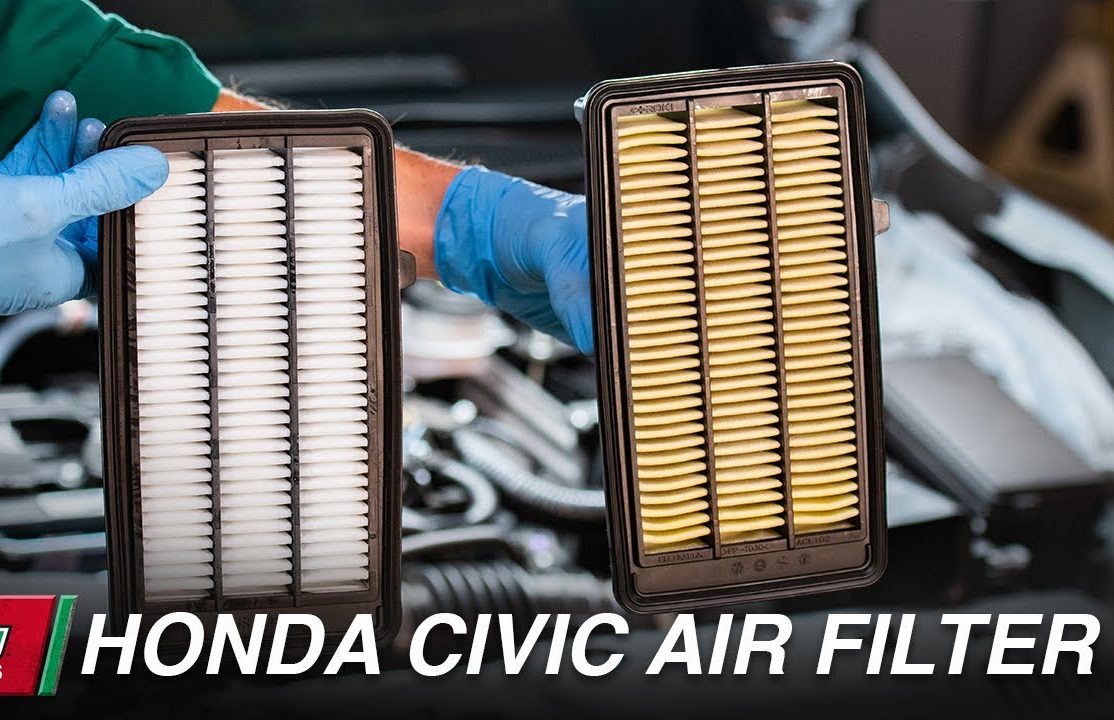
2. Swapping Air Filters on the Honda Civic EX 1.5T Without Paying Labor Fees
Air filters rarely get attention, yet they play a major role in how your engine breathes and performs. Replacing them yourself is quick, inexpensive, and surprisingly effective at improving fuel efficiency. Consider the Honda Civic EX 1.5T. This compact car relies on a steady flow of clean air to maintain its performance.
A clogged air filter restricts airflow, forcing the engine to work harder. That strain reduces fuel economy and increases wear. Walk into a repair shop, and you might be charged a high fee for a simple swap. In reality, most air filters are located in an easy-to-access box under the hood.
Opening it usually requires no tools or just a basic screwdriver. A fresh air filter costs very little, yet it can restore lost efficiency. Even a small improvement in fuel economy can save noticeable money over months of driving. Add in the avoided labor charges, and the savings grow even more.
Cabin air filters matter as well. These filters clean the air you breathe inside the car. Dust, pollen, and debris build up quickly, especially if you drive in busy areas. Replacing this filter improves air quality and keeps your HVAC system running smoothly.
Routine replacement prevents dirt from entering the engine, which reduces long-term wear. That protection translates into fewer repairs and longer engine life. Think of it as a quick win. It takes only minutes, costs little, and delivers real results.
Skipping it leads to poor airflow, reduced performance, and unnecessary strain on your vehicle. Once you learn how to do it, you will never pay someone else for this job again.
Also Read: 8 Tips for Protecting Your Car Paint From Intense High Altitude UV Rays
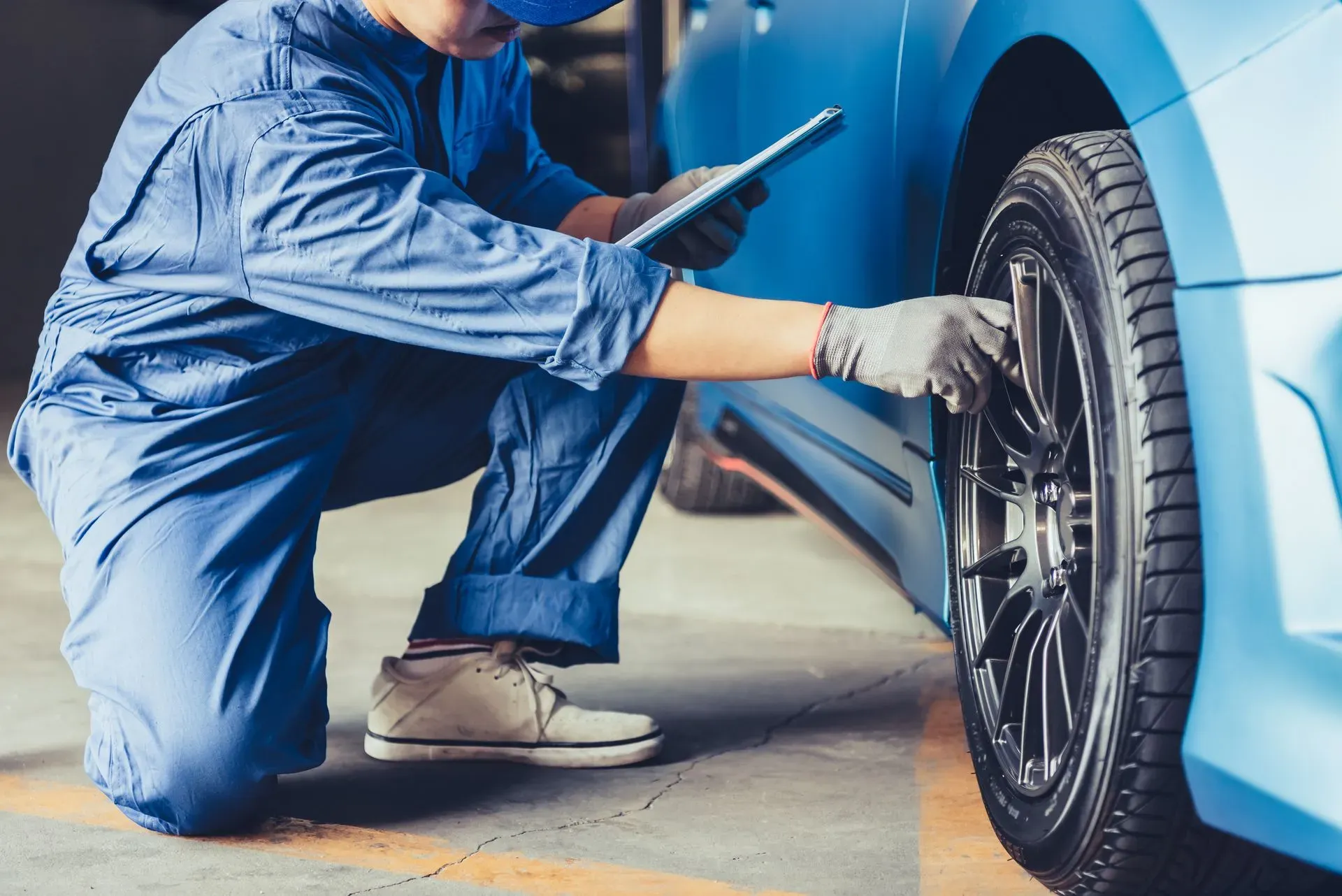
3. Tire Pressure Checks and Rotation for the Ford Escape SE AWD
Tires quietly influence almost every part of your driving experience. Proper pressure and rotation keep them wearing evenly and performing at their best. Ignoring them leads to uneven wear, poor fuel economy, and early replacement costs.
Take the Ford Escape SE AWD as an example. With All Wheel Drive, balanced tires are especially important. Uneven wear can affect traction and handling, which may lead to more serious issues down the road. Checking tire pressure takes only a few minutes.
A simple gauge gives you accurate readings, and most gas stations offer air pumps. Keeping tires at the recommended pressure improves fuel efficiency and extends tire life. Underinflated tires create more rolling resistance, which forces the engine to burn more fuel. That extra cost adds up as time goes on.
Overinflated tires wear unevenly and reduce grip, which affects safety. Rotation is just as important. Tires do not wear evenly because each position on the car experiences different forces. Rotating them every 5,000 to 7,000 miles spreads wear evenly and extends their lifespan.
Shops charge for this service, but it can be done at home with a jack and basic tools. Learning the correct rotation pattern for your vehicle ensures even results. Neglecting this task often leads to early tire replacement, which is far more expensive than regular maintenance.
A full set of tires can cost hundreds of dollars, making prevention the smarter choice. Stay consistent with pressure checks and rotation, and your tires will last longer while delivering better performance.
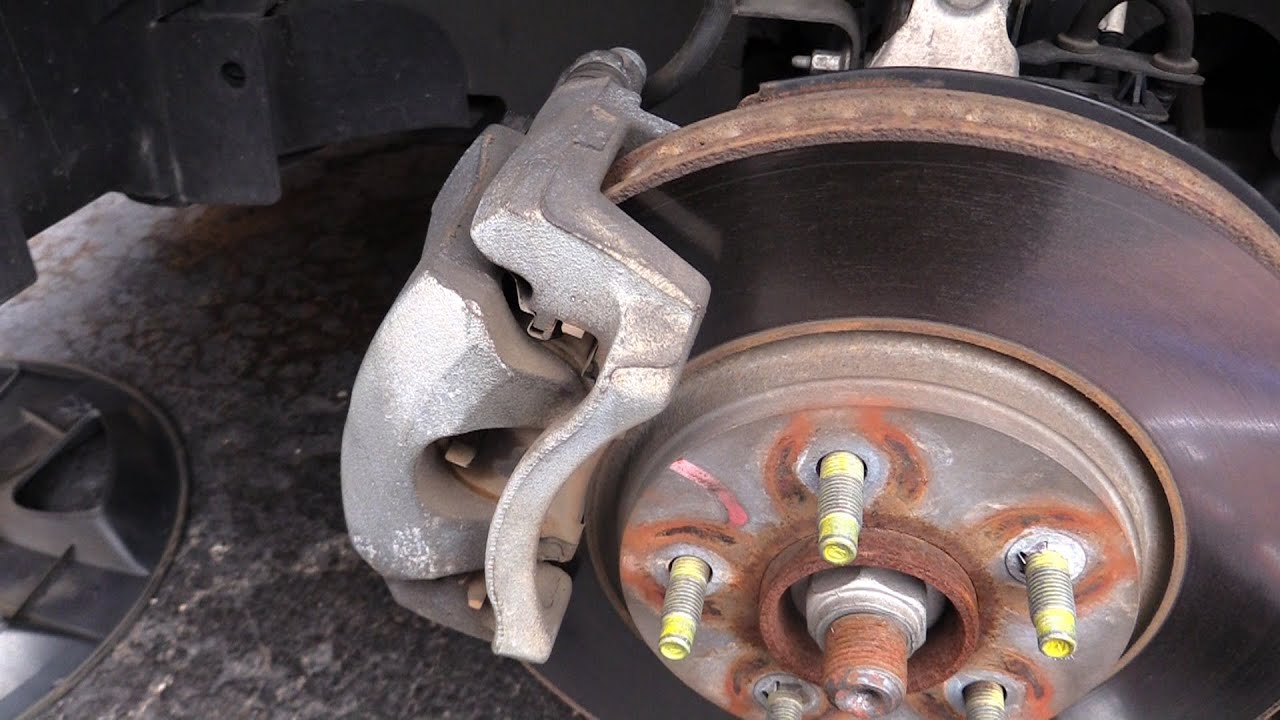
4. Brake Pad Inspection on the Chevrolet Malibu LT 1.5L
Brakes are not something you want to ignore, yet many drivers wait until they hear a noise before taking action. Regular inspection helps catch wear early and prevents costly damage to other components. Imagine driving a Chevrolet Malibu LT 1.5L. Smooth braking depends on healthy pads and rotors.
When brake pads wear down too far, they begin to grind against the rotors, causing damage that is much more expensive to fix. Checking brake pads does not require advanced skills. You can often see them through the wheel or by removing it for a closer look. Thickness matters.
If the pad is too thin, it is time to replace it. Replacing pads yourself saves a substantial amount of money. Labor charges at shops can double the cost of this job. With the right tools and a bit of patience, it becomes a manageable task at home.
Early replacement protects the rotors, which are far more expensive than pads. Catching wear in time means you only pay for what is necessary. Listen to your car as well. Squeaking or grinding sounds signal trouble. Acting quickly prevents further damage.
Reliable braking is not just about safety. It is also about avoiding unnecessary expenses. Routine checks keep your system in good condition and help you avoid bigger repair bills. Taking responsibility for this task builds confidence and ensures your car stops the way it should every time.
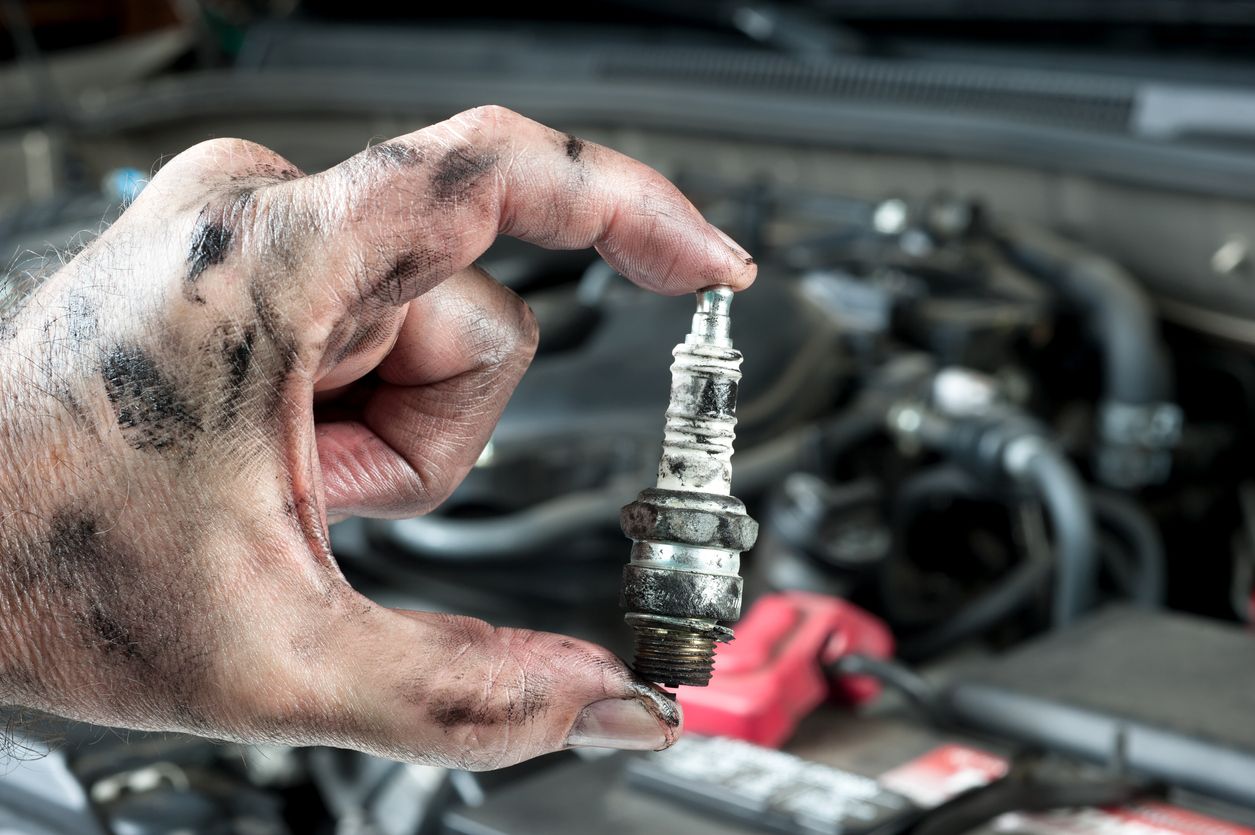
5. Replacing Spark Plugs in the Nissan Altima S 2.5L for Better Efficiency
Spark plugs might be small, but their impact on engine performance is huge. They ignite the fuel air mixture that powers your car. When they wear out, efficiency drops and fuel consumption rises. Picture the Nissan Altima S 2.5L. A smooth-running engine depends on strong, consistent sparks. Old or worn plugs lead to misfires, rough idling, and reduced power.
Replacing spark plugs is a task that many drivers avoid, often because it seems technical. In reality, it is straightforward with the right tools. A socket wrench and a spark plug socket are usually all you need. Doing this job yourself saves on labor costs and gives you full control over the quality of parts used. Shops may charge a high fee for something that takes less time than expected.
Fresh spark plugs improve fuel efficiency, which means fewer trips to the gas station. That alone can lead to noticeable savings throughout the year. Another advantage comes from smoother engine performance. Acceleration feels more responsive, and the engine runs more quietly.
Ignoring worn plugs can lead to bigger issues. Misfires put extra stress on the engine and can damage other components if left unchecked. Treat this task as a routine part of your maintenance schedule. Replace plugs at recommended intervals, and your engine will reward you with better performance and lower operating costs.
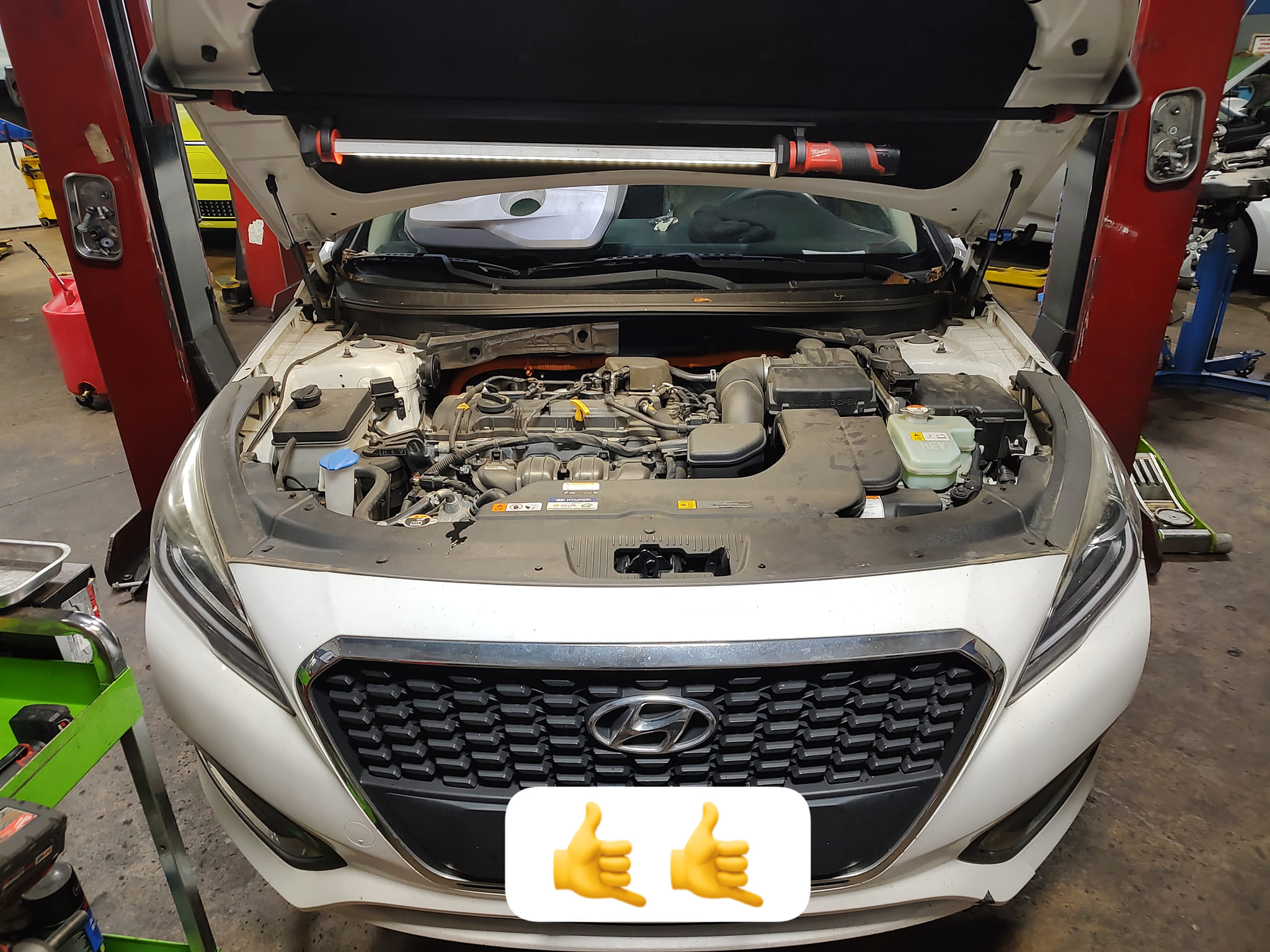
6. Keeping Fluids Fresh in the Hyundai Sonata SEL 2.5L
Fluids act as the lifeblood of any vehicle, and paying attention to them saves money in ways that are easy to measure. Drivers who stay on top of fluid checks rarely deal with sudden breakdowns tied to overheating, poor shifting, or steering trouble.
A car like the Hyundai Sonata SEL 2.5L depends on several fluids working together smoothly, including coolant, transmission fluid, brake fluid, and power steering fluid. Open the hood and you will notice reservoirs with clear markings.
These are designed for quick inspection, making it simple to see when levels drop or when fluid looks dirty. Clean fluid tends to have a bright, clear appearance, while worn fluid often looks dark or cloudy. That visual cue alone tells you when action is needed.
Changing fluids at home can feel intimidating at first, yet most tasks are manageable with basic tools. Coolant flush kits, for example, are widely available and come with simple instructions. Transmission fluid changes may require more care, though still within reach for anyone willing to follow a guide step by step.
Money savings show up in two ways. First, you avoid labor charges that repair shops add to every service. Second, you prevent damage caused by worn fluids. Old coolant can lead to overheating, which puts stress on the engine. Dirty transmission fluid can cause rough shifting or internal wear. Those problems quickly turn into expensive repairs.
Consistency matters here. Checking fluid levels once a month builds a habit that keeps everything running smoothly. You do not need to wait for warning lights or strange behavior. A quick look under the hood often catches problems early.
Taking care of fluids builds awareness of how your car operates. That awareness leads to better decisions and fewer surprises. It also means your vehicle stays reliable, which is worth far more than the cost of a few bottles of fluid each year.
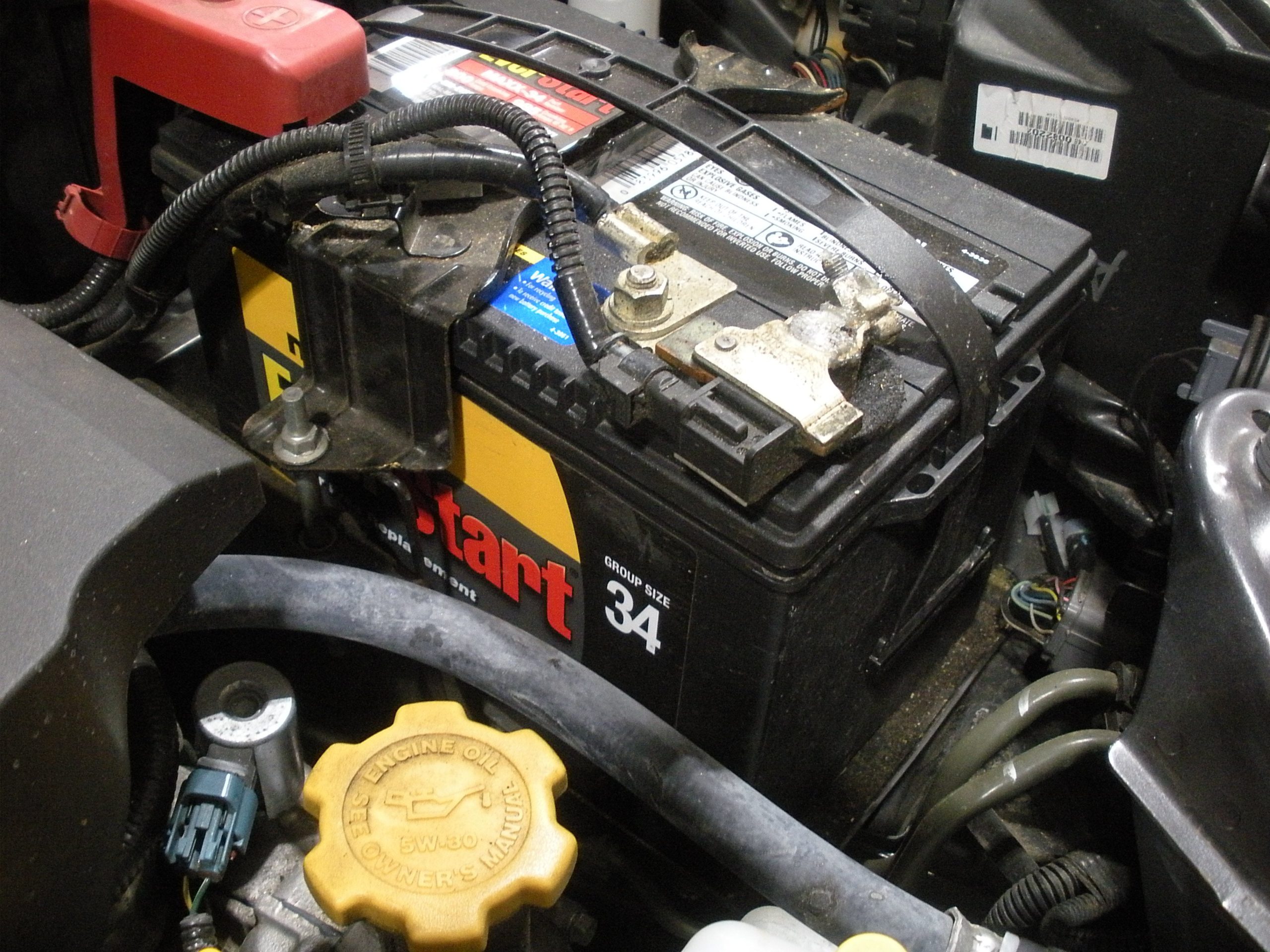
7. Battery Care and Cleaning for the Subaru Outback Premium 2.5i
Battery trouble often shows up at the worst possible moment, leaving drivers stranded and frustrated. Simple care habits can prevent that situation and extend battery life by a wide margin. The Subaru Outback Premium 2.5i offers a clear example of how routine attention keeps electrical systems dependable.
Pop the hood and locate the battery terminals. As time goes on, corrosion builds up around these connections, creating resistance that affects performance. White or bluish residue around the terminals is a sign that cleaning is needed. Ignoring it can lead to slow starts or complete failure.
Cleaning the battery is straightforward. A mixture of baking soda and water works well to break down corrosion. A brush helps remove buildup, and a clean cloth finishes the job. Always disconnect the battery safely before starting, and reconnect it once everything is dry and secure.
Checking battery health goes beyond cleaning. Pay attention to how the engine starts. If cranking feels slower than usual, the battery may be losing strength. Testing tools are affordable and provide clear readings of voltage levels.
Replacing a battery at home saves money on installation fees. Most vehicles use a simple bracket system that holds the battery in place. Removing it and installing a new one takes only a few minutes once you understand the layout.
The weather also plays a role. Cold temperatures reduce battery efficiency, while heat can shorten its lifespan. Keeping terminals clean and connections tight helps the battery handle these conditions better. Avoiding unexpected breakdowns brings peace of mind.
A well-maintained battery supports every electrical component in your car, from lights to ignition systems. Treat battery care as a routine check rather than an emergency fix. That small effort prevents inconvenience and saves money that would otherwise go toward towing services or urgent replacements.
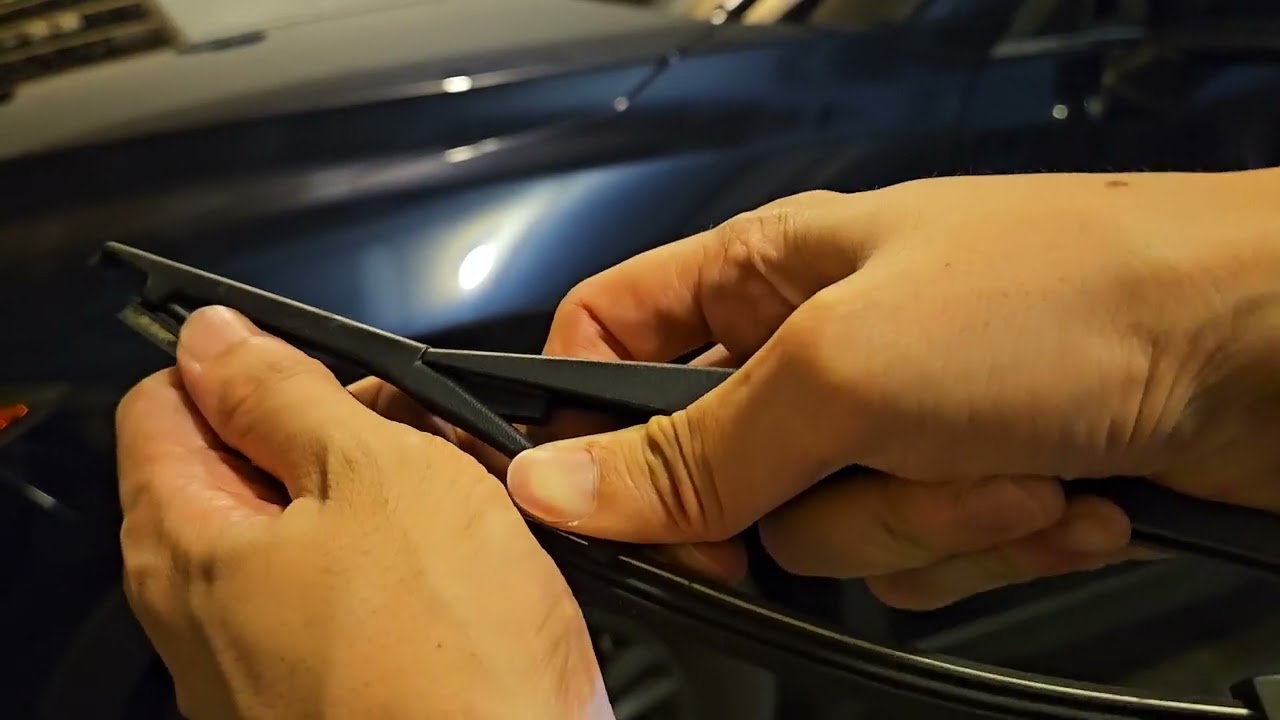
8. Wiper Blade Replacement for the Mazda CX-5 Touring 2.5L
Visibility plays a direct role in safe driving, yet wiper blades often get ignored until they fail during bad weather. Replacing them regularly is one of the easiest ways to maintain clear vision while avoiding unnecessary service charges.
Look at the Mazda CX-5 Touring 2.5L. Its windshield design depends on properly functioning wipers to keep rain and debris from blocking the driver’s view. Worn blades leave streaks, skip across the glass, or make noise, all of which reduce clarity.
Swapping wiper blades takes only a few minutes. Most models use a simple clip system that allows you to remove old blades and snap new ones into place. Instructions are usually printed on the packaging, making the process easy to follow.
Cost savings come from avoiding labor fees and preventing damage to the windshield. Old blades can scratch glass if the rubber edge wears down completely. Repairing or replacing a windshield costs far more than a new set of blades.
Seasonal changes affect how long blades last. Heat can dry out the rubber, while cold conditions can make it brittle. Checking them every few months ensures they remain effective. Another benefit involves driving comfort. Clear visibility reduces stress, especially during heavy rain or snow. You stay focused on the road without struggling to see through streaks or smears.
Many drivers overlook this task because it seems minor. Yet its impact on safety and comfort is immediate. Fresh blades perform better and give you confidence during poor weather conditions. Keeping a spare set in your trunk is a smart habit. When performance drops, you can replace them right away instead of waiting.
Simple actions like this prove that small investments of time can prevent bigger expenses and improve your driving experience every day.
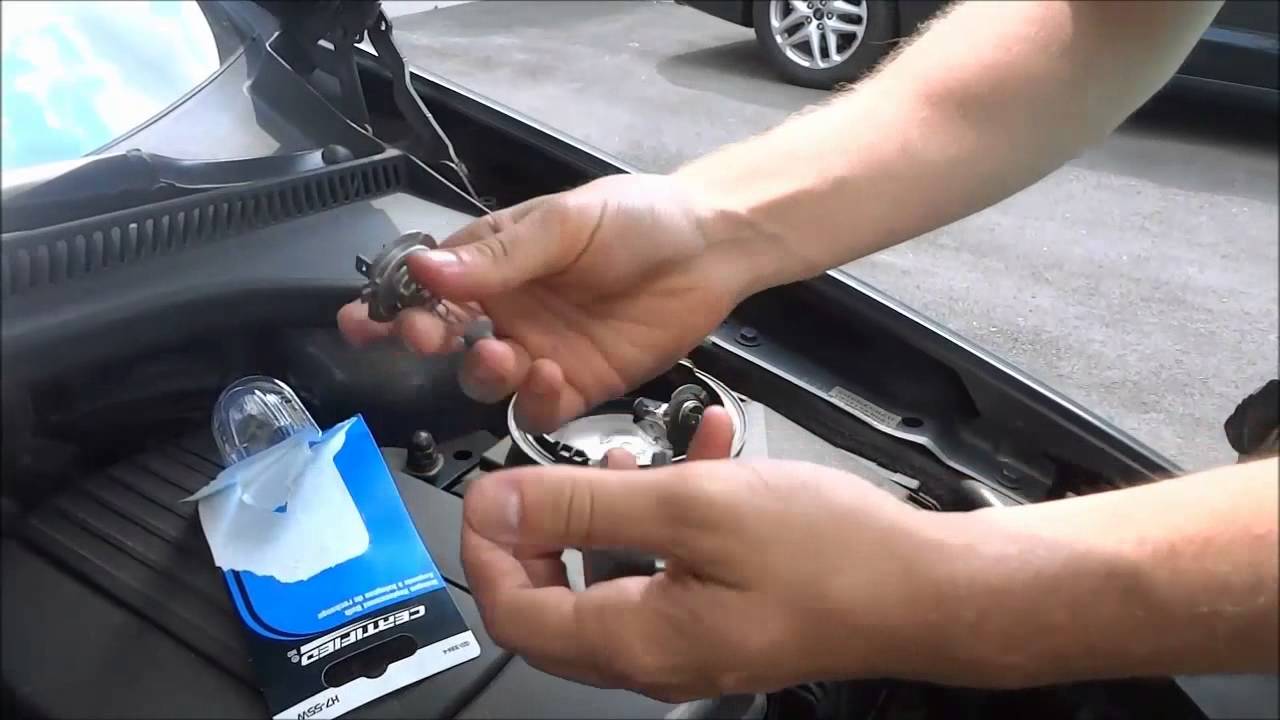
9. Replacing Headlight Bulbs on the Volkswagen Jetta SE 1.5T
Headlights do more than illuminate the road. They help other drivers see you, making them essential for safety. Replacing bulbs yourself is a quick task that saves money and ensures your vehicle stays visible in all conditions.
Take the Volkswagen Jetta SE 1.5T as an example. Its lighting system is designed for easy access, allowing drivers to replace bulbs without specialized tools. When a headlight dims or burns out, acting quickly prevents risky driving situations.
Accessing the bulb housing usually involves opening the hood and removing a protective cover. Once exposed, the bulb can be disconnected and replaced with a new one. Care should be taken to avoid touching the glass with bare hands, as oils can shorten its lifespan.
Shops often charge for both parts and labor, even though the process takes only a few minutes. Doing it yourself eliminates those extra costs and gives you control over the quality of replacement bulbs. Brightness matters as well. Upgrading to high-quality bulbs improves visibility at night and during poor weather. Better lighting reduces eye strain and helps you spot obstacles sooner.
Driving with a burned-out headlight can lead to fines in some areas, adding another reason to stay on top of this task. Regular checks ensure both headlights function properly. Keep spare bulbs in your car for convenience. When one fails, you can replace it immediately without searching for a store.
Maintaining proper lighting supports safer driving and prevents avoidable expenses. It also reflects responsible ownership, showing that you take care of your vehicle and the people around you. Once you handle this task yourself, it becomes second nature. You save time, avoid unnecessary charges, and keep your car ready for any condition.
Also Read: 8 Tips for Buying a Used Performance Car Without Getting a Lemon

10. Cleaning and Protecting the Exterior of the Kia Sportage LX 2.5L
Caring for your car’s exterior does more than improve appearance. Regular cleaning and protection prevent damage that can lead to expensive repairs. The Kia Sportage LX 2.5L benefits greatly from consistent washing and waxing routines.
Dirt, road salt, and debris accumulate on the surface of any vehicle. Left unchecked, these elements can damage paint and lead to rust. Washing your car removes these harmful substances before they cause lasting harm. Using proper cleaning products matters.
Household detergents can strip protective coatings, while car-specific soaps are designed to clean without damage. A soft sponge or microfiber cloth helps avoid scratches during washing. Waxing adds a protective layer that shields the paint from sunlight, moisture, and contaminants.
It also gives the car a polished look that lasts for weeks. Applying wax a few times a year keeps the surface in good condition. Professional detailing services charge high prices for tasks you can handle at home. With a bucket, hose, and a few supplies, you can achieve similar results without the added cost.
Interior care connects to this process as well. Vacuuming and wiping surfaces prevent wear and maintain comfort. A clean cabin feels better and holds value longer. Protecting your car’s exterior preserves resale value. Buyers are more likely to pay a higher price for a vehicle that looks well cared for.
Regular cleaning also gives you a chance to inspect the car for small issues such as chips or scratches. Fixing them early prevents further damage. Treat this task as part of your routine rather than an occasional chore. Consistency keeps your car looking good and saves money that would otherwise go toward paint repairs or detailing services.
