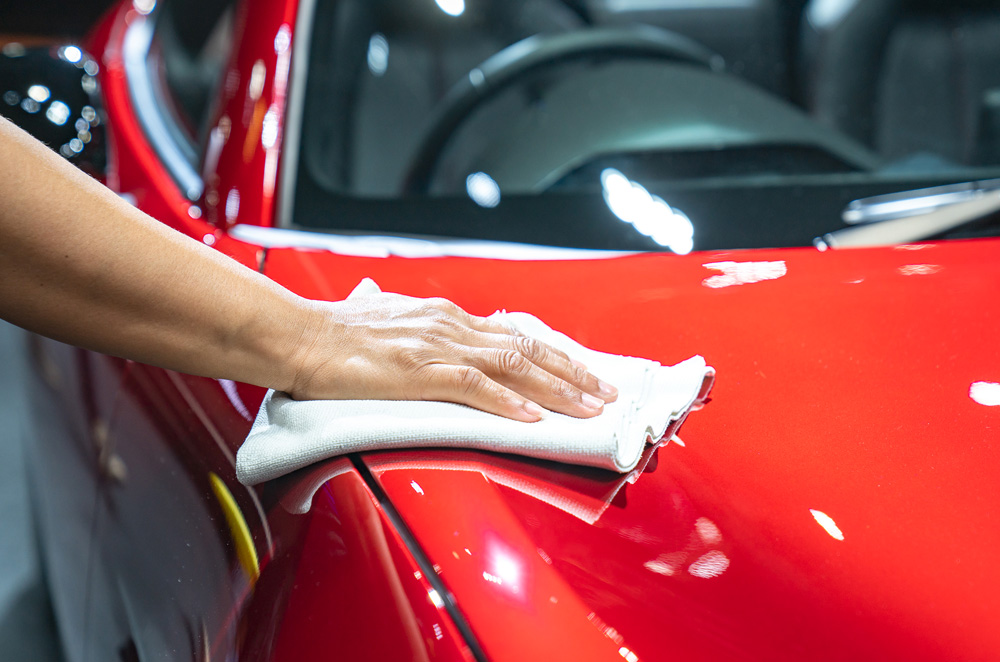
Maintaining your vehicle’s paint does not require expensive professional services. With the right techniques and tools, car owners can protect their paint, preserve its shine, and extend the life of their vehicle’s finish.
Minor scratches, swirl marks, water spots, and environmental contaminants may seem insignificant at first, but if left unattended, they can lead to fading, etching, corrosion, and even structural damage. The key to long-lasting paint is consistent, proactive care that reduces friction, removes contaminants safely, and shields the surface from harmful elements.
This guide, “8 Tips for Maintaining Your Vehicle Paint Without Professional Help,” provides practical DIY strategies such as the two-bucket wash method, high-quality microfiber tools, immediate drying, seasonal waxing or sealing, clay bar decontamination, defensive parking, quick removal of corrosive stains, and touch-up of chips.
Applying these steps allows vehicle owners to achieve a smooth, glossy finish, prevent long-term damage, and maintain resale value while avoiding costly detailing services or specialized equipment.
1. The Two-Bucket Wash Method: Protecting Your Car’s Paint
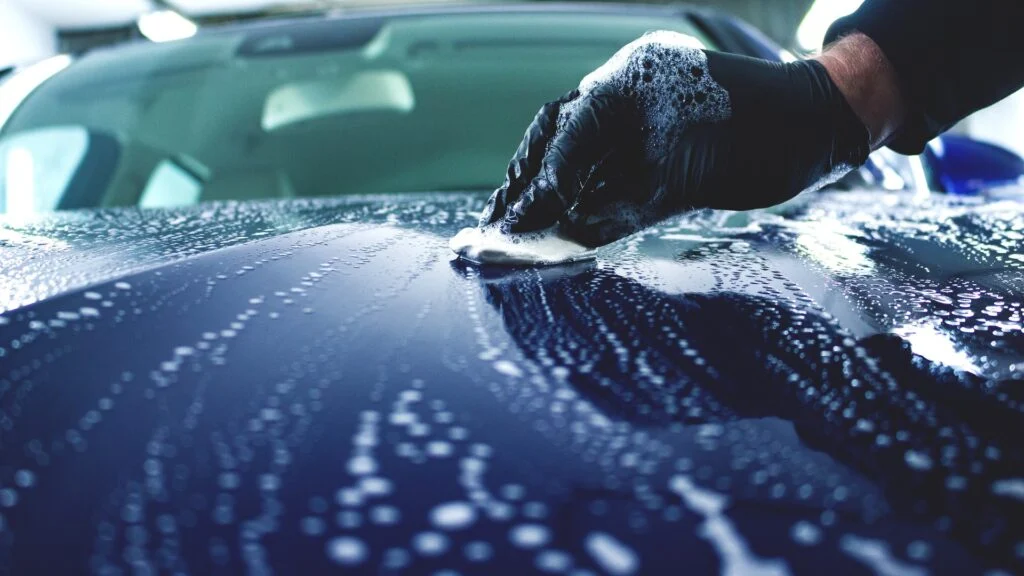
The two-bucket wash method is an effective way to reduce swirl marks and micro-scratches that often occur during standard car washing. Traditional washing can drag dirt across the paint, leaving fine circular scratches visible in sunlight. Using one bucket for soapy water and a separate bucket for rinsing ensures that only clean, lubricated suds contact the car’s surface.
After washing each panel, the wash mitt is rinsed in plain water with a Grit Guard to release trapped grit before returning to the soap bucket. This keeps contaminants from being rubbed back onto the paint.
This method provides several benefits for maintaining paint. It prevents swirl marks and scratches by keeping soapy water clean, preserves the clarity and gloss of the paint by avoiding micro-scratches, and delivers a deeper, safer clean by keeping the microfiber mitt free of grit.
Using Grit Guards in both buckets helps settle dirt at the bottom, ensuring a consistently clean wash and protecting the clear coat. Regular use also helps maintain the car’s resale value by reducing the need for professional polishing.
To perform the two-bucket method correctly, fill one bucket with premium car wash soap and water, and the other with plain water for rinsing the mitt. Wash a panel, rinse the mitt in the second bucket, and then return it to the soap bucket to continue. This process safely removes dirt, protects the paint, and preserves a deep, glossy finish over time.
2. Prioritize High-Quality Microfiber Tools for Paint Protection
Using high-quality microfiber tools is one of the most effective ways to maintain your vehicle’s paint and prevent damage from improper washing or drying. Unlike traditional cotton rags or sponges, which push dirt along the surface and act like sandpaper on the clear coat, microfiber towels have split fibers finer than a human hair. These fibers lift and trap contaminants within the cloth, preventing them from scratching the paint.
For washing, microfiber or lambswool mitts provide a soft buffer between the tool and the car’s surface, while drying or polishing should be done with plush towels of 500 GSM or higher for maximum safety. It is also important to use separate towels for wheels, interior, and body panels to avoid cross-contamination with abrasive brake dust.
High-quality microfiber tools offer several key benefits. Their engineered fiber structure lifts dirt rather than dragging it, reducing swirl marks and preventing microscopic scratches. They can be used safely even when dry, though lubrication is recommended.
These towels also excel at water absorption, holding up to seven times their weight in water, which allows faster drying and reduces the risk of streaks, water spots, or lint. Their high absorbency supports gentle blotting motions instead of rubbing, further minimizing friction and paint damage.
Durability and task-specific designs make premium microfiber a cost-effective choice despite higher initial costs. High-quality towels can be washed and reused hundreds of times without losing their softness or structure, while lower-quality options quickly degrade and become abrasive.
Specialized weaves and piles are designed for different tasks: plush or high-pile towels for polishing and waxing, waffle weave for drying large surfaces, and low-pile edgeless towels for general cleaning or removing stubborn residue.
When selecting microfiber, look for 300–500 GSM for general use, 600+ GSM for polishing, a polyester/polyamide blend of 70/30 or 80/20 for softness and absorbency, and an edgeless design to prevent scratches.
3. Dry Immediately to Prevent Water Spots
Allowing a car to air-dry after washing is a common mistake that often leads to water spots. These unsightly marks are caused by minerals such as calcium and magnesium left behind when water evaporates.
If exposed to sunlight, these minerals can etch into the clear coat, causing permanent stains and dullness. Immediate drying is crucial to protect the paint, maintain a high-gloss finish, and prevent the need for professional polishing.
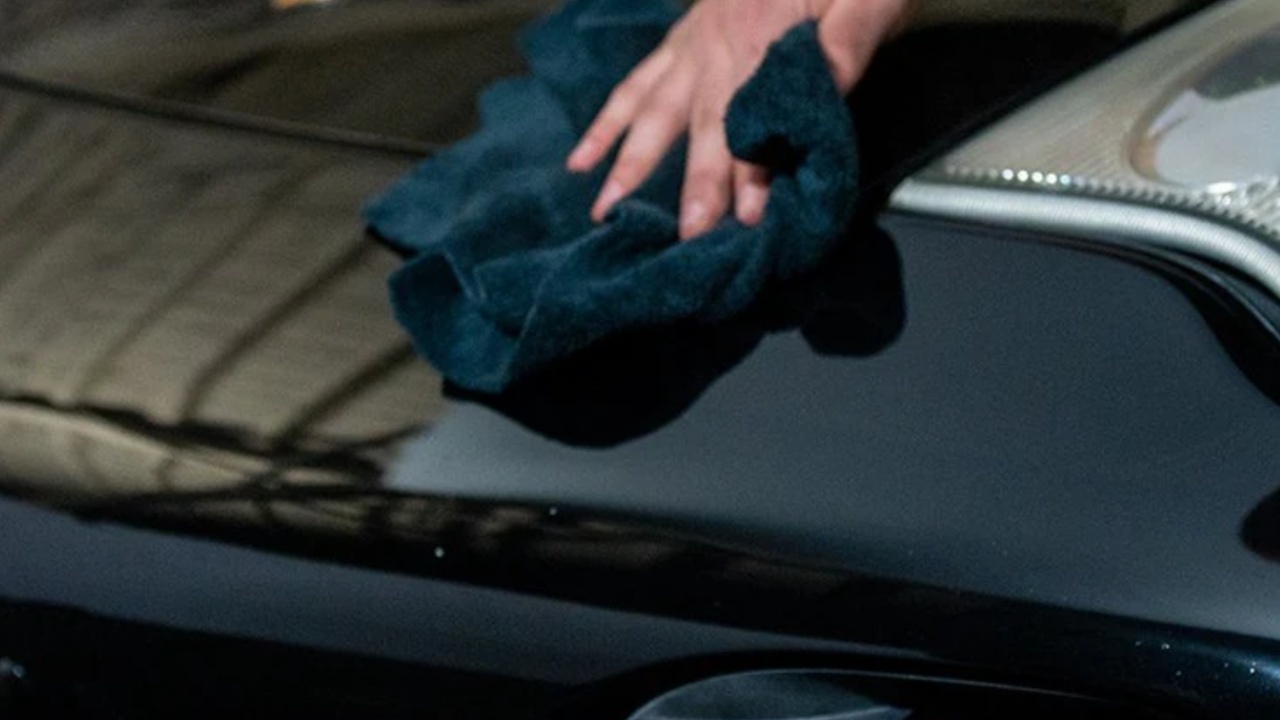
To dry safely, use a large, high-quality microfiber drying towel. Instead of scrubbing, employ the “pulling” method by laying the towel flat across a panel and dragging it slowly toward you. This technique absorbs moisture without friction.
For intricate areas such as mirrors, door handles, and crevices, gently blot the water to remove it safely. Using a quick detailer spray as a drying aid adds extra lubrication, further reducing the risk of marring the paint. Working in the shade is also recommended to avoid rapid evaporation and sun-induced etching.
Immediate drying offers several benefits. It prevents mineral etching, reduces the risk of water droplets concentrating heat in sunlight, and eliminates the potential for rust in hidden areas like door jambs and mirrors.
Proper drying with a soft microfiber towel preserves the surface integrity, prevents contaminants from accumulating, and keeps the finish looking new. By adopting this simple habit, car owners can safeguard their clear coat, maintain a flawless appearance, and extend the life of their vehicle’s paint without professional intervention.
Also read: 5 Reasons Why Buying a Car From a Private Seller Is Riskier in 2026
4. Apply Wax or Sealant Seasonally for Long-Lasting Paint Protection
Applying wax or sealant seasonally is a key DIY strategy to protect your car’s paint from environmental damage. These products act like a sacrificial layer, shielding the clear coat from UV rays, acid rain, bird droppings, and road contaminants. Natural carnauba wax provides a rich, warm gloss but lasts only 1–3 months, while synthetic paint sealants use polymers that bond at the molecular level, offering protection for 6–12 months.
Working on a cool surface out of direct sunlight and applying in small sections ensures even coverage and maximum effectiveness. A properly applied wax or sealant also makes future cleaning easier, as dirt and grime have a harder time sticking to the slick surface.
Seasonal application tailors protection to specific environmental hazards. In fall and winter, a durable sealant defends against snow, salt, and moisture, reducing corrosion risks. In spring and summer, wax or sealant protects against intense UV rays, pollen, and tree sap.
The protective layer promotes water beading, which prevents mineral deposits and water spots, and also fills in minor imperfections, reducing the risk of light scratches and swirl marks during washing.
Waxing or sealing is also cost-effective. Regular application maintains the clear coat, preventing expensive paint correction or repainting, and enhances resale value by keeping the exterior glossy.
Choosing between carnauba wax and synthetic sealant depends on your priorities: wax offers a deep glow for enthusiasts who enjoy frequent application, while sealant provides long-term durability for daily drivers. A simple test to know when to reapply is observing water beading; if water no longer beads on the surface, it is time for another layer.
5. Remove Corrosive Stains Immediately to Protect Paint
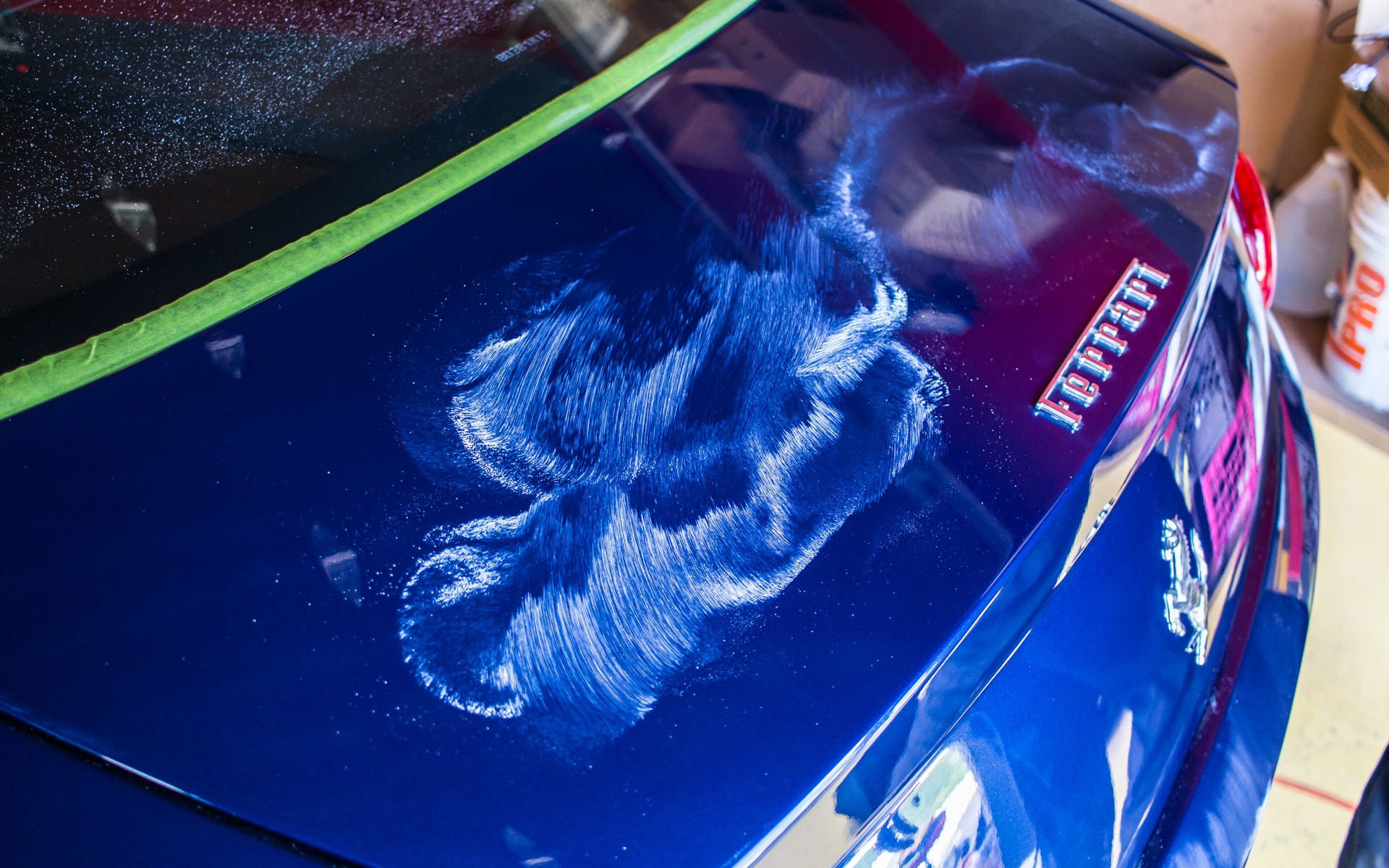
Bird droppings, tree sap, and insect remains are highly acidic and can damage a car’s clear coat within hours, especially in hot weather. Waiting until the next weekly wash allows these substances to etch the paint, causing permanent stains, pitting, or even long-term corrosion. Immediate attention is crucial to prevent damage, maintain the vehicle’s appearance, and avoid costly repairs.
For effective emergency spot cleaning, keep a bottle of quick detailer and a clean microfiber towel in your car. Hardened residues can be softened by soaking a microfiber cloth in water or a detailer spray for a few minutes before gently wiping the area.
Avoid scrubbing, as this can grind abrasive grit into the paint, creating scratches and swirl marks. Prompt removal of corrosive contaminants not only prevents etching but also stops the formation of rust, preserving the structural integrity of metal panels and maintaining resale value.
Immediate stain removal is also cost-effective. Simple supplies such as soap, water, or specialized removers are often all that is needed, preventing the need for professional paint correction or panel replacement. After cleaning, applying a protective layer of wax or sealant can further safeguard the surface and make future cleaning easier.
Keeping supplies on hand, handling contaminants carefully, and acting quickly ensures the paint remains smooth, glossy, and free from chemical damage, protecting both the vehicle’s aesthetic and its long-term value.
6. Decontaminate with a Clay Bar for a Smooth, Protected Finish
Even after a thorough wash, a car’s paint can feel gritty due to bonded contaminants such as brake dust, industrial fallout, and road tar embedded in the clear coat. A clay bar is a synthetic putty designed to safely remove these particles without abrasive polishing. Using a clay lubricant allows the bar to glide across the surface.
Flatten the clay into a patty and move it back and forth until the paint feels smooth to the touch. This step is essential before applying wax or sealant, ensuring that protective layers bond directly to clean paint rather than trapped dirt.
Clay bar provides professional-level results for DIY car maintenance. It removes contaminants that washing alone cannot eliminate, restoring a glass-like texture and preventing long-term paint damage such as corrosion, oxidation, and etching from acidic substances like tree sap or bird droppings.
A clean surface also enhances the effectiveness and longevity of wax, sealants, or ceramic coatings, giving the paint a brighter, more reflective finish.
To work effectively, work in small sections with plenty of lubricant, knead the clay regularly to expose a fresh side, and move in straight, gentle lines rather than circles. Use a plastic bag test to detect rough spots that require treatment.
Clay should be applied 1–2 times per year or before waxing. This process safely restores paint texture, protects the clear coat, and maintains the vehicle’s appearance and resale value without the expense of professional detailing.
7. Practice Defensive Parking to Protect Your Paint
Environmental and physical factors can silently damage automotive paint over time. Direct sunlight causes oxidation, which leads to a chalky, faded appearance. Whenever possible, park in a garage, under a carport, or in shaded areas near buildings to minimize UV exposure.
While trees provide shade, they also produce sap and attract birds, which can leave acidic droppings that etch into the clear coat. For extended outdoor parking, a high-quality breathable car cover can serve as a protective barrier against UV rays and airborne pollutants.
Defensive parking is a highly effective, cost-free strategy because it proactively prevents damage before it occurs. Parking away from other vehicles reduces the risk of scratches, dings, and dents caused by swinging doors, shopping carts, or pedestrians brushing against the car.
Choosing shaded or covered areas protects the paint from UV-related fading, oxidation, and peeling. Avoiding trees and other hazardous locations also prevents corrosive substances from contacting the surface, preserving the finish.
Maintaining paint through defensive parking also helps retain resale value by keeping the exterior in its original condition, reducing the need for costly professional repainting. Unlike protective coatings or paint protection films that require a significant financial investment, defensive parking relies on simple, mindful behavior and requires no specialized equipment.
By consistently practicing these habit
s, car owners can prevent both environmental and physical damage, keeping their vehicle looking newer for longer while saving money on maintenance and repairs.8. Touch Up Chips to Prevent Rust and Protect Your Vehicle
Even small stone chips can pose serious risks to your car’s paint and underlying metal. When paint is chipped, it exposes bare metal to moisture, oxygen, and road salts, which can quickly lead to oxidation and rust.
If left untreated, rust can spread beneath surrounding paint, causing structural damage and compromising both appearance and integrity. Promptly addressing chips with touch-up paint is a simple and effective DIY method to protect your vehicle.
Using a manufacturer-matched touch-up paint kit ensures the best color match and adhesion. Clean the affected area thoroughly with isopropyl alcohol to remove oils and debris before application. For precision, avoid the thick brush included in the kit; instead, use a toothpick or fine-tip applicator to fill only the chipped area.
This keeps the repair subtle while fully sealing the exposed metal. By preventing moisture and contaminants from reaching the metal, touch-up paint halts corrosion before it starts, preserving the car’s paint, structural integrity, and long-term value.

Touch-up paint is also highly cost-effective. A small DIY kit and a few minutes of careful application can prevent minor chips from escalating into extensive rust repair that requires professional bodywork. Regularly addressing small blemishes maintains your vehicle’s aesthetic, keeps resale value high, and avoids the financial burden of larger repairs later.
Key tips include ensuring the area is clean and degreased, using a high-quality paint that matches the factory code, and applying it precisely to the chip. Consistently touching up chips as they appear is an easy, proactive way to safeguard your vehicle, combining minimal effort with maximum long-term protection.
Also read: 10 Reasons Why Heavy Duty Gas Engines Are Beating Diesels in 2026