
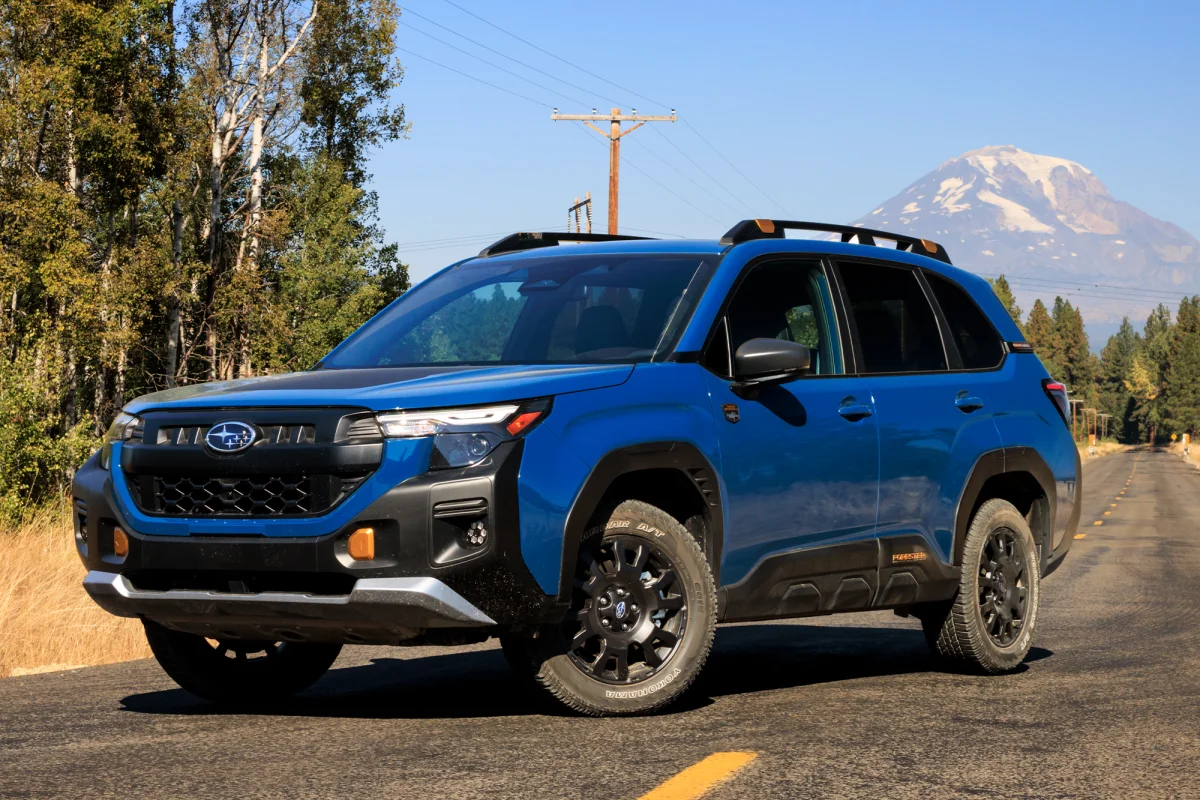
Sand driving is one of the most demanding tests any SUV can face. The shifting, unpredictable surface swallows vehicles that are not prepared for it.
Many buyers assume that buying an SUV automatically means they can tackle beach tracks, desert dunes, and sandy trails. This assumption has left thousands of drivers stranded with spinning wheels and sinking chassis.
Soft roader SUVs are built primarily for urban roads and light off-road use. They sit in a grey zone between true off-roaders and regular hatchbacks. Some of them surprise everyone by handling sandy terrain with genuine confidence. Others fail spectacularly the moment their tyres touch loose sand.
The difference comes down to engineering choices. Ground clearance, torque distribution, traction control software, and tyre width all play massive roles. Some manufacturers have quietly built impressive sand capability into their crossovers. Others have prioritised comfort and fuel economy at the cost of real-world capability.
This guide breaks down 16 popular soft roader SUVs honestly. Eight of them can genuinely handle sandy conditions with the right preparation. Eight others will leave you calling a tow truck. Read carefully before your next beach adventure.
8 Soft Roader SUVs That Can Handle Sand
These exceptionally capable vehicles feature intelligent all-wheel-drive systems and adequate ground clearance perfectly suited for occasional beach driving and desert exploration, providing confident sand navigation through traction management algorithms and sufficient power delivery that resist the bogging-down typically trapping unequipped crossovers in loose terrain despite car-based platforms.
Their thoughtful engineering includes hill descent control and electronic traction aids that compensate for lacking true off-road hardware while delivering AWD systems that distribute power effectively preventing single-wheel spinning, enough ground clearance avoiding bellypan dragging in deep sand, and momentum-friendly gearing allowing smooth acceleration without excessive wheel spin that digs vehicles deeper.
1. Subaru Forester
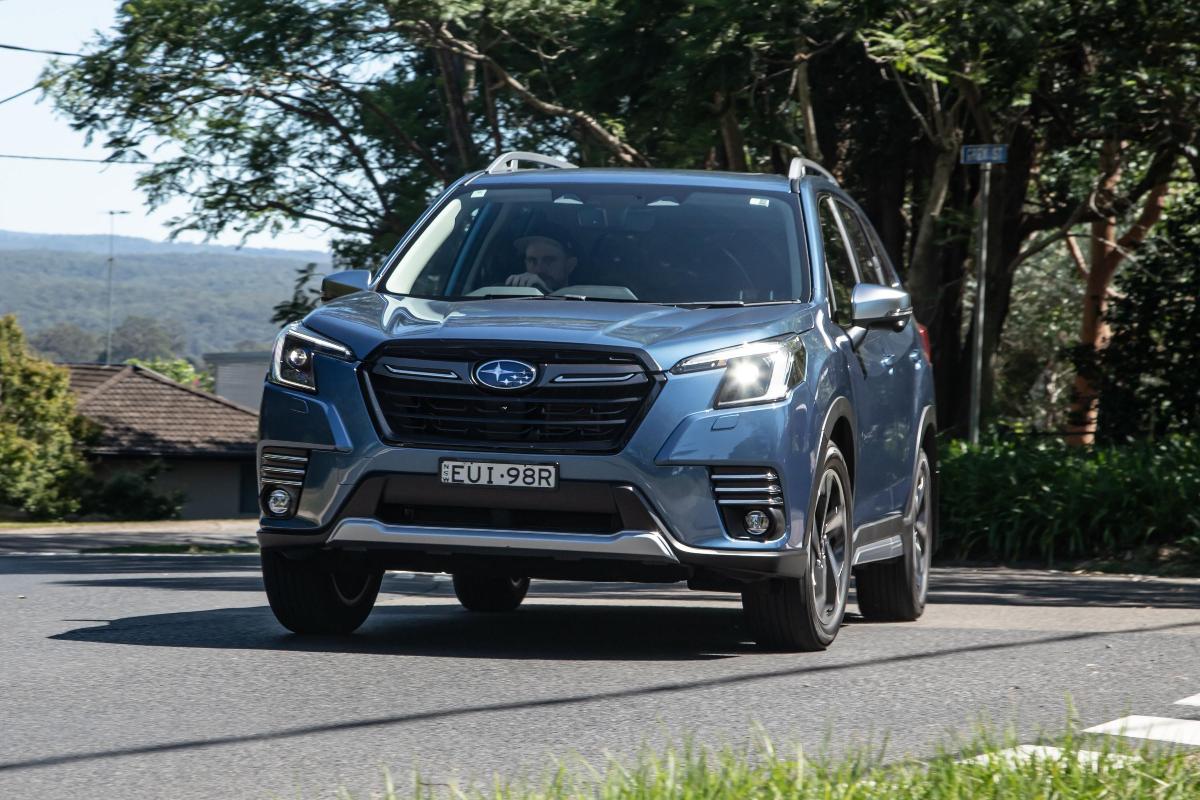
The Subaru Forester is a soft roader that consistently punches above its weight class. It carries Subaru’s legendary Symmetrical All-Wheel Drive system as standard on most variants.
This system constantly monitors wheel slip and redistributes torque instantly. On sand, that real-time response makes a significant difference to forward momentum.
The Forester sits at a respectable 220mm of ground clearance. That height keeps the undercarriage away from soft sand build-up beneath the vehicle. It is not the tallest crossover in its segment, but it is well-proportioned. The clearance works in harmony with the AWD to create a balanced performer.
X-Mode is available on higher trim levels and it is a game changer. It locks the torque distribution and manages braking on individual wheels automatically. You simply select X-Mode, reduce your tyre pressure slightly, and drive steadily. The system does the hard work without requiring driver expertise.
The Forester’s suspension travel is also notably generous for a soft roader. It absorbs uneven sandy surfaces without unsettling the vehicle’s composure. Body roll is controlled well, keeping momentum consistent. Consistent momentum is everything when driving on sand.
One practical advantage is the Forester’s relatively narrow body width. Narrower vehicles place less weight concentration on any single tyre contact patch. This reduces the sinking effect that plagues wider crossovers on soft sand. It is a subtle but real advantage in the field.
The Forester has earned its reputation through real-world reliability rather than marketing claims. It is one of the most honest performers in the soft roader segment. For families wanting light adventure capability without buying a hardcore 4×4, it remains an outstanding choice.
2. Toyota RAV4 Adventure / RAV4 TRD Off-Road
The Toyota RAV4 in its Adventure and TRD Off-Road trims is a genuinely capable sand performer. Toyota has specifically tuned these variants for light off-road environments.
The Multi-Terrain Select system gives the driver direct control over how the vehicle manages traction. Sand mode actively optimises throttle response and torque delivery for loose surfaces.
Ground clearance sits at 219mm, which is competitive in this segment. The RAV4 is wider than the Forester, but its weight distribution is very well managed. Toyota’s engineering team paid attention to low-end torque delivery. That torque availability at low speeds is critical for maintaining momentum in sand.
The RAV4’s Dynamic Torque Vectoring AWD system on higher trims is particularly impressive. It can send up to 50 percent of torque to the rear axle and split it between rear wheels. This level of torque management prevents the common problem of one wheel spinning uselessly. In sandy conditions, this translates to traction when you need it most.
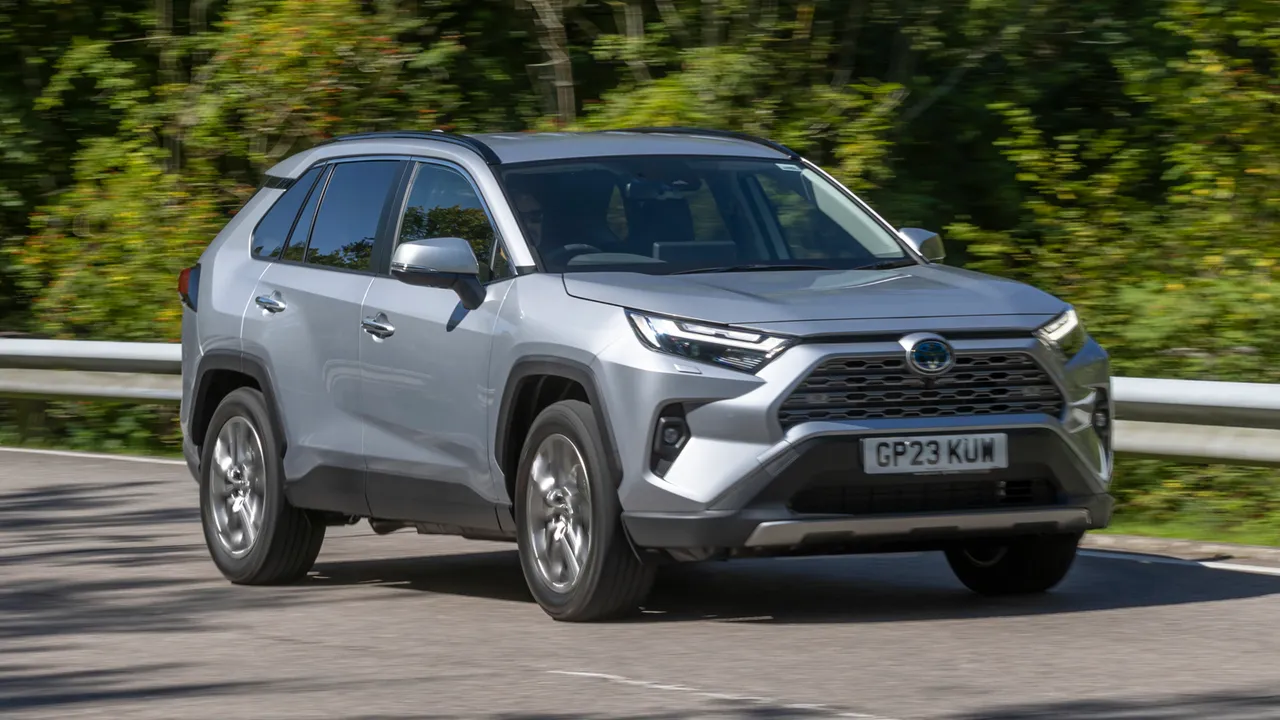
Approach and departure angles are better than average for a crossover. The RAV4 Adventure trim adds unique front and rear bumper styling that improves these angles slightly. Underbody protection on TRD variants adds confidence when traversing rocky sand approaches. These details collectively build a more capable overall package.
Drivers across Australia, the Middle East, and Southern Africa have tested the RAV4 Adventure on sand. Reports are consistently positive for beach driving and sandy fire trails. The vehicle handles tidal sand flats and compacted dune tracks with composure. It is not built for serious dune bashing, but it handles moderate sandy terrain convincingly.
The resale value of the RAV4 is excellent globally, which adds financial logic to the purchase. Reliability statistics from multiple markets place it among the top performers in its class. For buyers wanting sand capability alongside everyday practicality, the RAV4 Adventure delivers. It is one of the best all-round soft roaders available today.
3. Mazda CX-5 AWD
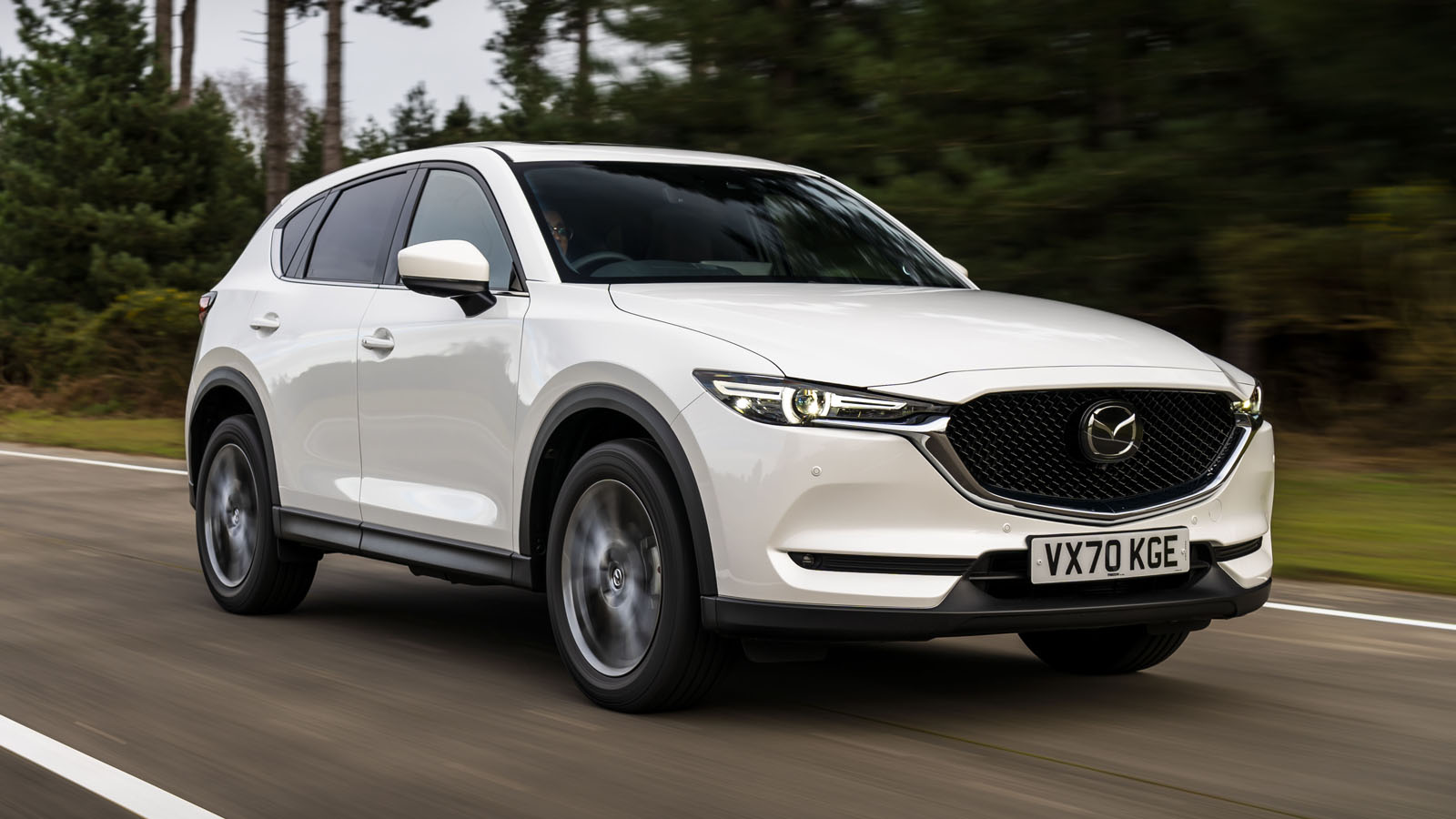
The Mazda CX-5 is often underestimated as an off-road performer. Most reviewers focus on its premium interior and sharp styling. However, the AWD variants carry Mazda’s i-Activ AWD system, which is genuinely clever. It uses 27 sensors to predict and prevent wheel slip before it happens.
That predictive approach is unusual in the soft roader segment. Most systems react to wheel slip after it occurs. Mazda’s system prepares torque distribution in advance based on sensor data. On sand, this means the vehicle maintains traction more consistently than reactive systems.
Ground clearance is 222mm, which places it slightly ahead of most direct competitors. The CX-5 has a relatively short front overhang, which aids its approach angle. These dimensions are modest but appropriate for beach tracks and sandy trails. The vehicle does not pretend to be something it is not.
Mazda has also tuned the throttle response on the CX-5 for smoothness. Smooth, progressive throttle application is essential technique for sand driving. The CX-5 naturally encourages this driving style through its calibration. Drivers find it intuitive to apply the right amount of throttle on loose surfaces.
The 2.5-litre turbocharged engine variant provides excellent low-end torque. That torque is available from very low RPM, which suits sandy terrain perfectly. Sand driving punishes engines that need high revs to deliver power. The turbo four-cylinder in the CX-5 delivers exactly the right power character.
The CX-5 proves that premium styling and genuine light off-road capability can coexist. It will not win a dune bashing competition, but it handles sand with more competence than its reputation suggests. For the driver who wants a beautiful everyday car that also handles beach weekends, it remains a strong contender.
4. Honda CR-V AWD (Turbo)
The Honda CR-V with its turbocharged AWD drivetrain offers surprising sand performance. Honda’s Real Time AWD system has been refined over multiple generations. The latest version responds quickly to changing surface conditions underfoot. On sandy terrain, that responsiveness translates to maintained forward progress.
The 1.5-litre turbocharged engine produces strong torque across a wide RPM range. Low-end torque delivery is smooth and consistent, which sand driving demands. Honda has programmed the transmission to hold gears longer on soft surfaces. This programming prevents the hunting and surging that kills momentum on sand.
Ground clearance is 208mm, which is adequate for most beach and sandy trail situations. The CR-V is not lifted significantly, but its approach geometry is well-thought-out. Short overhangs front and rear reduce the risk of grounding on sand crests. This makes transitions between different sand textures less stressful.
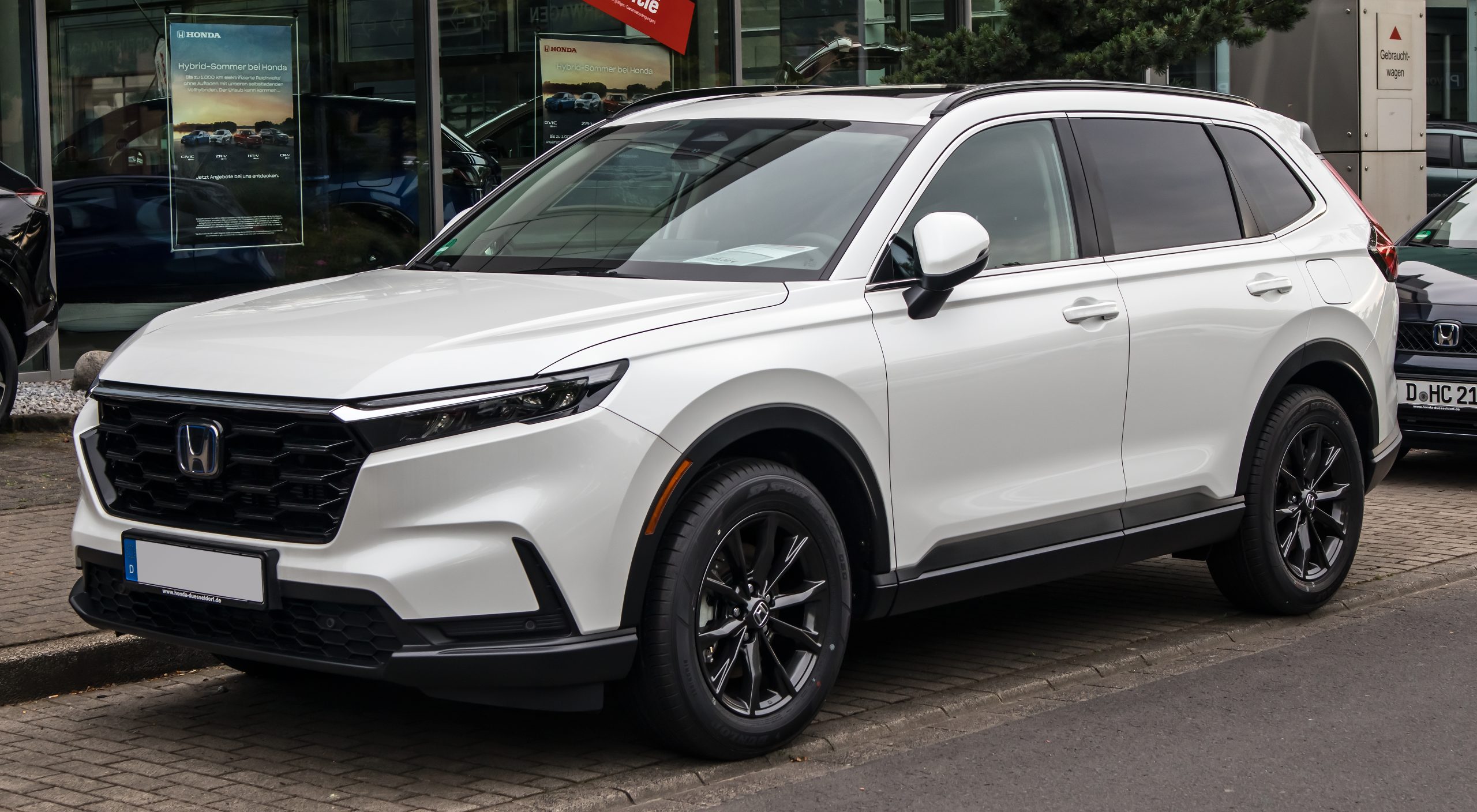
The CR-V’s chassis is notably rigid, which benefits off-road stability. A stiff chassis maintains consistent suspension geometry as the vehicle flexes over uneven sand. Consistent geometry means predictable handling responses for the driver. Predictability builds confidence in challenging terrain.
Honda’s Vehicle Stability Assist works in harmony with the AWD system effectively. It intervenes subtly rather than aggressively when wheel slip occurs. Aggressive stability control intervention kills momentum instantly on sand. The CR-V’s calibration is clever enough to allow controlled slip while maintaining direction.
The CR-V deserves more credit for its sand capability than it typically receives. It is a quiet achiever in a segment full of marketing noise. Buyers who research carefully and prepare properly will find a dependable sand companion. It represents genuine value in the capable soft roader category.
Also Read: 12 Methods for Eliminating Squeaks and Rattles on Rough Roads
5. Hyundai Tucson N-Line AWD
The Hyundai Tucson has evolved dramatically in recent generations. The N-Line AWD variant in particular brings enhanced driving dynamics to the soft roader formula. Hyundai’s HTRAC AWD system delivers variable torque split between front and rear axles. The system monitors conditions continuously and reacts in milliseconds to maintain traction.
Ground clearance of 182mm is lower than some competitors in this list. However, Hyundai has compensated with intelligent traction management software. The Terrain Mode system includes a dedicated Sand mode that adjusts all relevant parameters. Throttle response, transmission behaviour, and AWD bias all shift specifically for sandy conditions.
The Tucson’s 2.5-litre naturally aspirated engine is smooth and progressive. It delivers torque in a linear fashion that suits sandy terrain well. Linear torque delivery allows the driver to maintain fine control of wheel speed. Wheel speed management is one of the most critical skills in sand driving.
Approach and departure angles are modest, reflecting the Tucson’s road-biased design. Smart drivers use tyre deflation and careful line selection to compensate for this. Reducing tyre pressure to 18 PSI dramatically improves the Tucson’s sand flotation. The wider footprint of deflated tyres significantly reduces sinking on soft sand.
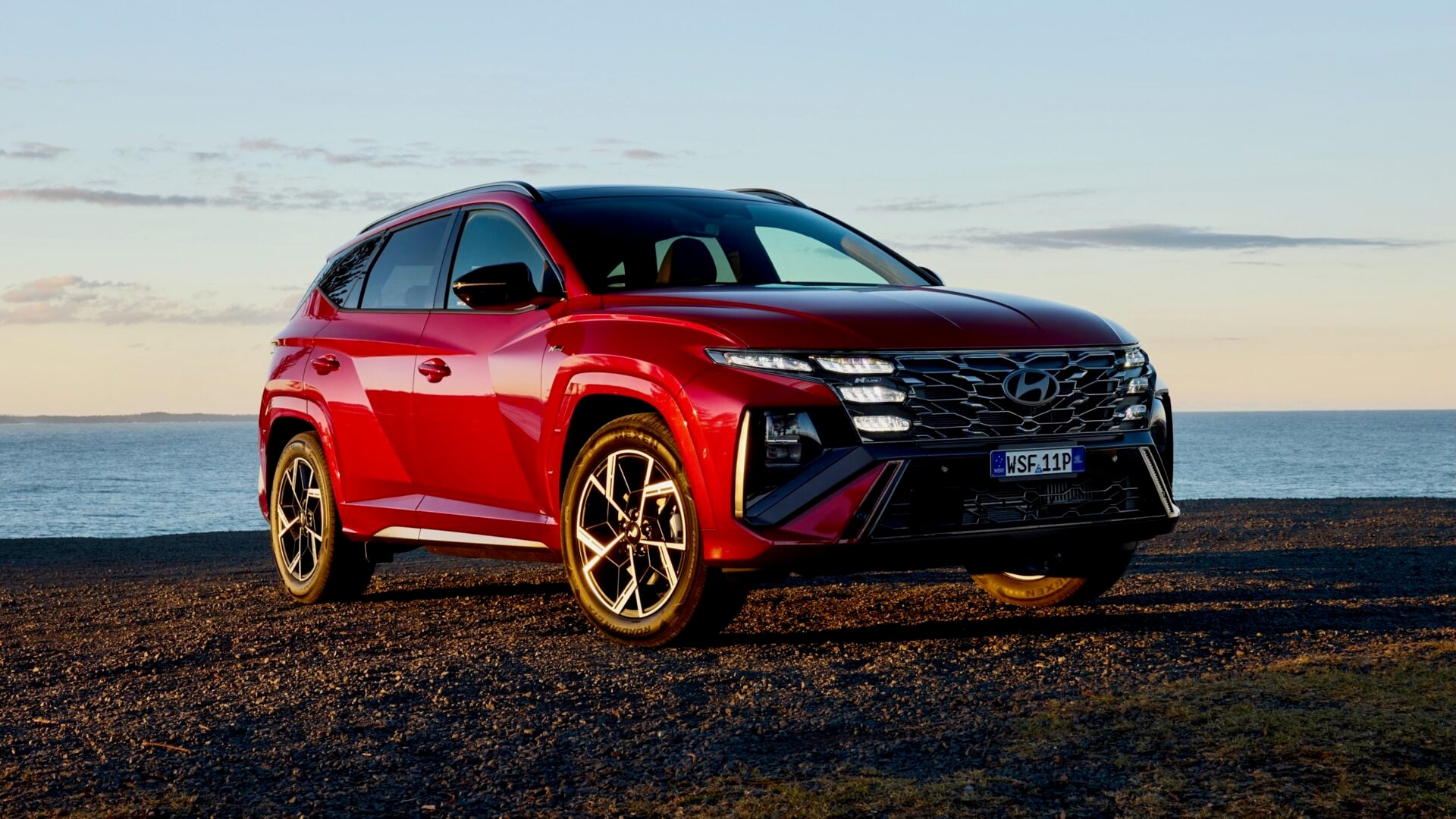
The Tucson benefits from Hyundai’s investment in electronic chassis management. Multiple systems work together rather than in isolation. This integrated approach means the vehicle manages unexpected situations smoothly. Sudden soft patches and wet sand transitions are handled with composure.
Korean domestic market testing and international owner reports support the Tucson’s sand capability claims. It performs well on beach access roads and compacted coastal sand tracks. Drivers with experience note that it requires more conscious management than Subaru or Toyota alternatives. However, the results reward thoughtful drivers with genuine progress.
The Tucson proves that Korean engineering has reached genuine global competitiveness. It is no longer a budget alternative to Japanese rivals. In this specific segment, it stands as a legitimate performer. Buyers should approach it with confidence.
6. Ford Escape / Kuga AWD
The Ford Escape, known as the Kuga in many markets, offers solid sand credentials. Ford’s Intelligent AWD system responds to wheel slip with calibrated torque redistribution. The system is not as sophisticated as Toyota’s DVT-AWD, but it functions effectively. On moderate sandy terrain, it delivers the traction needed to maintain progress.
The 2.0-litre EcoBoost turbocharged engine provides strong torque output. Peak torque arrives early in the rev range, which suits low-speed sand work well. Ford has programmed the 8-speed automatic transmission thoughtfully for off-road use. The transmission avoids unnecessary upshifts that reduce engine braking and control.
Ground clearance stands at 209mm, placing the Escape in the mid-range for this segment. The vehicle’s ride height is sufficient for most beach and coastal sand environments. It is not designed for deep soft sand or technical dune work. Within its intended operational range, the clearance is adequate.
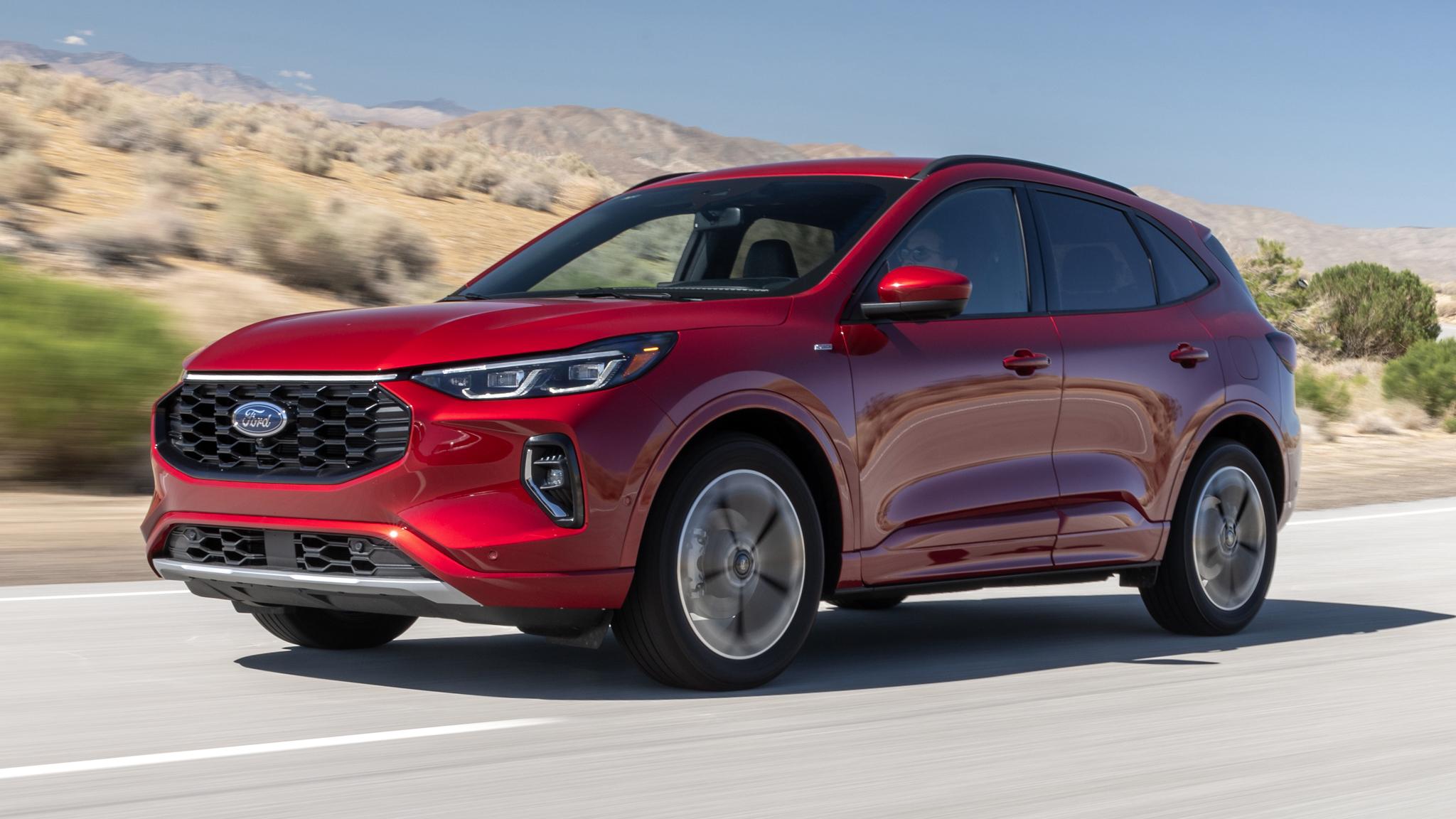
The Escape’s Terrain Management System includes a dedicated Sand and Snow mode. This mode recalibrates throttle mapping, ABS sensitivity, and AWD torque split simultaneously. The result is a noticeably more confident performance on loose surfaces. Mode activation is simple and accessible from the centre console.
Ford has also paid attention to underbody protection on the Escape. Plastic skid plates protect critical components from sand abrasion and rock damage. Sand can carry abrasive particles that wear unprotected components over time. This protection adds long-term durability for vehicles used regularly on sandy terrain.
The Ford Escape is a competent, balanced performer for sandy conditions within its limits. It rewards prepared drivers who respect its boundaries. For light sand use combined with urban practicality, it remains a strong recommendation. Ford’s engineering team has done solid work on a genuinely capable package.
7. Mitsubishi Eclipse Cross AWD
The Mitsubishi Eclipse Cross carries the legacy of a brand with genuine off-road heritage. Mitsubishi’s Super All Wheel Control (S-AWC) system is derived from Outlander PHEV technology. It manages torque, braking, and stability control as an integrated unit. This holistic approach delivers impressive results on sandy terrain.
The S-AWC system’s ability to apply individual wheel braking is particularly valuable on sand. When a wheel begins to spin freely, targeted braking redirects torque to the wheels with grip. This process happens automatically and transparently to the driver. The result is maintained momentum even when conditions deteriorate.
Ground clearance is 185mm, which is modest for this type of use. Eclipse Cross drivers must be more selective about their sandy terrain choices. Compacted beach sand, graded coastal tracks, and light dune approaches are within its capability. Deep soft sand and aggressive terrain quickly exceed its design parameters.
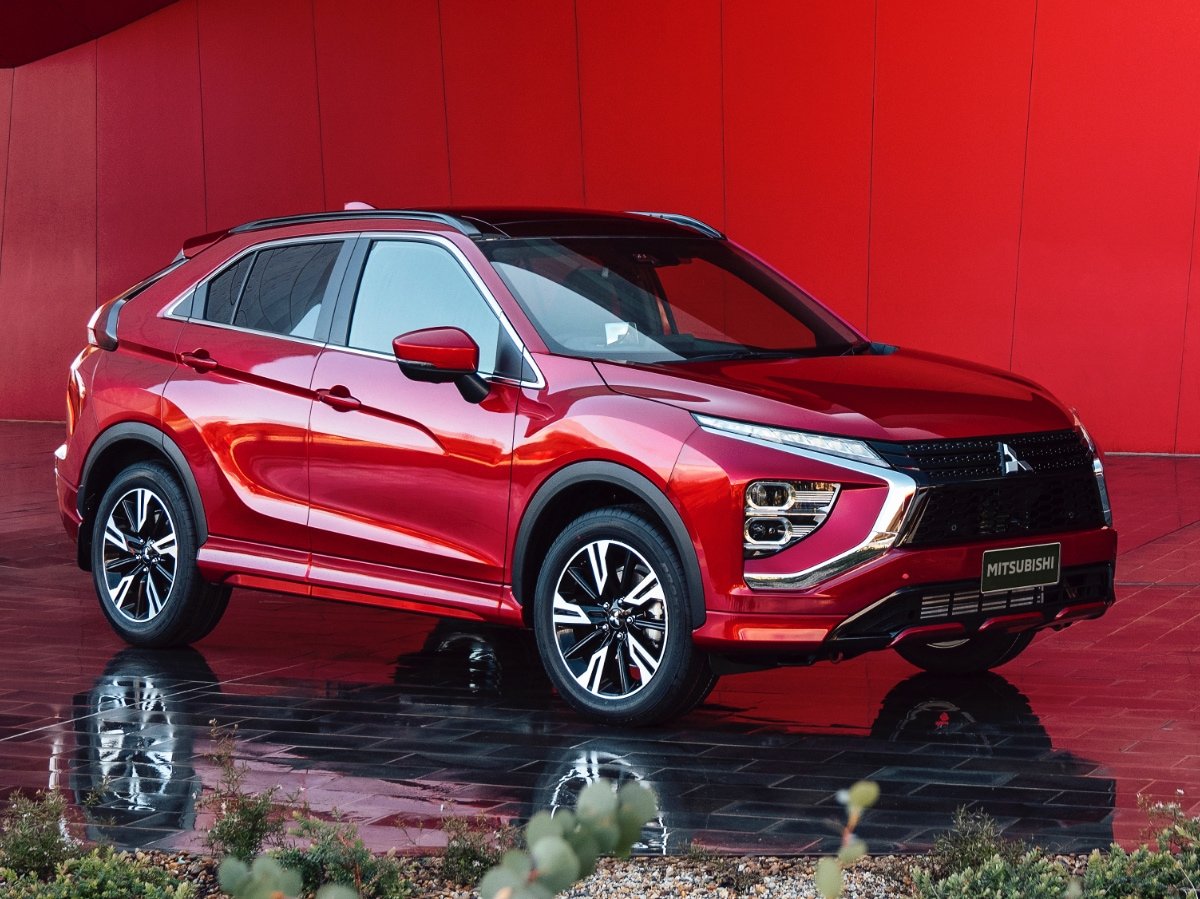
The Eclipse Cross benefits from Mitsubishi’s decades of Rally and Dakar experience. Traction management software contains accumulated wisdom from extreme motorsport environments. That heritage shows in the calibration of responses to wheel slip on loose surfaces. It is more intuitive to drive on sand than the ground clearance figures suggest.
The 1.5-litre turbocharged engine is the weakest element of the sand performance package. It produces adequate but not exceptional torque for demanding conditions. Drivers must manage gear selection carefully to keep the engine in its sweet spot. Proper gear management on sand prevents the engine from bogging at critical moments.
The Eclipse Cross is a sleeper performer in the soft roader segment. Its styling divides opinion, but its sand capability is genuine. For the budget-conscious buyer wanting real AWD performance on sand, it is well worth serious consideration.
8. Nissan X-Trail / Rogue AWD (e-4ORCE)
The Nissan X-Trail with e-4ORCE twin-motor AWD is a significant technological achievement. The e-4ORCE system uses two electric motors, one on each axle, for independent control. This setup delivers precision torque vectoring that mechanical systems cannot match. Each wheel receives exactly the right power at exactly the right moment.
e-4ORCE’s ability to independently control rear wheel torque is transformative on sand. When the left rear wheel loses grip, more torque immediately flows to the right rear. This constant micro-adjustment happens faster than any mechanical differential can respond. The result is dramatically improved traction on unpredictable sandy surfaces.
Ground clearance sits at 210mm, which is solid for a family-oriented soft roader. The X-Trail’s suspension setup provides reasonable travel for absorbing sandy terrain irregularities. Ride quality over undulating sand surfaces is comfortable and composed. Passenger comfort during sandy excursions is a genuine strength.
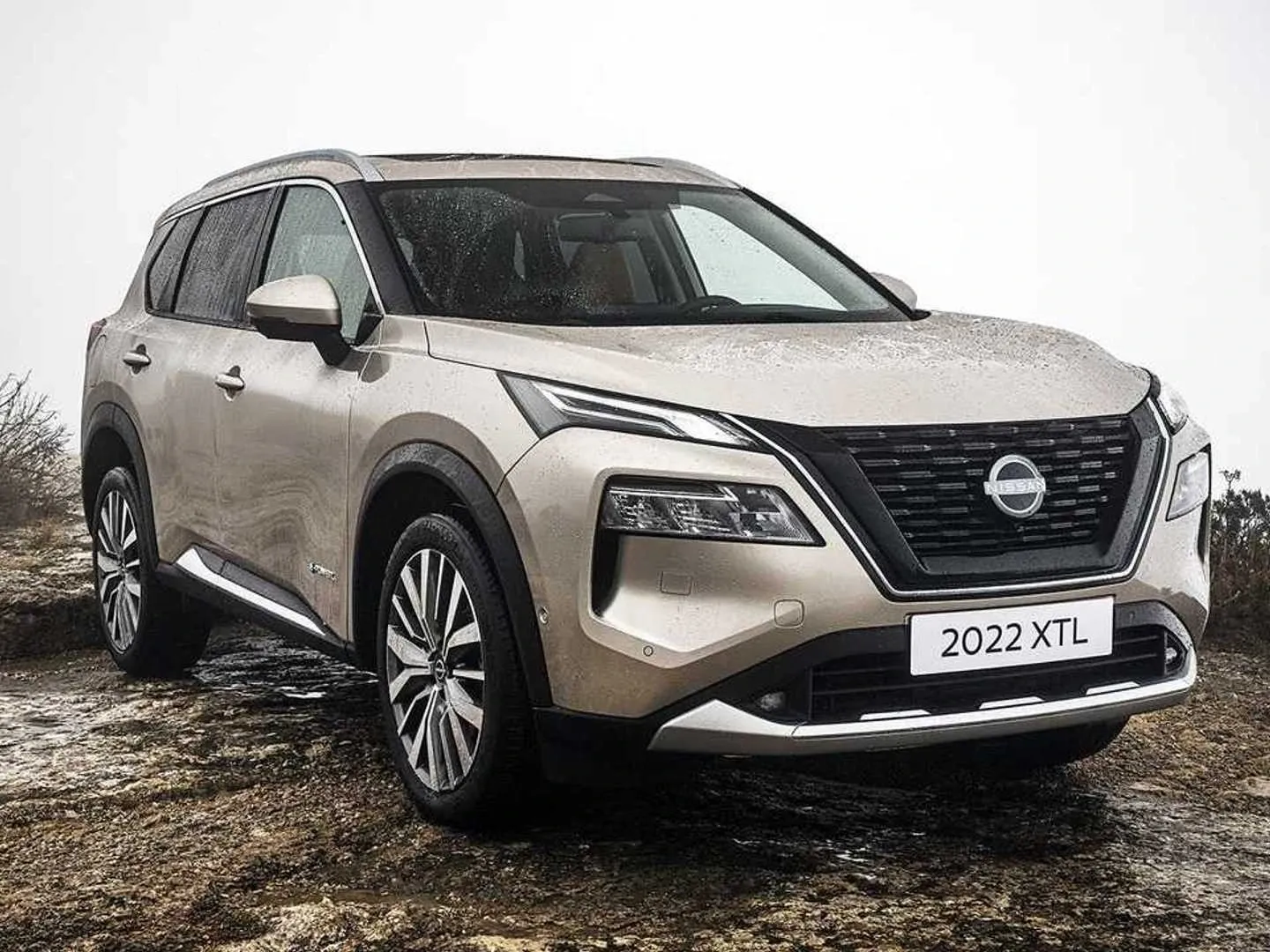
The hybrid powertrain provides abundant low-speed torque through electric motor delivery. Electric motors produce maximum torque from zero RPM, which is ideal for sandy conditions. Petrol engines need to build RPM to generate torque, which causes hesitation on soft surfaces. The electric torque advantage is immediately noticeable when driving on sand.
Nissan has programmed specific off-road driving modes into the X-Trail’s system. The Sand mode adjusts every relevant parameter for loose surface performance. Combined with the e-4ORCE hardware, this software tuning creates a formidable sandy terrain package. Nissan has invested seriously in this vehicle’s off-road credentials.
The e-4ORCE X-Trail represents the future direction of soft roader capability. Electric drivetrain technology is proving superior to mechanical AWD systems for traction control. As this technology matures and costs reduce, expect it to transform the segment entirely. The X-Trail leads that transformation today.
8 Soft Roader SUVs That Get Stuck Instantly
These catastrophically inadequate vehicles suffer from front-wheel-drive layouts and insufficient ground clearance that create immediate entrapment scenarios on sandy terrain, transforming beach access attempts into expensive tow-truck calls as single driven axles spin helplessly, low-hanging components drag through sand creating resistance, and traction control systems cut power precisely when momentum matters most.
Their problematic engineering includes FWD-biased systems and low ride heights that cannot handle even moderate sand driving, leading to instant wheel-spinning and digging when entering soft surfaces, plastic undertray panels dragging sand creating anchoring effect that stops forward progress, and traction control programming so conservative that systems kill throttle response leaving vehicles completely immobilized in situations where steady power application would maintain forward momentum.
1. Volkswagen T-Roc FWD
The Volkswagen T-Roc is a beautifully designed urban crossover. It sells in enormous numbers across Europe and Asian markets. However, the front-wheel-drive variant has no business being driven on sand. Without rear wheel drive capability, it fights a losing battle the moment surfaces soften.
Front-wheel-drive vehicles on sand suffer from a fundamental mechanical disadvantage. The front wheels must simultaneously steer and provide all drive traction. Asking them to do both on a loose surface overwhelms their capability quickly. The result is steering that washes wide and wheels that spin without grip.
Ground clearance on the T-Roc FWD is just 164mm. This is insufficient for even moderate sandy terrain. The undercarriage contacts sand berms and soft surface crests easily. Once the undercarriage is resting on sand, the driven wheels lose ground contact and spin freely.
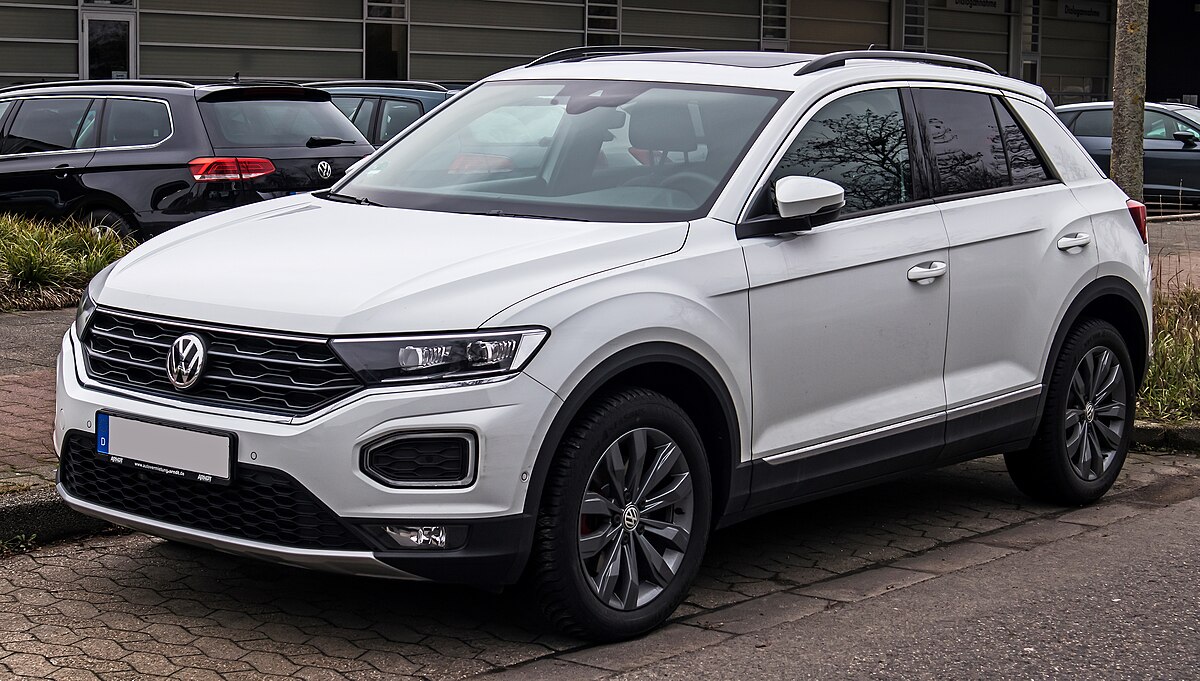
The T-Roc’s road-biased tyre selection compounds the problem further. Standard road tyres have tread patterns designed for wet and dry tarmac. These patterns do not provide the lateral sand displacement needed for traction. Even experienced sand drivers cannot overcome this fundamental equipment limitation.
Volkswagen has not provided a dedicated sand or off-road driving mode on the FWD T-Roc. The traction control system is calibrated purely for road surfaces. When it detects wheel slip on sand, it cuts power aggressively. This power cutting is exactly the wrong response, momentum is everything on sand.
Reports from beach destinations globally confirm the T-Roc FWD’s sand limitations. Recovery services at popular beach access points frequently encounter stuck T-Rocs. The vehicle’s low clearance and FWD layout create a predictable failure pattern. It bogs quickly, bottoms out, and becomes difficult to recover without external assistance.
The T-Roc is an excellent urban vehicle for city environments. It deserves credit for its road manners, interior quality, and styling. But marketing imagery of T-Rocs near beaches is dangerously misleading. Real sandy terrain exposes its fundamental limitations without mercy.
2. Peugeot 2008 FWD
The Peugeot 2008 is a stylish, comfortable compact crossover. French design sensibility and a quality interior make it attractive in urban markets. However, the FWD configuration combined with modest clearance makes it a sand driving disaster. It represents exactly the type of vehicle that recovers from beaches regularly.
The 2008’s 163mm of ground clearance is among the lowest in this comparison. This measurement barely clears standard road kerbs confidently. On soft sand, the vehicle’s underside settles into the surface within seconds of stopping. Maintaining momentum is the only strategy, and even that fails quickly.
The 2008’s suspension is tuned firmly for road handling performance. Firm suspension limits the articulation available when traversing uneven sandy surfaces. Limited articulation means wheels lift off the surface rather than maintaining ground contact. Lifted wheels provide zero traction and accelerate the bogging process.
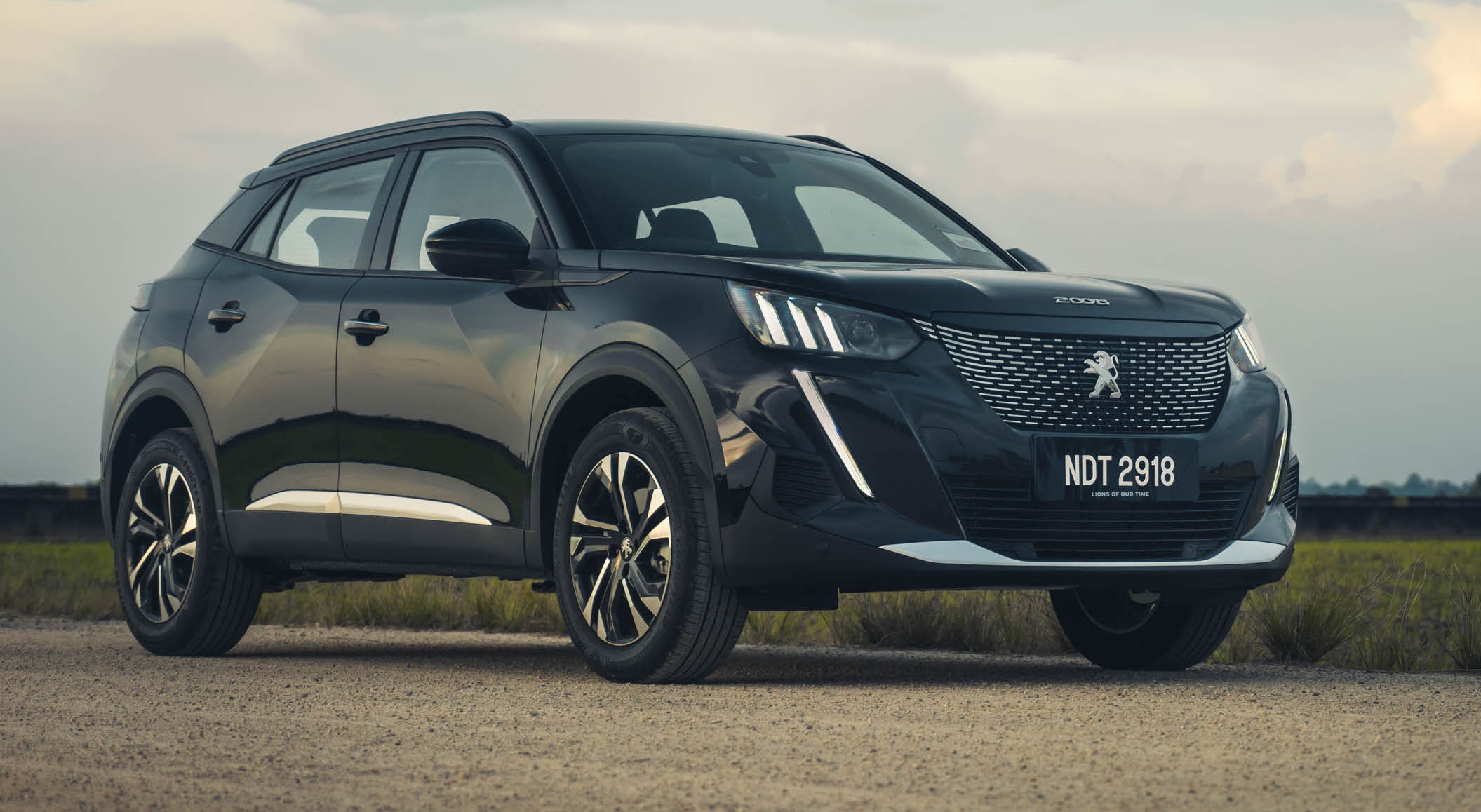
Peugeot’s i-Cockpit and digital interface are genuinely impressive in an urban context. However, no amount of technology compensates for the wrong hardware on sand. There is no software solution to inadequate ground clearance and missing rear-wheel drive. Physics determines the outcome, and physics is merciless on soft sand.
The 2008’s relatively heavy kerbweight for its size adds to the problem. Heavier vehicles sink into soft sand faster than lighter ones. The combination of low clearance, FWD, firm suspension, and moderate weight creates a perfect storm for getting stuck. Each disadvantage compounds the others in real sandy conditions.
The Peugeot 2008 is a wonderful city car with genuine quality and style. Recommend it confidently for urban driving, light country roads, and motorway touring. But any use case involving sand should immediately disqualify this vehicle from consideration. It is simply not equipped for the task in any meaningful way.
3. Renault Captur FWD
The Renault Captur is one of Europe’s best-selling crossover designs. Its compact dimensions, efficient engines, and attractive pricing make it extremely popular. On city streets it is genuinely excellent. On sand, it is genuinely helpless without exception.
The Captur offers no AWD option in most markets, making it exclusively front-wheel-drive. This single fact eliminates it from serious sand driving consideration immediately. All available traction must come through two front wheels simultaneously managing steering and drive. This mechanical reality cannot be overcome by driver skill alone.
Ground clearance is 165mm, which is entirely inadequate for sandy environments. The vehicle grounds out on soft sand berms almost immediately. Once grounded, the wheels spin in the air rather than on the surface. The vehicle becomes a beached hull rather than a functional off-road machine.
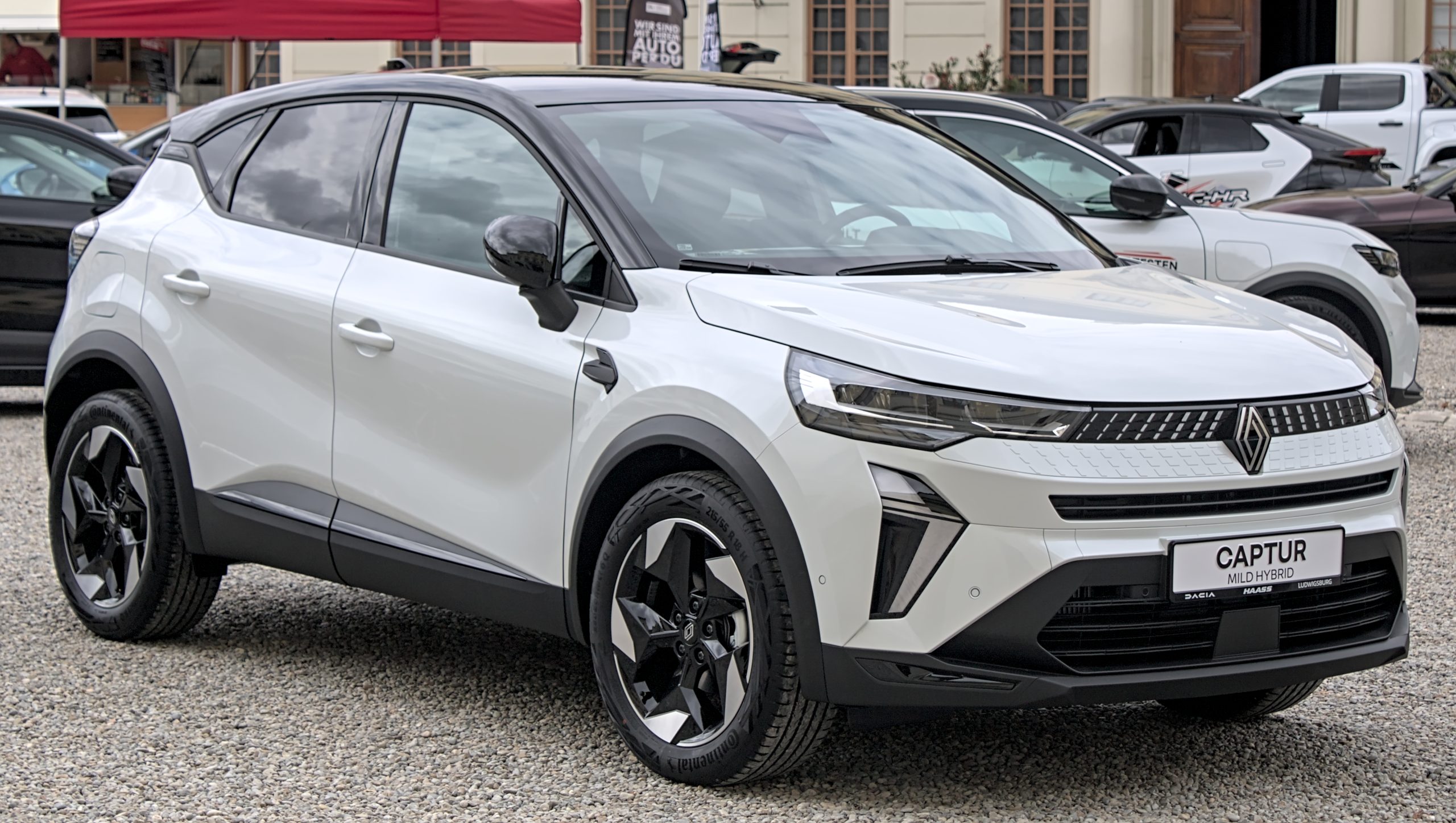
Renault’s stability control on the Captur intervenes aggressively when wheel slip is detected. This is correct behaviour for road safety but counterproductive on sand. Sand driving requires controlled wheel spin to maintain momentum. Systems that prevent any wheel spin effectively prevent forward progress on soft surfaces.
The Captur’s short wheelbase theoretically gives it a turning advantage. However, on sand, a short wheelbase means less hull length bridging soft spots. Longer-wheelbase vehicles spread their weight over more surface area. The Captur’s compact dimensions work against it in sandy terrain despite feeling nimble on roads.
There is no redemption on sand for the Captur in standard configuration. Special tyres, reduced pressures, and expert driving delay but do not prevent bogging. The fundamental mechanical limitations cannot be overcome with technique alone. Accept this limitation and keep the Captur where it belongs on roads.
4. MINI Countryman FWD
The MINI Countryman carries the word “Country” in its name with false promise. The FWD configuration in particular is a deeply misleading product. MINI’s marketing frequently depicts adventure and outdoor contexts. Real sandy terrain reveals an enormous gap between the imagery and the engineering.
Countryman FWD ground clearance is 165mm, effectively ruling out meaningful off-road use. MINI has prioritised low-slung sporty aesthetics over practical clearance. The result is a vehicle that looks adventurous but grounds immediately on soft surfaces. Marketing and engineering are pointed in completely opposite directions.
The Countryman’s performance-biased suspension setup is calibrated for sporty road responses. This calibration produces minimal wheel articulation on uneven surfaces. When one wheel drops into soft sand and another rises over a crest, the system struggles. Inconsistent wheel contact means inconsistent traction, which means unreliable forward progress.
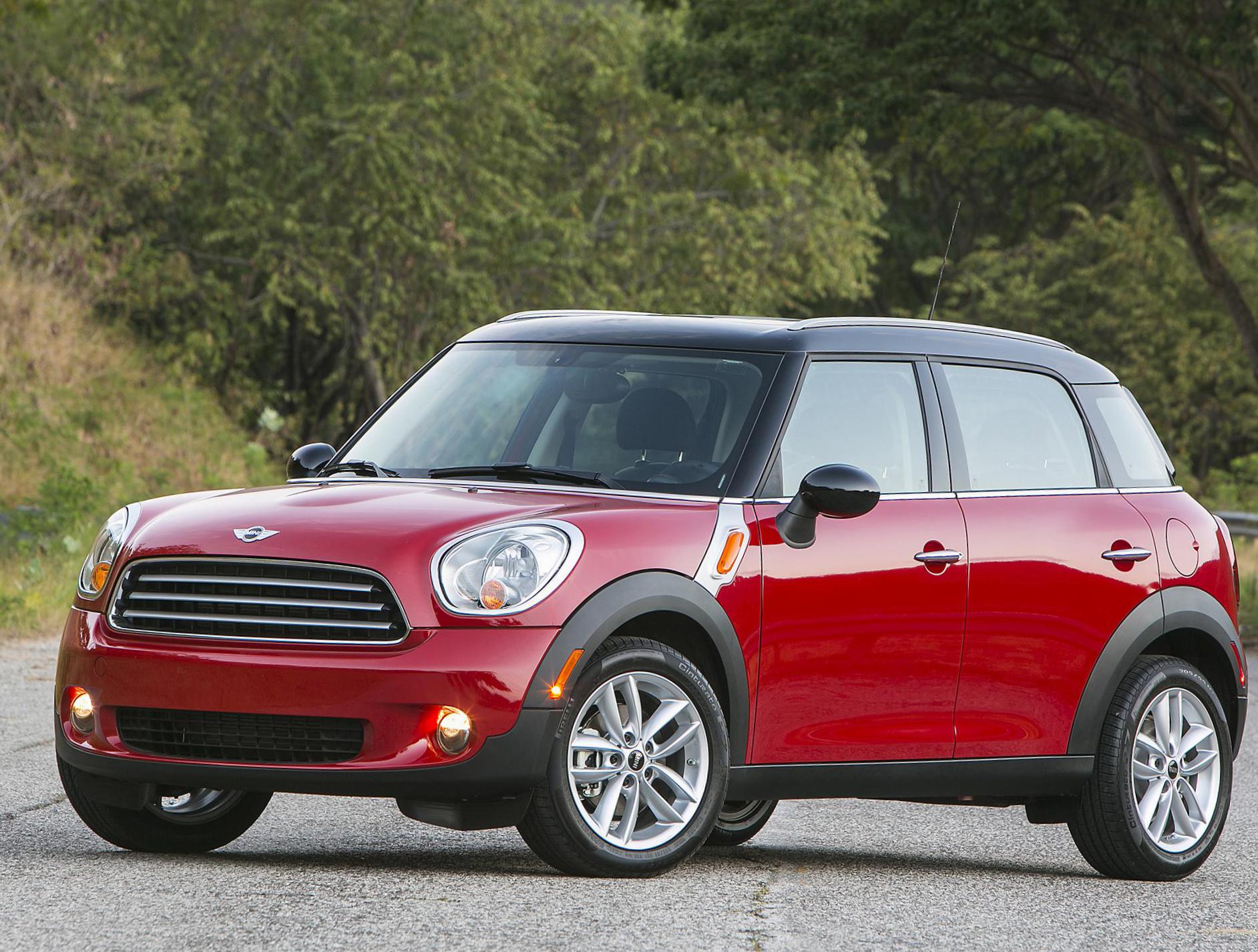
MINI’s brand heritage is built on urban agility and driving entertainment. These values are genuinely delivered in urban environments. However, they have no relevance to sand driving performance. Brand heritage cannot substitute for appropriate engineering for the task at hand.
The turbocharged engines in the Countryman deliver strong power, but power alone is irrelevant on sand. Having more power to spin wheels faster does not improve sandy terrain performance. Lower power delivered more precisely is vastly more effective. The Countryman’s sporty power delivery works against it on loose surfaces.
Owners who have attempted sandy terrain in the Countryman FWD report rapid disappointment. The vehicle’s front end digs in quickly once forward momentum is lost. Recovery is difficult due to the low clearance preventing effective traction board placement. The sporty low-profile tyres provide minimal sand flotation even when deflated.
Choose the Countryman for what it genuinely excels at urban driving with genuine style and driver engagement. Keep it away from beach tracks and sandy trails entirely. Its name is pure marketing fiction in sandy terrain contexts.
5. Citroën C3 Aircross FWD
The Citroën C3 Aircross prioritises ride comfort above all other dynamics. Its famous Progressive Hydraulic Cushion suspension delivers genuinely impressive road comfort. This comfort-first philosophy, however, produces suspension behaviour poorly suited to sandy terrain. The soft, compliant setup allows excessive body movement on sandy surfaces.
Ground clearance is 172mm, which is marginal at best for sandy terrain use. The soft suspension means the vehicle’s ride height compresses significantly under load. With a full complement of passengers and luggage, effective clearance drops further. This compression makes grounding on sand even more likely than the static figure suggests.
The C3 Aircross is exclusively front-wheel-drive in all markets. This fundamental limitation means all drive must come from the front axle. Combined with the soft suspension allowing body pitch under acceleration, the front wheels frequently reduce their contact force. Reduced contact force means reduced traction at the worst possible moment.
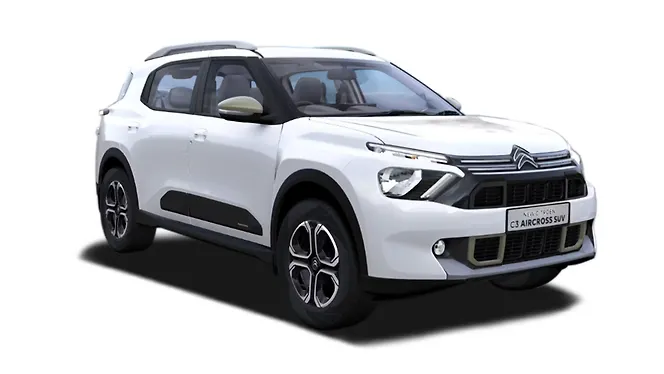
Citroën’s traction control system is calibrated conservatively for road safety. It reduces engine torque dramatically at the first sign of wheel spin. On sand, the first sign of wheel spin is not an emergency it is normal operation. The conservative calibration prevents the vehicle from using the momentum it needs to progress.
The Aircross’s styling mimics adventure vehicles with contrasting roof colours and rugged body cladding. This styling creates expectations that the engineering cannot fulfil on sandy terrain. Body cladding adds visual bulk but does not improve ground clearance or traction. It is aesthetic rather than functional adventure equipment.
The C3 Aircross is a genuinely pleasant vehicle for its intended purpose. Urban commuting, motorway trips, and light country roads all showcase its considerable comfort talents. Sandy terrain is simply not in its operational vocabulary. Buyers must understand this clearly before considering any adventure driving.
6. Opel / Vauxhall Mokka FWD
The Opel Mokka is a compact crossover with sharp styling and a quality feel. Recent generations have impressed critics with their interior design and technology integration. On roads, it competes effectively against similarly priced rivals. On sand, it faces insurmountable engineering limitations that technology cannot resolve.
Ground clearance of 165mm is inadequate for any meaningful sandy terrain engagement. The Mokka’s road-optimised ride height is designed for kerb clearance and aerodynamics. These priorities are completely misaligned with the demands of loose, shifting sandy surfaces. The two design philosophies are fundamentally incompatible.
The FWD drivetrain configuration means all available traction concentrates at the front. Modern FWD systems are sophisticated and effective on tarmac. On sand, they reach their limits rapidly and dramatically. The transition from confident progress to complete immobility can happen within a single vehicle length.
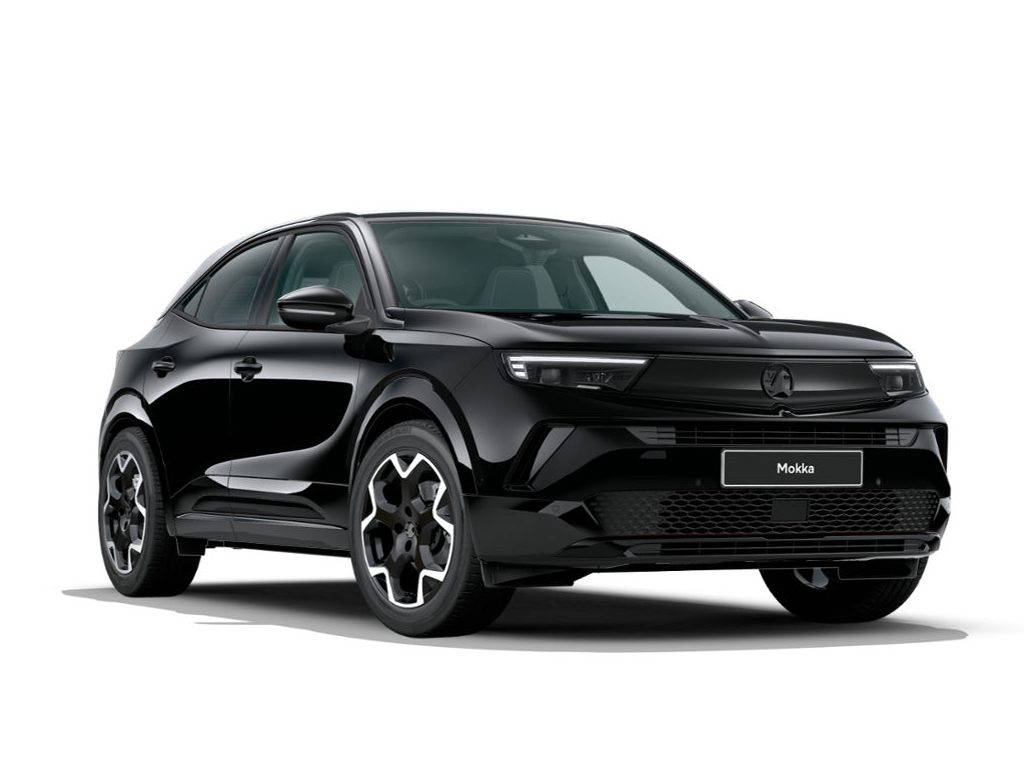
Opel’s IntelliGrip traction control is available on some Mokka variants and helps on light surfaces. However, IntelliGrip is not a substitute for rear-wheel drive and proper clearance. It manages traction distribution within the existing mechanical limitations more intelligently. Those limitations remain binding regardless of how intelligently they are managed.
The Mokka’s weight distribution is front-heavy due to the transverse engine and FWD layout. Front-heavy vehicles on sand tend to nose-dive into soft spots. The front end digs in while the rear wheels push without meaningful effect. This nose-diving behaviour is extremely difficult to reverse without external recovery assistance.
The Mokka deserves recommendation for urban and suburban use without reservation. It is stylish, well-built, and genuinely pleasant to drive on roads. The conversation ends there when sand enters the picture. Keep the Mokka’s wheels firmly on sealed surfaces and it will serve its owners well.
7. Kia Stonic FWD
The Kia Stonic is a budget-friendly compact crossover with strong value credentials. Build quality is impressive for the price point and the driving experience is adequate. For urban mobility with a hint of SUV styling, it serves its purpose honestly. On sand, it serves no purpose at all due to fundamental capability limitations.
Ground clearance is 160mm, which is the lowest figure in this entire comparison. This measurement is barely sufficient for standard road use, let alone off-road environments. The Stonic sits lower than many regular hatchbacks despite its SUV-adjacent styling. The styling is aspirational while the engineering remains firmly earth-bound.
The FWD layout on the Stonic means the narrative on sand is identical to other FWD crossovers discussed here. All drive through two front wheels on a surface that demands four-wheel traction. The outcome is predictable and consistently negative. No driver skill compensates for absent mechanical capability.
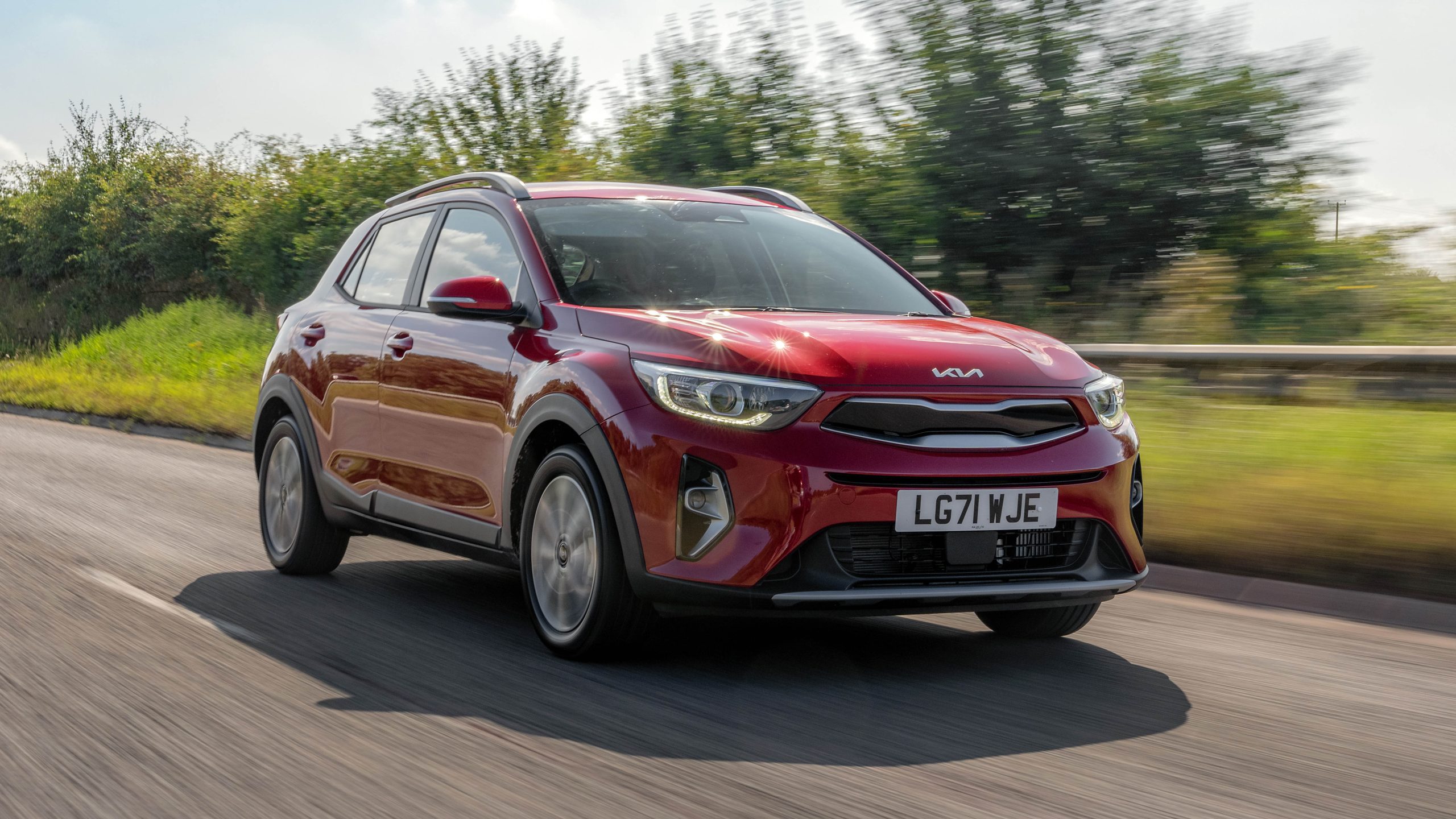
Kia’s stability control on the Stonic is designed for road safety, not off-road progress. It detects wheel spin and reduces power quickly and definitively. This intervention is correct and responsible on roads. On sand, it is the mechanism that transforms struggling progress into complete immobility.
Kia’s warranty and service network is genuinely excellent globally. However, warranty support does not extract vehicles from sand bogs. Understanding what a vehicle can and cannot do protects both the vehicle and the driver. The Stonic’s message on sand is unambiguous it does not belong there.
8. Toyota C-HR FWD
Saving the most surprising entry for last the Toyota C-HR FWD. Toyota’s brand carries enormous off-road credibility built by Land Cruiser, Hilux, and RAV4 legends. The C-HR trades on that credibility while delivering none of it. The FWD variant particularly damages the Toyota off-road reputation by association.
Ground clearance of 130mm is the most shocking figure in this entire article. At 130mm, the C-HR FWD has less clearance than many standard road sedans. Driving this vehicle onto sandy terrain is not adventurous it is an immediate recovery situation. The engineering communicates its limitations with unusual clarity.
Toyota has designed the C-HR for maximum urban style and efficiency. The dramatically raked roofline and bold styling consume what could have been ground clearance. Design priorities have completely overridden any functional off-road consideration. The result is a beautiful vehicle with zero sandy terrain capability.
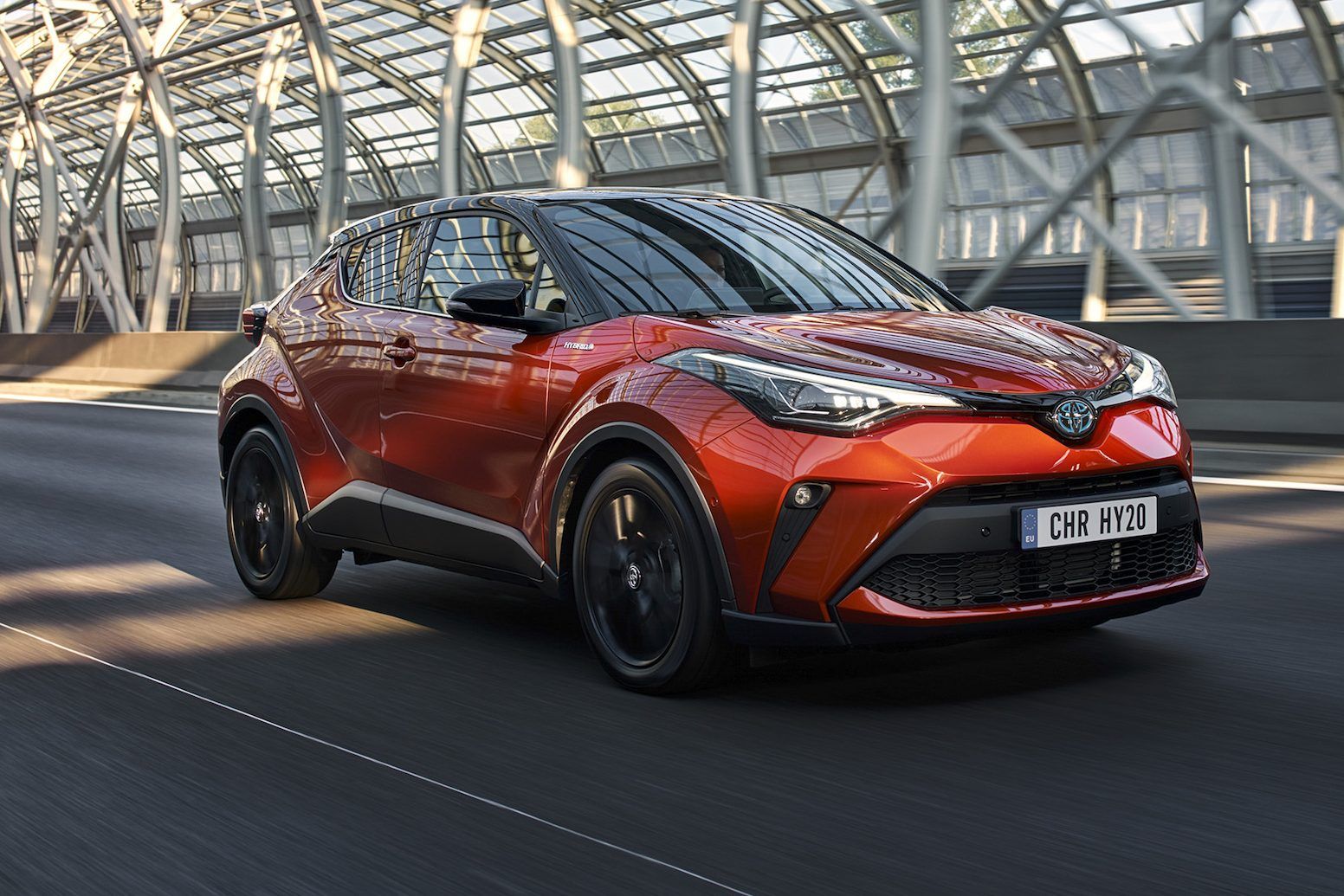
The C-HR FWD has no off-road driving modes, no traction management beyond standard road systems, and no AWD option. Toyota has been transparent in not providing these features. The vehicle’s specification sheet makes its road-only nature absolutely clear. Problems arise when buyers ignore this clarity.
The CVT transmission in the C-HR delivers smooth road performance effectively. However, CVT transmissions are poorly suited to sustained wheel slip situations. Extended sand driving places CVT transmissions under stress they are not designed to handle. Mechanical damage from forced sand driving is a real financial consequence for owners.
The C-HR is outstanding in its intended environment. It is efficient, stylish, and entertaining to drive on roads. Hybrid variants deliver exceptional fuel economy in urban cycling conditions. Celebrate it for these genuine achievements. Just ensure those celebrations happen exclusively on sealed surfaces.
Also Read: 10 Best Items to Keep in Your Car Emergency Kit for 2026
