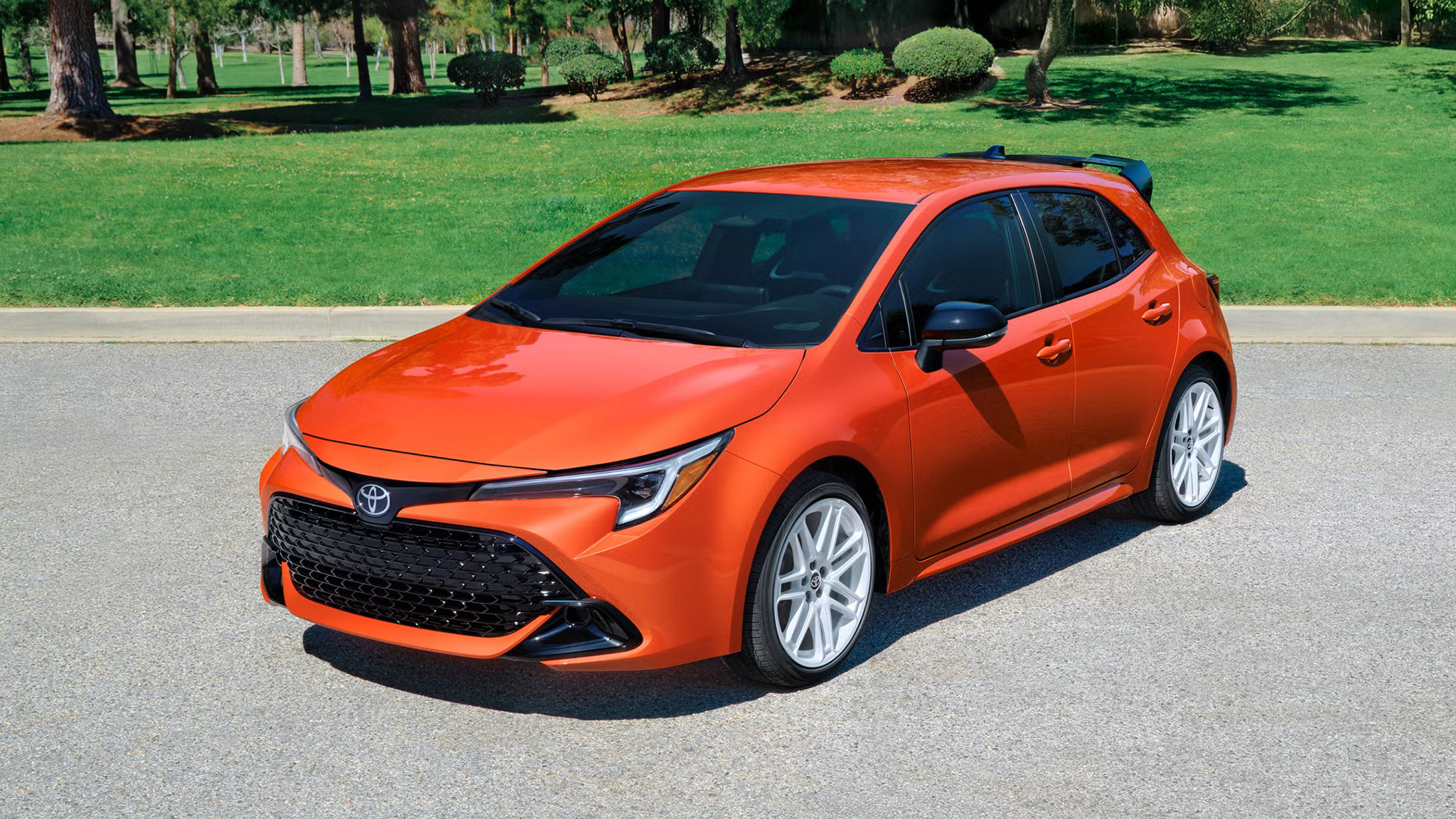
When searching for a used compact car, many buyers prioritize reliability, low running costs, and ease of maintenance over flashy features or high-tech gadgets. Mechanical simplicity often translates into fewer potential failures, lower repair bills, and a longer-lasting vehicle.
Cars built with straightforward engines, conventional transmissions, and minimal electronics tend to thrive in the used market, offering peace of mind to budget-conscious owners. The 2009–2013 Toyota Corolla exemplifies this philosophy, combining a proven 1.8-liter 4-cylinder engine, durable automatic or manual gearboxes, and an uncluttered engine bay to deliver decades of dependable performance.
This list of “10 Best Used Compact Cars That Prioritize Mechanical Simplicity” highlights models that share these qualities, from city-friendly hatchbacks like the Hyundai i10 and Volkswagen Up! to compact sedans such as the Honda Civic and Nissan Sentra.
Each vehicle has earned a reputation for being easy to maintain, cost-effective, and mechanically robust, making them ideal options for commuters, first-time buyers, or anyone seeking a practical, long-lasting compact car.
1. Toyota Corolla (10th Generation, 2009–2013): A Benchmark for Simplicity and Reliability
The 2009–2013 Toyota Corolla stands out as a prime example of mechanical simplicity and long-term dependability, making it one of the most trusted choices in the used compact car market. Built with a “no-frills” philosophy, this generation prioritizes proven engineering over modern complexity, resulting in lower maintenance costs and impressive longevity.
At the heart of its reliability is the 1.8-liter 4-cylinder 2ZR-FE engine. This powertrain is widely praised for its durability and efficiency, featuring a timing chain instead of a timing belt, which typically lasts the life of the engine with proper maintenance.
Unlike many newer vehicles, it avoids turbocharging and direct injection, reducing the number of components that could potentially fail. This simplicity translates into fewer repairs and lower ownership costs over time.
Transmission options further reinforce its robust design. Buyers can choose between a traditional 4-speed automatic or a 5-speed manual. While less advanced than modern multi-speed or CVT systems, these transmissions are known for their durability and ease of repair, contributing to the car’s reputation for reliability.
Maintenance is straightforward, thanks to an uncluttered engine bay that allows easy access to key components like spark plugs and filters. The Corolla’s global popularity also ensures that replacement parts are widely available and affordable. Its lack of complex systems, such as turbochargers, minimizes the risk of expensive failures and simplifies routine upkeep.
The car’s conservative engineering extends to its suspension and steering. A torsion-beam rear suspension offers durability and resilience on rough roads, while electric power steering eliminates older hydraulic components that commonly fail. These design choices enhance long-term reliability and reduce maintenance demands.
With proper care, many 10th-generation Corollas exceed 200,000 to 250,000 miles without major issues. Minor concerns, such as occasional water pump leaks, oil consumption at high mileage, and suspension wear, are relatively inexpensive to address.
This Corolla generation delivers dependable, economical transportation. While its performance and styling may be unremarkable, its durability, ease of ownership, and proven track record make it a practical and “safe” investment for buyers seeking longevity over excitement.
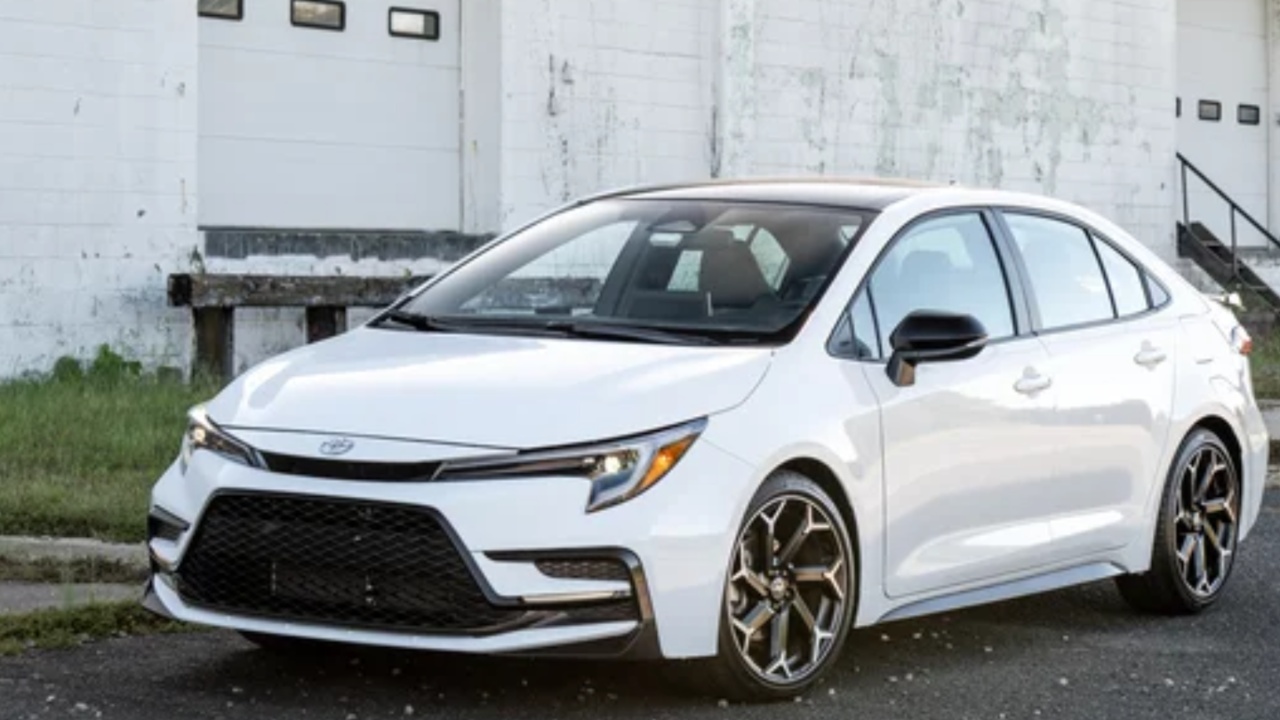
2. Honda Civic (8th & 9th Generations, 2006–2015): Reliable and Simple Engineering
The 2006–2015 Honda Civic, covering the 8th and 9th generations, is celebrated for its durability, mechanical simplicity, and practical design. These models prioritize proven, naturally aspirated engines and conventional transmissions over the complexity of turbocharged powertrains and CVTs found in later Civics.
This approach results in lower maintenance costs, fewer potential failures, and dependable performance for long-term ownership.
At the heart of both generations is the 1.8-liter i-VTEC (R18) 4-cylinder engine. Renowned for reliability, it avoids turbocharging and direct injection, reducing points of failure and simplifying routine upkeep. Paired with either a 5-speed automatic or 5-speed manual transmission, the Civic delivers consistent, trouble-free driving that is easy and affordable to maintain.
Mechanical simplicity extends to the car’s electronics. With fewer sensors and minimal infotainment systems compared to modern vehicles, these Civics experience fewer electrical faults, making them highly suitable for buyers who value low-cost, dependable operation.
The 8th generation (2006–2011) is recognized for its sharp handling and distinctive “spaceship” interior design. Its firm suspension and responsive steering provide an engaging driving experience, though it can feel stiff over rough roads. Some early models had minor issues such as engine noise or, in rare cases, engine block cracks.
The 9th generation (2012–2015) focused on refinement, improving ride comfort, interior materials, and cabin quality while maintaining the same reliable 1.8-liter engine. These models are less sporty than the 8th generation but provide a smoother daily driving experience. The 2014–2015 models are often considered the sweet spot of this era, balancing refinement, comfort, and dependable performance.
With routine maintenance, both the 8th and 9th generation Civics commonly surpass 200,000 miles, reflecting their exceptional longevity. These cars offer fuel efficiency, practical interior layouts, and strong reliability, making them a trusted choice for used car buyers seeking a dependable, low-maintenance compact sedan.
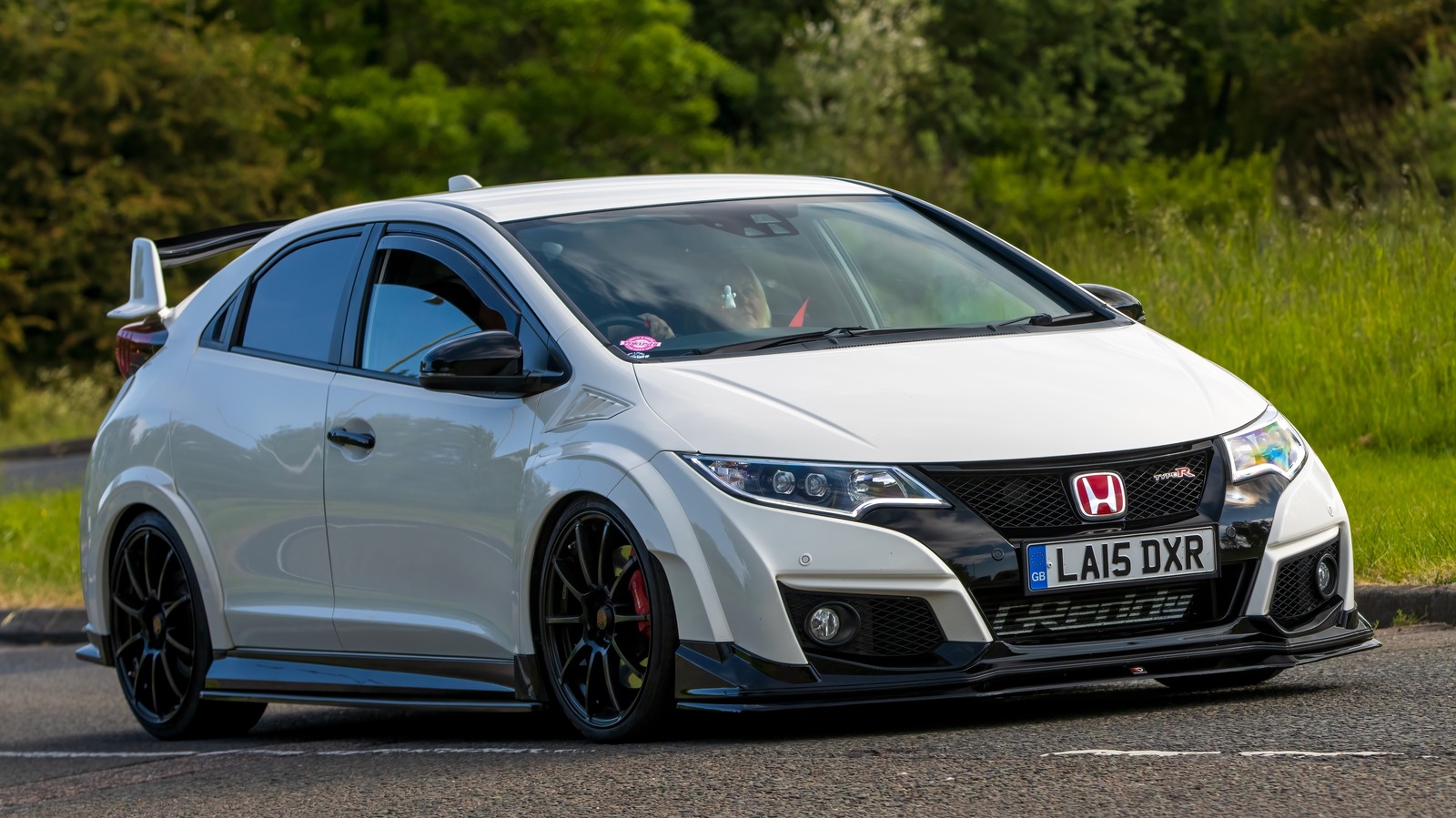
3. Mitsubishi Mirage / Mirage G4 (2012–Present): Reliable and Budget-Friendly
The Mitsubishi Mirage and its sedan version, the Mirage G4, are subcompact cars built for simplicity, reliability, and low-cost ownership. Introduced in 2012 and still in production, they feature a naturally aspirated 1.2-liter three-cylinder 3A92 MIVEC engine without a turbocharger or complex electronics.
This reduces potential failures and makes routine maintenance straightforward. The engine is paired with either a 5-speed manual or a CVT, prioritizing fuel efficiency and dependable performance rather than speed, allowing many owners to surpass 100,000 miles with basic upkeep.
Lightweight and agile, the Mirage handles city driving very well with a tight turning radius for easy maneuvering and parking. Its small size and efficient engine provide excellent fuel economy, often exceeding 20 km per liter, or roughly 38 to 50 miles per gallon, depending on driving conditions.
However, the lightweight can make it feel less stable at high highway speeds or in strong crosswinds. The interior is functional and durable, offering adequate passenger space and practical storage for a subcompact. Newer models incorporate Mitsubishi’s Dynamic Shield styling, which enhances the design while keeping controls simple and easy to use.
The Mirage has earned a strong reputation for reliability, receiving a 4.5 out of 5 rating from RepairPal. Its engine bay is easy to access, making oil changes, filter replacements, and other routine service simple. Parts are widely available and inexpensive, contributing to low annual maintenance costs. Basic safety features include dual airbags and ABS, with newer models improving crash protection and styling.
Affordable, efficient, and easy to maintain, the Mitsubishi Mirage and Mirage G4 are ideal for city commuters, first-time drivers, or anyone looking for a reliable, budget-friendly car. They offer dependable performance, low running costs, and practicality, making them an excellent choice for buyers who value simplicity and economy over luxury or high-performance features.
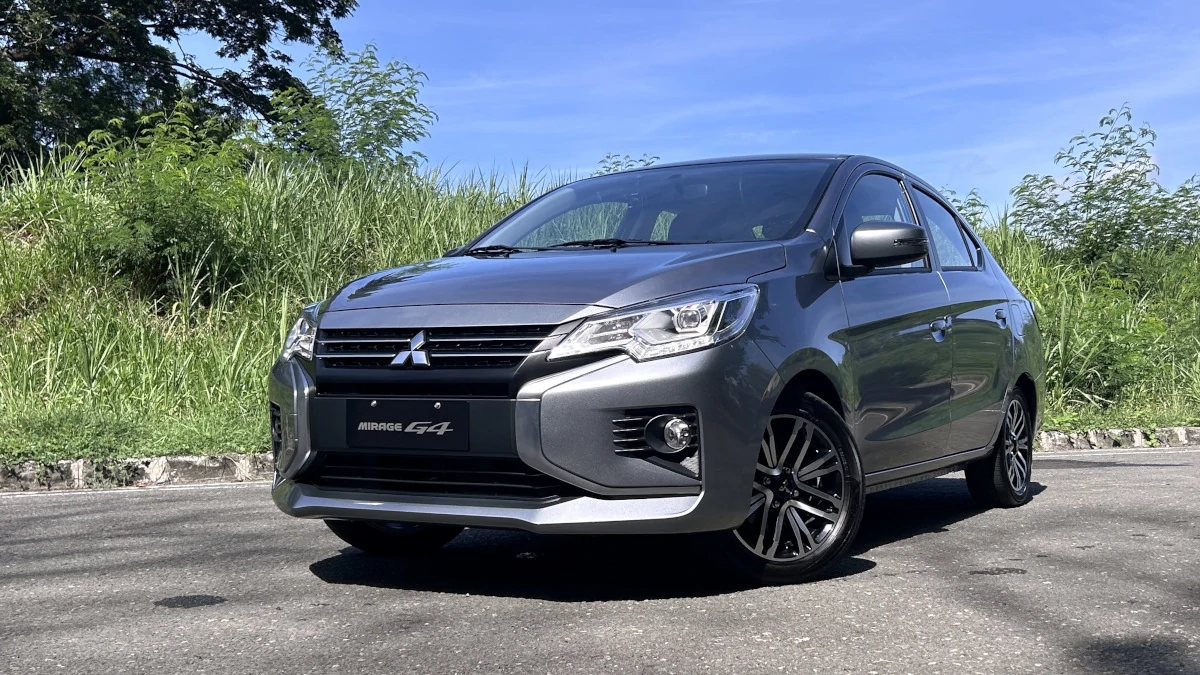
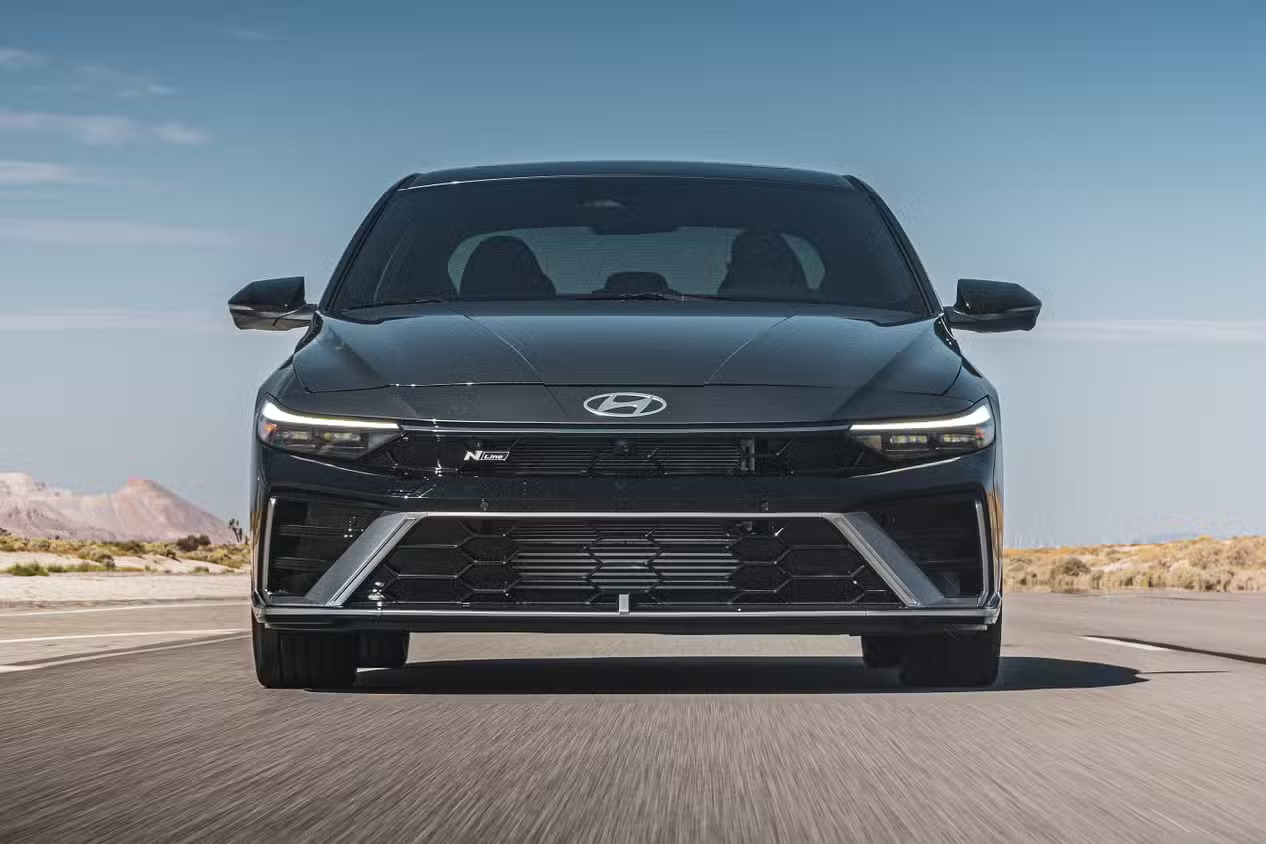
4. Hyundai Elantra (3rd & 4th Generations, 2001–2010): Durable and Cost-Effective
The Hyundai Elantra from 2001 to 2010, encompassing the 3rd and 4th generations, is widely recognized for its practicality, mechanical simplicity, and affordability. These models avoid the complexity of modern electronics and luxury features, focusing instead on robust, easy-to-service components.
With regular maintenance such as oil and filter changes, many Elantras from this era surpass 250,000 kilometers, making them a reliable choice for used car buyers who value durability over high-tech extras.
The 3rd generation (2001–2006, XD) marked a step forward in cabin size and comfort, offering good headroom and legroom for four adults. Powered by the 2.0-liter four-cylinder Beta II engine with Multi-Port Injection (MPI), these models provide adequate performance for daily driving while keeping repair costs low.
Maintenance is straightforward due to accessible components such as crankshaft sensors and simple suspension systems. Known issues include poor paint quality leading to rust, oxidized radiators requiring replacement every few years, and rear shock wear. Despite these minor concerns, the 3rd generation remains a dependable, budget-friendly commuter car.
The 4th generation (2007–2010, HD) refined the platform with improved interior materials, quieter cabins, and better fuel efficiency, especially in the 2010 “Blue” trim. It continued using the reliable 2.0-liter MPI engine while maintaining the straightforward mechanical design that makes DIY repairs feasible.
Fewer major issues are reported compared to the previous generation, though some models experienced premature brake wear and a 2008 fuel pump recall. These improvements make the 4th generation one of the most reliable compact cars of its time.
Both generations benefit from widespread parts availability, low-cost maintenance, and mechanical setups that are approachable for independent mechanics. Safety features were basic but included side airbags, with ABS optional on lower trims. The Elantra from this era provides surprising interior space, comfortable daily driving, and strong value-for-money, often considered a smart alternative to the Honda Civic or Toyota Corolla.
For buyers seeking a durable, low-maintenance compact sedan, the 2001–2010 Hyundai Elantra offers long-term reliability, practical design, and affordability. Its simple engines, easy-to-repair architecture, and proven track record make it an excellent choice for cost-conscious used-car buyers who prioritize dependable performance over modern complexity.
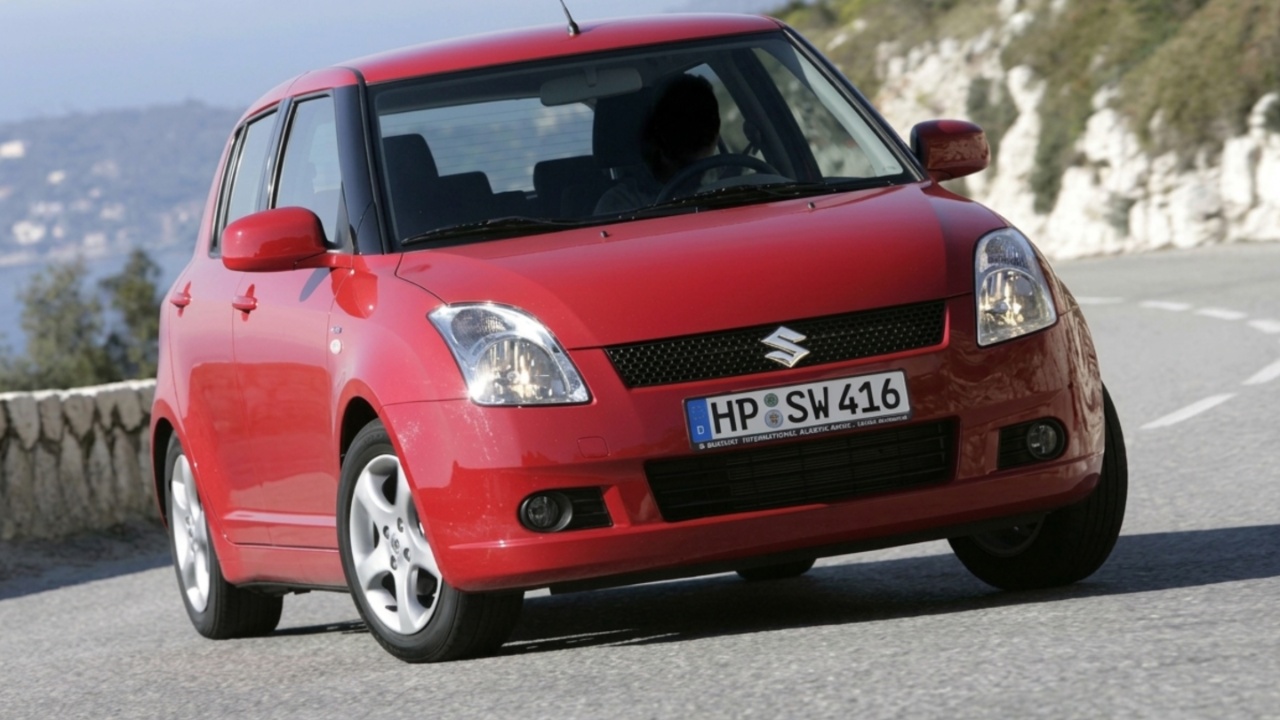
5. Suzuki Swift (2004–2017): Reliable, Fun, and Easy to Maintain
The Suzuki Swift, produced between 2004 and 2017, is recognized as a highly reliable and mechanically simple hatchback. It features naturally aspirated petrol engines, either 1.2-liter or 1.6-liter, depending on the model, that are lightweight, durable, and easy to service.
The engine bay is uncluttered, making routine maintenance such as fluid or bulb changes straightforward. By avoiding turbochargers and complex electronic systems, the Swift reduces the chances of expensive mechanical issues and keeps running costs low.
Both generations of the Swift pair these engines with simple 5-speed manual or 4-speed automatic transmissions. The manual gearbox is particularly praised for its durability and smooth operation. This uncomplicated engineering ensures consistent performance and reliability even with heavy daily use, while making repairs and servicing easier for independent mechanics.
The second generation, from 2010 to 2017, improved on the first by enhancing build quality, increasing wheelbase length, and improving rear seat space. Engine refinements also improved efficiency and comfort.
The Swift Sport model, featuring the 1.6-liter engine, provides more engaging handling and spirited performance with a precise manual gearbox, making it a favorite for drivers who enjoy a fun, responsive driving experience.
The Swift is also highly practical for urban environments. Its compact size allows for easy parking and maneuvering, and it delivers excellent fuel economy. The design remains stylish and modern throughout both generations, while maintenance costs remain low and resale value strong. These qualities make it ideal for commuters and first-time car buyers.
Some limitations include limited rear legroom, a small boot of about 265 liters, and a firm ride that transmits road imperfections. The interior uses durable but hard plastics, and base engines may feel underpowered at higher speeds. Despite these minor drawbacks, the Suzuki Swift offers a balanced combination of reliability, fun handling, and low-cost ownership.
For buyers looking for a dependable, budget-friendly city car, the 2004–2017 Suzuki Swift is a standout choice. Its straightforward mechanics, engaging driving character, and efficient design make it a practical and enjoyable option for daily use.
Also read: 10 Cars Featuring the Most Aggressive Stock Factory Engine Exhaust Notes
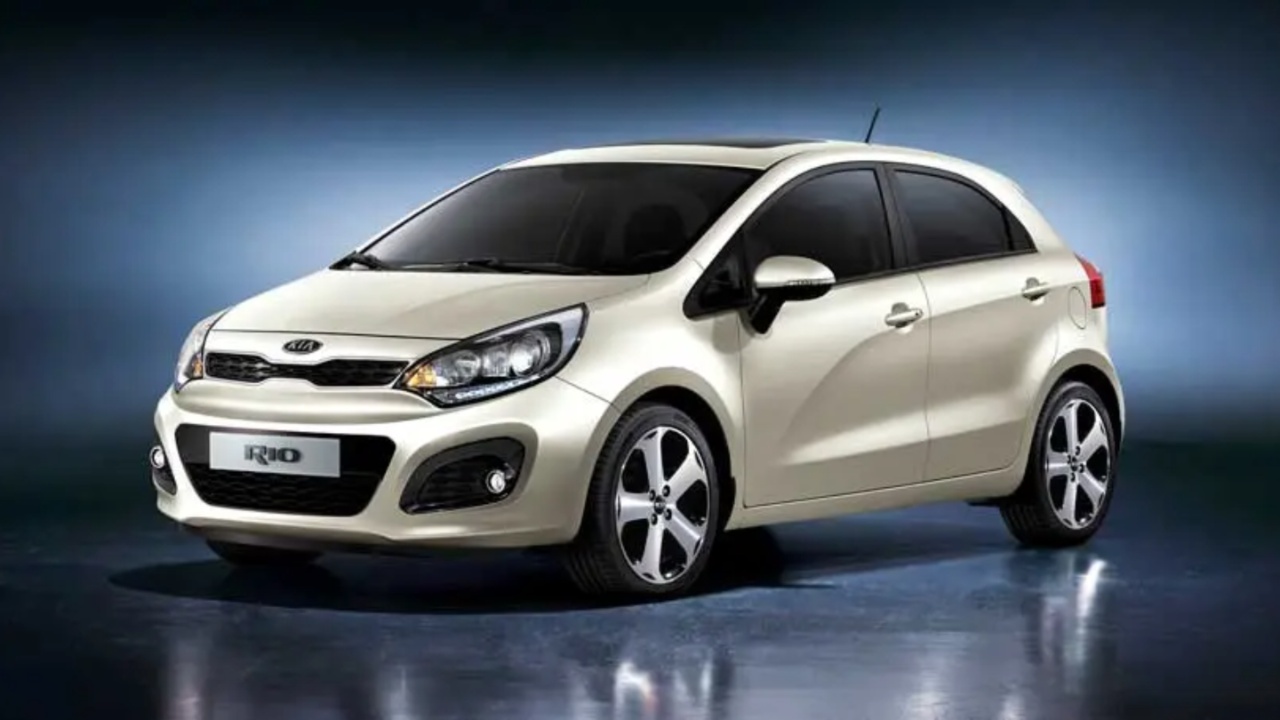
6. Kia Rio (3rd Generation, 2011–2017): Reliable and Practical
The 3rd-generation Kia Rio, produced between 2011 and 2017, is recognized for its reliability, practicality, and low maintenance costs. Sharing much of its mechanical foundation with contemporary Hyundai models, it features naturally aspirated 1.4-liter and 1.6-liter four-cylinder “Gamma” engines.
These engines are durable, efficient, and straightforward to maintain, avoiding the complexity of modern turbocharged powertrains. With routine oil changes and basic care, the Rio provides dependable service with minimal unscheduled repairs, making it an ideal choice for used car buyers seeking a low-cost, reliable vehicle.
The car’s mechanical simplicity extends to its transmission and suspension systems. Buyers can choose between a conventional 6-speed manual or a traditional automatic gearbox, both of which are easier to maintain than modern dual-clutch systems.
The front MacPherson strut suspension and stable body structure, built with increased high-strength steel, deliver durability on urban streets and rougher roads. Underbonnet access is straightforward, allowing for simple DIY maintenance or low-cost professional servicing.
The interior is functional and practical, with well-laid-out controls and surprisingly spacious seating for a subcompact. Rear legroom is adequate, and the boot offers a deep, usable space for everyday needs. While lower trims use some hard plastics, higher-spec models feature comforts such as heated seats. The 3rd-generation Rio also earned a 5-star Euro NCAP rating, highlighting its safety credentials.
In terms of driving experience, the Rio is comfortable and stable on city streets and motorways, though its handling is less sporty compared to competitors like the Ford Fiesta.
The 1.4-liter petrol engine is sufficient for urban commuting but can feel underpowered on highways, while the optional 1.1 CRDi diesel provides excellent fuel efficiency. Common issues to monitor include squealing brakes, occasional ignition coil failures, and minor automatic transmission quirks that may require software updates.
The 3rd-generation Kia Rio transformed the model from a simple budget option into a stylish, practical, and dependable supermini. Its combination of reliable engines, easy-to-service mechanical layout, low running costs, and practical interior makes it a strong choice for used-car buyers seeking an affordable, long-lasting, and functional urban vehicle.
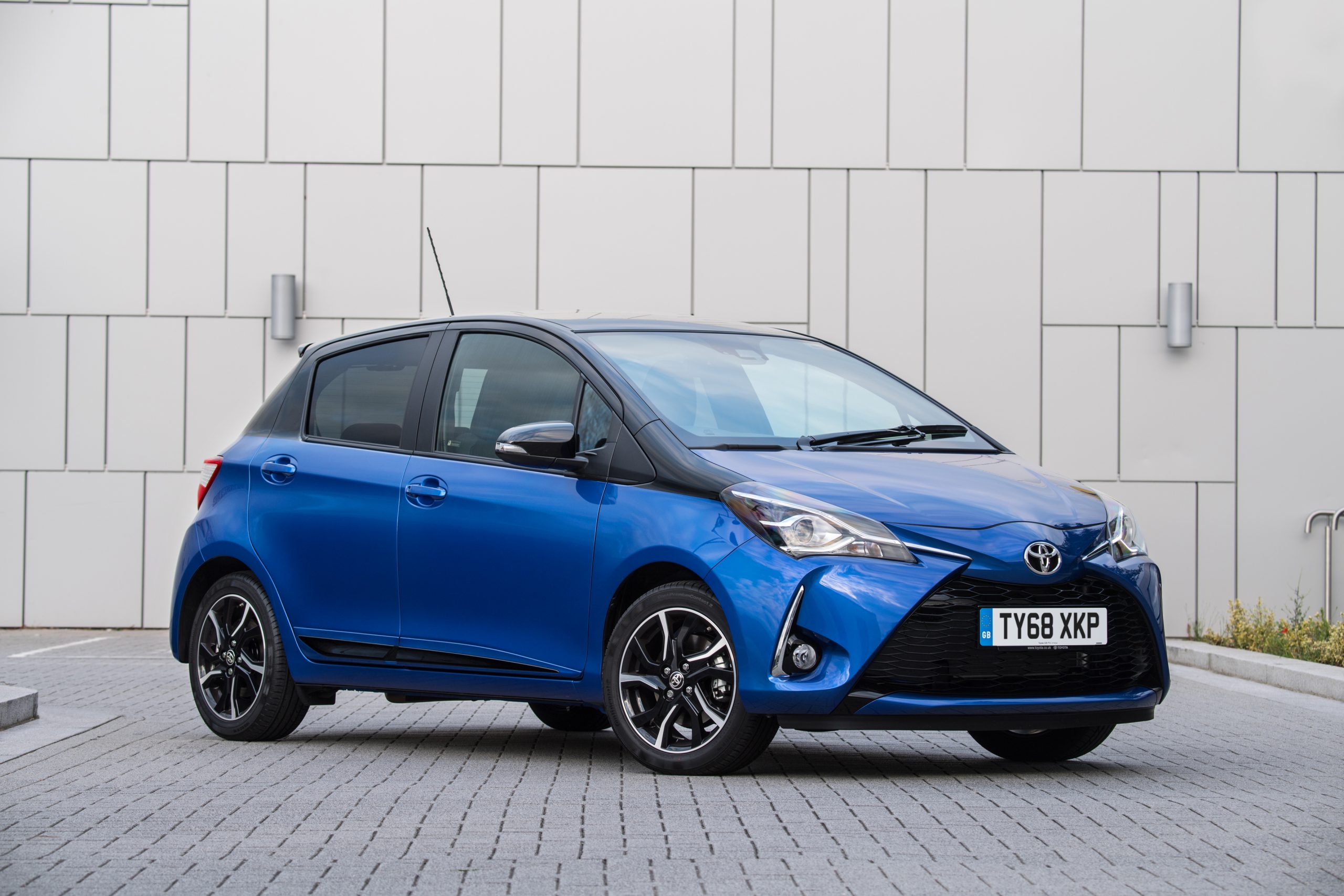
7. Toyota Yaris Mk3 (2011–2019): Durable, Practical, and Efficient
The third-generation Toyota Yaris, produced from 2011 to 2019, is widely recognized for its reliability, practicality, and low running costs. Often described as a “tiny tank,” the Yaris emphasizes durability over style or performance. Its mechanically simple design uses naturally aspirated petrol engines or the efficient 1.5-liter hybrid, paired with straightforward manual or traditional automatic gearboxes.
The uncluttered engine bay and minimal high-tech components reduce the likelihood of mechanical faults, allowing many owners to rely on the car for years with only routine maintenance such as oil changes, brake replacements, and tire care.
The Yaris offers a surprisingly spacious interior for its class, with generous rear legroom and practical storage. Its compact dimensions and tight turning circle make it particularly well-suited to urban driving.
Fuel efficiency is a major strength, with the hybrid version capable of achieving around 60 miles per gallon, while the petrol engines are also frugal. Insurance and taxation costs remain low, contributing to the model’s reputation as an economical and sensible choice for city dwellers.
While reliability and efficiency are strong points, the Yaris has some compromises. Its driving dynamics are unexciting, and the CVT in hybrid models can be noisy under acceleration. Ride quality is soft and can feel fidgety over rough surfaces, and the cabin uses hard plastics, giving it a less premium feel compared to rivals such as the VW Polo. Early infotainment systems, particularly pre-2015 models, can feel outdated.
Known issues include potential hybrid battery degradation, faulty injector seals in later petrol models, and blocked DPFs on diesel variants if mostly used for short trips. Manual gearboxes may show signs of wear, though CVT automatics are considered very reliable. Buyers should also confirm that all recalls for the 2011–2019 period have been addressed.
The Toyota Yaris Mk3 is a practical, durable, and economical small hatchback that prioritizes longevity and low ownership costs over sporty performance or luxury.
The 1.5-liter hybrid is recommended for urban drivers seeking maximum efficiency, while the 1.33-liter petrol engine offers a reliable alternative for those avoiding hybrid technology. Its combination of reliability, low maintenance, and practicality makes it an excellent choice for used-car buyers looking for a sensible city car.
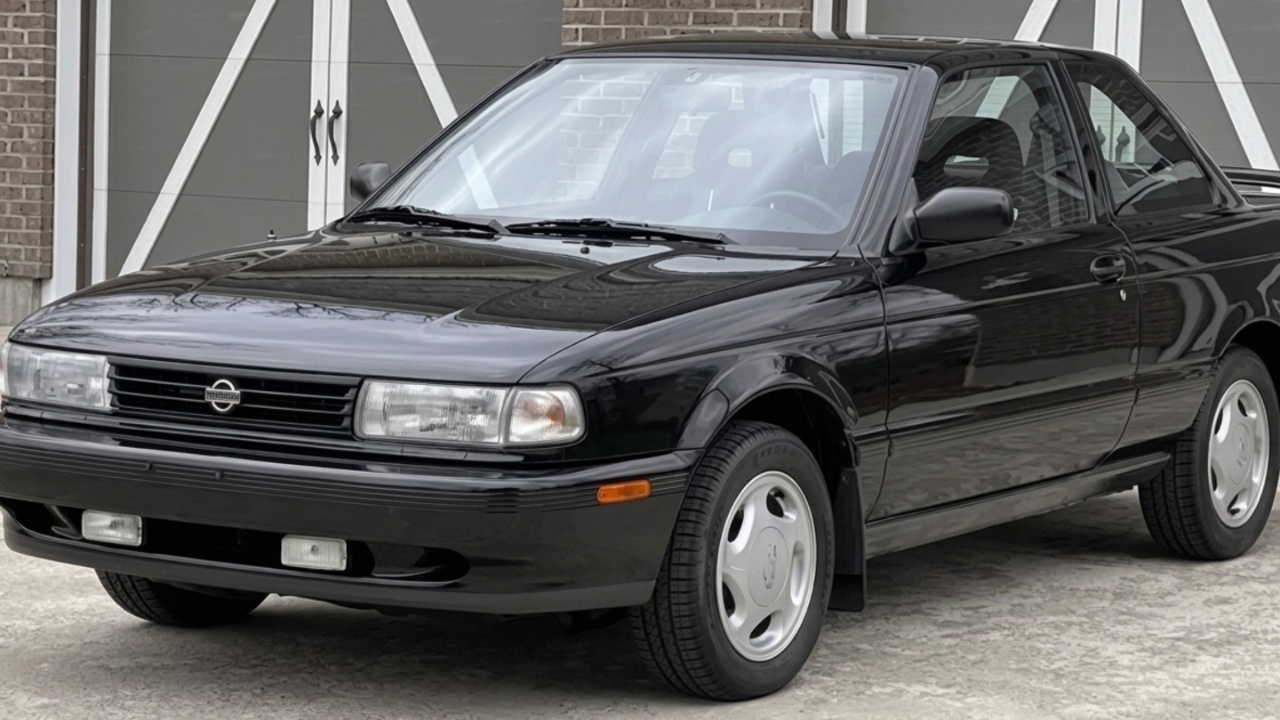
8. Nissan Sentra (B13–B15, 1990s–Early 2000s): Reliable and Simple
The Nissan Sentra from the B13 to B15 generations, spanning the 1990s to the early 2000s, is known for its mechanical simplicity, durability, and low-cost ownership. These cars were designed before the widespread use of complex CVTs and advanced electronics, featuring straightforward engines, conventional manual and automatic transmissions, and minimal computerized systems.
This layout makes repairs easy, even for DIY mechanics, and ensures longevity with basic maintenance such as oil changes, brake servicing, and filter replacements. Parts are plentiful and inexpensive, making these Sentras a practical choice for budget-conscious buyers.
The B13 generation (1991–1995) is lightweight and offered with carbureted or early fuel-injected engines, including the 2.0-liter SR20DE found in SE-R trims. This engine is celebrated for its durability and performance potential, providing surprisingly strong acceleration for a compact car.
The B14 generation (1995–1999) refined the design with smoother lines and slightly improved comfort while keeping the same reliable mechanical foundations. The B15 generation (2000–2006) introduced a stiffer, more refined chassis, better handling, and the 1.8-liter QG18DE engine, making it a practical daily driver that continues to be inexpensive to maintain.
The engine bays of these Sentras are spacious and uncluttered, allowing easy access to spark plugs, belts, and filters. Timing chains on engines such as the GA16DE reduce major maintenance tasks. Manual transmissions are highly durable, and automatic gearboxes are simple and repairable. Electronics are minimal, reducing potential failures and simplifying troubleshooting.
The SE-R variants are particularly popular among enthusiasts. These models combine durability with performance, offering tuning potential for the engine, suspension, and brakes, supported by a strong aftermarket. Common issues across these generations include rust, worn suspension components, and aging power accessories, but these are easy to address and do not compromise the Sentra’s reliability.
B13 to B15 Nissan Sentras provide a reliable, low-cost, and mechanically honest option for used car buyers. Base models serve as efficient and dependable commuters, while SE-R variants offer a durable and tunable performance option. Their combination of simplicity, reliability, and inexpensive maintenance makes these Sentras a strong choice for practical transportation and entry-level project cars.
9. Volkswagen Up! (2011–2023): Reliable and Simple City Car
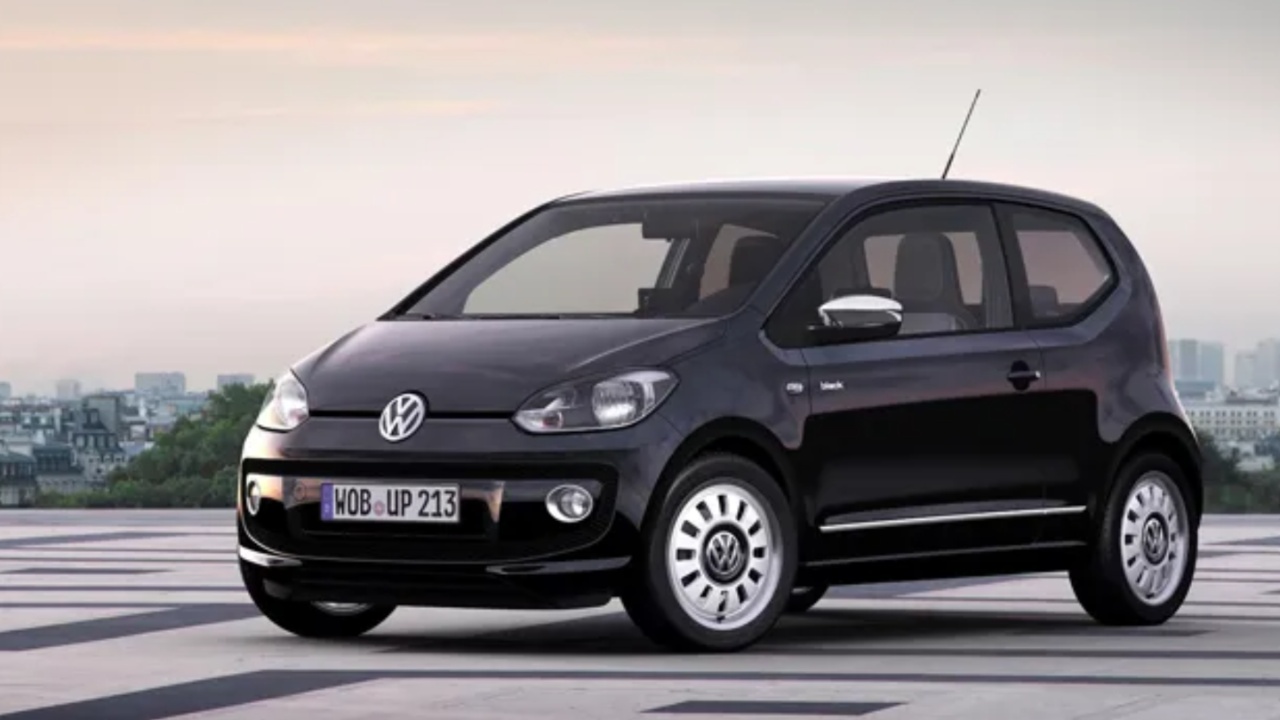
The Volkswagen Up! is a compact city car known for its simplicity, reliability, and efficient design. Produced from 2011 to 2023, it focuses on essential mechanical functionality rather than high-tech features, making it one of the most dependable small cars in its class.
The standard 1.0-litre three-cylinder MPI petrol engine is naturally aspirated, lightweight, and durable. By avoiding turbochargers and complex electronics in most trims, Volkswagen minimized potential failure points, ensuring the engine remains easy and inexpensive to maintain.
The engine bay is uncluttered, allowing easy access for routine servicing like oil changes and filter replacements, with parts that are cheap and widely available.
The Up! uses a simple 5-speed manual or optional automatic transmission that is robust, straightforward, and well-suited for city driving. Its suspension is conventional, tuned for comfort rather than sporty handling, and rear drum brakes reduce maintenance complexity. The chassis is lightweight yet stable, providing a smooth ride in urban environments while maintaining composure on highways.
The interior emphasizes functional design over elaborate electronics. Earlier models used tactile buttons and minimal infotainment, while later versions allowed smartphone integration without introducing complex proprietary systems.
This approach reduces the risk of costly electronic failures and keeps running costs low. Despite being a compact car, the cabin is solidly built with a tidy layout, though seating is limited to four, and boot space is modest.
Fuel efficiency is a key strength, with the standard 1.0-litre engine delivering excellent economy, often exceeding 50 miles per gallon. The higher-output 90PS TSI variant offers more flexible performance while retaining the same mechanical simplicity. Independent mechanics are generally familiar with the Up!, making repairs and routine maintenance affordable.
The Volkswagen Up! is ideal for city dwellers seeking a reliable, low-cost, and easy-to-maintain car. It offers a surprisingly refined ride, intuitive handling, and high-quality build for its segment. Its drawbacks include a 3-star Euro NCAP safety rating, limited boot space, and the requirement for a cambelt replacement every three years or 30,000 miles.
With production ending in 2023, the Up! has become a strong choice in the used market for those who value durability, simplicity, and low running costs over high-tech features or large interior space.
10. Hyundai i10 (1st & 2nd Generations, 2007–2019): Reliable and Practical City Car
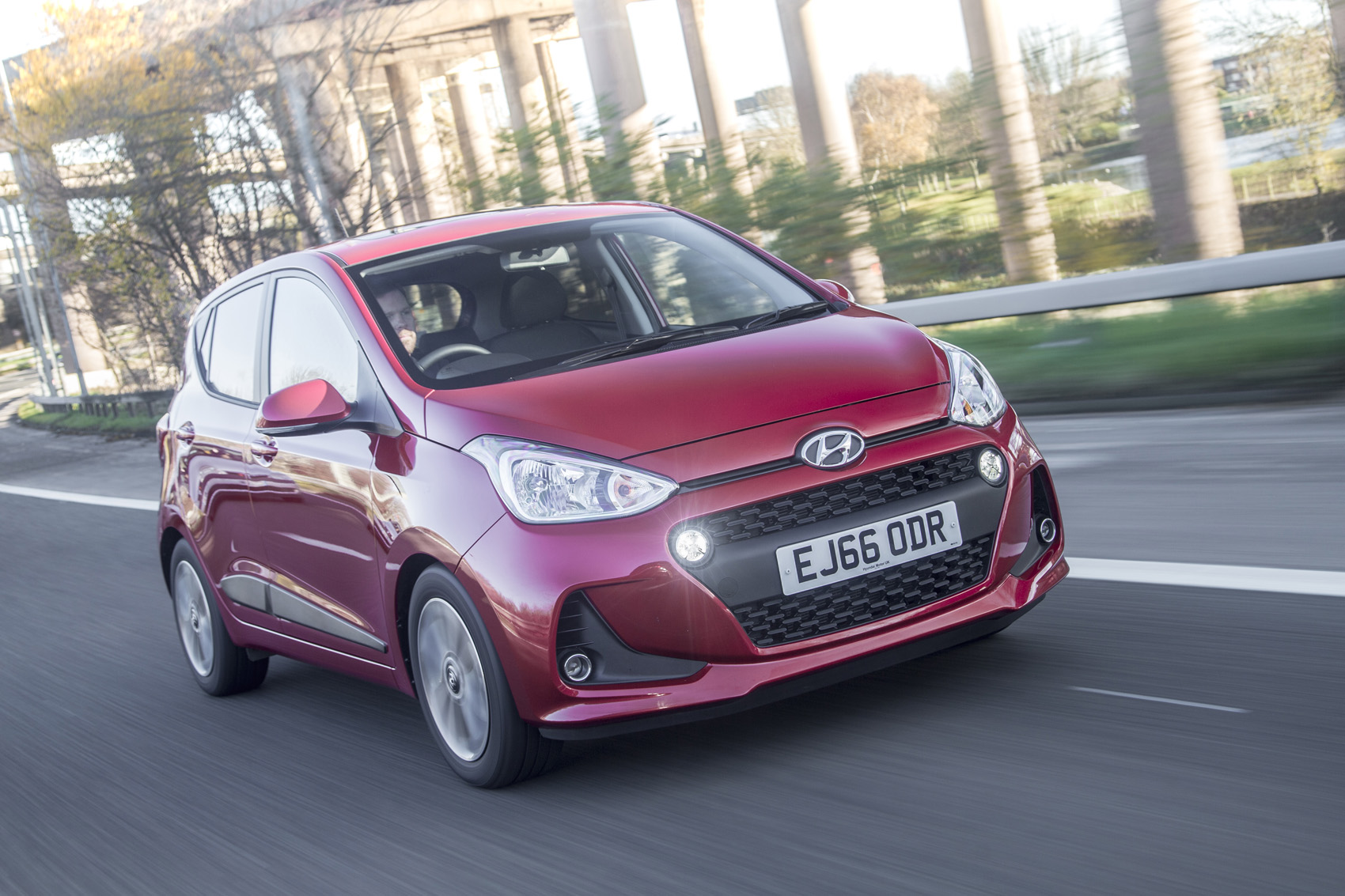
The Hyundai i10 has built a strong reputation as a reliable and practical city car thanks to its simple, durable mechanical design. Produced from 2007 to 2019, it emphasizes straightforward engineering over complex systems, making it ideal for budget-conscious drivers seeking low running costs and hassle-free maintenance.
The first-generation i10 (PA, 2007–2013) replaced the Santro/Atos, offering improved cabin space and functional interiors. It featured naturally aspirated 1.1L and 1.2L petrol engines that were easy to service and robust enough to handle frequent city driving.
Conventional 5-speed manual transmissions or simple automatics complemented the engines, avoiding the repair challenges of modern dual-clutch systems. Its MacPherson strut front and torsion beam rear suspension provided a comfortable ride while being inexpensive and simple to maintain.
The second-generation i10 (BA/IA, 2014–2019) brought a more refined driving experience, often described as a “grown-up” feel in a small package. This generation continued to use naturally aspirated 1.0L 3-cylinder and 1.2L 4-cylinder petrol engines, praised for durability and efficiency.
The cabin quality improved significantly, offering enough space for four adults and a class-leading 252-litre boot. Steering remained light and precise for city maneuvering, yet stable on motorways, enhancing everyday usability. Reliability surveys consistently rated the second-generation i10 very highly, with a 98.6% score, reflecting minimal unexpected mechanical problems when maintenance schedules are followed.
Low running costs are a highlight of both generations. Fuel efficiency ranges from 57 to over 60 miles per gallon, and simple mechanical layouts make repairs affordable at independent garages. While minor issues like premature clutch wear or electrical faults in power steering or ignition switches have been noted, these are rare compared to more complex modern vehicles.
The Hyundai i10 combines practicality, durability, and economical operation, making it a standout in the used city car segment. The first generation offers excellent value for money and maneuverability, while the second generation adds refinement, improved interior space, and enhanced driving comfort.
Both generations provide an honest, straightforward driving experience, making the i10 a dependable choice for city dwellers and commuters looking for a small car that balances reliability, space, and low maintenance costs.
Choosing a used compact car that emphasizes mechanical simplicity provides lasting reliability and low ownership costs. Cars such as the Toyota Corolla, Honda Civic, and Hyundai i10 show that straightforward engineering with naturally aspirated engines, conventional transmissions, and accessible components can provide dependable performance for many years.
These vehicles are easy to maintain, have parts that are readily available, and can be serviced without expensive specialized tools.
From practical city hatchbacks like the Volkswagen Up! and Suzuki Swift to durable sedans such as the Nissan Sentra and Hyundai Elantra, the models on this list demonstrate that simplicity often leads to durability and cost savings.
For used-car buyers, selecting a mechanically simple compact car delivers peace of mind, practicality, and a dependable driving experience without unexpected repair costs. These ten cars represent some of the best options for reliable and economical compact transportation.
Also read: 5 Cars With Simple Oil Change Procedures vs 5 That Are Nightmares