
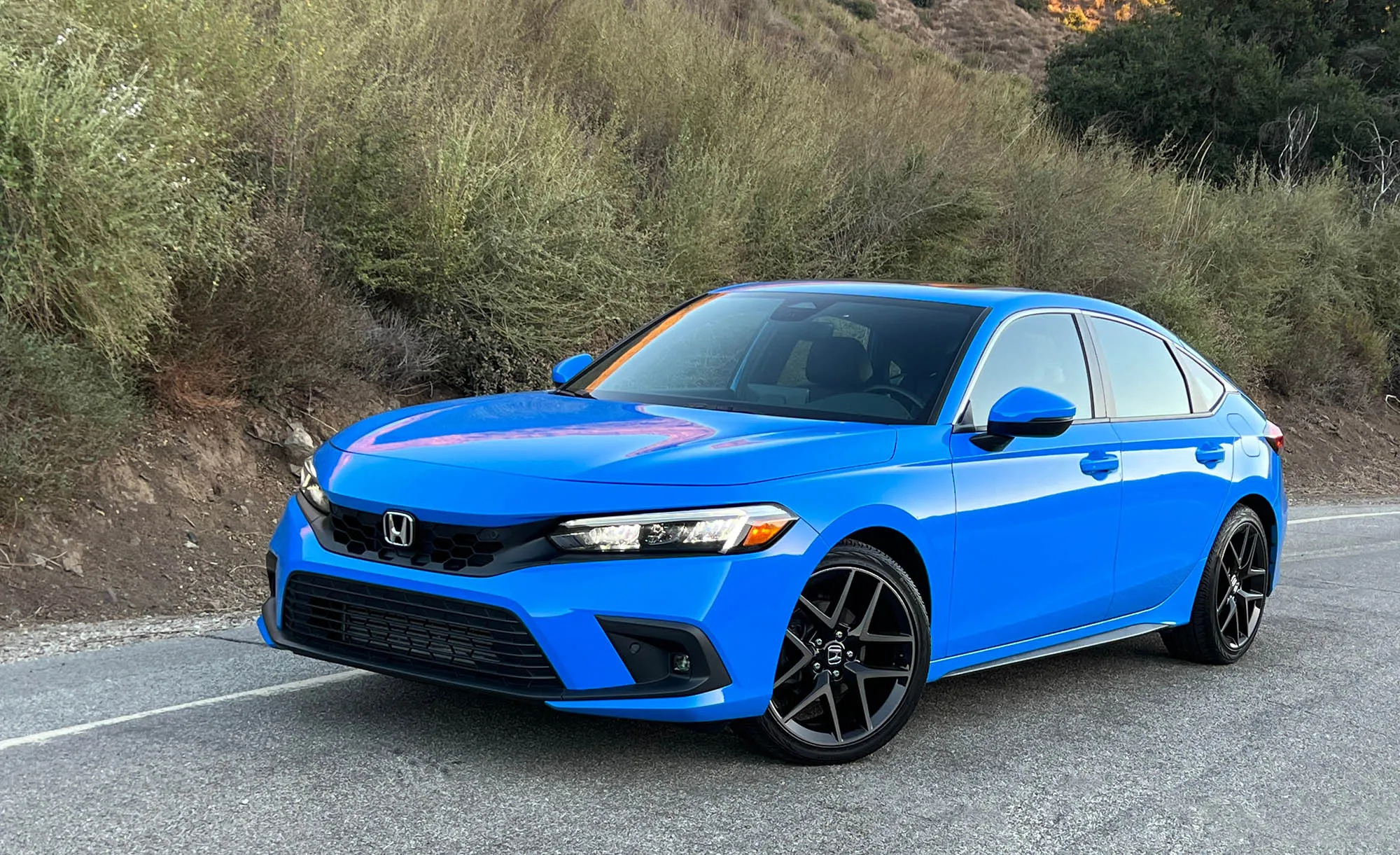
Urban living places unique demands on vehicles, especially for families who need practicality without sacrificing ease of use. Busy streets, tight parking spaces, frequent stops, and short commutes all shape what makes a vehicle truly suitable for city life.
While small SUVs are often marketed as the ideal family solution, hatchbacks quietly deliver a more efficient and practical experience in dense urban environments.
The appeal of small SUVs often comes from their higher driving position and perceived versatility. However, these benefits do not always translate well into everyday city use.
Increased size, heavier weight, and reduced maneuverability can make them less convenient in situations where precision and agility matter most. For families navigating crowded neighborhoods, narrow roads, and limited parking, these drawbacks become noticeable very quickly.
Hatchbacks, on the other hand, are designed with compact efficiency in mind. Their smaller footprint allows them to move through traffic more easily and fit into spaces that would challenge larger vehicles. This becomes especially valuable during peak hours when every inch of road space counts.
Another key advantage lies in practicality. Hatchbacks offer flexible cargo space, easy access to the rear, and efficient use of interior dimensions. For urban families handling groceries, school bags, and occasional larger items, this layout provides convenience without unnecessary bulk.
Fuel efficiency also plays an important role in city driving. Frequent stopping and starting can increase fuel consumption, and hatchbacks typically perform better in these conditions due to their lighter construction and smaller engines. This leads to lower running costs, which is a major consideration for families managing daily expenses.
Comfort and ease of driving are equally important. Hatchbacks tend to offer smoother handling in tight environments, making them less stressful to drive in heavy traffic. Their design encourages better control and quicker responses, which can improve confidence behind the wheel.
Choosing the right vehicle for urban life is not about following trends but about understanding real needs. Hatchbacks provide a balance of efficiency, practicality, and convenience that aligns closely with the realities of city living.
The following reasons highlight why they are often a smarter choice for urban families compared to small SUVs.
Also Read: 8 Tips for Driving Safely Around Large Semi Trucks on the Interstate
1. Easier Maneuverability in Tight City Spaces
One of the most immediate advantages of a hatchback in an urban setting is how effortlessly it handles tight spaces. Cities are filled with narrow streets, congested intersections, and unpredictable traffic patterns. In such conditions, a vehicle that can move quickly and precisely becomes a major asset.
Hatchbacks are typically shorter in length and have a tighter turning radius compared to small SUVs. This allows drivers to navigate sharp corners, U-turns, and crowded lanes with much less effort. Instead of constantly adjusting and correcting, the vehicle responds more naturally to steering inputs.
Parking is another area where this advantage becomes clear. Finding a spot in the city is often challenging, and even when you do, the space may be limited. A hatchback can fit into smaller gaps that a small SUV might have to pass up. This reduces the time spent searching for parking and minimizes frustration during busy hours.
Parallel parking, in particular, becomes far less stressful. The compact size of a hatchback allows for easier alignment and fewer adjustments. Drivers can position the vehicle more accurately without worrying about overhang or limited visibility at the rear.
Traffic flow also benefits from this maneuverability. When lanes are tight and vehicles are closely packed, a hatchback can adapt quickly. It becomes easier to change lanes, avoid obstacles, and maintain a steady pace without feeling restricted by the vehicle’s size.
This agility contributes to a more relaxed driving experience. Instead of constantly being aware of the vehicle’s dimensions, drivers can focus on the road and surrounding traffic. This reduces mental fatigue, especially during long commutes or peak traffic conditions.
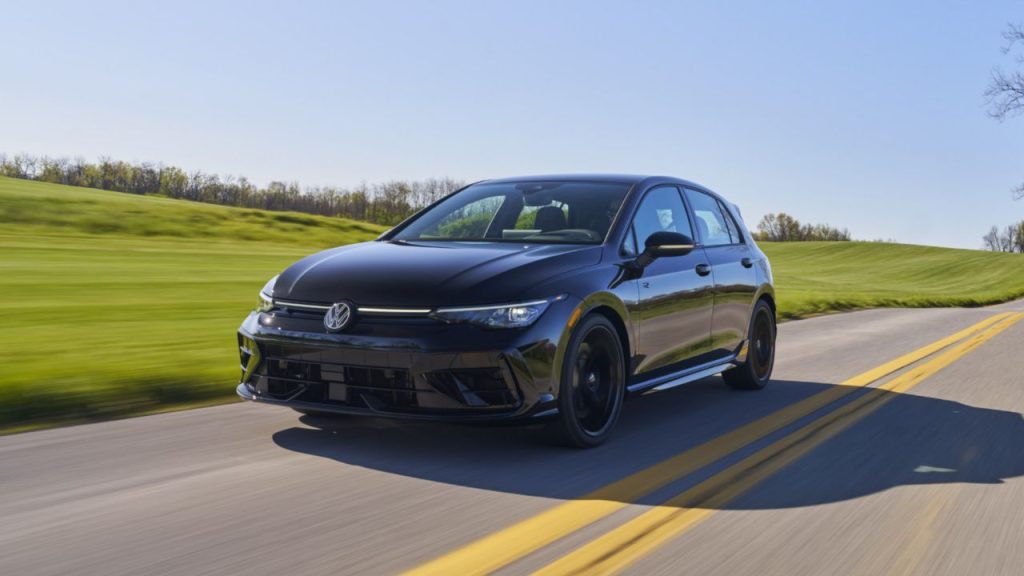
Another subtle benefit is improved control in unexpected situations. Whether it is avoiding a sudden obstacle or adjusting to changing traffic patterns, a hatchback’s responsiveness provides an added layer of confidence.
For urban families, where daily driving often involves a mix of errands, school runs, and work commutes, this ease of maneuverability makes a significant difference. It turns challenging city conditions into manageable routines, allowing drivers to move efficiently without unnecessary stress.
2. Better Fuel Efficiency for Stop-and-Go Traffic
City driving is defined by constant stopping and starting. Traffic lights, congestion, and short trips all contribute to conditions that can quickly increase fuel consumption. In this environment, hatchbacks hold a clear advantage over small SUVs due to their lighter weight and more efficient powertrains.
A hatchback requires less energy to move, which directly reduces fuel usage. Every time the vehicle accelerates from a stop, it consumes fuel, and lighter vehicles need less of it to get moving. Over the course of daily driving, this difference becomes significant.
Small SUVs, while not excessively large, still carry more weight and often have larger engines. This combination leads to higher fuel consumption, particularly in urban conditions where efficiency matters most. The extra power they offer is rarely needed in city driving, making it an unnecessary trade-off.
Hatchbacks are designed with efficiency as a priority. Their engines are tuned to deliver consistent performance without excessive fuel use. This makes them well-suited for short trips, frequent stops, and low-speed driving, which are common in urban areas.
Another factor is idling. In heavy traffic, vehicles spend a lot of time stationary with the engine running. Hatchbacks typically consume less fuel during these periods, which contributes to better overall efficiency. Some models also include features that reduce fuel usage during idle conditions, further enhancing savings.
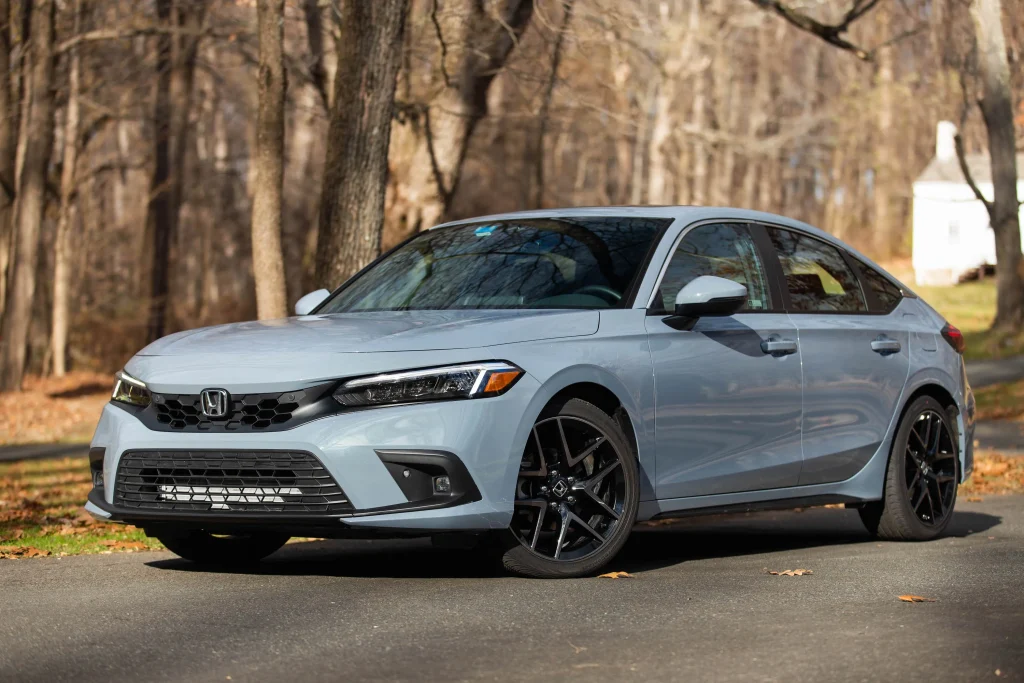
Lower fuel consumption translates into reduced running costs. For families managing daily expenses, this can make a noticeable difference over time. Fewer trips to the fuel station also add convenience, saving both time and effort.
Environmental impact is another consideration. Using less fuel means producing fewer emissions, which is particularly important in cities where air quality can be a concern. Choosing a more efficient vehicle contributes to a cleaner and healthier environment.
The benefits of fuel efficiency extend beyond financial savings. It also changes how you approach daily driving. With a hatchback, there is less concern about fuel consumption during short trips or frequent errands, making it a more practical choice for urban life.
By aligning with the demands of stop-and-go traffic, hatchbacks provide a level of efficiency that small SUVs struggle to match. This makes them a smarter option for families who spend most of their time navigating city streets.
3. Easier Parking in Crowded Urban Areas
Finding parking in a busy city can feel like a daily challenge, and this is where hatchbacks quietly outperform small SUVs in a very practical way. It is not just about fitting into a space, it is about how easily and confidently you can complete the entire parking process without stress or repeated adjustments.
A hatchback’s compact dimensions allow it to slip into tighter parking spots that would be difficult for a small SUV to use. In many urban areas, parking spaces are not designed with larger vehicles in mind.
This creates a constant struggle for SUV drivers who may have to circle around multiple times before finding a suitable spot. Hatchback drivers, on the other hand, often have more options available.
The shorter length of a hatchback makes a big difference when parallel parking. Instead of worrying about the front or rear extending beyond the space, the vehicle fits more naturally within the boundaries. This reduces the number of corrections needed and allows for quicker, more precise positioning.
Visibility also plays a role here. Hatchbacks typically have a more upright rear design and shorter overhangs, which makes it easier to judge distances. Drivers can better understand how close they are to other vehicles or obstacles, reducing the risk of minor bumps or scratches.
In multi-level parking structures, the benefits become even more noticeable. Tight ramps, narrow lanes, and compact spaces can make maneuvering a larger vehicle frustrating. A hatchback moves through these environments with less effort, allowing for smoother entry and exit.
Time savings are another advantage that is often overlooked. Spending less time searching for parking and completing difficult maneuvers adds up over days and weeks. For families juggling multiple responsibilities, this convenience can make daily routines more manageable.
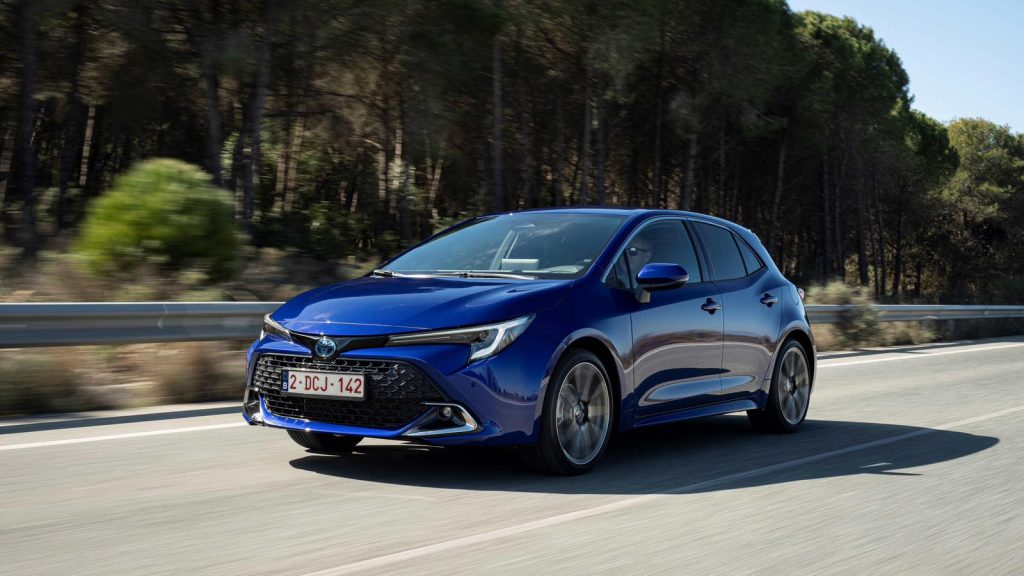
There is also a psychological aspect to consider. Knowing that your vehicle can fit into smaller spaces reduces anxiety when entering crowded areas. You are less likely to avoid certain locations simply because parking might be difficult.
For urban families, where parking is a constant part of daily life, this ease of use becomes a significant benefit. A hatchback simplifies one of the most common challenges of city driving, making it a more practical and stress-free choice compared to a small SUV.
4. More Practical Cargo Access for Everyday Needs
Urban family life involves constant movement of items such as groceries, school bags, small furniture, and everyday essentials. A hatchback is designed to handle these tasks with a level of practicality that small SUVs often fail to match in real-world conditions.
The rear hatch design is the key advantage here. Instead of a traditional trunk opening, hatchbacks provide a wide and accessible entry point to the cargo area. This makes loading and unloading items quicker and more convenient, especially when dealing with bulky or irregularly shaped objects.
Height plays an important role as well. Hatchbacks generally have a lower loading height compared to small SUVs. This means you do not have to lift items as high when placing them inside the vehicle. Over time, this reduces physical strain and makes routine tasks feel easier.
The shape of the cargo area is usually more usable. Hatchbacks tend to offer a flatter floor and a more open layout, which allows items to be arranged efficiently. There are fewer awkward angles or restricted spaces, making it easier to maximize the available room.
Folding rear seats further enhance flexibility. When additional space is needed, the seats can be lowered quickly to create a larger cargo area. This adaptability allows the vehicle to handle both passenger and cargo needs without requiring a complete rearrangement.
Access in tight spaces is another advantage. In crowded parking areas, opening a large SUV tailgate can be difficult due to limited clearance. Hatchbacks require less space to operate, making it easier to access the cargo area even when parked in confined spots.
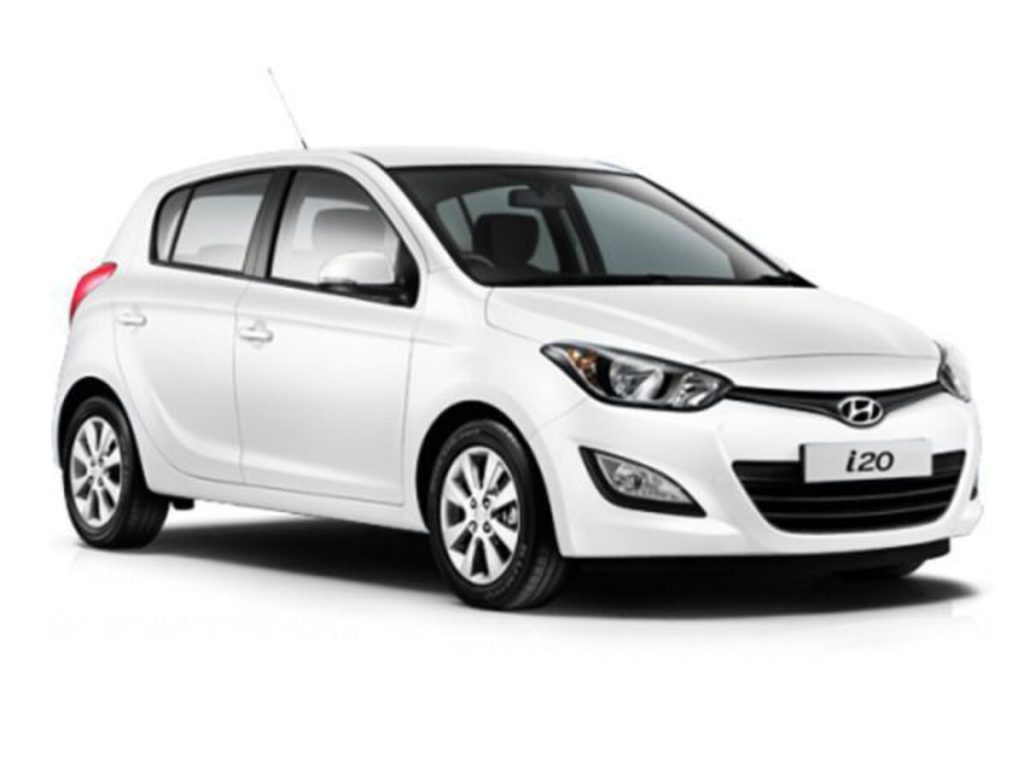
For families, this convenience becomes part of daily life. Whether it is loading groceries after a long day or quickly grabbing school items in the morning, the ease of access saves time and effort. It reduces the small inconveniences that can add up throughout the day.
The practicality extends to organization as well. With a well-designed cargo area, it becomes easier to keep items neatly arranged and within reach. This helps maintain order and prevents clutter from building up.
By focusing on real-world usability, hatchbacks provide a cargo solution that fits naturally into urban routines. They make everyday tasks simpler and more efficient, offering a level of convenience that small SUVs often struggle to deliver in similar conditions.
5. Lower Running and Maintenance Costs for Urban Families
When choosing a vehicle for city life, long-term affordability becomes just as important as the purchase price. Hatchbacks tend to deliver clear advantages in this area, making them a more sensible option for families managing daily expenses and recurring costs.
Fuel savings are only one part of the equation. Hatchbacks are generally lighter and mechanically simpler than small SUVs, which reduces the strain on key components.
This often results in lower maintenance requirements over time. Parts such as brakes, tires, and suspension components typically last longer because the vehicle places less demand on them during everyday driving.
Service costs also tend to be lower. Hatchbacks usually have smaller engines and less complex systems, which can make routine maintenance more affordable.
Oil changes, filter replacements, and general servicing often require fewer resources compared to larger vehicles. Over months and years, these smaller savings begin to add up in a meaningful way.
Tire replacement is another area where hatchbacks hold an advantage. Smaller wheels and lighter weight mean less wear, which extends tire life. Replacement costs are also generally lower, making it easier to maintain the vehicle without stretching your budget.
Insurance can sometimes be more favorable as well. Vehicles that are smaller, easier to handle, and less expensive to repair often fall into lower insurance categories. While this varies depending on multiple factors, hatchbacks frequently benefit from this trend.
Urban driving conditions also play a role in maintenance. Constant stopping, starting, and navigating tight streets can accelerate wear in heavier vehicles. Hatchbacks handle these conditions more efficiently, reducing stress on the engine and drivetrain.
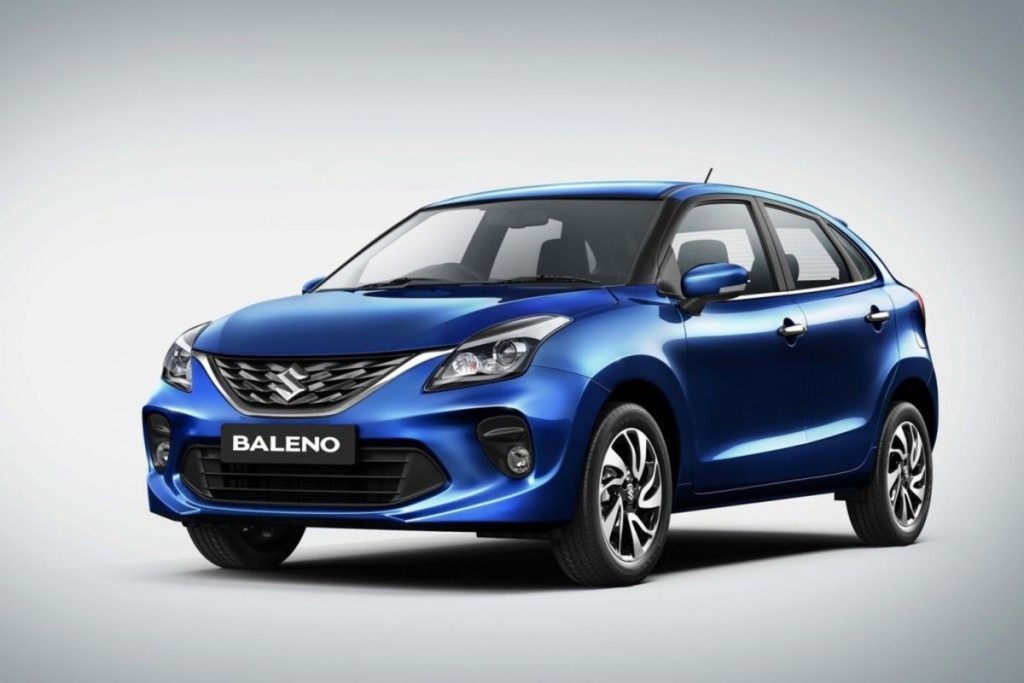
Another benefit is predictability. With simpler systems and lower operating demands, hatchbacks often provide a more consistent ownership experience. Unexpected repair costs are less frequent, which helps families plan their finances with greater confidence.
Affordability is not just about spending less, it is about maintaining control over ongoing expenses. Hatchbacks align well with this goal by offering a balance of efficiency, durability, and cost-effectiveness.
For urban families who rely on their vehicle every day, these savings translate into real advantages. A hatchback supports both mobility and financial stability, making it a practical choice in environments where efficiency matters.
6. Better Visibility and Driving Confidence in City Traffic
City driving requires constant awareness. Pedestrians, cyclists, traffic signals, and closely spaced vehicles all demand attention at the same time. In this environment, visibility becomes one of the most important factors in choosing the right vehicle.
Hatchbacks are designed in a way that naturally improves visibility. Their compact size, upright seating position, and large windows provide a clear view of the surroundings. Drivers can easily judge distances and stay aware of nearby movement, which is essential in busy urban areas.
The shorter front and rear sections of a hatchback make it easier to understand the vehicle’s boundaries. This helps when navigating tight spaces, making turns, or parking in confined areas. Drivers feel more in control because they can accurately predict how the vehicle will move.
Small SUVs may offer a slightly higher seating position, but that advantage is often offset by thicker pillars and larger blind spots. Hatchbacks typically provide a more balanced view, allowing drivers to see more of what is happening around them without relying heavily on sensors or cameras.
Confidence behind the wheel increases when visibility is clear. Drivers are less likely to hesitate or second-guess their decisions, which leads to smoother and more efficient driving. This is particularly important in fast-moving traffic where quick reactions are required.
Night driving also benefits from better visibility. Clear sightlines and well-proportioned design help drivers maintain awareness even in low-light conditions. This adds an extra layer of safety and comfort during evening commutes.
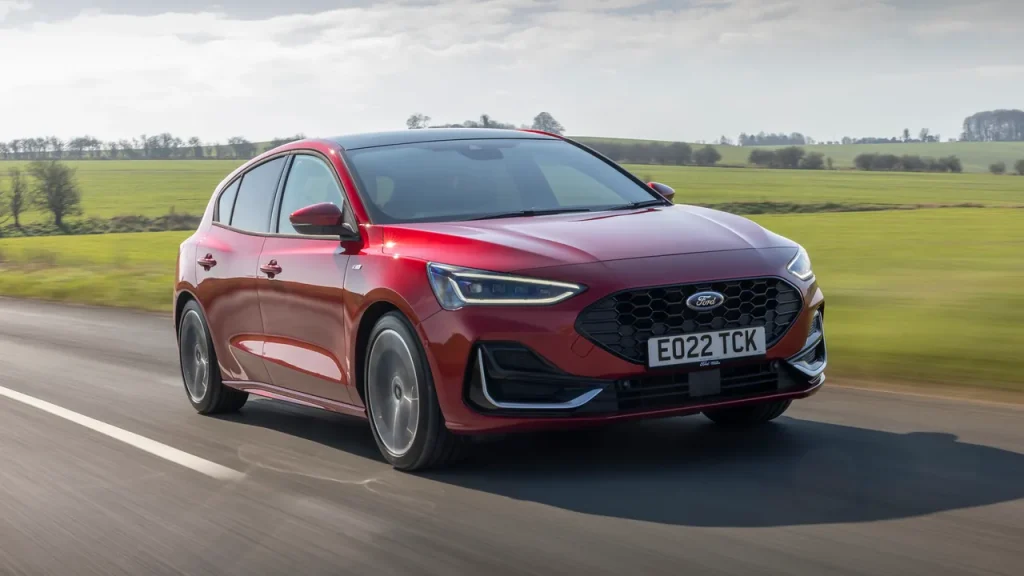
Another advantage is reduced mental strain. When you can see clearly in all directions, you do not have to constantly adjust your position or rely on guesswork. This makes driving less tiring, especially during long or repetitive trips through the city.
For families, this confidence extends beyond the driver. Passengers feel more secure when the vehicle moves smoothly and predictably through traffic. It creates a calmer environment, which is important during daily routines.
By offering better visibility and control, hatchbacks make urban driving more manageable and less stressful. They allow drivers to focus on the road with clarity and confidence, turning complex traffic situations into something far easier to handle.
7. Lighter Driving Feel That Reduces Daily Fatigue
Driving in a city is rarely a relaxing activity. It involves constant braking, accelerating, steering corrections, and attention to unpredictable situations. Over time, this can become tiring, especially for families who rely on their vehicle multiple times a day.
Hatchbacks help reduce this fatigue by offering a lighter and more responsive driving feel that fits naturally into urban conditions.
The first thing drivers notice is how easy the vehicle feels to control. Hatchbacks are built with lower weight and compact proportions, which means they respond quickly to steering inputs.
You do not need to put in extra effort to guide the vehicle through traffic or around corners. This responsiveness reduces the physical strain associated with driving in crowded environments.
Steering effort is typically lower compared to small SUVs. In situations such as navigating narrow streets or making repeated turns, this difference becomes very noticeable. Instead of wrestling with the wheel, drivers can make smooth and precise movements with minimal effort.
Frequent stopping and starting is another major source of fatigue in city driving. Hatchbacks handle these transitions more smoothly due to their lighter build.
Acceleration feels controlled rather than forced, and braking requires less input. This creates a rhythm that is easier to maintain, reducing the constant strain of adjusting to traffic flow.
The driving position also contributes to comfort. Hatchbacks are designed to keep the driver in a natural posture, which helps reduce strain on the back and shoulders. Over longer periods, this makes a significant difference, especially for those who spend hours behind the wheel each week.
Another important factor is how the vehicle reacts to tight situations. Whether it is squeezing through a narrow lane or adjusting quickly to avoid an obstacle, a hatchback responds without hesitation. This reduces the mental load on the driver, as the vehicle feels predictable and cooperative rather than demanding.
Noise and vibration levels also play a role in fatigue. Hatchbacks, being lighter and often tuned for urban use, tend to produce less harsh feedback from the road. This creates a calmer environment inside the cabin, which helps maintain focus and reduces stress during longer drives.
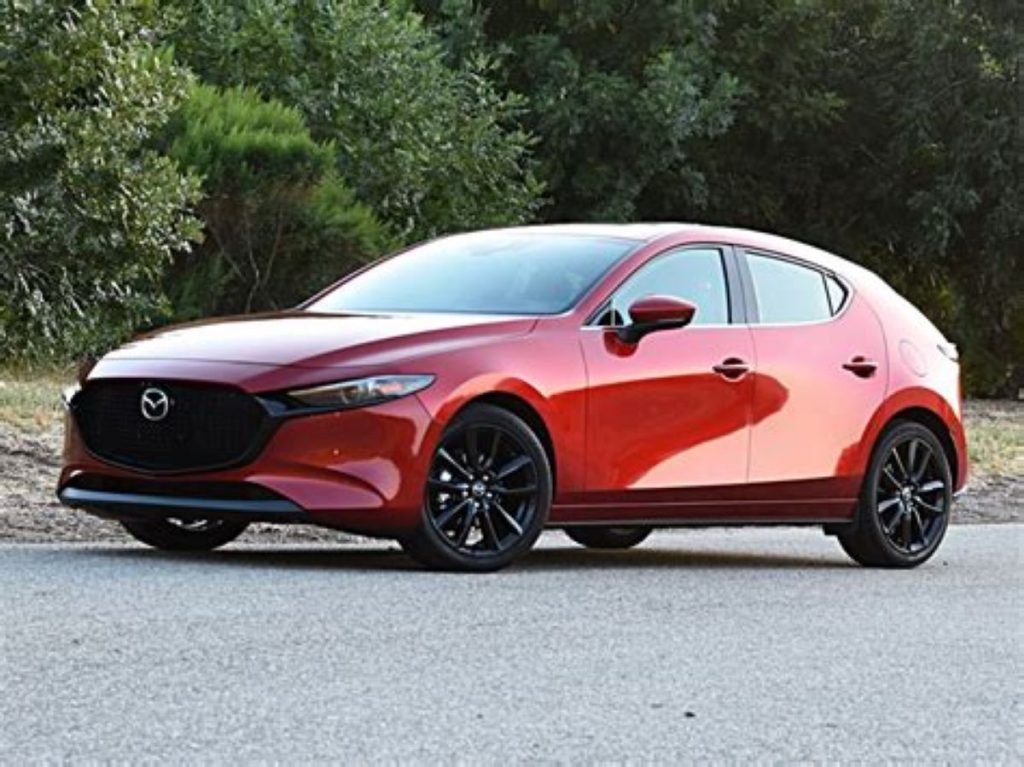
The cumulative effect of these factors is a driving experience that feels less exhausting. Instead of ending a trip feeling drained, drivers remain more relaxed and attentive. This is particularly important for families managing multiple trips throughout the day, from school runs to errands and work commutes.
By offering a lighter, more responsive, and less demanding driving experience, hatchbacks make city life easier to handle. They reduce both physical and mental fatigue, allowing drivers to stay comfortable and in control throughout their daily routines.
8. Better Adaptability to Changing Urban Lifestyles
Urban lifestyles are constantly evolving. Families often need a vehicle that can adjust to different situations without requiring major compromises. Hatchbacks are well-suited to this kind of flexibility, offering a level of adaptability that fits naturally into changing daily routines.
One of the key strengths of a hatchback is its ability to handle a wide range of tasks without feeling specialized. It works just as well for short commutes as it does for weekend errands or occasional longer trips. This versatility allows families to rely on a single vehicle for multiple purposes.
Space management plays a central role in this adaptability. While hatchbacks are compact on the outside, they make efficient use of interior space.
This means they can accommodate passengers comfortably while still providing enough room for everyday items. When additional space is needed, the rear seats can be adjusted or folded to create a larger cargo area.
This flexibility is particularly useful in urban environments where needs can change quickly. One day the vehicle may be used for transporting family members, and the next day it may need to carry groceries, luggage, or other items. A hatchback handles these transitions without requiring complex adjustments.
Another advantage is how well hatchbacks integrate into different parts of city life. Whether it is navigating busy commercial areas, residential neighborhoods, or tight parking zones, the vehicle adapts without difficulty. This consistency makes it easier to plan daily activities without worrying about limitations.
Cost adaptability is also important. As financial priorities shift, having a vehicle with lower running costs provides more freedom. Hatchbacks support this by keeping expenses manageable, allowing families to allocate resources to other needs.
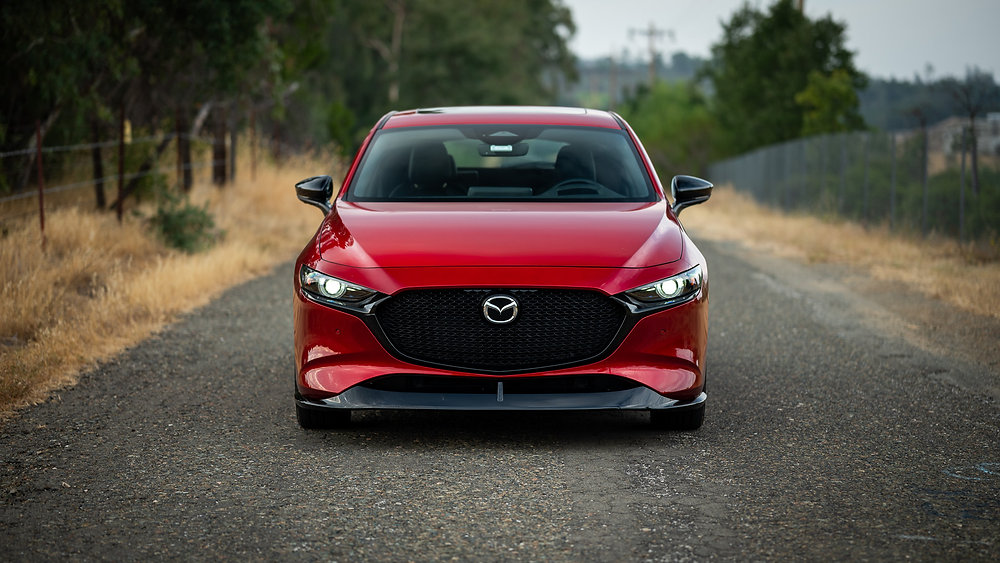
Technology and features in modern hatchbacks are also designed to support changing lifestyles. From connectivity options to practical storage solutions, these elements enhance usability and make the vehicle more relevant over time. They help the car remain useful even as routines evolve.
Another aspect of adaptability is ease of ownership. Hatchbacks are generally simpler to maintain and manage, which reduces the burden on the owner. This makes them a reliable choice for families who want a vehicle that fits into their life without adding complexity.
Urban living often requires quick decisions and flexible planning. A hatchback supports this by being ready for different situations without hesitation. It does not impose limitations or require constant adjustments, making it a dependable partner for everyday life.
By offering a balance of space, efficiency, and flexibility, hatchbacks align closely with the dynamic nature of urban environments. They provide a practical solution that continues to meet changing needs, making them a strong choice for families navigating city life.
Hatchbacks suit urban families by offering compact size, easy maneuverability, better fuel efficiency, and practical cargo access. They simplify parking, reduce driving fatigue, and lower ownership costs. Their adaptable design fits changing daily needs, making them more convenient and efficient for city living than small SUVs.
Also Read: 8 Features Seniors Love in Modern Cars That Manufacturers Are Removing
