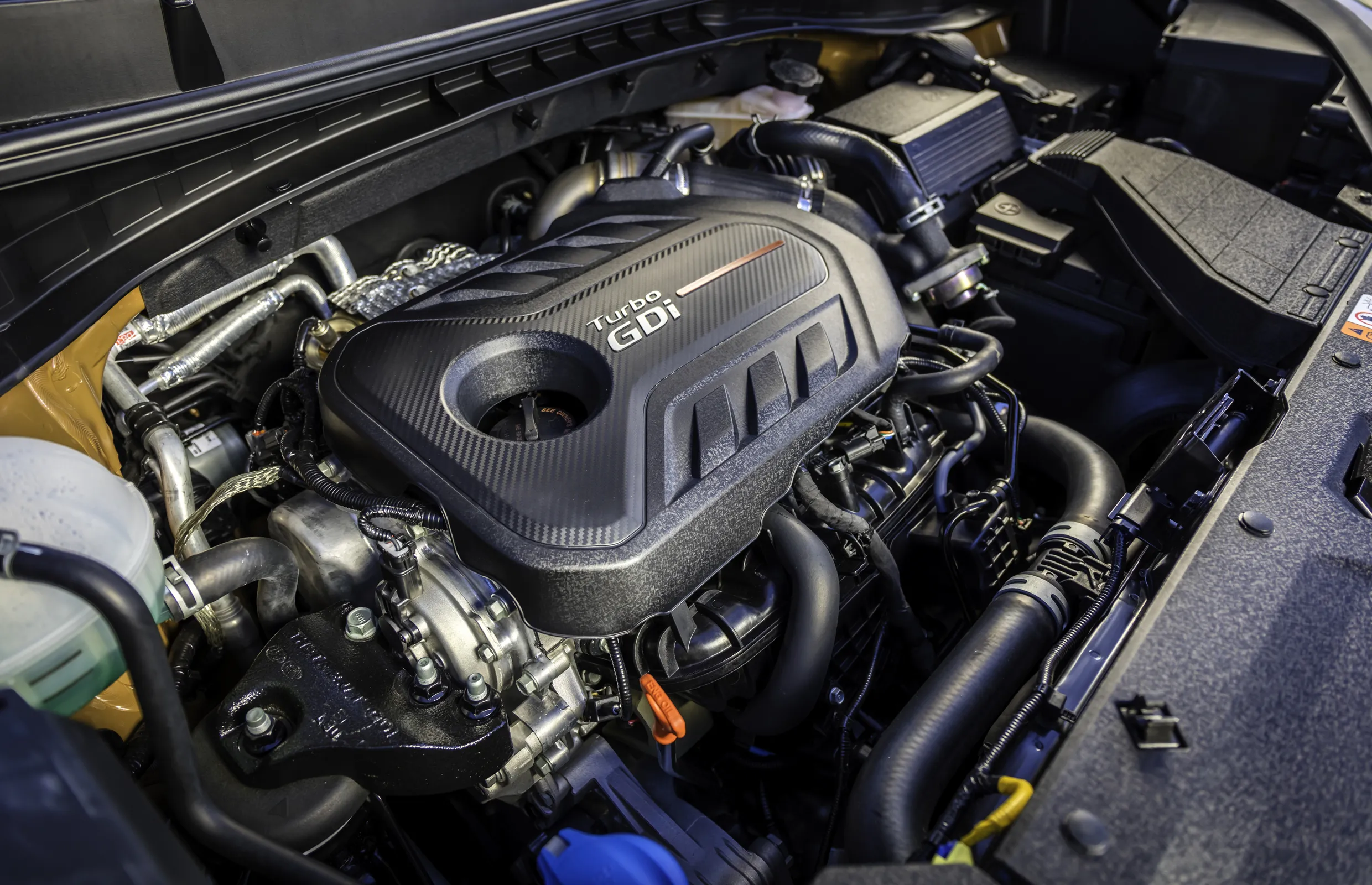
Gasoline Direct Injection (GDI) engines are celebrated for their fuel efficiency and enhanced performance, but these benefits come with a hidden cost for vehicle owners. Unlike traditional port-injection engines, GDI systems inject fuel directly into the combustion chamber, creating unique engineering challenges that increase maintenance complexity.
From intake valve carbon buildup to high-pressure fuel pump failures, GDI engines expose critical components to extreme heat, pressure, and contamination, accelerating wear and making repairs more costly. The compact design and tightly packed engine bays further complicate access, requiring specialized tools, advanced diagnostics, and labor-intensive procedures.
While these engines deliver impressive power and efficiency, they demand careful maintenance, premium components, and higher-quality fuel, all of which add up to substantial repair expenses over the life of the vehicle. Understanding the key areas where costs accumulate is essential for GDI owners to plan for long-term maintenance and avoid unexpected financial burdens.
1. Intake Valve Carbon Buildup in GDI Engines
Gasoline Direct Injection (GDI) engines offer efficiency and performance advantages but come with a notable maintenance challenge: intake valve carbon buildup. Unlike traditional port injection engines, where fuel sprays onto the intake valves to clean away oil and contaminants, GDI engines inject fuel directly into the combustion chamber.
This design bypasses the valves, leaving them unwashed and exposed to oil vapors from the crankcase ventilation system. Over time, these vapors bake onto the hot valves, forming thick carbon deposits.
This accumulation has several negative effects. Carbon deposits restrict airflow, causing engine hesitations, rough idling, misfires, reduced fuel economy, and even triggering “check engine” lights. Left unchecked, the buildup can lead to overheating and potential damage to critical engine components, further increasing repair costs.
Maintenance of GDI engines is more complex and expensive due to this issue. Specialized decarbonizing procedures, such as walnut shell blasting or induction cleaning, are often required every 20,000 to 30,000 miles to remove hardened deposits. The problem is exacerbated by incomplete combustion, short trips, and excessive idling, which accelerate carbon formation.
Intake valve carbon buildup is an unavoidable structural consequence of GDI design. While GDI engines deliver improved fuel efficiency and power, owners must be prepared for regular, costly maintenance to prevent performance loss and engine damage. Awareness and timely intervention are essential to managing this persistent issue and protecting the longevity of the engine.
2. Specialized Cleaning Procedures for GDI Engines
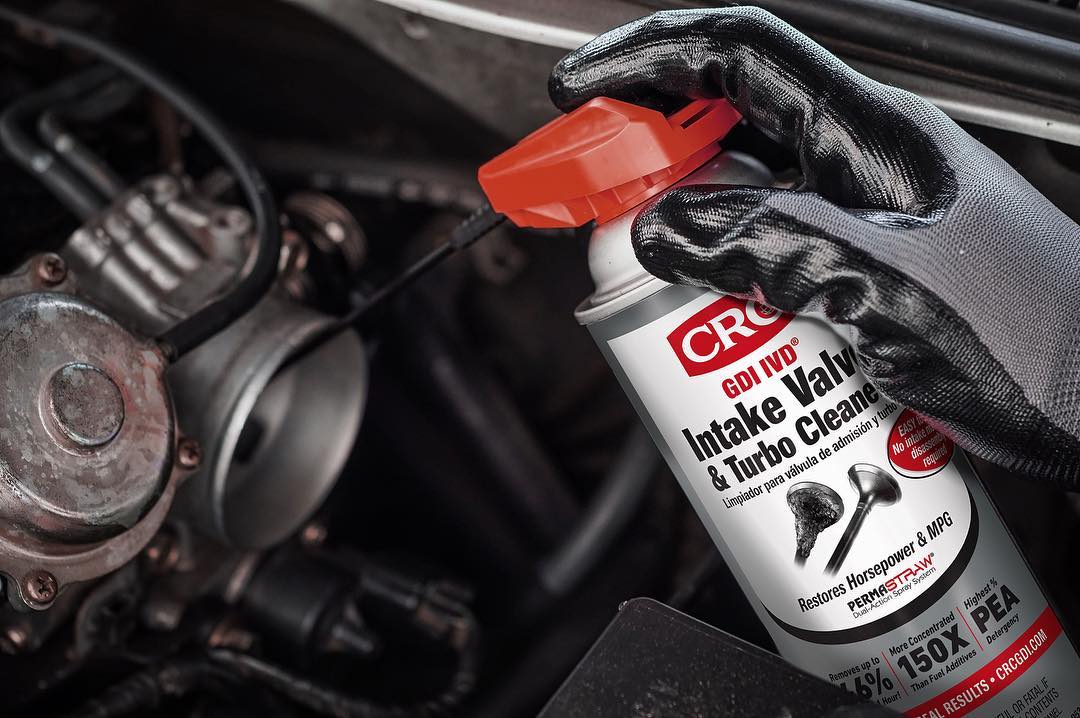
Gasoline Direct Injection (GDI) engines require costly maintenance due to severe intake valve carbon buildup. Unlike older port-injection systems, GDI sprays fuel directly into the combustion chamber, bypassing the intake valves and leaving them vulnerable to deposits. Over time, oil vapors and combustion residues bake onto the valves, forming hard carbon that standard fuel additives cannot remove.
To restore engine performance, mechanics must perform specialized cleaning procedures such as walnut blasting. This labor-intensive process involves removing the intake manifold and blasting crushed walnut shells at the valves to scrub off deposits. It requires specialized equipment, hours of skilled labor, and replacement gaskets, with costs ranging from $400 to $1,200 depending on severity.
These procedures are essential because hardened carbon restricts airflow, causing misfires, power loss, and reduced fuel efficiency. Unlike a simple $20 fuel additive for older engines, GDI engines demand regular, high-cost mechanical cleaning to maintain performance and prevent long-term damage.
3. High-Pressure Fuel Pump (HPFP) Failure in Direct Injection Engines
Gasoline Direct Injection (GDI) engines use high-pressure fuel pumps (HPFPs) to deliver fuel at pressures between 2,000 and 5,000 PSI for precise atomization. Unlike traditional low-pressure pumps, HPFPs are complex and high-precision components that are often camshaft-driven.
This makes them prone to wear and mechanical failure. When an HPFP fails, it can leak fuel into the engine oil, seize completely, or release metal particles called swarf into the fuel system. These particles can damage injectors, fuel rails, and sometimes the fuel tank, resulting in system-wide contamination and repair costs that can exceed $10,000 for high-end gasoline or diesel vehicles.
Replacing a failed HPFP requires specialized labor. Technicians must safely depressurize the fuel system, clean contaminated components, and properly program or synchronize the new pump. While the pump alone can cost between $500 and $1,000, the total cost of replacing all affected components and performing necessary cleaning can range from $9,000 to $11,000.
HPFPs operate under extreme stress and depend on fuel for lubrication and cooling. Fuels with high ethanol content provide poor lubrication, and running the vehicle with a low fuel tank can cause the pump to overheat and fail prematurely. Low fuel pressure from a failing pump also increases carbon buildup on intake valves, reducing engine performance and adding maintenance costs.
The HPFP is a critical component in GDI engines. Its failure is rarely isolated and can trigger extensive damage throughout the fuel system. Proper fuel quality and maintaining adequate fuel levels are essential to extending the pump’s lifespan and avoiding costly repairs.
4. Expensive Injector Components in GDI Engines
Fuel injectors in Gasoline Direct Injection (GDI) engines are highly advanced components that operate directly inside the combustion chamber. Unlike traditional port injectors, which are located in the cooler intake manifold, GDI injectors face extreme heat and pressure while delivering fuel multiple times per combustion stroke.
They are made from specialized materials such as DLC (Diamond-Like Carbon) coated nozzles, needles, and plungers, and use precise electronic solenoids, making them significantly more expensive to produce.
These injectors operate within extremely tight tolerances, sometimes as precise as one micron. Achieving this level of accuracy requires advanced manufacturing techniques and thorough quality control. GDI systems also use two fuel pumps, a conventional lift pump and a high-pressure mechanical pump, to deliver fuel directly to the cylinder, which adds additional complexity and cost.
When a single injector fails, replacement often requires matched sets, further increasing expenses. Costs for replacing GDI injectors can range from several hundred to several thousand dollars, depending on the vehicle and labor required.
GDI injectors are vulnerable to carbon buildup, fuel contamination, and high temperatures, which can cause premature failure. Repairing or replacing them often requires specialized tools and labor-intensive procedures. These factors make injector components one of the main contributors to high repair costs for GDI engines.
5. Fuel Quality Sensitivity in GDI Engines
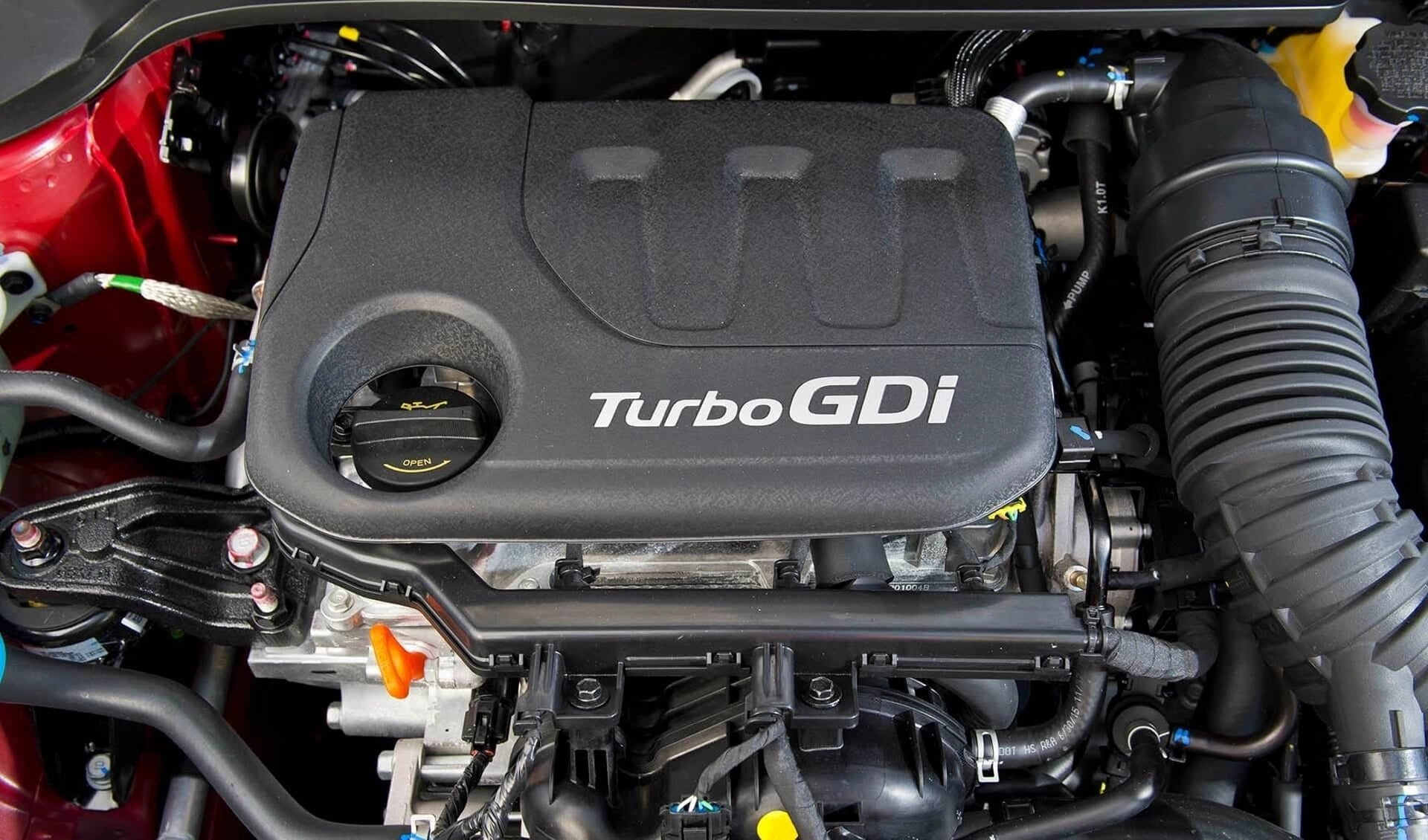
Gasoline Direct Injection (GDI) engines are highly sensitive to the quality of fuel they consume. Unlike traditional port-injection engines, where fuel is sprayed at low pressure into the intake manifold, GDI systems inject fuel directly into the combustion chamber at pressures exceeding 2,000 PSI.
This design relies on precision-engineered injectors with microscopic nozzle holes to create a fine fuel mist. Even minor impurities or low-quality gasoline can quickly clog these injectors, disrupting spray patterns and reducing engine performance.
Using lower-grade fuel can cause rapid carbon buildup on injector tips, leading to misfires, reduced power, and in severe cases, complete injector failure. Because these injectors are located deep within the cylinder head, accessing and replacing them requires significant labor, making repairs expensive.
To prevent fouling, most manufacturers recommend using “Top Tier” detergent gasoline, which contains additives designed to slow deposit formation. Owners who consistently use cheaper fuel are often forced into frequent professional fuel system flushes, which add to the cost of vehicle maintenance.
This sensitivity creates a high-maintenance requirement for GDI engines. While the technology provides improved fuel efficiency and performance, it demands strict adherence to fuel quality. Owners must either invest in higher-quality gasoline or risk rapid wear and costly repairs.
Essentially, the direct injection system trades tolerance for efficiency and power. Skimping on fuel quality can lead to long-term mechanical issues, turning small savings at the pump into major expenses at the repair shop. Fuel quality management has become a central factor in controlling maintenance costs and preserving the performance and longevity of GDI engines.
Also read: 5 Reasons Why Buying a Car From a Private Seller Is Riskier in 2026
6. Timing Chain Stress in GDI Engines
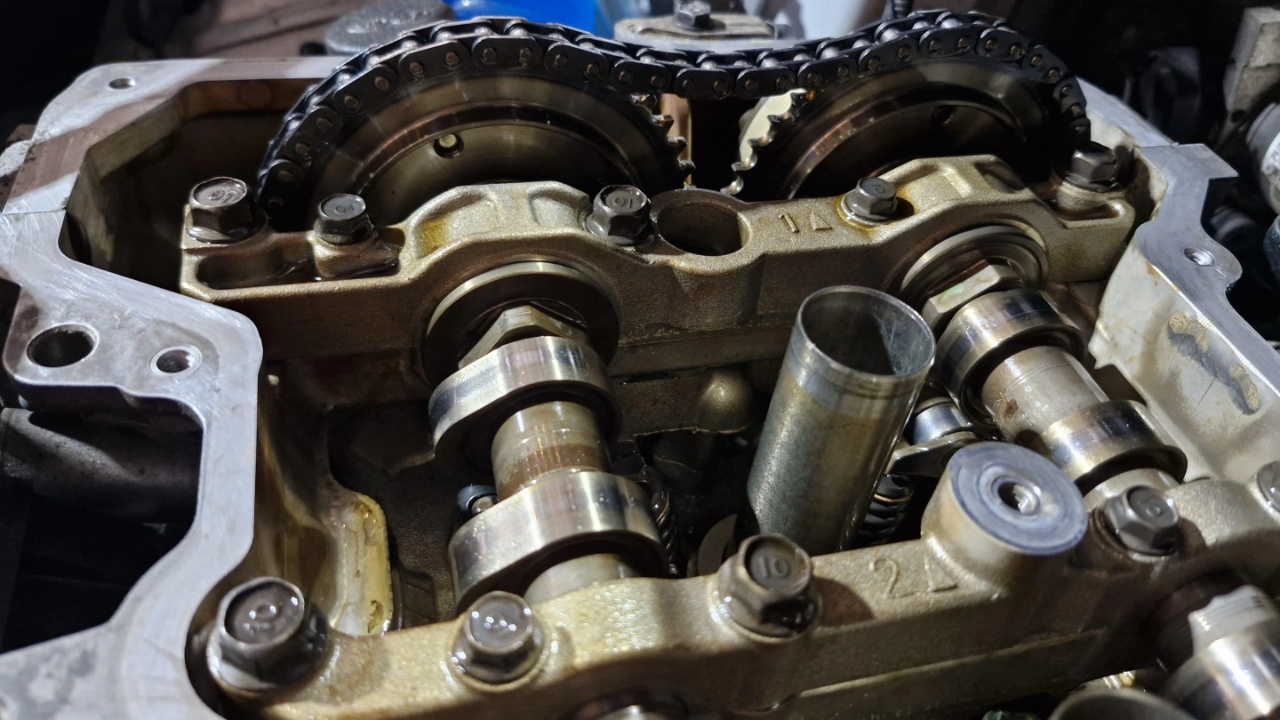
Gasoline Direct Injection (GDI) engines place unique stresses on the timing chain due to their design and operation. Unlike older port-injection engines, GDI systems use a high-pressure fuel pump (HPFP) that is typically driven by the camshaft.
This adds a constant mechanical load to the timing chain, increasing tension and accelerating wear. Over time, the chain can stretch, and if it jumps a tooth or breaks, it can cause catastrophic engine damage, including bent valves and piston failure, with repair costs often reaching several thousand dollars.
Several factors contribute to timing chain stress in GDI engines. First, GDI engines produce significantly more soot during combustion. This fine, abrasive soot passes by the piston rings and mixes with engine oil, forming an abrasive paste that accelerates wear on the chain links. As the pins in the chain wear, the chain stretches, disrupting engine timing.
Second, the HPFP requires the engine to generate high torque to maintain fuel pressure, sometimes exceeding 500 bar. This constant load accelerates fatigue on the timing chain and its components, including cam followers and tensioners.
Third, oil dilution from fuel during cold starts reduces viscosity, diminishing lubrication and increasing wear. Additionally, GDI engines are prone to low-speed pre-ignition (LSPI), where violent combustion pressure spikes place extreme stress on the chain and tensioners.
Timing chain repair is labor-intensive because the components are deeply embedded in the engine, often requiring partial or full engine disassembly. Stretching or failure can necessitate a complete overhaul, making this a high-cost and recurring maintenance issue.
GDI engine owners face significantly higher expenses compared to traditional engines due to these compounded stresses and the critical role of the timing chain in engine performance and reliability.
7. Oil Dilution Issues in GDI Engines
Gasoline Direct Injection (GDI) engines are prone to oil dilution, a condition where unburned fuel washes past the piston rings into the engine oil during cold starts. This occurs because the fuel is injected at high pressure directly into the cylinder, and when the engine is cold, some fuel condenses on the cylinder walls.
The diluted oil becomes thinner, losing its ability to properly lubricate critical components such as bearings, pistons, and turbochargers. This accelerates engine wear and can significantly shorten the lifespan of the engine if not addressed.
Oil dilution forces GDI owners to follow stricter and more frequent oil change intervals, typically using high-quality synthetic oils. Short-trip driving habits exacerbate the problem, as the engine does not reach sufficient temperature to evaporate the excess fuel. Diluted oil also contributes to carbon buildup on intake valves, which further reduces airflow and efficiency, often requiring costly professional cleaning services.
The consequences of oil dilution extend beyond maintenance costs. Thinned oil cannot maintain a protective lubrication film, leading to metal-on-metal contact and premature component failure.
Attempts to address the issue with software updates or recalls may only partially correct the symptoms, leaving engines vulnerable to long-term damage. Severe oil dilution can eventually cause catastrophic engine failure, resulting in repair costs that may exceed the value of the vehicle.
Manufacturers often classify frequent short trips as “severe service,” requiring adherence to tighter maintenance schedules. Failure to follow these guidelines can void warranties and further increase costs.
GDI technology, while improving fuel efficiency and performance, introduces a hidden maintenance challenge that demands careful attention to fuel quality, oil type, and service intervals to prevent significant engine damage and high repair bills.
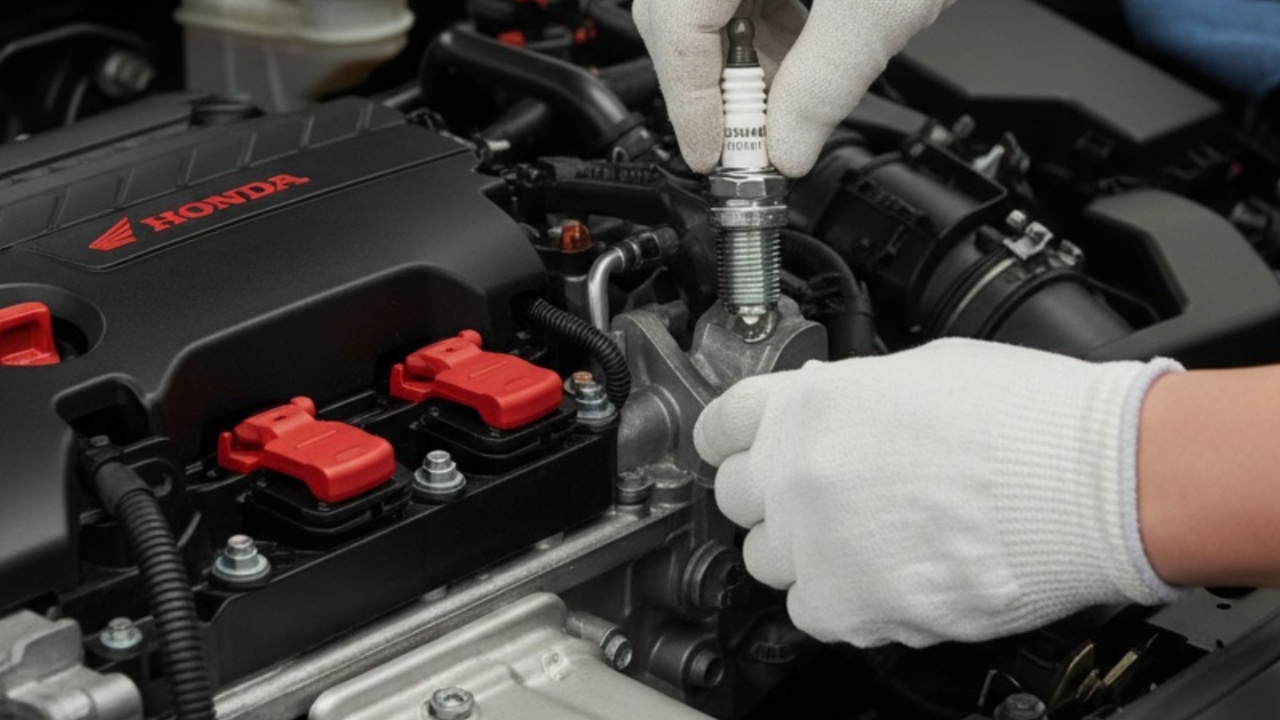
8. Demanding Spark Plug Maintenance in GDI Engines
Gasoline Direct Injection (GDI) engines create a harsh combustion environment that significantly shortens spark plug life. Unlike older port-injection engines, where spark plugs can last up to 100,000 miles, GDI spark plugs typically require replacement every 40,000 to 60,000 miles.
The high-pressure fuel spray, intense heat cycles, and lean air-fuel mixtures accelerate electrode erosion and degradation, making frequent maintenance essential to prevent misfires and maintain performance.
GDI engines are also prone to carbon buildup on spark plug electrodes. Frequent cold starts, short trips, and incomplete combustion increase fouling, which can cause weak ignition, reduced fuel efficiency, and poor acceleration. To withstand these conditions, GDI vehicles require premium spark plugs made from iridium or platinum.
These materials are more expensive than standard copper or nickel alloys, further increasing maintenance costs. Using the wrong type of plug can lead to poor engine performance or even damage to ignition coils, catalytic converters, and other critical components.
Higher replacement frequency, harsh operating conditions, and the need for specialized materials combine to make spark plug maintenance a key driver of GDI repair costs. Neglecting proper replacement schedules can result in catastrophic engine failures, including dropped valves or severe misfires, which require costly repairs.
Owners must follow manufacturer recommendations closely and use only the specified high-performance spark plugs to ensure longevity and prevent expensive engine damage.
9. Complex Diagnostics in GDI Engines
Gasoline Direct Injection (GDI) engines require far more advanced diagnostic procedures than older port-injection systems, making troubleshooting both time-consuming and expensive.
Unlike traditional engines, where a mechanic could inspect a fuel rail and observe injector spray patterns directly, GDI injectors are buried deep within the cylinder head and operate under extremely high fuel pressures. This creates a hazardous environment that demands specialized tools and techniques for safe and accurate inspection.
Technicians must rely on advanced digital oscilloscopes, high-pressure fuel system analyzers, and specialized diagnostic software to monitor injector performance and engine behavior. These systems generate large amounts of sensor data, and because standardized diagnostic signatures for common failures are limited, technicians often depend on time-intensive, experience-based interpretation to identify issues.
Even minor problems, such as slight carbon buildup or small vacuum leaks, can cause drivability issues that are difficult to pinpoint, further increasing labor hours.
Additionally, many service shops lack the specialized equipment necessary for GDI diagnostics, requiring owners to seek higher-cost, certified facilities. System accessibility is another factor driving up costs, as components are deeply integrated within the engine, preventing simple visual inspections or manual testing.
The combination of advanced technology, high-pressure operation, deep component placement, and narrow diagnostic margins significantly increases both labor time and repair costs for GDI engines. Even relatively minor issues can result in substantial diagnostic fees, making maintenance and troubleshooting more expensive and complex than in older port-injection vehicles.
10. Increased Labor Hours in GDI Engine Repairs
Gasoline Direct Injection (GDI) engines prioritize efficiency and compact design over ease of repair, which significantly increases labor requirements. Key components, such as high-pressure fuel injectors, the high-pressure fuel pump (HPFP), and fuel rails, are often buried beneath complex intake manifolds, cooling lines, and wiring harnesses.
Even a minor component failure, like a $200 sensor, may require several hours of disassembly to access, resulting in labor costs that can easily surpass the cost of the part itself.
One of the most labor-intensive aspects of GDI maintenance is carbon buildup on intake valves. Unlike port-injection engines, where fuel sprays over the valves to keep them clean, GDI engines allow carbon to accumulate, requiring extensive manual cleaning.
Effective removal typically involves intake manifold disassembly and walnut shell blasting, a specialized procedure that can take several hours for a four-cylinder engine and even longer for larger engines. In some extreme cases, partial or full engine removal may be necessary to access the valves.
High-pressure fuel systems also add to labor demands. GDI systems operate at pressures over 3,000 PSI, making component removal and replacement delicate and time-consuming.
Specialized tools are often required, and new injectors frequently need programming or coding for the vehicle’s computer. Diagnosing fuel system issues, such as misfires or rough idling, requires advanced diagnostic tools and expertise, further extending repair time.
Preventative maintenance adds additional labor hours, as GDI engines require periodic decarbonization or chemical cleaning every 30,000 to 60,000 miles, a service less frequently needed in conventional engines. The combination of tight packaging, high-pressure components, carbon buildup, and advanced diagnostics makes labor a major factor in the high cost of GDI engine repairs.
Direct injection technology offers undeniable performance and efficiency advantages, but it introduces a range of maintenance challenges that drive repair costs higher than conventional engines. Carbon buildup, high-pressure systems, fuel sensitivity, and labor-intensive access combine to make even routine services more expensive.
Owners must adhere to strict maintenance schedules, use high-quality fuel and oil, and rely on skilled technicians equipped with specialized tools. While GDI engines reward careful attention with improved fuel economy and power, the trade-off is a higher long-term cost of ownership.
Being aware of these ten major cost drivers allows car owners to make informed choices, plan for preventative maintenance, and reduce the risk of unexpected repairs, ensuring their direct injection engines remain reliable and efficient for years to come.
Also read: 10 Reasons to Select a Hatchback Over a Small Compact SUV