
Sun exposure is one of the most underestimated forces acting on a car’s interior. While most drivers focus on engine reliability or exterior durability, the cabin quietly absorbs years of ultraviolet radiation, heat cycling, and oxidation. The result is familiar: faded seats, brittle trims, discolored stitching, and materials that no longer resemble their original finish.
But not all interior fabrics degrade at the same rate. Advances in material science have introduced a category of textiles specifically engineered to withstand prolonged UV exposure without losing structural integrity or color fidelity.
These materials are now widely used not only in premium vehicles, but also in aftermarket upgrades and commercial applications where longevity is critical.
This editorial examines 15 such fabrics and materials, analyzing why they resist fading and how they perform under real-world conditions.
1. Marine-Grade Vinyl (PVC)
Marine-grade vinyl (PVC) is one of the most durable and UV-resistant materials used in automotive interiors, particularly in regions exposed to prolonged, intense sunlight.
Originally developed for marine environments where surfaces face constant UV radiation, moisture, and temperature fluctuations, this material has proven equally effective inside vehicles that endure harsh solar conditions year-round.
At its core, marine-grade vinyl is a synthetic fabric composed of polyvinyl chloride (PVC) layered over a polyester or fabric backing. What distinguishes it from standard vinyl is the addition of UV stabilizers and protective topcoats.
These enhancements significantly slow down the process of photodegradation, which is the primary cause of fading, discoloration, and brittleness in lower-quality materials. As a result, marine-grade vinyl maintains its original color and texture even after years of exposure to direct sunlight.
Another key advantage is its resistance to heat buildup. While many interior fabrics tend to absorb and retain heat, high-quality PVC formulations are engineered to reflect a portion of solar radiation.
This helps reduce surface temperature to some extent, making it more practical for seats, dashboards, and door panels in hot climates. Additionally, its non-porous surface prevents moisture absorption, which eliminates issues like mold, mildew, or odor retention, especially in humid environments.
2. Solution-Dyed Acrylic
Solution-dyed acrylic is widely regarded as one of the most fade-resistant materials available for automotive interiors exposed to prolonged sunlight. Unlike conventional fabrics that are dyed after the fibers are produced, this material is colored during the manufacturing process itself.
Pigments are added directly into the polymer solution before the fibers are formed, ensuring that color permeates the entire fiber rather than sitting on the surface. This structural difference is what gives solution-dyed acrylic its exceptional resistance to UV-induced fading.
Because the color is embedded at the molecular level, prolonged exposure to sunlight does not break down the dye in the same way it does with piece-dyed or surface-treated fabrics.
Even after years of intense UV radiation, the material retains its original vibrancy with minimal discoloration. This makes it particularly suitable for vehicle interiors in regions with high solar exposure, where conventional upholstery fabrics often lose their color and visual consistency over time.
In addition to its colorfastness, solution-dyed acrylic offers strong resistance to environmental stressors such as heat, humidity, and airborne pollutants. The fibers are inherently stable and do not degrade easily under fluctuating temperatures, reducing the risk of cracking, stiffening, or fiber breakdown. This contributes to long-term durability, especially in vehicles that are frequently parked outdoors.
3. UV-Treated Polyester
UV-treated polyester is a practical and widely used interior fabric designed to address one of the most common issues in sun-exposed vehicles: gradual fading and fiber degradation.
Standard polyester already offers decent durability, but without modification, it can still lose color and structural integrity after prolonged exposure to ultraviolet radiation. UV-treated variants are engineered specifically to counter this limitation, making them a reliable choice for interiors that must withstand years of intense sunlight.
The key distinction lies in the addition of UV inhibitors and stabilizing agents during or after fiber production. These chemical treatments act as a protective barrier, absorbing or deflecting harmful UV rays before they can break down the polymer chains or fade the dyes.
As a result, UV-treated polyester maintains its color consistency far longer than untreated alternatives. While it may not match the extreme colorfastness of solution-dyed materials, it offers a strong balance between performance and cost.
In terms of durability, polyester is inherently resistant to stretching, shrinking, and abrasion. The UV treatment further enhances its lifespan by reducing the risk of brittleness and surface wear caused by constant sun exposure. This makes it suitable for high-contact areas such as seat covers, door inserts, and headliners, where both physical wear and sunlight are ongoing concerns.
4. Olefin (Polypropylene)
Olefin, also known as polypropylene, is a highly practical interior fabric engineered for environments where prolonged sun exposure is unavoidable. Its defining characteristic is inherent colorfastness, achieved through a solution-dyeing process in which pigments are integrated directly into the polymer before fiber formation.
This means the color is embedded throughout the fiber rather than applied to the surface, significantly reducing the risk of fading even under sustained ultraviolet exposure.
From a chemical standpoint, polypropylene has a non-polar structure that makes it exceptionally resistant to moisture, chemicals, and environmental contaminants. It does not readily absorb water, which prevents issues such as mold, mildew, and odor retention.
This property is particularly relevant for vehicles in humid or high-temperature climates, where interior materials are exposed to both heat and moisture cycles. The same structure also contributes to its resistance against staining, as most liquids remain on the surface rather than penetrating the fibers.
5. Polyurethane (PU) Leather
Polyurethane (PU) leather is a synthetic upholstery material designed to replicate the appearance of genuine leather while offering improved resistance to sunlight-induced fading.
It consists of a fabric base, typically polyester or cotton, coated with a layer of polyurethane that is engineered for flexibility, durability, and surface protection. In automotive interiors, PU leather is widely used as a cost-effective alternative to natural leather, particularly in vehicles exposed to strong, sustained UV radiation.
One of its primary advantages is controlled UV resistance. High-quality PU leather is manufactured with UV stabilizers and protective topcoats that help slow down photodegradation.
These additives reduce the breakdown of pigments and surface coatings when exposed to sunlight, allowing the material to retain its color and finish for longer periods compared to untreated synthetic or lower-grade leather alternatives.
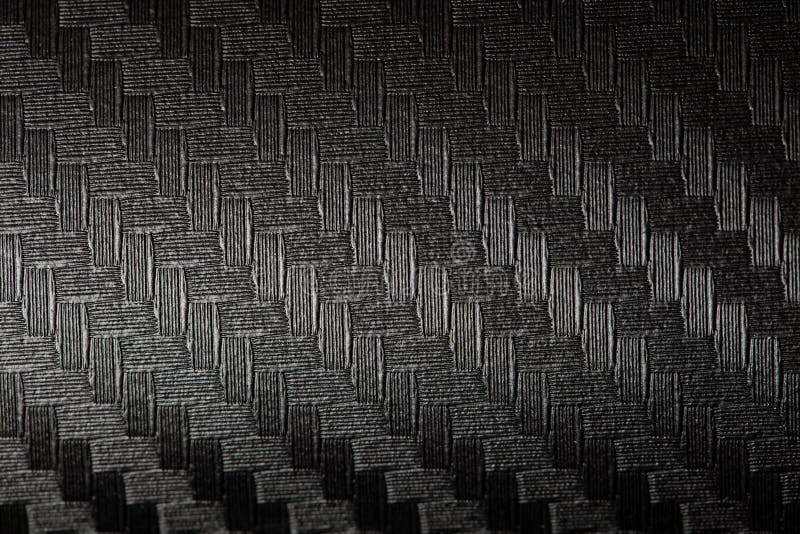
6. Carbon-Fiber Textured Vinyl
Carbon-fiber textured vinyl is a specialized synthetic material designed to combine visual appeal with enhanced resistance to environmental wear, including prolonged sun exposure.
Unlike structural carbon fiber, this material is typically a PVC-based vinyl that has been embossed or printed with a carbon-fiber weave pattern, then finished with protective coatings. In automotive interiors, it is commonly used for trim surfaces, seat accents, and dashboard elements where both durability and aesthetics are important.
Its performance in high-UV environments is largely due to engineered surface treatments. Quality carbon-fiber textured vinyl incorporates UV inhibitors and clear protective layers that reduce photodegradation, helping the material retain its color and pattern over time. The textured finish itself also plays a minor functional role, as it diffuses light slightly, making any gradual fading less visually apparent compared to smooth, glossy surfaces.
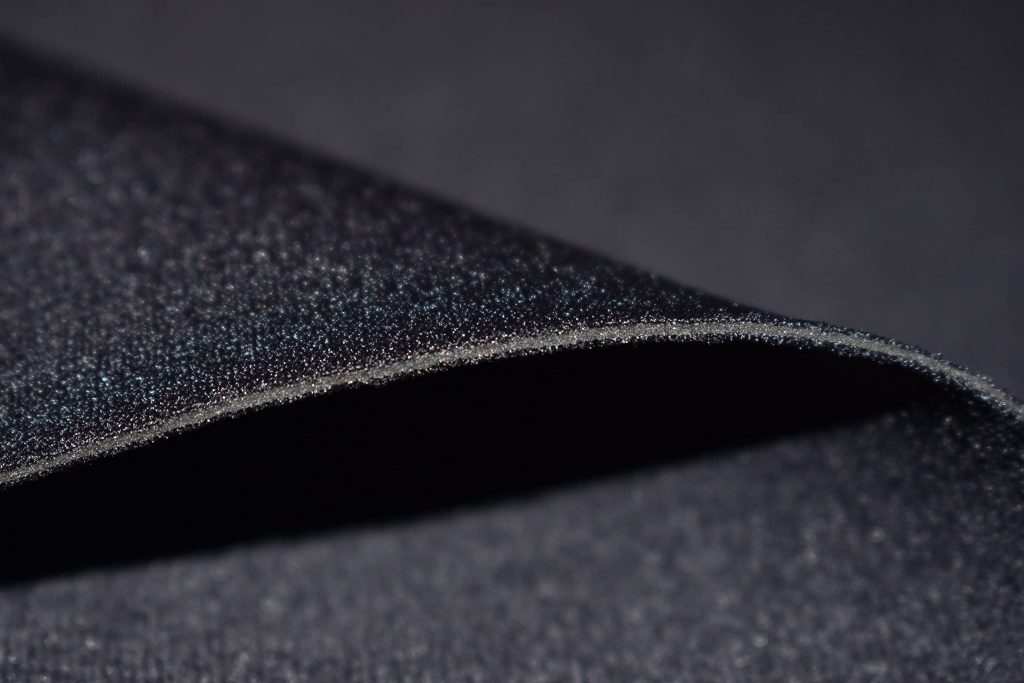
7. Neoprene
Neoprene is a synthetic rubber material, chemically known as polychloroprene, that is widely used in applications requiring resistance to heat, moisture, and environmental stress.
In automotive interiors, it is most commonly found in seat covers and protective upholstery, particularly in vehicles exposed to intense sunlight and fluctuating weather conditions. Its performance characteristics make it a viable option for maintaining appearance and structural integrity over extended periods of UV exposure.
One of neoprene’s key strengths is its inherent resistance to environmental degradation. While it is not completely immune to ultraviolet radiation, it performs better than many untreated fabrics due to its dense, rubber-based composition.
Higher-quality neoprene products often incorporate UV stabilizers that further slow down fading and surface breakdown, helping the material retain its color and flexibility over time. This makes it suitable for vehicles regularly parked outdoors in high-sun regions.
8. Cordura Fabric
Cordura fabric is a high-performance textile engineered for extreme durability, making it a practical option for automotive interiors exposed to sustained sunlight and heavy use. Developed as a variant of nylon, Cordura is constructed using high-tenacity fibers that are specifically designed to resist abrasion, tearing, and surface wear.
While it is not inherently as UV-resistant as solution-dyed acrylics, modern Cordura fabrics often incorporate UV inhibitors and specialized coatings that significantly improve their resistance to fading under prolonged sun exposure.
The fabric’s strength is its primary advantage. Cordura is widely used in military gear, outdoor equipment, and workwear due to its ability to withstand harsh conditions without structural degradation. In vehicle interiors, this translates to long-term resilience in high-contact areas such as seat surfaces, floor coverings, and cargo spaces.
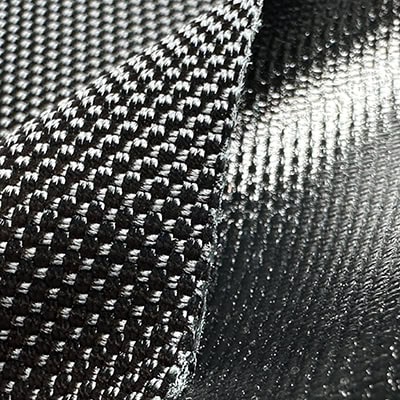
9. Ballistic Nylon
Ballistic nylon is a heavy-duty synthetic fabric originally developed for military applications, specifically designed to withstand extreme wear and environmental stress.
In automotive interiors, it is valued for its exceptional strength and abrasion resistance, making it suitable for high-contact areas such as seat covers, floor sections, and cargo linings. While its primary advantage is durability, modern variants are also engineered to handle prolonged sun exposure with improved resistance to fading.
Constructed from thick, high-denier nylon yarns woven in a tight pattern, ballistic nylon offers a dense and robust structure. This construction provides superior resistance to tearing, punctures, and surface wear compared to standard nylon fabrics.
However, untreated nylon is generally susceptible to UV degradation over time. To address this, automotive-grade ballistic nylon often incorporates UV stabilizers and protective coatings that reduce the impact of ultraviolet radiation on both the fibers and dyes.
10. Acrylic-Coated Polyester
Acrylic-coated polyester is a hybrid material engineered to combine the structural strength of polyester with the environmental resistance of an acrylic surface layer.
In automotive interiors, it is used where prolonged sun exposure, heat, and moisture would quickly degrade standard fabrics. The polyester base provides tensile strength and dimensional stability, while the acrylic coating acts as a barrier against ultraviolet radiation and surface wear.
The key advantage of this material lies in its enhanced UV resistance. The acrylic layer is inherently more stable under sunlight than untreated polymers, and it often includes additional UV inhibitors that further reduce photodegradation.
This coating shields the underlying polyester fibers and pigments from direct exposure, helping maintain color consistency and preventing premature fading. As a result, acrylic-coated polyester performs significantly better in sun-intensive environments than conventional polyester fabrics.
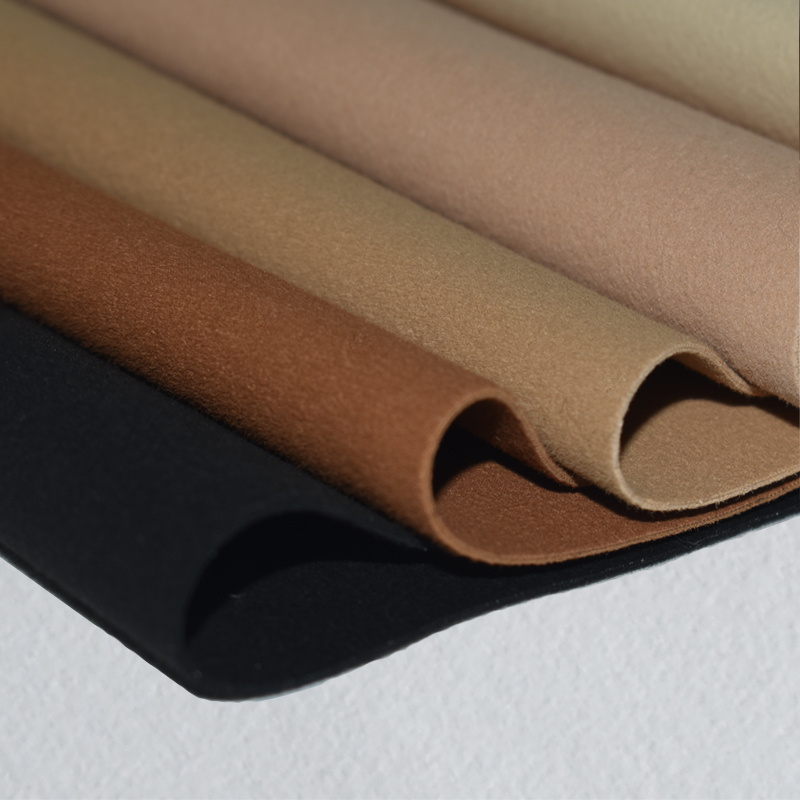
11. Faux Suede (Microfiber)
Faux suede, commonly produced as microfiber, is a synthetic upholstery material engineered to replicate the soft, brushed texture of natural suede while offering substantially better resistance to fading and environmental wear.
It is typically made from ultra-fine polyester fibers, sometimes blended with polyamide, that are densely packed and mechanically or chemically treated to create a suede-like nap. In automotive interiors, microfiber faux suede is used for seats, headliners, and trim surfaces where both tactile quality and durability are required under prolonged sun exposure.
Its fade resistance is largely determined by the dyeing method and fiber quality. Higher-grade microfiber fabrics are often solution-dyed or incorporate advanced pigment fixation techniques, allowing the color to penetrate deeply into the fibers.
This reduces the impact of ultraviolet radiation, which typically breaks down surface-level dyes in conventional fabrics. As a result, faux suede maintains its color consistency more effectively over time, even in vehicles frequently exposed to direct sunlight.
12. Automotive Headliner Fabric
Automotive headliner fabric is a specialized textile engineered for the interior roof of a vehicle, where exposure to heat and indirect sunlight is continuous and often underestimated.
Unlike standard upholstery materials, headliner fabric is designed as a multi-layer composite, typically consisting of a knit or non-woven face fabric bonded to a thin foam backing. This structure provides both visual uniformity and insulation while maintaining stability under prolonged thermal and UV stress.
Fade resistance in headliner fabric is achieved through controlled dyeing processes and the incorporation of UV stabilizers. Although the roof area does not receive the same direct sunlight as seats or dashboards, it is still subject to constant ambient UV exposure and temperatures.
High-quality headliner materials are engineered to resist gradual discoloration, preventing the uneven fading or yellowing that can occur in lower-grade fabrics over time. This ensures that the interior maintains a consistent appearance even after years of use in sun-intensive climates.
13. EVA-Coated Fabrics
EVA-coated fabrics are engineered composites that combine a textile base, typically polyester or nylon, with a surface layer of ethylene-vinyl acetate (EVA).
This construction is designed to enhance resistance to environmental stressors, including prolonged sunlight, heat, and moisture. In automotive interiors, EVA-coated materials are commonly used in protective coverings, seat components, floor applications, and utility-focused trim where durability and fade resistance are critical.
The EVA layer functions as a protective barrier against ultraviolet radiation. While EVA itself is not completely immune to UV exposure, it can be formulated with stabilizers that significantly reduce photodegradation.
This coating limits the penetration of UV rays to the underlying fabric, helping preserve both the structural integrity of the fibers and the stability of the color pigments. As a result, EVA-coated fabrics maintain their appearance more effectively than uncoated textiles when exposed to sustained sunlight.
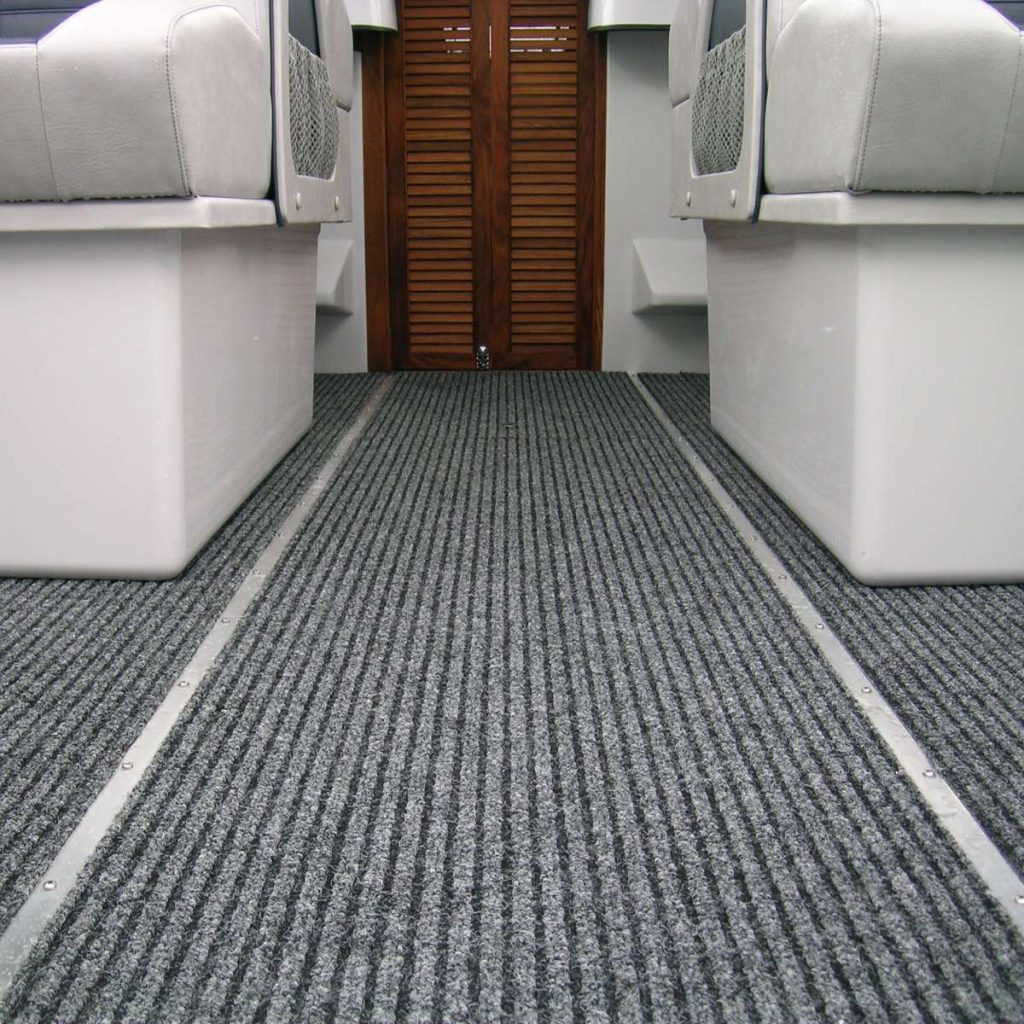
14. Marine Carpet
Marine carpet is a specialized flooring material engineered to withstand continuous exposure to sunlight, moisture, and heavy wear, making it well-suited for automotive interiors that face similar conditions.
Originally developed for boats, where UV radiation and water exposure are constant, this material has been adapted for use in vehicle floor areas, trunks, and utility spaces that require long-term durability and resistance to fading.
The defining feature of marine carpet is its use of synthetic fibers, most commonly polypropylene or polyester, which are inherently more resistant to UV degradation than natural materials.
Many high-quality variants are solution-dyed, meaning the color is integrated into the fiber during production rather than applied afterward. This significantly improves colorfastness, allowing the carpet to retain its original appearance even after years of intense sunlight exposure. As a result, it resists the dulling, discoloration, and patchy fading often seen in standard automotive carpets.
Moisture resistance is another critical advantage. Marine carpet is designed with a low-absorption fiber structure and is often paired with a water-resistant or rubberized backing.
This prevents water from penetrating deeply into the material, reducing the risk of mold, mildew, and persistent odors. In automotive applications, this is particularly beneficial in regions with high humidity or for vehicles that frequently encounter spills, dirt, or wet conditions.
15. Coated Canvas
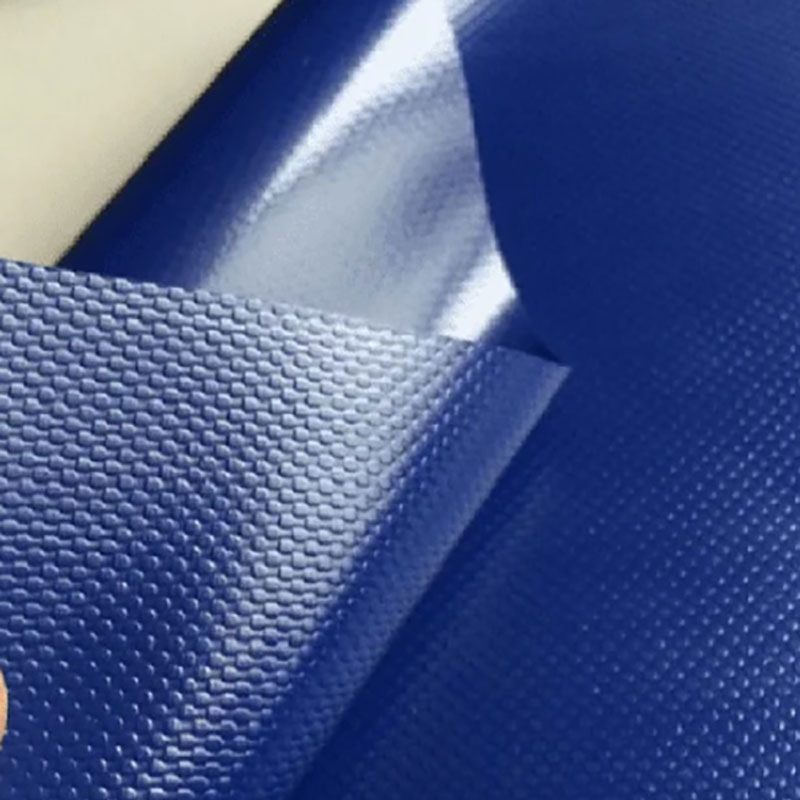
Coated canvas is a durable composite material that combines a woven fabric base, typically cotton or polyester, with a protective surface coating such as polyurethane, acrylic, or wax-based treatments.
In automotive interiors, it is used for seat covers, door panels, and utility surfaces where resistance to sunlight, abrasion, and contamination is required. Its performance in high-UV environments depends largely on the quality of both the base fabric and the applied coating.
The primary advantage of coated canvas is its improved resistance to fading compared to untreated textiles. The surface coating acts as a barrier that limits direct exposure of the underlying fibers and dyes to ultraviolet radiation.
Many automotive-grade variants also include UV stabilizers within the coating itself, which absorb or deflect UV rays and slow down pigment degradation. As a result, coated canvas maintains its color and surface finish more effectively over time, even in vehicles regularly exposed to intense sunlight.
Structurally, the woven base provides strength and flexibility, while the coating enhances resistance to wear and environmental damage.
This combination allows the material to withstand repeated friction, bending, and temperature fluctuations without significant degradation. Depending on the formulation, the coating can also improve resistance to cracking and surface breakdown under prolonged heat exposure.
One consistent trend across all high-performance materials is the dominance of synthetics. Natural fibers such as cotton or untreated leather lack the molecular stability required to resist prolonged UV exposure.
Even premium natural materials require constant maintenance to delay fading. In contrast, engineered synthetics are designed from the outset to resist environmental stressors.
This does not mean natural materials have no place in automotive design. They offer aesthetic and tactile advantages. However, in terms of longevity under intense sun, they are structurally disadvantaged.
Practical Considerations for Buyers
Choosing the right material depends on usage patterns and environmental conditions.
- For extreme sunlight exposure: Marine-grade vinyl and solution-dyed acrylic are the most reliable choices.
- For daily driving in warm climates: UV-treated polyester and PU leather offer a balanced solution.
- For luxury interiors: Faux suede and high-end microfiber provide comfort with moderate durability.
- For utility or commercial vehicles: Cordura, ballistic nylon, and EVA-coated fabrics deliver maximum resilience.
Maintenance also plays a role. Even UV-resistant materials benefit from periodic cleaning and protective treatments, which can extend their lifespan further.
Fading is not an inevitable outcome of sun exposure. It is largely a function of material selection. Advances in textile engineering have made it possible to significantly reduce, and in some cases nearly eliminate, visible degradation over time.
Marine-grade vinyl and solution-dyed acrylic lead in absolute durability. Polyester blends and synthetic leathers offer practical alternatives. Specialty materials like Cordura and neoprene cater to specific use cases.
The common thread is clear: materials designed with UV resistance at the molecular level outperform those that rely on surface treatments alone.
For anyone serious about preserving a vehicle’s interior, the choice of fabric is not cosmetic. It is structural, technical, and long-term.
