
All-wheel drive systems have evolved from rugged mechanical setups into highly sophisticated, electronically managed drivetrains. While this evolution has improved efficiency and performance, it has also introduced complexity, and with complexity comes risk.
For used SUV buyers, the reliability of the AWD module is not just a feature consideration, it is a financial one. A failing transfer case, worn clutch pack, or malfunctioning control module can quickly turn a good deal into an expensive liability.
This article takes a more technical and selective approach. Instead of repeating the usual mainstream picks, it focuses on less obvious but mechanically sound SUVs whose AWD systems have proven durable over time. The emphasis is on engineering design, real-world stress behavior, and failure patterns, giving a clearer picture of long-term ownership outcomes
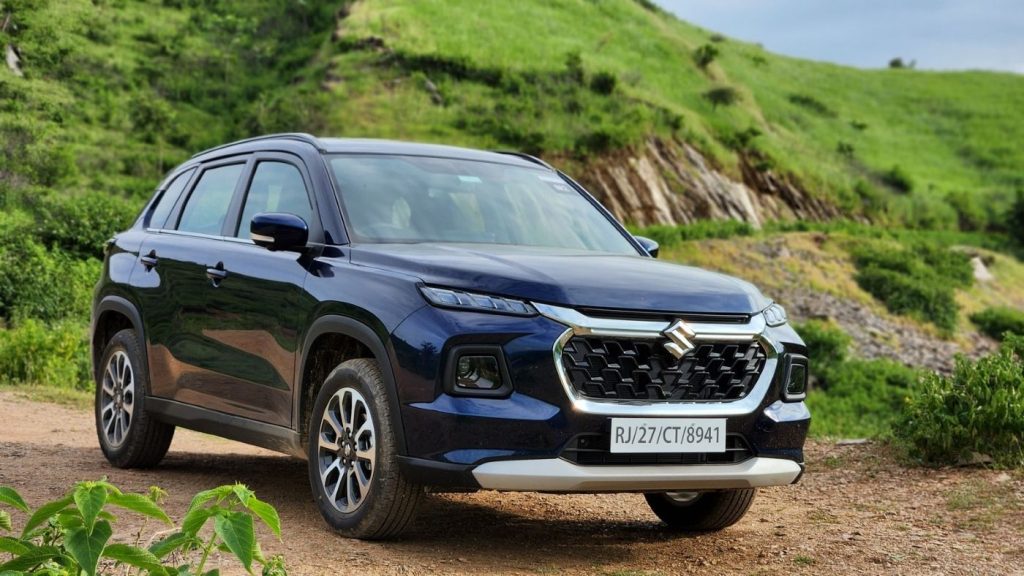
1. Suzuki Grand Vitara
The Suzuki Grand Vitara stands out as one of the most quietly capable used SUVs in its class, particularly for buyers who prioritize a dependable all-wheel drive system over flashy features.
Often overlooked in favor of more mainstream competitors, it delivers a level of mechanical robustness that reflects its off-road-oriented engineering roots. Built with a traditional ladder-frame-integrated unibody design in earlier generations, the Grand Vitara strikes a balance between durability and everyday usability that many crossovers lack.
At the core of its appeal is Suzuki’s proven all-wheel drive system, commonly referred to as a full-time 4WD setup with a locking center differential.
Unlike many on-demand AWD systems found in modern crossovers, this configuration is designed for consistent power distribution to all four wheels, improving traction in varied conditions such as rain, mud, and light off-road terrain.
The inclusion of low-range gearing in certain trims further enhances its capability, making it more than just a soft-roader. This mechanical simplicity contributes significantly to long-term reliability, as there are fewer complex electronic components prone to failure.
The Grand Vitara’s drivetrain is known for its resilience. Engines such as the 2.4L inline-four are relatively straightforward, avoiding overly complicated turbocharging systems that can increase maintenance costs over time.
Paired with either a conventional automatic or manual transmission, the powertrain emphasizes longevity over outright performance. Routine maintenance is generally uncomplicated, and parts availability remains reasonable in many markets due to Suzuki’s global presence.
2. Mitsubishi Outlander
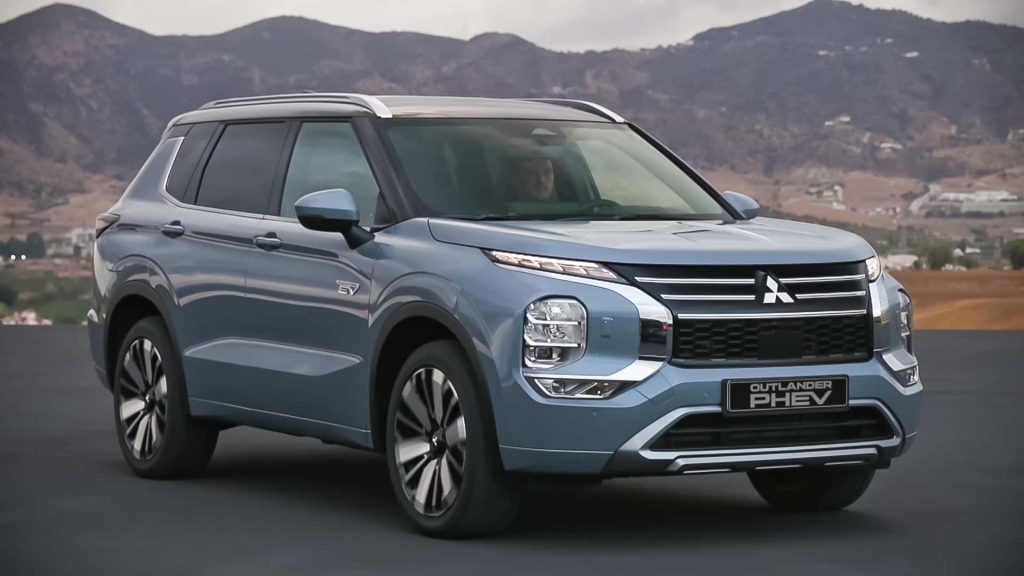
The Mitsubishi Outlander is a frequently overlooked contender in the used SUV market, yet it offers one of the more dependable all-wheel drive systems available in its segment.
While it may not carry the same reputation as some of its rivals, the Outlander benefits from Mitsubishi’s long-standing expertise in drivetrain engineering, particularly through its rally heritage. For buyers focused on reliability and consistent AWD performance, it presents a well-balanced and practical option.
A key strength of the Outlander lies in its available Super All-Wheel Control (S-AWC) system. Unlike basic on-demand AWD setups, S-AWC actively manages torque distribution between the front and rear axles, as well as side-to-side across the rear wheels in certain configurations.
This results in improved traction, stability, and handling across a wide range of driving conditions, including wet roads, gravel, and light snow. The system is electronically managed but built on a relatively straightforward mechanical foundation, which contributes to its long-term durability when properly maintained.
Under the hood, the Outlander has commonly been equipped with naturally aspirated engines such as the 2.4L inline-four and, in some versions, a 3.0L V6. These engines are known for their reliability rather than performance, avoiding the added complexity of turbochargers.
The continuously variable transmission (CVT), while sometimes criticized in general, has proven reasonably durable in the Outlander when serviced at recommended intervals. Earlier models with conventional automatic transmissions offer an even simpler alternative for buyers wary of CVTs.
3. Ford Edge
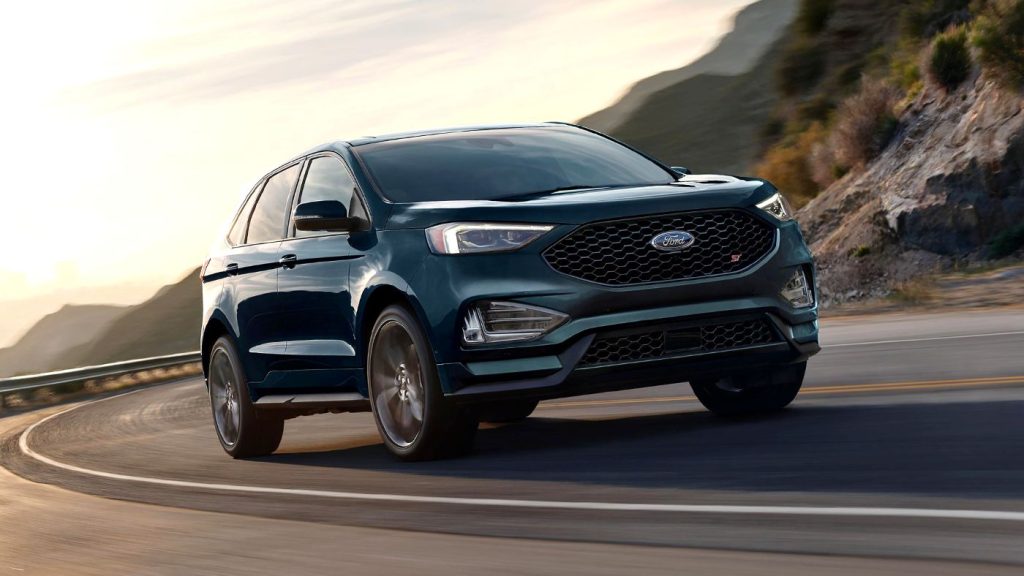
The Ford Edge is a mid-size crossover that often flies under the radar in discussions about durable all-wheel drive systems, yet it offers a well-engineered and consistently reliable AWD setup suited for long-term ownership.
Positioned between compact and full-size SUVs, it focuses more on on-road stability and all-weather confidence rather than hardcore off-road capability, which aligns well with most real-world usage.
At the center of its drivetrain is Ford’s Intelligent All-Wheel Drive system, a proactive setup designed to continuously monitor traction and road conditions. Unlike older mechanical systems that rely on fixed torque splits, this system uses sensors to detect wheel slip and redistribute power between the front and rear axles in real time.
It can shift torque in as little as milliseconds, allowing the vehicle to maintain grip during sudden changes in traction such as बारिश, loose gravel, or uneven pavement. This predictive capability makes it more refined than traditional part-time systems, while still avoiding excessive mechanical complexity.
From a reliability standpoint, the Edge sits in the “above average” range among midsize SUVs, with many examples capable of exceeding 200,000 miles when properly maintained.
The AWD system itself is generally robust because it operates primarily as a front-wheel-drive platform until additional traction is needed, reducing constant stress on drivetrain components. This design approach helps extend the lifespan of key parts such as the transfer unit and rear differential.
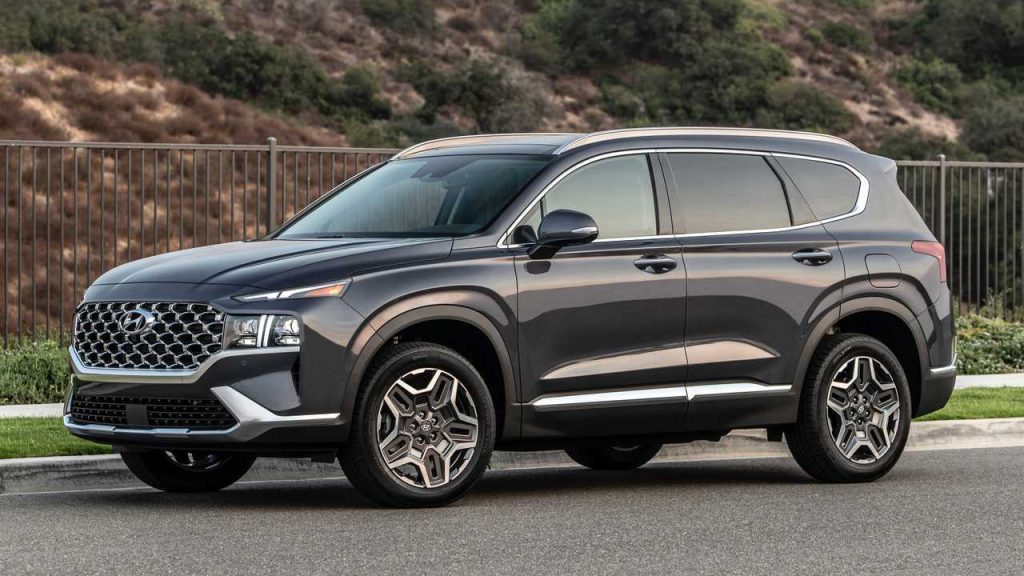
4. Hyundai Santa Fe
The Hyundai Santa Fe remains an underappreciated option in the used SUV market, particularly for buyers who prioritize a dependable and low-stress all-wheel drive system. While it is not engineered for serious off-road use, it excels in everyday conditions where consistent traction, predictability, and long-term durability matter most.
A defining feature of the Santa Fe is Hyundai’s HTRAC all-wheel drive system. This setup is designed as an on-demand system that continuously evaluates driving inputs such as wheel speed, steering angle, and throttle behavior.
Instead of permanently distributing power to all four wheels, it operates primarily in front-wheel drive and only redirects torque when additional grip is required.
This reduces unnecessary load on drivetrain components, which in turn contributes to improved longevity and fewer mechanical failures over time. The system is also calibrated for smooth engagement, avoiding the abrupt power transfers that can accelerate wear in less refined AWD systems.
From a reliability perspective, this controlled torque distribution is a key advantage. Because the rear drivetrain components are not constantly engaged, parts such as the coupling, differential, and driveshaft experience less continuous stress.
This design philosophy aligns with Hyundai’s broader focus on balancing efficiency with durability, making the Santa Fe a practical long-term ownership choice rather than a high-maintenance liability.
5. Kia Sorento
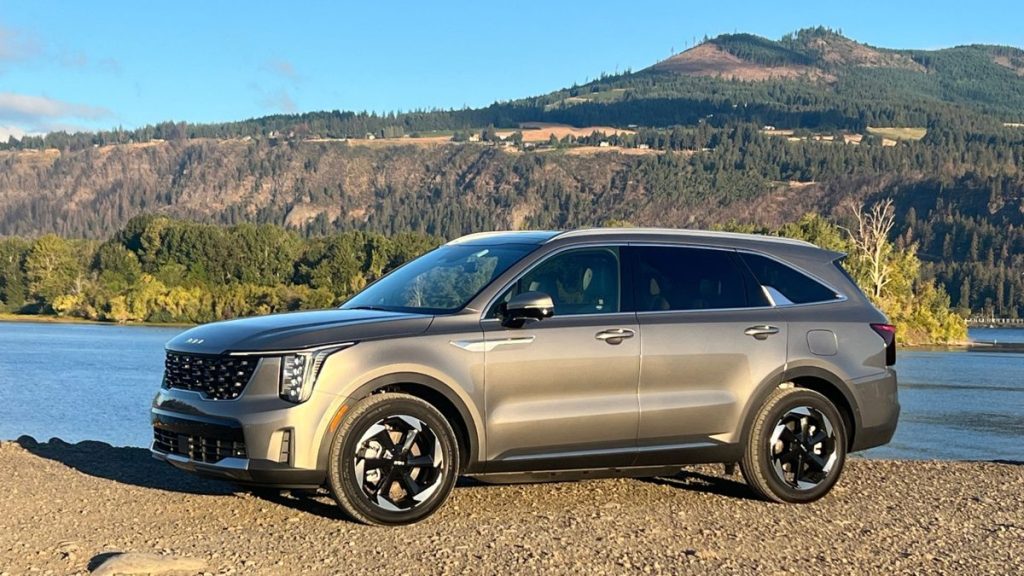
The Kia Sorento is a midsize SUV that often gets overshadowed by more popular rivals, yet it delivers a well-engineered and consistently reliable all-wheel drive system suited for long-term ownership. Designed with a focus on family use rather than hardcore off-road performance, it combines intelligent AWD functionality with relatively low mechanical stress, which is a key factor in durability.
At the core of its capability is Kia’s electronically controlled all-wheel drive system. This setup continuously monitors inputs such as wheel speed, steering angle, and vehicle stability metrics, automatically redistributing torque when traction is lost.
Instead of maintaining a constant power split, the system operates primarily in front-wheel drive and engages the rear wheels only when necessary. This reduces wear on drivetrain components while still providing effective grip in rain, loose surfaces, and light off-road conditions.
This on-demand approach plays a significant role in the Sorento’s long-term reliability. Because the AWD hardware is not under constant load, components such as the transfer case and rear differential experience less continuous stress.
The system’s smooth and predictive engagement also minimizes sudden torque shocks, which can contribute to premature wear in less refined setups. As a result, the Sorento’s AWD module tends to remain dependable when maintained properly.
From a powertrain perspective, the Sorento offers a range of engines, including naturally aspirated, turbocharged, and hybrid configurations. Common options such as the 2.5L inline-four and turbocharged variants are paired with conventional automatic transmissions, keeping the mechanical layout relatively straightforward.
Hybrid models further reduce strain by supplementing engine output with electric assistance, improving efficiency without significantly increasing drivetrain complexity.
6. Jeep Grand Cherokee
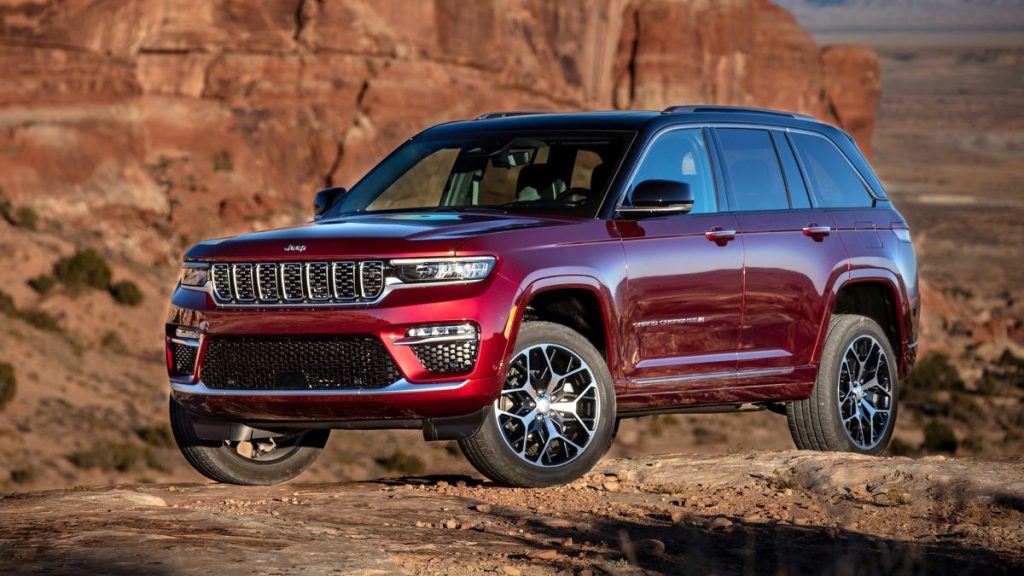
The Jeep Grand Cherokee is one of the more technically sophisticated entries in the used SUV market, particularly when it comes to all-wheel drive and four-wheel drive systems.
While it is often associated with off-road capability, its real strength lies in how its AWD modules are engineered to deliver consistent traction across a wide range of conditions without relying solely on driver input.
A defining characteristic of the Grand Cherokee is its range of advanced 4×4 systems, including Quadra-Trac and Quadra-Drive. These setups go beyond basic on-demand AWD by using a combination of transfer cases and differentials to actively manage torque distribution.
In systems like Quadra-Drive, power can be shifted not just between front and rear axles, but also side-to-side across individual wheels, allowing the vehicle to maintain traction even if only one wheel has grip.
This level of control is achieved through mechanical components such as clutch packs and hydraulic pumps, which progressively engage rather than relying on abrupt electronic intervention.
Another key advantage is the availability of low-range gearing in many configurations. Unlike typical crossover AWD systems, which are limited to light-duty use, the Grand Cherokee’s transfer case includes a dedicated low-range mode for increased torque multiplication.
This reduces strain on the drivetrain during demanding conditions like steep inclines or loose terrain, contributing to long-term durability when used correctly.
From a reliability standpoint, the Grand Cherokee sits in a more nuanced position. Its core mechanical systems, including engines and drivetrain hardware, are generally robust and capable of exceeding 200,000 miles with proper maintenance.
7. Nissan X-Trail
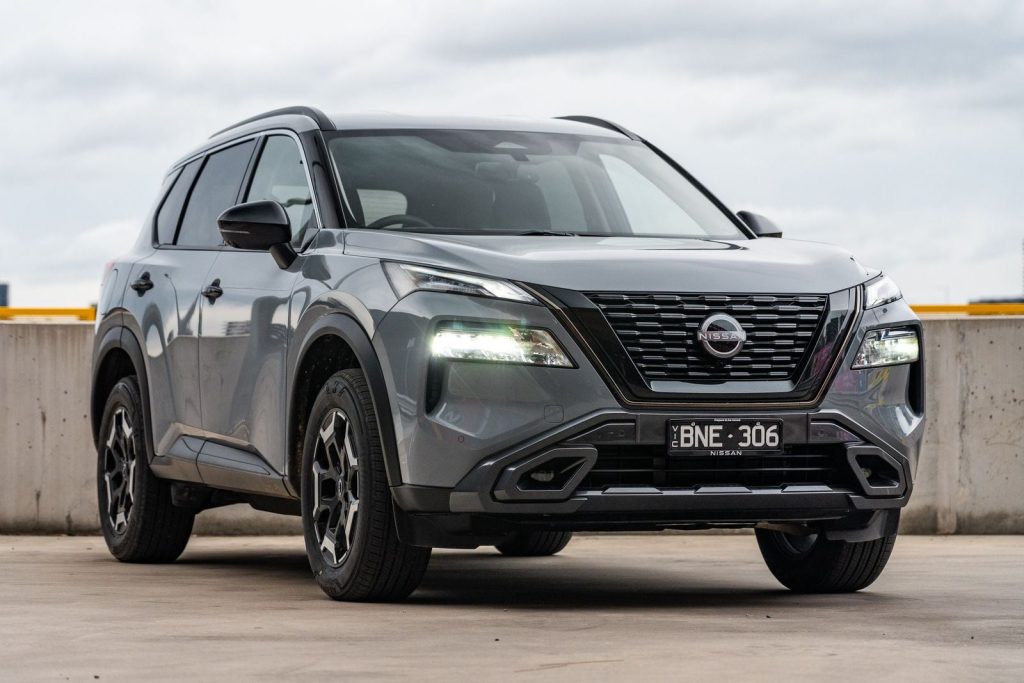
The Nissan X-Trail is a practical and widely available compact SUV that often sits in the background of the used market, yet it offers a competent and generally durable all-wheel drive system suited for everyday use. While it has evolved from a rugged, boxy SUV into a more urban-focused crossover, it still retains enough drivetrain capability to handle varied road conditions with confidence.
At the core of its appeal is Nissan’s ALL MODE 4×4-i system. This is an electronically controlled AWD setup that can operate in multiple modes, typically allowing the driver to choose between front-wheel drive, automatic AWD, and a locked mode for low-speed traction.
In normal driving, the system prioritizes efficiency by sending power primarily to the front wheels, then automatically redistributes torque to the rear when slip is detected. This design reduces constant strain on drivetrain components while still maintaining adequate grip on wet roads, gravel, or light off-road surfaces.
From a mechanical standpoint, the AWD module itself is relatively straightforward and not overly complex compared to more performance-oriented systems.
This contributes to its reliability, particularly when paired with the commonly used 2.5L naturally aspirated engine. The system is designed for stability and predictability rather than aggressive torque vectoring, which helps minimize wear over time.
However, the X-Trail’s long-term reliability discussion is closely tied to its transmission rather than the AWD system. Most models are equipped with a continuously variable transmission (CVT), which improves fuel efficiency and smoothness but has been a known weak point in certain generations.
Issues such as shuddering, slipping, or overheating have been reported, particularly in older models if maintenance is neglected. That said, with regular fluid changes and careful driving, the CVT can last well beyond 200,000 km, making it acceptable for long-term ownership under proper care.
Inside, the X-Trail emphasizes practicality. Many versions offer optional third-row seating, giving it an advantage in versatility over smaller rivals. The cabin layout is functional and durable, prioritizing usability over premium finishes. This aligns with its role as a family-oriented SUV rather than a luxury-focused model.
On the road, the X-Trail delivers a comfortable and composed driving experience. Its AWD system works unobtrusively in the background, enhancing traction without requiring constant driver input. It is best suited for commuting, highway travel, and occasional rough roads rather than demanding off-road environments.
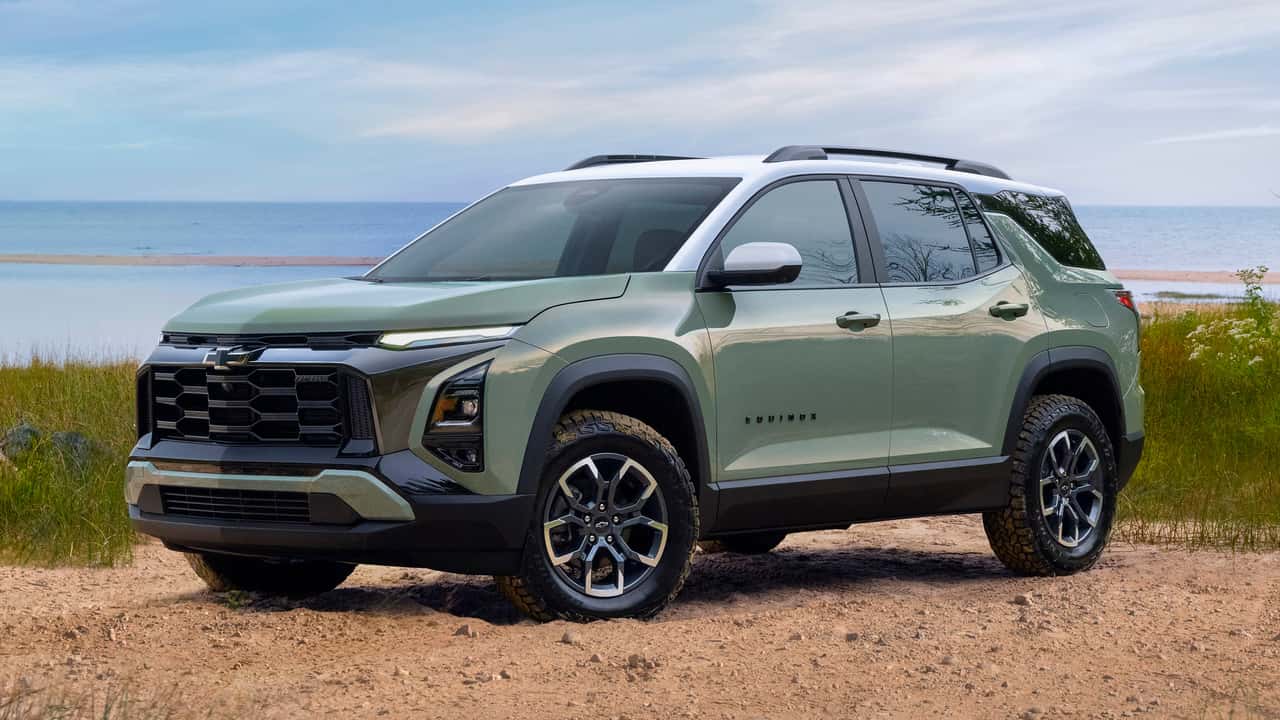
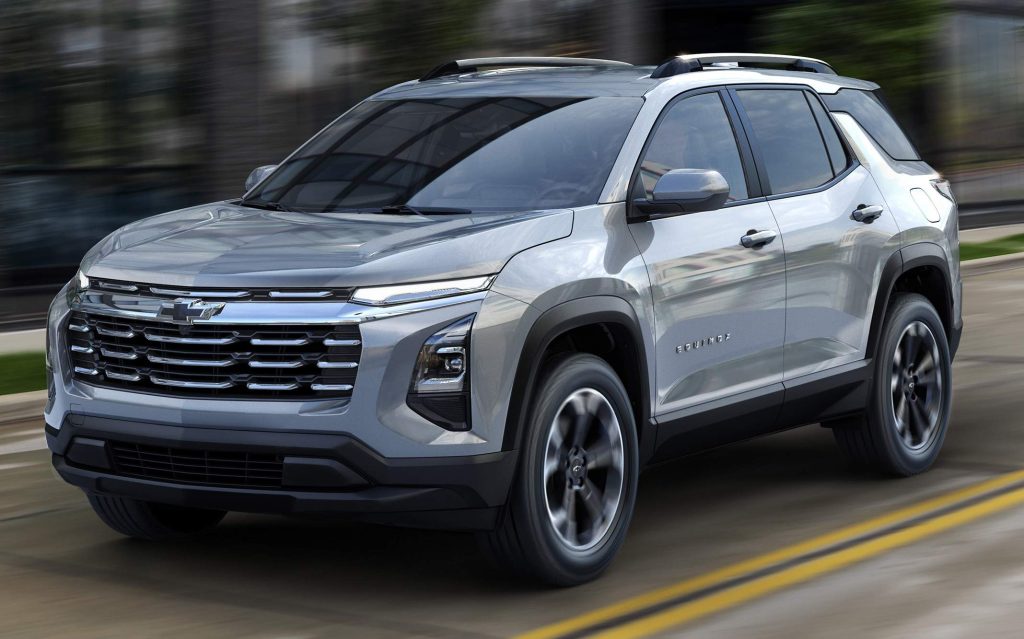
8. Chevrolet Equinox
The Chevrolet Equinox is a compact crossover that tends to be overlooked in discussions about reliable all-wheel drive systems, yet it offers a well-calibrated and durable AWD setup designed for real-world usability.
Rather than focusing on off-road performance, the Equinox prioritizes efficiency, low mechanical stress, and consistent traction, which aligns well with long-term ownership needs.
A key feature is its switchable all-wheel drive system. Unlike traditional full-time AWD configurations, the Equinox operates primarily as a front-wheel drive vehicle and only engages the rear wheels when additional traction is required.
This system continuously monitors wheel slip and road conditions, automatically sending power to the rear axle when needed to maintain grip. The ability to disengage AWD when conditions are stable reduces unnecessary drivetrain load, which plays a direct role in improving component lifespan.
From a reliability standpoint, this on-demand design is a major advantage. Because the rear differential and driveshaft are not constantly under load, wear is minimized compared to full-time systems.
Chevrolet has further refined this approach in newer generations by allowing drivers to manually toggle AWD, reducing rotational drag and improving efficiency without sacrificing capability. The system itself is considered dependable and capable of maintaining traction in varied conditions such as rain, gravel, and light snow.
Under the hood, the Equinox typically features a 1.5L turbocharged inline-four engine paired with either a conventional automatic transmission or, in some versions, a CVT. AWD-equipped models generally use a traditional automatic gearbox, which tends to be more durable over time compared to CVTs.
In terms of durability, the Equinox has a solid track record, with many examples exceeding 200,000 miles when properly maintained. Reliability ratings are typically in the average to above-average range, reflecting a balance between modern features and manageable maintenance requirements.
Inside, the Equinox emphasizes practicality. The cabin layout is straightforward, with materials designed for daily use rather than luxury appeal. Controls are intuitive, and the overall design avoids excessive complexity, which helps reduce potential long-term issues related to electronics.
On the road, the Equinox delivers a smooth and predictable driving experience. Its AWD system operates unobtrusively, enhancing stability without requiring driver intervention. It is best suited for commuting, highway driving, and mild adverse conditions rather than demanding off-road environments.
For buyers looking at underrated used SUVs with reliable all-wheel drive modules, the Chevrolet Equinox stands out as a sensible choice. Its combination of a low-stress AWD system, proven durability, and practical engineering makes it a strong candidate for consistent, low-maintenance ownership.
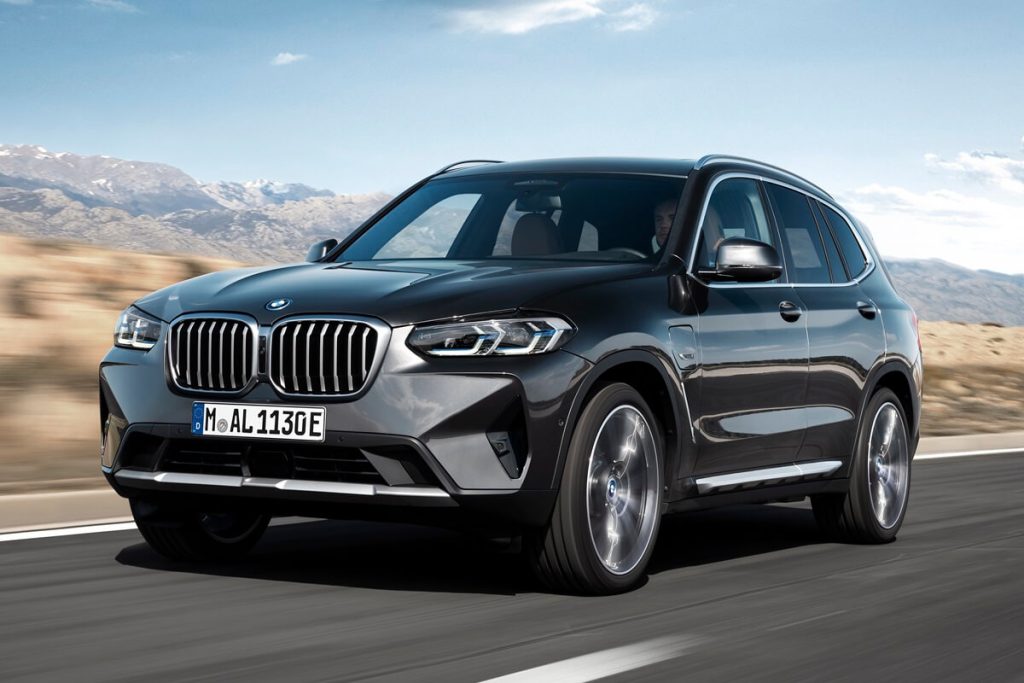
9. BMW X3
The BMW X3 is a compact luxury SUV that blends performance-oriented engineering with a highly refined all-wheel drive system, making it a strong but often overlooked option for buyers focused on reliable AWD modules.
While it is typically associated with driving dynamics and premium features, its underlying drivetrain architecture is also designed for consistent, long-term durability when properly maintained.
At the core of its capability is BMW’s xDrive system, an intelligent all-wheel drive setup that continuously monitors traction, wheel speed, and driving conditions. Unlike basic on-demand systems, xDrive operates proactively, adjusting torque distribution between the front and rear axles in real time to maintain optimal grip.
BMW engineers designed this system to be predictive rather than reactive, meaning it can shift power before noticeable wheel slip occurs. This results in smoother operation and reduced stress on drivetrain components over time, which contributes to overall reliability. overall reliability.
One of the advantages of the X3’s AWD system is its balance between mechanical robustness and electronic precision. The system integrates with stability control and braking systems to fine-tune torque delivery, improving both safety and component longevity.
Unlike more rugged 4WD systems, it avoids heavy mechanical complexity such as low-range gearing, instead focusing on efficient, real-world traction for paved roads, wet conditions, and light off-road use.
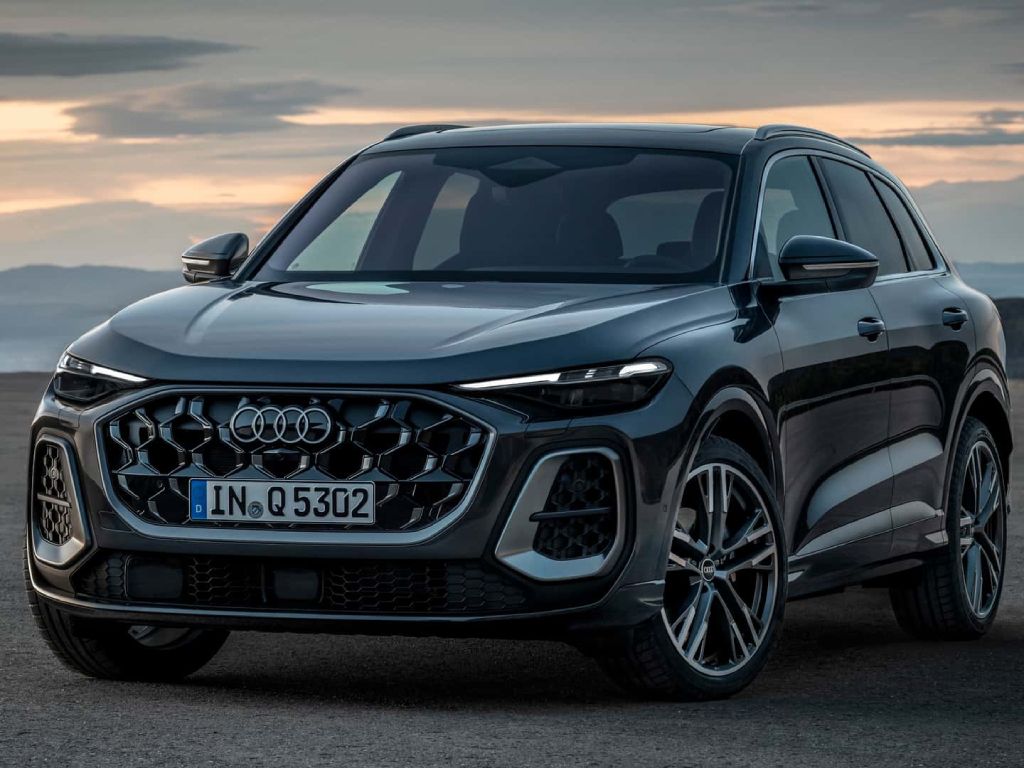
10. Audi Q5
The Audi Q5 is a compact luxury SUV that combines a highly refined all-wheel drive system with a balanced approach to performance and everyday usability. While it is often associated with premium comfort and driving dynamics, its AWD architecture is also engineered for consistent traction and long-term dependability when properly maintained.
At the center of its capability is Audi’s well-known quattro all-wheel drive system. In the Q5, this is typically implemented as “quattro with ultra technology,” an intelligent system that can seamlessly switch between front-wheel drive and all-wheel drive depending on conditions.
Under normal driving, the vehicle operates primarily in front-wheel drive to improve efficiency, but it can re-engage the rear axle within milliseconds when additional traction is needed. This predictive engagement is a key advantage, as the system often activates before noticeable wheel slip occurs, reducing stress on drivetrain components while maintaining stability.
From a technical standpoint, quattro combines mechanical and electronic elements, including multi-plate clutches and advanced sensors that monitor traction, steering input, and vehicle dynamics in real time.
Torque can be redistributed quickly between the front and rear axles, and in some configurations, further refined through braking-based torque vectoring. This results in stable handling on wet roads, improved cornering grip, and consistent performance in low-traction environments.
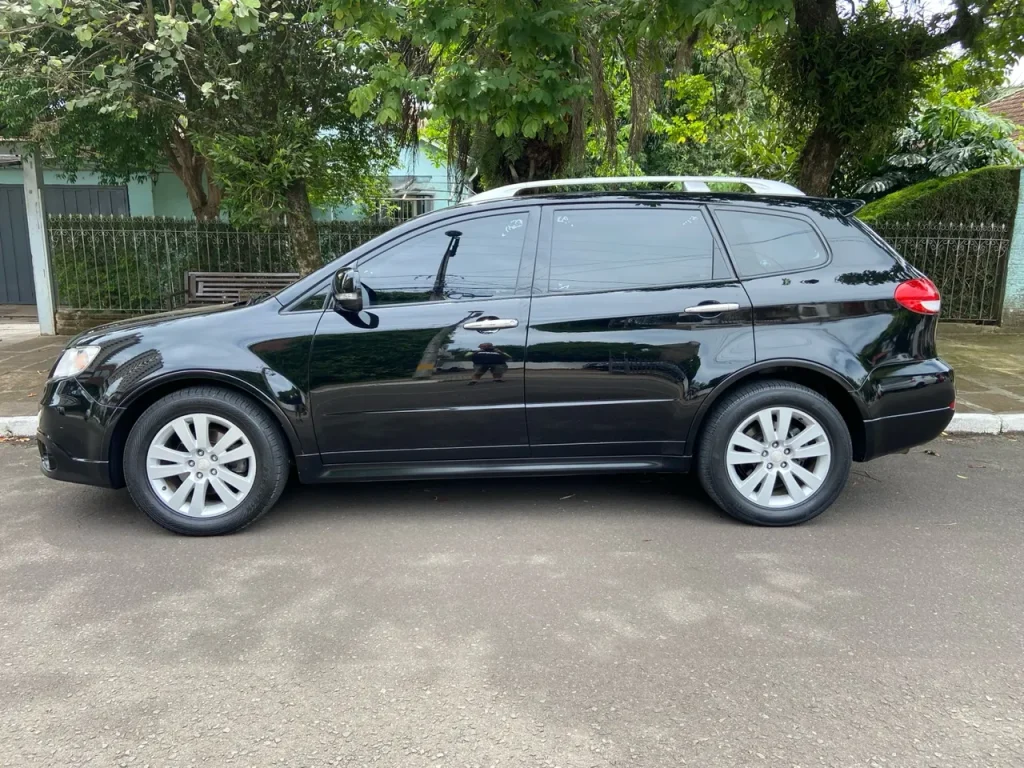
11. Subaru Tribeca
The Tribeca uses Subaru’s symmetrical AWD system, which is designed around a longitudinal drivetrain layout. This alignment ensures even weight distribution and balanced power delivery.
The result is reduced vibration and more uniform wear across components. Although the Tribeca itself was not widely popular, its AWD system is shared with other Subaru models, ensuring strong parts availability and proven reliability.
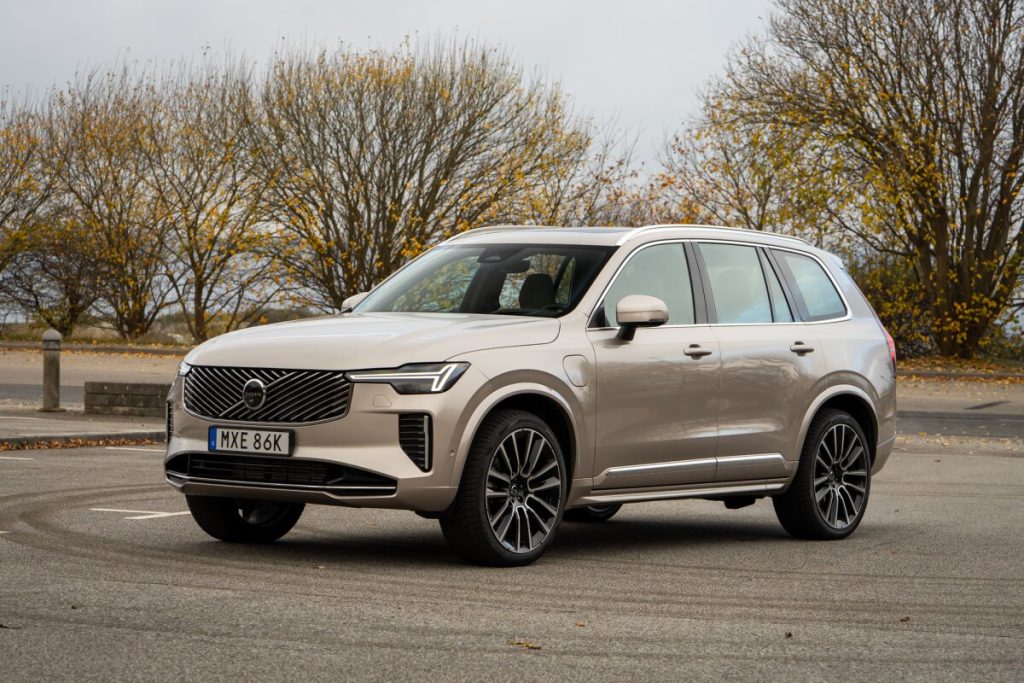
12. Volvo XC90
The XC90 uses a Haldex-based AWD system that engages the rear wheels when needed. Earlier versions had some reliability concerns, particularly with electronic components, but later refinements improved durability.
The system is efficient and responsive, though it requires proper maintenance to remain reliable. Regular servicing of the coupling and fluid system is essential to prevent long-term issues.
Reliable AWD is not exclusive to a few well-known models. A broader, more analytical view of the used market reveals multiple SUVs with durable, well-designed systems that can deliver long-term performance without excessive repair costs.
For buyers willing to look beyond mainstream recommendations, these vehicles offer a strategic advantage. They combine solid engineering, lower purchase prices, and proven drivetrain durability, making them highly rational choices in the used SUV segment.
The key is not just choosing the right model, but understanding how its AWD system works and how it behaves over time. That level of insight is what ultimately separates a dependable purchase from a costly mistake.
