
Brake longevity rarely dominates buying decisions, yet it has a measurable impact on long-term ownership cost, maintenance frequency, and overall driving experience. For most vehicles, brake pads wear out between 30,000 and 70,000 miles, with rotors often requiring replacement or resurfacing along the way.
However, a subset of vehicles is engineered with braking systems capable of stretching far beyond those norms. Under typical driving conditions, these models can realistically approach or exceed 100,000 miles on original brake components.
This is not accidental. It is the result of deliberate engineering choices such as regenerative braking, oversized rotors, conservative calibration, and high-durability materials.
In many cases, these systems are designed for workloads far greater than everyday commuting, which means they operate under less stress in normal use. The result is slower wear, improved thermal stability, and longer service intervals.
What follows is a detailed look at ten vehicles that stand out for brake systems built to last.
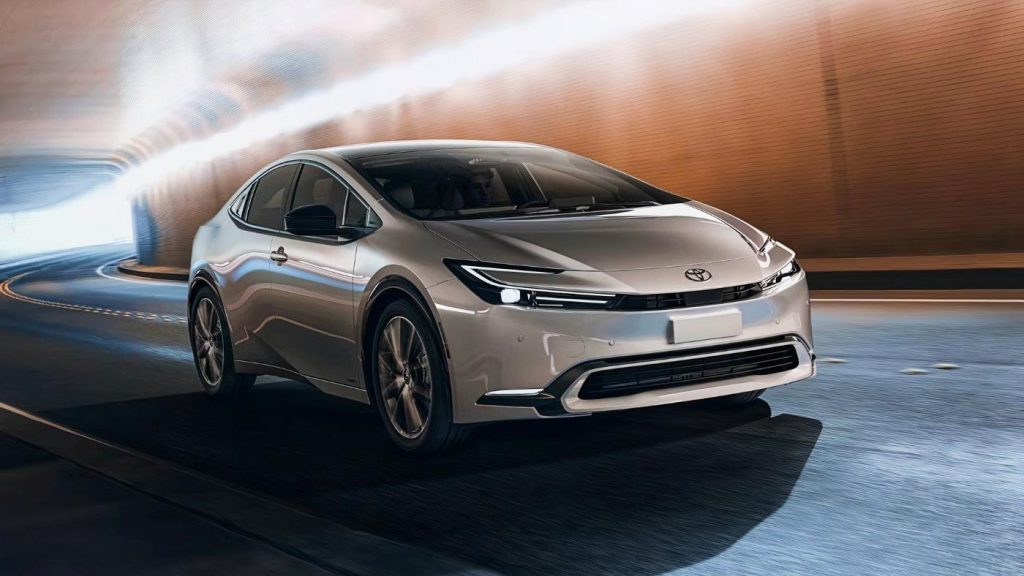
Toyota Prius
The Toyota Prius has long been associated with efficiency, but its braking system is just as noteworthy for durability and low wear over extended mileage. Unlike conventional vehicles that rely entirely on friction brakes, the Prius integrates regenerative braking as a core part of its design.
This system uses the electric motor to slow the car down, converting kinetic energy into electrical energy that recharges the battery. As a result, the physical brake components, such as pads and rotors, are used far less frequently.
This reduced reliance on friction braking directly contributes to the Prius’s reputation for brake longevity. In typical driving conditions, especially in urban environments where stop-and-go traffic is common, regenerative braking handles a significant portion of deceleration.
Drivers often report brake pad life extending well beyond 100,000 miles, sometimes even approaching double that figure depending on driving habits and maintenance practices.
Toyota engineered the transition between regenerative and conventional braking to be smooth and consistent. The electronically controlled brake system ensures that when additional stopping power is required, such as during sudden braking or at low speeds where regenerative braking is less effective, the hydraulic brakes engage seamlessly.
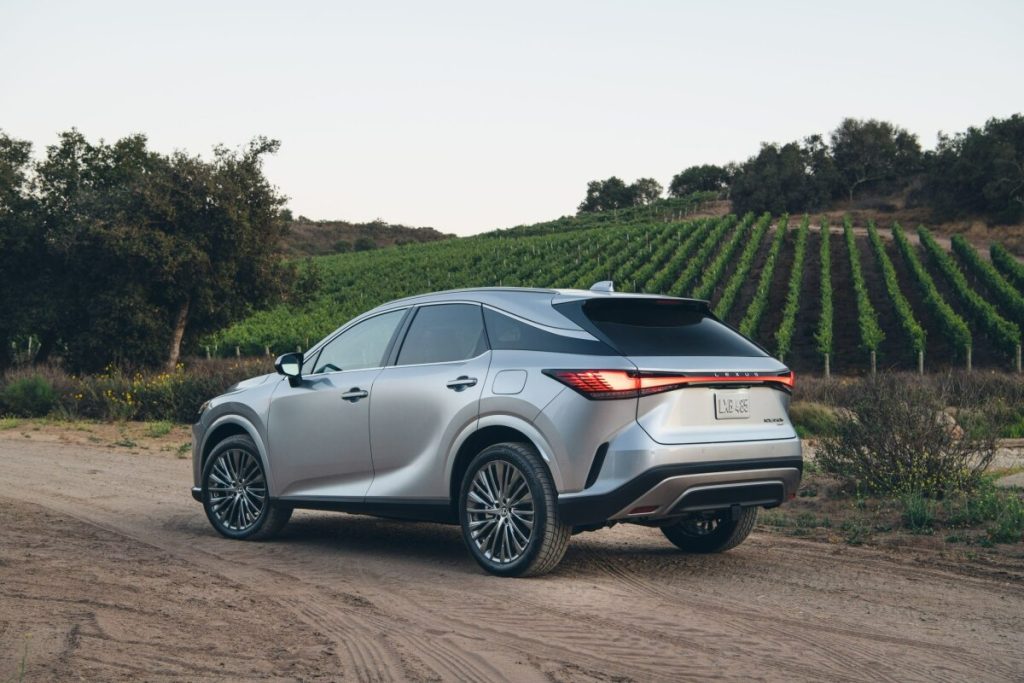
Lexus RX Hybrid
The Lexus RX Hybrid combines luxury refinement with a braking system engineered for long-term durability, making it well-suited for drivers expecting consistent performance beyond 100,000 miles.
Like many hybrid models within the Toyota ecosystem, the RX Hybrid uses a regenerative braking system that significantly reduces reliance on traditional friction brakes. By converting kinetic energy into electrical energy during deceleration, the system not only improves efficiency but also minimizes wear on brake pads and rotors.
In everyday driving, especially in urban and suburban environments, regenerative braking handles a large portion of stopping duties. This translates into extended service intervals for key brake components.
Many owners report brake pad longevity far exceeding that of conventional SUVs, with some vehicles maintaining original components well past the 100,000-mile mark under moderate driving conditions. The system’s ability to distribute braking effort intelligently is central to this durability.
Lexus enhances this setup with a finely tuned electronically controlled brake (ECB) system. This ensures smooth transitions between regenerative and hydraulic braking, eliminating the abrupt or inconsistent feel sometimes associated with early hybrid systems.
The calibration prioritizes both driver confidence and component preservation, applying friction brakes only when necessary, such as during emergency stops or at very low speeds.
Honda Accord Hybrid
The Honda Accord Hybrid stands out not just for fuel efficiency, but for a braking system engineered to deliver consistent performance over extended mileage. Central to this durability is Honda’s two-motor hybrid system, which integrates regenerative braking as a primary method of deceleration.
Instead of relying solely on friction between brake pads and rotors, the system uses the electric motor to slow the vehicle while simultaneously recharging the battery. This significantly reduces mechanical wear.
In typical driving conditions, especially in city traffic, regenerative braking handles a substantial portion of stopping duties. As a result, the physical brake components experience less stress and heat buildup compared to conventional sedans.
Owners frequently report extended brake pad life, often surpassing 100,000 miles with proper driving habits and routine inspections. This makes the Accord Hybrid particularly attractive for commuters and high-mileage drivers.
Honda’s brake-by-wire system further enhances longevity. It precisely manages the transition between regenerative and hydraulic braking, ensuring that friction brakes are only engaged when necessary, such as during sudden stops or at very low speeds.
The system is calibrated to maintain a natural pedal feel while optimizing energy recovery and minimizing uneven wear across components.
Thermal management is another contributing factor. Because regenerative braking absorbs much of the vehicle’s kinetic energy, less heat is transferred to the rotors and pads.
Lower operating temperatures help prevent common long-term issues such as brake fade, rotor warping, and premature pad degradation. This controlled environment supports consistent braking performance even after years of use.
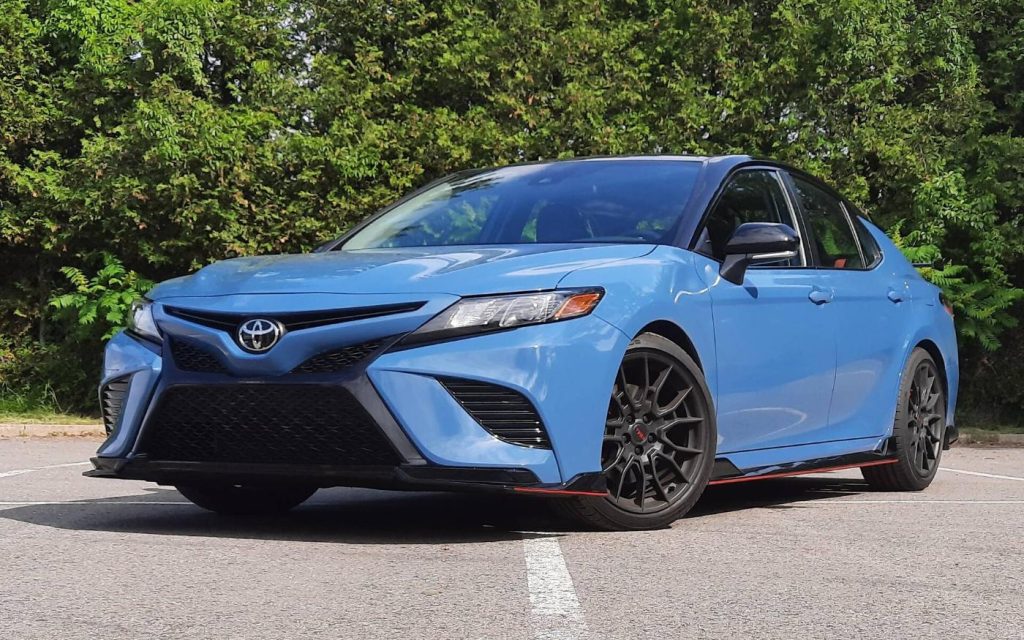
Toyota Camry
The Toyota Camry has built a reputation for long-term reliability, and its braking system is a key contributor to that standing. While it does not rely on hybrid regeneration in its standard gasoline form, the Camry’s conventional braking setup is engineered with durability, consistency, and low maintenance in mind.
Toyota’s approach emphasizes predictable wear patterns, robust materials, and well-calibrated brake force distribution, all of which support sustained performance over 100,000 miles.
At the core of the Camry’s braking system are ventilated disc brakes designed to manage heat efficiently. Heat is the primary factor that accelerates brake wear, and Toyota addresses this through effective airflow and thermal dissipation.
By keeping operating temperatures under control, the system reduces the likelihood of rotor warping, brake fade, and uneven pad degradation. This is particularly important for drivers who frequently encounter highway speeds or heavy braking conditions.
Brake pad composition also plays a role in longevity. Toyota typically uses high-quality, low-metallic or ceramic-based compounds that balance stopping power with reduced wear.
These materials generate less dust and maintain stable friction characteristics over time, which helps extend service intervals without compromising safety. Under normal driving conditions, Camry brake pads can often last between 60,000 to 100,000 miles, with rotors following a similarly durable lifecycle when properly maintained.
Subaru Outback
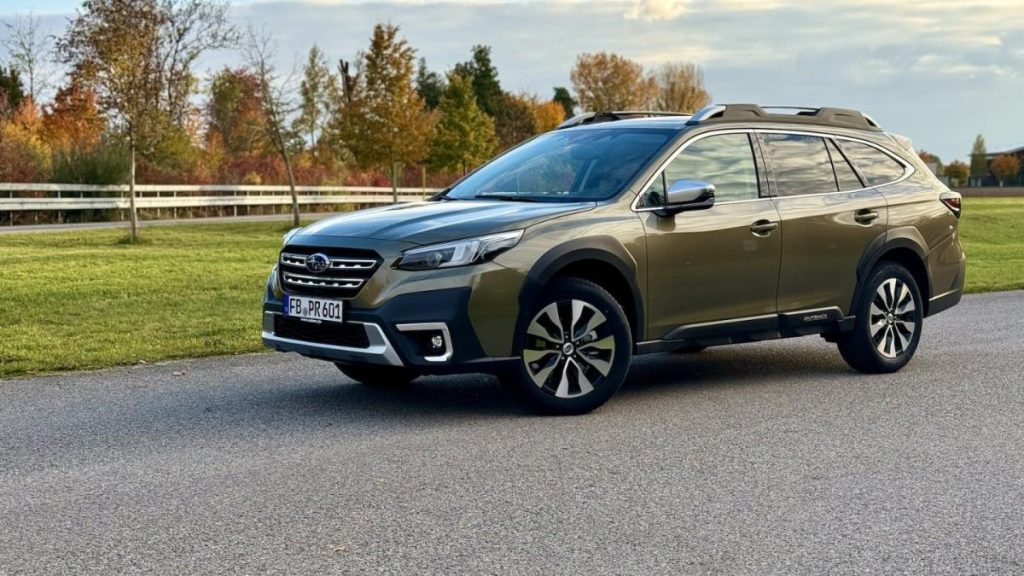
The Subaru Outback is engineered for versatility, and its braking system reflects that same focus on durability across varied driving conditions.
Designed to handle everything from daily commuting to light off-road use, the Outback employs a robust four-wheel disc brake setup that prioritizes consistent stopping power and long-term reliability. This makes it a strong candidate for drivers expecting dependable brake performance well past 100,000 miles.
A key factor in the Outback’s brake longevity is its balanced integration with Subaru Symmetrical All-Wheel Drive. Because torque is distributed evenly across all four wheels, braking forces are also more evenly managed.
This reduces the likelihood of uneven pad and rotor wear, a common issue in vehicles where power delivery is less balanced. The result is a more uniform degradation pattern, which helps extend the service life of braking components.
Subaru equips the Outback with ventilated front disc brakes and solid or ventilated rear discs, depending on the model year and trim. These components are designed for effective heat dissipation, which is critical in preserving rotor integrity and preventing brake fade during prolonged or heavy use.
Whether descending steep terrain or managing highway speeds, the system maintains stable operating temperatures, reducing stress on pads and rotors.
Ford F-150
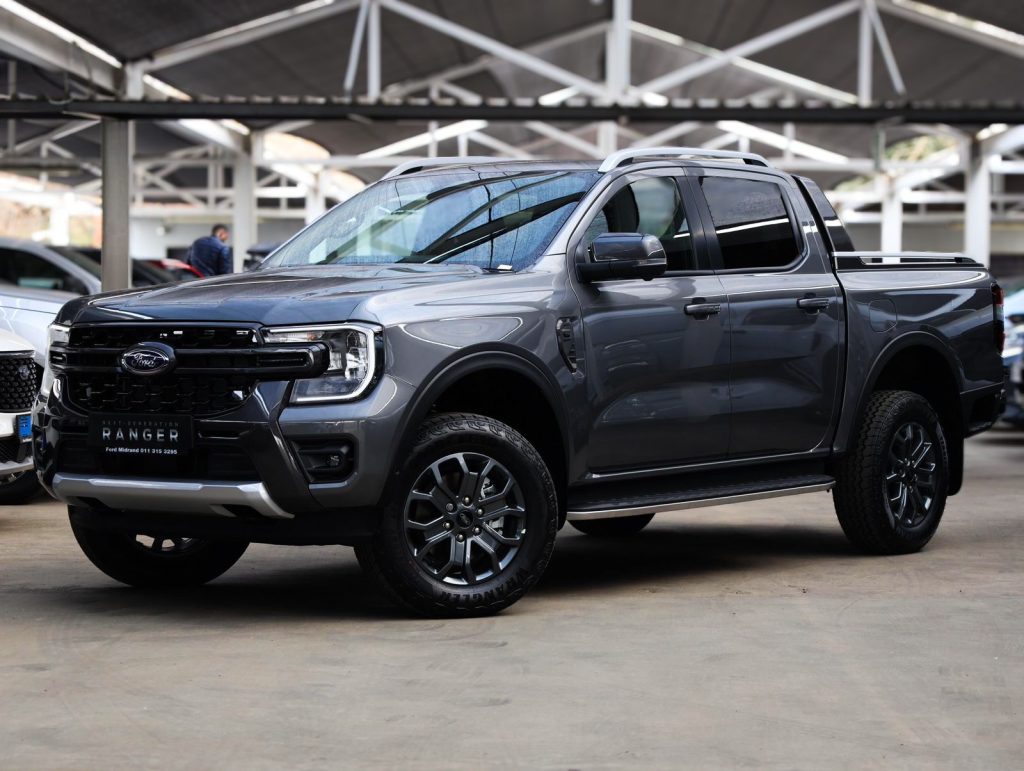
The Ford F-150 is engineered to handle demanding workloads, and its braking system is built with that same durability-focused philosophy.
Designed to manage towing, hauling, and daily driving, the F-150 employs a heavy-duty four-wheel disc braking setup that prioritizes thermal stability, consistent stopping power, and long service life. This makes it a strong candidate for drivers expecting reliable brake performance beyond 100,000 miles, even under higher load conditions.
A defining feature of the F-150’s braking system is its large, ventilated disc brakes. These are specifically sized to dissipate heat efficiently, which is critical in a truck that may frequently operate under heavy payloads or towing stress.
Excessive heat is the primary cause of brake fade and premature wear, and Ford addresses this with high-capacity rotors and calipers that maintain performance consistency during repeated or prolonged braking events, such as descending grades with a trailer.
Brake force distribution is carefully managed through electronic systems, including anti-lock braking (ABS), electronic brakeforce distribution (EBD), and integrated trailer brake control in equipped models.
These systems ensure that braking pressure is applied proportionally across all wheels and, when towing, between the truck and trailer. This balanced load management reduces uneven wear and prevents localized stress on individual components, extending the lifespan of pads and rotors.
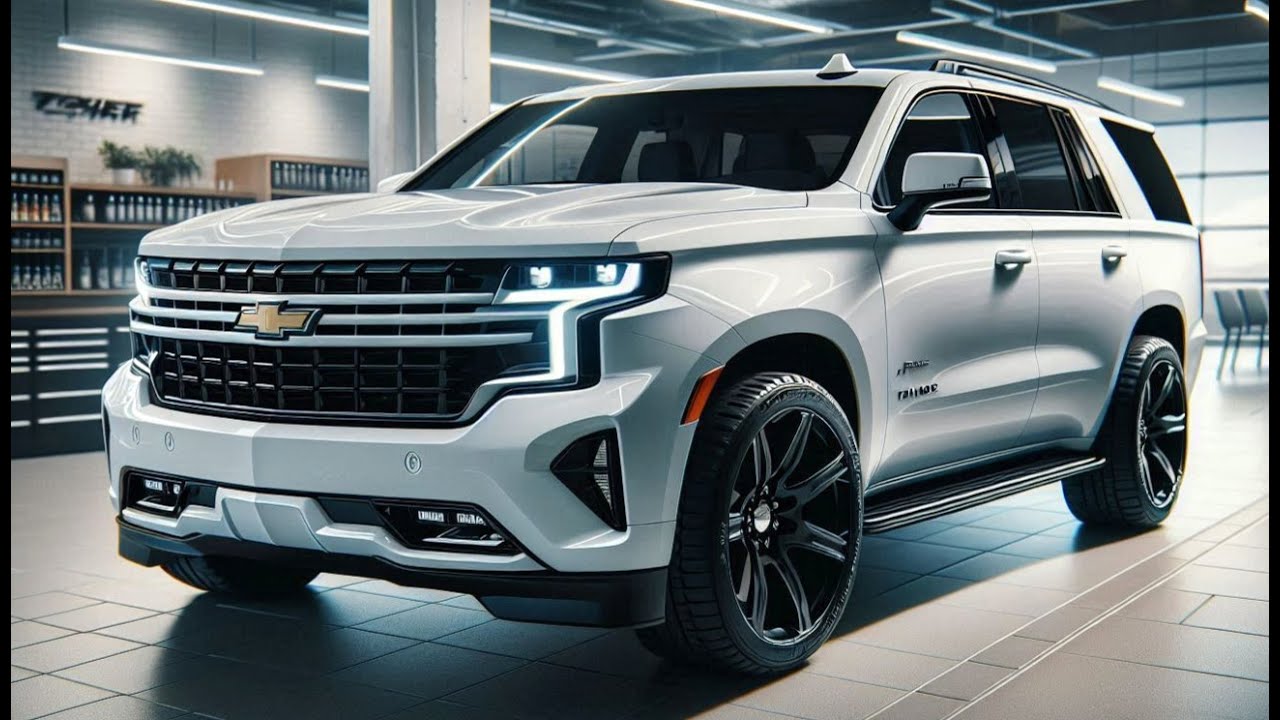
Chevrolet Tahoe
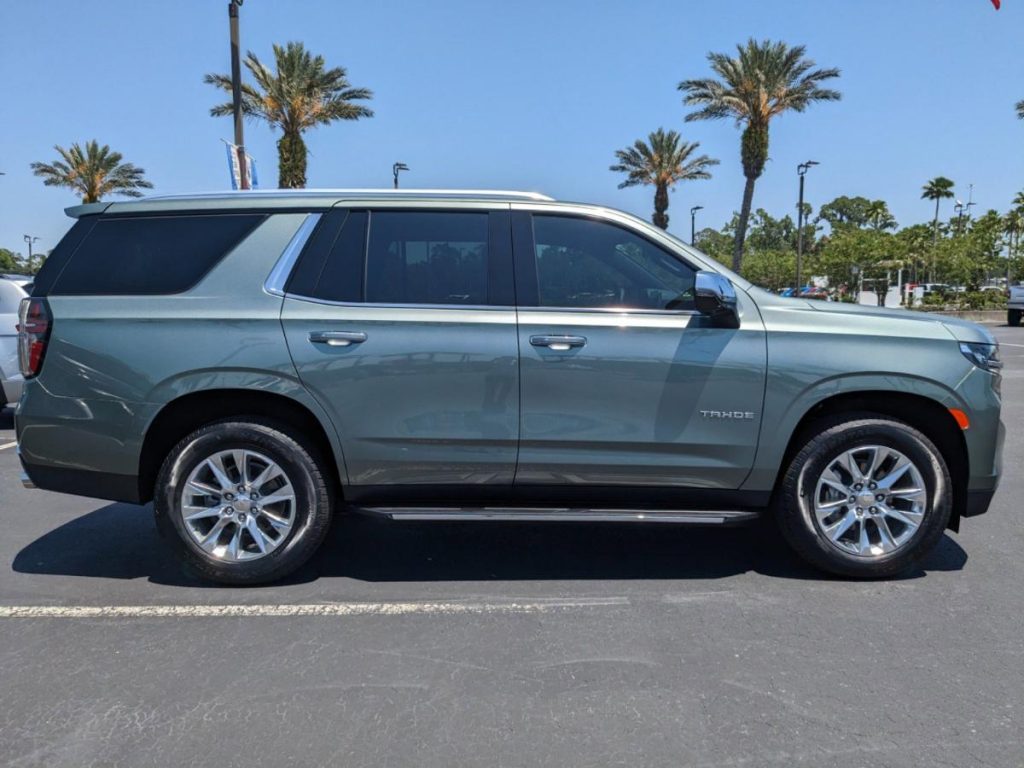
The Chevrolet Tahoe is built to manage substantial weight and passenger capacity, and its braking system is engineered accordingly for durability and consistent performance over high mileage.
As a body-on-frame SUV often used for family transport, towing, and fleet duty, the Tahoe relies on a heavy-duty four-wheel disc brake setup designed to handle sustained loads without excessive wear. This makes it a strong candidate for drivers expecting dependable braking performance beyond 100,000 miles.
A central component of the Tahoe’s braking durability is its large, ventilated disc brakes. These rotors are designed to dissipate heat efficiently, which is critical given the vehicle’s mass.
Heat buildup is a primary cause of brake degradation, leading to issues such as fade, rotor warping, and accelerated pad wear. By maintaining stable operating temperatures, the Tahoe’s braking system reduces long-term stress on key components, preserving performance over extended use.
The system is supported by advanced electronic controls, including anti-lock braking (ABS), electronic brakeforce distribution (EBD), and stability control integration. These technologies continuously adjust braking pressure based on load conditions, traction, and driver input.
This ensures that braking force is applied evenly across all wheels, minimizing uneven wear and preventing overloading of individual components. For vehicles equipped with towing packages, integrated trailer brake control further optimizes braking balance between the SUV and the trailer, reducing strain during heavy-duty use.
BMW 5 Series
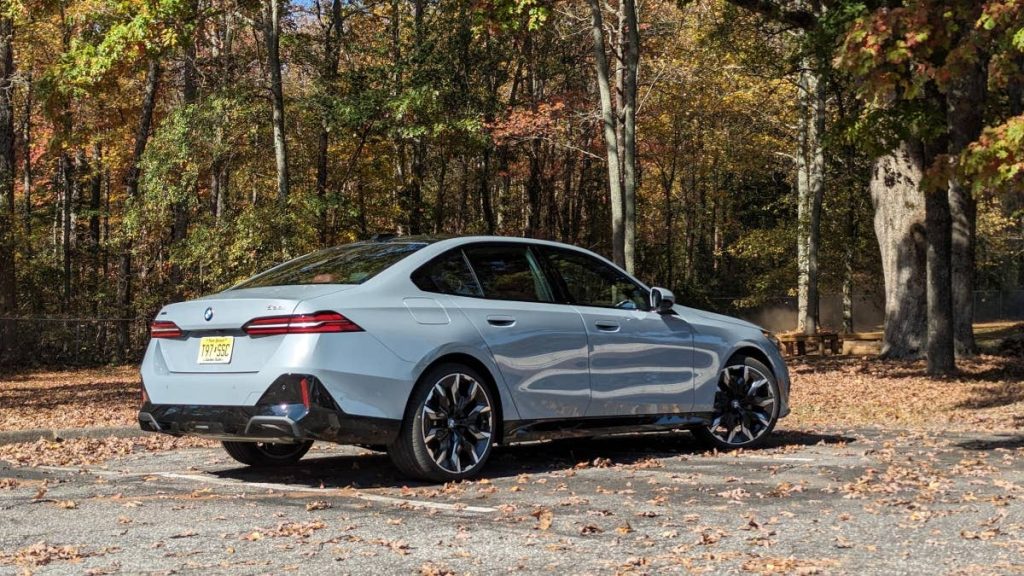
The BMW 5 Series blends performance-oriented engineering with a braking system designed for consistent, long-term durability. While the 5 Series is known for responsive driving dynamics, its braking architecture is equally focused on managing wear and maintaining effectiveness over extended mileage.
Through a combination of advanced materials, electronic control, and efficient energy management, the system is capable of delivering reliable performance well beyond the 100,000-mile mark under normal driving conditions.
At the hardware level, the 5 Series uses large, ventilated disc brakes on all four wheels, often paired with high-quality composite or alloy rotors depending on the variant. These components are engineered to dissipate heat rapidly, which is essential in preserving rotor integrity and preventing brake fade during repeated or high-speed braking.
Effective thermal management reduces stress on both pads and rotors, contributing to longer service intervals.
BMW’s brake energy regeneration system, commonly referred to as brake energy recuperation, further enhances longevity.
By converting kinetic energy into electrical energy during deceleration, the system reduces reliance on friction braking in light and moderate braking scenarios. While not as extensive as full hybrid regeneration, this feature still lowers overall pad usage and heat generation, especially in urban driving conditions.
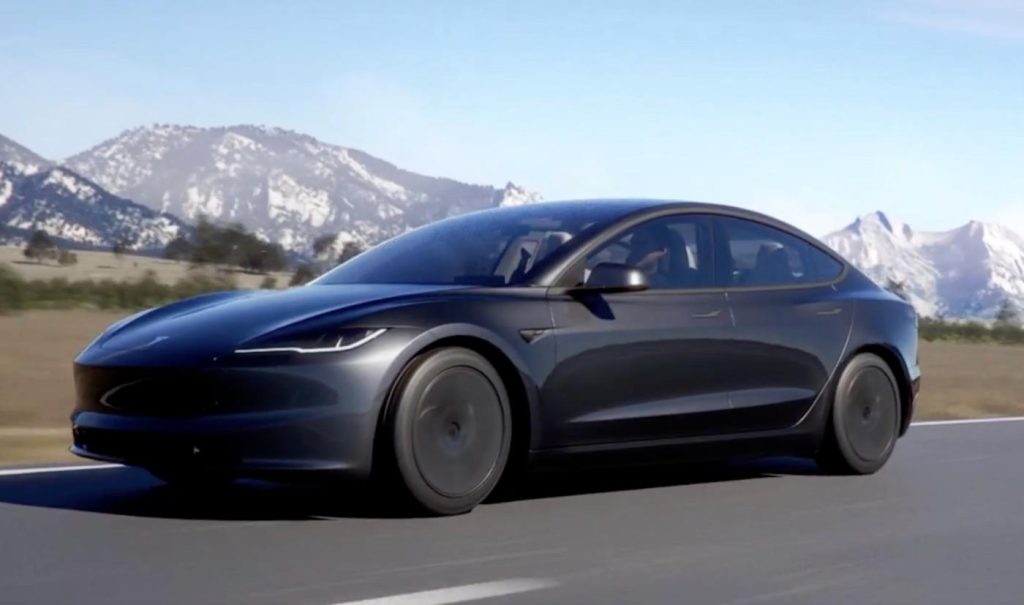
Tesla Model 3
The Tesla Model 3 approaches braking durability from a fundamentally different angle than conventional vehicles, relying heavily on regenerative braking to minimize mechanical wear.
In normal driving conditions, lifting off the accelerator initiates strong deceleration through the electric motor, converting kinetic energy back into stored battery power. This significantly reduces the need for traditional friction brakes, allowing core components like pads and rotors to last far longer than in internal combustion vehicles.
Because regenerative braking handles the majority of everyday slowing, the physical brake system is often reserved for emergency stops, low-speed final braking, or situations requiring maximum stopping force. This limited usage translates directly into extended component lifespan.
Many Model 3 owners report minimal brake wear even after 100,000 miles, with some vehicles still operating on original pads and rotors, provided driving conditions remain typical and maintenance is consistent.
The system is managed through a highly integrated electronic brake control architecture. Tesla calibrates the transition between regenerative and hydraulic braking to be seamless, ensuring consistent pedal feel despite the reduced reliance on friction components.
This electronic precision also helps distribute braking forces evenly, preventing localized stress and uneven wear that can shorten component life in traditional systems.
Thermal load is another area where the Model 3 benefits. Since much of the deceleration energy is captured electrically rather than dissipated as heat, the braking system operates at lower average temperatures.
Reduced heat exposure minimizes risks such as rotor warping, brake fade, and accelerated pad degradation. This controlled environment supports long-term structural integrity of braking components.
However, reduced usage introduces a different maintenance consideration: corrosion. Because the friction brakes are engaged less frequently, especially in regions with moisture or road salt, surface rust can develop on rotors if not periodically cleared through normal braking.
Tesla addresses this partially through software that occasionally applies the brakes to maintain cleanliness, but driver awareness still plays a role in preserving optimal condition.
Volvo XC90
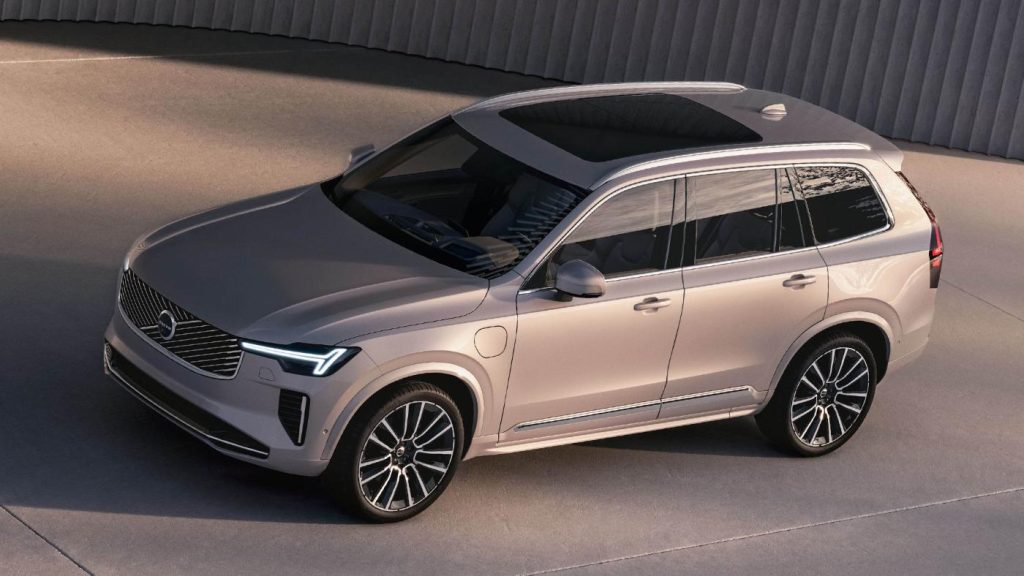
The Volvo XC90 is engineered with a strong emphasis on safety and durability, and its braking system reflects that philosophy through robust design and consistent long-term performance. As a midsize luxury SUV often tasked with carrying families and cargo, the XC90 utilizes a heavy-duty four-wheel disc braking setup built to handle sustained loads while maintaining reliability beyond 100,000 miles.
At the hardware level, the XC90 features large, ventilated disc brakes that prioritize efficient heat dissipation. Given the vehicle’s size and weight, managing thermal buildup is critical to preserving braking performance over time.
Volvo addresses this with high-capacity rotors and carefully calibrated airflow, reducing the risk of brake fade, rotor warping, and uneven pad wear during extended or repeated braking events.
For hybrid variants, such as the Recharge models, regenerative braking plays a significant role in extending component life. The system captures kinetic energy during deceleration and converts it into electrical energy, reducing reliance on friction brakes in everyday driving.
This leads to lower wear rates for pads and rotors, particularly in urban environments where frequent stopping is common. Even in non-hybrid versions, the braking system is engineered for controlled, gradual engagement, minimizing unnecessary stress.
Electronic integration is a key strength of the XC90. Systems such as anti-lock braking (ABS), electronic brakeforce distribution (EBD), and stability control continuously adjust braking pressure based on road conditions, vehicle load, and driver input.
Volvo’s advanced safety suite also includes automatic emergency braking and collision avoidance features, which apply braking force in a controlled manner to prevent excessive component strain while maintaining safety.
Material quality and corrosion resistance further support long-term durability. Volvo uses high-grade brake components designed to withstand temperature fluctuations, moisture, and environmental exposure.
This is particularly important for an SUV expected to operate in varied climates and driving conditions. Even wear distribution and stable friction characteristics help extend service intervals and maintain predictable performance.
Additionally, transmission downshifting and engine braking assistance reduce dependence on friction brakes during downhill driving, helping to limit heat buildup and prolong component life. These supporting systems contribute to a balanced braking workload across different driving scenarios.
The Volvo XC90 combines advanced safety engineering with durability-focused braking design. Whether in standard or hybrid form, its system is built to deliver consistent, low-wear performance over extended mileage, making it well-suited for drivers seeking long-term reliability in a premium SUV.
Understanding why these vehicles perform well requires a closer look at the underlying engineering principles. Regenerative braking is perhaps the most influential factor, as it shifts much of the workload away from friction components. By converting kinetic energy into electrical energy, hybrids and electric vehicles reduce both heat generation and physical wear.
Component sizing also plays a critical role. Larger rotors and calipers can absorb and dissipate heat more effectively, which prevents the thermal buildup that leads to warping and accelerated pad degradation. Vehicles designed for heavy-duty use often benefit from this, as their braking systems are built with higher capacity than typical driving demands require.
Calibration and software tuning further influence longevity. Smooth, progressive brake application reduces peak stress and ensures that wear occurs evenly across components. Advanced systems can also adjust braking force dynamically, optimizing performance without overloading any single part of the system.
Material quality should not be overlooked. High-grade rotor alloys and advanced pad compounds are better equipped to handle repeated heat cycles without degrading. These materials maintain structural integrity over longer periods, contributing to extended service intervals.
It is important to note that even the most durable braking systems are not immune to external factors. Driving style remains a decisive variable.
Frequent hard braking, heavy loads, and stop-and-go traffic will accelerate wear regardless of engineering advantages. Conversely, highway driving and anticipatory braking can significantly extend the lifespan of brake components.
Environmental conditions also matter. Corrosion from moisture or road salt can affect brake components, particularly in regions with harsh winters. Regular inspection and maintenance are still necessary to ensure optimal performance over time.
Ultimately, the vehicles listed here share a common trait: their braking systems are designed with capacity, efficiency, and durability in mind. Whether through electrification, overengineering, or advanced materials, they offer a clear advantage in long-term ownership costs.
For buyers prioritizing reliability and reduced maintenance, brake longevity is a metric worth considering alongside fuel economy and engine durability. While it may not be immediately visible during a test drive, it becomes increasingly valuable over years of ownership, where fewer repairs translate into both financial savings and greater peace of mind.
