
When it comes to buying a used sedan, power steering reliability is often overlooked but critical for long-term satisfaction. Modern electric power-assisted steering (EPS) systems have replaced traditional hydraulic setups, eliminating pumps, hoses, and fluid that commonly fail over time.
In this list of 12 Used Sedans With the Most Reliable Power Steering Systems Ever Made, we explore vehicles that combine dependable steering with comfort, safety, and daily usability. From the Toyota Camry and Honda Accord to luxury options like the Lexus ES, these sedans are engineered to provide precise, smooth, and virtually maintenance-free steering.
Each car was selected based on engineering quality, durability of EPS or EPAS components, and real-world owner feedback. Whether you prioritize sporty handling, quiet urban commuting, or family-friendly long-distance travel, these sedans offer confidence behind the wheel while keeping servicing concerns to a minimum.
This guide highlights models that excel in delivering peace of mind along with a refined driving experience.
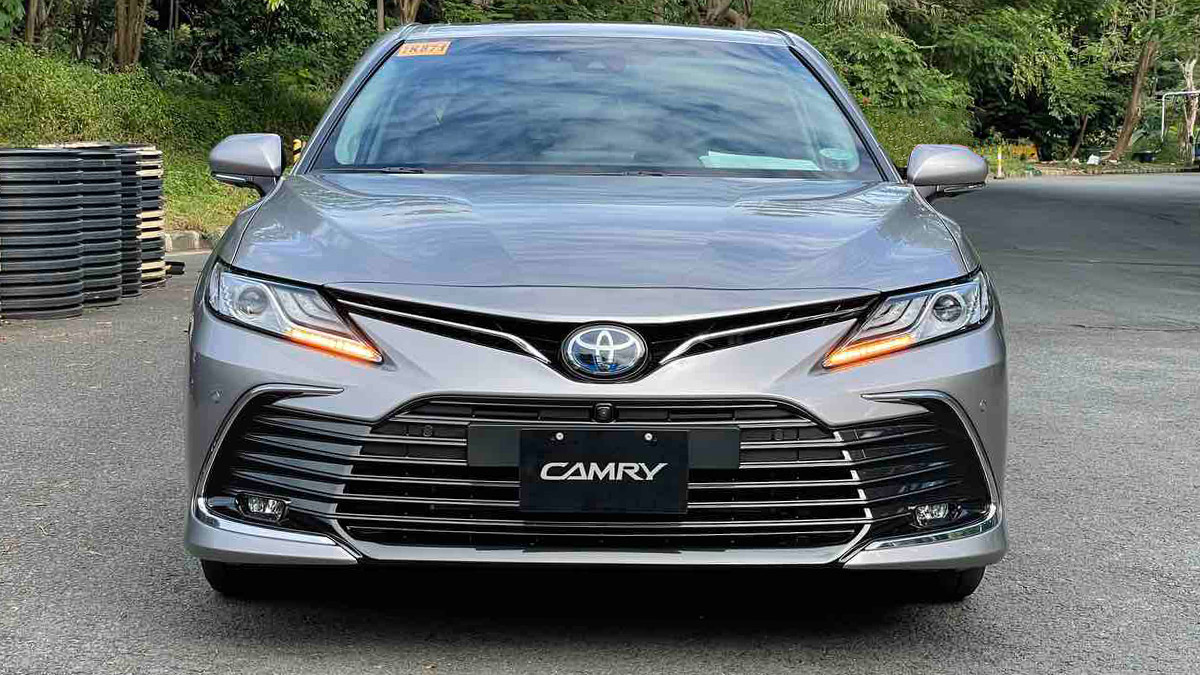
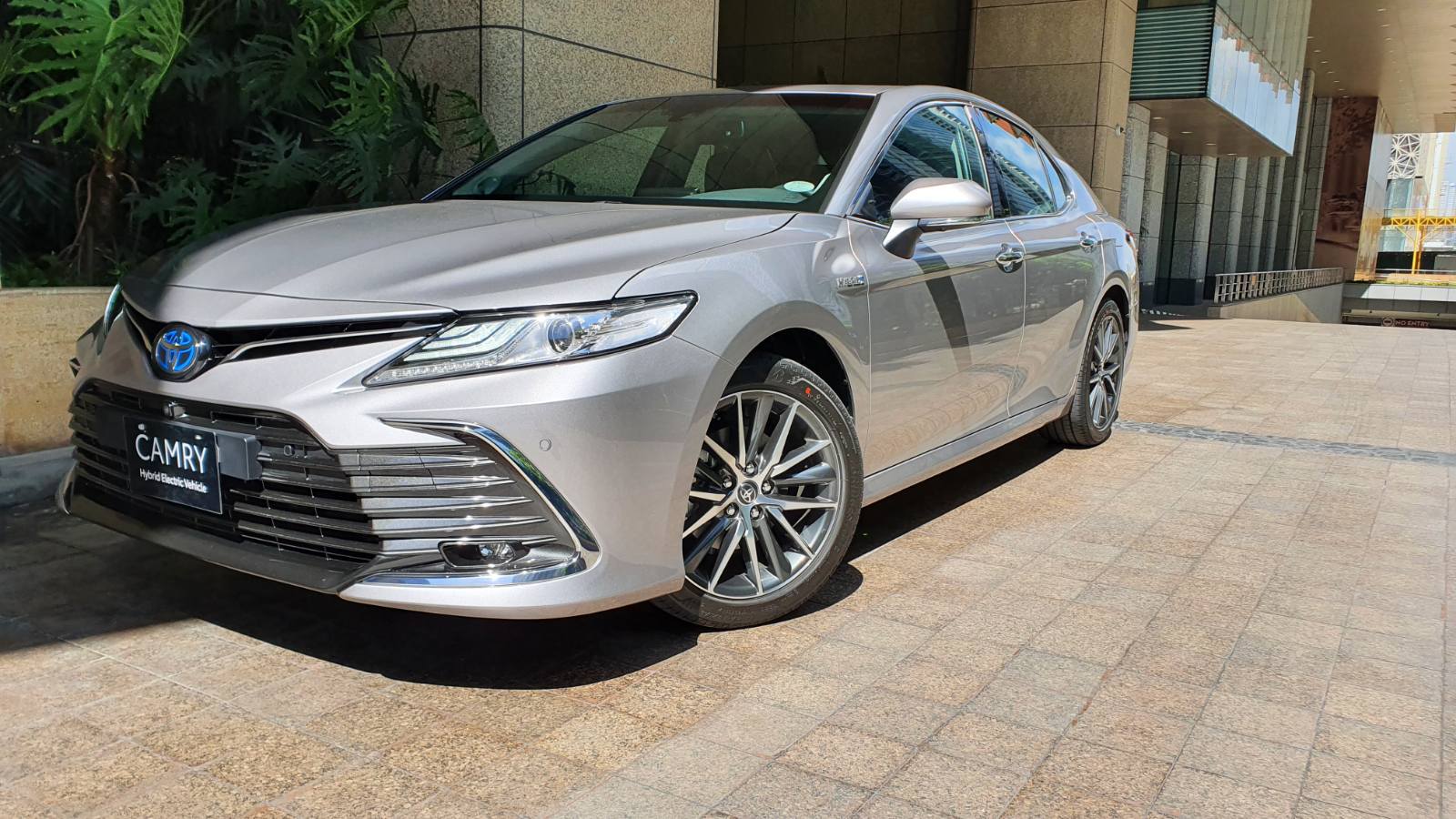
1. Toyota Camry (2016–2022): Reliable, Low-Maintenance Midsize Sedan
The Toyota Camry (2016–2022) is celebrated for its exceptional reliability, particularly its electric power steering (EPS) system. Replacing traditional hydraulic setups, the EPS eliminates high-pressure hoses, fluid, and pumps, removing common points of failure.
This makes the steering system virtually maintenance-free, with many owners reporting over 200,000 miles without major service. The steering is designed to feel light and effortless in city driving while remaining stable and composed on highways, prioritizing comfort and durability over sporty feedback.
The Camry’s EPS benefits from Toyota’s meticulous engineering and quality control. Fewer moving parts compared to hydraulic systems reduce wear, while components such as the electronic control unit (ECU) are built to withstand years of use.
Toyota refines new technology gradually, and by the 2016–2022 period, the EPS system had matured, offering high reliability compared to competitors who introduced less-tested steering setups. Consumer reports confirm low failure rates, with minor recalls, such as the early 2016 EPS ECU issue, having minimal long-term impact.
Starting with the 2018 redesign, the Camry adopted a lower, wider TNGA platform and updated the electric steering motor calibration. These changes improved precision and steering feel without compromising the durability of the EPS system.
While the system is highly dependable, some drivers report stiffer steering in cold weather or slight intermediate shaft issues in 2018 and later models, which are often resolved through software updates or minor adjustments. Even with these minor considerations, the power steering remains one of the most reliable features in the midsize sedan segment.
The Camry is praised for combining reliability with comfort, efficiency, and modern features. The 2016–2017 models appeal to buyers seeking a traditional, highly dependable sedan, while the 2018–2022 models offer refreshed styling, Apple CarPlay/Android Auto, and advanced safety technologies.
Engine options include a 2.5L 4-cylinder and hybrid variants, delivering smooth, quiet rides with strong fuel economy. Spacious interiors, low maintenance costs, and excellent resale value make the Camry a practical choice for long-term daily driving, appealing to commuters and families alike.
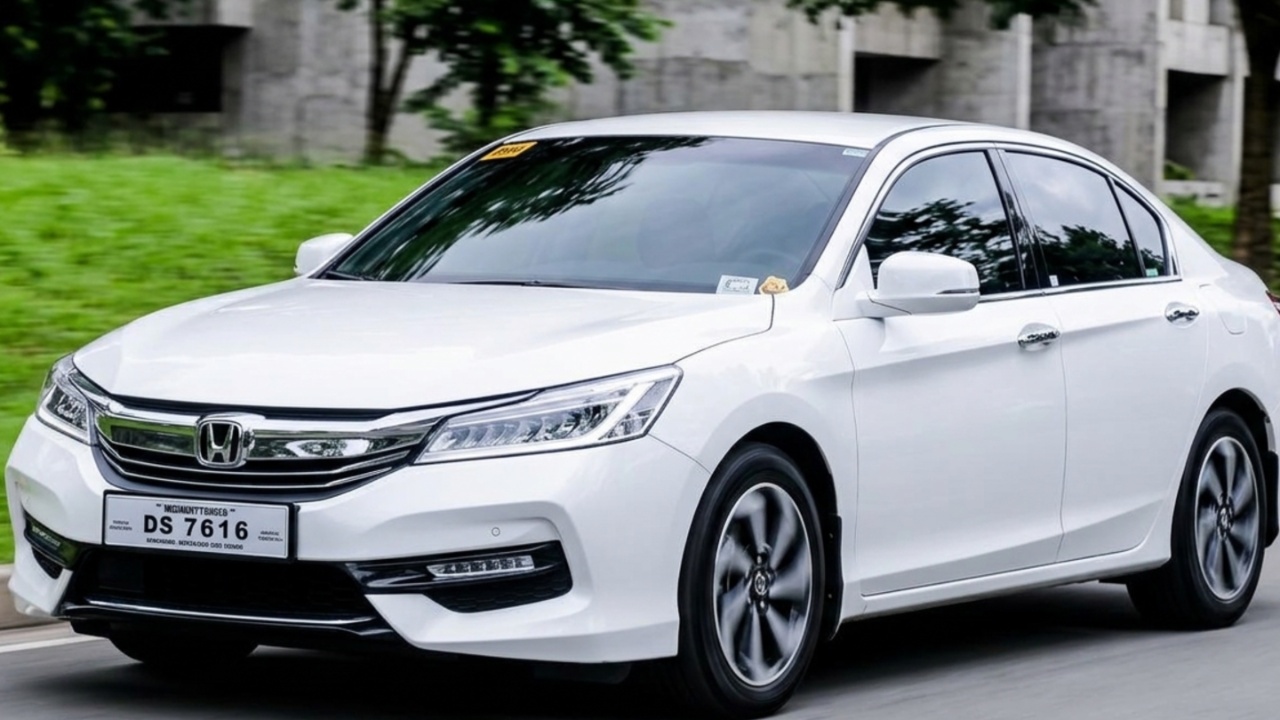
2. Honda Accord (2018–2022): Reliable, Comfortable, and Engaging Midsize Sedan
The 10th-generation Honda Accord (2018–2022) is praised for combining comfort, reliability, and driver engagement. Its standout feature is the Dual Pinion Electric Power Steering (EPS) system, which separates driver input from power assistance, reducing wear on mechanical components.
This system delivers precise, consistent steering with a slightly “artificial” feel, while remaining highly durable when maintained within factory alignment specifications. Early 2018 models occasionally experienced a sticking sensation, but most have been updated or serviced to resolve this issue.
The EPS, combined with a variable gear ratio of 2.3 turns lock-to-lock, provides responsive handling with minimal effort, eliminating common hydraulic failures such as fluid leaks, pump issues, or hose deterioration.
Engine and transmission options offer versatility for different driving preferences. The Accord comes with a 1.5L 4-cylinder turbo paired with a 6-speed automatic, a 2.0L 4-cylinder turbo with a 10-speed automatic, and a dual-motor hybrid, with some turbo variants also available with a 6-speed manual.
The 1.5L engine delivers sufficient power for daily driving, while the 2.0L turbo offers sportier performance. The hybrid model achieves excellent fuel efficiency, rated at 5.3 L/100km combined, compared to 9.1 L/100km for the 2.0L engine.
Inside, the Accord provides spacious, practical accommodations. Passenger and cargo rooms are generous, with intuitive infotainment supporting Apple CarPlay and Android Auto. Some owners noted firmer seats and a slightly lower entry point, but visibility and comfort remain above average.
Safety is enhanced with Honda Sensing features, including adaptive cruise control, collision mitigation, and lane-keeping assist. Minor software or recall issues, such as fuel pump or airbag updates, should be confirmed on used models.
The 2018–2022 Accord is highly dependable, with many vehicles surpassing 300,000 km with proper maintenance. It balances performance, efficiency, and practicality, making it suitable for commuters, families, and long-term ownership.
Hybrids offer lower running costs and stronger resale, while higher trims deliver added comfort and technology. Its precision steering, durable powertrains, and spacious cabin reinforce the Accord’s reputation as a versatile, low-maintenance midsize sedan.
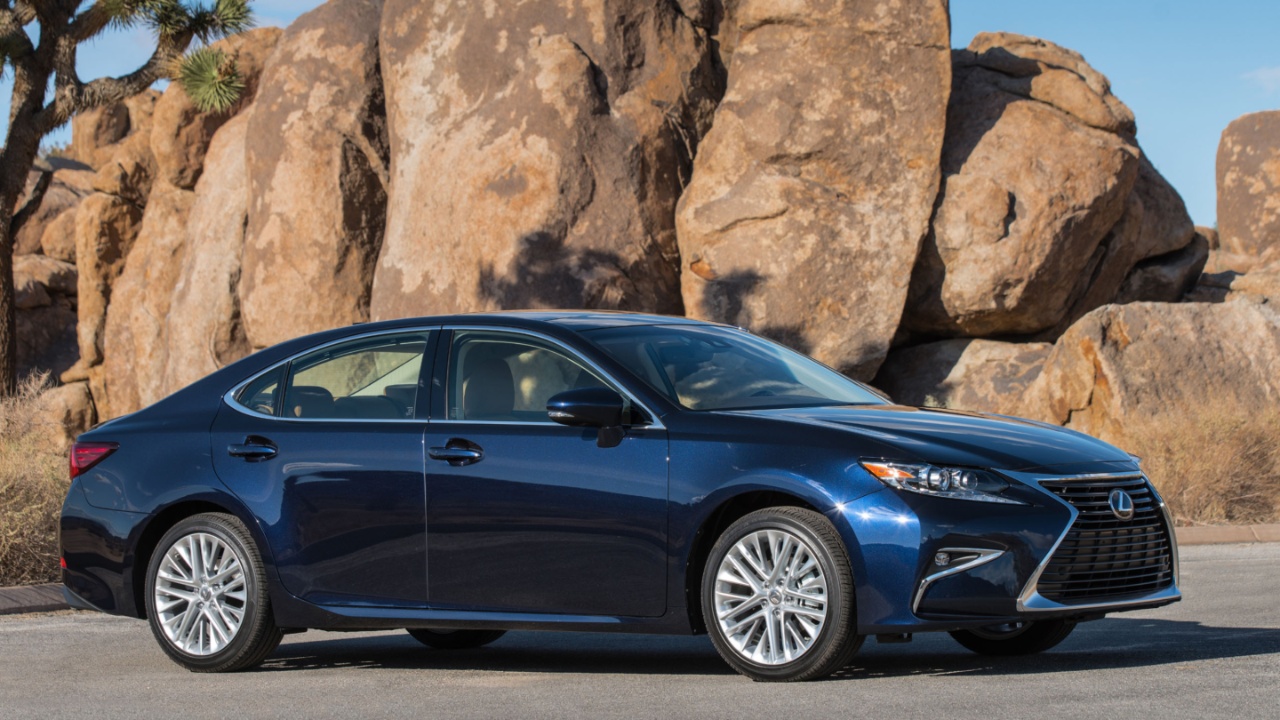
3. Lexus ES (2017): Reliable, Comfortable, and Low-Maintenance Luxury Sedan
The 2017 Lexus ES is renowned for its mechanical reliability and long-term durability, often earning near-perfect reliability scores from J.D. Power. Its power steering system is engineered for smoothness and minimal effort, reflecting Lexus’s focus on luxury comfort rather than sporty handling.
While a minor recall for a steering gear lock nut affected some early models, these were promptly addressed, and most vehicles now demonstrate exceptional longevity. Steering components are deliberately over-engineered to prevent slack or numbness, offering consistent, whisper-quiet operation throughout the car’s life with minimal intervention beyond routine inspections.
Reliability is a cornerstone of the 2017 ES, which benefits from Toyota’s conservative and proven engineering approach. The Electric Power Steering (EPS) system prioritizes durability over complex feedback, reducing wear and the likelihood of failure. Lexus uses high-quality, time-tested components rather than experimental technology, contributing to extremely low complaint rates.
The 2017 model achieved a 96/100 reliability rating from J.D. Power, underlining its reputation as a low-maintenance luxury sedan. High standards in fit, finish, and materials further enhance the vehicle’s longevity, making it a dependable choice for pre-owned buyers.
The ES lineup includes the 3.5L V6 ES 350 and the ES 300h hybrid, both delivering smooth and ample power. The V6 produces 268 hp, ensuring effortless acceleration, while the hybrid offers enhanced fuel efficiency without compromising comfort.
The cabin is spacious and quiet, with generous rear-seat legroom and a large trunk, providing a refined, relaxing driving experience. Safety features are strong, with most 2017 models equipped with the Lexus Safety System+, including pre-collision braking, lane departure alerts, and other driver-assistance technologies.
Common criticisms of the 2017 ES include the Remote Touch infotainment interface, which can be unintuitive, and the car’s focus on comfort over sporty dynamics, which may feel less engaging to performance-oriented drivers. Heated seats are often optional on base trims, and minor reports of axle vibration at high speeds exist.
Despite these points, the Lexus ES remains highly regarded as a dependable, comfortable, and practical luxury sedan, making it an excellent choice for buyers seeking low-maintenance, long-lasting performance with premium comfort and fuel-efficient options in the ES 300h hybrid.
4. Toyota Corolla (2016–2021): Durable, Low-Maintenance, and Reliable Sedan
The 2016–2021 Toyota Corolla is widely regarded as one of the most dependable and low-cost-to-own compact sedans, with its Electric Power Steering (EPS) system being a key contributor to its reliability. Unlike traditional hydraulic setups, the Corolla’s sealed-for-life EPS rack eliminates pumps, belts, and fluid, avoiding common failure points such as leaks or ruptured hoses.
The system is speed-sensitive, providing lighter steering at low speeds for city driving and firmer resistance at higher speeds, which enhances control and safety. Mechanics often note that the Corolla’s steering is one of the least likely components to fail, with service lives frequently reaching 100,000 to 150,000 miles before inspection is required.
The EPS system’s robustness comes from its minimal moving parts and modern torque sensors, which rarely fail. Maintenance is virtually unnecessary, as there is no fluid to check or replace, making the steering system virtually “set and forget.” While the system is highly reliable, some issues can arise if the 12V battery is weak, causing the EPS to behave erratically or feel stiff.
Occasional reports of low-speed stiffness or unusual suspension noises are minor and easily addressed through standard servicing. These factors, combined with Toyota’s engineering focus on durability, contribute to the Corolla’s reputation as a low-hassle, long-term vehicle.
The Corolla also offers efficient and reliable powertrains, primarily a 1.8L gasoline engine, with hybrid options delivering excellent fuel economy. Driving dynamics are calm rather than sporty, but the smooth ride and comfort-oriented suspension make it suitable for commuting and family use.
Interior space is adequate, though rear legroom can be tight, and earlier infotainment systems feel dated. Standard safety features include a rear-view camera, and later generations improved technology integration and handling with updated platforms and styling.
For used-car buyers, the Corolla represents a practical choice due to its exceptional reliability, low maintenance costs, and economical operation. Pros include strong longevity, soft ride quality, and low servicing needs, while cons include a noisier engine under load, limited rear-seat space, and modest performance.
The 2016–2018 11th-generation models prioritize comfort and value, while the 2019–2021 12th-generation Corollas offer more aggressive styling, improved handling, and modern tech features. The 2016–2021 Toyota Corolla remains a smart, budget-friendly option for daily commuting and long-term ownership.
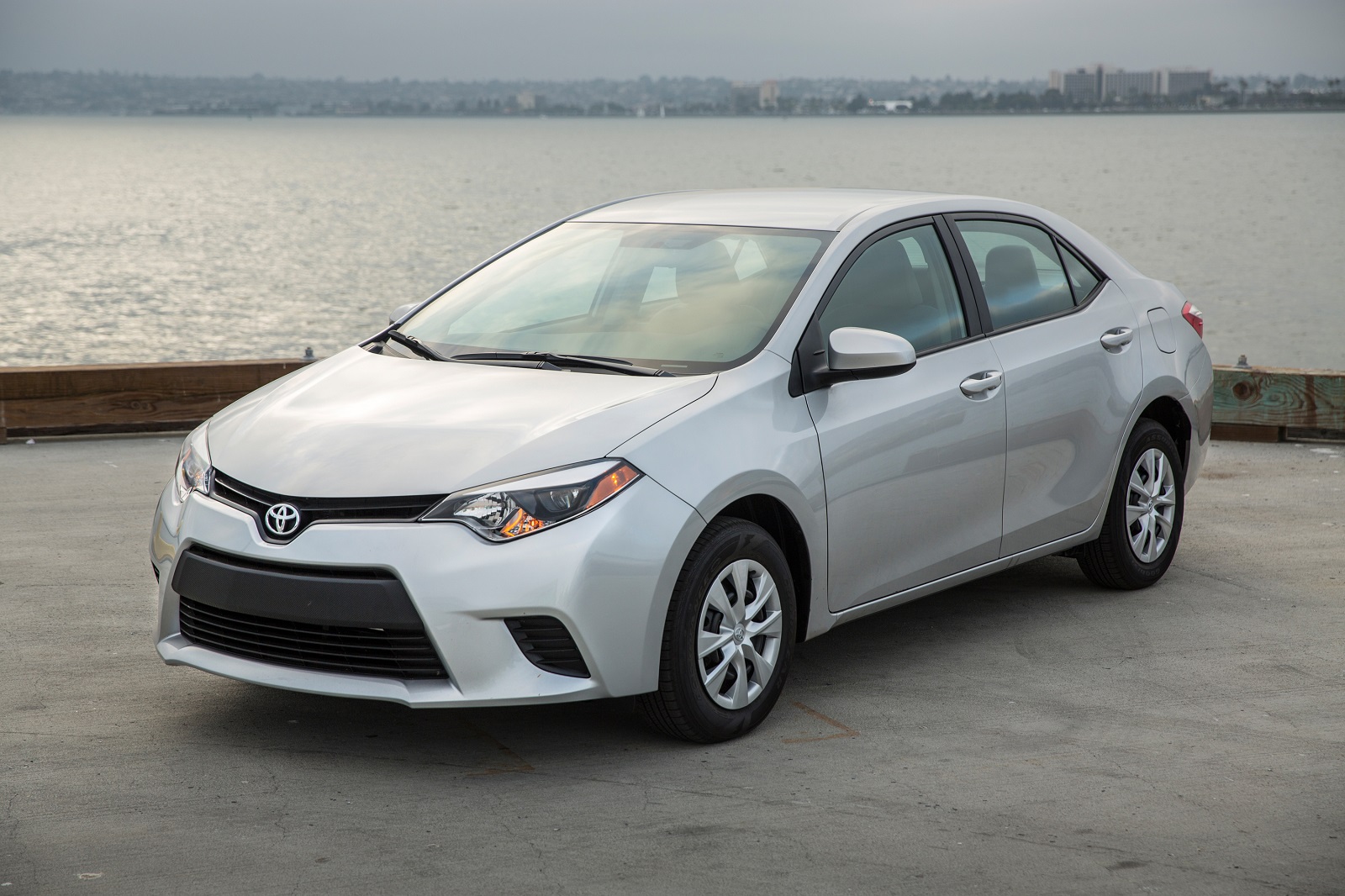
5. Honda Civic (10th Generation, 2016–2021): Sporty, Reliable, and Practical
The 10th-generation Honda Civic brought a more athletic feel to the compact car segment while maintaining Honda’s reputation for reliability. A key feature is the Dual Pinion Electric Power Steering (EPS) system, which provides greater precision and responsiveness compared to traditional single-pinion setups.
The EPS works with a rigid 1.2-inch (30mm) steering column and a variable gear ratio that allows 2.2 turns lock-to-lock, improving maneuverability and reducing stress on steering components. This system is designed to handle daily driving, rough city streets, and spirited driving while requiring minimal maintenance because it does not use hydraulic fluid, pumps, or hoses.
The steering system is light at low speeds for parking yet firm at higher speeds, giving confidence during highway driving and cornering. The stiffer chassis and well-protected electronic controls prevent premature wear and shield components from heat and vibration.
This combination ensures long-term durability and makes the 10th-generation Civic a reliable choice in the used car market. Unlike previous generations, the Civic’s steering rarely suffers from leaks or mechanical failures.
The 10th-generation Civic also performs well in terms of engines and practicality. Buyers can choose a 1.5L turbocharged engine for strong acceleration or 1.8L and 2.0L naturally aspirated engines, depending on the market.
The Civic delivers sharp handling, a comfortable ride, and a spacious cabin with one of the largest boot capacities in its class. Higher trims include Apple CarPlay, Android Auto, and Honda Sensing safety technology, enhancing convenience and driver confidence.
Some minor drawbacks include a slow or outdated infotainment system, road noise at highway speeds, and low ground clearance due to the sporty design. Some owners have reported occasional electrical issues such as AC compressor faults or parking sensor problems.
Regular maintenance of the CVT transmission is recommended for turbo models. Despite these minor concerns, the 10th-generation Honda Civic combines sporty handling, efficient engines, and long-term reliability, making it an excellent choice for buyers who want a practical, engaging, and dependable compact car.
Also read: 10 Cars Featuring the Most Aggressive Stock Factory Engine Exhaust Notes
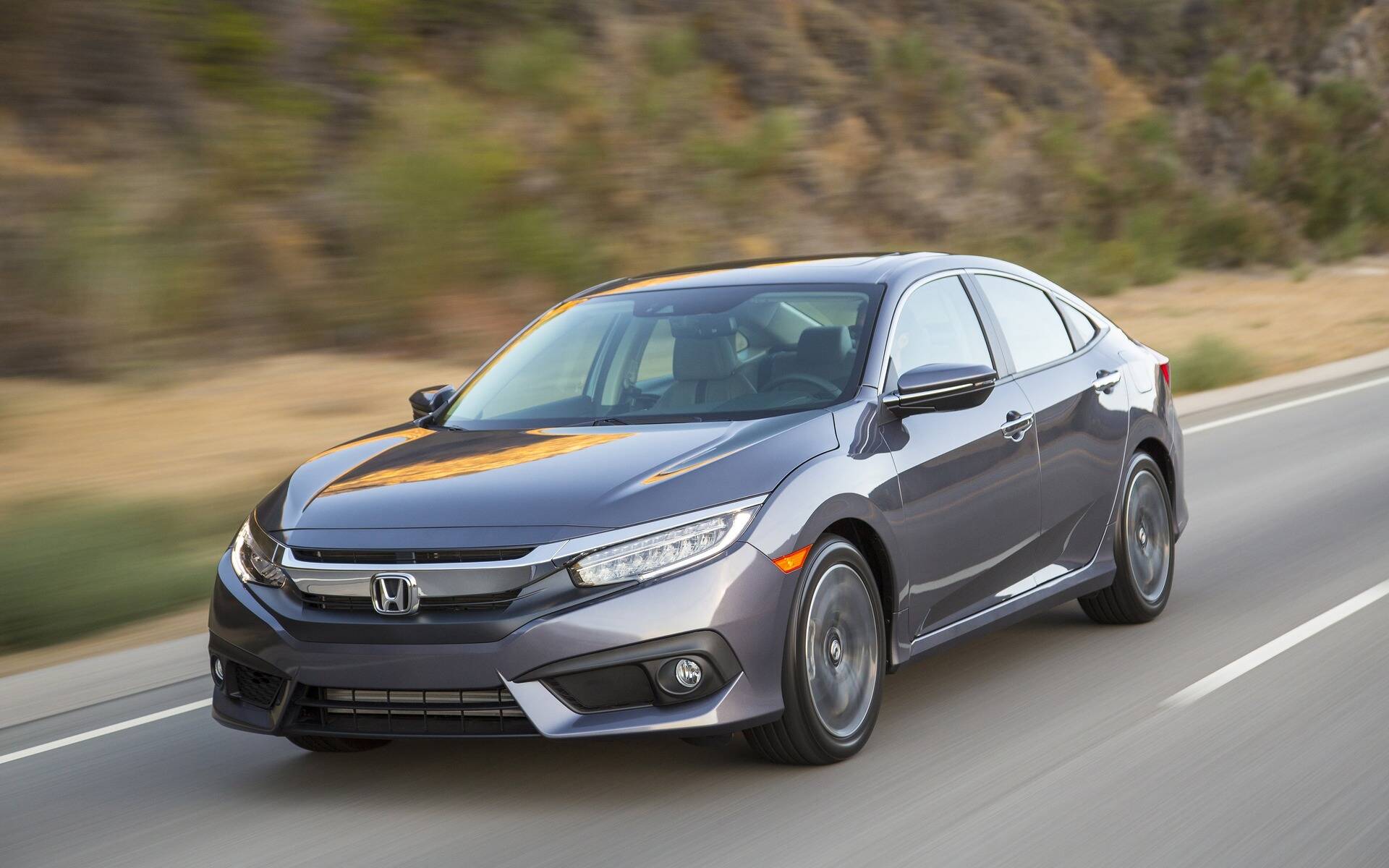
6. Mazda3 (Current Generation, 2019–Present): Premium, Engaging, and Reliable Compact
The current-generation Mazda3 embodies Mazda’s “Jinba Ittai” philosophy, emphasizing a connection between driver and car, with a refined Electric Power Steering (EPS) system at the core of its driving experience. Unlike earlier models or many competitors that used electro-hydraulic systems, the 4th-generation Mazda3 features a fully electric setup, eliminating hydraulic fluid, pumps, and hoses.
This reduces maintenance requirements and removes common failure points, making the steering system highly reliable. The EPS motor and steering rack are engineered to maintain precise, consistent feedback even as mileage climbs, and the mechanical components are tightly toleranced to prevent play in the wheel over time.
The steering system provides a premium, connected feel with speed-sensitive assistance. It is light at low speeds for city driving, yet firm and controlled at higher speeds.
Advanced features such as G-Vectoring Control Plus enhance stability by subtly adjusting engine torque based on steering inputs, reducing small corrections and easing driver effort. Protective modes prevent overheating if the wheel is repeatedly turned to the lock while stationary, adding longevity to the EPS system.
Mazda3 buyers enjoy sharp handling and premium cabin quality. The car is available as a sedan or hatchback, with optional all-wheel drive, and features upscale interior materials, Apple CarPlay, Android Auto, and modern safety technologies.
Engines are efficient, though base powertrains can feel modest compared to more performance-oriented competitors. The firm suspension prioritizes handling but can feel harsh over rough roads, and rear seat space is tighter than rivals, particularly in the hatchback.
Minor issues reported include infotainment glitches, battery drain if the vehicle sits for long periods, and occasional interior wear on high-touch surfaces. Despite these points, the Mazda3 remains highly reliable, stylish, and fun to drive.
Its combination of premium feel, engaging dynamics, and long-term dependability makes it a standout choice in the compact segment. Buyers who value sharp handling, quality interior, and available all-wheel drive will find the Mazda3 a compelling alternative to mainstream or entry-level premium competitors.
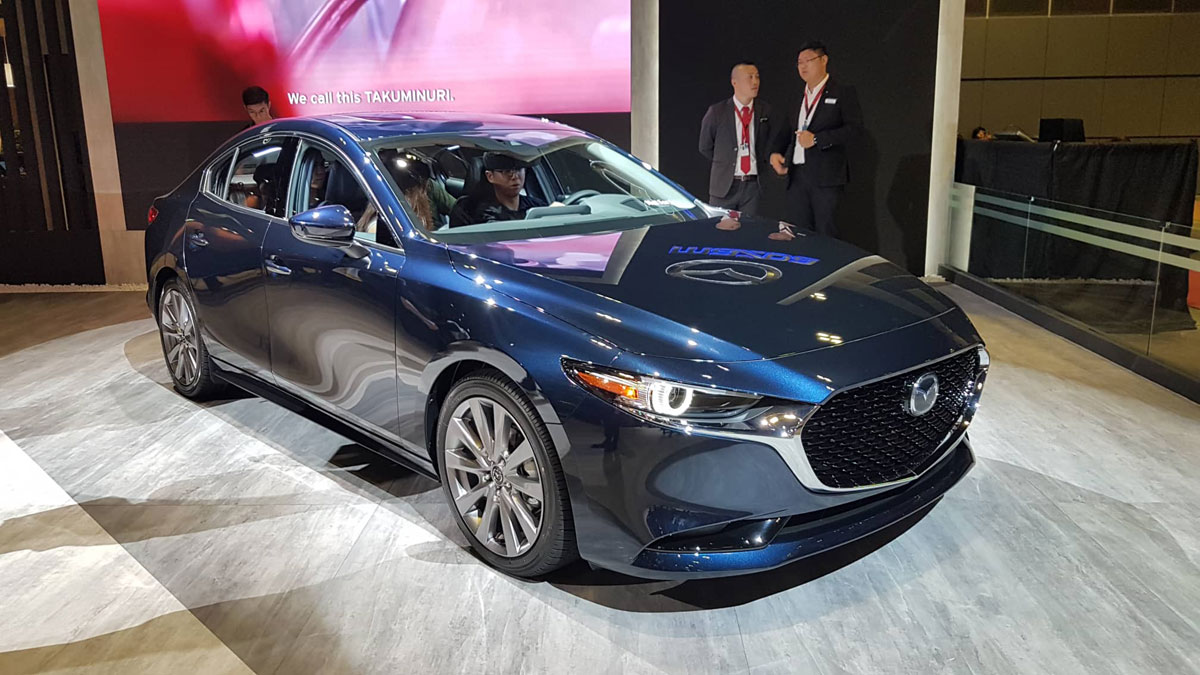
7. Toyota Avalon (2013–2022): Reliable, Comfortable, and Refined Full-Size Sedan
The Toyota Avalon, discontinued after 2022, is widely regarded as one of the most reliable full-size sedans on the used market. Its steering system, shared with the Camry, is tuned for a light, smooth, and precise feel, filtering out road vibrations while providing confidence during highway driving and city maneuvering.
Later generations, from 2013 onward, transitioned to Electric Power Steering (EPS), which eliminates hydraulic fluids, pumps, and hoses, reducing maintenance requirements and minimizing traditional failure points. The steering rack and tie rods are over-engineered to handle the extra weight of the large sedan without premature wear, contributing to long-term durability.
Avalon’s EPS system is supported by high-quality components and a robust chassis, providing a comfortable and controlled driving experience. The design prioritizes longevity over aggressive performance, making the system resilient even under high mileage.
Protective features, such as minimal risk of overheating under heavy steering, ensure the system remains reliable. Most steering-related issues are minor, including occasional wear of a small rubber damper in the motor, which is inexpensive to repair. Major failures or recalls affecting the rack itself are extremely rare.
The Avalon combines this reliability with strong performance and comfort. The 3.5-liter V6 produces 301 hp, while the 2.5-liter hybrid delivers impressive 43–44 mpg combined. Higher trims feature adaptive suspension for smoother handling, and all models include advanced safety features like lane centering and traffic sign recognition.
The cabin is spacious, quiet, and well-appointed, with technology such as Apple CarPlay, Android Auto, and a 9-inch touchscreen in later models.
Minor drawbacks include high road and wind noise in some trims, tight rear headroom due to the sloped roofline, and limited tech refinements like backup camera resolution.
Despite being discontinued, the Avalon remains a top choice for buyers seeking a large, reliable, and comfortable sedan that approaches luxury quality at a more affordable price. Its combination of proven steering reliability, smooth ride, and strong powertrains makes it ideal for long-distance commuting and family use.
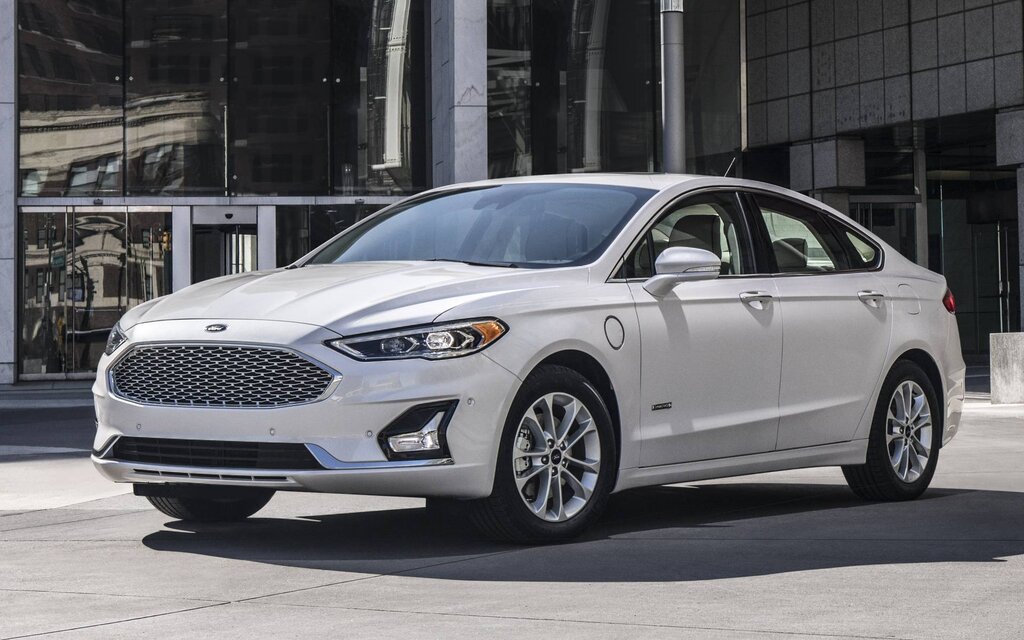
8. Ford Fusion (2020): Reliable and Comfortable Midsize Sedan
The 2020 Ford Fusion represents the peak of its second-generation lineup and features a highly reliable Electric Power-Assisted Steering (EPAS) system. This system replaces older hydraulic setups with an electric motor mounted directly on the steering rack, eliminating common risks such as fluid leaks or pump failures.
It offers speed-sensitive steering that lightens effort at low speeds for easy parking and firms up at highway speeds for greater control. The system also compensates automatically for wind and road irregularities, enhancing comfort and reducing stress on mechanical components over time.
The Fusion’s EPAS benefits from years of refinement, making it one of the most dependable features of the 2020 model. The system is virtually maintenance-free, and electronic controls are well-protected from heat and vibration, ensuring consistent performance over high mileage.
Additional driver-assist technologies, such as the Lane-Keeping System, integrate with the steering to maintain stability and improve safety. Owners consistently praise the steering for its precise, responsive feel, making the Fusion a standout American-built sedan for used buyers who value both reliability and confidence on the road.
Beyond its steering, the 2020 Fusion delivers a smooth and quiet ride with strong safety ratings, earning five stars from the NHTSA. Engine options include standard gas models with 2.5L, 1.5L EcoBoost, and 2.0L EcoBoost engines, as well as Hybrid and Energi Plug-in Hybrid variants.
Hybrids provide excellent fuel efficiency, while conventional engines offer average performance for the midsize segment. The cabin features Ford Co-Pilot360, SYNC 3 infotainment with Apple CarPlay and Android Auto, and standard driver-assist features, combining modern convenience with long-term reliability.
Minor considerations include slightly restricted rear visibility and limited front passenger seat adjustment in some trims. Pricing for used 2020 Fusions varies depending on condition and trim. With its refined steering, durable engineering, and comfortable ride, the 2020 Ford Fusion remains a top choice for buyers seeking a dependable and well-rounded midsize sedan.
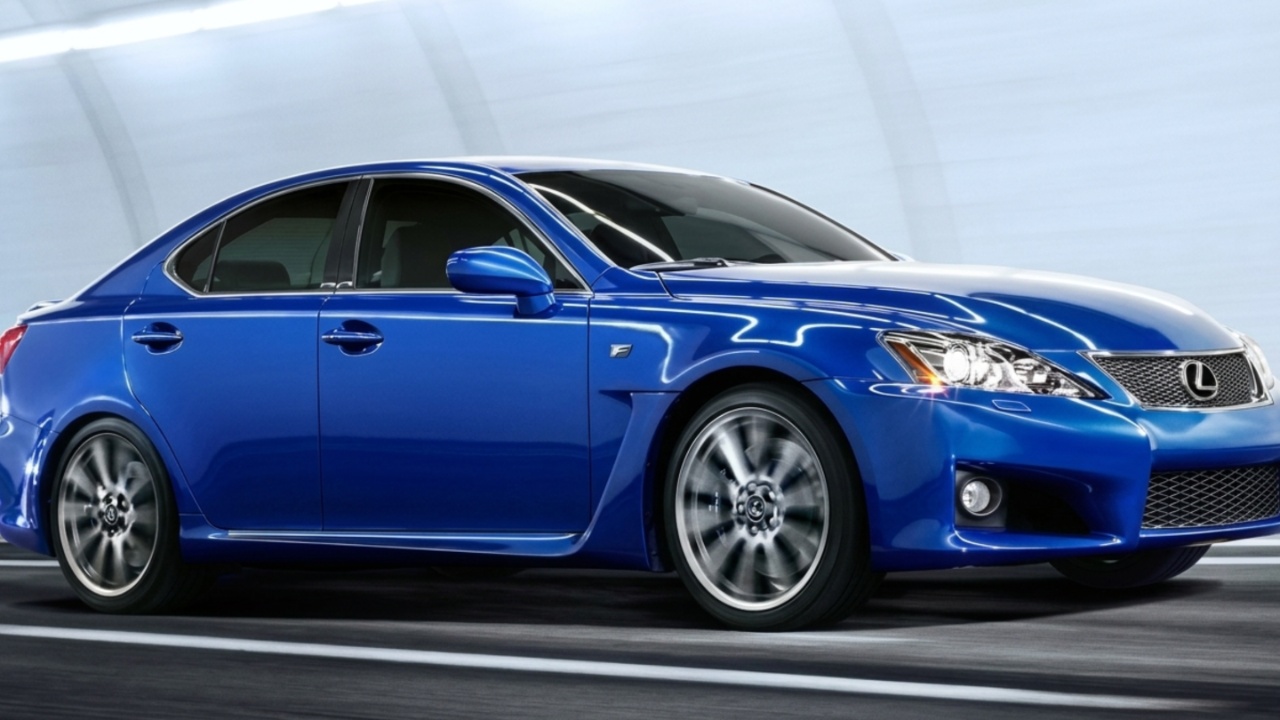
9. Lexus IS (2008 or Newer): Reliable Luxury Sports Sedan
The Lexus IS series from 2008 onward combines Toyota-level reliability with a sporty driving experience. These models transitioned to a robust Electric Power Steering (EPS) system, replacing traditional hydraulic setups. By eliminating power steering fluid, hoses, and pumps, the IS avoids common failure points such as leaks, worn seals, and pump malfunctions.
This system delivers precise, responsive steering that stays sharp even as mileage climbs, making the IS a long-lasting choice for used luxury sedan buyers. Reinforced steering racks protect against road debris and corrosion, adding to the durability of the vehicle’s handling.
The EPS system is lightweight and compact while providing strong feedback. Improvements made around 2014 enhanced linear response and stability, giving drivers a more connected feel.
Lexus’s reputation for high-quality engineering ensures that the steering components and other mechanical parts are built to last, with many examples exceeding 200,000 miles without significant issues. Owners appreciate that the IS retains its sporty, tight steering, which resists the wandering or slack seen in many older cars.
While generally reliable, some older or high-mileage units may experience rust on the steering rack, EPS motor or sensor issues, or temporary stiff steering due to low battery voltage. These problems are uncommon and minor compared with the system’s durability.
Beyond the steering, the Lexus IS provides a quiet and comfortable cabin, especially in V6 models such as the IS 250 and IS 350. The IS-F offers high-performance V8 power with a firmer ride.
Other minor issues include tight rear legroom, sticky dashboards, occasional rear suspension noise, and engine misfires in some IS 250 models. Model updates from 2008 through 2013 focused on styling and feature enhancements, while 2014 and newer models improved rear-seat space and introduced more aggressive styling.
The 2008 or newer Lexus IS remains a strong choice for used luxury sedans, offering a combination of reliability, low maintenance, comfort, and precise driving dynamics, with the IS 350 preferred for its stronger power-to-durability ratio.
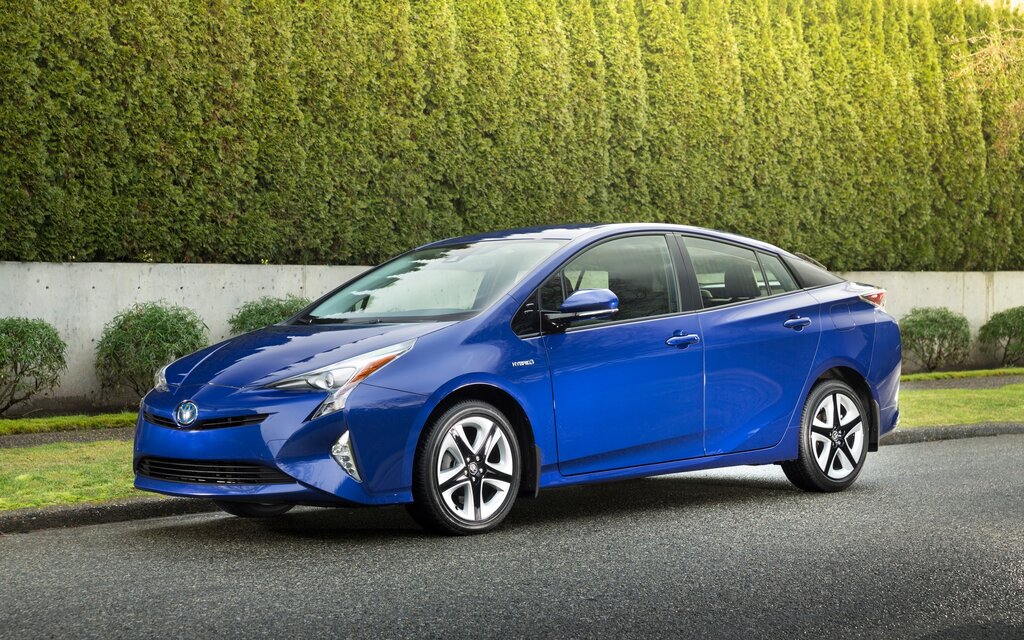
10. Toyota Prius (2016–2022) – Reliable Hybrid Steering and Low-Cost Ownership
The 2016–2022 Toyota Prius is a standout for hybrid efficiency and long-term reliability, particularly in its steering system. The fourth-generation Prius features a fully electric power steering (EPS) system, which operates independently of the internal combustion engine.
This eliminates traditional hydraulic failures and the need for fluid maintenance, making it remarkably dependable. EPS components in the Prius are known for robustness, with steering columns and motors often reused in custom car builds, reflecting their durability.
The Prius rides on Toyota’s New Global Architecture (TNGA) platform, enhancing the steering rack and suspension for reduced stress and minimal component fatigue. Its EPS system provides responsive handling and precise steering, with minimal maintenance requirements.
The platform’s design supports longevity, allowing major components to last well beyond typical ownership periods, contributing to a 90% reliability score. Speed-sensitive EPS ensures lighter steering at low speeds for easy parking and firmer response on highways, adding comfort and control for everyday driving.
On the road, the Prius offers a calm, refined driving experience. The 1.8-litre petrol engine paired with an electric motor allows short-distance electric-only driving up to 36 mph.
Later plug-in hybrid versions increase electric range to 34 miles, although performance is modest. Handling is stable with adequate grip, though the car exhibits body roll in sharper corners. The CVT gearbox can feel high-revving under heavy acceleration, but it is smooth in urban and motorway conditions.
Inside, the Prius features an unconventional dashboard layout with two 4.2-inch color screens and a 7-inch infotainment touchscreen. Entry-level Active trims offer adaptive cruise control, lane departure warning, LED headlights, and Toyota’s Touch 2 system, while higher trims add heated seats, wireless charging, blind-spot monitoring, and premium audio. The hatchback design provides a spacious cargo area with foldable rear seats, though the all-wheel-drive version reduces boot space slightly.
Used Prius models are affordable, fuel-efficient, and reliable, with running costs kept low through minimal servicing needs. The standard 1.8 VVTi Active trim is a recommended choice for its value and equipment balance. The Prius remains an iconic green choice, offering low emissions, strong fuel economy, and a dependable, low-maintenance hybrid platform.
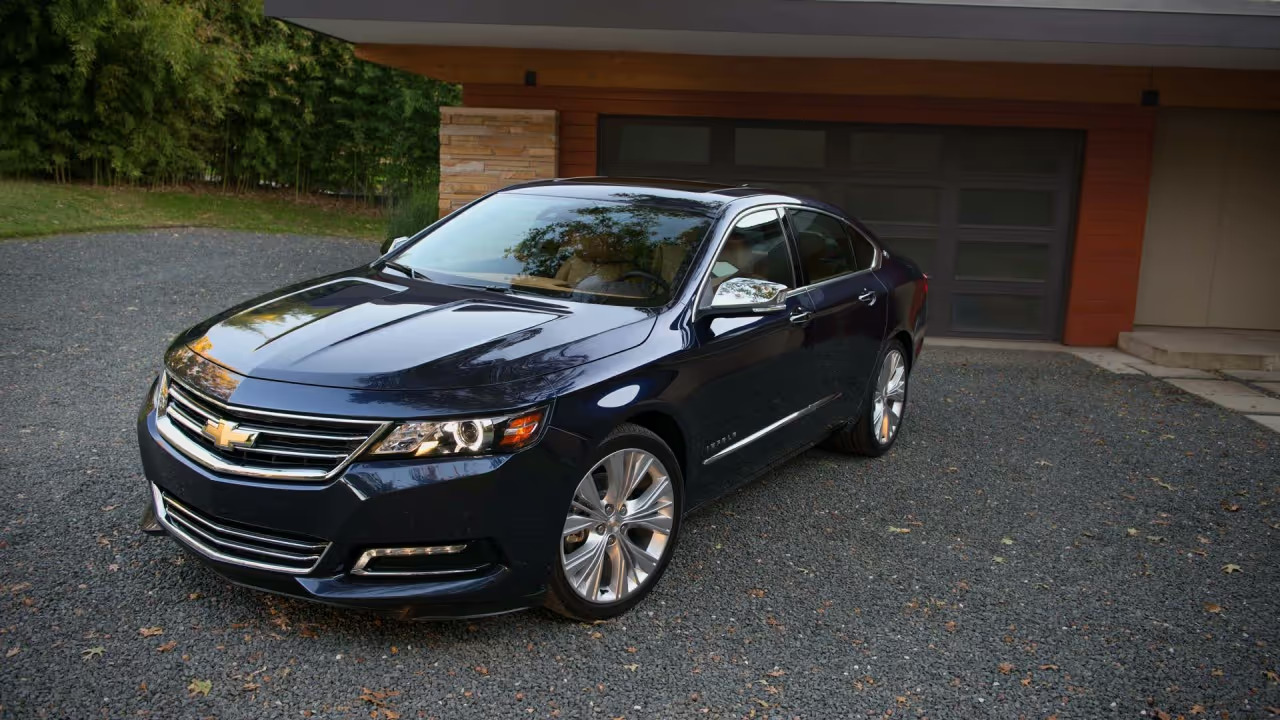
11. Chevrolet Impala (2014–2020) – Durable Full-Size Sedan with Reliable Steering
The final generation Chevrolet Impala, produced from 2014 to 2020, is widely regarded as one of the most reliable full-size sedans from Chevy. Its steering system, designed for both fleet and police use, combines light effort with secure feedback at higher speeds.
The electric power steering (EPS) system replaced older hydraulic setups, removing fluid-related failures and reducing moving parts, which significantly improved long-term reliability. EPS ensures smooth, predictable handling while minimizing maintenance needs, making the Impala a dependable choice for daily commuting and long-term ownership.
Models from 2015 onward are particularly praised for improved build quality, durable steering components, and refined driving dynamics. The mature platform supports the 3.6L V6 engine, offering smooth and powerful acceleration, while the 2.5L four-cylinder provides a more economical alternative.
Steering components are straightforward and widely available, so rare repairs remain affordable and manageable. This generation avoids chronic power-steering issues, unlike earlier Impala models, contributing to strong reliability scores.
The interior of the 10th-generation Impala is spacious and comfortable, with a quiet cabin and ample rear legroom. Upper trims feature high-quality materials, while the Chevrolet MyLink infotainment system supports Apple CarPlay and Android Auto. Safety ratings are strong, with 5-star crash performance and advanced features like forward-collision warning and blind-spot monitoring.
Potential minor issues include occasional electrical quirks, dashboard flickers, or key ignition difficulties, but these are uncommon and generally easy to resolve. Fuel economy is moderate for the V6, and parking the large sedan can be challenging, though rearview cameras and sensors mitigate this concern.
For used buyers, the 2018–2020 models represent the best value, combining standard tech features with refined trim options. The LT trim with the 3.6L V6 balances comfort, performance, and price. The final-generation Impala offers a reliable, comfortable, and safe full-size sedan experience, with an EPS system that remains durable and virtually maintenance-free even under heavy use.
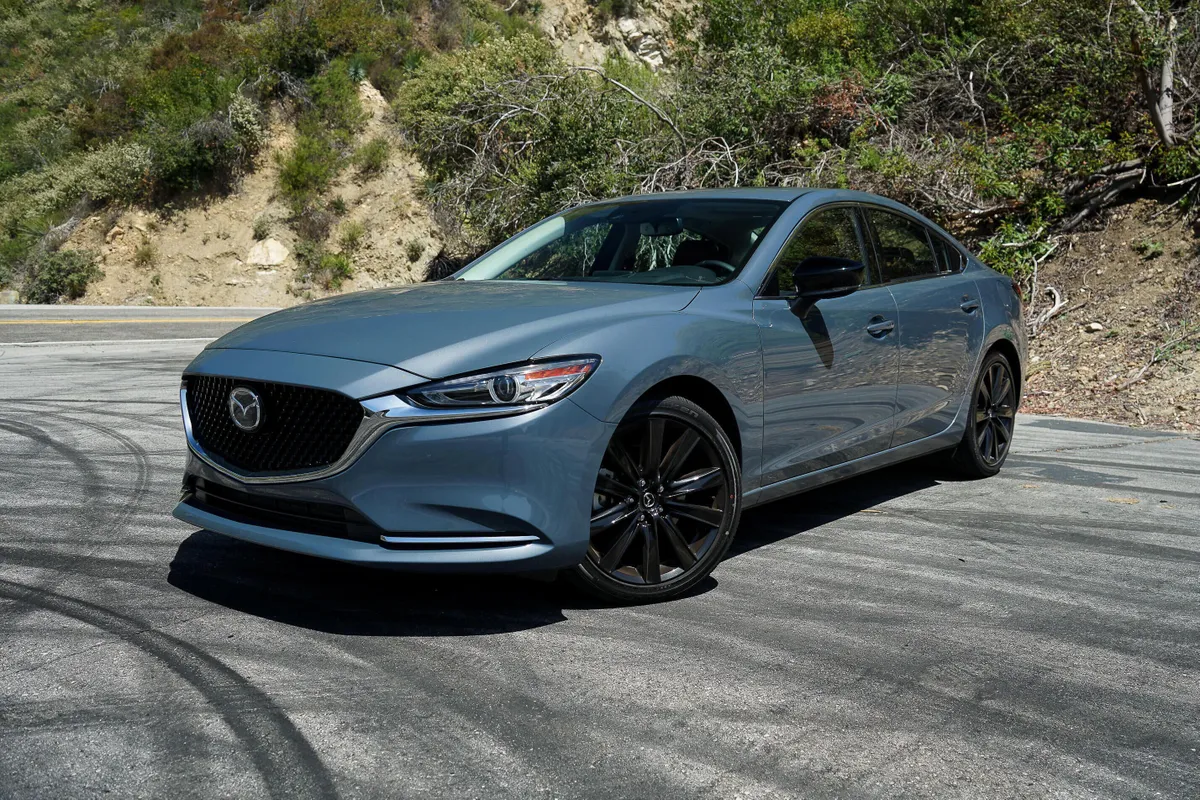
12. Mazda6 (2018–2021) – Sporty and Reliable Midsize Sedan
The 2018–2021 Mazda6 stands out as a midsize sedan that combines sporty driving dynamics with long-term reliability. Its steering system is a key highlight, featuring a refined Electric Power Assisted Steering (EPAS) setup engineered for precision and durability.
Mazda focused on reducing friction within the rack and simplifying the design, which prevents common issues like leaks or electronic failures. This approach ensures accurate, communicative steering that remains consistent and silent over the life of the vehicle, making it an appealing used car alternative to the Toyota Camry or Honda Accord.
Mazda’s EPAS system benefits from the mature third-generation platform (GJ/GL), avoiding the early-model glitches seen in 2014–2016 models. The steering rack and electric motor are high-quality, sealed components, eliminating hydraulic fluid concerns, pump failures, and other traditional power-steering issues. Drivers enjoy a heavier, responsive feel that enhances road feedback without sacrificing reliability.
Beyond its steering, the 2018–2021 Mazda6 offers a premium cabin with near-luxury materials, sporty handling, and efficient powertrains. The 2.5L turbocharged petrol engine introduced in 2018 provides strong performance, while standard safety features include blind-spot monitoring and radar cruise control.
Owner satisfaction surveys highlight the car’s reliability, with few common maintenance concerns outside occasional brake judder, air-conditioning electrical quirks, or the need for ECU software updates in some units.
The sedan’s ride is firm, which supports its engaging handling but may feel harsh on rough roads. Rear headroom is somewhat limited due to the sloping roofline, and infotainment screens are smaller and slower than modern competitors. Road noise from wind and mirrors can also be noticeable.
The 2018 facelift improved interior quality and noise isolation, making these later models the best choice for a used purchase. The Mazda6 of this generation offers a stylish, reliable, and engaging driving experience, appealing to buyers who prioritize driving pleasure alongside dependability.
Investing in a sedan with reliable power steering helps save time, money, and stress over the years. The 12 models featured here, including the Toyota Corolla, Honda Civic, Lexus ES, and Mazda6, show that dependable steering does not require compromise.
Their electric or electronic systems ensure precise handling, minimal maintenance, and resistance to traditional hydraulic or mechanical problems. These vehicles balance performance, comfort, and durability, making them excellent choices for daily commuting, family trips, or long-term ownership.
Buyers seeking low-maintenance, long-lasting steering will find that this selection delivers confidence, comfort, and driving enjoyment across multiple segments.
Also read: 12 Cars That Fundamentally Changed How American Families Travel
