Driving in Arizona heat is not normal driving it is survival mode. When temperatures cross 110°F, your car cabin can turn into an oven within minutes. Seats burn, steering wheels become untouchable, and even short drives feel exhausting. This is where cabin insulation becomes more than just a comfort feature. It becomes essential.
Many buyers focus only on horsepower, mileage, or design. But in extreme climates like Arizona, those features take a backseat. What truly matters is how well a vehicle can block external heat, maintain internal cooling, and keep passengers comfortable over long drives.
Modern vehicles now come with advanced insulation technologies. These include multi-layer acoustic glass, thermal barriers, UV-reflective coatings, insulated panels, and high-quality weather seals. Together, these features reduce heat penetration and keep cool air trapped inside. A well-insulated cabin also reduces noise, making the ride quieter and less stressful.
This article focuses on vehicles with the best cabin insulation for extreme heat, especially suited for Arizona-like conditions. These vehicles are not just premium options they are smart investments for people who deal with intense sun daily.
You will find cars and SUVs that excel in:
- Heat resistance inside the cabin
- Strong air conditioning performance retention
- UV protection and thermal shielding
- Long-term comfort during extreme summer drives
If you are tired of stepping into a boiling car or constantly maxing out your AC, this guide will help you pick a vehicle that actually fights the heat instead of losing to it.
Let’s get into the top contenders.
5 Vehicles With the Best Cabin Insulation for Extreme Arizona Heat
Not all vehicles are built to handle extreme heat. Some may have powerful engines but fail to maintain a cool cabin. Others may look premium but lack proper insulation materials. The vehicles listed here stand out because they are specifically designed to handle harsh climates and retain internal comfort even under direct sun exposure.
The key factors used to select these vehicles include:
- Advanced thermal insulation materials
- Double or laminated glass windows
- High-efficiency climate control systems
- Sealed cabin design to prevent heat leakage
- Interior materials that resist heat absorption
Luxury vehicles naturally perform well in this category because they invest heavily in comfort engineering. However, some mid-range SUVs and sedans also offer impressive insulation due to practical design choices and smart material usage.
Another important factor is how quickly a car cools down after being parked in the sun. A well-insulated vehicle not only keeps heat out but also helps the AC system work faster and more efficiently. This reduces fuel consumption and improves overall driving comfort.
You will notice that most vehicles on this list feature:
- Acoustic laminated glass (reduces heat + noise)
- Thick door seals and insulated panels
- Sun-reflective windshields
- Ventilated seats and climate zones
These are not gimmicks. In Arizona heat, they make a real difference between a tolerable drive and a miserable one.
Now, let’s look at the top vehicles that truly deliver when it comes to cabin insulation in extreme heat conditions.
ALSO READ: 5 Used Compacts With Thick Cabin Glass vs 5 With Thin and Noisy Windows
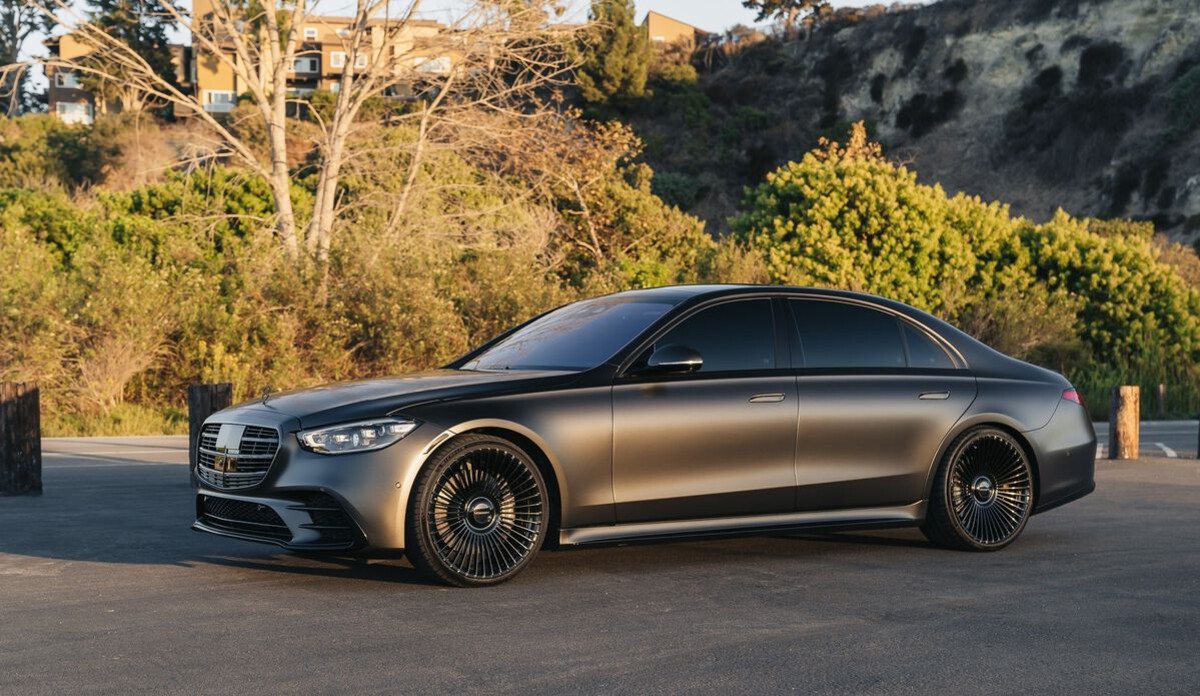
1. Mercedes-Benz S-Class
If cabin comfort had a benchmark, the Mercedes-Benz S-Class would be it. This car is built with one goal in mind complete passenger isolation from the outside environment, including extreme heat.
The S-Class uses multi-layer insulated glass across all windows. This is not just for soundproofing it plays a major role in blocking solar heat. The windshield and side windows are treated with infrared-reflective coatings, which reduce heat buildup even when the car is parked under direct sunlight.
Step inside, and the difference is immediate. The cabin feels cooler, even before the air conditioning kicks in. This is because of high-density insulation materials used in the doors, roof, and floor panels. Heat struggles to enter, and cool air stays trapped inside longer.
Another standout feature is its advanced climate control system. The S-Class offers multi-zone climate settings, allowing different temperature levels for each passenger. More importantly, the system works efficiently because the cabin is already well-insulated. This means faster cooling and less strain on the AC.
The seats also play a role. With ventilated and temperature-controlled seating, passengers don’t feel the heat that usually builds up in leather interiors. Even after parking outside in Arizona sun, the seats cool down quickly.
Mercedes has also paid attention to small details:
-
Thick door seals prevent hot air leaks
-
Insulated roof lining reduces overhead heat
-
Sunblinds add an extra layer of protection
One underrated benefit is consistency. Some cars cool down fast but lose that cooling quickly. The S-Class maintains a stable internal temperature, which is critical during long drives in extreme heat.
Yes, it comes at a premium price. But if your priority is maximum comfort in extreme climates, this car delivers like few others.
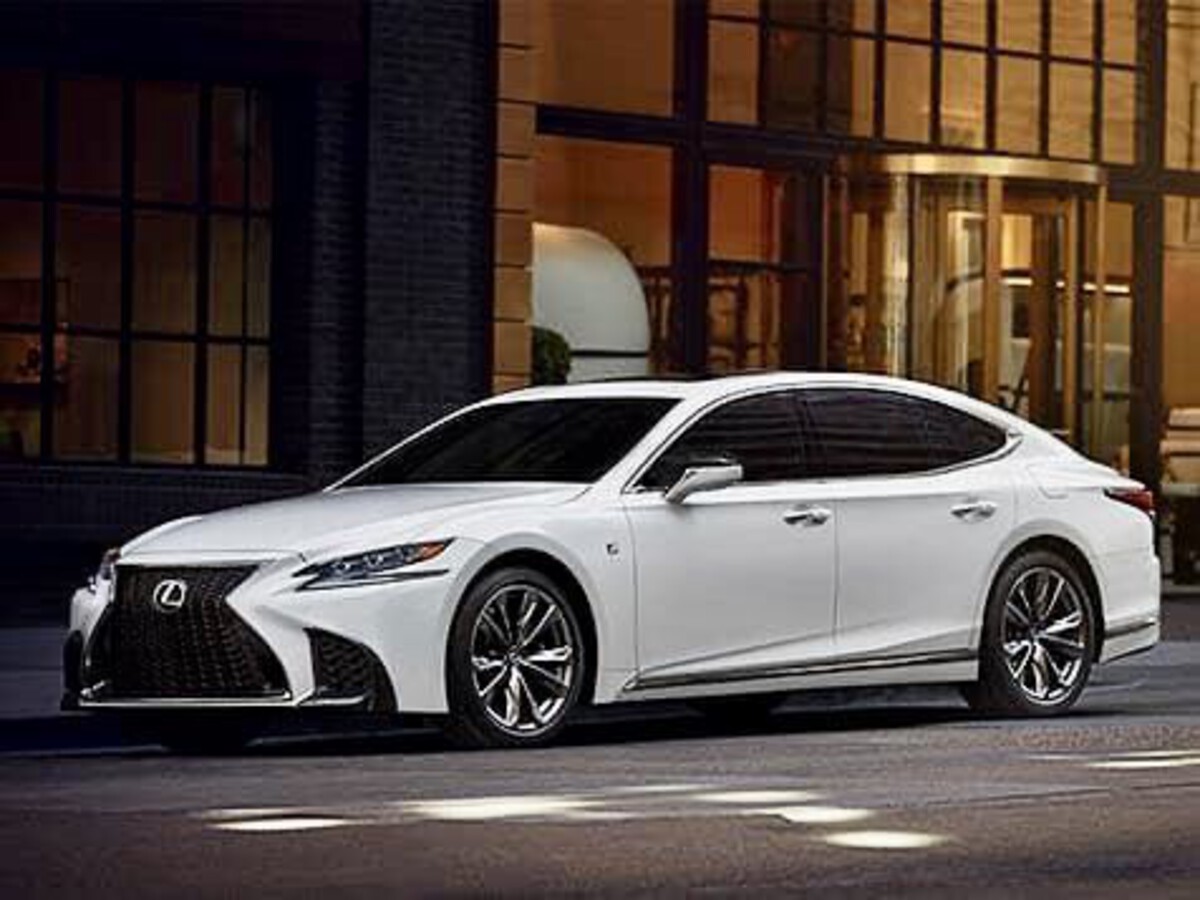
2. Lexus LS
The Lexus LS takes a slightly different approach compared to the S-Class. Instead of aggressive engineering, it focuses on refinement and balance, but the result is equally impressive when it comes to cabin insulation.
Lexus is known for quiet cabins, and that same engineering helps with heat insulation. The LS uses acoustic laminated glass that reduces both noise and thermal transfer. This means less heat entering through windows, which is one of the biggest sources of cabin temperature rise.
The body structure also plays a key role. The LS is designed with tight panel gaps and strong sealing, minimizing the chances of hot air entering the cabin. Combined with thick insulation layers, the interior remains noticeably cooler compared to standard vehicles.
One of the biggest strengths of the Lexus LS is its climate control efficiency. The system is not just powerful it is smart. It adjusts airflow based on sunlight intensity and cabin temperature, ensuring consistent cooling without overworking the system.
The seats are another highlight. Lexus uses materials that resist heat absorption, which makes a huge difference in Arizona conditions. Add to that ventilated seating, and you get a much more comfortable experience even after the car has been sitting in the sun.
There is also a strong focus on UV protection. The windshield and windows are designed to block harmful rays, which not only keeps the cabin cooler but also protects the interior from long-term damage like fading and cracking.
What makes the LS stand out is how effortless the cooling feels. You don’t hear the AC working hard. You don’t feel sudden temperature changes. Everything is smooth, controlled, and consistent.
Other useful features include:
-
Sunshades for rear passengers
-
Insulated floor and roof panels
-
Minimal heat retention materials
While it may not be as flashy as some competitors, the Lexus LS quietly excels in one important area keeping the cabin comfortable in extreme heat without drama.
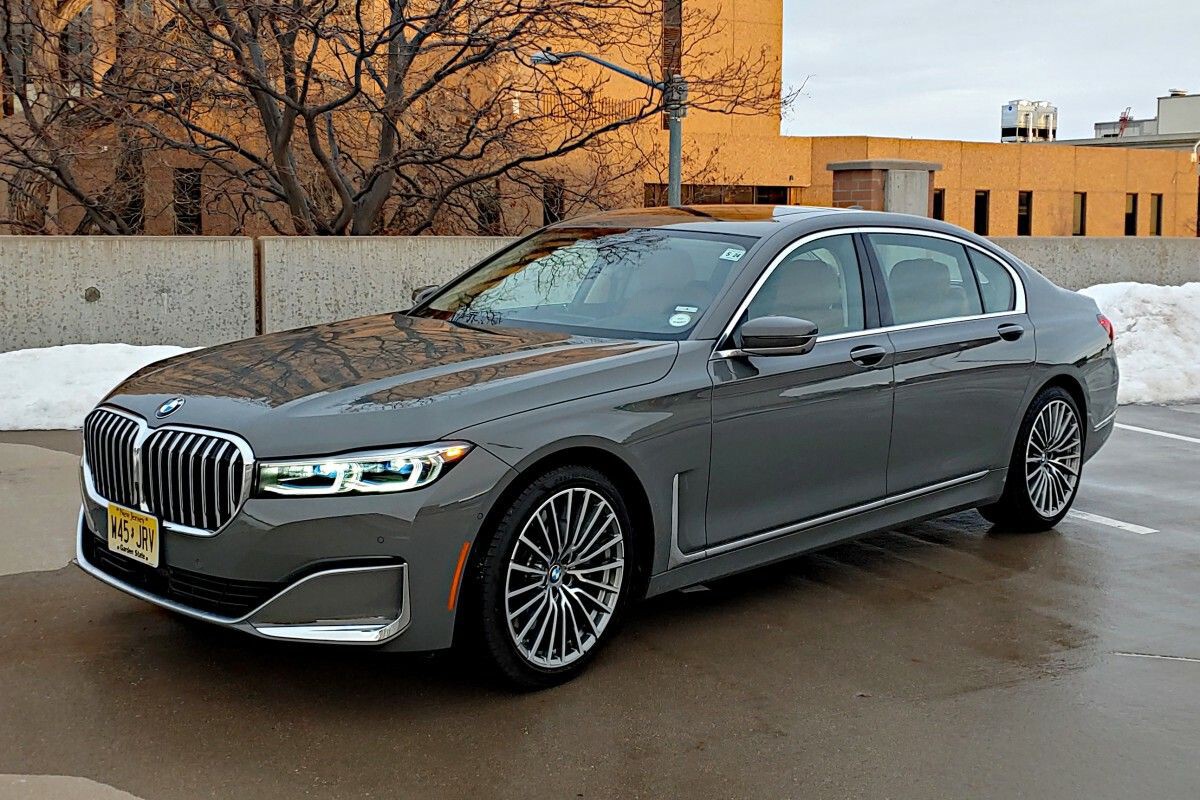
3. BMW 7 Series
The BMW 7 Series blends performance with high-end comfort, but what often gets overlooked is how well it handles extreme heat conditions. This vehicle is engineered to maintain a stable cabin environment, even when outside temperatures are brutal.
One of its strongest features is the use of multi-layer acoustic and thermal glass. BMW doesn’t just focus on sound insulation it ensures that heat from direct sunlight is significantly reduced before it even enters the cabin. This is especially useful in Arizona, where sunlight intensity is a major problem.
The cabin structure is tightly sealed with precision-engineered door insulation and reinforced weather stripping. This prevents hot air from leaking inside, which is a common issue in lower-end vehicles. Once the doors are shut, the interior becomes a controlled environment where cooling can be maintained efficiently.
BMW also equips the 7 Series with a high-performance climate control system that reacts quickly. When you enter a hot car, the system doesn’t just blast cold air randomly—it distributes airflow evenly across the cabin. This helps cool down all areas faster instead of creating uneven temperature zones.
Another key advantage is the use of heat-resistant interior materials. Leather, dashboard surfaces, and trims are designed to absorb less heat. This means you won’t feel that intense surface burn when you touch the steering wheel or seats after parking in the sun.
The 7 Series also offers:
-
Ventilated and massaging seats for better airflow
-
Sun-reflective windshield technology
-
Optional rear sunshades for added protection
-
Insulated roof panels to block overhead heat
What makes this car practical for extreme climates is its balance between insulation and cooling efficiency. Some vehicles rely heavily on AC power, but the 7 Series reduces the need for constant maximum cooling by preventing heat buildup in the first place.
Another underrated factor is temperature retention. Once the cabin cools down, it stays that way longer. This reduces fuel consumption and keeps the drive comfortable without constant adjustments.
If you want a luxury sedan that doesn’t just perform well but also handles intense desert heat smartly, the BMW 7 Series stands out as a strong contender.
4. Audi A8
The Audi A8 is built with a strong focus on precision engineering and thermal comfort. It may not always get the spotlight, but when it comes to cabin insulation for extreme heat, it performs exceptionally well.
Audi uses double-glazed acoustic glass that blocks both sound and solar heat effectively. This glass reduces the amount of infrared radiation entering the cabin, which is one of the biggest contributors to rising interior temperatures in hot climates.
The insulation doesn’t stop at the windows. The A8 features multi-layer insulation across doors, flooring, and roof panels. These layers act as barriers that slow down heat transfer, keeping the inside temperature stable even during long exposure to sunlight.
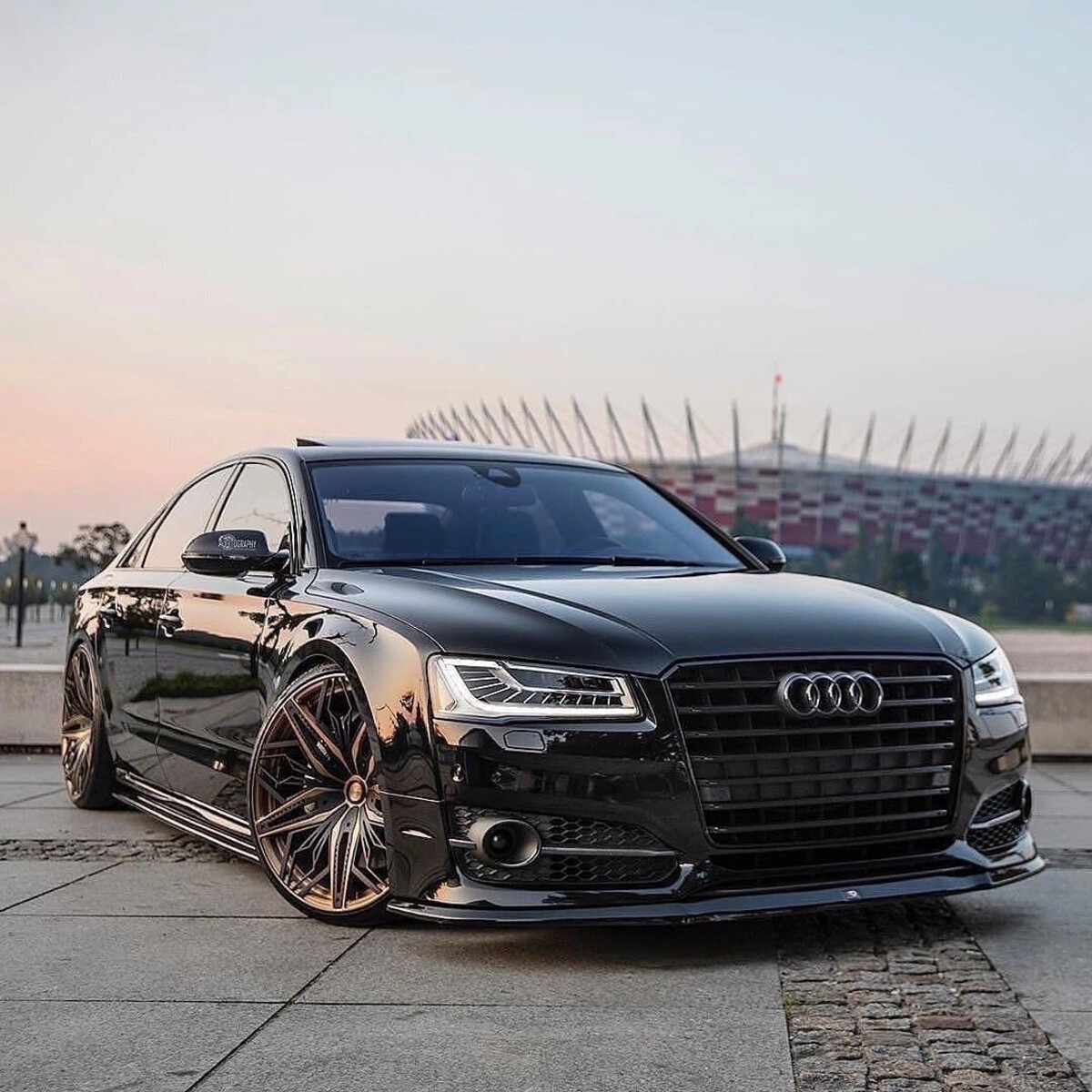
One of the most impressive aspects of the Audi A8 is its advanced climate control integration. The system works in sync with sunlight sensors and external temperature readings. It automatically adjusts cooling levels to maintain comfort without requiring constant manual input.
This smart cooling approach is important in Arizona conditions because it prevents the cabin from overheating in the first place, rather than reacting after it becomes uncomfortable.
The seats are also designed for hot weather use. With ventilation and premium breathable materials, they reduce sweat buildup and improve airflow. Even after prolonged parking in the sun, the seats feel manageable within minutes of starting the car.
Additional features that enhance insulation include:
-
UV-protected panoramic glass
-
Power sunshades for rear windows
-
Tightly sealed cabin design
-
Heat-resistant interior finishes
Another area where the A8 shines is consistency. Some vehicles cool quickly but struggle to maintain that temperature during longer drives. The Audi A8 keeps the cabin evenly cooled, which reduces fatigue and improves overall comfort.
The quiet cabin also plays a psychological role. Less noise combined with stable temperature creates a more relaxed driving experience, which matters a lot during long drives in extreme heat.
If you’re looking for a vehicle that combines smart technology with strong insulation performance, the Audi A8 delivers a well-rounded experience.
ALSO READ: 5 Compact SUVs With Quiet Highway Cabins vs 5 With Excessive Road Noise
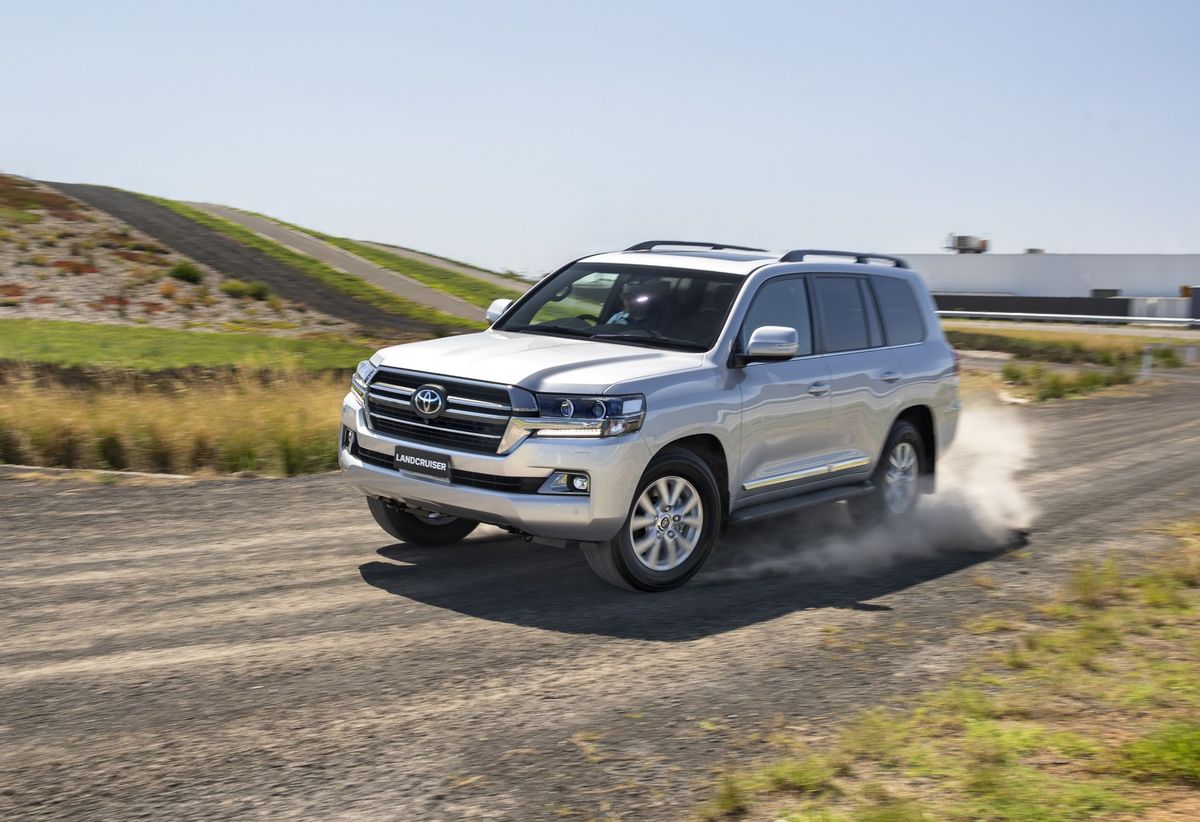
5. Toyota Land Cruiser
The Toyota Land Cruiser is a completely different type of vehicle compared to the luxury sedans on this list. It is built for rugged environments, and that includes extreme heat conditions like those found in Arizona deserts.
What makes the Land Cruiser stand out is its durability-focused insulation system. Instead of relying only on luxury materials, it uses thick structural insulation and heavy-duty sealing to keep heat out. This makes it highly reliable in real-world harsh conditions.
The cabin is designed to handle long hours under direct sunlight without rapid heat buildup. The windows are treated to reduce UV and infrared penetration, while the body structure helps minimize heat transfer from the outside.
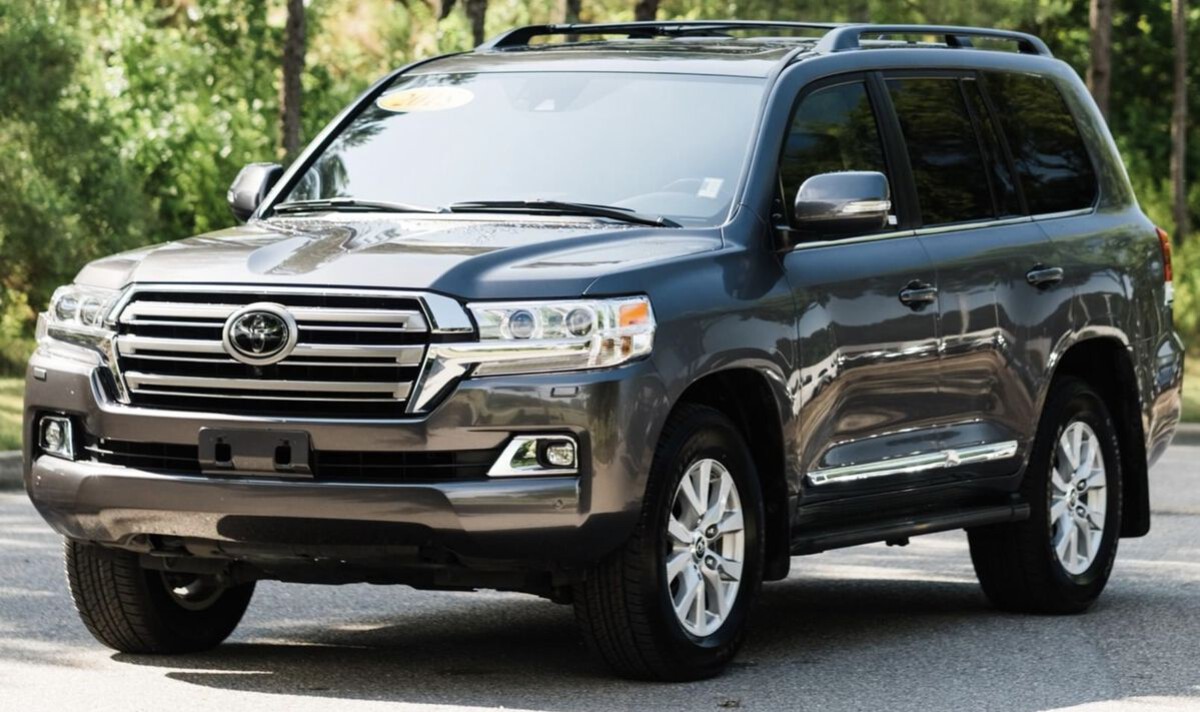
One of the biggest advantages of the Land Cruiser is its powerful and consistent air conditioning system. Unlike some vehicles where AC performance drops over time, the Land Cruiser maintains strong cooling even in extreme temperatures. This is crucial for long desert drives.
The SUV also features:
-
Large cabin space with even airflow distribution
-
Rear AC vents for better cooling across all rows
-
Ventilated seats in higher trims
-
Durable materials that resist heat damage
Another key factor is reliability under stress. Arizona heat can push vehicles to their limits, but the Land Cruiser is known for handling extreme environments without performance issues. The insulation works hand-in-hand with its cooling system to ensure consistent comfort.
The interior materials are designed to handle temperature fluctuations without degrading quickly. This means less cracking, fading, or wear over time, which is a common issue in high-heat regions.
While it may not have the same level of refinement as luxury sedans, it makes up for it with practical effectiveness. The Land Cruiser doesn’t just block heat it performs reliably day after day in harsh conditions.
If your priority is a vehicle that can handle extreme heat, rough terrain, and long drives without compromise, the Toyota Land Cruiser is one of the most dependable options available.
Why Choosing the Right Insulated Vehicle Matters in Extreme Heat
Living or driving in extreme heat is not just uncomfortable it affects your daily energy, focus, and even your vehicle’s long-term condition. That’s why choosing a car with strong cabin insulation for hot climates is not a luxury decision. It’s a practical one.
All the vehicles listed above whether it’s a luxury sedan or a rugged SUV have one thing in common: they are designed to control heat, not just fight it after it enters. This is the real difference.
A poorly insulated car forces the air conditioning system to work harder. This leads to:
-
Higher fuel consumption
-
Slower cooling times
-
Uneven temperature inside the cabin
-
Faster wear on AC components
On the other hand, a well-insulated vehicle keeps heat out from the start. This means:
-
Faster cabin cooling after startup
-
Stable temperature during long drives
-
Less strain on the AC system
-
Better overall comfort and reduced fatigue
In extreme Arizona heat, features like acoustic glass, UV protection, thermal insulation layers, and sealed cabin design are not extras they are essentials. They directly impact how your vehicle performs in real-world conditions.
Another factor people often ignore is heat retention in materials. Cheap interiors absorb heat and release it slowly, making the cabin uncomfortable even after the AC is running. Vehicles like the ones listed use heat-resistant materials and ventilated seating to fix this issue.
Also, long-term durability matters. Constant exposure to heat can damage dashboards, seats, and electronics. Vehicles with better insulation protect their interiors more effectively, saving you money in the long run.
So, when choosing a vehicle for hot climates, don’t just look at engine specs or design. Pay attention to how well it can handle extreme temperatures daily.
Because in places like Arizona, the real test of a car isn’t speed it’s how cool it can stay under pressure.