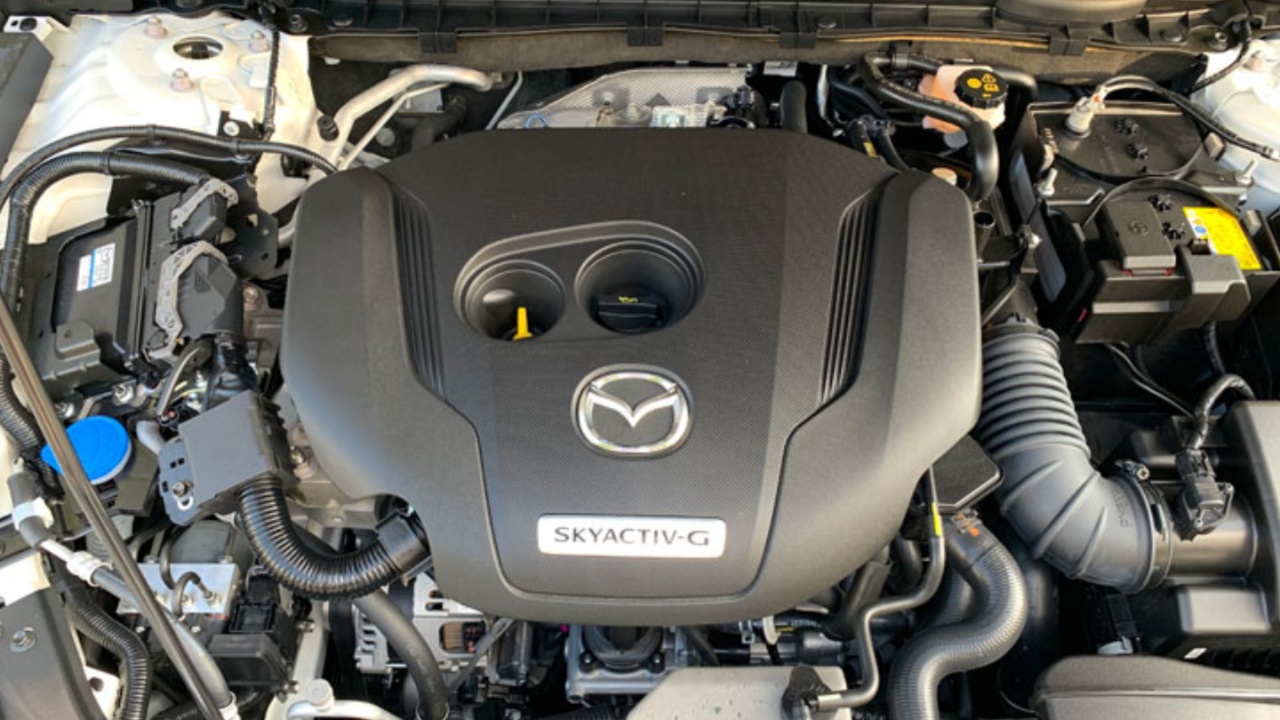
Modern automatic transmissions have become increasingly complex, yet many manufacturers are now designing them with a surprising focus on serviceability. Instead of fully sealed “lifetime” units that require replacement when problems occur, a growing number of gearboxes now feature accessible internal filters, removable pans, and practical maintenance procedures.
These design choices allow technicians and owners to perform routine fluid and filter changes, which play a major role in extending transmission lifespan and maintaining smooth performance.
From compact 6-speed automatics to advanced 10-speed and hybrid CVT systems, accessibility varies widely, but the best examples share one thing in common: they prioritize long-term durability through maintainable components.
This guide explores twelve modern transmissions known for having easily accessible internal filters, showing how thoughtful engineering can reduce repair costs, improve reliability, and keep vehicles performing consistently well over high mileage and demanding driving conditions across different brands and vehicle categories.
1. Mazda FW6A-EL (6-Speed Skyactiv)
The Mazda FW6A-EL is a 6-speed Skyactiv-Drive automatic transmission used in models such as the Mazda CX-5 and Mazda3. It is widely regarded for balancing efficiency, smooth shifting, and strong long-term reliability. Unlike many modern “sealed-for-life” automatics, it is designed with serviceability in mind, allowing owners and technicians to perform routine maintenance that can significantly extend its lifespan.
A key advantage is its easily accessible internal filter located inside the transmission oil pan. This felt-media filter sits at the lowest point, where it effectively traps metallic debris and contaminants.
During a standard service, the pan can be removed, the filter replaced, and the unit cleaned without complex disassembly. The transmission also includes a built-in drain plug, making fluid changes cleaner and more convenient than systems requiring full pan removal or pump extraction.
The FW6A-EL uses an external transmission cooler that can be replaced if needed, helping prevent cross-contamination after failures. Its valve body and solenoids can also be serviced in-vehicle, reducing repair costs and downtime.
Mazda’s use of RTV sealant instead of a gasket contributes to reliable, leak-free sealing when applied correctly. Importantly, filter and fluid service does not require reprogramming or transmission relearning procedures.
Performance-wise, the transmission employs a wide lockup torque converter that improves fuel economy while delivering quick, responsive shifts. Drivers often describe its behavior as sporty yet smooth, with strong highway efficiency. However, some units may exhibit mild low-speed hesitation or occasional firm shifts, sometimes addressed through software updates.
Although Mazda often labels the fluid as “lifetime,” many owners prefer regular drain-and-fill services every 50,000 miles or so, using Mazda Type FZ fluid to maintain cleanliness and prevent wear. The FW6A-EL is considered one of the most dependable and user-serviceable six-speed automatics, combining durability, efficiency, and engaging driving characteristics in a well-balanced package.
Its design philosophy prioritizes maintainability, making it especially popular among owners who prefer long-term preventive maintenance over replacement strategies and servicing approaches.
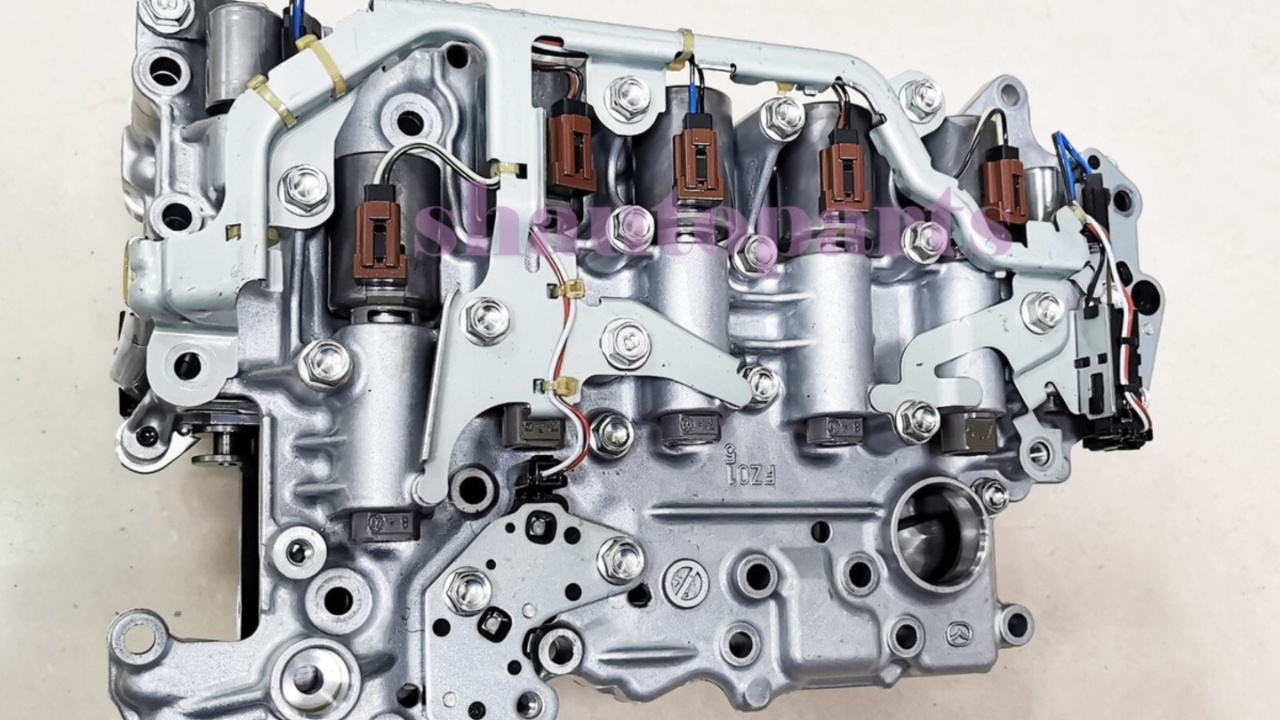
2. Ford 10R80 (10-Speed Automatic)
Ford 10R80 10-speed automatic, used in F-150 and Expedition, is a modern transmission known for combining high performance with practical service access. It uses a conventional removable transmission pan that provides access to a dual-media internal filter designed to capture both fine debris and larger particles.
It plays a key role in protecting the valve body’s tight hydraulic passages. Despite “lifetime fluid” claims, routine servicing is widely recommended for durability.
The design supports relatively straightforward fluid service compared to many sealed transmissions. While some factory pans may lack a drain plug, aftermarket deep-sump pans often add one along with temperature ports for easier maintenance.
Once the pan is removed, the filter, valve body, and shift solenoids are accessible without removing the transmission from the vehicle. This accessibility reduces labor time and cost during repairs or preventive servicing.
In operation, the 10R80 delivers quick shifts, wide gear ratio coverage, and strong towing performance. Its 10-speed layout allows frequent gear skipping under light throttle to keep engine RPM low and improve fuel efficiency.
However, some units experience harsh 1–3 shifts, delayed engagement, or shuddering, particularly when cold. These concerns are often linked to calibration issues or adaptive learning behavior rather than hardware failure.
The 10R80 benefits from regular maintenance, particularly fluid and filter changes every 25,000 to 50,000 miles in demanding applications such as towing or off-road use. Keeping Mercon ULV fluid clean helps reduce shift irregularities and extends clutch life.
Many complaints can be improved through Ford service bulletins and transmission control module updates that refine shift logic and adaptive learning patterns. A notable concern in some units is CDF drum bushing wear, which can contribute to shifting inconsistencies if not addressed.
Despite these issues, the transmission’s robust hardware design, wide ratio spread, and efficient clutch-to-clutch operation support strong long-term performance when maintained. Its combination of efficiency, towing strength, and service access makes it a highly adopted unit in the Ford lineup.
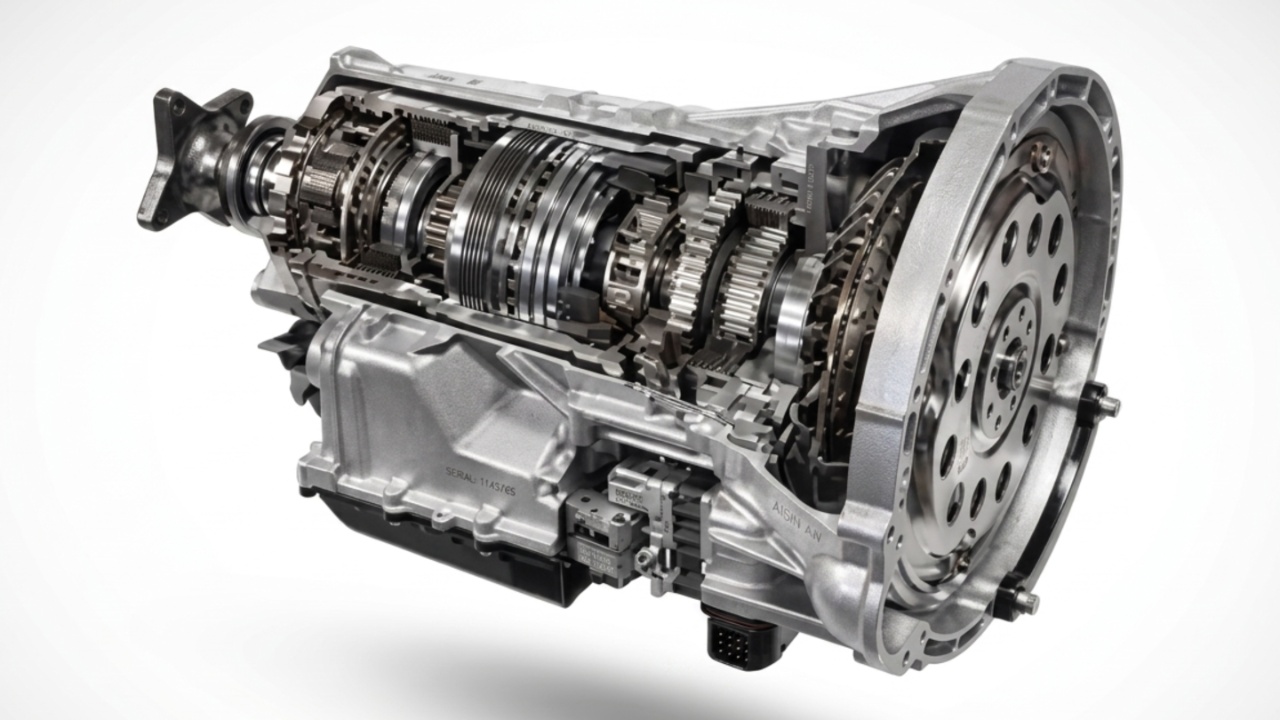
3. GM 10L80 / 10L90 (10-Speed Automatic)
The GM 10L80 and 10L90 10-speed automatic transmissions are widely used in vehicles such as the Chevrolet Silverado, Tahoe, and Cadillac Escalade, with the 10L90 also serving high-performance models like the Camaro ZL1.
Developed in collaboration with Ford, these transmissions are designed for high torque capacity, fast shifting, and improved fuel efficiency. Despite their complexity, they retain a service-friendly architecture that makes them more maintainable than many modern sealed transmissions.
A major advantage is the traditional removable transmission pan, which provides direct access to a replaceable internal filter. During service, the Dexron ULV fluid is drained, the pan is removed, and the filter is replaced without needing to remove the transmission from the vehicle.
The filter itself uses a dual-media design with fine and coarse layers to trap a wide range of contaminants, helping protect the valve body and hydraulic circuits. This setup supports routine maintenance and reduces long-term wear when serviced regularly.
Although factory pans may not always include a drain plug, aftermarket options allow easier future servicing. The fluid level is checked using a standpipe system rather than a dipstick, requiring precise temperature-based procedures.
Proper fluid type is essential, as these transmissions rely on low-viscosity Dexron ULV fluid for optimal hydraulic performance and shift quality. Because of this sensitivity, many specialists recommend fluid and filter changes every 45,000 to 60,000 miles, especially in towing or heavy-duty applications.
Performance-wise, the 10L80 and 10L90 deliver wide gear ratios that improve acceleration, towing capability, and highway efficiency by keeping the engine within its ideal power band. However, some users report issues such as hard shifting, low-speed clunking, and occasional overheating under heavy load.
These concerns are often linked to fluid degradation or calibration behavior rather than core design flaws. The 10L90 is built with stronger internal components for higher torque applications compared to the 10L80, making it better suited for performance use. Regular maintenance significantly improves shift quality, reliability, and long-term durability in both units.
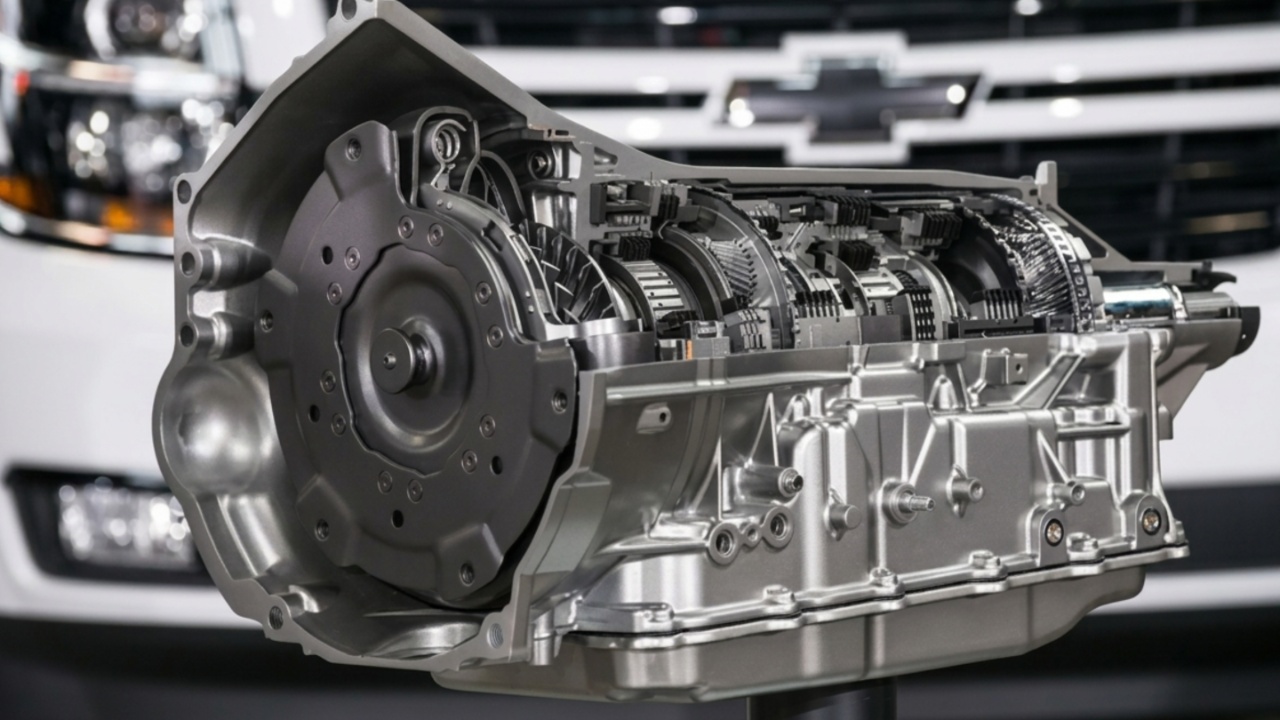
4. ZF 8HP Series (8-Speed Automatic)
The ZF 8HP series is one of the most widely used and highly regarded automatic transmissions globally, found in vehicles from BMW, Ram, Jeep, Land Rover, and Dodge performance models.
It is often considered an industry benchmark due to its ability to combine the smoothness of a torque-converter automatic with shift speeds that rival dual-clutch transmissions. With shift times as quick as 200 milliseconds, it delivers both refinement and responsiveness across a wide range of driving conditions.
A key feature of the ZF 8HP is its integrated service design. In most applications, the transmission filter is built directly into the plastic oil pan, meaning the entire pan-and-filter assembly is replaced as a single unit during maintenance.
While this increases part cost slightly, it ensures a fresh sealing surface, updated magnets, and consistent filtration performance at every service interval. This design also reduces the risk of contamination compared to reusable filter systems.
Service access is straightforward despite the transmission’s advanced engineering. Drain and fill plugs are easily reachable from underneath the vehicle, typically requiring only minor underbody panel removal.
The system does not use a traditional dipstick, but fluid level checks are managed through a controlled fill procedure. ZF recommends fluid and pan replacement every 50,000 to 75,000 miles or roughly every 8 years, even though some manufacturers originally labeled the fluid as “lifetime.”
Performance-wise, the 8HP is highly versatile, handling torque outputs from around 300 Nm to over 1000 Nm depending on the variant. Its wide gear ratio spread improves fuel efficiency, reduces engine RPM at cruising speeds, and enhances acceleration by enabling intelligent gear skipping. It is also known for adaptive shift logic that optimizes gear selection based on driving style and load conditions.
Common concerns include oil leaks from the pan or cooler and occasional shift quality degradation when maintenance is neglected. However, many of these issues are resolved through fluid servicing or software recalibration. With proper maintenance, the ZF 8HP remains one of the most durable, efficient, and refined automatic transmissions available, widely regarded as a benchmark for modern drivetrain engineering.
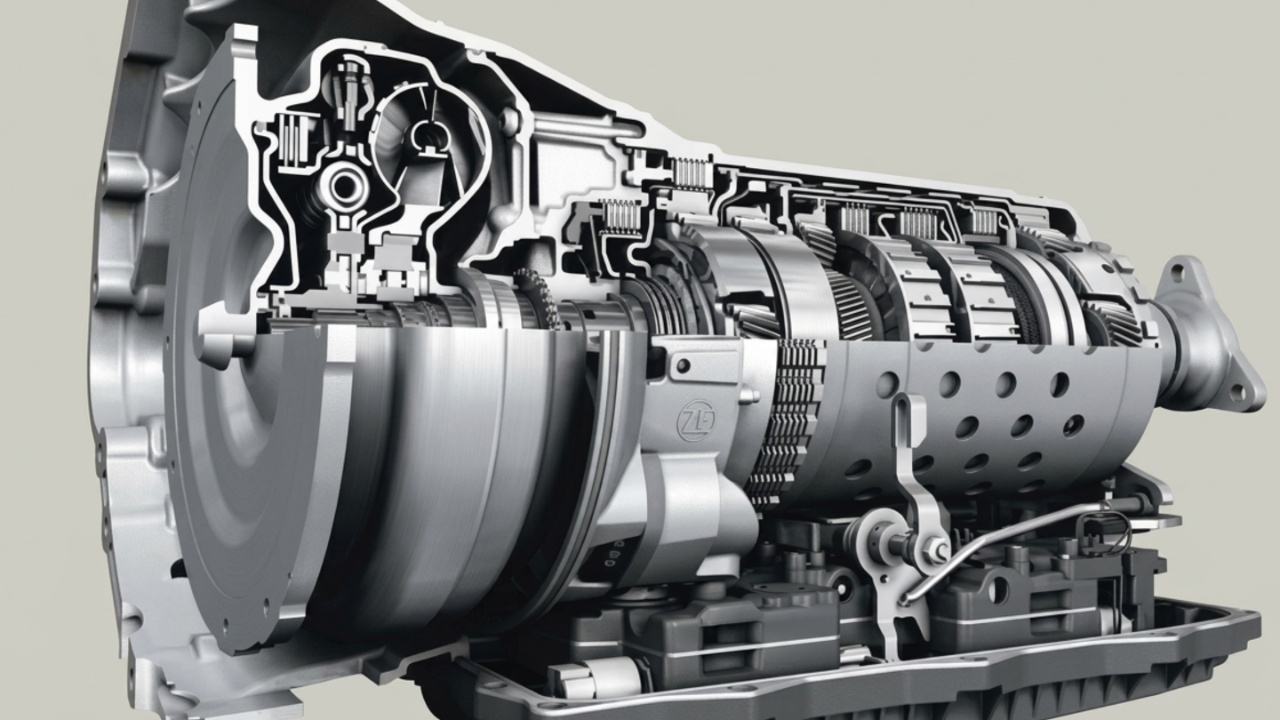
5. Toyota AC60 Series (6-Speed Automatic)
The Toyota AC60 series (AC60E/AC60F) 6-speed automatic transmission is widely used in rugged vehicles such as the Toyota Tacoma, HiLux, Fortuner, and Land Cruiser models. It is designed for light- to medium-duty truck and SUV applications, prioritizing durability, simplicity, and long-term reliability.
While its shift logic is tuned for fuel economy, it remains a mechanically robust unit capable of handling demanding workloads, including towing and off-road driving.
A key advantage of the AC60 is its accessible internal filter and traditional pan design. The transmission pan can be removed easily, allowing direct access to a replaceable filter secured with a few bolts.
This makes routine servicing straightforward, including draining fluid, removing the pan, replacing the filter, and cleaning the magnetic debris collectors. This simple maintenance process helps significantly extend transmission life, particularly in harsh environments where contamination buildup is more likely.
The AC60 also features a relatively simplified internal architecture compared to earlier Toyota automatics. It uses linear solenoids and a less complex hydraulic system, reducing the likelihood of deep mechanical failures.
Fluid level checking is performed through a fill plug and overflow tube system, ensuring accurate servicing without requiring specialized diagnostic equipment. Toyota WS fluid is commonly used and benefits greatly from regular filter and fluid maintenance, especially under towing or off-road stress.
In terms of performance, the AC60 is tuned for efficiency, often shifting into higher gears early and locking the torque converter quickly to maximize fuel savings. This can result in a sluggish feel in stop-and-go traffic, though “ECT PWR” mode improves throttle response and shift timing.
Its wide gear ratio spread enhances both low-speed torque and highway efficiency, while gear hunting and calibration-related concerns are sometimes addressed through software updates.
Despite occasional drivability complaints, the AC60 is considered a highly durable transmission. Most reported issues relate to tuning rather than mechanical failure, with clutch durability generally strong under normal use. Regular fluid and filter servicing around 60,000 miles helps maintain cooling efficiency and long-term reliability, making it a dependable choice for trucks and SUVs in demanding conditions.
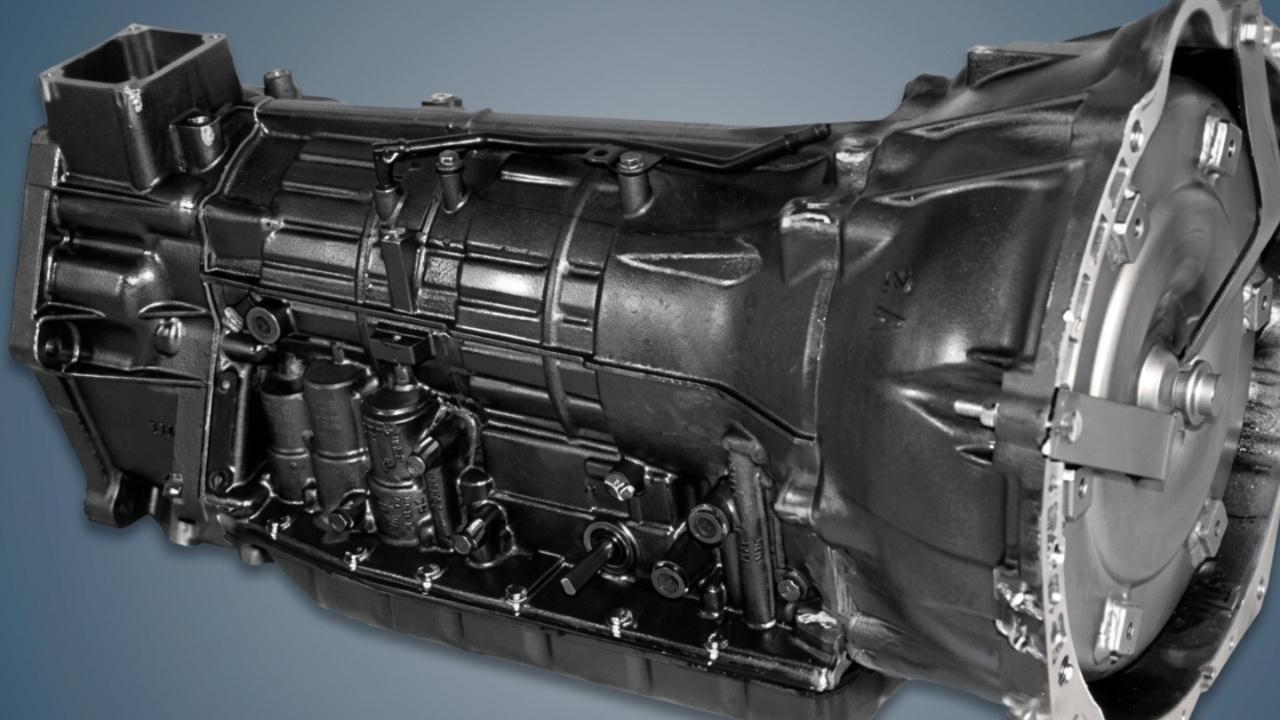
6. Allison 1000/2000 Series (Heavy-Duty)
The Allison 1000 and 2000 series heavy-duty automatic transmissions are widely used in Chevrolet and GMC Duramax-powered trucks and are regarded as benchmarks for durability and maintenance accessibility.
Designed for towing, vocational, and commercial use, they are built to withstand high torque loads while delivering consistent long-term reliability. The 1000 series is typically used in light- to medium-duty applications, while the 2000 series is engineered for heavier Class 5–6 vehicles.
A standout feature of the Allison design is its dual-filtration system. It includes a spin-on external filter that can be replaced quickly without removing the transmission pan, making routine servicing fast and convenient.
This filter functions similarly to an engine oil filter and plays a key role in maintaining fluid cleanliness during demanding operation. The internal pan filter is only accessed during deeper service or rebuilds, which reduces the frequency of intrusive maintenance work.
The transmission also uses electronic prognostics that continuously monitor fluid condition, filter life, and system health. This helps optimize service intervals and prevents unnecessary maintenance while improving reliability.
When combined with Allison-approved fluids, the system supports extended service life, with many units exceeding 150,000 to 300,000 miles under proper care. Its torque converter-based design ensures smooth power delivery and eliminates traditional clutch wear issues common in other automatic systems.
Built with five clutch packs and no friction bands, the Allison is engineered for strength under sustained load conditions.
Despite this robust construction, certain limitations exist, including torque converter stress under extreme horsepower, potential oil pump wear, sensor-related limp mode activation, and heat buildup from factory pans during heavy towing. These factors are often addressed with upgraded cooling or aftermarket components in severe-duty use.
The series has progressed from 5-speed to 6-speed and later 10-speed versions, improving efficiency and shift refinement over time. Although GM is phasing out the Allison branding in newer HD trucks, its engineering principles continue to influence modern heavy-duty transmission design and remain widely respected in the industry.
Also read: 12 Cars That Fundamentally Changed How American Families Travel
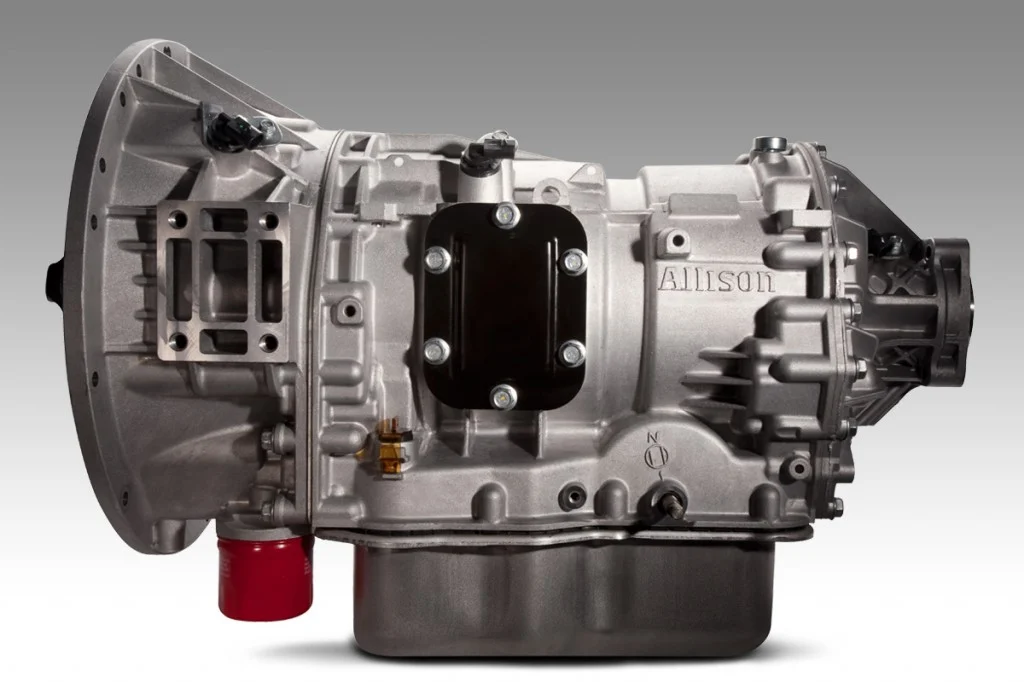
7. Subaru Lineartronic CVT (TR580 / TR690)
Subaru’s Lineartronic CVT, used in models such as the Forester, Outback, Crosstrek, and Ascent, is considered one of the more serviceable continuously variable transmissions in the modern automotive market.
It is available in two main versions: the TR580 for lighter-duty applications and the TR690 for higher-torque vehicles, including turbocharged and larger SUV models. Both units are designed to deliver smooth power delivery and strong fuel efficiency while maintaining a relatively maintenance-friendly structure compared to many competing CVTs.
A key service advantage is the presence of an accessible filtration system. The transmission features an external spin-on CVT fluid filter that can be replaced without disassembling the unit, making routine maintenance significantly easier.
This filter plays an important role in capturing fine metallic particles generated by the chain and pulley system. In addition, the internal suction strainer is accessible through the transmission pan, allowing deeper cleaning during scheduled service intervals. This design helps maintain fluid flow and cooling efficiency, reducing the risk of overheating and wear.
The Lineartronic system also supports straightforward fluid servicing through drain-and-fill procedures. Fluid changes can typically be performed every 50,000 to 60,000 miles, despite Subaru’s original “lifetime fluid” claim.
Proper fluid temperature monitoring is required during refill to ensure correct levels, but the process remains accessible to independent shops and experienced DIY users. Serviceable external sensors and straightforward access points further simplify maintenance compared to many sealed CVT designs.
Mechanically, Subaru’s CVT uses a steel chain drive instead of a belt, improving durability and torque-handling capability. The TR690 is built for higher loads and better performance, while the TR580 prioritizes efficiency in smaller vehicles. This chain-driven design contributes to longer service life when combined with regular maintenance.
Common issues include valve body solenoid failures and, in early TR690 models, torque converter problems. However, later revisions improved reliability significantly. With consistent fluid and filter servicing, many units exceed 100,000 miles with minimal issues. The system delivers smooth acceleration and excellent fuel economy, though it may feel less engaging under heavy throttle compared to traditional automatics.
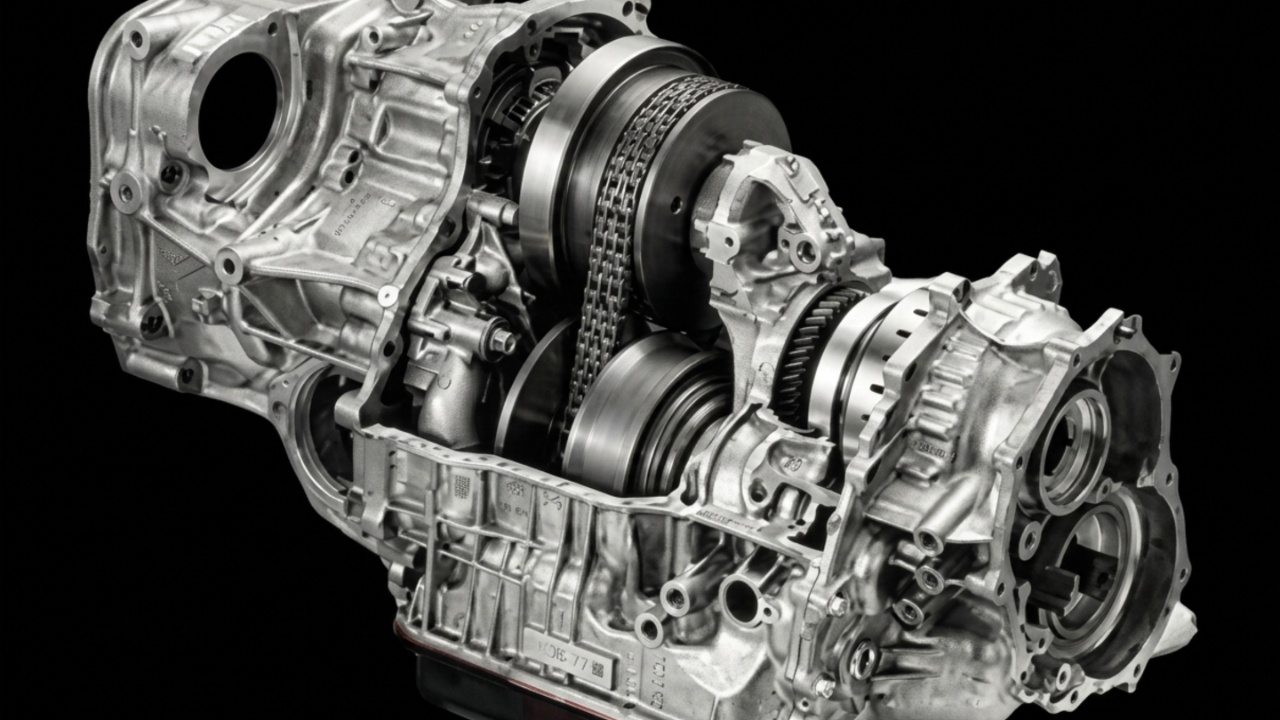
8. Chrysler 62TE (6-Speed Automatic)
The Chrysler 62TE is a 6-speed automatic transaxle used in front-wheel-drive and all-wheel-drive vehicles such as the Chrysler Pacifica, Town & Country, Dodge Grand Caravan, Journey, and Ram ProMaster. Produced from around 2007 to 2020, it is known for its simple service layout and accessible internal filter design, which makes it one of the more maintenance-friendly modern FWD transmissions.
A major advantage of the 62TE is its conventional bottom-mounted oil pan that allows direct access to the internal filter. Service is straightforward because the pan can be removed with basic tools, and the filter can be unbolted and replaced without complex disassembly.
Most service kits include a new gasket and O-ring to ensure proper sealing and internal pressure after reassembly. This design reduces labor time and makes routine maintenance practical for independent shops and DIY owners.
Parts availability is another strength because the transmission was used across many Chrysler and Dodge models. Filters and rebuild kits are inexpensive and widely stocked, which helps keep long-term maintenance costs low.
Regular fluid and filter changes are important, typically every 60,000 miles, since the transmission is sensitive to contaminated fluid. Using the correct ATF+4 fluid is critical because degraded or incorrect fluid can lead to shifting issues and internal wear.
In terms of operation, the 62TE delivers smooth shifts when properly maintained, but its internal design is more complex than it appears. It uses an underdrive compounder system to create six forward gears from a design derived from earlier 4-speed transmissions.
This added complexity introduces known weak points, including compounder seal wear, solenoid pack failures, torque converter shudder, and overheating under heavy load or city driving conditions.
Despite these concerns, many units can achieve high mileage with consistent maintenance. However, it is more sensitive to fluid condition compared to some rivals, and neglected service often leads to drivability issues or premature failure. Regular maintenance plays a key role in extending service life and maintaining stable performance over time.
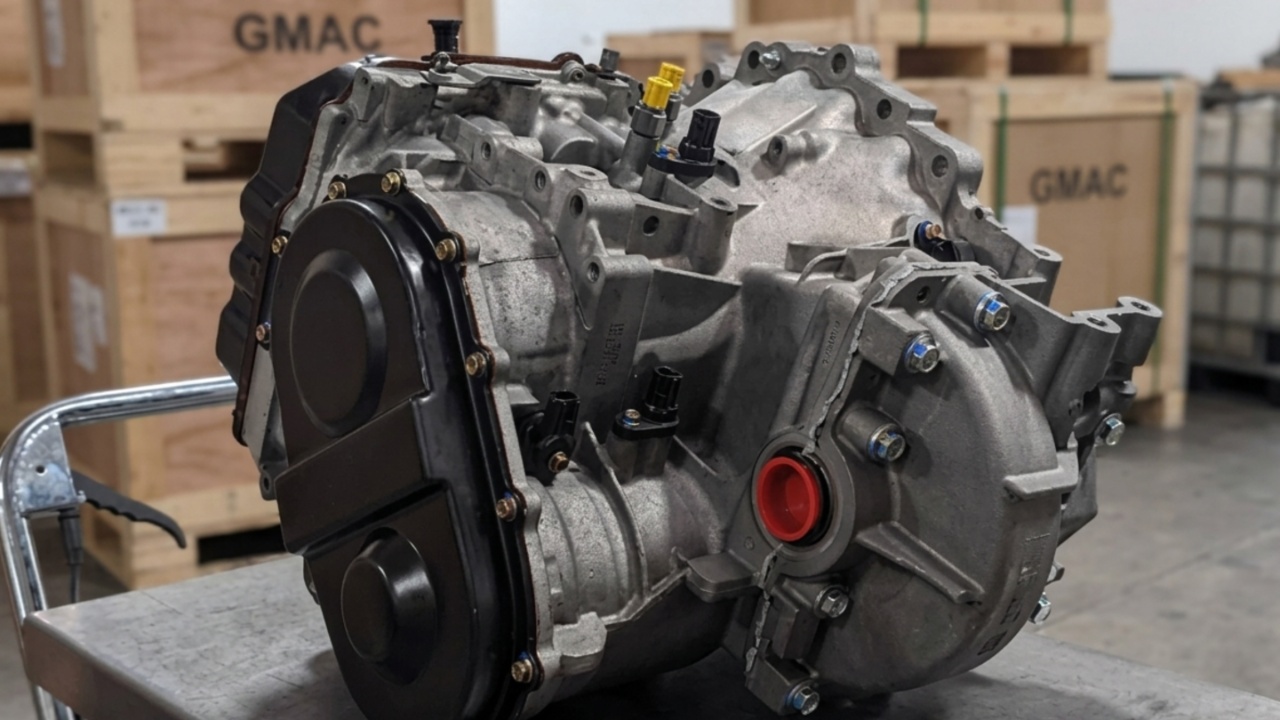
9. Aisin Warner AWF8F35 (8-Speed Automatic)
The Aisin Warner AWF8F35 is a widely used 8-speed automatic transmission found in vehicles from Toyota, Lexus, Volvo, and select BMW front-wheel-drive models.
It is designed as a compact, transverse-mounted unit that replaces older 6-speed automatics while improving efficiency, shift quality, and durability. Known for smooth and predictable operation, it is often praised as one of the more balanced modern automatic transmissions.
A key strength of the AWF8F35 is its serviceable design. Unlike many sealed transmissions, it uses a traditional removable oil pan with a separate internal filter that can be replaced during routine maintenance.
This makes servicing more cost-effective because the filter and gasket can be changed without replacing the entire pan assembly. The accessible design allows technicians to maintain fluid cleanliness, which is essential for protecting the hydraulic valve body and ensuring consistent shift quality over time.
Aisin emphasizes proactive maintenance for this transmission, recommending fluid changes at relatively short intervals, often around every 20,000 km or two years, depending on driving conditions.
Regular ATF replacement helps prevent sludge buildup and reduces stress on components such as the torque converter and solenoid systems. Because the filter captures fine metallic particles and debris, maintaining it in a clean condition plays a major role in long-term reliability.
From a design perspective, the AWF8F35 was the first 8-speed automatic developed specifically for transverse front-wheel-drive layouts. Its compact packaging allows it to fit within the same space as older 6-speed units while offering improved gear coverage and efficiency gains of up to 14 percent. The wide gear ratio spread enables smoother acceleration and better fuel economy, particularly in highway driving.
While generally reliable, some drivers report occasional low-speed shift flare or mild downshift roughness, often linked to fluid condition or calibration behavior. These concerns are typically reduced through proper servicing and software updates. TCM-related electrical issues can also occur, but are not widespread.
The AWF8F35 is widely regarded as a durable, efficient, and well-engineered transmission suited for everyday driving and luxury applications, with long service life when maintained correctly.
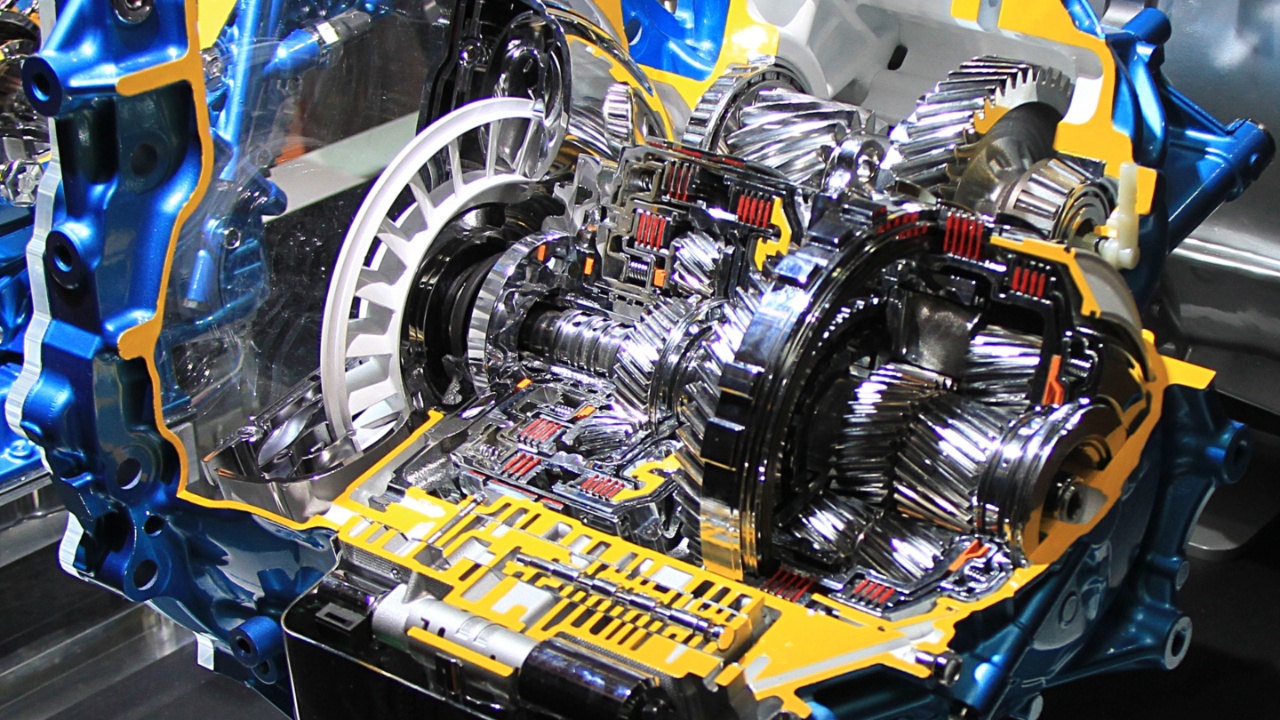
10. Mercedes-Benz 7G-Tronic / 9G-Tronic
The Mercedes-Benz 7G-Tronic (722.9) and 9G-Tronic (725.0) transmissions are widely used in models such as the E-Class and GLE-Class, and are known for combining smooth shifting performance with a thoughtfully engineered, serviceable structure. The 7G-Tronic serves as the earlier platform, while the 9G-Tronic improves fuel efficiency, shift speed, and driving refinement through additional gears and an updated internal design.
Both transmissions are built with a removable oil pan that provides direct access to the internal filter and mechatronics unit. The filter is not deeply embedded within the transmission, which allows it to be replaced during routine maintenance without major disassembly.
In many 9G-Tronic versions, the oil pan, filter, and magnets are combined into a single integrated service module, improving debris capture and simplifying servicing procedures.
Mercedes-Benz recommends transmission service intervals typically between 40,000 and 60,000 miles, despite earlier claims of lifetime fluid use. This service includes fluid replacement and filter changes to maintain clean hydraulic operation.
The transmission relies on low-viscosity automatic transmission fluid to reduce internal friction and support smooth gear changes. Regular filter replacement is important because it prevents debris from reaching the sensitive electro-hydraulic mechatronic system responsible for shift control.
Servicing these units requires more precision than many conventional automatics. They do not include a dipstick and instead use a temperature-controlled filling process. Technicians must use a special pump and scan tool to ensure the fluid level is set accurately, usually at around 45°C. A drain plug on the pan allows fluid removal, but correct refilling is essential for proper operation and longevity.
In terms of performance, the 9G-Tronic delivers a wider gear spread that improves fuel economy by about 7 percent compared to the 7G-Tronic. It also allows lower engine RPM at highway speeds and provides smoother, faster shifting due to closer gear ratios. Some drivers may notice minor low-speed hesitation or occasional electronic control issues as mileage increases.
With consistent maintenance, including timely fluid and filter servicing, both transmissions are capable of long service life. The 9G-Tronic represents a more refined evolution focused on efficiency and comfort while retaining a similarly accessible maintenance approach.
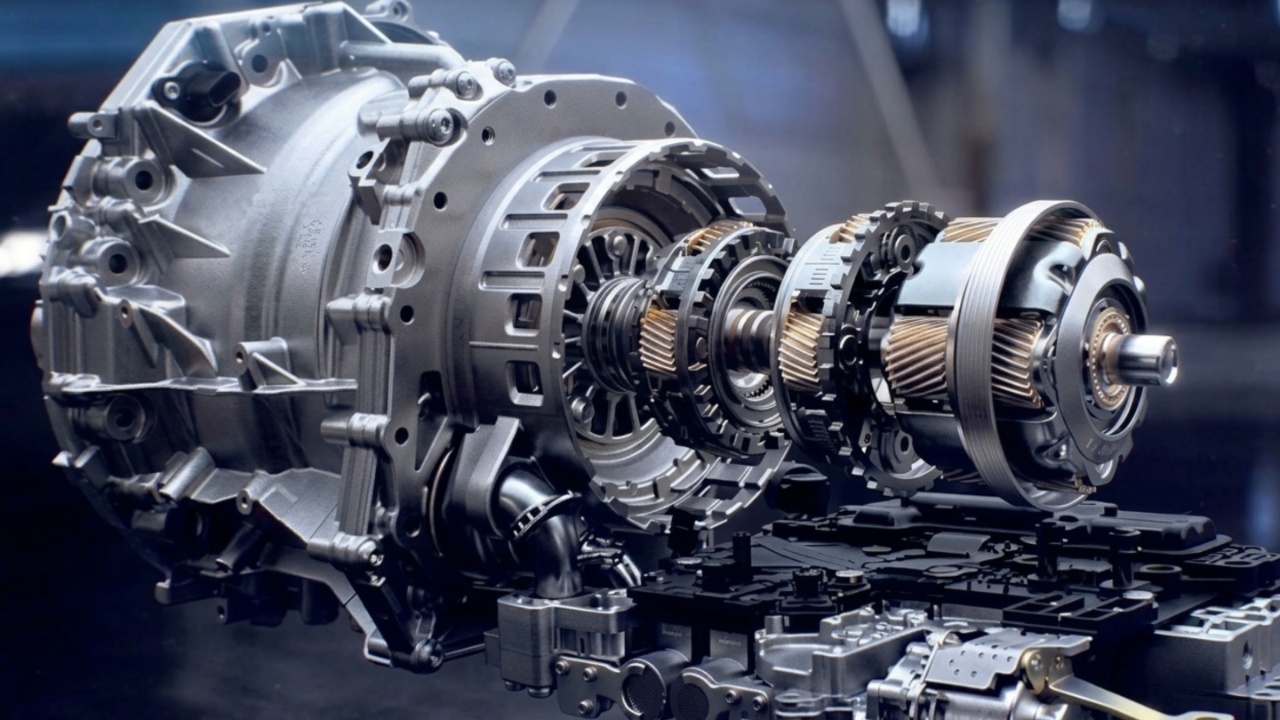
11. Honda/Acura 10-Speed Planetary Automatic (10AT)
The Honda/Acura 10-speed automatic transmission (10AT) is an in-house developed planetary gear system used in vehicles such as the Honda Odyssey, Accord, Pilot, and Acura RDX and TLX.
It replaces older shaft-style automatics with a more advanced layout featuring four planetary gearsets. This design improves efficiency, acceleration, and shift quality while also introducing better service access compared to earlier Honda transmissions.
A major improvement in this transmission is its serviceable structure. Unlike older Honda automatics, where internal filters were difficult to access, the 10AT uses a traditional bottom oil pan that can be removed for maintenance.
This allows technicians to reach and replace the internal filter, enabling physical removal of debris and extending transmission life. The system is designed to support routine fluid exchanges using Honda Genuine ATF Type 2.0, with many experts recommending filter and fluid service around every 50,000 miles to maintain optimal performance.
The 10AT is also engineered for strong driving performance. It delivers smooth and quick shifts with minimal shock and is capable of skipping multiple gears during downshifts, such as moving from 10th to 4th gear when rapid acceleration is needed. This contributes to improved responsiveness and driving flexibility. The transmission also uses a two-way clutch system that enhances shift efficiency and refinement.
In terms of design, the unit is compact and lightweight despite having ten forward gears. It is shorter and lighter than the 6-speed transmission it replaced, which helps improve vehicle packaging and fuel efficiency. Its wide gear ratio spread allows for lower engine RPM at highway speeds, reducing fuel consumption and mechanical strain over time.
Reliability is generally strong due to in-house engineering and extensive development testing. The transmission includes durable materials such as high-strength steel and aluminum, along with an efficient cooling and variable-displacement pump system that helps reduce heat buildup. Some early models showed minor rough shifting during break-in periods, but performance typically improves after initial mileage accumulation.
The Honda/Acura 10AT combines efficiency, smooth operation, and improved serviceability, making it one of the more advanced and maintenance-friendly modern automatic transmissions in its class.
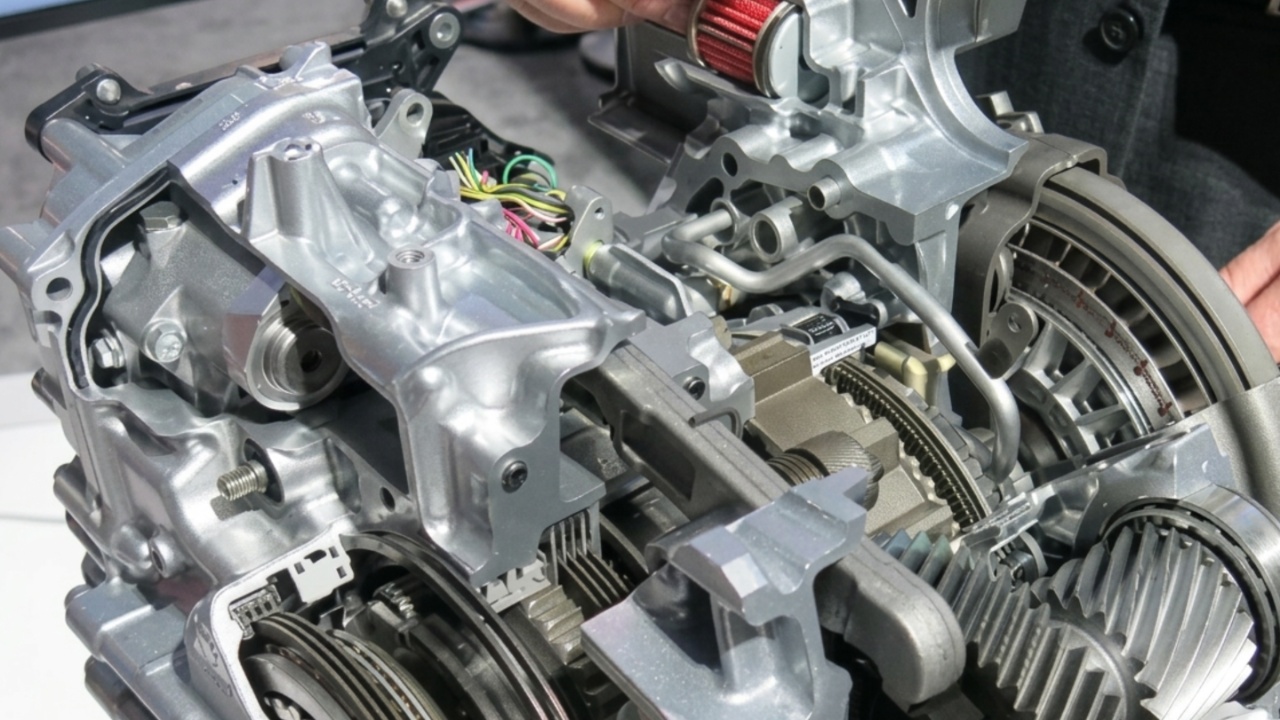
12. Nissan RE0F10 Series (CVT)
The Nissan RE0F10 series CVT, commonly associated with Jatco variants such as the JF011E, JF016E, and JF017E, is widely used in vehicles like the Nissan Altima, Sentra, Rogue, and Qashqai. Although early Nissan CVTs developed a reputation for reliability concerns, this transmission design includes several serviceable features that make it more maintainable than many other “sealed” CVTs on the market.
A key advantage of the RE0F10 series is its dual-filter system. It includes a primary flat filter located inside the transmission pan and a secondary cartridge-style filter positioned on the side of the transmission housing.
The cartridge filter is often accessible by removing the front wheel well liner, allowing replacement without major disassembly. The pan filter is also easily reached once the transmission pan is removed. This dual setup helps trap fine metallic particles and debris that can otherwise circulate through the system and cause wear in critical components like the valve body.
Regular maintenance of both filters, along with fluid replacement, is essential for long-term durability. Many specialists recommend servicing every 30,000 to 60,000 miles, despite some manufacturers’ claims of lifetime fluid.
Clean fluid and filters reduce the risk of overheating, which is one of the most common causes of CVT failure. When fluid breaks down due to heat, it can lead to shuddering, whining noises, and delayed acceleration.
Later versions of the RE0F10 series introduced improvements such as revised pulley designs, updated ratio control systems, and, in some cases, chain-driven components instead of belts to improve strength and durability. These updates helped address weaknesses seen in earlier models, which were more prone to premature failure under stress or poor maintenance conditions.
Despite improvements, the transmission remains sensitive to driving habits and cooling efficiency. Aggressive driving, heavy loads, or infrequent servicing can significantly shorten its lifespan. In severe cases of failure, full transmission replacement is often required rather than rebuilding.
When properly maintained with consistent fluid and filter service, the RE0F10 CVT can provide smooth, fuel-efficient performance suited for everyday commuting, especially in later model revisions.
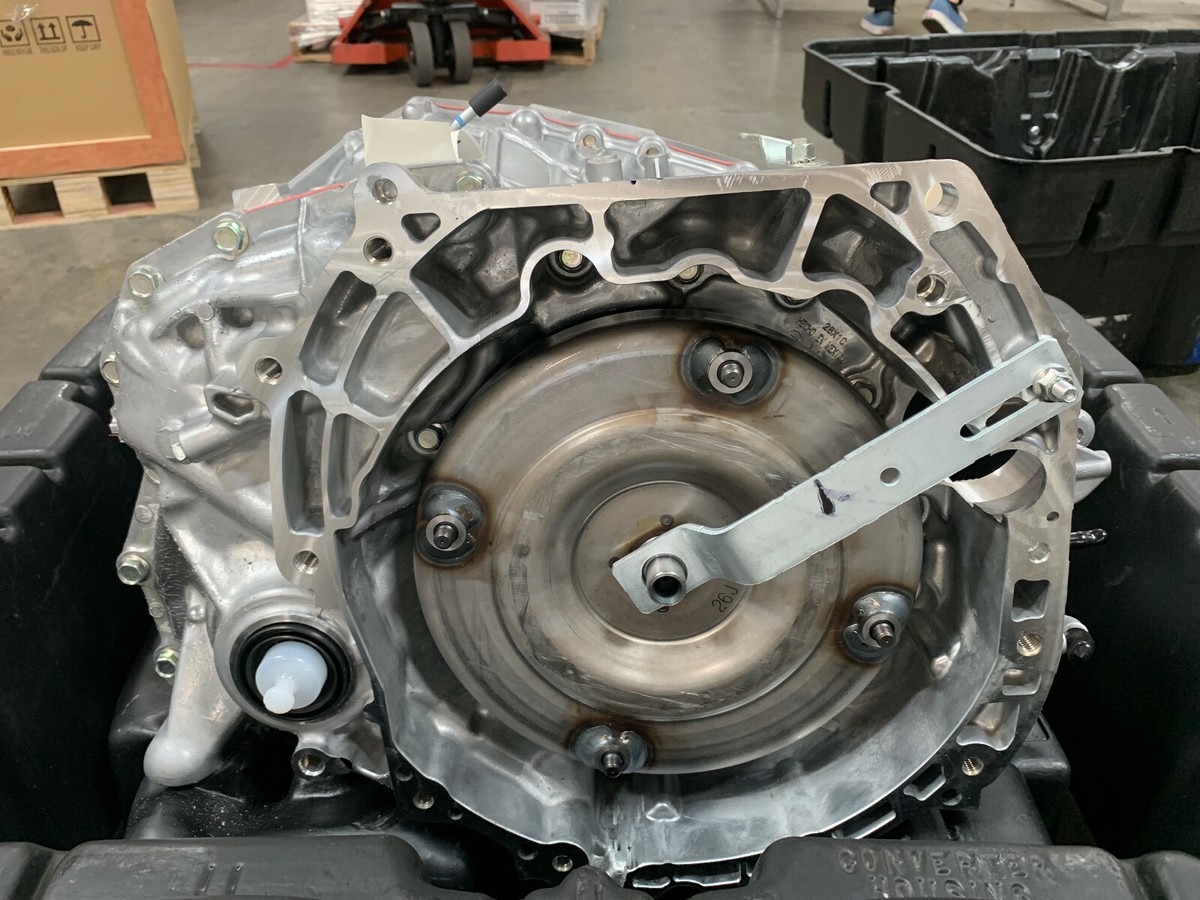
Across all twelve transmissions, a clear pattern emerges: accessibility directly supports longevity. Whether it is traditional automatics like the Mazda FW6A-EL and Toyota AC60, advanced 8-speed units like the ZF 8HP and Aisin AWF8F35, or high-output systems such as the GM 10L80 and Ford 10R80, each design benefits from serviceable filters and practical fluid replacement methods.
Even more complex systems, including Mercedes-Benz 9G-Tronic and Honda’s 10AT, show that modern engineering no longer needs to sacrifice maintainability for performance.
CVTs like Subaru’s Lineartronic and Nissan’s RE0F10 series further demonstrate that regular filter service can significantly reduce wear-related failures. While each transmission has its own quirks and maintenance requirements, consistent fluid care remains the most important factor in durability.
These examples highlight a shift in automotive design philosophy toward repair-friendly engineering, where accessible internal filters help ensure smoother operation, lower long-term costs, and extended service life for a wide range of vehicles.
Also read: 5 Cars With Simple Oil Change Procedures vs 5 That Are DIY Nightmares