Modern vehicles are no longer defined only by horsepower and towing figures; they are increasingly judged by how much electrical load they can sustain. From work trucks powering winches and plows to luxury SUVs running massive digital displays, today’s machines rely on heavy-duty alternators to keep every system stable.
These high-output charging units ensure that batteries remain charged, voltage stays consistent, and critical electronics continue operating under extreme demand. In commercial vehicles, they support tools, lighting, and trailer systems during long idle hours, while in performance SUVs and off-road rigs, they manage bursts of energy from winches, compressors, and advanced traction systems.
Even luxury models depend on them to run immersive infotainment setups and safety technologies without interruption. This guide explores ten standout vehicles engineered with robust alternator systems designed to handle serious electrical demands across work, adventure, and performance applications.
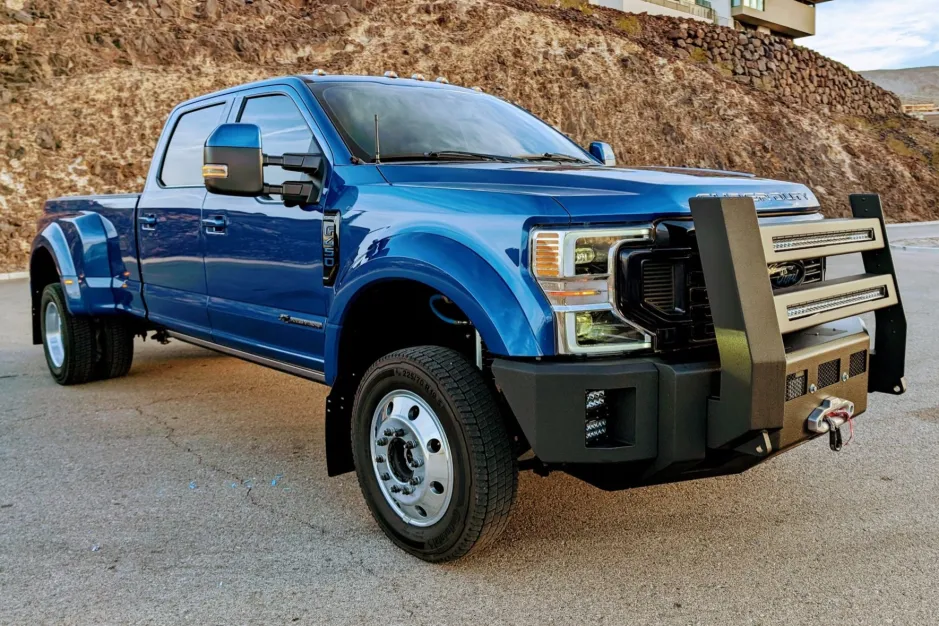
1. Ford F-450 Super Duty: Power, Performance, and Advanced Electrical Capability
The 2026 F-450 Super Duty stands out as a heavy-duty truck engineered for extreme workloads, combining exceptional performance with a highly capable electrical system. At the heart of its electrical strength is a standard 250-amp alternator, which can be upgraded to a dual extra heavy-duty setup delivering an impressive 410 amps.
This system is specifically designed to handle high-demand accessories such as snow plows, winches, and auxiliary lighting without draining the primary battery. Its smart charging logic ensures that critical vehicle systems are prioritized while efficiently recharging dual-battery configurations commonly used in specialized applications like ambulance or snowplow packages.
Built for commercial and industrial use, the F-450 relies on heavy-duty alternators to sustain consistent power output during long, demanding operations. These systems prevent battery depletion and support additional equipment, making the truck ideal for towing, hauling, and job-site tasks.
With a maximum towing capacity of up to 40,000 pounds and payload capacity reaching 8,000 pounds, the F-450 is tailored for serious work environments. Advanced trailering technologies, including onboard scales and trailer navigation, further enhance its capability and safety.
Under the hood, the Super Duty offers multiple engine options: a 6.8-liter V8 producing 405 horsepower, a 7.3-liter V8 with 430 horsepower, and the top-tier 6.7-liter Power Stroke diesel V8 delivering up to 500 horsepower and 1,200 lb-ft of torque. Paired with a 10-speed automatic transmission, these engines provide strong acceleration and reliable performance, with diesel models achieving 0–60 mph in as little as 5.5 seconds.
Inside, the F-450 balances utility and comfort. While base models are simple, higher trims include advanced infotainment systems, large touchscreens, and premium audio options. Safety features such as automated emergency braking, blind-spot monitoring, and adaptive cruise control add confidence on the road.
The 2026 F-450 Super Duty excels as a durable, high-performance truck with advanced electrical systems, making it a top choice for demanding professional applications.
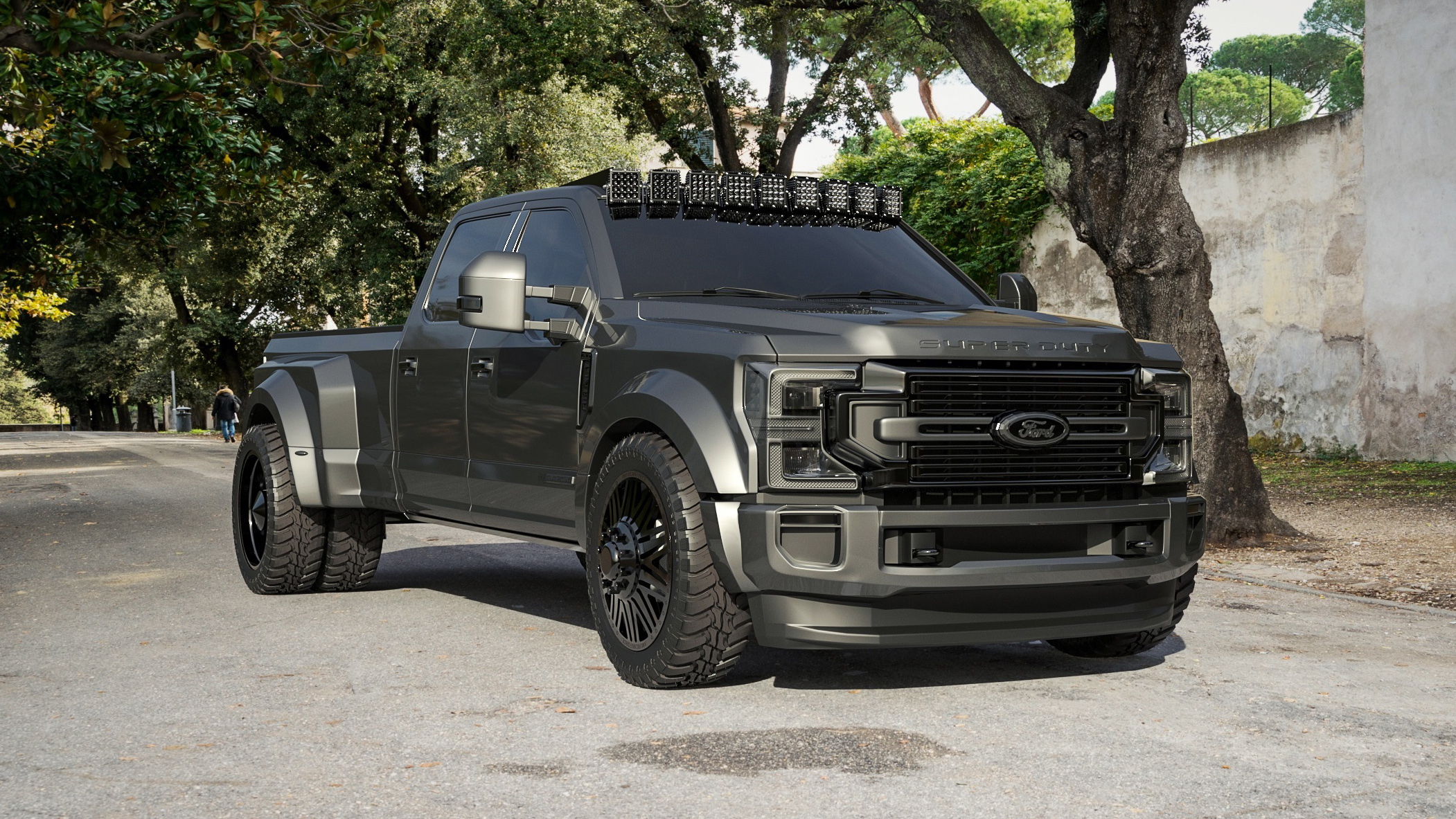
2. Chevrolet Silverado 3500 HD: Heavy-Duty Capability and Advanced Electrical System
The 2025 to 2026 Chevrolet Silverado 3500 HD is designed for demanding workloads, combining strong performance with a highly capable electrical system suited for severe service conditions. It comes equipped with a factory-installed 220-amp alternator that supports essential components such as trailer brake controllers and the electrical needs of truck campers or utility bodies.
For more intensive applications, owners can upgrade to high-output aftermarket systems like a 370-amp alternator, which delivers more than 185 amps at idle. This ensures that tools, lighting, and onboard equipment remain powered even when the truck is not moving.
A key strength of the Silverado 3500 HD lies in its heavy-duty and available dual-alternator setups. These systems provide stable voltage, reduce the risk of battery drain, and maintain strong output at low engine speeds.
This is especially important for job sites where equipment such as winches, snowplows, lift gates, and emergency lighting must run continuously. The alternators are also built for durability, using heavy-gauge wiring and improved cooling systems to handle sustained high electrical loads without failure.
The truck is well-suited for industries such as construction, farming, and large-scale towing. Its capability is highlighted by a maximum towing capacity of up to 36,000 pounds when equipped with the Duramax 6.6-liter diesel V8 engine, which produces 470 horsepower and 975 lb-ft of torque.
The standard 6.6-liter gasoline V8 offers 401 horsepower and 464 lb-ft of torque, making it a solid option for lighter tasks. Both engines are paired with an Allison 10-speed automatic transmission and are available in rear-wheel or four-wheel drive configurations.
Inside, the Silverado 3500 HD offers a balance of practicality and comfort. The cabin ranges from basic work-focused trims to more refined versions with advanced infotainment systems and smartphone connectivity. Safety features such as forward-collision warning, adaptive cruise control, and a multi-view camera system improve driver awareness.
The Silverado 3500 HD delivers reliable performance, strong electrical capability, and versatility for heavy-duty professional use.
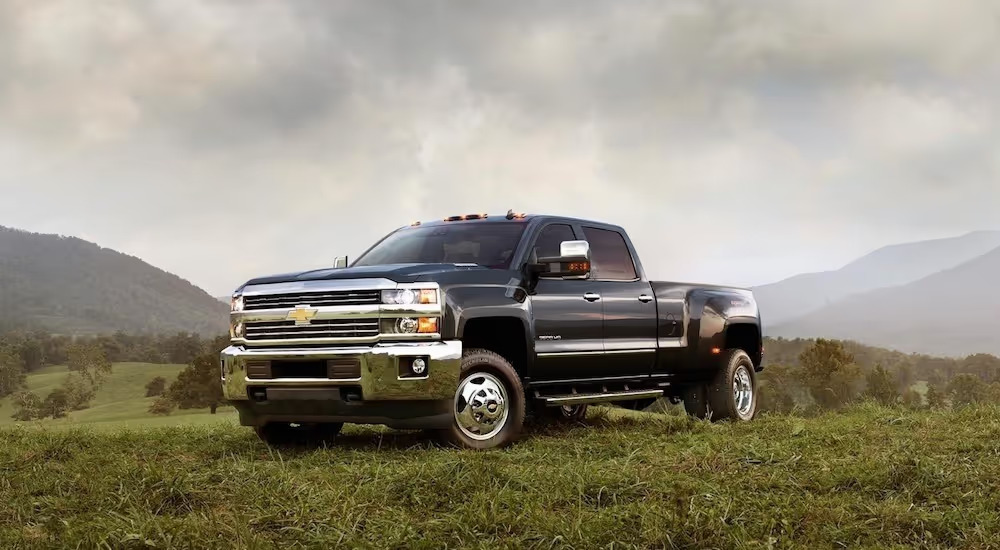
3. RAM 3500 Heavy Duty: Advanced Electrical Power and Premium Workhorse Capability
The 2025 to 2026 RAM 3500 Heavy Duty continues to stand out as a top-tier truck built for both extreme workloads and refined driving comfort. A major highlight is its advanced electrical system, which begins with a standard 220-amp alternator on many trims.
This system is designed to support modern features such as the large Uconnect infotainment display while also handling the demands of towing and commercial equipment. For users requiring greater electrical capacity, the RAM 3500 offers dual-alternator configurations that can produce up to 440 amps on diesel models, delivering best-in-class output for high-demand operations.
This powerful electrical architecture allows the truck to run heavy-duty accessories such as winches, lighting systems, and specialized trailer equipment without voltage drops. It also integrates smoothly with dual-battery setups and supports a 2.4 kW onboard power inverter, effectively turning the truck into a mobile generator.
This makes it especially valuable for job sites, remote work, and commercial upfits where consistent and reliable power is essential. Built for durability, the system is engineered to withstand high temperatures and intense vibrations, ensuring performance under extreme working conditions.
Beyond its electrical strength, the RAM 3500 excels in towing and hauling capability. When equipped with the high-output 6.7-liter Cummins turbo diesel engine, it produces massive torque and can tow up to 36,610 pounds.
The truck also offers a payload capacity of up to 7,590 pounds in dual rear wheel configurations. Engine options include a 6.4-liter HEMI V8 with 410 horsepower and a standard or high-output version of the 6.7-liter Cummins diesel, paired with a robust automatic transmission.
Inside, the RAM 3500 offers one of the most comfortable and upscale cabins in the heavy-duty segment. It features premium materials, advanced infotainment systems, and user-friendly technology. Despite its strengths, the truck comes with higher pricing, significant fuel consumption, and large dimensions that may make maneuvering more difficult.
The RAM 3500 Heavy Duty combines exceptional electrical capability, strong performance, and interior comfort, making it a versatile choice for both commercial and personal use.
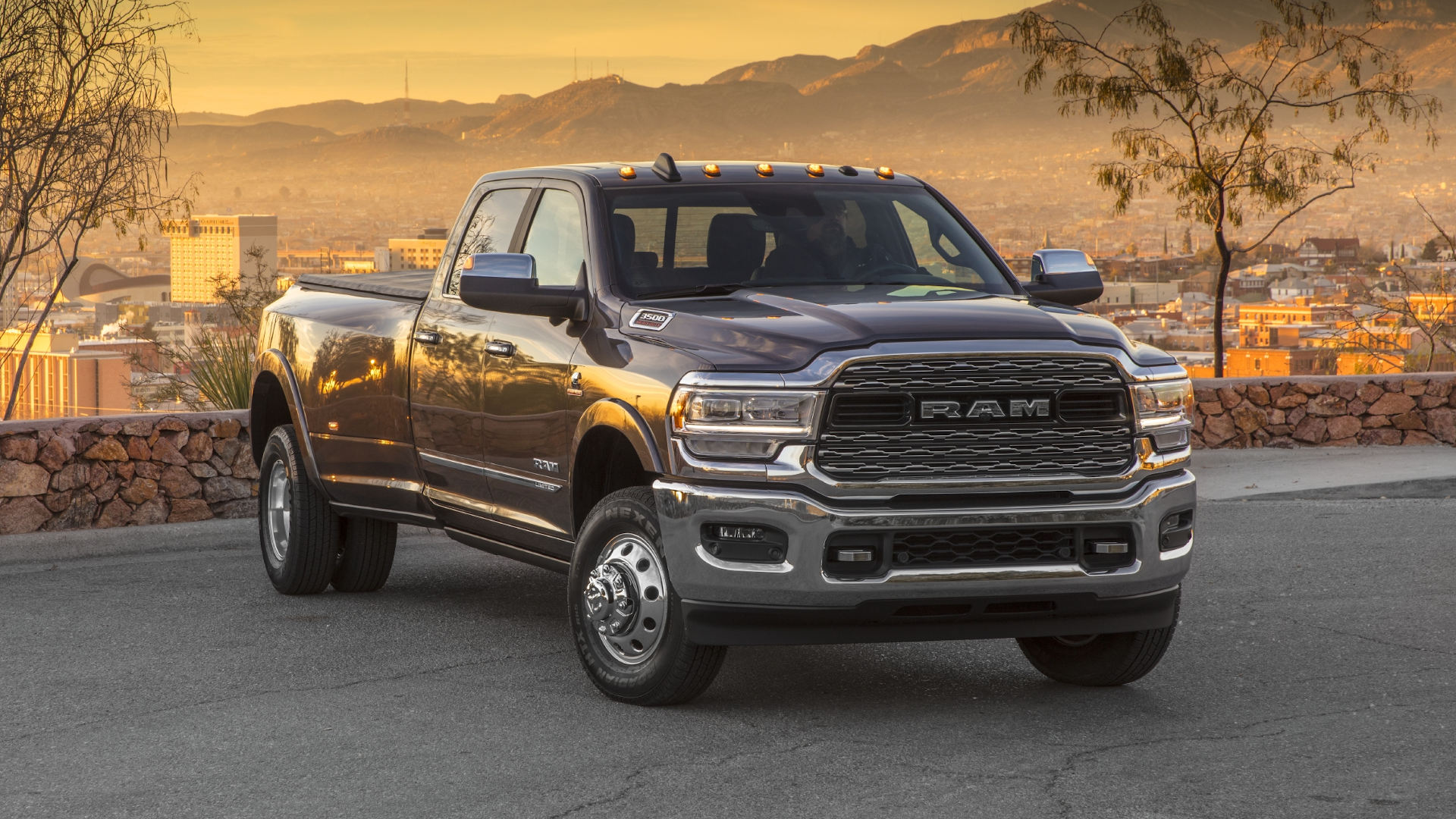
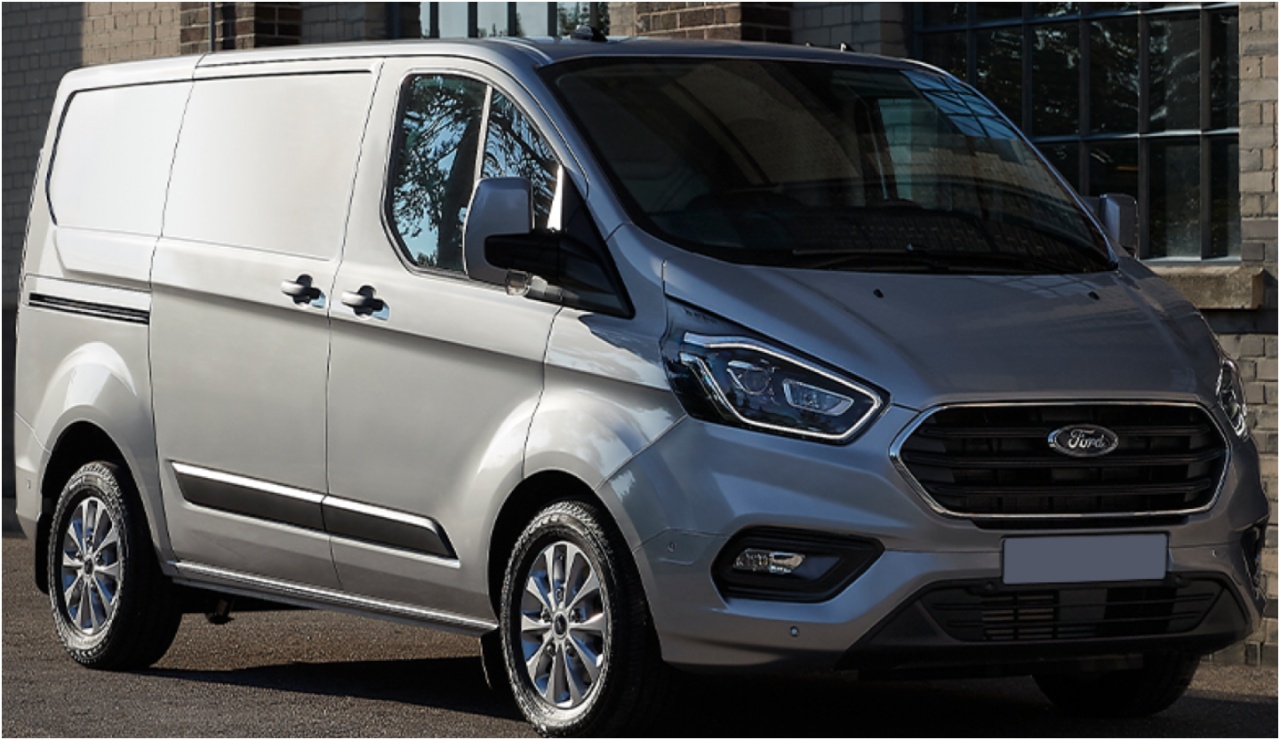
4. Ford Transit: Advanced Electrical Capability and Flexible Work Van Design
The 2025 Ford Transit is a highly versatile van built to handle demanding commercial tasks, mobile businesses, and lifestyle conversions such as van living. A key highlight is its powerful electrical system, which includes an available dual 250-amp alternator setup delivering a combined 500 amps.
For safety, output is regulated to 175 amps through the CCP2 connection point, yet the system still provides ample capacity to run high-demand equipment while charging large auxiliary battery systems like lithium house batteries.
Even at idle, a single 250-amp alternator can generate up to 170 amps depending on temperature, allowing users to operate appliances, climate systems, and other energy-intensive devices without depleting the main battery.
This high-output electrical system is essential for the Transit’s wide range of applications. Unlike typical passenger vehicles, it is frequently used in situations where multiple electrical components run simultaneously. These include refrigeration units, lighting systems, telematics, and onboard power inverters.
Emergency and service vehicles depend on consistent electrical output to operate sirens, communication tools, and medical equipment. The alternators are specifically engineered to maintain strong performance at low engine speeds, which is critical for vehicles that spend extended periods idling. Enhanced cooling systems and reinforced internal components improve durability and help prevent overheating or failure during continuous use.
In terms of performance, the Ford Transit offers two engine options. The standard 3.5-liter V6 produces 275 horsepower, while the twin-turbocharged EcoBoost version delivers 310 horsepower and 400 lb-ft of torque.
Both engines are paired with a 10-speed automatic transmission and are available with rear-wheel or all-wheel drive. The van also provides a smooth and controlled ride, which contributes to comfort during long trips or extended work shifts.
The Transit’s design emphasizes flexibility and practicality. Buyers can choose from various roof heights, wheelbase lengths, and seating configurations, including models that accommodate up to 15 passengers.
Cargo capacity is substantial, making it suitable for transporting equipment, goods, or conversion setups. Inside, the van features a modern 12-inch infotainment system with smartphone connectivity, along with driver-assistance features such as lane-keeping assist and adaptive cruise control for added safety and convenience.
The Ford Transit delivers a strong balance of electrical power, performance, and adaptability for a wide range of professional and personal uses.
Also read: 5 Cars With Simple Mechanical Cooling Fans vs 5 With Complex Electric Fan Modules
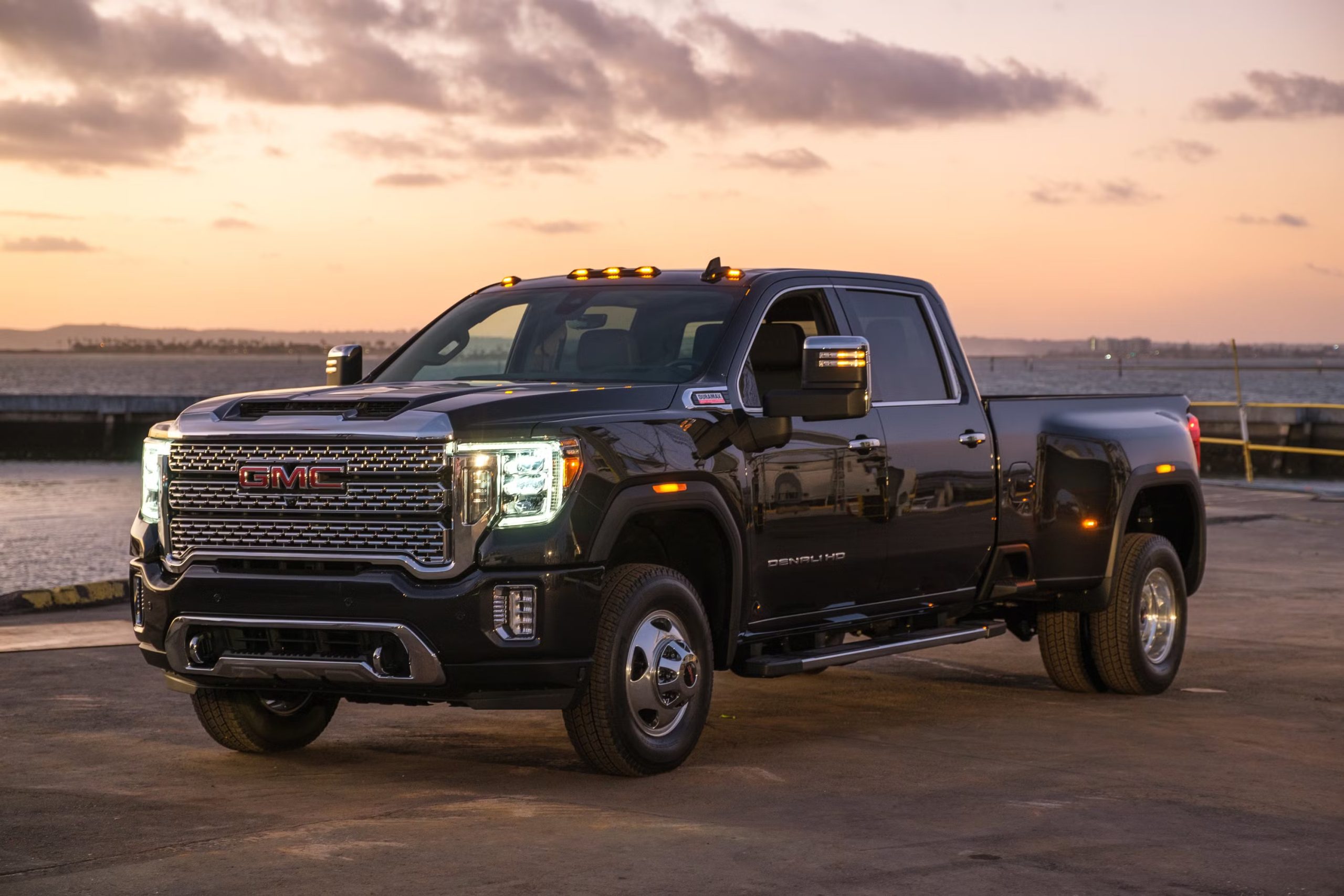
5. GMC Sierra 3500 HD: Heavy-Duty Performance with Robust Electrical Capability
The 2026 GMC Sierra 3500 HD is engineered for demanding workloads, combining strong towing performance with a durable and high-capacity electrical system. At its core is a 220-amp alternator, designed to support professional trailering and work-focused applications.
This system is built to handle continuous high-amperage output while resisting heat buildup, making it ideal for fleet operators and those using power take-off equipment. For more extreme needs, the Sierra’s electrical architecture supports aftermarket upgrades exceeding 370 amps, allowing reliable operation of accessories such as refrigerators, satellite systems, and off-grid equipment.
A key advantage of the Sierra 3500 HD lies in its ability to manage large electrical loads without voltage drops. Its heavy-duty alternators provide consistent power for trailer braking systems, lighting, and high-draw accessories like winches and auxiliary lights. These systems are particularly valuable for commercial users who rely on stable power during long work hours or in challenging environments.
The truck is also designed to support aftermarket additions such as cranes, snowplows, and inverters, ensuring flexibility for specialized tasks. Enhanced durability features, including improved cooling and rugged internal components, allow the alternator system to perform reliably under stress, even in stop-and-go or high-load conditions.
Performance is another strong point of the Sierra 3500 HD. It offers two engine options, including a 6.6-liter gasoline V8 producing 401 horsepower and a Duramax 6.6-liter turbo-diesel V8 delivering 470 horsepower and 975 lb-ft of torque.
Both engines are paired with a 10-speed automatic transmission and are available with rear-wheel or four-wheel drive. When properly configured, the truck can tow up to 36,000 pounds, making it suitable for heavy-duty hauling and large trailers.
Inside, the Sierra 3500 HD provides a functional and spacious cabin with various configurations, including multiple seating options and ample storage. Higher trims offer advanced infotainment systems with large touchscreens and smartphone connectivity. Safety features such as automated emergency braking, lane-departure warning, and available adaptive cruise control enhance driver awareness.
The GMC Sierra 3500 HD delivers a strong combination of electrical reliability, towing capability, and adaptability, making it a dependable choice for both commercial and recreational heavy-duty use.
6. Mercedes-Benz Sprinter: High-End Electrical System and Commercial Versatility
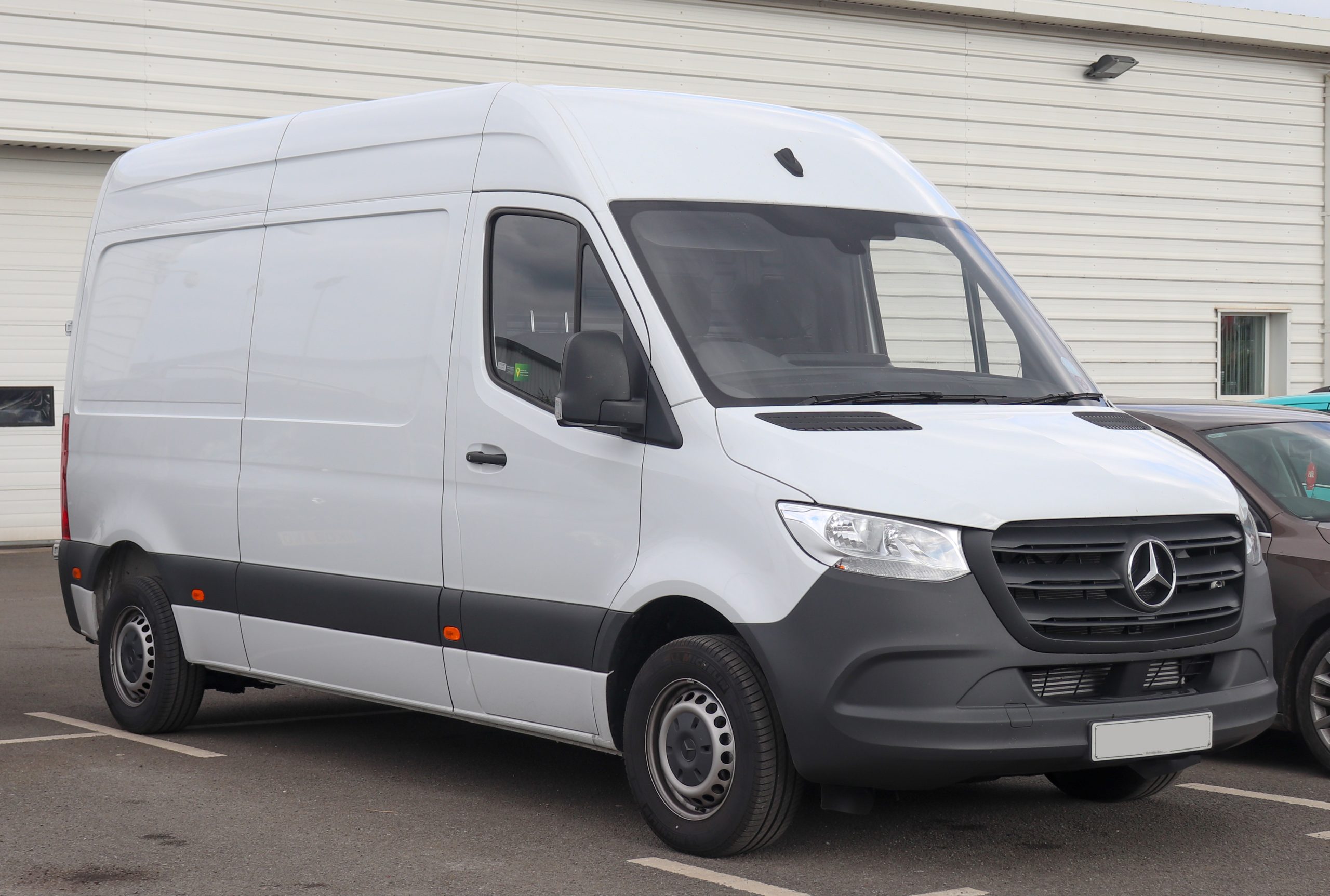
The 2025 Mercedes-Benz Sprinter is widely recognized as a premium work van, particularly favored for emergency services, delivery fleets, and luxury camper conversions. A major strength of the Sprinter lies in its advanced electrical system, anchored by a 200-amp Bosch heavy-duty alternator.
This unit is specifically engineered for prolonged idling, a common requirement in ambulances, mobile clinics, and delivery operations. It ensures that critical systems such as medical equipment, refrigeration units, and communication tools remain powered while keeping the vehicle’s battery fully charged. Its precise power management system regulates voltage carefully, protecting sensitive onboard electronics from fluctuations.
The Sprinter also supports high-output alternator configurations ranging from 150 amps to over 300 amps, depending on the setup. For users with extreme power requirements, such as off-grid RV builders, the platform allows the addition of secondary alternators that can generate more than 280 amps independently.
This makes the van highly capable of supporting large battery banks, inverters, and energy-intensive accessories. These alternators are often controlled through advanced systems that optimize charging efficiency and maintain stable output even at low engine speeds.
Heavy-duty alternators are essential in the Sprinter due to its wide range of applications. Many units are used for high-demand tasks such as refrigerated transport, onboard Wi-Fi systems, and complex audio or lighting setups.
In addition, modern Sprinters are equipped with numerous electronic features, including advanced infotainment, climate control, and driver-assistance technologies, all of which require consistent electrical support. The alternator system is built with robust cooling and durable components to handle continuous high loads and prevent overheating.
In terms of performance, the Sprinter is powered by a turbocharged 2.0-liter diesel engine, available in 170-horsepower and 211-horsepower variants. Both are paired with a nine-speed automatic transmission, with rear-wheel drive standard and all-wheel drive available on higher-output models.
While not particularly fast, the Sprinter prioritizes efficiency and reliability, offering stable handling supported by features such as load-adaptive stability control and crosswind assist.
The interior is designed with practicality in mind, offering multiple configurations for cargo, crew, or passenger use. It can seat up to 15 passengers or provide expansive cargo space exceeding 500 cubic feet. Optional infotainment upgrades and safety features enhance usability.
The Mercedes-Benz Sprinter delivers dependable electrical performance, durability, and flexibility for a wide range of professional and specialized applications.
7. Cadillac Escalade: Advanced Electrical System for Luxury and Technology
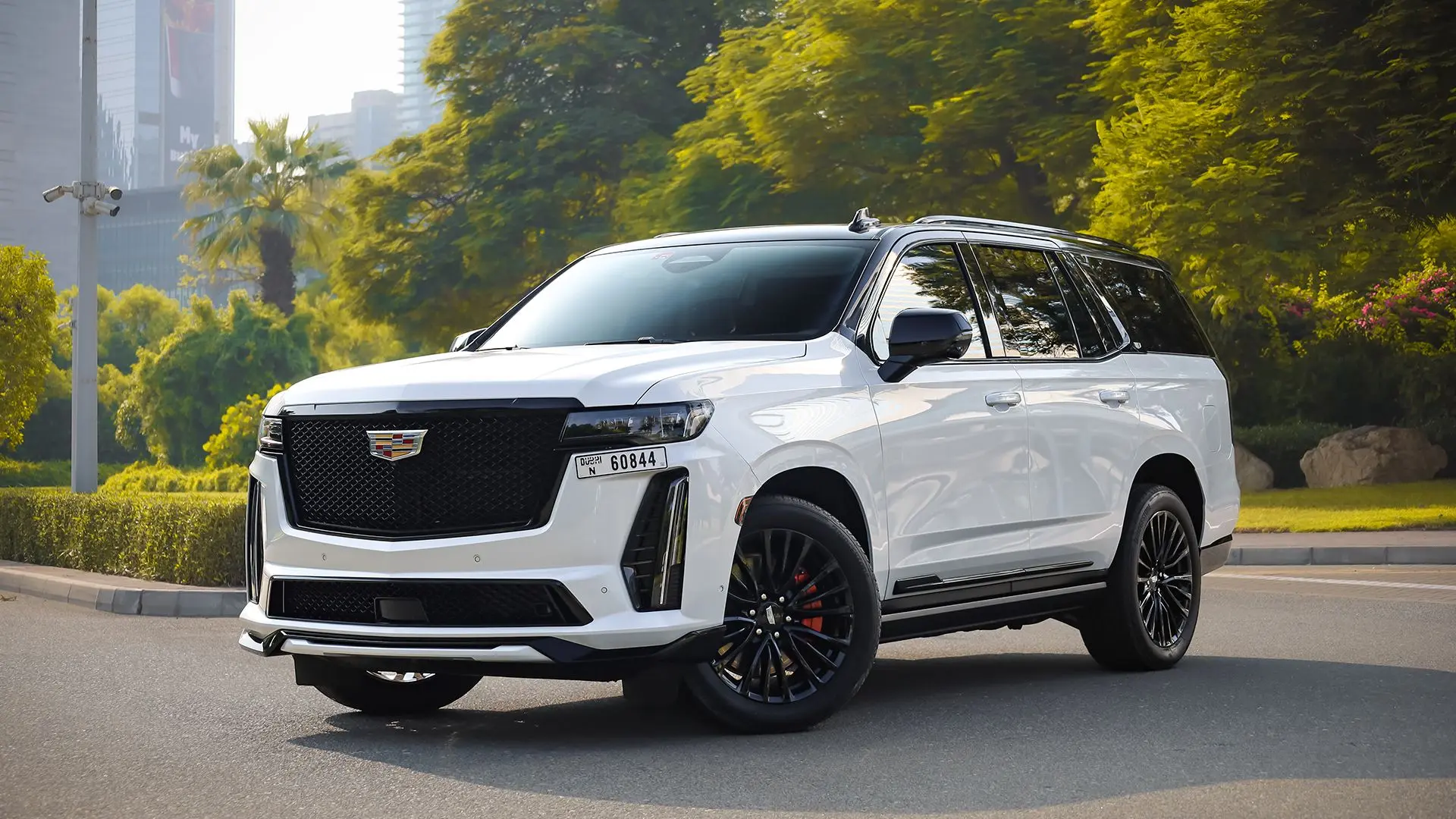
The 2025 Cadillac Escalade is engineered as a high-end luxury SUV with a sophisticated electrical system designed to support its extensive array of advanced features. Central to this system is a high-output alternator, typically rated between 160 and 180 amps.
This capacity is essential for powering the Escalade’s large curved OLED display, premium AKG audio system, and advanced suspension technologies such as magnetic ride control. The alternator is optimized for efficient energy distribution, ensuring stable voltage even when multiple high-demand systems are operating at the same time.
Unlike heavy-duty trucks built for industrial work, the Escalade’s electrical system is tailored for luxury, comfort, and technology. Its alternator is constructed with premium components, including high-quality bearings and enhanced cooling systems, allowing it to handle continuous electrical loads without overheating.
This design prevents common issues such as battery drain, flickering screens, or inconsistent operation of electronic features. The vehicle’s many power-intensive systems, including heated and ventilated seats, automated liftgates, and advanced driver-assistance technologies, rely on this stable electrical foundation.
The Escalade’s need for a high-capacity alternator comes from its dense integration of modern electronics. Its infotainment setup spans a massive digital display, while safety systems and convenience features operate simultaneously in the background.
Maintaining consistent voltage is critical to ensure these systems function smoothly and reliably. The alternator plays a key role in supporting this complex network, helping deliver a seamless and refined driving experience.
Performance is another important aspect of the Escalade. It comes with a standard 6.2-liter V8 engine producing 420 horsepower, paired with a 10-speed automatic transmission and available in rear-wheel or all-wheel drive.
For those seeking more power, the Escalade-V features a supercharged version of the same engine that produces 682 horsepower, delivering significantly quicker acceleration. The independent rear suspension improves ride quality and provides more interior space, particularly for passengers in the third row.
Inside, the Escalade offers a premium cabin filled with high-quality materials, advanced technology, and spacious seating. Its infotainment system, connectivity features, and driver-assistance technologies enhance both convenience and safety, making it a standout in the luxury SUV segment.
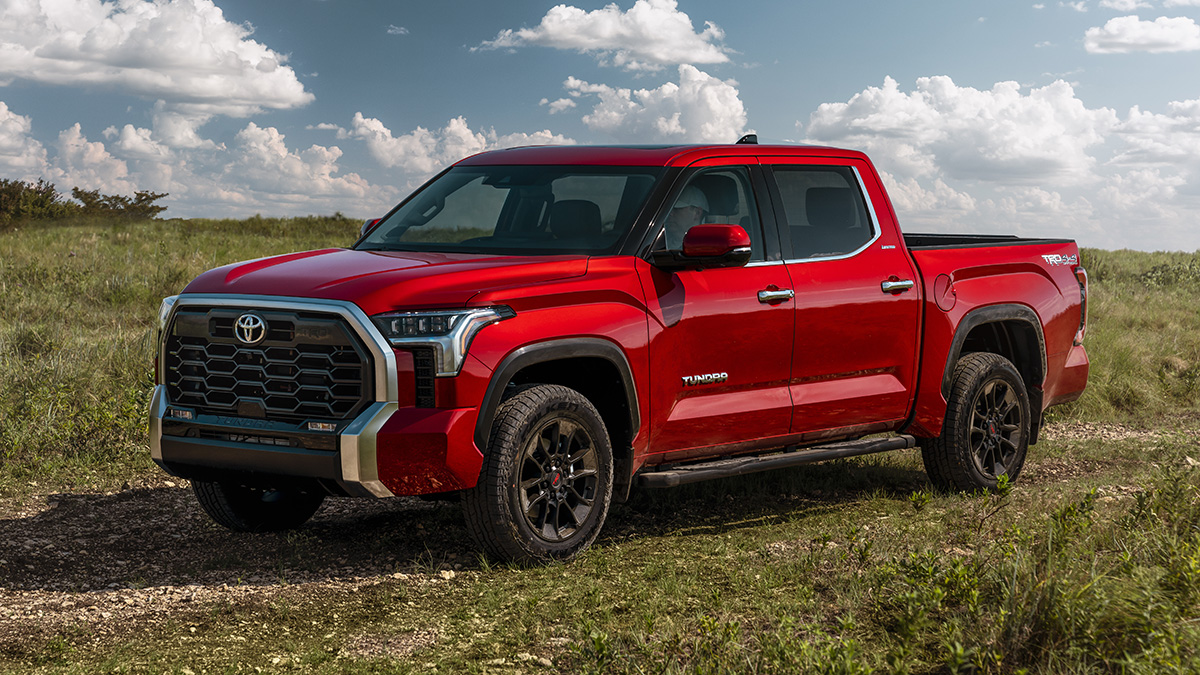
8. Toyota Tundra: Efficient Electrical System and Balanced Full-Size Truck Capability
The 2025 Toyota Tundra stands out in the half-ton pickup segment with a strong focus on electrical efficiency, reliability, and modern technology support. A key feature is its high-output charging system, which includes a 180-amp alternator on hybrid i-FORCE MAX models.
This system is designed to manage the interaction between the hybrid’s 1.87 kWh battery pack and the truck’s standard 12V electrical systems. It ensures stable power delivery for towing electronics, infotainment systems, and onboard accessories while maintaining efficiency under heavy load conditions.
The Tundra’s alternator system is built for durability and consistent performance in demanding environments. It supports a wide range of electrical demands, including auxiliary lighting, winches, refrigeration units, and other aftermarket accessories commonly used in towing and off-road applications.
By delivering high output at low engine speeds, the system helps prevent battery drain during idling or slow-speed operation. Reinforced components and improved cooling also allow the alternator to withstand continuous high-current use without overheating or premature wear.
Under the hood, the Tundra is powered by a twin-turbocharged 3.4-liter V6 engine offered in two outputs, producing either 348 horsepower or 389 horsepower. A hybrid variant increases output further to 473 horsepower.
All versions are paired with a 10-speed automatic transmission and available with rear-wheel or four-wheel drive. The suspension uses a coil-spring rear setup that improves ride comfort compared to traditional leaf-spring designs.
In terms of capability, the Tundra can tow up to 12,000 pounds and carry a maximum payload of 1,940 pounds, placing it slightly behind key rivals in the segment. Fuel economy is competitive, with EPA ratings reaching up to 23 mpg highway in rear-wheel-drive configurations and real-world highway testing averaging around 19 mpg.
Inside, the Tundra offers a functional cabin with good space for passengers, though it leans more toward practicality than luxury. It provides modern infotainment options, including an available 14-inch touchscreen with wireless smartphone integration and multiple USB and power outlets.
Safety is a strong point, with Toyota Safety Sense 2.5 included across all trims, offering adaptive cruise control, lane-keeping assist, and automatic emergency braking.
The Toyota Tundra delivers a balanced mix of electrical capability, everyday comfort, and dependable performance for both work and recreational use.
9. Jeep Wrangler Rubicon: High-Output Electrical Support for Extreme Off-Road Performance
The 2026 Jeep Wrangler Rubicon is designed as a purpose-built off-road SUV, and its electrical system plays a critical role in supporting demanding trail conditions. A key feature is the available 240-amp extra heavy-duty alternator, which provides the high electrical output needed for intensive off-road accessories such as front and rear winches, powerful LED light bars, air compressors, and recovery equipment.
These systems can draw large bursts of power, and the alternator ensures the vehicle’s main electrical system remains stable during these spikes. It is also engineered with improved sealing and durability to resist dust, water, heat, and vibration, making it well-suited for rock crawling and overlanding environments where reliability is essential.
The Wrangler Rubicon’s electrical architecture is designed to maintain consistent voltage under heavy accessory use. Heavy-duty alternators, typically ranging from 160 to 320 amps depending on configuration, help prevent battery drain when multiple systems are operating at once.
This is especially important in remote areas where winching, lighting, and communication equipment must function without interruption. The alternator also delivers strong output at low engine speeds, which is critical during slow-speed off-road driving where normal charging conditions are limited.
Enhanced cooling systems and reinforced internal components further improve reliability under sustained load and extreme conditions.
Performance is delivered through multiple engine options, including a 3.6-liter V6, a turbocharged 2.0-liter four-cylinder, and a high-output 6.4-liter V8 in the Rubicon 392.
Power is routed through either a six-speed manual or an eight-speed automatic transmission, with four-wheel drive standard across the lineup. While the Wrangler has improved in refinement, it still retains a rugged, truck-like driving character suited for off-road use rather than highway comfort.
Capability remains a core strength, with towing capacities ranging from 2,000 pounds in two-door models to 5,000 pounds in the Rubicon 392. Fuel efficiency varies widely, with the turbo four-cylinder offering the best economy and the V8 delivering significantly lower mpg.
Inside, the Wrangler provides a functional but compact cabin with modern technology, including a 12.3-inch touchscreen with wireless smartphone integration and optional trail mapping features.
The Jeep Wrangler Rubicon combines rugged mechanical design with a high-capacity electrical system, ensuring dependable performance in demanding off-road and adventure-focused environments.

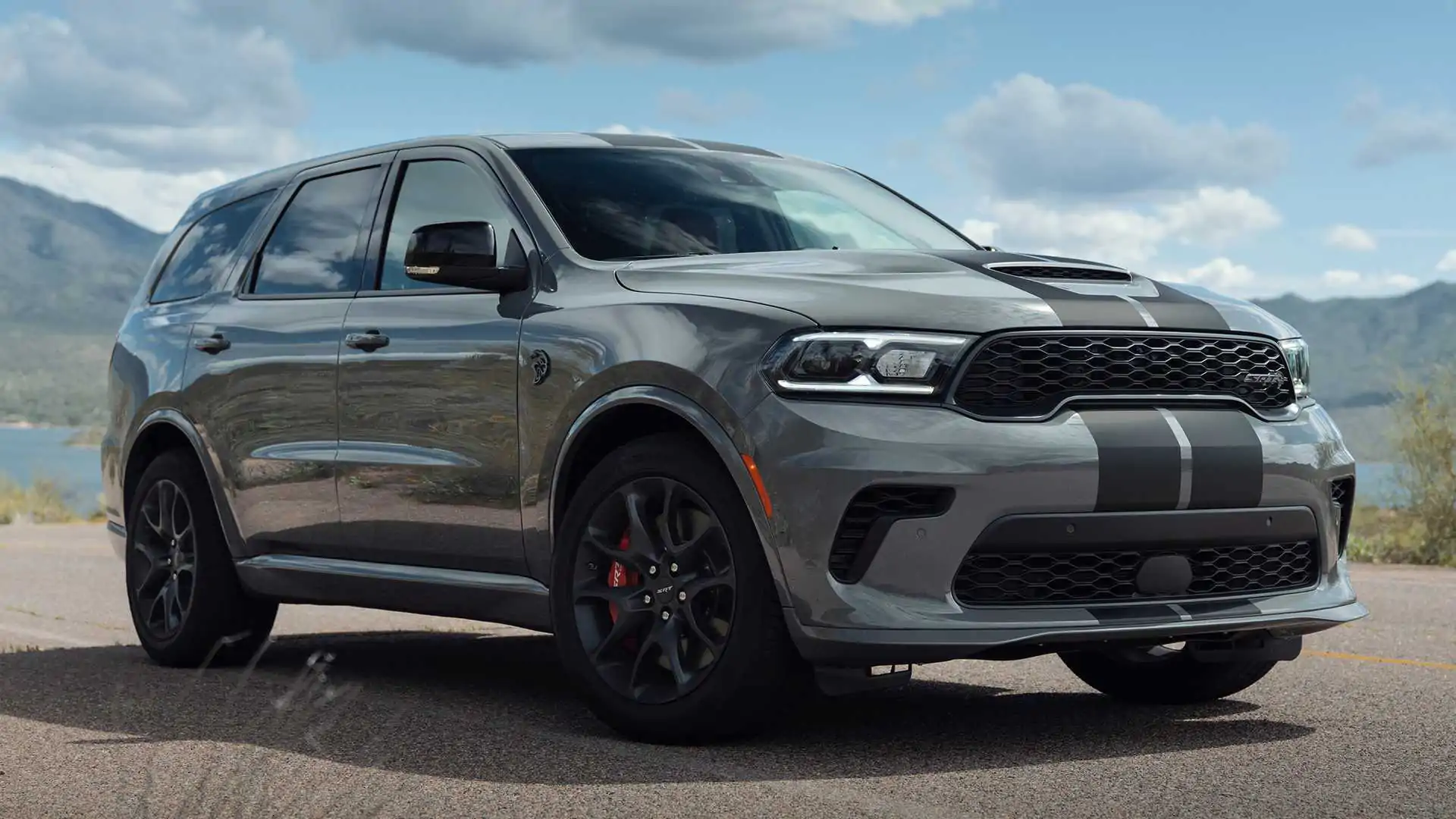
10. Dodge Durango SRT Hellcat: High-Output Muscle SUV with Heavy-Duty Electrical Demands
The 2025–2026 Dodge Durango SRT Hellcat is a performance-focused three-row SUV that combines extreme power with a high-demand electrical system designed to support both its supercharged engine and advanced onboard technology.
At the core of its electrical setup is a high-output 160-amp Denso alternator engineered to withstand the intense heat and rotational stress generated by the 6.2-liter supercharged HEMI V8 engine. This system ensures stable power delivery to critical components, including climate control, infotainment systems, and performance electronics, even under extreme driving conditions.
The Durango SRT Hellcat’s electrical architecture is essential for managing the demands of its 710-horsepower powertrain and supporting systems. It powers advanced AWD components, adaptive suspension, high-performance Brembo brakes, and numerous electronic control modules.
In addition, it supports luxury and convenience features such as heated and ventilated Nappa or Laguna leather seats, a 10.1-inch infotainment display, and a premium Harman Kardon audio system. The alternator also helps maintain reliable operation of cooling systems and LED lighting, both of which are essential for managing the heat generated by high-performance driving.
Performance is the defining characteristic of the Durango SRT Hellcat. Its supercharged V8 produces 710 horsepower and 645 lb-ft of torque, paired with an eight-speed automatic transmission and all-wheel drive.
This setup allows the SUV to accelerate from 0 to 60 mph in just 3.6 seconds, placing it among the quickest SUVs in its class. A Brembo braking system and adaptive suspension enhance control, allowing the heavy SUV to maintain strong stability and cornering capability despite its weight.
Capability extends beyond speed, with a towing capacity of up to 8,700 pounds, making it one of the strongest in its segment. Fuel economy is modest at 12 mpg city and 17 mpg highway, reflecting its high-performance focus.
Inside, the Durango combines sport-inspired design with practical three-row seating, though rear passenger space is more limited compared to some rivals. Cargo capacity is strong with folded seats, and infotainment features include wireless smartphone integration, performance tracking software, and optional rear entertainment screens.
The Dodge Durango SRT Hellcat blends muscle-car performance with SUV utility, requiring a robust electrical system to support its intense power, technology, and comfort features.
Across these ten vehicles, electrical capacity has become just as important as engine performance and towing strength. Whether it is a commercial workhorse like the Ford F-450 Super Duty, a versatile van like the Mercedes-Benz Sprinter, or an off-road-focused model like the Jeep Wrangler Rubicon, each relies on a powerful alternator to maintain consistent operation under stress.
These systems prevent battery drain, regulate voltage, and ensure that modern electronics function reliably in demanding conditions. In performance SUVs such as the Dodge Durango SRT Hellcat, the alternator supports extreme power output and complex vehicle systems. In luxury models like the Cadillac Escalade, it enables seamless operation of advanced infotainment and comfort features.
As vehicles continue to integrate more technology, heavy-duty alternators have become essential components that quietly support everything from safety systems to entertainment, proving their importance across all segments.
Also read: 12 Cars That Keep Rain From Splashing Into the Cabin