
The United States mail and delivery industry is one of the most demanding sectors. Millions of packages and letters are transported across cities, suburbs, and rural areas every single day. The vehicles used in this industry must be incredibly reliable and durable. They need to withstand constant stop-and-go driving, heavy loads, and all kinds of weather conditions.
Modern delivery drivers depend on their vehicles more than almost any other professional. A breakdown on the route means delayed packages, unhappy customers, and lost revenue. This is why fleet managers and logistics companies invest heavily in selecting the right vehicles. Reliability is not just a preference it is an absolute necessity.
Over the decades, certain vehicles have proven themselves worthy of the grueling demands of mail and delivery work. These vehicles combine fuel efficiency, cargo capacity, and mechanical durability in impressive ways. From the iconic USPS Long Life Vehicle to modern electric vans, the world of delivery vehicles is constantly evolving.
This article explores the 12 most reliable vehicles currently utilized by US mail and delivery drivers. Each vehicle has earned its reputation through years of real-world performance. Understanding these vehicles helps us appreciate the massive logistics network that keeps America running every day.
1. Grumman LLV (Long Life Vehicle)
The Grumman LLV is perhaps the most iconic mail delivery vehicle in American history. It has been the backbone of the United States Postal Service for decades. Built by Grumman Aerospace Corporation, this vehicle was first introduced in 1987. It was specifically engineered to handle the unique demands of mail delivery routes across the country.
The LLV was designed with a right-hand drive configuration. This allows postal workers to reach mailboxes without exiting the vehicle on most routes. The aluminum body was chosen specifically to prevent rust and corrosion. This design decision alone has extended the life of these vehicles far beyond original expectations.
The engine used in the LLV is a 2.5-liter four-cylinder unit originally found in the Chevrolet S-10. It is a simple and well-understood engine that mechanics across the country can easily service. Parts are widely available and relatively inexpensive. This has made long-term maintenance very cost-effective for the USPS fleet.

One of the most impressive aspects of the LLV is its longevity. These vehicles were originally designed with a 24-year lifespan. Many of them are now approaching or exceeding 35 years of active service. The USPS has kept them running through regular maintenance and part replacements.
The cargo area of the LLV is spacious enough to hold a full day’s worth of mail and small packages. The flat floor design makes loading and unloading extremely efficient. Postal workers can organize their deliveries logically within the vehicle. This organization saves time and energy throughout the workday.
The LLV does have its shortcomings, which have become more apparent in recent years. It lacks air conditioning, making summer routes extremely uncomfortable for drivers. It also has no modern safety features like airbags or advanced braking systems. Despite these flaws, its reliability record remains legendary in postal history.
The vehicle’s aluminum construction gives it a significant weight advantage over steel-bodied competitors. This reduces wear on tires, suspension, and braking systems over time. The lightweight design also contributes to better fuel economy on stop-and-go routes. Every advantage matters when a vehicle is making hundreds of stops per day.
Maintenance crews across the country have developed deep expertise in servicing the LLV. Repair times are short because mechanics know these vehicles inside and out. The simplicity of the mechanical systems means fewer things can go wrong. This reliability has kept the LLV in service far longer than anyone originally anticipated.
The USPS is gradually replacing the LLV with newer vehicles. However, thousands of LLVs are still actively delivering mail across America today. Their legacy as one of the most reliable delivery vehicles ever built is firmly established. The Grumman LLV will forever hold a special place in American postal history.
2. Oshkosh NGDV (Next Generation Delivery Vehicle)
The Oshkosh NGDV represents the future of United States Postal Service delivery. It was developed by Oshkosh Defense to replace the aging Grumman LLV fleet. The contract awarded to Oshkosh was worth approximately $6 billion, reflecting the scale of this transition. This vehicle is purpose-built for the demands of modern mail delivery.
The NGDV is available in both gasoline-powered and battery-electric versions. This flexibility allows the USPS to deploy it across different types of routes and regions. Electric versions are particularly well-suited for urban and suburban routes. Gasoline versions can handle longer rural routes where charging infrastructure is limited.
One of the standout features of the NGDV is its modern safety technology. It includes forward-collision warning, automatic emergency braking, and a 360-degree camera system. These features protect both drivers and pedestrians on busy streets. Safety improvements were a top priority in the vehicle’s design and development.
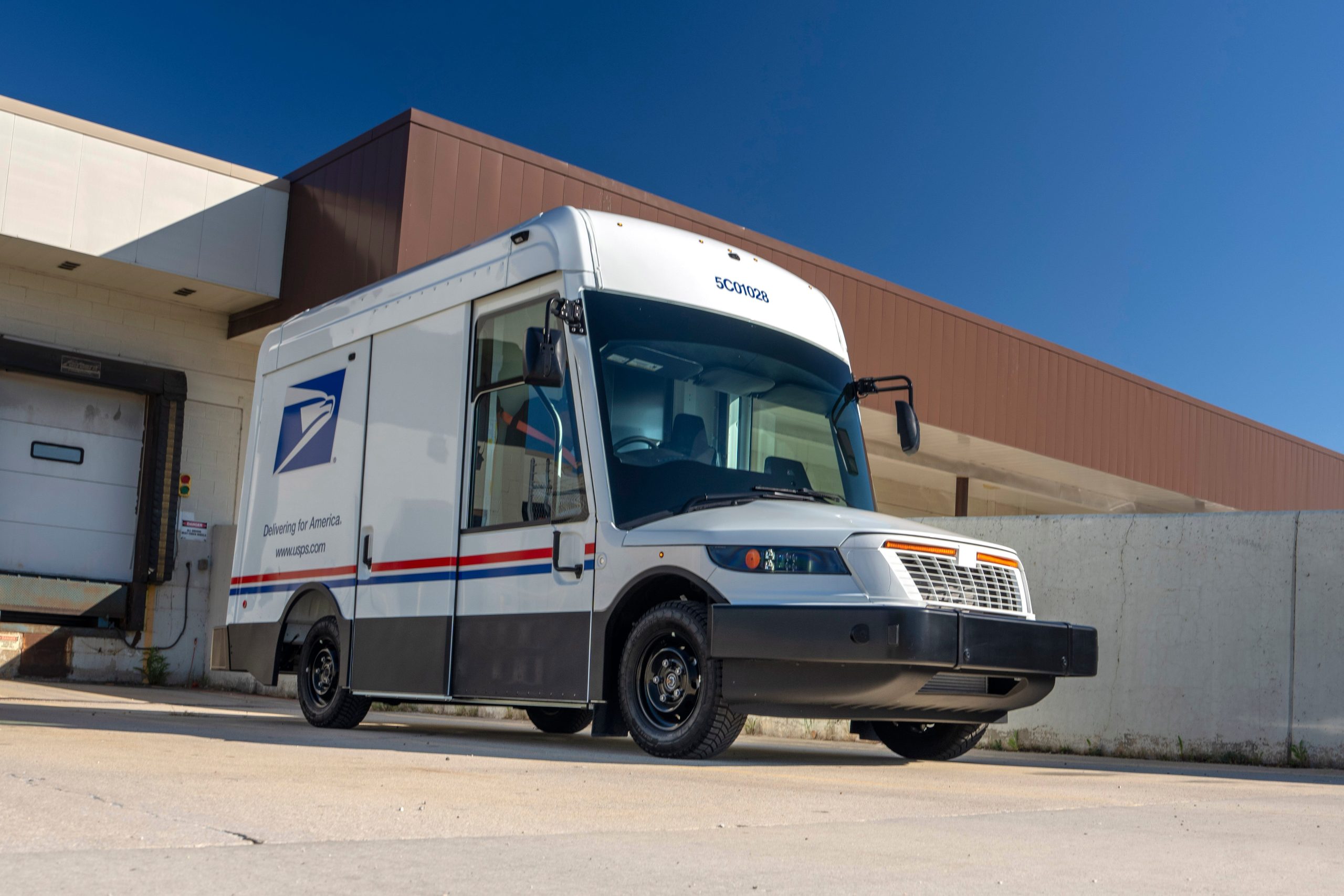
The driver’s compartment of the NGDV is significantly more comfortable than the LLV. It includes air conditioning, improved seating, and better ergonomics throughout. Postal workers spend eight or more hours a day in these vehicles. Comfort directly affects productivity and long-term driver health.
The cargo area has been thoughtfully redesigned for modern delivery needs. It can accommodate more packages than the LLV, reflecting the growth of e-commerce. Shelving systems allow for organized and efficient loading. Drivers can access all areas of the cargo space without climbing or stretching awkwardly.
The NGDV also features a raised roof height compared to older delivery vehicles. This allows drivers to stand upright inside the cargo area. Standing access dramatically reduces the physical strain of repeated loading and unloading. This ergonomic improvement is expected to reduce workplace injuries significantly.
Durability was central to the NGDV’s engineering philosophy. It was designed to last at least 25 years under the harsh conditions of daily mail delivery. Heavy-duty suspension components handle the constant weight of full mail loads. The body panels are designed to resist denting and corrosion over decades of use.
The NGDV rollout is happening gradually across the United States. Fleet managers and postal workers have generally responded positively to the transition. Early reports suggest the vehicle handles well in both urban and rural environments. The Oshkosh NGDV is quickly earning a reputation as a reliable successor to the beloved LLV.
3. Ford Transit
The Ford Transit is one of the most widely used delivery vans in the United States today. It serves as a workhorse for companies like Amazon, FedEx, and numerous courier services. Ford has built the Transit to handle demanding commercial applications with ease. Its reputation for reliability has made it a top choice among fleet managers nationwide.
The Transit comes in multiple configurations including low, medium, and high roof options. Buyers can also choose between different wheelbase lengths depending on their cargo needs. This versatility makes it suitable for a wide variety of delivery operations. A single fleet can use multiple Transit configurations to cover different route types.
Under the hood, the Transit offers several powertrain options. These include a turbocharged gasoline V6, an EcoBoost four-cylinder, and a diesel option. Each engine is designed for efficiency during the stop-and-go nature of delivery work. Fleet operators can choose the engine that best matches their operational requirements.
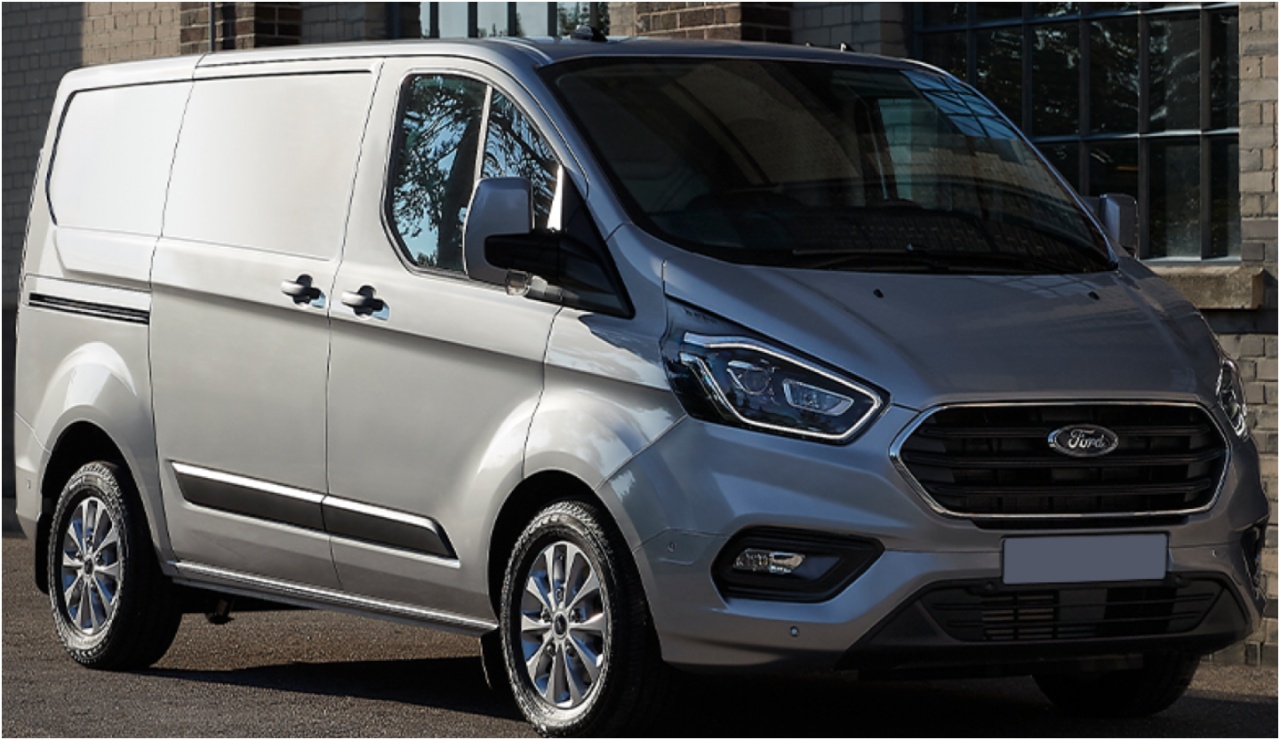
The Transit’s cargo area is one of its strongest selling points. The high-roof version offers over 81 cubic feet of cargo space. This is enough room to carry a significant volume of packages on a single route. The wide rear doors and low load floor make loading and unloading quick and easy.
Ford has invested heavily in the Transit’s commercial-grade durability. The frame and body components are engineered to withstand years of heavy daily use. Suspension systems are tuned specifically for loaded cargo conditions. This attention to durability pays off in reduced maintenance costs over the vehicle’s lifetime.
The Transit also benefits from Ford’s extensive dealer and service network. Mechanics trained on Ford vehicles are available in virtually every city and town in America. Parts availability is excellent, keeping downtime to an absolute minimum. For fleet operators, this service accessibility is an enormous practical advantage.
Technology features in the Transit have improved significantly in recent years. Modern versions include SYNC infotainment, rear-view cameras, and available driver assistance systems. These features improve both safety and convenience for delivery drivers. Technology integration has made the Transit more competitive than ever in the delivery segment.
Amazon has deployed tens of thousands of Ford Transits across its delivery network. This massive real-world deployment has proven the Transit’s reliability at scale. Driver feedback has consistently highlighted the vehicle’s ease of use and dependability. The Ford Transit remains one of the gold standards in modern delivery transportation.
4. Mercedes-Benz Sprinter
The Mercedes-Benz Sprinter is synonymous with professional delivery and cargo transportation. It has been a dominant force in the commercial van market for over two decades. Originally introduced in Europe, the Sprinter quickly found massive success in North America. Companies of all sizes rely on it for their most demanding delivery operations.
The Sprinter’s build quality is immediately apparent when you compare it to competitors. Mercedes-Benz uses high-strength steel and premium materials throughout the vehicle. This construction approach results in a van that holds up remarkably well over years of hard use. Fleet operators frequently report Sprinters lasting well over 300,000 miles with proper maintenance.
The powertrain options for the Sprinter include both diesel and gasoline engines. The diesel versions are particularly popular for long-route delivery operations. Diesel engines provide excellent torque for hauling heavy loads over long distances. Fuel efficiency on diesel Sprinters is impressive given the vehicle’s size and capability.
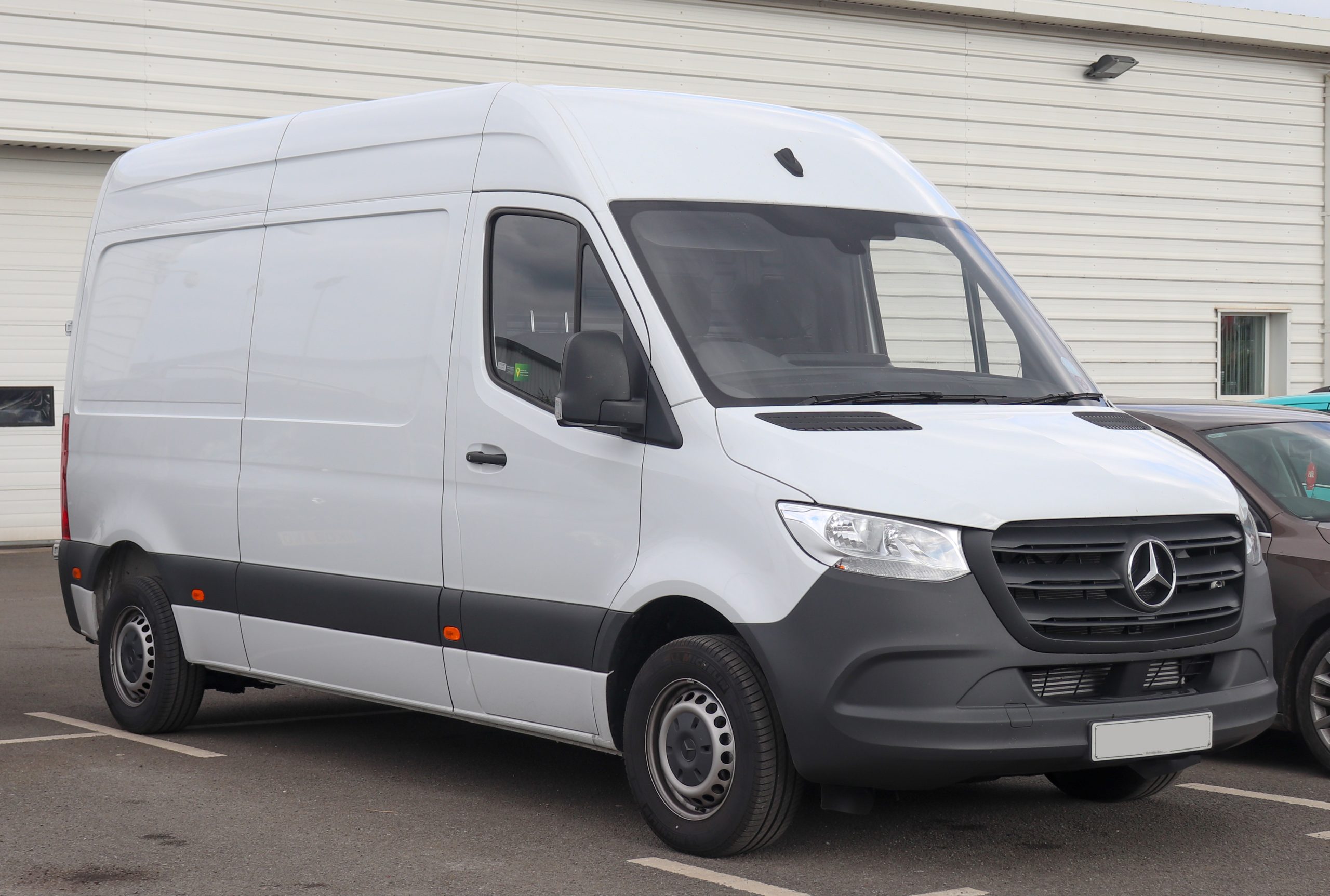
The Sprinter’s interior is designed with the professional driver in mind. Seating is comfortable and adjustable for drivers of different sizes and heights. Controls are logically laid out and easy to operate while focusing on the road. Driver fatigue is significantly reduced compared to older or less ergonomically designed vans.
Cargo configurations for the Sprinter are extremely flexible and customizable. Businesses can outfit the interior with shelving, partition walls, and specialized storage systems. This customization allows companies to optimize the Sprinter for their specific delivery needs. A well-configured Sprinter can dramatically improve route efficiency and driver productivity.
Amazon has been one of the largest adopters of the Mercedes-Benz Sprinter in recent years. The company operates thousands of Sprinters through its Delivery Service Partner program. Real-world deployment at this scale has demonstrated the Sprinter’s exceptional reliability. Amazon’s continued investment in the Sprinter speaks volumes about its performance record.
Safety technology in modern Sprinter models is among the best in the commercial van segment. Features include active brake assist, blind-spot monitoring, and lane-keeping assistance. These systems protect drivers who spend all day going through the busy streets and tight neighborhoods. Safety features also reduce accident-related costs for fleet operators.
The Mercedes-Benz dealer network provides strong support for Sprinter fleet operators. Certified technicians receive specialized training on Sprinter systems and components. Maintenance intervals are well-documented and relatively easy to follow. The combination of quality engineering and strong service support makes the Sprinter a top-tier delivery vehicle.
Also Read: 10 Signs Your Car Suspension Needs a Professional Inspection Immediately
5. RAM ProMaster
The RAM ProMaster has carved out a strong reputation in the delivery vehicle market. It offers a front-wheel-drive layout that is unusual among full-size cargo vans. This front-wheel-drive configuration provides excellent traction in rain and light snow conditions. Delivery drivers operating in northern states particularly appreciate this capability.
The ProMaster’s low load floor height is one of its most praised practical features. Drivers can step in and out of the cargo area with minimal effort throughout the day. This low step height reduces fatigue and the risk of injury during long delivery shifts. Ergonomics like this matter enormously when a driver makes hundreds of stops daily.
The cargo area of the ProMaster is wide and efficiently shaped. The boxy interior design maximizes usable space without wasting volume on awkward angles. Package organization is straightforward due to the practical layout of the cargo hold. Delivery drivers can load and plan their routes more efficiently as a result.
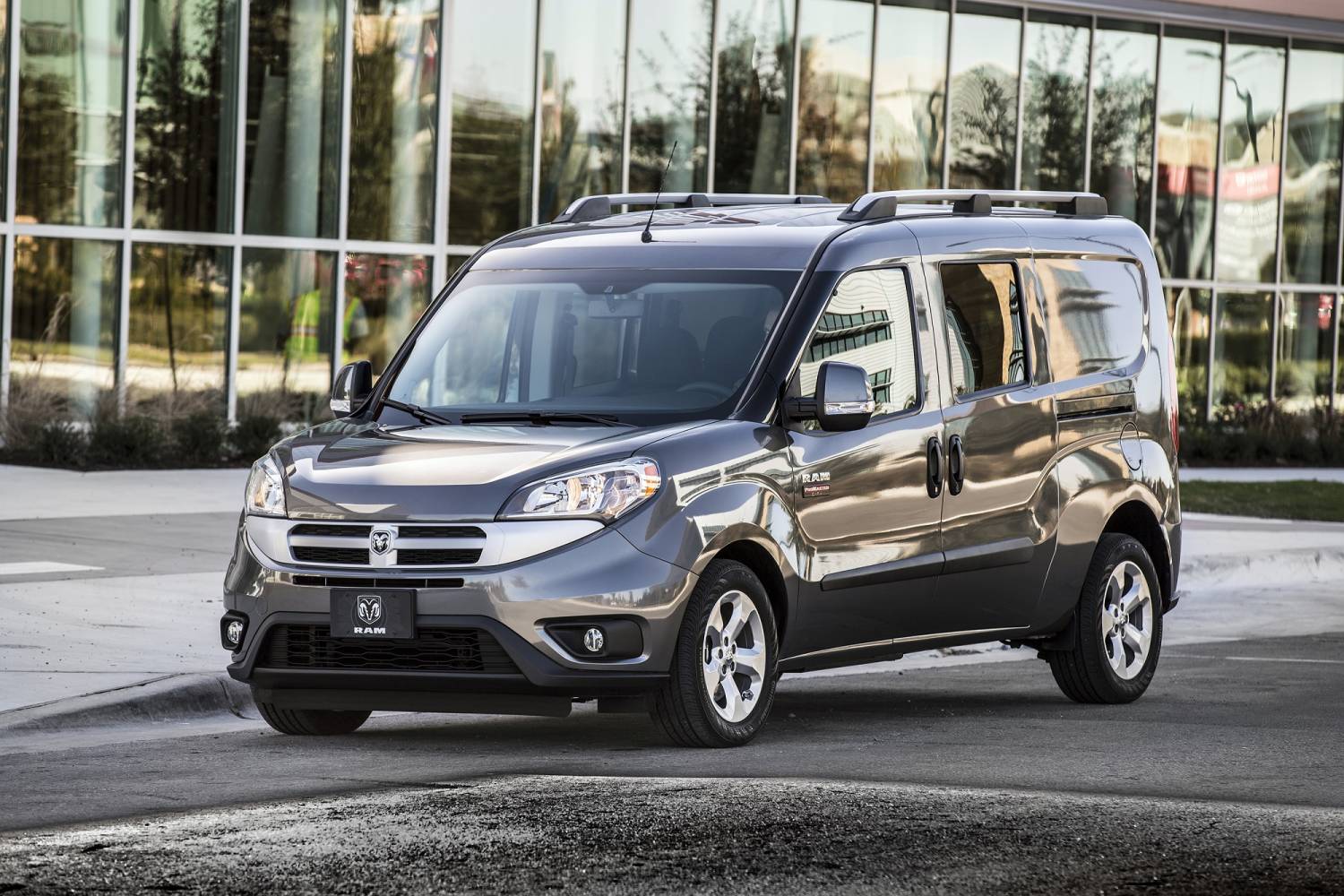
RAM offers the ProMaster in multiple length and roof height configurations. This variety allows businesses to select exactly the right size for their delivery operations. Smaller operations might prefer the standard wheelbase version for urban maneuverability. Larger operations can opt for extended versions to maximize cargo capacity.
The engine options for the ProMaster include a 3.6-liter Pentastar V6 gasoline engine. This engine is known for its reliability and broad availability of parts. It provides adequate power for fully loaded delivery runs across varied terrain. Maintenance costs for this engine are reasonable and well within fleet budget expectations.
FCA’s (now Stellantis) dealer network supports the ProMaster across the country. Service appointments are easy to schedule, and parts are widely stocked at dealerships. Fleet managers appreciate the straightforward maintenance requirements of the ProMaster. Keeping a fleet of ProMasters running smoothly is a manageable and cost-effective task.
The ProMaster has been adopted by numerous delivery companies and independent contractors. Its combination of affordability and practicality appeals to businesses of all sizes. Start-up delivery companies often choose the ProMaster as their first fleet vehicle. Its accessible price point makes building a delivery fleet financially achievable.
Over years of real-world use, the ProMaster has built a solid reliability record. Drivers report relatively few mechanical issues when maintenance schedules are followed. The front-wheel-drive system requires less maintenance than four-wheel-drive alternatives. For budget-conscious fleet operators, the ProMaster delivers excellent value and dependability.
6. Chevrolet Express
The Chevrolet Express cargo van has been a staple of American delivery fleets for generations. General Motors has continuously refined this platform since its introduction in 1996. Its longevity in the market is a testament to its fundamental reliability and usefulness. Few vehicles in the delivery segment have such a long and proven track record.
The Express is powered by a range of V6 and V8 gasoline engines. These engines are robust, well-understood, and supported by an enormous parts network. GM’s engine technology has been refined over decades of commercial applications. Mechanics across the country are deeply familiar with these powertrains and their maintenance needs.
Rear-wheel drive is standard on the Chevrolet Express, providing excellent load-carrying stability. The solid rear axle design is simple and extremely durable under heavy payload conditions. This traditional drivetrain layout has proven itself in millions of miles of delivery service. Fleet managers trust the Express because its systems are proven and predictable.
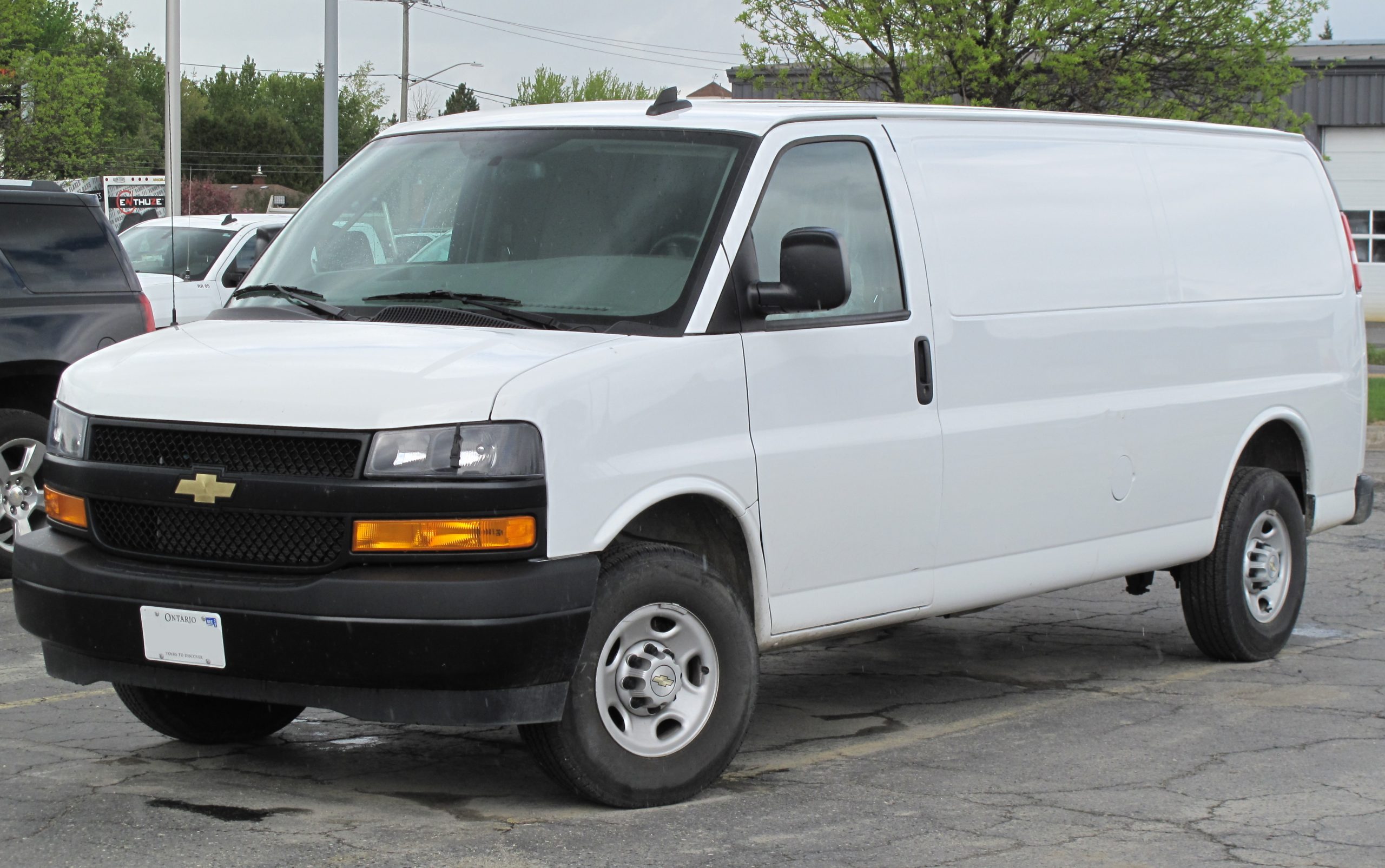
The cargo area of the Express is practical and highly adaptable. Third-party companies offer an enormous range of shelving and storage solutions for the Express interior. This aftermarket support ecosystem makes customizing the Express for specific delivery needs very easy. Businesses can configure the interior exactly as their operations require.
Towing capacity is another strength of the Chevrolet Express platform. This capability allows the van to handle heavier loads when necessary. Some delivery operations require hauling trailers or equipment beyond standard package delivery. The Express handles these expanded requirements without mechanical strain.
The Express benefits from one of the largest service networks in North America. Chevrolet dealers and independent GM specialists are found in virtually every community. Labor rates for Express service tend to be very competitive due to widespread mechanic familiarity. Fleet operators can minimize service costs by leveraging this broad expertise network.
Reliability statistics for the Chevrolet Express consistently rank it among the top commercial vans. Properly maintained Express vans routinely surpass 200,000 miles of service. Many fleet operators report achieving significantly higher mileage with disciplined maintenance programs. This long service life makes the Express an excellent long-term investment for delivery businesses.
USPS, regional courier services, and independent delivery contractors all use the Express extensively. Its widespread adoption across different types of delivery operations speaks to its versatility. The Chevrolet Express has earned its reputation as one of America’s most dependable delivery vehicles. It continues to serve as a reliable foundation for countless delivery businesses nationwide.
7. Ford E-Transit
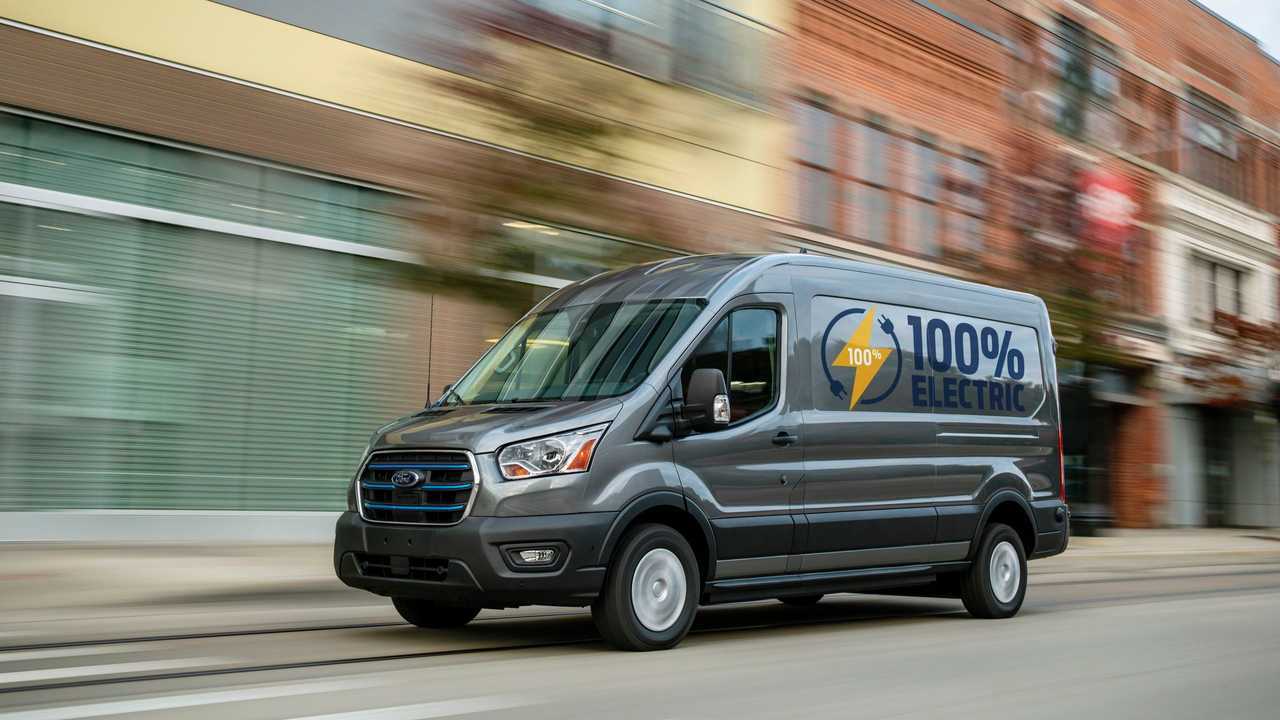
The Ford E-Transit represents Ford’s bold entry into the electric commercial van market. It combines the familiar Transit platform with a fully electric powertrain. This transition to electric power is helping delivery companies reduce their carbon footprints significantly. Fleet operators are discovering that electric delivery is not just environmentally friendly but also economically smart.
The E-Transit offers a range of approximately 126 miles on a full charge. This range is sufficient for most urban and suburban delivery routes completed daily. Drivers return to a depot for overnight charging, eliminating the need for midday charging stops. The predictable daily route structure of delivery work is ideal for battery electric vehicles.
The electric motor in the E-Transit produces instant torque from a standstill. This characteristic is perfectly suited to the stop-and-go nature of delivery driving. Acceleration from stops feels strong and confident even with a fully loaded cargo bay. Drivers often report that the E-Transit feels more responsive than its gasoline counterpart.
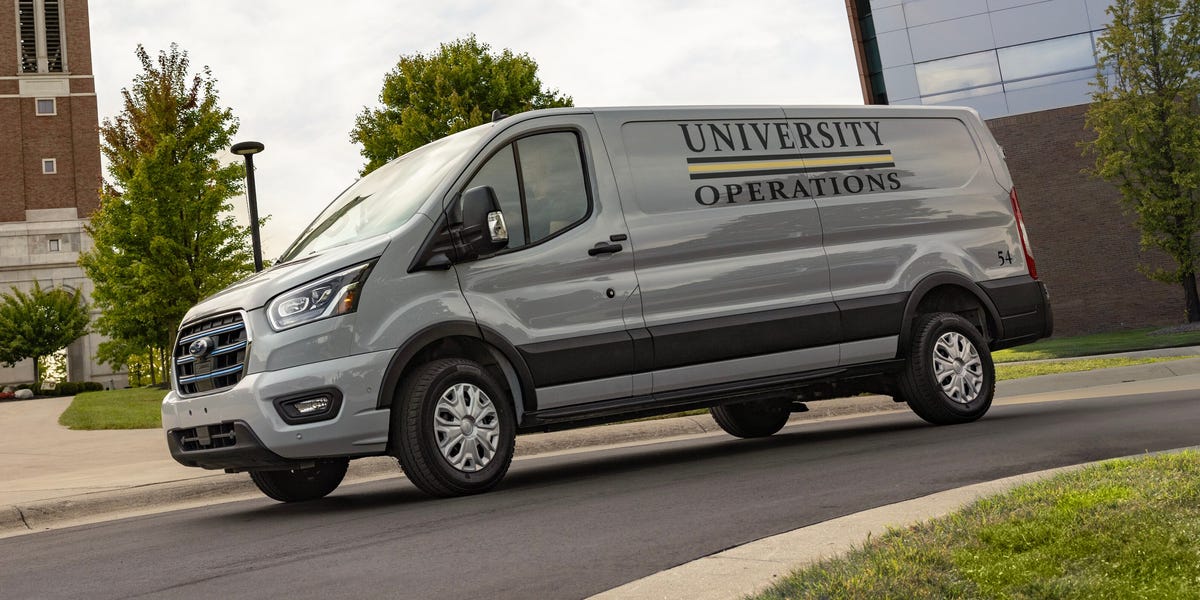
Charging infrastructure compatibility is a key strength of the E-Transit. It supports both Level 2 AC charging and DC fast charging options. Level 2 charging at a depot can fully charge the van overnight with ease. Fast charging capability provides flexibility when unexpected circumstances require a midday top-up.
The cargo area of the E-Transit is essentially identical to the standard Transit. This means all the same shelving systems, partitions, and accessories work with the electric version. Fleet operators transitioning from gasoline Transits face minimal retraining and reconfiguration challenges. The seamless cargo compatibility makes the switch to electric power very straightforward.
Operating costs for the E-Transit are significantly lower than gasoline-powered alternatives. Electricity is considerably cheaper than gasoline on a per-mile basis for most regions. Regenerative braking reduces brake wear, lowering maintenance costs over time. Fleet operators report meaningful savings in total operating expenses after switching to E-Transit.
Ford has backed the E-Transit with strong commercial support and warranty coverage. The battery pack is covered under a separate warranty that provides peace of mind for fleet operators. Ford’s service network is being trained and equipped to handle electric vehicle maintenance. This growing expertise ensures E-Transit owners have reliable service support available.
Amazon has ordered thousands of E-Transit vans as part of its sustainability commitments. This large-scale real-world deployment is providing valuable data on electric delivery performance. Early results from Amazon’s E-Transit fleet have been largely positive and encouraging. The Ford E-Transit is quickly becoming a leading choice for environmentally conscious delivery operations.
8. Rivian EDV (Electric Delivery Van)
The Rivian EDV is one of the most innovative purpose-built delivery vehicles. It was developed through an exclusive partnership between Rivian and Amazon. Amazon has committed to purchasing 100,000 of these electric delivery vans by 2030. This massive order has made the Rivian EDV one of the most significant vehicle deployments in delivery history.
The EDV was designed from scratch specifically for the demands of last-mile delivery. Unlike converted passenger vans, every aspect of the EDV was purpose-engineered for delivery work. The cargo area, driver interface, and safety systems were all optimized for the delivery use case. This ground-up design approach results in a vehicle that excels in its specific mission.
The driver’s cockpit of the Rivian EDV is highly advanced and driver-focused. A large touchscreen display provides navigation, vehicle status, and route information. The driver’s seat is positioned to allow easy access to the cargo area without leaving the cab. This integrated design improves efficiency at every stop throughout the delivery day.
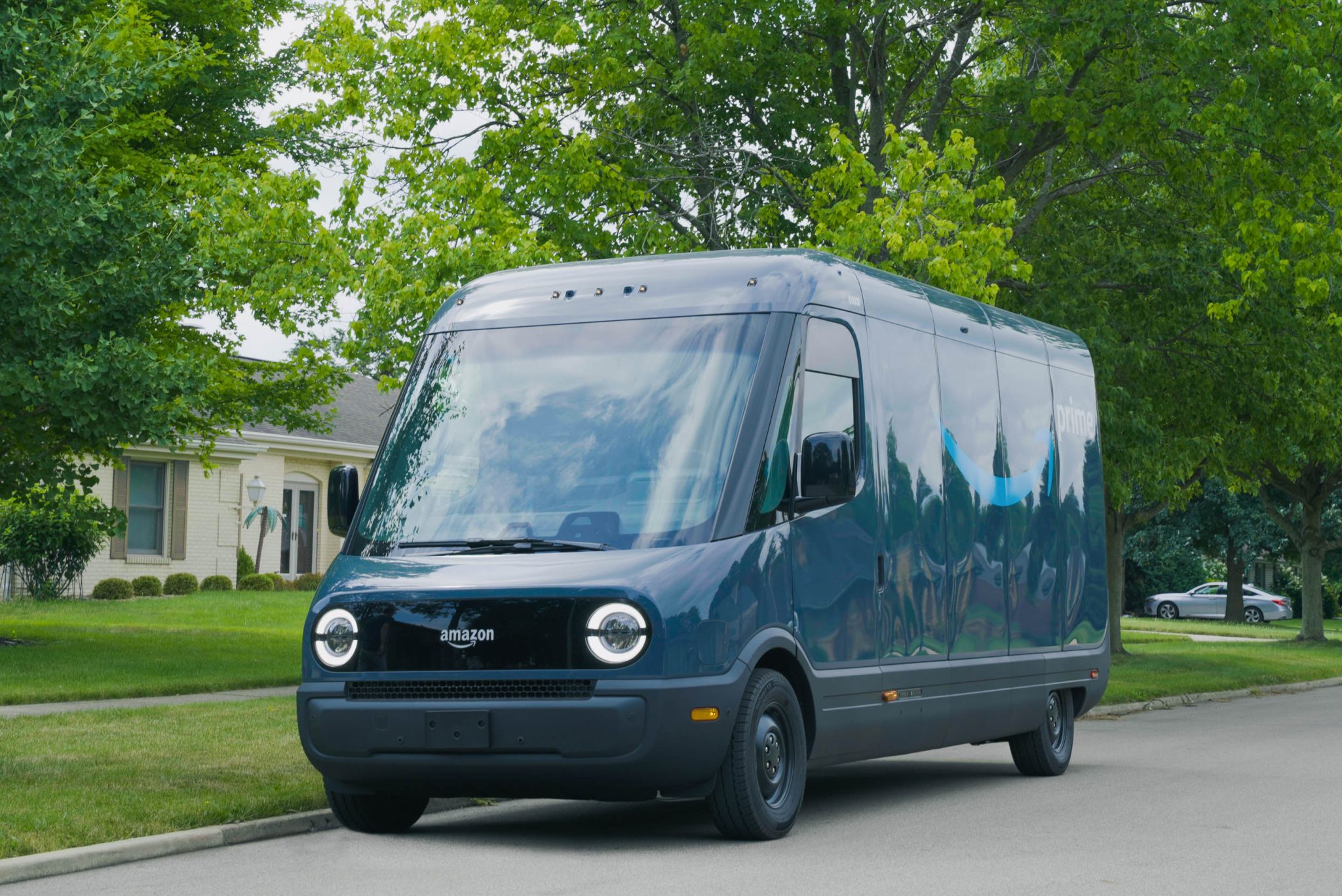
Safety technology in the EDV is among the most comprehensive of any delivery vehicle. It includes automatic emergency braking, pedestrian detection, and multiple camera systems. The surround-view camera system gives drivers a complete view of the vehicle’s surroundings. These safety features are particularly valuable in dense urban environments with heavy foot traffic.
The electric range of the Rivian EDV is sufficient for a full day of urban delivery operations. The battery system was sized specifically to handle typical Amazon route distances and stop counts. Overnight charging at Amazon’s delivery stations replenishes the battery fully. Drivers begin each day with a fully charged vehicle ready for their complete route.
The cargo capacity of the Rivian EDV is impressive and thoughtfully organized. Purpose-built shelving systems keep packages organized and easily accessible. The cargo floor is at a comfortable height for loading and unloading without excessive bending. Interior lighting ensures packages can be located quickly even in low-light conditions.
Amazon drivers who have transitioned to the Rivian EDV report high levels of satisfaction. The vehicle’s smooth and quiet electric operation reduces driver fatigue during long shifts. The advanced technology features make navigation and package management more efficient. The EDV represents a significant quality-of-life improvement over older delivery vehicles.
The Rivian EDV is setting a new standard for what purpose-built delivery vehicles can achieve. Its combination of advanced technology, driver comfort, and electric efficiency is impressive. As deployment continues to expand across Amazon’s network, its reliability record continues to grow. The Rivian EDV is defining the future of sustainable last-mile delivery in America.
9. Isuzu NPR
The Isuzu NPR is the dominant force in the medium-duty delivery truck segment. It has been a fixture of American delivery operations for several decades. Isuzu’s reputation for diesel engine reliability is legendary in the commercial vehicle industry. The NPR has earned the trust of delivery businesses through consistent and dependable performance.
The NPR’s cab-over-engine design provides excellent visibility for drivers. Sitting directly over the front axle gives the driver a clear and unobstructed view forward. Maneuvering in tight urban spaces becomes much easier with this superior forward visibility. Delivery drivers going through the crowded city streets greatly appreciate this design advantage.
The diesel engine in the Isuzu NPR is engineered for commercial durability. These engines are designed to run reliably for hundreds of thousands of miles with proper maintenance. Isuzu’s diesel technology has been refined over decades of commercial truck production. The result is an engine that rarely lets fleet operators down in real-world conditions.
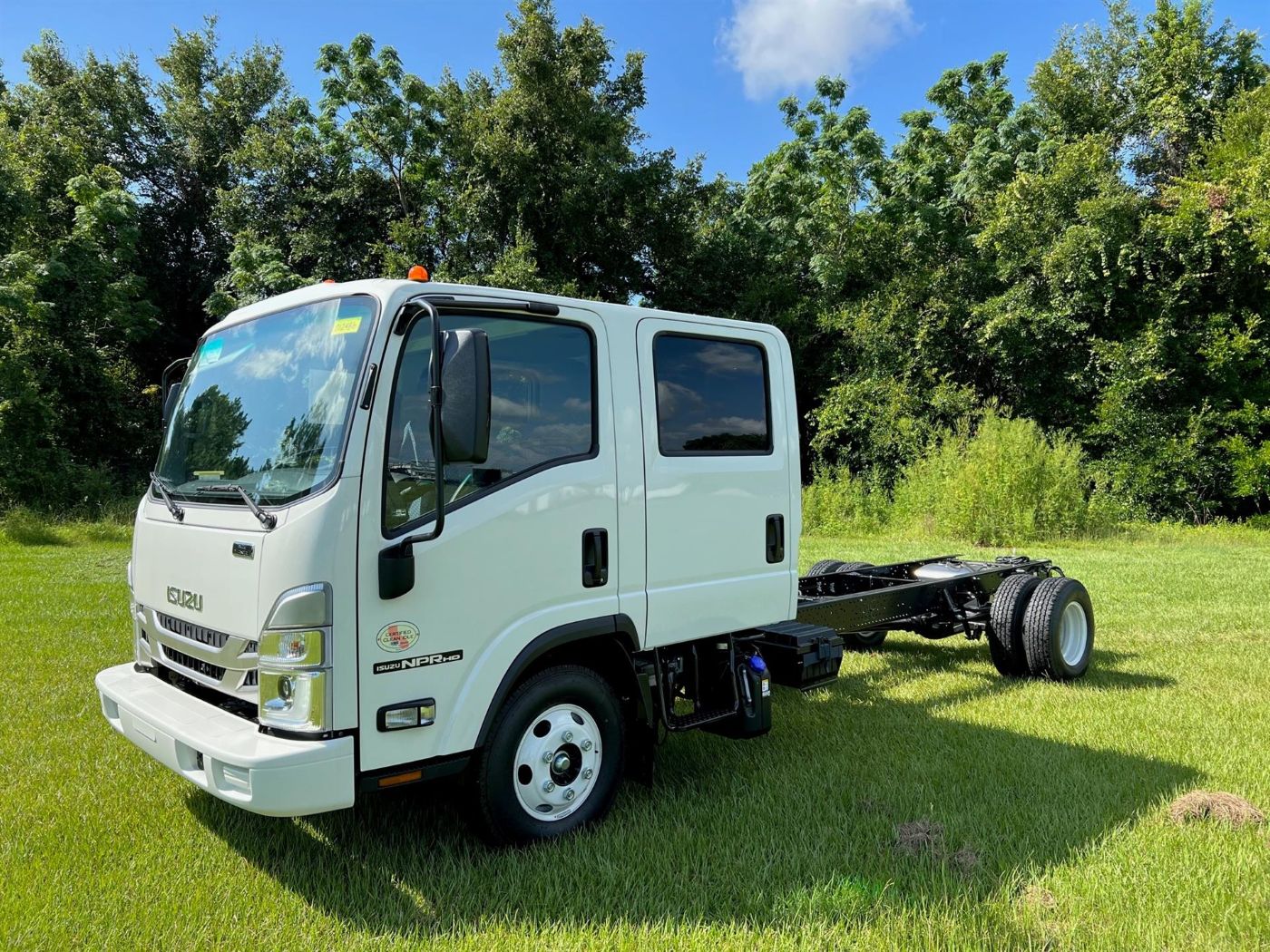
The NPR’s payload capacity ranges from approximately 5,000 to over 7,000 pounds depending on configuration. This substantial payload capability makes it suitable for heavier delivery loads. Businesses that deliver furniture, appliances, or bulk goods rely heavily on the NPR’s carrying capacity. Its strength in this area sets it apart from lighter cargo vans.
Box truck body configurations are commonly installed on the Isuzu NPR chassis. These configurations can be customized for refrigerated, dry freight, or specialty delivery needs. The flexibility of the NPR platform makes it adaptable to a wide range of delivery businesses. Custom body builders have decades of experience fitting bodies to the NPR chassis.
Fuel economy for the NPR diesel is excellent relative to its payload capacity. Fleet operators can carry heavy loads while still achieving reasonable fuel costs per mile. This efficiency advantage is magnified over millions of miles of fleet operation. The fuel savings contribute significantly to the cost-effectiveness of the NPR platform.
Service and parts support for the Isuzu NPR is strong throughout the United States. Isuzu has an established dealer network with trained diesel technicians. Parts are readily available and reasonably priced compared to some European alternatives. Fleet operators can keep their NPR trucks on the road with minimal downtime.
Companies like FedEx, UPS, and numerous regional delivery services rely on the Isuzu NPR. Its track record in demanding delivery environments is second to none in the medium-duty segment. The NPR continues to evolve with improved technology and emissions compliance. For heavy-duty delivery requirements, the Isuzu NPR remains the benchmark vehicle.
10. Freightliner MT45 / MT55 Step Van
The Freightliner MT45 and MT55 step vans are familiar sights on American streets. These iconic walk-in vehicles serve FedEx Ground and many other delivery operations. Their distinctive boxy shape is immediately recognizable to anyone living in suburban or urban America. The step van design has proven itself as one of the most practical delivery platforms ever created.
The walk-in design of these vans allows drivers to stand and move freely inside. Drivers can sort packages, locate deliveries, and prepare for stops without crouching or climbing. This ergonomic advantage reduces physical strain over the course of a long delivery shift. Driver health and comfort improvements directly translate to better productivity and fewer injuries.
The MT45 and MT55 are available with diesel and gasoline engine options. Diesel versions offer excellent torque for handling heavy package loads. The engines used in these vehicles are known for their commercial-grade durability. Fleet operators have reported very high mileage from well-maintained step van powertrains.
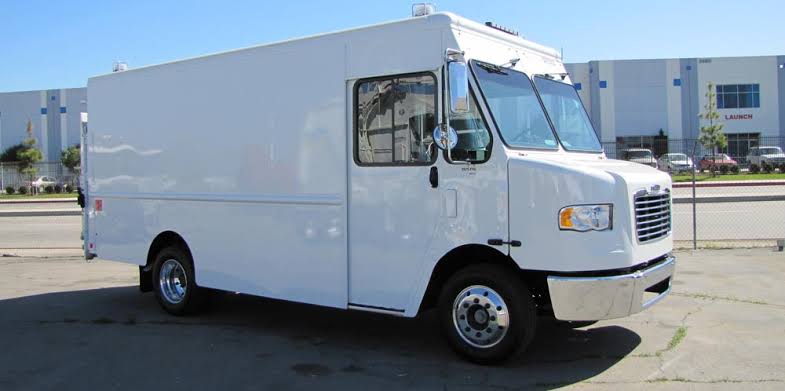
The cargo area of the Freightliner step van is massive by delivery vehicle standards. The MT55 in particular offers an exceptional amount of organized storage space. Purpose-built shelving systems allow for logical package organization throughout the day. High package volume routes are well-served by the step van’s generous interior dimensions.
The aluminum construction of many step van body components reduces weight. Lighter weight improves fuel economy and reduces wear on mechanical components. This construction choice extends the service life of the vehicle significantly. Fleet operators benefit from lower long-term ownership costs as a result.
The step van concept continues to evolve with modern technology upgrades. Newer models feature improved safety systems, better driver interfaces, and updated powertrains. Electric step van conversions are also entering the market as sustainability goals advance. The Freightliner MT45 and MT55 remain reliable cornerstones of American delivery infrastructure.
11. Ford F-150 / F-250 (Fleet Work Trucks)
Ford pickup trucks have long served as delivery vehicles for businesses requiring flexible cargo handling. The F-150 and F-250 are particularly common among contractors, USPS rural carriers, and specialty delivery services. Their combination of power, versatility, and legendary reliability makes them ideal for diverse delivery needs. Few vehicles in American history have proven themselves as thoroughly as the Ford F-Series.
Rural mail carriers frequently use personal vehicles like the F-150 for their daily routes. The Ford F-150’s towing and payload capabilities handle the variable demands of rural delivery. Rough roads, long distances, and unpredictable weather conditions are standard challenges on rural routes. The F-150 handles these conditions better than most alternative vehicles.
The F-250’s heavier-duty construction makes it suitable for the most demanding delivery applications. Its frame and suspension components are engineered for years of heavy payload operation. The available diesel engine option provides outstanding torque for loaded driving. Fleet operators who need serious capability often turn to the F-250 as their first choice.
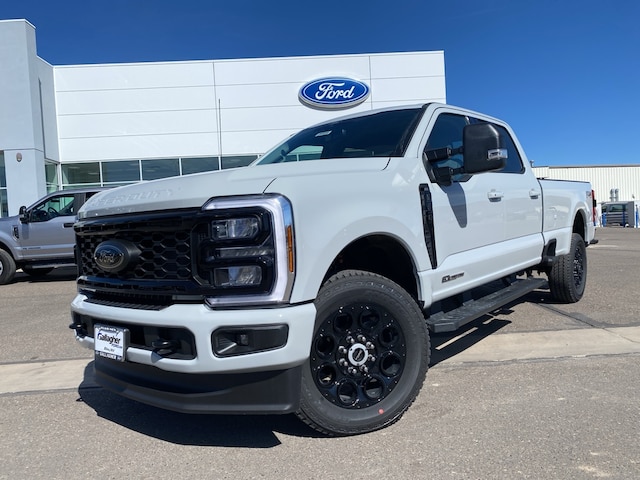
Ford’s 5.0-liter V8 and the powerful 6.7-liter Power Stroke diesel are popular engine choices. These engines combine power with the reliability that delivery operations demand. Fuel economy on the diesel versions is competitive for vehicles of this capability class. Fleet operators can balance performance and operating costs effectively with these powertrain choices.
The bed configurations of F-Series trucks can be customized extensively for delivery use. Toolboxes, utility racks, bed liners, and cargo management systems are widely available. Third-party upfitters have developed purpose-built delivery configurations for the F-Series platform. This ecosystem of accessories makes the F-Series extremely adaptable to specific delivery requirements.
The Ford F-150 and F-250 have proven themselves across millions of miles of delivery service. Their reliability record in real-world commercial applications is unmatched in the pickup segment. From rural mail routes to specialty delivery businesses, these trucks deliver consistently. The Ford F-Series remains an enduring symbol of American delivery vehicle reliability.
12. Toyota Prius (USPS and Eco-Friendly Delivery Fleets)
The Toyota Prius has found an unexpected but highly effective role in modern delivery operations. Its extraordinary fuel efficiency makes it particularly attractive for urban and suburban delivery routes. Several forward-thinking delivery operations and independent contractors have adopted the Prius enthusiastically. Its reliability record is among the finest of any vehicle in automotive history.
Toyota’s hybrid technology in the Prius has proven incredibly durable over many years. The battery systems in Prius vehicles often last well beyond 200,000 miles without major issues. This longevity is remarkable and has been validated by millions of high-mileage Prius owners worldwide. Delivery operations value this extended service life for obvious practical and financial reasons.
The Prius achieves fuel economy figures that no conventional gasoline vehicle can match. Ratings of 50 to 58 miles per gallon make fuel costs almost trivial compared to conventional vehicles. For delivery operations with tight profit margins, fuel savings are critically important. The Prius’s fuel efficiency advantage compounds significantly over thousands of miles of route driving.
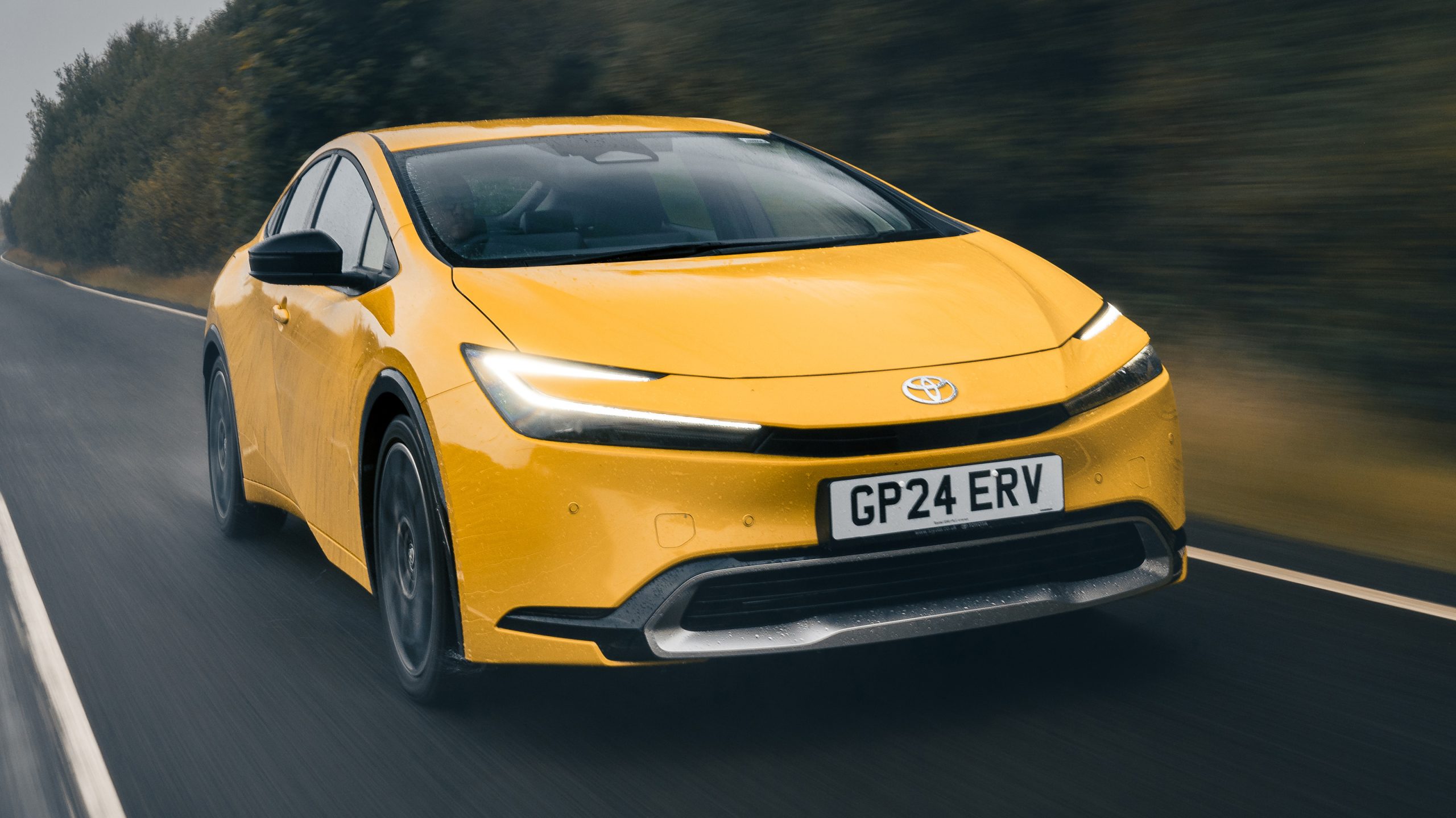
Urban delivery contractors and have discovered that the Prius fits city streets with impressive ease. Its compact dimensions allow access to tight parking spots and narrow urban roads. Maneuverability in congested city environments is one of the Prius’s genuine competitive strengths. Drivers spend less time searching for parking and more time completing deliveries efficiently.
The reliability statistics for the Toyota Prius are legendary in the automotive industry. Consumer Reports and J.D. Power consistently rank the Prius at the top of reliability surveys. Major mechanical failures are extremely rare with proper and timely maintenance. Delivery businesses that operate Prius fleets report remarkably low maintenance and repair costs.
As delivery companies pursue environmental sustainability goals, the Prius becomes even more attractive. Its low emissions profile helps companies meet environmental compliance requirements in regulated cities. Some cities have implemented low-emission zones where only hybrid and electric vehicles can operate. The Prius gives delivery operators maximum flexibility to serve these growing low-emission areas.
Also Read: 8 Unique Door Mechanisms From Automotive History That Never Caught On
