
America has always had a deep, passionate love affair with its automobiles. Cars here are not just machines, they are symbols of freedom, power, and cultural identity. Over the decades, certain car names have etched themselves so deeply into the American soul that even retirement could not keep them gone for long. These are the nameplates that fans mourned, collectors treasured, and automakers eventually brought back to life.
The history of the American automotive industry is filled with bold decisions. Some models were discontinued due to poor sales, shifting market trends, or changing consumer demands. Others fell victim to economic downturns, fuel crises, or corporate restructuring. But the love for these names never truly faded. Enthusiasts kept the memories alive through car shows, online communities, and relentless nostalgia.
When automakers finally listened, the revivals were often massive events. Entire marketing campaigns were built around the return of a beloved name. Some revivals were triumphant successes. Others were controversial, sparking debates about whether the new version honored its legendary predecessor.
This article explores ten iconic American car names that were discontinued and then brought back. Each story is a fascinating chapter in automotive history a testament to the enduring power of a great name on a great machine.
1. Ford Mustang
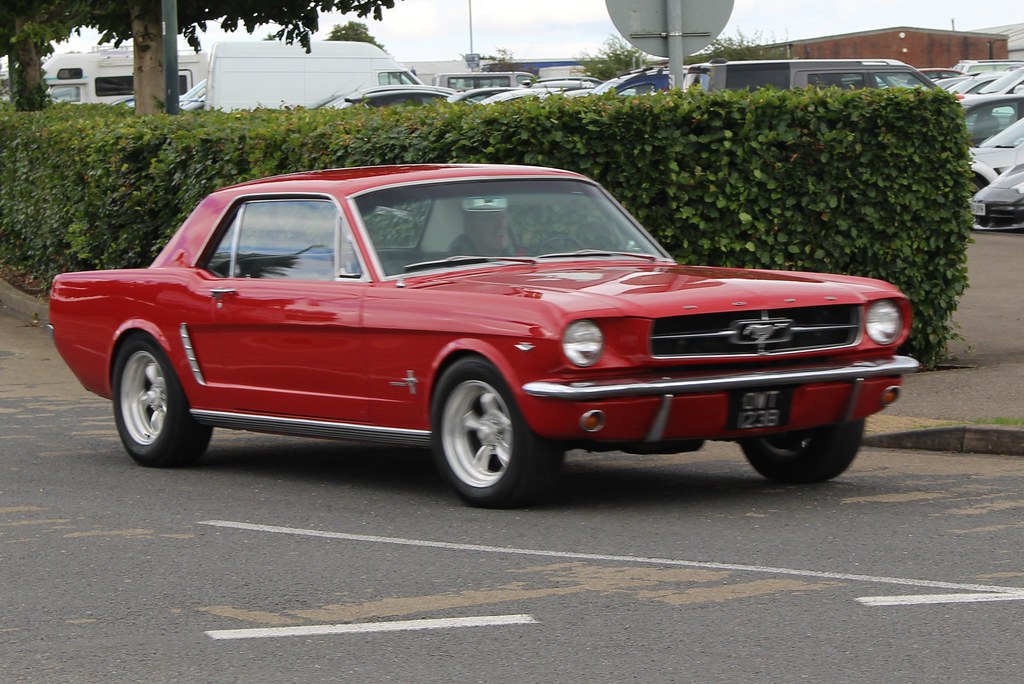
The Ford Mustang is perhaps the most celebrated nameplate in American automotive history. It defined an entire category of car known as the “pony car.” When it debuted on April 17, 1964, it caused an absolute sensation across the nation.
Ford sold over one million Mustangs in the first two years alone. The car captured the spirit of a young, energetic America perfectly. It was affordable, stylish, and available in countless configurations to suit every taste.
Through the late 1960s and early 1970s, the Mustang grew larger and heavier. It lost some of its original charm during those years. The muscle car era pushed it in a different direction than many fans preferred.
By the late 1970s, the Mustang had become a shadow of its former self. The Mustang II, built on a Pinto platform, drew widespread criticism. Purists were deeply unhappy with its diminished performance and character.
However, Ford never actually discontinued the Mustang name during this period. The real revival came in spirit rather than name alone. The 1979 Fox-body Mustang marked a genuine renaissance for the model.
The 1994 redesign brought back classic styling cues that thrilled long-time fans. It reintroduced the long hood and short deck proportions that made the original famous. Ford was clearly listening to what enthusiasts had been saying for years.
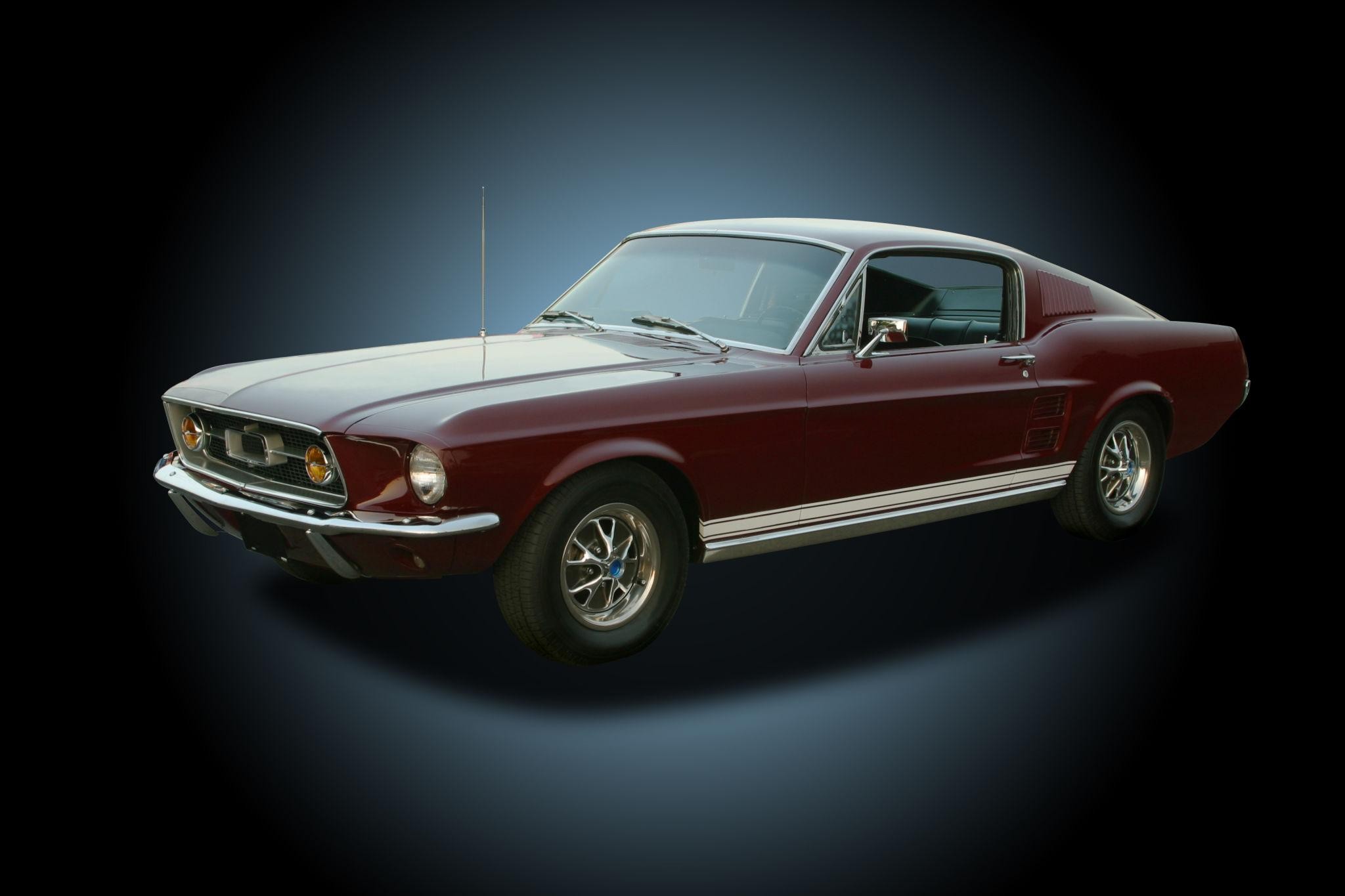
The 2005 Mustang was arguably the most significant revival in the car’s history. It drew heavily from the 1967 design language in a stunning retro-modern package. Automotive journalists and fans alike praised it as a masterpiece of nostalgic design.
Today, the Mustang continues as one of Ford’s most iconic and profitable nameplates. The recent Mustang Mach-E extended the name into the electric vehicle space controversially. Many purists debated whether an electric crossover deserved such a legendary name.
Regardless of the debate, the Mustang’s legacy remains untouchable in American culture. It has appeared in more films, songs, and television shows than almost any other car. The name alone carries an emotional weight that few products of any kind can match.
2. Chevrolet Camaro
The Chevrolet Camaro arrived in 1966, as Ford’s Mustang had already been dominating the pony car market. General Motors needed a competitor, and the Camaro was their bold answer. It immediately established itself as a serious performance machine with genuine street credibility.
Throughout the late 1960s and 1970s, the Camaro battled the Mustang for pony car supremacy. Each generation brought new styling and performance improvements. The rivalry between the two became one of the defining stories of American automotive culture.
The second-generation Camaro, produced from 1970 to 1981, is considered by many to be the most beautiful. Its sleek, European-influenced lines were ahead of their time. Many consider the 1969 model a transitional masterpiece connecting two distinct eras.
By the late 1990s and early 2000s, Camaro sales had declined significantly. General Motors was struggling financially and making difficult decisions across its entire lineup. In 2002, GM announced that the fourth-generation Camaro would be discontinued after the model year ended.
The news devastated Camaro fans worldwide. Online forums and enthusiast clubs erupted in anger and sadness. Many believed the nameplate was gone forever from Chevrolet’s lineup.
For six long years, there was no new Camaro on dealer lots. The used market for clean examples grew noticeably stronger during this period. Fans kept hope alive by following concept car rumors circulating at auto shows.
In 2006, General Motors showed a stunning Camaro concept at the Detroit Auto Show. The reaction from the public was overwhelmingly and thunderously positive. GM knew immediately they had something special on their hands.
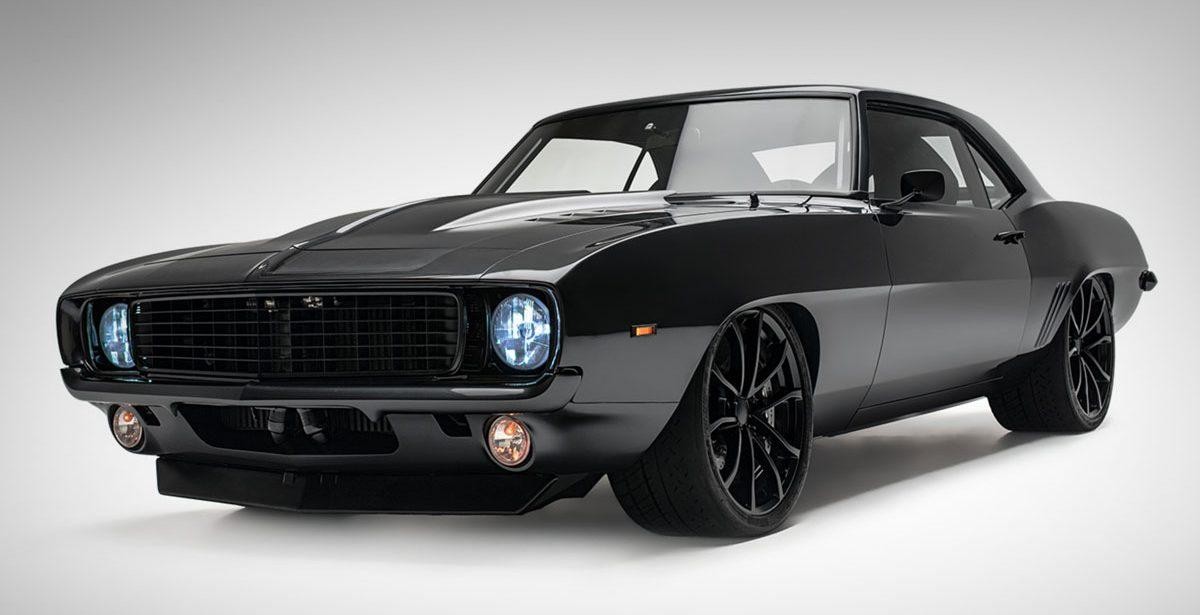
The fifth-generation Camaro finally arrived for the 2010 model year. It drew clear inspiration from the beloved 1969 design in all the right ways. The proportions, the aggressive stance, and the powerful engine options thrilled fans across America.
The revival was a commercial and critical success beyond GM’s expectations. Motor Trend named it Car of the Year, validating the decision to bring it back. Sales numbers proved that the six-year absence had only increased demand for the model.
Sadly, GM discontinued the Camaro again after the 2024 model year due to shifting market preferences toward SUVs and electric vehicles. The automotive world responded with familiar disappointment and passionate protest. Many believe the Camaro will return once again, because great names rarely stay gone forever.
3. Dodge Charger
The Dodge Charger first appeared in 1966 as a stylish fastback muscle car from Chrysler. It quickly became one of the most recognizable shapes on American roads. The 1968 redesign turned it into an absolute icon of the muscle car era.
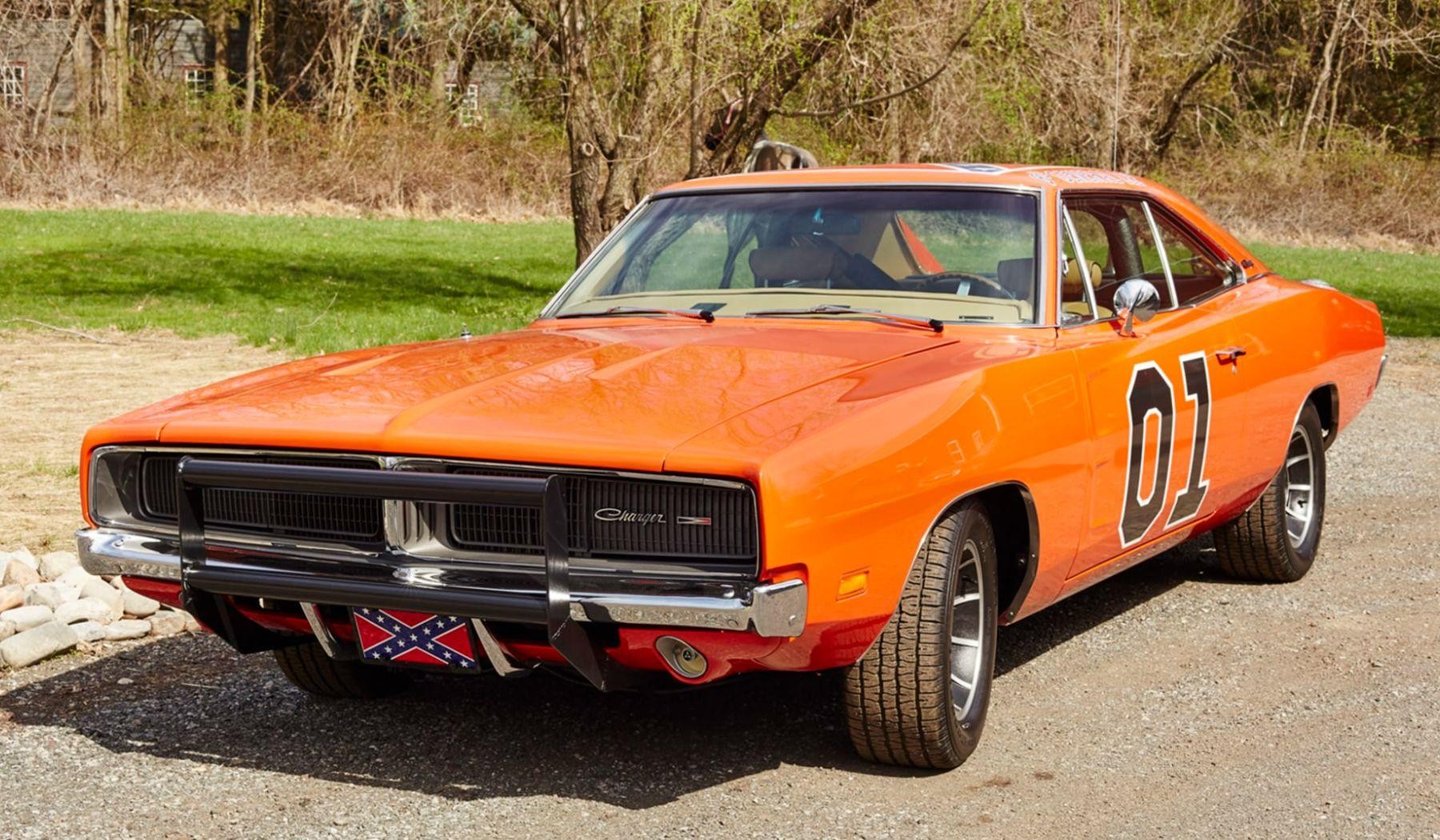
The Charger achieved legendary cultural status through the television show “The Dukes of Hazzard.” The orange 1969 Charger known as the General Lee became one of the most famous cars in television history. Millions of children grew up dreaming of owning that exact car.
The original Charger ran through 1978, evolving and eventually declining in power due to emissions regulations. The muscle car era ended with a whimper as fuel crises and new laws reshaped the industry. The Charger name was then applied to a series of front-wheel-drive compact cars in the 1980s that shared almost nothing with the original.
Those 1980s Chargers were essentially rebadged economy cars with the legendary name attached. Fans were not impressed, and the nameplate suffered damage to its reputation. The name was quietly retired after 1987, leaving fans to reminisce about better days.
For fifteen years, the Charger name sat dormant in Dodge’s archives. Enthusiasts kept the original alive at car shows and in garages across the country. The muscle car community never stopped celebrating what the Charger had once represented.
In 2005, Dodge made a dramatic comeback announcement that sent shockwaves through the automotive world. The new Charger would be a rear-wheel-drive, V8-powered performance sedan. It would honor the spirit of the original while adapting to modern expectations and safety standards.
The 2006 Charger was not without controversy despite its powerful presence. Traditionalists argued that a four-door sedan could not truly carry the Charger name with honor. The original had been a two-door fastback, and the change felt significant to purists.
However, the performance numbers eventually won most people over completely. The SRT versions with the 6.4-liter Hemi and the legendary Hellcat with 707 horsepower silenced most critics instantly. These were genuinely fast, genuinely exciting, and genuinely American machines.
The Charger became one of Dodge’s best-selling and most profitable vehicles over the following two decades. It found a massive audience that appreciated both practicality and performance in one package. The nameplate had been successfully rescued and restored to its proper place in American culture.
4. Ford Bronco
The original Ford Bronco launched in 1966 as a compact, capable off-road vehicle designed to compete with the Jeep CJ and International Scout. It was rugged, simple, and enormously capable in difficult terrain. Early Broncos developed a devoted following among outdoor enthusiasts and off-road adventurers.
The Bronco grew significantly in size through the 1970s and 1980s, transforming into a full-size SUV. It remained a respected and popular vehicle throughout this period of expansion. The 1978 through 1996 full-size versions are considered classics today by many collectors.
Unfortunately, the Bronco became associated with a deeply troubling moment in American cultural history. The 1994 O.J. Simpson slow-speed chase in a white Bronco was watched by millions of Americans on live television. Ford executives reportedly became uncomfortable with the negative attention the vehicle received as a result.
Sales had also been declining as consumers shifted toward four-door SUVs offering more passenger capacity. The two-door Bronco suddenly seemed less practical in a changing market world. Ford discontinued the Bronco after the 1996 model year without much fanfare or ceremony.
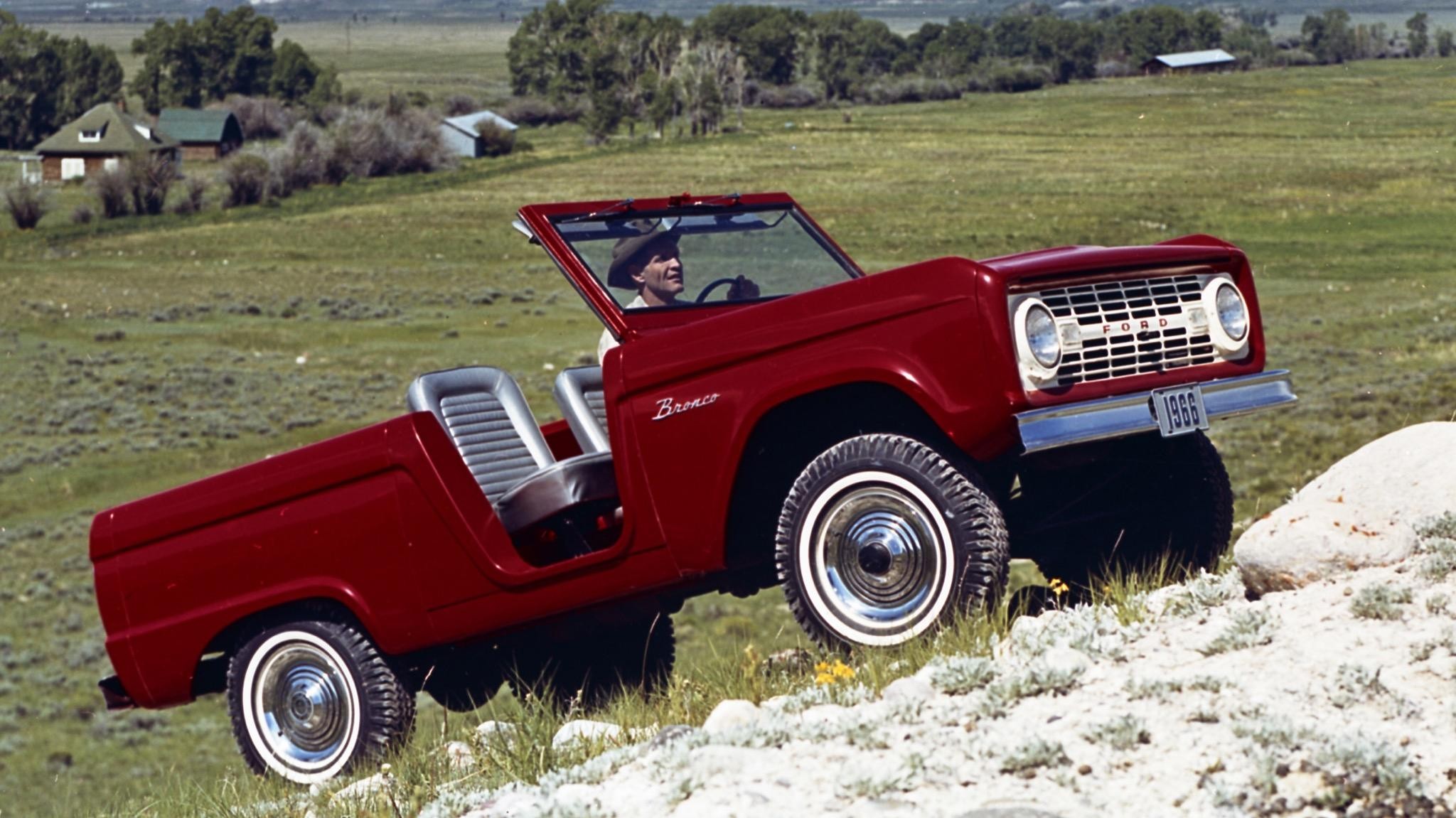
Fans were disappointed but hoped the nameplate would eventually return in some form. The Bronco had too much heritage and too loyal a following to disappear permanently. Off-road enthusiasts kept the faith alive through clubs, events, and restoration projects.
Ford showed a Bronco concept as early as 2004 that generated considerable excitement and attention. But years passed without a production commitment from the company. The wait tested the patience of even the most devoted fans considerably.
Finally, in 2020, Ford officially announced the return of the Bronco nameplate in a massive marketing campaign. The reveal was live-streamed and covered extensively across every major automotive publication. Reservations flooded in at a historic pace that surprised even Ford’s own sales team.
The new Bronco arrived for the 2021 model year in both two-door and four-door configurations. It came loaded with removable doors and roof panels in a clear nod to Jeep Wrangler territory. Ford had clearly done its homework on what modern off-road enthusiasts actually wanted from the vehicle.
The Bronco Sport, a smaller crossover variant, also launched alongside the full Bronco. Together they created a complete Bronco family for different types of buyers and budgets. The revival has been one of the most successful nameplate comebacks in Ford’s recent history.
Also Read: 10 Signs Your Car Suspension Needs a Professional Inspection Immediately
5. Chevrolet Blazer
The Chevrolet Blazer began its life in 1969 as a full-size, body-on-frame SUV based on the C/K pickup truck platform. It was tough, capable, and perfectly suited for American buyers who needed both work capability and passenger comfort. The original Blazer earned a strong reputation for durability and off-road performance.
The S-10 Blazer arrived in 1983 as a smaller, more fuel-efficient option for buyers who wanted less bulk. This mid-size version proved enormously popular through the 1980s and 1990s. For a time, the Blazer was one of the best-selling SUVs in the entire American market.
As the SUV market evolved in the late 1990s, consumers increasingly preferred four-door vehicles with greater interior space. The two-door Blazer began losing market share to newer competitors offering more versatility. Chevrolet discontinued the Blazer name after the 2005 model year without a direct replacement.
For over a decade, the Blazer name sat unused while the SUV market continued booming around it. Chevrolet filled its lineup with the TrailBlazer, Equinox, and Traverse but left the Blazer name dormant. Many wondered whether the iconic name would ever find its way back to showrooms.
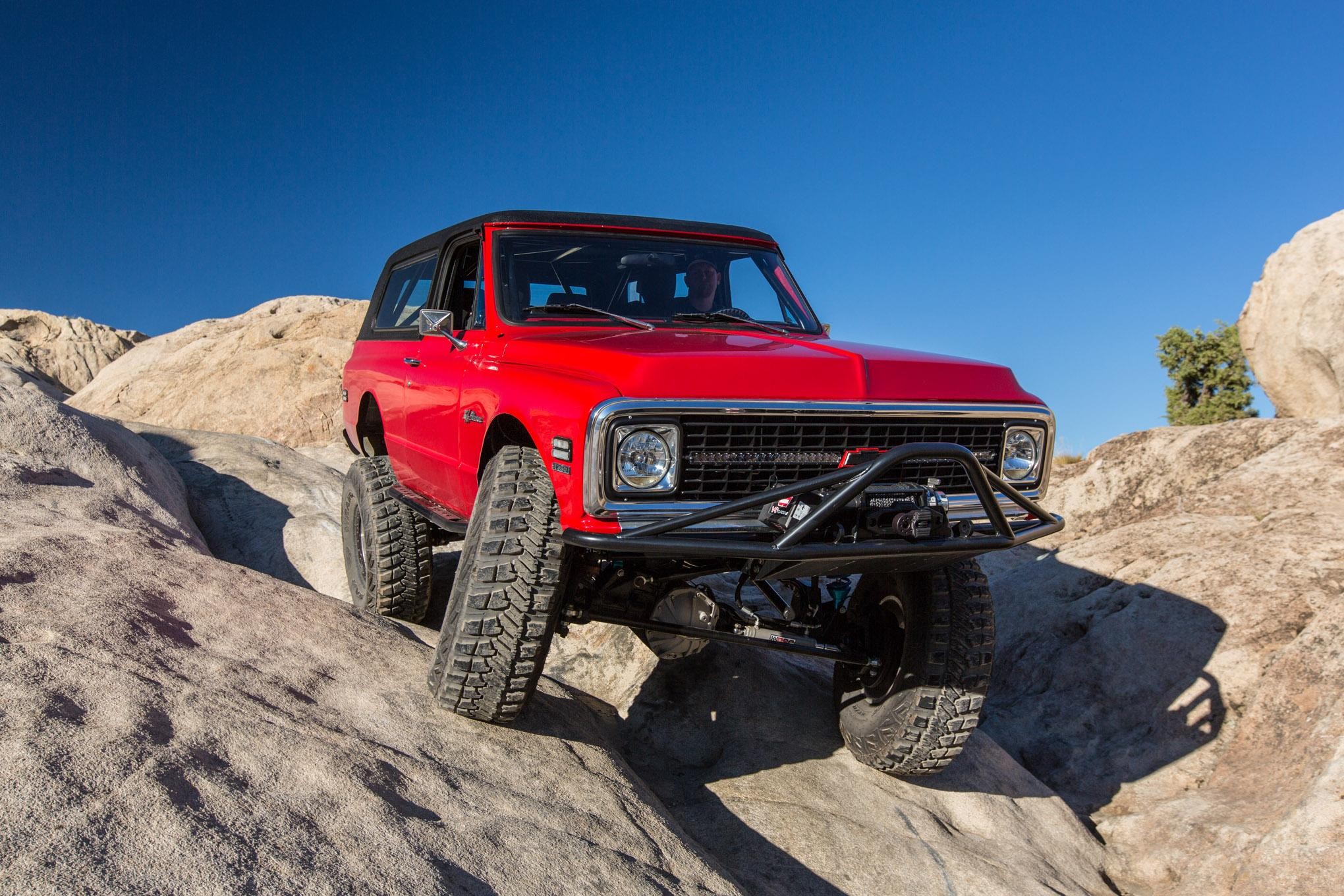
In 2018, Chevrolet announced the return of the Blazer name on a completely different type of vehicle. The new Blazer would be a car-based crossover SUV with a sporty, aggressive design philosophy. It would target the Ford Edge and Jeep Grand Cherokee in the competitive midsize crossover segment.
The reaction from traditional Blazer fans was decidedly mixed at the announcement. Many felt a front-wheel-drive crossover was unworthy of the rugged Blazer heritage and name. The controversy surrounding the revival was louder than almost any other nameplate comeback in recent memory.
However, the new Blazer sold reasonably well despite the criticism from enthusiasts. It appealed to a completely different generation of buyers who had no emotional attachment to the original. Chevrolet had used the familiar name to draw attention to an otherwise ordinary new product.
The Blazer EV arrived in 2024 as an all-electric version that further divided opinions among fans. Electric performance numbers were genuinely impressive, but the departure from rugged roots felt complete. The nameplate had traveled very far from its body-on-frame, off-road origins in the Arizona desert.
Regardless of the debates, the Blazer name remains active in Chevrolet’s current lineup today. Whether it honors or exploits the original legacy depends entirely on who you ask. The story of the Blazer revival is a complicated and fascinating chapter in American automotive history.
6. Pontiac GTO
The Pontiac GTO is widely credited with launching the American muscle car era in 1964. It was created by a team led by the legendary John DeLorean, who stuffed a large V8 engine into a mid-size body. The result was a street machine of unprecedented performance and accessibility for regular American buyers.
The GTO’s name was borrowed from Ferrari, where it stood for Gran Turismo Omologato in Italian. This gave the American muscle car a touch of European sophistication and excitement. The formula of big engine in a lighter body became the template for an entire generation of performance cars.
Through the late 1960s, the GTO battled rivals like the Ford Mustang, Dodge Charger, and Chevrolet Chevelle SS. Each year brought more power, more styling, and more excitement to the muscle car wars. The 1969 “The Judge” option package remains one of the most beloved and collectible variants ever produced.
By the mid-1970s, emissions regulations and rising insurance costs had strangled muscle car performance dramatically. The GTO of 1974 was a shadow of its former self in every measurable way. Pontiac discontinued it after that year, ending the original run with little celebration or recognition.
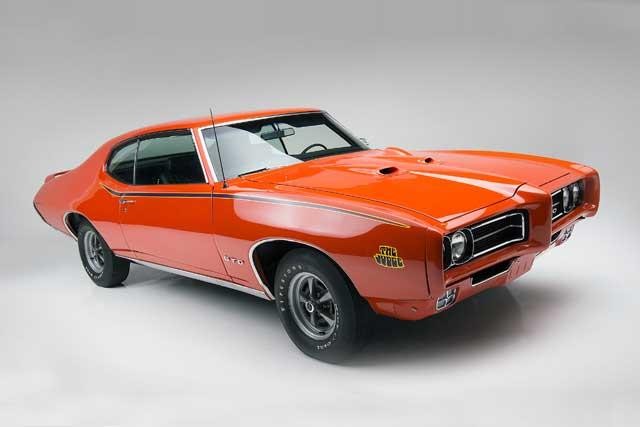
The name sat unused for nearly three decades while the automotive world changed completely around it. Pontiac tried various other performance nameplates without capturing the same magic the GTO had once possessed. Nothing quite filled the void left by the original muscle car legend.
In 2004, General Motors revived the GTO name on a car imported from its Australian subsidiary Holden. The new GTO was actually an impressive performer with a strong V8 engine and rear-wheel drive. On paper and on the road, it delivered genuine performance credentials worthy of the name.
However, the revival faced an identity problem from the very beginning of its existence. The Australian-designed car looked too plain and conservative for American muscle car buyers seeking drama. Many felt it lacked the aggressive visual presence that the GTO name traditionally promised.
Sales were disappointing throughout the revival’s two-year production run from 2004 to 2006. GM discontinued the revived GTO without ever solving its fundamental image problem in the market. The car was genuinely capable but failed to connect emotionally with American performance enthusiasts.
The 2004-2006 GTO remains an underrated used car bargain today for buyers who look past the styling. Those who drove them understood that the performance was real and rewarding in every way. But the revival is generally considered a missed opportunity to properly honor one of America’s greatest automotive legends.
7. Dodge Viper
The Dodge Viper was born from a concept car shown at the 1989 Detroit Auto Show that shocked the entire automotive world. It was raw, extreme, and unlike anything being produced anywhere on earth at that time. The production version arrived in 1992 with a massive 8.0-liter V10 engine producing 400 horsepower.
The Viper had no traction control, no ABS, and no side windows when it first launched. It demanded complete respect and total commitment from anyone brave enough to drive it seriously. This unfiltered driving experience became the foundation of its legendary and terrifying reputation.
Through the 1990s and 2000s, the Viper evolved through several generations while maintaining its extreme performance philosophy. It became a symbol of American excess and engineering ambition in the best possible sense. Racing versions won at Le Mans and dominated the GT class in competition around the world.
Chrysler discontinued the Viper after the 2010 model year as the company emerged from bankruptcy proceedings. The supercar program seemed like an unaffordable luxury during a period of severe financial difficulty and restructuring. Many believed the Viper was gone permanently, a victim of economic reality and corporate survival.
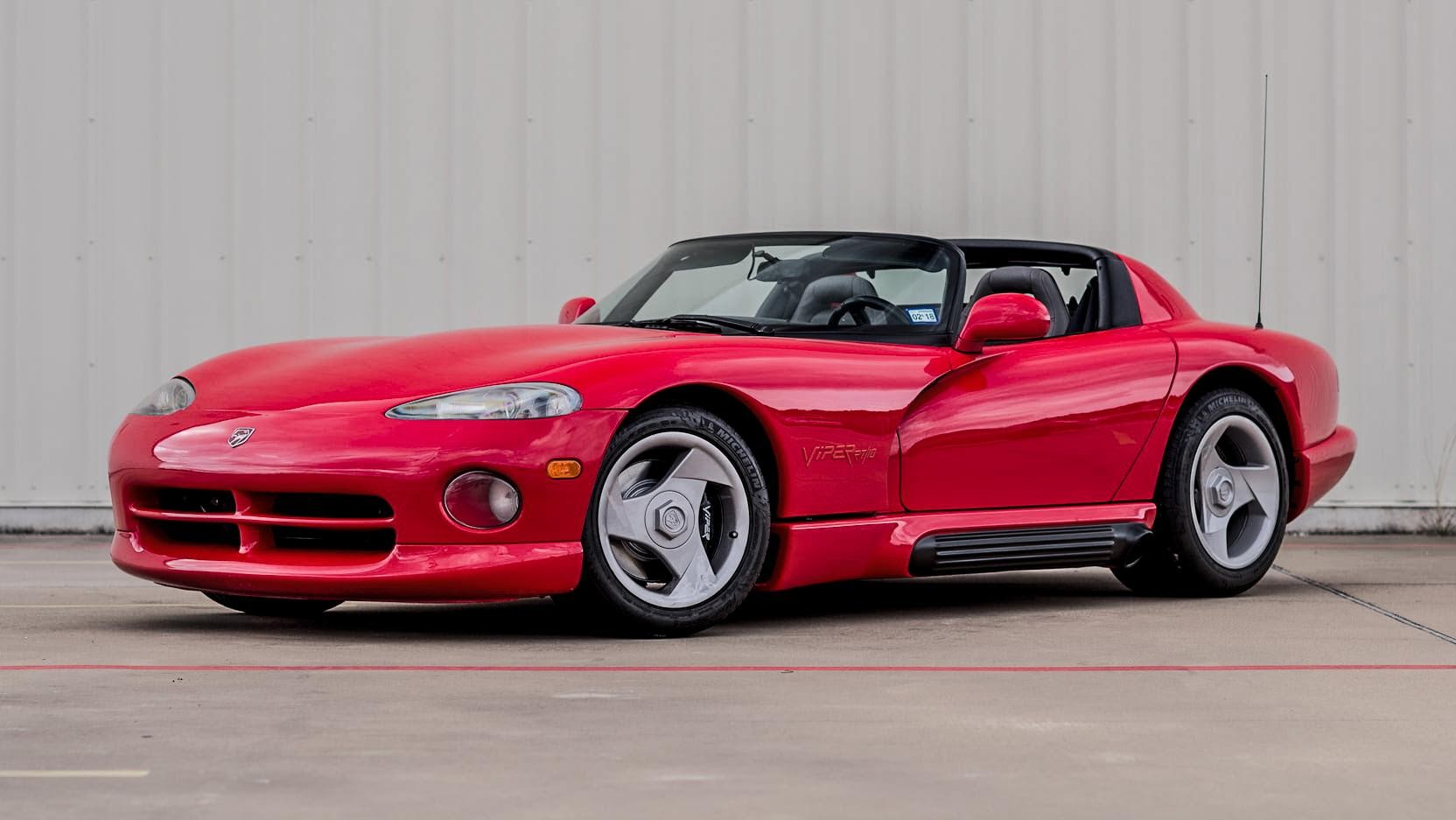
The return came in 2013 under the new SRT brand with the fifth-generation Viper. Power had grown to 640 horsepower from a refined version of the legendary V10 engine. The new car was dramatically more refined than its predecessors while retaining the raw, visceral character fans demanded.
An ACR (American Club Racer) version became the fastest production car ever around the Laguna Seca road course. This achievement proved the new Viper was worthy of the nameplate in every possible performance metric. Automotive journalists praised it as one of the greatest driver’s cars on earth.
However, sales remained challenging in a supercar market increasingly dominated by European and Italian brands. Dodge discontinued the Viper again after the 2017 model year, ending production at the Conner Avenue Assembly Plant. The final cars were commemorated with special edition models celebrating the Viper’s remarkable 25-year history.
Rumors of another Viper revival have circulated persistently within enthusiast communities ever since the 2017 closure. Stellantis executives have occasionally hinted at the possibility of an electric or hybrid Viper for the future. The passion for this nameplate remains extraordinarily intense among American performance car enthusiasts globally.
The Viper’s story is one of pure, uncompromising automotive passion that refuses to be permanently extinguished. Few cars in history have inspired such devotion, fear, and absolute admiration simultaneously. Its legacy as America’s greatest pure sports car remains firmly intact regardless of its current production status.
8. Ford Thunderbird
The Ford Thunderbird launched in 1955 as a direct response to the Chevrolet Corvette that had debuted two years earlier. Unlike the Corvette, Ford positioned it as a sophisticated “personal luxury car” rather than a pure sports car. The original two-seat Thunderbird was elegant, stylish, and immediately captured American buyers.
The early Thunderbirds with their distinctive porthole windows are considered among the most beautiful American cars ever built. They embodied the optimism and prosperity of mid-1950s America in every design detail. Collectors today pay extraordinary prices for well-preserved examples of these early models.
Ford controversially expanded the Thunderbird to four seats in 1958, beginning its transition away from sports car territory. The car continued selling successfully through the 1960s and 1970s in various forms and configurations. But it grew larger and more luxurious with each successive generation, moving further from its sporty origins.
By the 1990s, the Thunderbird had become a large, heavy luxury coupe that bore little resemblance to the 1955 original. Sales declined dramatically as buyers moved toward import luxury brands and new SUV options. Ford discontinued the eleventh-generation Thunderbird after the 1997 model year with minimal public announcement.
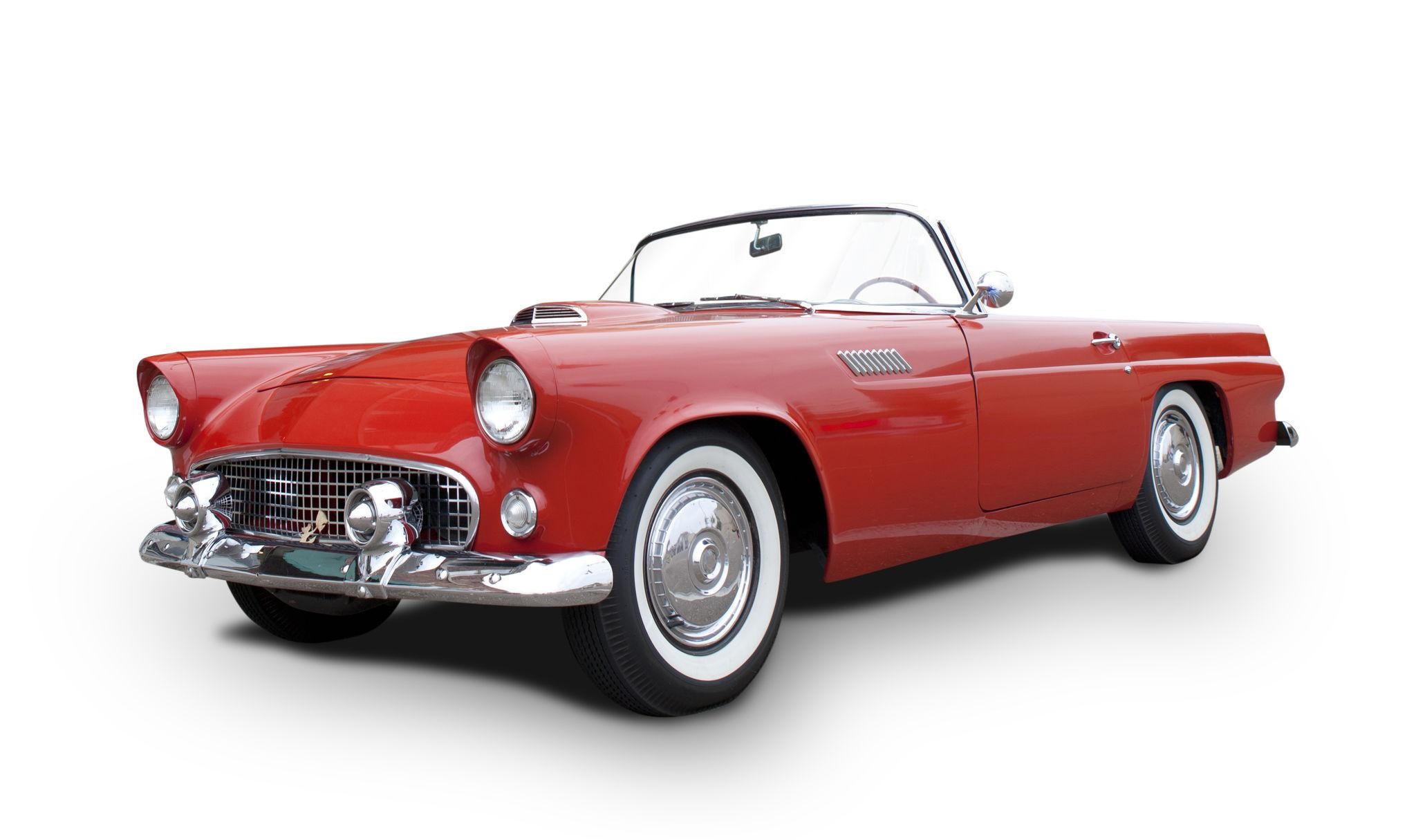
The revival came in 2002 with a retro-styled two-seater that clearly drew inspiration from the beloved 1955 original. It was soft, rounded, and undeniably pretty in a nostalgic and charming way. Initial reaction from the press was warm, and early sales were encouraging for Ford’s planning team.
However, the new Thunderbird suffered from serious mechanical and reliability issues that damaged its reputation quickly. The convertible top mechanism was particularly problematic and generated numerous complaints from owners. Consumer Reports and other publications highlighted the quality problems extensively throughout its production run.
Sales dropped sharply after the initial wave of enthusiast buyers had made their purchases. Ford discontinued the revived Thunderbird after just three model years in 2005. It was a genuinely disappointing end for a nameplate with such rich and important history.
The short-lived revival is now studied as a cautionary tale in automotive marketing circles. A beautiful design and a beloved name are not sufficient if the product underneath is unreliable. The Thunderbird deserved better execution of what was genuinely a promising and heartfelt concept.
Many fans still hope for another Thunderbird revival done properly with modern engineering and quality standards. The name carries enormous goodwill and recognition among multiple generations of American car lovers. A properly executed comeback could still be a tremendous success for Ford if the will exists.
9. Chevrolet El Camino
The Chevrolet El Camino occupies a uniquely American place in automotive history as a car-truck hybrid. It combined a stylish passenger car body with an open cargo bed in the back. The concept was practical, clever, and perfectly suited to the can-do American attitude toward useful versatility.
The original El Camino debuted in 1959 riding on the full-size Impala platform with bold, dramatic styling. Ford had actually introduced a similar concept with the Ranchero three years earlier in 1957. But the El Camino’s styling and Chevrolet’s marketing muscle gave it an enduring cultural prominence.
After initial success, Chevrolet discontinued the El Camino after 1960 due to concerns about its market positioning. The company was unsure whether buyers truly wanted a vehicle that was neither fully car nor fully truck. This decision proved to be premature and mistaken in significant ways.
The El Camino returned in 1964 on the mid-size Chevelle platform and found the audience that had been waiting for it. This second generation became the truly successful version of the concept over the following years. It appealed to buyers who needed cargo capacity without wanting to drive a full-size pickup truck daily.
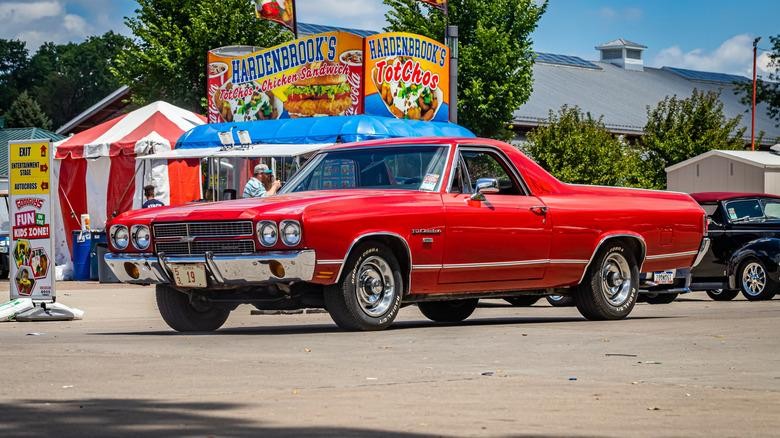
Through the 1970s, the El Camino became a genuine cultural icon with a diverse and devoted following. It was embraced by everyone from farmers to rock musicians to suburban families needing weekend hauling capacity. The SS performance versions added genuine excitement to the already versatile formula.
Emissions regulations and changing market tastes gradually eroded the El Camino’s appeal through the late 1970s and early 1980s. The final generation looked increasingly dated compared to newer truck and SUV options flooding the market. Chevrolet discontinued the El Camino after the 1987 model year without any clear successor planned.
For decades, enthusiasts called for a modern El Camino revival as the car-truck concept seemed permanently dead. The Australian Holden Ute kept the spirit alive internationally, but Americans were left without a domestic option. Speculation about a new El Camino surfaced repeatedly but never resulted in an actual production commitment.
The closest America came to a revival was the Chevrolet Avalanche, a large SUV with a fold-down rear section. But it was not the same as a true car-based utility vehicle in the El Camino tradition. The Avalanche was discontinued in 2013 without the El Camino name ever being officially revived.
Today, the El Camino exists in a state of rumor and wishful thinking among its passionate fan community. The concept of a performance-oriented car-truck remains appealing to a certain kind of American buyer. Many believe the right modern interpretation could find a profitable and enthusiastic audience waiting for it.
10. Plymouth Barracuda
The Plymouth Barracuda holds a distinguished place in history as one of America’s first pony cars. It actually predated the famous Ford Mustang by two weeks when it went on sale in April 1964. Despite this historical distinction, the Mustang overshadowed it commercially from the very beginning.
The first-generation Barracuda was based on the compact Valiant and featured a distinctive large wraparound rear window. The design was unusual and polarizing, generating attention without always generating sales in equal measure. Plymouth worked hard to refine and improve the formula with each subsequent generation.
The third-generation Barracuda of 1970 is widely considered one of the most beautiful American muscle cars ever created. Its low, wide stance and aggressive proportions were genuinely stunning to behold in person. The ‘Cuda version with the 426 Hemi engine is among the most valuable and sought-after American collector cars today.
Production numbers were relatively low compared to competitors like the Mustang and Camaro throughout its history. This limited production has made original ‘Cuda models extremely valuable to collectors seeking genuine muscle car provenance. A Hemi ‘Cuda convertible once sold for over two million dollars at auction.
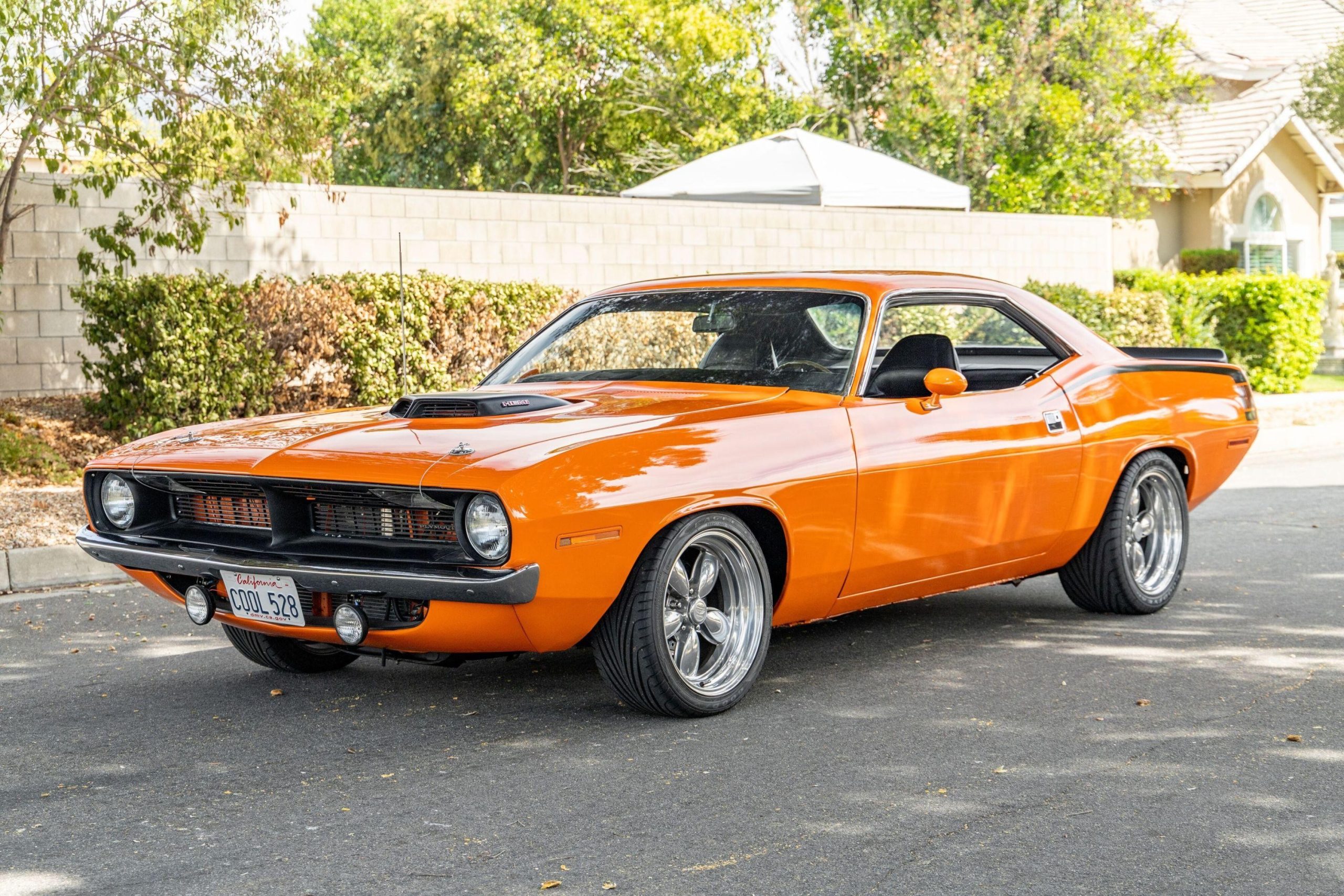
Plymouth discontinued the Barracuda after the 1974 model year as the muscle car era came to its inevitable end. The name had a short but intensely passionate history that left a lasting impression on enthusiasts. Plymouth itself was eventually discontinued by DaimlerChrysler in 2001, complicating any potential revival.
With Plymouth gone, the Barracuda name became an orphan without a natural home in Chrysler’s portfolio. Dodge and Chrysler brands remained, but the Barracuda was specifically a Plymouth creation in the minds of fans. Reviving it under a different brand would face immediate authenticity questions from the enthusiast community.
Chrysler and later Stellantis have shown concept cars and registered trademarks suggesting potential Barracuda revival interest. A modern Barracuda concept sketch leaked online in 2020 and generated tremendous excitement across social media platforms. The design suggested a sleek, modern interpretation of the classic pony car formula.
As of today, no production Barracuda has been officially confirmed or announced by Stellantis. The name remains one of the most desired revivals in all of American automotive culture. Enthusiasts continue to hope that someone within the corporate structure will champion its return to production.
The Barracuda’s story is ultimately one of unrealized potential and enduring romance. It was a great car that never quite received the marketing support and resources it deserved during its original run. A properly supported revival could finally give this legendary nameplate the prominence and success it always deserved.
Also Read: 8 Unique Door Mechanisms From Automotive History That Never Caught On
