The list titled “10 Used Trucks With the Most Durable Manual Transmissions Still on the Road” brings together some of the most reliable and long-lasting pickups ever built.
These trucks stand out for their ability to combine rugged performance with simple, proven engineering. At the center of their appeal is the manual transmission, a feature that continues to attract drivers who value control, durability, and lower long-term maintenance costs.
Unlike many modern vehicles that rely heavily on complex electronics, these trucks were designed with straightforward mechanical systems that are easier to maintain and repair. Models such as the Toyota Tacoma and Ford F-250 Super Duty have earned strong reputations for transmissions that can handle years of daily driving, off-road use, and heavy workloads without major issues. Their gearboxes are often capable of lasting hundreds of thousands of miles with only routine servicing.
This collection highlights trucks that have remained dependable over time, offering a balance of strength, longevity, and a more connected driving experience that continues to appeal to enthusiasts and practical buyers alike.
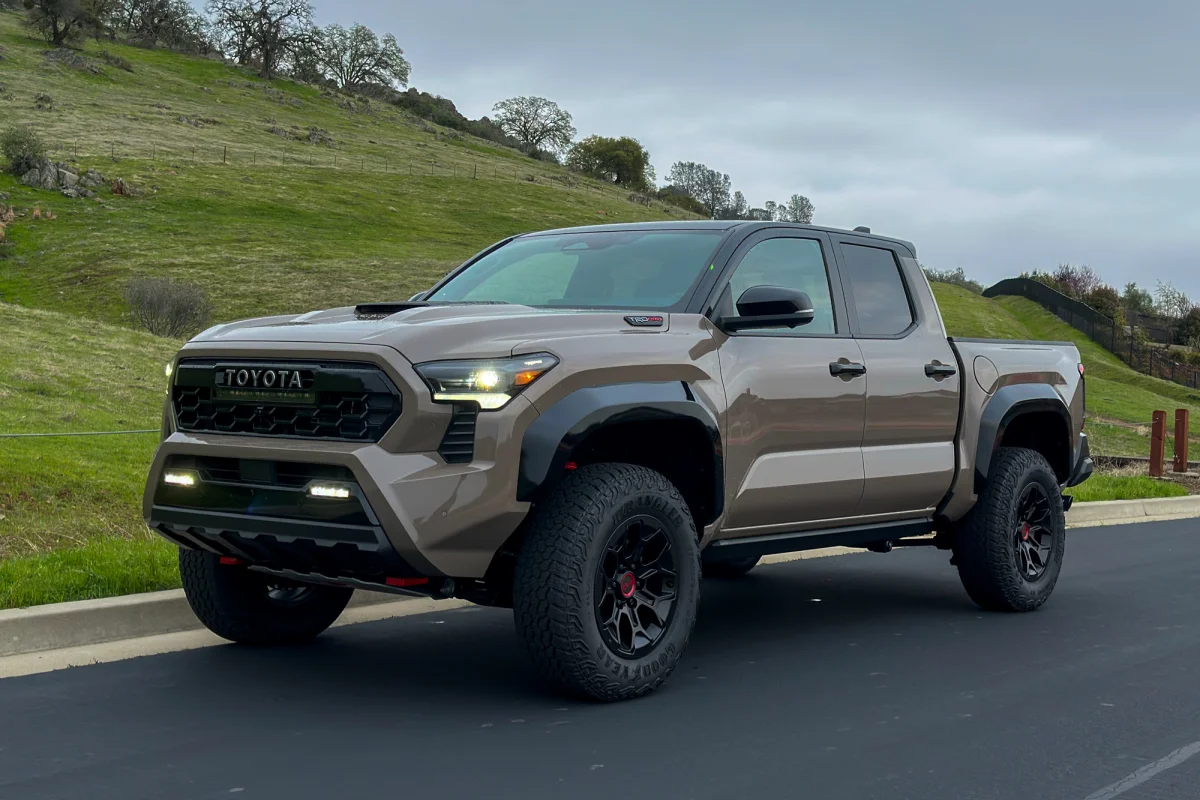
1. Toyota Tacoma (1995–Present): Manual Transmission Reliability and Enduring Reputation
The Toyota Tacoma, produced from 1995 to the present, is widely regarded as one of the most reliable midsize pickup trucks, especially when equipped with a manual transmission. Its reputation is built on Toyota’s consistent focus on durability, simple engineering, and long-lasting drivetrain components that often exceed 200,000 to 300,000 miles with only basic maintenance.
A key reason the Tacoma’s manual transmissions are so highly respected is their straightforward mechanical design. Earlier generations in particular avoided unnecessary electronic complexity, making them easier to maintain and less prone to failure compared to modern automatic systems. This simplicity contributes to their exceptional longevity and makes them especially appealing to drivers who prefer a more direct, connected driving experience.
Enthusiasts also value the manual Tacoma for off-road use. The ability to precisely control gear selection provides better handling in technical terrain, steep climbs, and low-speed trail driving. As a result, manual-equipped Tacomas are often favored by off-road communities and TRD (Toyota Racing Development) trim owners, where durability and control are essential.
Across all generations, the Tacoma maintains strong resale value due to high demand and its reputation for dependability. Even high-mileage examples tend to retain value better than many competitors in the midsize truck segment. Additionally, Toyota’s wide parts availability and strong service network make long-term ownership more practical and cost-effective.
Each generation has distinct strengths. The 1st generation (1995–2004) is known for simplicity and durability, but has some frame rust and suspension concerns. The 2nd generation (2005–2015) is often considered the best balance of size, power, and reliability.
The 3rd generation (2016–2023) introduces modern technology like infotainment systems while maintaining strong mechanical dependability. The 4th generation (2024–present) updates the lineup with turbocharged and hybrid powertrains for improved efficiency and performance.
When buying a used Tacoma, common inspection points include checking for frame rust (especially in older models), verifying lower ball joint condition in early generations, and ensuring smooth transmission operation. Despite these considerations, the Tacoma remains one of the safest and most trusted used truck purchases.
The Toyota Tacoma stands out for its rugged reliability, off-road capability, and especially its highly durable manual transmissions, which continue to be a benchmark in the truck market.
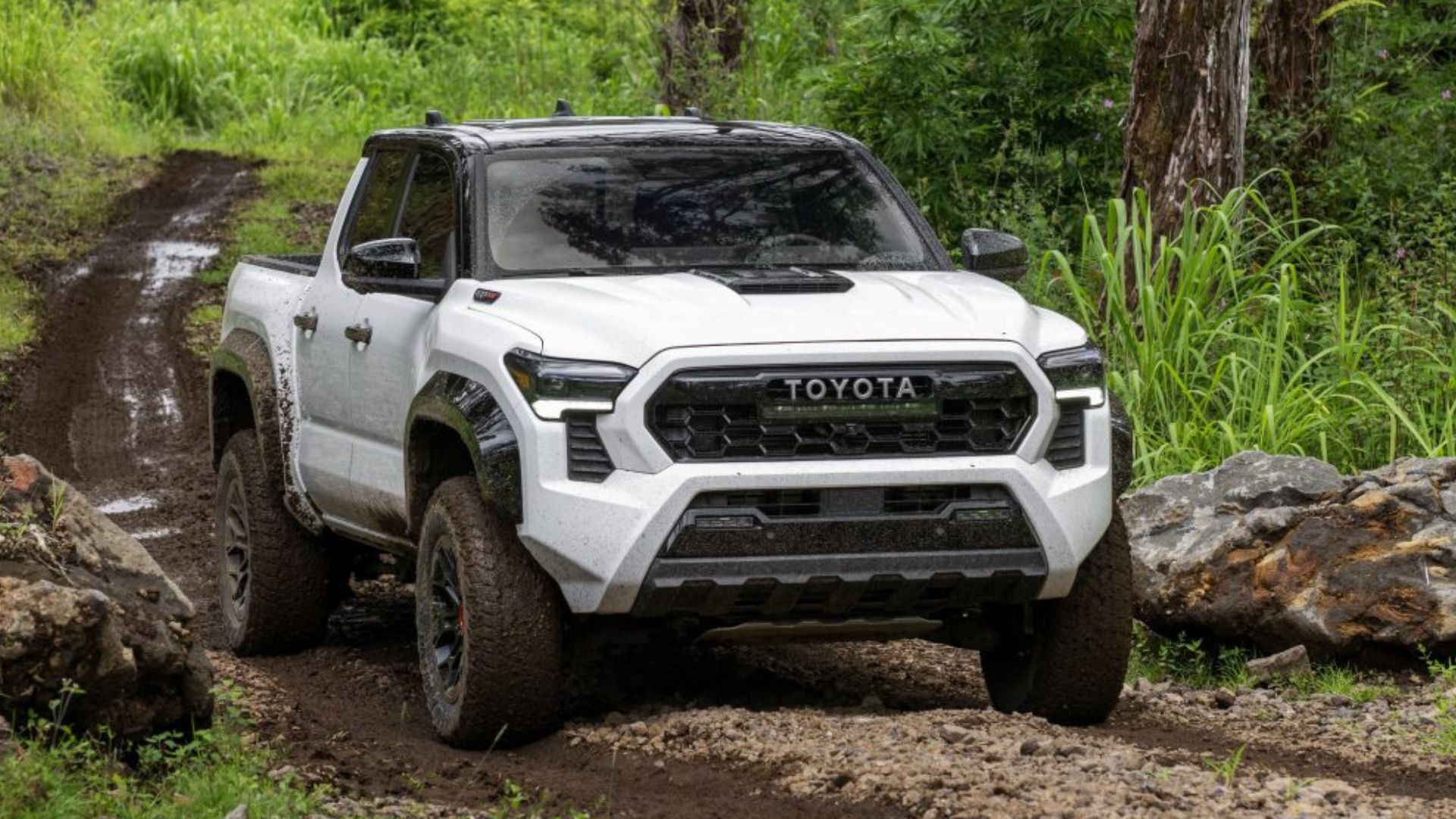
2. Ford F-250 Super Duty (1999–2007): Durable Manual Transmission Heavy-Duty Workhorse
The 1999–2007 Ford F-250 Super Duty is widely recognized as one of the most rugged and capable heavy-duty pickup trucks ever produced. It earned its reputation through a strong chassis, high towing capacity, and especially reliable drivetrain options when properly maintained. Among these, models equipped with manual transmissions and the 7.3L Power Stroke diesel are considered the most dependable and long-lasting.
A standout feature of this generation is the ZF6 six-speed manual transmission. It is engineered to handle very high torque loads and demanding towing conditions. Its strong internal construction and low gear advantage make it especially effective for hauling heavy equipment or trailers.
Compared to the automatic transmissions of the same era, the manual versions are often viewed as more durable and less expensive to maintain over time, which makes them attractive for long-term heavy use.
The 7.3L Power Stroke diesel engine, available from 1999 to 2003, is another major reason for the truck’s legendary status. It is known for its simple and robust design, including an iron block and durable internal components.
Many examples reach 400,000 miles or more with proper maintenance. The later 6.0L diesel engine found in 2004 to 2007 models can also perform well, but it is more sensitive and often requires upgrades or “bulletproofing” to correct known factory issues.
Built on a dedicated Super Duty platform, the truck features a reinforced frame and suspension system designed for commercial-grade workloads. It offers strong towing capability, often reaching around 15,000 pounds depending on configuration. This makes it a popular choice for towing, farming, construction, and other demanding applications.
However, buyers should be aware of several common issues in used models. Rust is a frequent concern due to age, especially in the cab corners, rocker panels, and frame areas.
Gasoline engines such as the 5.4L V8 and 6.8L V10 are less preferred for heavy-duty use due to lower durability under stress. The 6.0L diesel may suffer from head gasket, EGR system, and oil cooler problems if not properly maintained. Other wear items can include suspension components, brakes, and occasional turbocharger issues.
Despite these drawbacks, the F-250 Super Duty remains one of the most respected used heavy-duty trucks. Well-maintained versions, especially those with the 7.3L diesel and ZF6 manual transmission, are still regarded as extremely reliable, capable, and long-lasting work vehicles.
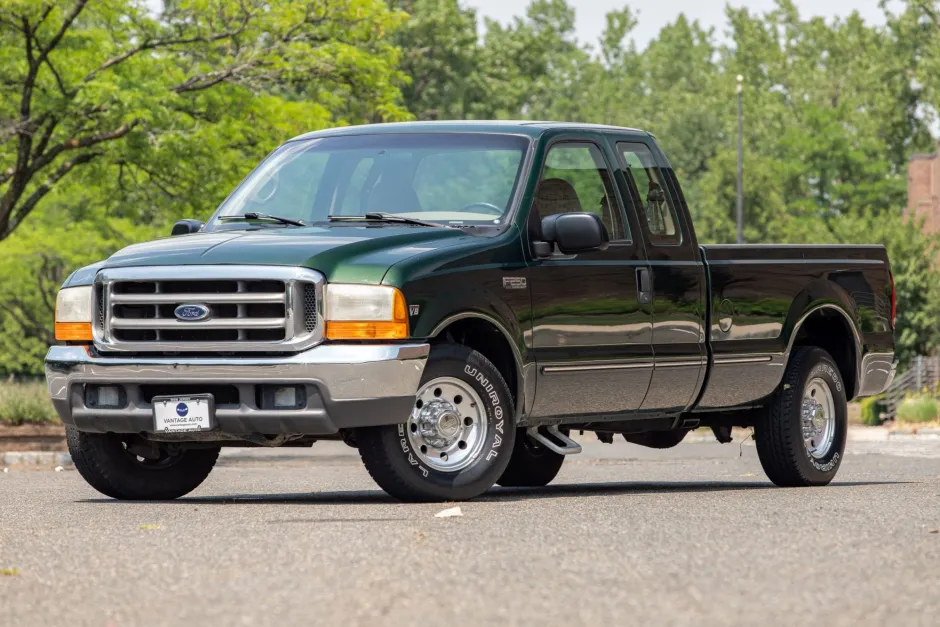
3. Nissan Frontier (2005–2021): Simple, Durable Manual Transmission Value Leader
The 2005–2021 Nissan Frontier, part of the second generation, is widely regarded as one of the best budget-friendly midsize trucks for buyers seeking a durable manual transmission. While it often receives less attention than competitors like the Toyota Tacoma, it has built a strong reputation for mechanical simplicity, long-term reliability, and low ownership costs, especially in later model years.
A major strength of the Frontier is its 6-speed manual transmission, which is known for its rugged construction and straightforward mechanical design. Enthusiasts value it for its durability and resistance to major failures when properly maintained. When paired with the reliable 4.0L V6 engine, the drivetrain combination has been known to last well over 200,000 to 300,000 miles, with some high-mileage examples reportedly exceeding even higher thresholds under ideal conditions.
The 4.0L V6 engine, also known as the VQ40DE, produces strong and consistent performance with 265 horsepower and 284 lb-ft of torque. It is widely respected for its longevity and ability to handle regular work use, towing, and off-road driving.
The truck’s body-on-frame construction and simple engineering philosophy further contribute to its durability and ease of maintenance, making it a practical choice for long-term ownership.
One of the Frontier’s most notable advantages is its avoidance of overly complex systems, especially in earlier and mid-production years. This “no-nonsense” design helps reduce repair costs and mechanical failures. It also provides solid capability, with towing capacity reaching up to about 6,500 pounds depending on configuration.
However, the Frontier is not without issues. Early models from 2005 to 2010 are known for a serious radiator failure problem that can cause coolant and transmission fluid to mix, often referred to as the “Strawberry Milkshake of Death.” This issue can lead to major transmission damage if not addressed. Other common concerns include fuel level sensor malfunctions and timing chain guide wear in earlier production years.
Later models, particularly from 2015 and 2018 to 2021, are considered the most reliable and refined. These versions benefit from improved reliability while still maintaining the truck’s simple mechanical character. However, the Frontier does lag behind modern competitors in areas such as fuel efficiency, interior refinement, and advanced safety or infotainment features.
The Nissan Frontier stands out as a strong used truck option for buyers who prioritize durability, simplicity, and value over modern technology. It remains a dependable “old-school” truck that delivers long-lasting performance at a lower price than many rivals.
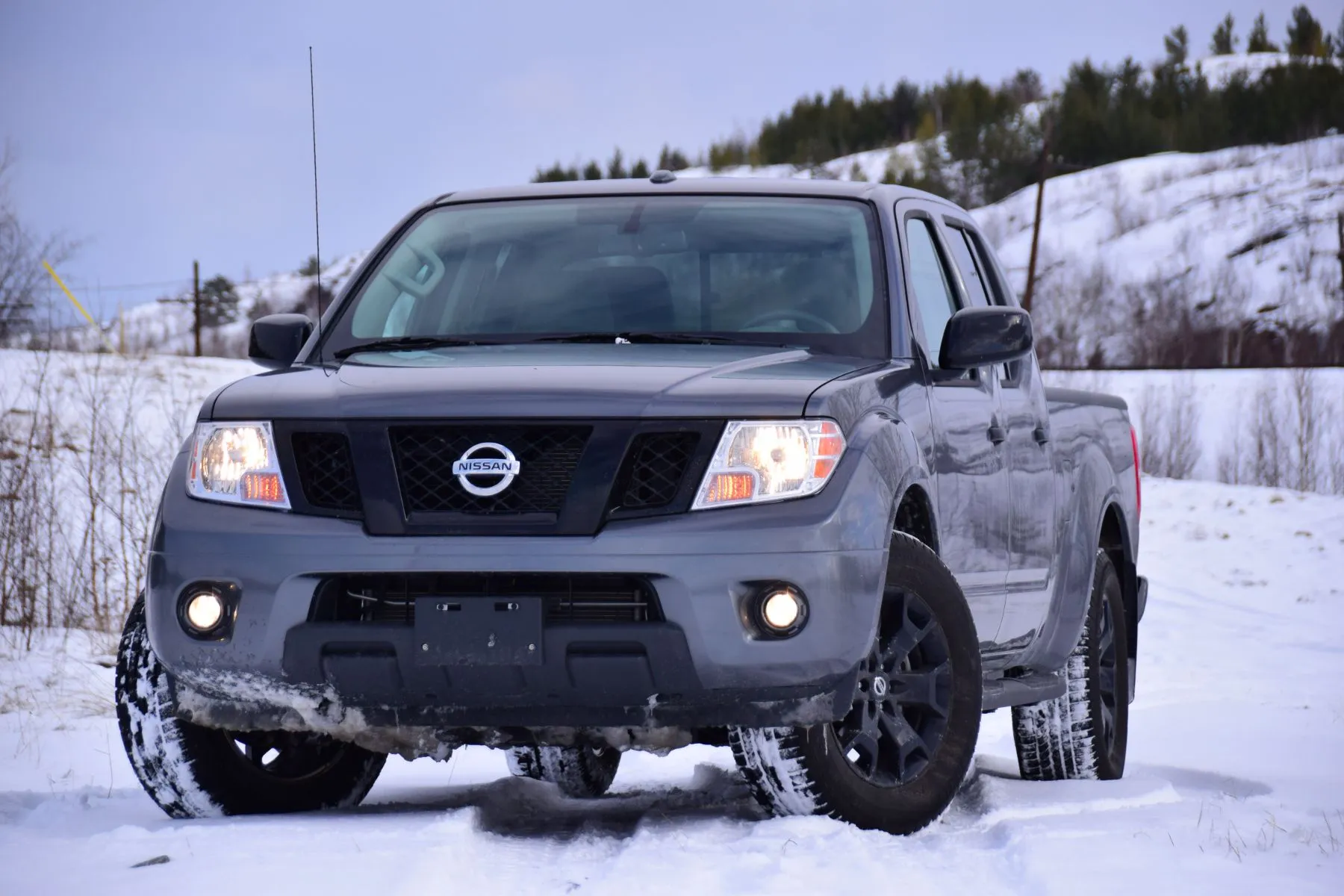
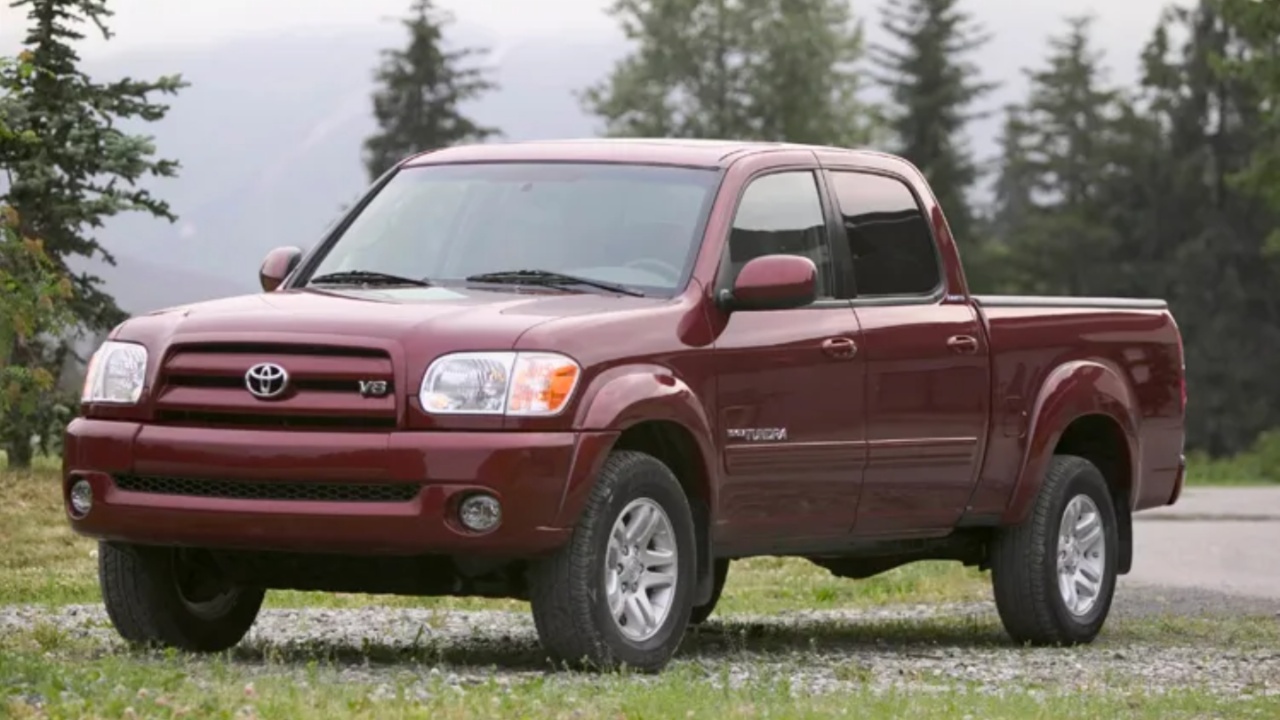
4. Toyota Tundra (2000–2006): Durable First-Gen Manual Transmission “Forever Truck”
The first-generation Toyota Tundra, produced from 2000 to 2006, is widely regarded as one of the most durable and dependable full-size pickup trucks ever built. It is especially valued for its simple engineering, strong build quality, and long-lasting drivetrain options.
While the V8 models are the most well-known, the rare V6 versions paired with a 5-speed manual transmission are considered hidden gems for reliability and long-term ownership.
A key strength of this Tundra generation is its reputation for extreme longevity. Many examples regularly exceed 300,000 miles, with some reaching even higher mileage when properly maintained.
The available 4.7L V8 engine, known as the 2UZ-FE, is particularly famous for its toughness, producing between 245 and 271 horsepower along with strong torque output. A 3.4L V6 was also offered, and when paired with a manual transmission, it creates a simple and highly durable drivetrain setup.
The manual transmissions in V6 models are highly valued because of their mechanical simplicity and reduced reliance on electronics. This makes them less prone to failures compared to many automatic transmissions of the same era. Combined with Toyota’s over-engineered approach, these gearboxes are often described as nearly indestructible under normal use, especially when maintained properly.
Another advantage of the first-generation Tundra is its relatively compact size compared to modern full-size trucks. It offers easier maneuverability while still providing strong towing capability, often exceeding 7,000 pounds depending on configuration. Its ride quality is also considered smooth and comfortable for a truck of its time, making it practical for both work and daily driving.
However, there are known issues that buyers should watch for. Frame rust is the most serious concern, as corrosion can significantly affect structural integrity. Other common problems include exhaust manifold leaks, lower ball joint wear, and potential timing belt and water pump maintenance needs around 100,000 miles. Transmission health should also be checked carefully, especially in vehicles with neglected cooling system issues.
Despite these concerns, the first-generation Tundra remains highly respected for its durability, simplicity, and long-term value. Its strong resale value and reputation for reliability make it a “forever truck” for buyers who prioritize dependability over modern features. It continues to be one of the most trusted used pickup options in the full-size truck segment.
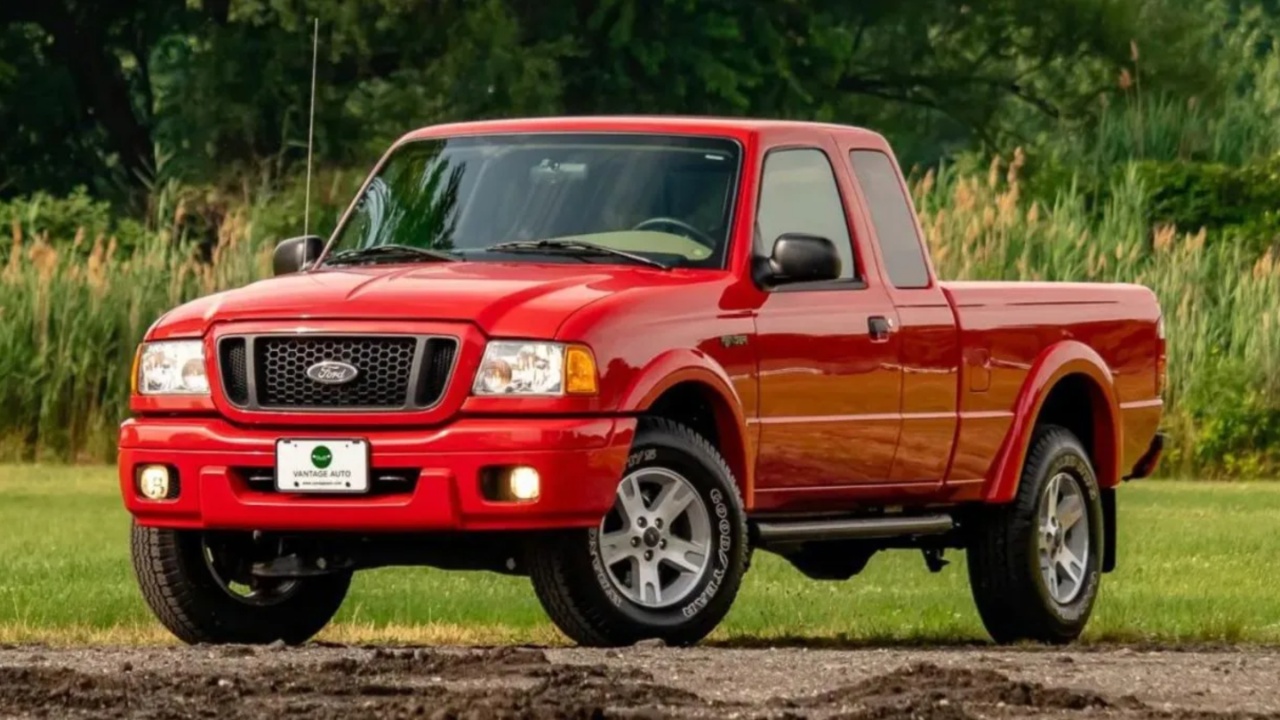
5. Ford Ranger (1998–2011): Reliable Manual Transmission Compact Workhorse
The 1998–2011 Ford Ranger, representing the third generation of this long-running compact pickup, is widely regarded as one of the most dependable and cost-effective used trucks available.
Known for its simple engineering and durable components, the Ranger has earned a reputation for longevity, with many examples surpassing 300,000 to 400,000 miles when properly maintained. Models equipped with manual transmissions are especially valued for their reliability and low ownership costs.
A key strength of this generation is its 5-speed manual transmission, which is known for its toughness and simplicity. Unlike automatic transmissions that rely on more complex electronics and components, the manual gearbox is straightforward and less prone to major failures. Many owners report that these transmissions can last the life of the vehicle, sometimes requiring only a single clutch replacement even at very high mileage.
The Ranger also benefits from proven engine options. The 2.3L Duratec inline-four engine, particularly in models after 2001, is known for excellent fuel efficiency and long-term durability.
For those needing more power, the 4.0L SOHC V6 provides stronger performance for towing and hauling, although it may require closer attention to maintenance over time. These engines, combined with the manual transmission, create a dependable and practical drivetrain.
Another major advantage of the Ranger is its straightforward, no-frills design. Its traditional body-on-frame construction, simple suspension setup, and accessible engine bay make it easy to repair and maintain, even for do-it-yourself owners. Replacement parts are widely available and affordable, which further reduces long-term ownership costs.
The compact size of the Ranger also adds to its appeal. It is easy to maneuver in tight spaces, making it suitable for daily driving, light work duties, and weekend projects. Despite its smaller footprint, it remains capable of handling moderate hauling and utility tasks.
However, there are some drawbacks to consider. Older models are prone to frame rust, so careful inspection is important. The 4.0L V6 can develop timing chain issues if not properly maintained, and some trucks may experience minor electrical or four-wheel-drive system problems. Ride quality is often described as stiff, and the interior is basic compared to modern standards.
The Ford Ranger from this era stands out as a durable, practical, and budget-friendly truck. Its reliable manual transmission, simple design, and long lifespan make it an excellent choice for buyers seeking a dependable and easy-to-maintain compact pickup.
Also read: 10 Cars Featuring the Most Aggressive Stock Factory Engine Exhaust Notes
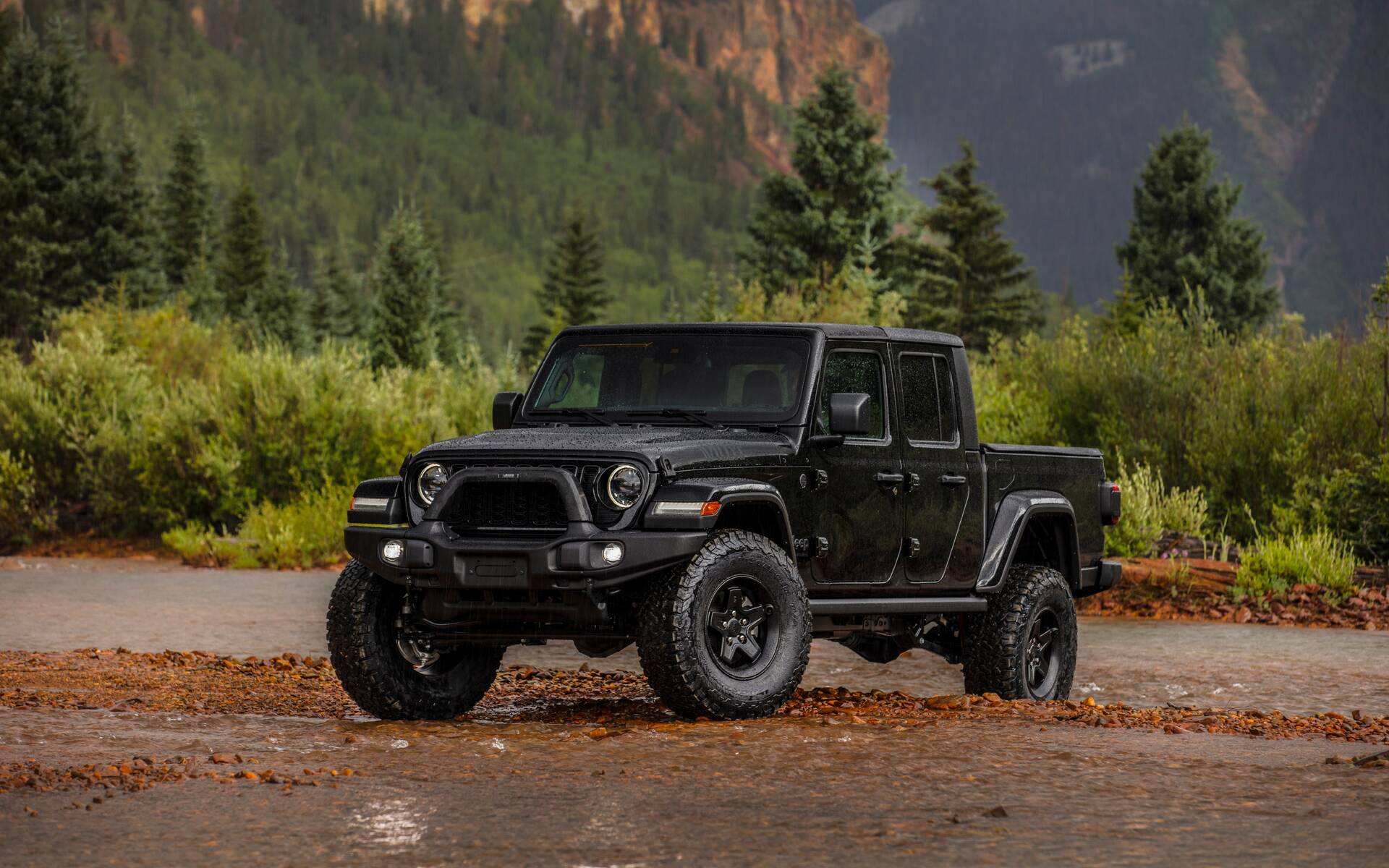
6. Jeep Gladiator (2019–2024): Modern Manual Transmission Built for Rugged Performance
The 2019–2024 Jeep Gladiator is one of the few modern midsize trucks that still offers a manual transmission, making it a standout choice for drivers who prefer a more traditional and engaging driving experience. Built on the same platform as the Jeep Wrangler, the Gladiator blends proven off-road capability with modern features, creating a truck that is both versatile and durable.
A key highlight is its Aisin AI-6 six-speed manual transmission, which has earned a reputation for strength and reliability. This gearbox is designed to handle demanding conditions, especially in off-road environments where precise control is essential. The manual setup allows drivers to better manage torque and traction at low speeds, giving it a clear advantage in challenging terrain compared to many automatic options.
Powering the Gladiator is the 3.6L Pentastar V6 engine, producing 285 horsepower and 260 lb-ft of torque. This engine is widely known for its dependability and consistent performance. It supports the truck’s strong capability, including a towing capacity of up to about 7,700 pounds and solid payload capacity, making it suitable for both work and recreation.
The Gladiator is also engineered with serious off-road use in mind. It features solid axles, durable suspension components, and advanced four-wheel-drive systems that enhance traction and strength. Its “Trail Rated” design ensures it can handle rough conditions with confidence. In addition, it offers unique features such as removable doors and roof panels, providing an open-air driving experience that sets it apart from other trucks.
However, there are some drawbacks to consider. Early models had clutch-related recalls, so it is important to confirm that any necessary repairs have been completed. The ride quality can feel stiff on paved roads, and interior noise levels are higher than those of many competitors, particularly with soft-top versions. Fuel efficiency is also below average, and maintenance costs may be higher over time.
The 2024 model year brought updates such as a redesigned interior, improved technology, and added safety features. The Jeep Gladiator remains a strong option for buyers who prioritize durability, off-road capability, and the availability of a manual transmission in a modern truck.
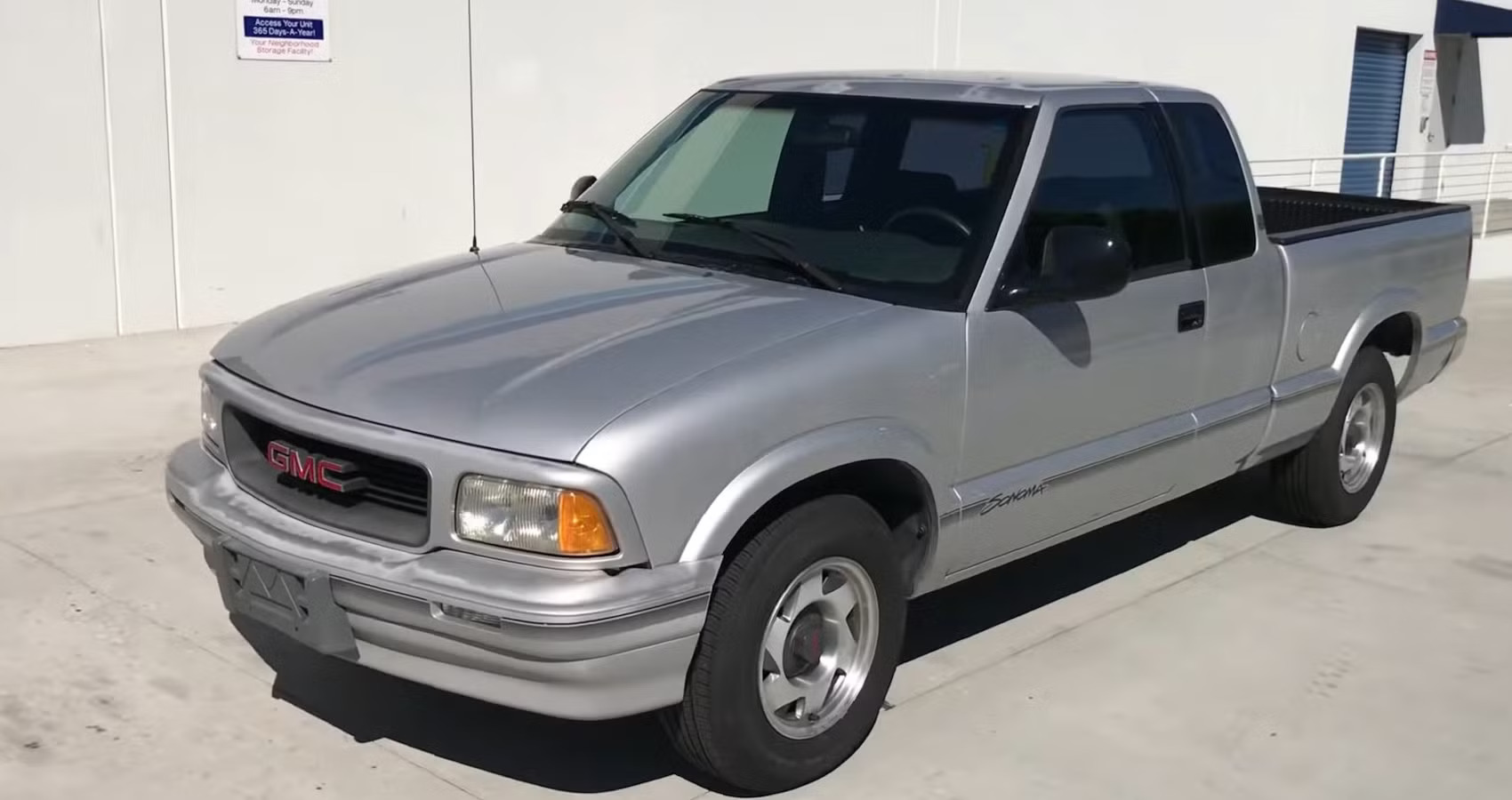
7. Chevrolet S-10 / GMC Sonoma (1994–2004): Simple, Durable Manual Transmission Compact Trucks
The 1994–2004 Chevrolet S-10 and GMC Sonoma are widely recognized as durable and practical compact pickup trucks, especially when equipped with manual transmissions. Known for their straightforward design and tough mechanical components, these trucks have built a strong reputation as reliable workhorses that can withstand high mileage and demanding use while remaining affordable to maintain.
One of the most notable strengths of these trucks is their 5-speed manual transmission, commonly the NV3500 in V6 models. This gearbox is praised for its ability to handle significant torque and long-term wear, often lasting hundreds of thousands of miles with proper care.
Compared to the automatic transmissions of the same era, which were more prone to failure, the manual option is widely considered the more dependable choice. Some high-mileage examples have even surpassed 600,000 miles, highlighting the durability of the drivetrain.
The available 4.3L Vortec V6 engine further enhances the truck’s reliability. Often compared to larger V8 engines in terms of toughness, this engine delivers solid performance and longevity.
It produces between 165 and 195 horsepower, offering strong acceleration and towing capability for a compact truck. A 2.2L four-cylinder engine was also available, but it is generally considered underpowered compared to the V6.
Another key advantage is the truck’s simple mechanical design. Built before the widespread use of complex electronics, the S-10 and Sonoma are easier to diagnose and repair. This makes them especially appealing to budget-conscious owners and do-it-yourself mechanics. Parts are widely available and inexpensive, which helps keep ownership costs low over time.
Despite their strengths, there are some common issues to consider. Rust is a major concern due to the age of these vehicles, particularly on the frame and body panels. Other known problems include fuel pump failures, ABS system faults, rear differential wear, and occasional issues with air conditioning systems. Interior quality is basic, with noticeable road noise and limited comfort compared to modern trucks.
These trucks were offered in multiple configurations, including regular cab, extended cab, and later crew cab models. Special trims such as the ZR2 off-road package and sporty Xtreme version add further appeal for specific buyers.
The Chevrolet S-10 and GMC Sonoma remain excellent choices for those seeking a simple, durable, and cost-effective compact truck with a reliable manual transmission.
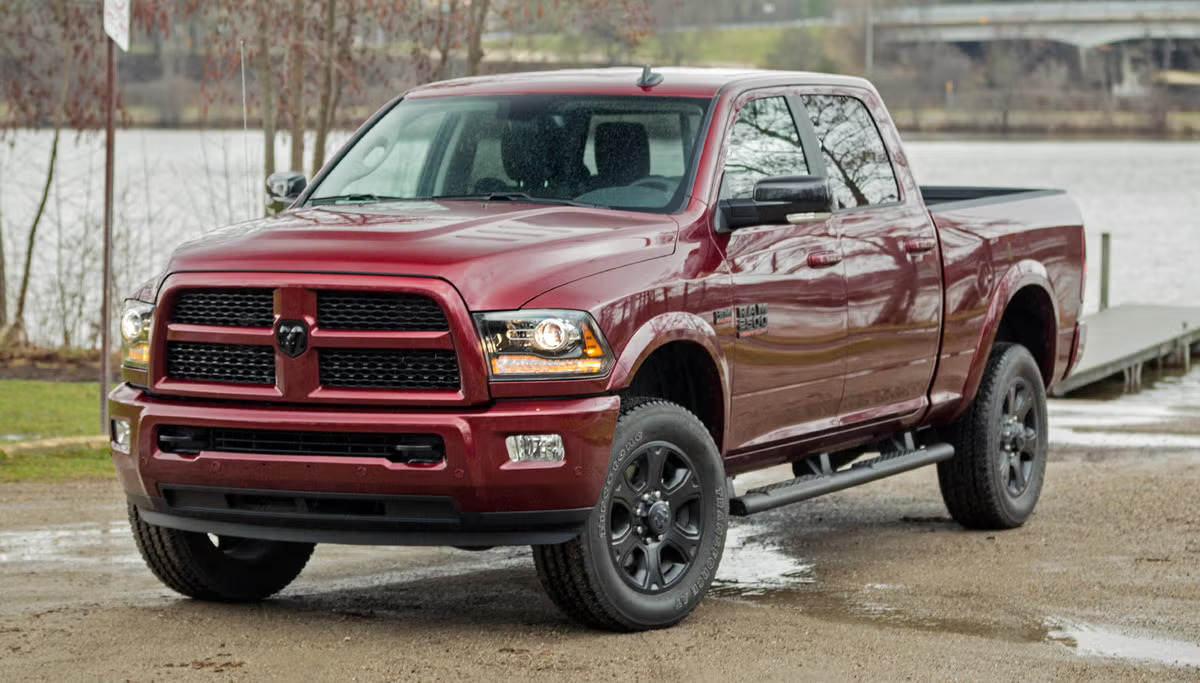
8. Dodge Ram 2500/3500 (Pre-2018 Cummins): Heavy-Duty Manual Transmission Legends
The Dodge Ram 2500 and 3500 models equipped with Cummins diesel engines and manual transmissions are widely regarded as some of the most durable heavy-duty trucks ever produced. Built for serious towing and hauling, these trucks have earned a reputation for exceptional longevity, with many examples surpassing 400,000 miles while retaining their original drivetrain components.
A major reason for their durability is the pairing of the Cummins diesel engines with robust manual transmissions such as the NV4500 and later G56 6-speed. These gearboxes are specifically designed to handle the immense torque produced by the 5.9L and 6.7L Cummins engines.
Compared to many automatic transmissions from the same era, manual options provide better cooling, improved durability under heavy loads, and lower long-term maintenance costs. This makes them especially desirable for towing and commercial use.
The Cummins engines themselves are a key highlight. The 5.9L version, available before 2007.5, is known for its simplicity and long-term reliability, while the 6.7L version introduced afterward offers increased power and improved emissions systems in later years. Both engines are widely respected for their ability to handle extreme workloads and high mileage with proper care.
These trucks are built on a strong and durable platform. The heavy-duty frame, solid front axle design, and robust suspension components contribute to their long lifespan and ability to carry heavy loads. The Ram 3500 is particularly favored for maximum towing capacity, while the 2500 offers a slightly more comfortable ride in later models due to its coil-spring rear suspension.
Despite their strengths, there are some issues to consider when buying used. Front-end suspension components such as ball joints can wear over time, and steering system problems are not uncommon. Some models may also experience ABS module failures, which can be costly to repair. Early automatic transmissions in these trucks are often considered weaker, further increasing the appeal of manual variants.
Model years from 2013 to 2018 are generally considered the most refined, with improvements to suspension, frame design, and emissions systems. These updates enhance reliability and usability while maintaining the truck’s core durability.
Because manual transmissions were discontinued after 2018, these trucks have become highly sought after in the used market. Their combination of strong engines, durable gearboxes, and long-term reliability makes them true heavy-duty workhorses that continue to hold value exceptionally well.
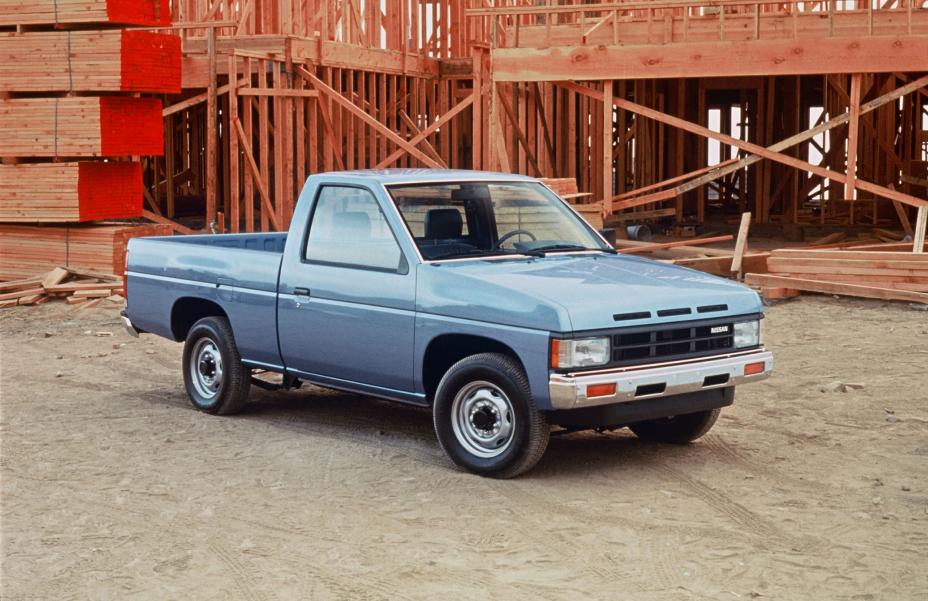
9. Nissan Hardbody (1986–1997): Nearly Indestructible Manual Transmission Mini-Truck
The 1986–1997 Nissan Hardbody, also known as the D21, is widely regarded as one of the most durable compact pickup trucks ever built. Its reputation comes from a combination of simple engineering, tough construction, and a highly reliable manual transmission.
Designed during a time before complex electronics became standard, the Hardbody delivers a pure mechanical driving experience that continues to appeal to enthusiasts and practical buyers alike.
One of the defining features of the Hardbody is its 5-speed manual transmission, which is known for exceptional durability and long service life. These gearboxes are built to withstand heavy daily use, hauling, and off-road conditions with minimal issues.
When properly maintained, they can last hundreds of thousands of miles, often matching the lifespan of the engine itself. Many owners report their trucks exceeding 300,000 miles, with some reaching as high as 500,000 miles.
The truck’s rugged design further contributes to its longevity. It features a strong ladder-type frame and a distinctive double-walled bed, which gives it added resistance to dents and structural damage.
This design is the origin of the “Hardbody” nickname and reflects its focus on durability over comfort or modern styling. The chassis is well-suited for both work and off-road use, and the model even proved its toughness by performing well in demanding events like desert racing competitions.
Under the hood, the Hardbody offers reliable engine options. The 2.4L KA24E four-cylinder engine, especially in later models, is known for its simplicity and ease of maintenance. A 3.0L V6 was also available for those needing more power. Both engines are capable of long service lives with basic upkeep, further reinforcing the truck’s reputation for reliability.
Another major advantage is its straightforward, no-frills design. With minimal electronic systems, the Hardbody is easy to repair and maintain, making it popular among do-it-yourself mechanics and budget-conscious owners. Replacement parts are generally accessible, and there is strong enthusiast support for maintenance and restoration.
Common concerns include rust, especially in older units, as well as interior wear such as cracked dashboards and aging seats. However, these issues are relatively minor compared to the truck’s mechanical durability.
The Nissan Hardbody remains a highly respected and affordable used truck, valued for its toughness, simplicity, and ability to last for decades with proper care.
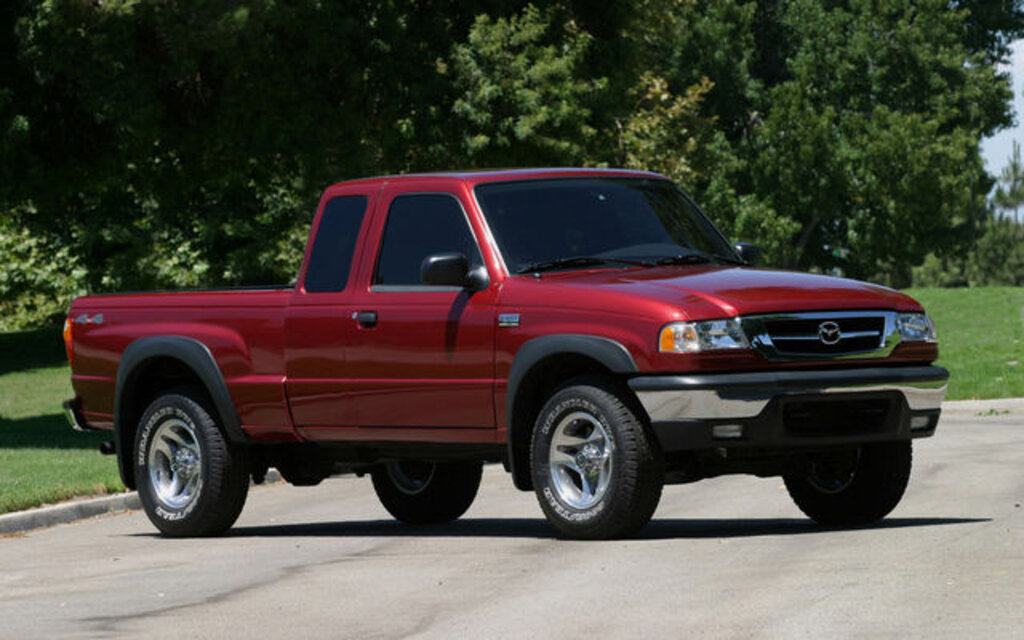
10. Mazda B-Series (1994–2010): Durable Manual Transmission Twin to the Ford Ranger
The 1994–2010 Mazda B-Series is widely recognized as a reliable and long-lasting compact pickup, largely due to its close relationship with the Ford Ranger. After 1994, the B-Series became essentially a rebadged version of the Ranger, sharing the same platform, engines, and durable 5-speed manual transmissions.
This partnership allowed Mazda to offer a truck with proven mechanical strength and long-term reliability, making it a strong option in the used market.
One of the biggest advantages of the B-Series is its robust manual transmission. These gearboxes are known for their durability and ability to withstand years of daily driving and light to moderate work.
Many owners report their trucks reaching between 300,000 and 400,000 miles with proper maintenance. The simplicity of the manual transmission, combined with fewer electronic components, reduces the likelihood of major failures and keeps repair costs relatively low.
The B-Series also benefits from a range of dependable engine options. Buyers could choose from economical four-cylinder engines or more powerful V6 options such as the 3.0L and 4.0L variants.
While the four-cylinder models prioritize fuel efficiency, the V6 engines provide better performance for towing and hauling tasks. Regardless of the engine choice, these trucks are known for their ability to handle high mileage and consistent use.
Another key strength is the truck’s straightforward and minimalist design. Built before the widespread use of advanced electronics, the B-Series is easier to maintain and repair compared to modern trucks. This makes it especially appealing to do-it-yourself mechanics and budget-conscious buyers. In addition, parts availability is excellent due to its shared components with the Ford Ranger, further reducing maintenance costs.
Despite its strengths, there are some drawbacks to consider. Rust is a common issue, particularly in older models, so inspecting the frame and body is essential. Some versions, especially those with smaller engines, may feel underpowered, and the ride quality can be somewhat stiff or bouncy on rough roads. Interior features are also basic by modern standards.
The Mazda B-Series remains a practical and affordable choice for those seeking a dependable manual transmission truck. Its combination of proven durability, simple engineering, and low ownership costs makes it an excellent option for daily driving, light work, and long-term use.
The trucks featured in “10 Used Trucks With the Most Durable Manual Transmissions Still on the Road” demonstrate how well-engineered vehicles can continue performing long after their production years. From the dependable Nissan Frontier to heavy-duty icons like the Dodge Ram 2500 and 3500 with Cummins diesel engines, each model reflects a commitment to durability and long-term usability.
Manual transmissions play a major role in this lasting appeal. Their simpler construction, reduced reliance on electronics, and strong internal components allow them to endure demanding conditions with fewer costly failures. For many owners, this results in lower ownership expenses and a vehicle that can be trusted for both work and everyday driving.
As newer trucks move toward automation and advanced technology, these models remain relevant for their reliability and straightforward design. They continue to serve as dependable options for buyers who prioritize toughness, ease of maintenance, and consistent performance over time.
Also read: 12 Cars That Keep Car-Sick Kids Happy