The phrase “sealed for life” sounds reassuring, but it often creates a false sense of security for vehicle owners. In reality, transmission fluid operates under extreme heat, pressure, and mechanical stress every time the vehicle is driven. Over time, it naturally degrades, losing its ability to lubricate, cool, and maintain precise hydraulic control.
This breakdown does not stop simply because the transmission is sealed from outside contamination. Instead, internal processes such as oxidation, friction, moisture ingress, and additive depletion continue to affect fluid quality throughout the vehicle’s life.
The concept behind “12 Reasons Why Sealed For Life Transmissions Still Need Fluid Changes” is to show that transmission fluid is a working component, not a permanent one. Each subsystem within the transmission, from cooling and lubrication to hydraulic control and seal protection, depends on clean and stable fluid to function correctly.
When that fluid deteriorates, performance declines, and wear accelerates. Understanding these underlying reasons helps explain why periodic fluid service is not optional maintenance but a critical requirement for long-term transmission health and reliability.
1. Thermal Breakdown and Heat Management in Transmission Fluid
Heat is the primary factor that limits the lifespan of transmission fluid. Although transmission fluid is designed to act as a lubricant, coolant, and hydraulic medium, it degrades when exposed to sustained high temperatures. “Sealed for life” transmissions often run hotter because of compact engineering and reduced airflow.
In these conditions, even small increases in temperature have a major impact on fluid longevity. For every 15 to 20°F rise above normal operating temperature, the service life of the fluid can be reduced by about half.
Thermal breakdown is a gradual and unavoidable chemical process. As transmission fluid heats up over time, it reacts with oxygen in a process called oxidation. This causes the fluid to deteriorate and eventually form sludge.
Sludge is thick and sticky, and it can block the narrow hydraulic passages inside the transmission. When this happens, the fluid can no longer flow properly or maintain consistent pressure, which reduces performance and increases wear on internal parts.
Heat also damages the chemical additives in transmission fluid. These additives include detergents, friction modifiers, and anti-wear agents. When exposed to prolonged high temperatures, these compounds break down or become ineffective. As a result, metal surfaces are less protected, friction increases, and the system generates even more heat. This creates a cycle of accelerating damage.
As the fluid ages, it also collects fine debris such as metal particles and worn clutch material. This contamination reduces the fluid’s ability to transfer heat away from critical components.
Instead of cooling the system, degraded fluid begins to trap heat. This insulation effect leads to overheating, which can harden rubber seals, cause leaks, and reduce hydraulic pressure. These issues often result in slipping gears and poor shifting performance.
Manufacturers often define “lifetime fluid” based on the expected warranty period, which is usually around 100,000 miles. However, for long-term vehicle use, this fluid is already significantly degraded. Regular fluid changes every 40,000 to 60,000 miles help remove contaminants, restore proper lubrication, and maintain effective cooling, ultimately extending transmission life.
2. Oxidation and Sludge Formation in Transmission Fluid
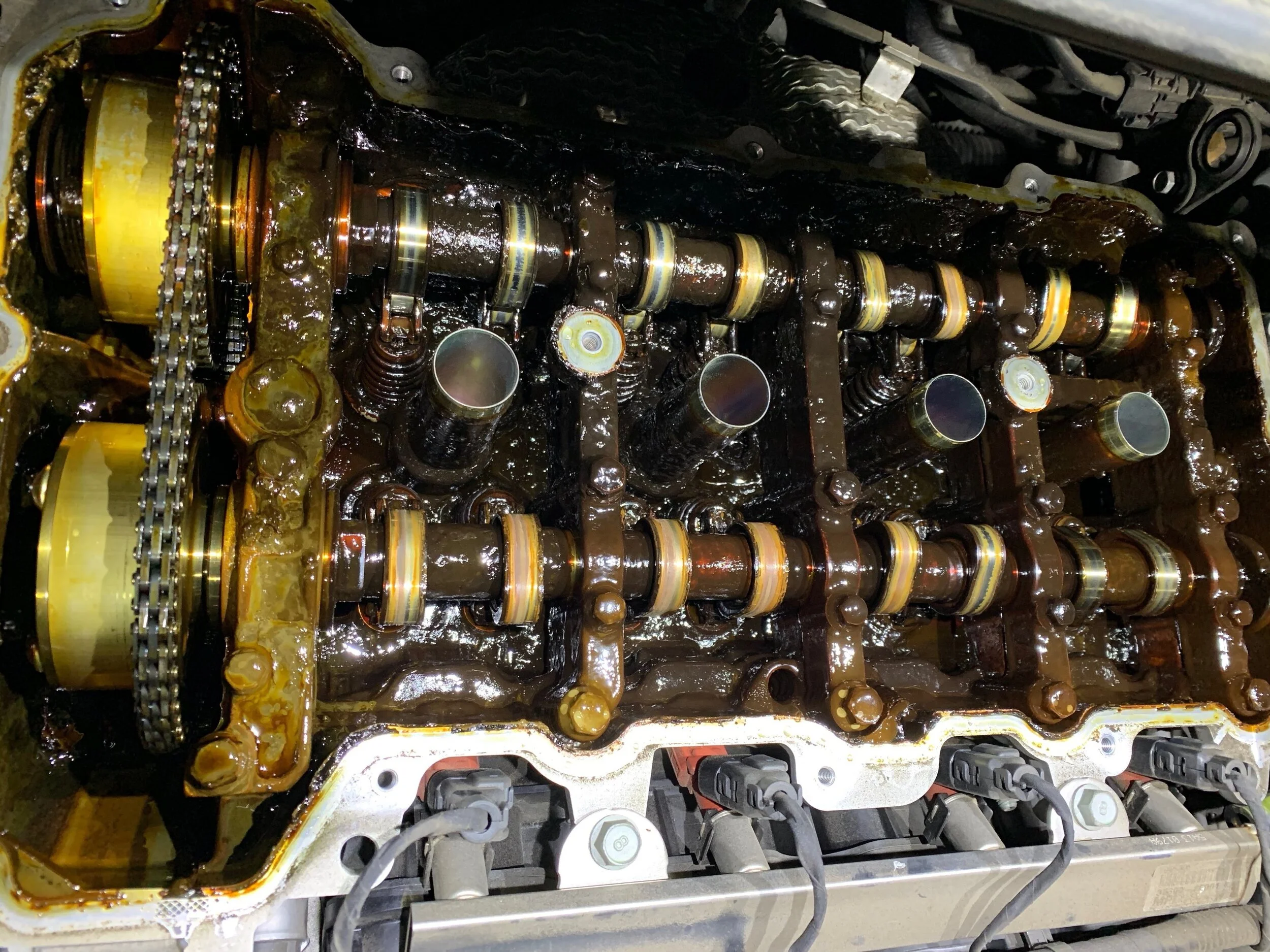
Transmission fluid gradually degrades due to oxidation, a chemical reaction that occurs when the fluid is exposed to oxygen and high operating temperatures. As oxidation progresses, the fluid changes from a clear red color to a dark brown or black appearance. It also becomes thicker and develops a sticky consistency.
This degraded material forms sludge or varnish, which can coat internal transmission parts and restrict the narrow hydraulic passages inside the valve body.
When these passages become partially or fully blocked, the transmission loses its ability to regulate hydraulic pressure correctly. This leads to symptoms such as delayed gear engagement, rough shifting, and inconsistent transmission behavior. If the restriction continues, it can cause severe internal damage to clutches, bands, and other precision components.
Sludge formation is caused not only by oxidized fluid but also by contaminants such as fine metal particles and debris from worn clutch packs and gears. These particles mix with degraded fluid and form a thick, tar-like substance. As this mixture circulates through the transmission, it can obstruct solenoids, valves, and oil channels, disrupting hydraulic control and reducing shifting accuracy.
The buildup of sludge also reduces the fluid’s ability to cool and lubricate. Thickened fluid moves less efficiently through the system, limiting heat transfer to the transmission cooler. This causes internal temperatures to rise, which speeds up oxidation. A self-reinforcing cycle develops in which heat accelerates fluid breakdown, and degraded fluid leads to even higher temperatures.
As transmission fluid ages, its additives, such as detergents and dispersants, lose effectiveness. These additives normally keep contaminants suspended in the fluid. When they degrade, particles begin to settle and accumulate, increasing sludge deposits inside the transmission.
The phrase “sealed for life” is commonly misleading because it refers to the warranty period rather than the full mechanical lifespan of the fluid. Regular fluid changes are necessary to remove oxidized oil and contaminants, prevent sludge buildup, and protect the transmission from long-term failure.
3. Additive Depletion and Chemical Loss in Transmission Fluid
Modern automatic transmission fluid is made from base oils combined with specialized additives such as detergents, dispersants, anti-wear agents, friction modifiers, rust inhibitors, and seal conditioners.
These additives are essential because they maintain lubrication, control heat, reduce friction, and keep internal components clean. However, they are not permanent. They are gradually consumed, broken down by heat, and weakened by mechanical stress during normal operation.
As a transmission operates, friction modifiers that ensure smooth clutch engagement begin to degrade, leading to harsh shifting or slipping. Detergents and dispersants lose their ability to keep contaminants suspended, which allows varnish and sludge to form inside the system.
Anti-wear agents that protect metal surfaces also break down under high temperatures, increasing direct metal contact and accelerating wear. Seal conditioners diminish over time as well, which can cause rubber seals to harden, shrink, and eventually leak.
Chemical loss is further intensified by heat and pressure. High operating temperatures trigger oxidation, which changes the chemical structure of the fluid and reduces its viscosity. This makes the fluid more acidic and less effective as a lubricant. In addition, mechanical forces inside the transmission shear the molecular chains of the oil, thinning it and weakening its protective film strength.
Contamination also plays a major role in additive depletion. Fine metal particles produced by normal wear circulate through the fluid and attract polar additives such as anti-wear compounds. These particles are then filtered out or trapped, reducing the concentration of active chemicals in the system. As additive levels drop, the fluid becomes less capable of protecting internal components and controlling heat.
The idea of “sealed for life” is often based on warranty expectations rather than true mechanical durability. In reality, the protective additives in transmission fluid degrade long before the vehicle reaches the end of its usable life. Regular fluid changes, typically recommended every 50,000 to 80,000 kilometers, are necessary to restore these chemicals and maintain long-term transmission health.
4. Contamination from Friction Materials in Transmission Fluid
Automatic transmissions use clutch packs and bands to shift gears, and these components rely on friction material that gradually wears away during normal operation. Every gear change produces microscopic particles similar to fine brake dust. These particles are released into the transmission fluid and remain suspended in circulation. Although an internal filter captures larger debris, it cannot remove all fine contaminants.
Over time, this friction material accumulates and turns the fluid into a gritty mixture often described as a slurry. This contaminated fluid behaves like an abrasive substance, similar to liquid sandpaper.
As it flows through the transmission, it increases wear on precision components such as valves, bushings, gears, and seals. The longer this condition persists, the greater the risk of scarring and permanent damage to internal surfaces.
The contamination also affects hydraulic performance. As debris builds up, it can partially block filters and restrict narrow oil passages inside the valve body. This reduces hydraulic pressure, which is essential for smooth and accurate gear shifts. When pressure becomes inconsistent, symptoms such as rough shifting, delayed engagement, and even gear failure can occur.
Heat management is also impacted. Clean transmission fluid is designed to lubricate moving parts and transfer heat away from critical components. When the fluid becomes loaded with friction particles, its ability to perform both functions declines.
Poor lubrication increases friction, while reduced heat transfer leads to higher operating temperatures. These elevated temperatures further accelerate fluid breakdown, creating a damaging cycle of wear and overheating.
The term “sealed for life” is often misunderstood. It generally refers to the warranty period rather than the true mechanical lifespan of the transmission. While sealed systems prevent outside contaminants from entering, they cannot stop internal wear from producing debris.
For vehicles expected to operate beyond 100,000 kilometers, periodic fluid changes are essential to remove friction material contamination and protect long-term transmission performance.
5. Loss of Hydraulic Precision in Transmission Fluid
Transmission fluid is not only a lubricant but also a hydraulic medium that enables gear changes by transmitting pressure through the valve body. The transmission’s control system relies on this fluid to operate small valves, pistons, and servos that determine when and how gears engage. For this system to work correctly, the fluid must maintain stable viscosity and consistent flow characteristics.
Over time, heat, friction, and mechanical stress cause the fluid to degrade. One of the first changes is a breakdown in viscosity, where the fluid becomes thinner and less stable.
When this happens, it can no longer maintain the precise hydraulic pressure required for accurate gear engagement. This results in symptoms such as delayed shifting, harsh engagement, soft or sluggish shifts, and gear “hunting,” where the transmission repeatedly changes gears unnecessarily.
Contamination also contributes to the loss of hydraulic precision. As the fluid deteriorates, it forms sludge and varnish that can clog the narrow passages within the valve body.
These restrictions interfere with the movement of hydraulic fluid, causing valves to stick or respond too slowly. In some cases, internal leakage develops between hydraulic circuits, which reduces pressure in critical areas and leads to slipping clutches or failed gear engagement.
Wear debris further worsens the condition. As lubrication effectiveness declines, internal friction increases, producing fine metal particles. These contaminants circulate through the system and interfere with the smooth operation of hydraulic components. The buildup of debris reduces the system’s ability to maintain consistent pressure and timing.
The concept of “sealed for life” is often misleading because it reflects warranty expectations rather than true fluid durability. Transmission fluid is continuously exposed to high temperatures and mechanical stress, which eventually compromises its performance. Replacing degraded fluid restores proper viscosity, removes contaminants, and reestablishes stable hydraulic pressure. This helps maintain precise gear shifts and reduces the risk of premature transmission failure.
6. Severe Service Realities and Transmission Fluid Degradation
“Sealed for life” transmission fluid is generally designed around ideal driving conditions that assume moderate temperatures, steady speeds, and a limited vehicle lifespan aligned with warranty coverage. In practice, many vehicles operate under severe service conditions that place far greater stress on the transmission and significantly accelerate fluid breakdown.
Severe service includes frequent short trips where the transmission does not fully warm up, heavy stop-and-go city traffic, towing or hauling loads, driving in mountainous terrain, and extended idling.
These conditions generate higher internal temperatures and repeated thermal cycling, both of which accelerate fluid degradation. Transmission fluid breaks down much faster when exposed to sustained heat, and even moderate increases in temperature can significantly shorten its effective service life.
Heat causes thermal breakdown and oxidation of the fluid, which alters its chemical structure and reduces its performance. As this process continues, the fluid can form sludge and varnish deposits. These contaminants can clog valve bodies and solenoids, disrupting hydraulic flow and leading to symptoms such as rough shifting, delayed engagement, and gear slippage.
Severe operating conditions also increase internal wear. Clutch packs, gears, and bands continue to shed microscopic debris during operation. Under heavy use, the transmission’s filter can become overwhelmed, allowing fine metal particles and friction material to circulate through the system. This abrasive contamination accelerates wear on precision components and reduces hydraulic efficiency.
Another consequence is the faster depletion of protective additives, including detergents, anti-wear agents, and friction modifiers. These additives are essential for maintaining lubrication, controlling friction, and preventing deposits. Under high load and elevated temperatures, they degrade more rapidly, increasing the likelihood of metal-on-metal contact and internal damage.
Severe service definitions commonly include extreme temperatures, towing, dusty environments, and repeated short-distance driving. In such conditions, many transmission specialists recommend fluid service intervals closer to 50,000 to 60,000 miles or earlier to reduce wear and maintain consistent transmission performance.
Also read: 5 Reasons Why Buying a Car From a Private Seller Is Riskier in 2026
7. Atmospheric Moisture Ingress in “Sealed” Transmissions
Although transmissions are often labeled “sealed for life,” they are not completely airtight systems. Every transmission includes a breather vent that allows air to move in and out as internal temperatures change. This design is necessary to prevent pressure buildup during heating and vacuum formation during cooling. However, it also allows small amounts of atmospheric moisture to enter the system over time.
Moisture ingress occurs mainly through thermal cycling. As the transmission heats up during driving, air is expelled through the vent. When it cools down, outside air is drawn back in. In humid or rainy environments, this incoming air carries water vapor that gradually accumulates inside the transmission. Over long periods, this moisture mixes with the transmission fluid, forming an unstable emulsion that reduces fluid quality.
Once water is present in the fluid, it accelerates oxidation and chemical breakdown. This leads to the formation of sludge, acid compounds, and varnish deposits that can clog narrow internal passages. At the same time, moisture increases the rate at which protective additives are consumed, reducing the fluid’s ability to lubricate and protect moving parts.
Water contamination also directly affects mechanical performance. It can contribute to cavitation within pumps and valves, which increases wear and reduces hydraulic efficiency. In addition, moisture can cause internal corrosion of steel components, gradually weakening gears, shafts, and other precision parts.
Friction materials are also vulnerable. Clutch packs rely on adhesive bonding compounds that can degrade when exposed to water. This may lead to clutch slippage and severe transmission failure. In extreme cases, water contamination produces a milky fluid appearance often described as a “strawberry milkshake” condition, signaling significant internal damage.
In colder climates, trapped water may freeze, leading to blockages and mechanical malfunctions. Because of these risks, periodic fluid changes are necessary to remove accumulated moisture and maintain transmission reliability. The term “lifetime fluid” generally refers to warranty duration rather than true operational lifespan.
8. Protection of Metallic Components in Transmission Systems
A transmission is built from precision metal components such as planetary gear sets, bearings, shafts, and clutch assemblies. These parts depend on a continuous, high-strength lubricating film provided by transmission fluid to prevent direct metal contact during operation. When the fluid is fresh, it maintains the correct viscosity and film strength, allowing smooth motion and protecting surfaces from wear.
Over time, transmission fluid degrades due to heat, friction, and chemical breakdown. One major issue is the loss of shear stability, which is the fluid’s ability to maintain thickness under pressure.
As this property weakens, the protective film becomes thinner and less reliable. When it fails, metal components begin to make direct contact. This can cause surface damage such as pitting on gear teeth and galling on bearings, both of which permanently reduce component lifespan.
Another important factor is additive depletion. Transmission fluid contains anti-wear agents, corrosion inhibitors, and detergents that protect internal surfaces. As these additives are consumed, the fluid loses its ability to prevent rust, reduce friction, and clean internal parts. This leaves metal surfaces increasingly exposed to wear and corrosion.
Contamination from internal wear also contributes to damage. Even in a sealed system, normal operation produces microscopic metal particles from gears and clutch packs. When fluid quality declines, it becomes less effective at suspending these particles, allowing them to circulate and act as abrasive material that accelerates wear on precision components.
Heat management is another critical role of transmission fluid. Fresh fluid helps dissipate heat away from moving parts. As it ages, its cooling efficiency decreases, leading to higher operating temperatures. Excess heat can warp metal components and further accelerate fluid breakdown, creating a damaging cycle of wear.
The idea of “lifetime fluid” is generally based on warranty duration rather than true mechanical longevity. Regular fluid changes help maintain lubrication quality, protect metallic components, and extend transmission service life beyond this limited timeframe.
9. Cooling System Efficiency in Transmission Fluid
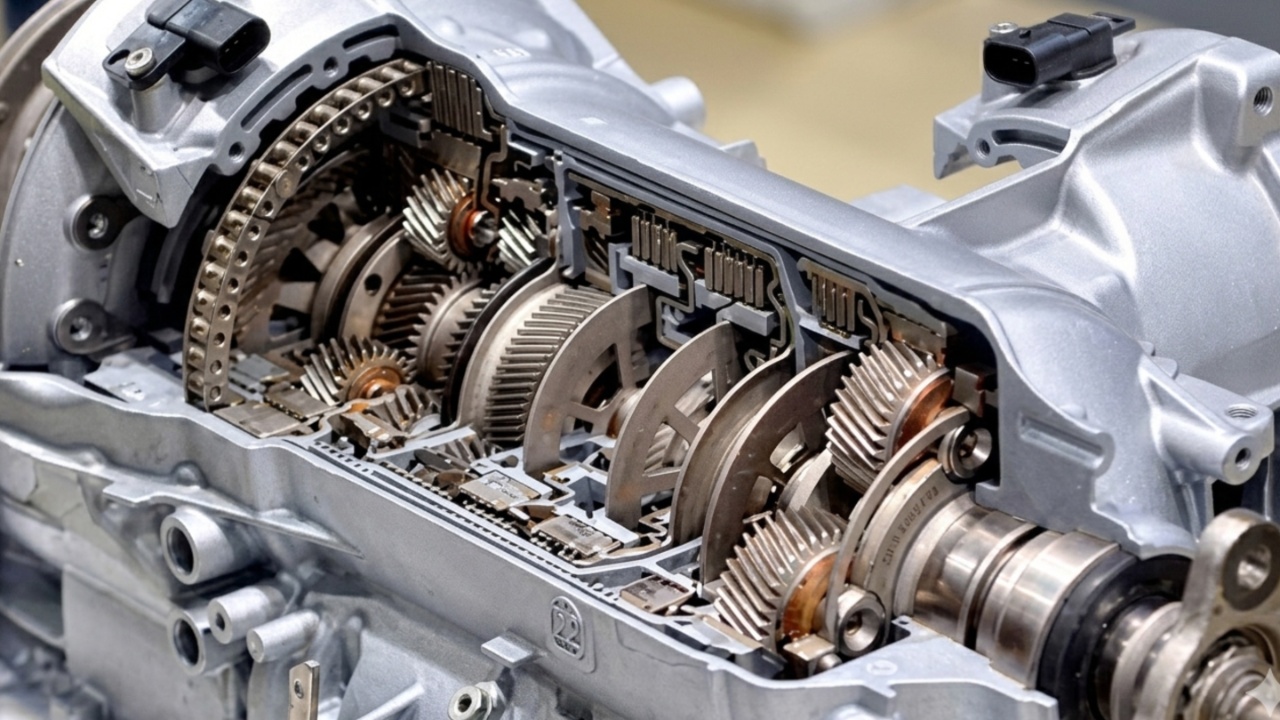
Transmission fluid plays a critical role in cooling by absorbing heat generated from internal components such as clutch packs, gears, and the torque converter. This heat is then carried to an external cooler, often integrated within the radiator. When the fluid is clean and in good condition, it efficiently transfers heat and helps maintain stable operating temperatures throughout the transmission system.
As transmission fluid ages, its ability to manage heat steadily declines. High operating temperatures cause the fluid to oxidize and break down, reducing its thermal transfer efficiency. Instead of acting as a heat conductor, degraded fluid begins to behave more like an insulator. This limits its ability to carry heat away from internal components, causing temperatures inside the transmission to rise.
This creates a damaging cycle. Higher temperatures accelerate further fluid breakdown, which in turn reduces cooling performance even more. This feedback loop is often referred to as a “heat kills” effect, where heat continuously worsens the fluid condition and fluid degradation generates even more heat.
Thermal stress also leads to the formation of sludge and varnish. As detergent additives in the fluid deplete, contaminants are no longer properly suspended. These deposits can accumulate in internal passages and restrict flow, including through cooling channels. Reduced flow further limits heat dissipation and contributes to overheating.
Another issue is viscosity loss. As fluid thins under prolonged heat exposure, it cannot maintain consistent lubrication between moving parts. This increases friction, which generates additional heat and compounds the cooling problem.
Manufacturers often define “lifetime” fluid based on expected warranty duration rather than real-world operating conditions. In practice, heavy traffic, towing, and hot climates significantly shorten the effective cooling performance of transmission fluid.
Regular fluid changes restore proper viscosity, remove contaminants, and renew the fluid’s ability to absorb and transfer heat. This helps maintain efficient cooling performance and protects the transmission from damage caused by excessive operating temperatures.
10. Seal and Gasket Longevity in Transmission Systems
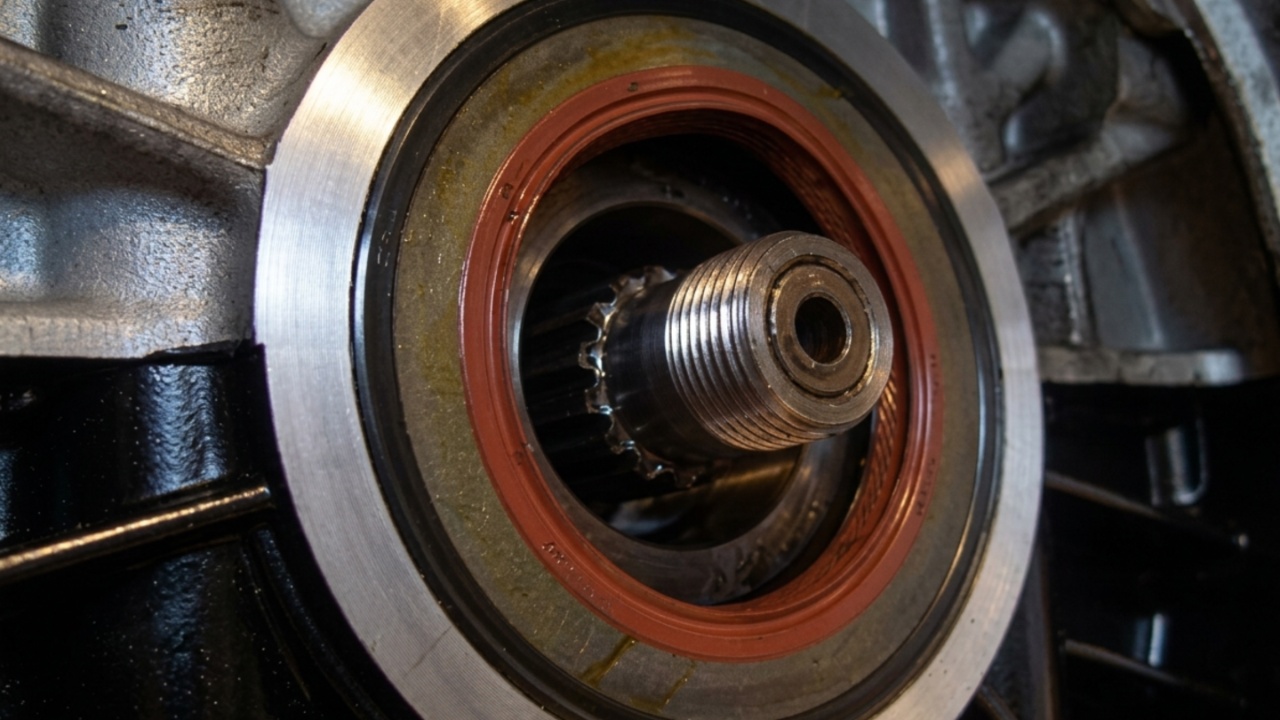
Transmission seals and gaskets are made from specialized rubber and elastomer materials designed to remain flexible and maintain tight hydraulic pressure within the system. These components depend heavily on transmission fluid not only for lubrication but also for chemical protection. When fluid is fresh, it contains additives known as seal conditioners that keep rubber parts soft, pliable, and resistant to wear.
As transmission fluid ages, it undergoes oxidation due to heat and pressure. This process can make the fluid slightly acidic and reduce the effectiveness of its protective additives.
One of the most important losses is that of plasticizers, which are responsible for maintaining the elasticity of rubber seals. Without these chemicals, seals begin to harden, shrink, and eventually crack. Once this happens, internal hydraulic pressure is lost, which can lead to symptoms such as slipping, delayed engagement, and inefficient power transfer.
Heat also plays a direct role in seal deterioration. High operating temperatures accelerate fluid breakdown and cause rubber components to lose flexibility. Over time, this results in brittle seals that are more likely to fail under pressure.
In addition, degraded fluid forms varnish and sludge, which can coat internal surfaces and interfere with proper seal operation. When these deposits shift or break away, they may expose weakened seals to sudden leakage.
Contamination inside a transmission further worsens seal wear. Fine debris from clutch packs circulates through the fluid and acts as an abrasive material. This constant friction slowly erodes rubber seals and gaskets, reducing their lifespan even in a sealed system.
The concept of “lifetime fluid” typically refers to the vehicle’s warranty period rather than its full mechanical lifespan. In reality, maintaining seal integrity over high mileage requires periodic fluid replacement. Regular servicing helps restore additive balance, remove contaminants, and preserve hydraulic pressure, ensuring seals and gaskets remain effective for long-term transmission performance.
11. Maintenance of Fuel Economy Through Transmission Fluid Health
Fuel economy in a vehicle is strongly influenced by the condition of its transmission fluid. The transmission is responsible for transferring engine power to the wheels, and when its internal fluid is clean and properly formulated, it allows this process to occur with minimal resistance.
Modern transmissions are designed to use low-viscosity fluids to reduce friction and improve efficiency. However, as the fluid ages, it becomes contaminated with debris, thickens, and loses its original performance characteristics.
When transmission fluid degrades, internal friction increases. This added resistance forces the engine to work harder to maintain the same road speed, which results in higher fuel consumption. The loss of smooth hydraulic operation also affects gear shifting and torque converter performance. Poor or delayed shifts can keep the engine operating at higher RPMs for longer periods, further reducing efficiency.
Another key issue is the formation of sludge and varnish. As heat breaks down the fluid over time, these deposits can restrict internal flow passages and reduce hydraulic responsiveness. This makes the transmission less efficient in transferring power, creating what is known as parasitic power loss, where a portion of engine output is wasted as heat inside the transmission rather than reaching the wheels.
Clean transmission fluid helps maintain precise hydraulic pressure, allowing for smooth gear changes and proper torque converter lockup. This ensures that the engine operates within its most efficient RPM range. In contrast, degraded fluid leads to sluggish shifting, hesitation, and inefficient power transfer, all of which negatively impact fuel economy.
Regular transmission fluid changes can restore lubrication quality, remove contaminants, and improve internal efficiency. In many cases, this maintenance can result in measurable fuel savings, often improving mileage by 1 to 2 miles per gallon, with some fleet operations reporting even higher gains.
Although manufacturers often describe transmission fluid as “lifetime,” this term generally reflects warranty duration rather than actual fluid longevity. Continuous heat and mechanical stress ensure that no fluid remains effective indefinitely, making periodic replacement essential for long-term fuel efficiency.
12. Preventing Catastrophic Failure Costs in Transmission Systems
One of the strongest reasons to question “sealed for life” transmission fluid claims is financial protection. While a transmission fluid exchange typically costs between $200 and $500, depending on the vehicle and service requirements, a complete transmission failure can result in repair or replacement costs ranging from $3,000 to $7,000 or more. In many cases, this expense can exceed the value of an older vehicle, especially after the warranty period has ended.
Transmission failure is most often linked to fluid degradation and overheating. Even in sealed systems, transmission fluid continuously breaks down due to heat, pressure, and mechanical stress.
As temperatures rise, the fluid loses its ability to lubricate and cool effectively, which significantly accelerates wear on internal components. A rise of just 20 degrees Fahrenheit above normal operating temperature can drastically shorten fluid life, creating a cycle where heat causes further degradation and degradation produces more heat.
Over time, internal wear generates microscopic metal particles, sludge, and varnish. These contaminants circulate through the system and act as abrasives, damaging delicate components such as gears, bearings, and solenoids. At the same time, essential additives that prevent oxidation, corrosion, and foaming become depleted, leaving metal surfaces increasingly vulnerable to friction and damage.
Another critical factor is hydraulic failure. As fluid ages, it loses viscosity and pressure stability, leading to symptoms such as rough shifting, delayed engagement, slipping gears, and eventual loss of drive. Without intervention, these issues progress toward complete transmission failure.
Although “sealed for life” is often marketed as long-term protection, it generally reflects warranty duration rather than true mechanical lifespan. Preventive maintenance, including fluid and filter changes, helps extend transmission life significantly, often by more than 100,000 miles.
Experts commonly recommend servicing sealed transmissions around 50,000 to 60,000 miles, or sooner under heavy towing or severe driving conditions. This relatively small maintenance cost functions as a safeguard against one of the most expensive and avoidable vehicle repairs.
The twelve factors discussed consistently show that transmission fluid cannot remain effective indefinitely. Heat exposure, oxidation, sludge formation, moisture intrusion, friction debris, and additive depletion all contribute to gradual but continuous fluid breakdown. As this process progresses, the fluid loses its ability to lubricate moving parts, regulate hydraulic pressure, support cooling, and protect seals and metal surfaces.
Manufacturers often base “lifetime” definitions on warranty periods rather than the full mechanical lifespan expected by long-term vehicle owners. Under real driving conditions, such as traffic congestion, towing, high temperatures, and stop-and-go use, fluid degradation occurs much sooner than these marketing assumptions suggest. Once fluid quality declines, internal wear accelerates, and transmission performance begins to suffer.
Routine fluid and filter replacement interrupts this cycle by restoring chemical balance, removing contaminants, and improving system stability. This maintenance step helps preserve shifting quality, extend component life, and reduce the risk of expensive failure. In practical ownership terms, transmission service becomes a necessary safeguard rather than an optional task.
Also read: 12 Reasons Why Your Steering Wheel May Shake at Highway Speeds