
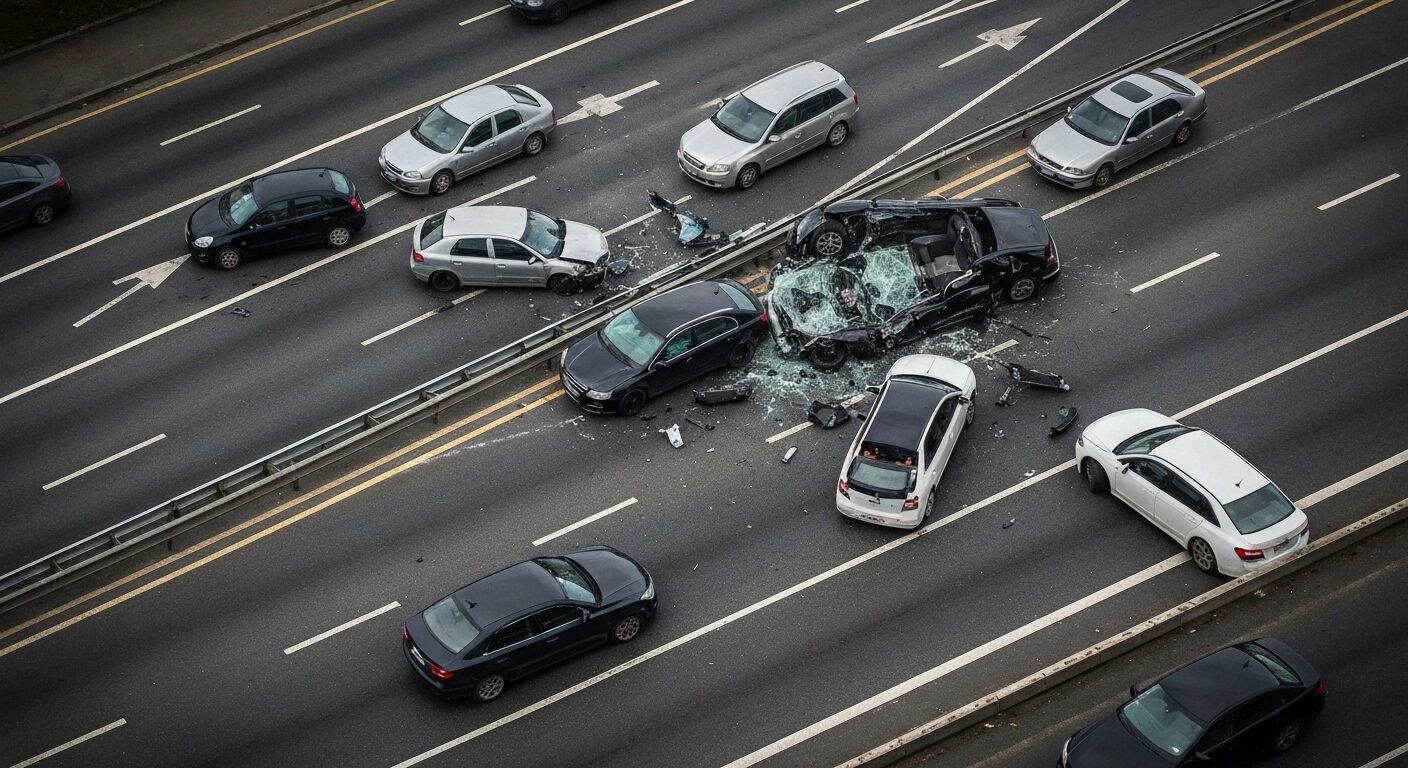
Every year, tens of thousands of people die on American highways, and the overwhelming majority of those deaths share one thing in common: they were preventable.
Federal crash data consistently show that human error, not mechanical failure, road conditions, or weather alone, is the primary contributing factor in more than 90 percent of serious highway accidents. That number is both sobering and, in a strange way, encouraging, because it means that most of the danger on American highways is within human control.
What makes highway driving uniquely dangerous is the combination of high speed, proximity to other vehicles, and the false sense of security that familiarity breeds. Drivers who have logged hundreds of thousands of highway miles without incident can develop habits that work fine under normal conditions but become catastrophic when conditions change suddenly.
A driver who routinely follows too closely might have done so for ten years without consequence, then encounter a situation where they need two seconds of space but have only half a second. That gap between habit and safety margin is where most serious accidents originate.
Understanding which specific driving errors contribute most heavily to highway accidents changes how you think about your own driving. It is easy to assume that the problem is always other drivers, that you personally are among the careful ones, and that the statistics apply to someone else. But every statistic represents someone who did not believe the risk applied to them until the moment it did.
This article examines ten driving errors that highway crash data, insurance industry analysis, and NHTSA research consistently identify as the most common causes of serious highway accidents in the United States. Each one is examined honestly, with enough specific detail to help you recognize whether the behavior is present in your own driving, not just in the driving of the people around you.
1. Following Too Closely at Highway Speeds
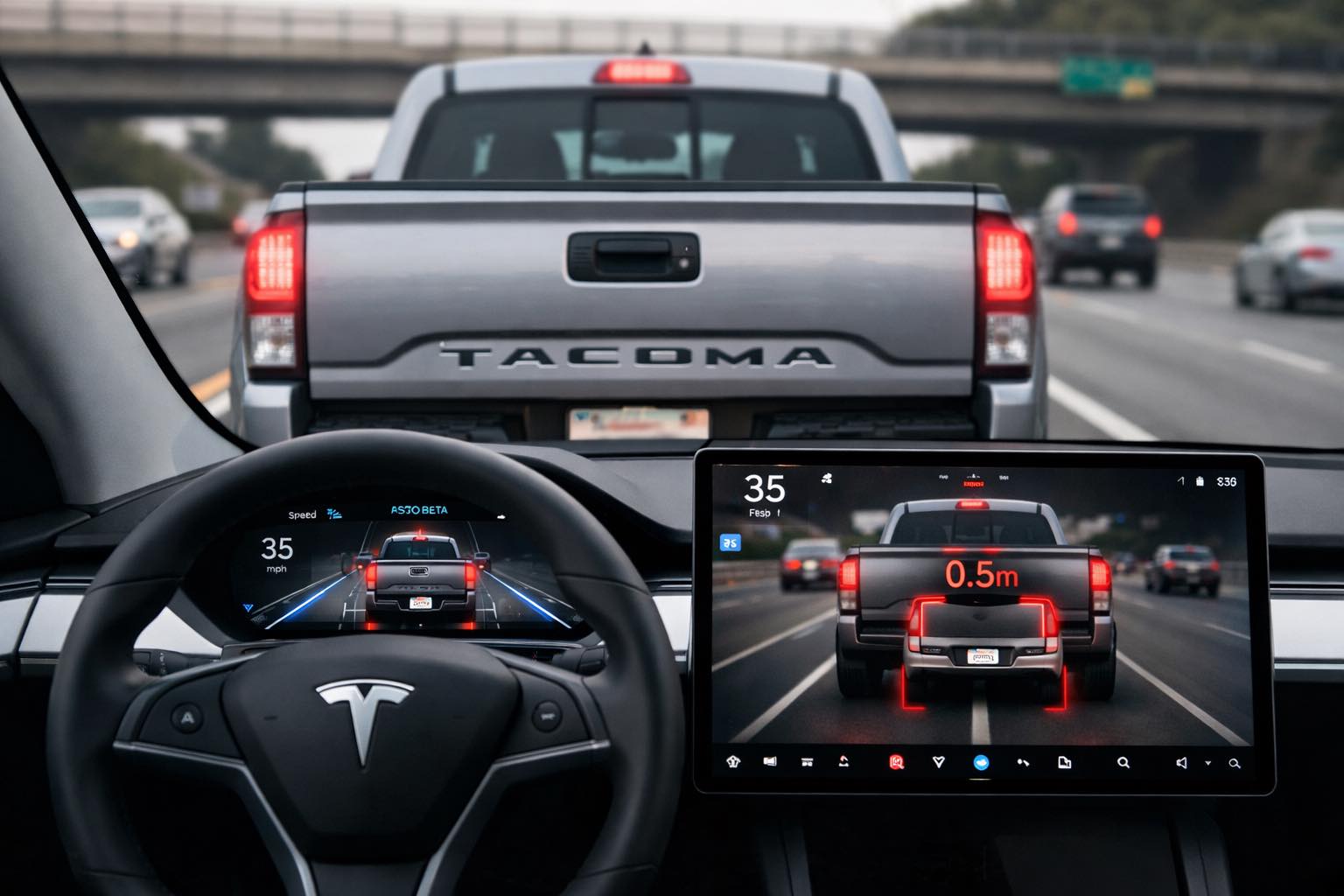
Tailgating is one of the most prevalent and most dangerous driving behaviors on American highways, and it is particularly insidious because it feels normal to most of the people doing it.
In dense highway traffic where every driver in a lane is maintaining the same two to three car lengths behind the vehicle ahead, it can feel like maintaining the standard that everyone else is observing. What it actually is, when assessed against stopping distance physics at highway speeds, is a gap so small that collision avoidance under any sudden change in traffic conditions becomes mechanically impossible.
Stopping distance at 70 miles per hour, including reaction time and braking distance, typically runs between 300 and 350 feet for a well-maintained passenger vehicle under dry road conditions. Three car lengths at 70 miles per hour represents approximately 45 to 55 feet of space, which is roughly 15 percent of the stopping distance needed to avoid a collision if the vehicle ahead stops suddenly.
Drivers who maintain three car lengths at 70 miles per hour are not maintaining a safe following distance. They are accepting that a collision is physically unavoidable if the vehicle ahead stops for any reason other than a gradual deceleration they can anticipate in advance.
NHTSA’s collision avoidance data shows that rear-end collisions are among the most common highway crash types, accounting for approximately 29 percent of all crashes and contributing to a substantial proportion of serious injuries and fatalities. Rear-end crashes are almost entirely a following distance problem, not a speed problem, not a road problem, and not primarily a distraction problem, though distraction compounds the issue.
A driver who maintains three seconds of following distance in dry conditions and four or more seconds in wet or poor-visibility conditions has a physical gap that reaction time can work within. Two-second following distance, often cited as a basic guideline, is a minimum for good conditions at moderate speeds.
At highway speeds above 60 miles per hour, three to four seconds is the appropriate target, because reaction time is a fixed human constant of approximately 1.5 seconds, and that reaction time represents proportionally more distance covered at higher speeds.
A 1.5-second reaction time at 70 miles per hour covers approximately 154 feet before the brakes are even applied, which means a two-second following distance is already partially consumed before the braking process begins
2. Distracted Driving at Speed
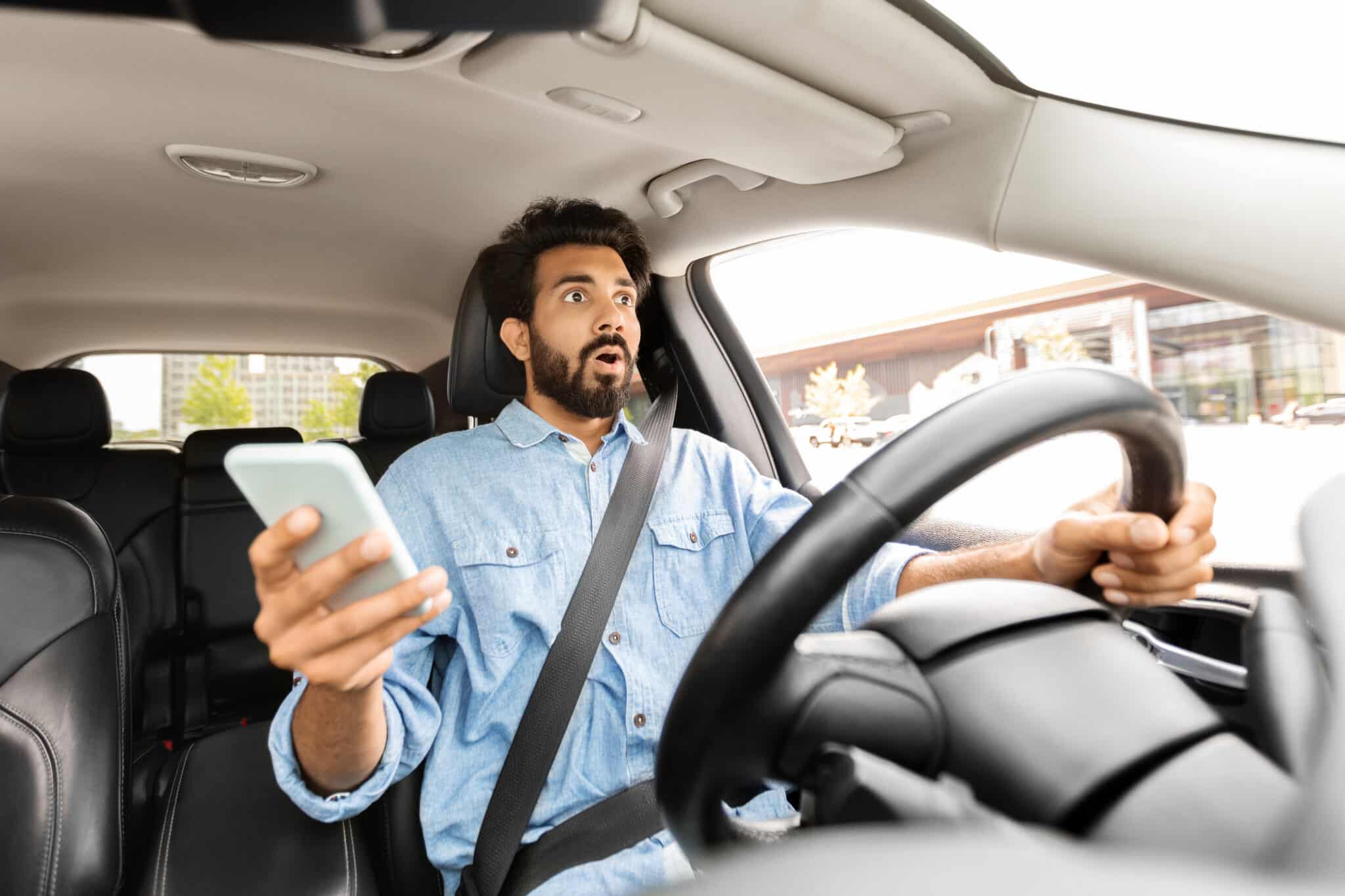
Distracted driving at highway speed is a behavior that most drivers believe they do not engage in while simultaneously doing it regularly. Checking a navigation app at a red light seems different from checking it at 70 miles per hour, and yet both involve the same visual and cognitive redirection away from the driving task, with the difference being that the highway version is occurring at a speed where a half-second of inattention covers more than 50 feet.
NHTSA defines distracted driving as any activity that diverts attention from driving, including talking or texting on a phone, eating and drinking, talking to passengers, adjusting the stereo or navigation system, and anything else that takes eyes, hands, or mental attention away from vehicle operation.
Texting receives the most public attention because it combines all three distraction types simultaneously, requiring visual attention to read, manual attention to type, and cognitive attention to compose, but any activity that diverts mental focus from highway driving at speed creates crash risk that accelerates with every additional fraction of a second of inattention.
Visual distraction data from NHTSA shows that drivers checking a phone for even five seconds at 55 miles per hour cover the length of a football field with eyes off the road. At 70 miles per hour, five seconds covers approximately 513 feet, which is more distance than the average highway merge lane, more than the spacing between many highway exits, and more than the gap within which a stopped or slowing vehicle could appear and require emergency response.
Modern smartphone notification systems are specifically designed by their engineers to create strong intrinsic motivation to check immediately rather than wait. Notifications are engineered to be compelling, and the habit of responding to them is reinforced by years of near-constant feedback that immediate response is both expected and rewarded.
Highway driving requires that this conditioning be actively overridden by the driver’s deliberate decision to prioritize physical safety over communication immediacy, which most people acknowledge intellectually while failing to implement consistently.
Also Read: 8 Tips for Driving Safely Around Large Semi Trucks on the Interstate

3. Improper Lane Changing Without Adequate Mirror and Blind Spot Checks
Lane changes on highways produce a category of accidents that are almost entirely attributable to incomplete mirror checks and inadequate blind spot verification, creating a collision type where a driver moves their vehicle into a space already occupied by another vehicle that they simply did not see.
This is not a failure of perception under unusual circumstances. It is a systematic failure to complete the observation process that safe lane changing requires before initiating the maneuver.
Proper lane change procedure involves a specific sequence of observation steps: checking the rearview mirror for trailing traffic speed and distance, checking the door mirror of the lane being entered for any vehicle in that lane, signaling intent, checking the physical blind spot through a shoulder check directed at the lane being entered, and confirming clearance again in the door mirror as the lane change is initiated.
This complete sequence takes approximately three to four seconds and identifies vehicles in virtually every possible position relative to a highway-speed lane change. Blind spot monitoring systems, available on most modern vehicles, use radar sensors to detect vehicles in the mirror blind zones and alert drivers through warning lights in the door mirrors or audible alerts.
These systems are valuable secondary safety tools, but they function as supplements to proper mirror and shoulder check technique rather than replacements for it. Relying on technology to eliminate the shoulder check creates a single-point failure risk where any sensor malfunction or detection gap goes unverified by a physical observation backup.
Highway merge situations, where entering vehicles must match speed and find gaps in existing traffic, produce the highest density of lane-change-adjacent maneuvers and the highest demand on observation technique.
A driver entering the highway in a 2023 Hyundai Sonata SEL Hybrid FWD (DN8 platform) who executes a merge by checking only the rearview mirror and then moving into the acceleration lane without a shoulder check is creating a collision risk that is entirely within their control to eliminate through completing the observation sequence properly.
4. Driving Under the Influence
Driving while impaired remains a major cause of fatal road incidents in the United States despite long-standing public education efforts, strict enforcement, and widespread understanding of the danger involved. Official traffic safety records consistently show that alcohol related driving deaths number in the thousands each year, accounting for more than one quarter of all traffic fatalities.
Many of these deaths involve sober road users who are struck by impaired drivers and lose their lives without any contributing error of their own. Alcohol affects driving ability through several measurable mechanisms. Visual clarity reduces, reaction time increases, judgment becomes unreliable, and coordination weakens.
These effects begin well below the legal intoxication limit. Research demonstrates that at a blood alcohol concentration of 0.05 percent, steering accuracy declines and the ability to respond to sudden hazards becomes impaired. At 0.08 percent, reaction delays increase sharply, peripheral vision narrows, and mental processing speed drops to levels that make safe highway driving unrealistic.
Substance impairment is not limited to alcohol. Many prescription medications carry warnings about driving because they cause drowsiness, delayed reactions, or reduced attention. Sleep medications, anxiety treatments, and certain allergy drugs can impair driving even when taken as prescribed.
Drivers often underestimate these effects, especially during short trips. Cannabis use affects perception of speed, distance judgment, and reaction time. Users frequently believe they remain capable of driving because the sensation differs from alcohol intoxication, yet measured impairment can be comparable or greater.
There is no responsible version of impaired driving. No level of experience, confidence, or vehicle technology compensates for reduced human capability behind the wheel. The decision to drive while impaired transfers risk to every other road user without their consent.
Safe alternatives such as designated drivers, ride services, or delaying travel eliminate this risk entirely. Any choice to drive under impairment represents a deliberate acceptance of harm to oneself and others.
5. Driving Too Fast for Road and Weather Conditions
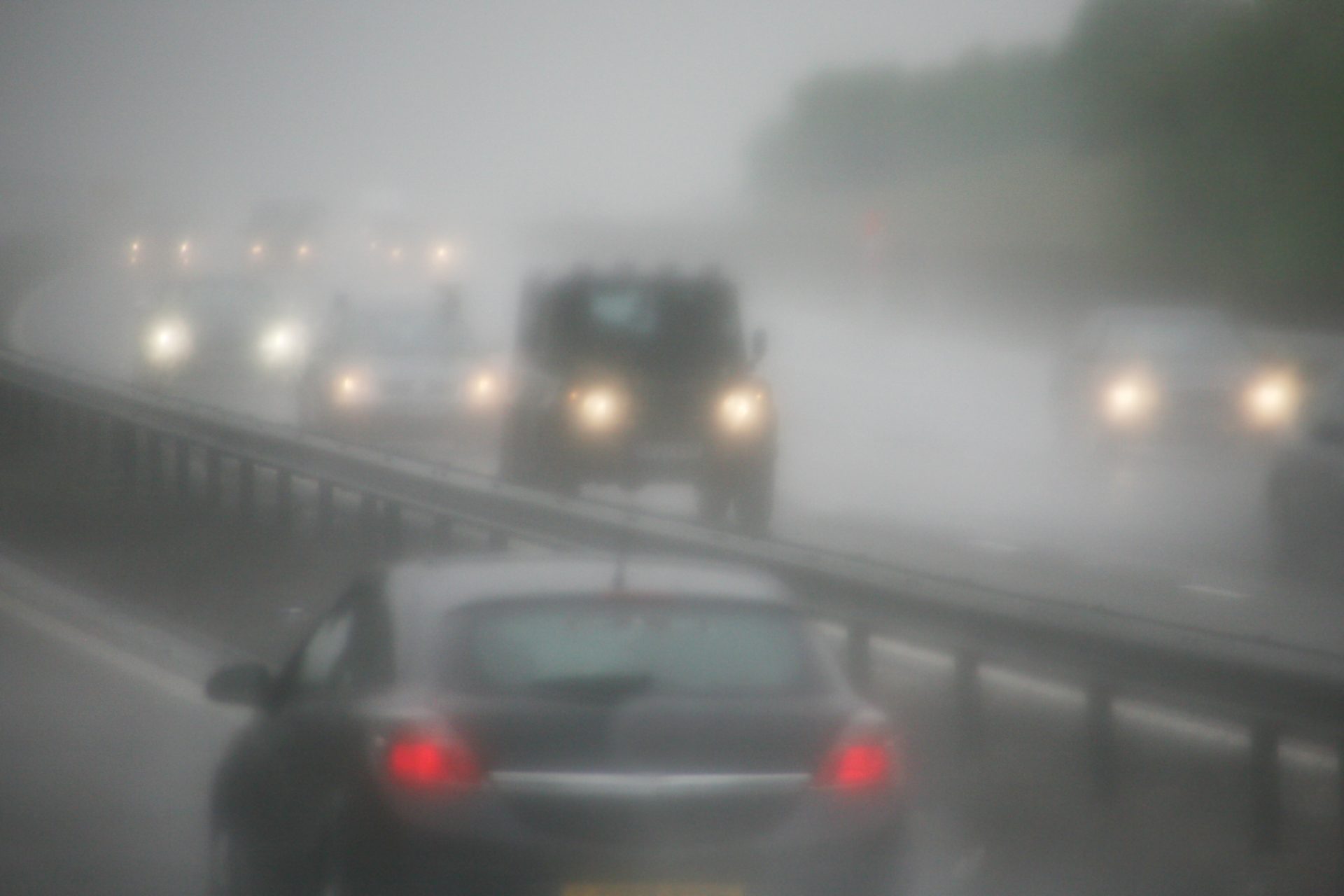
Posted speed limits on highways are determined using assumptions of dry pavement, clear visibility, stable traffic flow, and predictable road geometry. They do not account for rain, fog, ice, snow, roadworks, night conditions, or congestion. Driving at the posted limit during adverse conditions means operating beyond what the environment can safely support. Crash data repeatedly links inappropriate speed for conditions to severe incidents during poor weather.
Rain reduces tyre grip by lowering the friction between the rubber and the pavement. At higher speeds, water can form a layer that separates the tyre from the road surface, causing hydroplaning. This can begin at moderate speeds depending on water depth, tyre wear, and pressure. When hydroplaning occurs, steering and braking input becomes ineffective because the tyres are no longer in contact with the road. No driving skill can restore control until traction returns.
Cold weather introduces further danger. Ice and packed snow reduce grip to a fraction of dry road levels. Black ice presents a particular threat because it appears as wet pavement while offering almost no traction. Stopping distance increases dramatically under these conditions. A vehicle that stops safely within a few hundred feet on dry pavement may require several times that distance on ice, yet the speed limit remains unchanged.
Vehicle features can create false confidence. Four Wheel Drive improves acceleration and directional control, not braking. Braking depends entirely on tyre grip, which is unchanged by drive configuration. Large vehicles travelling at high speed on slippery surfaces require long distances to stop, regardless of drivetrain.
Drivers who rely on vehicle capability rather than road conditions expose themselves and others to avoidable danger. Adjusting speed to match weather and visibility remains a fundamental responsibility that no technology can replace.

6. Aggressive Lane Weaving and Excessive Speed Differences Between Lanes
Aggressive lane weaving, the practice of repeatedly changing lanes to gain position in heavy highway traffic, increases crash risk through several compounding mechanisms that individually are manageable but combined create conditions where accidents become likely rather than merely possible. Drivers who weave through traffic are not just creating risk for themselves.
They are creating cascading risk for every driver whose space they enter, require, or force into defensive responses during each maneuver. Frequent lane changes at highway speed multiply the number of lane-change procedures required per mile of travel, and each lane change procedure carries the collision risk associated with incomplete mirror and blind spot checks described earlier in this article.
A driver who makes eight lane changes in a two-mile section of heavy traffic has taken eight opportunities to miss a vehicle in a blind spot, and eight opportunities where an adjacent vehicle may have accelerated, reduced speed, or moved itself during the gap between the weaving driver’s mirror check and their maneuver completion.
Speed differential between the weaving vehicle and surrounding traffic is a specific risk factor that compounds lane change risk. When a weaving driver travels substantially faster than surrounding traffic, they approach vehicles in adjacent lanes from behind at a rate that their mirror checks at the beginning of a maneuver may not accurately represent by the time the maneuver is completed.
A vehicle that was 150 feet behind and closing at a 20 miles per hour speed differential at the start of a lane change may be 60 feet away and still closing by the time the maneuver is halfway complete, placing it in the target lane adjacent to the weaving vehicle at a point where both drivers have limited options.
For drivers of vehicles like the 2021 BMW 540i xDrive Sedan (G30 generation), whose performance capabilities and responsive handling make aggressive lane use feel controlled and safe from inside the vehicle, the important correction is recognizing that the risk of weaving is not primarily to the weaving driver. It is to the drivers around them who have no advance notice of the next maneuver and no ability to predict which gap will be entered next.
7. Failure to Yield When Merging
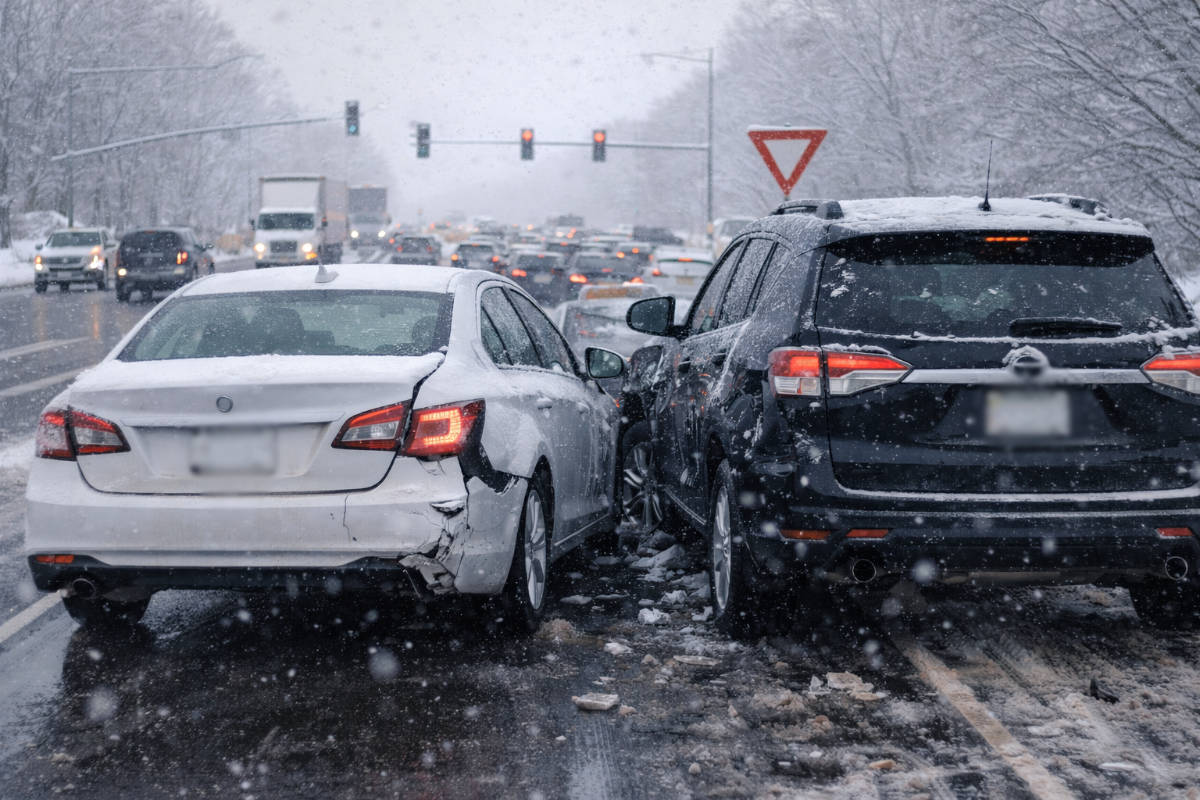
Highway merge behavior produces a specific category of accidents that reflect a widespread misunderstanding about right-of-way on entrance ramps and in construction zone merges. Federal traffic law and the traffic laws of all fifty states are consistent on this point: vehicles entering a highway from an entrance ramp must yield to vehicles already on the main travel lanes.
Despite this clear legal and safety principle, a substantial proportion of drivers treat merging as a situation where the vehicle entering the highway has the right to force its way into the traffic stream regardless of available gaps. Proper merge technique on a highway entrance ramp uses the full length of the acceleration lane to match the speed of traffic in the right lane before attempting to merge.
Speed matching is the single most important element of safe merging because it eliminates the speed differential that creates the most dangerous conditions during the final lane change.
A vehicle entering the highway at 45 miles per hour into 70-mile-per-hour traffic is not executing a lane change. It is executing a low-speed intrusion into high-speed traffic, and the outcome of that situation is governed by how much space the traffic stream happens to provide rather than by any skill the merging driver can exercise.
Drivers who fail to use the full acceleration lane and merge from low speeds often create situations where the following driver in the target lane must brake hard at highway speed to avoid a collision, which cascades rearward through following traffic in a chain-braking event that may result in multiple rear-end collisions far behind the original merge point.
NHTSA incident data shows that chain-reaction crashes from merge-induced sudden braking events account for substantial injury and fatality counts in specific highway corridors with high traffic density and poorly designed merge geometries.
8. Drowsy Driving
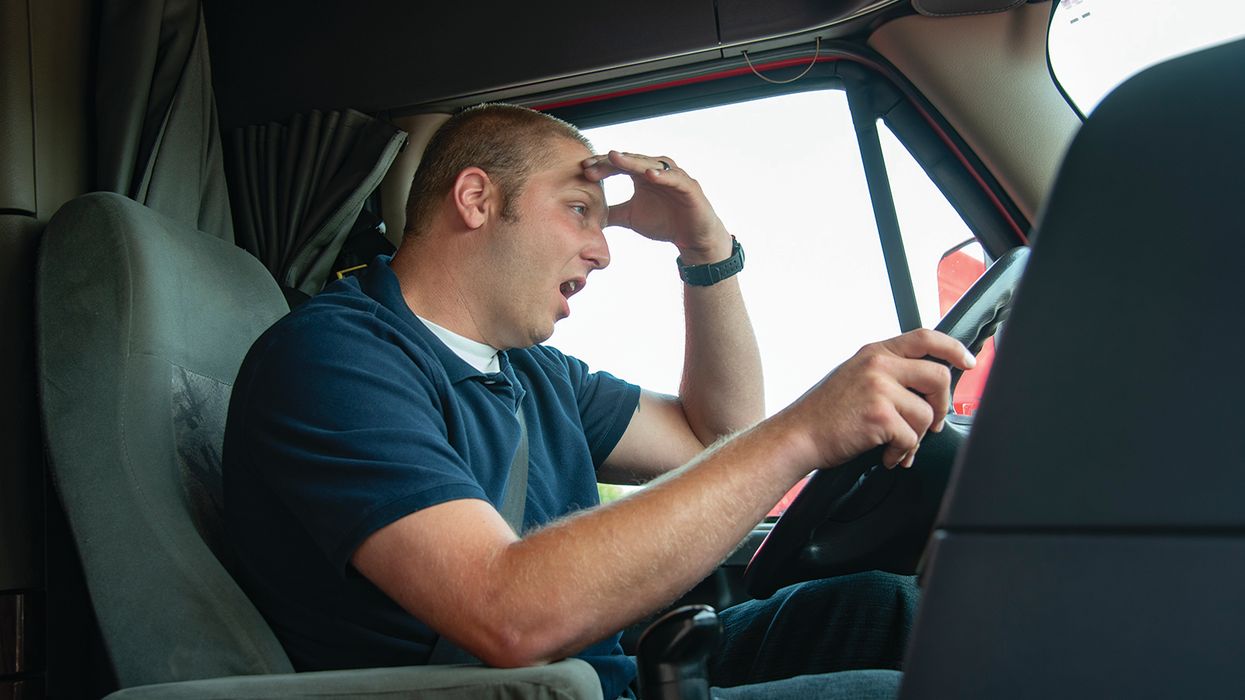
Drowsy driving is underreported in crash data because it is difficult to confirm after the fact, but sleep research and traffic safety studies consistently place it among the top causes of serious highway crashes and fatalities.
NHTSA estimates that approximately 100,000 police-reported crashes per year involve drowsy driving, with actual occurrence likely substantially higher because drowsy driving is notoriously self-underreported and often indistinguishable from other causes in post-crash investigation.
Drowsiness impairs driving through mechanisms that parallel alcohol intoxication in important respects. Reaction time is extended, sustained attention degrades, lane tracking accuracy decreases, and judgment about risk and timing deteriorates.
Research comparing driving simulations under sleep deprivation and blood alcohol concentration conditions found that 17 to 19 hours of sustained wakefulness produced driving impairment equivalent to a blood alcohol concentration of 0.05 percent, and 24 hours of wakefulness produced impairment comparable to 0.10 percent BAC.
Drivers who would never consider driving after several alcoholic drinks routinely drive on comparable impairment levels after a night of inadequate sleep.
Highway driving is specifically prone to drowsiness effects through a well-documented phenomenon called highway hypnosis, where the monotonous sensory environment of long-distance highway travel, constant speed, consistent lane position, unchanging scenery, and low cognitive demand, reduces arousal to the point where microsleeps occur without the driver’s awareness.
Microsleeps, brief lapses of consciousness lasting from one to thirty seconds, occur at highway speed before the driver experiences any subjective sense that they have fallen asleep. A two-second microsleep at 70 miles per hour covers over 200 feet with no conscious driver control of the vehicle.
Early drowsiness warning signs on a highway drive include drifting between lanes and requiring correction, missing an exit or turn-off that was the intended destination, inability to recall the last few miles of driving, heavy eyelids that require active effort to keep open, and yawning frequency that exceeds normal alertness levels. These signs indicate that impairment is already present and that immediate intervention is required.
9. Failure to Respond Correctly to Emergency Vehicles
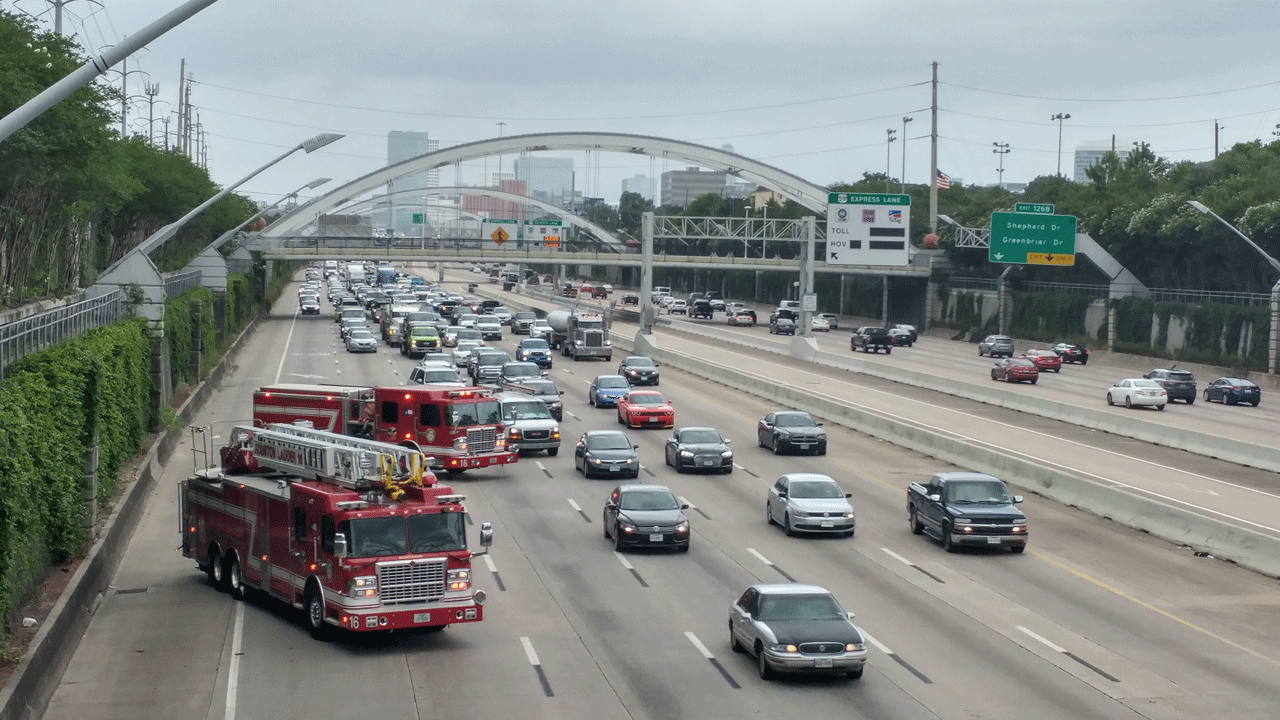
Incorrect reactions to emergency vehicles stopped on highways create avoidable danger for both road users and emergency personnel. Every state in the United States enforces move-over laws that require drivers to change lanes away from stopped emergency vehicles with their lights activated, or to slow well below the posted speed limit when lane changes cannot be made safely.
Despite these laws, compliance remains inconsistent, largely because many drivers do not clearly understand what is required of them or fail to apply that knowledge under real traffic pressure. When approaching an emergency vehicle on the shoulder, drivers must recognise the situation early, adjust speed smoothly, and assess whether a lane change can be completed safely.
Problems arise when drivers notice flashing lights too late to act safely at highway speed, when they slow down but remain in the adjacent lane even though space is available, or when they change lanes without proper mirror and blind-spot checks. Each of these errors exposes emergency workers and nearby motorists to severe risk.
Secondary collisions at emergency scenes represent a serious highway safety issue. Sudden braking by distracted drivers causes chain reactions behind them. Drivers who stare at crash scenes reduce attention to the traffic flow ahead.
Poorly judged lane changes made while focusing on roadside activity rather than surrounding vehicles frequently lead to additional collisions. These secondary events often injure responders who are already managing an existing incident.
Human attention plays a major role in this problem. Research shows that unusual or alarming scenes automatically draw visual focus away from the driving path.
This reaction occurs without conscious decision and must be actively resisted. Drivers who have not trained themselves to maintain forward attention will naturally fixate on emergency scenes, reducing their ability to judge speed, spacing, and lane position accurately.
Correct behaviour requires preparation rather than reaction. Drivers should expect emergency scenes on high-speed roads, plan lane movement early, reduce speed smoothly, and keep visual attention forward. When these steps are applied together, the risk to emergency workers and passing traffic declines sharply, creating safer conditions during already-dangerous roadside operations.
Also Read: 8 Tips for Buying a Used Performance Car Without Getting a Lemon
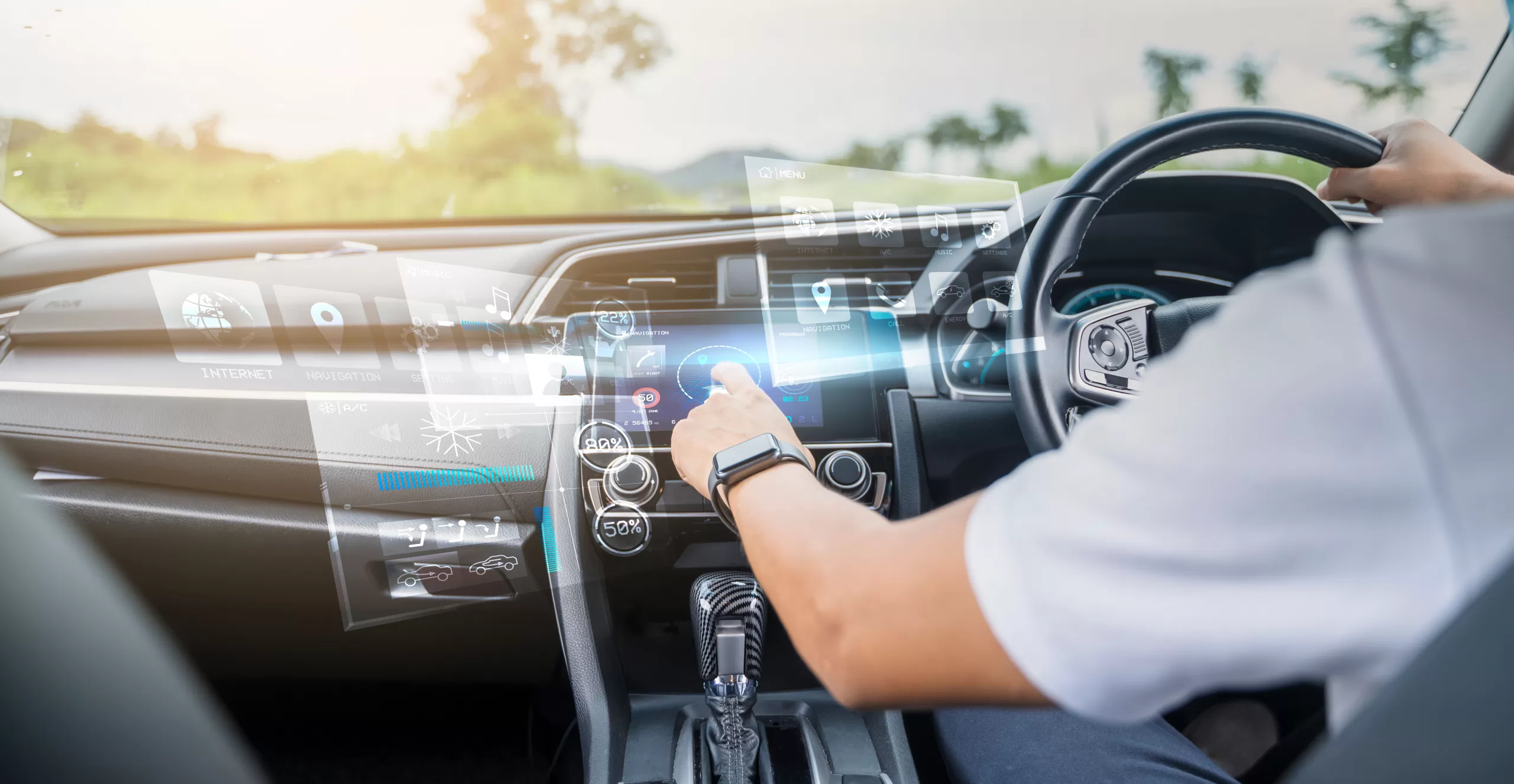
10. Overconfidence in Vehicle Safety Technology: Misusing Assistance Systems That Have Limits
Driver assistance technology has improved road safety by supporting drivers during routine tasks, yet misuse driven by overconfidence has introduced new forms of risk.
Systems such as adaptive cruise control, lane centering, automatic emergency braking, and blind-spot alerts are designed to assist attentive drivers, not replace human judgment. Problems arise when drivers treat these systems as autonomous solutions and reduce their level of engagement behind the wheel.
Lane centering technology uses cameras to track road markings and maintain position within a lane. These systems function well on clearly marked highways in good visibility. Their performance drops sharply in construction zones, on roads with faded markings, during heavy rain, or under lighting conditions that interfere with camera perception.
When drivers rely on lane centering and reduce their monitoring of steering input, they may not respond quickly enough when the system disengages or misinterprets road markings. Adaptive cruise control presents similar concerns.
While it can manage following distance behind detected vehicles, it has limitations in recognising stationary objects, vehicles entering from side roads, or unusual obstacles. Drivers who allow attention to drift because the system is managing speed may be unprepared to brake or steer when conditions exceed system capability.
Automatic emergency braking introduces its own challenges. Documented cases show both unexpected activation and failure to activate when hazards are present. Sudden braking at highway speed can create rear-end collision risk, while missed detections leave the driver solely responsible for avoiding impact. Both scenarios demand an alert driver who is monitoring traffic flow and maintaining readiness to intervene.
Assistance technology delivers measurable safety gains only when paired with continuous driver attention. Drivers must understand that these systems operate within defined limits and can disengage without warning.
Treating them as support tools rather than substitutes for active control preserves their benefits and prevents misuse from becoming a contributing factor in serious highway incidents.
