
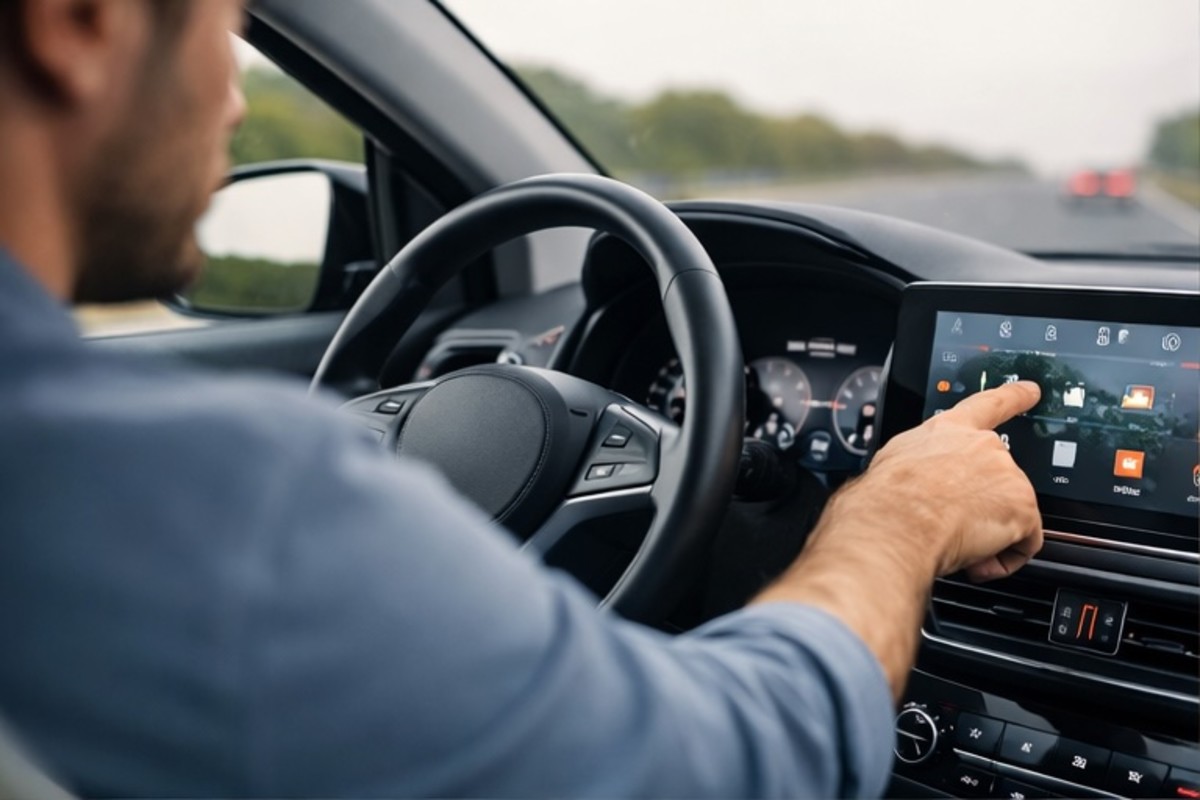
Modern cars are safer than they have ever been, and that statement is genuinely true. Automatic emergency braking, lane keeping assistance, blind spot monitoring, adaptive cruise control, and a growing list of additional systems have collectively reduced certain categories of crashes in measurable ways that safety researchers can document and verify. Nobody serious about road safety argues against this progress.
Here is the problem that does not get discussed nearly as often: some of the same technology designed to keep drivers safer is also introducing new categories of distraction that did not exist before these systems arrived. This is not a fringe concern from technology skeptics.
It is an observation that researchers at institutions including the AAA Foundation for Traffic Safety, MIT’s AgeLab, and the Insurance Institute for Highway Safety have been examining seriously, and their findings point to a genuinely complicated relationship between safety technology and driver attention.
When a car beeps at you unexpectedly while you are managing a lane merge, your attention goes to the beep rather than staying on the merge. When your lane-keeping system makes an unexpected steering input during a legitimate driving decision, your hands and attention respond to the system rather than to the road.
When your adaptive cruise control disengages without warning and transfers control back to you during a situation that requires immediate action, the cognitive gap between passive monitoring and active driving creates a response delay that the technology was supposed to eliminate, not create.
This page examines eight specific ways that modern safety technology, implemented with genuinely good intentions, can create the distraction problems it was designed to prevent. Understanding these mechanisms is not an argument for removing the technology.
It is an argument for using it more intelligently, understanding its limitations honestly, and maintaining the active driving engagement that no technology currently deployed in production vehicles can fully replace.
1. Alert Fatigue From Too Many Beeps, Chimes, and Warning Notifications
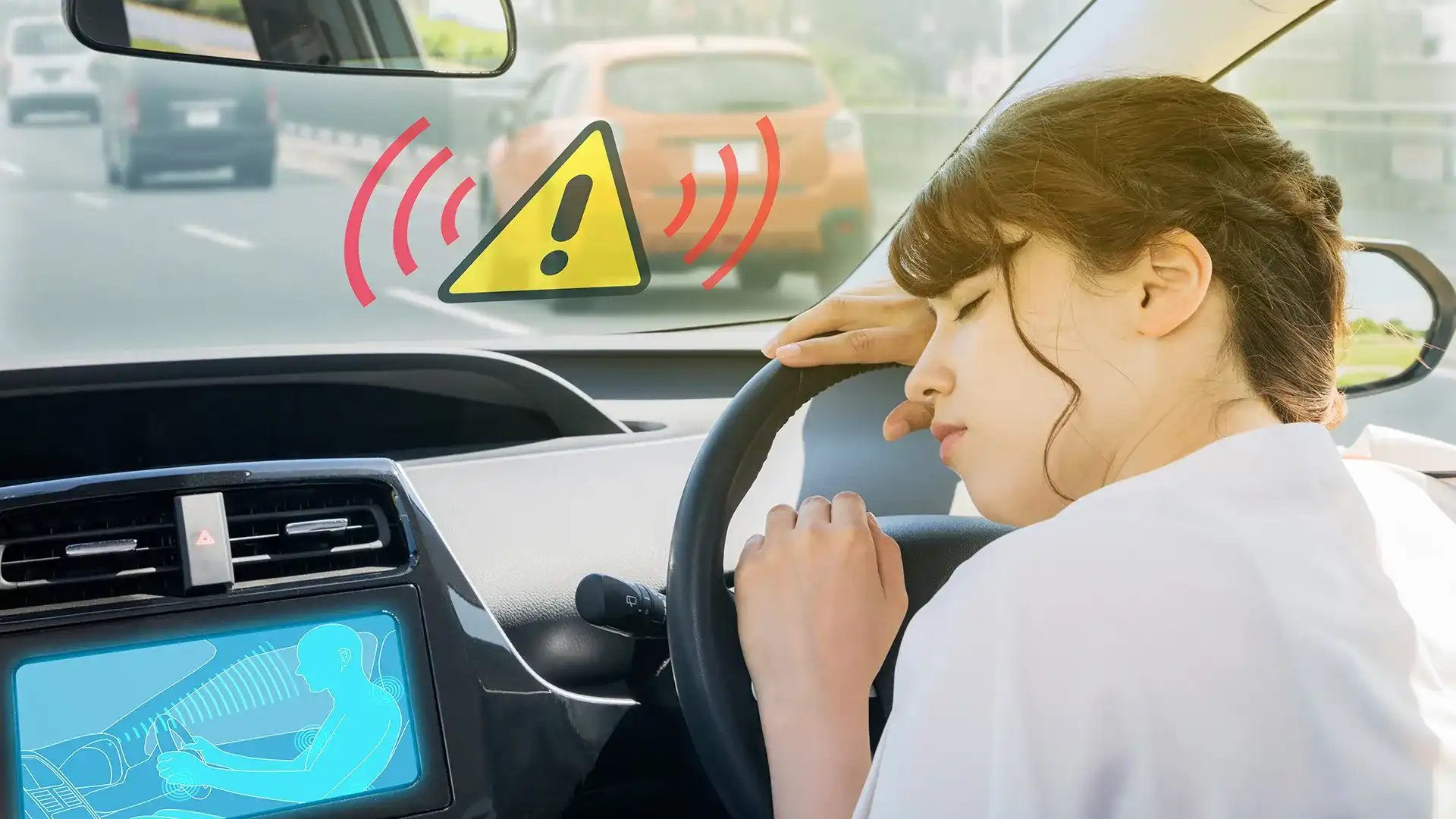
Alert systems in modern vehicles are built on a reasonable premise: if something potentially dangerous is happening, warn the driver immediately with an audible and sometimes visual signal. This premise makes sense in isolation. A single well-designed alert at a genuinely appropriate moment is exactly the kind of assistance that helps a driver avoid an otherwise surprising hazard.
The problem emerges when alert frequency reaches a level where the driver begins treating every alert as noise rather than useful information. Alert fatigue is a well-documented phenomenon in aviation, medicine, and industrial safety contexts, and its appearance in automotive safety technology is following the same pattern observed in those other fields.
When monitoring systems generate alerts frequently enough that a large percentage of them do not correspond to actual hazards requiring driver action, humans respond by reducing their attentiveness to those alerts.
This reduced attentiveness is not carelessness. It is a rational adaptation to an environment where constant alerts would be cognitively overwhelming if processed individually every time they occur.
Forward collision warnings calibrated too sensitively for normal driving conditions generate alerts during routine following situations that do not represent actual collision risk.
Lane departure warnings that trigger during deliberate, legal lane changes because the driver did not activate the turn signal fast enough before beginning the maneuver generate alerts that correspond to normal driving rather than dangerous behavior.
Blind spot warnings that activate during parking lot maneuvers or at speeds where the information is not relevant to the driver’s immediate decision create alert events that carry no actionable content.
Drivers of the 2022 Nissan Altima SV 2.5L and the 2021 Hyundai Tucson SEL 2.5L who disable lane departure warnings and forward collision alerts after their first few weeks of ownership are not making reckless decisions.
They are responding to alert systems calibrated in ways that generate too many false-positive warnings for normal driving, and the adaptation they choose, disabling the system, removes the benefit entirely rather than receiving the targeted warning at the moments when a warning would actually help.
System designers face a genuine calibration challenge between sensitivity that catches real hazards and sensitivity that respects the driver’s legitimate driving decisions without interpreting them as risks.
Until this calibration improves consistently across manufacturer implementations, alert fatigue will continue converting safety systems into background noise that drivers learn to ignore rather than respond to.
2. Touchscreen Controls That Force Eyes Off the Road for Essential Functions
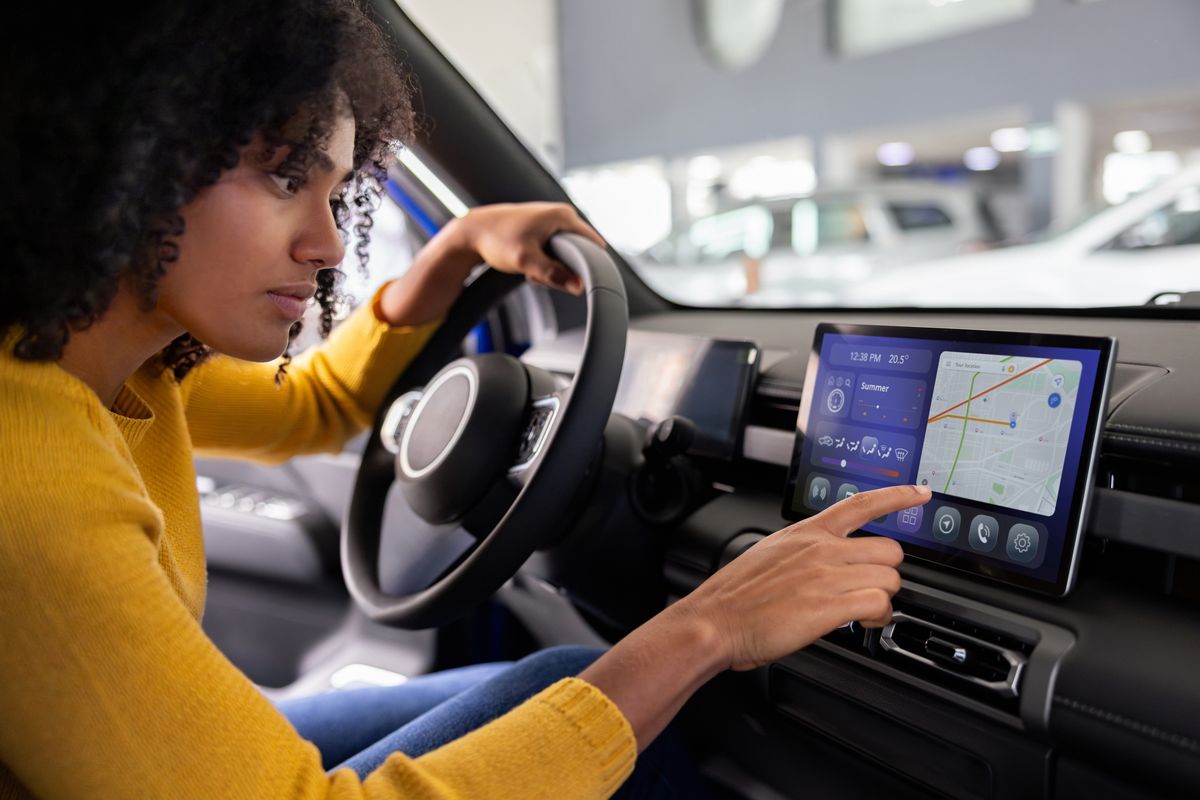
The increasing use of touchscreen interfaces in modern vehicles has altered how drivers interact with essential controls. Many functions that were previously managed through physical buttons, knobs, and switches are now accessed through digital screens. While this approach may appear modern and streamlined, it introduces a form of visual distraction that was less common with traditional controls.
Physical controls allow drivers to rely on touch and familiarity. With repeated use, drivers develop muscle memory that enables them to adjust settings without looking away from the road. A temperature knob, for example, can be turned with minimal attention once the driver is accustomed to its position.
Touchscreens do not offer this advantage. They require the driver to look at the display to confirm finger placement and to ensure the correct option is selected. This process increases the time the driver’s eyes are away from the road. Studies by the AAA Foundation for Traffic Safety have shown that touchscreen interactions demand more visual and mental effort than physical controls.
Tasks such as adjusting the air conditioning, selecting audio options, or entering navigation details take longer when performed through screen menus. Each additional second spent looking at the screen reduces the driver’s awareness of surrounding traffic conditions.
The issue becomes more serious when safety-related settings are involved. Adjusting features such as forward collision alerts, lane assistance, or adaptive cruise settings often requires moving through multiple menu layers. Attempting these changes while driving creates a situation where attention is divided. The driver is engaged with the screen at the same time that full awareness of the road is required.
Vehicles such as the 2023 Ford Mustang EcoBoost Premium 2.3L and the 2022 Chevrolet Equinox Premier 1.5T illustrate this concern. Their large central displays group many functions within digital menus that require several steps to access. While this arrangement may be manageable when the vehicle is stationary, it becomes demanding during active driving, especially if a quick adjustment is needed.
Some manufacturers have begun to return certain frequently used controls to physical formats. This adjustment reflects a growing understanding that ease of use must be balanced with safety. Drivers benefit from being able to make quick changes without diverting attention from the road.
Maintaining focus while driving requires limiting unnecessary visual distractions. Systems that reduce the need for prolonged screen interaction support safer driving conditions and help drivers remain attentive to their surroundings at all times.
Also Read: 8 Tips for Teaching Your Teen to Drive in a High Tech Car
3. Adaptive Cruise Control Handoff Moments Create Dangerous Attention Gaps
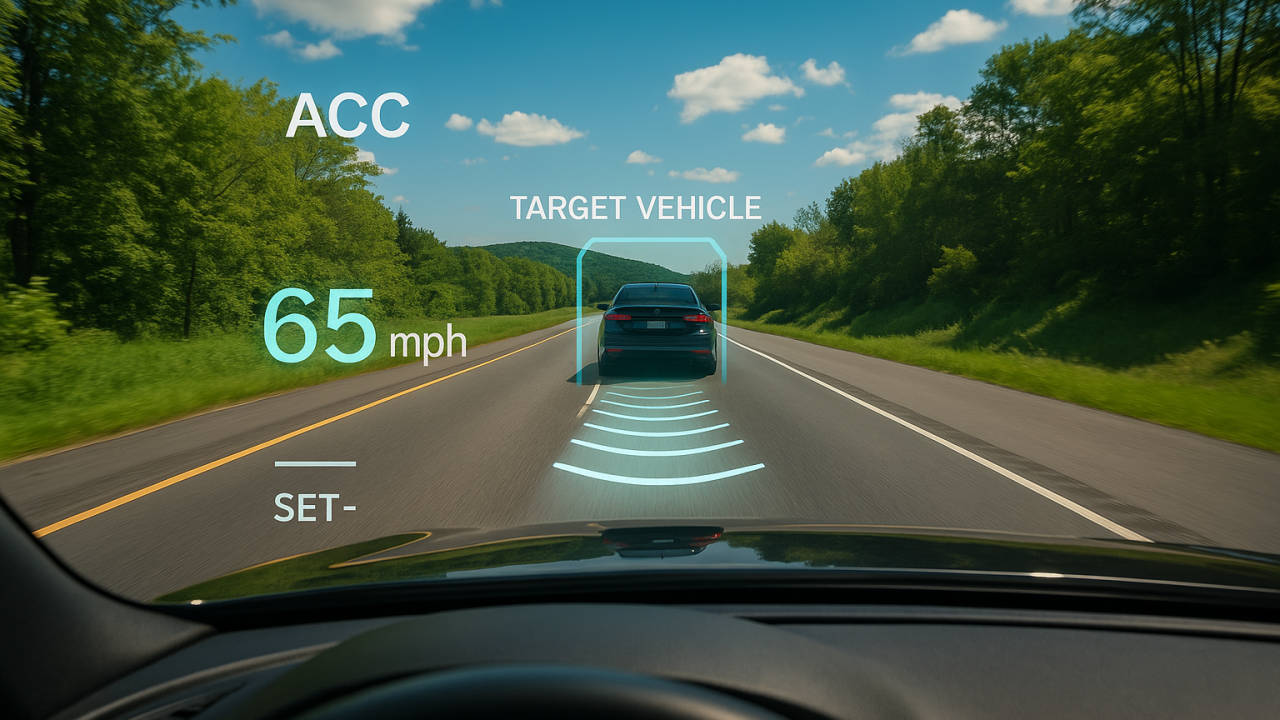
Adaptive cruise control systems are widely used to manage speed and maintain a safe following distance during highway travel. These systems reduce the need for constant acceleration and braking, which can make long journeys more comfortable. When functioning within their intended limits, they perform reliably. However, challenges arise when control is transferred back to the driver.
Extended use of adaptive cruise control often leads to a state of reduced attention. Since the system handles speed adjustments and spacing, the driver may become less actively engaged in monitoring the driving environment. This response is natural, as the immediate demand for manual input is lowered. The driver remains present but may not be fully prepared for sudden changes.
Problems occur when the system disengages unexpectedly. This may happen if sensors lose track of a vehicle ahead, during sharp curves, in heavy rainfall, or when another vehicle enters the lane abruptly. When such conditions arise, the system may return control to the driver with limited warning. At that moment, the driver must quickly regain full control and respond appropriately.
The challenge lies in the transition from reduced attention to full alertness. Recognising the change, assessing the situation, and taking action all require time. If the driver’s awareness has declined during system use, this transition may not be immediate. Even a short delay can affect the ability to respond safely in fast-moving traffic.
Drivers of vehicles such as the 2020 Subaru Outback 2.5i Touring and the 2021 Honda Passport EX-L 3.5L V6 have reported that system alerts can sometimes come as a surprise. This is because the timing of disengagement is based on system limitations rather than the driver’s readiness to resume control. As a result, the driver may be required to act at a moment when attention is not fully focused on the task.
Reducing this risk requires a change in how these systems are used. Drivers should maintain active observation of the road even when assistance features are engaged. Treating adaptive cruise control as a support tool rather than a replacement for attentive driving helps ensure readiness at all times.
Clear guidance at the point of vehicle delivery can also improve understanding. When drivers are properly informed about system limits and expected behaviour, they are better prepared to respond when control returns to them.
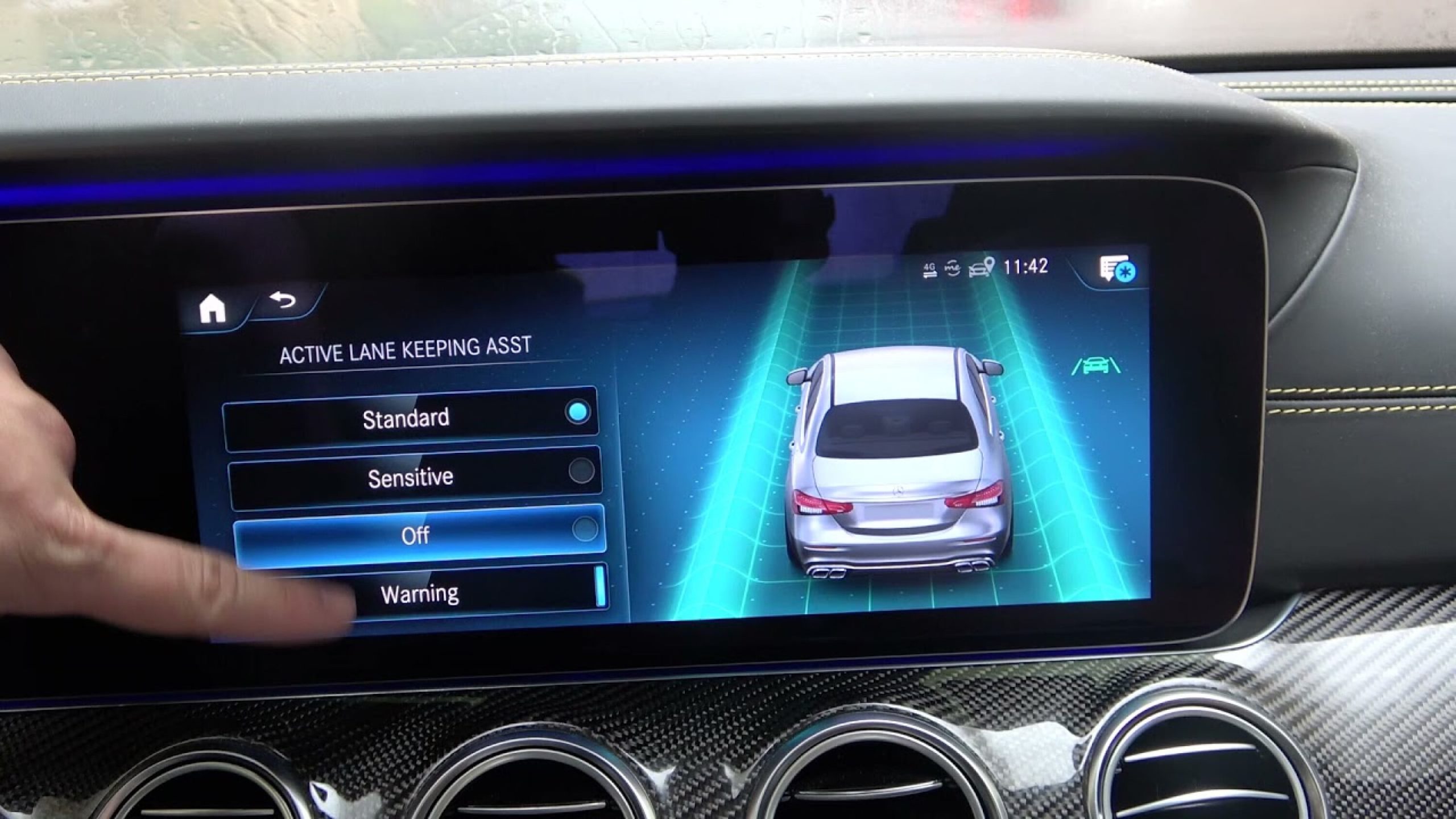
4. Lane Keeping Assistance Conflicts With Driver Intentions During Legitimate Maneuvers
Lane-keeping assistance systems designed to prevent unintentional lane departures create distraction in a specific and frustrating scenario: the moment when a driver is making a deliberate, legitimate driving decision that the system interprets as an unintentional lane departure and responds to with steering input or an alert that the driver did not request and does not need.
Deliberate lane position adjustments are a normal part of active driving. Moving toward the right edge of a lane to provide more room for an emergency vehicle in the adjacent lane, positioning slightly left of center before a right-hand curve to improve sight line geometry, or moving right within a wide lane to allow a faster vehicle to pass all represent legitimate driving judgment.
Lane keeping systems calibrated around lane center position treat these deliberate movements as errors requiring correction, generating steering input or alerts that conflict directly with the driver’s current intention. This conflict forces the driver’s attention into a mode of managing the system rather than managing the road.
When a lane-keeping system applies corrective steering input at a moment when the driver is intentionally moving in the same direction, the driver must increase steering input to overcome the system’s correction, which requires cognitive and physical effort that was not directed at the actual driving task.
At the same time, the unexpected resistance from the steering wheel draws attention away from the visual task of monitoring the situation that prompted the deliberate lane position change. Some lane-keeping implementations are more problematic than others.
Systems that allow smooth override by driver steering input with minimal resistance are far less distracting than systems that maintain correction force strongly enough to require deliberate driver effort to overcome. The difference in driver experience between these implementation approaches is substantial enough that some automotive publications evaluate lane keeping assist quality as a distinct purchase consideration rather than simply noting its presence as a safety feature.
Owners of the 2023 Kia Sportage EX AWD 2.5L and the 2022 Mazda CX-50 Turbo Premium Plus regularly report adjusting or disabling lane keeping assistance on road types where the system generates frequent unwarranted interventions, including winding two-lane roads, highway construction zones with temporary lane markings, and older road surfaces where lane marking visibility varies.
Each of these disablement decisions removes the system’s genuine benefit in exchange for eliminating the distraction that inappropriate interventions create during these specific conditions.
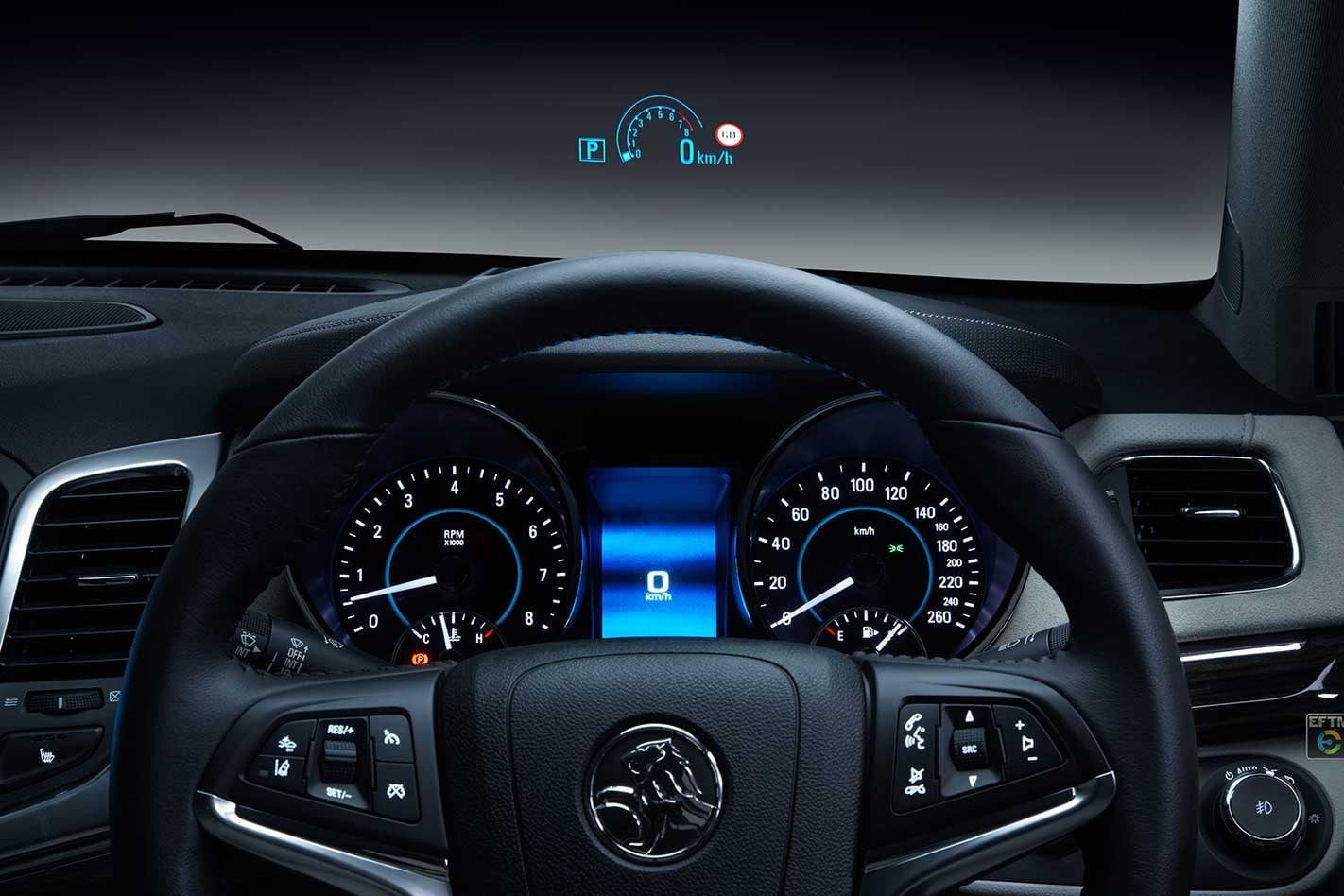
5. Heads-Up Display Information Overload Competes With Road Attention
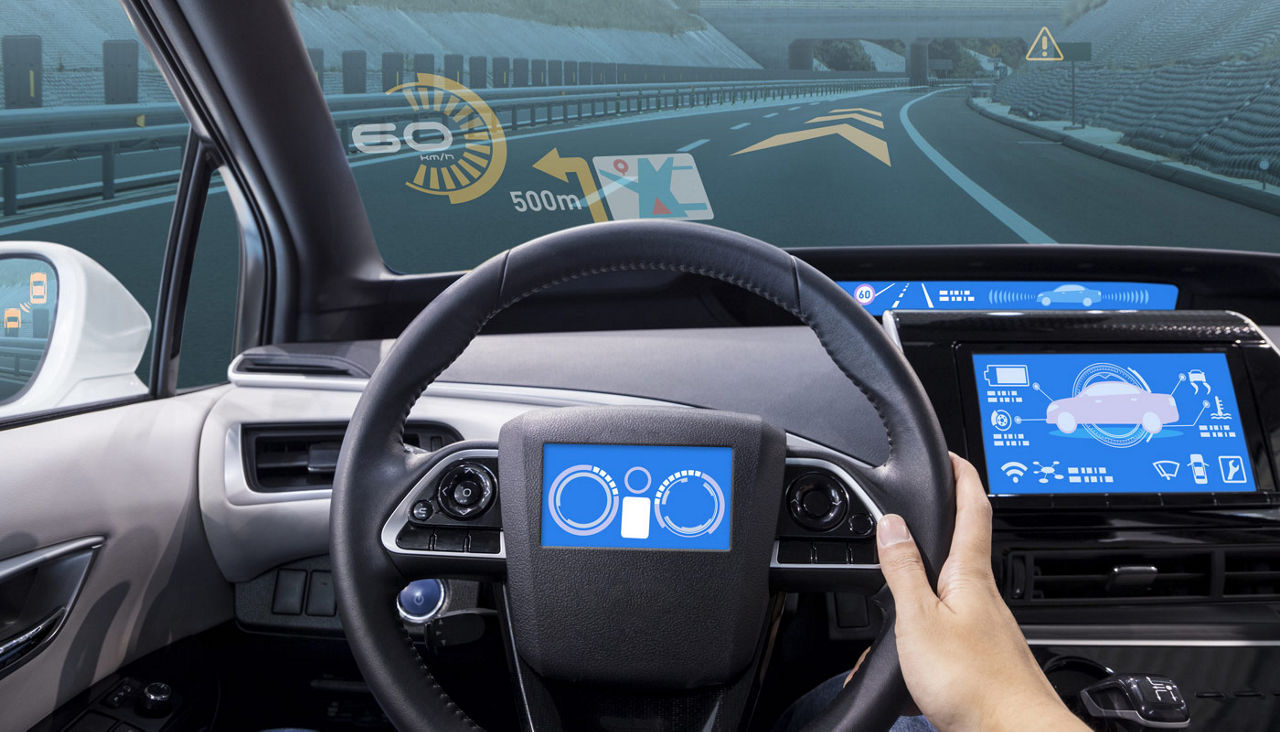
Heads-up displays (HUDs) are intended to improve safety by placing essential driving information within the driver’s forward line of sight. By projecting details such as speed directly onto the windscreen, the driver can remain focused on the road without frequently glancing down at the instrument cluster.
When limited to basic information, this system performs its function effectively and supports better concentration during driving. Challenges arise when too much information is introduced into the display. Instead of presenting only what is necessary, some HUD systems include multiple layers of data at the same time.
These may include speed, adaptive cruise control status, lane assistance indicators, navigation directions, traffic sign recognition, incoming call alerts, and audio information. When all these elements appear together, the display becomes crowded and begins to compete with the road scene for attention.
Human visual processing does not handle multiple streams of information at the same level simultaneously. Even when several items are visible at once, the brain processes them in sequence. This means that when a HUD presents several data points that change independently, the driver must shift attention between them. As a result, each item receives only partial focus, and the driver’s attention to the road may also be reduced during this process.
A display that was designed to support focus may then create an additional mental demand. Instead of simply observing the road with helpful information available in the background, the driver is required to interpret and prioritise several inputs. This situation increases the cognitive workload, especially in traffic conditions that already require careful observation and quick decision-making.
The design of the HUD plays an important role in determining its effectiveness. Elements such as colour, brightness, size, and contrast influence how easily the information can be read. A well-calibrated system ensures that the display remains visible under different lighting conditions without becoming distracting.
If the display is too bright at night, it may interfere with vision. If it is too dim during the day, the driver may struggle to read it and attempt to adjust focus repeatedly. Vehicles such as the 2022 BMW 3 Series 330i xDrive M Sport and the 2023 Genesis G70 3.3T Sport offer HUD systems with different layouts and information levels.
Driver experiences vary depending on how much information is presented and how clearly it is arranged. Simpler displays are often easier to use and place less demand on attention. Limiting the amount of information shown at any given time allows the driver to maintain proper focus. A balanced approach to display design supports safer driving by reducing unnecessary mental effort.
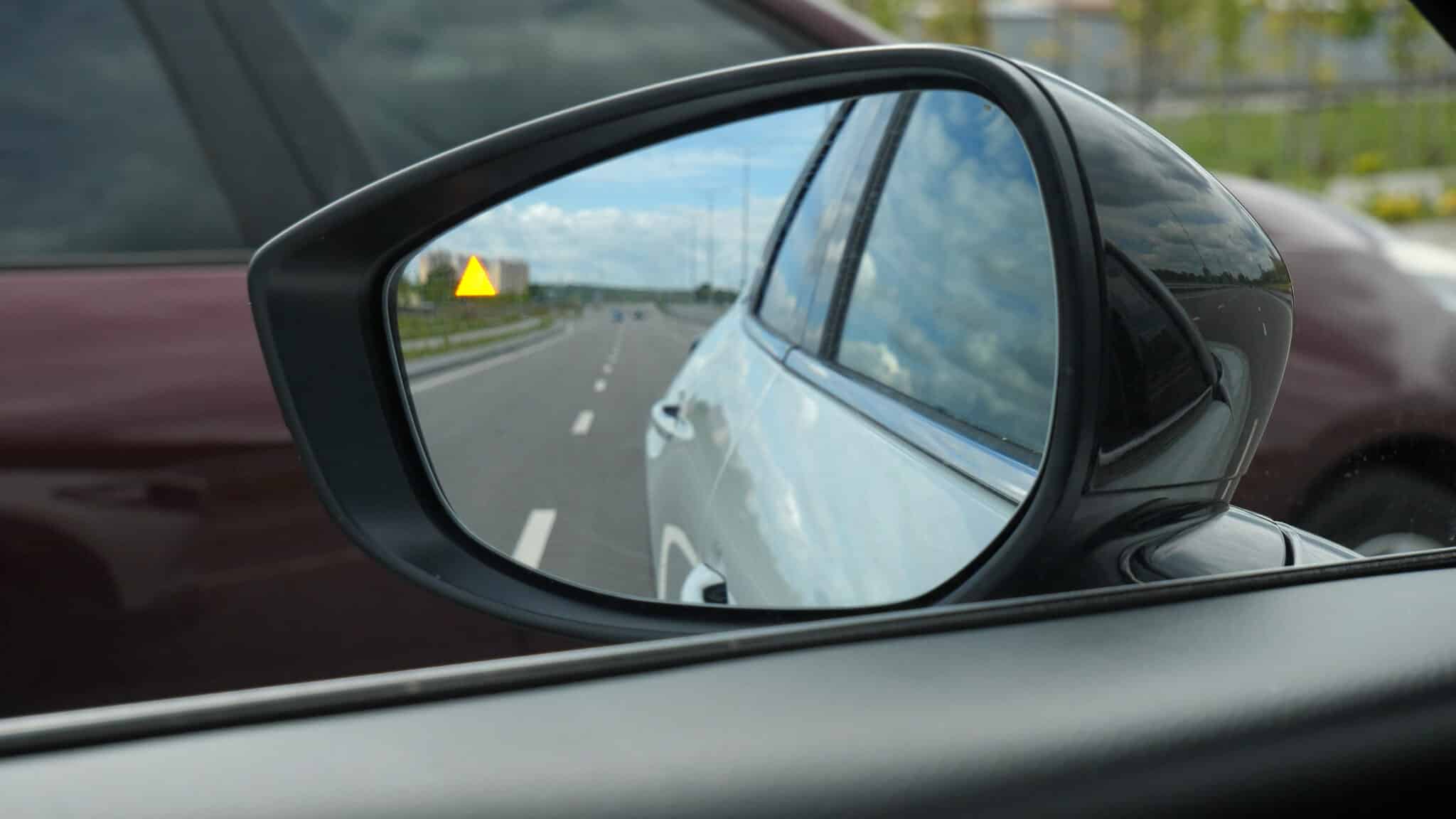
6. Blind Spot Monitoring Systems That Generate Alerts at Inconvenient Moments
Blind spot monitoring technology addresses a genuine driving hazard by alerting drivers to vehicles in the zone behind and beside the vehicle that mirrors do not cover. When a vehicle is actually present in the blind spot, and the driver signals a lane change, a well-timed alert is exactly the right information at exactly the right moment.
Distraction problems with this technology occur when alert timing, alert sensitivity, or alert modality creates attentional demands at moments when they compete with rather than support the driver’s current task. Alert modality matters more than most drivers consciously recognize.
Visual-only alerts that illuminate an indicator light in or near the side mirror require the driver to look toward that mirror to receive the warning, which is the same visual direction the driver should already be checking before changing lanes. This alignment between alert location and natural driver behavior is one of the better design choices in blind spot monitoring implementation.
Audible alerts that add a chime when the turn signal activates with a detected vehicle in the blind zone add a sensory channel to the warning, which can reinforce the visual alert effectively. Distraction emerges when blind spot alerts activate during situations where the information is not relevant to an actual lane change decision.
Narrow lane situations where adjacent traffic regularly passes within the detection zone generate continuous alerts that have no bearing on any lane change the driver is considering. Parking structures where vehicles pass closely generate technically accurate alerts but provide no actionable information because no lane change is possible or being considered.
Highway merges where the driver has already committed to a maneuver generate alerts that arrive too late to change the decision but early enough to demand attentional response. Vehicles like the 2021 Toyota Venza XLE Hybrid AWD and the 2022 Lincoln Corsair Reserve 2.3T with blind spot monitoring active in situations where the alert frequency is high due to dense traffic create conditions where drivers report feeling alert-saturated to the point of diminished response to individual alerts.
This alert saturation is the same mechanism described in Reason 1, but specific to blind spot monitoring rather than the broader alert ecology of the vehicle. System-level thinking about when blind spot alerts are genuinely useful versus when they add noise without value would improve the technology’s net contribution to driver attention management.
Speed-dependent activation that turns off blind spot alerts below a threshold where lane changes are typically not being considered is one calibration approach that some manufacturers have implemented to reduce irrelevant alert frequency.
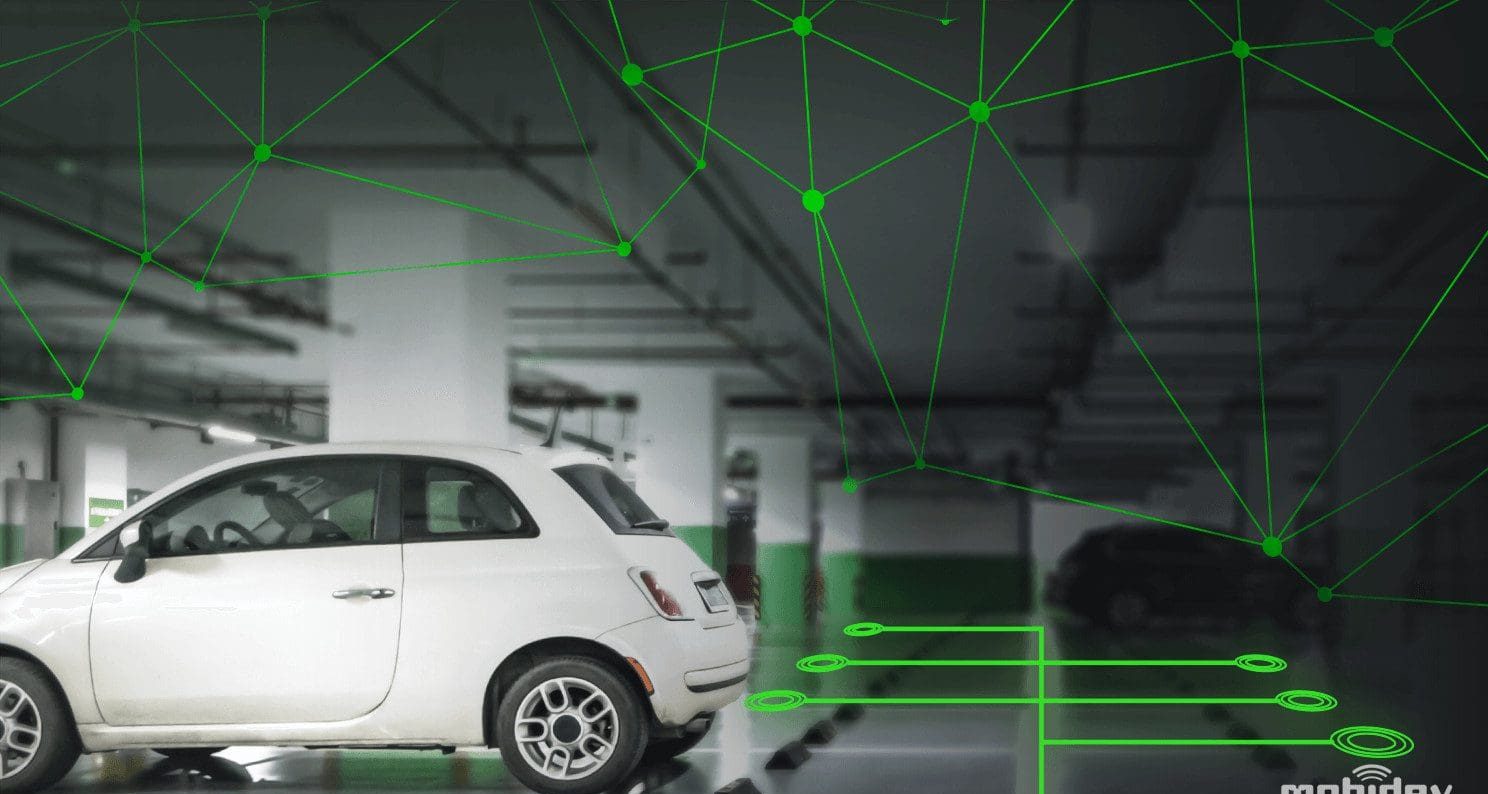
7. Automated Parking Systems Demand Constant Monitoring That Drivers Are Not Prepared For
Semi-automated parking systems are designed to assist drivers by controlling steering while the driver manages acceleration and braking. These systems are commonly presented as tools that make parking easier, especially in tight spaces where precision is required. While they provide real assistance, their proper use depends on a level of driver attention that is often underestimated.
Using such systems correctly involves more than simply activating the feature and waiting for the vehicle to complete the manoeuvre. The driver must observe the steering inputs being made, regulate speed carefully, respond to prompts to change between forward and reverse gears, and remain ready to intervene immediately if necessary. This arrangement places responsibility on both the driver and the system, requiring constant awareness rather than passive observation.
A common misunderstanding arises when drivers treat parking assistance as fully autonomous. In such cases, attention may be diverted to other activities, such as using a mobile phone, speaking with passengers, or handling items within the vehicle. This divided attention creates a gap in supervision.
During this period, the system may encounter a situation that requires immediate correction, yet the driver may not be prepared to respond quickly. Even though parking occurs at low speeds, the risk of damaging nearby vehicles, walls, or fixed objects remains high when attention is reduced.
Practical experience from users of vehicles such as the 2020 Ford Explorer Platinum 3.0L ST and the 2023 Volvo XC60 Recharge Plug-In Hybrid shows that these systems require a period of learning that may be longer than expected. Drivers often discover that understanding system behaviour, recognising its limits, and responding appropriately takes time and consistent practice.
This gap between expectation and actual use reflects how these technologies are sometimes introduced without sufficient emphasis on their operational demands. Maintaining physical readiness during automated parking improves driver performance. Keeping a foot positioned over the brake pedal or maintaining contact with a control surface ensures that the driver remains actively involved.
Systems that require such physical engagement tend to support better attention because they prevent complete detachment from the driving task. Parking assistance systems are useful tools when applied correctly. Their benefits depend on active supervision and a clear understanding that control is shared.
Treating them as supportive rather than independent systems encourages safer outcomes and reduces the likelihood of avoidable damage during parking manoeuvres.
Also Read: 8 Tips for Maintaining an Active Air Suspension System
8. Over-Reliance on Technology Reduces the Active Driver Attention That Safety Depends On
Modern vehicle safety technologies are designed to support drivers by reducing workload and assisting with routine driving tasks. While these systems offer clear benefits, their presence can influence how drivers engage with the act of driving.
Without proper understanding, reliance on these features may lead to reduced attention, which affects safety. Driver attention exists at varying levels. At one end, the driver is fully focused on the road, vehicle behaviour, and surrounding conditions. At the other end, attention is minimal, with the driver relying heavily on automated features.
Most driving situations fall between these points, with attention increasing during demanding conditions and decreasing during routine travel. Assistance systems can lower the level of effort required in familiar conditions, but they may also reduce the driver’s readiness to respond when conditions change suddenly.
When a situation requires immediate action, the driver must recognise the change, direct full attention to the task, and respond without delay. Moving from a relaxed state of attention to full concentration takes time. During urgent situations, this delay can affect decision-making and reaction speed. The challenge lies in maintaining sufficient awareness even when assistance systems are active.
Research conducted by the Massachusetts Institute of Technology AgeLab has shown that drivers using hands-free assistance features tend to become less attentive as time passes. Participants in such studies displayed slower reaction times when control was returned to them compared to those who remained actively engaged throughout their driving. This finding highlights the effect of prolonged reliance on automated systems on driver readiness.
Drivers of vehicles such as the 2023 Mercedes-Benz E350 4MATIC and the 2022 Audi A6 55 TFSI quattro Premium Plus frequently use advanced driver assistance features during long highway journeys. Regular use in these conditions increases the likelihood of reduced attention becoming habitual. As reliance grows, the driver may become less prepared to take immediate control when required.
Addressing this issue requires a balanced approach. Safety technology should be accompanied by clear guidance on its limits and proper use. Drivers should be encouraged to remain attentive and treat these systems as aids rather than replacements for active control. Vehicle design can also support better engagement by requiring periodic driver input or monitoring attention levels.
Maintaining awareness while using assistance features ensures that drivers remain prepared for unexpected situations. Active involvement, even when technology is present, remains essential for safe driving.
