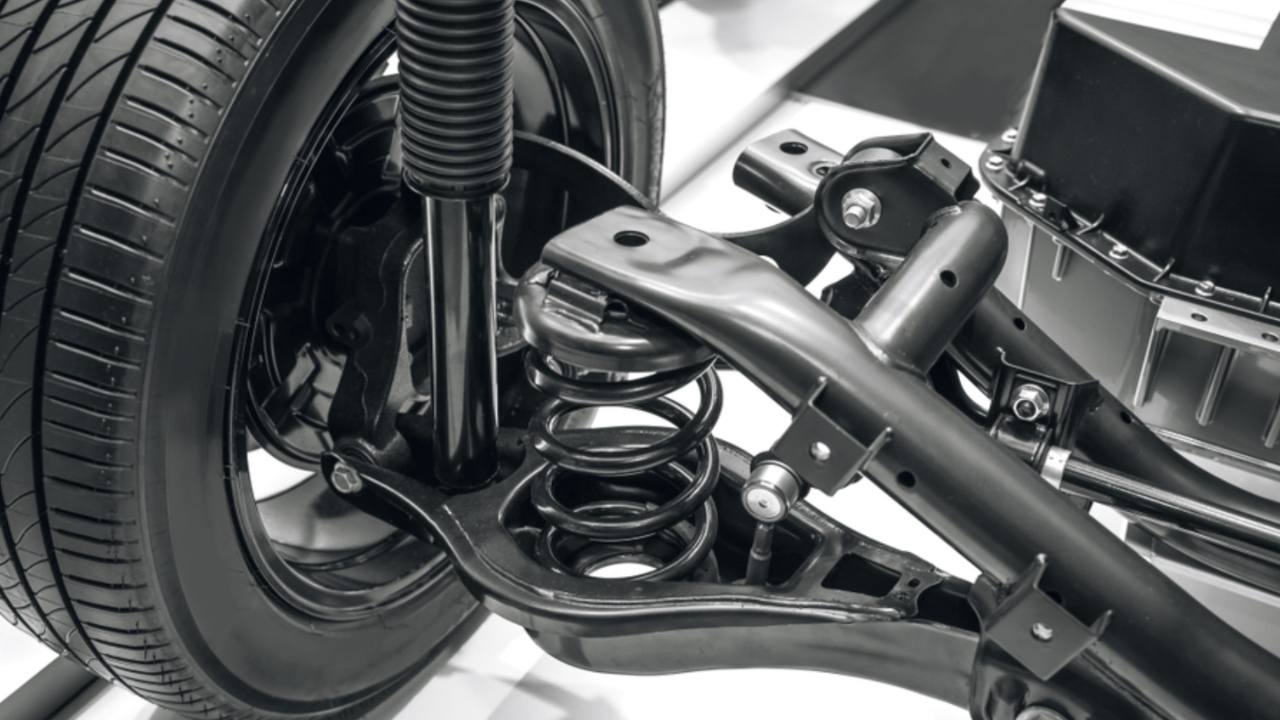
A vehicle’s suspension system plays a critical role in safety, comfort, and control, yet its warning signs are often overlooked until performance noticeably declines. Modern suspensions rely on a coordinated system of shocks, struts, springs, bushings, and steering linkages to keep the vehicle stable under all driving conditions.
When these components begin to wear, the effects show up in many different ways, including bouncing after bumps, nose diving during braking, uneven tire wear, pulling to one side, vibrations, and unstable handling in turns. Each symptom reflects a breakdown in how the suspension manages weight transfer and maintains tire contact with the road.
Because these systems are tightly interconnected, one failing part can quickly affect others and lead to broader performance issues. Recognizing these early signs is essential for avoiding costly repairs and maintaining safe driving behavior. This guide outlines 12 key indicators that suggest your suspension may need professional inspection and repair before the problems become more severe.
1. Excessive Bouncing After Bumps
Excessive bouncing after driving over bumps is a strong indicator that a vehicle’s suspension system, especially the shocks or struts, may be failing and needs professional inspection. In a properly functioning suspension, springs absorb the initial impact from road irregularities, while shocks or struts quickly control and stop that motion.
When these components wear out due to internal seal damage or fluid leaks, they lose their ability to regulate the movement of the springs, causing the vehicle to bounce repeatedly after a bump.
This condition is not just uncomfortable but also dangerous. Continuous bouncing reduces consistent tire contact with the road, a problem often called tire hop. When tires are not firmly planted, braking efficiency decreases, and stopping distances can increase. Steering also becomes less stable, making the vehicle harder to control, especially on uneven surfaces or during turns at higher speeds.
Ignoring this issue can lead to further mechanical damage. The added stress from uncontrolled suspension movement can wear out other parts, such as ball joints, tie rods, and rubber bushings, more quickly. Tires are also affected, often developing uneven patterns known as cupping or scalloping, which reduces their lifespan and leads to higher replacement costs.
A simple way to check for this problem is the bounce test. Press down on the vehicle and release it. A healthy suspension should return to normal height with minimal movement. If it continues to bounce several times, the shocks or struts are likely worn out. If this symptom appears along with nose diving during braking, visible fluid leaks, or unusual knocking sounds, a professional overhaul is necessary.
2. The Notorious “Nose Dive”
The “nose-dive” effect, where the front of a car dips sharply forward during braking, is a major warning sign that the suspension system is failing and requires professional attention. In a properly functioning vehicle, shocks and struts manage weight transfer when braking, keeping the car stable and level.
When these components wear out or lose their damping ability due to fluid leaks or internal damage, they can no longer control the forward shift of weight. This results in a noticeable forward lurch that signals reduced suspension performance.
This issue has serious implications for braking efficiency. When the front end dives excessively, the rear tires lose optimal contact with the road, reducing their contribution to braking. As a result, stopping distances can increase significantly, sometimes by up to 20 percent. The imbalance also forces systems like ABS to work harder, which can further reduce braking effectiveness during sudden stops.
Safety is also compromised. A vehicle experiencing nose-dive becomes less stable and harder to control, especially in emergency braking situations. The uneven weight distribution can lead to reduced steering precision and a higher risk of skidding. This makes it more difficult for the driver to maintain control under pressure.
Nose-dive often points to deeper suspension issues beyond just worn shocks or struts. Components such as bushings, ball joints, and other structural parts may also be deteriorating. In addition, uneven tire wear can develop because the tires are not consistently maintained in proper contact with the road.
If nose-diving occurs, especially along with excessive bouncing or unusual noises, immediate inspection is recommended. Regular suspension checks between 50,000 and 100,000 miles can help prevent these problems and maintain safe vehicle performance.
3. Uneven or “Cupped” Tire Wear
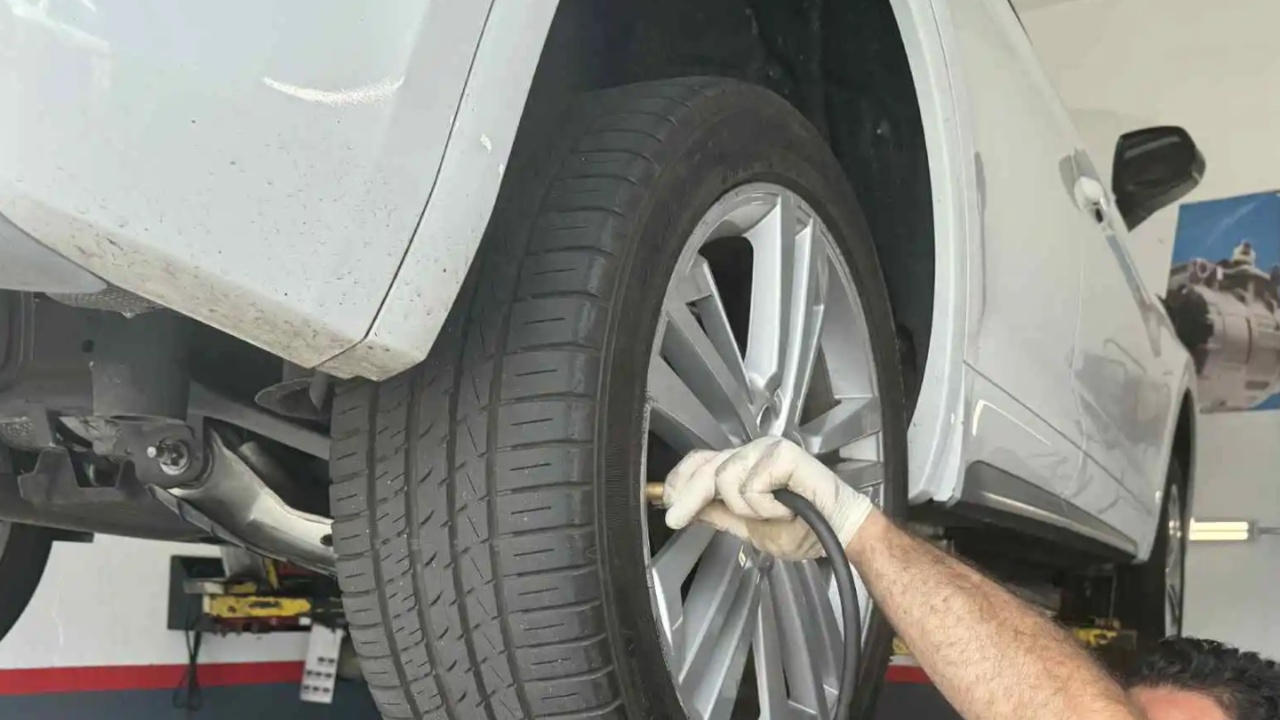
Uneven or “cupped” tire wear is a clear indication that a vehicle’s suspension system is no longer functioning properly and requires professional attention. This type of wear appears as scalloped or wavy dips around the tire tread, showing that the tire is not maintaining consistent contact with the road. Instead of rolling smoothly, the tire repeatedly bounces, creating irregular pressure points that wear down the rubber unevenly.
The most common cause of cupping is worn shocks or struts. These components are responsible for controlling the vertical movement of the suspension. When they fail, the tire is allowed to move up and down excessively, leading to the characteristic pattern of high and low spots on the tread.
Other suspension parts, such as bushings, ball joints, and control arms, may also contribute if they are worn or loose, allowing the wheel to shift out of proper alignment during motion.
Cupped tires significantly reduce vehicle safety. Because the tire is not consistently gripping the road, traction is compromised. This can lead to longer stopping distances and reduced stability, especially in wet or emergency driving conditions. In addition, misalignment issues such as incorrect camber or toe angles can worsen the problem by causing the tires to scrub against the road surface.
This condition also produces noticeable symptoms. Drivers may hear a loud, rhythmic humming or rumbling noise that increases with speed. Vibrations may be felt through the steering wheel or seat, and the ride may feel unusually rough or bouncy.
Replacing the tires alone will not solve the issue. Without addressing the underlying suspension problems, new tires will quickly develop the same wear pattern. A professional inspection, including suspension repair and wheel alignment, is necessary to restore proper handling, extend tire life, and maintain safe driving conditions.
4. Constant Pulling to One Side
Constant pulling to one side while driving is a strong indication that a vehicle’s suspension system is compromised and requires professional inspection.
When a car drifts left or right even though the steering wheel is centered, it often means the suspension geometry, which keeps the wheels properly aligned and balanced, has been disrupted. While minor issues such as uneven tire pressure can cause slight pulling, persistent drifting usually points to deeper mechanical problems.
One of the main causes is worn or damaged suspension components such as bushings, ball joints, or control arms. These parts are responsible for maintaining stability and proper wheel positioning. When they wear out, they create looseness or “play” in the system, allowing the wheels to shift out of alignment while driving. This makes the vehicle unstable and causes it to wander instead of tracking straight.
Uneven performance of shocks or struts can also contribute to this issue. If one side of the suspension is weaker, that corner of the vehicle may sit lower, creating an imbalance in weight distribution. This uneven support leads to a continuous pull toward one side. In some cases, a condition known as “memory steer” may occur, where damaged or binding components cause the car to continue drifting in the direction of a previous turn.
Another important factor is the suspension’s ability to hold proper alignment. Even if the wheels are adjusted, worn components may prevent the alignment from staying correct, causing the problem to quickly return.
Ignoring this symptom can lead to uneven tire wear, reduced steering control, and added stress on other suspension parts. A professional inspection using precise alignment tools is necessary to identify the exact cause, whether it involves worn bushings, bent components, or failing struts, and to restore safe and stable vehicle handling.

5. Visible Hydraulic Fluid Leaks
Visible hydraulic fluid leaks are a clear and serious sign that a vehicle’s suspension system requires immediate professional attention. Modern shocks and struts rely on sealed hydraulic fluid to control the movement of the suspension and maintain stability.
When the exterior of these components appears wet, greasy, or coated in dark residue, it usually means the internal seals have failed, and the fluid is escaping. Once this happens, the component can no longer perform its function effectively.
The loss of hydraulic fluid directly leads to a loss of damping capability. Without proper damping, the suspension cannot control the motion of the springs, resulting in excessive bouncing and poor ride stability. The vehicle may feel loose or unstable, especially when driving over bumps or uneven surfaces. This not only affects comfort but also reduces safety by limiting the tires’ ability to stay firmly in contact with the road.
Leaking shocks or struts also contribute to longer stopping distances and reduced handling performance. When the suspension cannot maintain consistent tire contact, braking becomes less efficient, and steering control is compromised. In some cases, this can increase stopping distances significantly and raise the risk of losing control in emergency situations.
If left unaddressed, fluid leaks can lead to further damage. As the suspension struggles to compensate, additional stress is placed on other components such as bushings, control arms, and springs, accelerating their wear. Leaks may also indicate physical damage from road debris or potholes, which can worsen over time.
It is important to understand that leaking shocks or struts cannot be repaired and must be replaced. Professionals typically recommend replacing them in pairs to maintain balanced handling. A prompt inspection and replacement will help restore proper suspension function and ensure safer driving conditions.
6. Failing the Manual “Bounce Test”
Failing the manual “bounce test” is a strong and direct indication that a vehicle’s suspension system, particularly the shocks or struts, is no longer functioning properly and requires professional attention.
This simple test evaluates the suspension’s ability to control movement. In a healthy system, the vehicle should return to its normal position almost immediately after being pushed down. If it continues to bounce more than one or two times, it means the dampers have lost their ability to control the springs.
This loss of damping is usually caused by internal wear, fluid leakage, or degradation of components such as piston seals or gas charges. When shocks or struts fail, they cannot regulate the up and down motion of the suspension, resulting in excessive oscillation. This creates a “mushy” or overly soft feeling when pressure is applied to the vehicle and leads to poor ride stability.
The consequences of failing the bounce test go beyond comfort. Reduced damping means the tires cannot maintain consistent contact with the road surface, which lowers traction and increases stopping distances.
This is especially dangerous during emergency braking or high-speed driving, where stability is critical. In addition, the constant bouncing can cause uneven tire wear, often in the form of cupping, which can permanently damage the tires.
Failing this test is often accompanied by other warning signs such as fluid leaks, nose diving during braking, unusual noises, or uneven ride height. These combined symptoms point to broader suspension issues that need comprehensive inspection.
While the bounce test is a useful preliminary check, a professional technician can perform more advanced diagnostics to measure damping performance accurately. Prompt repair or replacement of worn components is essential to restore proper handling, improve safety, and prevent further damage to the vehicle.
Also read: 10 Signs Your Car Suspension Needs a Professional Inspection Immediately
7. Clunking and Knocking Noises
Clunking and knocking noises coming from a vehicle’s suspension are serious warning signs that something is loose, worn, or failing and requires immediate professional attention.
A properly functioning suspension system is designed to absorb shocks quietly using rubber or polyurethane bushings that cushion and isolate moving parts. When these components deteriorate due to age, heat, or constant stress, they lose their ability to dampen movement, allowing metal parts to come into direct contact.
These noises often occur when driving over bumps, turning, or braking. Common causes include worn bushings, failing shocks or struts, loose sway bar links, and damaged ball joints. When bushings crack or fall apart, parts such as control arms can shift and strike the vehicle’s frame, producing a distinct clunking sound.
Similarly, worn shocks may cause the suspension to bottom out, leading to a deeper knocking noise. Ball joints and tie rods, which are essential for steering and wheel movement, can also develop looseness, creating noise and instability.
Beyond the annoyance, these sounds indicate a loss of structural integrity in the suspension system. As components loosen, the vehicle becomes less stable and more difficult to control. Steering precision decreases, and tires may wear unevenly due to inconsistent alignment and movement. Over time, the problem can worsen, placing additional strain on surrounding parts and increasing repair costs.
Ignoring clunking or knocking noises can lead to dangerous consequences. In severe cases, critical components such as ball joints or tie rods may fail completely, resulting in a loss of steering control. This poses a significant safety risk, especially at higher speeds.
Because suspension systems are interconnected, these noises often signal multiple failing parts rather than a single issue. A professional inspection is necessary to identify the exact cause and restore proper function, ensuring safe and stable driving conditions.
8. Sagging Corners or Low Stance
Sagging corners or a noticeably low stance are strong indications that a vehicle’s suspension system has suffered a serious failure and requires professional repair. When a car appears to lean to one side or sit lower at the front or rear while parked on level ground, it usually points to a weakened or broken coil spring. Springs are responsible for supporting the entire weight of the vehicle, so any failure in this component directly affects ride height and structural balance.
When a spring becomes fatigued or snaps due to age, corrosion, or repeated stress, it can no longer hold the vehicle at its intended height. This creates an uneven distribution of weight, placing excessive strain on the remaining suspension components such as shocks, struts, and tires. Over time, this imbalance accelerates wear and increases the likelihood of additional failures.
This condition also presents serious safety concerns. A vehicle that is not level cannot properly manage weight transfer during braking, turning, or acceleration. This leads to poor handling, reduced steering responsiveness, and increased body roll.
Braking efficiency may also decline, especially if the rear of the vehicle is sagging, which can extend stopping distances. In addition, reduced suspension travel increases the risk of bottoming out when driving over bumps or uneven surfaces, potentially damaging the underside of the vehicle.
Long-term effects include uneven tire wear due to misalignment and a higher risk of damage to critical undercarriage components such as the exhaust system or oil pan. These issues can result in costly repairs if not addressed promptly.
A simple visual inspection on level ground can help identify this problem. If one corner sits lower than the others, professional service is necessary. Because suspension springs are under high tension, replacement should only be performed using specialized tools by trained technicians.
9. Excessive Body Roll in Turns
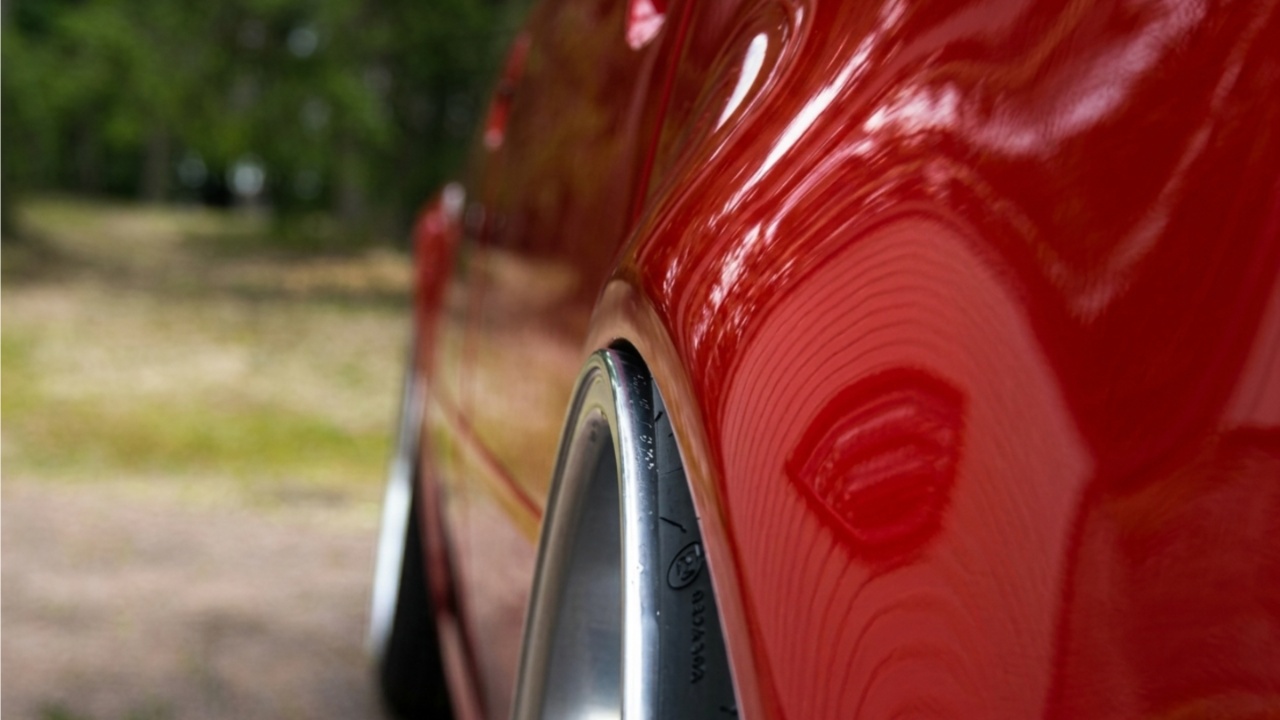
Excessive body roll during turns is a clear sign that a vehicle’s suspension system is no longer functioning properly and requires professional attention.
While some degree of leaning is normal when cornering, a car that tilts excessively or feels unstable indicates that key components such as shocks, struts, or anti-roll bars are worn or failing. These parts are responsible for controlling how the vehicle handles lateral weight transfer when turning.
When shocks and struts lose their effectiveness, they cannot properly support the vehicle’s weight or control the speed of suspension movement. This allows the car body to lean heavily to one side, creating a “floating” or unstable sensation. At the same time, worn anti-roll bar links or bushings reduce the system’s ability to keep both sides of the suspension balanced, further increasing the amount of sway during turns.
This condition significantly affects safety and handling. As the vehicle leans more than it should, the tires lose optimal contact with the road surface, reducing traction. This can lead to understeer, where the car resists turning, or difficulty maintaining a smooth driving line. In more severe cases, especially during sudden maneuvers or high-speed cornering, the risk of losing control or even rolling over increases.
Excessive body roll can also lead to long-term damage. The uneven distribution of weight places additional stress on suspension components such as ball joints and control arms, accelerating their wear. Tires may also wear unevenly due to inconsistent contact with the road, leading to higher replacement costs.
Common signs include a strong leaning sensation in corners, continued swaying after a turn, or clunking noises when driving over bumps. A professional inspection is necessary to identify worn components and restore proper stability, ensuring safer and more controlled driving.
10. Steering Wheel Vibrations
Steering wheel vibrations are an important warning sign that a vehicle’s suspension system may be worn and in need of professional inspection. Although wheel imbalance is often blamed first, worn suspension components are a common underlying cause. When parts that stabilize the steering system begin to fail, vibrations can travel directly to the steering wheel, especially at higher speeds or when driving over uneven roads.
Components such as tie rod ends, ball joints, control arm bushings, shocks, and struts are designed to keep steering precise and stable. Over time, these parts can wear out and create excess looseness or “play” in the system. When this happens, the wheels may move slightly without direct input from the driver, causing a shaking or shimmy sensation in the steering wheel.
Worn shocks or struts contribute by failing to absorb road impacts effectively. Instead of dampening vibrations, they allow more movement to reach the steering system. Similarly, deteriorated bushings reduce cushioning between metal components, increasing instability and unwanted motion throughout the suspension.
In some cases, wheel misalignment or imbalance develops as a result of worn suspension parts. This can make vibrations more noticeable at specific speeds and can gradually worsen over time. If ignored, the problem may lead to uneven tire wear, reduced braking performance, and decreased steering accuracy.
Steering wheel vibrations indicate that the connection between the driver and the road is no longer precise. A professional inspection is necessary to determine which components are worn or damaged and to restore proper function. Early repair helps maintain stable handling, improves comfort, and prevents additional strain on the suspension and steering systems.

11. Rear-End “Squat” Under Acceleration
Rear-end “squat” under acceleration is a clear sign that a vehicle’s suspension system may be failing and requires professional attention. This condition occurs when the rear of the car sinks noticeably toward the ground while accelerating.
In a properly functioning suspension, shocks and struts manage weight transfer and keep the vehicle level. When these components wear out, they lose the ability to control this movement, allowing the rear end to drop excessively.
This happens because acceleration shifts the vehicle’s weight toward the rear. Healthy dampers resist this force and maintain balance, but worn shocks or struts cannot properly control the motion. As a result, the back of the car squats while the front end lifts slightly, creating an uneven stance and unstable driving behavior.
The rear squat has direct effects on safety and performance. When the vehicle becomes unbalanced, tire contact with the road changes, reducing traction and stability. This can make steering less predictable, especially during quick acceleration, sharp maneuvers, or slippery road conditions. In some cases, front wheel grip is reduced, which can be particularly risky in Front Wheel Drive vehicles.
This issue often indicates broader suspension wear. Worn springs may contribute by failing to support the vehicle’s weight, while damaged bushings and mounts can allow excessive movement in the suspension system. Misalignment can also develop over time, increasing tire wear and further reducing handling precision.
Ignoring rear-end squat can lead to a chain reaction of damage across the suspension and drivetrain. Components such as control arms, tires, and remaining suspension parts may wear out faster due to the added stress.
A professional inspection is necessary to identify failing shocks, struts, springs, or related parts and restore proper balance, stability, and safe handling.
12. Stiff or “Notchy” Steering
Stiff or “notchy” steering is a clear warning that a vehicle’s suspension or steering system is developing serious issues and needs professional inspection. This condition is felt as heaviness, resistance, or a catching sensation when turning the steering wheel, instead of smooth and consistent motion. It often indicates that key suspension or steering components are worn, misaligned, or binding.
One of the most common causes is failure in the upper strut mount bearings. These bearings allow the strut assembly to rotate smoothly as the wheels turn. When they become dry, corroded, or filled with debris, steering becomes uneven and may feel like it is sticking or jumping.
Similarly, worn ball joints and tie rod ends can lose lubrication over time, creating resistance and inconsistent steering response. In more severe cases, parts of the steering shaft may seize, causing stiffness at certain points during wheel rotation.
Misalignment and suspension geometry issues can also contribute to this problem. Worn control arm bushings or damaged suspension components can shift wheel angles out of specification, increasing friction between the tires and road surface. This makes steering feel heavier and less precise. Uneven tire wear caused by suspension faults can further worsen steering effort and smoothness.
These issues also place added stress on power steering systems. Hydraulic pumps or electric steering motors must work harder to overcome mechanical resistance, which can lead to premature wear or failure. In some cases, steering assistance may feel inconsistent if the system is struggling to compensate for binding components.
Warning signs include catching or clicking sensations when turning, stiffness that changes with temperature, grinding or creaking noises, and unusually heavy steering effort.
Ignoring stiff or notchy steering can eventually lead to severe steering failure or damage to the steering rack. A professional inspection is necessary to identify the exact cause and restore smooth, safe steering performance.

The 12 warning signs of suspension problems provide a clear picture of how important a healthy suspension system is for safe driving. Symptoms such as excessive bouncing, clunking noises, steering vibrations, sagging corners, and unstable body movement during acceleration or braking all point to worn or failing components.
These issues do not stay isolated, as they often lead to uneven tire wear, reduced braking efficiency, poor alignment, and added stress on steering and drivetrain parts. As the condition worsens, the vehicle becomes less predictable and harder to control, especially in emergency situations or at higher speeds.
Modern suspension systems are designed to work as a balanced network, and even minor failures can disrupt that balance. Prompt inspection and repair of shocks, struts, springs, and related components help restore stability and extend the life of your tires and suspension system. Addressing these warning signs early ensures safer handling and more reliable performance on the road.
Also read: 12 Reasons Why Sealed For Life Transmissions Still Need Fluid Changes