Choosing a car you intend to keep for 15 years is less about trends and more about long-term trust. The vehicles in this list are not selected for flash or short-term excitement but for proven durability, low maintenance costs, and the ability to stay dependable well beyond 200,000 miles.
From rugged trucks like the Toyota Tacoma and Toyota Tundra to efficient commuters like the Toyota Prius and Honda Civic, each model has earned a reputation for mechanical resilience and strong resale value. Family-focused options such as the Toyota Highlander and Toyota Sienna bring space and practicality, while the Lexus RX proves that luxury can also be long-lasting.
Sedans like the Honda Accord and Toyota Camry deliver predictable reliability for daily use, and the Toyota 4Runner stands out for off-road toughness and structural strength. Together, these vehicles represent some of the safest long-term ownership choices in the automotive world, especially for drivers who prioritize low running costs, reliability, and peace of mind over constant upgrades.
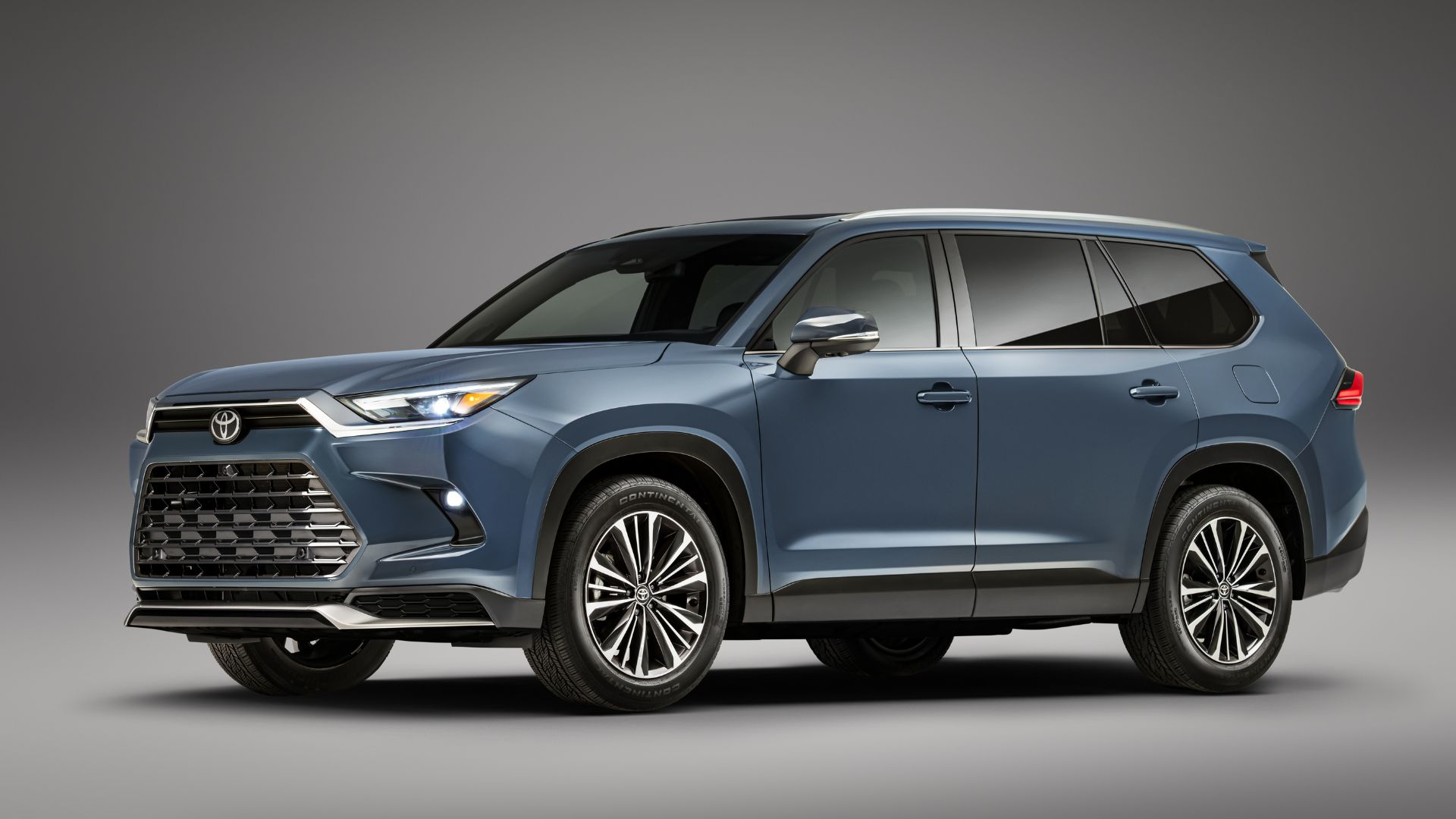
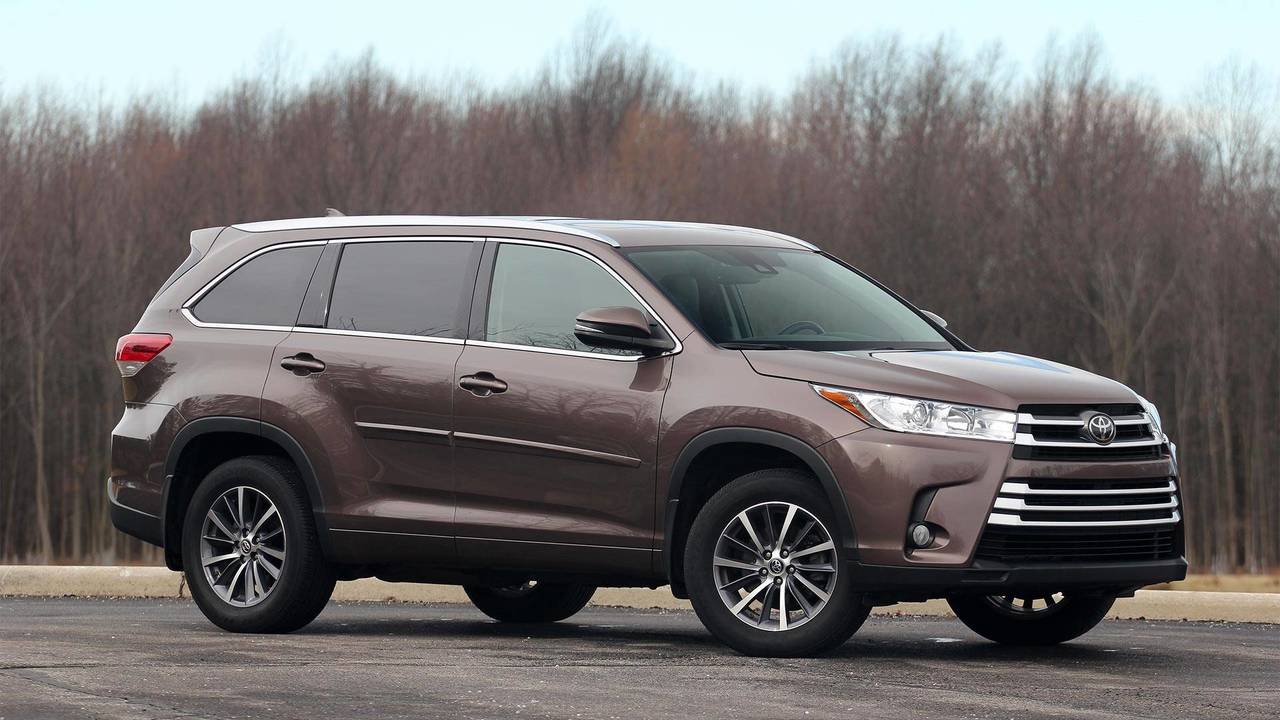
1. Toyota Highlander: A Long-Term Reliability Leader in the Seven-Seat SUV Segment
The Toyota Highlander is widely recognized as one of the most dependable SUVs for long-term ownership, often lasting 15 years or more with relatively few major issues. Its reputation is built on Toyota’s strong engineering standards, especially its durable chassis and highly reliable 2.5-litre hybrid powertrain.
This system is designed with longevity in mind, with components that are less likely to suffer serious mechanical failure even after high mileage.
Because of this, the Highlander is frequently recommended for buyers who want a vehicle that can reliably reach 200,000 miles while avoiding costly breakdowns and frequent replacements. Its strong resale value further reflects its long-standing reputation for durability and consistent performance over time.
In addition to reliability, the Highlander is valued for its practicality as a large family SUV. It sits above the Toyota RAV4 in size and offers seating for up to seven passengers, making it suitable for families who need extra space.
The cabin is flexible, with sliding and folding seats that allow owners to switch between passenger comfort and cargo capacity as needed. With all rear seats folded, the Highlander provides a substantial loading area that can handle bulky luggage, shopping, or long trips. Even with all seats in use, it still offers enough storage for everyday items.
The Highlander also comes well-equipped, even in lower trims. Standard features often include heated front seats, a panoramic sunroof, parking sensors, keyless entry, and a JBL sound system. Higher trims add more luxury features such as ventilated seats, a head-up display, and a 360-degree camera system.
The infotainment system supports smartphone connectivity through Android Auto and Apple CarPlay, along with built-in navigation and wireless charging. While the system is functional, it is not as advanced or visually refined as some rivals.
On the road, the hybrid powertrain delivers smooth and efficient performance. It can operate quietly in electric mode during light driving and offers responsive acceleration when more power is needed.
Fuel economy is strong for a large SUV, averaging around the mid-30s mpg in real-world use. However, the Highlander prioritizes comfort over driving excitement. Its soft suspension absorbs small bumps well but can feel unsettled at higher speeds, and body roll is noticeable in corners compared to sharper rivals.
Interior quality is generally good but not class-leading, with some hard plastics present in commonly touched areas. Space in the first two rows is generous, although third-row comfort is best suited for shorter trips or smaller passengers. Despite these limitations, the Highlander remains highly practical and comfortable for everyday family use.
The Toyota Highlander stands out as a highly reliable, practical, and long-lasting SUV. It is best suited for buyers who value durability, low long-term running costs, and strong resale value over sporty handling or luxury refinement.
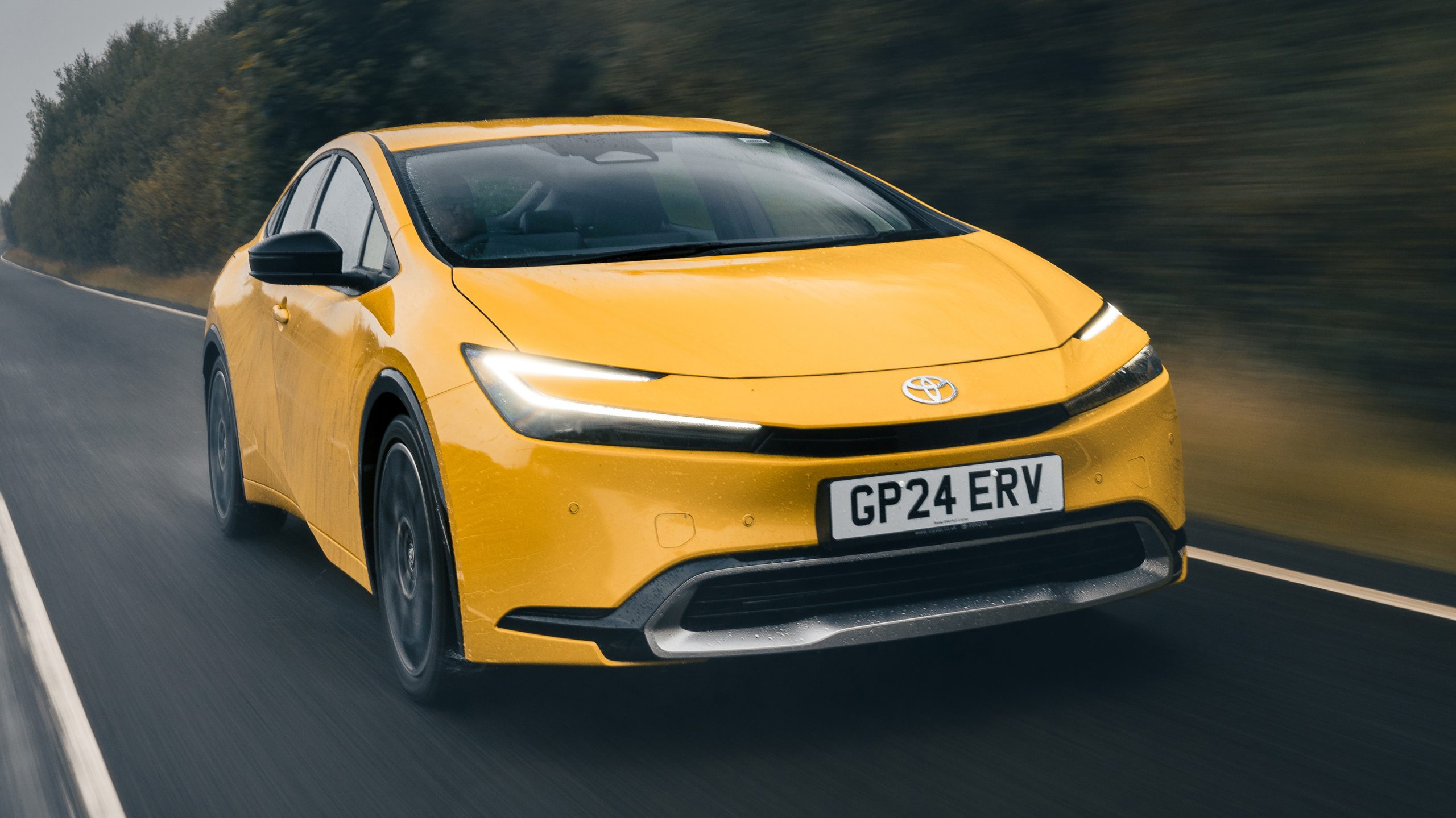
2. Toyota Prius: A Long-Lasting Hybrid Built for Ultra-Low Running Costs
The Toyota Prius is widely regarded as one of the most durable and cost-efficient long-term vehicles ever produced. It has a strong reputation for reliability, with many examples exceeding 150,000 to 250,000 miles, and some even reaching around 300,000 miles on original hybrid components such as the battery pack.
Its hybrid system reduces strain on the internal combustion engine by sharing workload with an electric motor, which helps extend engine life and lowers wear across the drivetrain.
The simplified transmission and regenerative braking system also reduces mechanical stress, especially on brake components, resulting in significantly longer service life and fewer replacement costs. This makes the Prius an ideal choice for drivers seeking a vehicle with extremely low cost per mile over 10 to 15 years of ownership.
A major strength of the Prius is its exceptional fuel efficiency. Even older models deliver impressive real-world mileage, often around the mid-60s mpg, while plug-in versions can achieve extremely high official figures when regularly charged.
This fuel economy, combined with low maintenance requirements and widely available spare parts, keeps running costs among the lowest in its class. The Prius also benefits from strong resale demand due to its reputation for reliability and efficiency, helping it retain value well over time.
Practicality is another key advantage. The Prius offers generous interior space for both front and rear passengers, along with a long, flat boot area suitable for family use and everyday cargo needs. Rear seats fold in a 60/40 split to increase storage capacity further, making it versatile despite its compact footprint.
Equipment levels are also strong across the range, with features such as adaptive cruise control, lane assist, parking aids, heated seats, and smartphone connectivity depending on trim level. Higher trims add luxury features like premium audio systems, navigation, and advanced driver assistance technology.
On the road, the Prius prioritizes comfort and efficiency over performance. Acceleration is adequate rather than fast, and the CVT automatic gearbox can cause higher engine revs under heavy acceleration. However, it remains smooth and quiet in city driving and steady on highways. The ride is comfortable, though not sporty, with some body roll in corners. Steering is light and predictable, making it easy to drive in urban environments.
Inside, the Prius has a distinctive dashboard layout with centrally positioned displays. Build quality is solid, though some hard plastics are present. Visibility is slightly compromised by rear pillars, but the driving position is comfortable and supportive for long journeys.
The Toyota Prius stands out as a highly efficient, exceptionally reliable, and low-cost hybrid car that is ideal for long-term ownership, especially for drivers focused on fuel savings and durability rather than performance.
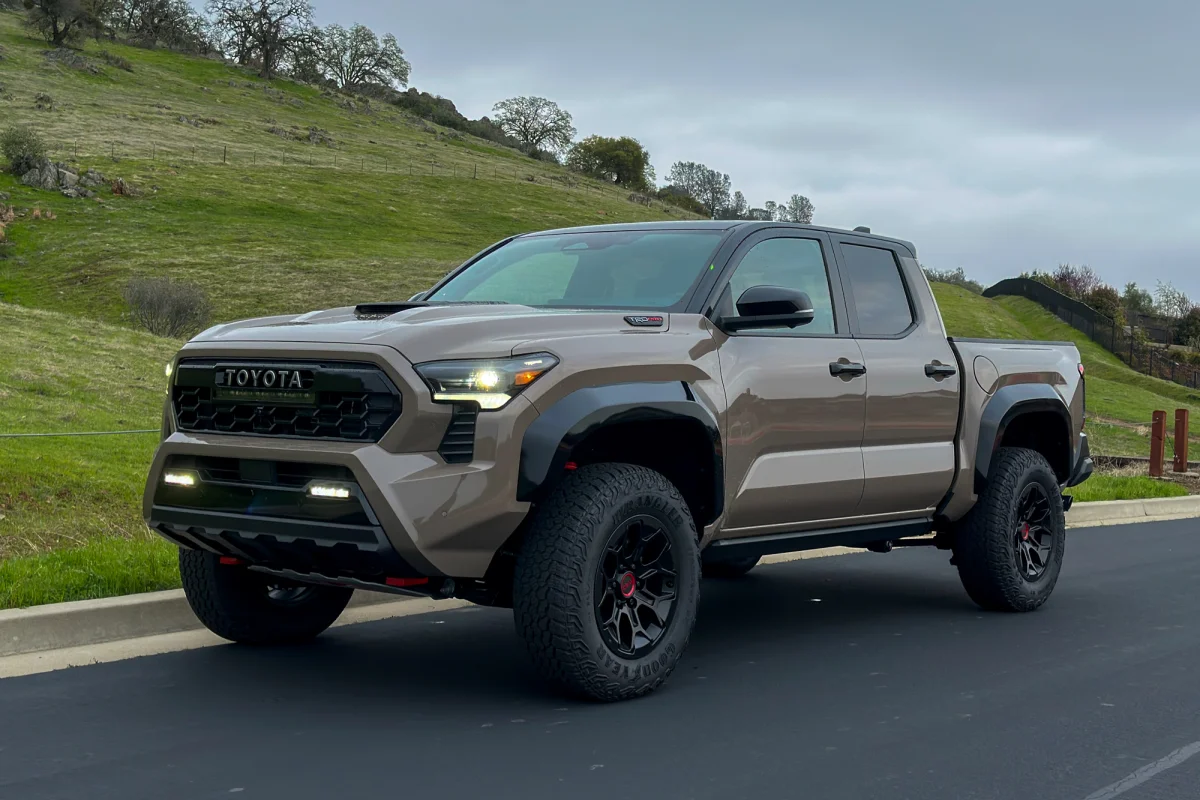
3. Toyota Tacoma: A Rugged Long-Term Truck Built for Extreme Durability and Value Retention
The Toyota Tacoma is widely regarded as one of the most durable midsize trucks ever built, earning a reputation for lasting 15 to 20 years or more, even under harsh driving conditions. Its simple body-on-frame construction and mechanically straightforward design make it easier and cheaper to repair compared to more complex modern trucks.
The Tacoma’s engines are known for their toughness and ability to withstand high mileage and even irregular maintenance, which contributes to its legendary status for reliability. Because its design evolves slowly over generations, parts remain widely available and affordable, making long-term ownership more practical and less expensive.
A major strength of the Tacoma is its exceptional reliability and durability. Its drivetrain, suspension, and frame are engineered for heavy use, allowing many examples to exceed 200,000 miles with proper care.
This makes it a strong option for buyers looking for a vehicle that can handle long-term daily use as well as demanding conditions such as towing, hauling, or off-road driving. The truck is also widely recognized for its low long-term maintenance costs compared to rivals, with predictable service intervals and fewer major mechanical failures over time.
Another key advantage is its outstanding resale value. The Tacoma consistently ranks among the highest in the industry for value retention, meaning it remains a valuable asset even after many years of ownership.
This strong demand in the used market helps offset its higher initial purchase price and makes it financially attractive for long-term owners. Its popularity is further supported by its reputation for off-road capability, especially in trims like TRD Off-Road and TRD Pro, which are highly sought after by enthusiasts.
However, the Tacoma does have some limitations. Older models are often criticized for stiff ride quality, basic interiors, and tight cabin space. Some versions also have less refined transmissions, and rust can be an issue on older frames if not properly maintained. The 3.5-litre V6 introduced in later generations improves efficiency but can feel less responsive compared to earlier engines.
Despite these drawbacks, the Tacoma remains one of the most trusted trucks for long-term ownership. It is especially recommended for buyers seeking a dependable workhorse that can handle extreme mileage, off-road use, and daily driving while retaining strong value over time.
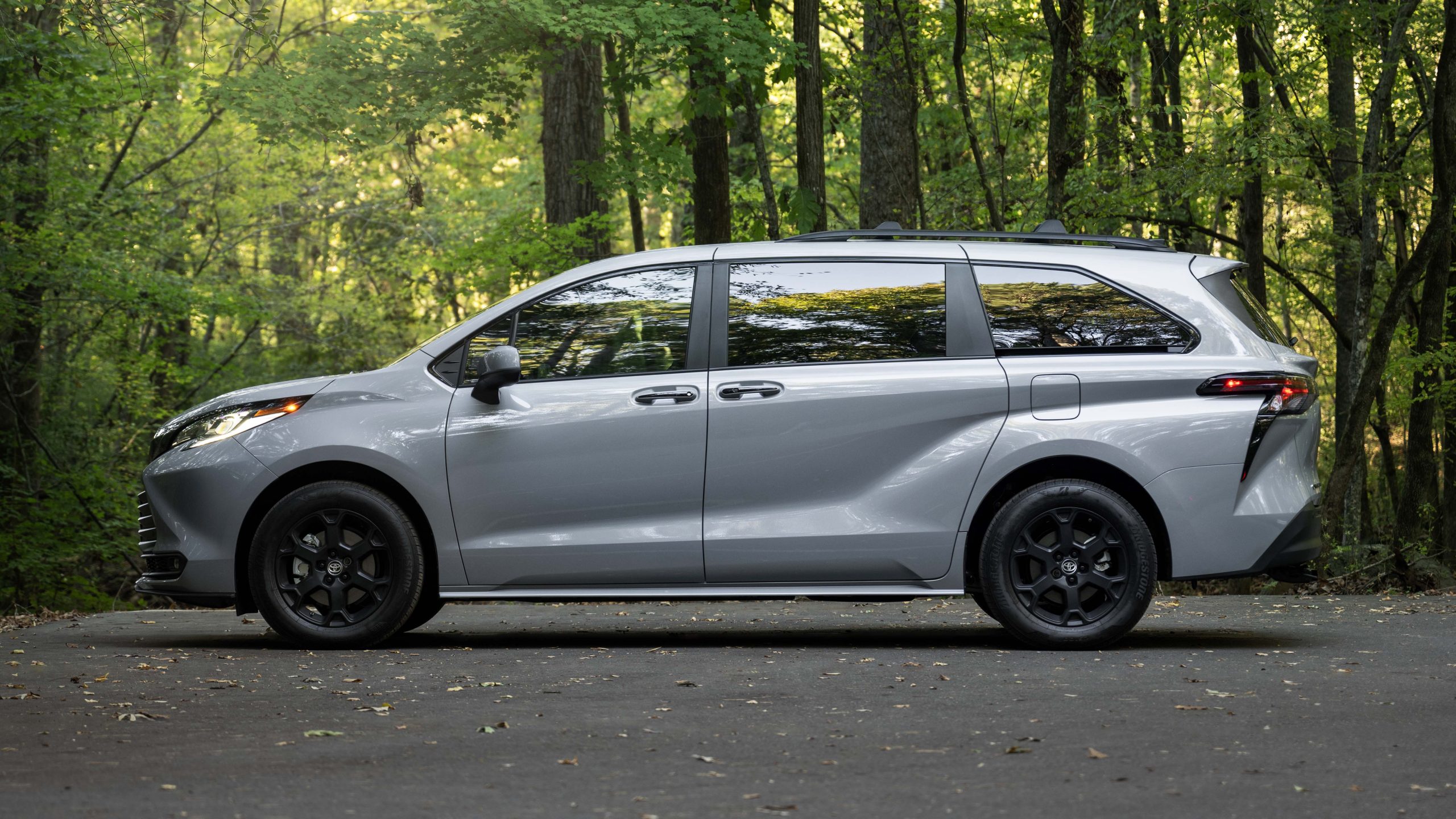
4. Toyota Sienna: A Long-Term Family Minivan Built for Reliability, Comfort, and Everyday Practicality
The Toyota Sienna is widely regarded as one of the most dependable minivans for long-term ownership, often lasting 15 years or more under regular family use. It is engineered to handle the constant demands of transporting passengers, cargo, and long-distance travel while maintaining strong mechanical durability.
Built on Toyota’s proven engineering foundations, including shared components with models like the Camry and Highlander, the Sienna benefits from a reputation for long service life and low major failure rates. Many well-maintained examples exceed 200,000 miles, making it a trusted option for families seeking a vehicle that can support them from early childhood through college years.
A key advantage of the Sienna is its exceptional versatility. It offers seating for seven or eight passengers, depending on configuration, along with a highly flexible interior that adapts easily to changing family needs. Sliding doors and a low floor height improve accessibility for children, older passengers, and loading cargo.
The spacious cabin provides generous room for passengers, while the rear cargo area can accommodate luggage, sports gear, strollers, and other family essentials. This flexibility makes it one of the most practical vehicles in the minivan segment.
Efficiency is another strong point, especially in newer hybrid versions. The hybrid powertrain delivers strong fuel economy for a large vehicle, averaging around the mid-30s mpg in real-world driving.
This helps reduce long-term fuel expenses compared to many traditional minivans. Available all-wheel drive adds further capability, improving traction in rain, snow, or uneven road conditions and increasing year-round usability for families in varying climates.
Inside, the Sienna focuses heavily on comfort and convenience. Higher trims offer features such as leather upholstery, heated and ventilated seats, advanced infotainment systems, premium audio, and rear entertainment options.
Ride quality is smooth and composed, with suspension tuning aimed at comfort during long journeys rather than sporty handling. Steering and road behavior remain predictable and stable, which suits its role as a family-oriented people carrier.
Reliability is one of its strongest attributes, with consistently high ratings in long-term ownership studies. Common issues such as sliding door wear or minor interior aging are generally manageable and do not significantly affect durability when maintenance is followed correctly. Routine servicing is straightforward and typically less costly than many competing models in the same category.
The Toyota Sienna remains a strong choice for buyers who prioritize long-lasting dependability, flexible interior space, fuel efficiency, and comfortable family transport over performance-focused driving dynamics.
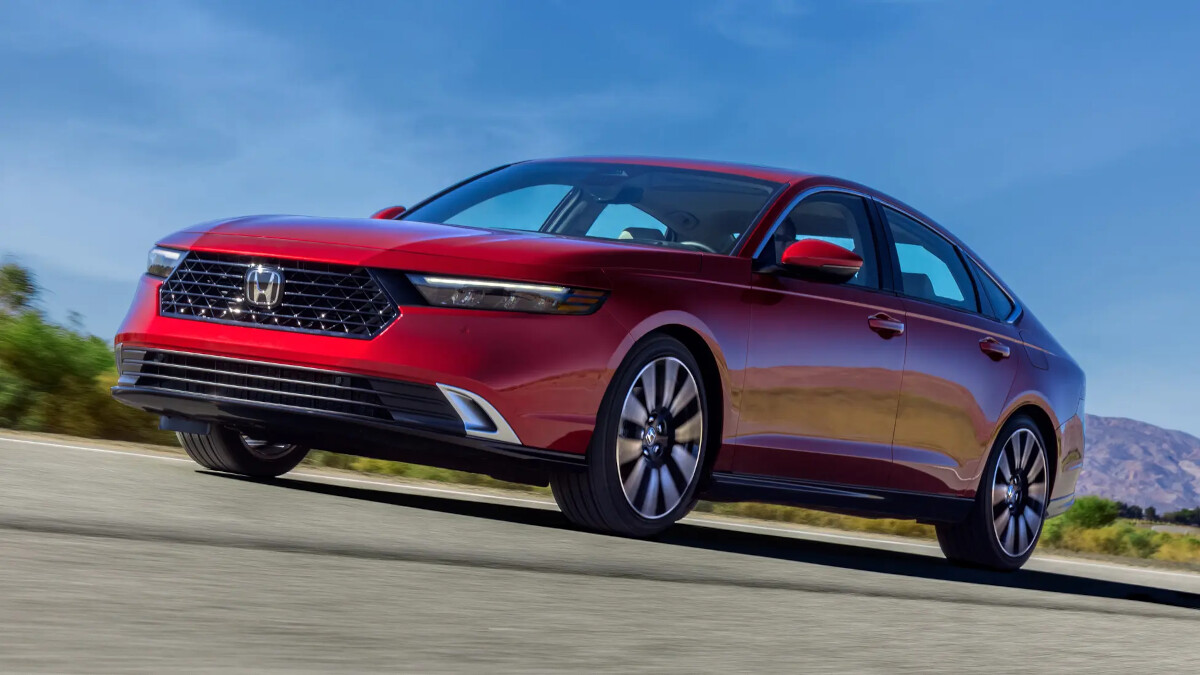
5. Honda Accord: A Long-Lasting Midsize Sedan Built for Reliability, Refinement, and High Mileage Durability
The Honda Accord has long been considered one of the most dependable midsize sedans for long-term ownership, often lasting 15 years or more and reaching between 200,000 and 300,000 miles with proper maintenance. Its reputation is built on strong mechanical engineering, durable engines, and consistently high build quality.
Unlike many modern vehicles that rely heavily on complex electronics, the Accord emphasizes mechanical reliability and long-term durability, which helps reduce the risk of costly failures as the car ages.
Its engines, particularly the 2.4-litre four-cylinder and 2.2-litre diesel options in earlier generations, are known for their ability to remain strong even after extensive use. Many owners report that the vehicle maintains its tight, responsive feel even after a decade of driving.
A key strength of the Accord is its low long-term cost of ownership. It is widely recognized for its strong resale value, relatively low repair frequency, and predictable maintenance needs.
With regular servicing, major mechanical issues are uncommon, and the car is known for avoiding unexpected breakdowns compared to many competitors. Certain model years, especially the 2008 to 2012 and 2013 to 2017 generations, are particularly valued for their balance of reliability, comfort, and durability over long ownership periods.
Comfort and driving refinement are also standout qualities. The Accord delivers a smooth, quiet, and stable ride, especially at highway speeds. Its suspension is tuned for comfort and long-distance cruising, while still maintaining secure handling and predictable road behavior.
Steering is accurate, and although it does not offer the sporty feel of some rivals, it provides confidence and ease of driving in most conditions. Fuel efficiency remains competitive even as the vehicle ages, further contributing to its long-term practicality.
Inside, the Accord offers solid build quality with durable materials that resist wear over time. Seats remain comfortable even after years of use, and cabin design prioritizes function and durability.
However, earlier models are sometimes criticized for cluttered dashboard layouts and less intuitive controls. Rear passenger space is somewhat limited compared to rivals, and boot capacity is modest for the segment, but the cabin remains comfortable for daily use and long journeys.
Performance varies across engines, with diesel variants offering strong torque and efficiency, while petrol versions require higher revs for acceleration. Despite some drawbacks in ergonomics and limited rear space, the Accord remains a well-rounded and dependable sedan that consistently performs well over long ownership cycles.
The Honda Accord continues to stand out as a smart long-term investment for drivers seeking reliability, comfort, and low running costs in a midsize sedan capable of lasting well beyond a decade.
Also read: 10 Cars Featuring the Most Aggressive Stock Factory Engine Exhaust Notes
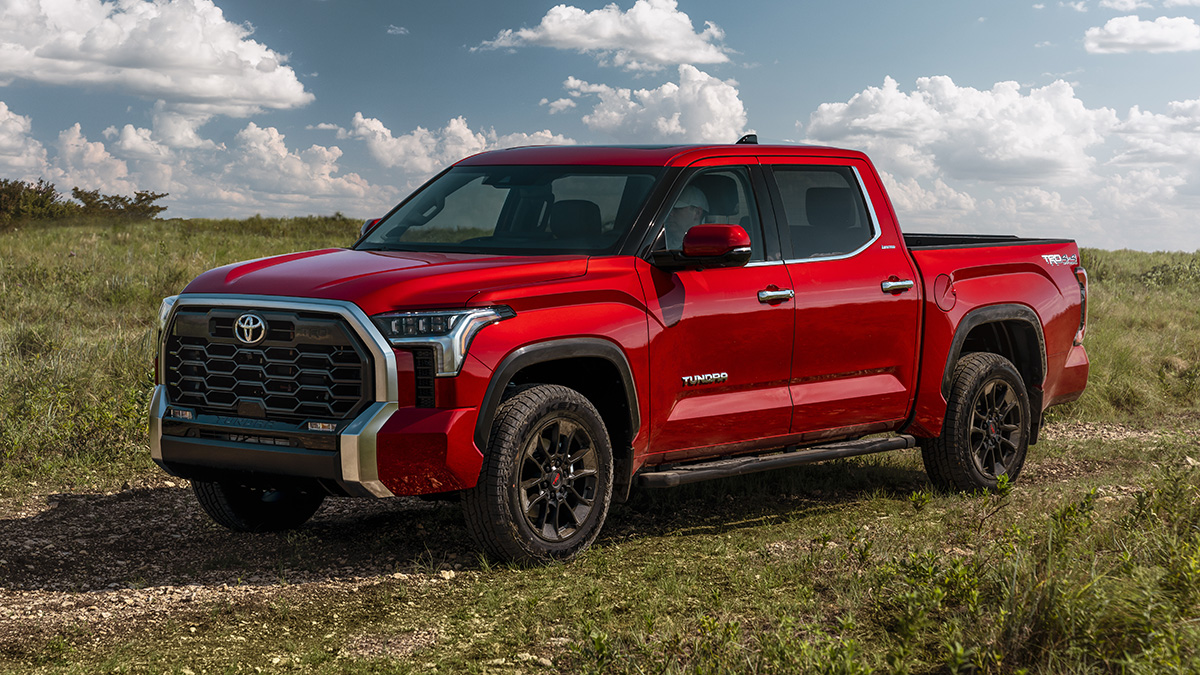
6. Toyota Tundra: A Full-Size “Forever Truck” Built for Extreme Longevity and Strength
The Toyota Tundra is a full-size pickup truck designed to deliver exceptional durability and long-term reliability, often lasting 15 to 20 years or more with proper maintenance. Built to compete directly with American heavy-duty trucks, it stands out for its simple yet highly robust engineering, particularly in older models equipped with the 5.7-litre V8 engine.
This powertrain is widely regarded as one of the most reliable truck engines ever produced, with many examples surpassing 300,000 miles and some reported to reach extreme mileage levels approaching or exceeding 500,000 miles. Its design focuses on low-stress operation, allowing it to handle daily driving, towing, and heavy workloads without significant wear.
A major advantage of the Tundra is its proven long-term durability. The second-generation models produced between 2007 and 2021 are especially respected for their strong frame construction and dependable drivetrain.
The combination of a powerful V8 engine and a durable automatic transmission creates a simplified mechanical system that avoids excessive complexity, reducing the likelihood of major failures over time. This straightforward design contributes to the truck’s reputation as a dependable workhorse that can remain in service for decades.
Another key strength is its exceptional resale value. The Tundra consistently ranks among the highest-retaining vehicles in the full-size truck segment, often maintaining strong market value even after many years of use.
This makes it a financially sound long-term investment, especially for buyers planning to keep a vehicle for over a decade. High owner loyalty further reinforces its reputation, as many drivers choose to keep their Tundras far longer than average due to their reliability and toughness.
However, the Tundra does come with trade-offs. Fuel economy is notably poor compared to modern competitors, making it expensive to run over time. Ride quality can feel stiff, and earlier models, particularly from 2007 to 2009, are known for rust-related issues. Interior design and technology also lag behind newer rivals, with less advanced infotainment and fewer comfort-focused features.
Despite these limitations, the Tundra remains highly valued for its strength and dependability. Recommended model years include 2014 to 2017 for balanced reliability and value, and 2018 to 2021 for improved safety and updated features. It is especially suited for buyers who prioritize long-term durability, towing capability, and mechanical simplicity over fuel efficiency or modern tech.
The Toyota Tundra continues to earn its reputation as a true “forever truck,” built to withstand decades of demanding use while retaining strong value and reliability.
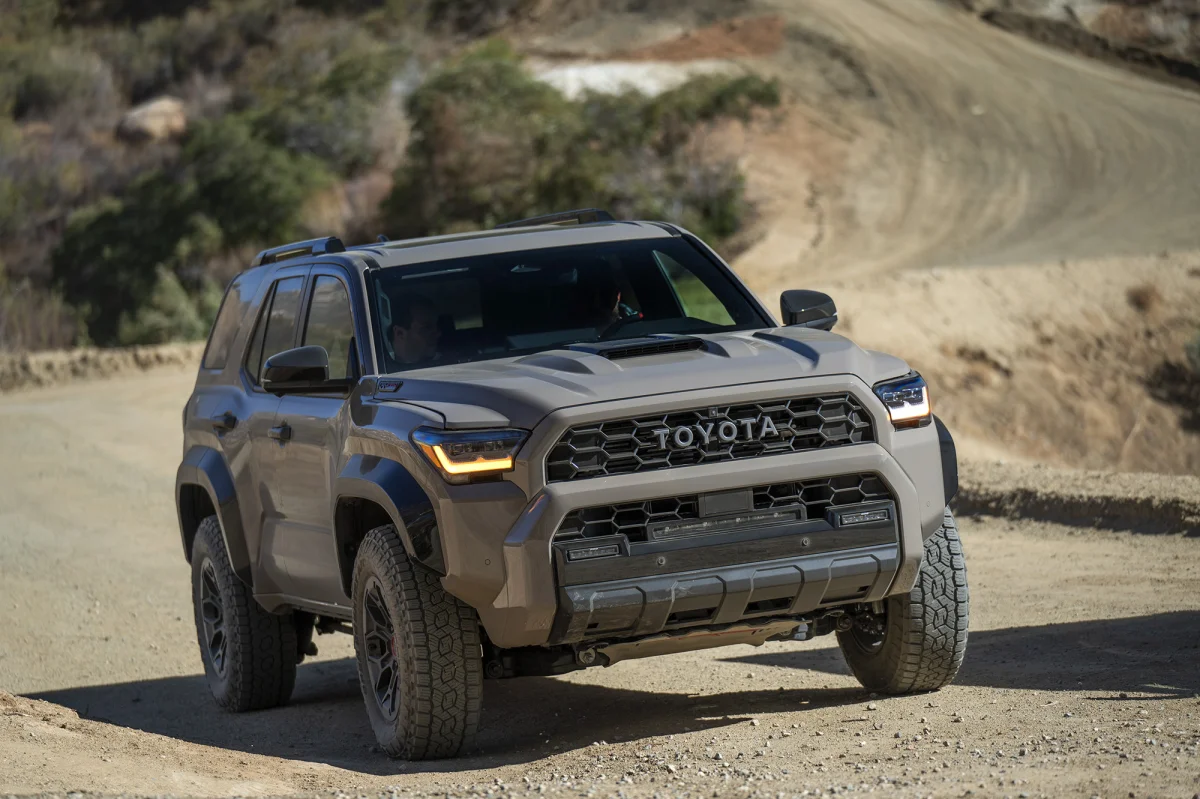
7. Toyota 4Runner: A Rugged Body-on-Frame SUV Built for Extreme Longevity and Off-Road Durability
The Toyota 4Runner is widely regarded as one of the most durable SUVs ever built, often described as a mechanical time capsule due to its long-standing use of proven components. It is built on a traditional body-on-frame platform, similar to a truck, which gives it exceptional strength and resistance to structural wear over time.
This rugged construction allows it to handle heavy off-road use, harsh weather conditions, and high mileage without the fatigue commonly seen in modern unibody SUVs. Many owners keep the 4Runner for 15 years or more because of its simplicity, durability, and ability to remain reliable well beyond 200,000 to 300,000 miles with proper maintenance.
A key reason for its long-term popularity is its proven and simple powertrain. The 4.0-litre V6 engine, paired with a long-used automatic transmission, is known for its durability and resistance to major mechanical failure.
While this setup is not focused on performance or efficiency, it has earned a reputation for being nearly indestructible when properly cared for. This mechanical simplicity also makes the 4Runner easier and more affordable to maintain over long ownership periods compared to more complex modern SUVs.
Another major strength is its outstanding resale value. The 4Runner consistently ranks among the best vehicles for value retention, even when sold with high mileage. Strong demand in the used market reflects its reputation for reliability and long-lasting performance, making it a financially stable long-term investment. Its high resale value helps offset its higher fuel consumption and initial purchase cost.
The 4Runner is also highly versatile. It is designed for both everyday driving and serious off-road adventures, with trims such as TRD Off-Road and TRD Pro offering enhanced suspension systems and terrain management features.
This makes it a popular choice for outdoor enthusiasts who need a vehicle capable of handling challenging terrain while still serving as a daily driver. Its interior is durable and functional, though often considered outdated compared to modern SUVs, with limited advanced tech in older models.
On the road, the 4Runner prioritizes durability over refinement. Its ride can feel heavy and less responsive, and fuel economy is significantly lower than most modern competitors. Acceleration is modest, and the transmission can feel dated compared to newer designs. However, these trade-offs are accepted by buyers who value reliability and toughness above performance.
The Toyota 4Runner remains a top choice for long-term ownership, offering unmatched durability, strong resale value, and proven mechanical simplicity that allows it to remain dependable for well over a decade of use.
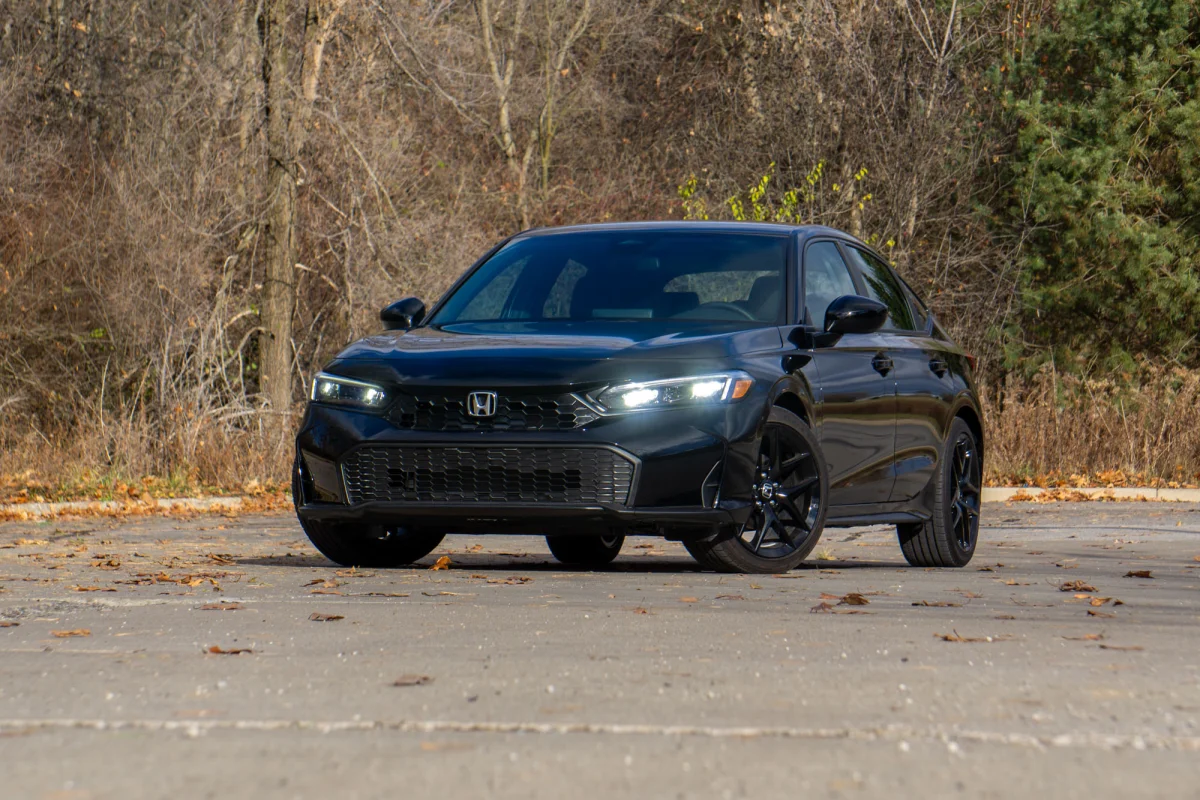
8. Honda Civic: A Long-Lasting Compact Car Built for Reliability, Efficiency, and Low Ownership Costs
The Honda Civic is one of the most trusted compact cars for long-term ownership, frequently lasting 15 to 20 years and exceeding 200,000 to 250,000 miles with proper maintenance. Its strong reputation is based on mechanical simplicity, durable engineering, and consistently low running costs.
By focusing on proven components rather than overly complex systems, the Civic reduces the risk of major mechanical failures over time, making it a practical and dependable option for drivers who want long-term transportation without high maintenance burdens.
A major strength of the Civic is its engine durability. Naturally aspirated engines such as the 1.8-litre and 2.0-litre variants are known for their ability to handle high mileage with basic maintenance like oil changes, fluid checks, and routine servicing.
Newer turbocharged engines offer improved performance and fuel efficiency while still maintaining good reliability, although earlier 1.0-litre versions have had some issues related to wet-belt systems. With consistent upkeep, Civic engines are capable of remaining dependable well into high-mileage use.
Low cost of ownership is another key advantage. The Civic benefits from affordable and widely available spare parts, along with a large network of mechanics familiar with the model. This helps keep repair and servicing costs relatively low over many years. Strong fuel efficiency across most engine options further reduces long-term expenses, making it an economical choice for daily commuting and extended use.
On the road, the Civic delivers a stable and predictable driving experience. It offers responsive steering, balanced handling, and a composed ride suitable for both city driving and highway cruising. While it is not the quietest car in its segment, it provides confident road manners and a suspension setup that blends comfort with control. This makes it well-suited for both everyday use and long-distance travel.
Inside, the Civic features a practical and well-built cabin with strong long-term durability. It offers generous passenger space for a compact car, along with a useful boot and flexible storage options. Earlier models are sometimes criticized for outdated infotainment systems with slower response times and less modern graphics, but interior materials and structural quality remain solid over extended ownership periods.
Trim levels range from basic versions to more advanced models equipped with safety technology, heated seats, and upgraded interior features. For long-term reliability and balanced performance, the 1.5-litre petrol engine paired with Sport trim is often considered the most suitable choice due to its combination of efficiency, durability, and driving refinement.
The Honda Civic continues to stand out as a dependable compact car that combines longevity, practicality, and affordability, making it a strong choice for extended ownership.
9. Lexus RX: A Long-Lasting Luxury SUV Built for Comfort, Reliability, and Low Ownership Stress
The Lexus RX is widely regarded as one of the most dependable luxury SUVs for long-term ownership, often lasting 15 years or more while maintaining strong comfort and mechanical reliability. Built on Toyota’s proven engineering foundations, it shares much of its underlying structure with the Toyota Highlander, which gives it exceptional durability compared to many European luxury rivals.
This combination of Toyota reliability and Lexus refinement makes it a standout option for drivers who want a premium vehicle that does not become financially burdensome after the warranty period ends.
A major strength of the RX is its outstanding reliability record. It consistently ranks near the top of long-term dependability studies, with fewer major mechanical issues than most competitors in the luxury SUV segment.
The widely used 3.5-litre V6 engine is known for its long lifespan, while hybrid versions offer additional efficiency and durability, especially in city driving conditions. With proper maintenance, many RX models comfortably exceed 200,000 miles, making it well suited for extended ownership goals.
Comfort is another defining feature of the RX. It offers a quiet, smooth, and refined ride that prioritizes passenger comfort over sporty performance. High-quality interior materials contribute to a premium feel that remains intact even after many years of use. Seats are designed for long-distance comfort, and cabin insulation helps reduce road and wind noise, making it a relaxing vehicle for daily driving and highway travel.
The RX also benefits from slow depreciation, which helps it retain value better than many luxury competitors. As a result, it remains a financially stable option in the used market. Maintenance and servicing costs are generally lower than those of European luxury SUVs due to Toyota-backed engineering and widely available parts, which further improve its long-term affordability.
However, the RX is not without compromises. Its infotainment system is often criticized for being unintuitive and outdated compared to rivals. Cargo space is also more limited than some competitors, particularly in non-L versions, and fuel economy can be average for its class despite hybrid availability. It also prioritizes comfort over performance, meaning it lacks the sharp handling of sport-focused luxury SUVs.
Despite these limitations, the Lexus RX remains a strong choice for buyers seeking a long-lasting luxury SUV that combines reliability, comfort, and strong resale value, making it one of the most dependable premium vehicles for extended ownership.
10. Toyota Camry: A Long-Term Reliability Benchmark Built for Predictable, Low-Stress Ownership
The Toyota Camry is widely regarded as one of the most dependable sedans ever produced, making it a top choice for drivers planning 15 years or more of ownership. Its reputation is built on extreme predictability and a “fail-safe” engineering approach, where every component is designed to withstand long-term heat cycles, vibration, and heavy daily use.
Whether equipped with a four-cylinder, V6, or hybrid powertrain, the Camry is engineered so that its engine and transmission remain reliable even at very high mileage, often exceeding 200,000 to 300,000 miles with proper maintenance.
A defining strength of the Camry is its outstanding reliability record. It consistently ranks among the most durable midsize sedans, with many owners reporting decades of trouble-free use.
Major mechanical failures are uncommon, and most long-term maintenance is limited to routine servicing such as oil changes, brakes, tires, and occasional suspension components. This low-maintenance nature makes it especially appealing for buyers seeking a car that minimizes unexpected repair costs over time.
Comfort and durability are also key advantages. The Camry delivers a smooth, quiet ride that remains consistent even after years of use. Its interior is designed with long-term wear resistance in mind, using materials that resist fading, cracking, and general aging. The cabin remains practical and ergonomic, offering comfortable seating and a well-organized layout that supports both daily commuting and long-distance travel.
The Camry’s powertrains are another major factor in its longevity. The 2.5-litre four-cylinder engines and available V6 options are both known for long service life when properly maintained. Hybrid versions further enhance efficiency while maintaining strong reliability. These engines are designed to remain stable and efficient even after extensive mileage, reinforcing the Camry’s reputation as a long-lasting vehicle.
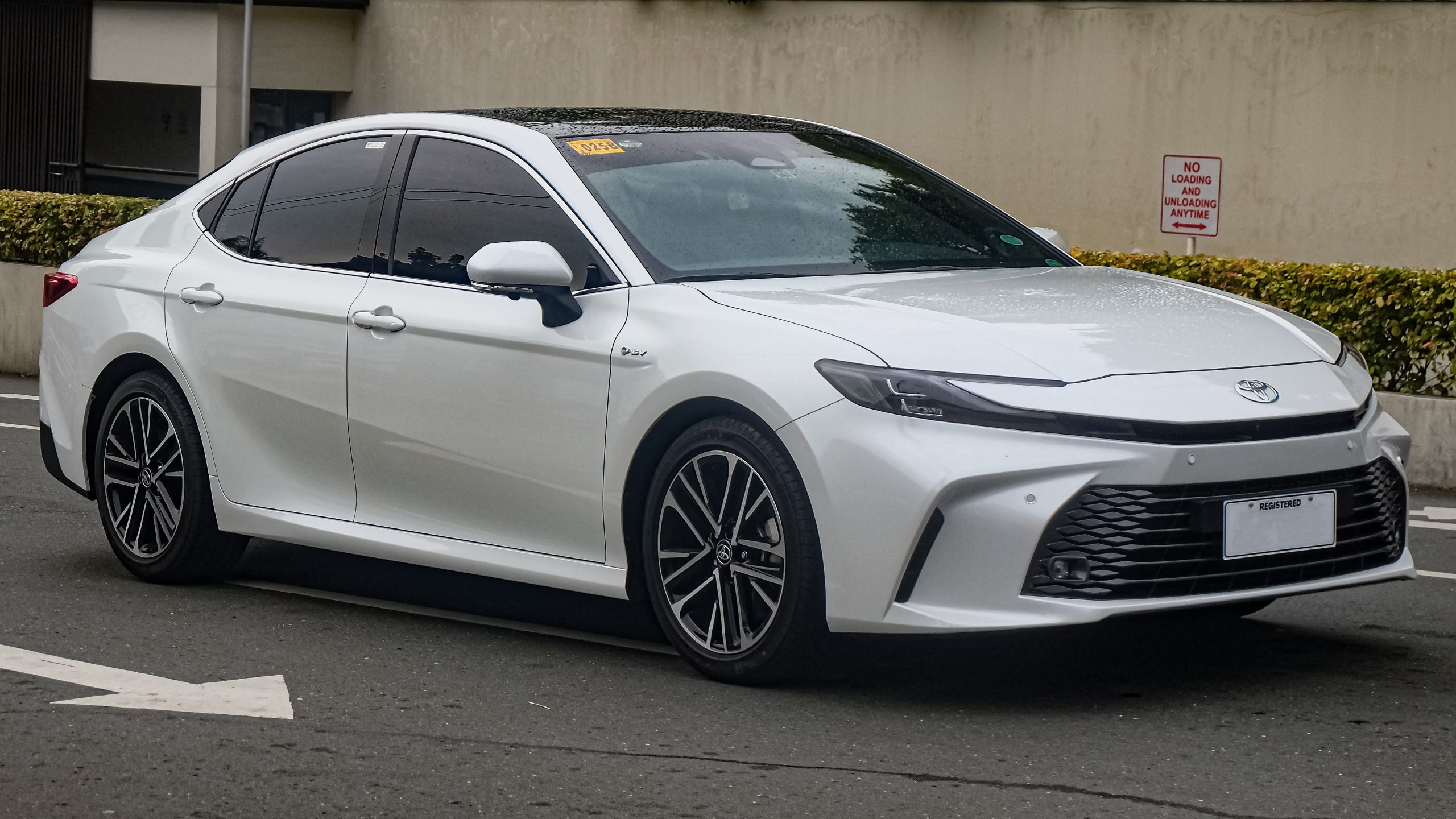
Another benefit is its strong resale value. Due to its reputation for durability and low running costs, the Camry retains value better than many competitors, making it a financially sound long-term purchase. Newer models also include advanced safety systems such as Toyota Safety Sense, improving both safety and long-term usability.
While the Camry is highly practical, it is often described as conservative in design and driving feel. Some infotainment systems are less intuitive than competitors, and certain models may have slightly firm suspension tuning. However, these drawbacks are minor compared to its strengths in reliability and longevity.
The Toyota Camry remains a benchmark for dependable long-term transportation, offering unmatched consistency, low ownership stress, and proven durability for extended use.
Also read: 5 Cars With the Best Nighttime Visibility vs 5 With Poor Headlights