
The gear shifter has always been one of the most important driver interfaces in any vehicle. It is the direct point of control between the driver and the transmission system, deciding whether a vehicle moves forward, reverses, or remains stationary.
For decades, this interaction was simple and mechanical, built around physical linkages that connected the gear lever to the transmission itself. Drivers could feel each gear position through tactile feedback, resistance, and physical detents. This created confidence because the driver could sense exactly which gear was engaged without relying heavily on visual confirmation.
In recent years, the automotive industry has shifted toward electronic control systems, often called shift by wire technology. Instead of a physical connection, modern gear selectors send electronic signals to the transmission control unit.
This change has allowed manufacturers to redesign interiors with cleaner layouts, smaller consoles, and more futuristic controls such as buttons, rotary dials, and even touch-based gear selection systems. While these innovations improve packaging and aesthetics, they also introduce concerns about usability and reliability.
Many drivers prefer traditional mechanical shifters because they provide predictable feedback and reduce confusion. Mechanical systems generally have fewer electronic failure points and are easier to diagnose when something goes wrong.
However, modern vehicles increasingly rely on electronic gear selectors, especially in SUVs and luxury models. This shift has created a divide in the automotive world between those who value mechanical simplicity and those who prefer digital convenience.
SUVs, in particular, are a major battleground for this change because they are family vehicles where ease of use and safety matter greatly. A confusing gear selector can lead to hesitation, incorrect gear selection, or stress during parking and low speed maneuvers. On the other hand, a well designed electronic system can perform reliably for years if engineered correctly, even if it lacks tactile satisfaction.
This article examines two categories of SUVs. The first group includes models known for reliable mechanical or traditional lever based shifters that provide clear feedback and long term durability.
The second group includes SUVs that use button based or electronic systems that have been criticized for inconsistent behavior, poor ergonomics, or occasional software related glitches. The goal is to help readers understand the real differences in design philosophy, usability, and long term ownership experience.
SUVs With Reliable Mechanical Shifters

Toyota 4Runner
The Toyota 4Runner stands as one of the clearest examples of an SUV that has resisted the industry’s shift toward fully electronic controls. Its gear shifter is built around a traditional gated lever system that maintains a physical connection through linkages and cables rather than relying entirely on electronic signals.
This design gives the driver a direct mechanical feel when selecting gears, which is becoming increasingly rare in modern vehicles. The solid movement between positions creates a sense of certainty that is especially valuable in situations where precision matters, such as parking on inclines or maneuvering in tight off road environments.
Durability is one of the defining characteristics of the 4Runner’s shifter system. The components involved in a mechanical linkage are designed to withstand years of stress, including harsh off road driving conditions where vibration, dirt, and uneven terrain are common.
Unlike electronic systems that depend on sensors, actuators, and software, the mechanical setup continues to function reliably even when exposed to rugged use. This makes it a preferred choice for drivers who frequently travel in remote areas where reliability is critical and repair options may be limited.
Another key advantage is the consistency of operation over time. Mechanical shifters like the one in the 4Runner do not rely on software updates or electronic calibration, which means the feel and performance remain largely unchanged throughout the vehicle’s lifespan.
Drivers can develop muscle memory with confidence, knowing that each shift will feel the same regardless of conditions. This predictability is particularly useful for those who use their SUV for towing or hauling, where precise control over gear selection is essential.
From a maintenance perspective, the 4Runner’s shifter system is relatively straightforward. If wear occurs, it is typically limited to physical components such as bushings or cables, which are easier and less expensive to replace compared to electronic modules. There is also less risk of sudden failure caused by software glitches or electrical faults, which can sometimes affect modern shift by wire systems.
The driving experience benefits significantly from this mechanical approach. The tactile feedback, combined with the audible and physical confirmation of gear engagement, enhances driver confidence. In a market increasingly filled with digital interfaces, the 4Runner continues to appeal to those who value traditional engineering and long term dependability.

Jeep Wrangler
The Jeep Wrangler is widely recognized for its off road capability, and its gear shifter design plays a major role in supporting that reputation. Unlike many modern SUVs that have transitioned to electronic systems, the Wrangler maintains a strong emphasis on mechanical linkage, particularly in its manual transmission variants.
Even in automatic versions, the shifter retains a physical and deliberate feel that prioritizes control and reliability over convenience features.
One of the main strengths of the Wrangler’s mechanical shifter is its ability to perform consistently in extreme environments. Off road driving introduces unique challenges such as steep inclines, rocky terrain, and constant vibration.
A mechanical system is better suited to handle these conditions because it does not rely on delicate electronic components that could be affected by water, dust, or sudden impacts. This makes the Wrangler’s shifter highly dependable in situations where failure is not an option.
The simplicity of the system also contributes to its reliability. There are fewer components involved compared to electronic gear selectors, which reduces the number of potential failure points. When the driver moves the lever, the transmission responds directly, without the need for electronic interpretation or delay.
This immediate response is critical when precise control is needed, such as when crawling over obstacles or navigating narrow trails.
Driver confidence is another important benefit. The physical feedback provided by the shifter allows the driver to feel exactly when a gear has been engaged. This reduces the need to rely on visual indicators or digital displays, which can be distracting in demanding driving situations. The clear engagement points also make it easier to avoid mistakes, such as selecting the wrong gear during quick transitions.
While the Wrangler may not offer the same level of refinement as luxury SUVs, its focus on functionality ensures that the gear shifter performs reliably under all conditions. For drivers who prioritize durability, simplicity, and direct control, the Wrangler remains one of the best options available.

Toyota Land Cruiser
The Toyota Land Cruiser has built a global reputation for reliability, and its gear shifter system reflects the same engineering philosophy. Designed for use in some of the most challenging environments in the world, the Land Cruiser relies on a robust mechanical or semi mechanical linkage that emphasizes durability and long term performance.
This approach ensures that the vehicle remains operational even in remote locations where advanced diagnostics and repairs are not easily accessible.
A defining feature of the Land Cruiser’s shifter is its strong and deliberate engagement. Each gear position is clearly defined, with firm detents that prevent accidental movement. This is particularly important in heavy duty scenarios such as towing, carrying heavy loads, or driving on uneven terrain. The solid feel of the shifter provides reassurance that the selected gear will remain engaged until the driver intentionally changes it.
The system is engineered to withstand years of continuous use without significant degradation. Components such as rods, joints, and bushings are built with high quality materials that resist wear and maintain their structural integrity over time.
This level of durability is one of the reasons why Land Cruisers are commonly used in industries such as construction, agriculture, and humanitarian work in remote regions.
Another advantage is the consistency of performance across different conditions. Whether driving in extreme heat, cold, or high altitude environments, the mechanical linkage continues to function without relying on electronic systems that might be affected by environmental factors. This reliability makes the Land Cruiser a trusted choice for long distance travel and expedition use.
The driving experience is enhanced by the clear feedback provided by the shifter. Drivers can rely on physical sensation rather than digital confirmation, which simplifies operation and reduces the likelihood of errors. In an era where many vehicles prioritize advanced technology, the Land Cruiser continues to demonstrate the value of proven mechanical design.
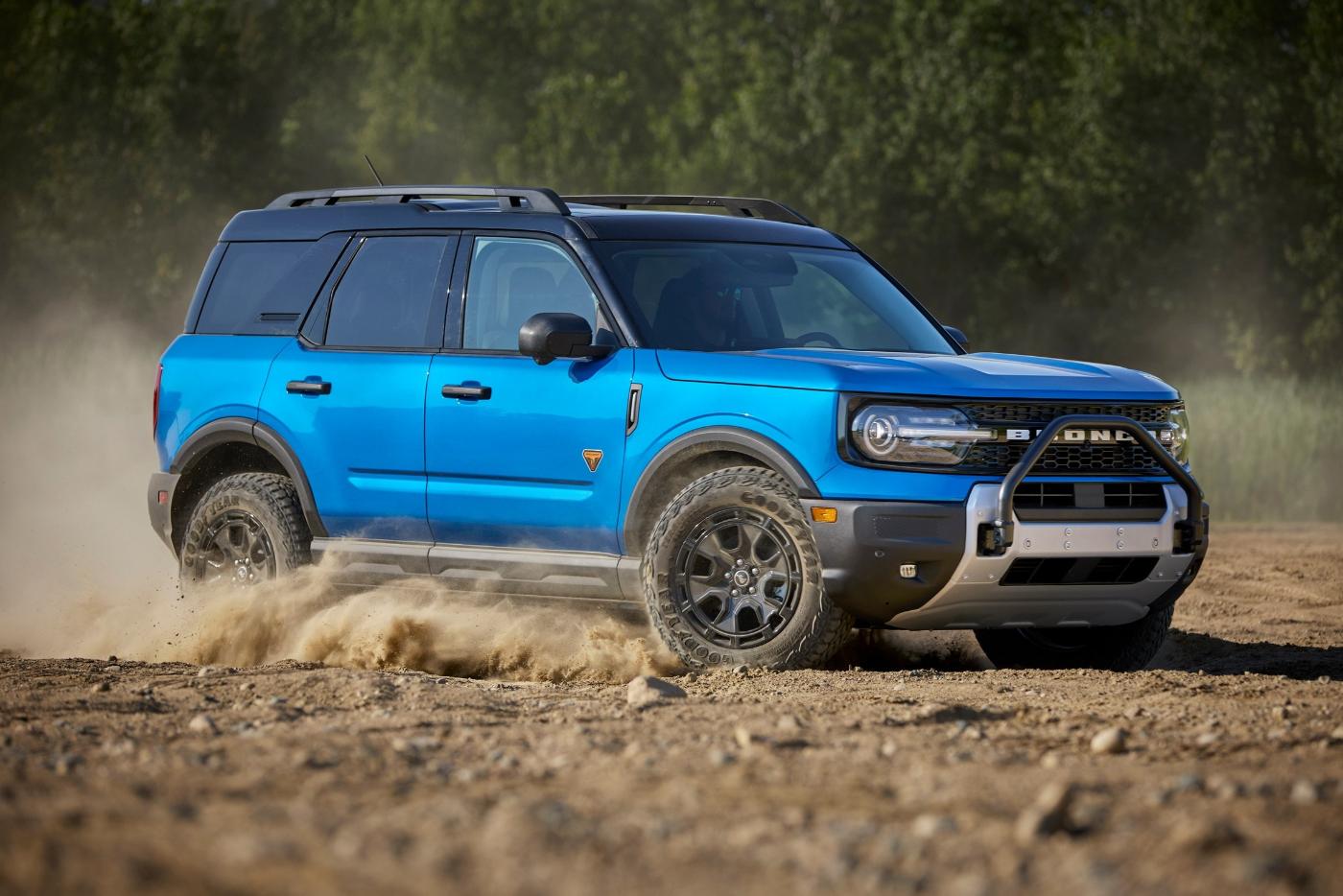
Ford Bronco
The Ford Bronco represents a modern interpretation of a rugged SUV while still maintaining elements of traditional mechanical control. Its gear shifter system combines physical movement with selective electronic assistance, resulting in a setup that offers both reliability and usability. Unlike fully electronic systems, the Bronco’s shifter retains a tangible feel that helps drivers stay connected to the vehicle’s operation.
One of the key strengths of the Bronco’s system is its adaptability to different driving conditions. The vehicle is equipped with various terrain modes, yet the gear selection process remains straightforward and intuitive.
This balance allows drivers to take advantage of advanced features without sacrificing the simplicity of a physical shifter. The result is a system that feels modern without becoming overly complicated.
Durability is another important factor. The Bronco is designed for off road use, which means its components must handle constant vibration, impacts, and environmental exposure. The shifter mechanism is built to meet these demands, ensuring that it continues to function reliably even under stress. This makes it a strong choice for drivers who regularly venture beyond paved roads.
The familiar layout of the shifter also contributes to ease of use. Most drivers are accustomed to the traditional PRND configuration, and the Bronco maintains this standard. This reduces the learning curve and allows new drivers to operate the vehicle with confidence from the start. In contrast, some electronic systems require adjustment and can feel unintuitive at first.
The combination of mechanical feedback and modern integration makes the Bronco’s shifter system a well rounded solution. It provides the reliability and control expected from a traditional SUV while still accommodating the needs of contemporary drivers.
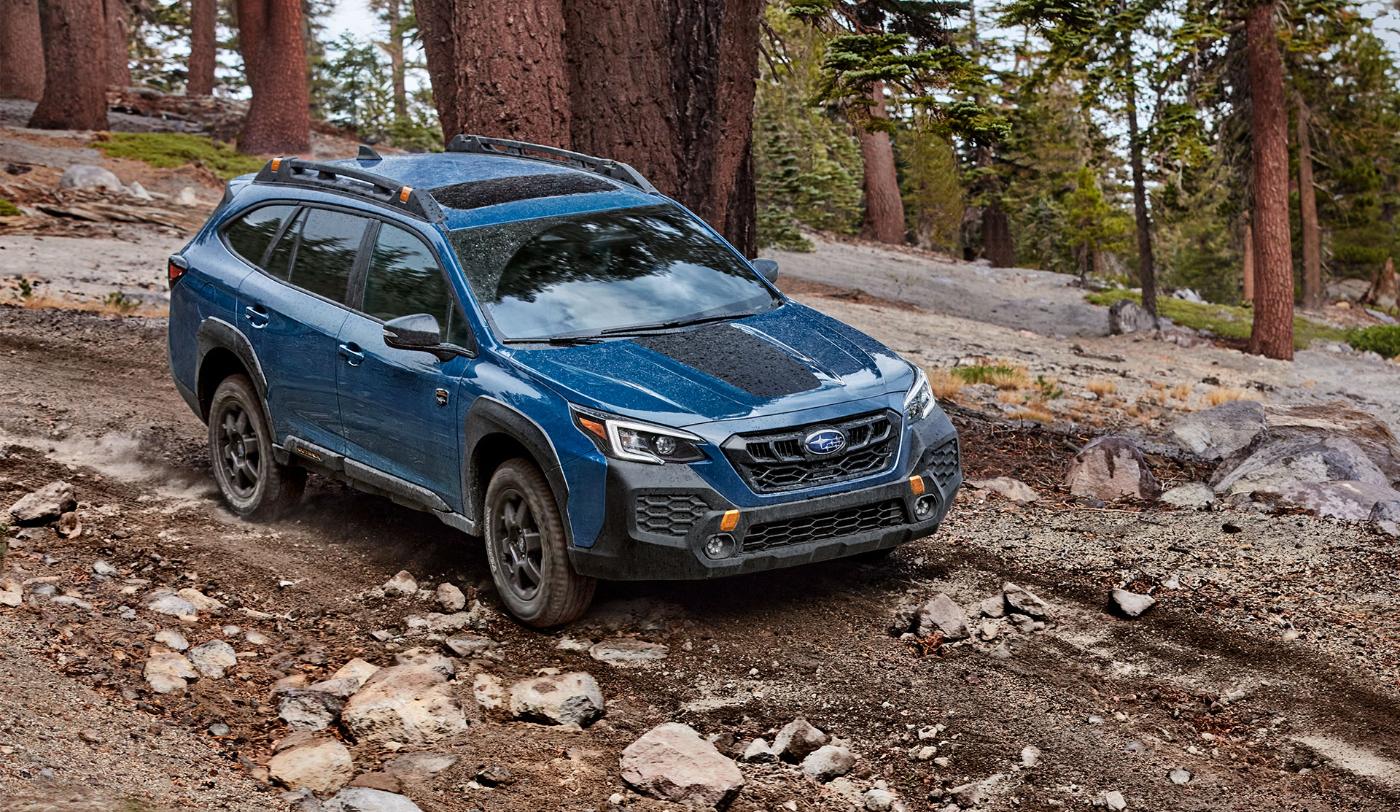
Subaru Outback
The Subaru Outback continues to use a conventional lever based shifter that emphasizes practicality and ease of use. While the vehicle incorporates modern technology in other areas, the gear selection system remains rooted in a design that prioritizes familiarity and reliability. This approach makes the Outback particularly appealing to a wide range of drivers, including families and long distance travelers.
One of the main advantages of the Outback’s shifter is its intuitive layout. The lever moves through clearly defined positions, allowing drivers to select gears without hesitation. This simplicity reduces the likelihood of errors and makes the vehicle easier to operate in everyday situations such as city driving and parking.
The mechanical characteristics of the shifter also enhance driver confidence. Each movement provides a clear sense of engagement, which helps drivers confirm that the correct gear has been selected. This tactile feedback is especially valuable in conditions where visibility may be limited, such as during nighttime driving or in poor weather.
Durability is another strong point. Subaru designs its vehicles to perform reliably in a variety of environments, including snow, rain, and rough terrain. The shifter mechanism is built to withstand these conditions, ensuring consistent performance over time. This reliability aligns with the brand’s reputation for producing dependable all wheel drive vehicles.
In addition to its functional benefits, the Outback’s shifter contributes to a comfortable driving experience. The smooth yet defined movement of the lever makes gear changes feel natural and controlled. While it may not offer the futuristic appeal of electronic systems, it delivers a level of usability and dependability that many drivers still prefer.
SUVs With Glitchy Button Based Shifters
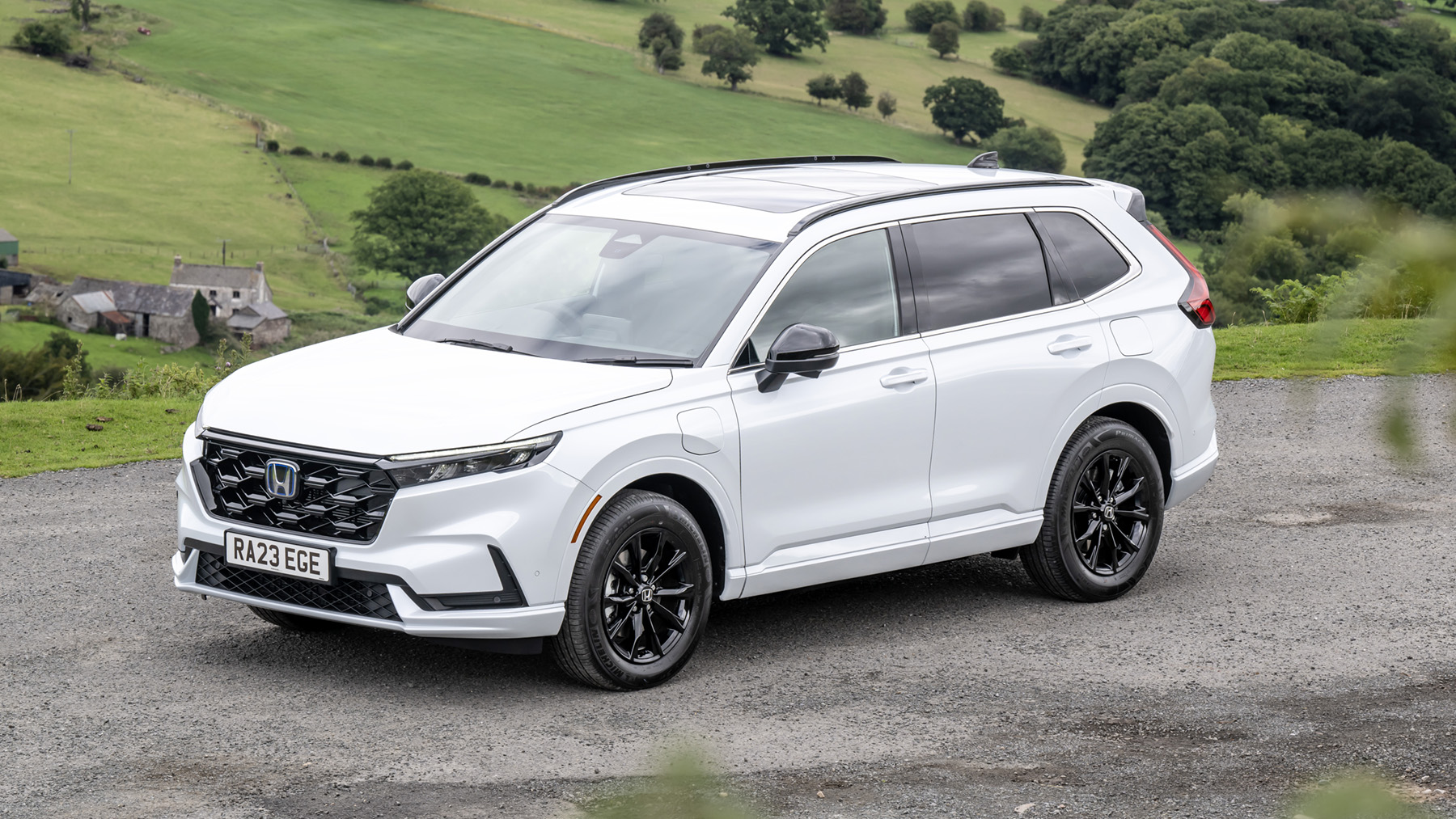
Honda CR-V
The Honda CR-V, particularly in its newer generations, introduced a push button based gear selector system that replaces the traditional lever with a series of electronically controlled inputs. Each gear such as park, reverse, neutral, and drive is activated by pressing a dedicated button on the center console.
While this design helps free up space and gives the interior a cleaner appearance, it significantly changes how drivers interact with the vehicle. Instead of relying on physical movement and tactile feedback, the system depends heavily on visual confirmation and electronic signals.
One of the most frequently discussed drawbacks of this system is the lack of tactile differentiation between controls. Unlike a mechanical shifter where each position has a distinct feel and resistance, the CR-V’s buttons can feel similar to one another.
This creates a situation where drivers may need to look down at the console to confirm their selection, which can be inconvenient and potentially distracting during quick maneuvers. In situations such as parallel parking or navigating tight spaces, this extra step can slow down reaction time.
Another concern is the learning curve associated with the layout. Drivers who have spent years using traditional gear levers may initially find the button system unintuitive. Muscle memory built around moving a lever forward or backward does not translate directly to pressing buttons. This adjustment period can lead to hesitation, especially in high pressure situations where quick gear changes are required.
Although the electronic system is generally reliable from a technical standpoint, there is always the possibility of minor glitches or delays in response. Because the system relies on sensors and electronic communication, any temporary fault can affect how quickly the transmission responds to input. While such issues are not common, they highlight the difference between mechanical certainty and electronic dependency.
Despite these drawbacks, some drivers do adapt over time and come to appreciate the design for its space saving benefits. However, for those who prioritize immediate feedback and intuitive control, the system can feel less satisfying compared to traditional mechanical shifters.
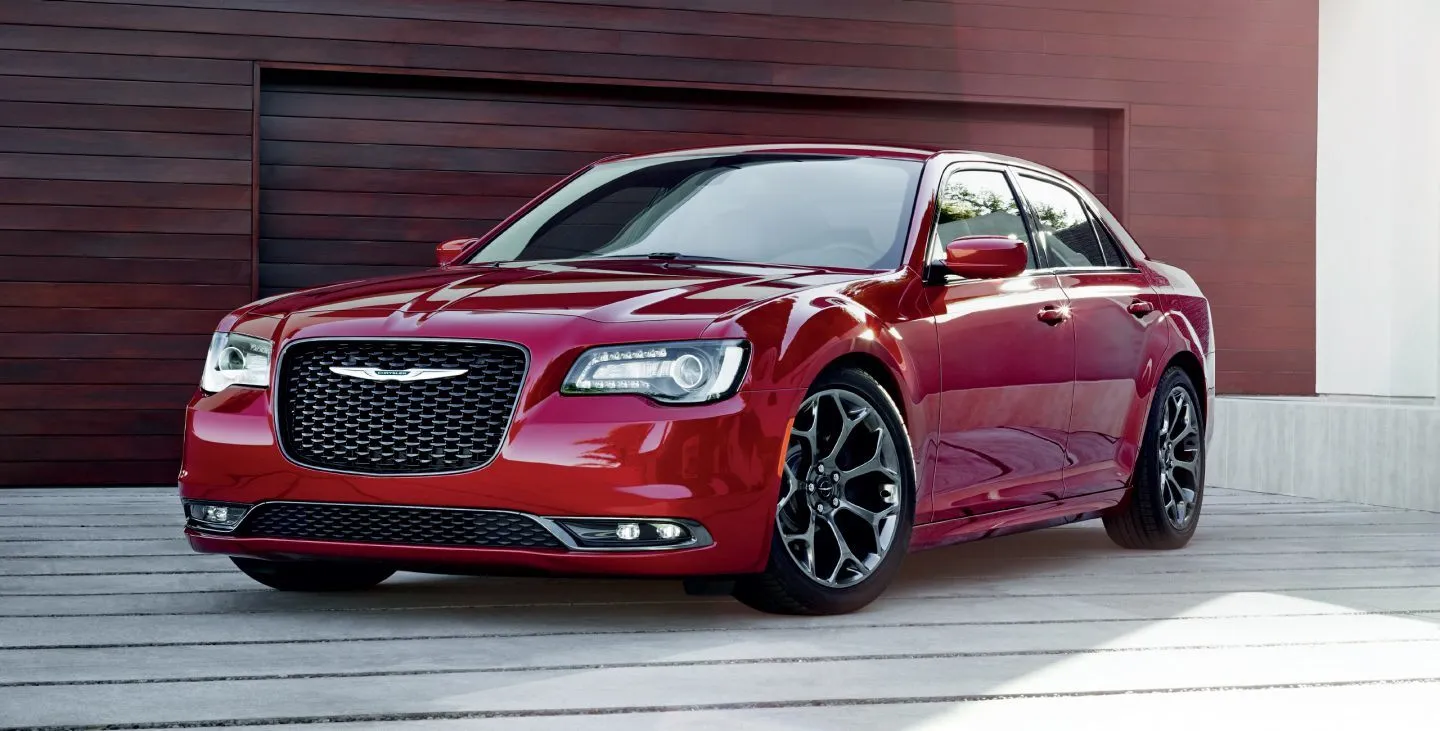
Chrysler 300
The Chrysler 300 features an electronic monostable shifter in certain versions, a design that moves away from fixed gear positions. Instead of staying in place after selection, the lever returns to a central position, and gear engagement is confirmed electronically.
This approach is intended to modernize the driving experience and reduce physical clutter in the center console, but it also introduces a level of abstraction that can be confusing for some drivers.
One of the primary issues with this system is the absence of clear physical indicators. In a traditional shifter, the position of the lever directly corresponds to the selected gear. With a monostable design, the lever’s position does not provide that information, forcing drivers to rely entirely on dashboard displays. This can reduce situational awareness, particularly for those who prefer to confirm gear selection through touch rather than sight.
Confusion during gear transitions is another commonly reported concern. Because the lever does not remain in a fixed position, it can be difficult to develop a consistent sense of motion when switching between park, reverse, and drive. This lack of physical reference can lead to hesitation or incorrect inputs, especially for drivers who are not fully accustomed to the system.
There have also been broader discussions in the automotive industry about similar designs and their potential for user error. While modern implementations include safety features such as automatic park engagement and warning alerts, the fundamental issue of usability remains. Drivers may feel less confident when they cannot physically verify the gear position through the shifter itself.
From a reliability perspective, the system depends entirely on electronic components and software. While generally dependable, it introduces more potential failure points compared to a purely mechanical linkage. This combination of reduced tactile feedback and increased reliance on electronics makes the monostable shifter less appealing to drivers who value simplicity and clarity.
BMW X5
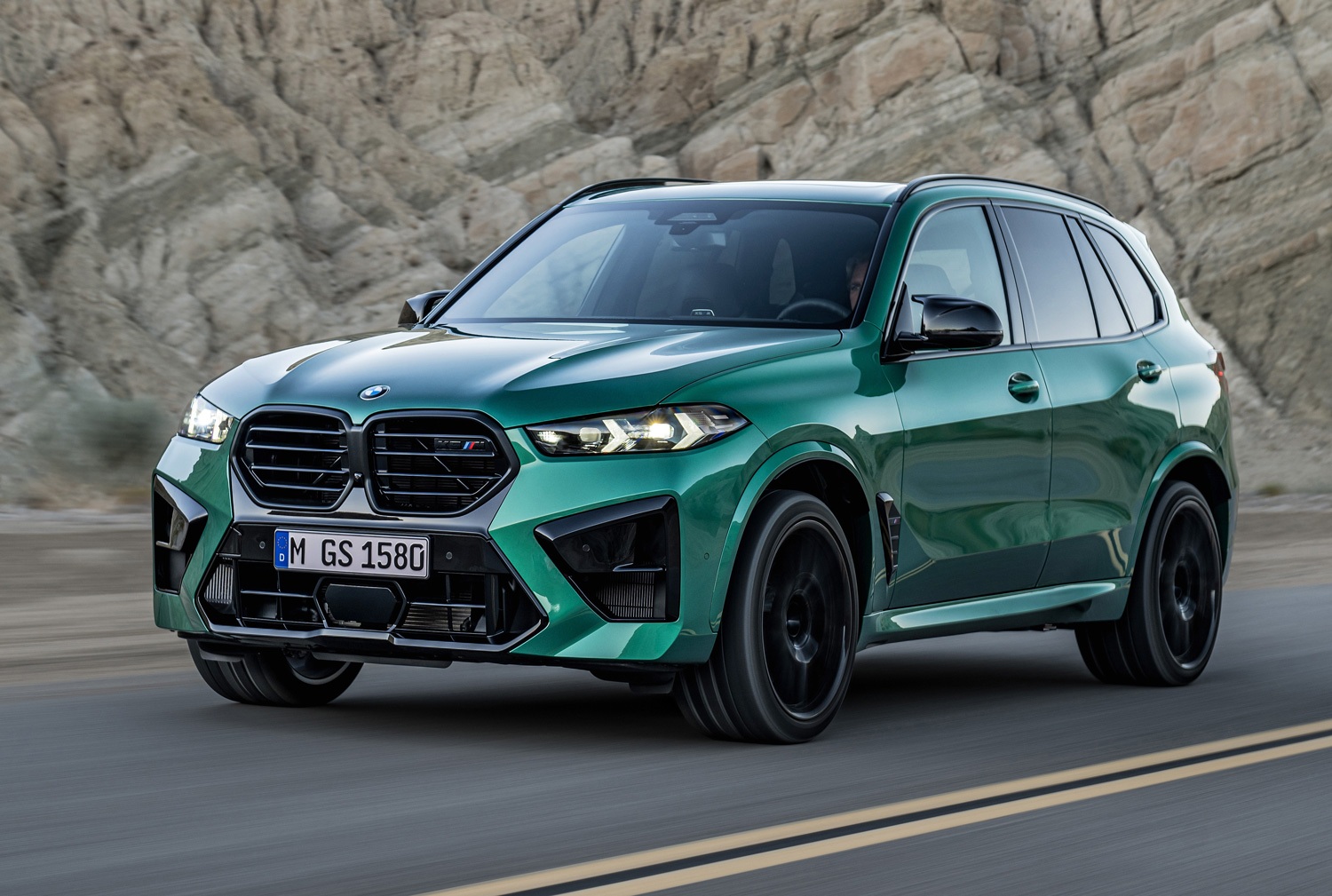
The BMW X5 uses a compact electronic toggle style shifter that replaces the traditional gear lever with a smaller, more stylized control. This design aligns with the brand’s focus on modern interiors and advanced technology, but it also changes the way drivers interact with gear selection. Instead of moving through a clear range of positions, the driver uses a switch like control that sends electronic commands to the transmission.
One of the main drawbacks of this system is the reduced sense of mechanical connection. The toggle does not provide the same level of resistance or movement as a conventional shifter, which can make the process feel less engaging.
Drivers who are accustomed to feeling each gear position may find this lack of feedback less reassuring, particularly during low speed maneuvers where precision is important.
Another issue is the potential for input ambiguity. Because the control is smaller and requires lighter movements, it can sometimes feel less distinct when switching between gears. This may lead to situations where drivers need to double check the instrument cluster to confirm the selected gear. While this is not a major flaw, it does add an extra layer of attention that would not be necessary with a traditional system.
The system’s reliance on electronic communication also introduces the possibility of minor delays or inconsistencies. Although these occurrences are rare, they highlight the difference between direct mechanical engagement and electronically mediated control. Even a slight delay can be noticeable when performing quick gear changes in tight spaces.
Despite these concerns, many drivers do become comfortable with the system over time. The design contributes to a cleaner and more spacious interior, which is a priority in luxury vehicles. However, the trade off is a reduction in tactile feedback and immediate clarity, which can impact the driving experience for some users.

Ford Explorer
The Ford Explorer features a rotary dial gear selector in several trims, replacing the conventional lever with a circular control that is turned to select gears. This design is intended to create a more modern and streamlined interior while also freeing up space in the center console. However, it represents a significant departure from traditional gear selection methods, which can make it feel unfamiliar to many drivers.
One of the most common concerns with the rotary dial system is the disconnect between action and result. Turning a dial does not mimic the linear motion of a traditional gear lever, which can make the process feel less intuitive. Drivers must rely on visual confirmation to ensure the correct gear is selected, as the physical motion itself does not provide clear feedback.
Another issue is the potential for accidental inputs. Because the dial can be rotated easily, there is a possibility of selecting the wrong gear if the driver is distracted or not fully attentive. While safety systems are in place to prevent dangerous situations, the risk of momentary confusion still exists, particularly for those who are new to the design.
The system’s electronic nature also means that it depends on sensors and software to function correctly. While generally reliable, any malfunction in these components can affect gear selection. This adds a layer of complexity that is not present in mechanical systems, where the connection is more direct and easier to diagnose.
On the positive side, the rotary dial does contribute to a cleaner interior layout and can be convenient once the driver becomes accustomed to it. However, for those who prioritize tactile feedback and instinctive operation, it may feel less satisfying compared to a traditional shifter.
Lincoln Navigator
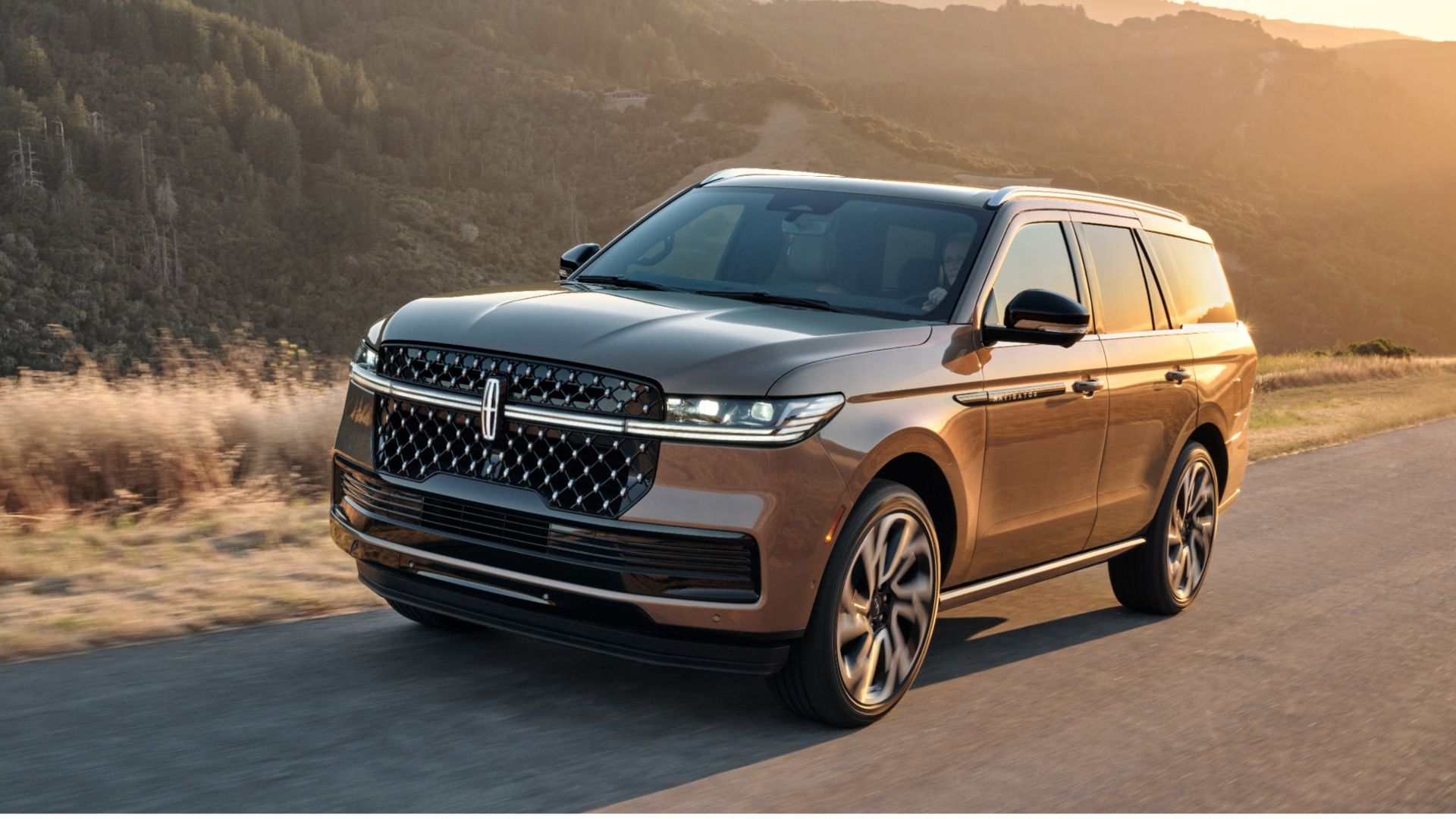
The Lincoln Navigator uses a push button gear selection system that arranges the controls in a horizontal row along the dashboard or center console. This design is intended to emphasize luxury and modern aesthetics while maximizing available space. By removing the traditional gear lever, the interior appears more open and uncluttered, which aligns with the vehicle’s premium positioning.
One of the primary challenges with this system is the lack of tactile variation between buttons. Each control is similar in shape and feel, which can make it difficult to distinguish between gears without looking directly at the interface. This reliance on visual confirmation can be inconvenient, especially in situations where the driver needs to switch gears quickly.
Another concern is the disruption of established driving habits. Most drivers are familiar with the motion of a gear lever, and transitioning to a button based system requires a change in muscle memory. This adjustment can take time, and during the transition period, drivers may experience hesitation or uncertainty when selecting gears.
The system’s dependence on electronic components also introduces potential reliability considerations. While high end vehicles like the Navigator are engineered to maintain consistent performance, the complexity of the system means there are more elements that could potentially fail compared to a simple mechanical linkage. This does not necessarily mean frequent issues, but it does increase the system complexity.
Despite these drawbacks, the push button design does offer benefits in terms of interior space and visual appeal. Many drivers appreciate the clean layout and modern feel once they become accustomed to it. However, the trade off remains a reduced level of tactile feedback and a greater reliance on electronic systems, which may not suit everyone’s preferences.