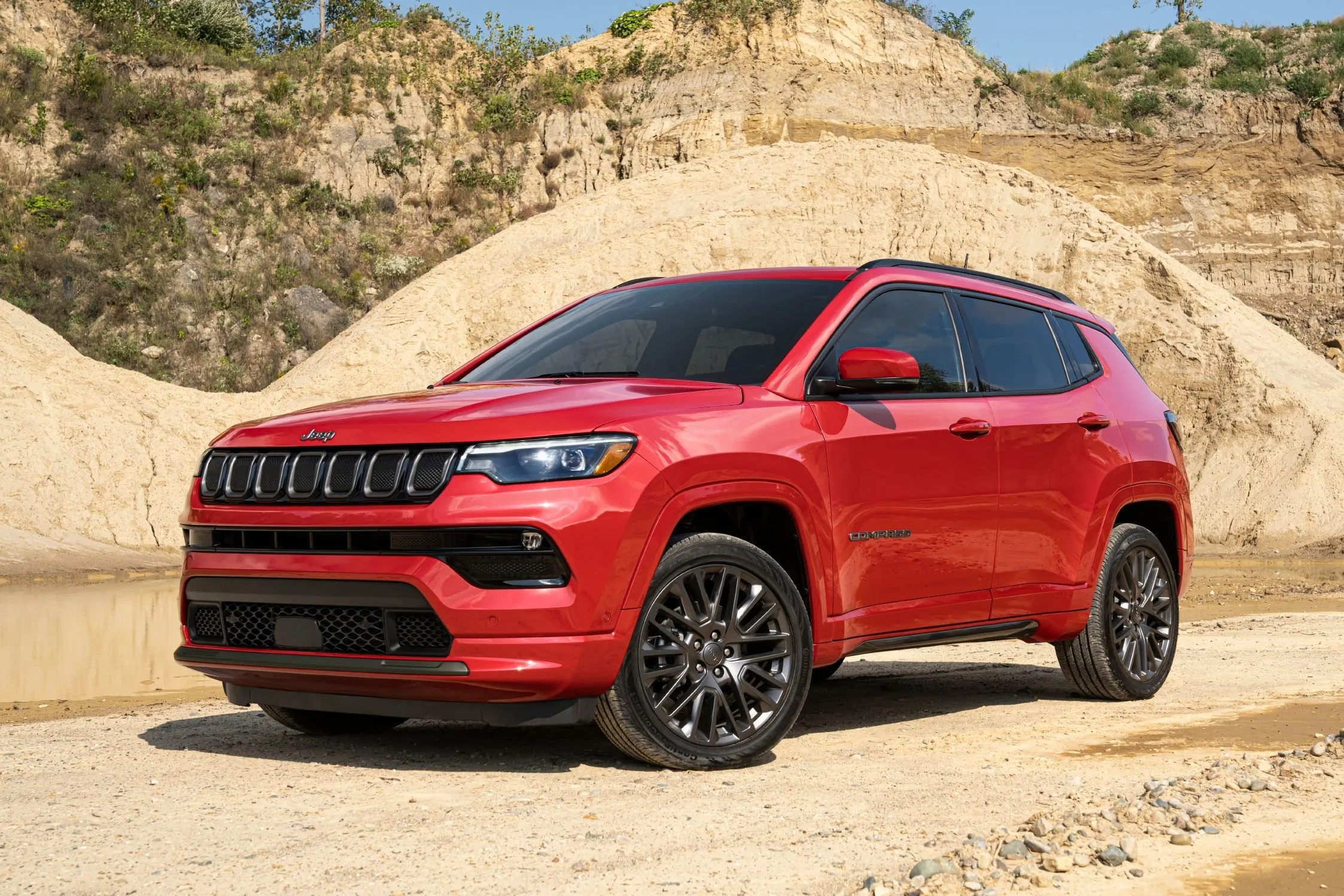
Cabin quietness has become one of the most important factors for modern SUV buyers, especially in the compact SUV segment where manufacturers must balance affordability, performance, and comfort within a smaller body structure.
Unlike larger luxury SUVs, compact SUVs often struggle with managing noise because of their shorter wheelbases, lighter insulation materials, and higher cabin positioning. These structural limitations make them more prone to wind intrusion, tire roar, and engine strain noise, particularly at highway speeds where aerodynamic pressure increases significantly.
For daily commuters, families, and long-distance drivers, highway noise is more than a comfort issue. It directly impacts fatigue levels, conversation clarity, and even perceived vehicle quality.
Research from automotive testing bodies consistently shows that interior noise is a key factor influencing customer satisfaction and long-term ownership experience. Vehicles with poor noise insulation tend to feel less refined even if they perform well mechanically or offer strong reliability.
Compact SUVs are especially sensitive to noise differences because their engines are often small turbocharged or naturally aspirated four-cylinder units that must work harder during acceleration.
This increases engine drone inside the cabin. At the same time, the upright SUV shape creates aerodynamic drag, which leads to wind noise around side mirrors, roof rails, and window seals. Tire choice and suspension tuning further influence how much road vibration enters the cabin.
On the other hand, some manufacturers have made significant progress in reducing noise levels through improved sound insulation materials, laminated acoustic glass, optimized chassis design, and hybrid powertrains that reduce engine usage at lower speeds.
Hybrid systems are particularly effective in city driving, while premium compact SUVs often add multi-layer insulation and active noise cancellation technologies to achieve near-luxury silence.
In this article, we separate compact SUVs into two clear categories based on widely reported automotive testing trends, expert evaluations, and real-world driver feedback: models known for quiet highway performance and models frequently criticized for excessive cabin noise.
This comparison helps highlight how design, engineering, and drivetrain choices directly affect what you hear inside the cabin at highway speeds.
5 Compact SUVs With Quiet Highway Cabins
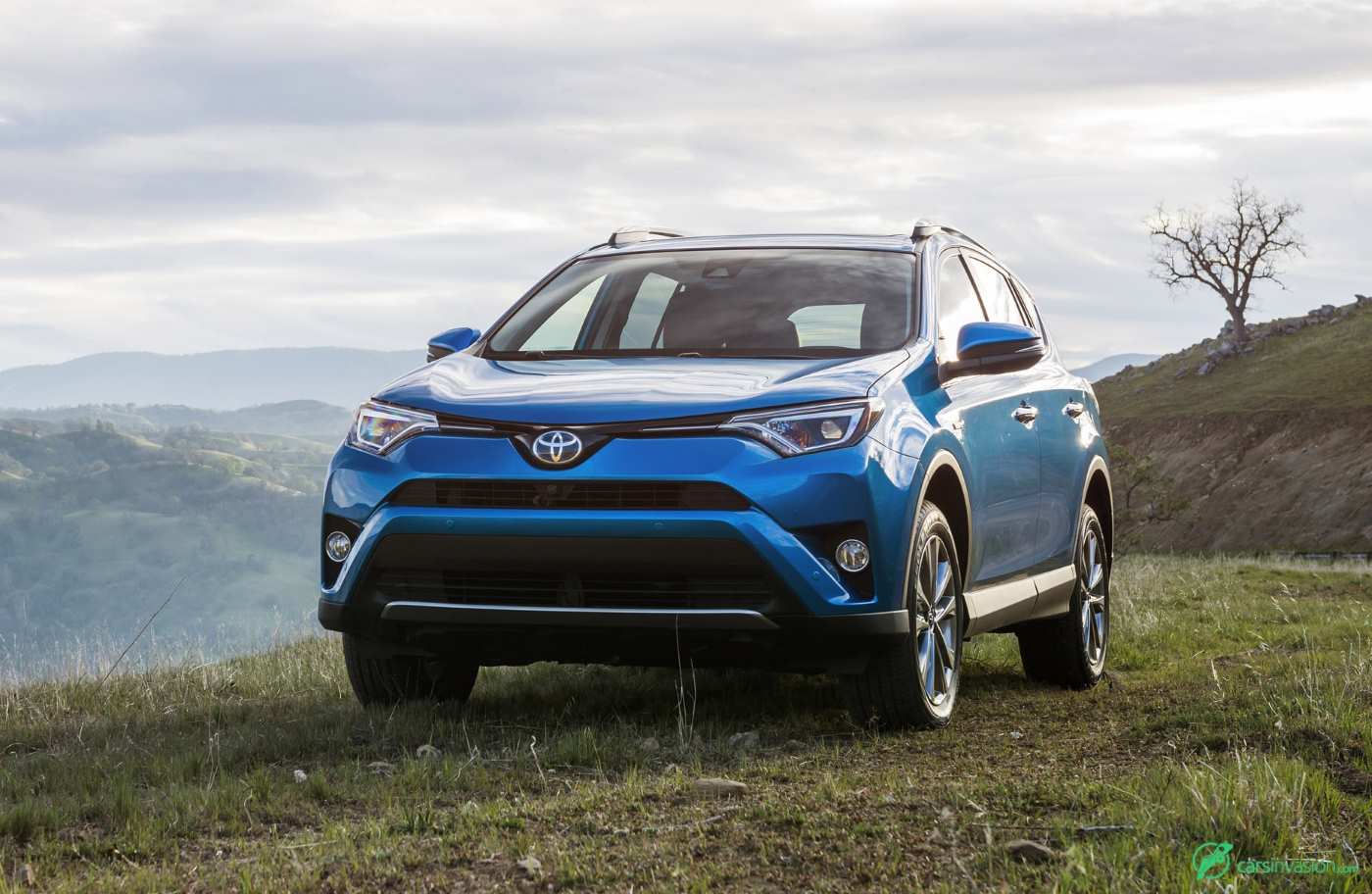
1. Toyota RAV4 Hybrid
The Toyota RAV4 Hybrid has built a strong reputation for offering a smoother and quieter driving experience compared to its gasoline-only counterpart. One of the primary reasons for this refinement is its hybrid powertrain, which combines a four-cylinder engine with electric motors.
This setup allows the vehicle to rely less on the engine during low to moderate speeds, significantly reducing engine noise that typically enters the cabin in traditional compact SUVs. As a result, drivers experience a more relaxed and less intrusive sound profile during everyday driving.
Another factor contributing to its highway quietness is the way the hybrid system manages power delivery. Instead of abrupt gear changes or high-revving acceleration, the system delivers a more linear and controlled output.
This reduces harsh engine sounds when merging onto highways or overtaking slower vehicles. Even under moderate load, the engine tends to operate more smoothly compared to conventional engines in this segment, which helps maintain a composed cabin environment.
In terms of insulation, higher trims of the RAV4 Hybrid include improved sound-deadening materials that help minimize road and wind noise. The door seals, floor insulation, and firewall padding all play a role in reducing the amount of external noise entering the cabin. While not at luxury SUV levels, these enhancements make a noticeable difference during long highway drives, especially when compared to older or base models.
Wind noise is reasonably controlled thanks to its aerodynamic design, although some minor noise can still be heard around the side mirrors at higher speeds. This is common in compact SUVs due to their upright shape, but the RAV4 Hybrid manages to keep it within acceptable limits. The effect is a cabin that feels stable and consistent even when cruising at higher speeds.
Tire noise can vary depending on the type of tires installed, but the suspension tuning helps absorb road imperfections effectively. On smoother highways, the cabin remains impressively calm, allowing passengers to converse easily without raising their voices. For buyers looking for a practical SUV with a relatively quiet highway presence, the RAV4 Hybrid remains a strong contender.
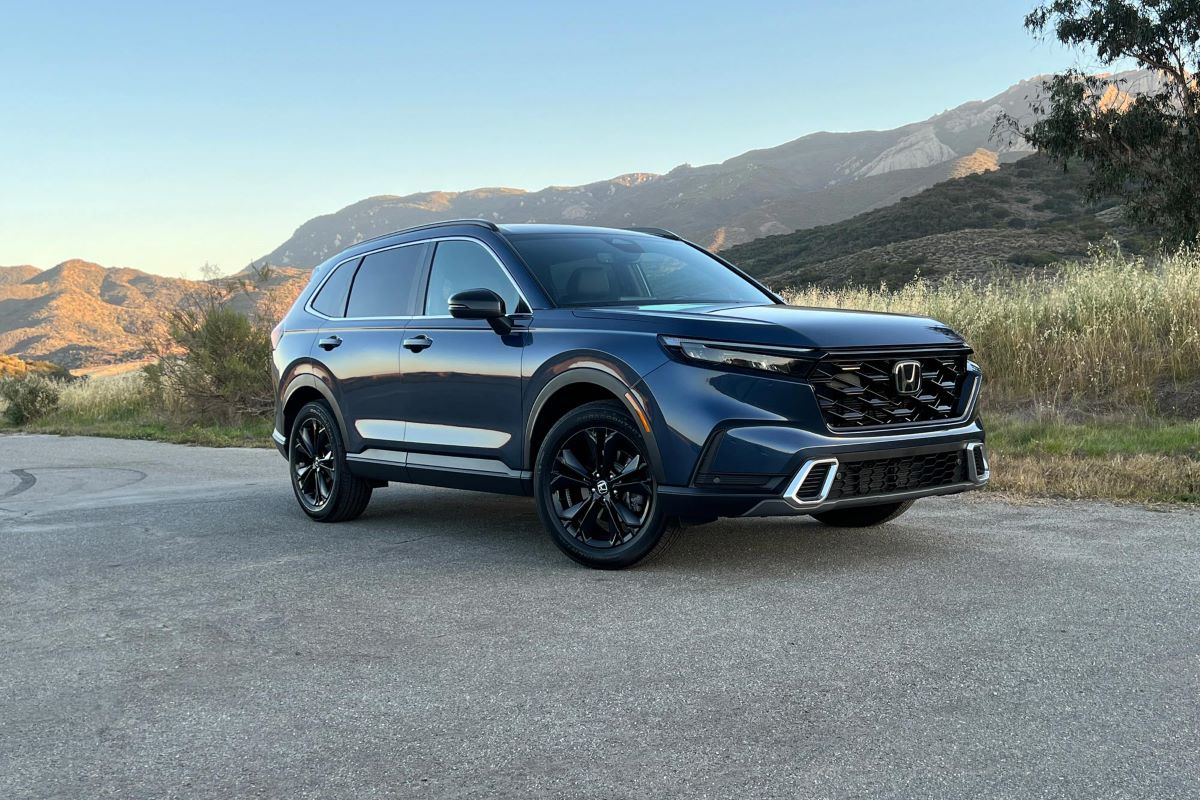
2. Honda CR-V Hybrid
The Honda CR-V Hybrid is widely regarded as one of the most refined compact SUVs in its class, particularly when it comes to cabin quietness. Its hybrid system plays a central role in reducing noise levels, as it frequently operates in electric mode during low-speed driving and transitions seamlessly to gasoline power when needed. This smooth transition eliminates the abrupt engine engagement that often contributes to cabin noise in traditional vehicles.
One of the standout qualities of the CR-V Hybrid is its consistent and predictable sound profile. At highway speeds, the engine operates at lower stress levels, which helps prevent the loud droning effect commonly associated with continuously variable transmissions. Instead, the vehicle maintains a calm and steady acoustic environment, making it well-suited for long-distance travel.
Honda has also focused on improving cabin insulation in recent models, using high-quality materials to block out road and wind noise. The inclusion of acoustic glass in certain trims further enhances its ability to keep the cabin quiet. These features work together to create a more isolated interior, allowing occupants to enjoy music or conversations without interference from outside sounds.
Aerodynamics also play a significant role in the CR-V Hybrid’s quiet performance. The exterior design has been optimized to reduce air turbulence around key areas such as mirrors and windows. This results in less wind noise entering the cabin, even at higher speeds. The vehicle’s shape helps maintain stability while also contributing to a more refined driving experience.
In addition to its mechanical and structural advantages, the CR-V Hybrid benefits from well-tuned suspension and chassis dynamics. These elements help absorb vibrations from uneven road surfaces, preventing them from translating into noise inside the cabin.
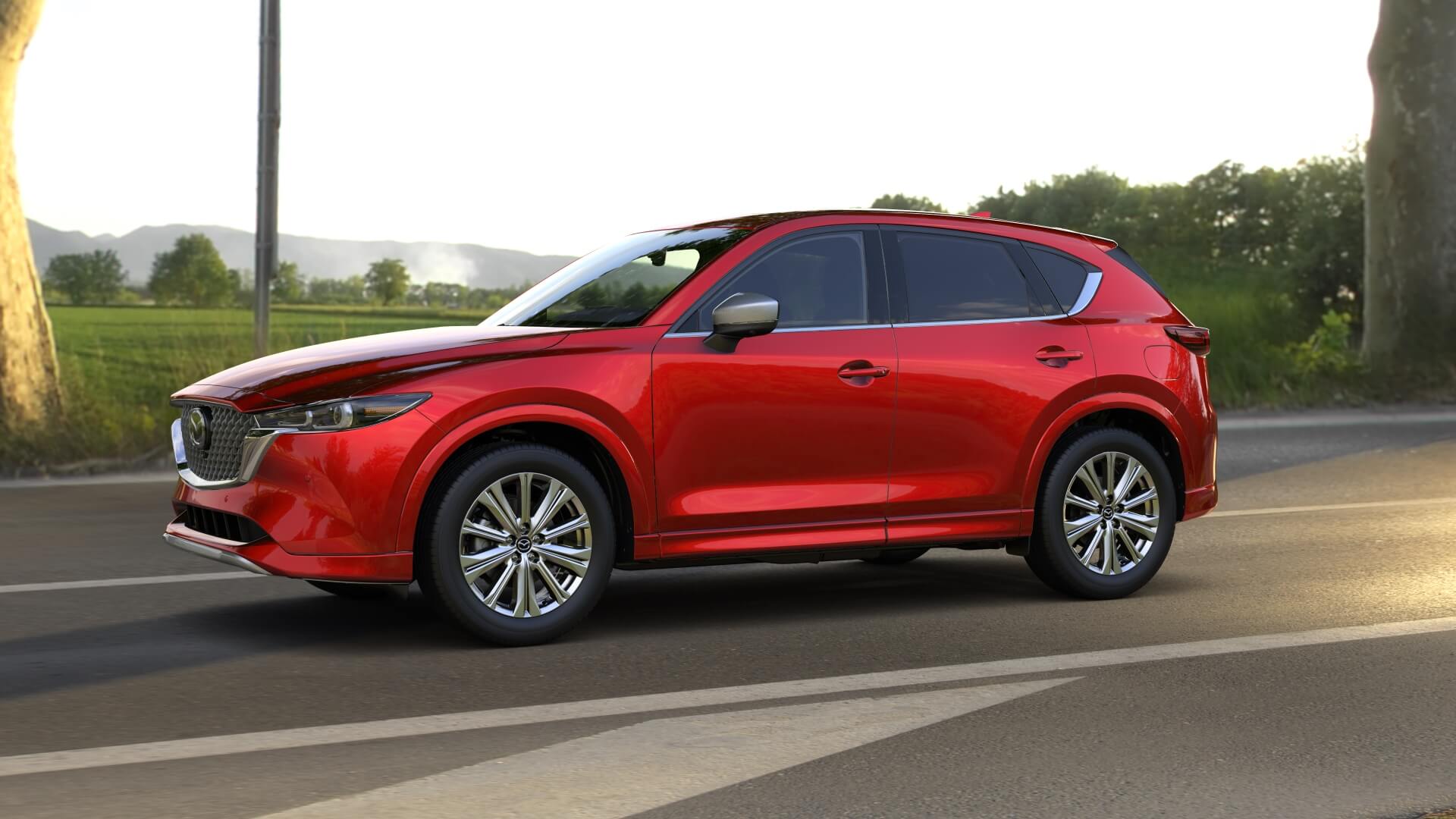
3. Mazda CX-5
The Mazda CX-5 is often praised for offering a near-premium driving experience without entering the luxury segment, and its quiet cabin is a key part of that appeal.
Mazda has invested heavily in improving noise insulation and structural rigidity, which helps reduce the amount of sound that enters the cabin from the outside environment. This focus on refinement makes the CX-5 stand out among non-luxury compact SUVs.
One of the main contributors to its quietness is the solid build quality. The doors close with a firm, well-sealed feel, and the construction minimizes gaps that could allow wind or road noise to seep in. This attention to detail is evident during highway driving, where the cabin remains relatively composed compared to many competitors in the same price range.
The engine performance also plays a role in maintaining a quieter interior. While not a hybrid, the CX-5’s engine is tuned to deliver smooth and controlled power, avoiding excessive noise during acceleration. The transmission shifts are well-calibrated, which helps prevent sudden spikes in engine sound that can disrupt the cabin’s calm atmosphere.
Wind noise is well-managed due to thoughtful aerodynamic design, including carefully shaped mirrors and body contours. Even at higher speeds, the CX-5 maintains a stable and quiet environment, allowing drivers to focus on the road without distraction. This makes it particularly appealing for highway commuters who value a peaceful driving experience.
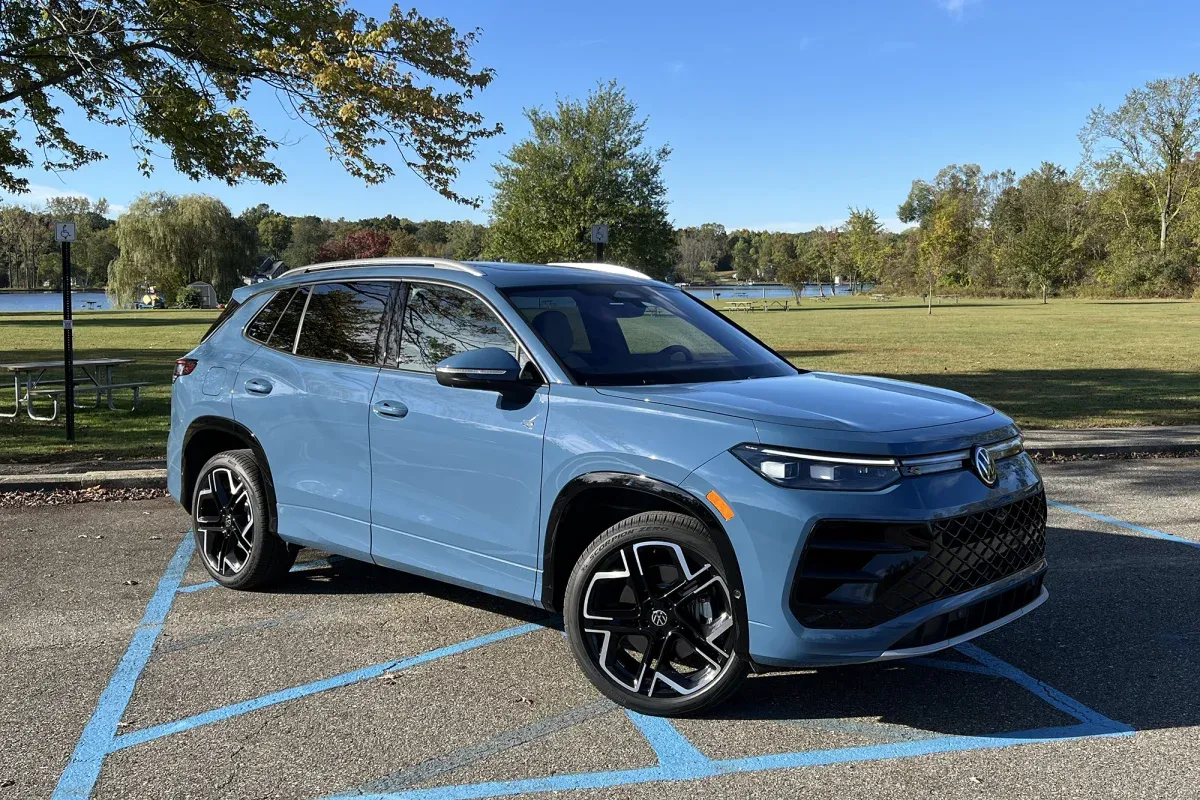
4. Volkswagen Tiguan
The Volkswagen Tiguan brings a European approach to refinement, emphasizing stability and comfort over aggressive performance. This philosophy extends to its cabin quietness, where it performs well in minimizing unwanted noise during highway driving. The result is a composed and controlled interior environment that feels more mature than many of its competitors.
One of the Tiguan’s strengths is its well-insulated cabin, which effectively reduces the intrusion of road and wind noise. The materials used in the interior, combined with solid construction, help create a barrier between passengers and the outside environment. This is particularly noticeable during long highway journeys, where consistent quietness becomes increasingly important.
The engine is tuned for smooth and predictable performance, which helps keep noise levels in check. While it may not be the most powerful in its class, its refined operation ensures that engine noise does not become a major distraction. This makes it a suitable choice for drivers who prioritize comfort over outright performance.
Aerodynamic efficiency also contributes to the Tiguan’s quiet cabin. Its design reduces air resistance and turbulence, which helps limit wind noise at higher speeds. The vehicle remains stable and composed, further enhancing the sense of calm inside the cabin.
The suspension system is tuned to prioritize comfort, absorbing road imperfections effectively. This reduces the amount of vibration that reaches the cabin, helping maintain a quiet and relaxed environment. For drivers who frequently travel on highways, the Tiguan offers a dependable and comfortable experience.
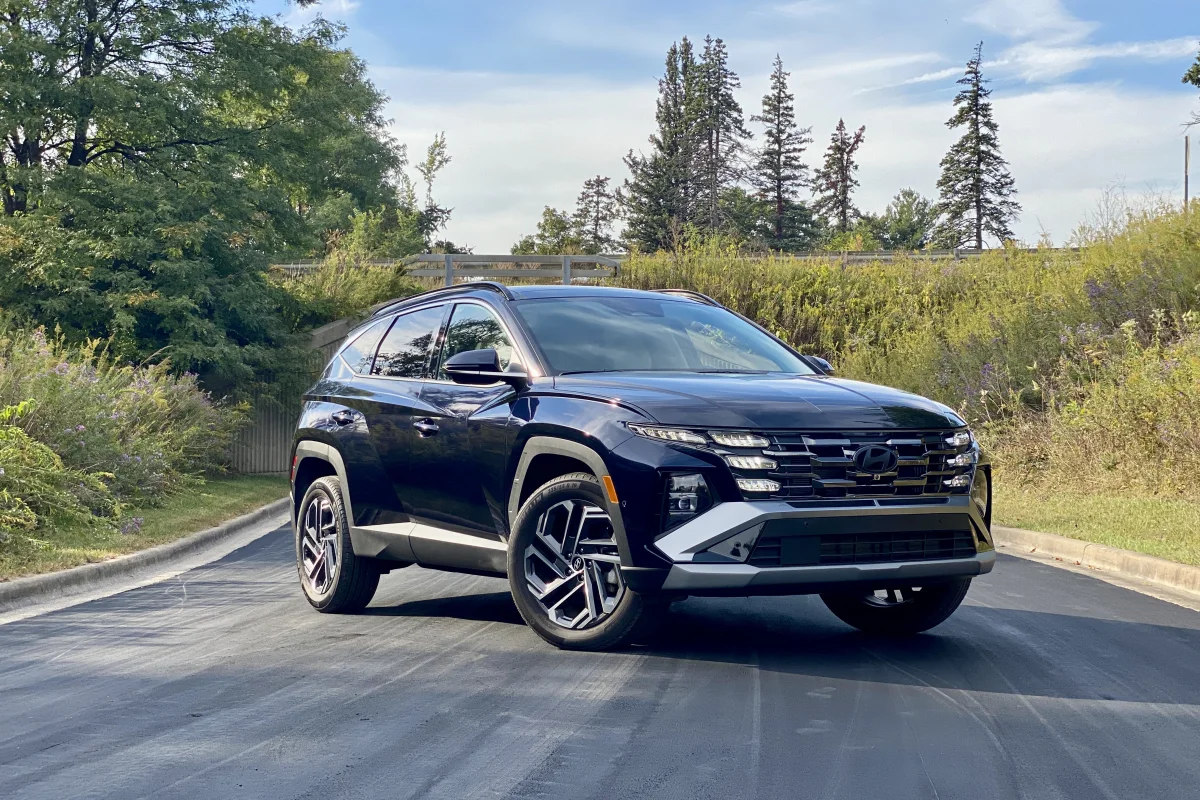
5. Hyundai Tucson Hybrid
The Hyundai Tucson Hybrid has gained recognition for its refined and quiet cabin, especially in higher trims that include advanced sound insulation features. Its hybrid powertrain plays a major role in reducing noise levels, allowing the vehicle to operate silently in electric mode during certain driving conditions. This significantly enhances the driving experience, particularly in urban and highway settings.
One of the key advantages of the Tucson Hybrid is its smooth transition between electric and gasoline power. Unlike some hybrids that produce noticeable shifts, this system operates seamlessly, minimizing disruptions in cabin noise. This creates a more consistent and comfortable environment for both drivers and passengers.
Hyundai has also invested in improving cabin materials and insulation, using techniques that help block out external noise. Acoustic glass, thicker door panels, and enhanced floor insulation all contribute to a quieter interior. These features are especially beneficial during highway driving, where external noise levels are typically higher.
The exterior design of the Tucson Hybrid is not only visually distinctive but also aerodynamically efficient. This helps reduce wind noise, which is a common issue in compact SUVs. The vehicle maintains a शांत and stable cabin even at higher speeds, making it suitable for long-distance travel.
Finally, the suspension system is tuned for comfort, effectively absorbing road imperfections and reducing vibration-related noise. Combined with its hybrid efficiency and refined engineering, the Tucson Hybrid offers one of the most peaceful driving experiences in the compact SUV segment.
5 Compact SUVs With Excessive Road Noise
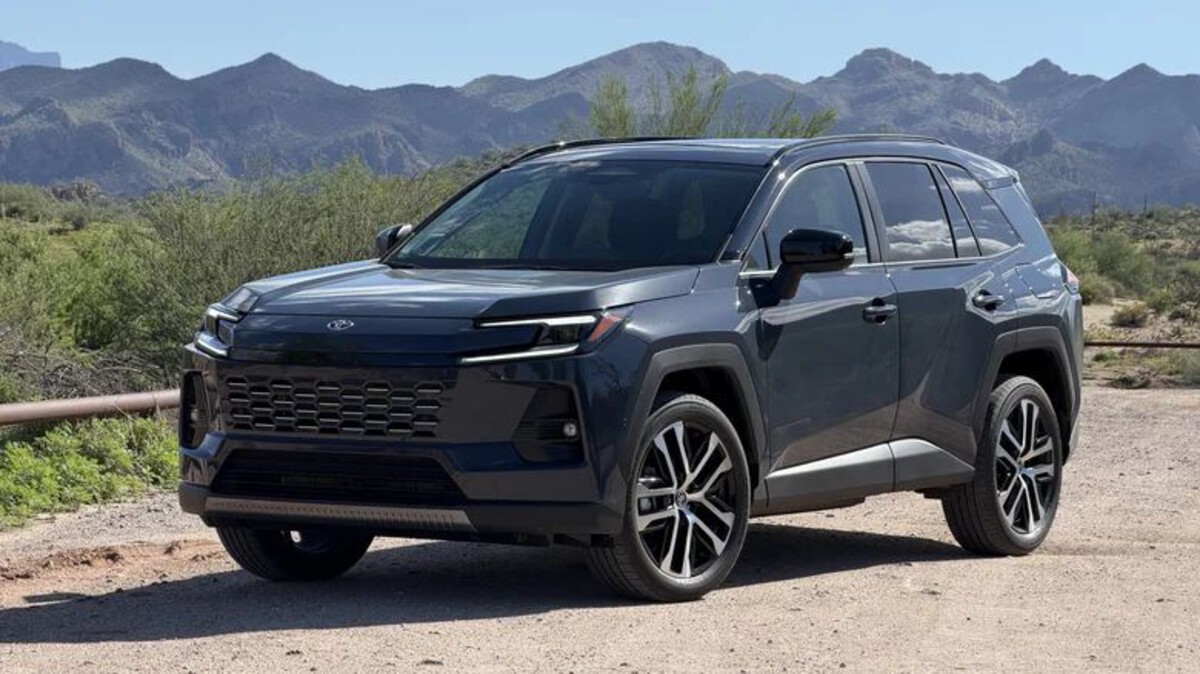
1. Toyota RAV4
The Toyota RAV4 in its non-hybrid gasoline form has often been criticized for a noticeably louder cabin compared to many of its direct competitors. While the model excels in reliability, resale value, and practicality, its acoustic refinement falls short, particularly during highway driving.
Drivers frequently report that the difference between the hybrid and gas versions is immediately noticeable, with the gasoline model allowing more engine and road noise to enter the cabin.
One of the main contributors to this issue is the naturally aspirated four-cylinder engine, which tends to become louder under acceleration. When merging onto highways or overtaking slower vehicles, the engine revs higher, producing a coarse and sometimes strained sound. This noise can easily penetrate the cabin, especially in lower trims that lack additional insulation materials.
Road noise is another major concern in the gasoline RAV4. The tires tend to transmit more vibration into the cabin, particularly on rough or uneven road surfaces. This can create a constant background hum that becomes more noticeable during long highway journeys. The suspension, while durable and capable, is not specifically tuned to isolate road imperfections from the cabin environment.
Wind noise also becomes evident at higher speeds, especially around the side mirrors and door seals. The upright SUV design contributes to increased air resistance, which in turn generates more turbulence. Without sufficient aerodynamic refinement or acoustic damping, this noise can become intrusive over extended periods of driving.
While the RAV4 remains a strong performer in many areas, its gasoline version does not deliver the same level of cabin quietness as some of its rivals. Buyers who prioritize a शांत highway experience often find themselves comparing it unfavorably to more refined options within the compact SUV segment.
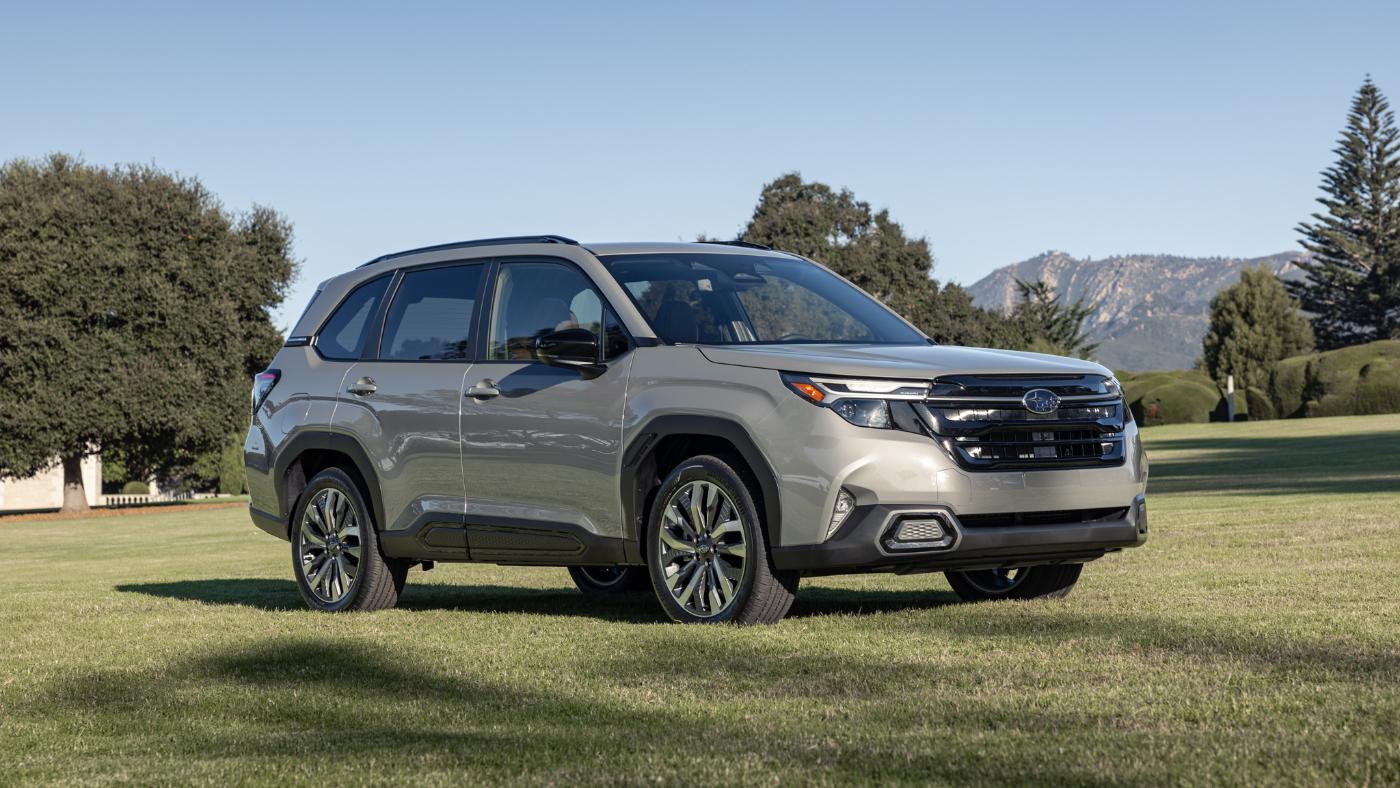
2. Subaru Forester
The Subaru Forester is widely appreciated for its practicality, safety features, and all-wheel-drive capability, but it is frequently noted for having higher-than-average cabin noise levels. Its boxy design, which enhances interior space and visibility, also contributes to increased wind resistance. This design characteristic plays a significant role in the amount of noise that enters the cabin at highway speeds.
One of the most commonly mentioned issues is the sound produced by its continuously variable transmission. During acceleration, the engine tends to maintain higher RPM levels, creating a droning effect that can become tiring over long distances. This type of noise is particularly noticeable when climbing inclines or carrying additional load, where the engine works harder to maintain performance.
Road noise is also a concern in the Forester, especially on coarse or uneven surfaces. The suspension system is designed to handle rough terrain and light off-road conditions, which means it prioritizes durability over acoustic comfort. As a result, more vibrations from the road are transmitted into the cabin, contributing to a less refined driving experience.
Wind noise becomes increasingly noticeable as speeds rise, particularly around the roofline and side mirrors. The vehicle’s tall and upright profile makes it more susceptible to aerodynamic turbulence, which can create a constant rushing sound inside the cabin. This can make highway driving feel less relaxed compared to quieter competitors.
Despite these drawbacks, the Forester continues to attract buyers who value its practicality and capability. However, for those who prioritize cabin quietness and long-distance comfort, its higher noise levels may be a significant factor to consider before making a purchase decision.
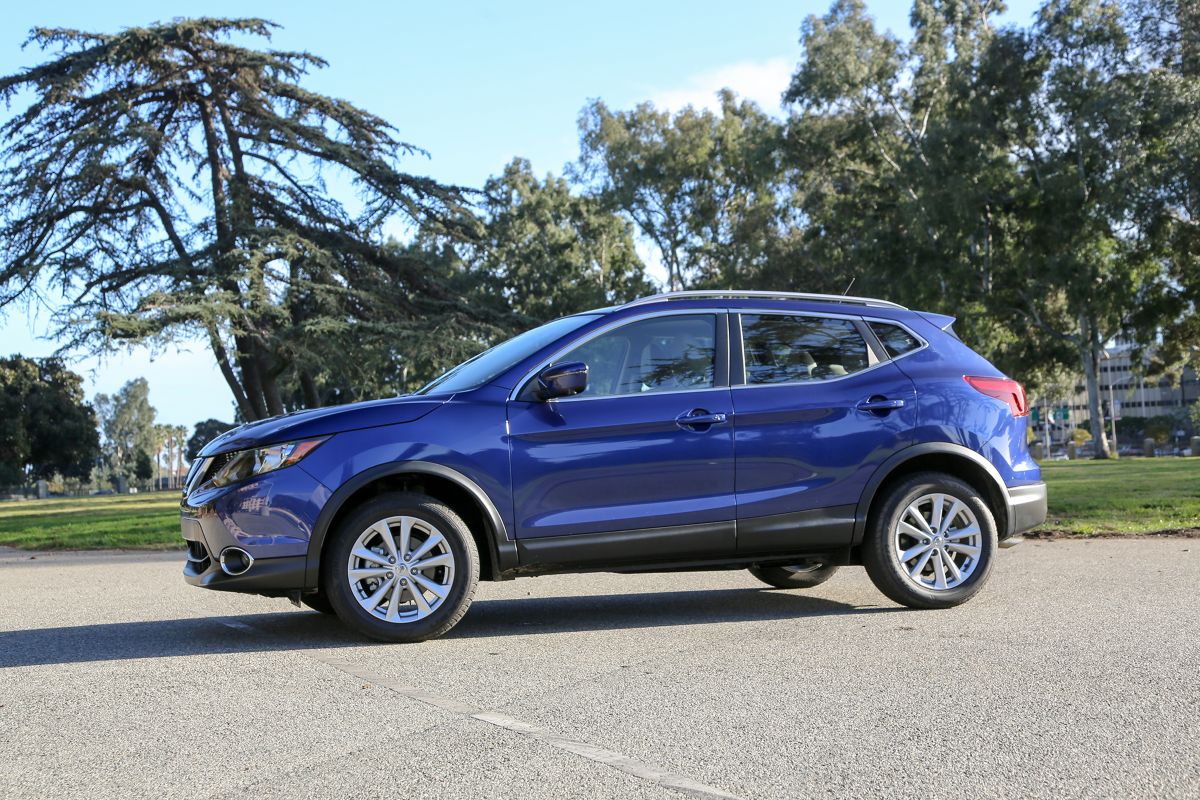
3. Nissan Rogue
The Nissan Rogue has improved significantly in recent generations, but base variants still struggle with maintaining a quiet cabin under certain driving conditions. While the design and interior quality have seen noticeable upgrades, noise insulation in lower trims does not always match the expectations of buyers seeking a refined highway experience.
Engine noise is one of the primary issues, particularly during acceleration. The vehicle’s continuously variable transmission can cause the engine to remain at higher RPMs for extended periods, producing a steady and sometimes intrusive sound. This is especially evident when merging onto highways or attempting quick overtakes.
Road noise also plays a role in the Rogue’s acoustic profile. On smooth surfaces, the cabin remains reasonably comfortable, but on rougher roads, tire noise becomes more pronounced. This can create a noticeable contrast in driving experience depending on road conditions, which may affect long-distance comfort.
Wind noise is generally moderate but still present, particularly at higher speeds. While the vehicle’s design has been optimized to reduce turbulence, it does not completely eliminate the issue. The result is a cabin that can feel less isolated from external elements compared to more refined competitors.
Higher trims of the Rogue address some of these concerns with better insulation and additional features, but base variants continue to reflect cost-saving measures in this area. Buyers looking for a quieter experience may need to consider upgrading to higher trims or exploring alternative models within the segment.
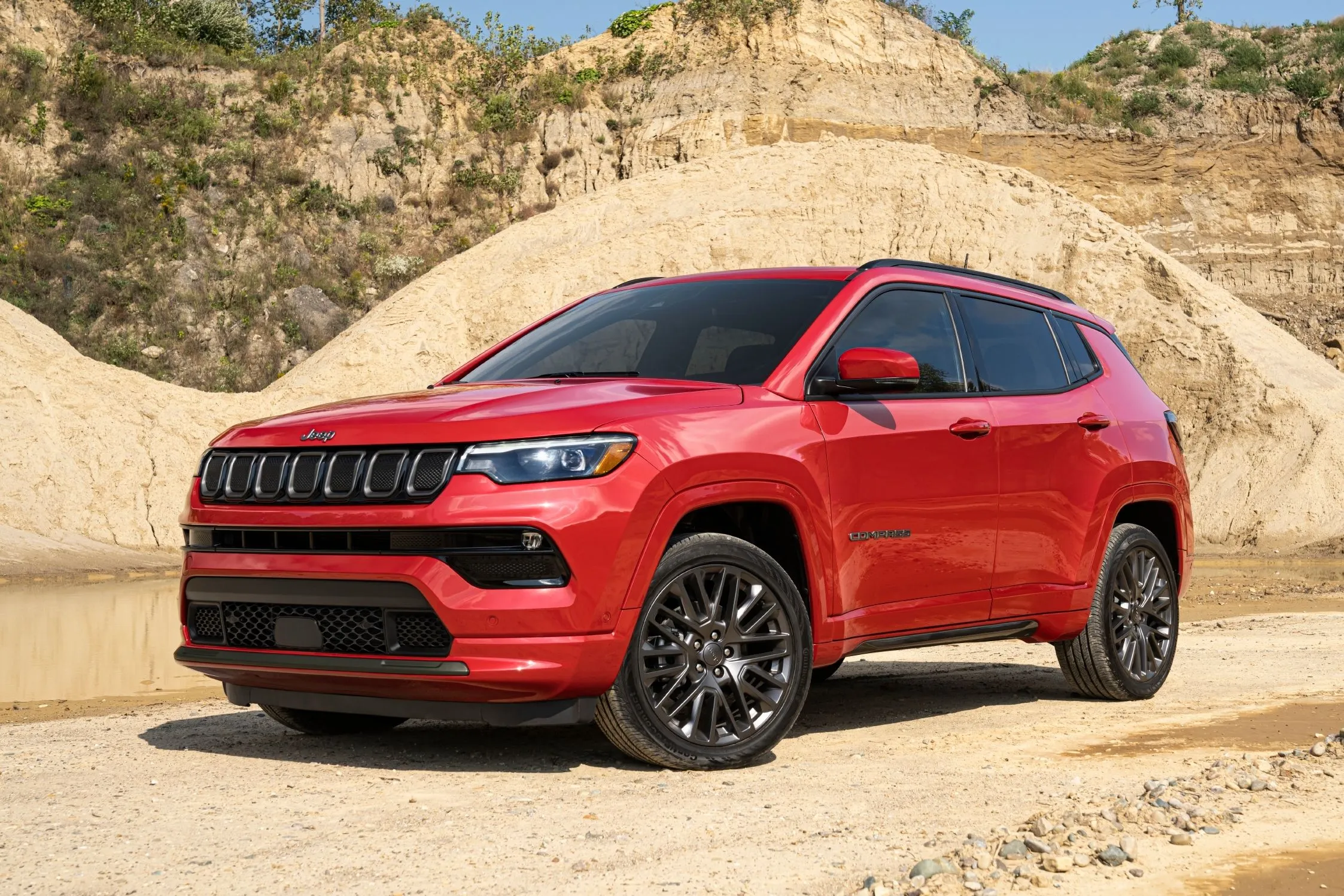
4. Jeep Compass
The Jeep Compass is known for its rugged styling and off-road capability, but when it comes to highway refinement, it tends to fall behind many of its competitors. Cabin noise is one of the most commonly cited drawbacks, particularly during extended highway driving where comfort becomes increasingly important.
Engine noise is a significant factor, especially when the vehicle is under load. The engine can sound strained during acceleration, producing a noticeable increase in cabin noise. This is particularly evident when climbing hills or carrying additional passengers and cargo, where the engine must work harder to maintain performance.
Road noise is also more pronounced in the Compass compared to quieter compact SUVs. The suspension system is tuned to handle uneven terrain, which means it allows more road vibrations to pass through to the cabin. This results in a less isolated driving experience, especially on rough or poorly maintained highways.
Wind noise adds another layer to the acoustic profile. The design of the Compass, while visually appealing, does not prioritize aerodynamic efficiency to the same extent as some rivals. This leads to increased air turbulence and a corresponding rise in noise levels at higher speeds.
While the Compass offers strengths in areas such as off-road ability and distinctive design, its higher cabin noise levels may be a drawback for drivers who spend a significant amount of time on highways. It is better suited for those who prioritize versatility over refinement.

5. Chevrolet Trailblazer
The Chevrolet Trailblazer is an affordable and practical option in the compact SUV category, but it is often noted for having higher cabin noise levels, particularly during highway driving. While it performs well in urban environments, its limitations become more apparent as speeds increase and road conditions vary.
One of the main sources of noise is its small turbocharged engine, which can sound strained when pushed. During acceleration or when maintaining higher speeds, the engine produces a noticeable level of sound that can intrude into the cabin. This is especially true when compared to more refined powertrains in competing models.
Road noise is another area where the Trailblazer falls short. The level of insulation in lower trims is relatively basic, allowing tire and road vibrations to enter the cabin more easily. On rough surfaces, this can create a constant background noise that affects comfort during long drives.
Wind noise also becomes more noticeable at highway speeds. The vehicle’s design does not fully mitigate aerodynamic turbulence, resulting in a steady flow of air noise entering the cabin. While not overwhelming, it contributes to a less refined driving experience compared to quieter competitors.
Despite these drawbacks, the Trailblazer remains a popular choice for budget-conscious buyers. However, those who prioritize a शांत and comfortable highway environment may find its noise levels to be a limiting factor, particularly on longer journeys.