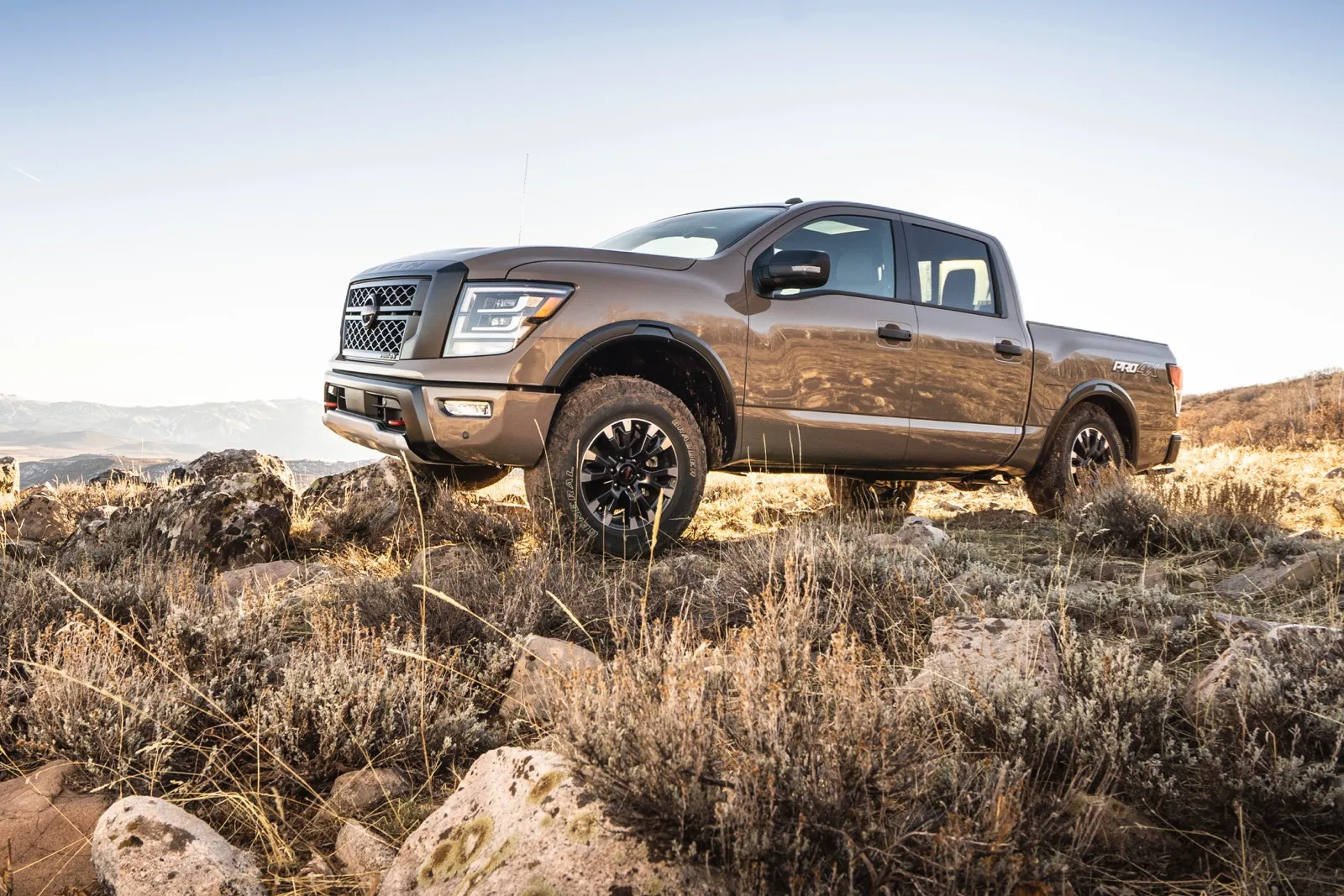
Truck beds are one of the most heavily used parts of any pickup vehicle, constantly exposed to moisture, dirt, heavy loads, road salt, and impact from tools or cargo. Over time, these conditions determine whether a truck bed remains strong or begins to deteriorate.
While steel is widely used in truck bed construction due to its strength and affordability, it has one major weakness. Steel contains iron, which reacts with oxygen and moisture, leading to rust formation. Once rust begins, it can spread beneath coatings and paint, gradually weakening the structure and reducing the lifespan of the truck bed.
Modern automotive engineering has improved corrosion resistance through galvanizing, protective coatings, and better paint systems. However, no steel truck bed is completely immune to corrosion. Even small scratches or chips in protective layers can expose raw steel, allowing rust to develop over time. Environmental conditions also play a major role.
Trucks driven in humid climates, coastal regions, or areas that use road salt during winter tend to experience faster corrosion than those in dry environments.
At the same time, manufacturers have introduced alternative materials such as aluminum alloys and composite beds. These materials do not rust in the traditional sense, although they may still experience surface oxidation or other forms of wear.
Aluminum naturally forms a protective oxide layer that slows further corrosion, making it more resistant than untreated steel. Composite materials go even further by eliminating metal-based rust issues entirely.
Despite these advancements, many popular pickup trucks still rely on steel beds or steel frames due to their durability, repairability, and ability to handle heavy loads. This creates a clear divide between trucks that offer long-term resistance to corrosion and those that may develop rust problems sooner depending on maintenance and usage conditions.
This article focuses on two important categories. First, we look at trucks known for better rust resistance due to material choice, coatings, and long-term durability engineering. Second, we examine trucks that are more commonly reported to develop corrosion issues over time, especially under harsh environmental exposure.
The goal is to provide a realistic, balanced view based on material science principles and real-world usage patterns, helping readers understand how different trucks perform when exposed to long-term wear and environmental stress.
Trucks With Better Rust Resistance and Durable Steel Bed Protection
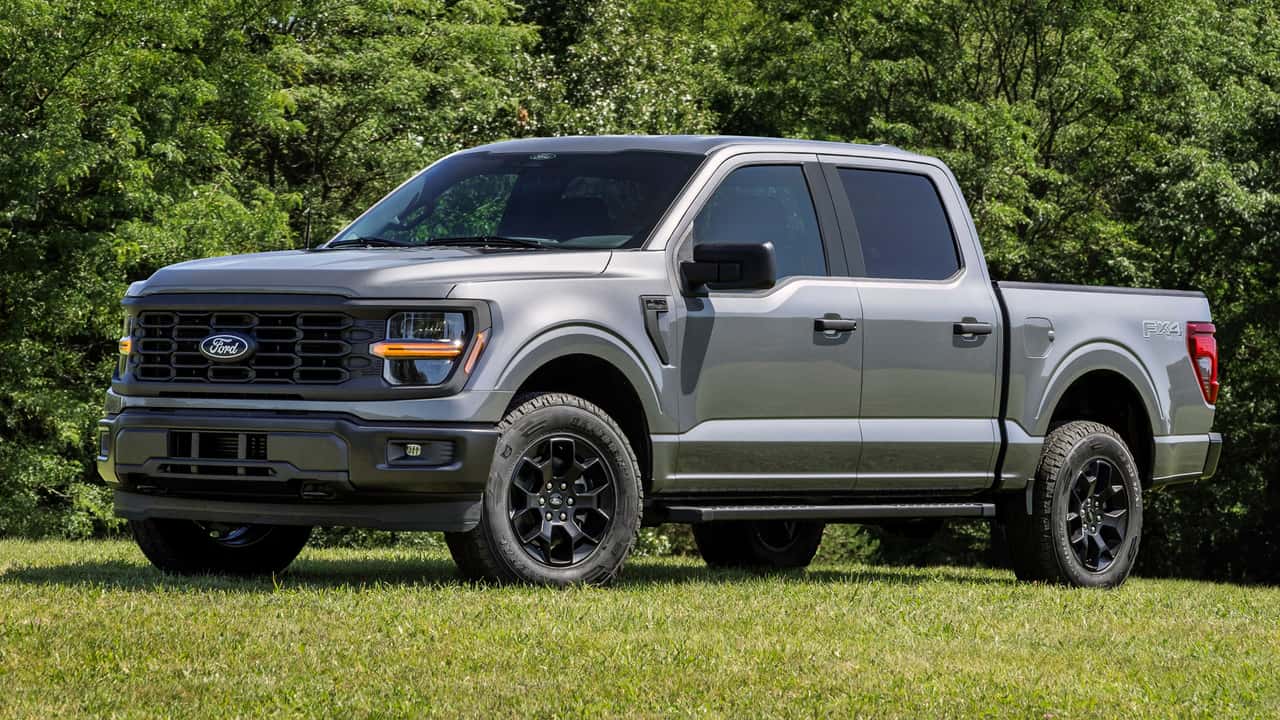
1. Ford F-150
The Ford F-150 stands out in the pickup truck segment because of its transition from a traditional steel body to a high-strength aluminum alloy exterior, while still maintaining a fully boxed steel frame underneath for structural integrity. This combination significantly reduces the total amount of exposed steel in areas that are typically prone to rust, such as outer panels and the cargo bed walls.
Aluminum does not rust in the same way steel does, as it forms a thin oxide layer when exposed to oxygen, which actually protects the material from further corrosion rather than weakening it. This gives the F-150 a long-term advantage in environments where moisture exposure is frequent.
In the truck bed specifically, Ford has incorporated reinforced aluminum panels along with optional factory spray-in bed liners that act as a barrier between cargo and the underlying metal.
This reduces the likelihood of scratches penetrating through to bare material, which is often the starting point for corrosion in traditional steel beds. The bed structure is also designed to distribute impact stress more evenly, reducing dents and cracks that could compromise protective coatings over time.
Another major improvement in this model is the use of advanced sealing methods in joints, seams, and riveted connections. These areas are typically the weakest points in terms of corrosion resistance because water and debris can accumulate in small gaps.
By improving sealing and drainage pathways, Ford has reduced the chances of moisture being trapped inside the structure, which helps prevent hidden rust formation that can go unnoticed until it becomes severe.
The frame itself, which is still made of high-strength steel, benefits from improved coatings and anti-corrosion treatments compared to older models. While the frame can still develop surface rust under harsh conditions, especially in regions that use road salt, it generally resists deep structural corrosion when properly maintained. Regular washing of the undercarriage further enhances its lifespan.
The Ford F-150 represents a major shift in pickup truck engineering, focusing on corrosion resistance through material selection and protective design rather than relying solely on thicker steel or heavier coatings. This approach has made it one of the more durable options for long-term ownership, particularly in climates that accelerate rust formation.
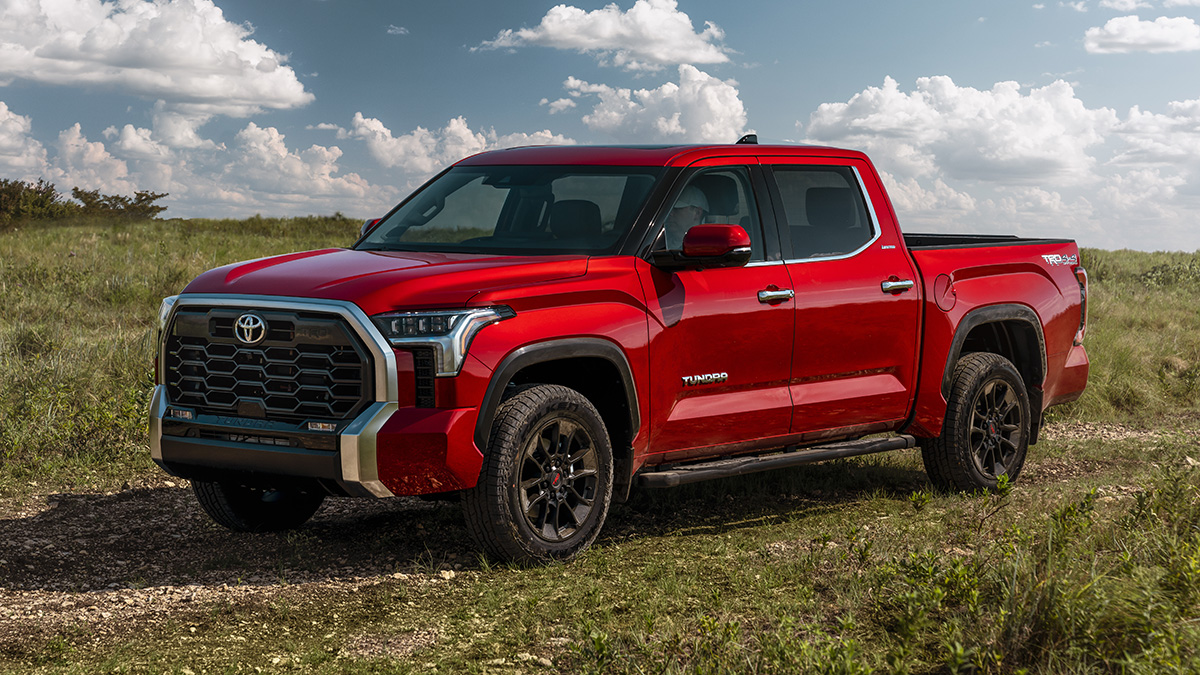
2. Toyota Tundra
The Toyota Tundra is widely known for its strong reputation in durability and long-term reliability, and a significant part of that reputation comes from its approach to corrosion resistance.
Unlike trucks that rely heavily on alternative materials, the Tundra continues to use steel extensively, but compensates with high-quality protective coatings and advanced manufacturing processes. These coatings are applied at the factory level and are designed to create a barrier that prevents moisture, oxygen, and road contaminants from reaching the metal surface.
The truck bed itself is built with reinforced steel panels that are coated with multiple layers of primer, paint, and protective sealants. This multi-layer approach helps resist chipping and abrasion caused by heavy cargo use. Even when minor scratches occur, the underlying layers slow down the progression of corrosion, giving owners more time to address damage before it becomes a serious issue.
Another important aspect of the Tundra’s corrosion resistance is its attention to detail in assembly. Tight panel gaps, improved weld quality, and better seam sealing all contribute to reducing the chances of water infiltration. Moisture trapped inside seams is one of the leading causes of rust in older trucks, so minimizing these entry points plays a crucial role in extending the lifespan of the vehicle.
The underbody and frame also receive additional protective treatments, including coatings that resist salt and chemical exposure. This is particularly beneficial for drivers in regions with harsh winters, where road salt can rapidly accelerate corrosion. While no steel structure is completely immune, these added protections significantly slow down the process.
The Toyota Tundra demonstrates that with proper engineering and coating technology, steel can still perform well against corrosion. Its design prioritizes long-term durability, making it a strong choice for buyers who prefer traditional materials but still want reliable rust resistance.
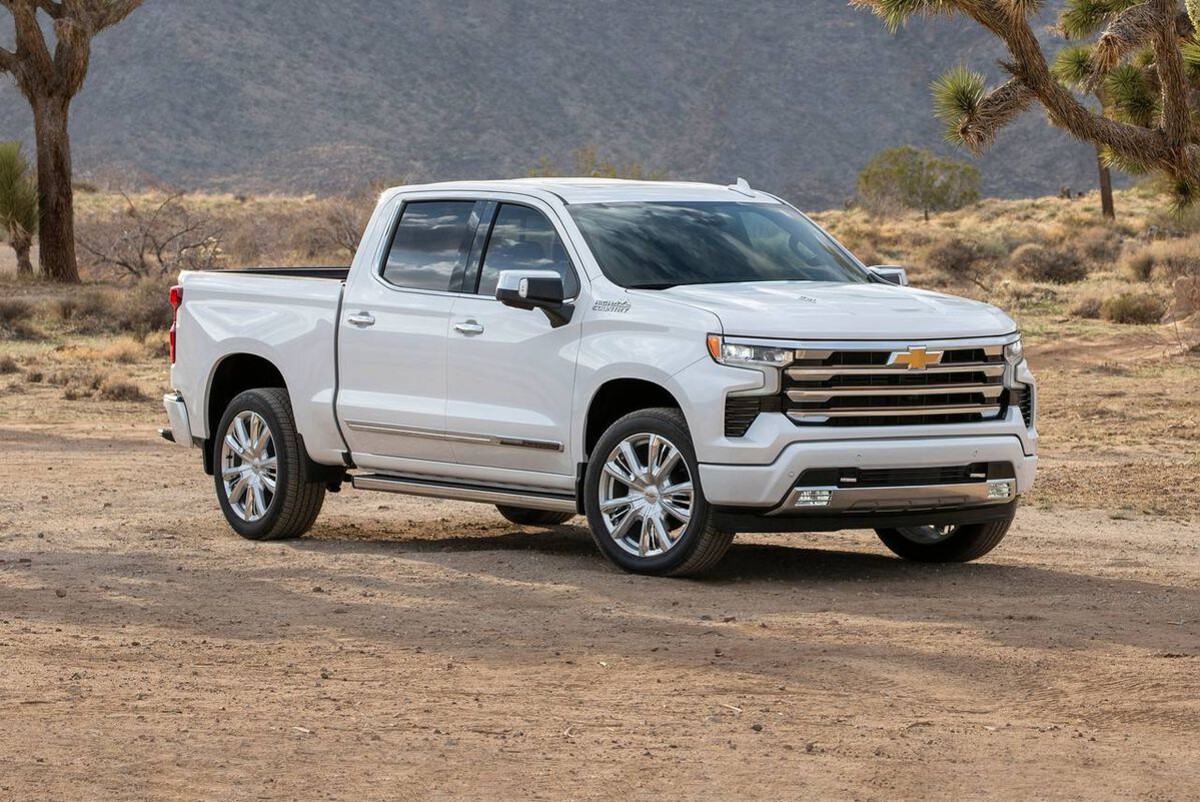
3. Chevrolet Silverado
The Chevrolet Silverado has undergone significant improvements in corrosion resistance over recent generations, particularly in response to earlier models that faced criticism for rust-related issues. Modern versions now incorporate advanced galvanization techniques, where steel is coated with a layer of zinc to protect it from oxidation. This process helps prevent rust from forming even when the surface paint is scratched, as the zinc layer acts as a sacrificial barrier.
The truck bed in newer Silverado models is constructed with high-strength steel that is treated with updated paint systems designed for durability under heavy use. These coatings are more resistant to chipping, cracking, and peeling, which are common problems that expose bare metal in older trucks. By maintaining the integrity of the surface layer, the risk of corrosion is significantly reduced.
In addition to improved materials, Chevrolet has redesigned key structural elements to enhance drainage and reduce moisture retention. Water accumulation is one of the primary causes of rust, especially in hidden areas such as bed corners, wheel wells, and underbody cavities. By allowing water to flow out more efficiently, the Silverado reduces the likelihood of long-term exposure that leads to corrosion.
Seam sealing has also been upgraded, with better adhesives and protective compounds used to close gaps between panels. This prevents dirt and moisture from entering areas that are difficult to clean or inspect. Over time, this contributes to a cleaner internal structure that is less prone to hidden rust damage.
The modern Chevrolet Silverado represents a major step forward in corrosion resistance compared to its predecessors. While it still relies on steel construction, the combination of galvanization, improved coatings, and better structural design makes it a more durable option for long-term use.
4. Ram 1500
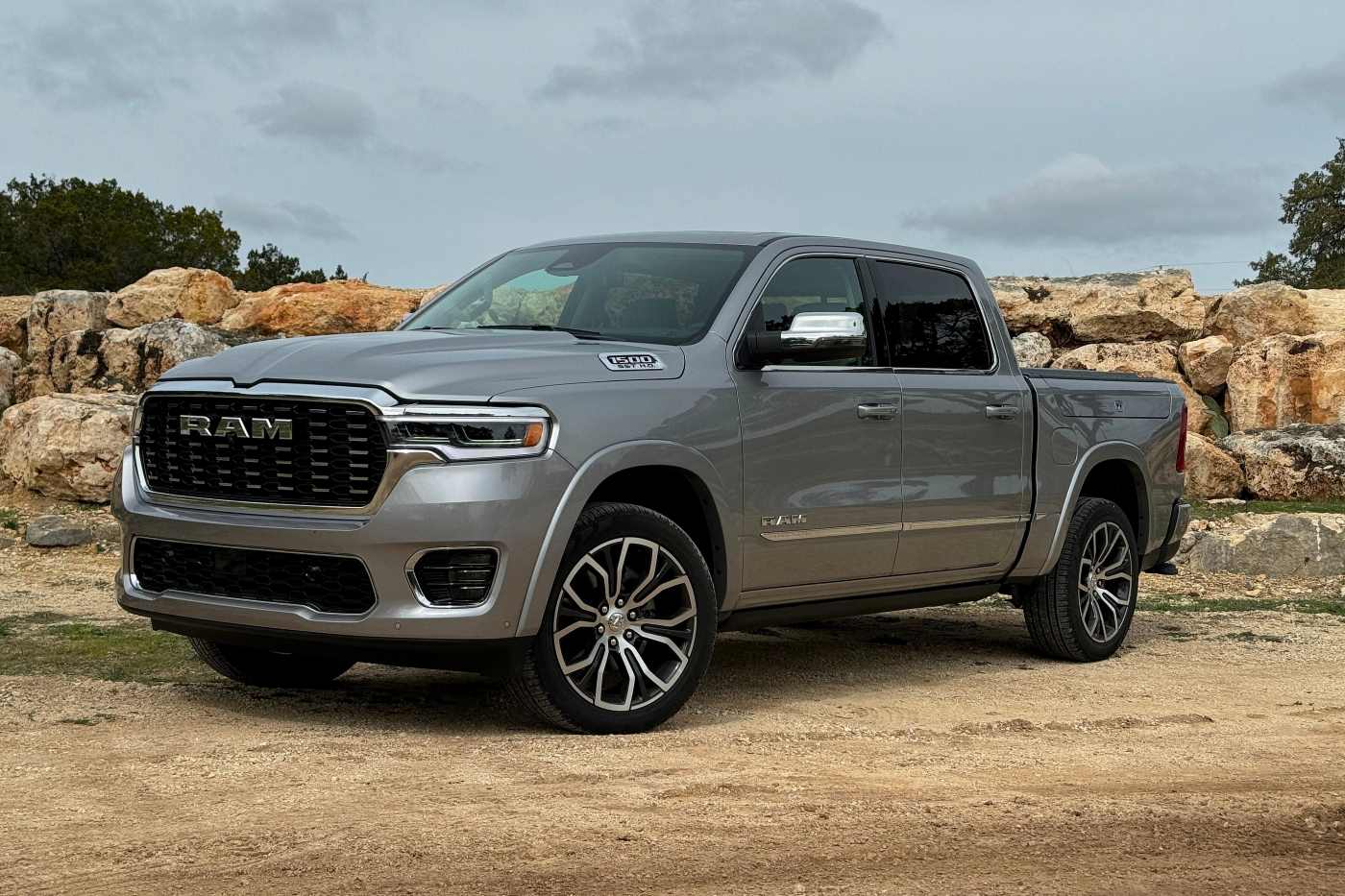
The Ram 1500 has taken a balanced approach to corrosion resistance by combining traditional steel construction with selective use of alternative materials in certain components. This mixed material strategy helps reduce exposure to rust-prone surfaces while maintaining the strength and durability that steel provides. In newer models, improvements in coating technology and paint quality have further enhanced its ability to withstand environmental stress.
The truck bed is designed with reinforced steel panels that are treated with protective coatings to resist wear and moisture exposure. These coatings are applied in multiple layers, creating a barrier that helps prevent oxidation even when the surface experiences minor damage. Optional factory bed liners add another layer of protection, reducing direct contact between cargo and the metal surface.
One of the key advantages of the Ram 1500 is its focus on improving paint adhesion. Poor adhesion can lead to peeling and cracking over time, which exposes the underlying metal to the elements. By enhancing the bonding between paint layers and the steel surface, Ram has reduced the likelihood of early coating failure, which is a common cause of rust formation.
The truck also benefits from improved underbody protection, including coatings that resist salt and debris buildup. This is especially important for drivers in regions with harsh weather conditions, where road treatments can accelerate corrosion. Better shielding of critical components helps extend the lifespan of the vehicle.
The Ram 1500 offers a well-rounded approach to corrosion resistance. While it still relies on steel for much of its structure, the combination of improved coatings, better paint systems, and selective material use makes it more resistant to rust than many older models.
5. GMC Sierra
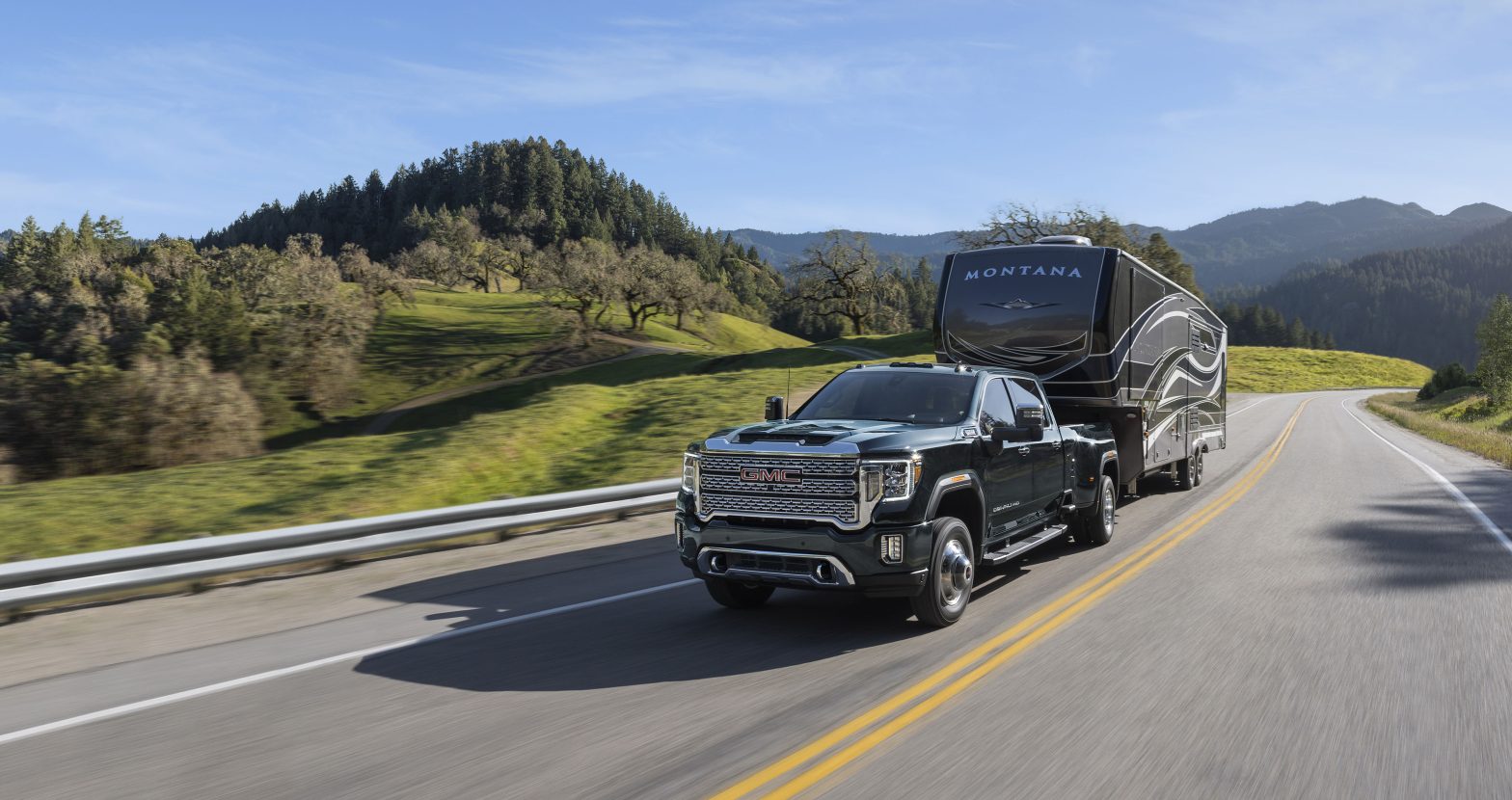
The GMC Sierra has evolved into a more corrosion-resistant truck through the use of refined coating systems and improved structural design. Like its platform counterparts, it relies on high-strength steel for the bed, but enhances durability through advanced protective treatments that help shield the metal from environmental exposure. These treatments are applied during manufacturing and are designed to provide long-lasting resistance to moisture and oxidation.
The bed itself is engineered to handle heavy use while maintaining its protective layers. High-quality paint systems are used to reduce the likelihood of chips and scratches, which are the primary entry points for rust. In addition, the availability of factory spray-in bed liners provides an extra level of defense, especially for users who frequently haul rough or heavy materials.
Another important feature of the Sierra is its improved drainage design. Water can easily become trapped in certain areas of a truck bed, particularly around seams and corners. By allowing water to drain more effectively, the Sierra reduces the amount of time that moisture remains in contact with metal surfaces, which helps slow down the corrosion process.
The underbody and frame also benefit from enhanced coatings that resist salt and chemical exposure. These coatings are particularly useful in maintaining the integrity of structural components that are not easily visible but are critical to the truck’s strength and safety.
The GMC Sierra demonstrates how continuous improvements in coating technology and structural design can significantly enhance corrosion resistance. While it still requires proper maintenance, it performs much better than earlier generations in terms of long-term durability and resistance to rust.
Trucks That Are More Prone to Premature Corrosion
1. Ford F-150
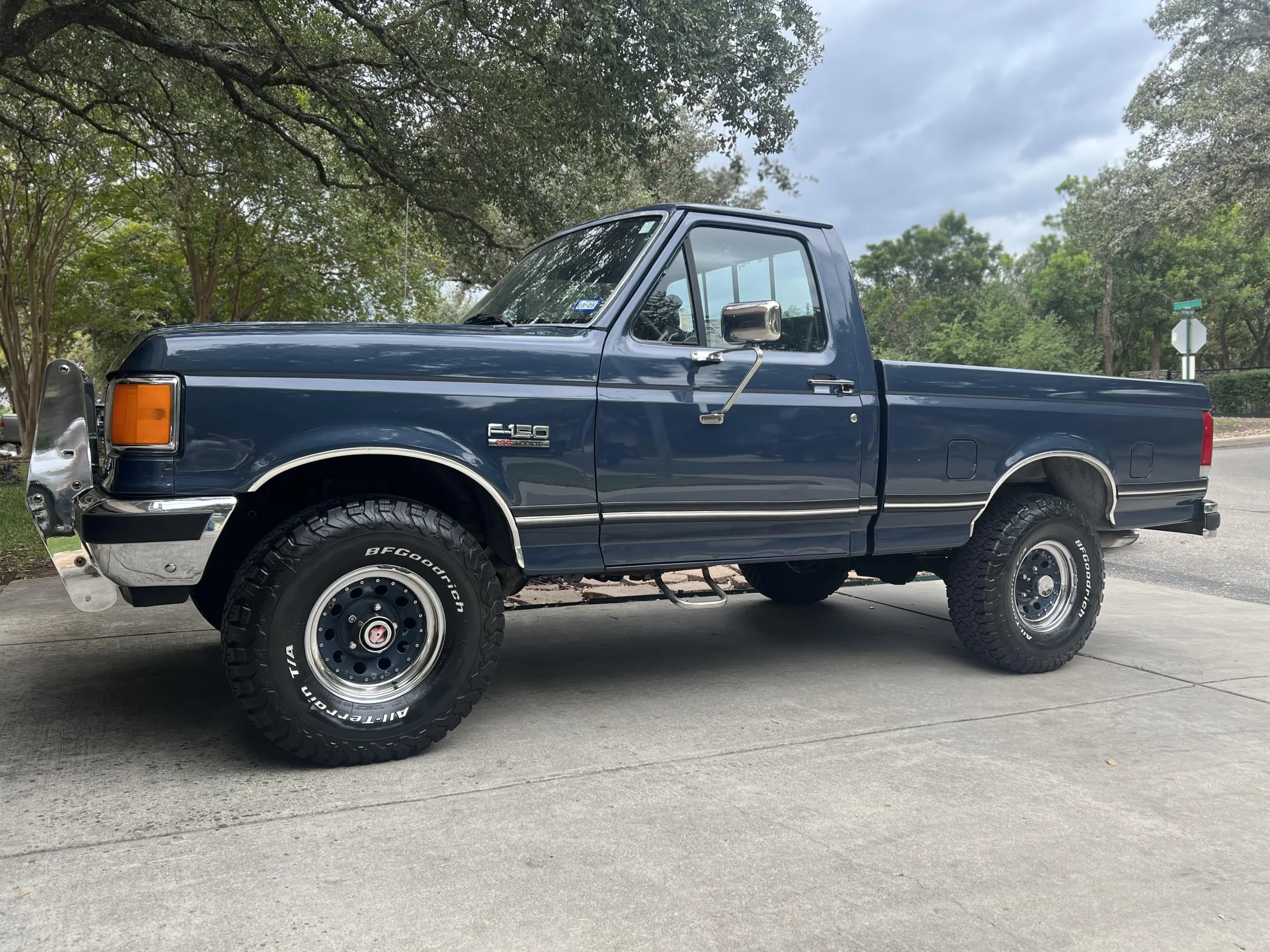
Older Ford F-150 models that were built before the transition to aluminum body panels relied heavily on traditional steel construction for both the body and the truck bed. While steel provides excellent strength and load-bearing capability, it is naturally vulnerable to rust when exposed to moisture and oxygen.
In these earlier models, the protective coatings and paint systems were not as advanced as those used in modern trucks, which made them more susceptible to corrosion over time, especially in demanding environments.
The truck beds in these older F-150 models often developed rust in areas where the paint had been chipped or scratched due to regular use. Loading and unloading cargo can easily damage the surface coating, and once bare steel is exposed, rust can begin forming relatively quickly.
Over time, this corrosion can spread beneath the surrounding paint, leading to bubbling, flaking, and eventually structural weakening of the bed panels if not addressed.
Another major factor contributing to corrosion in these trucks is the design of seams and joints. Earlier manufacturing techniques did not always provide the same level of sealing seen in newer models, allowing water, dirt, and debris to accumulate in hidden areas. These trapped contaminants create ideal conditions for rust to develop from the inside out, making it harder to detect until visible damage appears on the surface.
Environmental exposure plays a significant role in accelerating corrosion in these vehicles. Trucks that were regularly driven in regions with high humidity, frequent rainfall, or heavy use of road salt during winter months tend to show more severe rust damage. Salt, in particular, acts as a catalyst that speeds up the oxidation process, causing steel to deteriorate much faster than it would under normal conditions.
Older steel-bed Ford F-150 models are more prone to premature corrosion due to a combination of material limitations, less advanced protective coatings, and design factors that allowed moisture to accumulate. While proper maintenance such as regular washing and rustproofing can slow down the process, these trucks generally require more attention to prevent long-term damage.
2. Chevrolet Silverado
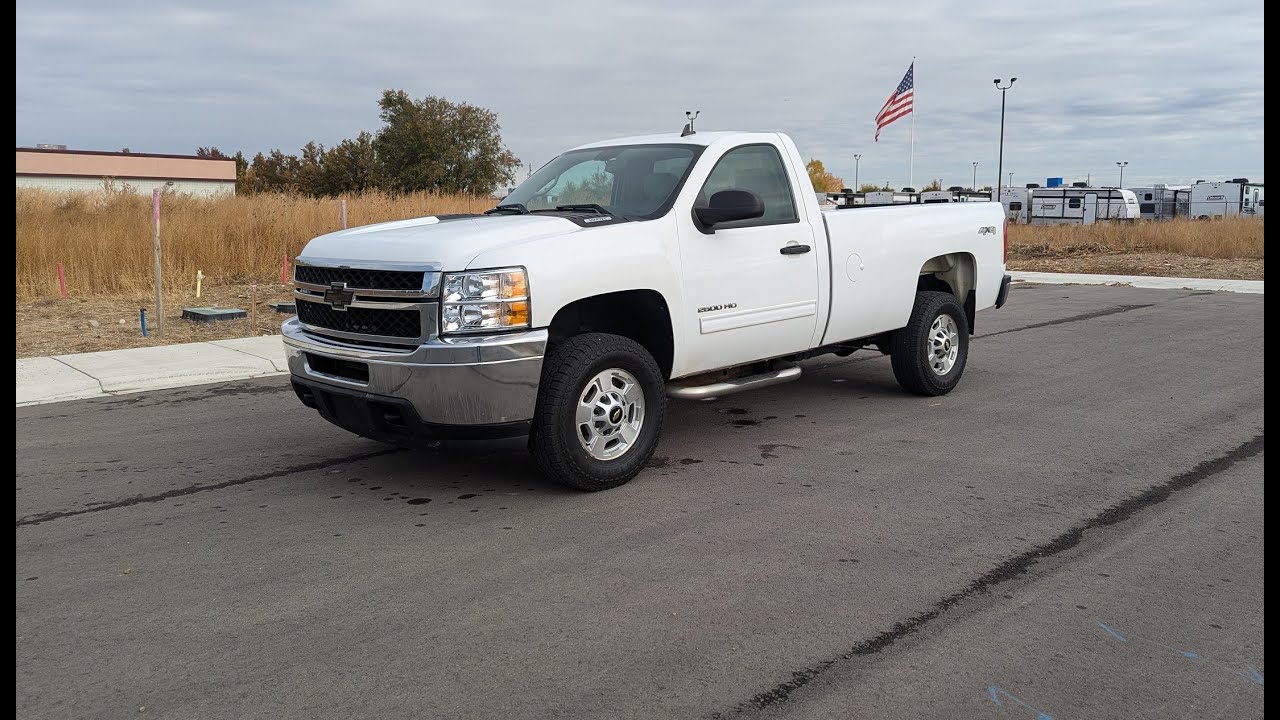
Chevrolet Silverado models produced between the late 1990s and early 2000s are often noted for experiencing corrosion issues, particularly in the truck bed and lower body panels.
During this period, the protective technologies used in manufacturing were not as refined as those found in newer vehicles, which made the steel surfaces more vulnerable to environmental damage. As a result, these trucks are more likely to develop rust earlier in their lifespan compared to more modern designs.
One of the most common problem areas in these Silverado models is the wheel arch and bed side panels. These areas are frequently exposed to debris, water, and road salt, which can chip away at the paint and expose the underlying steel. Once this happens, rust can begin forming and gradually spread across the affected area, often leading to visible deterioration within a relatively short period if left untreated.
The paint systems used in these trucks were also less resistant to wear and tear, which increased the likelihood of surface damage during normal use. Small impacts from gravel or cargo could easily compromise the protective layer, allowing moisture to reach the metal beneath. Over time, repeated exposure to these conditions accelerates the corrosion process and weakens the structural integrity of the bed.
Another contributing factor is the limited effectiveness of seam sealing in these earlier models. Gaps between panels could allow water and dirt to collect in hidden areas, creating an environment where rust can develop unnoticed. This type of internal corrosion is particularly problematic because it can spread extensively before becoming visible on the exterior surface.
Silverado models from this era are more prone to premature corrosion due to a combination of less advanced coatings, vulnerable design areas, and environmental exposure. While many of these trucks are still functional, they often require additional maintenance and repairs to manage rust-related issues.
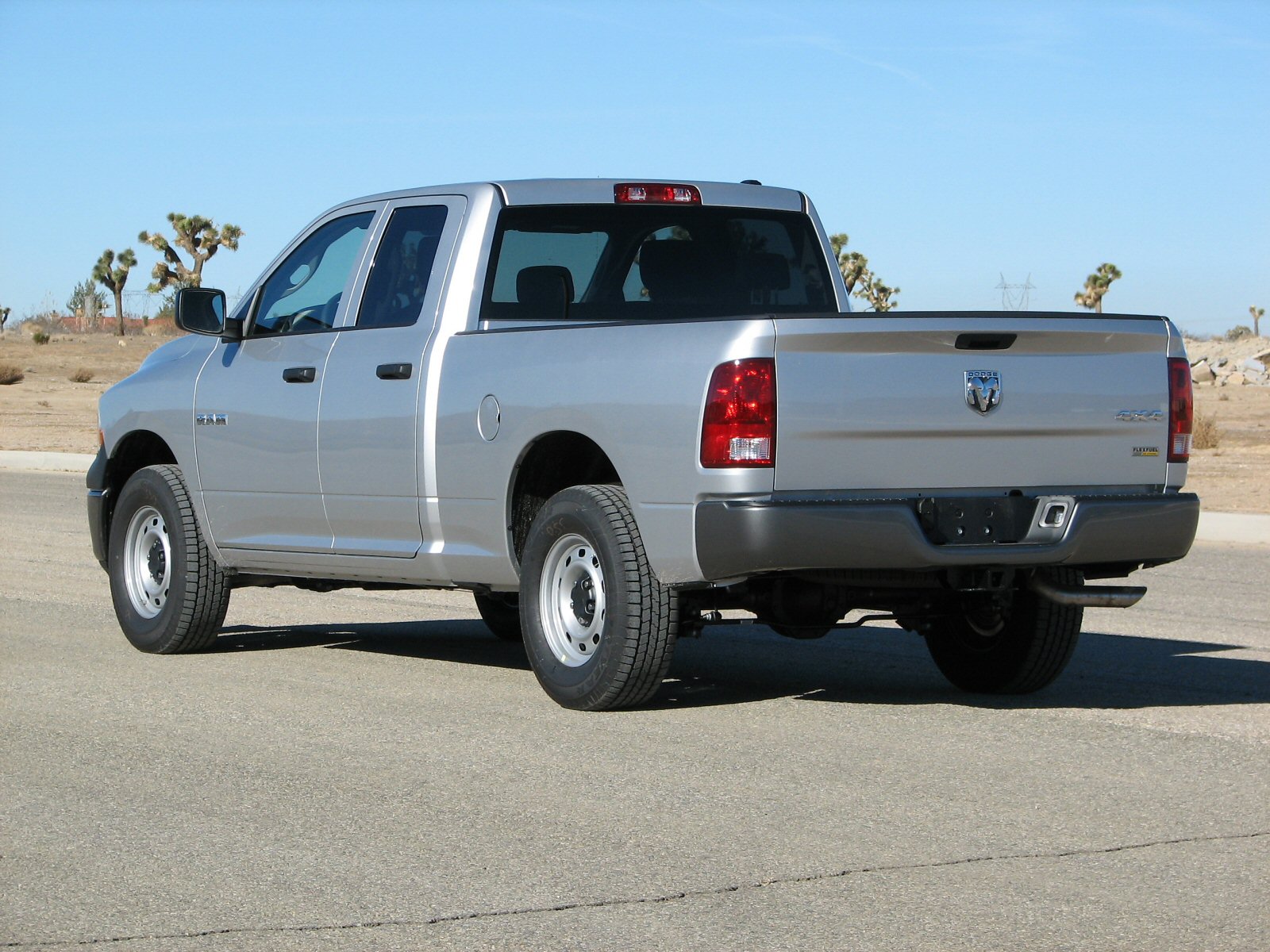
3. Dodge Ram 1500
Early generations of the Dodge Ram 1500 are frequently associated with rust problems, particularly in the truck bed, lower body panels, and undercarriage.
These models relied heavily on untreated or lightly protected steel, which made them more vulnerable to corrosion when exposed to moisture and harsh environmental conditions. While they were known for their strong performance and rugged design, their resistance to rust was not as advanced as that of later models.
The truck bed floors in these early Ram 1500 models were especially prone to corrosion due to constant exposure to cargo, moisture, and debris. Without adequate protective coatings or liners, the steel surface could easily become scratched or worn down, exposing it to the elements. Over time, this led to the formation of rust spots that could expand into larger areas of damage, sometimes resulting in holes in the bed floor.
Moisture retention was another significant issue, particularly when bed liners were installed without proper drainage. Water could become trapped between the liner and the metal surface, creating a hidden environment where rust could develop rapidly. Because this process occurs out of sight, many owners did not realize the extent of the damage until it became severe.
The underbody and frame components also faced challenges with corrosion, especially in regions where road salt was commonly used. Salt accelerates the oxidation process, causing steel to deteriorate more quickly than it would under normal conditions. Without sufficient protective coatings, these areas were highly susceptible to long-term damage.
Early Dodge Ram 1500 models are more prone to premature corrosion due to limited protective technology, design factors that allowed moisture buildup, and heavy reliance on steel without advanced treatment. Proper maintenance can help mitigate some of these issues, but these trucks generally require more attention to prevent rust from becoming a serious problem.
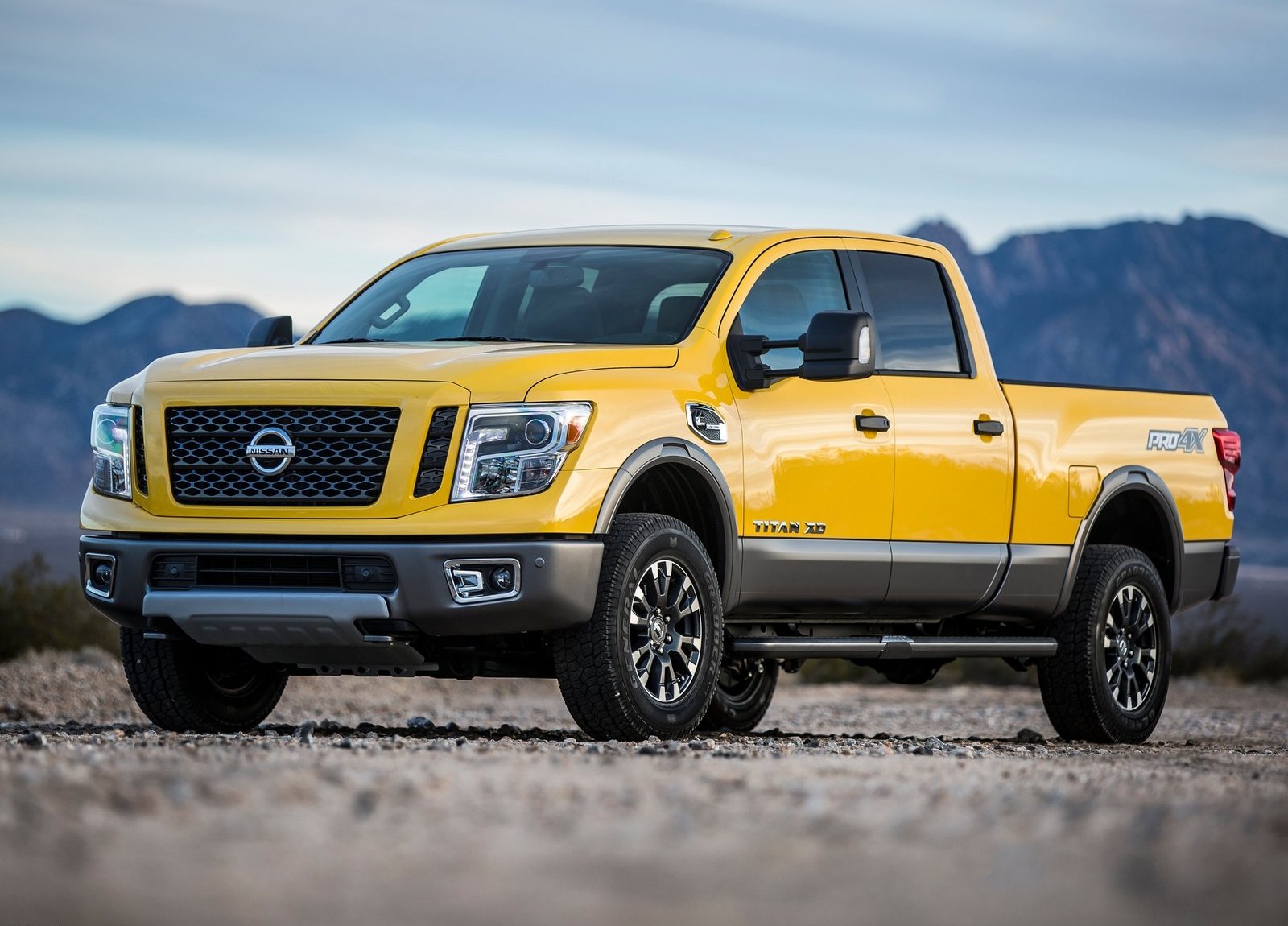
4. Nissan Titan
The first-generation Nissan Titan introduced a strong and capable pickup platform, but it also faced challenges related to corrosion, particularly in certain climates and usage conditions. The truck relied on traditional steel construction for its bed and frame, and while it offered good performance, its corrosion protection measures were not as advanced as those found in later models.
One of the most common areas where rust developed in the first-generation Titan was along the bed edges and wheel wells. These areas are frequently exposed to road debris, water, and salt, which can damage the paint and protective coatings. Once the underlying steel is exposed, rust can begin to form and spread, especially if the damage is not repaired promptly.
The paint quality in these models was also a contributing factor, as it was more susceptible to chipping and wear compared to newer finishes. Everyday use, such as hauling cargo or driving on rough roads, could easily lead to small imperfections in the surface. Over time, these imperfections allowed moisture to penetrate and initiate the corrosion process.
Frame corrosion was another concern, particularly in regions with harsh winters. Exposure to road salt and moisture could lead to surface rust that gradually progressed into deeper structural areas. While not all vehicles were affected to the same extent, those in high-risk environments often required additional maintenance to prevent long-term damage.
The first-generation Nissan Titan is considered more prone to rust compared to newer trucks due to its reliance on older coating technologies and design limitations. While it remains a capable vehicle, owners need to be proactive in maintaining and protecting it from environmental exposure.
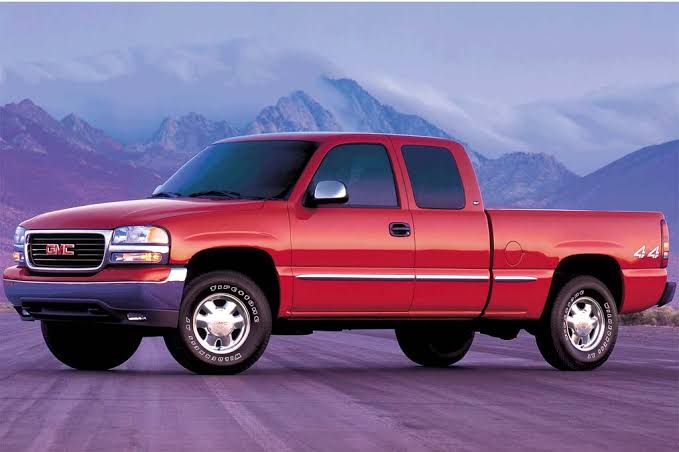
5. GMC Sierra
Mid 2000s GMC Sierra models experienced corrosion issues that were largely influenced by the coating technologies and design practices of that time. While these trucks shared many strengths with their counterparts, their resistance to rust was not as advanced as that of newer generations. As a result, they are more likely to develop corrosion problems, particularly in areas that are frequently exposed to moisture and debris.
The truck bed and wheel arches are among the most common areas where rust appears in these models. These sections are constantly subjected to impacts from road debris and cargo, which can damage the paint and expose the steel beneath. Once the protective layer is compromised, rust can begin to form and gradually spread across the surface.
Another issue is the accumulation of moisture in certain structural areas, such as bed corners and seams. If water is not able to drain properly, it can remain in contact with the metal for extended periods, increasing the likelihood of corrosion. Over time, this can lead to visible damage as well as hidden structural weakening.
The underbody and frame components are also vulnerable, particularly in regions where road salt is used during winter. Salt can accelerate the rusting process, causing steel to degrade more quickly than it would under normal conditions. Without sufficient protective coatings, these areas are at a higher risk of long-term damage.
Mid 2000s GMC Sierra models are more prone to premature corrosion due to a combination of environmental exposure, less advanced coatings, and design factors that allow moisture retention. While they can still be reliable work trucks, they often require additional care and maintenance to manage rust-related issues effectively.