
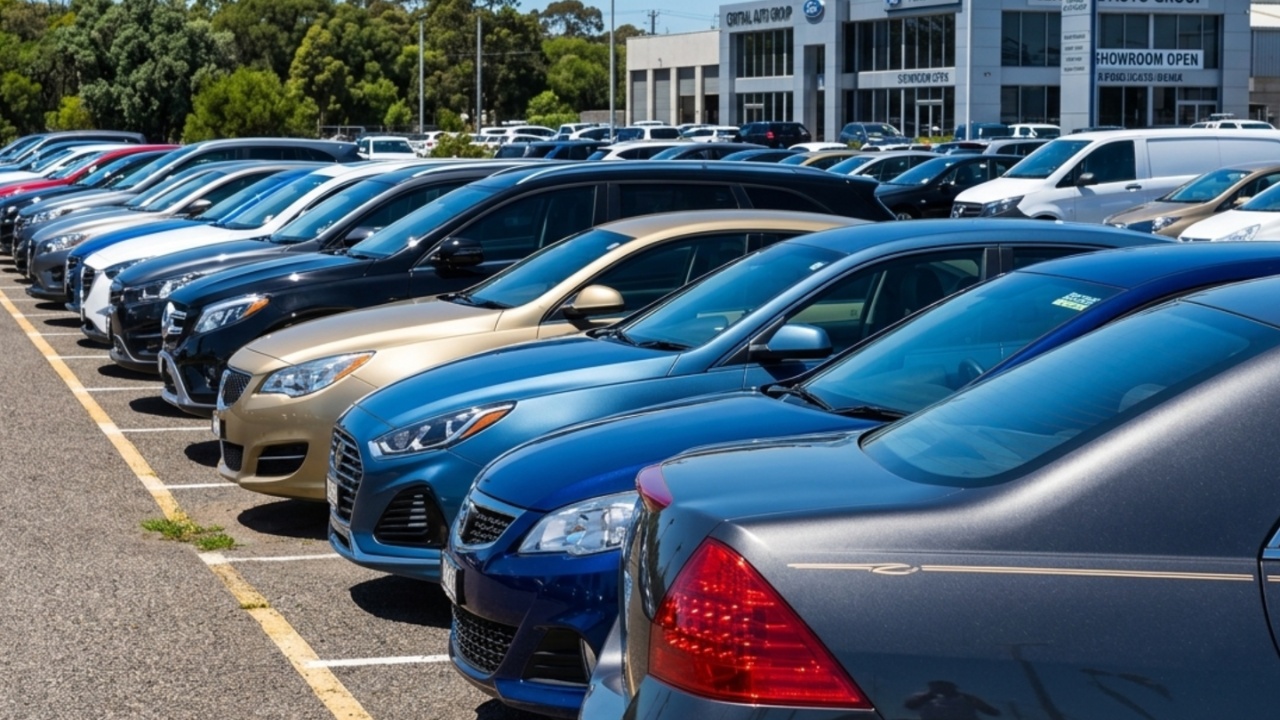
Buying a used car in the United States is not just about price, mileage, or model. Where a vehicle has lived plays a major role in its long-term condition, especially when it comes to hidden rust and salt damage.
States that experience snow, ice, and heavy road salting often produce cars with weakened undercarriages, corroded brake lines, and hidden structural issues that may not be visible at first glance. In contrast, dry desert regions and mild coastal climates tend to preserve vehicles far better, allowing buyers to find cars that look and perform like they are much newer than their age.
This guide, “12 Best US Cities to Purchase a Used Car to Avoid Hidden Rust and Salt,” highlights the top locations where climate, geography, and road maintenance practices naturally protect vehicles.
From desert hubs like Phoenix and Las Vegas to mild coastal cities such as San Diego and Seattle, each destination offers unique advantages that help extend vehicle life and reduce corrosion risk. Understanding these regions can help buyers make smarter decisions and avoid costly repairs caused by unseen rust damage.
1. Phoenix, Arizona: A Haven for Rust-Free Vehicles
Phoenix is widely regarded as one of the best places to buy rust-free used cars due to its hot, arid desert climate. With extremely low humidity and minimal rainfall, vehicles in this region are rarely exposed to the moisture that typically leads to rust and corrosion.
In addition, Arizona does not use road salt, which is a major contributor to undercarriage damage in colder climates. This absence of salt helps preserve essential components such as the frame, brake lines, and suspension, allowing cars to maintain their structural integrity for many years.
The condition of local infrastructure further supports vehicle longevity. Roads in Phoenix are generally well-maintained, reducing unnecessary strain on tires and suspension systems.
The area also offers a strong market for used cars, with many vehicles coming from owners who have driven in mild conditions. This often results in lower-mileage, well-preserved cars, making the city attractive to both collectors and practical buyers seeking reliability.
Despite these advantages, the intense desert sun presents a different set of challenges. Prolonged exposure to heat and ultraviolet rays can damage a vehicle’s exterior and interior, leading to faded paint, clear coat deterioration, and brittle rubber or plastic components. For this reason, buyers are encouraged to look for garage-kept vehicles, which tend to retain better cosmetic and material condition.
2. Las Vegas, Nevada: Dry Climate Advantage for Used Cars
Las Vegas is a highly favorable location for purchasing rust-free used cars, largely due to its arid, high-desert climate. With extremely low humidity and very little rainfall, vehicles in this environment are rarely exposed to the moisture necessary for rust and oxidation to develop.
Unlike colder regions, Nevada experiences almost no snow or ice, meaning roads are not treated with corrosive de-icing salts. This absence of salt helps preserve undercarriage components such as frames, brake lines, and suspension systems, which often remain in excellent condition even on older vehicles.
Another benefit is the lack of the damaging freeze-thaw cycles common in northern climates. Without repeated exposure to moisture, freezing temperatures, and road chemicals, vehicles in Las Vegas tend to maintain cleaner, more structurally sound metal components. This makes the city an appealing option for buyers seeking long-lasting value and reliability in a used car.
However, the intense desert heat and high UV exposure introduce different concerns. Prolonged sun exposure can cause interior materials like dashboards and leather seats to crack or dry out. Additionally, high temperatures can accelerate wear on cooling systems and rubber components such as hoses. Careful inspection of these areas is essential when evaluating a vehicle.
3. Albuquerque, New Mexico: A Hidden Gem for Rust-Free Cars
Albuquerque is widely regarded as a hidden gem for buying rust-free used cars due to its high-altitude desert climate. The region has very low humidity and minimal rainfall, which limits the moisture needed for oxidation and rust formation. As a result, vehicles in this environment tend to have well-preserved frames, undercarriages, and body panels, even after years of use.
In New Mexico, winters are generally mild with only light snowfall. Any snow that does fall usually melts and evaporates quickly, reducing the need for road salt. This is important because salt is a major cause of corrosion in many other regions. Without regular exposure to salt and moisture, key components such as brake lines, suspension parts, and structural frames remain in much better condition.
Another advantage is the area’s abundant sunshine, with more than 300 sunny days each year. This consistent sunlight helps dry out any moisture that does accumulate, adding another layer of protection against rust and long-term damage. However, prolonged sun exposure can lead to cosmetic issues such as faded paint or worn exterior finishes.
For buyers, this means vehicles may show some surface wear but are typically structurally sound. Albuquerque remains a strong choice for those seeking durable, rust-free used cars.
4. Los Angeles, California: Mild Climate and Clean Vehicle Conditions
Los Angeles is a top destination for purchasing used cars with minimal risk of rust, largely due to its Mediterranean climate. The region experiences mild winters, low rainfall, and no snow or ice, which eliminates the need for road salt.
This is significant because salt is one of the primary causes of corrosion in vehicles, particularly in the undercarriage, brake lines, and suspension systems. As a result, cars in this area often maintain clean, rust-free structural components even after years of use.
In California, the generally dry conditions further reduce moisture exposure, slowing down the oxidation process that leads to rust. Additionally, strict emissions standards encourage regular vehicle maintenance, meaning many cars on the market are well cared for mechanically.
The large population and heavy reliance on personal vehicles also create a vast and diverse inventory, including commuter cars and luxury models, giving buyers many high-quality options to choose from.
While most of the Los Angeles area is ideal for preserving vehicles, those located closer to the coast may experience some exposure to salty ocean air, which can contribute to minor corrosion over time. Another factor to consider is traffic-related wear, as frequent stop-and-go driving can affect brakes and other components.
For buyers, Los Angeles offers a strong combination of rust-free conditions, solid maintenance practices, and a wide selection of reliable used vehicles.
5. San Diego, California: Ideal Climate for Well-Preserved Vehicles
San Diego is widely recognized as one of the best places in the United States to find well-preserved used cars. Its Mediterranean climate features mild, stable temperatures, low humidity, and minimal rainfall, all of which help protect vehicles from rust and long-term structural damage.
Unlike colder regions, there is no snow or ice, so road salt is never used. This prevents the undercarriage corrosion that commonly affects vehicles in northern climates, allowing frames, brake lines, and suspension components to remain in excellent condition.
In California, the dry environment further limits the moisture needed for oxidation, preserving both the exterior and internal components of vehicles. Another advantage is the region’s stable temperatures, which reduce the expansion and contraction of metal parts and seals. This helps maintain the integrity of various components over time.
Geography also plays a role in vehicle preservation. While coastal areas are exposed to salty ocean air, nearby mountains help shield inland areas from this effect. Vehicles kept a few miles away from the coast are far less likely to experience salt-related corrosion.
San Diego also offers a strong market for high-quality vehicles. Due to higher living costs and a culture of regular maintenance, many cars are well cared for and often serviced professionally. Buyers should still inspect coastal vehicles carefully, but inland options typically provide clean, rust-free, and reliable choices.
6. El Paso, Texas: Desert Climate for Structurally Sound Vehicles
El Paso is one of the best locations in the United States for finding rust-free used cars, thanks to its extremely dry desert climate. Situated in the far western part of Texas, the city experiences very low humidity and minimal rainfall, creating conditions where rust and corrosion struggle to develop.
Unlike regions in the “Salt Belt,” El Paso rarely sees snow, so roads are not treated with corrosive de-icing chemicals. This means vehicle undercarriages, frames, and brake lines remain clean and structurally intact even after many years.
Another advantage is the city’s inland location, which protects vehicles from salty ocean air that can cause corrosion in coastal regions. As a result, even older cars, trucks, and SUVs in El Paso often have solid, rust-free frames. The local market is especially strong for high-mileage work vehicles that maintain excellent structural integrity despite years of use.
However, the intense desert sun presents its own challenges. Prolonged exposure to heat and ultraviolet rays can cause cosmetic and material damage. Common issues include faded or peeling paint, cracked dashboards, worn leather seats, and dry rot in rubber components such as seals, belts, and hoses. These issues affect appearance and comfort more than structural durability.
For buyers, verifying a vehicle’s history is important to ensure it has consistently been in a dry climate. El Paso remains an excellent choice for those prioritizing long-lasting, rust-free vehicle structures.
Also read: 12 Cars That Fundamentally Changed How American Families Travel Locally
7. Dallas, Texas: Large Market with Rust-Free Advantages
Dallas is a prime destination for buying used cars, combining rust-resistant conditions with a massive and competitive market. Located in Texas, the city experiences a predominantly hot and dry climate, which limits moisture buildup and slows the oxidation process that causes rust.
While North Texas can occasionally experience ice storms, the use of road salt is uncommon, helping preserve undercarriages, brake lines, and suspension components.
Road conditions in Dallas also contribute to vehicle longevity. Unlike regions with harsh winters, the area sees fewer potholes and less road damage, which reduces wear on suspension and steering systems. This means many vehicles on the market are mechanically sound, especially newer models.
A major advantage of Dallas is the size of its used car market. The Dallas-Fort Worth metroplex offers a wide selection of vehicles, creating strong competition among dealers and often resulting in more affordable pricing.
Buyers can find everything from commuter cars to newer, well-maintained models with clean history reports and minimal rust. This abundance has even made Dallas a popular destination for out-of-state buyers looking to purchase vehicles and drive them home to regions where rust is more common.
Despite these benefits, buyers should remain cautious about potential water damage due to occasional heavy rainfall and humidity. Thorough inspections and vehicle history checks are still essential when making a purchase.
8. Atlanta, Georgia: Mild Climate and Strong Used Car Supply
Atlanta is a strong choice in the southeastern United States for buying used cars with low rust risk. The city sits outside the humid coastal zone and well south of the northern “Salt Belt,” which means it avoids the frequent snow, ice, and heavy road salt usage common in colder regions.
Winter weather is generally mild, and when snow does occur, it is rare and short-lived, so corrosive de-icing chemicals are not widely used on roads. This helps vehicles retain cleaner undercarriages and stronger structural integrity over time.
In Georgia, the warm climate further reduces the moisture cycles that typically cause rust. Without repeated exposure to freezing and thawing conditions, metal components such as frames, suspension parts, and brake lines are less likely to corrode. As a result, vehicles in this region tend to have fewer hidden rust-related issues compared to those from colder, salt-heavy states.
Another key advantage is Atlanta’s role as a major corporate and leasing hub. The market sees a steady turnover of leased vehicles, which means buyers often have access to newer models that are only a few years old. These vehicles are frequently well-maintained and come with documented service histories, adding to their appeal.
The combination of limited salt exposure, mild weather, and a large supply of relatively new used cars makes Atlanta a reliable market for buyers seeking vehicles with solid long-term condition and minimal corrosion concerns.
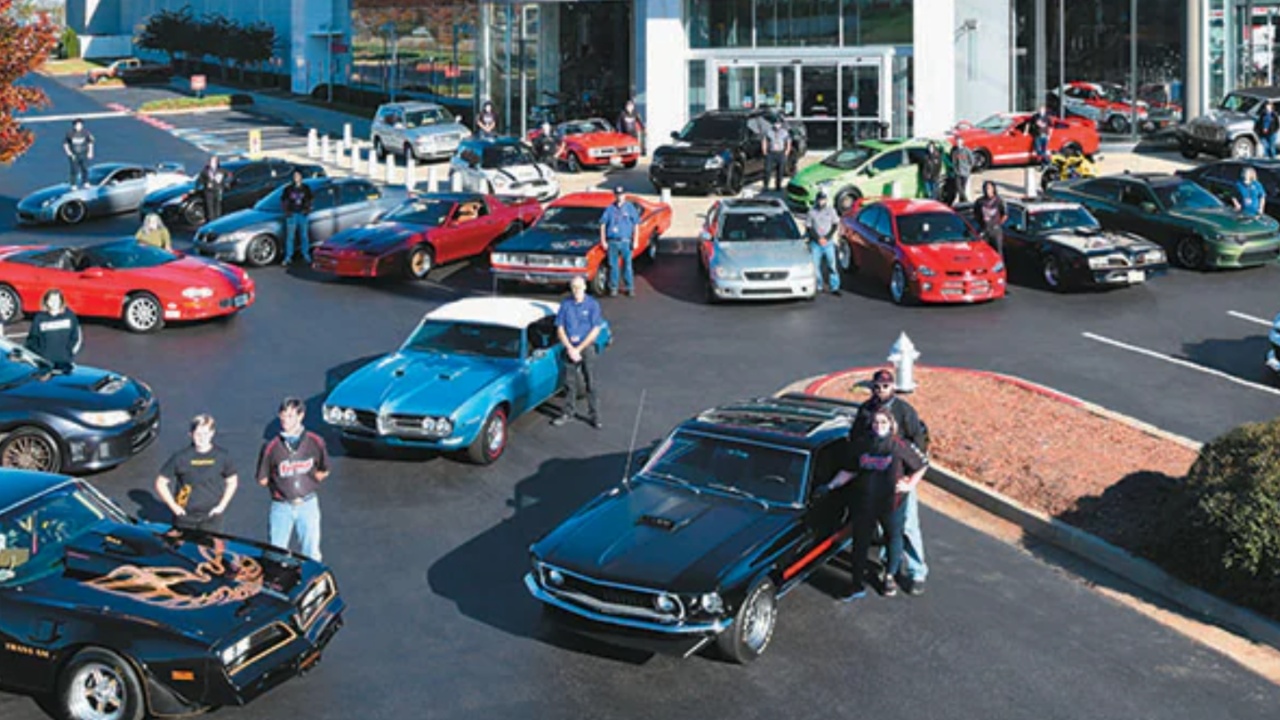
9. Salt Lake City, Utah: Dry Climate with Winter Considerations
Salt Lake City offers a unique balance for used car buyers seeking vehicles with limited rust. Despite experiencing snowy winters, the city’s high-desert climate features very low humidity and minimal rainfall.
This dryness plays a crucial role in slowing rust formation, since moisture is required for oxidation to occur. Even when road salt is used, the lack of lingering moisture prevents it from causing the same level of corrosion seen in wetter, colder regions.
In Utah, road treatment methods can also be less aggressive in certain areas, sometimes using sand or volcanic cinders instead of pure salt. These alternatives are less corrosive and help reduce long-term damage to vehicle undercarriages. As a result, many cars in Salt Lake City remain cleaner and better preserved than those from humid, snow-heavy states such as those in the northeastern United States.
The local market also tends to feature well-maintained vehicles, particularly SUVs and all-wheel-drive models suited for mountain driving. Many owners take preventative measures such as undercoating, which further protects against corrosion.
However, buyers should still be cautious. Winter driving conditions mean some exposure to salt and slush is unavoidable. It is important to carefully inspect the undercarriage, including brake lines, suspension components, and bolts. Vehicles frequently driven to ski areas may show more wear.
With proper inspection, Salt Lake City can be a solid choice for finding durable, well-preserved used vehicles.
10. Boise, Idaho: Semi-Arid Climate and Clean Vehicle Condition
Boise is often overlooked, but it offers strong advantages for buyers seeking rust-free used cars. Its semi-arid climate features low humidity and limited moisture, which significantly reduces the conditions needed for rust formation. Without persistent dampness, oxidation on metal surfaces occurs much more slowly, helping preserve vehicle frames and undercarriages over time.
In Idaho, winter conditions are generally milder compared to heavily snowed regions in the Midwest or Northeast. While snow does occur, it is less frequent and often melts quickly or remains dry, reducing the buildup of slush that typically carries corrosive materials into vehicle components. This helps limit long-term damage to critical areas such as suspension systems, exhaust parts, and brake lines.
Another advantage is the reduced reliance on harsh road salt. Instead of heavy salt use, Boise and the surrounding areas often use lighter traction materials such as sand or magnesium chloride in some situations. These alternatives are generally less aggressive on metal surfaces, helping vehicles maintain better structural integrity.
As a result, many used vehicles from Boise, particularly trucks and four-wheel-drive models, remain in strong mechanical and structural condition even after years of use. Clean frames and well-preserved underbodies are common, making the region appealing for buyers looking for durability and longevity.
With its dry climate, moderate winter conditions, and reduced chemical road treatments, Boise provides a favorable environment for sourcing reliable, well-maintained used vehicles.
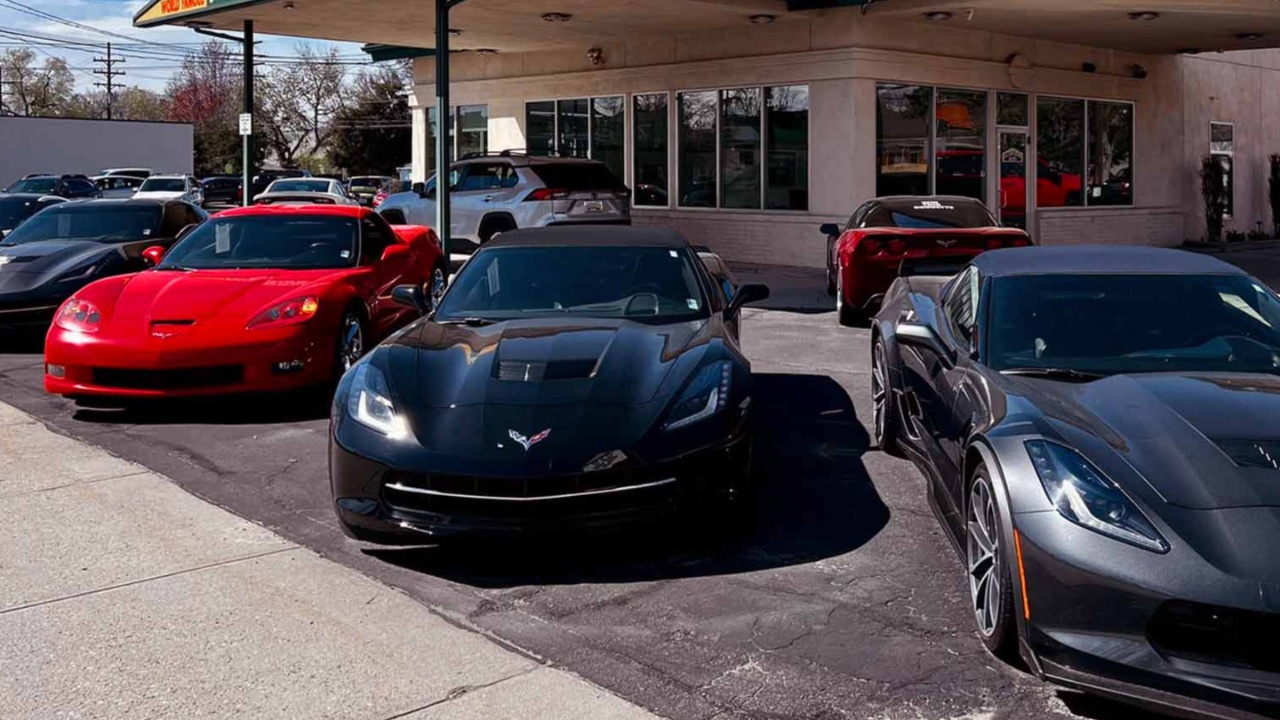
11. Portland, Oregon: Gentle Climate and Rust-Resistant Vehicles
Portland is often considered a strong location for buying well-preserved used cars due to its mild, temperate climate and limited use of corrosive road treatments. Although the city is known for frequent rain, it rarely experiences the deep freezes seen in the northeastern United States, which means heavy road salt is not commonly used.
Instead, Oregon typically relies on sand, gravel, and less aggressive de-icing materials like magnesium chloride, which are significantly less damaging to vehicle metal components.
One advantage of Portland’s weather is that consistent rainfall naturally washes away road grime and contaminants, helping keep undercarriages cleaner over time. This reduces the buildup of corrosive materials that often lead to rust in drier regions where salt remains on roads for longer periods.
At the same time, the mild temperatures protect vehicles from extreme heat, preventing issues like cracked dashboards or peeling paint that are common in hotter climates.
Vehicles from this region often retain a clean, factory-like appearance, both mechanically and cosmetically. Many are considered “survivor” cars, meaning they have aged well without the hidden structural damage seen in harsher climates. Regular maintenance and washing help prevent moisture-related issues such as moss or buildup in seals, further preserving the condition.
With its combination of low salt exposure, natural rain cleaning effects, and moderate temperatures, Portland produces used vehicles that often remain structurally sound and visually well-preserved over time.
12. Seattle, Washington: Mild Climate and Well-Maintained Vehicles
Seattle is widely regarded as a favorable location for purchasing used cars due to its mild maritime climate and lack of extreme temperature swings. The city rarely experiences severe freezes, and snowfall is infrequent, which limits the need for heavy road salt use.
This helps vehicles avoid the undercarriage corrosion commonly seen in colder “Salt Belt” states. At the same time, the absence of intense heat protects interiors from sun damage, such as cracked dashboards or faded upholstery.
In Washington, the generally moist but moderate climate contributes to steady vehicle preservation when cars are properly maintained. The region’s light “perpetual mist” does not have the same corrosive impact as salt-heavy environments, and many vehicles benefit from garage storage and regular upkeep.
Seattle’s market also reflects the city’s tech-oriented and environmentally conscious population. Many vehicles come with detailed service records, are relatively modern, and are often well cared for. This results in a strong supply of fuel-efficient cars with consistent maintenance histories, which appeals to buyers seeking reliability and transparency.
However, compared to nearby regions like Portland, Seattle, and parts of Washington may still use road salt in certain higher-elevation or rare severe winter conditions. For this reason, inspection of the undercarriage remains important. Coastal proximity can also introduce minor salt exposure, though inland vehicles are typically better protected.
With its mild climate, strong maintenance culture, and well-documented vehicle history records, Seattle remains a solid choice for rust-resistant used cars.
Across the United States, vehicle condition is heavily influenced by climate, geography, and winter road treatment practices. From dry desert cities like El Paso and Albuquerque to mild coastal regions such as San Diego, Portland, and Seattle, each location offers distinct advantages for preserving a car’s structural integrity. In contrast, areas with heavy snow and road salt usage tend to accelerate corrosion, often hiding damage beneath otherwise clean exteriors.
The cities highlighted in this guide demonstrate how choosing the right location can significantly reduce the risk of rust-related problems. Whether it is the arid heat of Arizona, the balanced climate of Georgia, or the maintenance-heavy markets of Texas and Washington, these regions consistently produce vehicles with stronger frames, cleaner underbodies, and better long-term reliability.
For buyers, the key takeaway is simple: where a car comes from matters just as much as how it was maintained. Careful inspection, combined with smart geographic selection, can lead to a more dependable and longer-lasting used car purchase.
Also read: 12 Cars That Keep Fog Off the Windshield With a Full Crew
