
The automotive world is changing faster than ever before. Technology is no longer just a luxury feature it is now the backbone of every modern vehicle. From advanced driver assistance systems to over-the-air software updates, cars have become rolling computers on four wheels.
Consumers today expect seamless connectivity, real-time diagnostics, and intelligent navigation systems as standard. But not every automaker delivers these features the same way.
Some brands have gone above and beyond to provide world-class tech support at no extra cost. They invest in their customers by offering free updates, dedicated helplines, and comprehensive digital ecosystems.
Other brands have taken a very different route. They lock premium features behind monthly subscription walls, charging drivers repeatedly for technology already built into the vehicle. This debate has become one of the hottest topics in the automotive industry in 2026.
Understanding which brands support you freely and which ones drain your wallet monthly is critical. It helps you make smarter buying decisions. This article breaks down five brands offering the best tech support in 2026 and five that charge monthly fees for car technology. Read on to find out who truly puts the customer first.
5 Brands Offering the Best Tech Support in 2026
These exceptionally customer-focused manufacturers feature comprehensive complimentary support programs and responsive service networks perfectly suited for tech-dependent modern vehicles, providing genuine assistance through knowledgeable representatives and included software updates that resist the abandonment patterns found in brands treating technology as profit centers rather than customer services requiring ongoing support.
Their thoughtful approach includes free over-the-air updates and accessible customer service that resist the subscription fatigue found in nickel-and-diming competitors while delivering prompt responses to infotainment glitches, navigation system updates included without additional charges, and technical support staff who actually understand vehicle systems rather than reading scripts that rarely solve problems.
1. Tesla
Tesla has long been the benchmark for automotive technology. No other brand has mastered the art of over-the-air software updates quite like Tesla has. Every Tesla vehicle receives regular updates that improve performance, add new features, and fix bugs, all without the owner paying a single extra dollar.
Tesla’s tech support ecosystem is built around speed and accessibility. Owners can contact support directly through the Tesla app on their smartphone. The app allows users to schedule service appointments, chat with representatives, and monitor their vehicle’s health in real time.
One of Tesla’s greatest strengths is its remote diagnostics capability. Tesla engineers can often identify and fix issues without the car ever visiting a service center. This saves owners tremendous amounts of time and reduces unnecessary workshop visits.
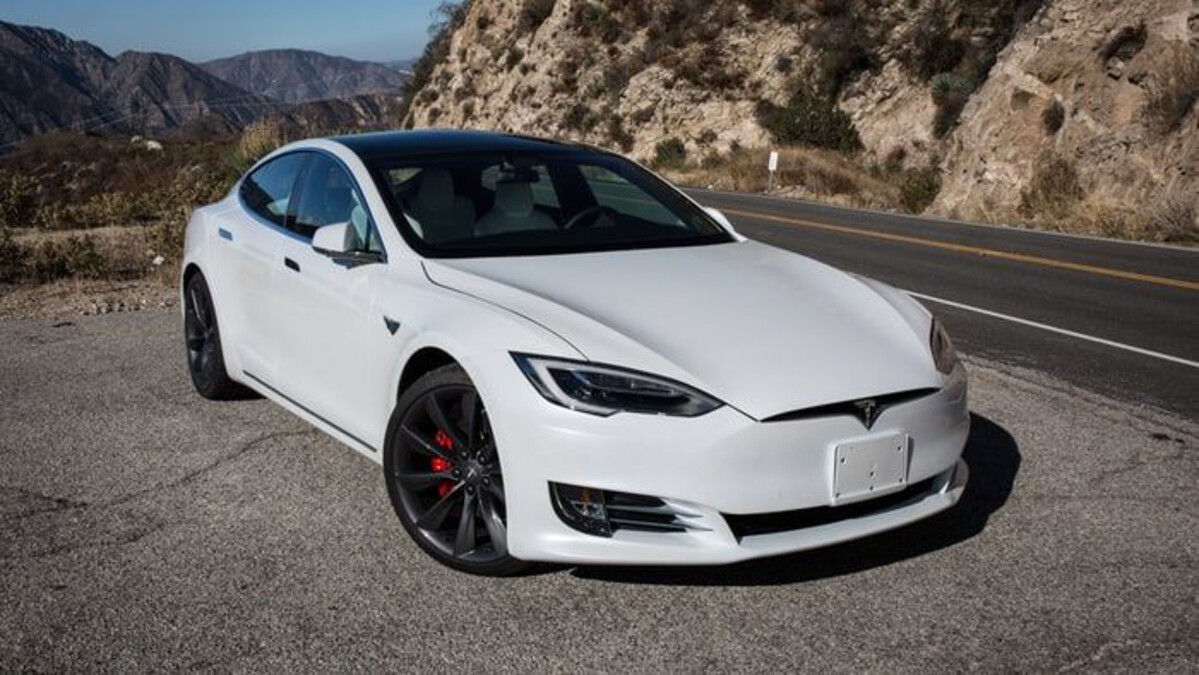
Tesla’s touchscreen interface is constantly evolving. New features like improved autopilot modes, gaming integrations, and voice command upgrades arrive silently overnight. When you wake up, your Tesla is smarter than it was the night before.
The brand also offers a robust online knowledge base. Thousands of articles, video tutorials, and community forums are available for free. Tesla owners are never left in the dark when they have a technical question.
Tesla’s customer support team is available around the clock. Whether it is a software glitch or a hardware concern, the response time is impressively fast. The brand treats technology support as a core part of car ownership, not an optional add-on.
Even entry-level Tesla models receive the same software updates as premium ones. There is no tiered system where cheaper cars get fewer features. Every Tesla owner sits at the same technological table.
The brand’s dedication to continuous improvement sets it apart from traditional automakers. Legacy brands release a new model and consider it finished. Tesla sees every vehicle as a living, breathing product that grows smarter over time.
Tesla’s Autopilot system is regularly enhanced through these updates. Drivers notice improvements in lane centering, traffic-aware cruise control, and automatic emergency braking without any additional investment. The technology simply gets better month after month.
In 2026, Tesla remains the undisputed leader in tech support. Its commitment to free, frequent, and meaningful updates has created one of the most loyal customer bases in automotive history. If you want cutting-edge tech with zero monthly surprises, Tesla is your answer.
2. Hyundai
Hyundai has made an extraordinary transformation over the past decade. The South Korean automaker has gone from being known for affordable basic cars to becoming a genuine technology powerhouse. In 2026, Hyundai stands out for offering impressive tech support that does not punish its customers financially.
The BlueLink connected car platform is Hyundai’s crown jewel. It provides remote start, real-time vehicle diagnostics, stolen vehicle tracking, and emergency roadside assistance. Best of all, Hyundai offers complimentary BlueLink access for an extended period on new vehicles. This gives drivers years of premium connectivity without spending extra.
Hyundai’s customer support infrastructure is thorough and easy to go. The brand maintains a dedicated digital support center staffed by trained technicians. Owners can access help through phone, email, live chat, or the Hyundai app.
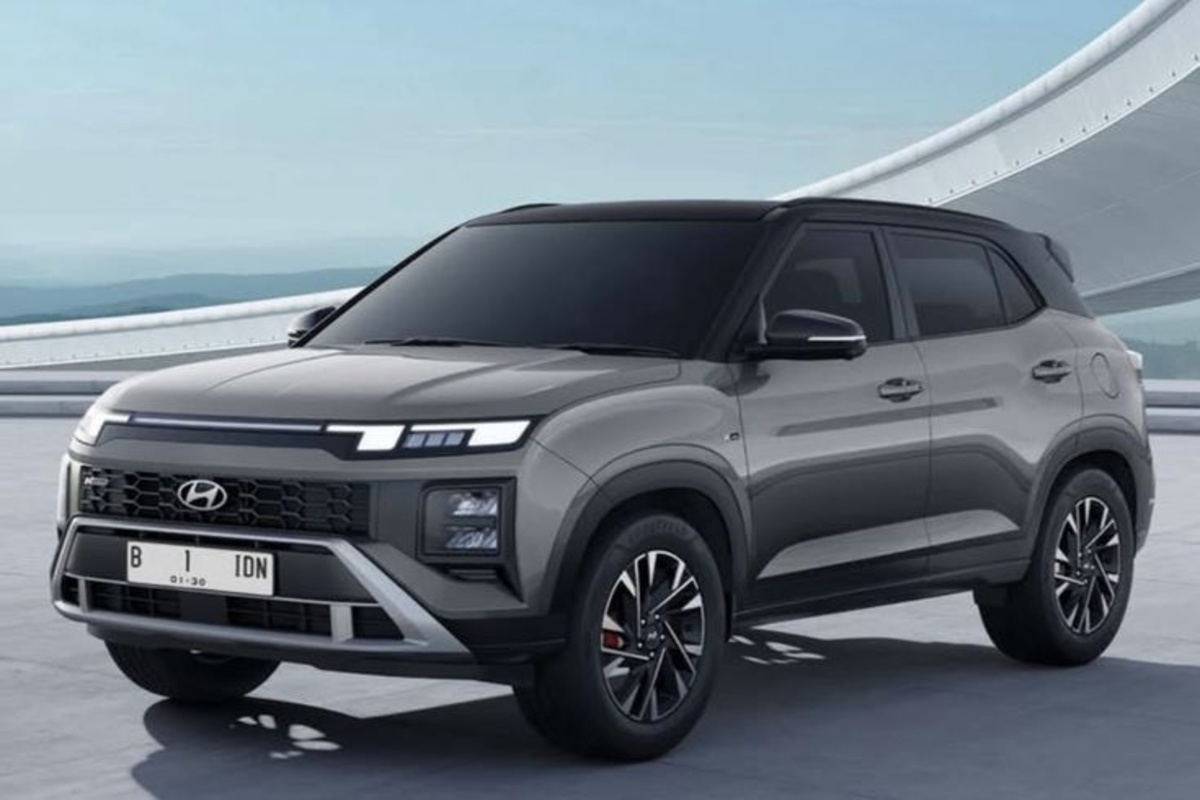
The MyHyundai app is a powerful tool for managing vehicle technology. It provides software update notifications, service reminders, and direct communication with dealerships. Everything is centralized in one clean interface that is genuinely easy to use.
Hyundai also invests heavily in its dealership network training. Service advisors are kept up to date with the latest software changes and technical specifications. This means when you walk into a Hyundai dealership, the staff actually understands your car’s technology.
The brand’s IONIQ electric lineup has pushed technological ambition even further. The IONIQ 6 and IONIQ 9 come with advanced vehicle-to-load capabilities and intelligent energy management systems. All of this is managed through software that Hyundai updates regularly at no charge.
Hyundai’s navigation system receives map updates without requiring a paid subscription. This is something many competing brands charge separately for. Hyundai understands that an outdated map is a frustration no driver should pay to fix.
The brand also offers a comprehensive warranty that covers software-related issues. If a system malfunction is traced back to a software fault, Hyundai addresses it under warranty. This level of accountability is reassuring for technology-heavy vehicles.
In 2026, Hyundai’s approach to tech support is genuinely customer-first. The brand proves that world-class technology does not have to come with a monthly bill attached. Hyundai gives drivers confidence that their car will remain capable and connected for years without financial penalties.
3. Ford
Ford has undergone one of the most impressive technological reinventions in the American automotive industry. The company that once built its reputation on raw horsepower now competes confidently intelligent, connected vehicles. Ford’s approach to tech support in 2026 reflects a genuine respect for customer value.
The Ford+connected car strategy centers around the FordPass app. This platform gives owners access to remote start, vehicle health reports, lock and unlock functions, and fuel level monitoring. FordPass is available for free and works seamlessly across both Ford combustion and electric vehicles.
Ford’s SYNC 4 infotainment system is one of the most user-friendly in the industry. It receives over-the-air updates that improve functionality, fix bugs, and occasionally add new features. Owners never have to visit a dealership simply to keep their software current.
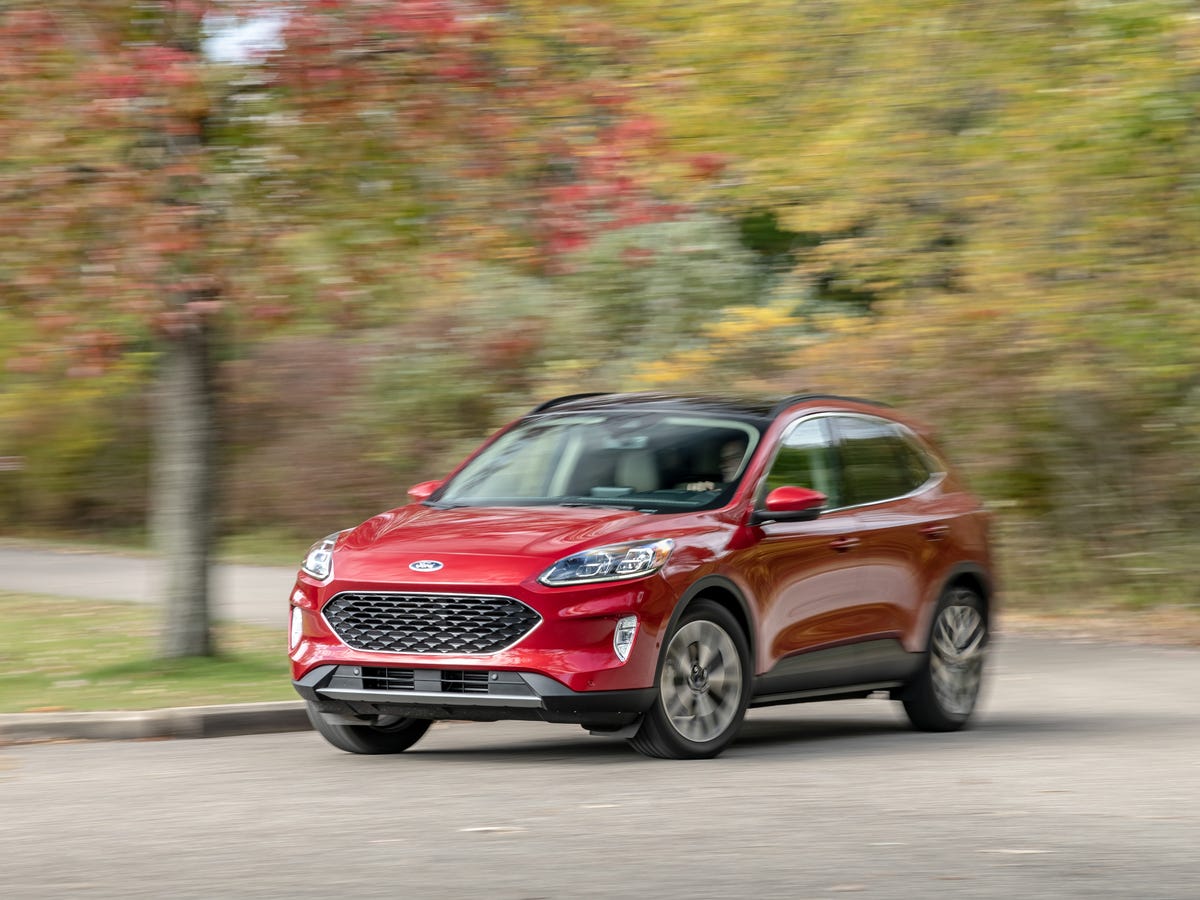
The Mustang Mach-E and F-150 Lightning have been particularly impressive in the tech support department. Both vehicles have received multiple meaningful software updates since their launch. Ford has added features like Plug and Charge compatibility and improved regenerative braking profiles through simple downloads.
Ford’s customer support team is available via multiple channels. The FordPass app includes a live chat feature that connects owners with trained agents quickly. There is also a comprehensive help center packed with tutorials, FAQs, and troubleshooting guides.
BlueCruise, Ford’s hands-free highway driving system, is one of the most talked-about driver assistance technologies in 2026. Ford offers a trial period with new vehicles before any subscription kicks in. This honest approach allows drivers to genuinely evaluate the feature before deciding if it suits their lifestyle.
Ford’s dealership technicians are trained under a rigorous certification program. They receive ongoing education about new software releases and system updates. This ensures a consistent and knowledgeable support experience at thousands of locations across the country.
The brand also maintains an active online owner community. Ford forums and official social media channels are monitored by brand representatives. Owners often receive direct answers to their technical questions from Ford-employed experts.
Ford’s commitment to transparency around technology features is commendable. The brand clearly communicates what is free, what requires a subscription, and what comes standard. In an era where many brands obscure these details, Ford’s clarity is genuinely refreshing and worth recognizing in 2026.
4. Rivian
Rivian entered the automotive world with a clear mission. The brand set out to build adventure-ready electric trucks and SUVs packed with innovative technology. Just as importantly, Rivian committed to supporting its owners with a tech ecosystem that feels genuinely thoughtful and generous.
Rivian’s over-the-air update system is among the best outside of Tesla. The brand pushes updates frequently and communicates clearly about what each update contains. Owners receive detailed changelogs so they always know what has changed in their vehicle.
The Rivian app is a well-designed hub for vehicle interaction. It allows owners to check battery status, precondition the cabin, monitor charging progress, and even check tire pressure remotely. All of these features are available without any additional monthly payment.
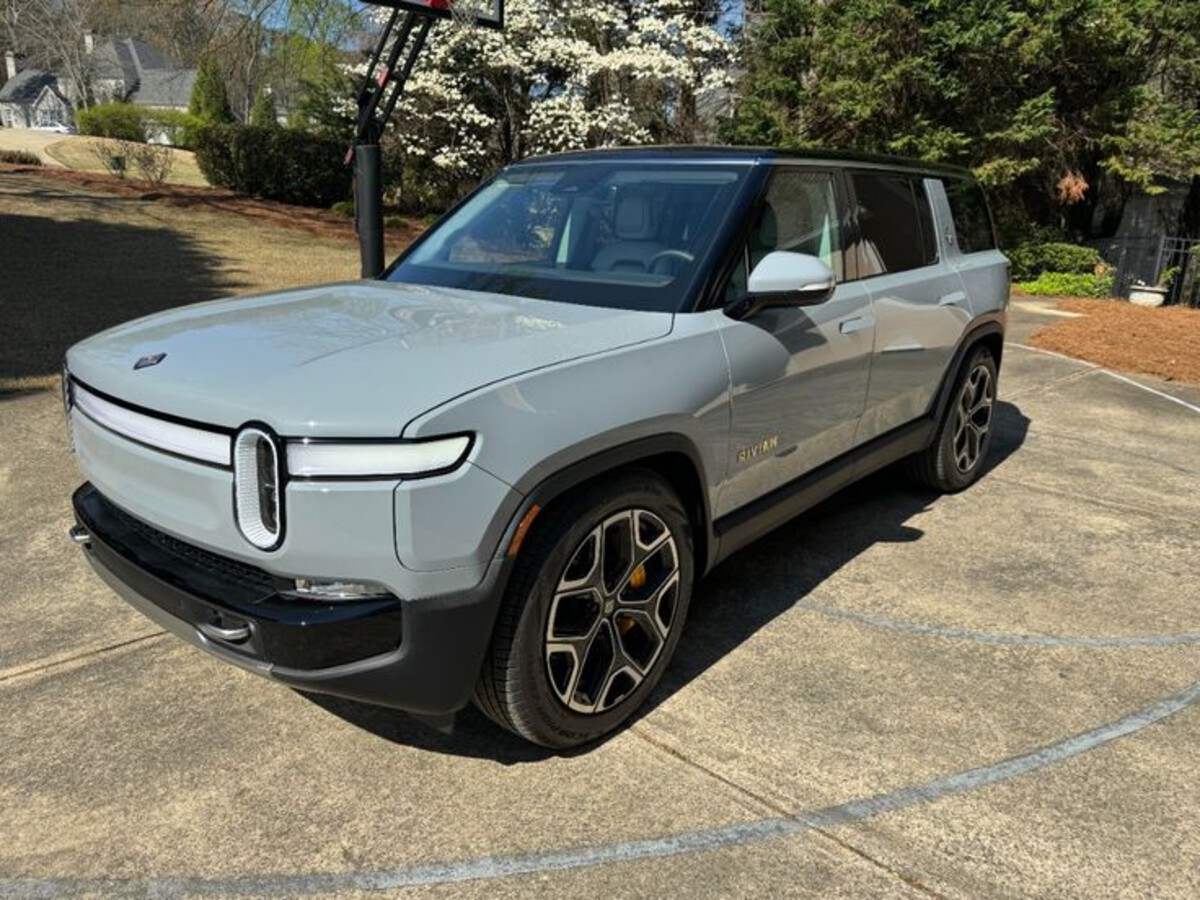
Rivian’s Service+ mobile service program is one of the brand’s most celebrated customer support initiatives. Mobile service technicians drive directly to the owner’s location to perform repairs and maintenance. This eliminates the need for most dealership visits entirely.
The brand’s customer service team has developed a reputation for genuine helpfulness. Rivian representatives are known for being knowledgeable, patient, and thorough. Many owners report that tech support calls actually resolve their problems rather than creating new frustrations.
Rivian’s navigation system integrates directly with its adventure ecosystem. The brand provides detailed off-road maps and trail data through the vehicle’s built-in system. These resources are updated and available without requiring an additional subscription fee.
Rivian Camp Mode and other unique features have been expanded through software updates at no cost. What started as a basic camping feature has evolved into a sophisticated off-grid living system. This kind of meaningful, free post-purchase improvement is what makes Rivian stand out.
The brand also offers a robust online support community. Rivian’s owner forums are active, well-moderated, and frequently visited by Rivian employees. Technical questions rarely go unanswered for long.
In 2026, Rivian’s tech support approach reflects the brand’s broader philosophy. It believes that buying a Rivian should be the beginning of a rewarding relationship, not the starting point of a billing cycle. For adventure-seeking tech enthusiasts, Rivian delivers exactly that.
Also Read: 12 Most Reliable Vehicles Utilized by Modern US Mail and Delivery Drivers
5. Kia
Kia has quietly become one of the most technologically impressive value brands on the market. The company has shed its budget-car image and replaced it with a reputation for sophisticated design and smart, well-supported technology. In 2026, Kia earns its place among the top tech-support leaders without making owners open their wallets repeatedly.
Kia Connect is the brand’s connected services platform. It offers features including remote climate control, vehicle finder, driving score analysis, and emergency assistance. These services are provided free of charge for a generous period following the vehicle’s purchase.
Kia’s infotainment system, powered by the ccNC platform, is intuitive and regularly updated. Over-the-air updates arrive without disruption and improve the system’s responsiveness, navigation accuracy, and multimedia capabilities. Owners do not need to schedule any appointments for these improvements to take effect.
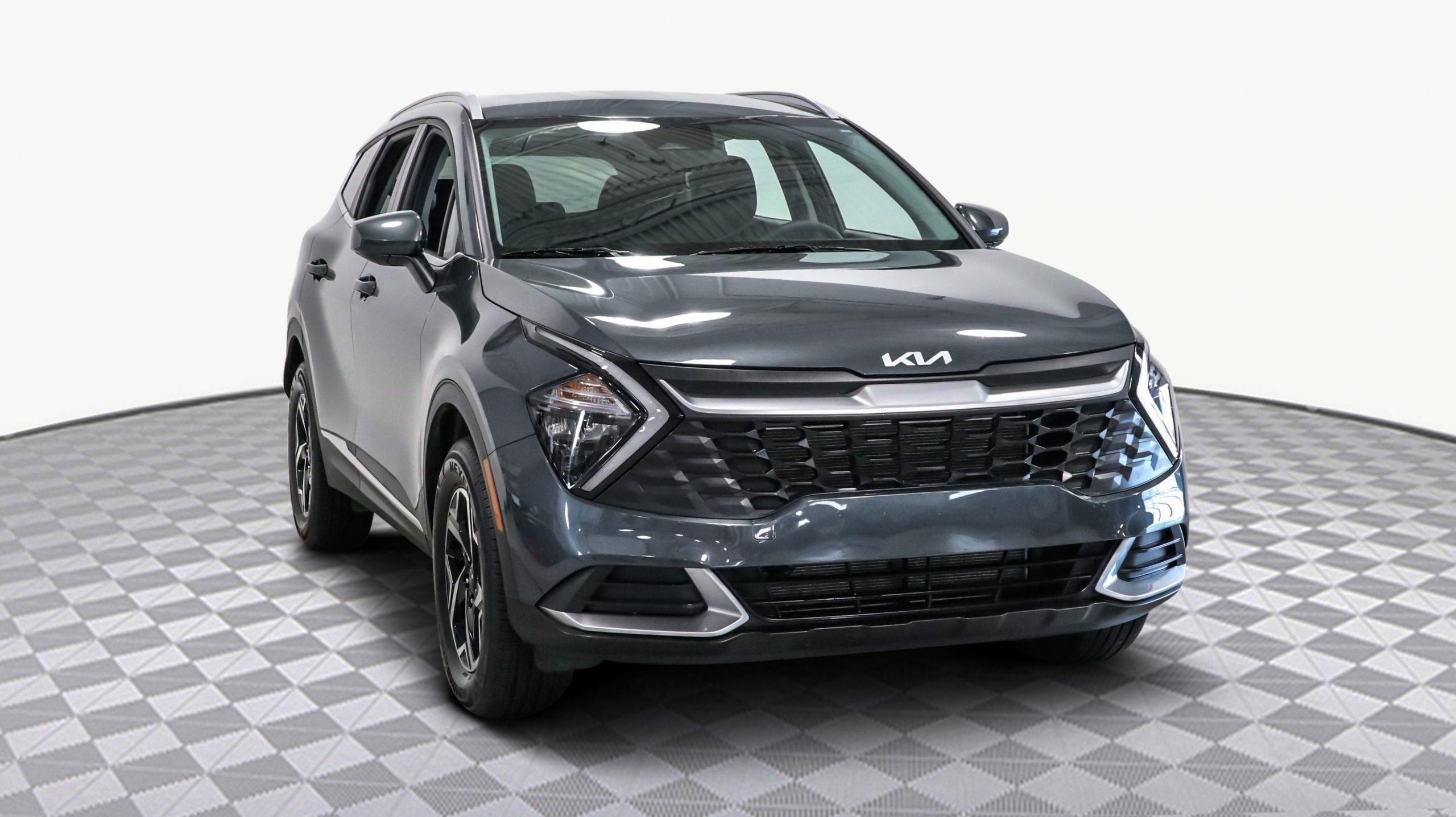
The Kia EV6 and EV9 have become benchmark vehicles in the electric segment. Both models receive consistent software attention from the brand’s engineering teams. Features like vehicle-to-grid charging management and intelligent climate scheduling have been refined through post-purchase updates.
Kia’s owner support infrastructure includes a dedicated app, a 24/7 helpline, and an extensive digital resource library. Everything is organized logically and easy to access regardless of technical experience. First-time EV owners especially appreciate how clearly everything is explained.
The brand’s dealership network is well-trained in Kia’s evolving technology portfolio. Service appointments are handled efficiently, and software concerns are addressed promptly. Kia has invested significantly in technician education to keep pace with its growing technology lineup.
Kia also provides free map updates for its built-in navigation system for several years post-purchase. This reflects an understanding that navigation is a fundamental safety feature, not a premium amenity. Charging drivers to keep maps current is something Kia has deliberately chosen to avoid.
The brand’s warranty coverage includes provisions for software-related faults. If a connected feature malfunctions due to a software issue, Kia handles it at no cost to the owner. This adds another layer of financial protection for technology-dependent drivers.
Kia’s approach in 2026 demonstrates that excellent tech support is achievable without aggressive upselling. The brand treats every buyer as a long-term partner rather than a recurring revenue opportunity. That philosophy makes Kia one of the most owner-friendly tech brands in today’s automotive world.
5 Brands That Charge Monthly for Car Technology
These frustratingly extractive manufacturers suffer from aggressive subscription models and paywalled features that create ongoing financial burdens for vehicle owners, transforming one-time purchases into perpetual payment relationships as basic functionality requires monthly fees, advanced features disappear when subscriptions lapse, and manufacturers monetize hardware already installed in vehicles by demanding continuous payments for software activation.
Their problematic approach includes subscription-locked features and declining support quality that cannot justify ongoing charges while demanding monthly payments for remote start capability using existing hardware, navigation updates requiring separate subscriptions despite built-in systems, and connected features that stop functioning entirely when owners refuse paying perpetual fees for services that should be included with premium vehicle pricing.
1. BMW
BMW is one of the most technologically sophisticated automaker. The German brand builds remarkable machines filled with cutting-edge driver assistance systems, premium audio integration, and intelligent connectivity features. However, BMW’s approach to monetizing these technologies has become one of the most controversial topics among automotive consumers in 2026.
BMW’s ConnectedDrive platform is genuinely impressive in what it offers. Real-time traffic updates, remote services, concierge assistance, and advanced navigation are all part of the ecosystem. The problem is that many of these features require ongoing subscription fees after an initial trial period expires.
BMW has faced significant backlash for placing heated seat subscriptions behind a monthly paywall in certain markets. The hardware was physically present in the car. Owners paid for the vehicle in full and still could not access a pre-installed feature without an additional monthly charge.
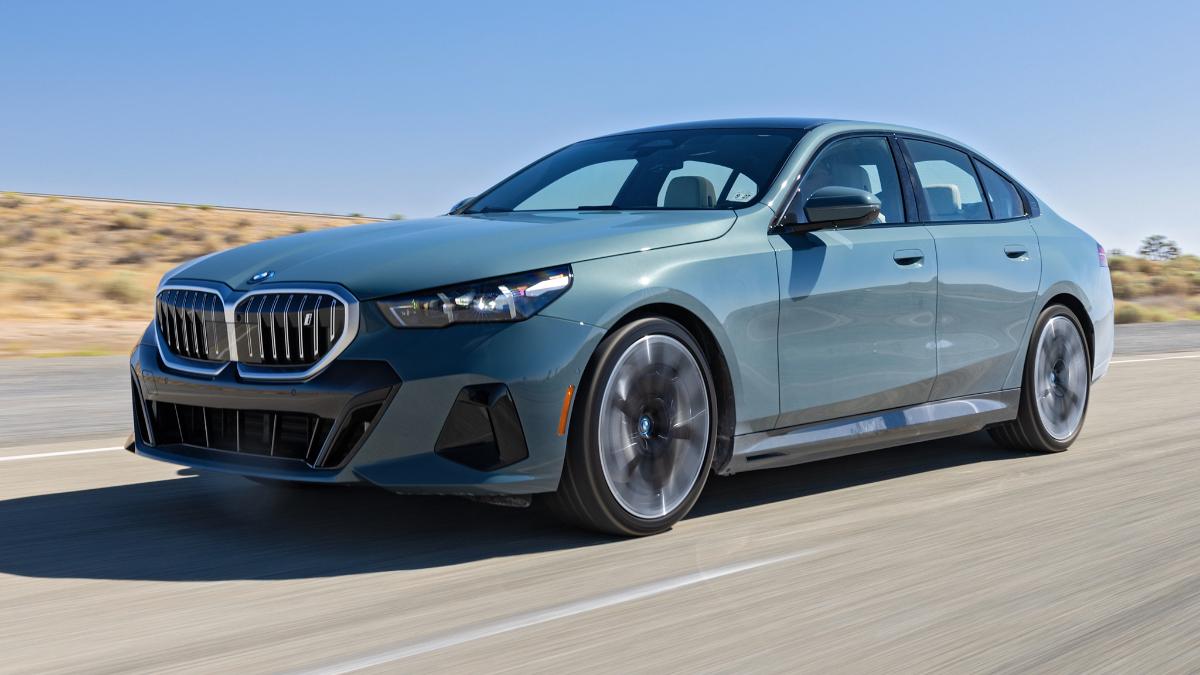
While BMW has adjusted some of these policies following public pressure, the subscription model remains deeply embedded in its business strategy. Features like real-time traffic data, remote engine start, and advanced driver assistance enhancements all carry ongoing costs. These fees accumulate significantly over the lifetime of a vehicle.
BMW’s Remote Software Upgrade system allows new features to be added to existing vehicles. However, many of these upgrades are sold as paid add-ons rather than free improvements. Owners who want the latest capabilities must pay per feature or maintain an active subscription tier.
The brand’s ConnectedDrive Store operates like an app marketplace for your car. On the surface, this sounds innovative and consumer-friendly. In reality, it means that capabilities which competitors include for free are itemized and billed separately by BMW.
BMW’s monthly Remote Services subscription covers features like vehicle status checks, remote locking, and climate pre-conditioning. These are conveniences that many other manufacturers provide at no cost. Paying monthly for remote locking feels particularly hard to justify for buyers of premium vehicles.
The brand’s customer service for tech-related issues is generally competent and professional. Dealers are well-trained and knowledgeable. The frustration is not with the quality of support but with the financial structure that surrounds accessing what drivers have already technically purchased.
In 2026, BMW remains an aspirational brand with genuinely excellent technology. But its subscription-heavy approach to feature access continues to alienate loyal customers. For buyers who value transparent, all-inclusive tech, BMW’s billing model deserves careful scrutiny before signing any contract.
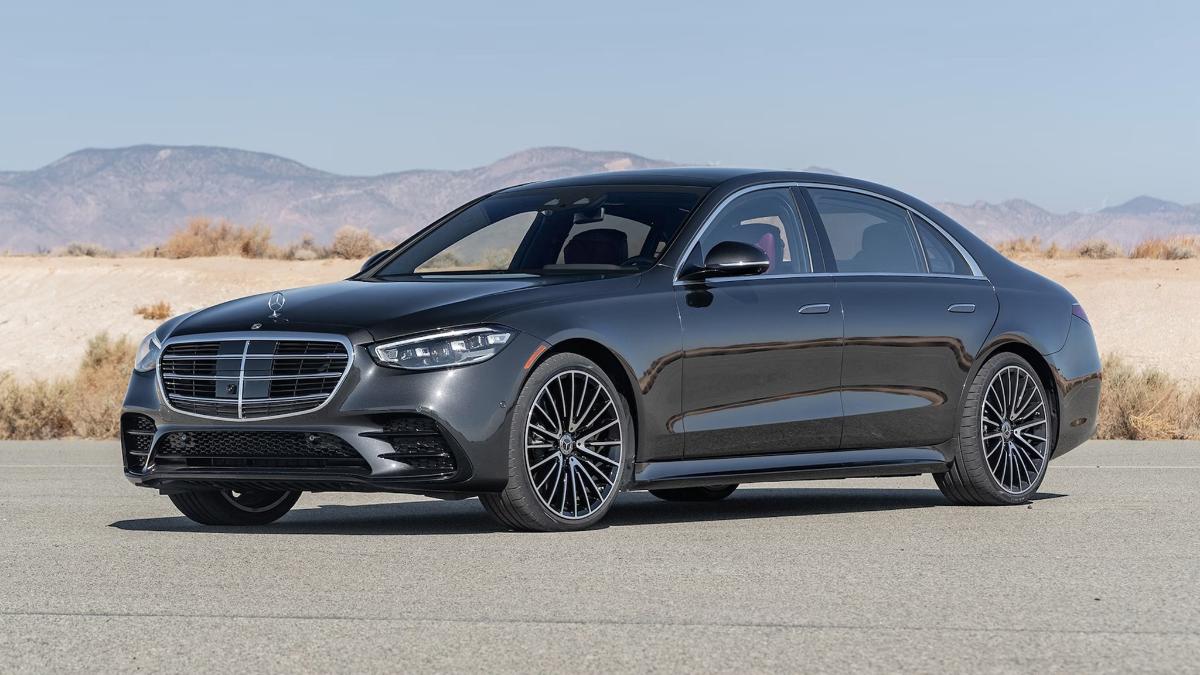
2. Mercedes-Benz
Mercedes-Benz has always been synonymous with luxury, innovation, and prestige. The brand’s MBUX infotainment system is widely regarded as one of the most sophisticated and responsive in-car interfaces ever created. However, keeping that sophisticated system fully operational in 2026 increasingly requires a commitment to monthly subscription payments.
Mercedes me connect is the brand’s digital ownership platform. It provides access to features like remote start, vehicle tracking, breakdown assistance, and service scheduling. After the complimentary period ends, maintaining access to these connected services requires an active subscription plan.
Mercedes offers its subscription services in tiered packages. The more features you want, the higher the monthly fee climbs. This means owners of flagship S-Class models may still find themselves locked out of premium digital features unless they maintain a specific subscription level.
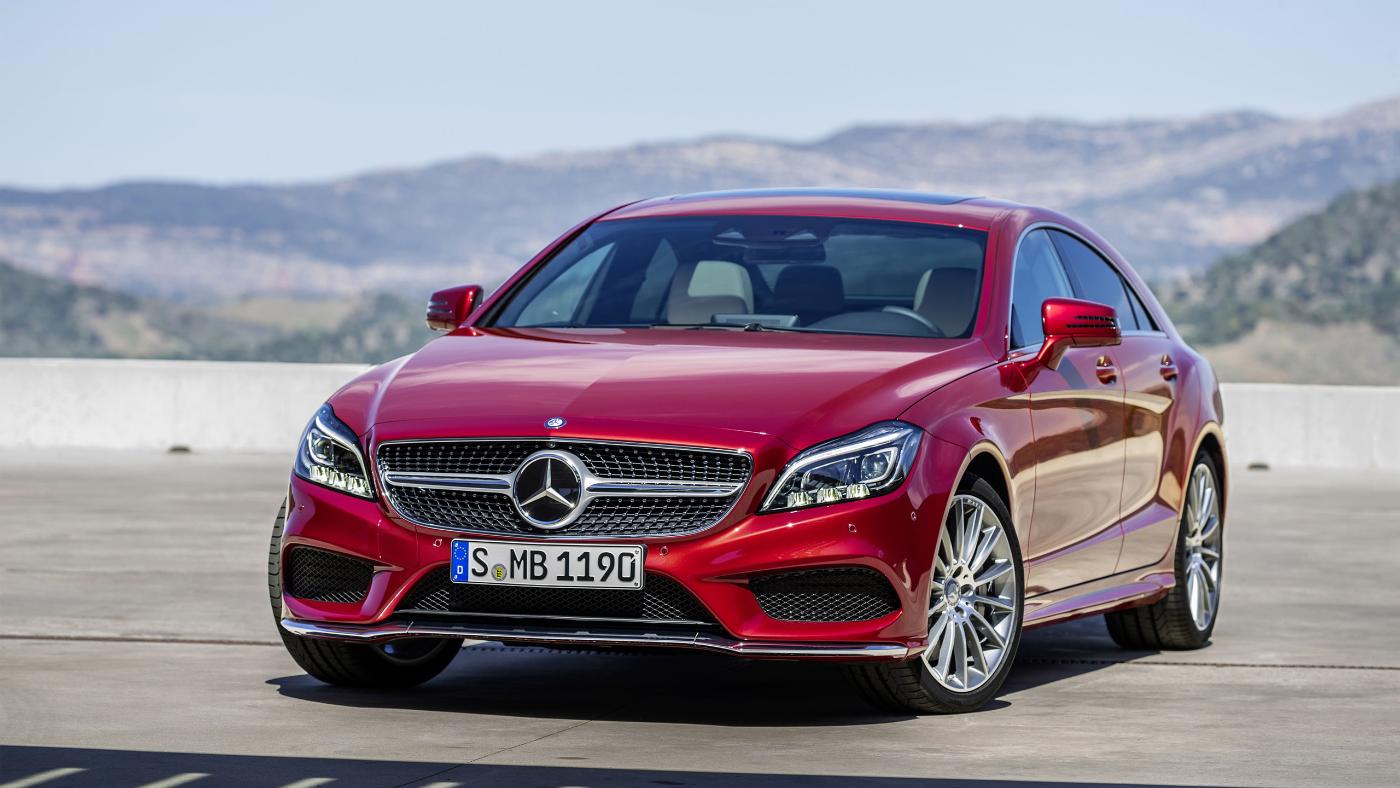
The brand’s augmented reality navigation system is a technological marvel. It overlays turn-by-turn directions onto a live camera feed of the road ahead. But this feature, along with real-time traffic rerouting, sits behind the connected services paywall rather than being available as standard.
Mercedes-Benz’s in-car Amazon Alexa integration requires a connected services subscription to function fully. This dependency on subscription status to operate voice assistant features feels disproportionate for vehicles that cost six figures. Buyers expect these capabilities to be permanently included.
The brand’s intelligent park assist and remote parking features also require subscription confirmation in certain configurations. Maneuvering technology that lives in the car’s physical hardware should not depend on a billing relationship to remain accessible. Many owners find this arrangement deeply frustrating.
Mercedes does provide strong technical support through its dealer network. Trained technicians are well-versed in MBUX diagnostics and system troubleshooting. But the subscription structure means that resolving certain tech issues may also prompt discussions about renewing or upgrading the owner’s connected services plan.
The brand’s over-the-air updates do improve the MBUX system periodically. Some of these improvements arrive free of charge as genuine goodwill gestures. However, the trajectory of Mercedes-Benz’s digital monetization strategy continues to move toward more features requiring payment, not fewer.
Mercedes-Benz builds extraordinary vehicles. The engineering, comfort, and safety credentials are beyond dispute. But in 2026, the brand’s approach to technology access through subscription dependency remains a significant consideration for buyers who want full access to everything their vehicle can do from the moment they drive away.
3. General Motors
General Motors occupies a uniquely American place in the automotive conversation. Through brands like Chevrolet, GMC, Cadillac, and Buick, GM serves millions of drivers across every income bracket. The company’s OnStar connected services platform has existed for decades. But in 2026, its pricing structure has become increasingly complex and costly for everyday drivers.
OnStar began as a safety-focused service offering emergency response and stolen vehicle assistance. Those core features remain available at relatively modest subscription rates. However, GM has significantly expanded OnStar’s scope, and many of its most useful features now require premium subscription tiers.
GM’s Super Cruise hands-free driving system is one of the most technically capable driver assistance features available on American roads. It uses precise LiDAR map data and real-time connectivity to enable hands-free highway driving on compatible roads. Maintaining Super Cruise functionality after the trial period requires an ongoing subscription payment.
The brand’s Wi-Fi hotspot capability through OnStar requires a separate data plan on top of any existing subscription. This creates a layered payment structure that can confuse buyers. Some owners discover that unlocking full connectivity in their new GM vehicle requires multiple different subscription commitments simultaneously.
GM’s connected navigation features, including live traffic updates and real-time points of interest data, are tied to subscription status. Without an active plan, the built-in navigation reverts to a basic offline mode. This feels especially punishing given how central navigation is to the modern driving experience.
Cadillac’s Super Cruise subscription has been particularly notable. The premium brand targets luxury buyers who expect all features to be permanently included. Discovering that Cadillac’s headline driver assistance technology requires a recurring fee has been a source of significant buyer dissatisfaction.
GM does invest heavily in its customer support infrastructure. OnStar advisors are available around the clock and genuinely helpful in emergency situations. The brand’s dealer network is extensive and covers most geographic areas effectively.
Over-the-air updates have been rolled out across GM’s electric lineup, including the Chevy Silverado EV and GMC Hummer EV. Some of these updates arrive free of charge and add meaningful improvements. But subscription-gated features remain a defining aspect of the GM ownership experience in 2026.
General Motors has the engineering talent and manufacturing scale to lead in tech support. The infrastructure is there. The knowledge base is deep. But until GM restructures its subscription model to be more transparent and more generous, it will continue to be associated with hidden costs rather than customer-first technology.
4. Stellantis
Stellantis is the global automotive giant behind brands including Jeep, Ram, Dodge, Chrysler, Alfa Romeo, and Fiat. Its Uconnect infotainment platform powers millions of vehicles worldwide and has consistently received praise for its responsiveness and interface quality.
However, in 2026, Stellantis’s approach to subscription-based technology access has created real frustration among its diverse owner base. Uconnect’s connected services operate on a subscription model that mirrors what BMW and Mercedes-Benz use.
After the trial period concludes, owners must pay monthly or annually to maintain access to remote services, vehicle tracking, and real-time connectivity features. These are features that rival brands include for free or at minimal cost.
Ram truck owners represent one of Stellantis’s largest and most vocal customer segments. Ram has packed its 1500 and 2500 series trucks with impressive technology including a massive 12-inch touchscreen, digital rearview mirror, and integrated trailer management systems. But keeping the connected features of these technologies active requires subscribing to Uconnect’s premium tiers.
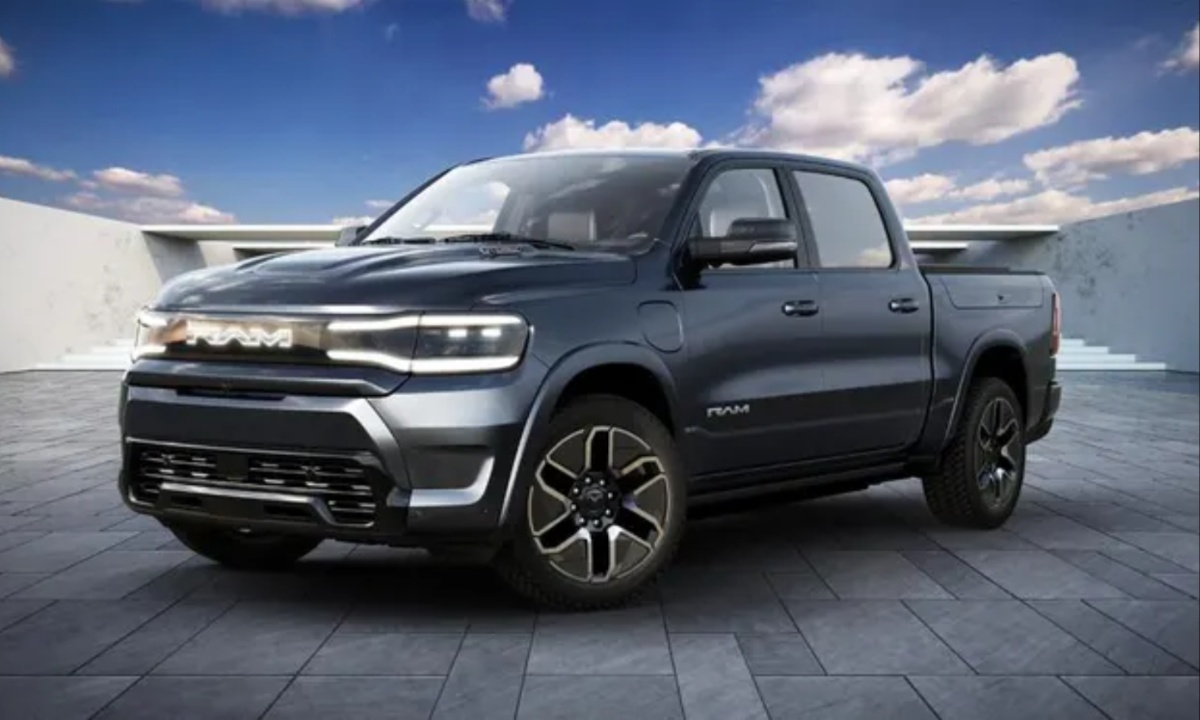
Jeep’s 4xe hybrid lineup comes equipped with an impressive suite of technology designed for both off-road and urban environments. The My Jeep app integrates with these vehicles to provide charging management and remote vehicle monitoring. Full access to these digital features requires an active subscription after the initial complimentary period.
Alfa Romeo vehicles, which target sophisticated European-influenced buyers, rely on the same Uconnect backbone. Connected services, navigation updates, and remote access features all require subscription maintenance. For a brand positioning itself as a premium alternative to German luxury, this subscription structure creates a perception problem.
Stellantis’s customer service quality varies significantly across its many brands. Jeep and Ram dealerships generally offer adequate technical support. However, the experience is inconsistent across the Stellantis portfolio, with some brands receiving noticeably more training investment than others.
The brand’s over-the-air update capability has improved considerably in recent years. Certain Stellantis vehicles now receive meaningful software improvements remotely. However, these updates are more sporadic than what Tesla, Rivian, or Hyundai owners experience. And some improved features arrive as paid options rather than complimentary upgrades.
Stellantis has the brand diversity and global scale to offer genuinely generous tech support across its portfolio. The technology is capable and the platform is mature. But until subscription dependency is reduced and the customer experience is made more uniformly excellent, Stellantis will continue to trail the leaders in tech support generosity. Buyers deserve better clarity and fewer unexpected recurring bills.
5. Audi
Audi has built a reputation for producing some of the most refined and technologically polished automobiles on the planet. The brand’s Virtual Cockpit digital instrument cluster, MMI touch infotainment system, and matrix LED headlights represent genuine engineering artistry. But in 2026, Audi’s technology access model has become one of the most subscription-dependent in the premium automotive segment.
Audi connect is the brand’s digital services platform. It provides features including online navigation with real-time traffic, cloud-based points of interest, remote vehicle access, and over-the-air update management. After the standard trial period expires, most of these features require a paid subscription to remain active.
Audi’s e-tron GT and Q8 e-tron electric vehicles are spectacular achievements in automotive engineering. They combine breathtaking performance with a rich suite of digital features. However, maintaining full access to connected navigation and remote services on these vehicles carries ongoing monthly costs that many buyers do not anticipate at the time of purchase.

The brand’s navigation system is particularly capable when connected. It delivers predictive routing, hazard warnings, and seamless integration with the driver’s digital schedule. But when subscription status lapses, the system reverts to a significantly reduced offline mode. The contrast between connected and disconnected performance is stark enough to feel punishing.
Audi’s myAudi app allows remote climate control, charge management for EVs, and vehicle status monitoring. For electric vehicle owners, remote climate control and charge monitoring are not luxuries they are practical necessities. Placing these behind a subscription wall for premium EV buyers has been a recurring source of criticism.
The brand does provide excellent technical support through its dealer network. Audi dealerships are professionally staffed and technically capable. Software diagnostics, system resets, and update management are handled with precision and expertise. But the subscription structure means that resolving digital issues sometimes prompts parallel conversations about service plan renewals.
Audi’s over-the-air update rollout has been gradual and selective. Not all models receive the same frequency of updates. And when new features are introduced remotely, they are often positioned as paid upgrades rather than complimentary improvements. This contrasts sharply with what Tesla, Rivian, and Hyundai offer their customers.
Audi’s vehicles are extraordinary to drive, own, and experience. The build quality is exceptional and the technology is genuinely advanced. But the brand’s subscription-gated approach to feature access remains a significant obstacle to being considered truly customer-first. In 2026, Audi must consider whether its subscription model serves its customers or simply its quarterly revenue targets.
Also Read: 8 Vehicles Designed Specifically for US National Park Rangers and Staff
