
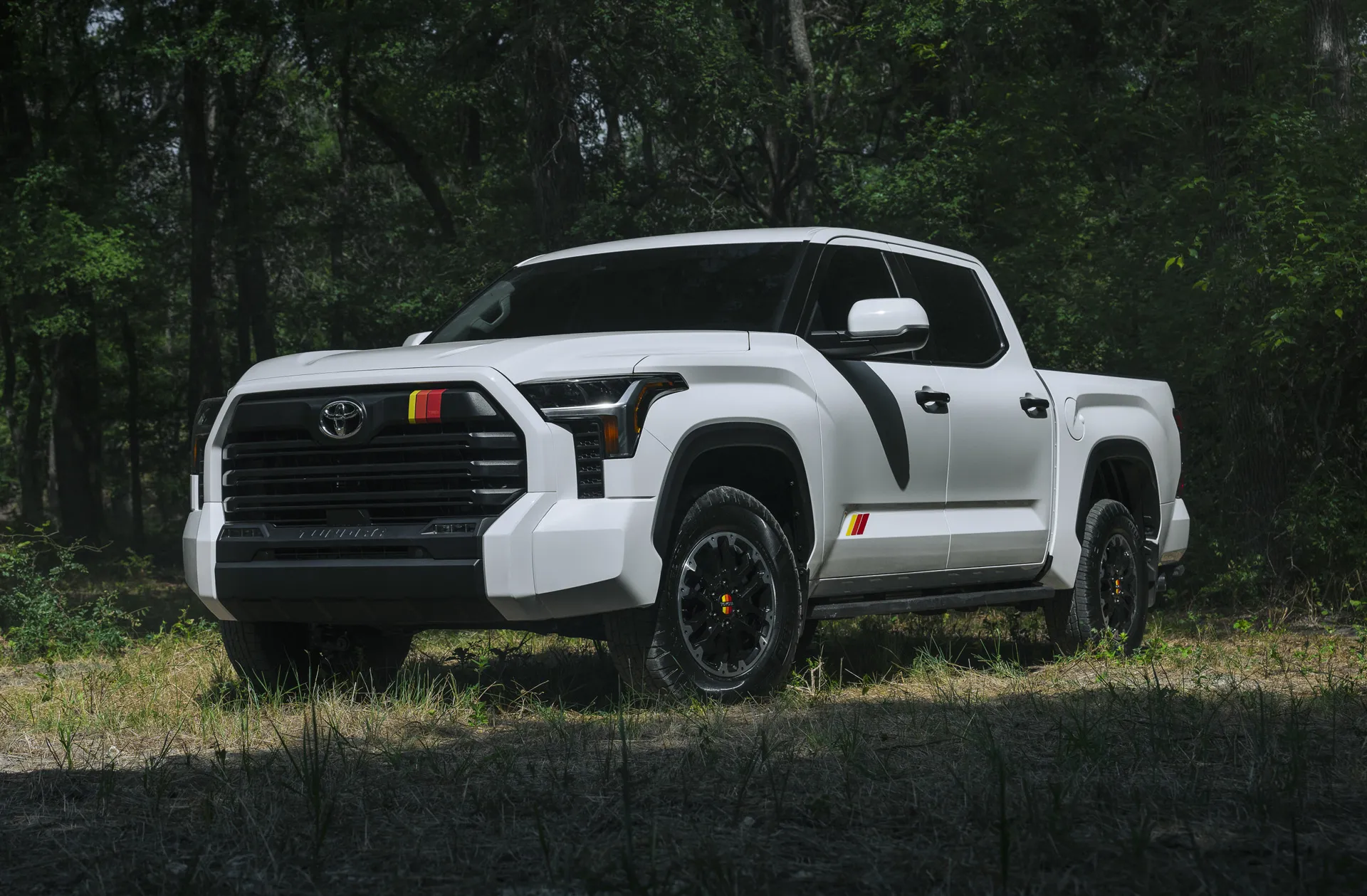
Arizona is one of the most brutal states in America for vehicle reliability. Summer temperatures regularly climb past 115°F in cities like Phoenix and Tucson. The desert heat is not just uncomfortable for drivers. It is genuinely dangerous for engines, coolant systems, and transmission components.
Trucks are the most popular vehicle category in Arizona. Millions of residents depend on them for work, hauling, towing, and daily commuting. But not every truck is built to handle extreme desert conditions. Some trucks come equipped with heavy-duty cooling systems that laugh at triple-digit heat. Others struggle badly and leave owners stranded on the side of I-10 with steam pouring from under the hood.
Choosing the wrong truck in Arizona can cost you thousands in repair bills. It can also put your safety at serious risk during the summer months. Coolant system failures, transmission overheating, and engine damage are all very real concerns in this climate.
This article breaks down five trucks that were built to dominate Arizona heat. It also exposes five trucks that have a well-documented history of overheating problems. Whether you are buying new or used, this guide will help you make the smartest decision for desert driving.
5 TRUCKS WITH HEAVY DUTY COOLING FOR ARIZONA HEAT
These exceptionally engineered vehicles feature oversized radiators and robust cooling systems perfectly suited for Arizona’s brutal desert climate, providing reliable operation through extreme Sonoran temperatures and mountain towing without the overheating anxieties typically plaguing inadequately cooled trucks during summer months when ambient temperatures exceed 115 degrees regularly.
Their thoughtful engineering includes heavy-duty cooling packages and transmission oil coolers that resist the heat-related failures found in standard-equipped vehicles while delivering cooling capacity handling sustained highway speeds in 110-degree heat, towing capability up mountain grades without temperature gauge climbing, and air conditioning that maintains frigid cabins despite relentless desert sun creating greenhouse conditions inside parked vehicles.
1. Ford F-250 Super Duty (6.7L Power Stroke Diesel)
The Ford F-250 Super Duty is one of the most thermally capable trucks ever built for American roads. Ford engineers specifically designed its 6.7L Power Stroke diesel engine to handle extreme working conditions. Arizona heat is one of the environments this truck was engineered to conquer.
The cooling system on the F-250 Super Duty is genuinely impressive in scale. It features a high-capacity radiator that is significantly larger than what you find in half-ton trucks. The radiator moves coolant quickly and efficiently even when the ambient temperature is above 110°F.
Ford included a dual electric fan system on this truck for a very good reason. These fans kick in aggressively to pull air through the radiator when needed. They respond faster than traditional mechanical fans and maintain cooling performance even at low speeds.
The 6.7L Power Stroke diesel runs cooler than many gasoline engines under load. Diesel combustion is more efficient and generates less waste heat per unit of power. This gives the F-250 a natural thermal advantage in desert towing and hauling situations.

The transmission cooling on this truck is equally well-engineered. Ford equipped it with a heavy-duty transmission oil cooler that keeps fluid temperatures in a safe range. Overheated transmission fluid is one of the leading causes of truck failures in Arizona summers.
The engine oil cooler is also a standout feature on the Super Duty. It keeps oil viscosity stable even during long climbs or extended idling in traffic. Phoenix traffic jams in August are a serious thermal stress test for any vehicle.
Ford updated the cooling system design significantly in the 2017 and later models. The newer versions have even better airflow management through the front grille. This means cooler intake air reaches the engine even in stop-and-go desert traffic.
Many Arizona fleet operators and construction companies run F-250 Super Duties for exactly this reason. They trust this truck to run all day in brutal heat without incident. It has earned a strong reputation among professionals who cannot afford breakdowns on the job site.
The tow ratings on this truck are among the highest in the heavy-duty segment. But high tow ratings only matter if the cooling system can keep up. With the F-250 Super Duty, the cooling system absolutely keeps up in Arizona conditions.
If you are buying a used F-250 Super Duty for Arizona use, look for the post-2017 models. They offer the best combination of thermal management and reliability. This is the gold standard for desert-duty heavy truck performance.
2. Ram 2500 Heavy Duty (6.7L Cummins Turbo Diesel)
The Ram 2500 with the 6.7L Cummins Turbo Diesel is legendary in the trucking community. Its reputation for durability in extreme heat is backed by decades of real-world performance data. Arizona truck owners consistently rank this engine among the best for hot climate reliability.
The Cummins engine design has a fundamentally efficient combustion process. It produces massive torque at low RPM, which means the engine does not have to work as hard during normal driving. Less strain on the engine means less heat generated under the hood.
Ram equips the 2500 Heavy Duty with a high-flow cooling system designed for commercial use. The radiator on this truck is built to handle the thermal demands of towing heavy loads in summer. It flows coolant at a higher volume than most competing platforms.
The intercooler system on the Cummins engine plays a major role in thermal management. It cools the compressed air before it enters the combustion chamber. Cooler intake air reduces combustion temperatures significantly, which helps the whole engine run cooler.
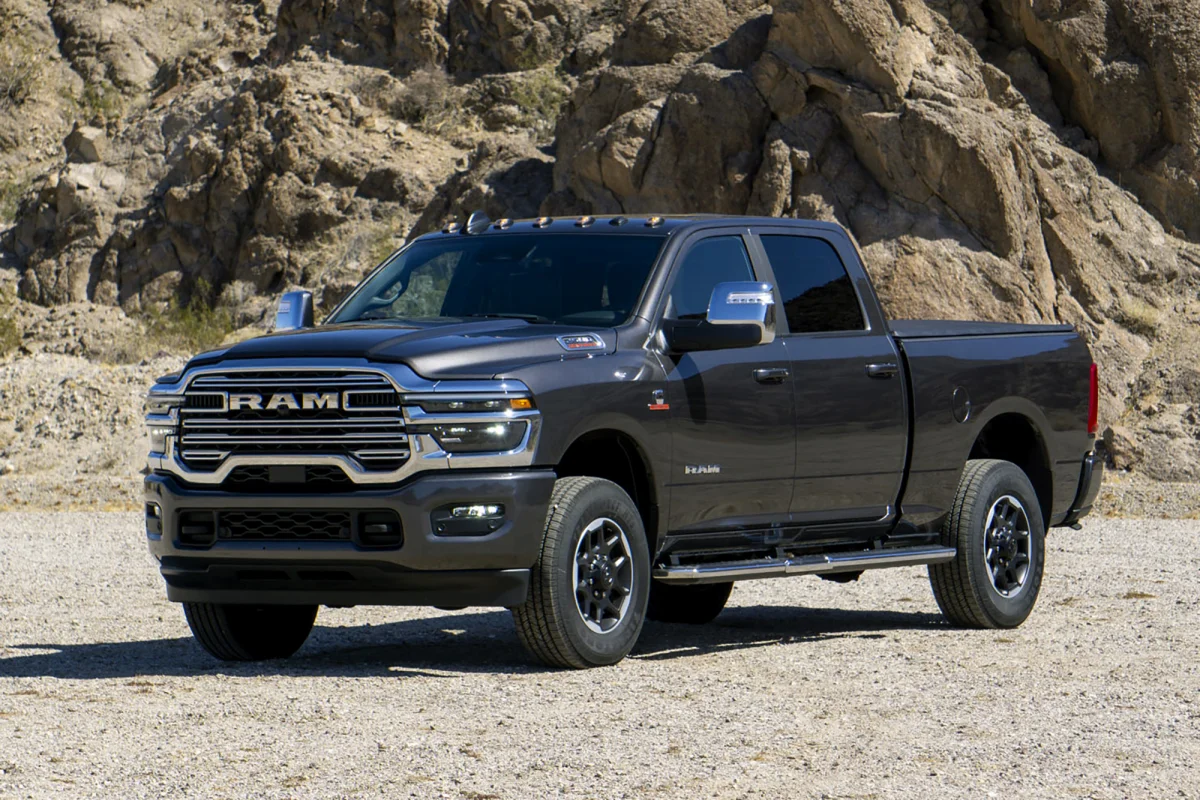
Ram also includes a heavy-duty transmission cooler on the 2500. The Aisin AS69RC automatic transmission is one of the most heat-resistant truck transmissions available. It maintains performance even after hours of towing in extreme temperatures.
The engine block on the Cummins is made with heavy iron construction. Iron holds and dissipates heat differently than aluminum alloy engines. This gives it a stable thermal mass that resists rapid temperature spikes.
One important feature of the Ram 2500 is its coolant temperature monitoring system. The dashboard provides real-time coolant temperature data to the driver. This allows for proactive management before any overheating situation develops.
Arizona ranchers and farmers have run Cummins-powered Ram trucks for generations. They pull horse trailers, hay haulers, and heavy equipment in 115-degree heat. The Cummins engine keeps running when other trucks have long since given up.
The Ram 2500 also benefits from excellent underhood airflow design. The hood vents and grille openings are engineered to maximize cooling airflow. This is a detail that makes a significant difference in desert operating conditions.
When you combine the Cummins engine with Ram’s cooling infrastructure, you get a truck ready for Arizona abuse. It handles heat with calm efficiency and remarkable endurance. For Arizona buyers who work their trucks hard, this is one of the most dependable choices available.
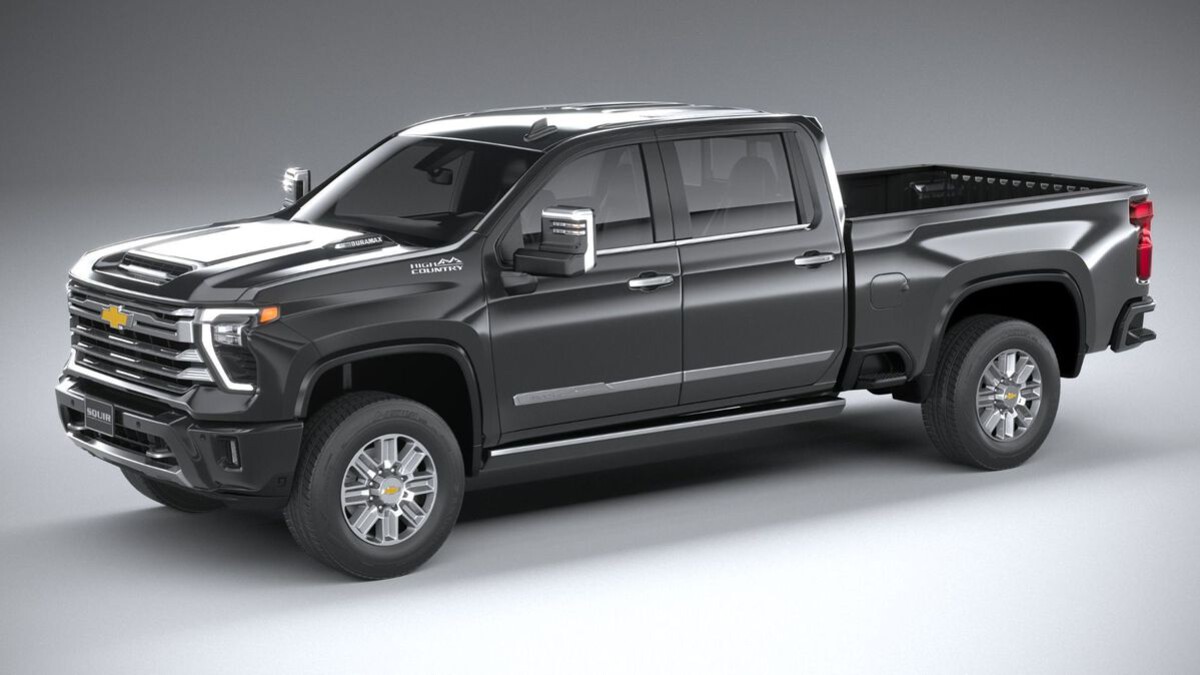
3. Chevrolet Silverado 2500HD (6.6L Duramax Diesel)
The Chevrolet Silverado 2500HD equipped with the 6.6L Duramax diesel is a proven desert performer. General Motors has refined this powertrain across multiple generations for heavy-duty reliability. Arizona truck owners who work in construction, agriculture, and utilities swear by this combination.
The Duramax engine features an aluminum cylinder head design that manages heat intelligently. Aluminum conducts heat away from combustion chambers quickly and efficiently. This helps maintain safe operating temperatures even under sustained heavy loads.
Chevrolet pairs the Duramax with an Allison 10-speed automatic transmission. The Allison transmission has its own robust thermal management system built in. This combination is well regarded for its ability to handle sustained towing in high-heat environments.
The cooling package on the Silverado 2500HD is genuinely impressive in capability. It includes a large-capacity radiator, an engine oil cooler, and a transmission fluid cooler. All three work together to keep temperatures in check during the worst Arizona summer days.
The engine oil cooler on this truck deserves special attention. Arizona heat can cause oil to thin out rapidly without proper cooling assistance. The Duramax oil cooler keeps lubricant viscosity stable, which protects engine internals during long summer drives.
Chevrolet also equipped this truck with a robust electric cooling fan system. The fans engage automatically based on coolant temperature sensor data. They maintain consistent airflow through the radiator even during slow desert highway crawls.
The intercooler on the Duramax diesel is another major thermal advantage. It dramatically reduces intake air temperatures before combustion. Lower combustion temperatures mean the entire cooling system faces a lighter workload.
Many Arizona fire departments and government fleets use the Silverado 2500HD for good reason. These organizations cannot afford vehicles that break down in summer heat. The Duramax-powered Silverado has proven its reliability in these demanding public-service applications.
The Silverado 2500HD also benefits from excellent heat shielding around its exhaust components. Hot exhaust gases routed away from the engine bay help keep underhood temperatures lower. This is a small detail that matters greatly in Arizona summers.
For Arizona buyers looking for a capable, heat-resistant work truck, the Silverado 2500HD is an excellent choice. Its cooling system is comprehensive and well-engineered for extreme conditions. The Duramax diesel is simply one of the most thermally stable truck engines currently in production.
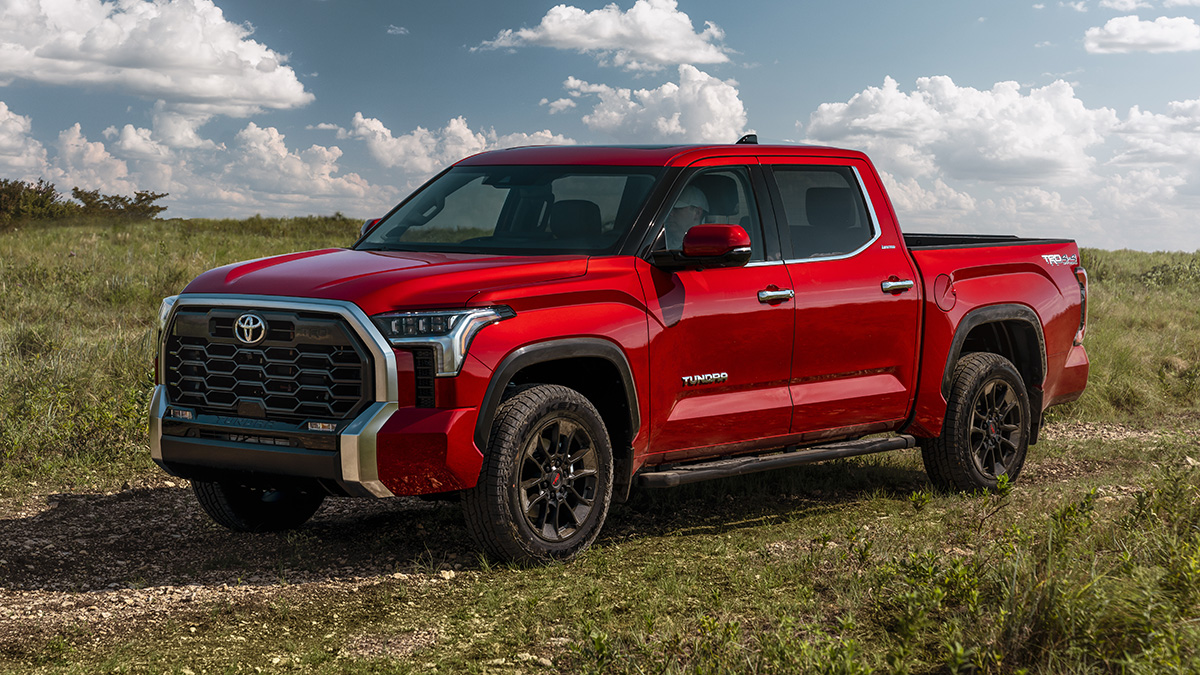
4. Toyota Tundra (3.5L Twin-Turbo V6 i-FORCE MAX)
The Toyota Tundra has long been respected for its build quality and long-term reliability. The latest generation Tundra with the 3.5L Twin-Turbo V6 i-FORCE MAX hybrid powertrain brings new thermal management technology. Arizona truck buyers have responded enthusiastically to what this new engine delivers.
Toyota’s approach to cooling on the new Tundra is sophisticated and modern. The hybrid system adds an electric motor that reduces reliance on the combustion engine at low speeds. Less combustion engine work at low speeds means less heat generated in city traffic and on desert highways.
The twin-turbo system on this engine uses water-cooled turbochargers. Water cooling keeps the turbos from generating excess heat that would otherwise flow into the engine bay. This is a meaningful design detail that helps the cooling system stay ahead of the heat.
Toyota also engineers the Tundra with a large front air dam and grille design that maximizes airflow. The aerodynamic front end channels air directly into the cooling stack. This efficient airflow management is especially valuable in Arizona’s low-humidity, high-temperature environment.
The i-FORCE MAX hybrid system allows the electric motor to handle acceleration demands. This reduces thermal stress on the combustion engine during hard acceleration on hot days. The combustion engine can focus on maintaining steady cruise speed with lower thermal output.
Toyota includes a multi-mode tow mode on the Tundra that adjusts cooling system behavior. When activated, the system prepares the transmission, engine, and cooling components for heavy load work. This intelligent thermal management helps prevent overheating during Arizona mountain climbs while towing.
The Tundra also benefits from Toyota’s legendary manufacturing consistency. Every cooling system component is built to tight tolerances that resist failure over time. This quality consistency means the cooling system performs reliably after years of Arizona desert use.
Arizona Toyota dealers report that the Tundra handles summer heat complaints at an exceptionally low rate. Customer satisfaction surveys consistently show high marks for reliability in hot climates. Toyota’s reputation in the desert Southwest is remarkably strong.
The steel frame and body-on-frame construction of the Tundra also contributes to its durability. Heavy construction means this truck can absorb the physical stresses of desert work without compromising mechanical systems. The whole package is built to last in tough conditions.
For Arizona buyers who want a half-ton truck with serious cooling capability, the new Tundra is a compelling option. Toyota has engineered a thermally smart machine that handles desert conditions confidently. It is one of the best cooling performers in the half-ton truck category today.
Also Read: 10 Iconic American Car Names That Were Discontinued and Then Revived
5. GMC Sierra 3500HD (6.6L Duramax Diesel)
The GMC Sierra 3500HD is the heavy hitter of the GM truck lineup. It is built for the most demanding towing and hauling work that Arizona contractors and ranchers require. Its thermal management systems are the most robust in the GM family of trucks.
The 6.6L Duramax diesel in the Sierra 3500HD is tuned for maximum torque and thermal stability. GMC calibrates the engine management system to balance performance and heat output carefully. The result is a powertrain that can sustain hard work in Arizona heat without climbing into dangerous temperature territory.
The cooling system on the 3500HD is larger and more capable than the one found in the 2500HD. GMC engineers recognized that Class 4 and 5 duty cycles demand more from cooling infrastructure. The radiator, fan system, and oil coolers are all scaled up for heavier use.
The Sierra 3500HD uses a dual-wall radiator design in its heavy-duty cooling package. This design increases the surface area available for heat exchange. More surface area means faster and more efficient coolant temperature reduction.
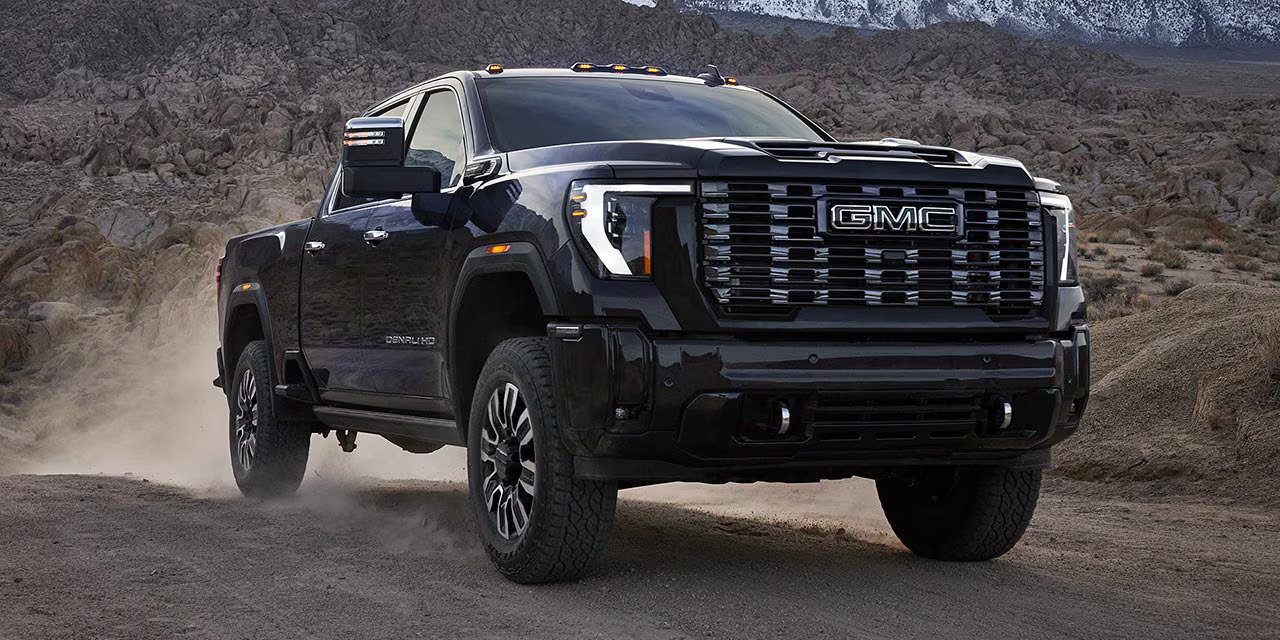
GMC also includes a power take-off (PTO) provision on the Sierra 3500HD. PTO-equipped trucks often run auxiliary equipment that generates additional heat. GMC engineered the cooling system to handle this extra thermal load without complaint.
The Allison 10-speed transmission in this truck has exceptional fluid cooling capability. Transmission fluid temperatures are monitored and managed automatically. The system responds to high fluid temperatures before any damage can occur.
Arizona utility companies use the Sierra 3500HD for bucket truck and service body applications. These trucks idle for extended periods while workers complete jobs in open desert sun. The cooling system handles this stationary heat load very well.
The Sierra 3500HD also benefits from an upgraded water pump compared to lighter-duty GM trucks. A higher-flow water pump moves coolant faster through the system. Faster coolant circulation means more efficient heat removal from the engine block.
GMC has equipped this truck with excellent heat management around the exhaust and turbocharger. The turbocharger on the Duramax diesel runs extremely hot under load. Proper heat shielding and turbo cooling prevent this heat from migrating into the engine bay.
For Arizona buyers who need a truck that can handle the heaviest work in the most brutal heat, the Sierra 3500HD delivers. It is a purpose-built desert work machine with cooling systems scaled to match. This truck does not break a sweat, even when the thermometer hits 118°F in Phoenix.
5 TRUCKS THAT OVERHEAT FAST IN ARIZONA HEAT
These dangerously inadequate vehicles suffer from undersized cooling systems and insufficient heat rejection capacity that create catastrophic overheating problems in Arizona conditions, transforming desert driving into constant anxiety as temperature gauges climb alarmingly, reduced engine power warnings illuminate, and complete breakdowns occur during summer months when cooling demands exceed factory system capabilities.
Their problematic engineering includes marginal radiator sizing and inadequate fan capacity that cannot handle Sonoran Desert extremes, leading to overheating warnings climbing even modest grades in summer heat, transmission fluid temperatures reaching dangerous levels during towing, and complete cooling system failures leaving drivers stranded on remote desert highways when components boil over from excessive thermal stress.
1. Ford F-150 (3.5L EcoBoost — Pre-2018 Models)
The pre-2018 Ford F-150 with the 3.5L EcoBoost engine was a genuinely impressive truck in many respects. It offered strong power and decent fuel economy for a half-ton pickup. However, Arizona owners quickly discovered that this powertrain had meaningful weaknesses in extreme desert heat.
The EcoBoost engine relies heavily on forced induction through twin turbochargers. Turbochargers generate significant heat during hard operation. In Arizona summer conditions, the heat buildup from the turbos adds considerable stress to the entire cooling system.
The cooling system on the pre-2018 F-150 was sized for normal operating conditions. It was not designed with sustained desert heat as a primary engineering challenge. When ambient temperatures exceed 110°F, the system can fall behind in keeping coolant temperatures in a safe range.
Many pre-2018 F-150 EcoBoost owners reported coolant temperature spikes during long highway drives in summer. Drivers towing trailers up grades on Arizona interstates experienced particularly serious problems. The combination of load stress and ambient heat overwhelmed the cooling capacity.

Ford issued service bulletins related to cooling system performance on these models. The bulletins addressed issues with coolant overflow, thermostat behavior, and radiator cap pressure ratings. This documentation confirms that thermal management was a recognized weakness.
The transmission in early EcoBoost F-150s also suffered from heat-related reliability issues. Arizona owners reported rough shifting and hesitation during hot summer commutes. Transmission fluid overheating was identified as a contributing factor in many cases.
The degas bottle, which manages coolant overflow, was a common failure point. Arizona heat accelerated the plastic degradation of this component. Cracked or failed degas bottles led to coolant loss and dangerous overheating situations.
Intercooler efficiency also degraded in very high ambient temperatures on these trucks. When outside air is already 115°F, the intercooler cannot cool intake air as effectively. This reduced intercooler efficiency increases combustion temperatures and adds to cooling system load.
Many Arizona mechanics who specialize in Ford trucks have specific protocols for inspecting used pre-2018 EcoBoost F-150s. They check for signs of overheating damage in the head gaskets and coolant passages. These repairs can cost several thousand dollars if left unaddressed.
Ford significantly improved the EcoBoost cooling system after the 2018 model year redesign. The newer versions handle Arizona heat considerably better. However, buyers looking at pre-2018 used EcoBoost F-150s should approach with caution and conduct thorough pre-purchase inspections.
2. Nissan Titan (5.6L Endurance V8 — 2004–2015)
The first-generation Nissan Titan was a bold entry into the competitive full-size truck market. It offered a big 5.6L V8 engine and a spacious cabin at an attractive price point. However, Arizona truck buyers discovered significant overheating vulnerabilities over time.
The cooling system on the first-generation Titan was adequate for normal climates. However, it lacked the capacity margins necessary for sustained Arizona summer operation. Owners found that extended highway driving in summer heat caused coolant temperatures to climb alarmingly.
A well-documented issue on these trucks was a tendency for the upper radiator hose to collapse under heat stress. The collapsing hose restricts coolant flow significantly. Restricted coolant flow causes a rapid spike in engine temperature that can lead to serious damage.
The radiator design on these early Titans was another vulnerability. The radiator fins were prone to clogging from desert dust and debris. A clogged radiator reduces heat exchange efficiency dramatically, which causes overheating even at moderate ambient temperatures.
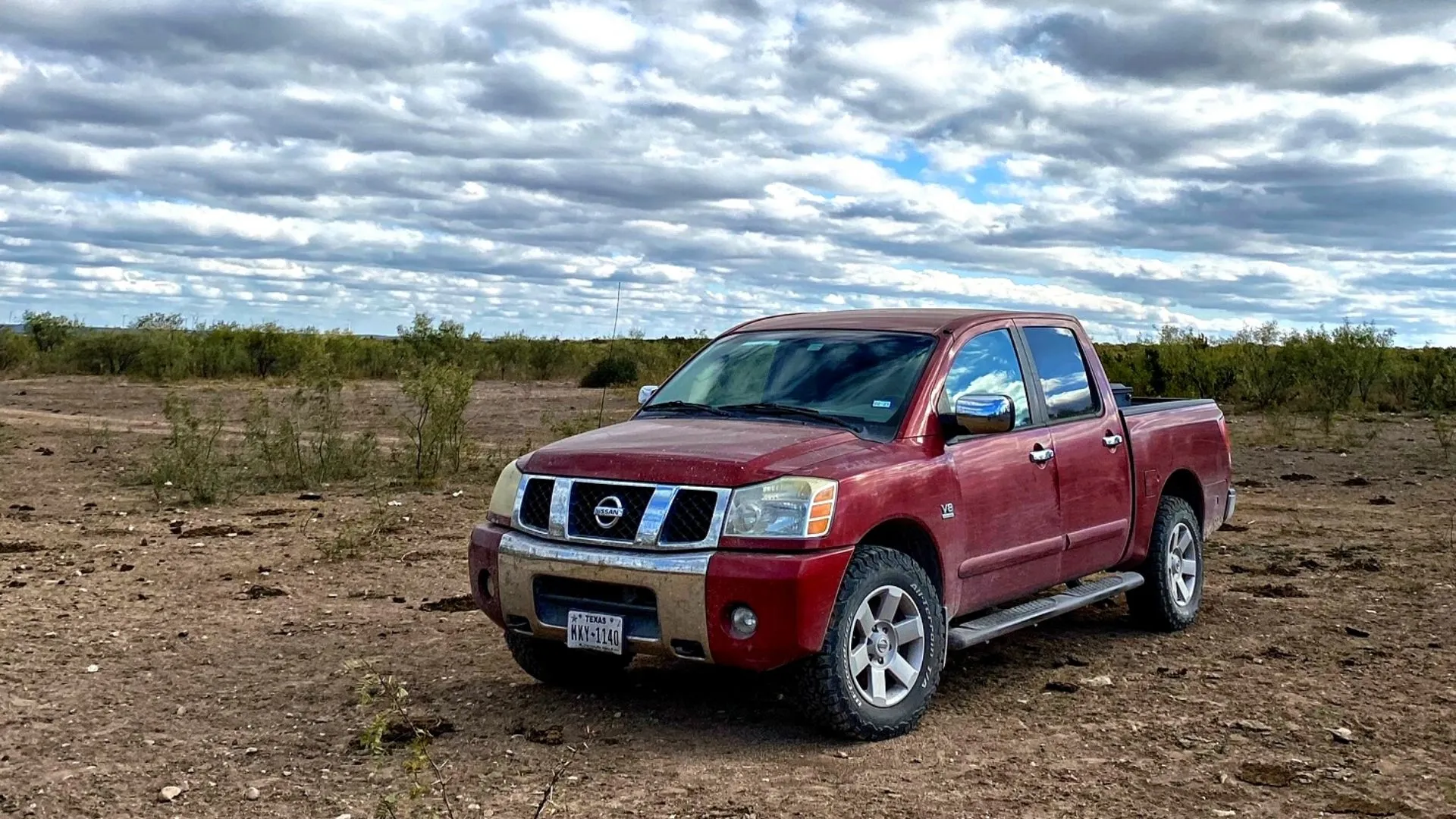
Nissan used a plastic tank welded to the aluminum radiator core on these trucks. Arizona heat cycles caused the plastic tanks to crack and leak over time. Coolant loss from cracked tanks was a common cause of roadside overheating incidents for Titan owners.
The thermostat housing on the first-generation Titan was made of plastic as well. Prolonged exposure to Arizona heat caused this component to warp and fail. A failed thermostat housing can allow coolant to bypass the cooling system entirely, leading to rapid overheating.
The 5.6L Endurance V8 itself is a relatively large displacement engine that generates considerable heat. Without an adequately sized cooling system to match its heat output, temperature management becomes a constant challenge. Arizona summers exposed this mismatch clearly.
Transmission overheating was also a significant problem for Titan owners in Arizona. The automatic transmission in these trucks was not equipped with an adequate external cooler from the factory. Adding an aftermarket transmission cooler was a common and necessary modification for desert use.
Nissan dealers in Arizona reported higher-than-average rates of cooling system complaints on first-generation Titans. The repair costs for overheating damage on these trucks were significant. Cylinder head warping and head gasket failure were the most expensive consequences.
The second-generation Titan introduced in 2016 improved cooling system design considerably. However, many of the older first-generation trucks are still in service across Arizona. Buyers considering a used first-generation Titan should budget for cooling system upgrades from day one.
3. Dodge Ram 1500 (4.7L V8 — 2002–2008)
The Dodge Ram 1500 from the early-to-mid 2000s with the 4.7L V8 engine was a popular choice for budget-conscious truck buyers. It offered decent towing capacity and a comfortable ride. However, this engine and its associated cooling system developed a notorious reputation in hot climates like Arizona.
The 4.7L V8 engine in these trucks had a fundamental design weakness in the water pump. The water pump impeller was made of plastic on many production runs. Arizona heat accelerated the degradation of the plastic impeller, causing it to slip on the pump shaft or disintegrate entirely.
A failed or slipping water pump impeller means coolant is not circulating properly through the engine. Without adequate coolant circulation, engine temperatures rise quickly and dramatically. Many Arizona Ram owners experienced sudden and catastrophic overheating events traced back to this single component.
The radiators on these trucks were also vulnerable to premature failure in desert conditions. The combination of hard water minerals in Arizona’s water supply and extreme heat cycles accelerated radiator clogging. A partially clogged radiator on a 110°F day is a recipe for overheating.
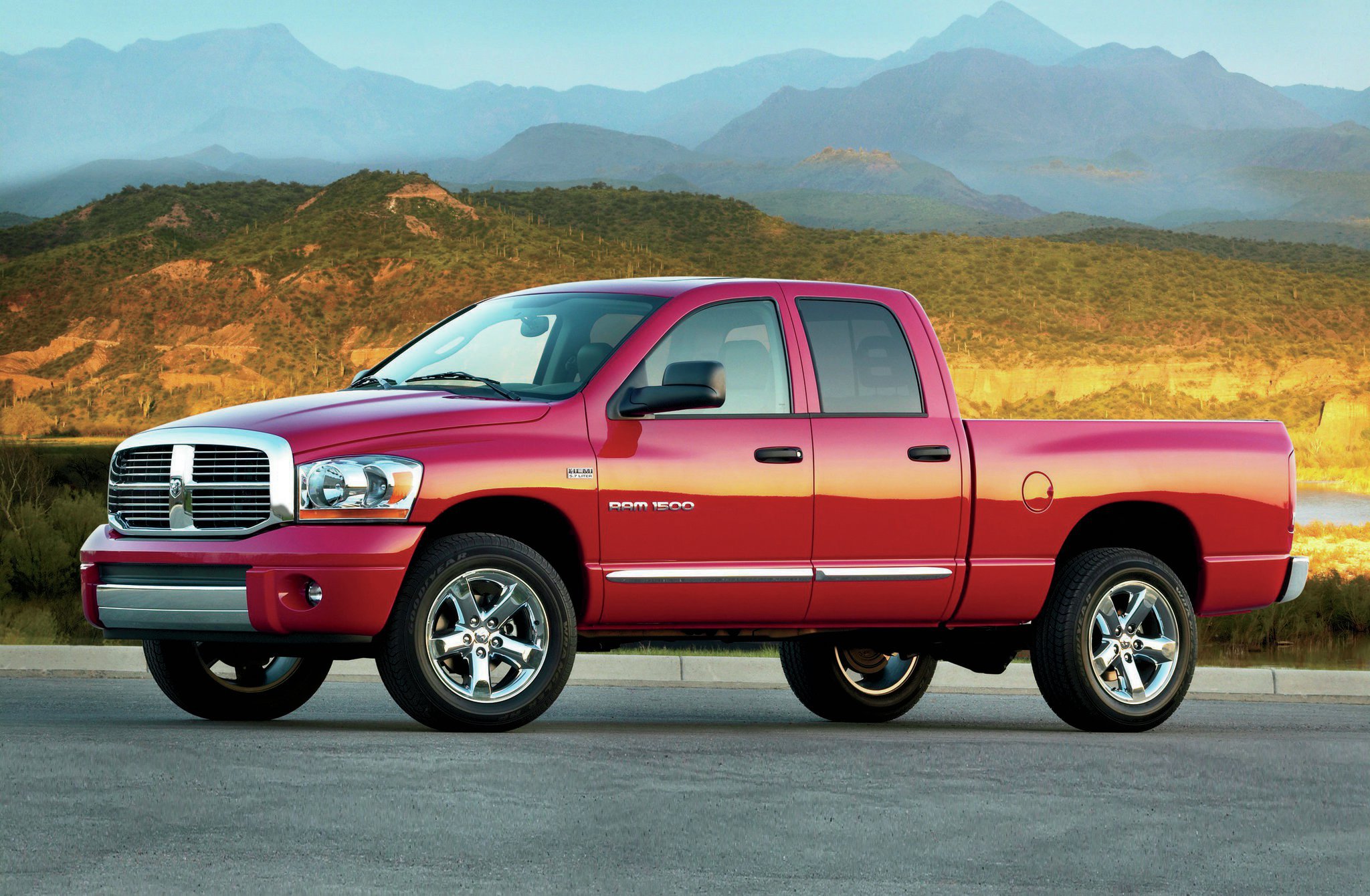
Head gasket failure was a well-documented consequence of repeated overheating on the 4.7L engine. Once the head gasket fails, the repair bill climbs rapidly. Arizona mechanics who worked extensively on these trucks were very familiar with this failure pattern.
The thermostat on these engines was another reliability concern in extreme heat. Thermostats can stick in the closed position, preventing coolant from flowing to the radiator. A stuck-closed thermostat in Arizona summer is an almost guaranteed overheating event.
The engine oil in the 4.7L Ram also required more frequent attention in Arizona heat. High ambient temperatures caused oil to degrade faster than in cooler climates. Degraded engine oil loses its lubricating properties, which increases friction and adds to heat generation inside the engine.
Dodge did not offer a factory transmission cooler upgrade option on all trim levels of this truck. Owners who used these trucks for towing in Arizona summer found that transmission temperatures became dangerously high. Aftermarket coolers became a standard recommendation from Arizona mechanics.
The fan clutch on these trucks was another heat-related failure point. Fan clutches can wear out and fail to engage properly. A disengaged fan clutch at low speeds reduces airflow through the radiator significantly, making overheating much more likely.
Buyers considering a used Ram 1500 with the 4.7L engine for Arizona use should proceed with great caution. This engine has a well-documented history of heat-related failures that can be expensive to repair. If you do buy one, replace the water pump with a metal impeller version immediately.
4. Chevrolet Colorado (2.8L Duramax Diesel, 2016–2020)
The Chevrolet Colorado with the 2.8L Duramax diesel was a celebrated truck when it launched. It offered remarkable fuel economy and genuine towing capability in a midsize package. However, Arizona owners discovered that this small diesel had notable limitations in extreme desert heat situations.
The 2.8L Duramax is a compact engine borrowed from global markets where extreme heat is less common. Its cooling system was designed for the power output and conditions anticipated during development. Sustained Arizona desert operation pushed this system beyond its comfortable design limits.
One of the most frequently reported issues was the diesel particulate filter (DPF) regeneration cycle creating excessive heat. In Arizona stop-and-go traffic on hot days, the DPF regeneration added significant thermal load to the engine compartment. Owners reported warning lights and reduced performance related to overheating during these cycles.
The intercooler on the 2.8L Duramax was sized conservatively for a midsize application. In ambient temperatures above 105°F, the intercooler struggled to bring intake air temperatures down to an effective level. This reduced the engine’s efficiency and increased its thermal output.
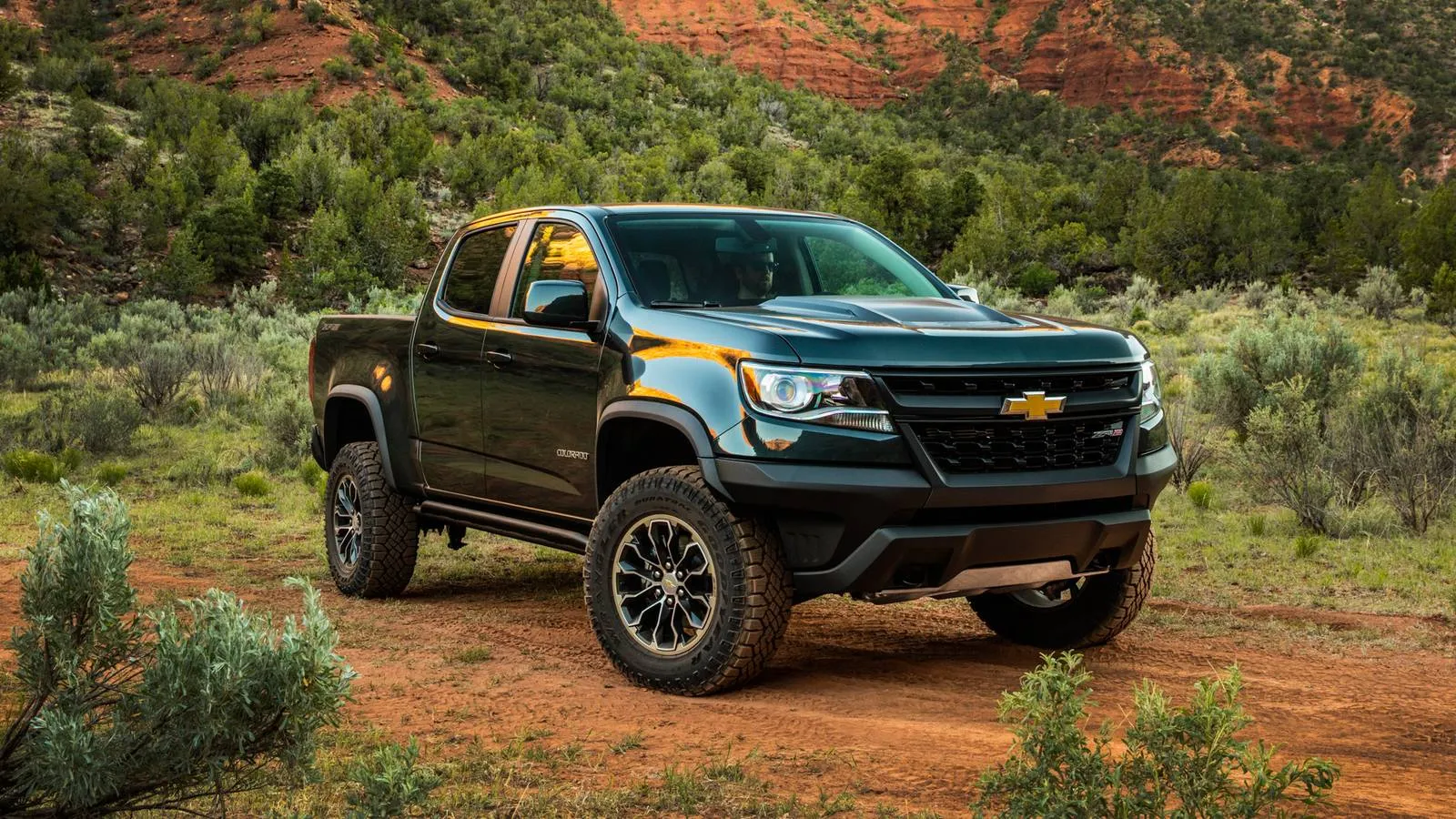
The transmission in the Colorado diesel was also a heat concern in Arizona conditions. Owners reported that the transmission would enter a protective mode that limited towing capability during sustained hot-weather climbs. This protective mode, while designed to prevent damage, caught many owners off guard on Arizona mountain highways.
The turbocharger on this engine ran very hot under load. The small displacement means the turbo works hard to produce adequate power. Hard-working turbos generate substantial heat that the rest of the cooling system must manage.
The radiator capacity on the Colorado is smaller than what you find in full-size truck platforms. Less radiator capacity means less margin for handling the thermal peaks that occur in Arizona summer driving. Sustained driving on Arizona highways in summer left little thermal headroom.
Several Colorado diesel owners in Arizona added aftermarket transmission coolers as a precautionary measure. This modification helped prevent transmission-related heat problems. However, the fact that it was necessary speaks to the limitations of the factory cooling setup.
The engine management system on the Colorado diesel would reduce power output when coolant temperatures rose too high. This limp mode behavior was frustrating for owners who needed consistent performance. It was particularly problematic for those using the truck for work in remote Arizona desert locations.
For casual light-duty use in Arizona, the Colorado diesel can be managed. However, for owners who plan to tow regularly in summer heat or work in sustained high-temperature conditions, this truck’s cooling margins are too thin for comfortable reliability. A full-size diesel-powered truck is a much safer choice for serious Arizona desert work.
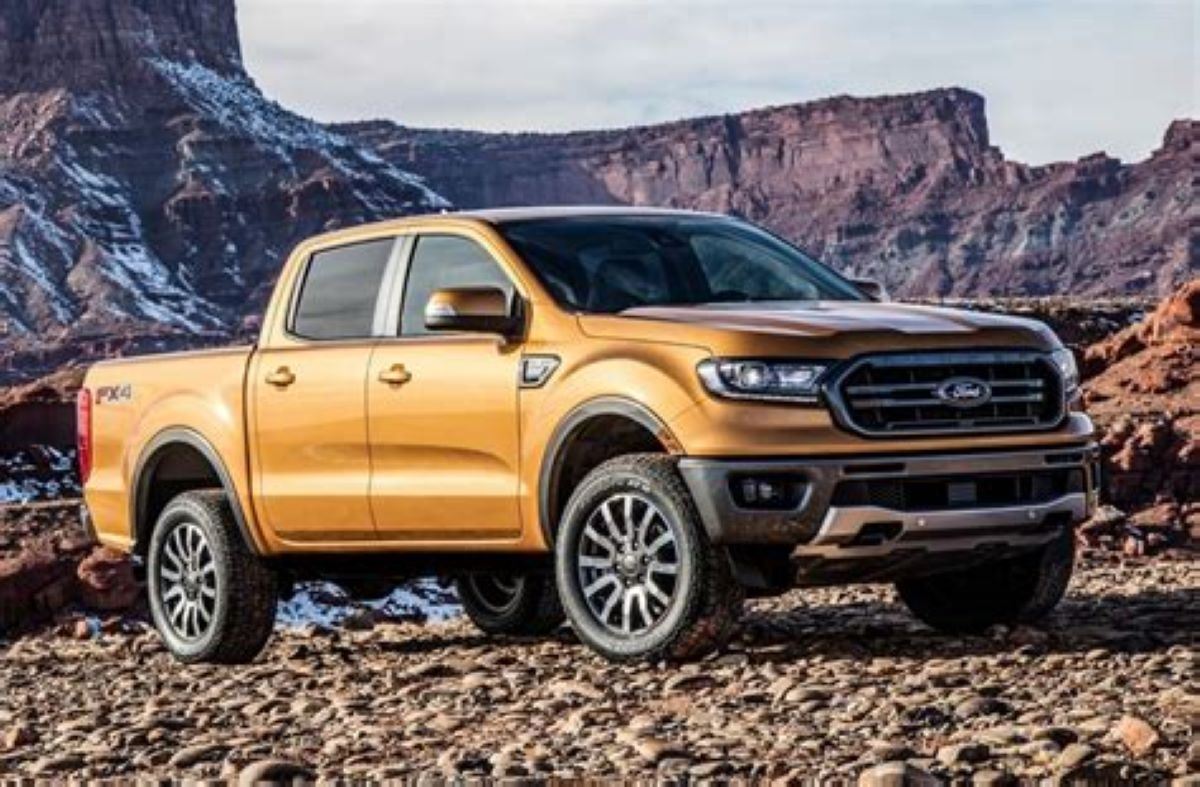
5. Ford Ranger (2.3L EcoBoost — 2019–2021)
The Ford Ranger made its return to the American market in 2019 to considerable excitement. It offered a turbocharged 2.3L EcoBoost engine with modern technology and decent capability. However, Arizona truck owners quickly identified serious thermal management challenges with early production models.
The 2.3L EcoBoost engine relies entirely on turbocharging to generate its power output. Turbochargers in small displacement engines spin extremely fast and generate very high heat. Managing this heat in a compact engine bay during Arizona summer conditions proved challenging for Ford’s engineers.
The engine cooling system on the early Ranger was designed for a global market that does not experience the same intensity of heat as the American Southwest. The radiator sizing was adequate for European and Southeast Asian conditions. However, it left minimal thermal margin for sustained Arizona desert driving.
Arizona Ranger owners reported coolant temperature warnings during sustained highway driving in summer. The problem was most pronounced when driving at highway speeds in temperatures above 108°F. The cooling system simply could not shed heat as fast as the EcoBoost engine was generating it.
The intercooler on the Ranger EcoBoost was another thermal concern. Air-to-air intercoolers lose effectiveness when ambient air temperatures are extremely high. An intercooler trying to cool compressed air using 115°F ambient air is working at a significant disadvantage.
The transmission in early Rangers also showed heat sensitivity in Arizona conditions. The 10-speed automatic transmission would occasionally shift erratically during very hot driving conditions. Heat-related transmission fluid degradation was identified as a contributing factor.
Ford’s tow mode on the Ranger provides some additional thermal protection. However, the mode cannot fully compensate for the fundamental cooling capacity limitations of this platform. Towing trailers in Arizona summer heat regularly pushed the system into protective mode.
The under-hood packaging on the Ranger is tight by design. Compact midsize trucks have less space for large cooling components. This packaging constraint limited how large Ford could make the radiator and other cooling elements within the existing chassis design.
Early Ranger owners in Arizona formed online communities specifically to discuss heat-related issues. These communities shared tips for managing temperature, including driving earlier in the morning and avoiding sustained uphill towing in peak afternoon heat. The fact that such workarounds were necessary tells you a great deal about the truck’s cooling limitations.
Ford addressed some of these thermal concerns in the 2022 Ranger refresh with its updated powertrain and cooling system design. The newer Rangers perform noticeably better in Arizona heat than the early generation models. However, buyers looking at used 2019–2021 Rangers for regular Arizona desert use should approach carefully and set realistic expectations for hot-weather performance.
Also Read: 8 Reasons to Take a Professional Driving Course Even as an Experienced Driver
