
Choosing the right SUV means looking beyond horsepower and fuel economy. The flooring inside your vehicle matters more than most buyers realize. Every day, your SUV floor takes a beating. Mud, spilled drinks, pet paws, and grocery bags all leave their mark. Over time, the wrong flooring choice can cost you serious money and frustration.
Rubberized floors have become a game-changer in the automotive world. They resist stains, repel moisture, and clean up with almost zero effort. Many rugged and commercial-grade SUVs now come factory-fitted with rubber or rubberized vinyl flooring. This makes them perfect for families, outdoor lovers, and working professionals.
Carpeted floors, on the other hand, can look luxurious on day one. They feel soft underfoot and add a premium, quiet cabin feel. But not all carpeted SUVs are built equal. Some use low-grade carpet materials that absorb stains within weeks of purchase. Light-colored carpets in particular are a nightmare to maintain.
This article breaks down five SUVs built with tough, rubberized flooring that stands the test of time. It also exposes five popular SUVs whose carpets are known to stain, mat, and wear out faster than expected. By the end, you will know exactly which vehicle suits your lifestyle and cleaning habits.
5 SUVs With Durable Rubberized Floors
These exceptionally engineered vehicles feature turbocharged powertrains designed with conservative boost pressures, robust bearing systems, and advanced cooling architectures that protect their forced induction components from premature failure.
Their thoughtful engineering includes properly sized oil supply lines, effective heat management through strategically positioned intercoolers, and sophisticated engine management systems that prevent harmful conditions like pre-ignition or excessive exhaust gas temperatures.
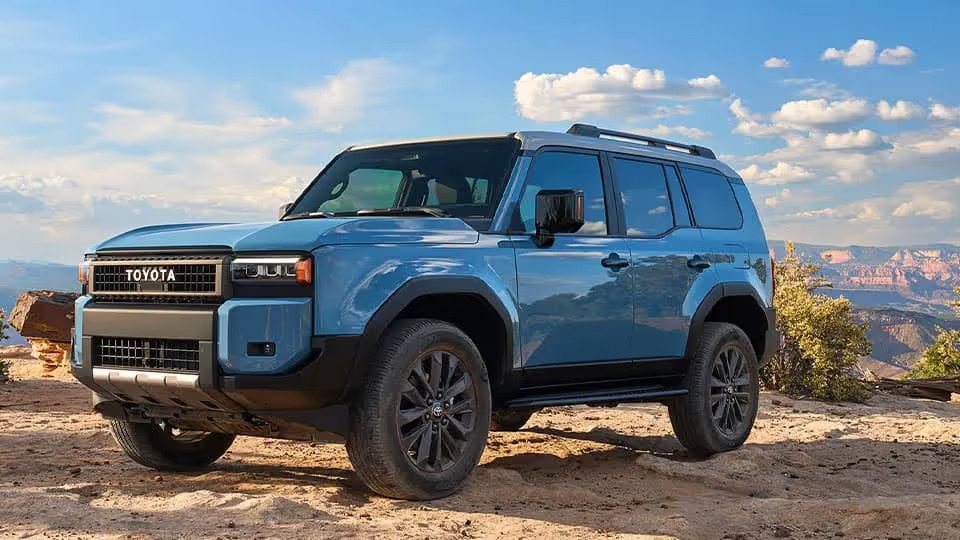
1. Toyota Land Cruiser (2024)
The Toyota Land Cruiser has always been built for punishment. It is one of the most respected off-road SUVs on the planet. The 2024 model continues that tradition with a no-nonsense interior designed for real-world abuse. At the heart of that interior is a heavy-duty rubberized floor system that simply refuses to give up.
Toyota engineered the Land Cruiser’s floor with thick, textured rubber matting throughout the cabin. This is not a simple floor liner thrown over carpet. The rubber is molded directly into the vehicle’s design. It covers every inch of the cabin floor, from the front footwells to the rear cargo area.
The texture on the rubber surface is deliberately aggressive. It grips dirt, sand, and debris rather than letting it spread across the cabin. When you are done with a muddy trail or a beach trip, cleanup is simple. A hose or a damp cloth removes everything in minutes.
Water resistance is exceptional on the Land Cruiser floor. Whether you are crossing shallow streams or caught in a monsoon downpour, moisture does not soak in. It beads up and sits on the surface until you wipe it away. This prevents the mold and mildew issues that plague carpeted SUVs in humid climates.
The rubberized flooring also adds a layer of sound and thermal insulation. It reduces road noise entering the cabin from below. In extreme temperatures, it keeps the floor from becoming uncomfortably hot or cold. This dual function makes it both practical and comfortable for long journeys.
Families love the Land Cruiser floor because it handles everything children can throw at it. Juice spills, muddy shoes, and fast-food crumbs all wipe off effortlessly. There is no need for expensive detailing or steam cleaning. The floor looks almost new even after years of heavy use.
The cargo area at the rear shares the same rubberized surface. This is important for SUV owners who carry tools, groceries, camping gear, or sporting equipment. Heavy items do not tear or scratch the surface. The grip also prevents cargo from sliding around during cornering or braking.
Toyota has paired this flooring with equally tough door sills and lower door panels. The entire lower cabin zone is built to resist impact and moisture. This all-round approach to durability makes the Land Cruiser a top choice for those who refuse to pamper their vehicle.
Resale value on the Land Cruiser remains high partly because of interior condition. A floor that does not stain, tear, or smell keeps the cabin looking and feeling like new. Buyers shopping for used Land Cruisers often remark on how clean the floors remain despite heavy use. That is a testament to Toyota’s engineering choices.
The 2024 Land Cruiser comes at a premium price point. But when you factor in the long-term savings on detailing and interior repairs, the value becomes clear. You are paying for a floor system that will outlast many other parts of the vehicle. For serious buyers, that is a worthwhile investment.
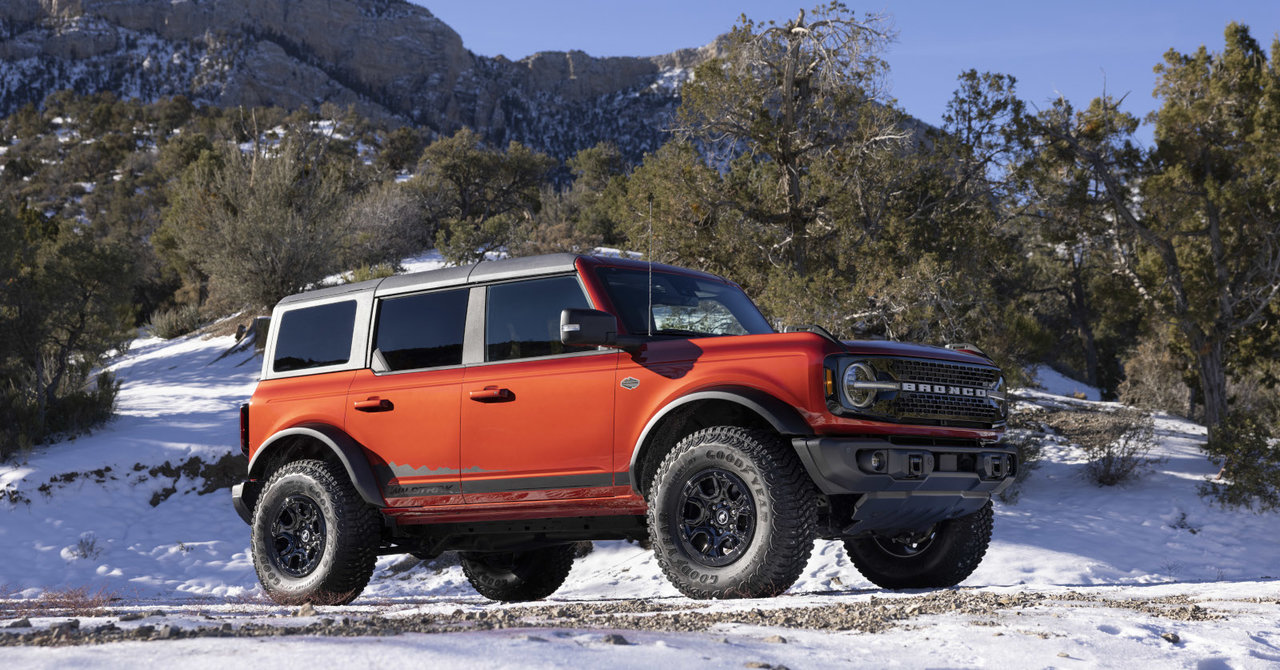
2. Ford Bronco (2024)
The Ford Bronco was designed from day one to get dirty. Ford’s engineers knew that Bronco owners would take this SUV places where cleanliness is impossible. So they built the interior to be hosed out. The rubberized drain-plug floor system is one of the Bronco’s most celebrated features.
The Bronco’s floor is made from a thick, molded rubber compound. It covers the entire cabin floor without gaps or seams. The rubber is raised slightly at the edges to contain spills and keep them from reaching the door sills. This thoughtful design makes accidental liquid spills almost a non-event.
Ford actually included drain plugs in the floor. When the cabin gets truly filthy, you simply remove the plugs and wash the entire floor with water. The water drains out completely, leaving the floor clean and dry within minutes. No other mainstream SUV offers this level of practical washability.
The texture of the Bronco floor uses a deep-grid pattern. This pattern traps mud and grit below foot level so it does not spread across the floor. When you eventually clean it, all the debris collects in one zone. This makes cleanup faster and more efficient than smooth rubber or carpet alternatives.
Off-road users particularly appreciate the Bronco floor during recovery situations. When you are muddy, sweaty, and covered in trail dust, the last thing you want is to worry about your seats and floors. The Bronco lets you climb in without a second thought. The floor simply absorbs the mess and waits to be cleaned.
Trail riding often involves wet boots, leaking water bottles, and even small amounts of standing water. The Bronco floor manages all of this without complaint. The rubber does not bubble, crack, or separate from the floor pan during exposure to moisture. Long-term water resistance is built into the material itself.
The Bronco is also popular with dog owners for good reason. Pet paws, fur, and occasional accidents are a constant challenge for pet-friendly SUV buyers. The rubberized floor handles all of these situations without permanent damage. A quick wipe-down restores the floor to a clean and odor-free condition.
Ford reinforced the cargo area floor with the same rubber material. When you load mountain bikes, kayak equipment, or heavy tool bags into the Bronco, the floor stands up to the abuse. Scratches and dents from heavy loads are far less visible on rubber than on carpet. The cargo zone stays looking functional and clean.
The Bronco’s removable doors and roof panels make interior cleaning even easier. With doors off and the top open, you have complete access to every part of the floor. Cleaning becomes a five-minute job rather than an hour-long detailing session. This practical convenience reinforces the Bronco’s reputation as a true adventure SUV.
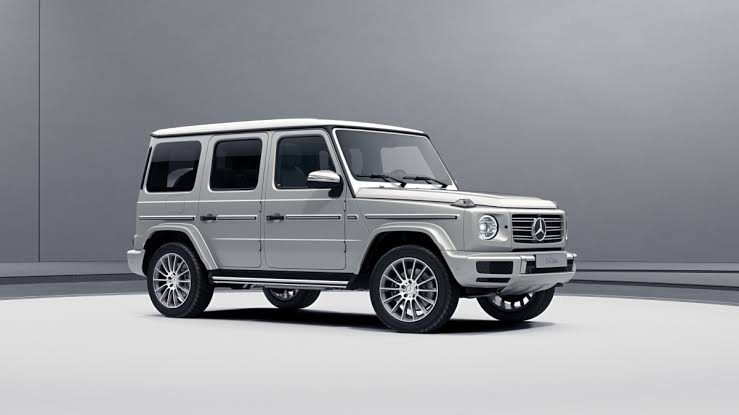
3. Mercedes-Benz G-Class (2024)
The Mercedes G-Class has military origins that go back decades. It was built to serve in extreme conditions around the world. Today it is a luxury icon, but the toughness never left. The G-Class features rubberized flooring that balances premium feel with extreme durability.
Mercedes uses a specially formulated rubber compound for the G-Class floor. The material is denser and more refined than what you find in purely utilitarian SUVs. It resists staining from oil, fuel, and industrial fluids. At the same time, it feels solid and substantial underfoot, which matches the vehicle’s premium character.
The surface finish on the G-Class rubber floor is smooth but not slippery. Mercedes achieved this through micro-texturing that provides grip without looking rough or industrial. The floor looks intentional and designed, not like an afterthought. This matters to G-Class buyers who expect both toughness and aesthetics.
Water resistance on the G-Class floor is outstanding. The rubber seals flat against the floor pan with precision-fitted edges. There are no lifting corners or loose sections where water can seep underneath. This prevents long-term moisture damage to the floor pan and structural components below.
The G-Class is frequently used in wet and muddy environments despite its luxury status. Wealthy buyers in rural areas, safari operators, and military users all depend on this floor. The rubber performs identically whether you are crossing a river in Africa or parking at a luxury resort. It does not discriminate between conditions.
The rear cargo floor in the G-Class uses the same rubber formulation. This is significant because G-Class owners often carry valuable equipment and gear. The floor protects cargo from moisture while preventing expensive items from sliding around. The combination of grip and moisture resistance is ideal for high-value cargo transport.
Mercedes pairs the rubber floor with rubberized lower door trim in many configurations. This creates a fully protected lower cabin zone. Splashing from wet boots and dogs does not reach any fabric surfaces in the lower cabin area. The entire zone below seat level is sealed against the elements.
Long-term durability of the G-Class floor is exceptional. Even after many years of hard use, the rubber does not crack, fade, or develop a sticky residue. Mercedes uses UV stabilizers in the rubber compound to prevent sun damage. The floor looks almost identical at year ten compared to day one.
The G-Class commands a very high price, but the interior quality justifies much of that cost. The rubber flooring alone saves owners significant money on interior detailing over the vehicle’s lifetime. For a vehicle often used in demanding conditions, a floor that never gives up is a genuine competitive advantage.
4. Jeep Wrangler (2024)
The Jeep Wrangler needs no introduction in the off-road world. It has been America’s favorite trail machine for generations. One of its most beloved features is an interior that you can literally hose out. The rubberized floor system is central to the Wrangler’s identity as a go-anywhere, clean-anywhere SUV.
Jeep uses thick molded rubber for the Wrangler floor across most trim levels. The rubber is tough and chemically resistant. It handles gasoline spills, engine oil, trail mud, and river water without absorbing any of it. The surface stays sealed no matter what gets on it.
Like the Bronco, the Wrangler also features drain plugs in the floor. This is a Wrangler tradition that dates back many decades. When the floor gets truly filthy, removing the plugs and using a hose is the fastest and most effective cleaning method available. It turns a messy cabin into a clean one in under ten minutes.
The Wrangler floor texture uses a combination of raised ribs and deep channels. Mud and debris fall into the channels and stay there. Your boots sit on the raised ribs, which keeps them relatively cleaner during the drive. When you clean, the channels flush out completely with minimal effort.
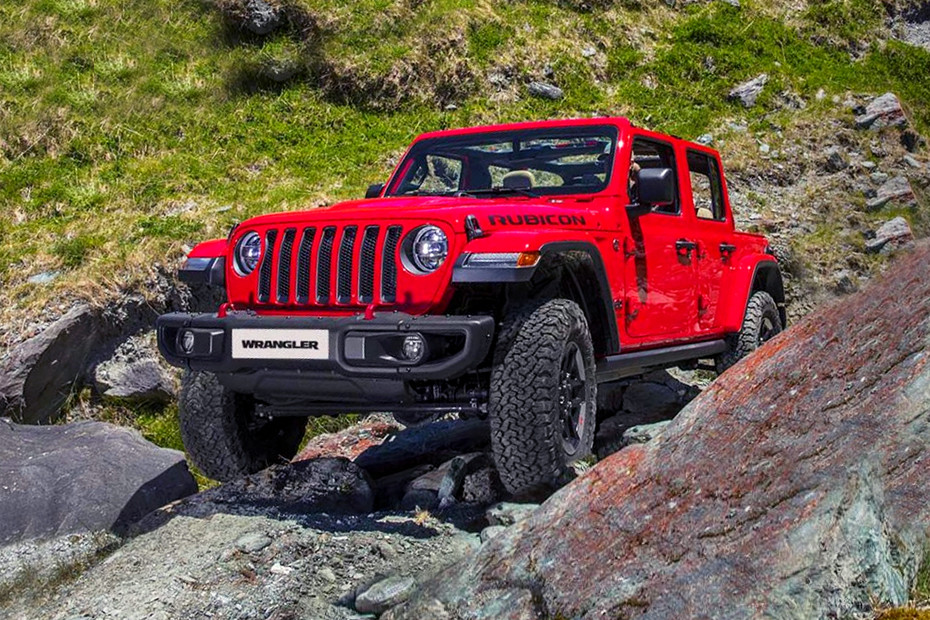
Wrangler owners often drive through water crossings that briefly flood the cabin. The rubberized floor handles this situation perfectly. Water drains out through the plugs, and the floor dries quickly without leaving moisture damage. Carpet would be ruined in this scenario, but the Wrangler floor bounces back immediately.
The Wrangler is also hugely popular as a beach vehicle. Sand is one of the most persistent and damaging materials for car interiors. It gets everywhere and embeds itself into carpet fibers permanently. On the Wrangler’s rubber floor, sand sits loosely on the surface and sweeps out in seconds.
Jeep offers the Wrangler with optional all-weather rubber floor mats that add another layer of protection. When combined with the factory rubber floor, these mats create a virtually impenetrable barrier. Even the messiest adventures leave no lasting mark on the Wrangler’s floor system.
The rear floor of the Wrangler follows the same design philosophy. It is flat, rubberized, and easy to clean. Camping gear, hunting equipment, and sports gear all load and unload without damaging the surface. The floor returns to a clean state after every adventure, making the Wrangler genuinely low-maintenance.
Wrangler owners are famously loyal, and the interior durability is one reason why. A floor that handles years of abuse without looking worn is a significant quality-of-life advantage. It reduces ownership anxiety and allows drivers to use the vehicle as it was intended, without fear of making a mess.
Also Read: 10 Best Safety Features for Drivers Who Regularly Travel Nighttime Rural Roads
5. Land Rover Defender (2024)
The Land Rover Defender returned in 2020 as a modern reinterpretation of a legendary nameplate. Land Rover kept the original’s spirit of rugged practicality while adding contemporary features. One area where that practicality shines brightest is the rubberized flooring system found across multiple Defender variants.
Land Rover designed the Defender floor to handle extreme environments. The rubber compound used is resistant to oil, chemicals, salt water, and UV radiation. It does not yellow, crack, or become brittle over time. The material maintains its flexibility and surface integrity even in extreme heat and cold.
The Defender floor has a distinctive raised-bump texture. This texture increases grip underfoot while creating drainage channels between the bumps. Liquid and fine debris flow away from foot contact zones naturally. The entire floor system is self-directing in terms of how it manages mess.
Land Rover included factory-fitted rubber load area liners in many Defender configurations. The cargo floor is particularly well-protected for heavy-duty use. Whether you are loading animal crates, farming equipment, or expedition supplies, the floor handles it without complaint. The liner prevents scratching, staining, and moisture damage simultaneously.
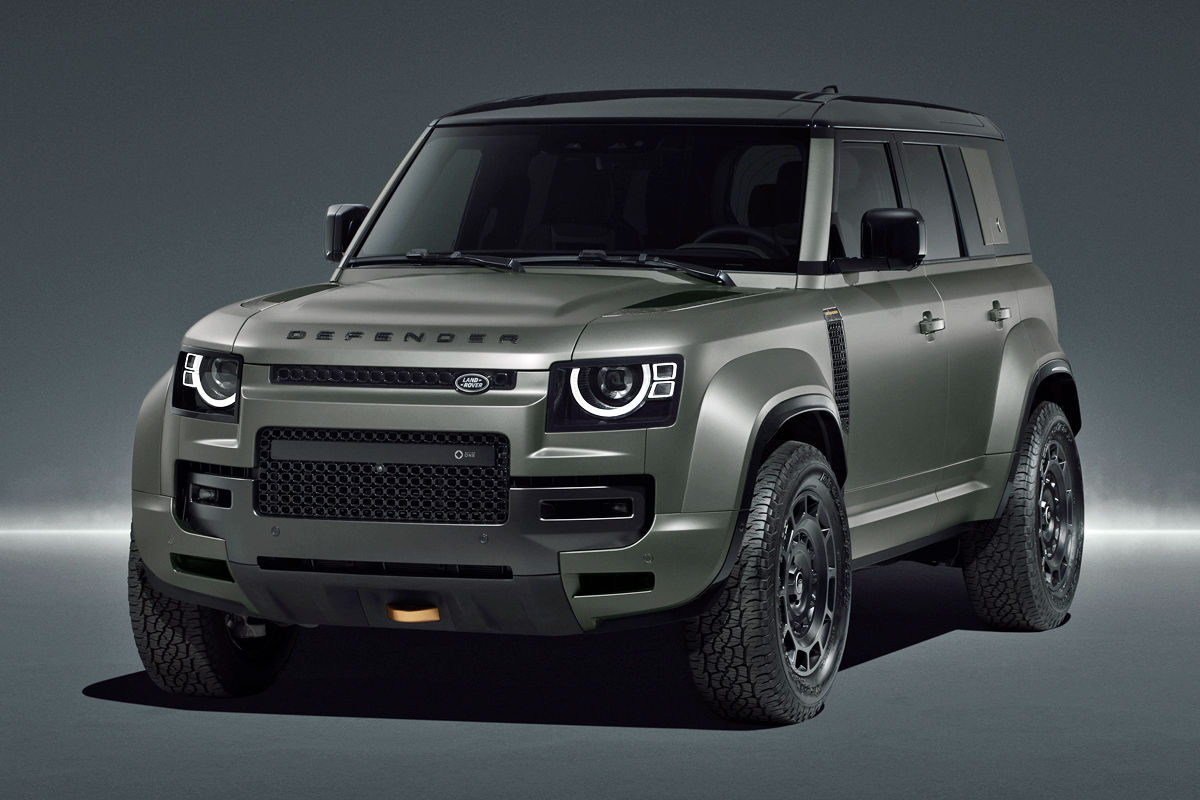
The Defender is popular with farmers, estate owners, and rural professionals in the UK and globally. These buyers subject their vehicles to extremely harsh conditions on a daily basis. The rubberized floor allows the Defender to serve as both a work vehicle and a family SUV without requiring constant interior maintenance.
Cleaning the Defender floor requires minimal equipment. A stiff brush and a garden hose are sufficient for even the worst mud and grime. The rubber releases mud without it drying into a stuck-on crust. This is because the rubber surface has very low porosity, preventing deep adhesion of dirt particles.
Land Rover offers the Defender in multiple body styles, all sharing the same flooring philosophy. The 90, 110, and 130 variants all benefit from the same rubberized system. Regardless of which body style you choose, the floor will perform identically in demanding conditions.
The Defender also uses rubberized material on the lower door panels and sill areas. This creates a continuous protected zone from the floor upward. Splashing, wet gear, and animal contact do not damage any surface in the lower cabin area. The entire zone is engineered for real-world punishment.
Resale values on the Defender remain strong, and interior condition plays a significant role. A rubberized floor that looks clean and intact after years of hard work adds genuine value at trade-in time. Buyers of used Defenders specifically look for examples with well-maintained floors, and the rubber makes that easy to achieve.
5 SUVs With Carpets That Stain Early
These problematic vehicles suffer from interior floor coverings using light-colored low-quality carpet materials that absorb liquids instantly, stain permanently from minor spills, and retain odors despite cleaning attempts creating progressively deteriorating cabin environments that devastate resale values and owner satisfaction throughout relatively brief ownership periods with typical family use.
Their flawed engineering includes thin carpet padding that offers minimal protection against moisture penetration to underlying floor pans, light beige or gray color selections that highlight every stain and soil mark, and inadequate stain-resistant treatments that fail after minimal exposure to real-world contaminants like coffee, juice, or muddy water. From single spilled drinks creating permanent discoloration to wet winter boots leaving salt stains that never fully clean, these troublesome carpet installations become eyesores rapidly.
1. Chevrolet Equinox (2024)
The Chevrolet Equinox is one of America’s best-selling compact SUVs. It offers good value, comfortable seating, and solid fuel economy. But one area where the Equinox consistently disappoints owners is the quality of its interior carpet. The carpet used in base and mid-level trims stains faster than almost any other vehicle in its class.
The Equinox uses a thin, low-pile carpet across the cabin floor. This carpet feels decent on first contact, but its performance under real-world use is poor. The fibers are tightly compressed rather than properly woven, which means liquids penetrate quickly. A spilled coffee cup can leave a permanent mark if not addressed within seconds.
The carpet’s color options in the Equinox make the problem worse. Many trims come standard with a medium-gray or beige carpet. These colors show every footprint, drip, and smudge in high contrast. What looks clean after a weekend of use can appear heavily soiled by the second month of ownership.
Pet owners report significant issues with the Equinox carpet specifically. Dog hair embeds deeply into the short fibers and resists conventional vacuuming. Muddy paw prints leave behind a stain that sets into the carpet within hours of drying. Even professional steam cleaning sometimes fails to fully restore the original carpet color.
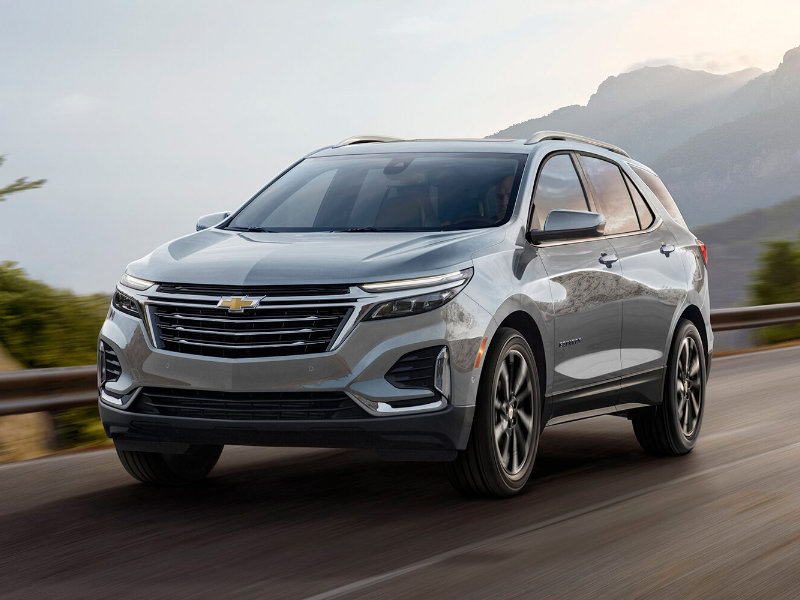
The Equinox carpet is also prone to matting in high-traffic areas. The driver’s side footwell and the area below the steering column wear down noticeably within the first year. The carpet fibers flatten permanently in these zones, creating an uneven surface that looks old and worn far ahead of schedule.
Moisture management is a significant weakness. When wet boots or rain-soaked clothing contacts the Equinox carpet, the water soaks in and stays there. The underlying padding absorbs moisture and holds it for days. This creates ideal conditions for mold growth, especially in humid climates. The resulting odor is difficult to eliminate without full carpet replacement.
Road salt in winter climates accelerates the deterioration of the Equinox carpet. Salt crystals embedded in the fiber structure act as an abrasive. Over a single winter, the carpet in high-contact zones can develop visible fading and fiber breakdown. This is a well-documented complaint among Equinox owners in northern states and Canada.
The cargo area carpet in the Equinox is equally vulnerable. It is the same thin material used in the cabin. Grocery bags, tool boxes, and sports equipment all leave marks that do not come out completely. Even the supplied rubber cargo mat does not cover the full cargo floor, leaving exposed carpet sections that stain quickly.
Chevrolet does offer all-weather floor mats as an accessory. Many owners purchase these immediately after buying the Equinox. This is an indirect acknowledgment that the factory carpet is not adequate for daily use. Adding these mats is an additional cost that buyers did not plan for at the time of purchase.
2. Nissan Rogue (2024)
The Nissan Rogue is another extremely popular compact SUV that suffers from early carpet staining. It is a well-designed vehicle in many respects, with a comfortable cabin and strong technology features. But the carpet quality is a recurring complaint that appears consistently in owner reviews and forums.
The Rogue uses a light-colored carpet as the default interior option across most trim levels. This choice prioritizes an airy, modern aesthetic inside the cabin. Unfortunately, it also means that every spill, scuff, and shoe mark is immediately visible. The light tone shows dirt in a way that darker carpets simply do not.
The carpet fiber itself is a relatively cheap synthetic blend. It lacks the stain-resistance treatment found in higher-end vehicles. When liquid contacts the Rogue carpet, it spreads laterally through the fiber structure before you can blot it up. This lateral spread creates large, irregular stain shapes that are almost impossible to remove completely.
Food spills are particularly problematic in the Rogue. The carpet appears to be designed for appearance rather than performance. Ketchup, soda, and oily foods leave behind discoloration that persists through multiple cleaning attempts. Owners frequently report that professional detailing only lightens the stain rather than removing it entirely.

Children and the Rogue carpet are a particularly poor combination. Parents who purchase the Rogue as a family vehicle often express regret about the carpet within the first few months. Juice boxes, crayons, and playground dirt create a pattern of staining across the rear floor that becomes progressively worse with each use.
The Rogue also has a design issue where the carpet extends to the very edge of the door sills. When passengers enter and exit the vehicle, their shoes drag directly across this carpet edge. This creates a zone of persistent soiling right at the entry point. No floor mat covers this area effectively, leaving it permanently exposed to contamination.
Moisture behavior in the Rogue carpet is poor in wet climates. Rain water carried in on shoes soaks into the carpet and padding within minutes. The padding underneath the carpet is thick but not waterproof. Once saturated, it takes two to three days to fully dry under normal conditions. Extended moisture leads to mildew odors within weeks.
The rear cargo carpet in the Rogue is equally thin and vulnerable. Loading wet or muddy items directly onto this carpet creates immediate and permanent staining. The cargo carpet also pills and develops loose fibers relatively quickly under regular use. This gives the rear of the vehicle a tired and worn appearance well before the mechanical systems show any age.
Nissan does provide carpeted floor mats with the Rogue. However, these mats are thin and offer minimal protection. They shift around during normal use, exposing the carpet underneath. Owners regularly report finding the mats bunched up under the pedals after just a short drive, leaving the floor unprotected and vulnerable.
3. Hyundai Tucson (2024)
The Hyundai Tucson is one of the most stylish compact SUVs currently on the market. Its interior design is genuinely impressive, with premium-looking materials and clever use of space. However, the carpet quality in lower and mid-range trims does not live up to the visual promise. It stains early and shows wear faster than the rest of the interior suggests it should.
The Tucson’s carpet uses a medium-pile fiber that initially feels soft and pleasant. In the showroom, it creates a premium impression that helps justify the vehicle’s price. But within a few months of daily use, the carpet begins to show its limitations. The fibers compress easily and do not spring back after pressure, creating matted areas that look prematurely old.
Stain resistance is a particular weakness. The carpet fiber used in the standard Tucson does not have a protective coating. Liquids absorb into the material almost instantly. There is no time to blot effectively before the liquid has already penetrated to the carpet backing. This makes accidental spills nearly impossible to address before permanent staining occurs.
The light charcoal carpet color used in many Tucson configurations appears relatively neutral in photos. In real-world use, it shows footprints, dust, and light stains clearly. Owners who park in dusty or sandy environments find the carpet looking grimy within days of a thorough cleaning. The color choice amplifies the appearance of soiling rather than concealing it.
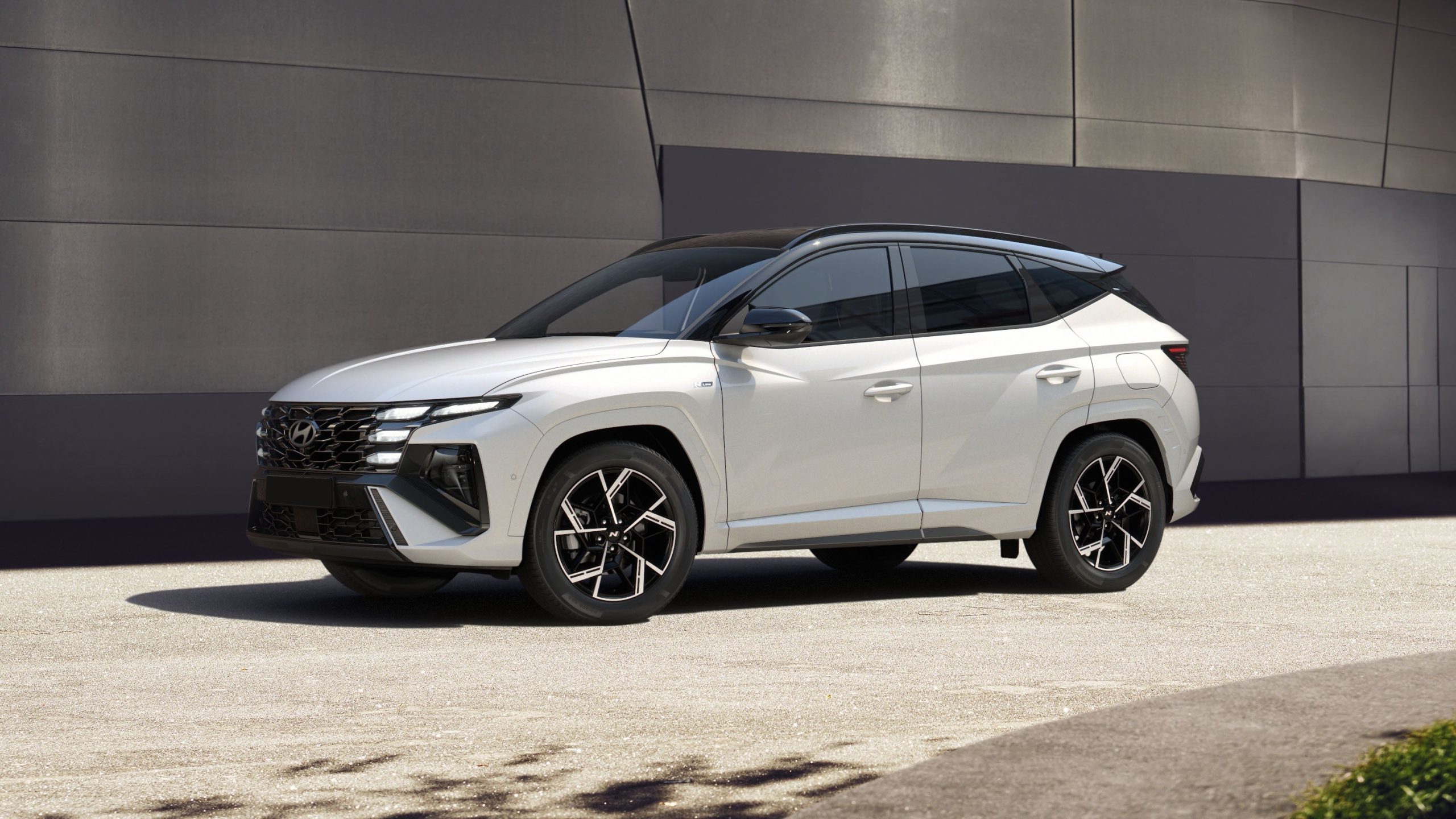
Hyundai designed the Tucson interior with a focus on aesthetics over durability in the carpet department. The carpet edges are styled and finished carefully, but the material itself is not built for long-term performance. This creates a mismatch between the initial visual quality and the real-world longevity. Buyers feel deceived when the carpet begins to degrade noticeably after the first year.
The second-row carpet suffers significantly from foot traffic. Children and adults resting their feet on the back of the front seats drag their shoes across the rear carpet repeatedly. This constant abrasion wears down the fiber tips and creates bald patches in these high-contact zones. The second-row floor can look significantly older than the rest of the interior after two years of family use.
Cleaning the Tucson carpet is a frustrating process. The fibers are dense enough to trap grit and fine particles deeply but not strong enough to release them with standard vacuuming. Removing embedded dirt requires a brush attachment and multiple passes. Even then, fine particles remain trapped at the carpet base, grinding against the fibers over time and accelerating wear.
Weather mats from Hyundai are available as optional accessories. They provide good coverage but do not address the fundamental problem with the factory carpet. Areas not covered by the mats, including the transmission tunnel area and door sill zones, continue to stain and wear at the same rate. Partial protection is ultimately an incomplete solution.
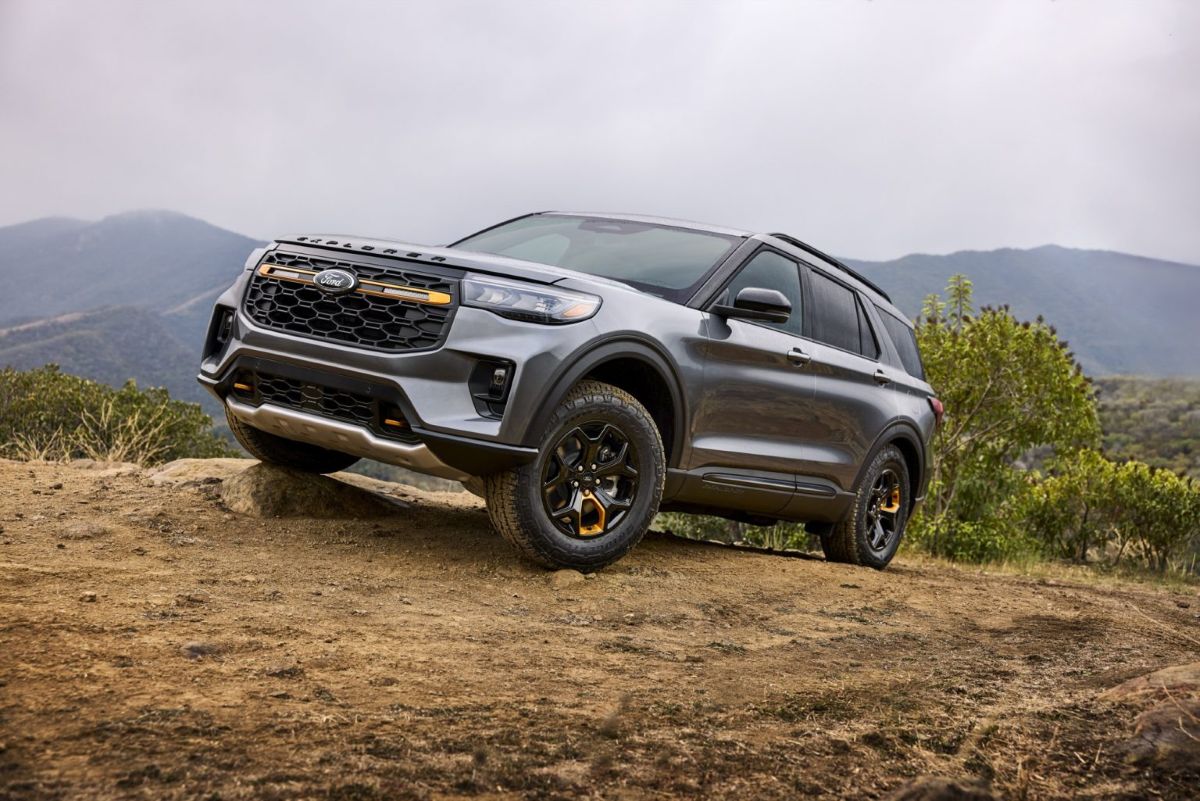
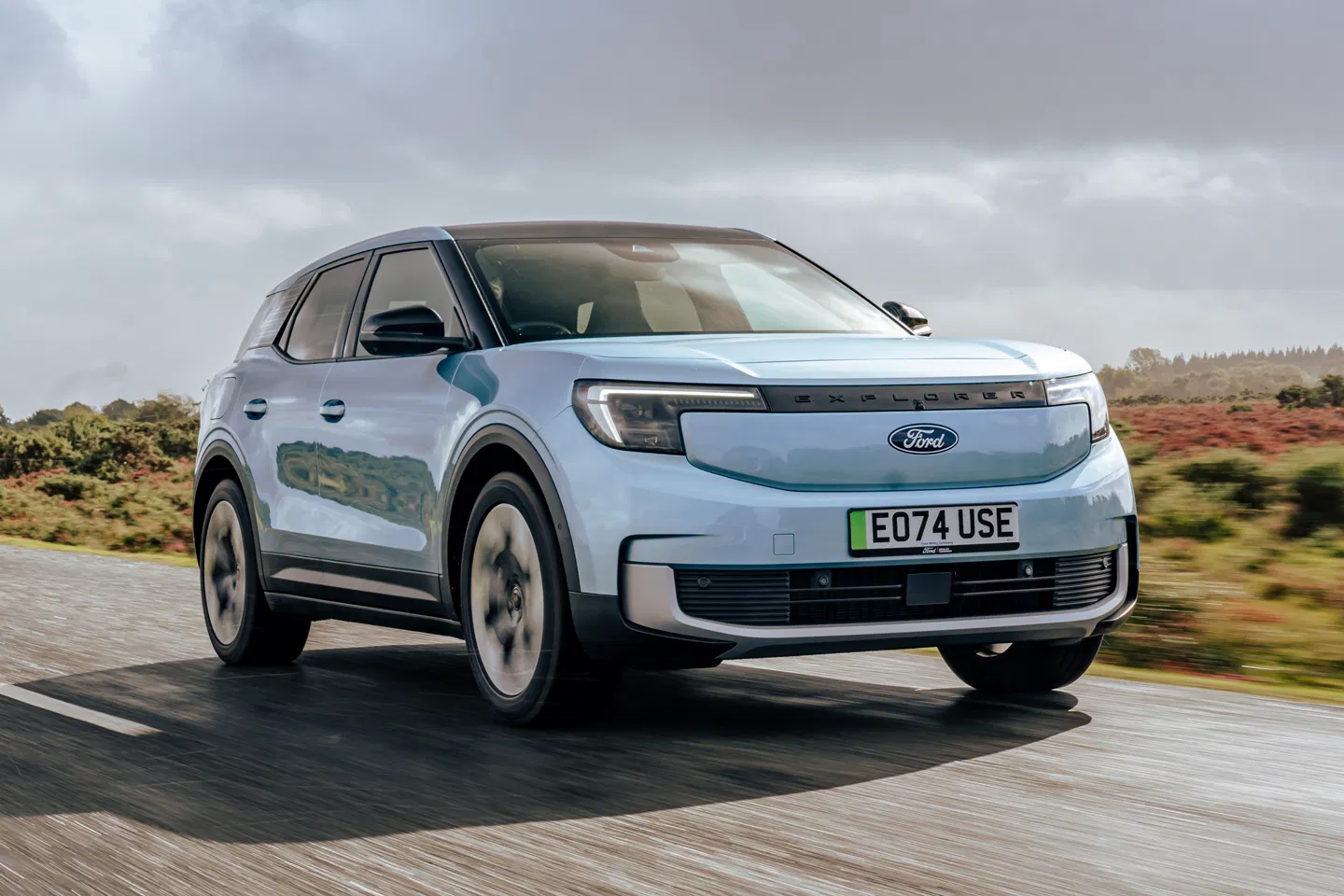
4. Ford Explorer (2024)
The Ford Explorer is a midsize SUV that aims for a premium feel throughout its cabin. Ford uses a plush, thick carpet in the Explorer that creates an immediate sense of luxury during the test drive. Unfortunately, this same thickness works against the carpet’s practical performance. Thick-pile carpets absorb liquids and debris more deeply, making them significantly harder to clean.
The Explorer’s carpet is available in two colors, both of which are relatively light. Ford chose these tones to match the interior’s upscale aesthetic. But light carpet in a midsize family SUV is a recipe for visible staining. The carpet shows everything from muddy boot prints to light dust accumulation with equal and unforgiving clarity.
The thick pile presents a specific problem with liquid spills. When a drink spills on thin carpet, much of it sits near the surface where it can be blotted quickly. On the Explorer’s thick pile, liquid disappears into the carpet depth almost instantly. By the time you reach for a cloth, the liquid has already reached the backing and padding below.
The third row of the Explorer presents the worst carpet situation. This area receives significant foot traffic as passengers climb over it to reach the rearmost seats. The carpet in the third-row floor zone wears down noticeably faster than the front rows. The combination of foot traffic and reduced cleaning access makes it one of the most problematic carpet zones in any SUV.
Ford equipped the Explorer with carpeted floor mats as standard. These mats cover the front and second rows adequately. However, the third row often has no mat at all, leaving it completely exposed. This design oversight results in the Explorer’s rear floor showing the most wear and staining of any section of the cabin.
The Explorer is frequently used as a family vehicle, which creates constant staining challenges. School runs, sports practices, and road trips all introduce dirt, food, and liquid into the cabin on a daily basis. The thick carpet absorbs each incident progressively. Over a year of family use, the carpet accumulates a history of staining that becomes visible as a general darkening and dullness.
Odor retention is another significant issue with the Explorer carpet. The thick pile traps organic material including food crumbs, pet dander, and moisture. These trapped materials decompose slowly within the carpet structure. The result is a persistent, low-level odor that becomes noticeable when the vehicle is warm. This odor is extremely difficult to eliminate without professional extraction cleaning.
Resale value of the Explorer can be significantly affected by carpet condition. Buyers inspecting used Explorers often immediately lift the floor mats to check the carpet underneath. Stained and worn carpet under the mats is a common finding that leads to immediate price negotiations. Ford’s choice of plush, light carpet works against the Explorer’s long-term residual value.
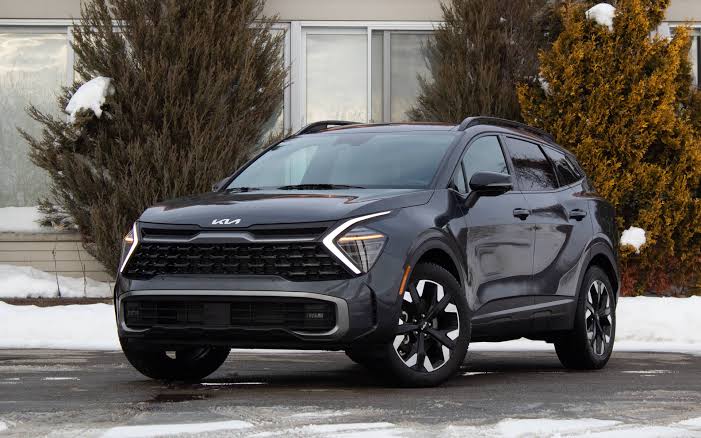
10. Kia Sportage (2024)
The Kia Sportage has become one of the world’s most popular compact SUVs. It delivers impressive value, strong styling, and excellent technology at a competitive price point. However, the base and mid-range trim levels use a carpet quality that is clearly a cost-saving measure. This carpet stains early, wears quickly, and disappoints owners who expected better given the vehicle’s otherwise solid reputation.
The Sportage uses a very thin, low-density carpet in standard configurations. It covers the floor completely but provides minimal cushioning or protection. Underfoot, the carpet feels acceptable in normal footwear. But it offers almost no resistance to liquid penetration, and stains form within the first few weeks of normal use for most owners.
The carpet color in the Sportage is a dark gray across most trims. While dark colors are better at hiding certain types of staining, the Sportage carpet still shows pet fur, lint, and light-colored debris clearly. Dog owners, in particular, find that light fur creates a constant visual contrast against the dark carpet that vacuuming only partially addresses.
Liquid spills reveal the true limitation of the Sportage carpet immediately. The thin fiber structure offers no capillary resistance to liquid penetration. A small water spill that would bead on a treated carpet disappears into the Sportage fiber within seconds. Coffee, soft drinks, and children’s juice boxes leave immediate and permanent marks that defy even professional cleaning attempts.
The Sportage rear cargo area uses the same thin carpet material. Loading groceries, gym bags, and sporting equipment on a regular basis quickly creates scuff marks and compressed zones. The cargo carpet shows wear along the rear sill where items are dragged in and out. This creates a shabby entry point to the cargo area that ages the entire vehicle’s appearance.
Kia’s optional all-weather floor liners address the problem partially. Many Sportage buyers purchase these within weeks of delivery after seeing how quickly the factory carpet shows marks. This additional purchase adds cost to ownership that was not included in the initial purchase budget. The need for protective accessories highlights the inadequacy of the factory carpet solution.
The Sportage door sill area is a particular problem zone. The carpet extends all the way to the door opening edge without any protective trim or rubberized border. Every entry and exit drags shoe soles across this exposed edge. Within a year, the door sill carpet develops visible thinning and staining that gives the vehicle an older appearance than its actual age suggests.
Moisture retention in the Sportage carpet creates seasonal problems in colder climates. Snow and slush carried in on boots melts into the carpet and padding. The thin carpet dries more quickly than thick-pile alternatives, but the salt residue left behind degrades the fiber structure over time. After one winter, the carpet in salt-zone areas begins to show crystalline discoloration that does not respond to cleaning.
Long-term, the Sportage carpet is one of the weakest elements of an otherwise well-built vehicle. Kia’s quality improvements over the past decade are visible throughout the vehicle, from the powertrain to the technology stack. The carpet remains an area where cost considerations clearly took priority over durability. For buyers who care about long-term interior condition, this is the Sportage’s most significant ownership drawback.
Also Read: 10 Signs Your Car Suspension Needs a Professional Inspection Immediately
