
The hybrid vehicle revolution has reshaped the automotive world over the past two decades. Millions of drivers have made the switch from traditional combustion engines to hybrid powertrains, chasing better fuel economy and lower emissions.
However, not all hybrid systems are created equal. Some manufacturers have spent years perfecting their transmission technology, delivering systems that last hundreds of thousands of miles without major failure.
Others are still struggling with persistent mechanical issues, safety recalls, and frustrated customers demanding answers.
Understanding the difference between a proven hybrid transmission and a problematic one can save buyers thousands of dollars. It can also prevent dangerous situations on the road that arise from sudden mechanical failures.
Transmission problems in hybrid vehicles are uniquely complex because they involve both electric motors and traditional gear systems working in harmony. When that harmony breaks down, the consequences can be severe and expensive.
This article examines ten hybrid systems five that have demonstrated outstanding transmission longevity backed by real-world data and owner testimony, and five that continue to face recalls, technical service bulletins, and widespread complaints.
Whether you are buying new, buying used, or simply maintaining your current hybrid, this guide will give you the clarity you need to make smarter decisions about hybrid transmission reliability.
5 Hybrid Systems With Proven Transmission Longevity
These exceptionally reliable hybrid systems are known for long-lasting transmissions and proven drivetrain durability, often delivering years of trouble-free performance with minimal major repairs.
Their well-engineered e-CVT or hybrid transmission setups are designed to handle continuous stop-and-go driving, regenerative braking, and high-mileage use without excessive wear.
Owners frequently report smooth performance even beyond 150,000 miles, making these systems trusted choices for long-term ownership and lower maintenance costs.
1. Toyota Prius
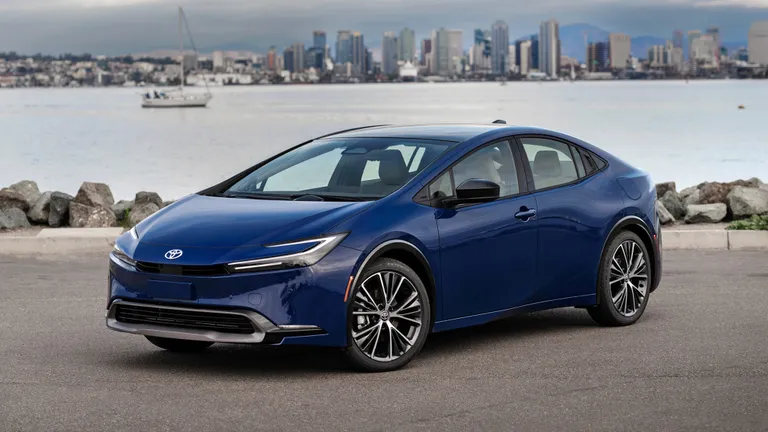
The Toyota Prius is widely regarded as the benchmark for hybrid transmission durability worldwide. Since its global debut in 1997, the Prius has accumulated an extraordinary track record that few vehicles in any segment can match.
Toyota engineers spent years developing the E-CVT (Electronically Controlled Continuously Variable Transmission), a system specifically designed for hybrid operation. This transmission does not rely on traditional friction-based gear changes, which dramatically reduces internal wear over time.
The heart of the Prius transmission is Toyota’s patented Power Split Device, a planetary gear set that connects the engine, two motor-generators, and the drive wheels simultaneously. This system allows seamless transitions between electric and combustion power without the mechanical stress of conventional shifting.
Because there are no clutch packs or torque converters involved, the most common causes of traditional transmission failure are essentially eliminated from the design.
Real-world data consistently supports Toyota’s engineering claims. Many Prius owners have reported driving well past 200,000 miles without any significant transmission intervention.
Taxi fleets and rideshare drivers in major cities around the world have pushed Prius units beyond 300,000 miles with only routine maintenance performed. This level of durability in a high-cycle, stop-and-go driving environment is genuinely remarkable.
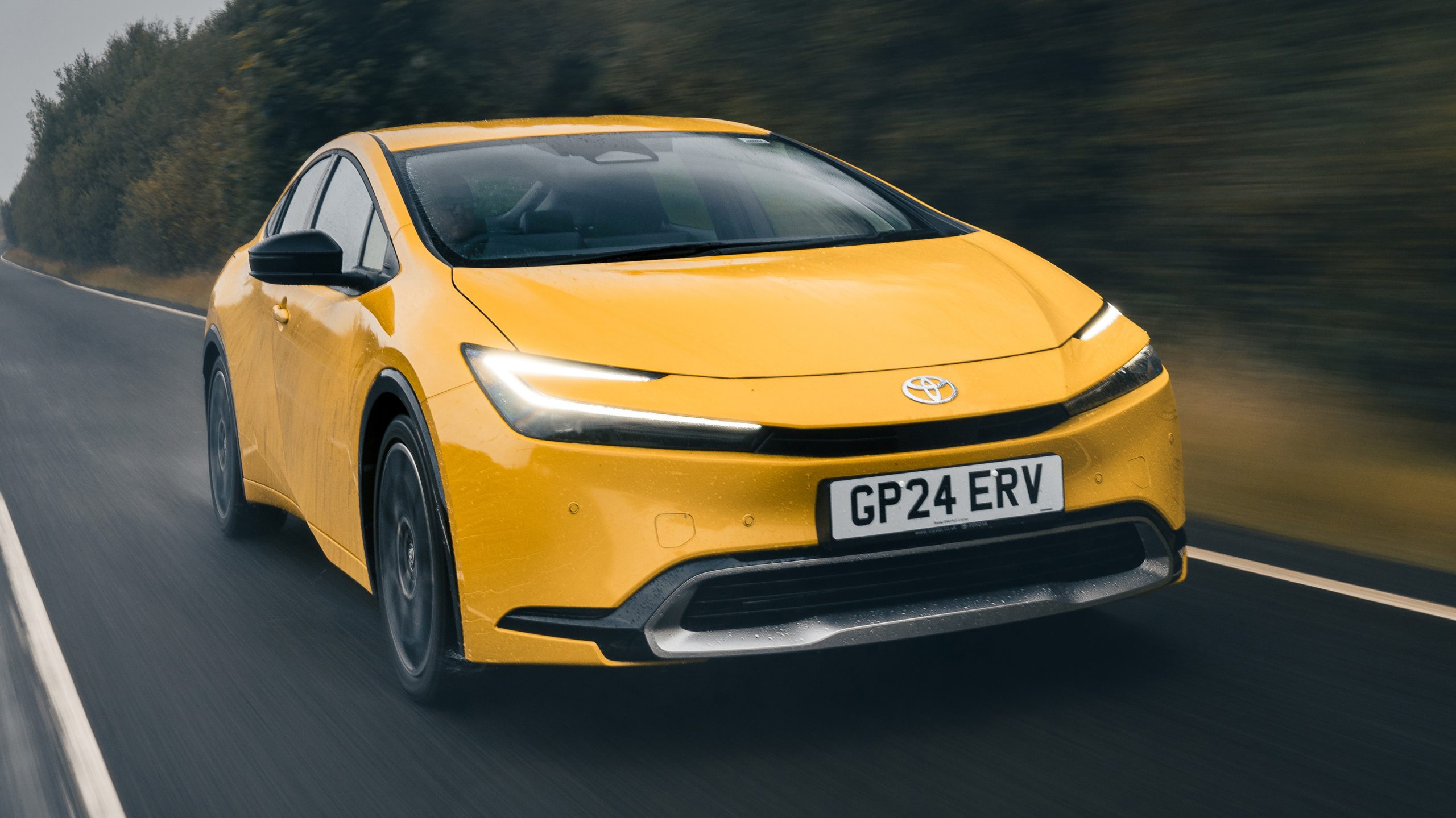
The regenerative braking system integrated into the Prius transmission also contributes to its longevity. By converting braking energy back into electricity, the system reduces heat buildup and mechanical stress across the drivetrain.
Less heat means less fluid degradation, fewer seal failures, and a longer life for internal components. Toyota’s thermal management strategy for this transmission is considered one of the most efficient in the industry.
Toyota also benefits from decades of refining the same fundamental architecture. Each Prius generation improved upon the last without abandoning the core planetary gear design.
This evolutionary approach allowed engineers to iron out weak points systematically. The fourth and fifth generation Prius models refined gear ratios and motor efficiency to the point where transmission failures have become genuinely rare occurrences.
Independent mechanics who specialize in hybrid vehicles frequently name the Prius as the lowest-risk transmission job they encounter.
Maintenance for the Prius transmission is also refreshingly straightforward. Toyota recommends periodic transaxle fluid inspections and changes, a simple process that most owners and independent shops can perform without specialized equipment. The relative simplicity and parts availability further reduce long-term ownership costs.
For buyers seeking maximum transmission longevity backed by decades of real-world proof, the Toyota Prius remains the undisputed leader in the hybrid segment.
2. Toyota Camry Hybrid
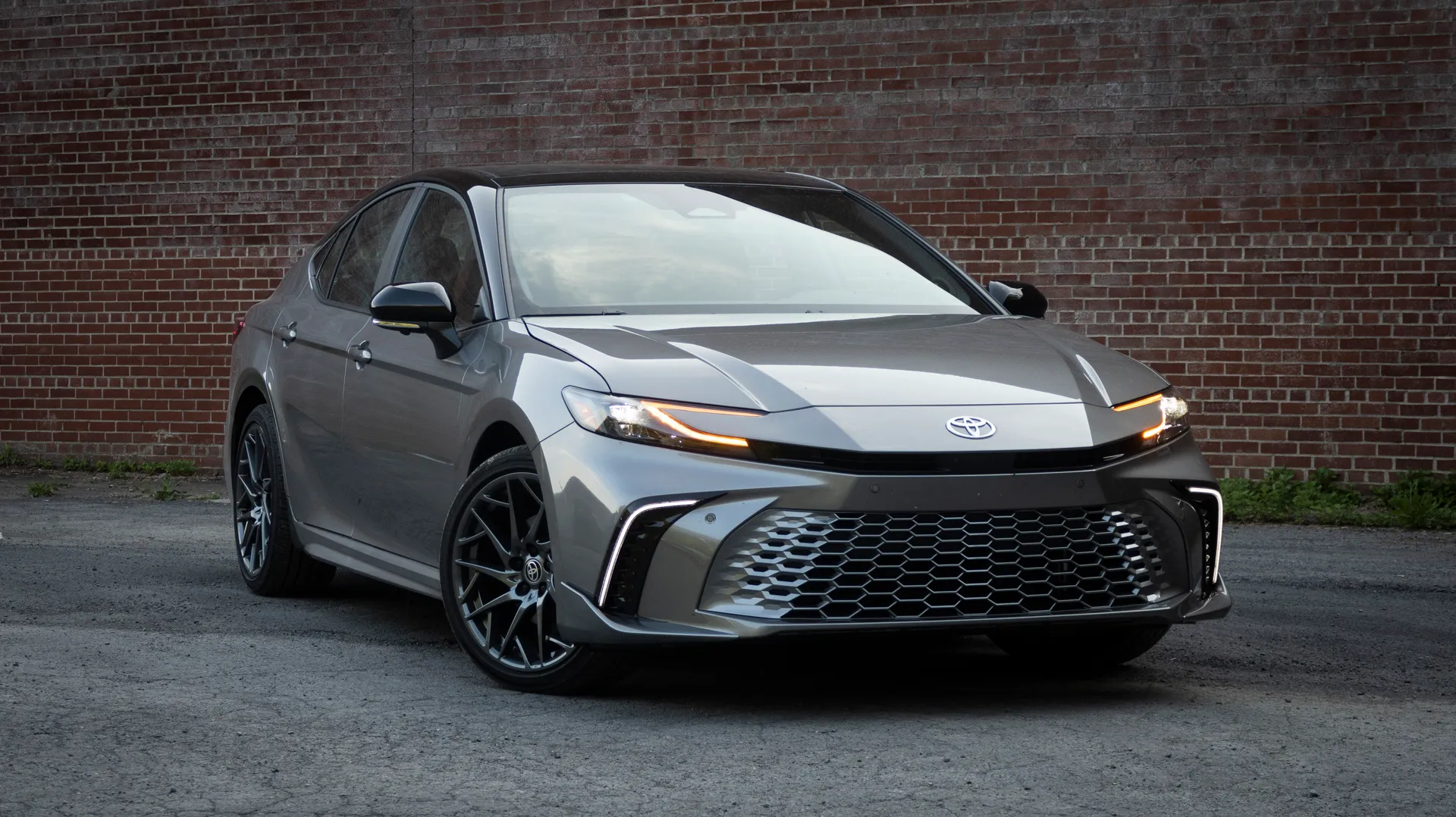
The Toyota Camry Hybrid takes the same proven E-CVT platform used in the Prius and scales it up for the demands of a larger, heavier midsize sedan.
Since its introduction in 2007, the Camry Hybrid has built a reputation for exceptional drivetrain endurance among family car buyers and fleet operators alike.
Toyota’s decision to use a shared powertrain architecture across multiple models has allowed the company to refine and test the system under an enormous variety of real-world conditions.
The Camry Hybrid uses a two-motor hybrid system paired with a naturally aspirated four-cylinder engine. Power flows through the same planetary gear-based Power Split Device that made the Prius famous for reliability.
Toyota tuned the system specifically for higher-speed highway driving patterns typical of Camry buyers. This tuning ensures the transmission operates comfortably within its thermal limits even during extended highway cruising at higher loads.
Fleet operators, particularly in the taxi and government vehicle sectors, have documented Camry Hybrid transmissions surviving well beyond 250,000 miles with minimal mechanical attention.
The New York City Taxi and Limousine Commission’s experience with Camry Hybrid taxis generated valuable reliability data.
Those vehicles endured some of the harshest urban driving conditions on earth and still delivered consistent transmission performance. This real-world stress testing is arguably more valuable than any laboratory endurance cycle.
One key factor in the Camry Hybrid’s transmission longevity is the quality of its internal sealing and fluid management.
Toyota uses high-specification transaxle fluid that resists thermal breakdown across a wide temperature range. The transmission housing is engineered to minimize contamination and moisture ingress.
These details may seem minor individually, but they contribute significantly to consistent performance across hundreds of thousands of operational cycles.
The Camry Hybrid also benefits from Toyota’s robust dealer network and parts ecosystem. Replacement components for the transmission are widely available and competitively priced compared to European hybrid competitors.
When minor issues do arise, repair costs are kept manageable because parts are not artificially scarce. This accessibility further reduces the total cost of ownership over the vehicle’s lifespan.
Consumer satisfaction surveys and long-term reliability indices from organizations like J.D. Power and Consumer Reports have repeatedly ranked the Camry Hybrid at or near the top of its segment for drivetrain reliability.
Owners consistently report that the transmission feels as smooth and responsive at 150,000 miles as it did on delivery day. For a vehicle platform now nearly two decades old, that consistency of performance is a profound endorsement of Toyota’s engineering philosophy.
3. Honda Accord Hybrid
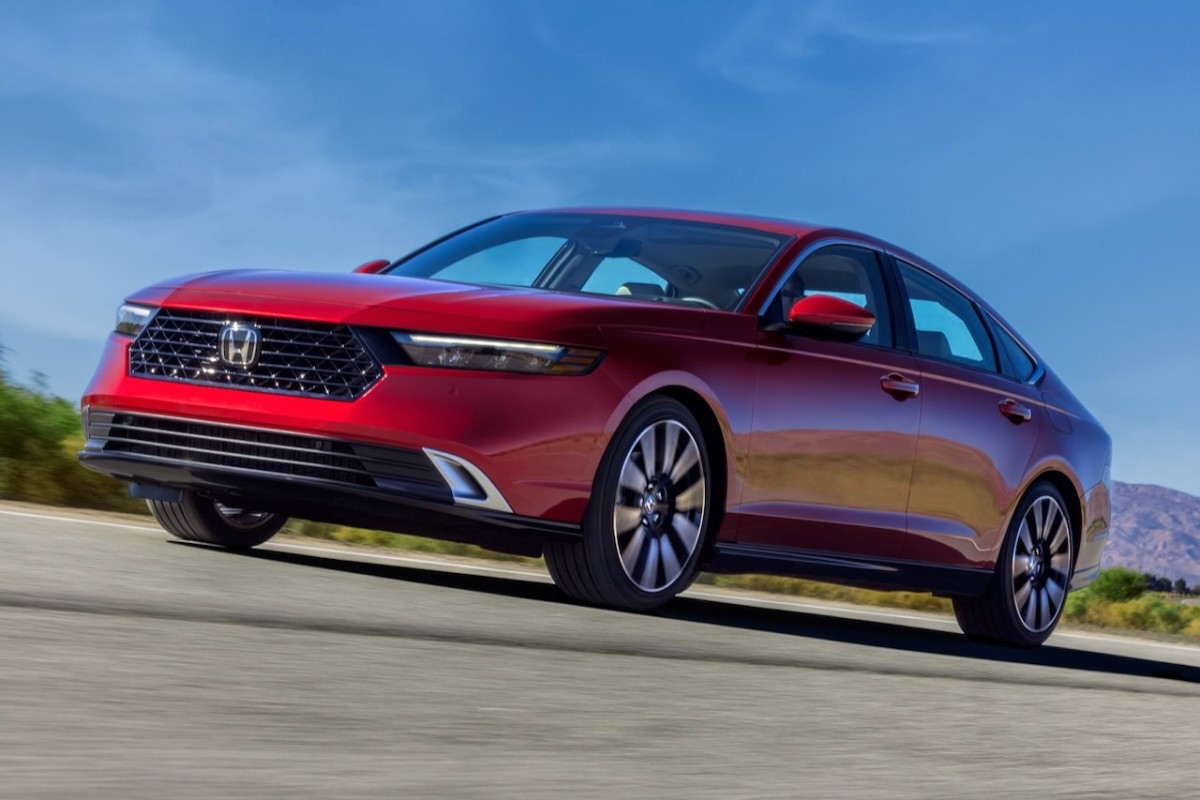
The Honda Accord Hybrid, particularly from the tenth generation onward released in 2018, represents a significant engineering achievement in hybrid transmission design. Honda’s engineers developed a unique two-motor architecture that operates more like a series hybrid at lower speeds and a direct-drive system at higher speeds.
This design philosophy eliminates many of the complex mechanical components found in conventional automatic transmissions. Fewer moving parts means fewer potential failure points across the system’s lifespan.
Honda’s Intelligent Multi-Mode Drive system at the heart of the Accord Hybrid uses a fixed-ratio gear set for high-speed direct engine connection rather than a traditional CVT or stepped automatic.
At city speeds, the combustion engine primarily acts as a generator while the electric motor handles propulsion. This separation of duties reduces the mechanical load on individual components and spreads operational stress more evenly across the drivetrain. The result is a system that ages gracefully under daily driving conditions.
Owners of tenth and eleventh generation Accord Hybrids have reported consistently smooth operation well into the 150,000 to 180,000-mile range without transmission-related complaints.
Independent hybrid mechanics have noted that the Accord’s drivetrain shows significantly less internal wear at comparable mileages than many competitors.
Honda’s precision manufacturing tolerances and rigorous quality control during assembly contribute directly to this durability advantage. The company’s motorsport heritage in precision engineering is clearly reflected in the Accord Hybrid’s drivetrain quality.
The cooling system for the Accord Hybrid’s motors and power electronics is particularly well-engineered. Honda uses a dedicated liquid cooling circuit specifically for the hybrid components, separate from the engine cooling system.
This dedicated cooling strategy prevents thermal crossover between the combustion and electric sides of the powertrain. Consistently controlled operating temperatures are one of the most important factors in long-term electric motor and transmission component longevity.
Honda’s software calibration for the Accord Hybrid transmission also deserves recognition. The control algorithms manage power transitions between electric-only, generator, and direct-drive modes with impressive smoothness.
Smooth transitions reduce mechanical shock loading on the drivetrain components with every mode change. Honda continues to release over-the-air and dealer-applied software updates that further optimize these transitions as engineers gather more real-world data.
The Accord Hybrid’s growing long-term reliability reputation has been supported by high customer retention rates among repeat Honda buyers. Drivers who chose the Accord Hybrid once tend to return to the same platform for their next vehicle.
That customer loyalty is a meaningful real-world signal of satisfaction with drivetrain performance. For midsize hybrid buyers prioritizing long-term transmission health, the Accord Hybrid stands as one of the strongest choices currently available.
4. Lexus RX 450h
The Lexus RX 450h has been one of the most important vehicles in demonstrating that hybrid transmission technology can meet the demanding standards of the luxury SUV segment. First introduced in 2006 as the RX 400h, this platform has been continuously refined over four generations while retaining its core E-CVT architecture.
Lexus, as Toyota’s premium division, applies an additional layer of manufacturing precision and quality assurance beyond what the standard Toyota lineup receives. That extra attention to detail translates directly into exceptional long-term drivetrain performance.
The RX 450h uses a front-mounted E-CVT paired with a separate rear electric motor for all-wheel-drive capability. The system manages four power sources the engine, two front motor-generators, and one rear motor with remarkable coordination.
Despite this added complexity compared to front-wheel-drive hybrid systems, Lexus engineers have successfully maintained the reliability characteristics that define the Toyota hybrid family. Each generation of the RX 450h has passed through extremely thorough durability testing before reaching customers.
Long-term ownership data for the RX 450h is particularly compelling. Owners who purchased early second-generation models in the late 2000s have documented trouble-free transmission operation well past 200,000 miles.
Luxury vehicle owners tend to maintain their cars more meticulously than average, which contributes positively to these outcomes. However, independent analysis confirms that even less perfectly maintained RX 450h examples hold up remarkably well compared to competitors from German and American luxury brands.
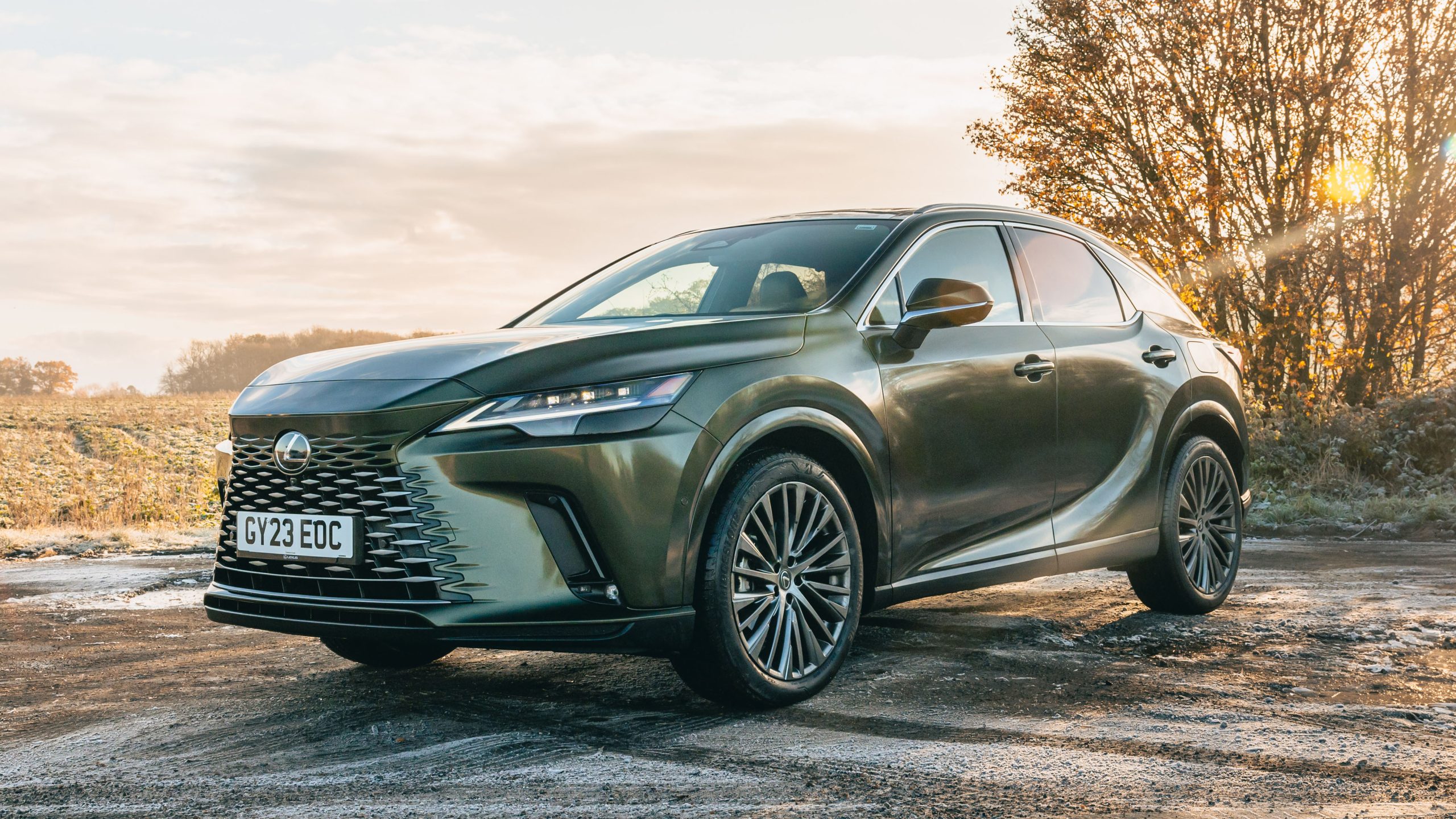
Lexus RX 450hThe transmission fluid and sealing specifications for the RX 450h are among the tightest in the industry.
Lexus uses factory-blended transaxle fluid with a specific viscosity profile that maintains performance across extreme temperature ranges. The transmission housing tolerances are machined to exceptionally tight specifications that minimize internal fluid circulation inefficiencies.
These precision engineering choices protect the system against premature wear even in demanding driving conditions like mountain driving or towing within the vehicle’s rated capacity.
Lexus dealer technicians receive specialized training for hybrid drivetrain diagnostics and service that goes beyond standard Toyota certification. This expertise level ensures that when a RX 450h owner does bring their vehicle in for any drivetrain concern, the issue is diagnosed correctly the first time.
Accurate early diagnosis prevents minor issues from developing into major transmission problems. This service quality advantage is a genuine part of the total ownership value proposition for Lexus hybrid buyers.
The RX 450h’s combination of luxury refinement, proven E-CVT technology, and meticulous manufacturing standards has made it one of the most trusted hybrid SUVs on the market.
Consumer and industry reliability awards have followed the platform consistently across its generational updates. For buyers who want hybrid transmission longevity without sacrificing premium comfort and capability, the Lexus RX 450h represents one of the most thoroughly proven choices available.
Also Read: 10 SUVs With the Best Ground Clearance for Rugged Off Road Trails
5. Ford Escape Hybrid (2005–2012 First Generation)
The first-generation Ford Escape Hybrid holds a special place in hybrid history as the first hybrid SUV sold in North America.
Ford developed its proprietary Powersplit hybrid system in partnership with engineering expertise partly licensed from Toyota. The resulting transmission was a genuine achievement for American automotive engineering at the time.
While Ford’s later hybrid efforts produced more mixed results, the original Escape Hybrid’s first-generation transmission proved itself over many years of demanding real-world use.
Ford deployed the Escape Hybrid extensively in taxi and commercial fleet applications, particularly in cities like San Francisco and New York where fuel savings were a critical operating cost concern. These fleet deployments generated detailed long-term reliability data across hundreds of thousands of vehicles.
Many fleet Escape Hybrids accumulated 200,000 miles or more with their original transmissions intact and functional. This commercial performance record gave Ford significant credibility in the hybrid market during the mid-2000s.
The first-generation Escape Hybrid’s transmission was notable for its robust thermal management design. Ford engineers prioritized keeping the hybrid battery and transmission components within safe operating temperatures under varied driving conditions.
The system included dedicated cooling circuits and intelligent thermal load management that protected components during extended idling and heavy stop-and-go traffic.
Taxi applications stress these thermal systems more severely than almost any other real-world use case, making the positive fleet results especially meaningful.
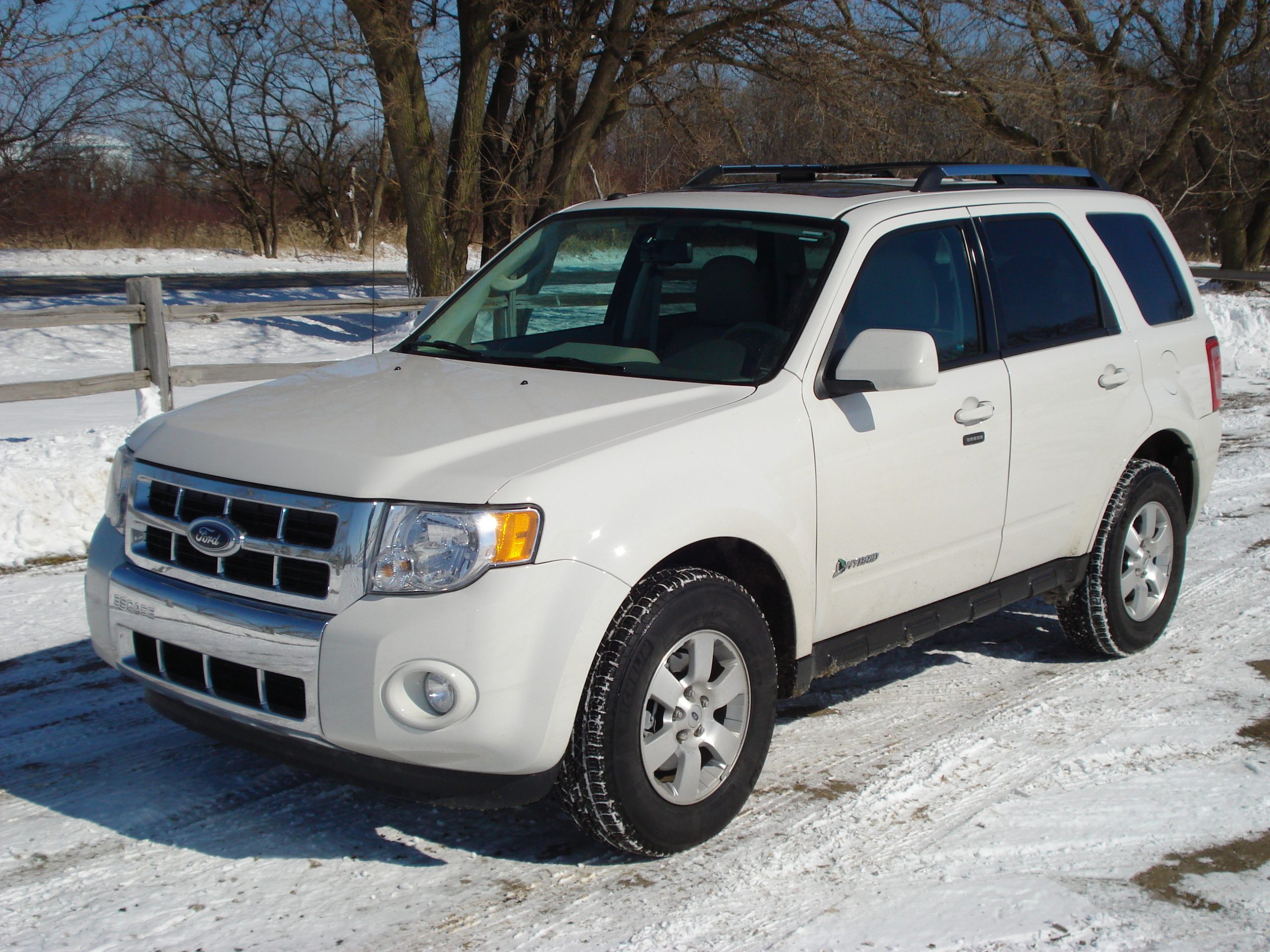
Independent hybrid mechanics who serviced large numbers of first-generation Escape Hybrids have noted that the transmission’s internal components showed relatively modest wear patterns at high mileages.
The planetary gear set and motor-generator units maintained their factory clearances better than expected given the demanding application environments.
Ford’s choice of high-quality bearing and seal materials contributed significantly to this outcome. The durability of these components under fleet conditions validates Ford’s engineering choices during the development phase.
Consumer experiences with private first-generation Escape Hybrids also trended positively for transmission reliability. Owners who followed Ford’s recommended maintenance intervals, particularly regarding transaxle fluid changes, rarely reported major drivetrain failures before reaching very high mileage thresholds.
The model built genuine loyalty among environmentally conscious SUV buyers during its production run. Its transmission reliability record remains one of the more underappreciated success stories in American hybrid vehicle development.
The legacy of the first-generation Escape Hybrid’s proven drivetrain unfortunately was not fully carried forward into subsequent Ford hybrid efforts.
Later platforms introduced new architectures that brought new challenges. However, the original Escape Hybrid’s contribution to establishing hybrid transmission credibility in the American market deserves acknowledgment.
It demonstrated that domestic automakers could deliver hybrid drivetrain durability at a competitive level when engineering resources were properly allocated and development timelines were respected.
5 Hybrid Systems Still Facing Recalls
These hybrid systems continue to face ongoing recalls and reliability concerns, often related to transmission control modules, power delivery issues, software faults, or component failures.
Despite offering strong fuel efficiency and modern hybrid technology, repeated recall campaigns create uncertainty around long-term reliability and ownership costs. For many buyers, these systems raise concerns about repair downtime, software updates, and unresolved drivetrain issues that can impact confidence in daily use.
1. Chrysler Pacifica Hybrid
The Chrysler Pacifica Hybrid minivan arrived with significant fanfare as the first plug-in hybrid minivan on the American market. Families embraced the concept of combining minivan practicality with electrified fuel savings.
However, the Pacifica Hybrid quickly became associated with a series of serious safety recalls that have damaged consumer confidence in its powertrain reliability.
The problems extend beyond simple software glitches into fundamental concerns about the safety and durability of the hybrid drivetrain system.
The most alarming recall issue affecting the Pacifica Hybrid involves the risk of fire originating in the hybrid battery and power electronics system. The National Highway Traffic Safety Administration opened investigations after multiple reports of Pacifica Hybrids catching fire while parked.
These incidents occurred without warning and without any preceding driver-observable symptoms. The lack of warning signs makes a fire risk particularly dangerous because owners have no way to proactively avoid the hazard.
Stellantis, the parent company of Chrysler, issued recall notices covering tens of thousands of Pacifica Hybrid units across multiple model years. The recalls required software updates and hardware inspections intended to address the fire risk.
However, follow-up investigations revealed that the initial remedies did not fully resolve the underlying problem for all affected vehicles. Subsequent supplemental recalls were issued, reflecting the complexity of the root cause and Stellantis’s difficulty in achieving a comprehensive fix.
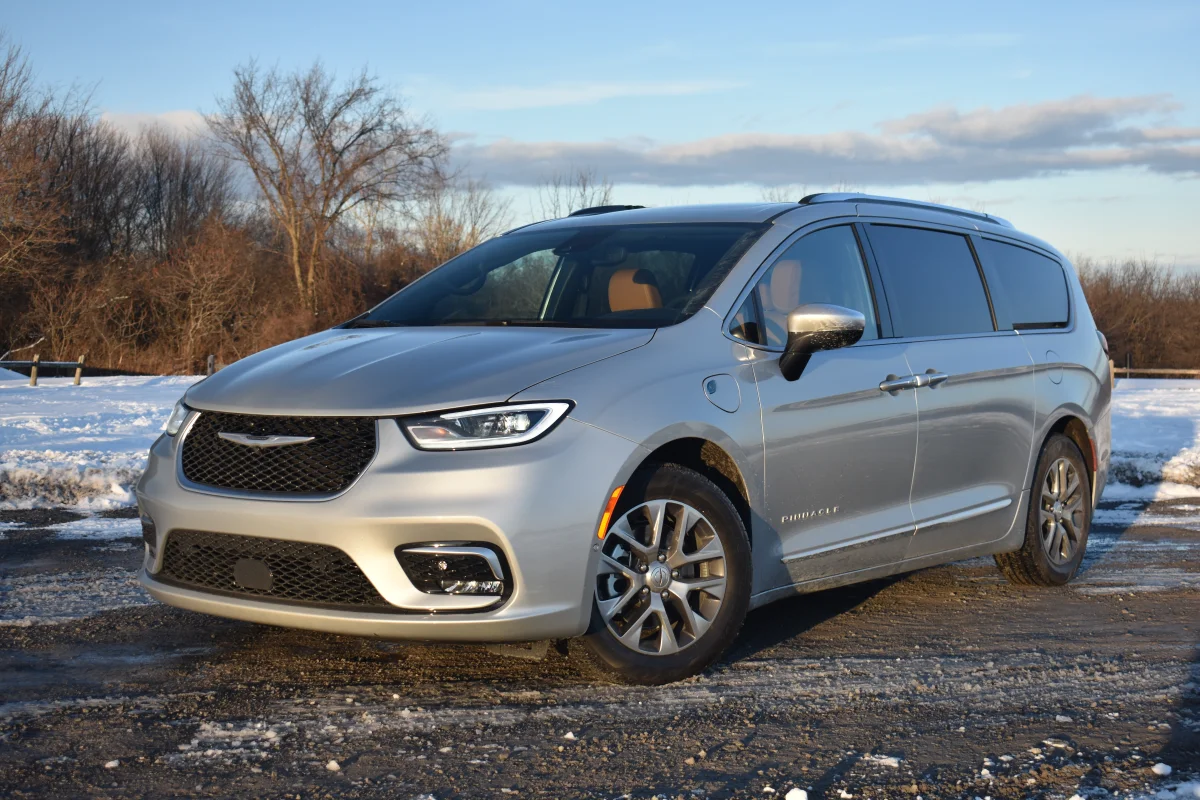
The Pacifica Hybrid’s transmission system has also been implicated in separate drivability complaints beyond the fire risk.
Owners have reported unexpected power losses, transmission shuddering during acceleration, and abrupt mode transitions between electric and combustion operation.
These drivability issues have generated significant volumes of complaints filed with NHTSA. The complaints describe experiences ranging from mildly annoying hesitation to genuinely dangerous sudden power losses at highway speeds.
Dealer service departments handling Pacifica Hybrid complaints have reported challenges obtaining sufficient replacement parts to complete repairs promptly.
Extended vehicle-down times while awaiting components have frustrated owners and further eroded confidence in the platform.
When a safety recall cannot be completed efficiently because parts are unavailable, the entire recall management process breaks down. This parts supply problem has amplified the negative ownership experience for many Pacifica Hybrid customers.
The cumulative effect of repeated recalls, unresolved fire risks, and persistent drivability complaints has made the Chrysler Pacifica Hybrid one of the most scrutinized hybrid vehicles in the current American market.
Consumer advocacy groups have called for stronger enforcement actions and clearer communication from Stellantis about the actual remediation status of affected vehicles.
Until a comprehensive and permanently effective solution is implemented across all affected model years, the Pacifica Hybrid’s transmission and powertrain system must remain on the caution list for prospective buyers.
2. Hyundai Ioniq Plug-In Hybrid
The Hyundai Ioniq Plug-In Hybrid was introduced as a technologically forward and fuel-efficient alternative to established hybrid nameplates. Hyundai positioned the Ioniq with competitive pricing and an impressive claimed fuel economy figure.
However, certain model years of the Ioniq Plug-In Hybrid have experienced notable transmission-related problems that have led to recalls and significant owner frustration.
The issues primarily center on the vehicle’s six-speed dual-clutch transmission, a design choice that introduced specific vulnerabilities into the hybrid powertrain.
Dual-clutch transmissions in hybrid applications face unique challenges because they must coordinate gear changes with rapidly fluctuating electric motor torque inputs. Hyundai’s calibration of the Ioniq’s dual-clutch system for hybrid operation was found to be problematic in certain driving conditions.
Owners reported shuddering, hesitation, and jerky low-speed behavior that made urban driving uncomfortable and sometimes unsafe. These symptoms are classic indicators of clutch engagement control problems specific to dual-clutch transmission designs.
NHTSA records show that Hyundai issued recalls related to the Ioniq Plug-In Hybrid’s transmission control software across multiple model years. The recalled vehicles required reprogramming of the transmission control unit to address inappropriate clutch engagement behavior.
While software updates addressed some of the reported symptoms, a subset of owners continued to experience drivability issues even after completing the recall service. The persistent complaints after recall completion suggest that the software calibration was not a complete solution for all affected units.
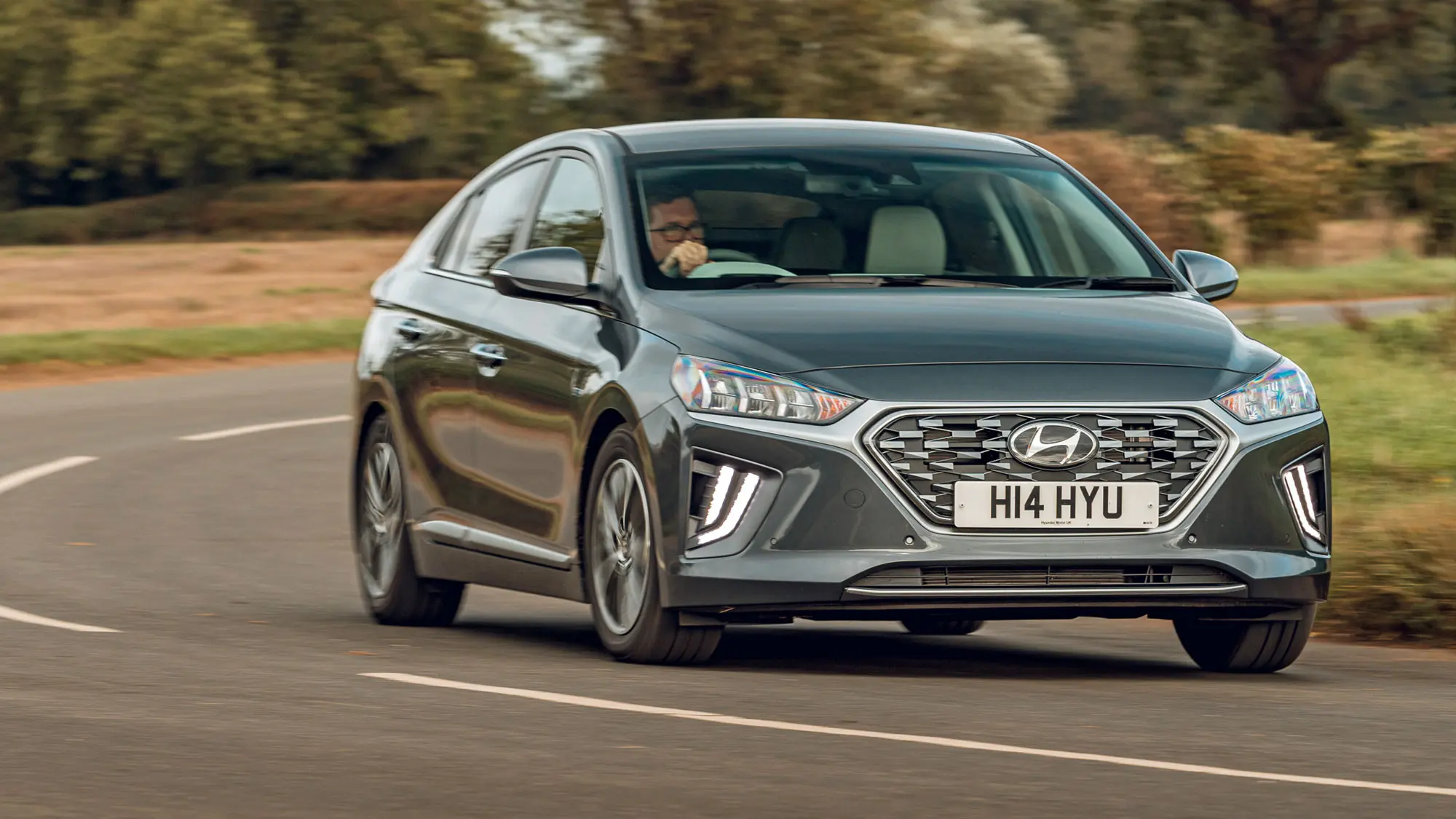
Some Ioniq Plug-In Hybrid owners experienced more severe outcomes including complete transmission failure requiring full unit replacement. Transmission failures in relatively new vehicles with modest mileage are a serious quality concern that goes beyond calibration issues.
Reports of transmission replacement requirements at under 60,000 miles generated negative media coverage and legal action from affected customers. Class action lawsuits were filed in multiple jurisdictions alleging that Hyundai had sold vehicles with known transmission deficiencies.
Hyundai’s customer service response to Ioniq transmission complaints received mixed reviews from affected owners. Some owners reported positive dealer experiences with prompt diagnosis and covered repairs. Others described prolonged disputes over warranty coverage, particularly as vehicles aged past their initial warranty periods.
The inconsistency in customer service outcomes across the dealer network compounded the negative ownership experience for those affected. A consistent and transparent recall resolution process is essential for rebuilding trust with affected customers.
The Ioniq name has since been transitioned to Hyundai’s all-electric vehicle lineup with different powertrain architecture. However, the plug-in hybrid variant’s transmission history remains relevant for used car buyers who may encounter Ioniq Plug-In Hybrid vehicles on the secondhand market.
Prospective used buyers should verify recall completion status and review any available service history specifically related to transmission repairs or software updates before purchasing.
The transmission complications of the Ioniq Plug-In Hybrid serve as a reminder that innovative pricing and fuel economy claims must be supported by equally strong powertrain reliability.
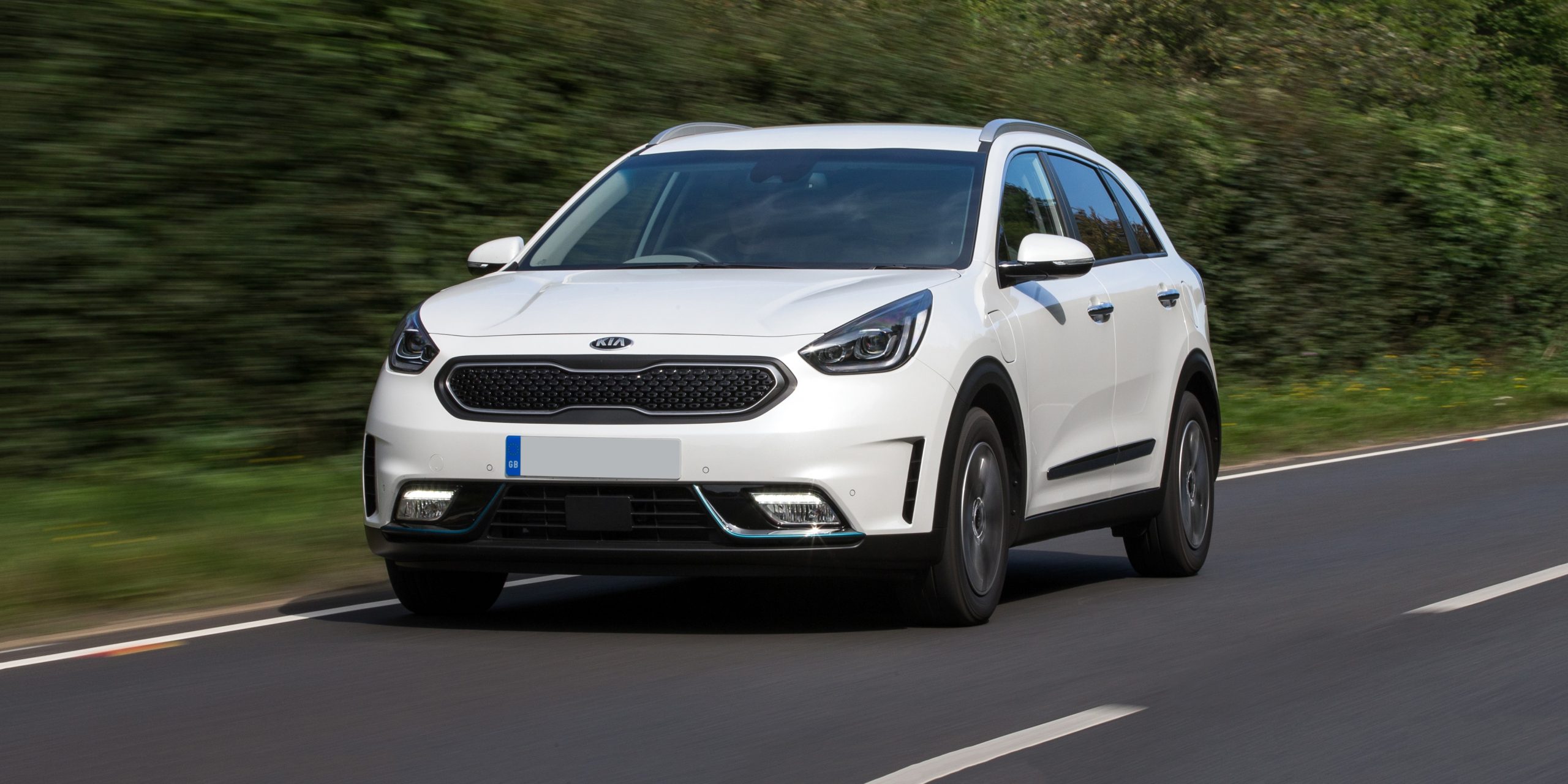
3. Kia Niro Plug-In Hybrid
The Kia Niro Plug-In Hybrid entered the crossover-utility segment with strong initial reviews praising its practicality, fuel efficiency, and value pricing.
As a corporate sibling of the Hyundai Ioniq on a related platform, the Niro Plug-In Hybrid shares certain architectural similarities that have produced comparable challenges.
Recall activity affecting the Niro’s drivetrain components has created concerns among owners and prospective buyers about the platform’s long-term reliability. The recall history reflects both shared platform vulnerabilities and Niro-specific manufacturing issues.
Like the Ioniq Plug-In, the Niro Plug-In Hybrid uses a dual-clutch transmission to manage the interplay between its electric motor and combustion engine.
Kia’s calibration of this transmission for the specific power delivery characteristics of the Niro’s plug-in hybrid system has been a source of ongoing difficulty.
Owners reported jerky and unpredictable transmission behavior during low-speed maneuvers and when transitioning between all-electric and hybrid drive modes. These behaviors were sufficiently widespread to attract NHTSA attention and prompt formal recall proceedings.
Recall documents related to the Niro Plug-In Hybrid describe software updates intended to improve transmission control module logic and clutch engagement management. Kia dispatched service bulletins to dealers providing updated calibration files and revised service procedures.
However, similar to the Ioniq situation, post-recall complaints indicate that the software remediation provided incomplete relief for a portion of affected vehicles.
Repeat service visits for the same transmission symptoms after recall completion represent a significant inconvenience for owners and a warranty cost burden for Kia dealers.
Beyond the transmission software concerns, certain Niro Plug-In Hybrid model years were also subject to recalls related to the high-voltage battery system. Battery-related recalls intersect with transmission reliability because the power management system governing battery discharge and charging also controls torque delivery to the drive wheels.
If the battery management system operates outside its intended parameters, it can create abnormal loading conditions on the transmission and drivetrain components. These interconnected systems mean that a battery recall can have indirect implications for transmission health over time.
Kia’s extended warranty offerings and goodwill repair programs have helped address some owner concerns about out-of-pocket repair costs related to the recalled components.
The company’s 10-year, 100,000-mile powertrain warranty provides a meaningful safety net for original owners facing drivetrain issues within that coverage window.
However, used car buyers who purchase Niro Plug-In Hybrids outside the original warranty period face significantly higher financial exposure if transmission or battery problems arise after purchase. This warranty cliff is an important consideration in any used purchase evaluation.
The Niro Plug-In Hybrid’s recall history does not necessarily disqualify it as a reasonable vehicle choice for informed buyers.
However, potential owners must enter the purchase with clear awareness of the documented transmission issues and the importance of verifying recall completion status.
Kia has released updated model years with revised transmission calibrations that show improved drivability over early production examples.
Buying a later production example with confirmed recall completion and a verified service history represents the most prudent approach for managing the known risks of this platform.
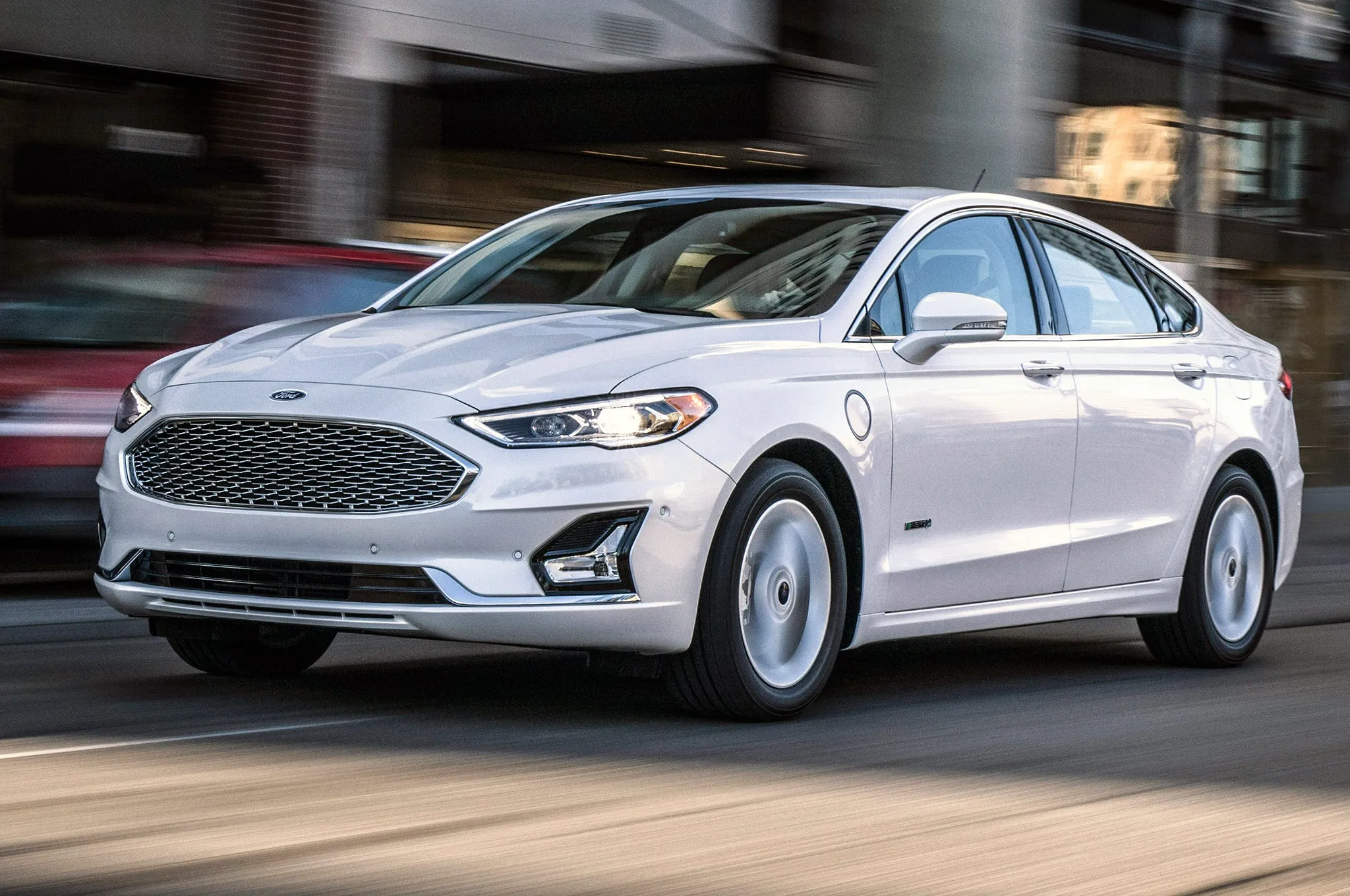
4. Ford Fusion Hybrid / Energi
The Ford Fusion Hybrid and its Fusion Energi plug-in variant were important products in Ford’s hybrid expansion during the 2010s.
Positioned as sophisticated and stylish alternatives to the Toyota Camry Hybrid, the Fusion Hybrid models attracted buyers who wanted hybrid efficiency without sacrificing sedan refinement.
However, certain model years of the Fusion Hybrid and Energi developed well-documented transmission and powertrain control issues that resulted in recalls and sustained owner complaints.
These problems represented a notable step backward from the reliability credibility Ford had built with the first-generation Escape Hybrid.
A significant recall issue affecting multiple Fusion Hybrid model years involved a software defect in the powertrain control module that could cause the vehicle to unexpectedly downshift or lose power delivery.
The power loss condition was particularly dangerous when it occurred during highway driving or when merging into fast-moving traffic.
NHTSA classified this as a safety-related defect requiring a formal recall rather than a simple customer satisfaction bulletin. Ford issued software updates to address the control module logic, but the recall scope expanded over time as additional affected vehicle identification numbers were identified.
The Fusion Energi plug-in hybrid variant faced additional specific concerns related to the coordination between its battery management system and transmission control logic. Plug-in hybrid vehicles must manage larger battery packs with more complex charge and discharge cycles than standard hybrids.
Ford’s battery management integration with the Fusion Energi’s transmission control system showed calibration weaknesses under certain real-world driving and charging scenarios. Owners reported mode transition abruptness, unexpected EV range depletion, and in some cases stalling behavior during low-speed city driving.
Ford dealers experienced significant service volume related to Fusion Hybrid powertrain concerns during the model’s production run.
Technicians reported that diagnosing the root cause of transmission-related complaints was complicated by the multiple interacting software systems involved.
A single drivability symptom could be traced to the transmission control module, the hybrid powertrain control module, or the battery energy control module depending on the specific circumstances. This diagnostic complexity increased repair times and occasionally resulted in misdiagnosis and incomplete repairs.
The Fusion Hybrid and Energi also experienced issues related to the electronically controlled continuously variable transmission’s mechanical components in some higher-mileage examples. Belt and pulley wear progressing faster than expected generated additional dealer repair activity and owner complaints.
While Ford’s CVT is a different design from Toyota’s planetary gear-based E-CVT, it shares the general vulnerability of CVT technology to premature wear if fluid maintenance intervals are extended beyond recommendations. This mechanical dimension compounded the software-related issues affecting these platforms.
Ford discontinued the Fusion nameplate for the North American market, with the final model year being 2020. The discontinuation means that future software support and parts availability for Fusion Hybrid and Energi transmissions will gradually decline as the dealer network’s familiarity with the platform fades.
Owners and used car buyers should factor this long-term service consideration into their ownership planning. While the Fusion Hybrid offered genuine appeal in its time, its transmission and powertrain control recall history places it firmly on the caution list for buyers evaluating used hybrid sedans.
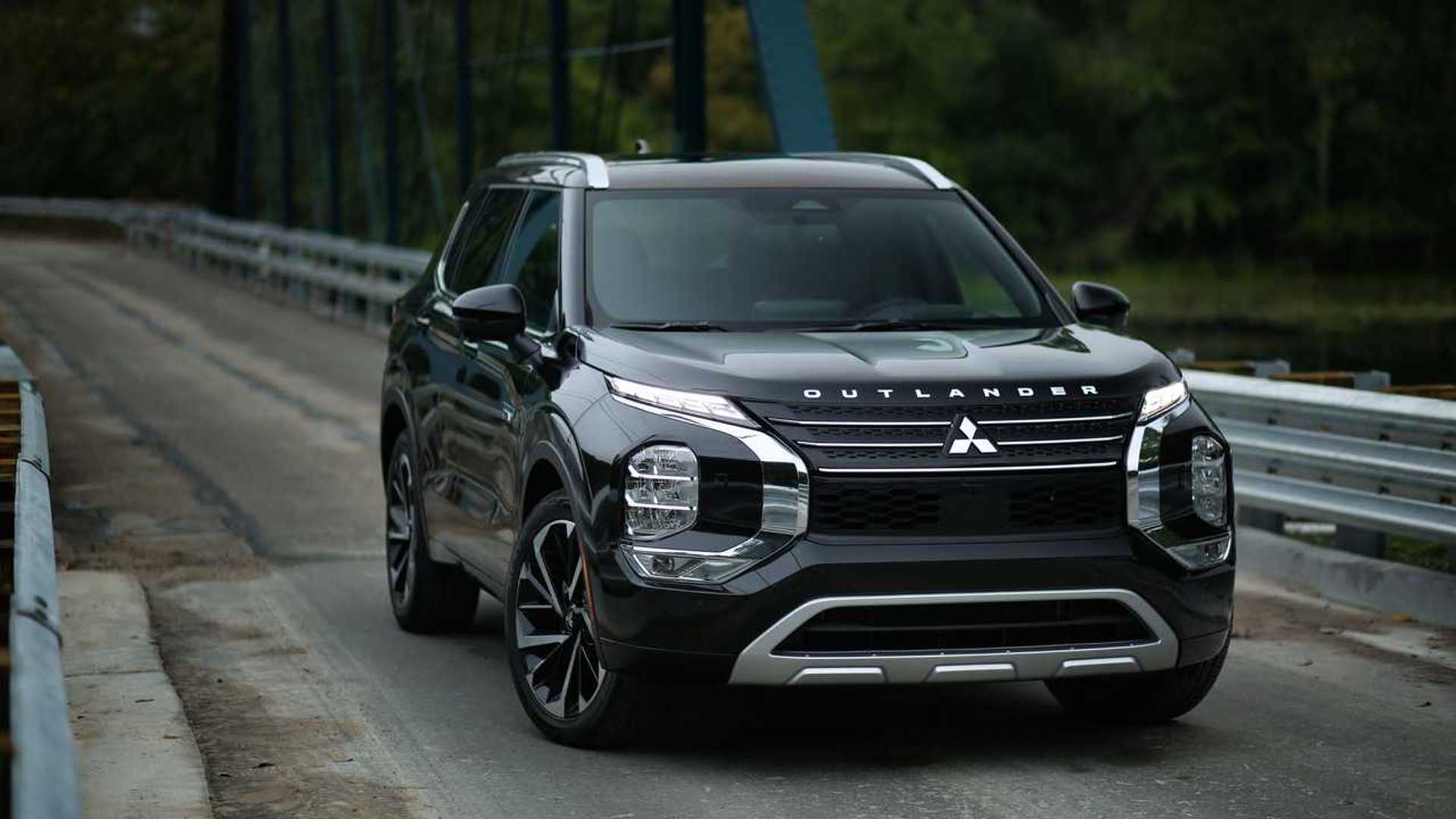
5. Mitsubishi Outlander PHEV
The Mitsubishi Outlander PHEV holds the distinction of being one of the world’s best-selling plug-in hybrid SUVs, particularly in markets outside North America where it launched earlier and found strong acceptance.
Its twin-motor all-wheel-drive plug-in hybrid system offered an appealing combination of electrified efficiency and all-weather capability.
Despite these market strengths, the Outlander PHEV has accumulated a notable recall history related to its drivetrain and battery systems that raises legitimate long-term reliability questions for prospective buyers.
Early generations of the Outlander PHEV faced recalls related to the high-voltage battery system’s thermal management and protection circuitry.
Mitsubishi issued recalls in multiple markets including Japan, Europe, and Australia covering potential battery faults that could lead to smoke or fire in severe cases.
These battery-related recalls are not exclusively transmission issues, but they directly affect the powertrain’s operational safety and reliability. A hybrid drivetrain is only as reliable as the weakest link in its interconnected electrical and mechanical systems.
The Outlander PHEV’s transfer of power between its front electric motor, rear electric motor, and combustion engine involves a complex control strategy that has shown calibration sensitivities in real-world use.
Owners have reported drivetrain shudder during four-wheel-drive engagement transitions and uneven torque distribution between axles in certain surface conditions.
These behaviors generated technical service bulletins and recall-level interventions in some markets. Mitsubishi’s software development and validation processes for the PHEV control systems have been criticized by independent automotive engineers as insufficiently robust for the complexity of the system involved.
In the North American market, where the Outlander PHEV arrived later than in other regions, recall activity has continued across multiple model years.
NHTSA records show open investigations and completed recalls related to the Outlander PHEV’s battery charging system, inverter components, and drivetrain control modules.
The breadth of recalled systems spanning charging, power electronics, and drivetrain control suggests systemic quality challenges rather than isolated component defects. Systemic issues are generally harder to resolve comprehensively and take longer to fully address through recall campaigns.
Mitsubishi’s dealer network in North America is significantly smaller than those of Toyota, Honda, or Hyundai. This limited dealer footprint creates practical challenges for Outlander PHEV owners seeking recall completion service or warranty repairs.
Longer travel distances to authorized service centers and extended wait times for appointments are recurring complaints from Outlander PHEV owners in regions with sparse Mitsubishi dealer coverage.
Service accessibility is a practical reliability factor that affects the real-world ownership experience as much as the technical reliability of the components themselves.
The newer generations of the Outlander PHEV released from 2022 onward reflect lessons learned from earlier platform challenges and incorporate revised engineering for the drivetrain and battery systems. Early owner reports for the updated platform are more positive than those for earlier generations.
However, the updated platform’s long-term reliability track record is still being established and has not yet accumulated the multi-year mileage data needed for confident reliability conclusions.
Buyers considering the current-generation Outlander PHEV should monitor evolving owner feedback and NHTSA recall databases carefully as the platform matures in the field.
Also Read: 10 Full Size Trucks That Are Surprisingly Easy to Navigate in Tight Cities
