
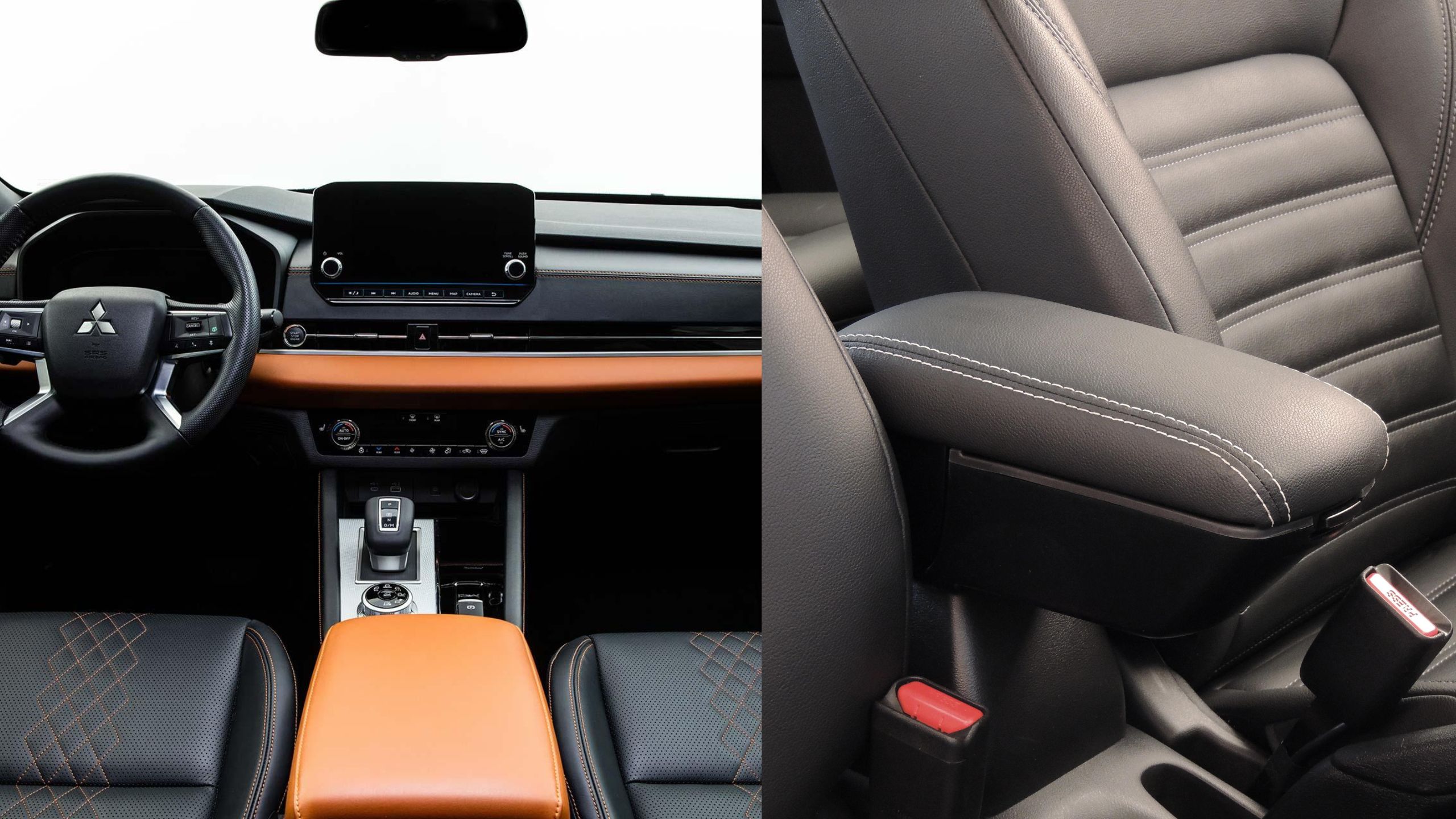
Car armrests are one of those features most drivers never think about until they’re stuck in traffic for two hours. Your arm rests there for the entire journey, and comfort matters more than people realize.
A well-designed armrest can completely change how relaxed you feel on long drives. It supports your elbow, reduces shoulder tension, and keeps fatigue away for much longer.
Yet many automakers still treat armrests as an afterthought. They slap on a thin layer of plastic, cover it with rough fabric, and call it a day. The difference between a premium armrest and a cheap one is immediately obvious the moment you place your arm down. One feels like a cushioned throne. The other feels like resting on a school desk.
Padding thickness, material softness, height adjustability, and width all play a role. Even the stitching design can affect how your arm feels after a long drive.
This article breaks down five car brands that have genuinely mastered the armrest experience. It also calls out five brands where the armrests feel punishingly hard and poorly designed. Whether you’re buying a new car or just curious, this guide will help you know exactly what to expect before your arm pays the price.
5 Brands With the Most Comfortable Armrests
Certain brands consistently get this right. They tend to prioritize ergonomics, seat design, and cabin materials as part of a broader comfort philosophy, not just isolated features. In many cases, this comes from a focus on long-distance usability, where even small pressure points like a hard or narrow armrest can become a problem.
In this list, we’re looking at five brands that stand out for offering some of the most comfortable armrests in the industry. These are manufacturers known for getting the fundamentals right, combining soft materials, thoughtful positioning, and cabin ergonomics that make extended driving easier.
1. Mercedes-Benz
Mercedes-Benz has always believed that every single surface inside a car deserves attention. The armrests in their vehicles are a perfect example of this obsessive approach to interior quality.
From the moment you place your arm on a Mercedes center console, the difference is unmistakable. The padding is thick, generously filled, and covered in either soft leather or high-quality Nappa leather on premium trims.
The leather used by Mercedes doesn’t just look good it feels incredibly supple under your skin. It warms up quickly to your body temperature and never feels cold or stiff even in winter mornings.
Mercedes armrests are also designed with ergonomics deeply in mind. They sit at exactly the right height so your shoulder naturally drops into a relaxed position without any strain.
The width of the armrest is another standout feature. It’s broad enough to rest your full forearm rather than just balancing your elbow on a narrow ridge.
In models like the E-Class and S-Class, the center armrest also doubles as a storage compartment lid. The lid itself is padded on top, meaning you get both functionality and comfort in one seamless package.
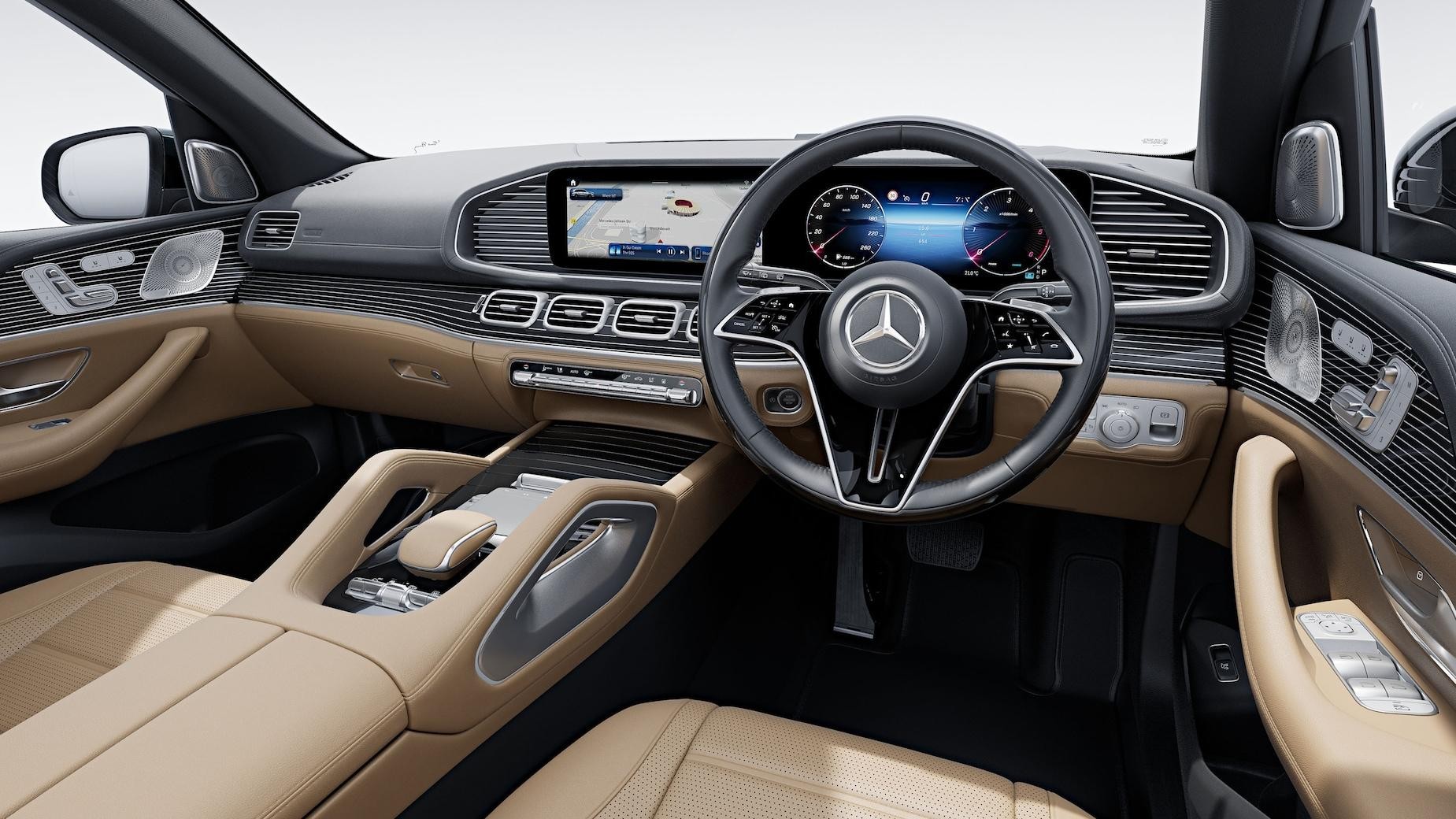
Even the door-mounted armrests in Mercedes vehicles are soft and well-padded. Most brands put effort into the center console armrest but completely ignore the door panel Mercedes treats both with equal care.
The stitching on Mercedes armrests is done with precision. Diamond-pattern or double-stitch detailing not only looks premium but also adds a subtle texture that prevents your arm from sliding around.
Long highway drives in a Mercedes feel noticeably less tiring because your arm is properly supported throughout. This reduces tension in your shoulder, upper arm, and neck over time.
In the GLE and GLS SUV models, the armrests are particularly impressive due to their extra width. These SUVs give you a surface that feels more like a padded shelf than a car armrest.
Mercedes also pays attention to the gap between the seat cushion and the armrest height. This alignment is carefully calibrated so there’s no awkward angle forcing your elbow upward or downward.
Even in the A-Class, which is Mercedes’ entry-level offering, the armrest quality is noticeably better than most competitors at a similar price point. The brand maintains consistency across its lineup in this regard.
The materials used age gracefully too. Mercedes leather armrests tend to develop a natural patina over years of use rather than cracking, peeling, or flattening out.
Mercedes-Benz treats armrest comfort as a core part of the driving experience. Your arm is never an afterthought when you’re sitting inside one of their vehicles.
2. Volvo
Volvo approaches car interiors the same way Scandinavian designers approach furniture with a deep focus on human comfort and functional simplicity. This philosophy shows up beautifully in their armrest design.
Volvo’s armrests are among the most thoughtfully positioned in the industry. The height and angle are carefully set to align with the natural resting position of a human arm while seated upright.
The padding on Volvo armrests is on the softer side without being so squishy that it bottoms out. There’s a pleasant resistance that supports your arm without creating pressure points.
Volvo uses a combination of foam density layers beneath the surface material. This multi-layer approach distributes the weight of your arm more evenly across the armrest surface.
In the XC90 and XC60, the center console armrest is particularly wide and long. It gives both driver and front passenger generous elbow room without crowding or competing for space.
The surface materials Volvo chooses are always skin-friendly. Whether it’s their woven textile interior or soft leather option, neither feels harsh or abrasive against bare skin in summer.
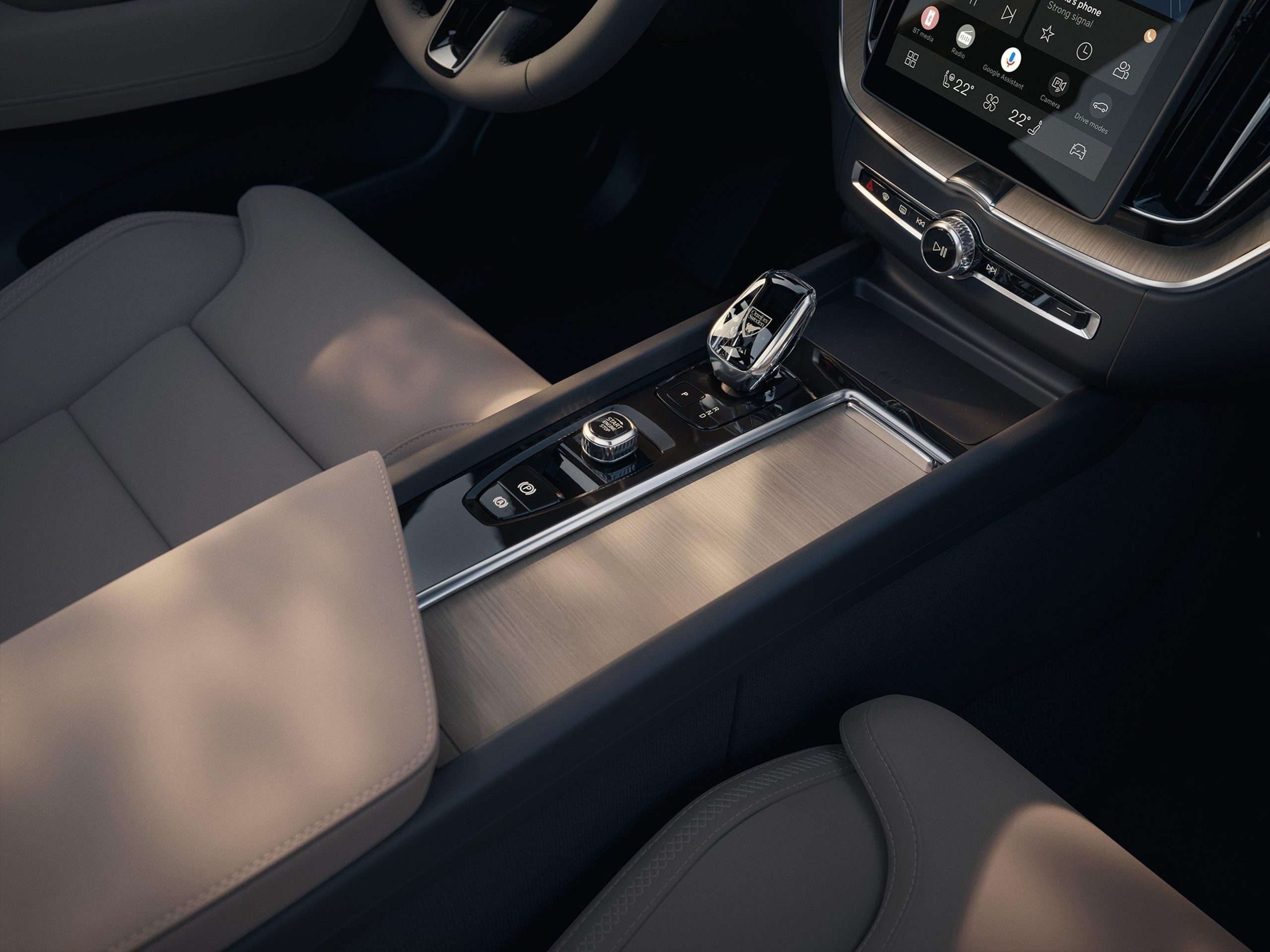
Volvo also pays close attention to the door armrests, which is where many brands cut corners. Their door panels feature soft-padded inserts that support your arm during casual one-handed city driving.
The armrest lid in Volvo’s center console opens smoothly and closes with a satisfying soft-click mechanism. The top surface is padded just thick enough to feel premium without being overly bouncy.
What makes Volvo especially impressive is their consistency across different trim levels. Even in base configurations, the armrest padding and placement meet a high standard that doesn’t feel compromised.
Volvo’s human-centric design team clearly tests armrest comfort for extended drive durations. You can feel this attention to detail after three or four hours on the road without fatigue.
The brand also considers temperature comfort. Their armrests don’t absorb and retain heat like some leather surfaces do, keeping the surface temperature comfortable regardless of ambient conditions.
In the S90 sedan, the armrests feel exceptionally refined. There’s a sense of calm luxury in how your arm is cradled throughout a long business commute or an interstate trip.
The stitching detail on Volvo armrests is clean and minimalist, perfectly in line with their interior design language. Nothing is overdone or trying too hard to look expensive.
Volvo genuinely understands that comfort is not a luxury it’s a safety feature. A relaxed driver with properly supported arms experiences less fatigue and stays more focused on the road.
3. BMW
BMW is famous for driver-focused interiors, and that focus extends to how your arm is positioned while driving. The armrest design in BMW vehicles is engineered to complement the driving position, not fight against it.
In a BMW, the center console armrest is positioned perfectly for someone who drives with their hand resting on the gear selector or the iDrive controller. The height is tuned specifically for this natural arm drop.
The padding in BMW armrests is firm but comfortable not overly soft. This firmness actually helps during dynamic driving because your arm doesn’t sink awkwardly when cornering or accelerating.
BMW uses high-quality leatherette and genuine leather options depending on trim level. Even their standard leatherette feels smoother and more refined than the vinyl used by many rivals.
In the 5 Series and 7 Series, the armrests are wide and generously cushioned. They feel appropriate for the premium market segment these cars occupy.
The center console in the 3 Series is designed with the driver in mind. The armrest length and position work harmoniously with the driving posture BMW is known for encouraging.
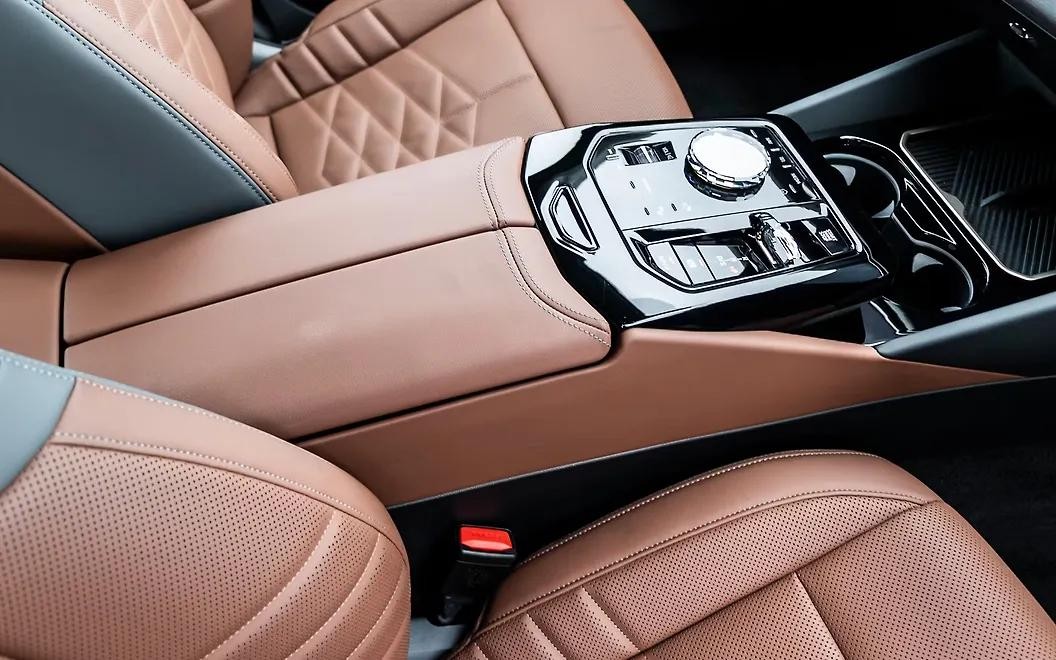
BMW also adds perforated leather detailing to their armrests in higher trims. This perforation adds both visual texture and a slightly breathable quality that prevents sweaty arm syndrome on warm days.
The door armrests in BMW vehicles deserve special praise. They’re deeply padded, well-positioned, and covered in the same quality material as the rest of the interior not treated as a secondary element.
One particularly impressive detail is the armrest in the BMW X5 and X7. These larger SUVs feature an extra-wide center armrest that spans generously across the center console for maximum comfort.
The armrest storage compartment in BMW vehicles opens with a smooth, damped hinge. The lid itself is padded on the outside, giving you comfortable resting surface even when the storage isn’t being used.
BMW also offers ventilated or cooled seat options in some models, and this climate consciousness extends subtly to their interior material choices including armrests. The materials rarely feel uncomfortably hot.
For drivers who spend long hours behind the wheel, the BMW armrest position reduces the tendency to hunch the shoulder. This translates to less neck and back fatigue on longer journeys.
BMW strikes a rare balance between sporty firmness and everyday comfort in their armrest design. It’s not as cloud-soft as a Mercedes but it’s precisely positioned and perfectly suited to the driving experience.
4. Genesis
Genesis is a relatively young luxury brand but has rapidly earned a reputation for punching well above its price point. Their armrests are one of the clearest examples of this value-for-money luxury.
When Genesis launched as Hyundai’s standalone luxury division, they clearly studied what top European brands were doing with interior comfort. Their armrests show that they paid very close attention.
In the GV80 and G80, the armrests are exceptionally thick and deeply padded. The surface is covered in Nappa leather that feels soft, smooth, and genuinely indulgent under your arm.
Genesis uses quilted leather detailing on many of their armrests. This quilting isn’t just decorative it adds an extra layer of cushioned texture that makes the surface feel even more welcoming.
The height positioning of Genesis armrests is excellent. They sit at just the right level to support your arm without raising your shoulder or forcing an awkward elbow angle.
What’s impressive about Genesis is that even their smaller GV70 offers armrest quality that competes directly with European luxury brands costing significantly more. The quality gap has largely been closed.
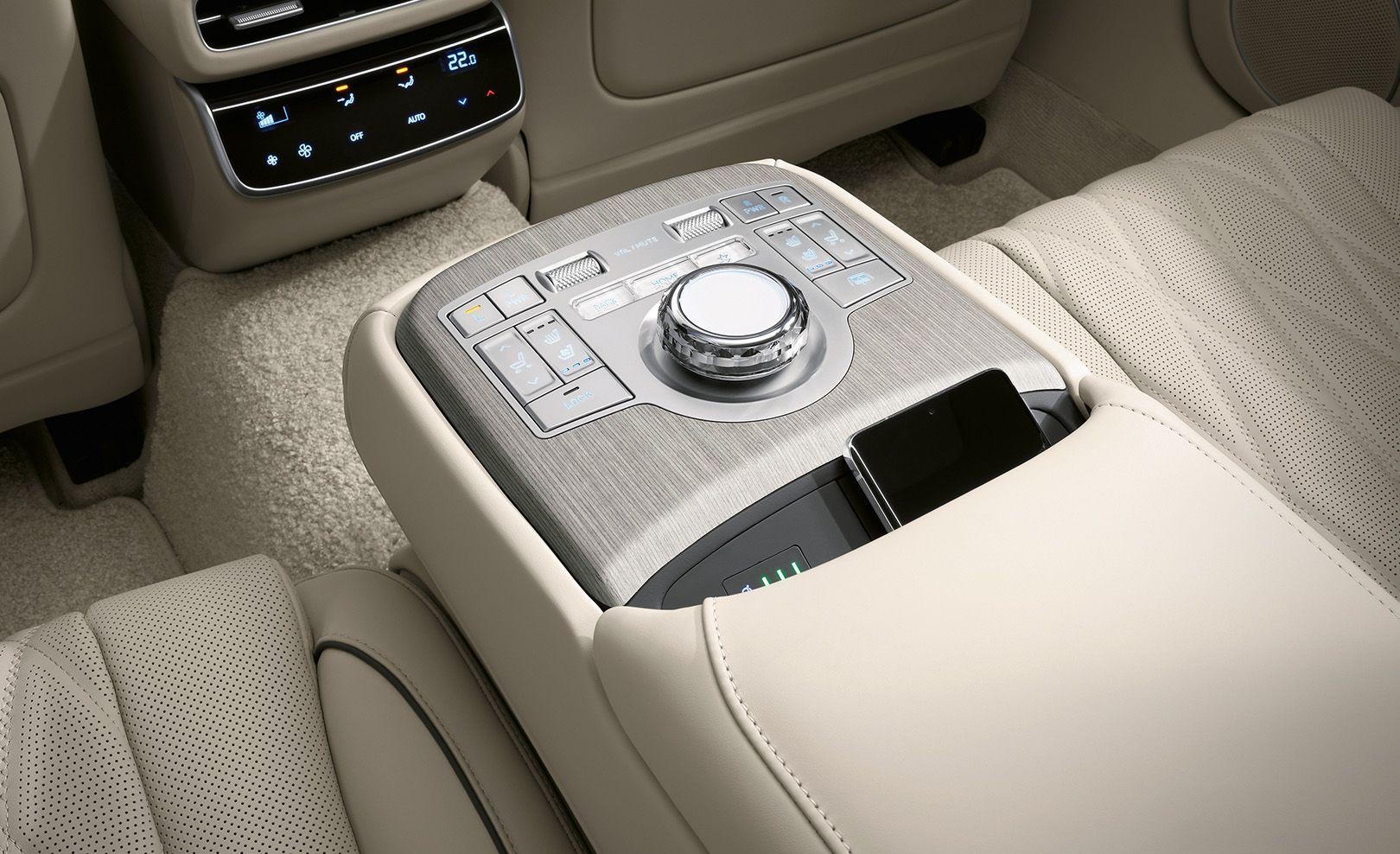
The center console armrest in the G90 flagship is particularly spectacular. It’s wide, deeply padded, and wrapped in materials that rival anything you’d find in a Mercedes S-Class or BMW 7 Series.
Genesis also pays attention to the door-mounted armrests. They are softly padded and positioned at an ideal height for resting your arm during relaxed city driving or highway cruising.
The brand also offers heated and ventilated armrests in select trims. This is a thoughtful touch that very few brands include, and it shows Genesis is thinking about comfort in all seasons.
The quilted patterns and contrast stitching on Genesis armrests are beautifully executed. These design choices add visual richness while also contributing to a tactile quality that feels genuinely premium.
Genesis proves that you don’t need a German badge to get world-class armrest comfort. They’ve built armrests that impress even experienced luxury car buyers who’ve owned European alternatives.
The durability of Genesis armrest materials also appears strong based on early ownership reports. The leather holds up well and the padding retains its shape even with daily use over extended periods.
For buyers seeking maximum comfort per dollar spent, Genesis armrests represent one of the best values in the automotive market today. They deliver a five-star experience at a four-star price.
Also Read: 10 Iconic American Car Names That Were Discontinued and Then Revived
5. Lexus
Lexus has always been about obsessive attention to detail, and their armrests are crafted with the same care and precision as every other element of their famously well-built interiors.
The armrests in Lexus vehicles feel extraordinarily well-finished. Every edge is smooth, every stitch is perfectly aligned, and the padding feels consistent from one end to the other without any lumpy spots.
Lexus uses semi-aniline leather in their higher trim levels that has a beautifully soft, almost velvety texture. This leather feels gentle on bare skin during warm weather drives without becoming sticky.
In the LS 500 Lexus’s flagship sedan the armrests are an experience unto themselves. The padding is deep, the leather is exquisitely soft, and the craftsmanship is simply flawless.
The center console armrest in the RX and NX SUVs is thoughtfully designed for everyday use. It sits at the perfect height for relaxed driving and provides excellent support without cramping your driving posture.
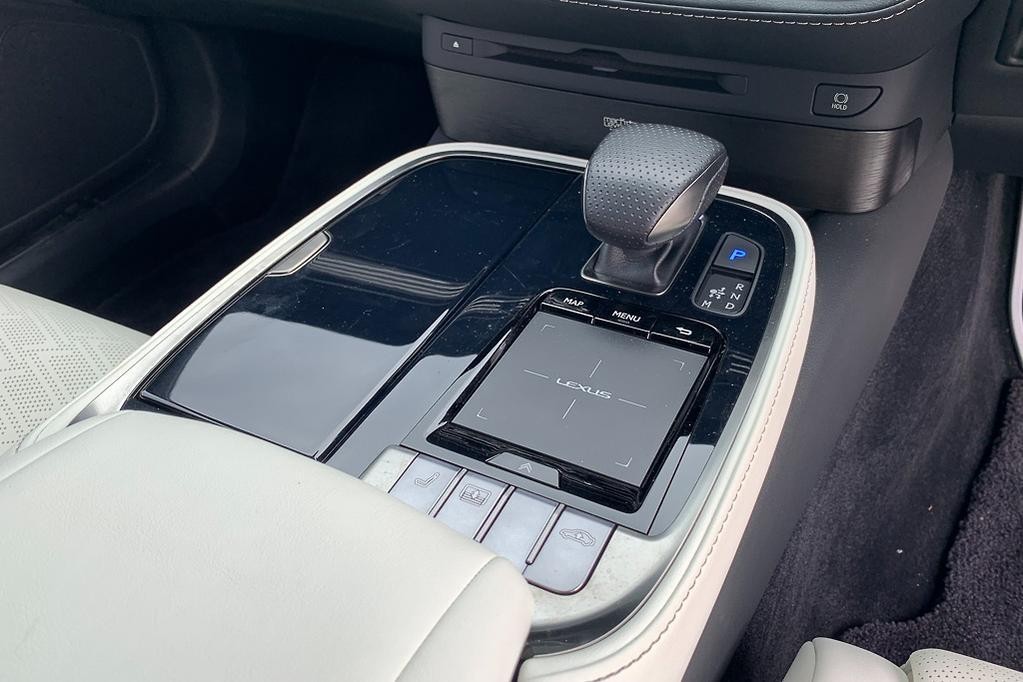
Lexus armrests feel built to last for decades. The padding doesn’t flatten out quickly, the leather doesn’t crack easily, and the stitching holds strong even with years of arm pressure and movement.
The Japanese manufacturing philosophy of Takumi craftsmanship is clearly visible in how Lexus builds armrests. Each surface is hand-checked for consistency and quality before the car leaves the factory.
Lexus door armrests are wide, generously padded, and covered in the same premium materials used throughout the rest of the interior. They feel like a natural extension of the seat itself.
In the LC 500 coupe, the armrests take on a sportier form but still maintain exceptional comfort. Even in a performance-oriented car, Lexus never sacrifices arm comfort for the sake of aesthetics.
The temperature feel of Lexus armrests is particularly noteworthy. Their leather doesn’t get scorching hot in summer or ice-cold in winter it moderates temperature more naturally than many competitors.
Lexus also carefully considers the transition between the seat cushion and the armrest. There’s no harsh gap or height mismatch everything flows together in a seamlessly ergonomic way.
For drivers who value quiet confidence over flashy design, Lexus armrests are deeply satisfying. They don’t scream luxury, but every time your arm rests on one, you feel exactly how much care went into it.
5 Brands That Feel Like Hard Plastic
In today’s market, even affordable vehicles are expected to deliver a certain level of material quality. Buyers are more informed, competitors are tighter than ever, and interior experience plays a major role in perceived value. That’s why it stands out when a brand still leans heavily on hard plastics across dashboards, door panels, and center consoles.
1. Mitsubishi
Mitsubishi has struggled to keep pace with modern interior standards for quite some time. Their armrests are one of the most obvious places where this lack of investment becomes painfully apparent.
In most current Mitsubishi models, the center console armrest is covered in a hard plastic shell with a thin layer of fabric or leatherette on top. The padding beneath is minimal at best.
After just twenty minutes of driving, you can feel the hard base pressing through the thin cushioning. It’s not a painful experience, but it’s noticeably less comfortable than almost any rival at the same price.
The Mitsubishi Outlander’s armrest is a particular disappointment given the vehicle’s otherwise improved 2022 refresh. The exterior and technology improved significantly but the armrests still feel like they belong in a much cheaper vehicle.
The leatherette material used by Mitsubishi feels stiff and plasticky. It doesn’t soften with heat or break in over time the way genuine leather or higher-grade synthetic materials do.
The door-mounted armrests in Mitsubishi vehicles are even more disappointing. They are narrow, lightly padded, and often positioned at an awkward height that requires you to slightly raise your shoulder.
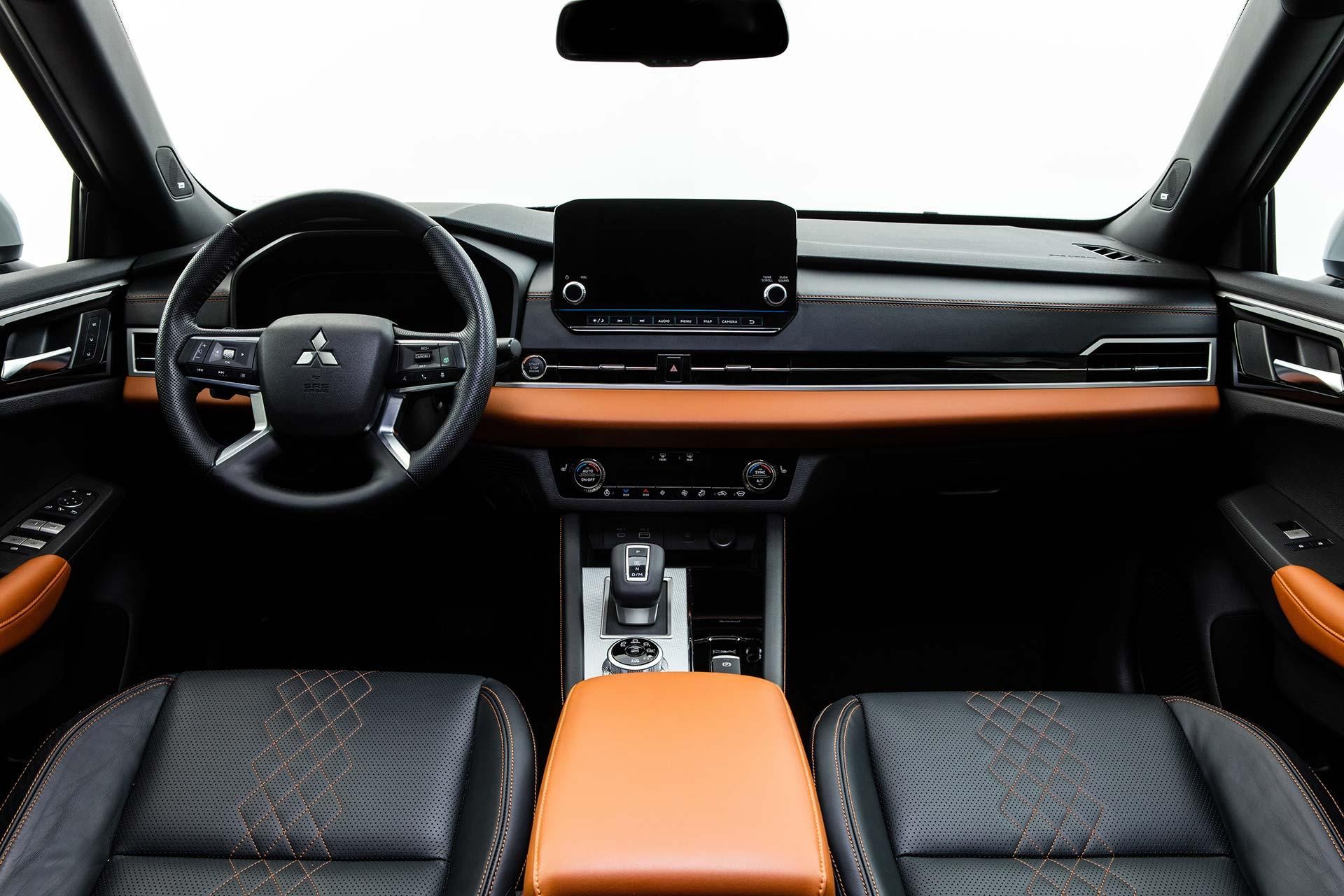
In the Eclipse Cross, the armrest height positioning feels slightly off for average-height drivers. Your arm either floats above it or rests at a slight upward angle that creates shoulder tension.
The width of Mitsubishi armrests is also below average. You’re resting just your elbow rather than your full forearm, which dramatically reduces the comfort benefit during longer drives.
Mitsubishi has made genuine improvements in many areas including safety technology and fuel efficiency. However, interior soft-touch surfaces and armrest comfort clearly haven’t received the same investment.
The foam used inside Mitsubishi armrests compresses quickly over time. Within a year or two of ownership, the padding flattens noticeably and the hard substrate beneath becomes much more detectable.
2. Nissan (Entry-Level Models)
Nissan makes excellent vehicles in many respects, but their entry-level and mid-range models have armrests that consistently disappoint drivers expecting basic comfort. The problem is almost entirely about padding quality.
In models like the Nissan Versa and Kicks, the armrests are little more than a hard plastic surface with a very thin foam topping. Pressing down firmly reveals the unyielding base almost immediately.
The material used on these armrests is a type of textured plastic or very basic fabric that doesn’t feel particularly good against skin. It has a rough texture that can be mildly abrasive on bare arms.
The center console armrest in the Nissan Sentra is similarly underwhelming. It does its job technically — it provides something to rest your arm on but comfort was clearly not the primary design objective.
What’s frustrating about Nissan is that their higher-end models like the Maxima and Murano do feature noticeably better armrests. The quality gap between their lineup segments is significant.
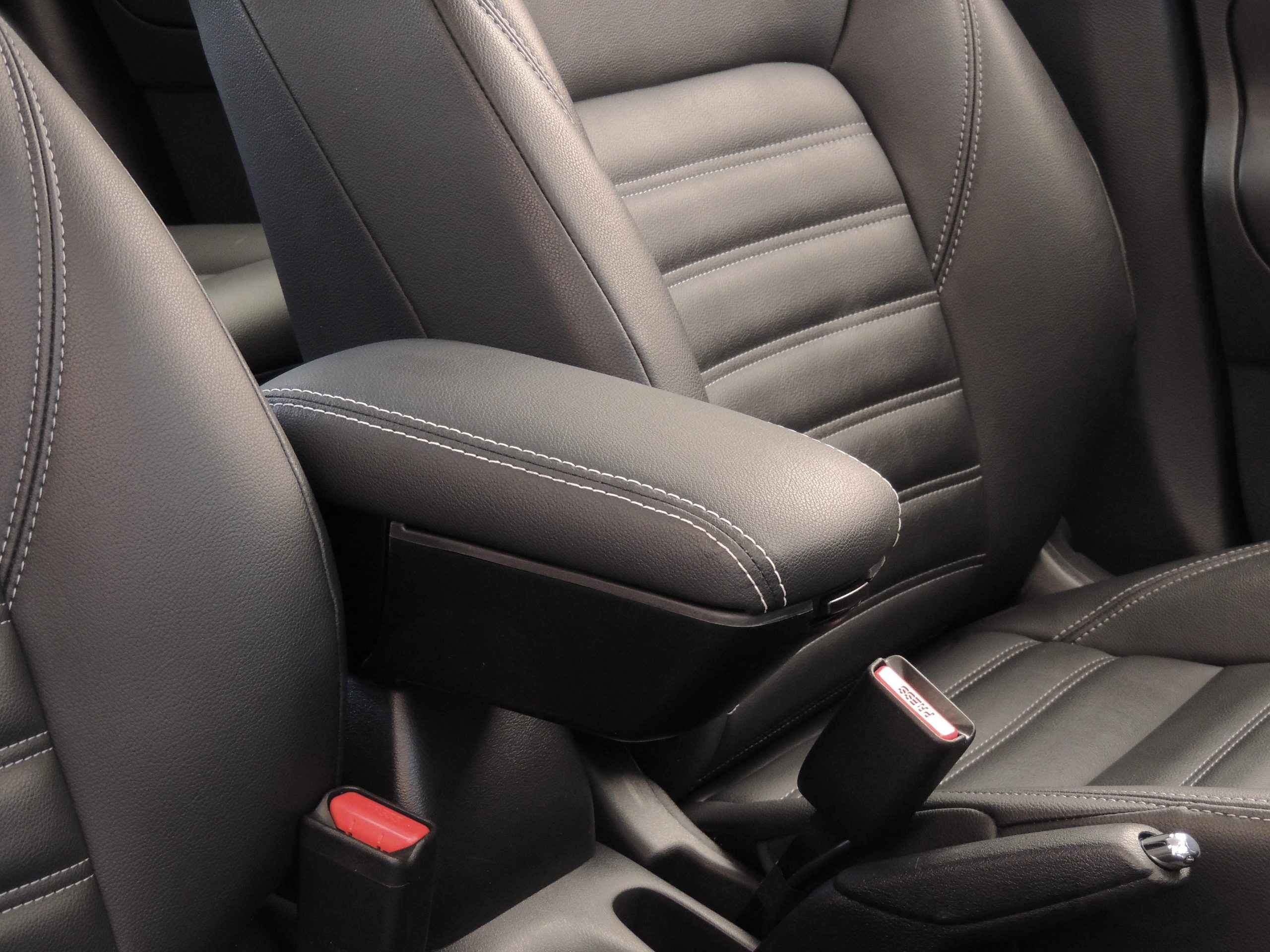
The Nissan Rogue in base trim has an armrest that divides opinions. Some drivers find it acceptable for short trips while others report significant discomfort during longer highway drives.
The door panel armrests in Nissan’s budget models are particularly thin and hard. They’re positioned low on the door card, which forces your elbow into an unnatural dropped position on longer drives.
Nissan uses a glossy plastic finish on some interior surfaces near the armrests that attracts scratches and fingerprints. This gives the whole center console area a worn and cheap look relatively quickly.
Height adjustability on Nissan entry-level armrests is non-existent. What you get from the factory is what you’re stuck with regardless of your height or preferred seating position.
3. Chevrolet (Base Trims)
Chevrolet builds millions of vehicles and focuses heavily on value, reliability, and practicality. Unfortunately, in their quest to hit competitive price points, armrest comfort in base trims often gets sacrificed first.
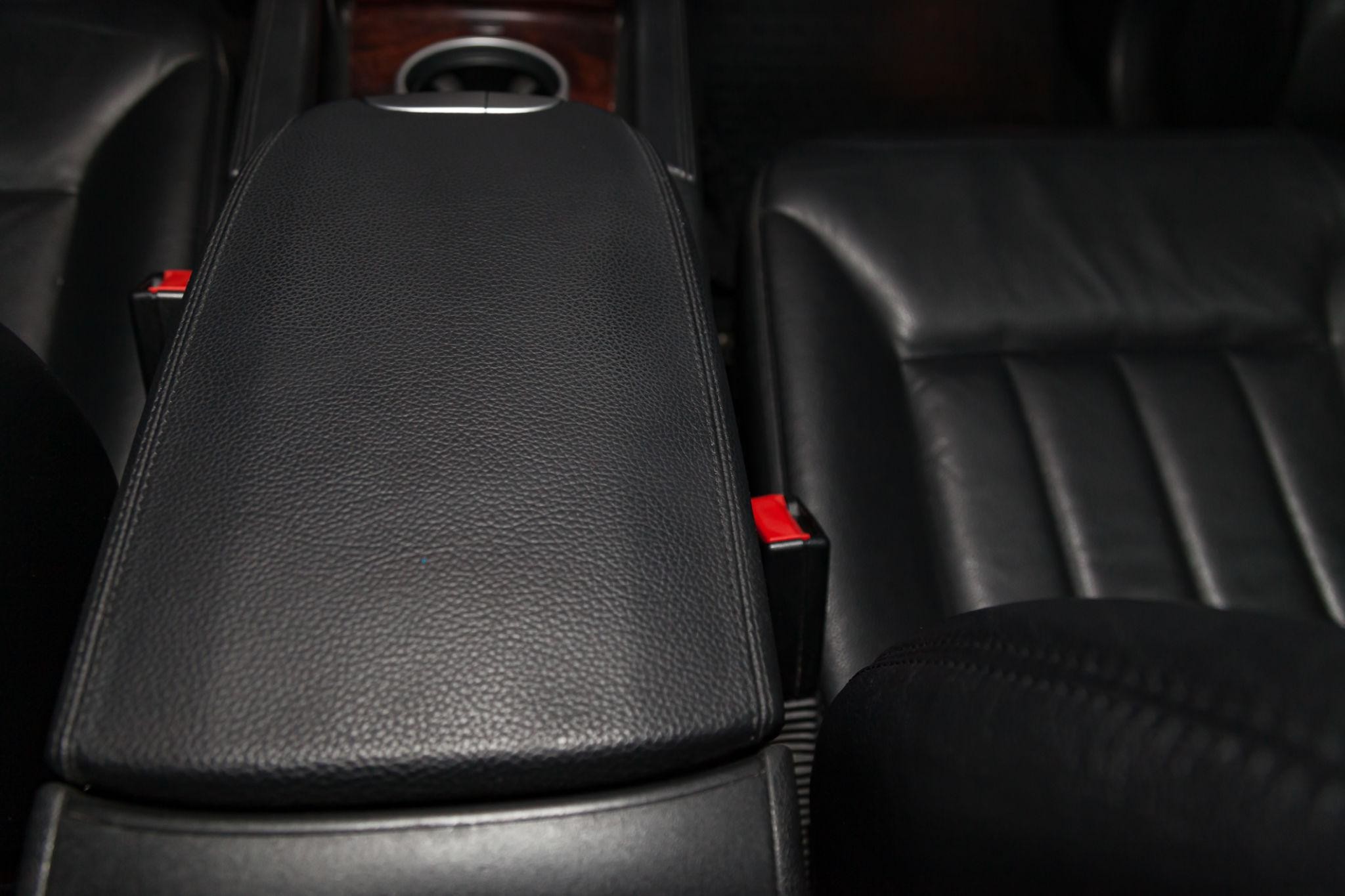
In the Chevrolet Trax and Trailblazer base versions, the armrests are noticeably thin. The padding has very little depth, and the surface material feels more like a firm foam-covered plank than a comfortable arm rest.
The Chevrolet Equinox in LS trim has an armrest situation that regularly appears in owner complaints. The center console lid is padded but the foam is so firm and thin that comfort is minimal.
Chevrolet uses a hard plastic bin design for their center consoles in entry models. The armrest lid that covers this storage area is the thinnest part of the whole assembly and offers little cushioning benefit.
The surface material used by Chevrolet in base trims tends to be a lightly grained vinyl. This material feels neither premium nor particularly soft, and it heats up uncomfortably in direct sunlight.
In the Silverado work trucks, the armrests are clearly designed for durability rather than comfort. This makes sense for a work vehicle, but it does mean long drives become noticeably tiring for your arm.
Chevrolet’s door-mounted armrests in lower trims are basic plastic panels with minimal padding inserts. They do little to support your arm properly during highway driving or extended city commuting.
The positioning of Chevrolet armrests tends to be acceptable — they’re not placed at an unusually wrong height. The problem is purely about material quality and padding thickness rather than ergonomic design.
Moving up to LT or Premier trims in Chevrolet vehicles does bring genuine improvements. Soft-touch materials become available and the armrest padding noticeably improves in both depth and quality.
4. Suzuki
Suzuki specializes in small, affordable cars primarily aimed at urban markets and developing economies. While this focus makes sense commercially, it results in armrests that are among the most basic you’ll encounter in any new car.
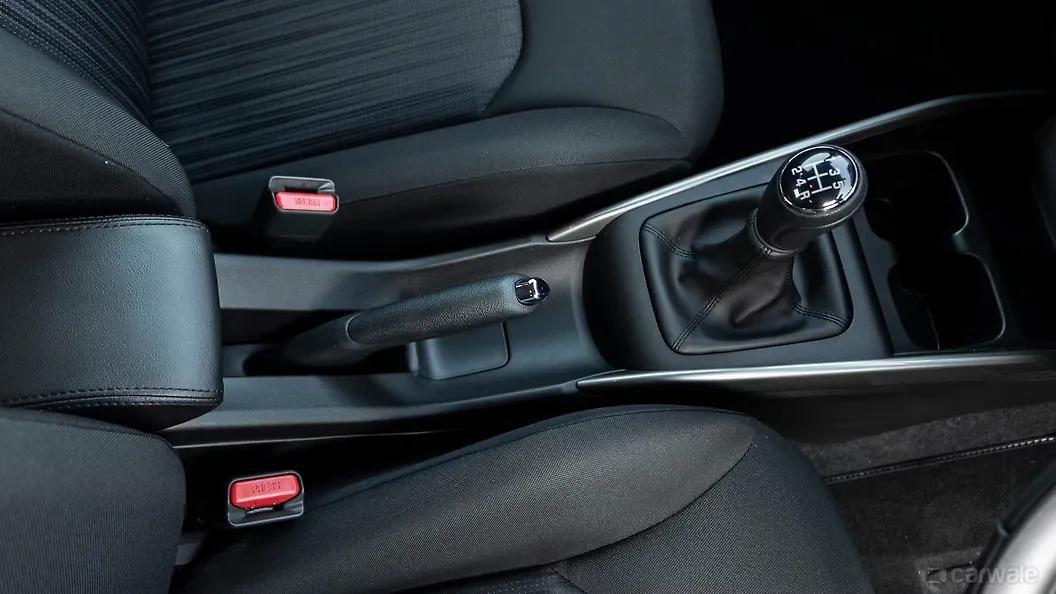
In the Suzuki Swift and Baleno, the center console armrest is a small, lightly padded unit that sits at an awkward height for most drivers. Its compact size means only your elbow fits on it rather than your whole forearm.
The padding in Suzuki armrests is extremely thin. A single firm press reveals the hard plastic base within millimeters, and during extended driving, this base makes itself known through the minimal foam layer.
Suzuki uses a basic fabric or rough leatherette covering on their armrests. Neither option is particularly pleasant against bare skin, especially in warmer climates where the material can feel slightly tacky.
The door armrests in Suzuki vehicles are essentially formed plastic with a modest curved shape. There is padding on them but it is so minimal that they function more as a visual armrest than a functional one.
In the Suzuki Vitara, which sits in a higher segment, there is a small improvement in armrest quality. However, even here the padding remains noticeably thin compared to rivals from Hyundai or Renault at similar prices.
The center console in many Suzuki models is narrower than average due to the compact body dimensions. This narrow console forces the armrest to be shorter and thinner than what you’d find in a larger vehicle.
Also Read: 8 Reasons to Take a Professional Driving Course Even as an Experienced Driver
5. Dacia
Dacia has built its entire brand identity around being the most affordable new cars on the market. This extreme value focus means every component is engineered to a cost, and the armrests make this philosophy abundantly clear.
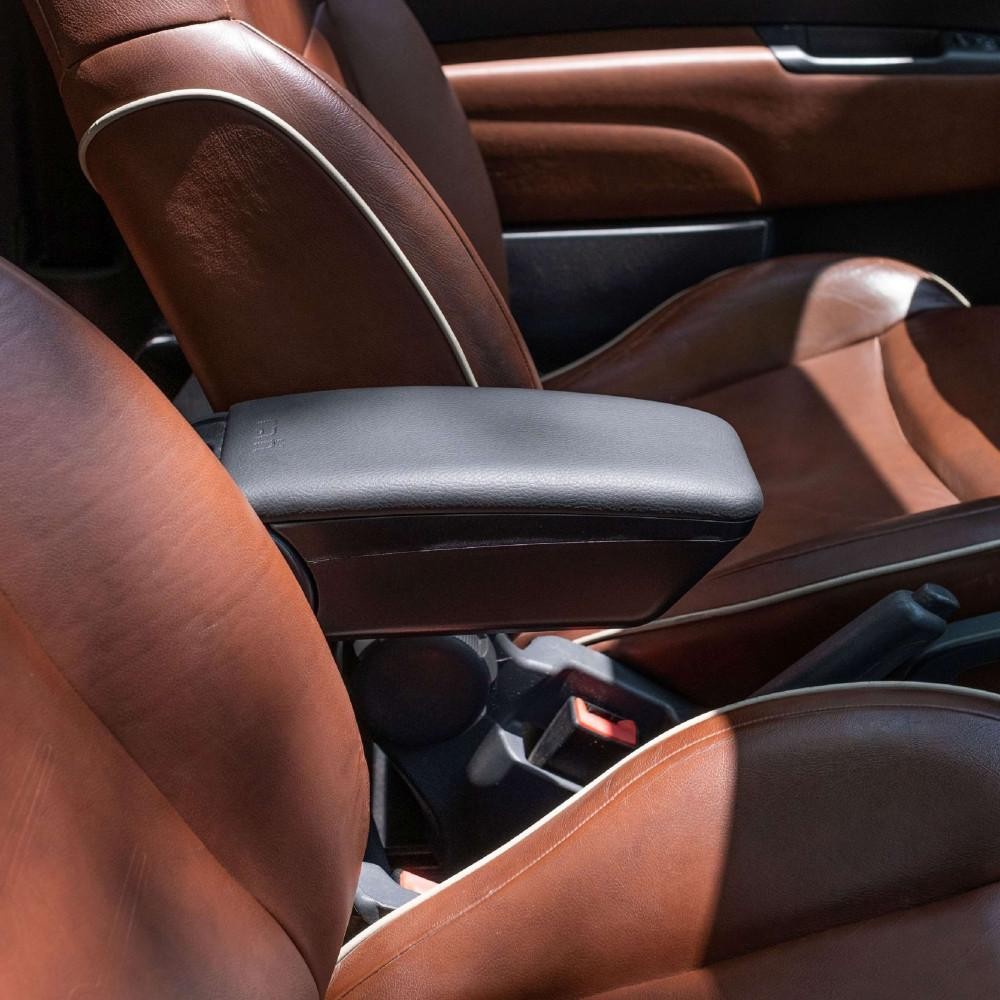
In the Dacia Sandero and Duster, the armrests are extremely basic. The center console armrest, where one even exists, is a narrow, hard unit that offers minimal support for your arm in any meaningful sense.
Some Dacia trim levels don’t include a padded center console armrest at all. Instead, drivers get a flat center console without any dedicated arm support, which is a jarring omission by modern standards.
Where Dacia does include an armrest, the padding is almost insultingly thin. The surface covering is a basic matte vinyl that feels rough to the touch and provides zero temperature regulation.
The door armrests in Dacia vehicles are formed plastic with a slight curve. There is no padding whatsoever on the door panel armrests in base trims just hard plastic shaped into an arm-rest-like form.
In the Dacia Jogger family car, there is a longer center console but the armrest quality remains unchanged. It’s wide enough but so lightly padded that the rigid base is continuously detectable during use.
Dacia’s interior plastic quality is notoriously hard throughout the cabin. The armrests are consistent with this theme hard, tough, and built to survive rather than built to comfort.
The positioning of Dacia armrests is actually not terrible from an ergonomic standpoint. The height is approximately correct. The failure is entirely in material quality and padding depth.
To be fair to Dacia, their buyers generally understand the trade-off they’re making. Extremely low purchase price means accepting compromises in interior refinement, and armrest comfort is one of the most visible of those compromises.
However, as Dacia moves upmarket with models like the Duster in higher specification, there is growing customer expectation for better interior quality. The armrests remain one of the weakest points in this regard.
Rival budget brands like Dacia’s sister brand Renault offer notably better armrests even in similarly priced configurations. This suggests that improving armrest comfort at this price point is achievable without dramatically increasing costs.
For Dacia buyers who prioritize budget above all else, the armrests are something to accept and adapt to. For anyone considering Dacia who spends significant time driving, a long test drive specifically paying attention to arm comfort is strongly recommended before committing.
Also Read: 10 Best Safety Features for Drivers Who Regularly Travel Nighttime Rural Roads
